Search

Shabbat 148

Want to dedicate learning? Get started here:

English
עברית
podcast placeholder

0:00
0:00


podcast placeholder

0:00
0:00


Summary

Today’s daf is sponsored by Julie Mendelsohn in honor of her son who is drafting into the army on Sunday. “My favorite study partner – I know you might not have time to listen to the daf every day, but we’ll all learn on your behalf while you defend us. B’ezrat Hashem – I hope you have a successful and meaningful service, and come home safe and sound. Love, Mom

Can one set a broken bone on Shabbat? Can one lend food items to someone else on Shabbat – is it like a business transaction? In what way can it be done so that it will not be. Loaning bread to someone can create a problem of loaning on interest – how and how can this be avoided? Can one demand the return of the value of the item in court if it was loaned on Shabbat? Raba and Rav Yosef debate this and the gemara tries to bring sources to prove who is right.

Shabbat 148

הֲלָכָה: מַחֲזִירִין אֶת הַשֶּׁבֶר. רַבָּה בַּר בַּר חָנָה אִיקְּלַע לְפוּמְבְּדִיתָא, לָא עָל לְפִירְקֵיהּ דְּרַב יְהוּדָה. שַׁדְּרֵיהּ לַאֲדָא דַּיָּילָא, אֲמַר לֵיהּ: זִיל גַּרְבֵּיהּ. אֲזַל גַּרְבֵּיהּ. אֲתָא, אַשְׁכְּחֵיהּ דְּקָא דָרֵישׁ: אֵין מַחֲזִירִין אֶת הַשֶּׁבֶר. אֲמַר לֵיהּ: הָכִי אָמַר רַב חָנָא בַּגְדָּתָאָה אָמַר שְׁמוּאֵל: הֲלָכָה — מַחֲזִירִין אֶת הַשֶּׁבֶר. אֲמַר לֵיהּ: הָא חָנָא דִּידַן, וְהָא שְׁמוּאֵל דִּידַן, וְלָא שְׁמִיעַ לִי — וְלָאו בְּדִינָא גְּרַבְתָּיךְ?!

The halakha is that one may reset a break on Shabbat, which was the ruling in Shmuel’s version of the mishna. The Gemara relates that Rabba bar bar Ḥana happened to come to Pumbedita and he did not enter Rav Yehuda’s lecture. Rav Yehuda sent for Adda, his attendant, and said to him: Go drag him to the lecture. He went and dragged him forcibly to the lecture (Rabbeinu Ḥananel). Rabba bar bar Ḥana came and found Rav Yehuda teaching that one may not reset a break on Shabbat. He said to him: This is what Rav Ḥana of Baghdad said that Shmuel said: The halakha is that one may reset a break on Shabbat. Rav Yehuda said to him: Ḥana is ours, a Babylonian scholar, and Shmuel is ours, and nevertheless, I did not yet hear this halakha; did I not rightfully drag you to the lecture?

מִי שֶׁנִּפְרְקָה יָדוֹ כּוּ׳. רַב אַוְיָא הֲוָה יָתֵיב קַמֵּיהּ דְּרַב יוֹסֵף, שַׁנְיָא לֵיהּ יְדֵיהּ. אֲמַר לֵיהּ: הָכִי מַאי? אָסוּר. וְהָכִי מַאי? אֲמַר לֵיהּ: אָסוּר. אַדְּהָכִי אִיתְּפַח יְדֵיהּ.

We learned in the mishna that one whose hand was dislocated may not treat it by vigorously moving it about in water. The Gemara relates that Rav Avya was once sitting before Rav Yosef and his hand became dislocated. Rav Avya then displayed a variety of hand positions and he said to him: What is the ruling with regard to this? Am I permitted to place my hand in this way, or is it a violation of the prohibition against healing on Shabbat? Rav Yosef said to him: It is prohibited. Rav Avya again asked: And what is the ruling if I position my hand in this way? Rav Yosef said to him: It is prohibited. In the meantime, his hand was restored to its proper location and was healed.

אֲמַר לֵיהּ: מַאי תִּיבְּעֵי לָךְ, הָא תְּנַן: מִי שֶׁנִּפְרְקָה יָדוֹ אוֹ רַגְלוֹ — לֹא יִטְרְפֵם בְּצוֹנֵן, אֲבָל רוֹחֵץ כְּדַרְכּוֹ, וְאִם נִתְרַפֵּא — נִתְרַפֵּא. אֲמַר לֵיהּ: וְלָא תְּנַן: ״אֵין מַחֲזִירִין אֶת הַשֶּׁבֶר״, וְאָמַר רַב חָנָא בַּגְדָּתָאָהּ אָמַר שְׁמוּאֵל: הֲלָכָה — מַחֲזִירִין אֶת הַשֶּׁבֶר! אֲמַר לֵיהּ: כּוּלְּהוּ בַּחֲדָא מְחִיתָא מְחִיתִּנְהוּ?! הֵיכָא דְּאִיתְּמַר — אִיתְּמַר, הֵיכָא דְּלָא אִיתְּמַר — לָא אִיתְּמַר.

Rav Yosef said to him: What is your dilemma? We learned in our mishna that one whose hand or foot was dislocated on Shabbat may not vigorously move it about in cold water; however, he may rinse it in the usual manner, and if it is healed, it is healed. Rav Avya said to him: That is no proof, as didn’t we learn in our mishna that one may not reset a break, and Rav Ḥana of Baghdad said that Shmuel said that the halakha is that one may indeed reset a broken bone. Therefore, perhaps a dislocated limb may also be treated on Shabbat. Rav Yosef said to him: Were all these woven together in a single weave? Where it was stated that an alternative version of the mishna exists, it was stated; where it was not stated, it was not stated. Therefore, the ruling of the mishna with regard to a dislocated limb must be observed.


הדרן עלך חבית

מַתְנִי׳ שׁוֹאֵל אָדָם מֵחֲבֵירוֹ כַּדֵּי יַיִן וְכַדֵּי שֶׁמֶן, וּבִלְבַד שֶׁלֹּא יֹאמַר לוֹ ״הַלְוֵינִי״. וְכֵן הָאִשָּׁה מֵחֲבֶירְתָּהּ כִּכָּרוֹת. וְאִם אֵינוֹ מַאֲמִינוֹ — מַנִּיחַ טַלִּיתוֹ אֶצְלוֹ, וְעוֹשֶׂה עִמּוֹ חֶשְׁבּוֹן לְאַחַר שַׁבָּת. וְכֵן עֶרֶב פֶּסַח בִּירוּשָׁלַיִם שֶׁחָל לִהְיוֹת בְּשַׁבָּת, מַנִּיחַ טַלִּיתוֹ אֶצְלוֹ, וְנוֹטֵל אֶת פִּסְחוֹ, וְעוֹשֶׂה עִמּוֹ חֶשְׁבּוֹן לְאַחַר יוֹם טוֹב.

MISHNA: One may borrow jugs of wine and jugs of oil from another on Shabbat, as long as one does not say the following to him: Loan me. And similarly, a woman may borrow from another loaves of bread on Shabbat. And if the lender does not trust him that he will return them, the borrower may leave his cloak with him as collateral and make the proper calculation with him after Shabbat. And similarly, on the eve of Passover in Jerusalem, when it occurs on Shabbat, one who is procuring a Paschal lamb may leave his cloak with him, i.e., the person from whom he is purchasing it, and take the lamb to bring as his Paschal lamb, and then make the proper calculation with him after the Festival.

גְּמָ׳ אֲמַר לֵיהּ רָבָא בַּר רַב חָנָן לְאַבָּיֵי: מַאי שְׁנָא הַשְׁאִילֵנִי, וּמַאי שְׁנָא הַלְוֵינִי? אֲמַר לֵיהּ: הַשְׁאִילֵנִי — לָא אָתֵי לְמִיכְתַּב, הַלְוֵינִי — אָתֵי לְמִיכְתַּב.

GEMARA: It was taught in the mishna that one is permitted to borrow jugs from another on Shabbat, but one may not use the phrase loan me. Rava bar Rav Ḥanan said to Abaye: What is different about the expression let me borrow, that makes it permitted? And what is different about the expression loan me that makes it prohibited? He said to him: If someone says let me borrow, the lender will not come to write down the loan because the expression indicates that the borrower intends to return the object in its current state within a short amount of time. On the other hand, the expression loan me indicates a more extended loan in which the object is not necessarily returned in exactly the same manner in which it was taken. Therefore, the lender will come to write down the terms of the loan.

וְהָא כֵּיוָן דִּבְחוֹל, זִימְנִין דְּבָעֵי לְמֵימַר לֵיהּ ״הַלְוֵינִי״ וַאֲמַר לֵיהּ ״הַשְׁאִילֵנִי״ וְלָא קָפֵיד עִילָּוֵיהּ — וְאָתֵי לְמִיכְתַּב, בְּשַׁבָּת נָמֵי אָתֵי לְמִיכְתַּב! אֲמַר לֵיהּ: (בְּחוֹל, דְּלָא שְׁנָא כִּי אֲמַר לֵיהּ ״הַלְוֵינִי״ לָא שְׁנָא כִּי אֲמַר לֵיהּ ״הַשְׁאִילֵנִי״, לָא קָפְדִינַן עִילָּוֵיהּ — אָתֵי לְמִיכְתַּב.) בְּשַׁבָּת כֵּיוָן דְּ״הַשְׁאִילֵנִי״ הוּא דְּשָׁרוּ לֵיהּ רַבָּנַן, ״הַלְוֵינִי״ לָא שָׁרוּ לֵיהּ — מִינַּכְרָא מִילְּתָא, וְלָא אָתֵי לְמִיכְתַּב.

Rava bar Rav Ḥanan challenged Abaye’s answer: But since on weekdays there are times one intends to say loan me and instead says let me borrow, and the lender is not particular about his imprecise terminology and he comes to write down the terms of the loan, on Shabbat he will also come to write. Abaye said to him: On a weekday, when there is no difference if one says loan me or let me borrow, lenders are not particular about his terminology, and the lender will therefore come to write down the terms of the loan. On Shabbat, since only the expression let me borrow was allowed by the Sages, while the expression loan me was not permitted, the matter is recognizable. Both of the parties must bear in mind which terminology is acceptable, and the lender will not come to write.

אֲמַר לֵיהּ רָבָא בַּר רַב חָנָן לְאַבָּיֵי: מִכְּדֵי אֲמַרוּ רַבָּנַן: כׇּל מִילֵּי דְּיוֹם טוֹב כַּמָּה דְּאֶפְשָׁר לְשַׁנּוֹיֵי מְשַׁנִּינַן, הָנֵי נְשֵׁי דְּמָלְיָין חַצְבַיְיהוּ מַיָּא, מַאי טַעְמָא לָא מְשַׁנְּיָן? מִשּׁוּם דְּלָא אֶפְשָׁר: הֵיכִי לַעֲבֵיד? דְּמָלְיָין בְּחַצְבָּא רַבָּא, לִימְלוֹ בְּחַצְבָּא זוּטָא — הָא קָא מַפְּשׁוּ בְּהִילּוּכָא. דְּמָלְיָין בְּחַצְבָּא זוּטָא, לִימְלוֹ בְּחַצְבָּא רַבָּא — קָא מַפְּשׁוּ בְּמַשּׂוֹי.

Rava bar Rav Ḥanan said to Abaye: Now, since the Sages said that with regard to all matters of a Festival, as much as we can change the way we do things from the manner in which we do them on weekdays, we change, these women who fill their pitchers with water, what is the reason they do not change the way they draw water from their normal weekday procedure? Abaye answers: Because it is not possible to change the procedure. How would they do it differently? If you say that those who normally fill a large pitcher should fill a small pitcher on a Festival, they would thereby add to their walking and expend extra effort. Conversely, if those who normally fill a small pitcher would fill a large pitcher on a Festival, they would thereby add to the weight of their load. Even though these methods are different from the norm, they would cause added exertion. Therefore, the Sages did not require that one draw water in an unusual fashion.

נִיפְרוֹס סוּדָרָא — אָתֵי לִידֵי סְחִיטָה. נְכַסְּיֵיהּ בְּנִכְתְּמָא — זִימְנִין דְּמִיפְּסַק, וְאָתֵי לְמִקְטְרֵיהּ. הִלְכָּךְ לָא אֶפְשָׁר.

If you say that, in order to draw water in an unusual manner, we should require a woman to spread a cloth over the vessel, she may come to violate the prohibition of squeezing water from the cloth. And if we would cover it with a lid, sometimes it is severed from the pitcher, and one will then come to tie it. Therefore, since it is impossible to require women to draw water any other way, women draw water on a Festival in the usual manner.

וַאֲמַר לֵיהּ רַבָּא בַּר רַב חָנָן לְאַבָּיֵי: תְּנַן לֹא מְסַפְּקִין, וְלֹא מְטַפְּחִין, וְלֹא מְרַקְּדִין בְּיוֹם טוֹב. וְקָא חָזֵינַן דְּעָבְדִין, וְלָא אָמְרִינַן לְהוּ וְלָא מִידֵּי! וּלְטַעְמָיךְ, הָא דְּאָמַר רַבָּא: לָא לִיתִּיב אִינִישׁ אַפּוּמָּא דְלֶחְיָיא, דִילְמָא מִיגַּנְדַּר לֵיהּ חֵפֶץ וְאָתֵי לְאֵיתוֹיֵי, וְהָא קָא חָזֵינַן נְשֵׁי דְּמַיְתְיָין חַצְבֵי וְיָתְבָן אַפּוּמָּא דִמְבוֹאָה, וְלָא אָמְרִינַן לְהוּ וְלָא מִידֵּי! אֶלָּא: הַנַּח לְיִשְׂרָאֵל, מוּטָב שֶׁיְּהוּ שׁוֹגְגִין וְאַל יְהוּ מְזִידִין.

And Rava bar Rav Ḥanan said to Abaye: Did we not learn in a mishna that one may not clap hands, or clap one’s hand against one’s body, or dance on a Festival? And we see, however, that people do these things, and we do not say anything to stop them. Abaye responded: And according to your reasoning, what about this halakha that Rava said: One may not sit on Shabbat at the entrance of a private alleyway next to the post, which delineates its boundaries, lest an object roll away into the public domain and he come to bring it back? And yet we see that women put down their jugs and sit at the entrance of the alleyway, and we do not say anything to stop them. Rather, in these matters we rely on a different principle: Leave the Jewish people alone, and do not rebuke them. It is better that they be unwitting in their halakhic violations and that they not be intentional sinners, for if they are told about these prohibitions they may not listen anyway.

סְבוּר מִינָּה הָנֵי מִילֵּי בִּדְרַבָּנַן, אֲבָל בִּדְאוֹרָיְיתָא — לָא. וְלָא הִיא, לָא שְׁנָא בִּדְרַבָּנַן וְלָא שְׁנָא בִּדְאוֹרָיְיתָא. דְּהָא תּוֹסֶפֶת דְּיוֹם הַכִּפּוּרִים דְּאוֹרָיְיתָא הִיא, וְקָא חָזֵינַן לְהוּ דְּקָאָכְלִי וְשָׁתוּ עַד שֶׁתֶּחְשַׁךְ וְלָא אָמְרִינַן לְהוּ וְלָא מִידֵּי.

There were those who understood from this statement that this halakha applies only to rabbinic prohibitions but not to Torah prohibitions, with regard to which we must certainly reprimand transgressors. However, that is not so. There is no difference between rabbinic prohibitions and Torah prohibitions. In both cases one does not reprimand those who violate unwittingly and would not listen to the reprimand. For the requirement of adding to Yom Kippur by beginning the fast while it is still day is from the Torah, and we see women who eat and drink on the eve of Yom Kippur up until nightfall, and we do not say anything to them. Thus, this rule, which applies to rabbinic prohibitions, applies to Torah prohibitions as well.

וְכֵן אִשָּׁה מֵחֲבֶירְתָּהּ כִּכָּרוֹת. בְּשַׁבָּת הוּא דַּאֲסִיר, אֲבָל בְּחוֹל — שַׁפִּיר דָּמֵי? לֵימָא מַתְנִיתִין דְּלָא כְּהִלֵּל, דִּתְנַן: וְכֵן הָיָה הִלֵּל אוֹמֵר: לֹא תַּלְוֶה אִשָּׁה כִּכָּר לַחֲבֶירְתָּהּ עַד שֶׁתַּעֲשֶׂנָּה דָּמִים, שֶׁמָּא יוּקְּרוּ חִטִּין וְנִמְצְאוּ בָּאוֹת לִידֵי רִבִּית!

We learned in the mishna: And similarly, a woman may borrow loaves of bread from another on Shabbat. However, as in the previous halakha, she may not ask for them using the word loan. The Gemara asks: Is it only on Shabbat that it is prohibited, but on a weekday it seems well. Is it permitted to borrow bread as a loan on a weekday? If so, let us say that the mishna is not in accordance with the opinion of Hillel, for we learned in a mishna: And thus Hillel would say: A woman may not loan a loaf of bread to another until she calculates its monetary value, lest wheat become more valuable and they come to violate the prohibition against lending with interest. If the price of wheat rises and the borrower returns the same sized loaf of bread, she will have returned something of greater value than what she borrowed, and therefore she will have paid interest on her loan. From here we see that even on weekdays it is prohibited to borrow a loaf of bread from another person.

אֲפִילּוּ תֵּימָא הִלֵּל, הָא — בְּאַתְרָא דְּקִיץ דְּמַיְהוּ, הָא — בְּאַתְרָא דְּלָא קִיץ דְּמַיְהוּ.

The Gemara answers: Even if you say that the mishna is in accordance with the opinion of Hillel, we may distinguish between the cases such that there is no contradiction: This case, in which the mishna permits borrowing a loaf of bread as a loan, is applicable in a place where the price of the loaf is set, while this statement, which was said by Hillel, is applicable in a place where its price is not set.

וְאִם אֵינוֹ מַאֲמִינוֹ. אִיתְּמַר הַלְווֹאַת יוֹם טוֹב, רַב יוֹסֵף אָמַר: לֹא נִיתְּנָה לִיתָּבַע, וְרַבָּה אָמַר: נִיתְּנָה לִיתָּבַע. רַב יוֹסֵף אָמַר לֹא נִיתְּנָה לִיתָּבַע: דְּאִי אָמַרְתָּ נִיתְּנָה לִיתָּבַע — אָתֵי לְמִיכְתַּב. רַבָּה אָמַר נִיתְּנָה לִיתָּבַע: דְּאִי אָמְרַתְּ לֹא נִיתְּנָה — לָא יָהֵיב לֵיהּ וְאָתֵי לְאִימְּנוֹעֵי מִשִּׂמְחַת יוֹם טוֹב.

The mishna taught further that if the lender does not trust the one who borrows from him on Shabbat or a Festival, the borrower may leave his cloak as collateral. On this topic, the Gemara cites that which was said in an amoraic dispute with regard to loans on a Festival: Rav Yosef said that such a loan cannot be claimed in court. Although the borrower is obligated to return the object or reimburse the lender, the lender cannot force him to do so by taking legal action. And Rabba said that such a loan is like any other type of loan and can be claimed in court. The Gemara explains these two positions: Rav Yosef said that a loan made on a Festival cannot be claimed in court, for if you say that it can be claimed, there is a concern that the lender may come to write the details of the loan on the Festival so that he can claim it later. Rabba said that it can be claimed, for if you say that it cannot be claimed, the lender will not give him anything to borrow, and the potential borrower will refrain from rejoicing on the Festival.

תְּנַן אִם אֵינוֹ מַאֲמִינוֹ — מַנִּיחַ טַלִּיתוֹ אֶצְלוֹ: אִי אָמְרַתְּ בִּשְׁלָמָא לֹא נִיתְּנָה לִיתָּבַע — מִשּׁוּם הָכִי מַנִּיחַ טַלִּיתוֹ אֶצְלוֹ וְעוֹשֶׂה עִמּוֹ חֶשְׁבּוֹן לְאַחַר שַׁבָּת. אֶלָּא אִי אָמְרַתְּ נִיתְּנָה לִיתָּבַע, אַמַּאי מַנִּיחַ טַלִּיתוֹ אֶצְלוֹ? לִיתֵּן לֵיהּ וְלִתְבְּעֵיהּ! אָמַר: לָא בָּעֵינָא דְּלֵיקוּם בְּדִינָא וְדַיָּינָא.

We learned in the mishna that if he does not trust him, he may leave his cloak with him as collateral. The Gemara attempts to show that this halakha supports Rav Yosef’s position: Granted, this halakha makes sense if you say that loans given on a Festival cannot be claimed, in accordance with Rav Yosef’s position. Due to this, he leaves his cloak with him and makes a calculation with him after Shabbat. However, if you say that loans given on a Festival can indeed be claimed in court, why then would he leave his cloak with him? Let him give him the item on loan and bring him to court if he does not return it. The Gemara rejects this argument because the lender can say: I do not want to stand in judgment before judges; he may prefer taking collateral so that he will not need to go to court at a later time.

מֵתִיב רַב אִידִי בַּר אָבִין: הַשּׁוֹחֵט אֶת הַפָּרָה וְחִילְּקָהּ בְּרֹאשׁ הַשָּׁנָה. אִם הָיָה חֹדֶשׁ מְעוּבָּר — מְשַׁמֵּט. וְאִם לָאו — אֵינוֹ מְשַׁמֵּט.

Rav Idi bar Avin raised an objection to the view of Rav Yosef, based on a mishna pertaining to one who slaughters a cow and divides it among purchasers on Rosh HaShana of a year that follows the Sabbatical Year [shemitta]. Even during the times of the Temple, they were already celebrating two days of Rosh HaShana. The first day was possibly the last day of the month of Elul and possibly the first day of the month of Tishrei, which is the actual date of Rosh Hashana. The question therefore arises as to whether those who bought the meat of the cow initiated their debt on the final day of the Sabbatical Year, in which case the debts would be canceled, or whether the transactions took place on the first day of the following year, in which case the debts may still be collected. The mishna said that if it becomes clear that Elul of the previous year was a full thirty-day month, the Sabbatical Year cancels the debts because the very end of the Sabbatical Year cancels the ability to collect all previous debts. And if this was not the case, and the first day of Rosh HaShana was actually the first day of the new year, the Sabbatical Year does not cancel the loan.

וְאִי לֹא נִיתְּנָה לִיתָּבַע — מַאי ״מְשַׁמֵּט״? שָׁאנֵי הָתָם דְּאִיגַּלַּאי מִילְּתָא דְּחוֹל הוּא.

Based on that mishna, Rav Idi bar Avin makes the following argument: If a loan given on a Festival cannot be claimed in court, what is the meaning of the word cancels? In any event, the lender could not have presented his claim against the borrower in court. The Gemara rejects this argument: It is different there, in an instance in which the month of Elul has thirty days, for it has become clear that the first day of Rosh HaShana was a regular weekday. The loan could therefore be claimed in court, if not for the fact that it was canceled by the Sabbatical Year.

תָּא שְׁמַע מִסֵּיפָא: אִם לָאו — אֵינוֹ מְשַׁמֵּט. אִי אָמְרַתְּ בִּשְׁלָמָא נִיתְּנָה לִיתָּבַע — הַיְינוּ דְּקָתָנֵי ״אֵינוֹ מְשַׁמֵּט״. אֶלָּא אִי אָמְרַתְּ לֹא נִיתְּנָה לִיתָּבַע, אַמַּאי אֵינוֹ מְשַׁמֵּט? דְּאִי יָהֵיב לֵיהּ — שָׁקֵיל.

The Gemara attempts to bring a different proof: Come and hear a proof for this from what we learned in the latter clause of that mishna: If the month of Elul did not turn out to be a full month, such that the first day of Rosh HaShana was actually the first day of the new year, the Sabbatical Year does not cancel the loan. Granted, if you say that a loan given on a Festival can be claimed, that which was taught that it does not cancel the loan is understandable. But if you say that it cannot be claimed, why does it teach that it does not cancel the loan? In any event, the lender cannot make a claim on it in court. The Gemara explains: A loan given on a Festival cannot be claimed in court, but since it has not been canceled, if the borrower gives him the money he may take it.

מִכְּלָל דְּרֵישָׁא אִי יָהֵיב לֵיהּ — לָא שָׁקֵיל?! רֵישָׁא — צָרִיךְ לְמֵימַר לֵיהּ ״מְשַׁמֵּט אֲנִי״, סֵיפָא — לָא צָרִיךְ לְמֵימַר לֵיהּ ״מְשַׁמֵּט אֲנִי״. כְּדִתְנַן: הַמַּחֲזִיר חוֹב בַּשְּׁבִיעִית, יֹאמַר לוֹ: ״מְשַׁמֵּט אֲנִי״.

The Gemara is surprised at this statement: Does this prove by inference that, in the first clause of the mishna, if the borrower gives him the money, he may not take it? One does not have to refuse repayment of a loan that the Sabbatical Year has canceled. One is simply not allowed to demand repayment from the borrower. The Gemara explains the difference between the two clauses of the mishna: In the first clause of the mishna, in which the first day of Rosh HaShana turned out to be the last day of Elul, the lender must say to him: I relinquish my claim against you. However, in the latter clause of the mishna, in which the first day of Rosh HaShana is the first day of the new year, he does not need to say to him: I relinquish my claim. This is as we learned in a mishna: When one repays a debt during the Sabbatical Year, the lender should say to him: I relinquish my claim.

וְאִם אָמַר לוֹ ״אַף עַל פִּי כֵן״ — יְקַבֵּל מִמֶּנּוּ, מִשּׁוּם שֶׁנֶּאֱמַר: ״וְזֶה דְּבַר הַשְּׁמִטָּה״.

And if the borrower says to him: Nonetheless, I want to repay you, he may accept it due to that which is stated: “And this is the manner of the release [devar hashemitta], every creditor shall release that which he has lent to his neighbor; he shall not exact it of his neighbor or brother because the Lord’s Sabbatical Year has been proclaimed” (Deuteronomy 15:2). The manner of the release, devar hashemitta, can be rendered: The statement of release. The Sages derived that, although the creditor must verbally release the debtor from obligation, if the debtor persists in his desire to repay the debt, the creditor may accept payment. If, however, the loan was made after the Sabbatical Year, as is the case in the latter clause of the mishna, the creditor need not verbally release the debtor from obligation.

רַב אַוְיָא שָׁקֵיל מַשְׁכּוֹנָא. רַבָּה בַּר עוּלָּא מִיעָרַם אִיעָרוֹמֵי.

The Gemara relates that Rav Avya would take collateral for loans that he gave on a Festivals. Rabba bar Ulla would circumvent the issue by taking something from the borrower after the conclusion of the Festival and holding onto it until the repayment of the loan.

וְכֵן עֶרֶב פֶּסַח. אָמַר רַבִּי יוֹחָנָן: מַקְדִּישׁ אָדָם פִּסְחוֹ בְּשַׁבָּת, וַחֲגִיגָתוֹ בְּיוֹם טוֹב. נֵימָא מְסַיַּיע לֵיהּ: וְכֵן עֶרֶב פֶּסַח בִּירוּשָׁלַיִם שֶׁחָל לִהְיוֹת בְּשַׁבָּת מַנִּיחַ טַלִּיתוֹ אֶצְלוֹ, וְנוֹטֵל אֶת פִּסְחוֹ וְעוֹשֶׂה עִמּוֹ חֶשְׁבּוֹן לְאַחַר יוֹם טוֹב.

We learned in the mishna: And similarly, on the eve of Passover in Jerusalem, when it occurs on Shabbat, one who needs to obtain an animal for the Paschal lamb may leave his cloak with the owner of the lamb as collateral and then make the appropriate calculations with him after the Festival. Rabbi Yoḥanan said: A person may consecrate his Paschal lamb on Shabbat and his Festival peace-offering on the Festival. The Gemara suggests: Shall we say that the mishna supports him? It states: And similarly, on the eve of Passover in Jerusalem which occurred on Shabbat, one may leave one’s cloak with him and take his Paschal lamb and make the appropriate calculation with him after the Festival. Here, we see that the lamb itself is consecrated on Shabbat, which follows the opinion of Rabbi Yoḥanan.

הָכָא בְּמַאי עָסְקִינַן — בְּמַמְנֶה אֲחֵרִים עִמּוֹ עַל פִּסְחוֹ, דְּמֵעִיקָּרָא מִיקַּדַּשׁ וְקָאֵי.

The Gemara rejects this suggestion: This is not necessarily the case, for with what are we dealing here? With a case in which one registers others to participate with him in bringing his Paschal lamb. In other words, the case is not one in which a person consecrates a previously unconsecrated animal but rather a case in which one allows others to join with him in registering for an animal that was already consecrated from the outset.

וְהָא אֲנַן תְּנַן: אֵין נִמְנִין עַל הַבְּהֵמָה בַּתְּחִילָּה בְּיוֹם טוֹב! שָׁאנֵי הָכָא, כֵּיוָן דְּרָגִיל אֶצְלוֹ — כְּמַאן דְּאִימְּנִי בֵּיהּ מֵעִיקָּרָא דָּמֵי.

The Gemara challenges this: But we learned in a mishna: One may not initially register for an animal on the Festival. Therefore, even if the animal has been consecrated in advance, it is prohibited to register for it on the Festival, and it should certainly be prohibited to do so on Shabbat. The Gemara answers: The case here is different. Since each person who joins regularly registers together with him, the legal status of that person is like that of one who registered for it from the outset.

וְהָא תָּנֵי רַבִּי הוֹשַׁעְיָא: הוֹלֵךְ אָדָם אֵצֶל רוֹעֶה הָרָגִיל אֶצְלוֹ וְנוֹתֵן לוֹ טָלֶה לְפִסְחוֹ וּמַקְדִּישׁוֹ וְיוֹצֵא בּוֹ! הָתָם נָמֵי, כֵּיוָן דְּרָגִיל אֶצְלוֹ — אַקְדּוֹשֵׁי [מַקְדֵּישׁ] לֵיהּ מֵעִיקָּרָא. וְהָא ״מַקְדִּישׁ״ קָתָנֵי? הֶקְדֵּשׁ עִילּוּי מִדְּרַבָּנַן.

The Gemara raises another proof to the view of Rabbi Yoḥanan: But Rabbi Hoshaya taught: One who wants to bring a Paschal lamb and does not have his own lamb may go to a shepherd to whom he normally goes, and the shepherd may give him a lamb to be used for his Paschal lamb, and he may consecrate it and fulfill his obligation with it. This indicates that one may consecrate an animal on Shabbat. The Gemara answers: There, too, it is referring to a special case. Since he normally goes to him every year, the shepherd has already consecrated it beforehand, prior to Shabbat. The Gemara challenges this explanation: But it taught that one may consecrate it, indicating that the animal is only now being consecrated. The Gemara answers: This is not an actual sanctification in the normal sense, but rather consecration by valuation. By consecrating their animals on their own, the owners add further sanctity to the offering. This process is merely rabbinic, and it may be performed on Shabbat according to all opinions.

וּמִי אָמַר רַבִּי יוֹחָנָן הָכִי? וְהָא אָמַר רַבִּי יוֹחָנָן: הֲלָכָה כִּסְתַם מִשְׁנָה, וּתְנַן: לֹא מַקְדִּישִׁין, וְלֹא מַעֲרִיכִין, וְלֹא מַחֲרִימִין, וְלֹא מַגְבִּיהִין תְּרוּמוֹת וּמַעַשְׂרוֹת, כׇּל אֵלּוּ — בְּיוֹם טוֹב אָמְרוּ, קַל וָחוֹמֶר בְּשַׁבָּת! לָא קַשְׁיָא: כָּאן בְּחוֹבוֹת שֶׁקָּבוּעַ לָהֶן זְמַן, כָּאן — בְּחוֹבוֹת שֶׁאֵין קָבוּעַ לָהֶן זְמַן.

The Gemara questions the very basis of this discussion: Did Rabbi Yoḥanan really say this? But Rabbi Yoḥanan stated as a general principle that the halakha is always in accordance with an unattributed mishna, i.e., a mishna that does not mention the name of the Sage whose ruling is quoted in the mishna. And we learned in an unattributed mishna: One may not consecrate, or take a valuation vow, or consecrate objects for use by the priests or the Temple, or separate terumot or tithes; they said all of these prohibitions with regard to a Festival, and it is an a fortiori inference that these activities are prohibited on Shabbat as well. How, then, would Rabbi Yoḥanan have permitted sanctifying an animal on Shabbat or on a Festival? The Gemara answers: This is not difficult. Here, in the case in which Rabbi Yoḥanan deems it permitted, it is referring to obligations that have a set time, such that if the person does not consecrate the animal right now he will no longer be able to fulfill the mitzva. There, in the mishna that prohibits these activities, the prohibition is referring to obligations that do not have a set time, and one can therefore consecrate the animal after Shabbat.

מַתְנִי׳ מוֹנֶה אָדָם אֶת אוֹרְחָיו וְאֶת פַּרְפְּרוֹתָיו מִפִּיו, אֲבָל לֹא מִן הַכְּתָב. מֵפִיס אָדָם עִם בָּנָיו וְעִם בְּנֵי בֵיתוֹ עַל הַשּׁוּלְחָן, וּבִלְבַד שֶׁלֹּא יִתְכַּוֵּין לַעֲשׂוֹת מָנָה גְּדוֹלָה כְּנֶגֶד מָנָה קְטַנָּה. וּמְטִילִין חֲלָשִׁין עַל הַקֳּדָשִׁים בְּיוֹם טוֹב, אֲבָל לֹא עַל הַמָּנוֹת.

MISHNA: One may count his guests who are coming to his meal and his appetizers, as long as he does so from memory; but one may not read them from a written list, the reason for which will be explained in the Gemara. A person may draw lots with his children and family members at the table on Shabbat, in order to determine who will receive which portion, as long as he does not intend to set a large portion against a small portion in such a lottery. Rather, the portions must be of equal size. And one may cast lots among the priests for sanctified foods on a Festival, but not for the specific portions.

New to Talmud?

Check out our resources designed to help you navigate a page of Talmud – and study at the pace, level and style that fits you. 

The Hadran Women’s Tapestry

Meet the diverse women learning Gemara at Hadran and hear their stories. 

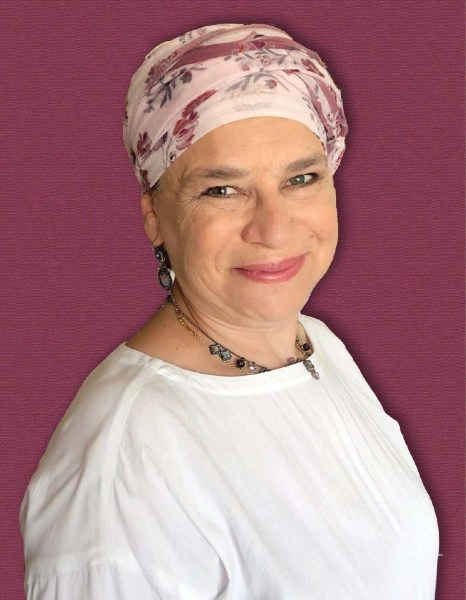
I learned daf more off than on 40 years ago. At the beginning of the current cycle, I decided to commit to learning daf regularly. Having Rabanit Michelle available as a learning partner has been amazing. Sometimes I learn with Hadran, sometimes with my husband, and sometimes on my own. It’s been fun to be part of an extended learning community.

Miriam Pollack
Miriam Pollack

Honolulu, Hawaii, United States

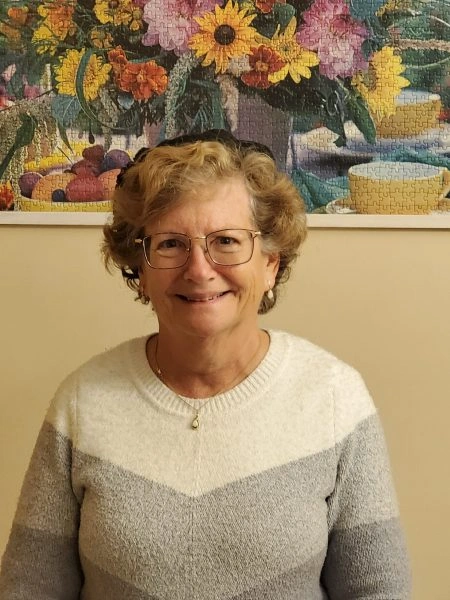
I started at the beginning of this cycle. No 1 reason, but here’s 5.
In 2019 I read about the upcoming siyum hashas.
There was a sermon at shul about how anyone can learn Talmud.
Talmud references come up when I am studying. I wanted to know more.
Yentl was on telly. Not a great movie but it’s about studying Talmud.
I went to the Hadran website: A new cycle is starting. I’m gonna do this

Denise Neapolitan
Denise Neapolitan

Cambridge, United Kingdom

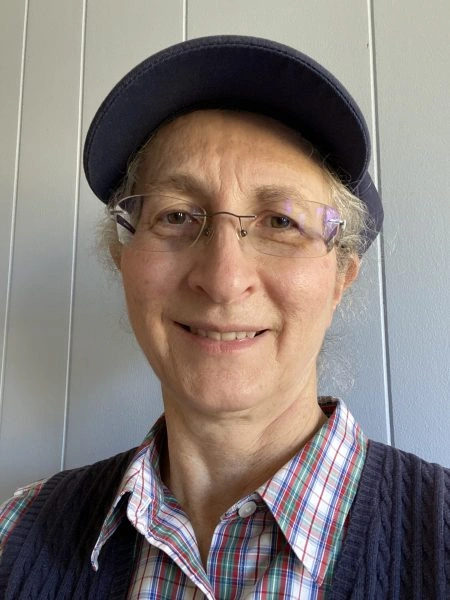
Michelle has been an inspiration for years, but I only really started this cycle after the moving and uplifting siyum in Jerusalem. It’s been an wonderful to learn and relearn the tenets of our religion and to understand how the extraordinary efforts of a band of people to preserve Judaism after the fall of the beit hamikdash is still bearing fruits today. I’m proud to be part of the chain!

Judith Weil
Judith Weil

Raanana, Israel

What a great experience to learn with Rabbanit Michelle Farber. I began with this cycle in January 2020 and have been comforted by the consistency and energy of this process throughout the isolation period of Covid. Week by week, I feel like I am exploring a treasure chest with sparkling gems and puzzling antiquities. The hunt is exhilarating.

Marian Frankston
Marian Frankston

Pennsylvania, United States

When we heard that R. Michelle was starting daf yomi, my 11-year-old suggested that I go. Little did she know that she would lose me every morning from then on. I remember standing at the Farbers’ door, almost too shy to enter. After that first class, I said that I would come the next day but couldn’t commit to more. A decade later, I still look forward to learning from R. Michelle every morning.

Ruth Leah Kahan
Ruth Leah Kahan

Ra’anana, Israel

When I began the previous cycle, I promised myself that if I stuck with it, I would reward myself with a trip to Israel. Little did I know that the trip would involve attending the first ever women’s siyum and being inspired by so many learners. I am now over 2 years into my second cycle and being part of this large, diverse, fascinating learning family has enhanced my learning exponentially.

Shira Krebs
Shira Krebs

Minnesota, United States

A few years back, after reading Ilana Kurshan’s book, “If All The Seas Were Ink,” I began pondering the crazy, outlandish idea of beginning the Daf Yomi cycle. Beginning in December, 2019, a month before the previous cycle ended, I “auditioned” 30 different podcasts in 30 days, and ultimately chose to take the plunge with Hadran and Rabbanit Michelle. Such joy!

Cindy Dolgin
Cindy Dolgin

HUNTINGTON, United States

I started learning Daf Yomi in January 2020 after watching my grandfather, Mayer Penstein z”l, finish shas with the previous cycle. My grandfather made learning so much fun was so proud that his grandchildren wanted to join him. I was also inspired by Ilana Kurshan’s book, If All the Seas Were Ink. Two years in, I can say that it has enriched my life in so many ways.

Leeza Hirt Wilner
Leeza Hirt Wilner

New York, United States

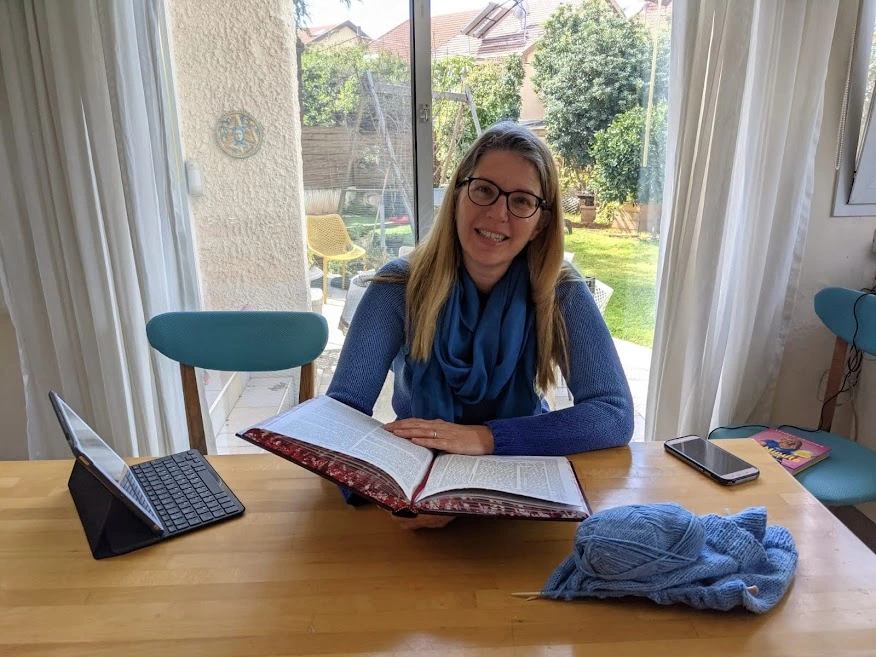
I started to listen to Michelle’s podcasts four years ago. The minute I started I was hooked. I’m so excited to learn the entire Talmud, and think I will continue always. I chose the quote “while a woman is engaged in conversation she also holds the spindle”. (Megillah 14b). It reminds me of all of the amazing women I learn with every day who multi-task, think ahead and accomplish so much.

Julie Mendelsohn
Julie Mendelsohn

Zichron Yakov, Israel

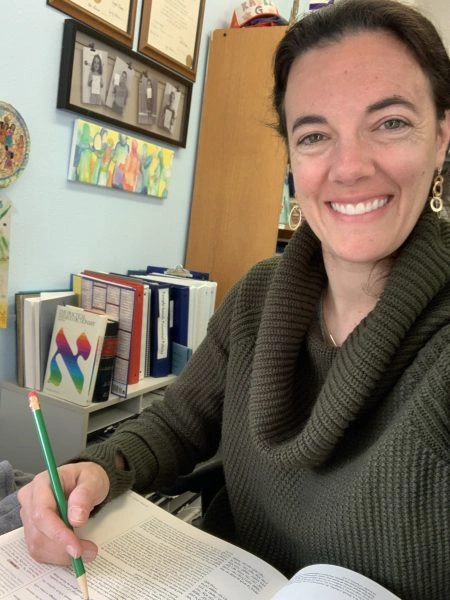
In January 2020, my teaching partner at IDC suggested we do daf yomi. Thanks to her challenge, I started learning daily from Rabbanit Michelle. It’s a joy to be part of the Hadran community. (It’s also a tikkun: in 7th grade, my best friend and I tied for first place in a citywide gemara exam, but we weren’t invited to the celebration because girls weren’t supposed to be learning gemara).

Sara-Averick-photo-scaled
Sara Averick

Jerusalem, Israel

When we heard that R. Michelle was starting daf yomi, my 11-year-old suggested that I go. Little did she know that she would lose me every morning from then on. I remember standing at the Farbers’ door, almost too shy to enter. After that first class, I said that I would come the next day but couldn’t commit to more. A decade later, I still look forward to learning from R. Michelle every morning.

Ruth Leah Kahan
Ruth Leah Kahan

Ra’anana, Israel

After experiences over the years of asking to join gemara shiurim for men and either being refused by the maggid shiur or being the only women there, sometimes behind a mechitza, I found out about Hadran sometime during the tail end of Masechet Shabbat, I think. Life has been much better since then.

Madeline Cohen
Madeline Cohen

London, United Kingdom

In early January of 2020, I learned about Siyyum HaShas and Daf Yomi via Tablet Magazine’s brief daily podcast about the Daf. I found it compelling and fascinating. Soon I discovered Hadran; since then I have learned the Daf daily with Rabbanit Michelle Cohen Farber. The Daf has permeated my every hour, and has transformed and magnified my place within the Jewish Universe.

Lisa Berkelhammer
Lisa Berkelhammer

San Francisco, CA , United States

I began daf yomi in January 2020 with Brachot. I had made aliya 6 months before, and one of my post-aliya goals was to complete a full cycle. As a life-long Tanach teacher, I wanted to swim from one side of the Yam shel Torah to the other. Daf yomi was also my sanity through COVID. It was the way to marking the progression of time, and feel that I could grow and accomplish while time stopped.

Leah Herzog
Leah Herzog

Givat Zev, Israel

I began my journey two years ago at the beginning of this cycle of the daf yomi. It has been an incredible, challenging experience and has given me a new perspective of Torah Sh’baal Peh and the role it plays in our lives

linda kalish-marcus
linda kalish-marcus

Efrat, Israel

The first month I learned Daf Yomi by myself in secret, because I wasn’t sure how my husband would react, but after the siyyum on Masechet Brachot I discovered Hadran and now sometimes my husband listens to the daf with me. He and I also learn mishnayot together and are constantly finding connections between the different masechtot.

Laura Warshawsky
Laura Warshawsky

Silver Spring, Maryland, United States

I am a Reform rabbi and took Talmud courses in rabbinical school, but I knew there was so much more to learn. It felt inauthentic to serve as a rabbi without having read the entire Talmud, so when the opportunity arose to start Daf Yomi in 2020, I dove in! Thanks to Hadran, Daf Yomi has enriched my understanding of rabbinic Judaism and deepened my love of Jewish text & tradition. Todah rabbah!

Rabbi Nicki Greninger

California, United States

I started learning Gemara at the Yeshivah of Flatbush. And I resumed ‘ברוך ה decades later with Rabbanit Michele at Hadran. I started from Brachot and have had an exciting, rewarding experience throughout seder Moed!

Anne Mirsky (1)
Anne Mirsky

Maale Adumim, Israel

I attended the Siyum so that I could tell my granddaughter that I had been there. Then I decided to listen on Spotify and after the siyum of Brachot, Covid and zoom began. It gave structure to my day. I learn with people from all over the world who are now my friends – yet most of us have never met. I can’t imagine life without it. Thank you Rabbanit Michelle.

Emma Rinberg
Emma Rinberg

Raanana, Israel

I started learning Talmud with R’ Haramati in Yeshivah of Flatbush. But after a respite of 60 years, Rabbanit Michelle lit my fire – after attending the last three world siyumim in Miami Beach, Meadowlands and Boca Raton, and now that I’m retired, I decided – “I can do this!” It has been an incredible journey so far, and I look forward to learning Daf everyday – Mazal Tov to everyone!

Roslyn Jaffe
Roslyn Jaffe

Florida, United States

Shabbat 148

הֲלָכָה: מַחֲזִירִין אֶת הַשֶּׁבֶר. רַבָּה בַּר בַּר חָנָה אִיקְּלַע לְפוּמְבְּדִיתָא, לָא עָל לְפִירְקֵיהּ דְּרַב יְהוּדָה. שַׁדְּרֵיהּ לַאֲדָא דַּיָּילָא, אֲמַר לֵיהּ: זִיל גַּרְבֵּיהּ. אֲזַל גַּרְבֵּיהּ. אֲתָא, אַשְׁכְּחֵיהּ דְּקָא דָרֵישׁ: אֵין מַחֲזִירִין אֶת הַשֶּׁבֶר. אֲמַר לֵיהּ: הָכִי אָמַר רַב חָנָא בַּגְדָּתָאָה אָמַר שְׁמוּאֵל: הֲלָכָה — מַחֲזִירִין אֶת הַשֶּׁבֶר. אֲמַר לֵיהּ: הָא חָנָא דִּידַן, וְהָא שְׁמוּאֵל דִּידַן, וְלָא שְׁמִיעַ לִי — וְלָאו בְּדִינָא גְּרַבְתָּיךְ?!

The halakha is that one may reset a break on Shabbat, which was the ruling in Shmuel’s version of the mishna. The Gemara relates that Rabba bar bar Ḥana happened to come to Pumbedita and he did not enter Rav Yehuda’s lecture. Rav Yehuda sent for Adda, his attendant, and said to him: Go drag him to the lecture. He went and dragged him forcibly to the lecture (Rabbeinu Ḥananel). Rabba bar bar Ḥana came and found Rav Yehuda teaching that one may not reset a break on Shabbat. He said to him: This is what Rav Ḥana of Baghdad said that Shmuel said: The halakha is that one may reset a break on Shabbat. Rav Yehuda said to him: Ḥana is ours, a Babylonian scholar, and Shmuel is ours, and nevertheless, I did not yet hear this halakha; did I not rightfully drag you to the lecture?

מִי שֶׁנִּפְרְקָה יָדוֹ כּוּ׳. רַב אַוְיָא הֲוָה יָתֵיב קַמֵּיהּ דְּרַב יוֹסֵף, שַׁנְיָא לֵיהּ יְדֵיהּ. אֲמַר לֵיהּ: הָכִי מַאי? אָסוּר. וְהָכִי מַאי? אֲמַר לֵיהּ: אָסוּר. אַדְּהָכִי אִיתְּפַח יְדֵיהּ.

We learned in the mishna that one whose hand was dislocated may not treat it by vigorously moving it about in water. The Gemara relates that Rav Avya was once sitting before Rav Yosef and his hand became dislocated. Rav Avya then displayed a variety of hand positions and he said to him: What is the ruling with regard to this? Am I permitted to place my hand in this way, or is it a violation of the prohibition against healing on Shabbat? Rav Yosef said to him: It is prohibited. Rav Avya again asked: And what is the ruling if I position my hand in this way? Rav Yosef said to him: It is prohibited. In the meantime, his hand was restored to its proper location and was healed.

אֲמַר לֵיהּ: מַאי תִּיבְּעֵי לָךְ, הָא תְּנַן: מִי שֶׁנִּפְרְקָה יָדוֹ אוֹ רַגְלוֹ — לֹא יִטְרְפֵם בְּצוֹנֵן, אֲבָל רוֹחֵץ כְּדַרְכּוֹ, וְאִם נִתְרַפֵּא — נִתְרַפֵּא. אֲמַר לֵיהּ: וְלָא תְּנַן: ״אֵין מַחֲזִירִין אֶת הַשֶּׁבֶר״, וְאָמַר רַב חָנָא בַּגְדָּתָאָהּ אָמַר שְׁמוּאֵל: הֲלָכָה — מַחֲזִירִין אֶת הַשֶּׁבֶר! אֲמַר לֵיהּ: כּוּלְּהוּ בַּחֲדָא מְחִיתָא מְחִיתִּנְהוּ?! הֵיכָא דְּאִיתְּמַר — אִיתְּמַר, הֵיכָא דְּלָא אִיתְּמַר — לָא אִיתְּמַר.

Rav Yosef said to him: What is your dilemma? We learned in our mishna that one whose hand or foot was dislocated on Shabbat may not vigorously move it about in cold water; however, he may rinse it in the usual manner, and if it is healed, it is healed. Rav Avya said to him: That is no proof, as didn’t we learn in our mishna that one may not reset a break, and Rav Ḥana of Baghdad said that Shmuel said that the halakha is that one may indeed reset a broken bone. Therefore, perhaps a dislocated limb may also be treated on Shabbat. Rav Yosef said to him: Were all these woven together in a single weave? Where it was stated that an alternative version of the mishna exists, it was stated; where it was not stated, it was not stated. Therefore, the ruling of the mishna with regard to a dislocated limb must be observed.

הדרן עלך חבית

מַתְנִי׳ שׁוֹאֵל אָדָם מֵחֲבֵירוֹ כַּדֵּי יַיִן וְכַדֵּי שֶׁמֶן, וּבִלְבַד שֶׁלֹּא יֹאמַר לוֹ ״הַלְוֵינִי״. וְכֵן הָאִשָּׁה מֵחֲבֶירְתָּהּ כִּכָּרוֹת. וְאִם אֵינוֹ מַאֲמִינוֹ — מַנִּיחַ טַלִּיתוֹ אֶצְלוֹ, וְעוֹשֶׂה עִמּוֹ חֶשְׁבּוֹן לְאַחַר שַׁבָּת. וְכֵן עֶרֶב פֶּסַח בִּירוּשָׁלַיִם שֶׁחָל לִהְיוֹת בְּשַׁבָּת, מַנִּיחַ טַלִּיתוֹ אֶצְלוֹ, וְנוֹטֵל אֶת פִּסְחוֹ, וְעוֹשֶׂה עִמּוֹ חֶשְׁבּוֹן לְאַחַר יוֹם טוֹב.

MISHNA: One may borrow jugs of wine and jugs of oil from another on Shabbat, as long as one does not say the following to him: Loan me. And similarly, a woman may borrow from another loaves of bread on Shabbat. And if the lender does not trust him that he will return them, the borrower may leave his cloak with him as collateral and make the proper calculation with him after Shabbat. And similarly, on the eve of Passover in Jerusalem, when it occurs on Shabbat, one who is procuring a Paschal lamb may leave his cloak with him, i.e., the person from whom he is purchasing it, and take the lamb to bring as his Paschal lamb, and then make the proper calculation with him after the Festival.

גְּמָ׳ אֲמַר לֵיהּ רָבָא בַּר רַב חָנָן לְאַבָּיֵי: מַאי שְׁנָא הַשְׁאִילֵנִי, וּמַאי שְׁנָא הַלְוֵינִי? אֲמַר לֵיהּ: הַשְׁאִילֵנִי — לָא אָתֵי לְמִיכְתַּב, הַלְוֵינִי — אָתֵי לְמִיכְתַּב.

GEMARA: It was taught in the mishna that one is permitted to borrow jugs from another on Shabbat, but one may not use the phrase loan me. Rava bar Rav Ḥanan said to Abaye: What is different about the expression let me borrow, that makes it permitted? And what is different about the expression loan me that makes it prohibited? He said to him: If someone says let me borrow, the lender will not come to write down the loan because the expression indicates that the borrower intends to return the object in its current state within a short amount of time. On the other hand, the expression loan me indicates a more extended loan in which the object is not necessarily returned in exactly the same manner in which it was taken. Therefore, the lender will come to write down the terms of the loan.

וְהָא כֵּיוָן דִּבְחוֹל, זִימְנִין דְּבָעֵי לְמֵימַר לֵיהּ ״הַלְוֵינִי״ וַאֲמַר לֵיהּ ״הַשְׁאִילֵנִי״ וְלָא קָפֵיד עִילָּוֵיהּ — וְאָתֵי לְמִיכְתַּב, בְּשַׁבָּת נָמֵי אָתֵי לְמִיכְתַּב! אֲמַר לֵיהּ: (בְּחוֹל, דְּלָא שְׁנָא כִּי אֲמַר לֵיהּ ״הַלְוֵינִי״ לָא שְׁנָא כִּי אֲמַר לֵיהּ ״הַשְׁאִילֵנִי״, לָא קָפְדִינַן עִילָּוֵיהּ — אָתֵי לְמִיכְתַּב.) בְּשַׁבָּת כֵּיוָן דְּ״הַשְׁאִילֵנִי״ הוּא דְּשָׁרוּ לֵיהּ רַבָּנַן, ״הַלְוֵינִי״ לָא שָׁרוּ לֵיהּ — מִינַּכְרָא מִילְּתָא, וְלָא אָתֵי לְמִיכְתַּב.

Rava bar Rav Ḥanan challenged Abaye’s answer: But since on weekdays there are times one intends to say loan me and instead says let me borrow, and the lender is not particular about his imprecise terminology and he comes to write down the terms of the loan, on Shabbat he will also come to write. Abaye said to him: On a weekday, when there is no difference if one says loan me or let me borrow, lenders are not particular about his terminology, and the lender will therefore come to write down the terms of the loan. On Shabbat, since only the expression let me borrow was allowed by the Sages, while the expression loan me was not permitted, the matter is recognizable. Both of the parties must bear in mind which terminology is acceptable, and the lender will not come to write.

אֲמַר לֵיהּ רָבָא בַּר רַב חָנָן לְאַבָּיֵי: מִכְּדֵי אֲמַרוּ רַבָּנַן: כׇּל מִילֵּי דְּיוֹם טוֹב כַּמָּה דְּאֶפְשָׁר לְשַׁנּוֹיֵי מְשַׁנִּינַן, הָנֵי נְשֵׁי דְּמָלְיָין חַצְבַיְיהוּ מַיָּא, מַאי טַעְמָא לָא מְשַׁנְּיָן? מִשּׁוּם דְּלָא אֶפְשָׁר: הֵיכִי לַעֲבֵיד? דְּמָלְיָין בְּחַצְבָּא רַבָּא, לִימְלוֹ בְּחַצְבָּא זוּטָא — הָא קָא מַפְּשׁוּ בְּהִילּוּכָא. דְּמָלְיָין בְּחַצְבָּא זוּטָא, לִימְלוֹ בְּחַצְבָּא רַבָּא — קָא מַפְּשׁוּ בְּמַשּׂוֹי.

Rava bar Rav Ḥanan said to Abaye: Now, since the Sages said that with regard to all matters of a Festival, as much as we can change the way we do things from the manner in which we do them on weekdays, we change, these women who fill their pitchers with water, what is the reason they do not change the way they draw water from their normal weekday procedure? Abaye answers: Because it is not possible to change the procedure. How would they do it differently? If you say that those who normally fill a large pitcher should fill a small pitcher on a Festival, they would thereby add to their walking and expend extra effort. Conversely, if those who normally fill a small pitcher would fill a large pitcher on a Festival, they would thereby add to the weight of their load. Even though these methods are different from the norm, they would cause added exertion. Therefore, the Sages did not require that one draw water in an unusual fashion.

נִיפְרוֹס סוּדָרָא — אָתֵי לִידֵי סְחִיטָה. נְכַסְּיֵיהּ בְּנִכְתְּמָא — זִימְנִין דְּמִיפְּסַק, וְאָתֵי לְמִקְטְרֵיהּ. הִלְכָּךְ לָא אֶפְשָׁר.

If you say that, in order to draw water in an unusual manner, we should require a woman to spread a cloth over the vessel, she may come to violate the prohibition of squeezing water from the cloth. And if we would cover it with a lid, sometimes it is severed from the pitcher, and one will then come to tie it. Therefore, since it is impossible to require women to draw water any other way, women draw water on a Festival in the usual manner.

וַאֲמַר לֵיהּ רַבָּא בַּר רַב חָנָן לְאַבָּיֵי: תְּנַן לֹא מְסַפְּקִין, וְלֹא מְטַפְּחִין, וְלֹא מְרַקְּדִין בְּיוֹם טוֹב. וְקָא חָזֵינַן דְּעָבְדִין, וְלָא אָמְרִינַן לְהוּ וְלָא מִידֵּי! וּלְטַעְמָיךְ, הָא דְּאָמַר רַבָּא: לָא לִיתִּיב אִינִישׁ אַפּוּמָּא דְלֶחְיָיא, דִילְמָא מִיגַּנְדַּר לֵיהּ חֵפֶץ וְאָתֵי לְאֵיתוֹיֵי, וְהָא קָא חָזֵינַן נְשֵׁי דְּמַיְתְיָין חַצְבֵי וְיָתְבָן אַפּוּמָּא דִמְבוֹאָה, וְלָא אָמְרִינַן לְהוּ וְלָא מִידֵּי! אֶלָּא: הַנַּח לְיִשְׂרָאֵל, מוּטָב שֶׁיְּהוּ שׁוֹגְגִין וְאַל יְהוּ מְזִידִין.

And Rava bar Rav Ḥanan said to Abaye: Did we not learn in a mishna that one may not clap hands, or clap one’s hand against one’s body, or dance on a Festival? And we see, however, that people do these things, and we do not say anything to stop them. Abaye responded: And according to your reasoning, what about this halakha that Rava said: One may not sit on Shabbat at the entrance of a private alleyway next to the post, which delineates its boundaries, lest an object roll away into the public domain and he come to bring it back? And yet we see that women put down their jugs and sit at the entrance of the alleyway, and we do not say anything to stop them. Rather, in these matters we rely on a different principle: Leave the Jewish people alone, and do not rebuke them. It is better that they be unwitting in their halakhic violations and that they not be intentional sinners, for if they are told about these prohibitions they may not listen anyway.

סְבוּר מִינָּה הָנֵי מִילֵּי בִּדְרַבָּנַן, אֲבָל בִּדְאוֹרָיְיתָא — לָא. וְלָא הִיא, לָא שְׁנָא בִּדְרַבָּנַן וְלָא שְׁנָא בִּדְאוֹרָיְיתָא. דְּהָא תּוֹסֶפֶת דְּיוֹם הַכִּפּוּרִים דְּאוֹרָיְיתָא הִיא, וְקָא חָזֵינַן לְהוּ דְּקָאָכְלִי וְשָׁתוּ עַד שֶׁתֶּחְשַׁךְ וְלָא אָמְרִינַן לְהוּ וְלָא מִידֵּי.

There were those who understood from this statement that this halakha applies only to rabbinic prohibitions but not to Torah prohibitions, with regard to which we must certainly reprimand transgressors. However, that is not so. There is no difference between rabbinic prohibitions and Torah prohibitions. In both cases one does not reprimand those who violate unwittingly and would not listen to the reprimand. For the requirement of adding to Yom Kippur by beginning the fast while it is still day is from the Torah, and we see women who eat and drink on the eve of Yom Kippur up until nightfall, and we do not say anything to them. Thus, this rule, which applies to rabbinic prohibitions, applies to Torah prohibitions as well.

וְכֵן אִשָּׁה מֵחֲבֶירְתָּהּ כִּכָּרוֹת. בְּשַׁבָּת הוּא דַּאֲסִיר, אֲבָל בְּחוֹל — שַׁפִּיר דָּמֵי? לֵימָא מַתְנִיתִין דְּלָא כְּהִלֵּל, דִּתְנַן: וְכֵן הָיָה הִלֵּל אוֹמֵר: לֹא תַּלְוֶה אִשָּׁה כִּכָּר לַחֲבֶירְתָּהּ עַד שֶׁתַּעֲשֶׂנָּה דָּמִים, שֶׁמָּא יוּקְּרוּ חִטִּין וְנִמְצְאוּ בָּאוֹת לִידֵי רִבִּית!

We learned in the mishna: And similarly, a woman may borrow loaves of bread from another on Shabbat. However, as in the previous halakha, she may not ask for them using the word loan. The Gemara asks: Is it only on Shabbat that it is prohibited, but on a weekday it seems well. Is it permitted to borrow bread as a loan on a weekday? If so, let us say that the mishna is not in accordance with the opinion of Hillel, for we learned in a mishna: And thus Hillel would say: A woman may not loan a loaf of bread to another until she calculates its monetary value, lest wheat become more valuable and they come to violate the prohibition against lending with interest. If the price of wheat rises and the borrower returns the same sized loaf of bread, she will have returned something of greater value than what she borrowed, and therefore she will have paid interest on her loan. From here we see that even on weekdays it is prohibited to borrow a loaf of bread from another person.

אֲפִילּוּ תֵּימָא הִלֵּל, הָא — בְּאַתְרָא דְּקִיץ דְּמַיְהוּ, הָא — בְּאַתְרָא דְּלָא קִיץ דְּמַיְהוּ.

The Gemara answers: Even if you say that the mishna is in accordance with the opinion of Hillel, we may distinguish between the cases such that there is no contradiction: This case, in which the mishna permits borrowing a loaf of bread as a loan, is applicable in a place where the price of the loaf is set, while this statement, which was said by Hillel, is applicable in a place where its price is not set.

וְאִם אֵינוֹ מַאֲמִינוֹ. אִיתְּמַר הַלְווֹאַת יוֹם טוֹב, רַב יוֹסֵף אָמַר: לֹא נִיתְּנָה לִיתָּבַע, וְרַבָּה אָמַר: נִיתְּנָה לִיתָּבַע. רַב יוֹסֵף אָמַר לֹא נִיתְּנָה לִיתָּבַע: דְּאִי אָמַרְתָּ נִיתְּנָה לִיתָּבַע — אָתֵי לְמִיכְתַּב. רַבָּה אָמַר נִיתְּנָה לִיתָּבַע: דְּאִי אָמְרַתְּ לֹא נִיתְּנָה — לָא יָהֵיב לֵיהּ וְאָתֵי לְאִימְּנוֹעֵי מִשִּׂמְחַת יוֹם טוֹב.

The mishna taught further that if the lender does not trust the one who borrows from him on Shabbat or a Festival, the borrower may leave his cloak as collateral. On this topic, the Gemara cites that which was said in an amoraic dispute with regard to loans on a Festival: Rav Yosef said that such a loan cannot be claimed in court. Although the borrower is obligated to return the object or reimburse the lender, the lender cannot force him to do so by taking legal action. And Rabba said that such a loan is like any other type of loan and can be claimed in court. The Gemara explains these two positions: Rav Yosef said that a loan made on a Festival cannot be claimed in court, for if you say that it can be claimed, there is a concern that the lender may come to write the details of the loan on the Festival so that he can claim it later. Rabba said that it can be claimed, for if you say that it cannot be claimed, the lender will not give him anything to borrow, and the potential borrower will refrain from rejoicing on the Festival.

תְּנַן אִם אֵינוֹ מַאֲמִינוֹ — מַנִּיחַ טַלִּיתוֹ אֶצְלוֹ: אִי אָמְרַתְּ בִּשְׁלָמָא לֹא נִיתְּנָה לִיתָּבַע — מִשּׁוּם הָכִי מַנִּיחַ טַלִּיתוֹ אֶצְלוֹ וְעוֹשֶׂה עִמּוֹ חֶשְׁבּוֹן לְאַחַר שַׁבָּת. אֶלָּא אִי אָמְרַתְּ נִיתְּנָה לִיתָּבַע, אַמַּאי מַנִּיחַ טַלִּיתוֹ אֶצְלוֹ? לִיתֵּן לֵיהּ וְלִתְבְּעֵיהּ! אָמַר: לָא בָּעֵינָא דְּלֵיקוּם בְּדִינָא וְדַיָּינָא.

We learned in the mishna that if he does not trust him, he may leave his cloak with him as collateral. The Gemara attempts to show that this halakha supports Rav Yosef’s position: Granted, this halakha makes sense if you say that loans given on a Festival cannot be claimed, in accordance with Rav Yosef’s position. Due to this, he leaves his cloak with him and makes a calculation with him after Shabbat. However, if you say that loans given on a Festival can indeed be claimed in court, why then would he leave his cloak with him? Let him give him the item on loan and bring him to court if he does not return it. The Gemara rejects this argument because the lender can say: I do not want to stand in judgment before judges; he may prefer taking collateral so that he will not need to go to court at a later time.

מֵתִיב רַב אִידִי בַּר אָבִין: הַשּׁוֹחֵט אֶת הַפָּרָה וְחִילְּקָהּ בְּרֹאשׁ הַשָּׁנָה. אִם הָיָה חֹדֶשׁ מְעוּבָּר — מְשַׁמֵּט. וְאִם לָאו — אֵינוֹ מְשַׁמֵּט.

Rav Idi bar Avin raised an objection to the view of Rav Yosef, based on a mishna pertaining to one who slaughters a cow and divides it among purchasers on Rosh HaShana of a year that follows the Sabbatical Year [shemitta]. Even during the times of the Temple, they were already celebrating two days of Rosh HaShana. The first day was possibly the last day of the month of Elul and possibly the first day of the month of Tishrei, which is the actual date of Rosh Hashana. The question therefore arises as to whether those who bought the meat of the cow initiated their debt on the final day of the Sabbatical Year, in which case the debts would be canceled, or whether the transactions took place on the first day of the following year, in which case the debts may still be collected. The mishna said that if it becomes clear that Elul of the previous year was a full thirty-day month, the Sabbatical Year cancels the debts because the very end of the Sabbatical Year cancels the ability to collect all previous debts. And if this was not the case, and the first day of Rosh HaShana was actually the first day of the new year, the Sabbatical Year does not cancel the loan.

וְאִי לֹא נִיתְּנָה לִיתָּבַע — מַאי ״מְשַׁמֵּט״? שָׁאנֵי הָתָם דְּאִיגַּלַּאי מִילְּתָא דְּחוֹל הוּא.

Based on that mishna, Rav Idi bar Avin makes the following argument: If a loan given on a Festival cannot be claimed in court, what is the meaning of the word cancels? In any event, the lender could not have presented his claim against the borrower in court. The Gemara rejects this argument: It is different there, in an instance in which the month of Elul has thirty days, for it has become clear that the first day of Rosh HaShana was a regular weekday. The loan could therefore be claimed in court, if not for the fact that it was canceled by the Sabbatical Year.

תָּא שְׁמַע מִסֵּיפָא: אִם לָאו — אֵינוֹ מְשַׁמֵּט. אִי אָמְרַתְּ בִּשְׁלָמָא נִיתְּנָה לִיתָּבַע — הַיְינוּ דְּקָתָנֵי ״אֵינוֹ מְשַׁמֵּט״. אֶלָּא אִי אָמְרַתְּ לֹא נִיתְּנָה לִיתָּבַע, אַמַּאי אֵינוֹ מְשַׁמֵּט? דְּאִי יָהֵיב לֵיהּ — שָׁקֵיל.

The Gemara attempts to bring a different proof: Come and hear a proof for this from what we learned in the latter clause of that mishna: If the month of Elul did not turn out to be a full month, such that the first day of Rosh HaShana was actually the first day of the new year, the Sabbatical Year does not cancel the loan. Granted, if you say that a loan given on a Festival can be claimed, that which was taught that it does not cancel the loan is understandable. But if you say that it cannot be claimed, why does it teach that it does not cancel the loan? In any event, the lender cannot make a claim on it in court. The Gemara explains: A loan given on a Festival cannot be claimed in court, but since it has not been canceled, if the borrower gives him the money he may take it.

מִכְּלָל דְּרֵישָׁא אִי יָהֵיב לֵיהּ — לָא שָׁקֵיל?! רֵישָׁא — צָרִיךְ לְמֵימַר לֵיהּ ״מְשַׁמֵּט אֲנִי״, סֵיפָא — לָא צָרִיךְ לְמֵימַר לֵיהּ ״מְשַׁמֵּט אֲנִי״. כְּדִתְנַן: הַמַּחֲזִיר חוֹב בַּשְּׁבִיעִית, יֹאמַר לוֹ: ״מְשַׁמֵּט אֲנִי״.

The Gemara is surprised at this statement: Does this prove by inference that, in the first clause of the mishna, if the borrower gives him the money, he may not take it? One does not have to refuse repayment of a loan that the Sabbatical Year has canceled. One is simply not allowed to demand repayment from the borrower. The Gemara explains the difference between the two clauses of the mishna: In the first clause of the mishna, in which the first day of Rosh HaShana turned out to be the last day of Elul, the lender must say to him: I relinquish my claim against you. However, in the latter clause of the mishna, in which the first day of Rosh HaShana is the first day of the new year, he does not need to say to him: I relinquish my claim. This is as we learned in a mishna: When one repays a debt during the Sabbatical Year, the lender should say to him: I relinquish my claim.

וְאִם אָמַר לוֹ ״אַף עַל פִּי כֵן״ — יְקַבֵּל מִמֶּנּוּ, מִשּׁוּם שֶׁנֶּאֱמַר: ״וְזֶה דְּבַר הַשְּׁמִטָּה״.

And if the borrower says to him: Nonetheless, I want to repay you, he may accept it due to that which is stated: “And this is the manner of the release [devar hashemitta], every creditor shall release that which he has lent to his neighbor; he shall not exact it of his neighbor or brother because the Lord’s Sabbatical Year has been proclaimed” (Deuteronomy 15:2). The manner of the release, devar hashemitta, can be rendered: The statement of release. The Sages derived that, although the creditor must verbally release the debtor from obligation, if the debtor persists in his desire to repay the debt, the creditor may accept payment. If, however, the loan was made after the Sabbatical Year, as is the case in the latter clause of the mishna, the creditor need not verbally release the debtor from obligation.

רַב אַוְיָא שָׁקֵיל מַשְׁכּוֹנָא. רַבָּה בַּר עוּלָּא מִיעָרַם אִיעָרוֹמֵי.

The Gemara relates that Rav Avya would take collateral for loans that he gave on a Festivals. Rabba bar Ulla would circumvent the issue by taking something from the borrower after the conclusion of the Festival and holding onto it until the repayment of the loan.

וְכֵן עֶרֶב פֶּסַח. אָמַר רַבִּי יוֹחָנָן: מַקְדִּישׁ אָדָם פִּסְחוֹ בְּשַׁבָּת, וַחֲגִיגָתוֹ בְּיוֹם טוֹב. נֵימָא מְסַיַּיע לֵיהּ: וְכֵן עֶרֶב פֶּסַח בִּירוּשָׁלַיִם שֶׁחָל לִהְיוֹת בְּשַׁבָּת מַנִּיחַ טַלִּיתוֹ אֶצְלוֹ, וְנוֹטֵל אֶת פִּסְחוֹ וְעוֹשֶׂה עִמּוֹ חֶשְׁבּוֹן לְאַחַר יוֹם טוֹב.

We learned in the mishna: And similarly, on the eve of Passover in Jerusalem, when it occurs on Shabbat, one who needs to obtain an animal for the Paschal lamb may leave his cloak with the owner of the lamb as collateral and then make the appropriate calculations with him after the Festival. Rabbi Yoḥanan said: A person may consecrate his Paschal lamb on Shabbat and his Festival peace-offering on the Festival. The Gemara suggests: Shall we say that the mishna supports him? It states: And similarly, on the eve of Passover in Jerusalem which occurred on Shabbat, one may leave one’s cloak with him and take his Paschal lamb and make the appropriate calculation with him after the Festival. Here, we see that the lamb itself is consecrated on Shabbat, which follows the opinion of Rabbi Yoḥanan.

הָכָא בְּמַאי עָסְקִינַן — בְּמַמְנֶה אֲחֵרִים עִמּוֹ עַל פִּסְחוֹ, דְּמֵעִיקָּרָא מִיקַּדַּשׁ וְקָאֵי.

The Gemara rejects this suggestion: This is not necessarily the case, for with what are we dealing here? With a case in which one registers others to participate with him in bringing his Paschal lamb. In other words, the case is not one in which a person consecrates a previously unconsecrated animal but rather a case in which one allows others to join with him in registering for an animal that was already consecrated from the outset.

וְהָא אֲנַן תְּנַן: אֵין נִמְנִין עַל הַבְּהֵמָה בַּתְּחִילָּה בְּיוֹם טוֹב! שָׁאנֵי הָכָא, כֵּיוָן דְּרָגִיל אֶצְלוֹ — כְּמַאן דְּאִימְּנִי בֵּיהּ מֵעִיקָּרָא דָּמֵי.

The Gemara challenges this: But we learned in a mishna: One may not initially register for an animal on the Festival. Therefore, even if the animal has been consecrated in advance, it is prohibited to register for it on the Festival, and it should certainly be prohibited to do so on Shabbat. The Gemara answers: The case here is different. Since each person who joins regularly registers together with him, the legal status of that person is like that of one who registered for it from the outset.

וְהָא תָּנֵי רַבִּי הוֹשַׁעְיָא: הוֹלֵךְ אָדָם אֵצֶל רוֹעֶה הָרָגִיל אֶצְלוֹ וְנוֹתֵן לוֹ טָלֶה לְפִסְחוֹ וּמַקְדִּישׁוֹ וְיוֹצֵא בּוֹ! הָתָם נָמֵי, כֵּיוָן דְּרָגִיל אֶצְלוֹ — אַקְדּוֹשֵׁי [מַקְדֵּישׁ] לֵיהּ מֵעִיקָּרָא. וְהָא ״מַקְדִּישׁ״ קָתָנֵי? הֶקְדֵּשׁ עִילּוּי מִדְּרַבָּנַן.

The Gemara raises another proof to the view of Rabbi Yoḥanan: But Rabbi Hoshaya taught: One who wants to bring a Paschal lamb and does not have his own lamb may go to a shepherd to whom he normally goes, and the shepherd may give him a lamb to be used for his Paschal lamb, and he may consecrate it and fulfill his obligation with it. This indicates that one may consecrate an animal on Shabbat. The Gemara answers: There, too, it is referring to a special case. Since he normally goes to him every year, the shepherd has already consecrated it beforehand, prior to Shabbat. The Gemara challenges this explanation: But it taught that one may consecrate it, indicating that the animal is only now being consecrated. The Gemara answers: This is not an actual sanctification in the normal sense, but rather consecration by valuation. By consecrating their animals on their own, the owners add further sanctity to the offering. This process is merely rabbinic, and it may be performed on Shabbat according to all opinions.

וּמִי אָמַר רַבִּי יוֹחָנָן הָכִי? וְהָא אָמַר רַבִּי יוֹחָנָן: הֲלָכָה כִּסְתַם מִשְׁנָה, וּתְנַן: לֹא מַקְדִּישִׁין, וְלֹא מַעֲרִיכִין, וְלֹא מַחֲרִימִין, וְלֹא מַגְבִּיהִין תְּרוּמוֹת וּמַעַשְׂרוֹת, כׇּל אֵלּוּ — בְּיוֹם טוֹב אָמְרוּ, קַל וָחוֹמֶר בְּשַׁבָּת! לָא קַשְׁיָא: כָּאן בְּחוֹבוֹת שֶׁקָּבוּעַ לָהֶן זְמַן, כָּאן — בְּחוֹבוֹת שֶׁאֵין קָבוּעַ לָהֶן זְמַן.

The Gemara questions the very basis of this discussion: Did Rabbi Yoḥanan really say this? But Rabbi Yoḥanan stated as a general principle that the halakha is always in accordance with an unattributed mishna, i.e., a mishna that does not mention the name of the Sage whose ruling is quoted in the mishna. And we learned in an unattributed mishna: One may not consecrate, or take a valuation vow, or consecrate objects for use by the priests or the Temple, or separate terumot or tithes; they said all of these prohibitions with regard to a Festival, and it is an a fortiori inference that these activities are prohibited on Shabbat as well. How, then, would Rabbi Yoḥanan have permitted sanctifying an animal on Shabbat or on a Festival? The Gemara answers: This is not difficult. Here, in the case in which Rabbi Yoḥanan deems it permitted, it is referring to obligations that have a set time, such that if the person does not consecrate the animal right now he will no longer be able to fulfill the mitzva. There, in the mishna that prohibits these activities, the prohibition is referring to obligations that do not have a set time, and one can therefore consecrate the animal after Shabbat.

מַתְנִי׳ מוֹנֶה אָדָם אֶת אוֹרְחָיו וְאֶת פַּרְפְּרוֹתָיו מִפִּיו, אֲבָל לֹא מִן הַכְּתָב. מֵפִיס אָדָם עִם בָּנָיו וְעִם בְּנֵי בֵיתוֹ עַל הַשּׁוּלְחָן, וּבִלְבַד שֶׁלֹּא יִתְכַּוֵּין לַעֲשׂוֹת מָנָה גְּדוֹלָה כְּנֶגֶד מָנָה קְטַנָּה. וּמְטִילִין חֲלָשִׁין עַל הַקֳּדָשִׁים בְּיוֹם טוֹב, אֲבָל לֹא עַל הַמָּנוֹת.

MISHNA: One may count his guests who are coming to his meal and his appetizers, as long as he does so from memory; but one may not read them from a written list, the reason for which will be explained in the Gemara. A person may draw lots with his children and family members at the table on Shabbat, in order to determine who will receive which portion, as long as he does not intend to set a large portion against a small portion in such a lottery. Rather, the portions must be of equal size. And one may cast lots among the priests for sanctified foods on a Festival, but not for the specific portions.

Want to follow content and continue where you left off?

Create an account today to track your progress, mark what you’ve learned, and follow the shiurim that speak to you.

Clear all items from this list?

This will remove ALL the items in this section. You will lose any progress or history connected to them. This is irreversible.

Cancel
Yes, clear all

Are you sure you want to delete this item?

You will lose any progress or history connected to this item.

Cancel
Yes, delete