Search

Shabbat 157

Want to dedicate learning? Get started here:

English
עברית
podcast placeholder

0:00
0:00


podcast placeholder

0:00
0:00


Summary

The Siyum is sponsored in memory of Rabbi Adin Even Yisrael Steinsaltz zt”l a true giant in Torah learning and a leading educator of our generation who made talmud accessible to all. And by Roslyn Jaffe in honor of the seventh Yahrzeit of her wonderful father Mickey Muhlrad, A”H, Moshe Yaakov Ben Dovid. He followed in Hashem’s ways with his kindness, chesed and love for Yiddishkeit and learning. He had great respect for talmidei chachamim and would be so proud of all the women learning Daf Yomi. And for a refuah shleima to Elchanan David ben Yatza Ruth and Tzippora bat Charna. 

Can one nullify or dissolve vows on Shabbat? What is the difference between nullifying and dissolving? Does it matter if it is for the purposes of Shabbat or not? What if one could have done it before Shabbat and didn’t? The rabbis take a situation that happened relating to a case of potential impurity from a dead body and derive from there that certain things are permitted for the purposes of a mitzva. The gemara ends with a story of a rabbi measuring a tub of water and when approaced by Ulla and questioned how one can do this, he responded that he was not measuring for any purpose – mitasek – and therefore it was permitted.

The complete Siyum Masechet Shabbat:

https://www.facebook.com/308070163199808/videos/857049578159874


Shabbat 157

אֵין מְבַקְּעִין עֵצִים מִן הַקּוֹרוֹת, וְלֹא מִן הַקּוֹרָה שֶׁנִּשְׁבְּרָה בְּיוֹם טוֹב. רַבִּי יוֹחָנָן, הָהוּא — כְּרַבִּי יוֹסֵי בַּר יְהוּדָה מַתְנֵי לַהּ. תָּא שְׁמַע: מַתְחִילִין בַּעֲרֵימַת הַתֶּבֶן, אֲבָל לֹא בָּעֵצִים שֶׁבַּמּוּקְצֶה! הָתָם בְּאַרְזֵי וְאַשּׁוּחֵי, דְּמוּקְצֶה מֵחֲמַת חֶסְרוֹן כִּיס, אֲפִילּוּ רַבִּי שִׁמְעוֹן מוֹדֶה.

One may chop wood neither from beams set aside for building nor from a beam that broke on a Festival. Apparently, this unattributed mishna is in accordance with the opinion of Rabbi Yehuda. The Gemara answers that Rabbi Yoḥanan answered: That mishna is actually in accordance with the opinion of Rabbi Yosei bar Yehuda, which is an individual opinion. Come and hear: One may start a fire on a Festival with a pile of straw but not with wood that is from the wood storage behind one’s house, because that wood is set aside for other uses. Apparently, this is an unattributed mishna in accordance with the opinion of Rabbi Yehuda with regard to the prohibition of set-aside. The Gemara answers: There, the mishna is referring to wood from cedar and fir trees that are set aside due to monetary loss. Even Rabbi Shimon concedes that the prohibition of set-aside is in effect in that case.

תָּא שְׁמַע: אֵין מַשְׁקִין וְשׁוֹחֲטִין אֶת הַמִּדְבָּרִיּוֹת, אֲבָל מַשְׁקִין וְשׁוֹחֲטִין אֶת הַבַּיָּיתוֹת!

Come and hear a proof from another mishna: One may neither give water to nor slaughter non-domesticated desert animals, animals that are always grazing in the fields. Since people do not generally tend to them, they are considered set-aside and may not be used. Giving them water would ease removal of their hides. However, one may give water to and slaughter domesticated animals. This is apparently an unattributed mishna in accordance with the opinion of Rabbi Yehuda.

רַבִּי יוֹחָנָן סְתָמָא אַחֲרִינָא אַשְׁכַּח: בֵּית שַׁמַּאי אוֹמְרִים: מַגְבִּיהִין מֵעַל הַשֻּׁלְחָן עֲצָמוֹת וּקְלִיפִּין, וּבֵית הִלֵּל אוֹמְרִים: מְסַלֵּק אֶת הַטַּבְלָה כּוּלָּהּ וּמְנַעֲרָהּ. וְאָמַר רַב נַחְמָן, אָנוּ אֵין לָנוּ אֶלָּא בֵּית שַׁמַּאי כְּרַבִּי יְהוּדָה, וּבֵית הִלֵּל כְּרַבִּי שִׁמְעוֹן.

The Gemara answers: Rabbi Yoḥanan found a different unattributed mishna in accordance with the opinion of Rabbi Shimon. Beit Shammai say: One may lift bones and peels and shells, which are set-aside, from the table on Shabbat. And Beit Hillel say: One must remove the entire board from atop the table and shake it; however, he may not lift the set-aside objects. And Rav Naḥman said to reverse the two opinions, and we have only Beit Shammai in accordance with the opinion of Rabbi Yehuda, and Beit Hillel in accordance with the opinion of Rabbi Shimon. As the halakha is always ruled in accordance with the opinion of Beit Hillel, this mishna has the authority of an unattributed mishna.

פְּלִיגִי בַּהּ רַב אַחָא וְרָבִינָא, חַד אָמַר: בְּכׇל הַשַּׁבָּת כּוּלָּהּ הֲלָכָה כְּרַבִּי שִׁמְעוֹן, לְבַר מִמּוּקְצֶה מֵחֲמַת מִיאוּס, וּמַאי נִיהוּ? — נֵר יָשָׁן. וְחַד אָמַר: בְּמוּקְצֶה מֵחֲמַת מִיאוּס נָמֵי הֲלָכָה כְּרַבִּי שִׁמְעוֹן, לְבַר מִמּוּקְצֶה מֵחֲמַת אִיסּוּר, וּמַאי נִיהוּ? — נֵר שֶׁהִדְלִיקוּ בָּהּ בְּאוֹתָהּ שַׁבָּת, אֲבָל מוּקְצֶה מֵחֲמַת חֶסְרוֹן כִּיס, אֲפִילּוּ רַבִּי שִׁמְעוֹן מוֹדֶה. דִּתְנַן: כׇּל הַכֵּלִים נִיטָּלִין בַּשַּׁבָּת, חוּץ מִמַּסָּר הַגָּדוֹל וְיָתֵד שֶׁל מַחֲרֵישָׁה.

Rav Aḥa and Ravina disputed this matter. One said: In all of the halakhot of Shabbat in which there is a tannaitic dispute involving Rabbi Shimon, the halakha is in accordance with the opinion of Rabbi Shimon, except for the case of an item set aside due to repulsiveness. And what is that case? It is the case of an old oil lamp, which may not be moved on Shabbat, contrary to Rabbi Shimon’s opinion. And one said: In the case of an item set aside due to repulsiveness, the halakha is also in accordance with the opinion of Rabbi Shimon. The halakha is in accordance with the opinion of Rabbi Shimon except for the case of set aside due to prohibition. And what is that case? It is the case of moving an oil lamp that one kindled for that very Shabbat. However, with regard to an item set aside due to monetary loss, even Rabbi Shimon concedes that it is prohibited to move that item, as we learned in a mishna according to his position: All vessels may be moved on Shabbat except for a large saw and the blade of a plow, both of which are prohibited. Due to their significance, their owners make certain that they will not be damaged.

מַתְנִי׳ מְפִירִין נְדָרִים בַּשַּׁבָּת, וְנִשְׁאָלִין לִנְדָרִים שֶׁהֵן לְצוֹרֶךְ הַשַּׁבָּת. וּפוֹקְקִין אֶת הַמָּאוֹר, וּמוֹדְדִין אֶת הַמַּטְלֵית, וּמוֹדְדִין אֶת הַמִּקְוֶה. וּמַעֲשֶׂה בִּימֵי אָבִיו שֶׁל רַבִּי צָדוֹק וּבִימֵי אַבָּא שָׁאוּל בֶּן בָּטְנִית שֶׁפָּקְקוּ אֶת הַמָּאוֹר בַּטָּפִיחַ, וְקָשְׁרוּ אֶת הַמְּקִידָּה בְּגֶמִי לֵידַע אִם יֵשׁ בַּגִּיגִית פּוֹתֵחַ טֶפַח אִם לָאו, וּמִדִּבְרֵיהֶם לָמַדְנוּ, שֶׁפּוֹקְקִין וּמוֹדְדִין וְקוֹשְׁרִין בְּשַׁבָּת.

MISHNA: A father or husband may nullify his daughter’s or his wife’s vows on Shabbat, and one may request from a Sage to dissolve vows that are for the purpose of Shabbat. Failure to dissolve the vow will compromise one’s fulfillment of the mitzva to delight in Shabbat. And one may seal a window on Shabbat to prevent light from entering, and one may measure a rag to determine whether or not it is large enough to contract ritual impurity, and one may measure a ritual bath to determine if it contains enough water for immersion. The mishna relates that there was an incident in the time of Rabbi Tzadok’s father and the time of Abba Shaul ben Botnit, in which they sealed a window using an earthenware vessel and tied an earthenware shard with a long reed-grass with a temporary knot, in order to ascertain whether or not the roofing had an opening the size of a handbreadth. And from their statements and their actions, we derived that one may seal a window, and measure, and tie a knot on Shabbat.

גְּמָ׳ אִיבַּעְיָא לְהוּ: הֲפָרָה בֵּין לְצוֹרֶךְ וּבֵין שֶׁלֹּא לְצוֹרֶךְ, וּשְׁאֵלָה לְצוֹרֶךְ — אִין, שֶׁלֹּא לְצוֹרֶךְ — לָא. וּמִשּׁוּם הָכִי קָפָלְגִינְהוּ מֵהֲדָדֵי,

GEMARA: We learned in the mishna that it is permitted to nullify vows and to request that Sages dissolve vows for the purpose of Shabbat. In an attempt to understand the mishna, a dilemma was raised before the Sages: Is nullification of vows on Shabbat permitted both for the purpose of Shabbat and when it is not for the purpose of Shabbat? And the request to dissolve vows, when it is for the purpose of Shabbat, yes, it is permitted, but when it is not for the purpose of Shabbat, no, it is prohibited? And is it due to that distinction that the tanna of the mishna separated the cases from each other and listed them separately?

אוֹ דִילְמָא: הֲפָרָה נָמֵי לְצוֹרֶךְ — אִין, שֶׁלֹּא לְצוֹרֶךְ — לָא, וְהָא דְּקָא פָּלֵיג לְהוּ מֵהֲדָדֵי מִשּׁוּם דַּהֲפָרָה אֵין צָרִיךְ בֵּית דִּין, וּשְׁאֵלָה צְרִיכָה בֵּית דִּין?

Or perhaps with regard to nullification of vows on Shabbat as well, when it is for the purpose of Shabbat, yes, it is permitted, but when they are not for the purpose of Shabbat, no, it is prohibited; and the fact that the tanna of the mishna separated the cases from each other and listed them separately is due to the fact that for nullification one does not require a court, and a husband or father can nullify a woman’s vows on his own, but for the request to dissolve vows one requires a court.

תָּא שְׁמַע, דְּתָנֵי [רַב] זוּטֵי דְּבֵי רַב פַּפִּי: מְפִירִין נְדָרִים בְּשַׁבָּת לְצוֹרֶךְ הַשַּׁבָּת. לְצוֹרֶךְ הַשַּׁבָּת אִין, שֶׁלֹּא לְצוֹרֶךְ הַשַּׁבָּת — לָא.

Come and hear a resolution to the dilemma from that which the Sage, Zutei, of the school of Rav Pappa taught: One may nullify vows on Shabbat for the purpose of Shabbat. Apparently, when the nullification is for the purpose of Shabbat, yes, it is permitted to nullify vows, but when it is not for the purpose of Shabbat, no, it is prohibited.

לִישָּׁנָא אַחֲרִינָא, אִיבַּעְיָא לְהוּ: ״לְצוֹרֶךְ״ אַתַּרְוַיְיהוּ קָתָנֵי, וְשֶׁלֹּא לְצוֹרֶךְ — לָא, אַלְמָא הֲפָרַת נְדָרִים מֵעֵת לְעֵת, אוֹ דִילְמָא כִּי קָתָנֵי ״לְצוֹרֶךְ״ — אַשְּׁאֵלָה הוּא דְּקָתָנֵי, אֲבָל הֲפָרַת נְדָרִים אֲפִילּוּ שֶׁלֹּא לְצוֹרֶךְ, אַלְמָא הֲפָרַת נְדָרִים כׇּל הַיּוֹם.

The Gemara cites another version of the dilemma that was raised before the Sages. Was the phrase: When they are for the purpose of Shabbat, taught about both of them, and nullification is only permitted for the purpose of Shabbat, but when it is not for the purpose of Shabbat, no, it is prohibited? If so, apparently, nullification of vows may be performed for an entire twenty-four hour period after hearing the vow, and the father or husband can wait until after Shabbat to nullify the vow if he does not need to do so for the purpose of Shabbat. Or perhaps when the mishna taught that it is permitted when the nullification is for the purpose of Shabbat, that was taught only with regard to the request to dissolve that which was prohibited by the vow, but nullification of vows may be performed on Shabbat even when it is not for the purpose of Shabbat. If so, apparently nullification of vows may be performed only for the entire day that the husband or father heard the vow. Once Shabbat concludes, the vow may no longer be nullified. Therefore, even vows whose nullification is not for the purpose of Shabbat may be nullified on Shabbat.

תָּא שְׁמַע, דְּתָנֵי רַב זוּטֵי דְּבֵי רַב פַּפִּי: מְפִירִין נְדָרִים בְּשַׁבָּת לְצוֹרֶךְ הַשַּׁבָּת. לְצוֹרֶךְ הַשַּׁבָּת — אִין, שֶׁלֹּא לְצוֹרֶךְ הַשַּׁבָּת — לָא, אַלְמָא הֲפָרַת נְדָרִים מֵעֵת לְעֵת.

Come and hear a resolution to the dilemma from that which the Sage, Zutei, of the school of Rav Pappa taught: One may nullify vows on Shabbat for the purpose of Shabbat. Apparently, when the nullification is for the purpose of Shabbat, yes, it is permitted to nullify vows, but when it is not for the purpose of Shabbat, no, it is prohibited. If so, apparently nullification of vows may be performed for the entire twenty-four hour period after hearing the vow.

אָמַר רַב אָשֵׁי: וְהָאֲנַן תְּנַן: הֲפָרַת נְדָרִים כׇּל הַיּוֹם, וְיֵשׁ בַּדָּבָר לְהָקֵל וּלְהַחֲמִיר. כֵּיצַד? נָדְרָה לֵילֵי שַׁבָּת — מֵיפֵר לֵילֵי שַׁבָּת וְיוֹם הַשַּׁבָּת עַד שֶׁתֶּחְשַׁךְ. נָדְרָה עִם חֲשֵׁכָה — מֵיפֵר עַד שֶׁלֹּא תֶּחְשַׁךְ, שֶׁאִם לֹא הֵפֵר מִשֶּׁחָשֵׁכָה, אֵינוֹ יָכוֹל לְהָפֵר. תַּנָּאֵי הִיא, דְּתַנְיָא: הֲפָרַת נְדָרִים כׇּל הַיּוֹם. רַבִּי יוֹסֵי בַּר יְהוּדָה וְרַבִּי אֶלְעָזָר בְּרַבִּי שִׁמְעוֹן אָמְרוּ: מֵעֵת לְעֵת.

Rav Ashi said: Didn’t we learn in a mishna that one may nullify vows for the entire day, and there is both a leniency and a stricture in this matter to extend or curtail the period during which the vow may be nullified. How so? If the woman vowed on Shabbat evening, her father or husband may nullify the vow on Shabbat evening and on Shabbat day until dark. However, if she vowed before Shabbat at nightfall, her father or husband may only nullify the vow until nightfall, as if he did not nullify the vow before nightfall, he can no longer nullify it because the day ended. The Gemara answers that this issue is subject to a tannaitic dispute, as it was taught in a baraita: One may nullify vows for the entire day. Rabbi Yosei bar Yehuda and Rabbi Elazar, son of Rabbi Shimon, said: For a twenty-four hour period.

וְנִשְׁאָלִים לִנְדָרִים. אִיבַּעְיָא לְהוּ: כְּשֶׁלֹּא הָיָה לוֹ פְּנַאי, אוֹ דִלְמָא אֲפִילּוּ הָיָה לוֹ פְּנַאי? תָּא שְׁמַע דְּאִזְדְּקִיקוּ לֵיהּ רַבָּנַן לְרַב זוּטְרָא בְּרֵיהּ דְּרַב זֵירָא וּשְׁרוֹ לֵיהּ נִדְרֵיהּ, וְאַף עַל גַּב דַּהֲוָה לֵיהּ פְּנַאי.

We learned in the mishna: And one may request from a Sage to dissolve vows on Shabbat. A dilemma was raised before the Sages: Is this only permitted when one did not have time to request to have the vow dissolved before Shabbat, or perhaps it is permitted even if one had time before Shabbat to request to have his vow dissolved? Come and hear a resolution to this dilemma from the fact that the Sages attended to Rav Zutra, the son of Rav Zeira, and dissolved his vow even though he had time to request its dissolution before Shabbat.

שֶׁפָּקְקוּ אֶת הַמָּאוֹר בַּטָּפִיחַ וְקָשְׁרוּ אֶת הַמְּקִידָּה בְּגֶמִי. אָמַר רַב יְהוּדָה אָמַר רַב: הִילְקָטִי קְטַנָּה הָיְתָה בֵּין שְׁנֵי בָתִּים, [וְטוּמְאָה הָיְתָה שָׁם]

The mishna related: They sealed a window using an earthenware vessel and tied an earthenware shard with a long reed-grass. Rav Yehuda said that Rav said in explanation: There was a small alleyway [heilketei] between two houses, and there was ritual impurity imparted by a corpse there in the alleyway,

וְגִיגִית סְדוּקָה מוּנַּחַת עַל גַּבָּן. וּפָקְקוּ אֶת הַמָּאוֹר בַּטָּפִיחַ, וְקָשְׁרוּ אֶת הַמְּקִידָּה בְּגֶמִי לֵידַע אִם יֵשׁ שָׁם בְּגִיגִית פּוֹתֵחַ טֶפַח אִם לָאו.

and there was a cracked roofing placed atop the two houses. If the roofing was intact it would have the legal status of a tent over a corpse, rendering everything in the alleyway, and, through the windows, everything in the houses, ritually impure. However, since the roofing was cracked and the corpse was directly beneath the opening, if the opening was the size of a handbreadth or more, the entire alleyway and the houses would not become impure. Only the area directly over the corpse extending through the opening is impure. And that is the reason that they sealed the window of the house with an earthenware vessel, so that the ritual impurity would not enter the houses, and they tied an earthenware shard with a long reed-grass inserted into the opening in the roofing in order to ascertain whether or not there is an opening there in the roofing the size of a handbreadth.

וּמִדִּבְרֵיהֶם לָמַדְנוּ שֶׁפּוֹקְקִין וּמוֹדְדִין וְקוֹשְׁרִין בְּשַׁבָּת. עוּלָּא אִיקְּלַע לְבֵי רֵישׁ גָּלוּתָא. חַזְיֵיהּ לְרַבָּה בַּר רַב הוּנָא דְּיָתֵיב בְּאַוּוֹנָא דְמַיָּא וְקָא מָשַׁח לֵיהּ. אֲמַר לֵיהּ: אֵימַר דְּאָמְרִי רַבָּנַן מְדִידָה דְמִצְוָה, דְּלָאו מִצְוָה מִי אֲמוּר? אֲמַר לֵיהּ: מִתְעַסֵּק בְּעָלְמָא אֲנָא.

The mishna concludes: And from their statements and their actions, we derived that one may seal a window, and measure, and tie a knot on Shabbat. The Gemara relates: Ulla happened to come to the house of the Exilarch. He saw Rabba bar Rav Huna sitting in a tub [avna] of water and measuring it. He said to Rabba bar Rav Huna: Say that the Sages said that it is permitted to measure on Shabbat only a measurement for a mitzva. However, with regard to a measurement like this one, which is not for a mitzva, did they say that it is permitted? Rabba bar Rav Huna said to him: I am merely acting unawares and am not at all interested in the measurements. Therefore, it is not prohibited.


הדרן עלך מי שהחשיך וסליקא לה מסכת שבת

New to Talmud?

Check out our resources designed to help you navigate a page of Talmud – and study at the pace, level and style that fits you. 

The Hadran Women’s Tapestry

Meet the diverse women learning Gemara at Hadran and hear their stories. 

I started my journey on the day I realized that the Siyum was happening in Yerushalayim and I was missing out. What? I told myself. How could I have not known about this? How can I have missed out on this opportunity? I decided that moment, I would start Daf Yomi and Nach Yomi the very next day. I am so grateful to Hadran. I am changed forever because I learn Gemara with women. Thank you.

Linda Brownstein
Linda Brownstein

Mitspe, Israel

I LOVE learning the Daf. I started with Shabbat. I join the morning Zoom with Reb Michelle and it totally grounds my day. When Corona hit us in Israel, I decided that I would use the Daf to keep myself sane, especially during the days when we could not venture out more than 300 m from our home. Now my husband and I have so much new material to talk about! It really is the best part of my day!

Batsheva Pava
Batsheva Pava

Hashmonaim, Israel

I learned daf more off than on 40 years ago. At the beginning of the current cycle, I decided to commit to learning daf regularly. Having Rabanit Michelle available as a learning partner has been amazing. Sometimes I learn with Hadran, sometimes with my husband, and sometimes on my own. It’s been fun to be part of an extended learning community.

Miriam Pollack
Miriam Pollack

Honolulu, Hawaii, United States

I started learning after the siyum hashas for women and my daily learning has been a constant over the last two years. It grounded me during the chaos of Corona while providing me with a community of fellow learners. The Daf can be challenging but it’s filled with life’s lessons, struggles and hope for a better world. It’s not about the destination but rather about the journey. Thank you Hadran!

Dena Lehrman
Dena Lehrman

אפרת, Israel

In January 2020, my chevruta suggested that we “up our game. Let’s do Daf Yomi” – and she sent me the Hadran link. I lost my job (and went freelance), there was a pandemic, and I am still opening the podcast with my breakfast coffee, or after Shabbat with popcorn. My Aramaic is improving. I will need a new bookcase, though.

Rhondda May
Rhondda May

Atlanta, Georgia, United States

I went to day school in Toronto but really began to learn when I attended Brovenders back in the early 1980’s. Last year after talking to my sister who was learning Daf Yomi, inspired, I looked on the computer and the Hadran site came up. I have been listening to each days shiur in the morning as I work. I emphasis listening since I am not sitting with a Gamara. I listen while I work in my studio.

Rachel Rotenberg
Rachel Rotenberg

Tekoa, Israel

I had never heard of Daf Yomi and after reading the book, The Weight of Ink, I explored more about it. I discovered that it was only 6 months before a whole new cycle started and I was determined to give it a try. I tried to get a friend to join me on the journey but after the first few weeks they all dropped it. I haven’t missed a day of reading and of listening to the podcast.

Anne Rubin
Anne Rubin

Elkins Park, United States

When the new cycle began, I thought, If not now, when? I’d just turned 72. I feel like a tourist on a tour bus passing astonishing scenery each day. Rabbanit Michelle is my beloved tour guide. When the cycle ends, I’ll be 80. I pray that I’ll have strength and mind to continue the journey to glimpse a little more. My grandchildren think having a daf-learning savta is cool!

Wendy Dickstein
Wendy Dickstein

Jerusalem, Israel

A friend mentioned that she was starting Daf Yomi in January 2020. I had heard of it and thought, why not? I decided to try it – go day by day and not think about the seven plus year commitment. Fast forward today, over two years in and I can’t imagine my life without Daf Yomi. It’s part of my morning ritual. If I have a busy day ahead of me I set my alarm to get up early to finish the day’s daf
Debbie Fitzerman
Debbie Fitzerman

Ontario, Canada

Since I started in January of 2020, Daf Yomi has changed my life. It connects me to Jews all over the world, especially learned women. It makes cooking, gardening, and folding laundry into acts of Torah study. Daf Yomi enables me to participate in a conversation with and about our heritage that has been going on for more than 2000 years.

Shira Eliaser
Shira Eliaser

Skokie, IL, United States

A friend mentioned that she was starting Daf Yomi in January 2020. I had heard of it and thought, why not? I decided to try it – go day by day and not think about the seven plus year commitment. Fast forward today, over two years in and I can’t imagine my life without Daf Yomi. It’s part of my morning ritual. If I have a busy day ahead of me I set my alarm to get up early to finish the day’s daf
Debbie Fitzerman
Debbie Fitzerman

Ontario, Canada

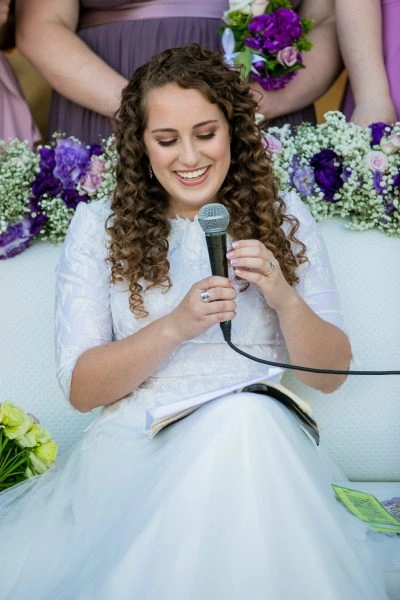
In my Shana bet at Migdal Oz I attended the Hadran siyum hash”as. Witnessing so many women so passionate about their Torah learning and connection to God, I knew I had to begin with the coming cycle. My wedding (June 24) was two weeks before the siyum of mesechet yoma so I went a little ahead and was able to make a speech and siyum at my kiseh kallah on my wedding day!

Sharona Guggenheim Plumb

Givat Shmuel, Israel

In January 2020, my teaching partner at IDC suggested we do daf yomi. Thanks to her challenge, I started learning daily from Rabbanit Michelle. It’s a joy to be part of the Hadran community. (It’s also a tikkun: in 7th grade, my best friend and I tied for first place in a citywide gemara exam, but we weren’t invited to the celebration because girls weren’t supposed to be learning gemara).

Sara-Averick-photo-scaled
Sara Averick

Jerusalem, Israel

I started learning when my brother sent me the news clip of the celebration of the last Daf Yomi cycle. I was so floored to see so many women celebrating that I wanted to be a part of it. It has been an enriching experience studying a text in a language I don’t speak, using background knowledge that I don’t have. It is stretching my learning in unexpected ways, bringing me joy and satisfaction.

Jodi Gladstone
Jodi Gladstone

Warwick, Rhode Island, United States

Attending the Siyyum in Jerusalem 26 months ago inspired me to become part of this community of learners. So many aspects of Jewish life have been illuminated by what we have learned in Seder Moed. My day is not complete without daf Yomi. I am so grateful to Rabbanit Michelle and the Hadran Community.

Nancy Kolodny
Nancy Kolodny

Newton, United States

I was moved to tears by the Hadran Siyyum HaShas. I have learned Torah all my life, but never connected to learning Gemara on a regular basis until then. Seeing the sheer joy Talmud Torah at the siyyum, I felt compelled to be part of it, and I haven’t missed a day!
It’s not always easy, but it is so worthwhile, and it has strengthened my love of learning. It is part of my life now.

Michelle Lewis
Michelle Lewis

Beit Shemesh, Israel

Margo
I started my Talmud journey in 7th grade at Akiba Jewish Day School in Chicago. I started my Daf Yomi journey after hearing Erica Brown speak at the Hadran Siyum about marking the passage of time through Daf Yomi.

Carolyn
I started my Talmud journey post-college in NY with a few classes. I started my Daf Yomi journey after the Hadran Siyum, which inspired both my son and myself.

Carolyn Hochstadter and Margo Kossoff Shizgal

Merion Station,  USA

Beit Shemesh, Israel

I began to learn this cycle of Daf Yomi after my husband passed away 2 1/2 years ago. It seemed a good way to connect to him. Even though I don’t know whether he would have encouraged women learning Gemara, it would have opened wonderful conversations. It also gives me more depth for understanding my frum children and grandchildren. Thank you Hadran and Rabbanit Michelle Farber!!

Harriet Hartman
Harriet Hartman

Tzur Hadassah, Israel

While vacationing in San Diego, Rabbi Leah Herz asked if I’d be interested in being in hevruta with her to learn Daf Yomi through Hadran. Why not? I had loved learning Gemara in college in 1971 but hadn’t returned. With the onset of covid, Daf Yomi and Rabbanit Michelle centered me each day. Thank-you for helping me grow and enter this amazing world of learning.
Meryll Page
Meryll Page

Minneapolis, MN, United States

My husband learns Daf, my son learns Daf, my son-in-law learns Daf.
When I read about Hadran’s Siyyum HaShas 2 years ago, I thought- I can learn Daf too!
I had learned Gemara in Hillel HS in NJ, & I remembered loving it.
Rabbanit Michelle & Hadran have opened my eyes & expanding my learning so much in the past few years. We can now discuss Gemara as a family.
This was a life saver during Covid

Renee Braha
Renee Braha

Brooklyn, NY, United States

Shabbat 157

אֵין מְבַקְּעִין עֵצִים מִן הַקּוֹרוֹת, וְלֹא מִן הַקּוֹרָה שֶׁנִּשְׁבְּרָה בְּיוֹם טוֹב. רַבִּי יוֹחָנָן, הָהוּא — כְּרַבִּי יוֹסֵי בַּר יְהוּדָה מַתְנֵי לַהּ. תָּא שְׁמַע: מַתְחִילִין בַּעֲרֵימַת הַתֶּבֶן, אֲבָל לֹא בָּעֵצִים שֶׁבַּמּוּקְצֶה! הָתָם בְּאַרְזֵי וְאַשּׁוּחֵי, דְּמוּקְצֶה מֵחֲמַת חֶסְרוֹן כִּיס, אֲפִילּוּ רַבִּי שִׁמְעוֹן מוֹדֶה.

One may chop wood neither from beams set aside for building nor from a beam that broke on a Festival. Apparently, this unattributed mishna is in accordance with the opinion of Rabbi Yehuda. The Gemara answers that Rabbi Yoḥanan answered: That mishna is actually in accordance with the opinion of Rabbi Yosei bar Yehuda, which is an individual opinion. Come and hear: One may start a fire on a Festival with a pile of straw but not with wood that is from the wood storage behind one’s house, because that wood is set aside for other uses. Apparently, this is an unattributed mishna in accordance with the opinion of Rabbi Yehuda with regard to the prohibition of set-aside. The Gemara answers: There, the mishna is referring to wood from cedar and fir trees that are set aside due to monetary loss. Even Rabbi Shimon concedes that the prohibition of set-aside is in effect in that case.

תָּא שְׁמַע: אֵין מַשְׁקִין וְשׁוֹחֲטִין אֶת הַמִּדְבָּרִיּוֹת, אֲבָל מַשְׁקִין וְשׁוֹחֲטִין אֶת הַבַּיָּיתוֹת!

Come and hear a proof from another mishna: One may neither give water to nor slaughter non-domesticated desert animals, animals that are always grazing in the fields. Since people do not generally tend to them, they are considered set-aside and may not be used. Giving them water would ease removal of their hides. However, one may give water to and slaughter domesticated animals. This is apparently an unattributed mishna in accordance with the opinion of Rabbi Yehuda.

רַבִּי יוֹחָנָן סְתָמָא אַחֲרִינָא אַשְׁכַּח: בֵּית שַׁמַּאי אוֹמְרִים: מַגְבִּיהִין מֵעַל הַשֻּׁלְחָן עֲצָמוֹת וּקְלִיפִּין, וּבֵית הִלֵּל אוֹמְרִים: מְסַלֵּק אֶת הַטַּבְלָה כּוּלָּהּ וּמְנַעֲרָהּ. וְאָמַר רַב נַחְמָן, אָנוּ אֵין לָנוּ אֶלָּא בֵּית שַׁמַּאי כְּרַבִּי יְהוּדָה, וּבֵית הִלֵּל כְּרַבִּי שִׁמְעוֹן.

The Gemara answers: Rabbi Yoḥanan found a different unattributed mishna in accordance with the opinion of Rabbi Shimon. Beit Shammai say: One may lift bones and peels and shells, which are set-aside, from the table on Shabbat. And Beit Hillel say: One must remove the entire board from atop the table and shake it; however, he may not lift the set-aside objects. And Rav Naḥman said to reverse the two opinions, and we have only Beit Shammai in accordance with the opinion of Rabbi Yehuda, and Beit Hillel in accordance with the opinion of Rabbi Shimon. As the halakha is always ruled in accordance with the opinion of Beit Hillel, this mishna has the authority of an unattributed mishna.

פְּלִיגִי בַּהּ רַב אַחָא וְרָבִינָא, חַד אָמַר: בְּכׇל הַשַּׁבָּת כּוּלָּהּ הֲלָכָה כְּרַבִּי שִׁמְעוֹן, לְבַר מִמּוּקְצֶה מֵחֲמַת מִיאוּס, וּמַאי נִיהוּ? — נֵר יָשָׁן. וְחַד אָמַר: בְּמוּקְצֶה מֵחֲמַת מִיאוּס נָמֵי הֲלָכָה כְּרַבִּי שִׁמְעוֹן, לְבַר מִמּוּקְצֶה מֵחֲמַת אִיסּוּר, וּמַאי נִיהוּ? — נֵר שֶׁהִדְלִיקוּ בָּהּ בְּאוֹתָהּ שַׁבָּת, אֲבָל מוּקְצֶה מֵחֲמַת חֶסְרוֹן כִּיס, אֲפִילּוּ רַבִּי שִׁמְעוֹן מוֹדֶה. דִּתְנַן: כׇּל הַכֵּלִים נִיטָּלִין בַּשַּׁבָּת, חוּץ מִמַּסָּר הַגָּדוֹל וְיָתֵד שֶׁל מַחֲרֵישָׁה.

Rav Aḥa and Ravina disputed this matter. One said: In all of the halakhot of Shabbat in which there is a tannaitic dispute involving Rabbi Shimon, the halakha is in accordance with the opinion of Rabbi Shimon, except for the case of an item set aside due to repulsiveness. And what is that case? It is the case of an old oil lamp, which may not be moved on Shabbat, contrary to Rabbi Shimon’s opinion. And one said: In the case of an item set aside due to repulsiveness, the halakha is also in accordance with the opinion of Rabbi Shimon. The halakha is in accordance with the opinion of Rabbi Shimon except for the case of set aside due to prohibition. And what is that case? It is the case of moving an oil lamp that one kindled for that very Shabbat. However, with regard to an item set aside due to monetary loss, even Rabbi Shimon concedes that it is prohibited to move that item, as we learned in a mishna according to his position: All vessels may be moved on Shabbat except for a large saw and the blade of a plow, both of which are prohibited. Due to their significance, their owners make certain that they will not be damaged.

מַתְנִי׳ מְפִירִין נְדָרִים בַּשַּׁבָּת, וְנִשְׁאָלִין לִנְדָרִים שֶׁהֵן לְצוֹרֶךְ הַשַּׁבָּת. וּפוֹקְקִין אֶת הַמָּאוֹר, וּמוֹדְדִין אֶת הַמַּטְלֵית, וּמוֹדְדִין אֶת הַמִּקְוֶה. וּמַעֲשֶׂה בִּימֵי אָבִיו שֶׁל רַבִּי צָדוֹק וּבִימֵי אַבָּא שָׁאוּל בֶּן בָּטְנִית שֶׁפָּקְקוּ אֶת הַמָּאוֹר בַּטָּפִיחַ, וְקָשְׁרוּ אֶת הַמְּקִידָּה בְּגֶמִי לֵידַע אִם יֵשׁ בַּגִּיגִית פּוֹתֵחַ טֶפַח אִם לָאו, וּמִדִּבְרֵיהֶם לָמַדְנוּ, שֶׁפּוֹקְקִין וּמוֹדְדִין וְקוֹשְׁרִין בְּשַׁבָּת.

MISHNA: A father or husband may nullify his daughter’s or his wife’s vows on Shabbat, and one may request from a Sage to dissolve vows that are for the purpose of Shabbat. Failure to dissolve the vow will compromise one’s fulfillment of the mitzva to delight in Shabbat. And one may seal a window on Shabbat to prevent light from entering, and one may measure a rag to determine whether or not it is large enough to contract ritual impurity, and one may measure a ritual bath to determine if it contains enough water for immersion. The mishna relates that there was an incident in the time of Rabbi Tzadok’s father and the time of Abba Shaul ben Botnit, in which they sealed a window using an earthenware vessel and tied an earthenware shard with a long reed-grass with a temporary knot, in order to ascertain whether or not the roofing had an opening the size of a handbreadth. And from their statements and their actions, we derived that one may seal a window, and measure, and tie a knot on Shabbat.

גְּמָ׳ אִיבַּעְיָא לְהוּ: הֲפָרָה בֵּין לְצוֹרֶךְ וּבֵין שֶׁלֹּא לְצוֹרֶךְ, וּשְׁאֵלָה לְצוֹרֶךְ — אִין, שֶׁלֹּא לְצוֹרֶךְ — לָא. וּמִשּׁוּם הָכִי קָפָלְגִינְהוּ מֵהֲדָדֵי,

GEMARA: We learned in the mishna that it is permitted to nullify vows and to request that Sages dissolve vows for the purpose of Shabbat. In an attempt to understand the mishna, a dilemma was raised before the Sages: Is nullification of vows on Shabbat permitted both for the purpose of Shabbat and when it is not for the purpose of Shabbat? And the request to dissolve vows, when it is for the purpose of Shabbat, yes, it is permitted, but when it is not for the purpose of Shabbat, no, it is prohibited? And is it due to that distinction that the tanna of the mishna separated the cases from each other and listed them separately?

אוֹ דִילְמָא: הֲפָרָה נָמֵי לְצוֹרֶךְ — אִין, שֶׁלֹּא לְצוֹרֶךְ — לָא, וְהָא דְּקָא פָּלֵיג לְהוּ מֵהֲדָדֵי מִשּׁוּם דַּהֲפָרָה אֵין צָרִיךְ בֵּית דִּין, וּשְׁאֵלָה צְרִיכָה בֵּית דִּין?

Or perhaps with regard to nullification of vows on Shabbat as well, when it is for the purpose of Shabbat, yes, it is permitted, but when they are not for the purpose of Shabbat, no, it is prohibited; and the fact that the tanna of the mishna separated the cases from each other and listed them separately is due to the fact that for nullification one does not require a court, and a husband or father can nullify a woman’s vows on his own, but for the request to dissolve vows one requires a court.

תָּא שְׁמַע, דְּתָנֵי [רַב] זוּטֵי דְּבֵי רַב פַּפִּי: מְפִירִין נְדָרִים בְּשַׁבָּת לְצוֹרֶךְ הַשַּׁבָּת. לְצוֹרֶךְ הַשַּׁבָּת אִין, שֶׁלֹּא לְצוֹרֶךְ הַשַּׁבָּת — לָא.

Come and hear a resolution to the dilemma from that which the Sage, Zutei, of the school of Rav Pappa taught: One may nullify vows on Shabbat for the purpose of Shabbat. Apparently, when the nullification is for the purpose of Shabbat, yes, it is permitted to nullify vows, but when it is not for the purpose of Shabbat, no, it is prohibited.

לִישָּׁנָא אַחֲרִינָא, אִיבַּעְיָא לְהוּ: ״לְצוֹרֶךְ״ אַתַּרְוַיְיהוּ קָתָנֵי, וְשֶׁלֹּא לְצוֹרֶךְ — לָא, אַלְמָא הֲפָרַת נְדָרִים מֵעֵת לְעֵת, אוֹ דִילְמָא כִּי קָתָנֵי ״לְצוֹרֶךְ״ — אַשְּׁאֵלָה הוּא דְּקָתָנֵי, אֲבָל הֲפָרַת נְדָרִים אֲפִילּוּ שֶׁלֹּא לְצוֹרֶךְ, אַלְמָא הֲפָרַת נְדָרִים כׇּל הַיּוֹם.

The Gemara cites another version of the dilemma that was raised before the Sages. Was the phrase: When they are for the purpose of Shabbat, taught about both of them, and nullification is only permitted for the purpose of Shabbat, but when it is not for the purpose of Shabbat, no, it is prohibited? If so, apparently, nullification of vows may be performed for an entire twenty-four hour period after hearing the vow, and the father or husband can wait until after Shabbat to nullify the vow if he does not need to do so for the purpose of Shabbat. Or perhaps when the mishna taught that it is permitted when the nullification is for the purpose of Shabbat, that was taught only with regard to the request to dissolve that which was prohibited by the vow, but nullification of vows may be performed on Shabbat even when it is not for the purpose of Shabbat. If so, apparently nullification of vows may be performed only for the entire day that the husband or father heard the vow. Once Shabbat concludes, the vow may no longer be nullified. Therefore, even vows whose nullification is not for the purpose of Shabbat may be nullified on Shabbat.

תָּא שְׁמַע, דְּתָנֵי רַב זוּטֵי דְּבֵי רַב פַּפִּי: מְפִירִין נְדָרִים בְּשַׁבָּת לְצוֹרֶךְ הַשַּׁבָּת. לְצוֹרֶךְ הַשַּׁבָּת — אִין, שֶׁלֹּא לְצוֹרֶךְ הַשַּׁבָּת — לָא, אַלְמָא הֲפָרַת נְדָרִים מֵעֵת לְעֵת.

Come and hear a resolution to the dilemma from that which the Sage, Zutei, of the school of Rav Pappa taught: One may nullify vows on Shabbat for the purpose of Shabbat. Apparently, when the nullification is for the purpose of Shabbat, yes, it is permitted to nullify vows, but when it is not for the purpose of Shabbat, no, it is prohibited. If so, apparently nullification of vows may be performed for the entire twenty-four hour period after hearing the vow.

אָמַר רַב אָשֵׁי: וְהָאֲנַן תְּנַן: הֲפָרַת נְדָרִים כׇּל הַיּוֹם, וְיֵשׁ בַּדָּבָר לְהָקֵל וּלְהַחֲמִיר. כֵּיצַד? נָדְרָה לֵילֵי שַׁבָּת — מֵיפֵר לֵילֵי שַׁבָּת וְיוֹם הַשַּׁבָּת עַד שֶׁתֶּחְשַׁךְ. נָדְרָה עִם חֲשֵׁכָה — מֵיפֵר עַד שֶׁלֹּא תֶּחְשַׁךְ, שֶׁאִם לֹא הֵפֵר מִשֶּׁחָשֵׁכָה, אֵינוֹ יָכוֹל לְהָפֵר. תַּנָּאֵי הִיא, דְּתַנְיָא: הֲפָרַת נְדָרִים כׇּל הַיּוֹם. רַבִּי יוֹסֵי בַּר יְהוּדָה וְרַבִּי אֶלְעָזָר בְּרַבִּי שִׁמְעוֹן אָמְרוּ: מֵעֵת לְעֵת.

Rav Ashi said: Didn’t we learn in a mishna that one may nullify vows for the entire day, and there is both a leniency and a stricture in this matter to extend or curtail the period during which the vow may be nullified. How so? If the woman vowed on Shabbat evening, her father or husband may nullify the vow on Shabbat evening and on Shabbat day until dark. However, if she vowed before Shabbat at nightfall, her father or husband may only nullify the vow until nightfall, as if he did not nullify the vow before nightfall, he can no longer nullify it because the day ended. The Gemara answers that this issue is subject to a tannaitic dispute, as it was taught in a baraita: One may nullify vows for the entire day. Rabbi Yosei bar Yehuda and Rabbi Elazar, son of Rabbi Shimon, said: For a twenty-four hour period.

וְנִשְׁאָלִים לִנְדָרִים. אִיבַּעְיָא לְהוּ: כְּשֶׁלֹּא הָיָה לוֹ פְּנַאי, אוֹ דִלְמָא אֲפִילּוּ הָיָה לוֹ פְּנַאי? תָּא שְׁמַע דְּאִזְדְּקִיקוּ לֵיהּ רַבָּנַן לְרַב זוּטְרָא בְּרֵיהּ דְּרַב זֵירָא וּשְׁרוֹ לֵיהּ נִדְרֵיהּ, וְאַף עַל גַּב דַּהֲוָה לֵיהּ פְּנַאי.

We learned in the mishna: And one may request from a Sage to dissolve vows on Shabbat. A dilemma was raised before the Sages: Is this only permitted when one did not have time to request to have the vow dissolved before Shabbat, or perhaps it is permitted even if one had time before Shabbat to request to have his vow dissolved? Come and hear a resolution to this dilemma from the fact that the Sages attended to Rav Zutra, the son of Rav Zeira, and dissolved his vow even though he had time to request its dissolution before Shabbat.

שֶׁפָּקְקוּ אֶת הַמָּאוֹר בַּטָּפִיחַ וְקָשְׁרוּ אֶת הַמְּקִידָּה בְּגֶמִי. אָמַר רַב יְהוּדָה אָמַר רַב: הִילְקָטִי קְטַנָּה הָיְתָה בֵּין שְׁנֵי בָתִּים, [וְטוּמְאָה הָיְתָה שָׁם]

The mishna related: They sealed a window using an earthenware vessel and tied an earthenware shard with a long reed-grass. Rav Yehuda said that Rav said in explanation: There was a small alleyway [heilketei] between two houses, and there was ritual impurity imparted by a corpse there in the alleyway,

וְגִיגִית סְדוּקָה מוּנַּחַת עַל גַּבָּן. וּפָקְקוּ אֶת הַמָּאוֹר בַּטָּפִיחַ, וְקָשְׁרוּ אֶת הַמְּקִידָּה בְּגֶמִי לֵידַע אִם יֵשׁ שָׁם בְּגִיגִית פּוֹתֵחַ טֶפַח אִם לָאו.

and there was a cracked roofing placed atop the two houses. If the roofing was intact it would have the legal status of a tent over a corpse, rendering everything in the alleyway, and, through the windows, everything in the houses, ritually impure. However, since the roofing was cracked and the corpse was directly beneath the opening, if the opening was the size of a handbreadth or more, the entire alleyway and the houses would not become impure. Only the area directly over the corpse extending through the opening is impure. And that is the reason that they sealed the window of the house with an earthenware vessel, so that the ritual impurity would not enter the houses, and they tied an earthenware shard with a long reed-grass inserted into the opening in the roofing in order to ascertain whether or not there is an opening there in the roofing the size of a handbreadth.

וּמִדִּבְרֵיהֶם לָמַדְנוּ שֶׁפּוֹקְקִין וּמוֹדְדִין וְקוֹשְׁרִין בְּשַׁבָּת. עוּלָּא אִיקְּלַע לְבֵי רֵישׁ גָּלוּתָא. חַזְיֵיהּ לְרַבָּה בַּר רַב הוּנָא דְּיָתֵיב בְּאַוּוֹנָא דְמַיָּא וְקָא מָשַׁח לֵיהּ. אֲמַר לֵיהּ: אֵימַר דְּאָמְרִי רַבָּנַן מְדִידָה דְמִצְוָה, דְּלָאו מִצְוָה מִי אֲמוּר? אֲמַר לֵיהּ: מִתְעַסֵּק בְּעָלְמָא אֲנָא.

The mishna concludes: And from their statements and their actions, we derived that one may seal a window, and measure, and tie a knot on Shabbat. The Gemara relates: Ulla happened to come to the house of the Exilarch. He saw Rabba bar Rav Huna sitting in a tub [avna] of water and measuring it. He said to Rabba bar Rav Huna: Say that the Sages said that it is permitted to measure on Shabbat only a measurement for a mitzva. However, with regard to a measurement like this one, which is not for a mitzva, did they say that it is permitted? Rabba bar Rav Huna said to him: I am merely acting unawares and am not at all interested in the measurements. Therefore, it is not prohibited.

הדרן עלך מי שהחשיך וסליקא לה מסכת שבת

Want to follow content and continue where you left off?

Create an account today to track your progress, mark what you’ve learned, and follow the shiurim that speak to you.

Clear all items from this list?

This will remove ALL the items in this section. You will lose any progress or history connected to them. This is irreversible.

Cancel
Yes, clear all

Are you sure you want to delete this item?

You will lose any progress or history connected to this item.

Cancel
Yes, delete