Search

Shabbat 24

Want to dedicate learning? Get started here:

English
עברית
podcast placeholder

0:00
0:00


podcast placeholder

0:00
0:00


Summary

Today’s shiur is sponsored by the Mitchell family of New York City in honor of the b’nai mitzvah of their twins, Aaron and Joshua, and by Rachel and Oren Seliger in memory of Reuven ben Yehuda and Devora z”l, Saba Reuven, who lived his life by Torah ve’avoda and was a founding member of Kibbutz Tirat Zvi. 

Does one mention of Chanuka in birkhat hamazon? If so, where and why there and not in the usual place for additions? Should one add mention of Rosh Chodesh in birkhat hamazon? It is the same as Chanuka or different – why? Does one mention Chanuka in mussaf on Shabbat? Does one mention Rosh Chodesh in the blessing for the haftorah if Rosh Chodesh falls on Shabbat? The gemara suggests various comparisons. The mishna raises different opinions about what oils one can or cannot use on Shabbat. Oil of truma that became impure cannot be used on Yom Tov because one cannot burn sanctified items on Yom Tov. From where is this derived? Four different answers are brought.

Shabbat 24

תַּנְיָא כְּווֹתֵיהּ דְּרַב חִסְדָּא. כׇּל אֵלּוּ שֶׁאָמְרוּ אֵין מַדְלִיקִין בָּהֶן בְּשַׁבָּת, מַדְלִיקִין בָּהֶן בְּיוֹם טוֹב, חוּץ מִשֶּׁמֶן שְׂרֵיפָה — לְפִי שֶׁאֵין שׂוֹרְפִין קׇדָשִׁים בְּיוֹם טוֹב.

It was taught in a baraita in accordance with the opinion of Rav Ḥisda. All of these oils with which the Sages said that one may not light on Shabbat, one may light with them on a Festival, with the exception of burnt oil, because one may not burn consecrated items on a Festival.

אִיבַּעְיָא לְהוּ: מַהוּ לְהַזְכִּיר שֶׁל חֲנוּכָּה בְּבִרְכַּת הַמָּזוֹן? כֵּיוָן דְּמִדְּרַבָּנַן הוּא — לָא מַדְכְּרִינַן, אוֹ דִילְמָא מִשּׁוּם פַּרְסוֹמֵי נִיסָּא — מַדְכְּרִינַן?! אָמַר רָבָא אָמַר רַב סְחוֹרָה אָמַר רַב הוּנָא: אֵינוֹ מַזְכִּיר. וְאִם בָּא לְהַזְכִּיר — מַזְכִּיר בַּהוֹדָאָה. רַב הוּנָא בַּר יְהוּדָה אִיקְּלַע לְבֵי רָבָא. סְבַר לְאַדְכּוֹרֵי בְּ״בוֹנֵה יְרוּשָׁלַיִם״. אָמַר לְהוּ רַב שֵׁשֶׁת: כִּתְפִלָּה. מַה תְּפִלָּה בַּהוֹדָאָה — אַף בִּרְכַּת הַמָּזוֹן בַּהוֹדָאָה.

A dilemma was raised before the Sages: What is the ruling with regard to the obligation to mention Hanukkah in Grace after Meals? The dilemma is: Since it is merely an obligation by rabbinic law, do we not mention it? Or, perhaps due to publicity of the miracle, we mention it. Rava said that Rav Seḥora said that Rav Huna said: One does not mention it. And if, nevertheless, he comes to mention it, he mentions it in the blessing of thanksgiving. The Gemara relates that Rav Huna bar Yehuda happened by Rava’s house on Hanukkah. When, after eating, he came to recite Grace after Meals, he thought to mention Hanukkah in the blessing: Who builds Jerusalem. Rav Sheshet said to the yeshiva students: One mentions Hanukkah in Grace after Meals just as he does in the Amida prayer. Just as in the Amida prayer one mentions Hanukkah in the blessing of thanksgiving, so too, in Grace after Meals one mentions Hanukkah in the blessing of thanksgiving.

אִיבַּעְיָא לְהוּ: מַהוּ לְהַזְכִּיר רֹאשׁ חוֹדֶשׁ בְּבִרְכַּת הַמָּזוֹן? אִם תִּימְצֵי לוֹמַר בַּחֲנוּכָּה דְּרַבָּנַן לָא צְרִיךְ, רֹאשׁ חוֹדֶשׁ דְּאוֹרָיְיתָא — צְרִיךְ. אוֹ דִילְמָא כֵּיוָן דְּלָא אֲסִיר בַּעֲשִׂיַּית מְלָאכָה — לָא מַדְכְּרִינַן. רַב אָמַר: מַזְכִּיר, רַבִּי חֲנִינָא אָמַר: אֵינוֹ מַזְכִּיר. אָמַר רַב זְרִיקָא: נְקוֹט דְּרַב בִּידָךְ, דְקָאֵי רַבִּי אוֹשַׁעְיָא כְּווֹתֵיהּ. דְּתָנֵי רַבִּי אוֹשַׁעְיָא: יָמִים שֶׁיֵּשׁ בָּהֶן קׇרְבַּן מוּסַף, כְּגוֹן רֹאשׁ חוֹדֶשׁ וְחוּלּוֹ שֶׁל מוֹעֵד — עַרְבִית וְשַׁחֲרִית וּמִנְחָה מִתְפַּלֵּל שְׁמוֹנֶה עֶשְׂרֵה וְאוֹמֵר מֵעֵין הַמְאוֹרָע בָּעֲבוֹדָה. וְאִם לֹא אָמַר — מַחֲזִירִין אוֹתוֹ. וְאֵין בָּהֶן קְדוּשָּׁה עַל הַכּוֹס, וְיֵשׁ בָּהֶן הַזְכָּרָה בְּבִרְכַּת הַמָּזוֹן. יָמִים שֶׁאֵין בָּהֶן קׇרְבַּן מוּסַף, כְּגוֹן שֵׁנִי וַחֲמִישִׁי וְשֵׁנִי וְתַעֲנִיּוֹת וּמַעֲמָדוֹת.

Based on the previous dilemma, an additional dilemma was raised before the Sages: What is the ruling with regard to the obligation to mention the New Moon in Grace after Meals? The dilemma is: If you say that on Hanukkah, since it is only by rabbinic law, one need not mention it in Grace after Meals; perhaps the New Moon, which is by Torah law, one is required to mention it. Or, perhaps since it is not a day on which it is prohibited to perform labor, one need not mention it. The Sages disputed this matter: Rav said: One mentions the New Moon in Grace after Meals. Rabbi Ḥanina said: One does not mention it. Rav Zerika said: Take the halakha of Rav in your hand as authoritative, since Rabbi Oshaya holds in accordance with his opinion. As Rabbi Oshaya taught in a Tosefta: Days on which there is an additional offering sacrificed in the Temple, i.e., the New Moon and the intermediate days of a Festival; in the evening, morning, and afternoon prayers, one recites the eighteen blessings of the Amida prayer and says a passage pertaining to the event of the day during the blessing of Temple service. And if he did not recite it, we require him to return to the beginning of the prayer and repeat it. And on those days, there is no kiddush recited over the cup of wine at the start of the day, but there is mention of the day recited in Grace after Meals, in accordance with Rav’s opinion. Days on which there is no additional offering, i.e., Monday, and Thursday, and fast days, and non-priestly watches [ma’amadot], have a different legal status as detailed below.

שֵׁנִי וַחֲמִישִׁי מַאי עֲבִידְתַּיְיהוּ? אֶלָּא שֵׁנִי וַחֲמִישִׁי וְשֵׁנִי שֶׁל תַּעֲנִיּוֹת וּמַעֲמָדוֹת. עַרְבִית וְשַׁחֲרִית וּמִנְחָה מִתְפַּלֵּל שְׁמוֹנֶה עֶשְׂרֵה, וְאוֹמֵר מֵעֵין הַמְאוֹרָע בְּ״שׁוֹמֵעַ תְּפִלָּה״, וְאִם לֹא אָמַר — אֵין מַחֲזִירִין אוֹתוֹ. וְאֵין בָּהֶן קְדוּשָּׁה עַל הַכּוֹס וְאֵין בָּהֶן הַזְכָּרָה בְּבִרְכַּת הַמָּזוֹן.

Before drawing a conclusion, the Gemara seeks to clarify: Monday and Thursday, what is their purpose in this discussion, i.e., why are Monday and Thursday mentioned here if no special prayers are recited on those days? The Gemara explains: Rather, certainly the reference is to Monday and Thursday and Monday that are fast days for rain and of ma’amadot. On those days, in the evening, morning, and afternoon prayers, one recites eighteen blessings and recites a passage pertaining to the event of the day, i.e., the fast, in the blessing: Who listens to prayer. However, if one did not mention it, we do not require him to return to the beginning of the prayer and repeat it. And, on those days, there is no kiddush recited over a cup of wine, and there is no mention of the day recited in Grace after Meals.

אִיבַּעְיָא לְהוּ: מַהוּ לְהַזְכִּיר שֶׁל חֲנוּכָּה בְּמוּסָפִין? כֵּיוָן דְּלֵית בֵּיהּ מוּסָף בְּדִידֵיהּ לָא מַדְכְּרִינַן, אוֹ דִילְמָא יוֹם הוּא שֶׁחַיָּיב בְּאַרְבַּע תְּפִלּוֹת. רַב הוּנָא וְרַב יְהוּדָה דְּאָמְרִי תַּרְוַיְיהוּ: אֵינוֹ מַזְכִּיר. רַב נַחְמָן וְרַבִּי יוֹחָנָן דְּאָמְרִי תַּרְוַיְיהוּ: מַזְכִּיר.

An additional dilemma was raised before the Sages: What is the ruling with regard to the obligation to mention Hanukkah in the additional prayer on Shabbat during Hanukkah or on the New Moon of Tevet, which falls during Hanukkah? The sides of the dilemma are: Do we say that since Hanukkah has no additional prayer of its own, and the additional prayer has no connection to Hanukkah, we do not mention it? Or, perhaps it is the essence of the day that is obligated in the mention of Hanukkah, in which case there is no distinction between the various prayers, and it should be mentioned in all four prayers, including the additional prayer on Shabbat and the New Moon. There is a dispute: Rav Huna and Rav Yehuda both said: One does not mention it. Rav Naḥman and Rabbi Yoḥanan both said: One mentions it.

אֲמַר לֵיהּ אַבָּיֵי לְרַב יוֹסֵף: הָא דְּרַב הוּנָא וְרַב יְהוּדָה דְּרַב הוּא. דְּאָמַר רַב גִּידֵּל אָמַר רַב: רֹאשׁ חֹדֶשׁ שֶׁחָל לִהְיוֹת בְּשַׁבָּת — הַמַּפְטִיר בַּנָּבִיא בְּשַׁבָּת אֵינוֹ צָרִיךְ לְהַזְכִּיר שֶׁל רֹאשׁ חֹדֶשׁ, שֶׁאִילְמָלֵא שַׁבָּת אֵין נָבִיא בְּרֹאשׁ חֹדֶשׁ

Abaye said to Rav Yosef: This opinion of Rav Huna and Rav Yehuda is Rav’s opinion, as Rav Giddel said that Rav said: In the case of the New Moon that occurs on Shabbat, the one who recites the portion from the Prophets [haftara] on Shabbat need not mention the New Moon in the blessing, as, if it were not Shabbat, there would be no reading from the Prophets on the New Moon. The haftara is unrelated to the New Moon, and therefore the New Moon is not mentioned in the blessing. The same should be true with regard to mention of Hanukkah in the additional service on the New Moon, as, if it were not the New Moon, he would not be reciting the additional service on Hanukkah. Therefore, when he recites the additional prayer, he need not mention Hanukkah.

מִי דָּמֵי?! הָתָם נָבִיא בִּדְרֹאשׁ חֹדֶשׁ לֵיכָּא כְּלָל, הָכָא אִיתֵיהּ בְּעַרְבִית וְשַׁחֲרִית וּמִנְחָה. אֶלָּא לְהָא דָּמְיָא: דְּאָמַר רַב אַחַדְבוּי אָמַר רַב מַתְנָה אָמַר רַב: יוֹם טוֹב שֶׁחָל לִהְיוֹת בְּשַׁבָּת, הַמַּפְטִיר בְּנָבִיא בְּמִנְחָה בְּשַׁבָּת אֵינוֹ צָרִיךְ לְהַזְכִּיר שֶׁל יוֹם טוֹב, שֶׁאִילְמָלֵא שַׁבָּת אֵין נָבִיא בְּמִנְחָה בְּיוֹם טוֹב.

The Gemara rejects this comparison. Is this comparable? There, reading from the Prophets is not at all part of the service on the New Moon. Here, there is mention of Hanukkah in the evening, morning, and afternoon prayers. Rather, it is comparable to this: As Rav Aḥadvoi said that Rav Mattana said that Rav said: On a Festival that occurs on Shabbat, one who recites the portion from the Prophets during the afternoon service on Shabbat need not mention the Festival, as, if it were not Shabbat, there would be no reading from the Prophets during the afternoon service on a Festival. If so, even though there is a haftara during the morning service on a Festival, since they do not read from the Prophets in the afternoon, the reading is considered totally unrelated to the Festival and one does not mention the Festival. The same is true with regard to Hanukkah. One does not mention Hanukkah in the additional prayer.

וְלֵית הִילְכְתָא כְּכׇל הָנֵי שְׁמַעְתָּתָא, אֶלָּא כִּי הָא דְּאָמַר רַבִּי יְהוֹשֻׁעַ בֶּן לֵוִי: יוֹם הַכִּפּוּרִים שֶׁחָל לִהְיוֹת בְּשַׁבָּת — הַמִּתְפַּלֵּל נְעִילָה צָרִיךְ לְהַזְכִּיר שֶׁל שַׁבָּת. יוֹם הוּא שֶׁנִּתְחַיֵּיב בְּאַרְבַּע תְּפִלּוֹת.

The Gemara concludes: And the halakha is not in accordance with any of these halakhot; rather, it is in accordance with that which Rabbi Yehoshua ben Levi said: On Yom Kippur that falls on Shabbat, one who recites the day’s closing prayer [ne’ila] must mention Shabbat even in that prayer, although ne’ila is not recited every Shabbat. The reason for this is that on Yom Kippur, the day itself is obligated in four prayers, i.e., morning, additional, afternoon, and closing. When it occurs on Shabbat, one must mention Shabbat in each of the prayers. Apparently, on a day that has a unique character, that character is manifest in all sacred aspects of the day; those engendered by the day itself as well as those engendered by other factors.

קַשְׁיָא הִילְכְתָא אַהִילְכְתָא. אָמְרַתְּ הִילְכְתָא כְּרַבִּי יְהוֹשֻׁעַ בֶּן לֵוִי, וְקַיְימָא לַן הִילְכְתָא כְּרָבָא. דְּאָמַר רָבָא: יוֹם טוֹב שֶׁחָל לִהְיוֹת בְּשַׁבָּת, שְׁלִיחַ צִיבּוּר הַיּוֹרֵד לִפְנֵי הַתֵּיבָה עַרְבִית אֵינוֹ צָרִיךְ לְהַזְכִּיר שֶׁל יוֹם טוֹב, שֶׁאִילְמָלֵא שַׁבָּת אֵין שְׁלִיחַ צִבּוּר יוֹרֵד עַרְבִית בְּיוֹם טוֹב.

The Gemara challenges this: It is difficult, as there is a contradiction between one halakha and another halakha. On the one hand, you said that the halakha is in accordance with the opinion of Rabbi Yehoshua ben Levi. And, on the other hand, we hold that the halakha is in accordance with the opinion of Rava, which contradicts the first halakha, as Rava said: On a Festival that occurs on Shabbat, the prayer leader who descends before the ark to recite the prayer abridged from the seven blessings of the Shabbat evening Amida prayer need not mention the Festival, as, if it were not also Shabbat, the prayer leader would not descend before the ark to recite this prayer during the evening prayer on a Festival. The Gemara reverts to the previous assumption that an element that does not arise from the essential halakhot of the day is considered foreign to it and is not mentioned.

הָכִי הַשְׁתָּא?! הָתָם בְּדִין הוּא דַּאֲפִילּוּ בְּשַׁבָּת נָמֵי לָא צְרִיךְ, וְרַבָּנַן הוּא דְּתַקִּינוּ מִשּׁוּם סַכָּנָה. אֲבָל הָכָא — יוֹם הוּא שֶׁנִּתְחַיֵּיב בְּאַרְבַּע תְּפִלּוֹת.

This challenge is rejected: How can you compare? There, actually, even on Shabbat, the prayer leader need not repeat the prayer, just as the prayer is not repeated any other evening. It was the Sages who instituted repetition of the prayer due to concern for potential danger. The Sages sought to slightly delay those leaving the synagogue to enable people who came late to leave together with the rest of the worshippers. This was necessary because synagogues were often located beyond the city limits, and it was dangerous to walk alone at night. This repetition of the prayer does not stem from the obligation of the day but was instituted for another purpose. However, here, on Yom Kippur, it is the day that is obligated in four prayers, and therefore on each day that there are added prayers, one must mention the events that occurred on that day in those prayers just as he does in all the standard prayers.

וְלֹא בְּאַלְיָה כּוּ׳. חֲכָמִים הַיְינוּ תַּנָּא קַמָּא! אִיכָּא בֵינַיְיהוּ דְּרַב בְּרוֹנָא אָמַר רַב. וְלָא מְסַיְּימִי.

And we learned in the mishna that one may not light with the sheep’s tail or with fat. Naḥum the Mede says that one may light using cooked fat. And the Rabbis say that one may not light with it whether or not it is cooked. The Gemara asks: Isn’t the opinion of the Rabbis identical to the unattributed opinion of the first tanna in the mishna? The Gemara answers: The practical difference between them is with regard to what Rav Beruna said that Rav said that one may light with cooked fat to which oil was added. One of the tanna’im accepts this opinion as halakha and permits lighting with it, and the other prohibits it, and the opinions are not defined. Although it seems from the formulation of the mishna that they differ on this point, it is unclear what the opinion of each tanna is.

מַתְנִי׳ אֵין מַדְלִיקִין בְּשֶׁמֶן שְׂרֵיפָה בְּיוֹם טוֹב. רַבִּי יִשְׁמָעֵאל אוֹמֵר אֵין מַדְלִיקִין בְּעִטְרָן מִפְּנֵי כְּבוֹד הַשַּׁבָּת. וַחֲכָמִים מַתִּירִין בְּכָל הַשְּׁמָנִים: בְּשֶׁמֶן שׁוּמְשְׁמִין, בְּשֶׁמֶן אֱגוֹזִים, בְּשֶׁמֶן צְנוֹנוֹת, בְּשֶׁמֶן דָּגִים, בְּשֶׁמֶן פַּקּוּעוֹת, בְּעִטְרָן וּבְנֵפְטְ. רַבִּי טַרְפוֹן אוֹמֵר: אֵין מַדְלִיקִין אֶלָּא בְּשֶׁמֶן זַיִת בִּלְבַד.

MISHNA: In continuation of the previous mishna, this mishna adds that one may not light with burnt oil on a Festival, as the Gemara will explain below. With regard to lighting Shabbat lamps, there were Sages who prohibited the use of specific oils. Rabbi Yishmael says that one may not light with tar [itran] in deference to Shabbat because tar smells bad and disturbs those in the house. And the Rabbis permit lighting with all oils for lamps as long as they burn properly; with sesame oil, with nut oil, with turnip oil, with fish oil, with gourd oil, with tar, and even with naphtha [neft]. Rabbi Tarfon says: One may light only with olive oil in deference to Shabbat, as it is the choicest and most pleasant of the oils.

גְּמָ׳ מַאי טַעְמָא? לְפִי שֶׁאֵין שׂוֹרְפִין קׇדָשִׁים בְּיוֹם טוֹב. מְנָהָנֵי מִילֵּי? אָמַר חִזְקִיָּה, וְכֵן תָּנָא דְּבֵי חִזְקִיָּה, אָמַר קְרָא: ״וְלֹא תוֹתִירוּ מִמֶּנּוּ עַד בֹּקֶר וְהַנּוֹתָר מִמֶּנּוּ עַד בֹּקֶר״. שֶׁאֵין תַּלְמוּד לוֹמַר ״עַד בֹּקֶר״! מַה תַּלְמוּד לוֹמַר ״עַד בֹּקֶר״ — בָּא הַכָּתוּב לִיתֵּן לוֹ בֹּקֶר שֵׁנִי לִשְׂרֵיפָתוֹ.

GEMARA: With regard to the statement of the mishna that one may not light with burnt oil on a Festival, the Gemara asks: What is the reason for this? The Gemara answers: Because, in general, one may not burn consecrated items on a Festival. With regard to the fundamental principle that one may not burn consecrated items on a Festival, the Gemara asks: From where are these matters derived? Ḥizkiya said, and one of the Sages from the school of Ḥizkiya taught the same, that which the verse said: “And you shall let nothing of it remain until morning; but that which remains of it until morning you shall burn with fire” (Exodus 12:10), requires explanation. As the Torah did not need to state until morning the second time. It would have been sufficient to state: But that which remains of it you shall burn with fire. Rather, why does the Torah state until morning? The verse comes to provide him with the second morning for burning. Leftover meat of the Paschal lamb is not burned on the following morning, which is a Festival, but rather on the following day, the first of the intermediate days of the Festival. From there it is derived that burning consecrated items on a Festival is prohibited.

אַבָּיֵי אָמַר, אָמַר קְרָא: ״עוֹלַת שַׁבָּת בְּשַׁבַּתּוֹ״ — וְלֹא עוֹלַת חוֹל בְּשַׁבָּת, וְלֹא עוֹלַת חוֹל בְּיוֹם טוֹב.

Abaye said: This is derived from another verse, as the verse said: “This is the burnt-offering of each Shabbat on its Shabbat” (Numbers 28:10). Only the burnt-offering of Shabbat is sacrificed on Shabbat, and not a weekday burnt-offering on Shabbat, and not a weekday burnt-offering on a Festival. Apparently, performing this mitzva is prohibited even on a Festival, since it was not explicitly enumerated among the actions permitted on a Festival.

רָבָא אָמַר, אָמַר קְרָא: ״הוּא לְבַדּוֹ יֵעָשֶׂה לָכֶם״. ״הוּא״ — וְלֹא מַכְשִׁירִין. ״לְבַדּוֹ״ — וְלֹא מִילָּה שֶׁלֹּא בִּזְמַנָּהּ, דְּאָתְיָא בְּקַל וָחוֹמֶר.

Rava said: This is derived from a different verse, as the verse said with regard to the laws of a Festival: “No manner of work shall be done in them, save that which every man must eat, that alone may be done by you” (Exodus 12:16). From the word that, it is derived that for sustenance, one is permitted to perform prohibited labor on a Festival, but not for facilitators of sustenance. Although cooking is permitted, actions that involve prohibited labors for the purpose of facilitating cooking are prohibited. From the word alone, it is derived: And not circumcision performed not at its appointed time, i.e., a circumcision may be performed on a Festival only if it is on the eighth day. A circumcision that was postponed may not be performed on a Festival. It is possible that license to perform the postponed circumcision on a Festival could have been derived by means of an a fortiori inference. Therefore, the verse explicitly prohibited doing so. The same is true with regard to burning consecrated items. Although the Torah commands burning consecrated items, it was not permitted on a Festival since there is no obligation to do so specifically on that day.

רַב אָשֵׁי אָמַר: (״שַׁבַּת״) ״שַׁבָּתוֹן״ —

Rav Ashi said: It is derived from a different source. In the verses that speak of the Festivals, as opposed to the term Shabbat, the term shabbaton (Leviticus 23:24) appears.

New to Talmud?

Check out our resources designed to help you navigate a page of Talmud – and study at the pace, level and style that fits you. 

The Hadran Women’s Tapestry

Meet the diverse women learning Gemara at Hadran and hear their stories. 

Michelle has been an inspiration for years, but I only really started this cycle after the moving and uplifting siyum in Jerusalem. It’s been an wonderful to learn and relearn the tenets of our religion and to understand how the extraordinary efforts of a band of people to preserve Judaism after the fall of the beit hamikdash is still bearing fruits today. I’m proud to be part of the chain!

Judith Weil
Judith Weil

Raanana, Israel

Having never learned Talmud before, I started Daf Yomi in hopes of connecting to the Rabbinic tradition, sharing a daily idea on Instagram (@dafyomiadventures). With Hadran and Sefaria, I slowly gained confidence in my skills and understanding. Now, part of the Pardes Jewish Educators Program, I can’t wait to bring this love of learning with me as I continue to pass it on to my future students.

Hannah-G-pic
Hannah Greenberg

Pennsylvania, United States

I was exposed to Talmud in high school, but I was truly inspired after my daughter and I decided to attend the Women’s Siyum Shas in 2020. We knew that this was a historic moment. We were blown away, overcome with emotion at the euphoria of the revolution. Right then, I knew I would continue. My commitment deepened with the every-morning Virtual Beit Midrash on Zoom with R. Michelle.

Adina Hagege
Adina Hagege

Zichron Yaakov, Israel

When I started studying Hebrew at Brown University’s Hillel, I had no idea that almost 38 years later, I’m doing Daf Yomi. My Shabbat haburah is led by Rabbanit Leah Sarna. The women are a hoot. I’m tracking the completion of each tractate by reading Ilana Kurshan’s memoir, If All the Seas Were Ink.

Hannah Lee
Hannah Lee

Pennsylvania, United States

I went to day school in Toronto but really began to learn when I attended Brovenders back in the early 1980’s. Last year after talking to my sister who was learning Daf Yomi, inspired, I looked on the computer and the Hadran site came up. I have been listening to each days shiur in the morning as I work. I emphasis listening since I am not sitting with a Gamara. I listen while I work in my studio.

Rachel Rotenberg
Rachel Rotenberg

Tekoa, Israel

I started Daf during the pandemic. I listened to a number of podcasts by various Rebbeim until one day, I discovered Rabbanit Farbers podcast. Subsequently I joined the Hadran family in Eruvin. Not the easiest place to begin, Rabbanit Farber made it all understandable and fun. The online live group has bonded together and have really become a supportive, encouraging family.

Leah Goldford
Leah Goldford

Edmonton, Alberta, Canada

I started learning when my brother sent me the news clip of the celebration of the last Daf Yomi cycle. I was so floored to see so many women celebrating that I wanted to be a part of it. It has been an enriching experience studying a text in a language I don’t speak, using background knowledge that I don’t have. It is stretching my learning in unexpected ways, bringing me joy and satisfaction.

Jodi Gladstone
Jodi Gladstone

Warwick, Rhode Island, United States

I am a Reform rabbi and took Talmud courses in rabbinical school, but I knew there was so much more to learn. It felt inauthentic to serve as a rabbi without having read the entire Talmud, so when the opportunity arose to start Daf Yomi in 2020, I dove in! Thanks to Hadran, Daf Yomi has enriched my understanding of rabbinic Judaism and deepened my love of Jewish text & tradition. Todah rabbah!

Rabbi Nicki Greninger

California, United States

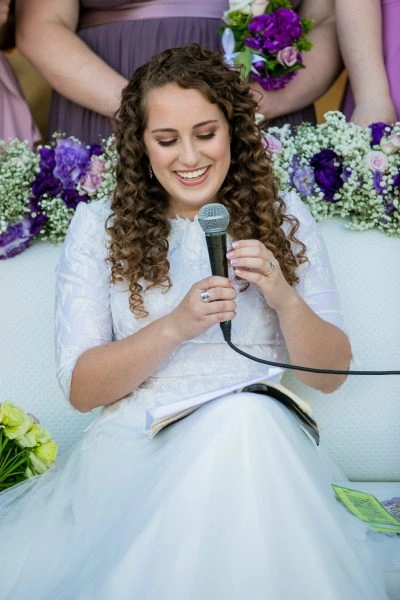
In my Shana bet at Migdal Oz I attended the Hadran siyum hash”as. Witnessing so many women so passionate about their Torah learning and connection to God, I knew I had to begin with the coming cycle. My wedding (June 24) was two weeks before the siyum of mesechet yoma so I went a little ahead and was able to make a speech and siyum at my kiseh kallah on my wedding day!

Sharona Guggenheim Plumb

Givat Shmuel, Israel

I started learning at the start of this cycle, and quickly fell in love. It has become such an important part of my day, enriching every part of my life.

Naomi Niederhoffer
Naomi Niederhoffer

Toronto, Canada

I saw an elderly man at the shul kiddush in early March 2020, celebrating the siyyum of masechet brachot which he had been learning with a young yeshiva student. I thought, if he can do it, I can do it! I began to learn masechet Shabbat the next day, Making up masechet brachot myself, which I had missed. I haven’t missed a day since, thanks to the ease of listening to Hadran’s podcast!
Judith Shapiro
Judith Shapiro

Minnesota, United States

After reading the book, “ If All The Seas Were Ink “ by Ileana Kurshan I started studying Talmud. I searched and studied with several teachers until I found Michelle Farber. I have been studying with her for two years. I look forward every day to learn from her.

Janine Rubens
Janine Rubens

Virginia, United States

I decided to learn one masechet, Brachot, but quickly fell in love and never stopped! It has been great, everyone is always asking how it’s going and chering me on, and my students are always making sure I did the day’s daf.

Yafit Fishbach
Yafit Fishbach

Memphis, Tennessee, United States

Hearing and reading about the siyumim at the completion of the 13 th cycle Daf Yomi asked our shul rabbi about starting the Daf – he directed me to another shiur in town he thought would allow a woman to join, and so I did! Love seeing the sources for the Divrei Torah I’ve been hearing for the past decades of living an observant life and raising 5 children .

Jill Felder
Jill Felder

Pittsburgh, Pennsylvania, United States

After enthusing to my friend Ruth Kahan about how much I had enjoyed remote Jewish learning during the earlier part of the pandemic, she challenged me to join her in learning the daf yomi cycle. I had always wanted to do daf yomi but now had no excuse. The beginning was particularly hard as I had never studied Talmud but has become easier, as I have gained some familiarity with it.

Susan-Vishner-Hadran-photo-scaled
Susan Vishner

Brookline, United States

I started learning on January 5, 2020. When I complete the 7+ year cycle I will be 70 years old. I had been intimidated by those who said that I needed to study Talmud in a traditional way with a chevruta, but I decided the learning was more important to me than the method. Thankful for Daf Yomi for Women helping me catch up when I fall behind, and also being able to celebrate with each Siyum!

Pamela Elisheva
Pamela Elisheva

Bakersfield, United States

I began my journey with Rabbanit Michelle more than five years ago. My friend came up with a great idea for about 15 of us to learn the daf and one of us would summarize weekly what we learned.
It was fun but after 2-3 months people began to leave. I have continued. Since the cycle began Again I have joined the Teaneck women.. I find it most rewarding in so many ways. Thank you

Dena Heller
Dena Heller

New Jersey, United States

Margo
I started my Talmud journey in 7th grade at Akiba Jewish Day School in Chicago. I started my Daf Yomi journey after hearing Erica Brown speak at the Hadran Siyum about marking the passage of time through Daf Yomi.

Carolyn
I started my Talmud journey post-college in NY with a few classes. I started my Daf Yomi journey after the Hadran Siyum, which inspired both my son and myself.

Carolyn Hochstadter and Margo Kossoff Shizgal

Merion Station,  USA

Beit Shemesh, Israel

I start learning Daf Yomi in January 2020. The daily learning with Rabbanit Michelle has kept me grounded in this very uncertain time. Despite everything going on – the Pandemic, my personal life, climate change, war, etc… I know I can count on Hadran’s podcast to bring a smile to my face.
Deb Engel
Deb Engel

Los Angeles, United States

My family recently made Aliyah, because we believe the next chapter in the story of the Jewish people is being written here, and we want to be a part of it. Daf Yomi, on the other hand, connects me BACK, to those who wrote earlier chapters thousands of years ago. So, I feel like I’m living in the middle of this epic story. I’m learning how it all began, and looking ahead to see where it goes!
Tina Lamm
Tina Lamm

Jerusalem, Israel

Shabbat 24

תַּנְיָא כְּווֹתֵיהּ דְּרַב חִסְדָּא. כׇּל אֵלּוּ שֶׁאָמְרוּ אֵין מַדְלִיקִין בָּהֶן בְּשַׁבָּת, מַדְלִיקִין בָּהֶן בְּיוֹם טוֹב, חוּץ מִשֶּׁמֶן שְׂרֵיפָה — לְפִי שֶׁאֵין שׂוֹרְפִין קׇדָשִׁים בְּיוֹם טוֹב.

It was taught in a baraita in accordance with the opinion of Rav Ḥisda. All of these oils with which the Sages said that one may not light on Shabbat, one may light with them on a Festival, with the exception of burnt oil, because one may not burn consecrated items on a Festival.

אִיבַּעְיָא לְהוּ: מַהוּ לְהַזְכִּיר שֶׁל חֲנוּכָּה בְּבִרְכַּת הַמָּזוֹן? כֵּיוָן דְּמִדְּרַבָּנַן הוּא — לָא מַדְכְּרִינַן, אוֹ דִילְמָא מִשּׁוּם פַּרְסוֹמֵי נִיסָּא — מַדְכְּרִינַן?! אָמַר רָבָא אָמַר רַב סְחוֹרָה אָמַר רַב הוּנָא: אֵינוֹ מַזְכִּיר. וְאִם בָּא לְהַזְכִּיר — מַזְכִּיר בַּהוֹדָאָה. רַב הוּנָא בַּר יְהוּדָה אִיקְּלַע לְבֵי רָבָא. סְבַר לְאַדְכּוֹרֵי בְּ״בוֹנֵה יְרוּשָׁלַיִם״. אָמַר לְהוּ רַב שֵׁשֶׁת: כִּתְפִלָּה. מַה תְּפִלָּה בַּהוֹדָאָה — אַף בִּרְכַּת הַמָּזוֹן בַּהוֹדָאָה.

A dilemma was raised before the Sages: What is the ruling with regard to the obligation to mention Hanukkah in Grace after Meals? The dilemma is: Since it is merely an obligation by rabbinic law, do we not mention it? Or, perhaps due to publicity of the miracle, we mention it. Rava said that Rav Seḥora said that Rav Huna said: One does not mention it. And if, nevertheless, he comes to mention it, he mentions it in the blessing of thanksgiving. The Gemara relates that Rav Huna bar Yehuda happened by Rava’s house on Hanukkah. When, after eating, he came to recite Grace after Meals, he thought to mention Hanukkah in the blessing: Who builds Jerusalem. Rav Sheshet said to the yeshiva students: One mentions Hanukkah in Grace after Meals just as he does in the Amida prayer. Just as in the Amida prayer one mentions Hanukkah in the blessing of thanksgiving, so too, in Grace after Meals one mentions Hanukkah in the blessing of thanksgiving.

אִיבַּעְיָא לְהוּ: מַהוּ לְהַזְכִּיר רֹאשׁ חוֹדֶשׁ בְּבִרְכַּת הַמָּזוֹן? אִם תִּימְצֵי לוֹמַר בַּחֲנוּכָּה דְּרַבָּנַן לָא צְרִיךְ, רֹאשׁ חוֹדֶשׁ דְּאוֹרָיְיתָא — צְרִיךְ. אוֹ דִילְמָא כֵּיוָן דְּלָא אֲסִיר בַּעֲשִׂיַּית מְלָאכָה — לָא מַדְכְּרִינַן. רַב אָמַר: מַזְכִּיר, רַבִּי חֲנִינָא אָמַר: אֵינוֹ מַזְכִּיר. אָמַר רַב זְרִיקָא: נְקוֹט דְּרַב בִּידָךְ, דְקָאֵי רַבִּי אוֹשַׁעְיָא כְּווֹתֵיהּ. דְּתָנֵי רַבִּי אוֹשַׁעְיָא: יָמִים שֶׁיֵּשׁ בָּהֶן קׇרְבַּן מוּסַף, כְּגוֹן רֹאשׁ חוֹדֶשׁ וְחוּלּוֹ שֶׁל מוֹעֵד — עַרְבִית וְשַׁחֲרִית וּמִנְחָה מִתְפַּלֵּל שְׁמוֹנֶה עֶשְׂרֵה וְאוֹמֵר מֵעֵין הַמְאוֹרָע בָּעֲבוֹדָה. וְאִם לֹא אָמַר — מַחֲזִירִין אוֹתוֹ. וְאֵין בָּהֶן קְדוּשָּׁה עַל הַכּוֹס, וְיֵשׁ בָּהֶן הַזְכָּרָה בְּבִרְכַּת הַמָּזוֹן. יָמִים שֶׁאֵין בָּהֶן קׇרְבַּן מוּסַף, כְּגוֹן שֵׁנִי וַחֲמִישִׁי וְשֵׁנִי וְתַעֲנִיּוֹת וּמַעֲמָדוֹת.

Based on the previous dilemma, an additional dilemma was raised before the Sages: What is the ruling with regard to the obligation to mention the New Moon in Grace after Meals? The dilemma is: If you say that on Hanukkah, since it is only by rabbinic law, one need not mention it in Grace after Meals; perhaps the New Moon, which is by Torah law, one is required to mention it. Or, perhaps since it is not a day on which it is prohibited to perform labor, one need not mention it. The Sages disputed this matter: Rav said: One mentions the New Moon in Grace after Meals. Rabbi Ḥanina said: One does not mention it. Rav Zerika said: Take the halakha of Rav in your hand as authoritative, since Rabbi Oshaya holds in accordance with his opinion. As Rabbi Oshaya taught in a Tosefta: Days on which there is an additional offering sacrificed in the Temple, i.e., the New Moon and the intermediate days of a Festival; in the evening, morning, and afternoon prayers, one recites the eighteen blessings of the Amida prayer and says a passage pertaining to the event of the day during the blessing of Temple service. And if he did not recite it, we require him to return to the beginning of the prayer and repeat it. And on those days, there is no kiddush recited over the cup of wine at the start of the day, but there is mention of the day recited in Grace after Meals, in accordance with Rav’s opinion. Days on which there is no additional offering, i.e., Monday, and Thursday, and fast days, and non-priestly watches [ma’amadot], have a different legal status as detailed below.

שֵׁנִי וַחֲמִישִׁי מַאי עֲבִידְתַּיְיהוּ? אֶלָּא שֵׁנִי וַחֲמִישִׁי וְשֵׁנִי שֶׁל תַּעֲנִיּוֹת וּמַעֲמָדוֹת. עַרְבִית וְשַׁחֲרִית וּמִנְחָה מִתְפַּלֵּל שְׁמוֹנֶה עֶשְׂרֵה, וְאוֹמֵר מֵעֵין הַמְאוֹרָע בְּ״שׁוֹמֵעַ תְּפִלָּה״, וְאִם לֹא אָמַר — אֵין מַחֲזִירִין אוֹתוֹ. וְאֵין בָּהֶן קְדוּשָּׁה עַל הַכּוֹס וְאֵין בָּהֶן הַזְכָּרָה בְּבִרְכַּת הַמָּזוֹן.

Before drawing a conclusion, the Gemara seeks to clarify: Monday and Thursday, what is their purpose in this discussion, i.e., why are Monday and Thursday mentioned here if no special prayers are recited on those days? The Gemara explains: Rather, certainly the reference is to Monday and Thursday and Monday that are fast days for rain and of ma’amadot. On those days, in the evening, morning, and afternoon prayers, one recites eighteen blessings and recites a passage pertaining to the event of the day, i.e., the fast, in the blessing: Who listens to prayer. However, if one did not mention it, we do not require him to return to the beginning of the prayer and repeat it. And, on those days, there is no kiddush recited over a cup of wine, and there is no mention of the day recited in Grace after Meals.

אִיבַּעְיָא לְהוּ: מַהוּ לְהַזְכִּיר שֶׁל חֲנוּכָּה בְּמוּסָפִין? כֵּיוָן דְּלֵית בֵּיהּ מוּסָף בְּדִידֵיהּ לָא מַדְכְּרִינַן, אוֹ דִילְמָא יוֹם הוּא שֶׁחַיָּיב בְּאַרְבַּע תְּפִלּוֹת. רַב הוּנָא וְרַב יְהוּדָה דְּאָמְרִי תַּרְוַיְיהוּ: אֵינוֹ מַזְכִּיר. רַב נַחְמָן וְרַבִּי יוֹחָנָן דְּאָמְרִי תַּרְוַיְיהוּ: מַזְכִּיר.

An additional dilemma was raised before the Sages: What is the ruling with regard to the obligation to mention Hanukkah in the additional prayer on Shabbat during Hanukkah or on the New Moon of Tevet, which falls during Hanukkah? The sides of the dilemma are: Do we say that since Hanukkah has no additional prayer of its own, and the additional prayer has no connection to Hanukkah, we do not mention it? Or, perhaps it is the essence of the day that is obligated in the mention of Hanukkah, in which case there is no distinction between the various prayers, and it should be mentioned in all four prayers, including the additional prayer on Shabbat and the New Moon. There is a dispute: Rav Huna and Rav Yehuda both said: One does not mention it. Rav Naḥman and Rabbi Yoḥanan both said: One mentions it.

אֲמַר לֵיהּ אַבָּיֵי לְרַב יוֹסֵף: הָא דְּרַב הוּנָא וְרַב יְהוּדָה דְּרַב הוּא. דְּאָמַר רַב גִּידֵּל אָמַר רַב: רֹאשׁ חֹדֶשׁ שֶׁחָל לִהְיוֹת בְּשַׁבָּת — הַמַּפְטִיר בַּנָּבִיא בְּשַׁבָּת אֵינוֹ צָרִיךְ לְהַזְכִּיר שֶׁל רֹאשׁ חֹדֶשׁ, שֶׁאִילְמָלֵא שַׁבָּת אֵין נָבִיא בְּרֹאשׁ חֹדֶשׁ

Abaye said to Rav Yosef: This opinion of Rav Huna and Rav Yehuda is Rav’s opinion, as Rav Giddel said that Rav said: In the case of the New Moon that occurs on Shabbat, the one who recites the portion from the Prophets [haftara] on Shabbat need not mention the New Moon in the blessing, as, if it were not Shabbat, there would be no reading from the Prophets on the New Moon. The haftara is unrelated to the New Moon, and therefore the New Moon is not mentioned in the blessing. The same should be true with regard to mention of Hanukkah in the additional service on the New Moon, as, if it were not the New Moon, he would not be reciting the additional service on Hanukkah. Therefore, when he recites the additional prayer, he need not mention Hanukkah.

מִי דָּמֵי?! הָתָם נָבִיא בִּדְרֹאשׁ חֹדֶשׁ לֵיכָּא כְּלָל, הָכָא אִיתֵיהּ בְּעַרְבִית וְשַׁחֲרִית וּמִנְחָה. אֶלָּא לְהָא דָּמְיָא: דְּאָמַר רַב אַחַדְבוּי אָמַר רַב מַתְנָה אָמַר רַב: יוֹם טוֹב שֶׁחָל לִהְיוֹת בְּשַׁבָּת, הַמַּפְטִיר בְּנָבִיא בְּמִנְחָה בְּשַׁבָּת אֵינוֹ צָרִיךְ לְהַזְכִּיר שֶׁל יוֹם טוֹב, שֶׁאִילְמָלֵא שַׁבָּת אֵין נָבִיא בְּמִנְחָה בְּיוֹם טוֹב.

The Gemara rejects this comparison. Is this comparable? There, reading from the Prophets is not at all part of the service on the New Moon. Here, there is mention of Hanukkah in the evening, morning, and afternoon prayers. Rather, it is comparable to this: As Rav Aḥadvoi said that Rav Mattana said that Rav said: On a Festival that occurs on Shabbat, one who recites the portion from the Prophets during the afternoon service on Shabbat need not mention the Festival, as, if it were not Shabbat, there would be no reading from the Prophets during the afternoon service on a Festival. If so, even though there is a haftara during the morning service on a Festival, since they do not read from the Prophets in the afternoon, the reading is considered totally unrelated to the Festival and one does not mention the Festival. The same is true with regard to Hanukkah. One does not mention Hanukkah in the additional prayer.

וְלֵית הִילְכְתָא כְּכׇל הָנֵי שְׁמַעְתָּתָא, אֶלָּא כִּי הָא דְּאָמַר רַבִּי יְהוֹשֻׁעַ בֶּן לֵוִי: יוֹם הַכִּפּוּרִים שֶׁחָל לִהְיוֹת בְּשַׁבָּת — הַמִּתְפַּלֵּל נְעִילָה צָרִיךְ לְהַזְכִּיר שֶׁל שַׁבָּת. יוֹם הוּא שֶׁנִּתְחַיֵּיב בְּאַרְבַּע תְּפִלּוֹת.

The Gemara concludes: And the halakha is not in accordance with any of these halakhot; rather, it is in accordance with that which Rabbi Yehoshua ben Levi said: On Yom Kippur that falls on Shabbat, one who recites the day’s closing prayer [ne’ila] must mention Shabbat even in that prayer, although ne’ila is not recited every Shabbat. The reason for this is that on Yom Kippur, the day itself is obligated in four prayers, i.e., morning, additional, afternoon, and closing. When it occurs on Shabbat, one must mention Shabbat in each of the prayers. Apparently, on a day that has a unique character, that character is manifest in all sacred aspects of the day; those engendered by the day itself as well as those engendered by other factors.

קַשְׁיָא הִילְכְתָא אַהִילְכְתָא. אָמְרַתְּ הִילְכְתָא כְּרַבִּי יְהוֹשֻׁעַ בֶּן לֵוִי, וְקַיְימָא לַן הִילְכְתָא כְּרָבָא. דְּאָמַר רָבָא: יוֹם טוֹב שֶׁחָל לִהְיוֹת בְּשַׁבָּת, שְׁלִיחַ צִיבּוּר הַיּוֹרֵד לִפְנֵי הַתֵּיבָה עַרְבִית אֵינוֹ צָרִיךְ לְהַזְכִּיר שֶׁל יוֹם טוֹב, שֶׁאִילְמָלֵא שַׁבָּת אֵין שְׁלִיחַ צִבּוּר יוֹרֵד עַרְבִית בְּיוֹם טוֹב.

The Gemara challenges this: It is difficult, as there is a contradiction between one halakha and another halakha. On the one hand, you said that the halakha is in accordance with the opinion of Rabbi Yehoshua ben Levi. And, on the other hand, we hold that the halakha is in accordance with the opinion of Rava, which contradicts the first halakha, as Rava said: On a Festival that occurs on Shabbat, the prayer leader who descends before the ark to recite the prayer abridged from the seven blessings of the Shabbat evening Amida prayer need not mention the Festival, as, if it were not also Shabbat, the prayer leader would not descend before the ark to recite this prayer during the evening prayer on a Festival. The Gemara reverts to the previous assumption that an element that does not arise from the essential halakhot of the day is considered foreign to it and is not mentioned.

הָכִי הַשְׁתָּא?! הָתָם בְּדִין הוּא דַּאֲפִילּוּ בְּשַׁבָּת נָמֵי לָא צְרִיךְ, וְרַבָּנַן הוּא דְּתַקִּינוּ מִשּׁוּם סַכָּנָה. אֲבָל הָכָא — יוֹם הוּא שֶׁנִּתְחַיֵּיב בְּאַרְבַּע תְּפִלּוֹת.

This challenge is rejected: How can you compare? There, actually, even on Shabbat, the prayer leader need not repeat the prayer, just as the prayer is not repeated any other evening. It was the Sages who instituted repetition of the prayer due to concern for potential danger. The Sages sought to slightly delay those leaving the synagogue to enable people who came late to leave together with the rest of the worshippers. This was necessary because synagogues were often located beyond the city limits, and it was dangerous to walk alone at night. This repetition of the prayer does not stem from the obligation of the day but was instituted for another purpose. However, here, on Yom Kippur, it is the day that is obligated in four prayers, and therefore on each day that there are added prayers, one must mention the events that occurred on that day in those prayers just as he does in all the standard prayers.

וְלֹא בְּאַלְיָה כּוּ׳. חֲכָמִים הַיְינוּ תַּנָּא קַמָּא! אִיכָּא בֵינַיְיהוּ דְּרַב בְּרוֹנָא אָמַר רַב. וְלָא מְסַיְּימִי.

And we learned in the mishna that one may not light with the sheep’s tail or with fat. Naḥum the Mede says that one may light using cooked fat. And the Rabbis say that one may not light with it whether or not it is cooked. The Gemara asks: Isn’t the opinion of the Rabbis identical to the unattributed opinion of the first tanna in the mishna? The Gemara answers: The practical difference between them is with regard to what Rav Beruna said that Rav said that one may light with cooked fat to which oil was added. One of the tanna’im accepts this opinion as halakha and permits lighting with it, and the other prohibits it, and the opinions are not defined. Although it seems from the formulation of the mishna that they differ on this point, it is unclear what the opinion of each tanna is.

מַתְנִי׳ אֵין מַדְלִיקִין בְּשֶׁמֶן שְׂרֵיפָה בְּיוֹם טוֹב. רַבִּי יִשְׁמָעֵאל אוֹמֵר אֵין מַדְלִיקִין בְּעִטְרָן מִפְּנֵי כְּבוֹד הַשַּׁבָּת. וַחֲכָמִים מַתִּירִין בְּכָל הַשְּׁמָנִים: בְּשֶׁמֶן שׁוּמְשְׁמִין, בְּשֶׁמֶן אֱגוֹזִים, בְּשֶׁמֶן צְנוֹנוֹת, בְּשֶׁמֶן דָּגִים, בְּשֶׁמֶן פַּקּוּעוֹת, בְּעִטְרָן וּבְנֵפְטְ. רַבִּי טַרְפוֹן אוֹמֵר: אֵין מַדְלִיקִין אֶלָּא בְּשֶׁמֶן זַיִת בִּלְבַד.

MISHNA: In continuation of the previous mishna, this mishna adds that one may not light with burnt oil on a Festival, as the Gemara will explain below. With regard to lighting Shabbat lamps, there were Sages who prohibited the use of specific oils. Rabbi Yishmael says that one may not light with tar [itran] in deference to Shabbat because tar smells bad and disturbs those in the house. And the Rabbis permit lighting with all oils for lamps as long as they burn properly; with sesame oil, with nut oil, with turnip oil, with fish oil, with gourd oil, with tar, and even with naphtha [neft]. Rabbi Tarfon says: One may light only with olive oil in deference to Shabbat, as it is the choicest and most pleasant of the oils.

גְּמָ׳ מַאי טַעְמָא? לְפִי שֶׁאֵין שׂוֹרְפִין קׇדָשִׁים בְּיוֹם טוֹב. מְנָהָנֵי מִילֵּי? אָמַר חִזְקִיָּה, וְכֵן תָּנָא דְּבֵי חִזְקִיָּה, אָמַר קְרָא: ״וְלֹא תוֹתִירוּ מִמֶּנּוּ עַד בֹּקֶר וְהַנּוֹתָר מִמֶּנּוּ עַד בֹּקֶר״. שֶׁאֵין תַּלְמוּד לוֹמַר ״עַד בֹּקֶר״! מַה תַּלְמוּד לוֹמַר ״עַד בֹּקֶר״ — בָּא הַכָּתוּב לִיתֵּן לוֹ בֹּקֶר שֵׁנִי לִשְׂרֵיפָתוֹ.

GEMARA: With regard to the statement of the mishna that one may not light with burnt oil on a Festival, the Gemara asks: What is the reason for this? The Gemara answers: Because, in general, one may not burn consecrated items on a Festival. With regard to the fundamental principle that one may not burn consecrated items on a Festival, the Gemara asks: From where are these matters derived? Ḥizkiya said, and one of the Sages from the school of Ḥizkiya taught the same, that which the verse said: “And you shall let nothing of it remain until morning; but that which remains of it until morning you shall burn with fire” (Exodus 12:10), requires explanation. As the Torah did not need to state until morning the second time. It would have been sufficient to state: But that which remains of it you shall burn with fire. Rather, why does the Torah state until morning? The verse comes to provide him with the second morning for burning. Leftover meat of the Paschal lamb is not burned on the following morning, which is a Festival, but rather on the following day, the first of the intermediate days of the Festival. From there it is derived that burning consecrated items on a Festival is prohibited.

אַבָּיֵי אָמַר, אָמַר קְרָא: ״עוֹלַת שַׁבָּת בְּשַׁבַּתּוֹ״ — וְלֹא עוֹלַת חוֹל בְּשַׁבָּת, וְלֹא עוֹלַת חוֹל בְּיוֹם טוֹב.

Abaye said: This is derived from another verse, as the verse said: “This is the burnt-offering of each Shabbat on its Shabbat” (Numbers 28:10). Only the burnt-offering of Shabbat is sacrificed on Shabbat, and not a weekday burnt-offering on Shabbat, and not a weekday burnt-offering on a Festival. Apparently, performing this mitzva is prohibited even on a Festival, since it was not explicitly enumerated among the actions permitted on a Festival.

רָבָא אָמַר, אָמַר קְרָא: ״הוּא לְבַדּוֹ יֵעָשֶׂה לָכֶם״. ״הוּא״ — וְלֹא מַכְשִׁירִין. ״לְבַדּוֹ״ — וְלֹא מִילָּה שֶׁלֹּא בִּזְמַנָּהּ, דְּאָתְיָא בְּקַל וָחוֹמֶר.

Rava said: This is derived from a different verse, as the verse said with regard to the laws of a Festival: “No manner of work shall be done in them, save that which every man must eat, that alone may be done by you” (Exodus 12:16). From the word that, it is derived that for sustenance, one is permitted to perform prohibited labor on a Festival, but not for facilitators of sustenance. Although cooking is permitted, actions that involve prohibited labors for the purpose of facilitating cooking are prohibited. From the word alone, it is derived: And not circumcision performed not at its appointed time, i.e., a circumcision may be performed on a Festival only if it is on the eighth day. A circumcision that was postponed may not be performed on a Festival. It is possible that license to perform the postponed circumcision on a Festival could have been derived by means of an a fortiori inference. Therefore, the verse explicitly prohibited doing so. The same is true with regard to burning consecrated items. Although the Torah commands burning consecrated items, it was not permitted on a Festival since there is no obligation to do so specifically on that day.

רַב אָשֵׁי אָמַר: (״שַׁבַּת״) ״שַׁבָּתוֹן״ —

Rav Ashi said: It is derived from a different source. In the verses that speak of the Festivals, as opposed to the term Shabbat, the term shabbaton (Leviticus 23:24) appears.

Want to follow content and continue where you left off?

Create an account today to track your progress, mark what you’ve learned, and follow the shiurim that speak to you.

Clear all items from this list?

This will remove ALL the items in this section. You will lose any progress or history connected to them. This is irreversible.

Cancel
Yes, clear all

Are you sure you want to delete this item?

You will lose any progress or history connected to this item.

Cancel
Yes, delete