








The mishna and gemara delve into the different types of muktze and different tannaitic opinions about what is considered muktze and what isn’t. According to Rabbi Yehuda, something that is disgusting like an earthenware vessel that was used for lighting a candle. According to Rabbi Meir, if something is designated not for use at twilight Friday afternoon (bein hashmashot), then it can’t be used all Shabbat, like candles lit for Shabbat. Rabbi Shimon only forbids moving candles that are lit, lest one may extinguish them. Accroding to the gemara Rabbi Shimon also forbids it while it is lit because he holds that while it is designated for a forbidden use, it is muktze however not for all of Shabbat – just for the time it was designated. How is a metal candelabra different from eathenware? Rav brings a halacha regarding a bed with money on it. A mishna is brought to contradict and the gemara resolves it by saying the mishna holds by Rabbi Shimon and Rav holds by Rabbi Yehuda on muktze issues.
Shabbat 44

Share this shiur:
Want to dedicate learning? Get started here:
Shabbat 44
אִי לָא שָׁרֵית לֵיהּ, אָתֵי לְכַבּוֹיֵי. אָמַר רַבִּי יְהוּדָה בֶּן שֵׁילָא אָמַר רַב אַסִּי אָמַר רַבִּי יוֹחָנָן: הֲלָכָה כְּרַבִּי יְהוּדָה בֶּן לָקִישׁ בְּמֵת.
if you do not permit him to move the corpse in an atypical manner, he will come to extinguish the fire. The Sages permitted performing an act prohibited by rabbinic law so that one will not come to transgress a Torah prohibition. Rabbi Yehuda ben Sheila said that Rav Asi said that Rabbi Yoḥanan said: The halakha is in accordance with the opinion of Rabbi Yehuda ben Lakish with regard to the issue of rescuing a corpse from a fire.
אֵין נֵיאוֹתִין הֵימֶנּוּ, לְפִי שֶׁאֵינוֹ מִן הַמּוּכָן. תָּנוּ רַבָּנַן: מוֹתַר הַשֶּׁמֶן שֶׁבַּנֵּר וְשֶׁבַּקְּעָרָה אָסוּר. וְרַבִּי שִׁמְעוֹן מַתִּיר.
We learned in the mishna that one may not make use of the oil that drips from the candle on Shabbat because it is not among the oil prepared from Shabbat eve for use on Shabbat. With regard to this same issue, the Sages taught in a baraita: The remaining oil that is in the lamp or in a bowl in which a wick was burning is prohibited for use on Shabbat. However, Rabbi Shimon permits using the remaining oil as, according to his opinion, there is virtually nothing prohibited due to the prohibition of set-aside.
מַתְנִי׳ מְטַלְטְלִין נֵר חָדָשׁ אֲבָל לֹא יָשָׁן. רַבִּי שִׁמְעוֹן אוֹמֵר: כׇּל הַנֵּרוֹת מִטַּלְטְלִין, חוּץ מִן הַנֵּר הַדּוֹלֵק בְּשַׁבָּת.
MISHNA: The dispute in this mishna seems to be a local one; however, it is the key to several halakhot in the area of the prohibition of set-aside [muktze]. One may move a new oil lamp on Shabbat but not an old one that was already used. A lamp that was used is covered with soot and unsuitable for use. It is therefore considered set aside from use due to its disgusting nature. Rabbi Shimon says: All oil lamps may be moved on Shabbat except for an oil lamp that is burning on Shabbat, due to the concern that it might be extinguished.
גְּמָ׳ תָּנוּ רַבָּנַן: מְטַלְטְלִין נֵר חָדָשׁ אֲבָל לֹא יָשָׁן, דִּבְרֵי רַבִּי יְהוּדָה. רַבִּי מֵאִיר אוֹמֵר: כׇּל הַנֵּרוֹת מִטַּלְטְלִין, חוּץ מִן הַנֵּר שֶׁהִדְלִיקוּ בּוֹ בְּשַׁבָּת. רַבִּי שִׁמְעוֹן אוֹמֵר: חוּץ מִן הַנֵּר הַדּוֹלֵק בְּשַׁבָּת. כָּבְתָה — מוּתָּר לְטַלְטְלָהּ. אֲבָל כּוֹס וּקְעָרָה וַעֲשָׁשִׁית לֹא יְזִיזֵם מִמְקוֹמָם. וְרַבִּי אֱלִיעֶזֶר בְּרַבִּי שִׁמְעוֹן אוֹמֵר: מִסְתַּפֵּק מִן הַנֵּר הַכָּבֶה וּמִן הַשֶּׁמֶן הַמְטַפְטֵף, וַאֲפִילּוּ בְּשָׁעָה שֶׁהַנֵּר דּוֹלֵק.
GEMARA: The Sages taught the dispute in the mishna in greater detail in a Tosefta: One may move a new oil lamp on Shabbat but not an old one; this is the statement of Rabbi Yehuda. Rabbi Meir says: All oil lamps may be moved on Shabbat except for an oil lamp that they kindled on that Shabbat. Rabbi Meir does not hold that one must distance himself from objects that are disgusting. However, since the lamp was burning on Shabbat, it may not be moved, as it is an object set aside due to prohibition for the entire Shabbat. Rabbi Shimon says: All lamps may be moved except for an oil lamp that is burning on Shabbat. If the flame was extinguished, one is permitted to move it. However, a cup and a bowl and a lantern that are full of oil with a wick lit in them, one may not move them from their place even after the flame is extinguished. And Rabbi Eliezer, son of Rabbi Shimon, says: One may supply himself with oil from an extinguished candle and from the oil that drips from the lamp, and even while the lamp is burning.
אָמַר אַבָּיֵי: רַבִּי אֱלִיעֶזֶר בְּרַבִּי שִׁמְעוֹן סָבַר לַהּ כַּאֲבוּהּ בַּחֲדָא, וּפְלִיג עֲלֵיהּ בַּחֲדָא. סָבַר לַהּ כַּאֲבוּהּ בַּחֲדָא — דְּלֵית לֵיהּ מוּקְצֶה. וּפְלִיג עֲלֵיהּ בַּחֲדָא — דְּאִילּוּ אֲבוּהּ סָבַר כָּבָה — אִין, לֹא כָּבָה — לָא, וְאִיהוּ סָבַר אַף עַל גַּב דְּלֹא כָּבָה.
Abaye said: Rabbi Eliezer, son of Rabbi Shimon, holds in accordance with the opinion of his father in one matter and disagrees with him in one matter. He holds in accordance with the opinion of his father in one matter, as he is not of the opinion that moving set-aside objects is prohibited. And he disagrees with him in one matter; as his father holds that if the flame was extinguished, yes, he may move it, if it was not extinguished, no, he may not move it. And Rabbi Eliezer holds: Even though the flame was not extinguished, it is permitted to carry the lamp and to use the oil that drips from it. In his opinion, doing so in no way extinguishes the flame and it is in no way comparable to extinguishing the flame.
אֲבָל כּוֹס וּקְעָרָה וַעֲשָׁשִׁית לֹא יְזִיזֵם מִמְקוֹמָם. מַאי שְׁנָא הָנֵי? אָמַר עוּלָּא: סֵיפָא אֲתָאן לְרַבִּי יְהוּדָה.
Following Rabbi Shimon’s statement, it was taught in the Tosefta: However, a cup, and a bowl, and a lantern, one may not move them from their place. The Gemara asks: What is different about these, that even Rabbi Shimon prohibits moving them? Ulla said: In the latter clause of this Tosefta, we came back to explain the opinion of Rabbi Yehuda, who prohibits moving items that are set-aside.
מַתְקִיף לַהּ מָר זוּטְרָא: אִי הָכִי, מַאי ״אֲבָל״? אֶלָּא אָמַר מָר זוּטְרָא: לְעוֹלָם רַבִּי שִׁמְעוֹן. וְכִי קָשָׁרֵי רַבִּי שִׁמְעוֹן — בְּנֵר זוּטָא דְּדַעְתֵּיהּ עִלָּוֵיהּ, אֲבָל הָנֵי דִּנְפִישִׁי — לָא.
Mar Zutra strongly objects to Ulla’s explanation: If so, what is the meaning of the word however in the phrase: However, a cup and a bowl, etc.? Rabbi Yehuda prohibited moving an oil lamp as well. In what way could the legal status of a bowl be any different? Rather, Mar Zutra said: Actually, this must be explained differently. That phrase was stated by Rabbi Shimon. And when Rabbi Shimon permitted moving a lamp, that was in the case of a small lamp, which he has in mind, i.e., he is certain that the flame will be extinguished on Shabbat and that he will have the opportunity to use the remaining oil that day. However, these, the bowl and the lantern, which have much oil, no, he does not expect them to be extinguished and he sets them aside from use for the entire Shabbat.
וְהָתַנְיָא: מוֹתַר הַשֶּׁמֶן שֶׁבַּנֵּר וְשֶׁבַּקְּעָרָה — אָסוּר, וְרַבִּי שִׁמְעוֹן מַתִּיר! הָתָם קְעָרָה דּוּמְיָא דְנֵר, הָכָא קְעָרָה דּוּמְיָא דְכוֹס.
The Gemara asks: Wasn’t it taught in a baraita: Using the remaining oil that is in an oil lamp or in a bowl is prohibited on Shabbat, and Rabbi Shimon permits using it. Apparently, Rabbi Shimon does not distinguish between a candle and a bowl. The Gemara answers: There, where Rabbi Shimon permitted a bowl, was specifically in a case where it is similar to a lamp, i.e., a small bowl in which the flame will quickly extinguish. Here, where Rabbi Shimon prohibited using the oil remaining in a bowl, it is referring to a bowl that is similar to a cup, which is large.
אָמַר רַבִּי זֵירָא: פָּמוֹט שֶׁהִדְלִיקוּ בּוֹ בְּשַׁבָּת, לְדִבְרֵי הַמַּתִּיר — אָסוּר. לְדִבְרֵי הָאוֹסֵר — מוּתָּר. לְמֵימְרָא דְּרַבִּי יְהוּדָה — מוּקְצֶה מֵחֲמַת מִיאוּס אִית לֵיהּ, מוּקְצֶה מֵחֲמַת אִיסּוּר לֵית לֵיהּ? וְהָתַנְיָא, רַבִּי יְהוּדָה אוֹמֵר: כׇּל הַנֵּרוֹת שֶׁל מַתֶּכֶת מִטַּלְטְלִין, חוּץ מִן הַנֵּר שֶׁהִדְלִיקוּ בּוֹ בְּשַׁבָּת! אֶלָּא, אִי אִיתְּמַר הָכִי אִיתְּמַר, אָמַר רַבִּי זֵירָא: פָּמוֹט שֶׁהִדְלִיקוּ עָלָיו בְּשַׁבָּת — דִּבְרֵי הַכֹּל אָסוּר. לֹא הִדְלִיקוּ עָלָיו — דִּבְרֵי הַכֹּל מוּתָּר.
Rabbi Zeira said: A metal candlestick [pamot] that was kindled on Shabbat, according to Rabbi Shimon, who permits moving a lamp, it is prohibited because it is large. Whereas, according to Rabbi Yehuda, who prohibits moving a lamp, a metal candlestick is permitted because it does not become disgusting (Rabbeinu Ḥananel). The Gemara asks: Is that to say that Rabbi Yehuda is of the opinion that an object that is set-aside [muktze] due to repugnance may not be moved, and he is not of the opinion that an object that is set-aside due to prohibition may not be moved, and therefore permits moving the candlestick? Wasn’t it taught in a baraita that Rabbi Yehuda says: All metal candlesticks may be moved on Shabbat with the exception of a candlestick that was kindled on Shabbat itself? Apparently, he prohibits moving the metal candlestick, not because it is disgusting but because it is set-aside due to prohibition. Rather, if it was stated, it was stated as follows, Rabbi Zeira said: A metal candlestick that was kindled on Shabbat, everyone agrees that it is prohibited. One that was not kindled on Shabbat, everyone agrees that it is permitted because it is neither set aside due to prohibition nor set aside due to repugnance.
אָמַר רַב יְהוּדָה אָמַר רַב: מִטָּה שֶׁיִּחֲדָהּ לְמָעוֹת אָסוּר לְטַלְטְלָהּ. מֵתִיב רַב נַחְמָן בַּר יִצְחָק: מְטַלְטְלִין נֵר חָדָשׁ אֲבָל לֹא יָשָׁן!
Rav Yehuda said that Rav said: A bed which one designated to place money upon it may not be moved on Shabbat because it is set-aside. It is prohibited even though it no longer has money upon it. Rav Naḥman bar Yitzḥak raised an objection to Rav Yehuda from our mishna: One may move a new oil lamp on Shabbat but not an old one.
וּמָה נֵר דִּלְהָכִי עֲבִידָא, כִּי לָא אַדְלֵיק בָּהּ שְׁרֵי לְטַלְטוֹלַהּ — מִטָּה דְּלָאו לְהָכִי עֲבִידָא לֹא כָל שֶׁכֵּן?! אֶלָּא אִי אִיתְּמַר, הָכִי אִיתְּמַר: אָמַר רַב יְהוּדָה אָמַר רַב: מִטָּה שֶׁיִּחֲדָהּ לְמָעוֹת, הִנִּיחַ עָלֶיהָ מָעוֹת — אָסוּר לְטַלְטְלָהּ, לֹא הִנִּיחַ עָלֶיהָ מָעוֹת — מוּתָּר לְטַלְטְלָהּ. לֹא יִחֲדָהּ לְמָעוֹת, יֵשׁ עָלֶיהָ מָעוֹת — אָסוּר לְטַלְטְלָהּ, אֵין עָלֶיהָ מָעוֹת — מוּתָּר לְטַלְטְלָהּ. וְהוּא שֶׁלֹּא הָיוּ עָלֶיהָ בֵּין הַשְּׁמָשׁוֹת.
He explains his objection: And just as a lamp, which is made for this purpose, for lighting, when he did not light it, he is permitted to move it, a bed, which is not made for that purpose, for placing money on it, all the more so moving it would be permitted. Rather, if it was stated, it was stated as follows: Rav Yehuda said that Rav said: A bed that one designated for money to be placed upon it, if one left money upon it one day, it becomes designated for that purpose and it is prohibited to move it on Shabbat. If one did not leave money upon it, it is permitted to move it on Shabbat. A bed, which one did not designate for money to be placed upon it, if there is money upon it on Shabbat itself, it is prohibited to move it on Shabbat. If there is not money on it, it is permitted to move it. And that is only when there was not money on it during the twilight period between Shabbat eve and Shabbat. If there was money on it at that time, the bed itself becomes set aside due to prohibition for the entire Shabbat, even if the money fell off the bed in the course of the day.
אָמַר עוּלָּא, מֵתִיב רַבִּי אֱלִיעֶזֶר: מוּכְנִי שֶׁלָּהּ בִּזְמַן שֶׁהִיא נִשְׁמֶטֶת, אֵין חִבּוּר לָהּ וְאֵין נִמְדֶּדֶת עִמָּהּ וְאֵין מַצֶּלֶת עִמָּהּ בְּאֹהֶל הַמֵּת וְאֵין גּוֹרְרִין אוֹתָהּ בְּשַׁבָּת — בִּזְמַן שֶׁיֵּשׁ עָלֶיהָ מָעוֹת.
Ulla said: Rabbi Eliezer raised an objection to Rav’s statement from that which we learned in a mishna. This mishna deals primarily with the laws of ritual impurity and discusses the relationship between a wagon and its undercarriage [mukheni], the system of wheels and the frame at the base of the wagon. And the Sages said: The wagon’s undercarriage, when it is detachable from the wagon, it is not considered connected to it and they are considered independent units as far as the halakhot of ritual impurity are concerned. And it is not measured with it. This refers to calculating the volume of forty se’a, as a vessel with a volume larger than forty se’a does not have the legal status of a vessel and cannot become ritually impure. And the undercarriage likewise does not protect together with the wagon in a tent over the corpse. A large wagon is considered a tent in and of itself and the vessels inside the wagon do not become impure if the wagon is over a corpse. However, the undercarriage is not included with the wagon in this regard. If a hole in the wagon is sealed by the undercarriage, it is not considered sealed with regard to preventing ritual impurity. And, likewise, one may not pull the wagon on Shabbat when there is money upon it.
הָא אֵין עָלֶיהָ מָעוֹת — שַׁרְיָא, אַף עַל גַּב דַּהֲווֹ עָלֶיהָ בֵּין הַשְּׁמָשׁוֹת! הַהִיא רַבִּי שִׁמְעוֹן הִיא דְּלֵית לֵיהּ מוּקְצֶה, וְרַב כְּרַבִּי יְהוּדָה סְבִירָא לֵיהּ.
By inference: If there is not money on it, one is permitted to move the wagon even though there was money on it at twilight. In this mishna, the prohibition is contingent exclusively on whether or not there is money on the wagon at that time. The Gemara answers: That mishna is in accordance with the opinion of Rabbi Shimon, who is not of the opinion that there is a prohibition of set-aside. And Rav holds in accordance with the opinion of Rabbi Yehuda. Since according to Rabbi Yehuda there is a prohibition of set-aside, the wagon became set aside from use during the twilight period and remains prohibited for the entire Shabbat.

New to Talmud?
Check out our resources designed to help you navigate a page of Talmud – and study at the pace, level and style that fits you.
The Hadran Women’s Tapestry
Meet the diverse women learning Gemara at Hadran and hear their stories.
I began Daf Yomi with the last cycle. I was inspired by the Hadran Siyum in Yerushalayim to continue with this cycle. I have learned Daf Yomi with Rabanit Michelle in over 25 countries on 6 continents ( missing Australia)

Silver Spring, MD, United States
I never thought I’d be able to do Daf Yomi till I saw the video of Hadran’s Siyum HaShas. Now, 2 years later, I’m about to participate in Siyum Seder Mo’ed with my Hadran community. It has been an incredible privilege to learn with Rabbanit Michelle and to get to know so many caring, talented and knowledgeable women. I look forward with great anticipation and excitement to learning Seder Nashim.
Karmiel, Israel
I decided to learn one masechet, Brachot, but quickly fell in love and never stopped! It has been great, everyone is always asking how it’s going and chering me on, and my students are always making sure I did the day’s daf.
Memphis, Tennessee, United States
I started my Daf Yomi journey at the beginning of the COVID19 pandemic.

Los Angeles, United States
Having never learned Talmud before, I started Daf Yomi in hopes of connecting to the Rabbinic tradition, sharing a daily idea on Instagram (@dafyomiadventures). With Hadran and Sefaria, I slowly gained confidence in my skills and understanding. Now, part of the Pardes Jewish Educators Program, I can’t wait to bring this love of learning with me as I continue to pass it on to my future students.

Pennsylvania, United States
Studying has changed my life view on הלכה and יהדות and time. It has taught me bonudaries of the human nature and honesty of our sages in their discourse to try and build a nation of caring people .

Kfar Saba, Israel
I started learning at the beginning of this Daf Yomi cycle because I heard a lot about the previous cycle coming to an end and thought it would be a good thing to start doing. My husband had already bought several of the Koren Talmud Bavli books and they were just sitting on the shelf, not being used, so here was an opportunity to start using them and find out exactly what was in them. Loving it!

Borehamwood, United Kingdom
I attended the Siyum so that I could tell my granddaughter that I had been there. Then I decided to listen on Spotify and after the siyum of Brachot, Covid and zoom began. It gave structure to my day. I learn with people from all over the world who are now my friends – yet most of us have never met. I can’t imagine life without it. Thank you Rabbanit Michelle.
Raanana, Israel
After being so inspired by the siyum shas two years ago, I began tentatively learning daf yomi, like Rabbanut Michelle kept saying – taking one daf at a time. I’m still taking it one daf at a time, one masechet at a time, but I’m loving it and am still so inspired by Rabbanit Michelle and the Hadran community, and yes – I am proud to be finishing Seder Mo’ed.

Bet Shemesh, Israel
I began my journey two years ago at the beginning of this cycle of the daf yomi. It has been an incredible, challenging experience and has given me a new perspective of Torah Sh’baal Peh and the role it plays in our lives
Efrat, Israel
I started last year after completing the Pesach Sugiyot class. Masechet Yoma might seem like a difficult set of topics, but for me made Yom Kippur and the Beit HaMikdash come alive. Liturgy I’d always had trouble connecting with took on new meaning as I gained a sense of real people moving through specific spaces in particular ways. It was the perfect introduction; I am so grateful for Hadran!

Minnesota, United States
After enthusing to my friend Ruth Kahan about how much I had enjoyed remote Jewish learning during the earlier part of the pandemic, she challenged me to join her in learning the daf yomi cycle. I had always wanted to do daf yomi but now had no excuse. The beginning was particularly hard as I had never studied Talmud but has become easier, as I have gained some familiarity with it.

Brookline, United States
In my Shana bet at Migdal Oz I attended the Hadran siyum hash”as. Witnessing so many women so passionate about their Torah learning and connection to God, I knew I had to begin with the coming cycle. My wedding (June 24) was two weeks before the siyum of mesechet yoma so I went a little ahead and was able to make a speech and siyum at my kiseh kallah on my wedding day!
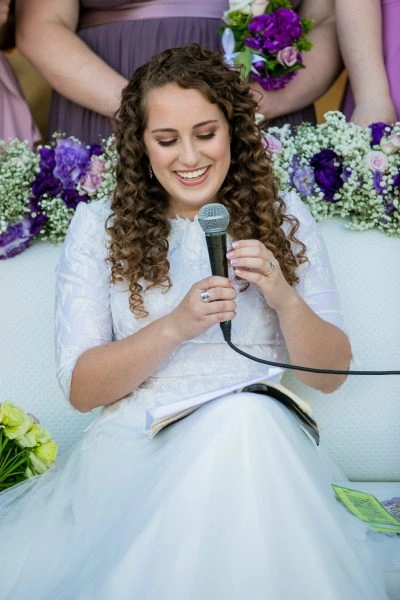
Givat Shmuel, Israel
I started learning after the siyum hashas for women and my daily learning has been a constant over the last two years. It grounded me during the chaos of Corona while providing me with a community of fellow learners. The Daf can be challenging but it’s filled with life’s lessons, struggles and hope for a better world. It’s not about the destination but rather about the journey. Thank you Hadran!

אפרת, Israel
I was exposed to Talmud in high school, but I was truly inspired after my daughter and I decided to attend the Women’s Siyum Shas in 2020. We knew that this was a historic moment. We were blown away, overcome with emotion at the euphoria of the revolution. Right then, I knew I would continue. My commitment deepened with the every-morning Virtual Beit Midrash on Zoom with R. Michelle.

Zichron Yaakov, Israel
What a great experience to learn with Rabbanit Michelle Farber. I began with this cycle in January 2020 and have been comforted by the consistency and energy of this process throughout the isolation period of Covid. Week by week, I feel like I am exploring a treasure chest with sparkling gems and puzzling antiquities. The hunt is exhilarating.
Pennsylvania, United States
When I was working and taking care of my children, learning was never on the list. Now that I have more time I have two different Gemora classes and the nach yomi as well as the mishna yomi daily.
Jerusalem, Israel
My husband learns Daf, my son learns Daf, my son-in-law learns Daf.
When I read about Hadran’s Siyyum HaShas 2 years ago, I thought- I can learn Daf too!
I had learned Gemara in Hillel HS in NJ, & I remembered loving it.
Rabbanit Michelle & Hadran have opened my eyes & expanding my learning so much in the past few years. We can now discuss Gemara as a family.
This was a life saver during Covid

Brooklyn, NY, United States
When the new cycle began, I thought, If not now, when? I’d just turned 72. I feel like a tourist on a tour bus passing astonishing scenery each day. Rabbanit Michelle is my beloved tour guide. When the cycle ends, I’ll be 80. I pray that I’ll have strength and mind to continue the journey to glimpse a little more. My grandchildren think having a daf-learning savta is cool!

Jerusalem, Israel
It happened without intent (so am I yotzei?!) – I watched the women’s siyum live and was so moved by it that the next morning, I tuned in to Rabbanit Michelle’s shiur, and here I am, still learning every day, over 2 years later. Some days it all goes over my head, but others I grasp onto an idea or a story, and I ‘get it’ and that’s the best feeling in the world. So proud to be a Hadran learner.

Zichron Yaakov, Israel
Shabbat 44
אִי לָא שָׁרֵית לֵיהּ, אָתֵי לְכַבּוֹיֵי. אָמַר רַבִּי יְהוּדָה בֶּן שֵׁילָא אָמַר רַב אַסִּי אָמַר רַבִּי יוֹחָנָן: הֲלָכָה כְּרַבִּי יְהוּדָה בֶּן לָקִישׁ בְּמֵת.
if you do not permit him to move the corpse in an atypical manner, he will come to extinguish the fire. The Sages permitted performing an act prohibited by rabbinic law so that one will not come to transgress a Torah prohibition. Rabbi Yehuda ben Sheila said that Rav Asi said that Rabbi Yoḥanan said: The halakha is in accordance with the opinion of Rabbi Yehuda ben Lakish with regard to the issue of rescuing a corpse from a fire.
אֵין נֵיאוֹתִין הֵימֶנּוּ, לְפִי שֶׁאֵינוֹ מִן הַמּוּכָן. תָּנוּ רַבָּנַן: מוֹתַר הַשֶּׁמֶן שֶׁבַּנֵּר וְשֶׁבַּקְּעָרָה אָסוּר. וְרַבִּי שִׁמְעוֹן מַתִּיר.
We learned in the mishna that one may not make use of the oil that drips from the candle on Shabbat because it is not among the oil prepared from Shabbat eve for use on Shabbat. With regard to this same issue, the Sages taught in a baraita: The remaining oil that is in the lamp or in a bowl in which a wick was burning is prohibited for use on Shabbat. However, Rabbi Shimon permits using the remaining oil as, according to his opinion, there is virtually nothing prohibited due to the prohibition of set-aside.
מַתְנִי׳ מְטַלְטְלִין נֵר חָדָשׁ אֲבָל לֹא יָשָׁן. רַבִּי שִׁמְעוֹן אוֹמֵר: כׇּל הַנֵּרוֹת מִטַּלְטְלִין, חוּץ מִן הַנֵּר הַדּוֹלֵק בְּשַׁבָּת.
MISHNA: The dispute in this mishna seems to be a local one; however, it is the key to several halakhot in the area of the prohibition of set-aside [muktze]. One may move a new oil lamp on Shabbat but not an old one that was already used. A lamp that was used is covered with soot and unsuitable for use. It is therefore considered set aside from use due to its disgusting nature. Rabbi Shimon says: All oil lamps may be moved on Shabbat except for an oil lamp that is burning on Shabbat, due to the concern that it might be extinguished.
גְּמָ׳ תָּנוּ רַבָּנַן: מְטַלְטְלִין נֵר חָדָשׁ אֲבָל לֹא יָשָׁן, דִּבְרֵי רַבִּי יְהוּדָה. רַבִּי מֵאִיר אוֹמֵר: כׇּל הַנֵּרוֹת מִטַּלְטְלִין, חוּץ מִן הַנֵּר שֶׁהִדְלִיקוּ בּוֹ בְּשַׁבָּת. רַבִּי שִׁמְעוֹן אוֹמֵר: חוּץ מִן הַנֵּר הַדּוֹלֵק בְּשַׁבָּת. כָּבְתָה — מוּתָּר לְטַלְטְלָהּ. אֲבָל כּוֹס וּקְעָרָה וַעֲשָׁשִׁית לֹא יְזִיזֵם מִמְקוֹמָם. וְרַבִּי אֱלִיעֶזֶר בְּרַבִּי שִׁמְעוֹן אוֹמֵר: מִסְתַּפֵּק מִן הַנֵּר הַכָּבֶה וּמִן הַשֶּׁמֶן הַמְטַפְטֵף, וַאֲפִילּוּ בְּשָׁעָה שֶׁהַנֵּר דּוֹלֵק.
GEMARA: The Sages taught the dispute in the mishna in greater detail in a Tosefta: One may move a new oil lamp on Shabbat but not an old one; this is the statement of Rabbi Yehuda. Rabbi Meir says: All oil lamps may be moved on Shabbat except for an oil lamp that they kindled on that Shabbat. Rabbi Meir does not hold that one must distance himself from objects that are disgusting. However, since the lamp was burning on Shabbat, it may not be moved, as it is an object set aside due to prohibition for the entire Shabbat. Rabbi Shimon says: All lamps may be moved except for an oil lamp that is burning on Shabbat. If the flame was extinguished, one is permitted to move it. However, a cup and a bowl and a lantern that are full of oil with a wick lit in them, one may not move them from their place even after the flame is extinguished. And Rabbi Eliezer, son of Rabbi Shimon, says: One may supply himself with oil from an extinguished candle and from the oil that drips from the lamp, and even while the lamp is burning.
אָמַר אַבָּיֵי: רַבִּי אֱלִיעֶזֶר בְּרַבִּי שִׁמְעוֹן סָבַר לַהּ כַּאֲבוּהּ בַּחֲדָא, וּפְלִיג עֲלֵיהּ בַּחֲדָא. סָבַר לַהּ כַּאֲבוּהּ בַּחֲדָא — דְּלֵית לֵיהּ מוּקְצֶה. וּפְלִיג עֲלֵיהּ בַּחֲדָא — דְּאִילּוּ אֲבוּהּ סָבַר כָּבָה — אִין, לֹא כָּבָה — לָא, וְאִיהוּ סָבַר אַף עַל גַּב דְּלֹא כָּבָה.
Abaye said: Rabbi Eliezer, son of Rabbi Shimon, holds in accordance with the opinion of his father in one matter and disagrees with him in one matter. He holds in accordance with the opinion of his father in one matter, as he is not of the opinion that moving set-aside objects is prohibited. And he disagrees with him in one matter; as his father holds that if the flame was extinguished, yes, he may move it, if it was not extinguished, no, he may not move it. And Rabbi Eliezer holds: Even though the flame was not extinguished, it is permitted to carry the lamp and to use the oil that drips from it. In his opinion, doing so in no way extinguishes the flame and it is in no way comparable to extinguishing the flame.
אֲבָל כּוֹס וּקְעָרָה וַעֲשָׁשִׁית לֹא יְזִיזֵם מִמְקוֹמָם. מַאי שְׁנָא הָנֵי? אָמַר עוּלָּא: סֵיפָא אֲתָאן לְרַבִּי יְהוּדָה.
Following Rabbi Shimon’s statement, it was taught in the Tosefta: However, a cup, and a bowl, and a lantern, one may not move them from their place. The Gemara asks: What is different about these, that even Rabbi Shimon prohibits moving them? Ulla said: In the latter clause of this Tosefta, we came back to explain the opinion of Rabbi Yehuda, who prohibits moving items that are set-aside.
מַתְקִיף לַהּ מָר זוּטְרָא: אִי הָכִי, מַאי ״אֲבָל״? אֶלָּא אָמַר מָר זוּטְרָא: לְעוֹלָם רַבִּי שִׁמְעוֹן. וְכִי קָשָׁרֵי רַבִּי שִׁמְעוֹן — בְּנֵר זוּטָא דְּדַעְתֵּיהּ עִלָּוֵיהּ, אֲבָל הָנֵי דִּנְפִישִׁי — לָא.
Mar Zutra strongly objects to Ulla’s explanation: If so, what is the meaning of the word however in the phrase: However, a cup and a bowl, etc.? Rabbi Yehuda prohibited moving an oil lamp as well. In what way could the legal status of a bowl be any different? Rather, Mar Zutra said: Actually, this must be explained differently. That phrase was stated by Rabbi Shimon. And when Rabbi Shimon permitted moving a lamp, that was in the case of a small lamp, which he has in mind, i.e., he is certain that the flame will be extinguished on Shabbat and that he will have the opportunity to use the remaining oil that day. However, these, the bowl and the lantern, which have much oil, no, he does not expect them to be extinguished and he sets them aside from use for the entire Shabbat.
וְהָתַנְיָא: מוֹתַר הַשֶּׁמֶן שֶׁבַּנֵּר וְשֶׁבַּקְּעָרָה — אָסוּר, וְרַבִּי שִׁמְעוֹן מַתִּיר! הָתָם קְעָרָה דּוּמְיָא דְנֵר, הָכָא קְעָרָה דּוּמְיָא דְכוֹס.
The Gemara asks: Wasn’t it taught in a baraita: Using the remaining oil that is in an oil lamp or in a bowl is prohibited on Shabbat, and Rabbi Shimon permits using it. Apparently, Rabbi Shimon does not distinguish between a candle and a bowl. The Gemara answers: There, where Rabbi Shimon permitted a bowl, was specifically in a case where it is similar to a lamp, i.e., a small bowl in which the flame will quickly extinguish. Here, where Rabbi Shimon prohibited using the oil remaining in a bowl, it is referring to a bowl that is similar to a cup, which is large.
אָמַר רַבִּי זֵירָא: פָּמוֹט שֶׁהִדְלִיקוּ בּוֹ בְּשַׁבָּת, לְדִבְרֵי הַמַּתִּיר — אָסוּר. לְדִבְרֵי הָאוֹסֵר — מוּתָּר. לְמֵימְרָא דְּרַבִּי יְהוּדָה — מוּקְצֶה מֵחֲמַת מִיאוּס אִית לֵיהּ, מוּקְצֶה מֵחֲמַת אִיסּוּר לֵית לֵיהּ? וְהָתַנְיָא, רַבִּי יְהוּדָה אוֹמֵר: כׇּל הַנֵּרוֹת שֶׁל מַתֶּכֶת מִטַּלְטְלִין, חוּץ מִן הַנֵּר שֶׁהִדְלִיקוּ בּוֹ בְּשַׁבָּת! אֶלָּא, אִי אִיתְּמַר הָכִי אִיתְּמַר, אָמַר רַבִּי זֵירָא: פָּמוֹט שֶׁהִדְלִיקוּ עָלָיו בְּשַׁבָּת — דִּבְרֵי הַכֹּל אָסוּר. לֹא הִדְלִיקוּ עָלָיו — דִּבְרֵי הַכֹּל מוּתָּר.
Rabbi Zeira said: A metal candlestick [pamot] that was kindled on Shabbat, according to Rabbi Shimon, who permits moving a lamp, it is prohibited because it is large. Whereas, according to Rabbi Yehuda, who prohibits moving a lamp, a metal candlestick is permitted because it does not become disgusting (Rabbeinu Ḥananel). The Gemara asks: Is that to say that Rabbi Yehuda is of the opinion that an object that is set-aside [muktze] due to repugnance may not be moved, and he is not of the opinion that an object that is set-aside due to prohibition may not be moved, and therefore permits moving the candlestick? Wasn’t it taught in a baraita that Rabbi Yehuda says: All metal candlesticks may be moved on Shabbat with the exception of a candlestick that was kindled on Shabbat itself? Apparently, he prohibits moving the metal candlestick, not because it is disgusting but because it is set-aside due to prohibition. Rather, if it was stated, it was stated as follows, Rabbi Zeira said: A metal candlestick that was kindled on Shabbat, everyone agrees that it is prohibited. One that was not kindled on Shabbat, everyone agrees that it is permitted because it is neither set aside due to prohibition nor set aside due to repugnance.
אָמַר רַב יְהוּדָה אָמַר רַב: מִטָּה שֶׁיִּחֲדָהּ לְמָעוֹת אָסוּר לְטַלְטְלָהּ. מֵתִיב רַב נַחְמָן בַּר יִצְחָק: מְטַלְטְלִין נֵר חָדָשׁ אֲבָל לֹא יָשָׁן!
Rav Yehuda said that Rav said: A bed which one designated to place money upon it may not be moved on Shabbat because it is set-aside. It is prohibited even though it no longer has money upon it. Rav Naḥman bar Yitzḥak raised an objection to Rav Yehuda from our mishna: One may move a new oil lamp on Shabbat but not an old one.
וּמָה נֵר דִּלְהָכִי עֲבִידָא, כִּי לָא אַדְלֵיק בָּהּ שְׁרֵי לְטַלְטוֹלַהּ — מִטָּה דְּלָאו לְהָכִי עֲבִידָא לֹא כָל שֶׁכֵּן?! אֶלָּא אִי אִיתְּמַר, הָכִי אִיתְּמַר: אָמַר רַב יְהוּדָה אָמַר רַב: מִטָּה שֶׁיִּחֲדָהּ לְמָעוֹת, הִנִּיחַ עָלֶיהָ מָעוֹת — אָסוּר לְטַלְטְלָהּ, לֹא הִנִּיחַ עָלֶיהָ מָעוֹת — מוּתָּר לְטַלְטְלָהּ. לֹא יִחֲדָהּ לְמָעוֹת, יֵשׁ עָלֶיהָ מָעוֹת — אָסוּר לְטַלְטְלָהּ, אֵין עָלֶיהָ מָעוֹת — מוּתָּר לְטַלְטְלָהּ. וְהוּא שֶׁלֹּא הָיוּ עָלֶיהָ בֵּין הַשְּׁמָשׁוֹת.
He explains his objection: And just as a lamp, which is made for this purpose, for lighting, when he did not light it, he is permitted to move it, a bed, which is not made for that purpose, for placing money on it, all the more so moving it would be permitted. Rather, if it was stated, it was stated as follows: Rav Yehuda said that Rav said: A bed that one designated for money to be placed upon it, if one left money upon it one day, it becomes designated for that purpose and it is prohibited to move it on Shabbat. If one did not leave money upon it, it is permitted to move it on Shabbat. A bed, which one did not designate for money to be placed upon it, if there is money upon it on Shabbat itself, it is prohibited to move it on Shabbat. If there is not money on it, it is permitted to move it. And that is only when there was not money on it during the twilight period between Shabbat eve and Shabbat. If there was money on it at that time, the bed itself becomes set aside due to prohibition for the entire Shabbat, even if the money fell off the bed in the course of the day.
אָמַר עוּלָּא, מֵתִיב רַבִּי אֱלִיעֶזֶר: מוּכְנִי שֶׁלָּהּ בִּזְמַן שֶׁהִיא נִשְׁמֶטֶת, אֵין חִבּוּר לָהּ וְאֵין נִמְדֶּדֶת עִמָּהּ וְאֵין מַצֶּלֶת עִמָּהּ בְּאֹהֶל הַמֵּת וְאֵין גּוֹרְרִין אוֹתָהּ בְּשַׁבָּת — בִּזְמַן שֶׁיֵּשׁ עָלֶיהָ מָעוֹת.
Ulla said: Rabbi Eliezer raised an objection to Rav’s statement from that which we learned in a mishna. This mishna deals primarily with the laws of ritual impurity and discusses the relationship between a wagon and its undercarriage [mukheni], the system of wheels and the frame at the base of the wagon. And the Sages said: The wagon’s undercarriage, when it is detachable from the wagon, it is not considered connected to it and they are considered independent units as far as the halakhot of ritual impurity are concerned. And it is not measured with it. This refers to calculating the volume of forty se’a, as a vessel with a volume larger than forty se’a does not have the legal status of a vessel and cannot become ritually impure. And the undercarriage likewise does not protect together with the wagon in a tent over the corpse. A large wagon is considered a tent in and of itself and the vessels inside the wagon do not become impure if the wagon is over a corpse. However, the undercarriage is not included with the wagon in this regard. If a hole in the wagon is sealed by the undercarriage, it is not considered sealed with regard to preventing ritual impurity. And, likewise, one may not pull the wagon on Shabbat when there is money upon it.
הָא אֵין עָלֶיהָ מָעוֹת — שַׁרְיָא, אַף עַל גַּב דַּהֲווֹ עָלֶיהָ בֵּין הַשְּׁמָשׁוֹת! הַהִיא רַבִּי שִׁמְעוֹן הִיא דְּלֵית לֵיהּ מוּקְצֶה, וְרַב כְּרַבִּי יְהוּדָה סְבִירָא לֵיהּ.
By inference: If there is not money on it, one is permitted to move the wagon even though there was money on it at twilight. In this mishna, the prohibition is contingent exclusively on whether or not there is money on the wagon at that time. The Gemara answers: That mishna is in accordance with the opinion of Rabbi Shimon, who is not of the opinion that there is a prohibition of set-aside. And Rav holds in accordance with the opinion of Rabbi Yehuda. Since according to Rabbi Yehuda there is a prohibition of set-aside, the wagon became set aside from use during the twilight period and remains prohibited for the entire Shabbat.

