Search

Shabbat 67

Want to dedicate learning? Get started here:

English
עברית
podcast placeholder

0:00
0:00


podcast placeholder

0:00
0:00


Summary

Today’s shiur is dedicated for a refuah shleima for Ilana Leah bat Esther and David Binyamin ben Duba Feige by Candace Plotsker-Herman.

The gemara continues to list incantations for various diseases or to protect from evil spirits. The mishna deals with carrying out objects that are used as segulot for protection. Rabbi Meir allows them and the rabbis forbid using them even on a weekday, as they are methods used by the Emorim, non Jews whose ways we are forbidden to follow. Abaye and Rava says that if they are used for medicinal purposes one is allowed to follow ways of non Jews. There is a debate whether or not some of these things are actually idol worship. Can we use any incantations or other methods mentioned in the gemara nowadays? Where does one draw the line between incantations and prayer?

Shabbat 67

לְאִשָּׁתָא תִּילְתָּא — לַיְיתֵי שִׁבְעָה סִילְוֵי מִשִּׁבְעָה דִּיקְלֵי, וְשִׁבְעָה צִיבֵי מִשִּׁבְעָה כְּשׁוּרֵי, וְשִׁבְעָה סִיכֵּי מִשִּׁבְעָה גְּשׁוּרֵי, וְשִׁבְעָה קִיטְמֵי מִשִּׁבְעָה תַּנּוּרֵי, וְשִׁבְעָה עַפְרֵי מִשִּׁבְעָה סֻנְרֵי, וְשִׁבְעָה כּוּפְרֵי מִשִּׁבְעָה אַרְבֵי, וְשִׁבְעָה בּוּנֵי כַּמּוֹנֵי, וְשִׁבְעָה בִּינֵי מִדִּיקְנָא דְכַלְבָּא סָבָא, וְלִצְיְירִינְהוּ בַּחֲלָלָא דְבֵי צַוְּארָא בְּנִירָא בַּרְקָא.

For tertian fever, which afflicts one every three days, let one bring seven thorns from seven palm trees, and seven slivers from seven beams, and seven pegs from seven bridges, and seven types of ashes from seven ovens, and seven types of dust from seven door sockets, the hole in which the hinge of the door revolves, and seven types of tar from seven boats, and seven cumin seeds, and seven hairs from the beard of an old dog, and let him bind it to the opening of the neckline of his garment with a thread made of hair.

אָמַר רַבִּי יוֹחָנָן: לְאִשָּׁתָא צְמִירְתָּא — לִישְׁקֹל סַכִּינָא דְּכוּלֵּהּ פַּרְזְלָא, וְלֵיזִיל לְהֵיכָא דְּאִיכָּא וַורְדִּינָא, וְלִיקְטַר בֵּיהּ נִירָא בַּרְקָא.

Rabbi Yoḥanan said: For healing a burning fever, let one take a knife that is made entirely of iron, including the handle, and let him go to a place where there is a bush and tie a string of hair to it.

יוֹמָא קַמָּא, לִיחְרוֹק בֵּיהּ פּוּרְתָּא וְלֵימָא: ״וַיֵּרָא מַלְאַךְ ה׳ אֵלָיו וְגוֹ׳״. לִמְחַר, לִיחְרוֹק בֵּיהּ פּוּרְתָּא וְלֵימָא: ״וַיֹּאמֶר מֹשֶׁה אָסֻרָה נָּא וְאֶרְאֶה״. לִמְחַר, לִיחְרוֹק בֵּיהּ פּוּרְתָּא וְלֵימָא: ״וַיַּרְא ה׳ כִּי סָר לִרְאוֹת וְגוֹ׳״.

On the first day, let him carve the bush a little, and recite: “And an angel of the Lord appeared to him in a flame of fire from within the bush and he looked and behold the bush was aflame in fire and the bush was not consumed” (Exodus 3:2). On the following day, let him carve the bush a little more and recite: “And Moses said: I will turn aside now, and see this great sight, why the bush is not burned” (Exodus 3:3). On the following day, let him carve the bush a little more and recite: “And the Lord saw that he turned aside to see and God called to him within the bush and said: Moses, Moses, and he said: Here I am” (Exodus 3:4).

אֲמַר לֵיהּ רַב אַחָא בְּרֵיהּ דְּרָבָא לְרַב אָשֵׁי, וְלֵימָא: ״וַיֹּאמֶר אַל תִּקְרַב הֲלֹם וְגוֹ׳״? אֶלָּא לְיוֹמָא קַמָּא, לֵימָא: ״וַיֵּרָא מַלְאַךְ ה׳ אֵלָיו וְגוֹ׳ וַיֹּאמֶר מֹשֶׁה וְגוֹ׳״, וְלִמְחַר, לֵימָא: ״וַיַּרְא ה׳ כִּי סָר לִרְאוֹת״, וְלִמְחַר: ״וַיֹּאמֶר ה׳ אַל תִּקְרַב הֲלֹם״.

Rav Aḥa, son of Rava, said to Rav Ashi: And let him say: “And the Lord said: Do not come close, take off your shoes from your feet, for the place on which you stand is holy ground” (Exodus 3:5). This verse is more suited to be recited as an incantation to cure a fever. Rather, on the first day, let him recite the first two verses: “And an angel of the Lord appeared to him in a flame of fire from within the bush and he looked and behold the bush was aflame in fire and the bush was not consumed,” as well as, “And Moses said: I will turn aside now and see.” And on the following day, let him recite: “And the Lord saw that he turned aside to see.” And on the following day, let him recite: “And the Lord said: Do not come close, take off your shoes from your feet, for the place on which you stand is holy ground” (Exodus 3:5).

וְכִי פָּסֵק לֵיהּ, לִיתַתֵּיהּ וְלִיפְסְקֵיהּ וְלֵימָא הָכִי: ״הַסְּנֶה הַסְּנֶה! לָאו מִשּׁוּם דִּגְבִיהַתְּ מִכׇּל אִילָנֵי אַשְׁרִי קוּדְשָׁא בְּרִיךְ הוּא שְׁכִינְתֵּיהּ עֲלָךְ, אֶלָּא מִשּׁוּם דְּמָיְיכַתְּ מִכׇּל אִילָנֵי אַשְׁרִי קוּדְשָׁא בְּרִיךְ הוּא שְׁכִינְתֵּיהּ עֲלָךְ. וְכִי הֵיכִי דַּחֲמִיתֵיהּ אִשָּׁתָא לַחֲנַנְיָה מִישָׁאֵל וַעֲזַרְיָה וַעֲרַקַת מִן קֳדָמוֹהִי, כֵּן תִּחְמֵינֵיהּ אִשָּׁתָא לִפְלוֹנִי בַּר פְּלוֹנִית וְתִיעְרוֹק מִן קֳדָמוֹהִי״.

And when he carves the bush, let him lower himself and cut it close to the ground, and recite as follows: The bush, the bush; not because you are higher than all trees did the Holy One, Blessed be He, rest His Divine Presence upon you. Rather, it is because you are lower than all trees did the Holy One, Blessed be He, rested His Divine Presence upon you. And just as the fire saw Hananiah, Mishael, and Azariah and fled from before them, so too, let the fire of the fever see so-and-so, son of so-and-so, his mother, flee from before him.

לְסִימְטָא, לֵימָא הָכִי: ״בַּז, בַּזְיָיה, מַס, מַסְיָיא, כַּס, כַּסְיָיה, שִׁרְלַאי, וַאֲמַרְלַאי, אִלֵּין מַלְאֲכֵי דְּאִישְׁתְּלַחוּ מֵאַרְעָא דִסְדוֹם וּלְאַסָּאָה שְׁחִינָא כְּאִיבִין, בְּזָךְ, בַּזַיִךְ, בַּזְבְּזִיךְ, מַסְמְסִיךְ, כַּמּוֹן, כָּמִיךְ, עֵינִיךְ בִּיךְ, עֵינִיךְ בִּיךְ, אַתְרִיךְ בִּיךְ, זַרְעִיךְ כְּקָלוּט וּכְפִרְדָּה דְּלָא פָּרָה וְלָא רָבְיָא, כָּךְ לָא תִּפְרֵה וְלָא תִּרְבֵּה בְּגוּפֵיהּ דִּפְלוֹנִי בַּר פְּלוֹנִית״.

For healing boils, let him recite as follows: Baz, Bazya, Mas, Masya, Kas, Kasya, Sharlai, and Amarlai, these are the angels who were sent from the land of Sodom and this was all in order to heal painful boils. Bazakh, Bazikh, Bazbazikh, Masmasikh, Kamon, Kamikh, may your appearance remain with you, may your appearance remain with you, i.e., the boils should not grow redder. May your place remain with you, i.e., they should not spread, may your, the boils’, seed be like one who is barren and like a mule that is not fruitful and does not multiply, so too, do not increase and do not multiply in the body of so-and-so, son of so-and-so.

לְכִיפָּה, לֵימָא הָכִי: ״חֶרֶב שְׁלוּפָה וְקֶלַע נְטוּשָׁה לָא שְׁמֵיהּ יוֹכַב חוֹלִין מַכְאוֹבִין״.

For healing a wound, let him recite as follows: A drawn sword and a readied sling, its name shall not be ache, sickness, and pains.

לְשֵׁידָא, לֵימָא הָכִי: ״הֲוֵית דִּפְקִיק, דִּפְקִיק הֲוֵית, לִיט תְּבִיר וּמְשׁוּמָּת בַּר טִיט בַּר טָמֵא בַּר טִינָא, כְּשַׁמְגַּז מְרִיגַז וְאִיסְטְמַאי״.

To be saved from a demon, let him recite as follows: You were stopped up, stopped up you were. Cursed, broken, and excommunicated be the demon called bar Tit bar Tamei bar Tina as Shamgaz, Merigaz, and Istemai.

לְשֵׁידָא דְּבֵית הַכִּסֵּא, לֵימָא הָכִי: ״אַקַּרְקָפֵי דַאֲרִי וְאַאוֹסֵי דְגוּרַיְיתָא אַשְׁכַּחְתּוּן לְשֵׁידַאי בַּר שְׁרִיקָא פַּנְדָּא, בְּמֵישָׁרָא דְכַרָּתֵי חֲבַטְתֵּיהּ, בְּלוֹעָא דַחֲמָרָא חֲטַרְתֵּיהּ״.

To be saved from the demon of the bathroom, let him recite as follows: On the head of a lion and on the nose of a lioness we found the demon named bar Shirika Panda. With a bed of leeks I felled him, and with the jaw of the donkey I struck him.

וּבְנֵי מְלָכִים בְּזֹגִין. מַאן תַּנָּא? אָמַר רַבִּי אוֹשַׁעְיָא: רַבִּי שִׁמְעוֹן הִיא, דְּאָמַר: כׇּל יִשְׂרָאֵל בְּנֵי מְלָכִים הֵם. רָבָא אָמַר: בְּאָרִיג בִּכְסוּתוֹ, וְדִבְרֵי הַכֹּל.

We learned in the mishna that princes may go out with bells, and the same is true for anyone else. The Gemara asks: Who is the tanna who holds that all people of Israel are permitted to conduct themselves like princes with regard to going out with precious ornaments? Rabbi Oshaya said: It is Rabbi Shimon, who said: All of Israel are princes. Therefore, precious ornaments are suitable for every person of Israel. They will neither remove them to show to others nor will they remove them due to concern that people will think them pretentious. Rava said: The mishna is referring to a case where the bell is woven into his garment, obviating the concern lest he remove it, and the halakha in the mishna is in accordance with the statements of all tanna’im, not merely the statement of Rabbi Shimon.

מַתְנִי׳ יוֹצְאִין בְּבֵיצַת הַחַרְגּוֹל וּבְשֵׁן שׁוּעָל וּבְמַסְמֵר מִן הַצָּלוּב, מִשּׁוּם רְפוּאָה — דִּבְרֵי רַבִּי מֵאִיר. וַחֲכָמִים אוֹסְרִין אַף בַּחוֹל, מִשּׁוּם דַּרְכֵי הָאֱמוֹרִי.

MISHNA: One may go out on Shabbat with a locust egg, and with a fox tooth, and with a nail from the crucified, for the purpose of healing; this is the statement of Rabbi Meir. The Rabbis prohibit using these remedies even during the week, due to the prohibition of following the ways of the Amorite. These are superstitious beliefs and the customs of gentiles from which one must distance oneself.

גְּמָ׳ יוֹצְאִין בְּבֵיצַת הַחַרְגּוֹל — דְּעָבְדִי לְשִׁיחְלָא. וּבְשֵׁן שֶׁל שׁוּעָל — דְּעָבְדִי לְשִׁינְתָּא. דְּחַיָּיא — לְמַאן דְּנָיֵים. דְּמִיתָא — לְמַאן דְּלָא נָיֵים. וּבְמַסְמֵר מִן הַצָּלוּב — דְּעָבְדִי לְזִירְפָּא.

GEMARA: We learned in the mishna that in Rabbi Meir’s opinion one may go out on Shabbat with a locust egg, and a fox tooth, and with a nail from the crucified as a talisman or a cure. The Gemara explains the nature of each: One may go out with a locust egg, as they use it as a talisman to cure an earache; and with a fox tooth, as they use it as a talisman for sleep; the tooth of a live fox for one who sleeps too much to wake him up, and the tooth of a dead fox for one who does not sleep. And one may go out with a nail from the crucified, as they use it as a talisman for curing infection.

מִשּׁוּם רְפוּאָה — דִּבְרֵי רַבִּי מֵאִיר.

We learned in the mishna that going out with those objects is permitted on Shabbat for the purpose of healing; this is the statement of Rabbi Meir.

אַבָּיֵי וְרָבָא דְּאָמְרִי תַּרְוַיְיהוּ: כׇּל דָּבָר שֶׁיֵּשׁ בּוֹ מִשּׁוּם רְפוּאָה אֵין בּוֹ מִשּׁוּם דַּרְכֵי הָאֱמוֹרִי.

With regard to the halakha in the mishna, the Gemara cites Abaye and Rava, who both said: Anything that contains an element of healing and seems to be effective does not contain an element of the prohibition against following the ways of the Amorite. There is no cause for suspicion of one who engages in their practice, gentile or Jew.

הָא אֵין בּוֹ מִשּׁוּם רְפוּאָה יֵשׁ בּוֹ מִשּׁוּם דַּרְכֵי הָאֱמוֹרִי? וְהָתַנְיָא: אִילָן שֶׁמַּשִּׁיר פֵּירוֹתָיו סוֹקְרוֹ וְצוֹבֵעַ אוֹתוֹ בְּסִיקְרָא וְטוֹעֲנוֹ בַּאֲבָנִים. בִּשְׁלָמָא טוֹעֲנוֹ בַּאֲבָנִים, כִּי הֵיכִי דְּלִיכְחוֹשׁ חֵילֵיהּ. אֶלָּא סוֹקְרוֹ בְּסִיקְרָא מַאי רְפוּאָה קָעָבֵיד?

The Gemara asks: Is that to say by inference that if it is does not contain an element of healing, it does contain an element of the prohibition against following the ways of the Amorite? Wasn’t it taught in a baraita: A tree that sheds its fruit prematurely, one paints it and colors it with red paint and loads it with stones? Granted, he is permitted to load it with stones because that action produces an actual benefit, i.e., he does that so that its strength will weaken. Sometimes a tree sheds its fruits prematurely due to excessive blossoming. Sustaining those blossoms taxes the tree, rendering it incapable of sustaining the fruits that grow from the blossoms. The stones were used to slightly weaken the tree when blossoming, thereby reducing the number of blossoms that the tree must nourish. However, painting it with red paint, what healing is he performing with that action?

כִּי הֵיכִי דְּלִיחְזְיוּהּ אִינָשֵׁי וְלִיבְעוֹ עֲלֵיהּ רַחֲמֵי. כִּדְתַנְיָא: ״וְטָמֵא טָמֵא יִקְרָא״. צָרִיךְ לְהוֹדִיעַ צַעֲרוֹ לְרַבִּים, וְרַבִּים יְבַקְּשׁוּ עָלָיו רַחֲמִים. אָמַר רָבִינָא: כְּמַאן תָּלֵינַן כּוּבְסֵי בְּדִיקְלָא — כִּי הַאי תַּנָּא.

The Gemara explains: He does so so that people will see the tree and pray for mercy for it. As it was taught in a baraita with regard to the verse: “And the leper in whom the plague is, his clothes shall be ripped and the hair of his head shall grow long and he will put a covering upon his upper lip and will cry: Impure, impure” (Leviticus 13:45). The leper publicizes the fact that he is ritually impure because he must announce his pain to the masses, and the masses will pray for mercy on his behalf. Ravina said: In accordance with whose opinion do we hang bunches of unripe dates on a palm tree that casts off its dates? According to that tanna who taught that one must publicize his pain to the masses.

תָּנֵי תַּנָּא בְּפֶרֶק אֱמוֹרָאֵי קַמֵּיהּ דְּרַבִּי חִיָּיא בַּר אָבִין. אֲמַר לֵיהּ: כּוּלְּהוּ אִית בְּהוּ מִשּׁוּם דַּרְכֵי הָאֱמוֹרִי, לְבַר מֵהָנֵי: מִי שֶׁיֵּשׁ לוֹ עֶצֶם בִּגְרוֹנוֹ מֵבִיא מֵאוֹתוֹ הַמִּין וּמַנִּיחַ לֵיהּ עַל קׇדְקֳדוֹ, וְלֵימָא הָכִי: ״חַד חַד נָחֵית בָּלַע, בָּלַע נָחֵית חַד חַד״, אֵין בּוֹ מִשּׁוּם דַּרְכֵי הָאֱמוֹרִי.

The tanna recited the chapter of the Tosefta discussing the actions of the Amorites before Rabbi Ḥiyya bar Avin. Rabbi Ḥiyya bar Avin said to him: All those enumerated there contain an element of the prohibition against following the ways of the Amorite, except for these: One who has a bone in his throat brings a bone from the same species as the bone that is stuck in his throat, and places it on his skull, and says as follows: One by one descend and be swallowed, swallow and descend one by one. That does not contain an element of the prohibition against following the ways of the Amorite.

לְאִדְּרָא לֵימָא הָכִי: ״נִנְּעַצְתָּא כְּמַחַט, נִנְעַלְּתָא כִּתְרִיס, שַׁיָּיא שַׁיָּיא״.

For a fish bone stuck in the throat, let him say as follows: You are stuck like a needle, locked as a shutter, go down, go down.

הָאוֹמֵר ״גַּד גַּדִּי, וּסְנוּק לָא אַשְׁכִּי וּבוּשְׁכִּי״ — יֵשׁ בּוֹ מִשּׁוּם דַּרְכֵי הָאֱמוֹרִי. רַבִּי יְהוּדָה אוֹמֵר: ״גַּד״ אֵינוֹ אֶלָּא לְשׁוֹן עֲבוֹדָה זָרָה, שֶׁנֶּאֱמַר: ״הָעֹרְכִים לַגַּד שֻׁלְחָן״.

After some discussion of the ways of the Amorite, the Gemara cites additional statements from the Amorite chapter in the Tosefta and from other sources on this topic. One who says: My fortune be fortunate [gad gaddi] and be not weary by day or by night; that statement contains an element of the ways of the Amorite. Rabbi Yehuda says: That is more severe than the ways of the Amorite, as gad is nothing other than a term of idolatry, as it is stated: “And you that forsake the Lord, that forget My holy mountain, that prepare a table for Gad, and that offer mingled wine in full measure unto Meni” (Isaiah 65:11). Gad gaddi is a form of prayer to an idol.

הוּא בִּשְׁמָהּ וְהִיא בִּשְׁמוֹ — יֵשׁ בּוֹ מִשּׁוּם דַּרְכֵי הָאֱמוֹרִי.

One who requests that he be called by his wife’s name and she be called by his name for good fortune, his request contains an element of the ways of the Amorite.

״דּוּנוּ דַּנַּי״ — יֵשׁ בּוֹ מִשּׁוּם דַּרְכֵי הָאֱמוֹרִי. רַבִּי יְהוּדָה אוֹמֵר: אֵין ״דָּן״ אֶלָּא לְשׁוֹן עֲבוֹדָה זָרָה, שֶׁנֶּאֱמַר: ״הַנִּשְׁבָּעִים בְּאַשְׁמַת שֹׁמְרוֹן וְאָמְרוּ חֵי אֱלֹהֶיךָ דָּן״.

One who says: Let my barrels be strengthened [donu danei], that contains an element of the ways of the Amorite. Rabbi Yehuda says: That is more severe than the ways of the Amorite, as Dan is nothing other than a term of idol worship, as it is stated: “They that swear by the sin of Samaria and say: As your god Dan lives” (Amos 8:14).

הָאוֹמֵר לְעוֹרֵב ״צְרַח״, וּלְעוֹרֶבְתָּא ״שְׁרִיקִי וְהַחֲזִירִי לִי זְנָבִיךְ לְטוֹבָה״ — יֵשׁ בּוֹ מִשּׁוּם דַּרְכֵי הָאֱמוֹרִי.

One who hears a raven calling and is concerned about a bad omen and says to the raven: Scream, and says to the female raven: Whistle and turn your tail to me for the best; those statements contain an element of the ways of the Amorite.

הָאוֹמֵר ״שַׁחֲטוּ תַּרְנְגוֹל זֶה שֶׁקָּרָא עַרְבִית״ וְ״תַרְנְגוֹלֶת שֶׁקָּרְאָה גַּבְרִית״ — יֵשׁ בּוֹ מִשּׁוּם דַּרְכֵי הָאֱמוֹרִי.

One who says: Slaughter this rooster that calls out in the evening and says: Slaughter this chicken that calls out like a male rooster; those statements contain an element of the ways of the Amorite.

״אֶשְׁתֶּה וְאוֹתִיר, אֶשְׁתֶּה וְאוֹתִיר״ — יֵשׁ בּוֹ מִשּׁוּם דַּרְכֵי הָאֱמוֹרִי.

One who says: I will drink and leave over, I will drink and leave over, so that his wine will increase; that statement contains an element of the ways of the Amorite.

הַמְבַקַּעַת בֵּיצִים בַּכּוֹתֶל, וְהַטָּח בִּפְנֵי הָאֶפְרוֹחִים — יֵשׁ בּוֹ מִשּׁוּם דַּרְכֵי הָאֱמוֹרִי.

One who cracks eggs on a wall and smears them in front of the chicks; that series of actions contains an element of the ways of the Amorite.

וְהַמֵּגִיס בִּפְנֵי אֶפְרוֹחִים — יֵשׁ בּוֹ מִשּׁוּם דַּרְכֵי הָאֱמוֹרִי.

And one who stirs the pot in front of chicks as an auspicious practice so they do not die; that action contains an element of the ways of the Amorite.

הַמְרַקֶּדֶת, וְהַמּוֹנָה שִׁבְעִים וְאֶחָד אֶפְרוֹחִין בִּשְׁבִיל שֶׁלֹּא יָמוּתוּ — יֵשׁ בּוֹ מִשּׁוּם דַּרְכֵי הָאֱמוֹרִי.

A woman who dances and counts the chicks until she reaches the number of seventy-one chicks, so they won’t die; her action contains an element of the ways of the Amorite.

הַמְרַקֶּדֶת לְכוּתָּח, וְהַמְשַׁתֶּקֶת לַעֲדָשִׁים, וְהַמְצַוַּוחַת לִגְרִיסִין — יֵשׁ בּוֹ מִשּׁוּם דַּרְכֵי הָאֱמוֹרִי.

A woman who dances to ensure that the kutaḥ, a spice made from whey salt and bread, that she is preparing will be successful, and a woman who silences bystanders to ensure that the lentils will cook properly, and a woman who screams to ensure that the pearl barley will cook properly; all these contain an element of the ways of the Amorite.

הַמַּשְׁתֶּנֶת בִּפְנֵי קְדֵירָתָהּ בִּשְׁבִיל שֶׁתִּתְבַּשֵּׁל מְהֵרָה — יֵשׁ בּוֹ מִשּׁוּם דַּרְכֵי הָאֱמוֹרִי.

A woman who urinates in front of her pot so it will cook quickly; that action contains an element of the ways of the Amorite.

אֲבָל נוֹתְנִין קֵיסָם שֶׁל תּוּת וְשִׁבְרֵי זְכוּכִית בִּקְדֵירָה בִּשְׁבִיל שֶׁתִּתְבַּשֵּׁל מְהֵרָה, וַחֲכָמִים אוֹסְרִין בְּשִׁבְרֵי זְכוּכִית מִפְּנֵי הַסַּכָּנָה.

But one may put a chip of mulberry wood and shards of glass in the pot so it will cook quickly, as doing so is effective and not merely superstition. And the Rabbis prohibit shards of glass not due to superstition; rather, due to the danger involved if the glass is not strained out completely.

תָּנוּ רַבָּנַן: נוֹתְנִין בּוּל שֶׁל מֶלַח לְתוֹךְ הַנֵּר בִּשְׁבִיל שֶׁתָּאִיר וְתַדְלִיק. וְנוֹתְנִין טִיט וְחַרְסִית תַּחַת הַנֵּר בִּשְׁבִיל שֶׁתַּמְתִּין וְתַדְלִיק.

The Sages taught in the Tosefta: One may place a lump of salt into a candle so it will burn brightly; that is effective and not merely for good fortune, so there is no element of the ways of the Amorites involved. And similarly, one may put mud or clay under a candle so it will burn longer.

אָמַר רַב זוּטְרָא: הַאי מַאן דִּמְכַסֵּי שְׁרָגָא דְּמִשְׁחָא וּמְגַלֵּי נַפְטָא קָעָבַר מִשּׁוּם ״בַּל תַּשְׁחִית״.

Rav Zutra said: He who covers an oil lamp or who uncovers a kerosene lamp for no purpose violates the prohibition: Do not destroy, since by doing so the fuel burns more quickly.

״חַמְרָא וְחַיֵּי לְפוּם רַבָּנַן״ — אֵין בּוֹ מִשּׁוּם דַּרְכֵי הָאֱמוֹרִי. מַעֲשֶׂה בְּרַבִּי עֲקִיבָא שֶׁעָשָׂה מִשְׁתֶּה לִבְנוֹ, וְעַל כׇּל כּוֹס וָכוֹס שֶׁהֵבִיא אָמַר: ״חַמְרָא וְחַיֵּי לְפוּם רַבָּנַן, חַיֵּי וְחַמְרָא לְפוּם רַבָּנַן וּלְפוּם תַּלְמִידֵיהוֹן״.

One who says while drinking: Wine and life to the mouth of the Sages, this does not fall into the category of the ways of the Amorite. There was an incident with Rabbi Akiva who made a banquet for his son, and over each and every cup he brought he said: Wine and life to the mouth of the Sages, wine and life to the mouth of the Sages and to the mouth of their students.


הדרן עלך במה אשה

מַתְנִי׳ כְּלָל גָּדוֹל אָמְרוּ בְּשַׁבָּת: כׇּל הַשּׁוֹכֵחַ עִיקַּר שַׁבָּת, וְעָשָׂה מְלָאכוֹת הַרְבֵּה בְּשַׁבָּתוֹת הַרְבֵּה — אֵינוֹ חַיָּיב אֶלָּא חַטָּאת אַחַת. הַיּוֹדֵעַ עִיקַּר שַׁבָּת, וְעָשָׂה מְלָאכוֹת הַרְבֵּה בְּשַׁבָּתוֹת הַרְבֵּה — חַיָּיב עַל כׇּל שַׁבָּת וְשַׁבָּת. הַיּוֹדֵעַ שֶׁהוּא שַׁבָּת, וְעָשָׂה מְלָאכוֹת הַרְבֵּה בְּשַׁבָּתוֹת הַרְבֵּה — חַיָּיב עַל כׇּל

MISHNA: The Sages stated a significant principle with regard to the halakhot of Shabbat: One who forgets the essence of Shabbat, i.e., one who is entirely ignorant of the mitzva of Shabbat according to Torah law, and performed numerous prohibited labors on multiple Shabbatot, is liable to bring only one sin-offering for all those labors when he becomes aware that those actions were prohibited. One who knows the essence of Shabbat but forgets which day is Shabbat, i.e., one who lost track of the days of the week, and performs numerous prohibited labors on multiple Shabbatot is liable to bring a sin-offering for each Shabbat when he becomes aware that he performed those actions on Shabbat. One who is aware that the day is Shabbat but temporarily forgot that certain labors were prohibited and performed numerous prohibited labors on multiple Shabbatot is liable to bring a sin-offering for each

New to Talmud?

Check out our resources designed to help you navigate a page of Talmud – and study at the pace, level and style that fits you. 

The Hadran Women’s Tapestry

Meet the diverse women learning Gemara at Hadran and hear their stories. 

Michelle has been an inspiration for years, but I only really started this cycle after the moving and uplifting siyum in Jerusalem. It’s been an wonderful to learn and relearn the tenets of our religion and to understand how the extraordinary efforts of a band of people to preserve Judaism after the fall of the beit hamikdash is still bearing fruits today. I’m proud to be part of the chain!

Judith Weil
Judith Weil

Raanana, Israel

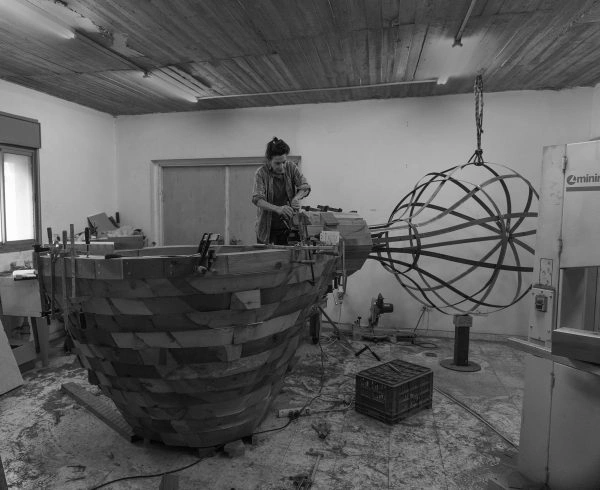
I went to day school in Toronto but really began to learn when I attended Brovenders back in the early 1980’s. Last year after talking to my sister who was learning Daf Yomi, inspired, I looked on the computer and the Hadran site came up. I have been listening to each days shiur in the morning as I work. I emphasis listening since I am not sitting with a Gamara. I listen while I work in my studio.

Rachel Rotenberg
Rachel Rotenberg

Tekoa, Israel

Shortly after the death of my father, David Malik z”l, I made the commitment to Daf Yomi. While riding to Ben Gurion airport in January, Siyum HaShas was playing on the radio; that was the nudge I needed to get started. The “everyday-ness” of the Daf has been a meaningful spiritual practice, especial after COVID began & I was temporarily unable to say Kaddish at daily in-person minyanim.

Lisa S. Malik
Lisa S. Malik

Wynnewood, United States

Jill Shames
Jill Shames

Jerusalem, Israel

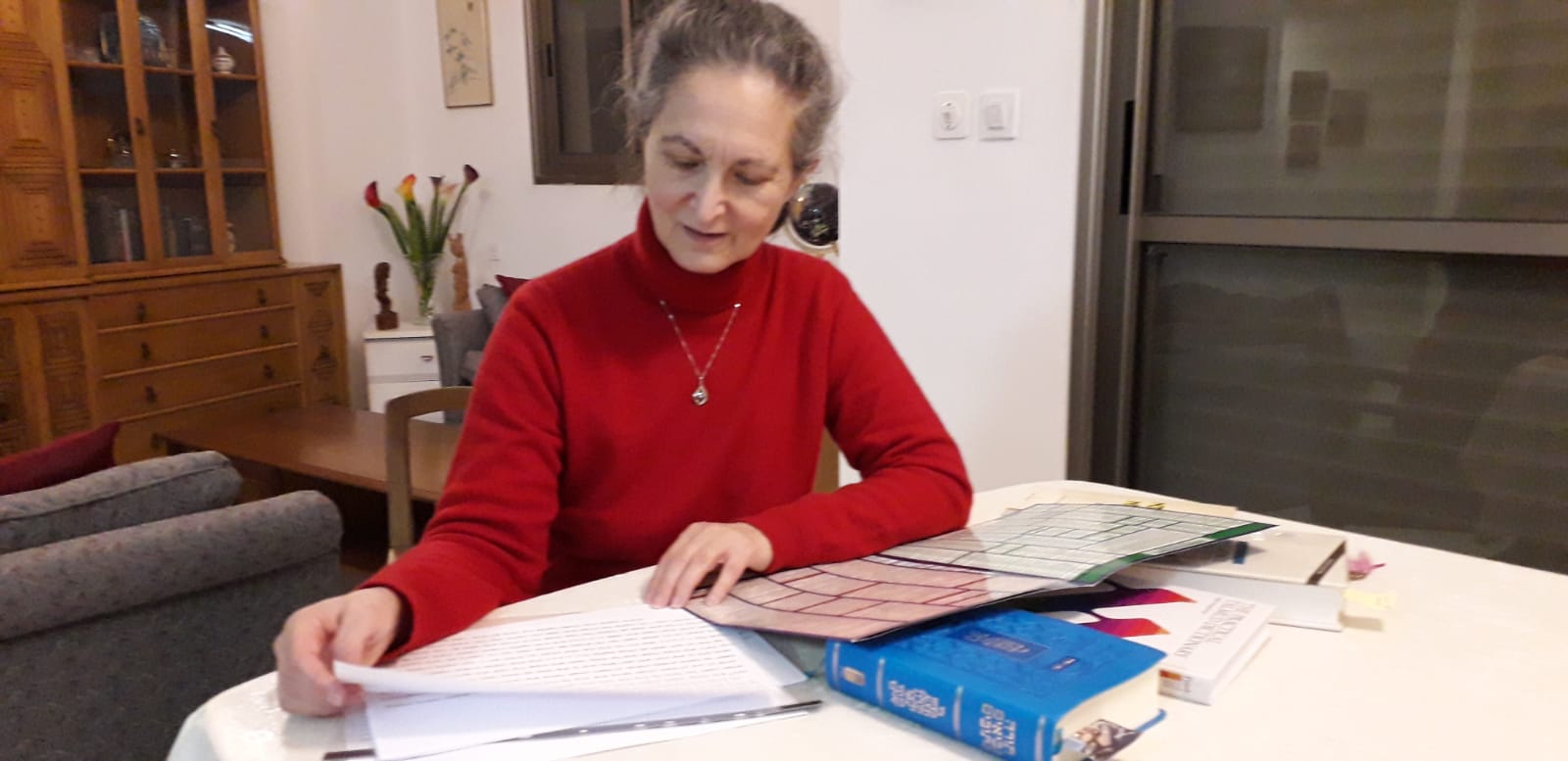
Geri Goldstein got me started learning daf yomi when I was in Israel 2 years ago. It’s been a challenge and I’ve learned a lot though I’m sure I miss a lot. I quilt as I listen and I want to share what I’ve been working on.

Rebecca Stulberg
Rebecca Stulberg

Ottawa, Canada

I start learning Daf Yomi in January 2020. The daily learning with Rabbanit Michelle has kept me grounded in this very uncertain time. Despite everything going on – the Pandemic, my personal life, climate change, war, etc… I know I can count on Hadran’s podcast to bring a smile to my face.
Deb Engel
Deb Engel

Los Angeles, United States

Attending the Siyyum in Jerusalem 26 months ago inspired me to become part of this community of learners. So many aspects of Jewish life have been illuminated by what we have learned in Seder Moed. My day is not complete without daf Yomi. I am so grateful to Rabbanit Michelle and the Hadran Community.

Nancy Kolodny
Nancy Kolodny

Newton, United States

I started learning daf in January, 2020, being inspired by watching the Siyyum Hashas in Binyanei Haumah. I wasn’t sure I would be able to keep up with the task. When I went to school, Gemara was not an option. Fast forward to March, 2022, and each day starts with the daf. The challenge is now learning the intricacies of delving into the actual learning. Hadran community, thank you!

Rochel Cheifetz
Rochel Cheifetz

Riverdale, NY, United States

I never thought I’d be able to do Daf Yomi till I saw the video of Hadran’s Siyum HaShas. Now, 2 years later, I’m about to participate in Siyum Seder Mo’ed with my Hadran community. It has been an incredible privilege to learn with Rabbanit Michelle and to get to know so many caring, talented and knowledgeable women. I look forward with great anticipation and excitement to learning Seder Nashim.

Caroline-Ben-Ari-Tapestry
Caroline Ben-Ari

Karmiel, Israel

Studying has changed my life view on הלכה and יהדות and time. It has taught me bonudaries of the human nature and honesty of our sages in their discourse to try and build a nation of caring people .

Goldie Gilad
Goldie Gilad

Kfar Saba, Israel

When we heard that R. Michelle was starting daf yomi, my 11-year-old suggested that I go. Little did she know that she would lose me every morning from then on. I remember standing at the Farbers’ door, almost too shy to enter. After that first class, I said that I would come the next day but couldn’t commit to more. A decade later, I still look forward to learning from R. Michelle every morning.

Ruth Leah Kahan
Ruth Leah Kahan

Ra’anana, Israel

The first month I learned Daf Yomi by myself in secret, because I wasn’t sure how my husband would react, but after the siyyum on Masechet Brachot I discovered Hadran and now sometimes my husband listens to the daf with me. He and I also learn mishnayot together and are constantly finding connections between the different masechtot.

Laura Warshawsky
Laura Warshawsky

Silver Spring, Maryland, United States

I had tried to start after being inspired by the hadran siyum, but did not manage to stick to it. However, just before masechet taanit, our rav wrote a message to the shul WhatsApp encouraging people to start with masechet taanit, so I did! And this time, I’m hooked! I listen to the shiur every day , and am also trying to improve my skills.

Laura Major
Laura Major

Yad Binyamin, Israel

I started learning Daf Yomi because my sister, Ruth Leah Kahan, attended Michelle’s class in person and suggested I listen remotely. She always sat near Michelle and spoke up during class so that I could hear her voice. Our mom had just died unexpectedly and it made me feel connected to hear Ruth Leah’s voice, and now to know we are both listening to the same thing daily, continents apart.
Jessica Shklar
Jessica Shklar

Philadelphia, United States

I have joined the community of daf yomi learners at the start of this cycle. I have studied in different ways – by reading the page, translating the page, attending a local shiur and listening to Rabbanit Farber’s podcasts, depending on circumstances and where I was at the time. The reactions have been positive throughout – with no exception!

Silke Goldberg
Silke Goldberg

Guildford, United Kingdom

I went to day school in Toronto but really began to learn when I attended Brovenders back in the early 1980’s. Last year after talking to my sister who was learning Daf Yomi, inspired, I looked on the computer and the Hadran site came up. I have been listening to each days shiur in the morning as I work. I emphasis listening since I am not sitting with a Gamara. I listen while I work in my studio.

Rachel Rotenberg
Rachel Rotenberg

Tekoa, Israel

Jill Shames
Jill Shames

Jerusalem, Israel

A few years back, after reading Ilana Kurshan’s book, “If All The Seas Were Ink,” I began pondering the crazy, outlandish idea of beginning the Daf Yomi cycle. Beginning in December, 2019, a month before the previous cycle ended, I “auditioned” 30 different podcasts in 30 days, and ultimately chose to take the plunge with Hadran and Rabbanit Michelle. Such joy!

Cindy Dolgin
Cindy Dolgin

HUNTINGTON, United States

I had no formal learning in Talmud until I began my studies in the Joint Program where in 1976 I was one of the few, if not the only, woman talmud major. It was superior training for law school and enabled me to approach my legal studies with a foundation . In 2018, I began daf yomi listening to Rabbanit MIchelle’s pod cast and my daily talmud studies are one of the highlights of my life.

Krivosha_Terri_Bio
Terri Krivosha

Minneapolis, United States

Retirement and Covid converged to provide me with the opportunity to commit to daily Talmud study in October 2020. I dove into the middle of Eruvin and continued to navigate Seder Moed, with Rabannit Michelle as my guide. I have developed more confidence in my learning as I completed each masechet and look forward to completing the Daf Yomi cycle so that I can begin again!

Rhona Fink
Rhona Fink

San Diego, United States

Shabbat 67

לְאִשָּׁתָא תִּילְתָּא — לַיְיתֵי שִׁבְעָה סִילְוֵי מִשִּׁבְעָה דִּיקְלֵי, וְשִׁבְעָה צִיבֵי מִשִּׁבְעָה כְּשׁוּרֵי, וְשִׁבְעָה סִיכֵּי מִשִּׁבְעָה גְּשׁוּרֵי, וְשִׁבְעָה קִיטְמֵי מִשִּׁבְעָה תַּנּוּרֵי, וְשִׁבְעָה עַפְרֵי מִשִּׁבְעָה סֻנְרֵי, וְשִׁבְעָה כּוּפְרֵי מִשִּׁבְעָה אַרְבֵי, וְשִׁבְעָה בּוּנֵי כַּמּוֹנֵי, וְשִׁבְעָה בִּינֵי מִדִּיקְנָא דְכַלְבָּא סָבָא, וְלִצְיְירִינְהוּ בַּחֲלָלָא דְבֵי צַוְּארָא בְּנִירָא בַּרְקָא.

For tertian fever, which afflicts one every three days, let one bring seven thorns from seven palm trees, and seven slivers from seven beams, and seven pegs from seven bridges, and seven types of ashes from seven ovens, and seven types of dust from seven door sockets, the hole in which the hinge of the door revolves, and seven types of tar from seven boats, and seven cumin seeds, and seven hairs from the beard of an old dog, and let him bind it to the opening of the neckline of his garment with a thread made of hair.

אָמַר רַבִּי יוֹחָנָן: לְאִשָּׁתָא צְמִירְתָּא — לִישְׁקֹל סַכִּינָא דְּכוּלֵּהּ פַּרְזְלָא, וְלֵיזִיל לְהֵיכָא דְּאִיכָּא וַורְדִּינָא, וְלִיקְטַר בֵּיהּ נִירָא בַּרְקָא.

Rabbi Yoḥanan said: For healing a burning fever, let one take a knife that is made entirely of iron, including the handle, and let him go to a place where there is a bush and tie a string of hair to it.

יוֹמָא קַמָּא, לִיחְרוֹק בֵּיהּ פּוּרְתָּא וְלֵימָא: ״וַיֵּרָא מַלְאַךְ ה׳ אֵלָיו וְגוֹ׳״. לִמְחַר, לִיחְרוֹק בֵּיהּ פּוּרְתָּא וְלֵימָא: ״וַיֹּאמֶר מֹשֶׁה אָסֻרָה נָּא וְאֶרְאֶה״. לִמְחַר, לִיחְרוֹק בֵּיהּ פּוּרְתָּא וְלֵימָא: ״וַיַּרְא ה׳ כִּי סָר לִרְאוֹת וְגוֹ׳״.

On the first day, let him carve the bush a little, and recite: “And an angel of the Lord appeared to him in a flame of fire from within the bush and he looked and behold the bush was aflame in fire and the bush was not consumed” (Exodus 3:2). On the following day, let him carve the bush a little more and recite: “And Moses said: I will turn aside now, and see this great sight, why the bush is not burned” (Exodus 3:3). On the following day, let him carve the bush a little more and recite: “And the Lord saw that he turned aside to see and God called to him within the bush and said: Moses, Moses, and he said: Here I am” (Exodus 3:4).

אֲמַר לֵיהּ רַב אַחָא בְּרֵיהּ דְּרָבָא לְרַב אָשֵׁי, וְלֵימָא: ״וַיֹּאמֶר אַל תִּקְרַב הֲלֹם וְגוֹ׳״? אֶלָּא לְיוֹמָא קַמָּא, לֵימָא: ״וַיֵּרָא מַלְאַךְ ה׳ אֵלָיו וְגוֹ׳ וַיֹּאמֶר מֹשֶׁה וְגוֹ׳״, וְלִמְחַר, לֵימָא: ״וַיַּרְא ה׳ כִּי סָר לִרְאוֹת״, וְלִמְחַר: ״וַיֹּאמֶר ה׳ אַל תִּקְרַב הֲלֹם״.

Rav Aḥa, son of Rava, said to Rav Ashi: And let him say: “And the Lord said: Do not come close, take off your shoes from your feet, for the place on which you stand is holy ground” (Exodus 3:5). This verse is more suited to be recited as an incantation to cure a fever. Rather, on the first day, let him recite the first two verses: “And an angel of the Lord appeared to him in a flame of fire from within the bush and he looked and behold the bush was aflame in fire and the bush was not consumed,” as well as, “And Moses said: I will turn aside now and see.” And on the following day, let him recite: “And the Lord saw that he turned aside to see.” And on the following day, let him recite: “And the Lord said: Do not come close, take off your shoes from your feet, for the place on which you stand is holy ground” (Exodus 3:5).

וְכִי פָּסֵק לֵיהּ, לִיתַתֵּיהּ וְלִיפְסְקֵיהּ וְלֵימָא הָכִי: ״הַסְּנֶה הַסְּנֶה! לָאו מִשּׁוּם דִּגְבִיהַתְּ מִכׇּל אִילָנֵי אַשְׁרִי קוּדְשָׁא בְּרִיךְ הוּא שְׁכִינְתֵּיהּ עֲלָךְ, אֶלָּא מִשּׁוּם דְּמָיְיכַתְּ מִכׇּל אִילָנֵי אַשְׁרִי קוּדְשָׁא בְּרִיךְ הוּא שְׁכִינְתֵּיהּ עֲלָךְ. וְכִי הֵיכִי דַּחֲמִיתֵיהּ אִשָּׁתָא לַחֲנַנְיָה מִישָׁאֵל וַעֲזַרְיָה וַעֲרַקַת מִן קֳדָמוֹהִי, כֵּן תִּחְמֵינֵיהּ אִשָּׁתָא לִפְלוֹנִי בַּר פְּלוֹנִית וְתִיעְרוֹק מִן קֳדָמוֹהִי״.

And when he carves the bush, let him lower himself and cut it close to the ground, and recite as follows: The bush, the bush; not because you are higher than all trees did the Holy One, Blessed be He, rest His Divine Presence upon you. Rather, it is because you are lower than all trees did the Holy One, Blessed be He, rested His Divine Presence upon you. And just as the fire saw Hananiah, Mishael, and Azariah and fled from before them, so too, let the fire of the fever see so-and-so, son of so-and-so, his mother, flee from before him.

לְסִימְטָא, לֵימָא הָכִי: ״בַּז, בַּזְיָיה, מַס, מַסְיָיא, כַּס, כַּסְיָיה, שִׁרְלַאי, וַאֲמַרְלַאי, אִלֵּין מַלְאֲכֵי דְּאִישְׁתְּלַחוּ מֵאַרְעָא דִסְדוֹם וּלְאַסָּאָה שְׁחִינָא כְּאִיבִין, בְּזָךְ, בַּזַיִךְ, בַּזְבְּזִיךְ, מַסְמְסִיךְ, כַּמּוֹן, כָּמִיךְ, עֵינִיךְ בִּיךְ, עֵינִיךְ בִּיךְ, אַתְרִיךְ בִּיךְ, זַרְעִיךְ כְּקָלוּט וּכְפִרְדָּה דְּלָא פָּרָה וְלָא רָבְיָא, כָּךְ לָא תִּפְרֵה וְלָא תִּרְבֵּה בְּגוּפֵיהּ דִּפְלוֹנִי בַּר פְּלוֹנִית״.

For healing boils, let him recite as follows: Baz, Bazya, Mas, Masya, Kas, Kasya, Sharlai, and Amarlai, these are the angels who were sent from the land of Sodom and this was all in order to heal painful boils. Bazakh, Bazikh, Bazbazikh, Masmasikh, Kamon, Kamikh, may your appearance remain with you, may your appearance remain with you, i.e., the boils should not grow redder. May your place remain with you, i.e., they should not spread, may your, the boils’, seed be like one who is barren and like a mule that is not fruitful and does not multiply, so too, do not increase and do not multiply in the body of so-and-so, son of so-and-so.

לְכִיפָּה, לֵימָא הָכִי: ״חֶרֶב שְׁלוּפָה וְקֶלַע נְטוּשָׁה לָא שְׁמֵיהּ יוֹכַב חוֹלִין מַכְאוֹבִין״.

For healing a wound, let him recite as follows: A drawn sword and a readied sling, its name shall not be ache, sickness, and pains.

לְשֵׁידָא, לֵימָא הָכִי: ״הֲוֵית דִּפְקִיק, דִּפְקִיק הֲוֵית, לִיט תְּבִיר וּמְשׁוּמָּת בַּר טִיט בַּר טָמֵא בַּר טִינָא, כְּשַׁמְגַּז מְרִיגַז וְאִיסְטְמַאי״.

To be saved from a demon, let him recite as follows: You were stopped up, stopped up you were. Cursed, broken, and excommunicated be the demon called bar Tit bar Tamei bar Tina as Shamgaz, Merigaz, and Istemai.

לְשֵׁידָא דְּבֵית הַכִּסֵּא, לֵימָא הָכִי: ״אַקַּרְקָפֵי דַאֲרִי וְאַאוֹסֵי דְגוּרַיְיתָא אַשְׁכַּחְתּוּן לְשֵׁידַאי בַּר שְׁרִיקָא פַּנְדָּא, בְּמֵישָׁרָא דְכַרָּתֵי חֲבַטְתֵּיהּ, בְּלוֹעָא דַחֲמָרָא חֲטַרְתֵּיהּ״.

To be saved from the demon of the bathroom, let him recite as follows: On the head of a lion and on the nose of a lioness we found the demon named bar Shirika Panda. With a bed of leeks I felled him, and with the jaw of the donkey I struck him.

וּבְנֵי מְלָכִים בְּזֹגִין. מַאן תַּנָּא? אָמַר רַבִּי אוֹשַׁעְיָא: רַבִּי שִׁמְעוֹן הִיא, דְּאָמַר: כׇּל יִשְׂרָאֵל בְּנֵי מְלָכִים הֵם. רָבָא אָמַר: בְּאָרִיג בִּכְסוּתוֹ, וְדִבְרֵי הַכֹּל.

We learned in the mishna that princes may go out with bells, and the same is true for anyone else. The Gemara asks: Who is the tanna who holds that all people of Israel are permitted to conduct themselves like princes with regard to going out with precious ornaments? Rabbi Oshaya said: It is Rabbi Shimon, who said: All of Israel are princes. Therefore, precious ornaments are suitable for every person of Israel. They will neither remove them to show to others nor will they remove them due to concern that people will think them pretentious. Rava said: The mishna is referring to a case where the bell is woven into his garment, obviating the concern lest he remove it, and the halakha in the mishna is in accordance with the statements of all tanna’im, not merely the statement of Rabbi Shimon.

מַתְנִי׳ יוֹצְאִין בְּבֵיצַת הַחַרְגּוֹל וּבְשֵׁן שׁוּעָל וּבְמַסְמֵר מִן הַצָּלוּב, מִשּׁוּם רְפוּאָה — דִּבְרֵי רַבִּי מֵאִיר. וַחֲכָמִים אוֹסְרִין אַף בַּחוֹל, מִשּׁוּם דַּרְכֵי הָאֱמוֹרִי.

MISHNA: One may go out on Shabbat with a locust egg, and with a fox tooth, and with a nail from the crucified, for the purpose of healing; this is the statement of Rabbi Meir. The Rabbis prohibit using these remedies even during the week, due to the prohibition of following the ways of the Amorite. These are superstitious beliefs and the customs of gentiles from which one must distance oneself.

גְּמָ׳ יוֹצְאִין בְּבֵיצַת הַחַרְגּוֹל — דְּעָבְדִי לְשִׁיחְלָא. וּבְשֵׁן שֶׁל שׁוּעָל — דְּעָבְדִי לְשִׁינְתָּא. דְּחַיָּיא — לְמַאן דְּנָיֵים. דְּמִיתָא — לְמַאן דְּלָא נָיֵים. וּבְמַסְמֵר מִן הַצָּלוּב — דְּעָבְדִי לְזִירְפָּא.

GEMARA: We learned in the mishna that in Rabbi Meir’s opinion one may go out on Shabbat with a locust egg, and a fox tooth, and with a nail from the crucified as a talisman or a cure. The Gemara explains the nature of each: One may go out with a locust egg, as they use it as a talisman to cure an earache; and with a fox tooth, as they use it as a talisman for sleep; the tooth of a live fox for one who sleeps too much to wake him up, and the tooth of a dead fox for one who does not sleep. And one may go out with a nail from the crucified, as they use it as a talisman for curing infection.

מִשּׁוּם רְפוּאָה — דִּבְרֵי רַבִּי מֵאִיר.

We learned in the mishna that going out with those objects is permitted on Shabbat for the purpose of healing; this is the statement of Rabbi Meir.

אַבָּיֵי וְרָבָא דְּאָמְרִי תַּרְוַיְיהוּ: כׇּל דָּבָר שֶׁיֵּשׁ בּוֹ מִשּׁוּם רְפוּאָה אֵין בּוֹ מִשּׁוּם דַּרְכֵי הָאֱמוֹרִי.

With regard to the halakha in the mishna, the Gemara cites Abaye and Rava, who both said: Anything that contains an element of healing and seems to be effective does not contain an element of the prohibition against following the ways of the Amorite. There is no cause for suspicion of one who engages in their practice, gentile or Jew.

הָא אֵין בּוֹ מִשּׁוּם רְפוּאָה יֵשׁ בּוֹ מִשּׁוּם דַּרְכֵי הָאֱמוֹרִי? וְהָתַנְיָא: אִילָן שֶׁמַּשִּׁיר פֵּירוֹתָיו סוֹקְרוֹ וְצוֹבֵעַ אוֹתוֹ בְּסִיקְרָא וְטוֹעֲנוֹ בַּאֲבָנִים. בִּשְׁלָמָא טוֹעֲנוֹ בַּאֲבָנִים, כִּי הֵיכִי דְּלִיכְחוֹשׁ חֵילֵיהּ. אֶלָּא סוֹקְרוֹ בְּסִיקְרָא מַאי רְפוּאָה קָעָבֵיד?

The Gemara asks: Is that to say by inference that if it is does not contain an element of healing, it does contain an element of the prohibition against following the ways of the Amorite? Wasn’t it taught in a baraita: A tree that sheds its fruit prematurely, one paints it and colors it with red paint and loads it with stones? Granted, he is permitted to load it with stones because that action produces an actual benefit, i.e., he does that so that its strength will weaken. Sometimes a tree sheds its fruits prematurely due to excessive blossoming. Sustaining those blossoms taxes the tree, rendering it incapable of sustaining the fruits that grow from the blossoms. The stones were used to slightly weaken the tree when blossoming, thereby reducing the number of blossoms that the tree must nourish. However, painting it with red paint, what healing is he performing with that action?

כִּי הֵיכִי דְּלִיחְזְיוּהּ אִינָשֵׁי וְלִיבְעוֹ עֲלֵיהּ רַחֲמֵי. כִּדְתַנְיָא: ״וְטָמֵא טָמֵא יִקְרָא״. צָרִיךְ לְהוֹדִיעַ צַעֲרוֹ לְרַבִּים, וְרַבִּים יְבַקְּשׁוּ עָלָיו רַחֲמִים. אָמַר רָבִינָא: כְּמַאן תָּלֵינַן כּוּבְסֵי בְּדִיקְלָא — כִּי הַאי תַּנָּא.

The Gemara explains: He does so so that people will see the tree and pray for mercy for it. As it was taught in a baraita with regard to the verse: “And the leper in whom the plague is, his clothes shall be ripped and the hair of his head shall grow long and he will put a covering upon his upper lip and will cry: Impure, impure” (Leviticus 13:45). The leper publicizes the fact that he is ritually impure because he must announce his pain to the masses, and the masses will pray for mercy on his behalf. Ravina said: In accordance with whose opinion do we hang bunches of unripe dates on a palm tree that casts off its dates? According to that tanna who taught that one must publicize his pain to the masses.

תָּנֵי תַּנָּא בְּפֶרֶק אֱמוֹרָאֵי קַמֵּיהּ דְּרַבִּי חִיָּיא בַּר אָבִין. אֲמַר לֵיהּ: כּוּלְּהוּ אִית בְּהוּ מִשּׁוּם דַּרְכֵי הָאֱמוֹרִי, לְבַר מֵהָנֵי: מִי שֶׁיֵּשׁ לוֹ עֶצֶם בִּגְרוֹנוֹ מֵבִיא מֵאוֹתוֹ הַמִּין וּמַנִּיחַ לֵיהּ עַל קׇדְקֳדוֹ, וְלֵימָא הָכִי: ״חַד חַד נָחֵית בָּלַע, בָּלַע נָחֵית חַד חַד״, אֵין בּוֹ מִשּׁוּם דַּרְכֵי הָאֱמוֹרִי.

The tanna recited the chapter of the Tosefta discussing the actions of the Amorites before Rabbi Ḥiyya bar Avin. Rabbi Ḥiyya bar Avin said to him: All those enumerated there contain an element of the prohibition against following the ways of the Amorite, except for these: One who has a bone in his throat brings a bone from the same species as the bone that is stuck in his throat, and places it on his skull, and says as follows: One by one descend and be swallowed, swallow and descend one by one. That does not contain an element of the prohibition against following the ways of the Amorite.

לְאִדְּרָא לֵימָא הָכִי: ״נִנְּעַצְתָּא כְּמַחַט, נִנְעַלְּתָא כִּתְרִיס, שַׁיָּיא שַׁיָּיא״.

For a fish bone stuck in the throat, let him say as follows: You are stuck like a needle, locked as a shutter, go down, go down.

הָאוֹמֵר ״גַּד גַּדִּי, וּסְנוּק לָא אַשְׁכִּי וּבוּשְׁכִּי״ — יֵשׁ בּוֹ מִשּׁוּם דַּרְכֵי הָאֱמוֹרִי. רַבִּי יְהוּדָה אוֹמֵר: ״גַּד״ אֵינוֹ אֶלָּא לְשׁוֹן עֲבוֹדָה זָרָה, שֶׁנֶּאֱמַר: ״הָעֹרְכִים לַגַּד שֻׁלְחָן״.

After some discussion of the ways of the Amorite, the Gemara cites additional statements from the Amorite chapter in the Tosefta and from other sources on this topic. One who says: My fortune be fortunate [gad gaddi] and be not weary by day or by night; that statement contains an element of the ways of the Amorite. Rabbi Yehuda says: That is more severe than the ways of the Amorite, as gad is nothing other than a term of idolatry, as it is stated: “And you that forsake the Lord, that forget My holy mountain, that prepare a table for Gad, and that offer mingled wine in full measure unto Meni” (Isaiah 65:11). Gad gaddi is a form of prayer to an idol.

הוּא בִּשְׁמָהּ וְהִיא בִּשְׁמוֹ — יֵשׁ בּוֹ מִשּׁוּם דַּרְכֵי הָאֱמוֹרִי.

One who requests that he be called by his wife’s name and she be called by his name for good fortune, his request contains an element of the ways of the Amorite.

״דּוּנוּ דַּנַּי״ — יֵשׁ בּוֹ מִשּׁוּם דַּרְכֵי הָאֱמוֹרִי. רַבִּי יְהוּדָה אוֹמֵר: אֵין ״דָּן״ אֶלָּא לְשׁוֹן עֲבוֹדָה זָרָה, שֶׁנֶּאֱמַר: ״הַנִּשְׁבָּעִים בְּאַשְׁמַת שֹׁמְרוֹן וְאָמְרוּ חֵי אֱלֹהֶיךָ דָּן״.

One who says: Let my barrels be strengthened [donu danei], that contains an element of the ways of the Amorite. Rabbi Yehuda says: That is more severe than the ways of the Amorite, as Dan is nothing other than a term of idol worship, as it is stated: “They that swear by the sin of Samaria and say: As your god Dan lives” (Amos 8:14).

הָאוֹמֵר לְעוֹרֵב ״צְרַח״, וּלְעוֹרֶבְתָּא ״שְׁרִיקִי וְהַחֲזִירִי לִי זְנָבִיךְ לְטוֹבָה״ — יֵשׁ בּוֹ מִשּׁוּם דַּרְכֵי הָאֱמוֹרִי.

One who hears a raven calling and is concerned about a bad omen and says to the raven: Scream, and says to the female raven: Whistle and turn your tail to me for the best; those statements contain an element of the ways of the Amorite.

הָאוֹמֵר ״שַׁחֲטוּ תַּרְנְגוֹל זֶה שֶׁקָּרָא עַרְבִית״ וְ״תַרְנְגוֹלֶת שֶׁקָּרְאָה גַּבְרִית״ — יֵשׁ בּוֹ מִשּׁוּם דַּרְכֵי הָאֱמוֹרִי.

One who says: Slaughter this rooster that calls out in the evening and says: Slaughter this chicken that calls out like a male rooster; those statements contain an element of the ways of the Amorite.

״אֶשְׁתֶּה וְאוֹתִיר, אֶשְׁתֶּה וְאוֹתִיר״ — יֵשׁ בּוֹ מִשּׁוּם דַּרְכֵי הָאֱמוֹרִי.

One who says: I will drink and leave over, I will drink and leave over, so that his wine will increase; that statement contains an element of the ways of the Amorite.

הַמְבַקַּעַת בֵּיצִים בַּכּוֹתֶל, וְהַטָּח בִּפְנֵי הָאֶפְרוֹחִים — יֵשׁ בּוֹ מִשּׁוּם דַּרְכֵי הָאֱמוֹרִי.

One who cracks eggs on a wall and smears them in front of the chicks; that series of actions contains an element of the ways of the Amorite.

וְהַמֵּגִיס בִּפְנֵי אֶפְרוֹחִים — יֵשׁ בּוֹ מִשּׁוּם דַּרְכֵי הָאֱמוֹרִי.

And one who stirs the pot in front of chicks as an auspicious practice so they do not die; that action contains an element of the ways of the Amorite.

הַמְרַקֶּדֶת, וְהַמּוֹנָה שִׁבְעִים וְאֶחָד אֶפְרוֹחִין בִּשְׁבִיל שֶׁלֹּא יָמוּתוּ — יֵשׁ בּוֹ מִשּׁוּם דַּרְכֵי הָאֱמוֹרִי.

A woman who dances and counts the chicks until she reaches the number of seventy-one chicks, so they won’t die; her action contains an element of the ways of the Amorite.

הַמְרַקֶּדֶת לְכוּתָּח, וְהַמְשַׁתֶּקֶת לַעֲדָשִׁים, וְהַמְצַוַּוחַת לִגְרִיסִין — יֵשׁ בּוֹ מִשּׁוּם דַּרְכֵי הָאֱמוֹרִי.

A woman who dances to ensure that the kutaḥ, a spice made from whey salt and bread, that she is preparing will be successful, and a woman who silences bystanders to ensure that the lentils will cook properly, and a woman who screams to ensure that the pearl barley will cook properly; all these contain an element of the ways of the Amorite.

הַמַּשְׁתֶּנֶת בִּפְנֵי קְדֵירָתָהּ בִּשְׁבִיל שֶׁתִּתְבַּשֵּׁל מְהֵרָה — יֵשׁ בּוֹ מִשּׁוּם דַּרְכֵי הָאֱמוֹרִי.

A woman who urinates in front of her pot so it will cook quickly; that action contains an element of the ways of the Amorite.

אֲבָל נוֹתְנִין קֵיסָם שֶׁל תּוּת וְשִׁבְרֵי זְכוּכִית בִּקְדֵירָה בִּשְׁבִיל שֶׁתִּתְבַּשֵּׁל מְהֵרָה, וַחֲכָמִים אוֹסְרִין בְּשִׁבְרֵי זְכוּכִית מִפְּנֵי הַסַּכָּנָה.

But one may put a chip of mulberry wood and shards of glass in the pot so it will cook quickly, as doing so is effective and not merely superstition. And the Rabbis prohibit shards of glass not due to superstition; rather, due to the danger involved if the glass is not strained out completely.

תָּנוּ רַבָּנַן: נוֹתְנִין בּוּל שֶׁל מֶלַח לְתוֹךְ הַנֵּר בִּשְׁבִיל שֶׁתָּאִיר וְתַדְלִיק. וְנוֹתְנִין טִיט וְחַרְסִית תַּחַת הַנֵּר בִּשְׁבִיל שֶׁתַּמְתִּין וְתַדְלִיק.

The Sages taught in the Tosefta: One may place a lump of salt into a candle so it will burn brightly; that is effective and not merely for good fortune, so there is no element of the ways of the Amorites involved. And similarly, one may put mud or clay under a candle so it will burn longer.

אָמַר רַב זוּטְרָא: הַאי מַאן דִּמְכַסֵּי שְׁרָגָא דְּמִשְׁחָא וּמְגַלֵּי נַפְטָא קָעָבַר מִשּׁוּם ״בַּל תַּשְׁחִית״.

Rav Zutra said: He who covers an oil lamp or who uncovers a kerosene lamp for no purpose violates the prohibition: Do not destroy, since by doing so the fuel burns more quickly.

״חַמְרָא וְחַיֵּי לְפוּם רַבָּנַן״ — אֵין בּוֹ מִשּׁוּם דַּרְכֵי הָאֱמוֹרִי. מַעֲשֶׂה בְּרַבִּי עֲקִיבָא שֶׁעָשָׂה מִשְׁתֶּה לִבְנוֹ, וְעַל כׇּל כּוֹס וָכוֹס שֶׁהֵבִיא אָמַר: ״חַמְרָא וְחַיֵּי לְפוּם רַבָּנַן, חַיֵּי וְחַמְרָא לְפוּם רַבָּנַן וּלְפוּם תַּלְמִידֵיהוֹן״.

One who says while drinking: Wine and life to the mouth of the Sages, this does not fall into the category of the ways of the Amorite. There was an incident with Rabbi Akiva who made a banquet for his son, and over each and every cup he brought he said: Wine and life to the mouth of the Sages, wine and life to the mouth of the Sages and to the mouth of their students.

הדרן עלך במה אשה

מַתְנִי׳ כְּלָל גָּדוֹל אָמְרוּ בְּשַׁבָּת: כׇּל הַשּׁוֹכֵחַ עִיקַּר שַׁבָּת, וְעָשָׂה מְלָאכוֹת הַרְבֵּה בְּשַׁבָּתוֹת הַרְבֵּה — אֵינוֹ חַיָּיב אֶלָּא חַטָּאת אַחַת. הַיּוֹדֵעַ עִיקַּר שַׁבָּת, וְעָשָׂה מְלָאכוֹת הַרְבֵּה בְּשַׁבָּתוֹת הַרְבֵּה — חַיָּיב עַל כׇּל שַׁבָּת וְשַׁבָּת. הַיּוֹדֵעַ שֶׁהוּא שַׁבָּת, וְעָשָׂה מְלָאכוֹת הַרְבֵּה בְּשַׁבָּתוֹת הַרְבֵּה — חַיָּיב עַל כׇּל

MISHNA: The Sages stated a significant principle with regard to the halakhot of Shabbat: One who forgets the essence of Shabbat, i.e., one who is entirely ignorant of the mitzva of Shabbat according to Torah law, and performed numerous prohibited labors on multiple Shabbatot, is liable to bring only one sin-offering for all those labors when he becomes aware that those actions were prohibited. One who knows the essence of Shabbat but forgets which day is Shabbat, i.e., one who lost track of the days of the week, and performs numerous prohibited labors on multiple Shabbatot is liable to bring a sin-offering for each Shabbat when he becomes aware that he performed those actions on Shabbat. One who is aware that the day is Shabbat but temporarily forgot that certain labors were prohibited and performed numerous prohibited labors on multiple Shabbatot is liable to bring a sin-offering for each

Want to follow content and continue where you left off?

Create an account today to track your progress, mark what you’ve learned, and follow the shiurim that speak to you.

Clear all items from this list?

This will remove ALL the items in this section. You will lose any progress or history connected to them. This is irreversible.

Cancel
Yes, clear all

Are you sure you want to delete this item?

You will lose any progress or history connected to this item.

Cancel
Yes, delete