Search

Shabbat 70

Want to dedicate learning? Get started here:

English
עברית
podcast placeholder

0:00
0:00


podcast placeholder

0:00
0:00


Summary

Today’s shiur is dedicated for a refuah shleima for Netanel Ilan ben Shayna Tzipora and by Judy Shapiro in honor of all her children. 

Why is there a difference between if one forgot it was Shabbat one brings one sacrifice and if one forgot melachot one brings a sacrifice for each? From where do we derive that one brings a separate sacrficie for each melacha that one performed? Shmuel brings a source and the gemara assesses why he did not bring one of the two sources offered by the tannaim Rabbi Natan and Rabbi Yosi. Rabbi Natan and Rabbi Yosi debate why the verse regarding fire was singled out – was it to create a paradigm for all the melachot or was it singled out because it is different (less stringent than all the others)? What does Rabbi Yosi derive from the words “from one from these?” How many sacrifices does one bring if one forgot it was Shabbat and forgot that melachot were forbidden? If one did two melachot two times – once forgetting it was Shabbat and once forgetting melachot and finds out about one before the other, can one sacrifice cover all the actions? Different permutations are brought.

Shabbat 70

מַאי שְׁנָא רֵישָׁא וּמַאי שְׁנָא סֵיפָא? אָמַר רַב סָפְרָא: כָּאן — מִידִיעַת שַׁבָּת הוּא פּוֹרֵשׁ, וְכָאן — מִידִיעַת מְלָאכָה הוּא פּוֹרֵשׁ. אֲמַר לֵיהּ רַב נַחְמָן: כְּלוּם פֵּרֵישׁ מִשַּׁבָּת אֶלָּא מִשּׁוּם מְלָאכוֹת, וּכְלוּם פֵּרֵישׁ מִמְּלָאכוֹת אֶלָּא מִשּׁוּם שַׁבָּת! אֶלָּא אָמַר רַב נַחְמָן: קׇרְבָּן דְּחַיֵּיב רַחֲמָנָא אַמַּאי — אַשְּׁגָגָה. הָתָם חֲדָא שְׁגָגָה, הָכָא טוּבָא שְׁגָגוֹת הָוְיָין.

The Gemara asks: What is different about the former clause, which states that he in only liable to bring one sin-offering for each Shabbat, and the latter clause, which states that he is liable for each and every primary category of labor that he performed? Rav Safra said: Here, where he is unaware that the day was Shabbat, when he realizes that he sinned, it is due to awareness of Shabbat that he desists. When he is told that it was Shabbat, he stops immediately. And here, where he is unaware that the labors are prohibited, it is due to awareness of the labors that he desists. When he is told that this labor is prohibited, he stops immediately. Rav Naḥman said to Rav Safra: Does he desist due to Shabbat for any reason other than because he knows that the labors are prohibited? If he did not know that the labor is prohibited, telling him that it is Shabbat would not cause him to desist. And similarly, does he desist from performing the labors when told that it is prohibited for any reason other than because he knows that it is Shabbat? If he did not know that it was Shabbat, there would be no reason for him to desist from labor. Ostensibly, attributing the distinction between the two parts of the mishna to what eventually became known to him in the different cases is incorrect. Rather, Rav Naḥman said: The offering that the Torah obligated him to bring; for what is he so obligated? It is for performing an unwitting transgression. There, where he was unaware that the day was Shabbat, he was unwitting with regard to one matter; here, where he was unaware of the prohibited labors, he was unwitting with regard to multiple matters, and he is liable to bring sin-offerings in accordance with the number of matters of which he was unaware.

חַיָּיב עַל כׇּל מְלָאכָה וּמְלָאכָה: חִילּוּק מְלָאכוֹת מְנָלַן? אָמַר שְׁמוּאֵל, אָמַר קְרָא: ״מְחַלְּלֶיהָ מוֹת יוּמָת״ — הַתּוֹרָה רִבְּתָה מִיתוֹת הַרְבֵּה עַל חִילּוּל אֶחָד. הַאי בְּמֵזִיד כְּתִיב! אִם אֵינוֹ עִנְיָן לְמֵזִיד, דִּכְתִיב: ״כׇּל הָעֹשֶׂה מְלָאכָה יוּמָת״, תְּנֵהוּ עִנְיָן לְשׁוֹגֵג. וּמַאי ״יוּמָת״? — יוּמַת בְּמָמוֹן.

We learned in the mishna that one is liable to bring a sin-offering for each prohibited labor that he performs on Shabbat. The Gemara asks: From where do we derive the division of labors? What is the source of the halakha that if one performs numerous prohibited labors on Shabbat in the course of one lapse of awareness, each prohibited labor is considered a separate offense with regard to punishment? Shmuel said that the verse says: “And you shall observe the Shabbat, for it is holy to you; he who desecrates it shall surely die [mot yumat]” (Exodus 31:14). We learn from the double language, mot yumat, that the Torah amplified multiple deaths for a single desecration. Although several violations were committed in the course of a single lapse of awareness, each is considered a separate offense with regard to punishment. The Gemara asks: That verse was written with regard to intentional transgression. The Gemara is seeking a source for multiple sacrifices brought for unwitting transgression. The Gemara answers: If it does not refer to the matter of intentional transgression, as the verse does not teach a halakha applicable to intentional acts, as it was already written: “Six days you shall perform work, and on the seventh day it shall be holy to you, a Shabbat of rest to God; all who desecrate it shall die” (Exodus 35:2), refer it to the matter of unwitting transgression. The verse teaches that that which was written with regard to the death penalty for desecration of Shabbat in general applies to all halakhot of Shabbat, including cases of unwitting transgression. And what, then, is the meaning of the term: Shall die, in the verse? Does it mean that one who commits an unwitting transgression is punishable by death? It means that he shall die by payment of money. Death is used in the sense of punishment; he will be forced to pay for numerous sacrifices to atone for his sins.

וְתִיפּוֹק לֵיהּ חִילּוּק מְלָאכוֹת מֵהֵיכָא דְּנָפְקָא לֵיהּ לְרַבִּי נָתָן! דְּתַנְיָא, רַבִּי נָתָן אוֹמֵר: ״לֹא תְבַעֲרוּ אֵשׁ בְּכֹל מֹשְׁבֹתֵיכֶם בְּיוֹם הַשַּׁבָּת״ מַה תַּלְמוּד לוֹמַר? לְפִי שֶׁנֶּאֱמַר ״וַיַּקְהֵל מֹשֶׁה אֶת כׇּל עֲדַת בְּנֵי יִשְׂרָאֵל אֵלֶּה הַדְּבָרִים וְגוֹ׳ שֵׁשֶׁת יָמִים תֵּעָשֶׂה מְלָאכָה״. ״דְּבָרִים״, ״הַדְּבָרִים״, ״אֵלֶּה הַדְּבָרִים״ — אֵלּוּ שְׁלֹשִׁים וָתֵשַׁע מְלָאכוֹת שֶׁנֶּאֶמְרוּ לְמֹשֶׁה בְּסִינַי.

The Gemara asks: And let him derive division of labors from where it was derived according to Rabbi Natan, as it was taught in a baraita that Rabbi Natan says that it is written: “You shall not kindle fire in all your dwellings on the day of Shabbat” (Exodus 35:3). Why does the verse state this halakha? The prohibition against kindling is included in the general prohibition against performing labor on Shabbat. Rather, it should be understood as follows. Since it is already stated: “And Moses gathered the entire assembly of the children of Israel and said to them: These are the things [eleh hadevarim] that God has commanded to perform them. Six days you shall perform work, and on the seventh day it shall be holy to you, a Shabbat of rest to God” (Exodus 35:1–2), and Rabbi Natan derives as follows: “These are the things,” which refers to the halakhot of Shabbat, there are emphases in this phrase that are superfluous in the context of the verse. The Torah could have simply stated: This is a thing [davar]. When it states: Things [devarim] in the plural, it teaches at least two points. The addition of the definite article: The things [hadevarim], adds at least a third point. The numerological value of letters of the word eleh: Alef, one; lamed, thirty; and heh, five, is thirty-six. The total numerical value, three plus thirty-six, derived from the phrase: “These are the things.” This alludes to the thirty-nine prohibited labors that were stated to Moses at Sinai.

יָכוֹל עֲשָׂאָן כּוּלָּן בְּהֶעְלֵם אֶחָד אֵינוֹ חַיָּיב אֶלָּא אַחַת? תַּלְמוּד לוֹמַר: ״בֶּחָרִישׁ וּבַקָּצִיר תִּשְׁבֹּת״. וַעֲדַיִין אֲנִי אוֹמֵר: עַל חֲרִישָׁה וְעַל קְצִירָה חַיָּיב שְׁתַּיִם, וְעַל כּוּלָּן אֵינוֹ חַיָּיב אֶלָּא אַחַת?! תַּלְמוּד לוֹמַר: ״לֹא תְבַעֲרוּ אֵשׁ״ — הַבְעָרָה בַּכְּלָל הָיְתָה, וְלָמָּה יָצָאת? — לְהַקִּישׁ אֵלֶיהָ וְלוֹמַר לָךְ: מָה הַבְעָרָה שֶׁהִיא אַב מְלָאכָה וְחַיָּיבִין עָלֶיהָ בִּפְנֵי עַצְמָהּ, אַף כֹּל שֶׁהִיא אַב מְלָאכָה — חַיָּיבִין עָלֶיהָ בִּפְנֵי עַצְמָהּ.

I might have thought that if one performed them all in the course of one lapse of awareness, forgetting that they are prohibited, he would be liable to bring only one sin-offering? Therefore, the verse states: “Six days you shall work, and on the seventh you shall rest; in plowing time and in harvest time you shall rest” (Exodus 34:21), indicating that there are prohibitions specific to both plowing and harvesting. And still I can say: For plowing and for the harvesting he is liable to bring two sin-offerings, as they were stated explicitly. However, for performing all the other prohibited labors, he is liable for only one. Therefore, the verse states: “You shall not kindle fire in all your dwellings on the day of Shabbat” (Exodus 35:3). This is derived in the following manner: Kindling was included in the general prohibition prohibiting all labors, and why was it singled out and prohibited explicitly? It was singled out in order to equate the other labors to it and to tell you: Just as kindling is a primary category of prohibited labor, and one is liable for performing it on its own, so too, with regard to every primary category of prohibited labor, one is liable for performing it on its own.

שְׁמוּאֵל סָבַר לַהּ כְּרַבִּי יוֹסֵי, דְּאָמַר: הַבְעָרָה — לְלָאו יָצָאת. דְּתַנְיָא: הַבְעָרָה — לְלָאו יָצָאת, דִּבְרֵי רַבִּי יוֹסֵי. רַבִּי נָתָן אוֹמֵר: לְחַלֵּק יָצָאת.

Rabbi Natan cited a source proving that there is liability for performance of each prohibited labor of Shabbat on its own. Why doesn’t Shmuel derive that halakha from the same source? The Gemara answers: Shmuel holds in accordance with the opinion of Rabbi Yosei, who disagreed with Rabbi Natan’s interpretation of the verse, as Rabbi Yosei said: The prohibition against kindling on Shabbat was singled out to teach that one who lights a fire on Shabbat merely violates a prohibition. Performing other primary categories of prohibited labor is punishable by stoning or karet. In contrast, one who lights a fire on Shabbat has merely violated a prohibition, as it was taught in a baraita: The prohibition of kindling was singled out as a prohibition; this is the statement of Rabbi Yosei. Rabbi Natan says: Kindling is like any other labor prohibited on Shabbat. It was singled out to divide the various labors and to establish liability for performance of each of them.

וְתִיפּוֹק לֵיהּ לְחִלּוּק מְלָאכוֹת מֵהֵיכָא דְּנָפְקָא לֵיהּ לְרַבִּי יוֹסֵי! דְּתַנְיָא, רַבִּי יוֹסֵי אוֹמֵר: ״וְעָשָׂה מֵאַחַת מֵהֵנָּה״, פְּעָמִים שֶׁחַיָּיבִים אַחַת עַל כּוּלָּן, וּפְעָמִים שֶׁחַיָּיבִין עַל כׇּל אַחַת וְאַחַת. וְאָמַר רַבִּי יוֹסֵי בְּרַבִּי חֲנִינָא: מַאי טַעְמָא דְּרַבִּי יוֹסֵי, ״אַחַת״ ״מֵאַחַת״, ״הֵנָּה״ ״מֵהֵנָּה״ — אַחַת שֶׁהִיא הֵנָּה, הֵנָּה שֶׁהִיא אַחַת.

The Gemara raises an additional challenge to Shmuel’s opinion. If he holds in accordance with the opinion of Rabbi Yosei with regard to the explicit prohibition of kindling, let him derive the division of labors from where Rabbi Yosei derives it. As it was taught in a baraita that Rabbi Yosei says, it is stated: “Speak to the children of Israel, saying: A soul that sins in error, from all the commandments of God that may not be performed, and performs from one of them [me’aḥat me’hena]” (Leviticus 4:2). Rabbi Yosei interprets the verse that at times one is liable to bring one sin-offering for all of his transgressions, and at times one is liable to bring a sin-offering for each and every transgression. And Rabbi Yosei, son of Rabbi Ḥanina, said: What is the rationale for the opinion of Rabbi Yosei? He interprets the unique phrase employed in that verse: From one of these. The Torah could have merely stated: One [aḥat]. Instead, it stated: From one [me’aḥat]. It could have merely stated: Them [hena]. Instead, it stated: Of them [me’hena]. Rabbi Yosei derives that there are cases of one transgression that, with regard to punishment, are them, i.e., many. And there are cases of them, several transgressions, that, with regard to punishment, are one.

״אַחַת״ — שִׁמְעוֹן. ״מֵאַחַת״ —

Furthermore: The term one refers to a full-fledged transgression of Shabbat, e.g., one who intended to and wrote a complete name, Shimon. The term from one refers to a case where he performed only part of the transgression, e.g., one who wrote

שֵׁם מִשִּׁמְעוֹן. ״הֵנָּה״ — אָבוֹת, ״מֵהֵנָּה״ — תּוֹלָדוֹת. ״אַחַת שֶׁהִיא הֵנָּה״ — זְדוֹן שַׁבָּת וְשִׁגְגַת מְלָאכוֹת. ״הֵנָּה שֶׁהִיא אַחַת״ — שִׁגְגַת שַׁבָּת וּזְדוֹן מְלָאכוֹת. וּשְׁמוּאֵל, ״אַחַת שֶׁהִיא הֵנָּה״ וְ״הֵנָּה שֶׁהִיא אַחַת״ לָא מַשְׁמַע לֵיהּ.

only shem, part of the word, the letters shin and mem, from Shimon. Them refers to one who performed the primary categories of labor. Of them refers to one who performed subcategories of prohibited labors. One that is them refers to one transgression with multiple punishments, as in a case where his action was intentional with regard to Shabbat in that he was aware that it was Shabbat, and his action was unwitting with regard to the prohibited labors in that he was unaware that the labors were prohibited. In that case, he is liable for each primary category of labor. Them that are one refers to several transgressions with one punishment, as in a case where his action was unwitting with regard to Shabbat in that he was unaware that it was Shabbat, and his action was intentional with regard to the prohibited labors in that he was aware that the labors were prohibited. In that case, he is liable to bring only one sin-offering. Apparently, Rabbi Yosei has a source for the division of Shabbat labors. Why doesn’t Shmuel derive the halakha from that source? The Gemara answers: Shmuel did not derive one that is them and them that are one from the verse.

בְּעָא מִינֵּיהּ רָבָא מֵרַב נַחְמָן: הֶעְלֵם זֶה וָזֶה בְּיָדוֹ, מַהוּ? אֲמַר לֵיהּ: הֲרֵי הֶעְלֵם שַׁבָּת בְּיָדוֹ, וְאֵינוֹ חַיָּיב אֶלָּא אַחַת. אַדְּרַבָּה, הֲרֵי הֶעְלֵם מְלָאכוֹת בְּיָדוֹ וְחַיָּיב עַל כׇּל אַחַת וְאַחַת! אֶלָּא אָמַר רַב אָשֵׁי: חָזֵינַן, אִי מִשּׁוּם שַׁבָּת קָא פָרֵישׁ — הֲרֵי הֶעְלֵם שַׁבָּת בְּיָדוֹ וְאֵינוֹ חַיָּיב אֶלָּא אַחַת, וְאִי מִשּׁוּם מְלָאכָה קָפָרֵישׁ — הֲרֵי הֶעְלֵם מְלָאכוֹת בְּיָדוֹ וְחַיָּיב עַל כׇּל אַחַת וְאַחַת. אֲמַר לֵיהּ רָבִינָא לְרַב אָשֵׁי: כְּלוּם פֵּרֵישׁ מִשַּׁבָּת אֶלָּא מִשּׁוּם מְלָאכוֹת, כְּלוּם פֵּרֵישׁ מִמְּלָאכוֹת אֶלָּא מִשּׁוּם שַׁבָּת — אֶלָּא לָא שְׁנָא.

Rava raised a dilemma before Rav Naḥman: What is the halakha if a person had a lapse of awareness of both this, Shabbat, and that, a particular labor? He said to him: He had a lapse of awareness with regard to Shabbat and is liable to bring only one sin-offering. Rava said to him: On the contrary, he had a lapse of awareness with regard to prohibited labors, and he should be liable for each and every labor that he performed. Rather, Rav Ashi said: We see, if it is due to awareness of Shabbat that he desists from performing the labor when he is told what day it is, then, apparently, it was a lapse of awareness with regard to Shabbat, and he is liable for only one. And if it is due to awareness of the prohibited labor that he desists, then, apparently, it was a lapse of awareness with regard to the labors and he is liable for each and every one. Ravina said to Rav Ashi: Does he desist due to Shabbat for any reason other than because he knows that the labors are prohibited? And similarly, does he desist from performing the labors when told that it is prohibited for any reason other than because he knows that it is Shabbat? When one desists from labor when he is told that it is Shabbat, it is because he understands that the labor he is performing is prohibited on Shabbat. Similarly, when one desists from his labor when he is told that the labor is prohibited, it is because he understands that the day is Shabbat. Rather, there is no difference between the cases, and in both he is considered unwitting with regard to Shabbat.

תְּנַן: אֲבוֹת מְלָאכוֹת אַרְבָּעִים חָסֵר אַחַת, וְהָוֵינַן בַּהּ: מִנְיָנָא לְמָה לִי? וְאָמַר רַבִּי יוֹחָנָן: שֶׁאִם עֲשָׂאָן כּוּלָּן בְּהֶעְלֵם אֶחָד — חַיָּיב עַל כׇּל אַחַת וְאַחַת. אִי אָמְרַתְּ בִּשְׁלָמָא הֶעְלֵם זֶה וָזֶה בְּיָדוֹ חַיָּיב עַל כׇּל אַחַת וְאַחַת — שַׁפִּיר, אֶלָּא אִי אָמְרַתְּ הֶעְלֵם שַׁבָּת בְּיָדוֹ אֵינוֹ חַיָּיב אֶלָּא אַחַת, הֵיכִי מַשְׁכַּחַתְּ לַהּ — בִּזְדוֹן שַׁבָּת וְשִׁגְגַת מְלָאכוֹת!

The Gemara further discusses the matter from a different perspective. We learned in a mishna: The number of primary categories of prohibited labors on Shabbat is forty-less-one, which the mishna proceeds to list. And we discussed this mishna: Why do I need this tally of forty-less-one? Isn’t merely listing the prohibited labors sufficient? And Rabbi Yoḥanan said: The tally was included to teach that if he performed all the prohibited labors in the course of one lapse of awareness during which he was unaware of the prohibition involved, he is liable for each and every one. Granted, if you say that one who had a lapse of awareness of both this and that is liable for each and every one, it works out well. However, if you say that since one who had a lapse of awareness of this and that had a lapse of awareness with regard to Shabbat, and he is liable to bring only one sin-offering, under what circumstances can you find a case where one would be liable for unwittingly violating all thirty-nine labors? It must be in a case where, with regard to Shabbat, his actions were intentional, as he was aware that it was Shabbat, and, with regard to the prohibited labors, his actions were unwitting, as he was unaware that these labors were prohibited on Shabbat.

הָנִיחָא אִי סָבַר לַהּ כְּרַבִּי יוֹחָנָן, דְּאָמַר כֵּיוָן שֶׁשָּׁגַג בְּכָרֵת אַף עַל פִּי שֶׁהֵזִיד בְּלָאו, מַשְׁכַּחַתְּ לַהּ דְּיָדַע לֵיהּ לְשַׁבָּת בְּלָאו. אֶלָּא אִי סָבַר לַהּ כְּרַבִּי שִׁמְעוֹן בֶּן לָקִישׁ, דְּאָמַר עַד שֶׁיִּשְׁגּוֹג בְּלָאו וְכָרֵת — דְּיָדַע לֵיהּ לְשַׁבָּת בְּמַאי? דְּיָדַע לֵהּ בִּתְחוּמִין, וְאַלִּיבָּא דְּרַבִּי עֲקִיבָא.

It works out well if he holds in accordance with the opinion of Rabbi Yoḥanan, who said: Once he was unwitting with regard to the fact that the punishment for his transgression is karet, even though he was aware that his action was in violation of a Torah prohibition and performed the transgression intentionally, he is considered to have sinned unwittingly. You find that possibility in a case where he was aware that performing labor on Shabbat involves violation of a Torah prohibition, but he was unaware that the punishment for violating that prohibition is karet. However, if he holds in accordance with the opinion of Rabbi Shimon ben Lakish, who said: It is not considered unwitting until he was unwitting with regard to both the prohibition and karet, the result is that he is completely unaware of all the prohibited labors of Shabbat. The question then arises: With regard to what aspect of Shabbat was he aware? If he was completely unaware of all the labors prohibited on Shabbat, in what sense were his actions intentional with regard to Shabbat? The Gemara answers: He was aware of the halakhot of the prohibition of Shabbat boundaries, in accordance with the opinion of Rabbi Akiva, who holds that that prohibition is by Torah law.

אָמַר רָבָא: קָצַר וְטָחַן כִּגְרוֹגֶרֶת בְּשִׁגְגַת שַׁבָּת וּזְדוֹן מְלָאכוֹת, וְחָזַר וְקָצַר וְטָחַן כִּגְרוֹגֶרֶת בִּזְדוֹן שַׁבָּת וְשִׁגְגַת מְלָאכוֹת, וְנוֹדַע לוֹ עַל קְצִירָה וּטְחִינָה שֶׁל שִׁגְגַת שַׁבָּת וּזְדוֹן מְלָאכוֹת, וְחָזַר וְנוֹדַע לוֹ עַל קְצִירָה וְעַל טְחִינָה שֶׁל זְדוֹן שַׁבָּת וְשִׁגְגַת מְלָאכוֹת —

Rava said: One who reaped and ground grain in the measure of a dried fig-bulk, the measure that determines liability for the labors of reaping and grinding on Shabbat, while in performing those actions he was unwitting with regard to Shabbat and intentional with regard to the prohibited labors. He was unaware that it was Shabbat, but he was aware that the labors were prohibited. And he did not realize that he had sinned until he again reaped and ground grain in the measure of a dried fig-bulk, while in performing those actions he was intentional with regard to Shabbat and unwitting with regard to the prohibited labors. He was aware that it was Shabbat, but he was unaware that the labors were prohibited. And afterward he became aware that he had performed the labors of reaping and grinding while unwitting with regard to Shabbat and intentional with regard to the prohibited labors. He set aside a sin-offering to atone for his sin, based on the principle that he need set aside only one sin-offering even though he performed two primary categories of labor in the same lapse of awareness. And afterward he became aware that he had performed the labors of reaping and grinding while intentional with regard to Shabbat and unwitting with regard to the prohibited labors. For performing two categories of prohibited labor unwittingly, reaping and grinding, one should be liable to bring two sin-offerings.

New to Talmud?

Check out our resources designed to help you navigate a page of Talmud – and study at the pace, level and style that fits you. 

The Hadran Women’s Tapestry

Meet the diverse women learning Gemara at Hadran and hear their stories. 

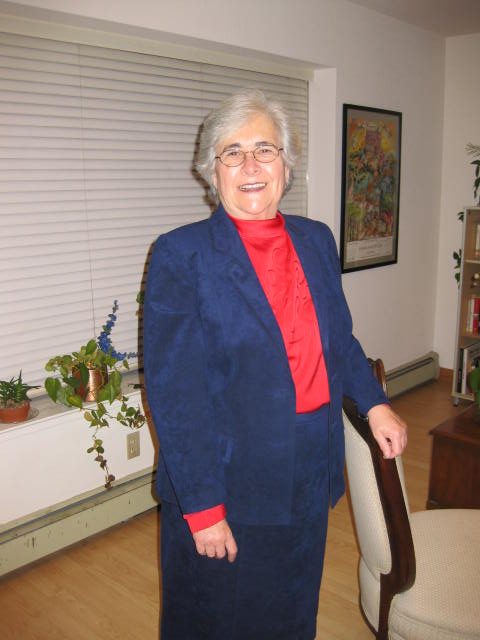
At almost 70 I am just beginning my journey with Talmud and Hadran. I began not late, but right when I was called to learn. It is never too late to begin! The understanding patience of staff and participants with more experience and knowledge has been fabulous. The joy of learning never stops and for me. It is a new life, a new light, a new depth of love of The Holy One, Blessed be He.
Deborah Hoffman-Wade

Richmond, CA, United States

My first Talmud class experience was a weekly group in 1971 studying Taanit. In 2007 I resumed Talmud study with a weekly group I continue learning with. January 2020, I was inspired to try learning Daf Yomi. A friend introduced me to Daf Yomi for Women and Rabbanit Michelle Farber, I have kept with this program and look forward, G- willing, to complete the entire Shas with Hadran.
Lorri Lewis
Lorri Lewis

Palo Alto, CA, United States

I heard about the syium in January 2020 & I was excited to start learning then the pandemic started. Learning Daf became something to focus on but also something stressful. As the world changed around me & my family I had to adjust my expectations for myself & the world. Daf Yomi & the Hadran podcast has been something I look forward to every day. It gives me a moment of centering & Judaism daily.

Talia Haykin
Talia Haykin

Denver, United States

“I got my job through the NY Times” was an ad campaign when I was growing up. I can headline “I got my daily Daf shiur and Hadran through the NY Times”. I read the January 4, 2020 feature on Reb. Michelle Farber and Hadran and I have been participating ever since. Thanks NY Times & Hadran!
Deborah Aschheim
Deborah Aschheim

New York, United States

I started learning Jan 2020 when I heard the new cycle was starting. I had tried during the last cycle and didn’t make it past a few weeks. Learning online from old men didn’t speak to my soul and I knew Talmud had to be a soul journey for me. Enter Hadran! Talmud from Rabbanit Michelle Farber from a woman’s perspective, a mother’s perspective and a modern perspective. Motivated to continue!

Keren Carter
Keren Carter

Brentwood, California, United States

After experiences over the years of asking to join gemara shiurim for men and either being refused by the maggid shiur or being the only women there, sometimes behind a mechitza, I found out about Hadran sometime during the tail end of Masechet Shabbat, I think. Life has been much better since then.

Madeline Cohen
Madeline Cohen

London, United Kingdom

I started learning Talmud with R’ Haramati in Yeshivah of Flatbush. But after a respite of 60 years, Rabbanit Michelle lit my fire – after attending the last three world siyumim in Miami Beach, Meadowlands and Boca Raton, and now that I’m retired, I decided – “I can do this!” It has been an incredible journey so far, and I look forward to learning Daf everyday – Mazal Tov to everyone!

Roslyn Jaffe
Roslyn Jaffe

Florida, United States

I started the daf at the beginning of this cycle in January 2020. My husband, my children, grandchildren and siblings have been very supportive. As someone who learned and taught Tanach and mefarshim for many years, it has been an amazing adventure to complete the six sedarim of Mishnah, and now to study Talmud on a daily basis along with Rabbanit Michelle and the wonderful women of Hadran.

Rookie Billet
Rookie Billet

Jerusalem, Israel

I’ve been wanting to do Daf Yomi for years, but always wanted to start at the beginning and not in the middle of things. When the opportunity came in 2020, I decided: “this is now the time!” I’ve been posting my journey daily on social media, tracking my progress (#DafYomi); now it’s fully integrated into my daily routines. I’ve also inspired my partner to join, too!

Joséphine Altzman
Joséphine Altzman

Teaneck, United States

I had tried to start after being inspired by the hadran siyum, but did not manage to stick to it. However, just before masechet taanit, our rav wrote a message to the shul WhatsApp encouraging people to start with masechet taanit, so I did! And this time, I’m hooked! I listen to the shiur every day , and am also trying to improve my skills.

Laura Major
Laura Major

Yad Binyamin, Israel

I began Daf Yomi with the last cycle. I was inspired by the Hadran Siyum in Yerushalayim to continue with this cycle. I have learned Daf Yomi with Rabanit Michelle in over 25 countries on 6 continents ( missing Australia)

Barbara-Goldschlag
Barbara Goldschlag

Silver Spring, MD, United States

When I was working and taking care of my children, learning was never on the list. Now that I have more time I have two different Gemora classes and the nach yomi as well as the mishna yomi daily.

Shoshana Shinnar
Shoshana Shinnar

Jerusalem, Israel

I started learning at the start of this cycle, and quickly fell in love. It has become such an important part of my day, enriching every part of my life.

Naomi Niederhoffer
Naomi Niederhoffer

Toronto, Canada

At almost 70 I am just beginning my journey with Talmud and Hadran. I began not late, but right when I was called to learn. It is never too late to begin! The understanding patience of staff and participants with more experience and knowledge has been fabulous. The joy of learning never stops and for me. It is a new life, a new light, a new depth of love of The Holy One, Blessed be He.
Deborah Hoffman-Wade

Richmond, CA, United States

Ive been learning Gmara since 5th grade and always loved it. Have always wanted to do Daf Yomi and now with Michelle Farber’s online classes it made it much easier to do! Really enjoying the experience thank you!!

Lisa Lawrence
Lisa Lawrence

Neve Daniel, Israel

I had dreamed of doing daf yomi since I had my first serious Talmud class 18 years ago at Pardes with Rahel Berkovitz, and then a couple of summers with Leah Rosenthal. There is no way I would be able to do it without another wonderful teacher, Michelle, and the Hadran organization. I wake up and am excited to start each day with the next daf.

Beth Elster
Beth Elster

Irvine, United States

I started learning Daf Yomi inspired by תָּפַסְתָּ מְרוּבֶּה לֹא תָּפַסְתָּ, תָּפַסְתָּ מוּעָט תָּפַסְתָּ. I thought I’d start the first page, and then see. I was swept up into the enthusiasm of the Hadran Siyum, and from there the momentum kept building. Rabbanit Michelle’s shiur gives me an anchor, a connection to an incredible virtual community, and an energy to face whatever the day brings.

Medinah Korn
Medinah Korn

בית שמש, Israel

I have joined the community of daf yomi learners at the start of this cycle. I have studied in different ways – by reading the page, translating the page, attending a local shiur and listening to Rabbanit Farber’s podcasts, depending on circumstances and where I was at the time. The reactions have been positive throughout – with no exception!

Silke Goldberg
Silke Goldberg

Guildford, United Kingdom

Geri Goldstein got me started learning daf yomi when I was in Israel 2 years ago. It’s been a challenge and I’ve learned a lot though I’m sure I miss a lot. I quilt as I listen and I want to share what I’ve been working on.

Rebecca Stulberg
Rebecca Stulberg

Ottawa, Canada

Margo
I started my Talmud journey in 7th grade at Akiba Jewish Day School in Chicago. I started my Daf Yomi journey after hearing Erica Brown speak at the Hadran Siyum about marking the passage of time through Daf Yomi.

Carolyn
I started my Talmud journey post-college in NY with a few classes. I started my Daf Yomi journey after the Hadran Siyum, which inspired both my son and myself.

Carolyn Hochstadter and Margo Kossoff Shizgal

Merion Station,  USA

Beit Shemesh, Israel

Shabbat 70

מַאי שְׁנָא רֵישָׁא וּמַאי שְׁנָא סֵיפָא? אָמַר רַב סָפְרָא: כָּאן — מִידִיעַת שַׁבָּת הוּא פּוֹרֵשׁ, וְכָאן — מִידִיעַת מְלָאכָה הוּא פּוֹרֵשׁ. אֲמַר לֵיהּ רַב נַחְמָן: כְּלוּם פֵּרֵישׁ מִשַּׁבָּת אֶלָּא מִשּׁוּם מְלָאכוֹת, וּכְלוּם פֵּרֵישׁ מִמְּלָאכוֹת אֶלָּא מִשּׁוּם שַׁבָּת! אֶלָּא אָמַר רַב נַחְמָן: קׇרְבָּן דְּחַיֵּיב רַחֲמָנָא אַמַּאי — אַשְּׁגָגָה. הָתָם חֲדָא שְׁגָגָה, הָכָא טוּבָא שְׁגָגוֹת הָוְיָין.

The Gemara asks: What is different about the former clause, which states that he in only liable to bring one sin-offering for each Shabbat, and the latter clause, which states that he is liable for each and every primary category of labor that he performed? Rav Safra said: Here, where he is unaware that the day was Shabbat, when he realizes that he sinned, it is due to awareness of Shabbat that he desists. When he is told that it was Shabbat, he stops immediately. And here, where he is unaware that the labors are prohibited, it is due to awareness of the labors that he desists. When he is told that this labor is prohibited, he stops immediately. Rav Naḥman said to Rav Safra: Does he desist due to Shabbat for any reason other than because he knows that the labors are prohibited? If he did not know that the labor is prohibited, telling him that it is Shabbat would not cause him to desist. And similarly, does he desist from performing the labors when told that it is prohibited for any reason other than because he knows that it is Shabbat? If he did not know that it was Shabbat, there would be no reason for him to desist from labor. Ostensibly, attributing the distinction between the two parts of the mishna to what eventually became known to him in the different cases is incorrect. Rather, Rav Naḥman said: The offering that the Torah obligated him to bring; for what is he so obligated? It is for performing an unwitting transgression. There, where he was unaware that the day was Shabbat, he was unwitting with regard to one matter; here, where he was unaware of the prohibited labors, he was unwitting with regard to multiple matters, and he is liable to bring sin-offerings in accordance with the number of matters of which he was unaware.

חַיָּיב עַל כׇּל מְלָאכָה וּמְלָאכָה: חִילּוּק מְלָאכוֹת מְנָלַן? אָמַר שְׁמוּאֵל, אָמַר קְרָא: ״מְחַלְּלֶיהָ מוֹת יוּמָת״ — הַתּוֹרָה רִבְּתָה מִיתוֹת הַרְבֵּה עַל חִילּוּל אֶחָד. הַאי בְּמֵזִיד כְּתִיב! אִם אֵינוֹ עִנְיָן לְמֵזִיד, דִּכְתִיב: ״כׇּל הָעֹשֶׂה מְלָאכָה יוּמָת״, תְּנֵהוּ עִנְיָן לְשׁוֹגֵג. וּמַאי ״יוּמָת״? — יוּמַת בְּמָמוֹן.

We learned in the mishna that one is liable to bring a sin-offering for each prohibited labor that he performs on Shabbat. The Gemara asks: From where do we derive the division of labors? What is the source of the halakha that if one performs numerous prohibited labors on Shabbat in the course of one lapse of awareness, each prohibited labor is considered a separate offense with regard to punishment? Shmuel said that the verse says: “And you shall observe the Shabbat, for it is holy to you; he who desecrates it shall surely die [mot yumat]” (Exodus 31:14). We learn from the double language, mot yumat, that the Torah amplified multiple deaths for a single desecration. Although several violations were committed in the course of a single lapse of awareness, each is considered a separate offense with regard to punishment. The Gemara asks: That verse was written with regard to intentional transgression. The Gemara is seeking a source for multiple sacrifices brought for unwitting transgression. The Gemara answers: If it does not refer to the matter of intentional transgression, as the verse does not teach a halakha applicable to intentional acts, as it was already written: “Six days you shall perform work, and on the seventh day it shall be holy to you, a Shabbat of rest to God; all who desecrate it shall die” (Exodus 35:2), refer it to the matter of unwitting transgression. The verse teaches that that which was written with regard to the death penalty for desecration of Shabbat in general applies to all halakhot of Shabbat, including cases of unwitting transgression. And what, then, is the meaning of the term: Shall die, in the verse? Does it mean that one who commits an unwitting transgression is punishable by death? It means that he shall die by payment of money. Death is used in the sense of punishment; he will be forced to pay for numerous sacrifices to atone for his sins.

וְתִיפּוֹק לֵיהּ חִילּוּק מְלָאכוֹת מֵהֵיכָא דְּנָפְקָא לֵיהּ לְרַבִּי נָתָן! דְּתַנְיָא, רַבִּי נָתָן אוֹמֵר: ״לֹא תְבַעֲרוּ אֵשׁ בְּכֹל מֹשְׁבֹתֵיכֶם בְּיוֹם הַשַּׁבָּת״ מַה תַּלְמוּד לוֹמַר? לְפִי שֶׁנֶּאֱמַר ״וַיַּקְהֵל מֹשֶׁה אֶת כׇּל עֲדַת בְּנֵי יִשְׂרָאֵל אֵלֶּה הַדְּבָרִים וְגוֹ׳ שֵׁשֶׁת יָמִים תֵּעָשֶׂה מְלָאכָה״. ״דְּבָרִים״, ״הַדְּבָרִים״, ״אֵלֶּה הַדְּבָרִים״ — אֵלּוּ שְׁלֹשִׁים וָתֵשַׁע מְלָאכוֹת שֶׁנֶּאֶמְרוּ לְמֹשֶׁה בְּסִינַי.

The Gemara asks: And let him derive division of labors from where it was derived according to Rabbi Natan, as it was taught in a baraita that Rabbi Natan says that it is written: “You shall not kindle fire in all your dwellings on the day of Shabbat” (Exodus 35:3). Why does the verse state this halakha? The prohibition against kindling is included in the general prohibition against performing labor on Shabbat. Rather, it should be understood as follows. Since it is already stated: “And Moses gathered the entire assembly of the children of Israel and said to them: These are the things [eleh hadevarim] that God has commanded to perform them. Six days you shall perform work, and on the seventh day it shall be holy to you, a Shabbat of rest to God” (Exodus 35:1–2), and Rabbi Natan derives as follows: “These are the things,” which refers to the halakhot of Shabbat, there are emphases in this phrase that are superfluous in the context of the verse. The Torah could have simply stated: This is a thing [davar]. When it states: Things [devarim] in the plural, it teaches at least two points. The addition of the definite article: The things [hadevarim], adds at least a third point. The numerological value of letters of the word eleh: Alef, one; lamed, thirty; and heh, five, is thirty-six. The total numerical value, three plus thirty-six, derived from the phrase: “These are the things.” This alludes to the thirty-nine prohibited labors that were stated to Moses at Sinai.

יָכוֹל עֲשָׂאָן כּוּלָּן בְּהֶעְלֵם אֶחָד אֵינוֹ חַיָּיב אֶלָּא אַחַת? תַּלְמוּד לוֹמַר: ״בֶּחָרִישׁ וּבַקָּצִיר תִּשְׁבֹּת״. וַעֲדַיִין אֲנִי אוֹמֵר: עַל חֲרִישָׁה וְעַל קְצִירָה חַיָּיב שְׁתַּיִם, וְעַל כּוּלָּן אֵינוֹ חַיָּיב אֶלָּא אַחַת?! תַּלְמוּד לוֹמַר: ״לֹא תְבַעֲרוּ אֵשׁ״ — הַבְעָרָה בַּכְּלָל הָיְתָה, וְלָמָּה יָצָאת? — לְהַקִּישׁ אֵלֶיהָ וְלוֹמַר לָךְ: מָה הַבְעָרָה שֶׁהִיא אַב מְלָאכָה וְחַיָּיבִין עָלֶיהָ בִּפְנֵי עַצְמָהּ, אַף כֹּל שֶׁהִיא אַב מְלָאכָה — חַיָּיבִין עָלֶיהָ בִּפְנֵי עַצְמָהּ.

I might have thought that if one performed them all in the course of one lapse of awareness, forgetting that they are prohibited, he would be liable to bring only one sin-offering? Therefore, the verse states: “Six days you shall work, and on the seventh you shall rest; in plowing time and in harvest time you shall rest” (Exodus 34:21), indicating that there are prohibitions specific to both plowing and harvesting. And still I can say: For plowing and for the harvesting he is liable to bring two sin-offerings, as they were stated explicitly. However, for performing all the other prohibited labors, he is liable for only one. Therefore, the verse states: “You shall not kindle fire in all your dwellings on the day of Shabbat” (Exodus 35:3). This is derived in the following manner: Kindling was included in the general prohibition prohibiting all labors, and why was it singled out and prohibited explicitly? It was singled out in order to equate the other labors to it and to tell you: Just as kindling is a primary category of prohibited labor, and one is liable for performing it on its own, so too, with regard to every primary category of prohibited labor, one is liable for performing it on its own.

שְׁמוּאֵל סָבַר לַהּ כְּרַבִּי יוֹסֵי, דְּאָמַר: הַבְעָרָה — לְלָאו יָצָאת. דְּתַנְיָא: הַבְעָרָה — לְלָאו יָצָאת, דִּבְרֵי רַבִּי יוֹסֵי. רַבִּי נָתָן אוֹמֵר: לְחַלֵּק יָצָאת.

Rabbi Natan cited a source proving that there is liability for performance of each prohibited labor of Shabbat on its own. Why doesn’t Shmuel derive that halakha from the same source? The Gemara answers: Shmuel holds in accordance with the opinion of Rabbi Yosei, who disagreed with Rabbi Natan’s interpretation of the verse, as Rabbi Yosei said: The prohibition against kindling on Shabbat was singled out to teach that one who lights a fire on Shabbat merely violates a prohibition. Performing other primary categories of prohibited labor is punishable by stoning or karet. In contrast, one who lights a fire on Shabbat has merely violated a prohibition, as it was taught in a baraita: The prohibition of kindling was singled out as a prohibition; this is the statement of Rabbi Yosei. Rabbi Natan says: Kindling is like any other labor prohibited on Shabbat. It was singled out to divide the various labors and to establish liability for performance of each of them.

וְתִיפּוֹק לֵיהּ לְחִלּוּק מְלָאכוֹת מֵהֵיכָא דְּנָפְקָא לֵיהּ לְרַבִּי יוֹסֵי! דְּתַנְיָא, רַבִּי יוֹסֵי אוֹמֵר: ״וְעָשָׂה מֵאַחַת מֵהֵנָּה״, פְּעָמִים שֶׁחַיָּיבִים אַחַת עַל כּוּלָּן, וּפְעָמִים שֶׁחַיָּיבִין עַל כׇּל אַחַת וְאַחַת. וְאָמַר רַבִּי יוֹסֵי בְּרַבִּי חֲנִינָא: מַאי טַעְמָא דְּרַבִּי יוֹסֵי, ״אַחַת״ ״מֵאַחַת״, ״הֵנָּה״ ״מֵהֵנָּה״ — אַחַת שֶׁהִיא הֵנָּה, הֵנָּה שֶׁהִיא אַחַת.

The Gemara raises an additional challenge to Shmuel’s opinion. If he holds in accordance with the opinion of Rabbi Yosei with regard to the explicit prohibition of kindling, let him derive the division of labors from where Rabbi Yosei derives it. As it was taught in a baraita that Rabbi Yosei says, it is stated: “Speak to the children of Israel, saying: A soul that sins in error, from all the commandments of God that may not be performed, and performs from one of them [me’aḥat me’hena]” (Leviticus 4:2). Rabbi Yosei interprets the verse that at times one is liable to bring one sin-offering for all of his transgressions, and at times one is liable to bring a sin-offering for each and every transgression. And Rabbi Yosei, son of Rabbi Ḥanina, said: What is the rationale for the opinion of Rabbi Yosei? He interprets the unique phrase employed in that verse: From one of these. The Torah could have merely stated: One [aḥat]. Instead, it stated: From one [me’aḥat]. It could have merely stated: Them [hena]. Instead, it stated: Of them [me’hena]. Rabbi Yosei derives that there are cases of one transgression that, with regard to punishment, are them, i.e., many. And there are cases of them, several transgressions, that, with regard to punishment, are one.

״אַחַת״ — שִׁמְעוֹן. ״מֵאַחַת״ —

Furthermore: The term one refers to a full-fledged transgression of Shabbat, e.g., one who intended to and wrote a complete name, Shimon. The term from one refers to a case where he performed only part of the transgression, e.g., one who wrote

שֵׁם מִשִּׁמְעוֹן. ״הֵנָּה״ — אָבוֹת, ״מֵהֵנָּה״ — תּוֹלָדוֹת. ״אַחַת שֶׁהִיא הֵנָּה״ — זְדוֹן שַׁבָּת וְשִׁגְגַת מְלָאכוֹת. ״הֵנָּה שֶׁהִיא אַחַת״ — שִׁגְגַת שַׁבָּת וּזְדוֹן מְלָאכוֹת. וּשְׁמוּאֵל, ״אַחַת שֶׁהִיא הֵנָּה״ וְ״הֵנָּה שֶׁהִיא אַחַת״ לָא מַשְׁמַע לֵיהּ.

only shem, part of the word, the letters shin and mem, from Shimon. Them refers to one who performed the primary categories of labor. Of them refers to one who performed subcategories of prohibited labors. One that is them refers to one transgression with multiple punishments, as in a case where his action was intentional with regard to Shabbat in that he was aware that it was Shabbat, and his action was unwitting with regard to the prohibited labors in that he was unaware that the labors were prohibited. In that case, he is liable for each primary category of labor. Them that are one refers to several transgressions with one punishment, as in a case where his action was unwitting with regard to Shabbat in that he was unaware that it was Shabbat, and his action was intentional with regard to the prohibited labors in that he was aware that the labors were prohibited. In that case, he is liable to bring only one sin-offering. Apparently, Rabbi Yosei has a source for the division of Shabbat labors. Why doesn’t Shmuel derive the halakha from that source? The Gemara answers: Shmuel did not derive one that is them and them that are one from the verse.

בְּעָא מִינֵּיהּ רָבָא מֵרַב נַחְמָן: הֶעְלֵם זֶה וָזֶה בְּיָדוֹ, מַהוּ? אֲמַר לֵיהּ: הֲרֵי הֶעְלֵם שַׁבָּת בְּיָדוֹ, וְאֵינוֹ חַיָּיב אֶלָּא אַחַת. אַדְּרַבָּה, הֲרֵי הֶעְלֵם מְלָאכוֹת בְּיָדוֹ וְחַיָּיב עַל כׇּל אַחַת וְאַחַת! אֶלָּא אָמַר רַב אָשֵׁי: חָזֵינַן, אִי מִשּׁוּם שַׁבָּת קָא פָרֵישׁ — הֲרֵי הֶעְלֵם שַׁבָּת בְּיָדוֹ וְאֵינוֹ חַיָּיב אֶלָּא אַחַת, וְאִי מִשּׁוּם מְלָאכָה קָפָרֵישׁ — הֲרֵי הֶעְלֵם מְלָאכוֹת בְּיָדוֹ וְחַיָּיב עַל כׇּל אַחַת וְאַחַת. אֲמַר לֵיהּ רָבִינָא לְרַב אָשֵׁי: כְּלוּם פֵּרֵישׁ מִשַּׁבָּת אֶלָּא מִשּׁוּם מְלָאכוֹת, כְּלוּם פֵּרֵישׁ מִמְּלָאכוֹת אֶלָּא מִשּׁוּם שַׁבָּת — אֶלָּא לָא שְׁנָא.

Rava raised a dilemma before Rav Naḥman: What is the halakha if a person had a lapse of awareness of both this, Shabbat, and that, a particular labor? He said to him: He had a lapse of awareness with regard to Shabbat and is liable to bring only one sin-offering. Rava said to him: On the contrary, he had a lapse of awareness with regard to prohibited labors, and he should be liable for each and every labor that he performed. Rather, Rav Ashi said: We see, if it is due to awareness of Shabbat that he desists from performing the labor when he is told what day it is, then, apparently, it was a lapse of awareness with regard to Shabbat, and he is liable for only one. And if it is due to awareness of the prohibited labor that he desists, then, apparently, it was a lapse of awareness with regard to the labors and he is liable for each and every one. Ravina said to Rav Ashi: Does he desist due to Shabbat for any reason other than because he knows that the labors are prohibited? And similarly, does he desist from performing the labors when told that it is prohibited for any reason other than because he knows that it is Shabbat? When one desists from labor when he is told that it is Shabbat, it is because he understands that the labor he is performing is prohibited on Shabbat. Similarly, when one desists from his labor when he is told that the labor is prohibited, it is because he understands that the day is Shabbat. Rather, there is no difference between the cases, and in both he is considered unwitting with regard to Shabbat.

תְּנַן: אֲבוֹת מְלָאכוֹת אַרְבָּעִים חָסֵר אַחַת, וְהָוֵינַן בַּהּ: מִנְיָנָא לְמָה לִי? וְאָמַר רַבִּי יוֹחָנָן: שֶׁאִם עֲשָׂאָן כּוּלָּן בְּהֶעְלֵם אֶחָד — חַיָּיב עַל כׇּל אַחַת וְאַחַת. אִי אָמְרַתְּ בִּשְׁלָמָא הֶעְלֵם זֶה וָזֶה בְּיָדוֹ חַיָּיב עַל כׇּל אַחַת וְאַחַת — שַׁפִּיר, אֶלָּא אִי אָמְרַתְּ הֶעְלֵם שַׁבָּת בְּיָדוֹ אֵינוֹ חַיָּיב אֶלָּא אַחַת, הֵיכִי מַשְׁכַּחַתְּ לַהּ — בִּזְדוֹן שַׁבָּת וְשִׁגְגַת מְלָאכוֹת!

The Gemara further discusses the matter from a different perspective. We learned in a mishna: The number of primary categories of prohibited labors on Shabbat is forty-less-one, which the mishna proceeds to list. And we discussed this mishna: Why do I need this tally of forty-less-one? Isn’t merely listing the prohibited labors sufficient? And Rabbi Yoḥanan said: The tally was included to teach that if he performed all the prohibited labors in the course of one lapse of awareness during which he was unaware of the prohibition involved, he is liable for each and every one. Granted, if you say that one who had a lapse of awareness of both this and that is liable for each and every one, it works out well. However, if you say that since one who had a lapse of awareness of this and that had a lapse of awareness with regard to Shabbat, and he is liable to bring only one sin-offering, under what circumstances can you find a case where one would be liable for unwittingly violating all thirty-nine labors? It must be in a case where, with regard to Shabbat, his actions were intentional, as he was aware that it was Shabbat, and, with regard to the prohibited labors, his actions were unwitting, as he was unaware that these labors were prohibited on Shabbat.

הָנִיחָא אִי סָבַר לַהּ כְּרַבִּי יוֹחָנָן, דְּאָמַר כֵּיוָן שֶׁשָּׁגַג בְּכָרֵת אַף עַל פִּי שֶׁהֵזִיד בְּלָאו, מַשְׁכַּחַתְּ לַהּ דְּיָדַע לֵיהּ לְשַׁבָּת בְּלָאו. אֶלָּא אִי סָבַר לַהּ כְּרַבִּי שִׁמְעוֹן בֶּן לָקִישׁ, דְּאָמַר עַד שֶׁיִּשְׁגּוֹג בְּלָאו וְכָרֵת — דְּיָדַע לֵיהּ לְשַׁבָּת בְּמַאי? דְּיָדַע לֵהּ בִּתְחוּמִין, וְאַלִּיבָּא דְּרַבִּי עֲקִיבָא.

It works out well if he holds in accordance with the opinion of Rabbi Yoḥanan, who said: Once he was unwitting with regard to the fact that the punishment for his transgression is karet, even though he was aware that his action was in violation of a Torah prohibition and performed the transgression intentionally, he is considered to have sinned unwittingly. You find that possibility in a case where he was aware that performing labor on Shabbat involves violation of a Torah prohibition, but he was unaware that the punishment for violating that prohibition is karet. However, if he holds in accordance with the opinion of Rabbi Shimon ben Lakish, who said: It is not considered unwitting until he was unwitting with regard to both the prohibition and karet, the result is that he is completely unaware of all the prohibited labors of Shabbat. The question then arises: With regard to what aspect of Shabbat was he aware? If he was completely unaware of all the labors prohibited on Shabbat, in what sense were his actions intentional with regard to Shabbat? The Gemara answers: He was aware of the halakhot of the prohibition of Shabbat boundaries, in accordance with the opinion of Rabbi Akiva, who holds that that prohibition is by Torah law.

אָמַר רָבָא: קָצַר וְטָחַן כִּגְרוֹגֶרֶת בְּשִׁגְגַת שַׁבָּת וּזְדוֹן מְלָאכוֹת, וְחָזַר וְקָצַר וְטָחַן כִּגְרוֹגֶרֶת בִּזְדוֹן שַׁבָּת וְשִׁגְגַת מְלָאכוֹת, וְנוֹדַע לוֹ עַל קְצִירָה וּטְחִינָה שֶׁל שִׁגְגַת שַׁבָּת וּזְדוֹן מְלָאכוֹת, וְחָזַר וְנוֹדַע לוֹ עַל קְצִירָה וְעַל טְחִינָה שֶׁל זְדוֹן שַׁבָּת וְשִׁגְגַת מְלָאכוֹת —

Rava said: One who reaped and ground grain in the measure of a dried fig-bulk, the measure that determines liability for the labors of reaping and grinding on Shabbat, while in performing those actions he was unwitting with regard to Shabbat and intentional with regard to the prohibited labors. He was unaware that it was Shabbat, but he was aware that the labors were prohibited. And he did not realize that he had sinned until he again reaped and ground grain in the measure of a dried fig-bulk, while in performing those actions he was intentional with regard to Shabbat and unwitting with regard to the prohibited labors. He was aware that it was Shabbat, but he was unaware that the labors were prohibited. And afterward he became aware that he had performed the labors of reaping and grinding while unwitting with regard to Shabbat and intentional with regard to the prohibited labors. He set aside a sin-offering to atone for his sin, based on the principle that he need set aside only one sin-offering even though he performed two primary categories of labor in the same lapse of awareness. And afterward he became aware that he had performed the labors of reaping and grinding while intentional with regard to Shabbat and unwitting with regard to the prohibited labors. For performing two categories of prohibited labor unwittingly, reaping and grinding, one should be liable to bring two sin-offerings.

Want to follow content and continue where you left off?

Create an account today to track your progress, mark what you’ve learned, and follow the shiurim that speak to you.

Clear all items from this list?

This will remove ALL the items in this section. You will lose any progress or history connected to them. This is irreversible.

Cancel
Yes, clear all

Are you sure you want to delete this item?

You will lose any progress or history connected to this item.

Cancel
Yes, delete