Search

Shabbat 72

Want to dedicate learning? Get started here:

English
עברית
podcast placeholder

0:00
0:00


podcast placeholder

0:00
0:00


Summary

Today’s shiur is dedicated for a refuah shleima to Leah Naomi bat Rachel by Deborah Dickson. We are pleased to be part of International Women’s Talmud Day that is taking place today with Talmud learning events throughout the day. 

What is the law regarding the guilt offering for one who has relations with a designated maidservant numerous times – does one bring a separate guilt offering for each time if he was made aware of his sin in between each act? On what does it depend? If someone intends to perform a permitted act on Shabbat and ends up doing a forbidden act instead – like for example, one wanted to pick up something off the ground that was detached but instead lifted up and detached something from the ground, one is not obligated – this is called mitasek. What if one intended to cut something that was detached and in the end cut something that was attached (or according to Tosafot – one thought it was detached but it was attached)? Rava and Abaye disagree as to whether this person is obligated or not. Rava brings proof from a braita comparing Shabbat to other mitzvot and explaining that Shabbat is both more lenient and more stringent than other mitzvot. What is the “other mitzvot” referring to in these comparisons?


Shabbat 72

בָּעַל חָמֵשׁ בְּעִילוֹת בְּשִׁפְחָה חֲרוּפָה — אֵינוֹ חַיָּיב אֶלָּא אַחַת. מַתְקִיף לַהּ רַב הַמְנוּנָא: אֶלָּא מֵעַתָּה בָּעַל וְחָזַר וּבָעַל וְהִפְרִישׁ קׇרְבָּן, וְאָמַר: הַמְתִּינוּ לִי עַד שֶׁאֶבְעוֹל, הָכִי נָמֵי דְּאֵינוֹ חַיָּיב אֶלָּא אַחַת? אֲמַר לֵיהּ: מַעֲשֶׂה דִּלְאַחַר הַפְרָשָׁה קָאָמְרַתְּ?! מַעֲשֶׂה דִּלְאַחַר הַפְרָשָׁה לָא קָאָמֵינָא.

one who had relations with a designated maidservant five times is only liable to bring one guilt-offering, even if he became aware of his transgression between each instance of relations with her. Because awareness is insignificant with regard to this sacrifice, it does not demarcate in terms of the number of guilt-offerings that he is liable to bring. Rav Hamnuna strongly objects to this halakha: But if what you say is so, one who had relations with a designated maidservant, and again had relations, and designated an animal for the offering, and said: Wait for me before sacrificing the offering until I have relations again, so that the guilt-offering will atone for this transgression as well, would you say that the same applies in that case too, that he is only liable to bring one guilt-offering? Ulla said to him: You referred to an action performed after designation of an animal for the guilt-offering. I did not say that halakha with regard to an action that was performed after designation.

כִּי אֲתָא רַב דִּימִי אָמַר: לְמַאן דְּאָמַר אָשָׁם וַדַּאי בָּעֵי יְדִיעָה בַּתְּחִלָּה, בָּעַל חָמֵשׁ בְּעִילוֹת בְּשִׁפְחָה חֲרוּפָה — חַיָּיב עַל כׇּל אַחַת וְאַחַת. אֲמַר לֵיהּ אַבָּיֵי: הֲרֵי חַטָּאת, דְּבָעֵינַן יְדִיעָה בַּתְּחִלָּה, וּפְלִיגִי רַבִּי יוֹחָנָן וְרַבִּי שִׁמְעוֹן בֶּן לָקִישׁ! אִישְׁתִּיק. אֲמַר לֵיהּ: דִּלְמָא בְּמַעֲשֶׂה דִּלְאַחַר הַפְרָשָׁה קָאָמְרַתְּ, וְכִדְרַב הַמְנוּנָא? אֲמַר לֵיהּ: אִין.

When Rav Dimi came from Eretz Yisrael to Babylonia, he said: According to the one who said that in order to designate a definite guilt-offering one requires prior knowledge that he definitely sinned, one who had relations five times with a designated maidservant is liable to bring a guilt-offering for each and every one. Because awareness is significant with regard to guilt-offerings, the awareness between the acts of cohabitation renders each a separate transgression. Abaye said to Rav Dimi: That is not so, as with regard to a sin-offering for which we require prior knowledge, Rabbi Yoḥanan and Rabbi Shimon ben Lakish disagree whether or not awareness following an unwitting sin demarcates one transgression from another. Rav Dimi was silent and had no response. In an attempt to resolve the problem, Abaye said to him: Perhaps you said your statement with regard to an act that the sinner seeks to commit after designating an animal as a guilt-offering but wants to attain atonement for by means of that same designated sacrifice. That statement is in accordance with the statement of Rav Hamnuna. Rav Dimi remembered and said to Abaye: Yes, that was what was originally stated.

כִּי אֲתָא רָבִין, אָמַר: הַכֹּל מוֹדִים בְּשִׁפְחָה חֲרוּפָה, וְהַכֹּל מוֹדִים בְּשִׁפְחָה חֲרוּפָה, וּמַחְלוֹקֶת בְּשִׁפְחָה חֲרוּפָה. הַכֹּל מוֹדִים בְּשִׁפְחָה חֲרוּפָה דְּאֵינוֹ חַיָּיב אֶלָּא אַחַת — כִּדְעוּלָּא. וְהַכֹּל מוֹדִים בְּשִׁפְחָה חֲרוּפָה דְּחַיָּיב עַל כׇּל אַחַת וְאַחַת — כְּרַב הַמְנוּנָא. וּמַחְלוֹקֶת בְּשִׁפְחָה חֲרוּפָה — לְמַאן דְּאָמַר אָשָׁם וַדַּאי בָּעֵי יְדִיעָה בַּתְּחִלָּה, מַחֲלוֹקֶת דְּרַבִּי יוֹחָנָן וְרַבִּי שִׁמְעוֹן בֶּן לָקִישׁ.

When Ravin came from Eretz Yisrael to Babylonia, he cited several disputes concerning the halakhot of guilt-offerings and said: Everyone agrees with regard to a designated maidservant, and everyone agrees with regard to a designated maidservant, and there is a dispute with regard to a designated maidservant. The Gemara elaborates: Everyone agrees with regard to a designated maidservant; one is liable to bring only one guilt-offering, even for many acts of cohabitation, in accordance with the opinion of Ulla. Ulla said that since prior knowledge is not required for liability to bring a guilt-offering, even if one became aware of his transgression between each time he had relations, he brings only one sacrifice. And everyone agrees with regard to a designated maidservant; one is liable for each and every act of cohabitation, if it occurred after designation of an animal for a guilt-offering for the previous transgression, in accordance with the opinion of Rav Hamnuna. And there is a dispute with regard to a designated maidservant; this refers to the one who said that, in order to designate a definite guilt-offering, one requires prior knowledge that he definitely sinned. In that case, the legal status of the guilt-offering is equal to that of the sin-offering and is the subject of a dispute between Rabbi Yoḥanan and Rabbi Shimon ben Lakish, who disagree whether awareness between two unwitting transgressions demarcates and requires two offerings.

אִיתְּמַר:

It was stated that amora’im disagreed with regard to the halakha in the following case:

נִתְכַּוֵּין לְהַגְבִּיהַּ אֶת הַתָּלוּשׁ, וְחָתַךְ אֶת הַמְחוּבָּר — פָּטוּר. לַחְתּוֹךְ אֶת הַתָּלוּשׁ, וְחָתַךְ אֶת הַמְחוּבָּר, רָבָא אָמַר: פָּטוּר. אַבָּיֵי אָמַר: חַיָּיב. רָבָא אָמַר פָּטוּר — דְּהָא לָא מִיכַּוֵּון לַחֲתִיכָה דְאִיסּוּרָא. אַבָּיֵי אֲמַר חַיָּיב — דְּהָא קָמִיכַּוֵּין לַחֲתִיכָה בְּעָלְמָא.

One who intended to lift a plant detached from the ground on Shabbat and mistakenly severed a plant still attached to the ground, which under other circumstances constitutes performance of the prohibited labor of reaping, is exempt from bringing a sin-offering for his mistaken act, since he did not intend to perform an act of cutting. One who performs an action unawares [mitasek], i.e., he had no intention to perform the act at all, incurs no liability whatsoever. One who intended to cut a detached plant and unwittingly severed a plant still attached to the ground, Rava said: He too is exempt. Abaye said: He is liable. The Gemara elaborates: Rava said that he is exempt because he did not intend to perform an act of prohibited severing. He intended to perform an action completely permitted on Shabbat. He had no misconception with regard to the halakhot of Shabbat. It was merely a mistaken act. And Abaye said that he is liable because he intended to perform a standard act of cutting. Since he intended to perform that act, and he carried out his intent, the Torah characterizes it as unwitting and not as unawares.

אָמַר רָבָא: מְנָא אָמֵינָא לַהּ? דְּתַנְיָא: חוֹמֶר שַׁבָּת מִשְּׁאָר מִצְוֹת, וְחוֹמֶר שְׁאָר מִצְוֹת מִשַּׁבָּת. חוֹמֶר שַׁבָּת מִשְּׁאָר מִצְוֹת, שֶׁהַשַּׁבָּת עָשָׂה שְׁתַּיִם בְּהֶעְלֵם אֶחָד — חַיָּיב עַל כׇּל אַחַת וְאַחַת, מַה שֶּׁאֵין כֵּן בִּשְׁאָר מִצְוֹת. וְחוֹמֶר שְׁאָר מִצְוֹת מִשַּׁבָּת — שֶׁבִּשְׁאָר מִצְוֹת שָׁגַג בְּלֹא מִתְכַּוֵּין — חַיָּיב, מַה שֶּׁאֵין כֵּן בְּשַׁבָּת.

Rava said: From where do I derive to say this opinion? As it was taught in a baraita: There is a stricture with regard to the prohibitions of Shabbat that is greater than the stricture with regard to other mitzvot, and a stricture with regard to other mitzvot that is greater than the stricture with regard to Shabbat. The Gemara elaborates: A stricture with regard to Shabbat that is greater than the stricture with regard to other mitzvot is that, with regard to Shabbat, one who performed two transgressions on Shabbat, even if he did so in the course of one lapse of awareness, is liable to bring a sin-offering for each and every one, which is not the case in other mitzvot. In other mitzvot, if an individual commits a transgression several times in the course of one lapse of awareness, he is liable to bring only one sin-offering. And a stricture with regard to other mitzvot that is greater than the stricture with regard to Shabbat is that, with regard to other mitzvot, one who performs an act unwittingly without intent is liable, which is not the case with regard to Shabbat. Apparently, the phrase unwittingly without intent refers to the case disputed by Abaye and Rava. Therefore, this is proof for Rava’s opinion that, with regard to Shabbat, one who acts unawares, i.e., whose action resulted from involvement in another matter and who had no intention to perform an action that is prohibited, is not considered to have performed an unwitting act.

אָמַר מָר: חוֹמֶר שַׁבָּת מִשְּׁאָר מִצְוֹת, שֶׁהַשַּׁבָּת עָשָׂה שְׁתַּיִם בְּהֶעְלֵם אֶחָד — חַיָּיב עַל כׇּל אַחַת וְאַחַת, מַה שֶּׁאֵין כֵּן בִּשְׁאָר מִצְוֹת. הֵיכִי דָמֵי? אִילֵּימָא דַּעֲבַד קְצִירָה וּטְחִינָה, דִּכְווֹתַהּ גַּבֵּי שְׁאָר מִצְוֹת אֲכַל חֵלֶב וְדָם. הָכָא תַּרְתֵּי מִיחַיַּיב, וְהָכָא תַּרְתֵּי מִיחַיַּיב! אֶלָּא שְׁאָר מִצְוֹת דְּלָא מִיחַיַּיב אֶלָּא חֲדָא הֵיכִי דָּמֵי — דַּאֲכַל חֵלֶב וְחֵלֶב. דִּכְווֹתַהּ גַּבֵּי שַׁבָּת — דַּעֲבַד קְצִירָה וּקְצִירָה, הָכָא חֲדָא מִיחַיַּיב, וְהָכָא חֲדָא מִיחַיַּיב!

Before the Gemara discusses the baraita in the context of the dispute between Abaye and Rava, the Gemara analyzes its text. The Master said in the baraita: A stricture with regard to Shabbat that is greater than the stricture with regard to other mitzvot is that, with regard to Shabbat, one who performed two transgressions on Shabbat, even in the course of one lapse of awareness, is liable to bring a sin-offering for each and every one, which is not the case with regard to other mitzvot. The Gemara asks: What are the circumstances? If you say that he unwittingly performed acts of reaping and grinding on Shabbat, the corresponding situation with regard to other mitzvot is a case where he ate forbidden fat and blood. If so, there is no difference between Shabbat and other mitzvot. Here one is liable to bring two sin-offerings and here one is liable to bring two sin-offerings. Rather, what are the circumstances in other mitzvot where he is liable to bring only one sin-offering? It is in a case where he ate forbidden fat and again ate forbidden fat within one lapse of awareness. The corresponding situation with regard to Shabbat is a case where one performed an act of reaping and performed another act of reaping within one lapse of awareness. However, in that case too there is no difference between Shabbat and other mitzvot. Here one is liable to bring one sin-offering, and here one is liable to bring one sin-offering.

לְעוֹלָם דַּעֲבַד קְצִירָה וּטְחִינָה, וּמַאי ״מַה שֶּׁאֵין כֵּן בִּשְׁאָר מִצְוֹת״ — אַעֲבוֹדָה זָרָה, וְכִדְרַבִּי אַמֵּי. דְּאָמַר רַבִּי אַמֵּי: זִיבַּח וְקִיטֵּר וְנִיסֵּךְ בְּהַעֲלָמָה אַחַת — אֵינוֹ חַיָּיב אֶלָּא אַחַת.

The Gemara explains: Actually, it is referring to a case where one performed acts of reaping and grinding. And what is the meaning of the phrase: Which is not the case with regard to other mitzvot? It is not referring to all mitzvot in general. It is referring to the prohibition of idolatry, which is comprised of separate component prohibitions, each of which incurs independent liability. This is in accordance with the opinion of Rabbi Ami, as Rabbi Ami said: One who sacrificed to idolatry, and burned incense before it, and poured wine as a libation before it in the course of one lapse of awareness is liable to bring only one sin-offering. That is the ruling, even though, had he performed those rites separately, he would be liable to bring a sin-offering for each. That, then, is the stricture of other mitzvot relative to Shabbat.

בְּמַאי אוֹקֵימְתַּהּ — בַּעֲבוֹדָה זָרָה? אֵימָא סֵיפָא: חוֹמֶר בִּשְׁאָר מִצְוֹת, שֶׁבִּשְׁאָר מִצְוֹת שָׁגַג בְּלֹא מִתְכַּוֵּין — חַיָּיב, מַה שֶּׁאֵין כֵּן בְּשַׁבָּת — הַאי שָׁגַג בְּלֹא מִתְכַּוֵּין דַּעֲבוֹדָה זָרָה הֵיכִי דָּמֵי? אִילֵּימָא כְּסָבוּר בֵּית הַכְּנֶסֶת הוּא וְהִשְׁתַּחֲוָה לָהּ — הֲרֵי לִבּוֹ לַשָּׁמַיִם. וְאֶלָּא דְּחָזֵי אִנְדְּרָטָא וְסָגֵיד לֵהּ, הֵיכִי דָּמֵי? אִי דְּקַבְּלֵהּ עֲלֵיהּ בֶּאֱלוֹהַּ — מֵזִיד הוּא. וְאִי דְּלָא קַבְּלֵהּ עֲלֵיהּ בֶּאֱלוֹהַּ — לָאו כְּלוּם הוּא.

The Gemara asks: In what case did you establish the baraita, in the case of idolatry? If so, state the latter clause and determine whether that explanation applies there as well. The latter clause states: A stricture with regard to other mitzvot that is greater than the stricture with regard to Shabbat is that, with regard to other mitzvot, one who performs an act unwittingly without intent is liable, which is not the case with regard to Shabbat. One who acts unawares with no intent to perform a prohibited act is not considered to have performed an unwitting act. That case of performing an act unwittingly without intent with regard to idolatry, what are the circumstances? If you say that it is referring to a case where he thought that it was a synagogue and bowed to it, and it turned out that he bowed to idolatry, he committed no transgression. Since his heart was directed toward Heaven, it is not even an unwitting transgression. Rather, it is referring to a case where he saw a statue [andarta] in the image of the king and bowed to it. What are the circumstances? If the baraita is referring to a case in which he bowed because he accepted that image upon himself as a god, he worshipped idolatry intentionally and is not liable to bring a sin-offering. And if he did not accept that image upon himself as a god and bowed merely in deference to the monarch, it is meaningless and is not an act of idolatry.

אֶלָּא מֵאַהֲבָה וּמִיִּרְאָה. הָנִיחָא לְאַבָּיֵי, דְּאָמַר חַיָּיב. אֶלָּא לְרָבָא דְּאָמַר פָּטוּר, מַאי אִיכָּא לְמֵימַר? אֶלָּא בְּאוֹמֵר ״מוּתָּר״. מַה שֶּׁאֵין כֵּן בְּשַׁבָּת דְּפָטוּר — לִגְמָרֵי.

Rather, it is referring to a case where one bowed due to love of someone who requested that he bow before the statue and due to fear of someone coercing him to do so. He is under the impression that unless he wholeheartedly has the intention to worship the idol, there is no prohibition involved. This works out well according to the opinion of Abaye, who said: One who bows due to love or fear is liable to bring a sin-offering. However, according to the opinion of Rava, who said: One who bows due to love or fear is exempt from bringing a sin-offering, what can be said? According to Rava’s opinion, the problem remains. There is no case in which there is a difference between the ruling in the case of idolatry and the ruling in the case of Shabbat. Rather, it is referring to a case where one says to himself that this is permitted. He is under the impression that idolatry is permitted, and his unwitting act was the result of ignorance, not forgetfulness. The statement in the baraita: Which is not the case with regard to Shabbat, is referring to one who was under the impression that performing labors on Shabbat is permitted. One who performs prohibited labors under those circumstances is completely exempt.

עַד כָּאן לָא בְּעָא מִינֵּיהּ רָבָא מֵרַב נַחְמָן, אֶלָּא אִי לְחַיּוֹבֵי חֲדָא, אִי לְחַיּוֹבֵי תַּרְתֵּי, אֲבָל מִפְטְרֵיהּ לִגְמָרֵי — לָא.

That conclusion contradicts another statement of Rava. With regard to one who is unaware of both the essence of Shabbat and the individual prohibited labors, Rava raised a dilemma before Rav Naḥman only whether to deem him liable to bring one or whether to deem him liable to bring two sin-offerings. However, the possibility to exempt him completely did not enter Rava’s mind. That explanation of the baraita is incompatible with Rava’s opinion.

New to Talmud?

Check out our resources designed to help you navigate a page of Talmud – and study at the pace, level and style that fits you. 

The Hadran Women’s Tapestry

Meet the diverse women learning Gemara at Hadran and hear their stories. 

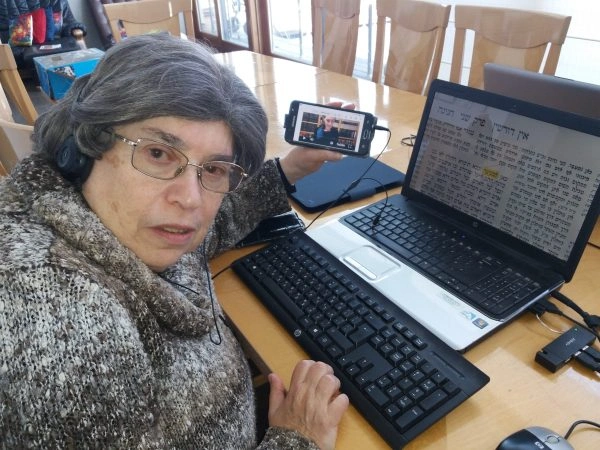
I started learning at the beginning of the cycle after a friend persuaded me that it would be right up my alley. I was lucky enough to learn at Rabbanit Michelle’s house before it started on zoom and it was quickly part of my daily routine. I find it so important to see for myself where halachot were derived, where stories were told and to get more insight into how the Rabbis interacted.

Deborah Dickson
Deborah Dickson

Ra’anana, Israel

I started learning Gemara at the Yeshivah of Flatbush. And I resumed ‘ברוך ה decades later with Rabbanit Michele at Hadran. I started from Brachot and have had an exciting, rewarding experience throughout seder Moed!

Anne Mirsky (1)
Anne Mirsky

Maale Adumim, Israel

תמיד רציתי. למדתי גמרא בבית ספר בטורונטו קנדה. עליתי ארצה ולמדתי שזה לא מקובל. הופתעתי.
יצאתי לגימלאות לפני שנתיים וזה מאפשר את המחוייבות לדף יומי.
עבורי ההתמדה בלימוד מעגן אותי בקשר שלי ליהדות. אני תמיד מחפשת ותמיד. מוצאת מקור לקשר. ללימוד חדש ומחדש. קשר עם נשים לומדות מעמיק את החוויה ומשמעותית מאוד.

Vitti Kones
Vitti Kones

מיתר, ישראל

I began Daf Yomi with the last cycle. I was inspired by the Hadran Siyum in Yerushalayim to continue with this cycle. I have learned Daf Yomi with Rabanit Michelle in over 25 countries on 6 continents ( missing Australia)

Barbara-Goldschlag
Barbara Goldschlag

Silver Spring, MD, United States

Robin Zeiger
Robin Zeiger

Tel Aviv, Israel

Geri Goldstein got me started learning daf yomi when I was in Israel 2 years ago. It’s been a challenge and I’ve learned a lot though I’m sure I miss a lot. I quilt as I listen and I want to share what I’ve been working on.

Rebecca Stulberg
Rebecca Stulberg

Ottawa, Canada

I attended the Siyum so that I could tell my granddaughter that I had been there. Then I decided to listen on Spotify and after the siyum of Brachot, Covid and zoom began. It gave structure to my day. I learn with people from all over the world who are now my friends – yet most of us have never met. I can’t imagine life without it. Thank you Rabbanit Michelle.

Emma Rinberg
Emma Rinberg

Raanana, Israel

I graduated college in December 2019 and received a set of shas as a present from my husband. With my long time dream of learning daf yomi, I had no idea that a new cycle was beginning just one month later, in January 2020. I have been learning the daf ever since with Michelle Farber… Through grad school, my first job, my first baby, and all the other incredible journeys over the past few years!
Sigal Spitzer Flamholz

Bronx, United States

I decided to give daf yomi a try when I heard about the siyum hashas in 2020. Once the pandemic hit, the daily commitment gave my days some much-needed structure. There have been times when I’ve felt like quitting- especially when encountering very technical details in the text. But then I tell myself, “Look how much you’ve done. You can’t stop now!” So I keep going & my Koren bookshelf grows…

Miriam Eckstein-Koas

Huntington, United States

I began my Daf Yomi journey on January 5, 2020. I had never learned Talmud before. Initially it struck me as a bunch of inane and arcane details with mind bending logic. I am now smitten. Rabbanit Farber brings the page to life and I am eager to learn with her every day!

Lori Stark
Lori Stark

Highland Park, United States

I began daf yomi in January 2020 with Brachot. I had made aliya 6 months before, and one of my post-aliya goals was to complete a full cycle. As a life-long Tanach teacher, I wanted to swim from one side of the Yam shel Torah to the other. Daf yomi was also my sanity through COVID. It was the way to marking the progression of time, and feel that I could grow and accomplish while time stopped.

Leah Herzog
Leah Herzog

Givat Zev, Israel

I started my journey on the day I realized that the Siyum was happening in Yerushalayim and I was missing out. What? I told myself. How could I have not known about this? How can I have missed out on this opportunity? I decided that moment, I would start Daf Yomi and Nach Yomi the very next day. I am so grateful to Hadran. I am changed forever because I learn Gemara with women. Thank you.

Linda Brownstein
Linda Brownstein

Mitspe, Israel

In January 2020, my chevruta suggested that we “up our game. Let’s do Daf Yomi” – and she sent me the Hadran link. I lost my job (and went freelance), there was a pandemic, and I am still opening the podcast with my breakfast coffee, or after Shabbat with popcorn. My Aramaic is improving. I will need a new bookcase, though.

Rhondda May
Rhondda May

Atlanta, Georgia, United States

When we heard that R. Michelle was starting daf yomi, my 11-year-old suggested that I go. Little did she know that she would lose me every morning from then on. I remember standing at the Farbers’ door, almost too shy to enter. After that first class, I said that I would come the next day but couldn’t commit to more. A decade later, I still look forward to learning from R. Michelle every morning.

Ruth Leah Kahan
Ruth Leah Kahan

Ra’anana, Israel

I’ve been studying Talmud since the ’90s, and decided to take on Daf Yomi two years ago. I wanted to attempt the challenge of a day-to-day, very Jewish activity. Some days are so interesting and some days are so boring. But I’m still here.
Sarene Shanus
Sarene Shanus

Mamaroneck, NY, United States

I started learning Daf in Jan 2020 with Brachot b/c I had never seen the Jewish people united around something so positive, and I wanted to be a part of it. Also, I wanted to broaden my background in Torah Shebal Peh- Maayanot gave me a great gemara education, but I knew that I could hold a conversation in most parts of tanach but almost no TSB. I’m so thankful for Daf and have gained immensely.

Meira Shapiro
Meira Shapiro

NJ, United States

I started my Daf Yomi journey at the beginning of the COVID19 pandemic.

Karena Perry
Karena Perry

Los Angeles, United States

I tried Daf Yomi in the middle of the last cycle after realizing I could listen to Michelle’s shiurim online. It lasted all of 2 days! Then the new cycle started just days before my father’s first yahrzeit and my youngest daughter’s bat mitzvah. It seemed the right time for a new beginning. My family, friends, colleagues are immensely supportive!

Catriella-Freedman-jpeg
Catriella Freedman

Zichron Yaakov, Israel

I started learning daf in January, 2020, being inspired by watching the Siyyum Hashas in Binyanei Haumah. I wasn’t sure I would be able to keep up with the task. When I went to school, Gemara was not an option. Fast forward to March, 2022, and each day starts with the daf. The challenge is now learning the intricacies of delving into the actual learning. Hadran community, thank you!

Rochel Cheifetz
Rochel Cheifetz

Riverdale, NY, United States

I started at the beginning of this cycle. No 1 reason, but here’s 5.
In 2019 I read about the upcoming siyum hashas.
There was a sermon at shul about how anyone can learn Talmud.
Talmud references come up when I am studying. I wanted to know more.
Yentl was on telly. Not a great movie but it’s about studying Talmud.
I went to the Hadran website: A new cycle is starting. I’m gonna do this

Denise Neapolitan
Denise Neapolitan

Cambridge, United Kingdom

Shabbat 72

בָּעַל חָמֵשׁ בְּעִילוֹת בְּשִׁפְחָה חֲרוּפָה — אֵינוֹ חַיָּיב אֶלָּא אַחַת. מַתְקִיף לַהּ רַב הַמְנוּנָא: אֶלָּא מֵעַתָּה בָּעַל וְחָזַר וּבָעַל וְהִפְרִישׁ קׇרְבָּן, וְאָמַר: הַמְתִּינוּ לִי עַד שֶׁאֶבְעוֹל, הָכִי נָמֵי דְּאֵינוֹ חַיָּיב אֶלָּא אַחַת? אֲמַר לֵיהּ: מַעֲשֶׂה דִּלְאַחַר הַפְרָשָׁה קָאָמְרַתְּ?! מַעֲשֶׂה דִּלְאַחַר הַפְרָשָׁה לָא קָאָמֵינָא.

one who had relations with a designated maidservant five times is only liable to bring one guilt-offering, even if he became aware of his transgression between each instance of relations with her. Because awareness is insignificant with regard to this sacrifice, it does not demarcate in terms of the number of guilt-offerings that he is liable to bring. Rav Hamnuna strongly objects to this halakha: But if what you say is so, one who had relations with a designated maidservant, and again had relations, and designated an animal for the offering, and said: Wait for me before sacrificing the offering until I have relations again, so that the guilt-offering will atone for this transgression as well, would you say that the same applies in that case too, that he is only liable to bring one guilt-offering? Ulla said to him: You referred to an action performed after designation of an animal for the guilt-offering. I did not say that halakha with regard to an action that was performed after designation.

כִּי אֲתָא רַב דִּימִי אָמַר: לְמַאן דְּאָמַר אָשָׁם וַדַּאי בָּעֵי יְדִיעָה בַּתְּחִלָּה, בָּעַל חָמֵשׁ בְּעִילוֹת בְּשִׁפְחָה חֲרוּפָה — חַיָּיב עַל כׇּל אַחַת וְאַחַת. אֲמַר לֵיהּ אַבָּיֵי: הֲרֵי חַטָּאת, דְּבָעֵינַן יְדִיעָה בַּתְּחִלָּה, וּפְלִיגִי רַבִּי יוֹחָנָן וְרַבִּי שִׁמְעוֹן בֶּן לָקִישׁ! אִישְׁתִּיק. אֲמַר לֵיהּ: דִּלְמָא בְּמַעֲשֶׂה דִּלְאַחַר הַפְרָשָׁה קָאָמְרַתְּ, וְכִדְרַב הַמְנוּנָא? אֲמַר לֵיהּ: אִין.

When Rav Dimi came from Eretz Yisrael to Babylonia, he said: According to the one who said that in order to designate a definite guilt-offering one requires prior knowledge that he definitely sinned, one who had relations five times with a designated maidservant is liable to bring a guilt-offering for each and every one. Because awareness is significant with regard to guilt-offerings, the awareness between the acts of cohabitation renders each a separate transgression. Abaye said to Rav Dimi: That is not so, as with regard to a sin-offering for which we require prior knowledge, Rabbi Yoḥanan and Rabbi Shimon ben Lakish disagree whether or not awareness following an unwitting sin demarcates one transgression from another. Rav Dimi was silent and had no response. In an attempt to resolve the problem, Abaye said to him: Perhaps you said your statement with regard to an act that the sinner seeks to commit after designating an animal as a guilt-offering but wants to attain atonement for by means of that same designated sacrifice. That statement is in accordance with the statement of Rav Hamnuna. Rav Dimi remembered and said to Abaye: Yes, that was what was originally stated.

כִּי אֲתָא רָבִין, אָמַר: הַכֹּל מוֹדִים בְּשִׁפְחָה חֲרוּפָה, וְהַכֹּל מוֹדִים בְּשִׁפְחָה חֲרוּפָה, וּמַחְלוֹקֶת בְּשִׁפְחָה חֲרוּפָה. הַכֹּל מוֹדִים בְּשִׁפְחָה חֲרוּפָה דְּאֵינוֹ חַיָּיב אֶלָּא אַחַת — כִּדְעוּלָּא. וְהַכֹּל מוֹדִים בְּשִׁפְחָה חֲרוּפָה דְּחַיָּיב עַל כׇּל אַחַת וְאַחַת — כְּרַב הַמְנוּנָא. וּמַחְלוֹקֶת בְּשִׁפְחָה חֲרוּפָה — לְמַאן דְּאָמַר אָשָׁם וַדַּאי בָּעֵי יְדִיעָה בַּתְּחִלָּה, מַחֲלוֹקֶת דְּרַבִּי יוֹחָנָן וְרַבִּי שִׁמְעוֹן בֶּן לָקִישׁ.

When Ravin came from Eretz Yisrael to Babylonia, he cited several disputes concerning the halakhot of guilt-offerings and said: Everyone agrees with regard to a designated maidservant, and everyone agrees with regard to a designated maidservant, and there is a dispute with regard to a designated maidservant. The Gemara elaborates: Everyone agrees with regard to a designated maidservant; one is liable to bring only one guilt-offering, even for many acts of cohabitation, in accordance with the opinion of Ulla. Ulla said that since prior knowledge is not required for liability to bring a guilt-offering, even if one became aware of his transgression between each time he had relations, he brings only one sacrifice. And everyone agrees with regard to a designated maidservant; one is liable for each and every act of cohabitation, if it occurred after designation of an animal for a guilt-offering for the previous transgression, in accordance with the opinion of Rav Hamnuna. And there is a dispute with regard to a designated maidservant; this refers to the one who said that, in order to designate a definite guilt-offering, one requires prior knowledge that he definitely sinned. In that case, the legal status of the guilt-offering is equal to that of the sin-offering and is the subject of a dispute between Rabbi Yoḥanan and Rabbi Shimon ben Lakish, who disagree whether awareness between two unwitting transgressions demarcates and requires two offerings.

אִיתְּמַר:

It was stated that amora’im disagreed with regard to the halakha in the following case:

נִתְכַּוֵּין לְהַגְבִּיהַּ אֶת הַתָּלוּשׁ, וְחָתַךְ אֶת הַמְחוּבָּר — פָּטוּר. לַחְתּוֹךְ אֶת הַתָּלוּשׁ, וְחָתַךְ אֶת הַמְחוּבָּר, רָבָא אָמַר: פָּטוּר. אַבָּיֵי אָמַר: חַיָּיב. רָבָא אָמַר פָּטוּר — דְּהָא לָא מִיכַּוֵּון לַחֲתִיכָה דְאִיסּוּרָא. אַבָּיֵי אֲמַר חַיָּיב — דְּהָא קָמִיכַּוֵּין לַחֲתִיכָה בְּעָלְמָא.

One who intended to lift a plant detached from the ground on Shabbat and mistakenly severed a plant still attached to the ground, which under other circumstances constitutes performance of the prohibited labor of reaping, is exempt from bringing a sin-offering for his mistaken act, since he did not intend to perform an act of cutting. One who performs an action unawares [mitasek], i.e., he had no intention to perform the act at all, incurs no liability whatsoever. One who intended to cut a detached plant and unwittingly severed a plant still attached to the ground, Rava said: He too is exempt. Abaye said: He is liable. The Gemara elaborates: Rava said that he is exempt because he did not intend to perform an act of prohibited severing. He intended to perform an action completely permitted on Shabbat. He had no misconception with regard to the halakhot of Shabbat. It was merely a mistaken act. And Abaye said that he is liable because he intended to perform a standard act of cutting. Since he intended to perform that act, and he carried out his intent, the Torah characterizes it as unwitting and not as unawares.

אָמַר רָבָא: מְנָא אָמֵינָא לַהּ? דְּתַנְיָא: חוֹמֶר שַׁבָּת מִשְּׁאָר מִצְוֹת, וְחוֹמֶר שְׁאָר מִצְוֹת מִשַּׁבָּת. חוֹמֶר שַׁבָּת מִשְּׁאָר מִצְוֹת, שֶׁהַשַּׁבָּת עָשָׂה שְׁתַּיִם בְּהֶעְלֵם אֶחָד — חַיָּיב עַל כׇּל אַחַת וְאַחַת, מַה שֶּׁאֵין כֵּן בִּשְׁאָר מִצְוֹת. וְחוֹמֶר שְׁאָר מִצְוֹת מִשַּׁבָּת — שֶׁבִּשְׁאָר מִצְוֹת שָׁגַג בְּלֹא מִתְכַּוֵּין — חַיָּיב, מַה שֶּׁאֵין כֵּן בְּשַׁבָּת.

Rava said: From where do I derive to say this opinion? As it was taught in a baraita: There is a stricture with regard to the prohibitions of Shabbat that is greater than the stricture with regard to other mitzvot, and a stricture with regard to other mitzvot that is greater than the stricture with regard to Shabbat. The Gemara elaborates: A stricture with regard to Shabbat that is greater than the stricture with regard to other mitzvot is that, with regard to Shabbat, one who performed two transgressions on Shabbat, even if he did so in the course of one lapse of awareness, is liable to bring a sin-offering for each and every one, which is not the case in other mitzvot. In other mitzvot, if an individual commits a transgression several times in the course of one lapse of awareness, he is liable to bring only one sin-offering. And a stricture with regard to other mitzvot that is greater than the stricture with regard to Shabbat is that, with regard to other mitzvot, one who performs an act unwittingly without intent is liable, which is not the case with regard to Shabbat. Apparently, the phrase unwittingly without intent refers to the case disputed by Abaye and Rava. Therefore, this is proof for Rava’s opinion that, with regard to Shabbat, one who acts unawares, i.e., whose action resulted from involvement in another matter and who had no intention to perform an action that is prohibited, is not considered to have performed an unwitting act.

אָמַר מָר: חוֹמֶר שַׁבָּת מִשְּׁאָר מִצְוֹת, שֶׁהַשַּׁבָּת עָשָׂה שְׁתַּיִם בְּהֶעְלֵם אֶחָד — חַיָּיב עַל כׇּל אַחַת וְאַחַת, מַה שֶּׁאֵין כֵּן בִּשְׁאָר מִצְוֹת. הֵיכִי דָמֵי? אִילֵּימָא דַּעֲבַד קְצִירָה וּטְחִינָה, דִּכְווֹתַהּ גַּבֵּי שְׁאָר מִצְוֹת אֲכַל חֵלֶב וְדָם. הָכָא תַּרְתֵּי מִיחַיַּיב, וְהָכָא תַּרְתֵּי מִיחַיַּיב! אֶלָּא שְׁאָר מִצְוֹת דְּלָא מִיחַיַּיב אֶלָּא חֲדָא הֵיכִי דָּמֵי — דַּאֲכַל חֵלֶב וְחֵלֶב. דִּכְווֹתַהּ גַּבֵּי שַׁבָּת — דַּעֲבַד קְצִירָה וּקְצִירָה, הָכָא חֲדָא מִיחַיַּיב, וְהָכָא חֲדָא מִיחַיַּיב!

Before the Gemara discusses the baraita in the context of the dispute between Abaye and Rava, the Gemara analyzes its text. The Master said in the baraita: A stricture with regard to Shabbat that is greater than the stricture with regard to other mitzvot is that, with regard to Shabbat, one who performed two transgressions on Shabbat, even in the course of one lapse of awareness, is liable to bring a sin-offering for each and every one, which is not the case with regard to other mitzvot. The Gemara asks: What are the circumstances? If you say that he unwittingly performed acts of reaping and grinding on Shabbat, the corresponding situation with regard to other mitzvot is a case where he ate forbidden fat and blood. If so, there is no difference between Shabbat and other mitzvot. Here one is liable to bring two sin-offerings and here one is liable to bring two sin-offerings. Rather, what are the circumstances in other mitzvot where he is liable to bring only one sin-offering? It is in a case where he ate forbidden fat and again ate forbidden fat within one lapse of awareness. The corresponding situation with regard to Shabbat is a case where one performed an act of reaping and performed another act of reaping within one lapse of awareness. However, in that case too there is no difference between Shabbat and other mitzvot. Here one is liable to bring one sin-offering, and here one is liable to bring one sin-offering.

לְעוֹלָם דַּעֲבַד קְצִירָה וּטְחִינָה, וּמַאי ״מַה שֶּׁאֵין כֵּן בִּשְׁאָר מִצְוֹת״ — אַעֲבוֹדָה זָרָה, וְכִדְרַבִּי אַמֵּי. דְּאָמַר רַבִּי אַמֵּי: זִיבַּח וְקִיטֵּר וְנִיסֵּךְ בְּהַעֲלָמָה אַחַת — אֵינוֹ חַיָּיב אֶלָּא אַחַת.

The Gemara explains: Actually, it is referring to a case where one performed acts of reaping and grinding. And what is the meaning of the phrase: Which is not the case with regard to other mitzvot? It is not referring to all mitzvot in general. It is referring to the prohibition of idolatry, which is comprised of separate component prohibitions, each of which incurs independent liability. This is in accordance with the opinion of Rabbi Ami, as Rabbi Ami said: One who sacrificed to idolatry, and burned incense before it, and poured wine as a libation before it in the course of one lapse of awareness is liable to bring only one sin-offering. That is the ruling, even though, had he performed those rites separately, he would be liable to bring a sin-offering for each. That, then, is the stricture of other mitzvot relative to Shabbat.

בְּמַאי אוֹקֵימְתַּהּ — בַּעֲבוֹדָה זָרָה? אֵימָא סֵיפָא: חוֹמֶר בִּשְׁאָר מִצְוֹת, שֶׁבִּשְׁאָר מִצְוֹת שָׁגַג בְּלֹא מִתְכַּוֵּין — חַיָּיב, מַה שֶּׁאֵין כֵּן בְּשַׁבָּת — הַאי שָׁגַג בְּלֹא מִתְכַּוֵּין דַּעֲבוֹדָה זָרָה הֵיכִי דָּמֵי? אִילֵּימָא כְּסָבוּר בֵּית הַכְּנֶסֶת הוּא וְהִשְׁתַּחֲוָה לָהּ — הֲרֵי לִבּוֹ לַשָּׁמַיִם. וְאֶלָּא דְּחָזֵי אִנְדְּרָטָא וְסָגֵיד לֵהּ, הֵיכִי דָּמֵי? אִי דְּקַבְּלֵהּ עֲלֵיהּ בֶּאֱלוֹהַּ — מֵזִיד הוּא. וְאִי דְּלָא קַבְּלֵהּ עֲלֵיהּ בֶּאֱלוֹהַּ — לָאו כְּלוּם הוּא.

The Gemara asks: In what case did you establish the baraita, in the case of idolatry? If so, state the latter clause and determine whether that explanation applies there as well. The latter clause states: A stricture with regard to other mitzvot that is greater than the stricture with regard to Shabbat is that, with regard to other mitzvot, one who performs an act unwittingly without intent is liable, which is not the case with regard to Shabbat. One who acts unawares with no intent to perform a prohibited act is not considered to have performed an unwitting act. That case of performing an act unwittingly without intent with regard to idolatry, what are the circumstances? If you say that it is referring to a case where he thought that it was a synagogue and bowed to it, and it turned out that he bowed to idolatry, he committed no transgression. Since his heart was directed toward Heaven, it is not even an unwitting transgression. Rather, it is referring to a case where he saw a statue [andarta] in the image of the king and bowed to it. What are the circumstances? If the baraita is referring to a case in which he bowed because he accepted that image upon himself as a god, he worshipped idolatry intentionally and is not liable to bring a sin-offering. And if he did not accept that image upon himself as a god and bowed merely in deference to the monarch, it is meaningless and is not an act of idolatry.

אֶלָּא מֵאַהֲבָה וּמִיִּרְאָה. הָנִיחָא לְאַבָּיֵי, דְּאָמַר חַיָּיב. אֶלָּא לְרָבָא דְּאָמַר פָּטוּר, מַאי אִיכָּא לְמֵימַר? אֶלָּא בְּאוֹמֵר ״מוּתָּר״. מַה שֶּׁאֵין כֵּן בְּשַׁבָּת דְּפָטוּר — לִגְמָרֵי.

Rather, it is referring to a case where one bowed due to love of someone who requested that he bow before the statue and due to fear of someone coercing him to do so. He is under the impression that unless he wholeheartedly has the intention to worship the idol, there is no prohibition involved. This works out well according to the opinion of Abaye, who said: One who bows due to love or fear is liable to bring a sin-offering. However, according to the opinion of Rava, who said: One who bows due to love or fear is exempt from bringing a sin-offering, what can be said? According to Rava’s opinion, the problem remains. There is no case in which there is a difference between the ruling in the case of idolatry and the ruling in the case of Shabbat. Rather, it is referring to a case where one says to himself that this is permitted. He is under the impression that idolatry is permitted, and his unwitting act was the result of ignorance, not forgetfulness. The statement in the baraita: Which is not the case with regard to Shabbat, is referring to one who was under the impression that performing labors on Shabbat is permitted. One who performs prohibited labors under those circumstances is completely exempt.

עַד כָּאן לָא בְּעָא מִינֵּיהּ רָבָא מֵרַב נַחְמָן, אֶלָּא אִי לְחַיּוֹבֵי חֲדָא, אִי לְחַיּוֹבֵי תַּרְתֵּי, אֲבָל מִפְטְרֵיהּ לִגְמָרֵי — לָא.

That conclusion contradicts another statement of Rava. With regard to one who is unaware of both the essence of Shabbat and the individual prohibited labors, Rava raised a dilemma before Rav Naḥman only whether to deem him liable to bring one or whether to deem him liable to bring two sin-offerings. However, the possibility to exempt him completely did not enter Rava’s mind. That explanation of the baraita is incompatible with Rava’s opinion.

Want to follow content and continue where you left off?

Create an account today to track your progress, mark what you’ve learned, and follow the shiurim that speak to you.

Clear all items from this list?

This will remove ALL the items in this section. You will lose any progress or history connected to them. This is irreversible.

Cancel
Yes, clear all

Are you sure you want to delete this item?

You will lose any progress or history connected to this item.

Cancel
Yes, delete