Search

Shabbat 77

Want to dedicate learning? Get started here:

English
עברית
podcast placeholder

0:00
0:00


podcast placeholder

0:00
0:00


Summary

Today’s daf is sponsored by Danielle Barta in honor of her mother – “she inspired me to start learning Daf Yomi with Hadran and insipires me to always be the best me! 

What is the ratio of water to wine used to make wine? How does this effect the requisite amount required for carrying out wine? What is the requisite amount of congealed wne that one would be responsible for carrying? Since the mishna used the words “gemia” the gemara wants to know if it was written with an ayin or an aleph. The gemara then asks that same question regarding a number of other words.  The gemara asks questions regarding the requisite amounts mentioned in the mishna and are left without answers (teiku). Nothing is creating in this world without a purpose. Several creatures are listed and their purpose is explained. There are small creatures that can scare larger creatures. Rabbi Zeira finds Rav Yehuda in a good mood one day and asks him all sorts of questions regarding things in nature and why they were created in that way. He also asked him the etymology of a number of words in Aramaic. The mishna says the amount of oil to put on a small limb – a small limb of a small person or of a grown person?

Shabbat 77

תְּנֵינָא: הַמּוֹצִיא יַיִן — כְּדֵי מְזִיגַת כּוֹס, וְתָנֵי עֲלַהּ: כְּדֵי מְזִיגַת כּוֹס יָפֶה. וְקָתָנֵי סֵיפָא: ״וּשְׁאָר כׇּל הַמַּשְׁקִין בִּרְבִיעִית״. וְרָבָא לְטַעְמֵיהּ, דְּאָמַר רָבָא: כֹּל חַמְרָא דְּלָא דָּרֵי עַל חַד תְּלָת מַיָּא לָאו חַמְרָא הוּא.

learned that in the mishna: One who carries out undiluted wine is only liable if he carries out a measure equivalent to the wine typically diluted for a cup. And it was taught with regard to the mishna: A measure equivalent to the wine diluted for a significant cup of wine. And it was taught in the latter clause of the mishna: And the measure that determines liability for carrying out all other liquids is a quarter of a log. Since a quarter of a log is the significant measure for liquids, that is also the significant measure for diluted wine. And Rava is consistent with his line of reasoning, as Rava said: Any wine that does not hold one part wine diluted by three parts water is not wine. Wine must be sufficiently potent to be capable of being diluted with water three times its measure.

אָמַר אַבָּיֵי: שְׁתֵּי תְּשׁוּבוֹת בַּדָּבָר — חֲדָא, דִּתְנַן: וְהַמָּזוּג שְׁנֵי חֶלְקֵי מַיִם וְאֶחָד יַיִן, מִן הַיַּיִן הַשֵּׁירוֹנִי. וְעוֹד: מַיִם בַּכַּד וּמִצְטָרְפִין?!

Abaye said: There are two possible responses with regard to this matter. One, as we learned in a mishna: Diluted wine, which is used to determine the exact color of red, is two parts water and one part wine from the wine of the Sharon. Apparently, wine constitutes one-third and not one-quarter of the diluted cup. And furthermore: Rava’s opinion is that the measure that determines liability for carrying out wine is a measure that, when diluted, would equal a quarter of a log, i.e., a quarter of a quarter of a log of undiluted wine. Is it possible that the water is in the jug and yet joins together with the wine? The wine that he is carrying out is less than the required measure and is not fit for drinking.

אֲמַר לֵיהּ רָבָא: הָא דְּקָאָמְרַתְּ שְׁנֵי חֶלְקֵי מַיִם וְאֶחָד יַיִן מִן הַיַּיִן הַשֵּׁירוֹנִי — יַיִן הַשֵּׁירוֹנִי לְחוּד, דְּרָפֵי. אִי נָמֵי, הָתָם מִשּׁוּם חֲזוּתָא, אֲבָל לְטַעְמָא בָּעֵי טְפֵי. וּדְקָאָמְרַתְּ: מַיִם בַּכַּד וּמִצְטָרְפִין — לְעִנְיַן שַׁבָּת מִידֵּי דַּחֲשִׁיב בָּעֵינַן, וְהָא נָמֵי — הָא חֲשִׁיב.

Rava said to him: That which you said that the dilution ratio that determines the color red is two parts water and one part wine, from the wine of the Sharon, is no proof. Wine of the Sharon is unique in that it is weak, and therefore two parts of water are sufficient to dilute it. Alternatively, there the dilution ratio mentioned is for determining the appearance of the color red; however, for the purpose of taste, more water is necessary. And that which you said: Is it possible that the water is in the jug and yet joins together with the wine? With regard to the liability of carrying out on Shabbat, we require an object that is significant, and this quarter of a quarter of a log of wine is also significant.

תָּנָא: יָבֵשׁ בִּכְזַיִת, דִּבְרֵי רַבִּי נָתָן. אָמַר רַב יוֹסֵף: רַבִּי נָתָן וְרַבִּי יוֹסֵי בְּרַבִּי יְהוּדָה אָמְרוּ דָּבָר אֶחָד. רַבִּי נָתָן — הָא דַּאֲמַרַן, וְרַבִּי יוֹסֵי בְּרַבִּי יְהוּדָה, דְּתַנְיָא: רַבִּי יְהוּדָה אוֹמֵר: שִׁשָּׁה דְּבָרִים מִקּוּלֵּי בֵּית שַׁמַּאי וּמֵחוּמְרֵי בֵּית הִלֵּל. דַּם נְבֵלָה — בֵּית שַׁמַּאי מְטַהֲרִין, וּבֵית הִלֵּל מְטַמְּאִין. אָמַר רַבִּי יוֹסֵי בְּרַבִּי יְהוּדָה: אַף כְּשֶׁטִּמְּאוּ בֵּית הִלֵּל, לֹא טִמְּאוּ אֶלָּא בְּדָם שֶׁיֵּשׁ בּוֹ רְבִיעִית, הוֹאִיל וְיָכוֹל לִקְרוֹשׁ וְלַעֲמוֹד עַל כְּזַיִת.

A tanna taught in a Tosefta: The measure that determines liability for carrying out congealed wine on Shabbat is an olive-bulk; this is the statement of Rabbi Natan. Rav Yosef said: Rabbi Natan and Rabbi Yosei, son of Rabbi Yehuda, said the same thing. Rabbi Natan’s statement is that which we just stated. And the statement of Rabbi Yosei, son of Rabbi Yehuda, is as it was taught in a baraita that Rabbi Yehuda says: Six matters are among the leniencies of Beit Shammai and among the stringencies of Beit Hillel. They include the blood of a carcass. Beit Shammai deem it ritually pure, as, in their opinion, only the flesh of a carcass imparts impurity; and Beit Hillel deem it ritually impure. Rabbi Yosei, son of Rabbi Yehuda, said: Even when Beit Hillel deemed it impure, they deemed impure only a measure of blood that contains a quarter of a log, since it can congeal and constitute an olive-bulk. Rav Yosef draws a parallel between the two opinions. Both tanna’im agree that a quarter of a log of liquid congeals to the size of an olive-bulk.

אָמַר אַבָּיֵי: דִּילְמָא לָא הִיא. עַד כָּאן לָא קָאָמַר רַבִּי נָתָן הָכָא דִּכְזַיִת בָּעֵי רְבִיעִית — אֶלָּא בְּיַיִן דִּקְלִישׁ, אֲבָל בְּדָם דִּסְמִיךְ — כְּזַיִת לָא בָּעֵי רְבִיעִית. אִי נָמֵי, עַד כָּאן לָא קָאָמַר רַבִּי יוֹסֵי בְּרַבִּי יְהוּדָה הָתָם דִּכְזַיִת סַגִּי לֵיהּ בִּרְבִיעִית — אֶלָּא בְּדָם דִּסְמִיךְ, אֲבָל יַיִן דִּקְלִישׁ — כְּזַיִת הָוֵי יוֹתֵר מֵרְבִיעִית, וְכִי מַפֵּיק פָּחוֹת מִכְּזַיִת לִיחַיַּיב.

Abaye said: Perhaps that is not the case, as Rabbi Natan said that a quarter of a log is required only here, with regard to wine, which is liquid; however, with regard to blood, which is viscous, in order to produce an olive-bulk when congealed, a quarter of a log is not required. Less than a quarter of a log of blood congeals into an olive-bulk. Alternatively, Rabbi Yosei, son of Rabbi Yehuda, said that in order to create a congealed olive-bulk, a quarter of a log is sufficient only there, with regard to blood, which is viscous; however, wine, which is liquid, in order to create a congealed olive-bulk, more than a quarter of a log of wine is required. And, therefore, even when he carries out less than an olive-bulk on Shabbat, let him be liable. There is no proof that the two tannaitic opinions are parallel.

חָלָב כְּדֵי גְמִיעָה. אִיבַּעְיָא לְהוּ: ״כְּדֵי גְמִיאָה״, אוֹ ״כְּדֵי גְמִיעָה״. אָמַר רַב נַחְמָן בַּר יִצְחָק: ״הַגְמִיאִינִי נָא מְעַט מַיִם מִכַּדֵּךְ״.

We learned in the mishna: The measure that determines liability for carrying out milk is equivalent to that which is swallowed [kedei gemia] in one gulp. A dilemma was raised before the Sages: Is the correct version of the mishna: Kedei gemia with an alef or kedei gemia with an ayin? Rav Naḥman bar Yitzḥak said: It should be written with an alef as we find in the Torah: “And he said: Give me to swallow [hagmi’ini with an alef ] please, a little water from your jug” (Genesis 24:17).

אִיבַּעְיָא לְהוּ:

A similar dilemma with regard to spelling was raised before the Sages.

״גַּרְאִינִין״, אוֹ ״גַרְעִינִין״? אָמַר רָבָא בַּר עוּלָּא: ״וְנִגְרַע מֵעֶרְכֶּךָ״.

In the mishna at the end of the previous chapter we learned that the measure that determines liability for carrying out foods is calculated without their seeds [garinin]. Is the correct version garinin with an alef or garinin with an ayin? Rava bar Ulla said: It is with an ayin, since it stems from the same root as: “And it shall be subtracted [venigra with an ayin] from your valuation” (Leviticus 27:18).

אִיבַּעְיָא לְהוּ: ״אוֹמְמוֹת״, אוֹ ״עוֹמְמוֹת״? אָמַר רַב יִצְחָק בַּר אַבְדִּימִי: ״אֲרָזִים לֹא עֲמָמֻהוּ בְּגַן אֱלֹהִים״.

A dilemma was raised before the Sages: Do we describe dimming coals as omemot with an alef or omemot with an ayin? Rav Yitzḥak bar Avdimi said: It is written with an ayin, as it is stated: “The cedars in the garden of God could not hide it [amamuhu with an ayin]” (Ezekiel 31:8).

אִיבַּעְיָא לְהוּ: ״מְאַמְּצִין״ תְּנַן, אוֹ ״מְעַמְּצִין״. אָמַר רַבִּי חִיָּיא בַּר אַבָּא אָמַר רַבִּי יוֹחָנָן: ״וְעֹצֵם עֵינָיו מֵרְאוֹת בְּרָע״.

A dilemma was raised before the Sages: With regard to closing the eyes of the dead, did we learn in the mishna me’amtzin with an alef, or me’amtzin with an ayin? Rabbi Ḥiyya bar Abba said that Rabbi Yoḥanan said: It is written with an ayin as it is stated: “And closes [ve’otzem with an ayin] his eyes from seeing evil” (Isaiah 33:15).

תָּנוּ רַבָּנַן: הַמּוֹצִיא חָלָב שֶׁל בְּהֵמָה כְּדֵי גְמִיאָה. חָלָב שֶׁל אִשָּׁה וְלוֹבֶן שֶׁל בֵּיצָה — כְּדֵי לִיתֵּן בִּמְשִׁיפָא שֶׁל קִילוֹר. [קִילוֹר] כְּדֵי לָשׁוּף בְּמַיִם. בָּעֵי רַב אָשֵׁי: כְּדֵי שִׁיפָה, אוֹ כְּדֵי אֲחִיזָה וְשִׁיפָה? תֵּיקוּ.

With regard to carrying out milk, the Sages taught: One who carries out the milk of an animal on Shabbat is liable only for a measure equivalent to that which is swallowed in one gulp. The measure that determines liability for carrying out a woman’s milk and the white of an egg is equivalent to that which is used to place on the part of an eye bandage upon which the ointment is placed directly on the wound. And the aforementioned eye bandage must be sufficiently large to use it to rub both his eyes with water. Rav Ashi raised a dilemma: Is the measure that determines liability for the bandage equivalent to that with which water can be rubbed on both eyes, or is it equivalent to that which can be held and rubbed? Is the part of the bandage held in his hand when applying the bandage to his eyes also taken into account? No resolution was found for this dilemma. Therefore, let it stand unresolved.

דְּבַשׁ כְּדֵי לִיתֵּן עַל הַכָּתִית. תָּנָא: כְּדֵי לִיתֵּן עַל פִּי כָתִית. בָּעֵי רַב אָשֵׁי: ״עַל כָּתִית״ — אַפּוּמָּא דְּכוּלַּהּ כָּתִית, אוֹ דִילְמָא אַמּוּרְשָׁא קַמָּא דְּכָתִית, לְאַפּוֹקֵי הוּדְרָנָא דְּלָא — תֵּיקוּ.

We learned in the mishna: The measure that determines liability for carrying out honey is equivalent to that which is used to place on a sore caused by chafing. A tanna taught in a Tosefta: The precise measure is equivalent to that which is placed on the opening of a sore, i.e., on the wound itself. Rav Ashi raised a dilemma: Does the term on a sore mean the measure of honey spread on the opening of the entire sore; or, perhaps it means the measure spread on the primary protuberance of the sore, to the exclusion of the surrounding area upon which he does not spread honey? No resolution was found for this dilemma either. Therefore, let it stand unresolved.

אָמַר רַב יְהוּדָה אָמַר רַב: כׇּל מַה שֶּׁבָּרָא הַקָּדוֹשׁ בָּרוּךְ הוּא בְּעוֹלָמוֹ לֹא בָּרָא דָּבָר אֶחָד לְבַטָּלָה. בָּרָא שַׁבְּלוּל — לְכָתִית. בָּרָא זְבוּב — לְצִירְעָה. יַתּוּשׁ — לְנָחָשׁ. וְנָחָשׁ — לַחֲפָפִית. וּסְמָמִית — לְעַקְרָב. הֵיכִי עָבֵיד לֵיהּ — מַיְיתֵי חֲדָא אוּכָּמָא וַחֲדָא חִיוָּרָא, וְשָׁלְקִי לְהוּ וְשָׁיְיפִי לֵיהּ.

On the subject of sores, the Gemara cites a statement referring to one of the methods for healing a sore. Rav Yehuda said that Rav said: Everything that the Holy One, Blessed be He, created in His world, He did not create anything for naught. He created a snail as a remedy for a sore; He created a fly to be crushed and spread as a remedy on a wasp sting; He created a mosquito as a remedy for a snake bite; and He created the snake itself as a remedy for a skin rash; and He created a gecko as a remedy for a scorpion bite. The Gemara explains: How does one implement the remedy? He brings two geckos, one black and one white, cooks them, and spreads the resulting ointment on the affected area.

תָּנוּ רַבָּנַן, חֲמִשָּׁה אֵימוֹת הֵן אֵימַת חַלָּשׁ עַל גִּבּוֹר: אֵימַת מַפְגִּיעַ עַל הָאֲרִי, אֵימַת יַתּוּשׁ עַל הַפִּיל, אֵימַת סְמָמִית עַל הָעַקְרָב, אֵימַת סְנוּנִית עַל הַנֶּשֶׁר, אֵימַת כִּילְבִּית עַל לִוְיָתָן. אָמַר רַב יְהוּדָה אָמַר רַב: מַאי קְרָא — ״הַמַּבְלִיג שֹׁד עַל עָז״.

With regard to these creatures, the Gemara cites that which our Sages taught: There are five dreads, i.e., dread that the weak cast over the mighty: The dread of the mafgia, a small creature, over the lion; the dread of the mosquito over the elephant; the dread of the gecko over the scorpion; the dread of the swallow over the eagle; the dread of the kilbit, a small fish, over a whale. Rav Yehuda said that Rav said: What is the verse that alludes to these matters? As it is written: “He that causes destruction [shod] to flash upon the mighty, so that destruction comes upon the fortress” (Amos 5:9), which is interpreted as: He who lifts the downtrodden [shadud] over the mighty.

רַבִּי זֵירָא אַשְׁכַּח לְרַב יְהוּדָה דַּהֲוָה קָאֵי אַפִּיתְחָא דְּבֵי חֲמוּהּ, וְחַזְיֵיהּ דַּהֲוָה בְּדִיחָא דַּעְתֵּיהּ, וְאִי בָּעֵי מִינֵּיהּ כׇּל חֲלָלֵי עָלְמָא הֲוָה אָמַר לֵיהּ. אֲמַר לֵיהּ: מַאי טַעְמָא עִיזֵּי מְסַגָּן בְּרֵישָׁא וַהֲדַר אִימְּרֵי? אֲמַר לֵיהּ כִּבְרִיָּיתוֹ שֶׁל עוֹלָם, דִּבְרֵישָׁא חֲשׁוֹכָא וַהֲדַר נְהוֹרָא. מַאי טַעְמָא הָנֵי מְכַסְּיָין וְהָנֵי מְגַלְּיָין? הָנֵי דְּמִכַּסִּינַן מִינַּיְיהוּ — מְכַסְּיָין, וְהָנֵי דְּלָא מִכַּסִּינַן מִינַּיְיהוּ — מְגַלְּיָין. מַאי טַעְמָא גַּמְלָא זוּטַר גְּנוּבְתֵּיהּ? מִשּׁוּם דְּאָכֵל כִּיסֵי. מַאי טַעְמָא תּוֹרָא אֲרִיכָא גְּנוּבְתֵּיהּ? מִשּׁוּם דְּדָיֵיר בְּאַגְמֵי, וּבָעֵי לְכַרְכּוֹשֵׁי בָּקֵי.

On the topic of the nature of the world, the Gemara relates that Rabbi Zeira found Rav Yehuda, who was standing at the entrance of his father-in-law’s house, and observed that he was in an especially cheerful mood. And Rabbi Zeira understood that were he to ask Rabbi Yehuda about anything in the entire world, he would tell him the answer. He therefore posed questions to him on a variety of topics unrelated to halakha. He asked: Why do goats walk in front of the flock and then ewes follow? He said to him: It is just as it was in the creation of the world, which at first was dark and then light followed. Goats, which are typically black, precede the ewes, which are typically white. And he asked: Why are the genitals of these ewes covered with a tail, whereas these goats are exposed? He answered: These ewes, whose wool we use to cover ourselves, are rewarded in that they are covered; and those goats, whose hair we do not use to cover ourselves, are exposed. And he asked: Why is the camel’s tail short? He answered: Because a camel eats thorns, and a long tail would become entangled in the thorns. And he asked: Why is the ox’s tail long? He answered: Because the ox lives in a swamp and must fend off mosquitoes.

מַאי טַעְמָא קַרְנָא דְקַמְצָא רַכִּיכָא? מִשּׁוּם דְּדָיְירָא בְּחִילְפֵי, וְאִי קַשְׁיָא — נָדְיָא וּמִתְעַוְּורָא. דְּאָמַר שְׁמוּאֵל: הַאי מַאן דְּבָעֵי דְּלִיסַמְּיֵהּ לְקַמְצָא — לִשְׁלְפִינְהוּ לְקַרְנֵיהּ. מַאי טַעְמָא הַאי תִּימְרָא דְתַרְנְגוֹלְתָּא מִדְּלֵי לְעֵילָּא? דְּדָיְירִי אַדַּפֵּי, וְאִי עָיֵיל קֻטְרָא — מִתְעַוְּורָא. ״דַּשָּׁא״ — דֶּרֶךְ שָׁם. ״דַּרְגָּא״ — דֶּרֶךְ גַּג. ״מַתְכּוּלִיתָא״ — מָתַי תִּכְלֶה דָּא. ״בֵּיתָא״ — בֹּא וְאִיתֵּיב (בַּהּ). ״בִּיקְתָּא״ — בֵּי עָקְתָא.

He continued to ask: Why is the grasshopper’s antenna soft? He answered: Because it lives in the plains among the grass, and if the antenna were hard it would break and the grasshopper would go blind. When the grasshopper loses its antenna it is unable to move, as Shmuel said: One who seeks to blind a grasshopper should remove its antenna. And he asked: Why does the chicken’s lower eyelid cover the upper one? He answered: Because a chicken lives on rafters in houses, and if the smoke from the houses were to enter its eyes without the protection of the eyelid, it would go blind. He asked further: Why is a door called dasha in Aramaic? He said to him: It is an acronym for derekh sham, which means through there. Why is a stair called darga? He said to him: It is an acronym for derekh gag, which means the way to the roof. Why are spices called mitkolita? He said to him: It is an acronym for matai tikhleh da, which means when will this be finished. Since spices are used sparingly, they last a long time. Why is a house called beita? He said to him: It is an acronym for bo ve’eitiv ba, which means come and I will sit in it. Why is a small house called bikta? He said to him: It is an acronym for bei akta, which means a narrow house.

״כּוּפְתָּא״ — כּוּף וְתִיב. ״לִבְנֵי״ — לִבְנֵי בְּנֵי. ״הוּצָא״ — חֲצִיצָה. ״חַצְבָּא״ — שֶׁחוֹצֵב מַיִם מִן הַנָּהָר. ״כּוּזָה״ — כָּזֶה. ״שׁוּטִיתָא״ — שְׁטוּתָא. ״מְשִׁיכְלָא״ — מָאשֵׁי כּוֹלָּא. ״מְשִׁיכְלְתָא״ — מָשְׁיָא כַּלְּתָא. ״אֲסִיתָא״ — חַסִּירְתָּא. ״בּוּכְנָה״ — בּוֹא וְאַכֶּנָּה.

A barrel is called kufta, which is an acronym for kuf vetiv, which means turn it over and sit. Bricks are called livnei, which is an allusion to livnei benei, which means for the children of children. A fence made of thorns is called hutza and Rav Yehuda said that it is merely a ḥatzitza, which means partition, as opposed to a true fence. A jug used for drawing water is called a ḥatzba because it hews [ḥotzev] water from the river. A small jug is called kuza, alluding to kazeh, which means: Give me one like that. Myrtle branches with which people dance at a wedding are called shutita, an allusion to shetuta, which means madness, as the frenzied dancing appears to be madness. The large vessel used for washing is called meshikhla, which is an acronym for mashei kula, which means: It washes all. A small vessel used for washing is called mashkhilta, and Rav Yehuda explained that it is an acronym for mashya kalta, which means: It washes the bride. A mortar is called asita, alluding to ḥasirta, which means lacking, since it has a large cavity. The pestle that is inserted into the mortar for pounding its contents is called bukhna, which is an acronym for bo ve’akkena, which means: Come and I will strike it.

״לְבוּשָׁה״ — לֹא בּוּשָׁה. ״גְּלִימָא״ — שֶׁנַּעֲשָׂה בּוֹ כְּגֹלֶם. ״גּוּלְּתָא״ — גַּלִּי וְאִיתֵּיב. ״פּוּרְיָא״ — שֶׁפָּרִין וְרָבִין עָלֶיהָ. ״בּוֹר זִינְקָא״ — בּוֹר זֶה נָקִי. ״סוּדָרָא״ — סוֹד ה׳ לִירֵאָיו. ״אַפַּדְנָא״ — אַפִּיתְחָא דֵּין. תָּנוּ רַבָּנַן: שְׁלֹשָׁה כׇּל זְמַן שֶׁמַּזְקִינִין מוֹסִיפִין גְּבוּרָה, וְאֵלּוּ הֵן: דָּג, וְנָחָשׁ, וַחֲזִיר.

An outer garment is called levusha, which is an acronym for lo busha, which means no shame, as one who is clothed is no longer ashamed. A broad outer garment is called gelima, an allusion to the fact that, by wearing it, one is transformed into an amorphous golem-like figure, as his limbs are indistinguishable. A beautiful coat is termed golta, which is an acronym for geli ve’eitiv, which means reveal, remove the coat, and only then I will sit, so that the coat will not get dirty. A bed is called purya, an allusion to the fact that people parin veravin, which means procreate, upon it. An empty pit is called bor zinka, which is an acronym for bor ze naki, which means that this pit is empty of water. The head covering of Torah scholars is called sudara, an acronym for sod yareh, which is a reference to the verse: “The counsel of the Lord is with them who fear Him [sod Hashem lire’av]” (Psalms 25:14). A palace is called apadna, which is an acronym for apitḥa dein, meaning: To this entrance all come. The Gemara cites an additional baraita related to the nature of the creatures. There are three creatures that grow mightier with age, and they are the fish, and the snake, and the pig.

שֶׁמֶן כְּדֵי לָסוּךְ אֵבֶר קָטָן. אָמְרִי דְּבֵי רַבִּי יַנַּאי שֶׁמֶן כְּדֵי לָסוּךְ אֵבֶר קָטָן שֶׁל קָטָן בֶּן יוֹמוֹ. מֵיתִיבִי: שֶׁמֶן כְּדֵי לָסוּךְ אֵבֶר קָטָן, וְקָטָן בֶּן יוֹמוֹ. מַאי לָאו: אֵבֶר קָטָן דְּגָדוֹל, וְאֵבֶר גָּדוֹל שֶׁל קָטָן בֶּן יוֹמוֹ! אָמְרִי לָךְ דְּבֵי רַבִּי יַנַּאי — לָא, הָכִי קָאָמַר: שֶׁמֶן כְּדֵי לָסוּךְ אֵבֶר קָטָן, שֶׁל קָטָן בֶּן יוֹמוֹ.

We learned in the mishna: The measure that determines liability for carrying out oil is equivalent to that which is used to spread on a small limb. The school of Rabbi Yannai said it should be explained as follows: The measure that determines liability for carrying out oil is equivalent to that which is used to spread on a small limb of a day-old child. The Gemara raises an objection from a baraita: The measure that determines liability for carrying out oil is equivalent to that which is used to spread on a small limb and a day-old child. Does this not mean: A small limb of an adult and a large limb of a day-old child? The Gemara rejects this: The school of Rabbi Yannai could have said to you: No, this is what the baraita is saying: The measure that determines liability for carrying out oil is equivalent to that which is used to spread on a small limb, and the small limb in question is that of a day-old child.

לֵימָא כְּתַנָּאֵי? שֶׁמֶן כְּדֵי לָסוּךְ אֵבֶר קָטָן, וְקָטָן בֶּן יוֹמוֹ — דִּבְרֵי רַבִּי שִׁמְעוֹן בֶּן אֶלְעָזָר. רַבִּי נָתָן אוֹמֵר: כְּדֵי לָסוּךְ אֵבֶר קָטָן. מַאי לָאו בְּהָא קָמִיפַּלְגִי: דְּרַבִּי שִׁמְעוֹן בֶּן אֶלְעָזָר סָבַר אֵבֶר קָטָן שֶׁל קָטָן, וְרַבִּי נָתָן סָבַר אֵבֶר קָטָן דְּגָדוֹל, אוֹ אֵבֶר גָּדוֹל דְּקָטָן. אֲבָל אֵבֶר קָטָן שֶׁל קָטָן בֶּן יוֹמוֹ — לָא. לָא, דְּכוּלֵּי עָלְמָא אֵבֶר קָטָן דְּקָטָן בֶּן יוֹמוֹ לָא,

The Gemara suggests: Let us say that this is parallel to a dispute between tanna’im, as it was taught in a baraita: The measure that determines liability for carrying out oil is equivalent to that which is used to spread on a small limb and a day-old child; this is the statement of Rabbi Shimon ben Elazar. Rabbi Natan says: Equivalent to that which is used to spread on a small limb. Is it not that they disagree about the following? Rabbi Shimon ben Elazar holds: It refers to a small limb of a small child, and Rabbi Natan holds: The measure for liability is equivalent to that which is used to spread on a small limb of an adult or a large limb of a child, but for a measure equivalent to that which is used to spread on a small limb of a day-old child, no, one is exempt. The Gemara rejects this: No, everyone agrees that for carrying out oil in a measure equivalent to that which is used to spread on a small limb of a day-old child, no, one is exempt,

New to Talmud?

Check out our resources designed to help you navigate a page of Talmud – and study at the pace, level and style that fits you. 

The Hadran Women’s Tapestry

Meet the diverse women learning Gemara at Hadran and hear their stories. 

Last cycle, I listened to parts of various מסכתות. When the הדרן סיום was advertised, I listened to Michelle on נידה. I knew that בע”ה with the next cycle I was in (ב”נ). As I entered the סיום (early), I saw the signs and was overcome with emotion. I was randomly seated in the front row, and I cried many times that night. My choice to learn דף יומי was affirmed. It is one of the best I have made!

Miriam Tannenbaum
Miriam Tannenbaum

אפרת, Israel

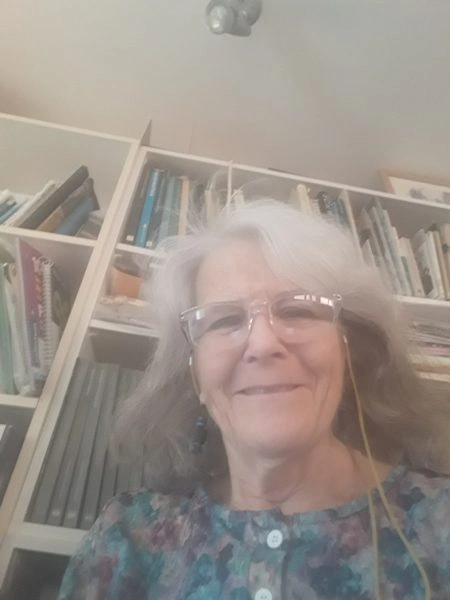
While vacationing in San Diego, Rabbi Leah Herz asked if I’d be interested in being in hevruta with her to learn Daf Yomi through Hadran. Why not? I had loved learning Gemara in college in 1971 but hadn’t returned. With the onset of covid, Daf Yomi and Rabbanit Michelle centered me each day. Thank-you for helping me grow and enter this amazing world of learning.
Meryll Page
Meryll Page

Minneapolis, MN, United States

I started my Daf Yomi journey at the beginning of the COVID19 pandemic.

Karena Perry
Karena Perry

Los Angeles, United States

I began learning the daf in January 2022. I initially “flew under the radar,” sharing my journey with my husband and a few close friends. I was apprehensive – who, me? Gemara? Now, 2 years in, I feel changed. The rigor of a daily commitment frames my days. The intellectual engagement enhances my knowledge. And the virtual community of learners has become a new family, weaving a glorious tapestry.

Gitta Jaroslawicz-Neufeld

Far Rockaway, United States

I’ve been learning since January 2020, and in June I started drawing a phrase from each daf. Sometimes it’s easy (e.g. plants), sometimes it’s very hard (e.g. korbanot), and sometimes it’s loads of fun (e.g. bird racing) to find something to draw. I upload my pictures from each masechet to #DafYomiArt. I am enjoying every step of the journey.

Gila Loike
Gila Loike

Ashdod, Israel

I learned Talmud as a student in Yeshivat Ramaz and felt at the time that Talmud wasn’t for me. After reading Ilana Kurshan’s book I was intrigued and after watching the great siyum in Yerushalayim it ignited the spark to begin this journey. It has been a transformative life experience for me as a wife, mother, Savta and member of Klal Yisrael.
Elana Storch
Elana Storch

Phoenix, Arizona, United States

I started learning after the siyum hashas for women and my daily learning has been a constant over the last two years. It grounded me during the chaos of Corona while providing me with a community of fellow learners. The Daf can be challenging but it’s filled with life’s lessons, struggles and hope for a better world. It’s not about the destination but rather about the journey. Thank you Hadran!

Dena Lehrman
Dena Lehrman

אפרת, Israel

I was inspired to start learning after attending the 2020 siyum in Binyanei Hauma. It has been a great experience for me. It’s amazing to see the origins of stories I’ve heard and rituals I’ve participated in my whole life. Even when I don’t understand the daf itself, I believe that the commitment to learning every day is valuable and has multiple benefits. And there will be another daf tomorrow!

Khaya Eisenberg
Khaya Eisenberg

Jerusalem, Israel

I went to day school in Toronto but really began to learn when I attended Brovenders back in the early 1980’s. Last year after talking to my sister who was learning Daf Yomi, inspired, I looked on the computer and the Hadran site came up. I have been listening to each days shiur in the morning as I work. I emphasis listening since I am not sitting with a Gamara. I listen while I work in my studio.

Rachel Rotenberg
Rachel Rotenberg

Tekoa, Israel

Having never learned Talmud before, I started Daf Yomi in hopes of connecting to the Rabbinic tradition, sharing a daily idea on Instagram (@dafyomiadventures). With Hadran and Sefaria, I slowly gained confidence in my skills and understanding. Now, part of the Pardes Jewish Educators Program, I can’t wait to bring this love of learning with me as I continue to pass it on to my future students.

Hannah-G-pic
Hannah Greenberg

Pennsylvania, United States

I have joined the community of daf yomi learners at the start of this cycle. I have studied in different ways – by reading the page, translating the page, attending a local shiur and listening to Rabbanit Farber’s podcasts, depending on circumstances and where I was at the time. The reactions have been positive throughout – with no exception!

Silke Goldberg
Silke Goldberg

Guildford, United Kingdom

I graduated college in December 2019 and received a set of shas as a present from my husband. With my long time dream of learning daf yomi, I had no idea that a new cycle was beginning just one month later, in January 2020. I have been learning the daf ever since with Michelle Farber… Through grad school, my first job, my first baby, and all the other incredible journeys over the past few years!
Sigal Spitzer Flamholz

Bronx, United States

My Daf journey began in August 2012 after participating in the Siyum Hashas where I was blessed as an “enabler” of others.  Galvanized into my own learning I recited the Hadran on Shas in January 2020 with Rabbanit Michelle. That Siyum was a highlight in my life.  Now, on round two, Daf has become my spiritual anchor to which I attribute manifold blessings.

Rina Goldberg
Rina Goldberg

Englewood NJ, United States

As Jewish educator and as a woman, I’m mindful that Talmud has been kept from women for many centuries. Now that we are privileged to learn, and learning is so accessible, it’s my intent to complete Daf Yomi. I am so excited to keep learning with my Hadran community.

Sue Parker Gerson
Sue Parker Gerson

Denver, United States

The first month I learned Daf Yomi by myself in secret, because I wasn’t sure how my husband would react, but after the siyyum on Masechet Brachot I discovered Hadran and now sometimes my husband listens to the daf with me. He and I also learn mishnayot together and are constantly finding connections between the different masechtot.

Laura Warshawsky
Laura Warshawsky

Silver Spring, Maryland, United States

I started learning Daf Yomi because my sister, Ruth Leah Kahan, attended Michelle’s class in person and suggested I listen remotely. She always sat near Michelle and spoke up during class so that I could hear her voice. Our mom had just died unexpectedly and it made me feel connected to hear Ruth Leah’s voice, and now to know we are both listening to the same thing daily, continents apart.
Jessica Shklar
Jessica Shklar

Philadelphia, United States

I decided to give daf yomi a try when I heard about the siyum hashas in 2020. Once the pandemic hit, the daily commitment gave my days some much-needed structure. There have been times when I’ve felt like quitting- especially when encountering very technical details in the text. But then I tell myself, “Look how much you’ve done. You can’t stop now!” So I keep going & my Koren bookshelf grows…

Miriam Eckstein-Koas

Huntington, United States

I started learning at the beginning of this cycle more than 2 years ago, and I have not missed a day or a daf. It’s been challenging and enlightening and even mind-numbing at times, but the learning and the shared experience have all been worth it. If you are open to it, there’s no telling what might come into your life.

Patti Evans
Patti Evans

Phoenix, Arizona, United States

I started learning with rabbis. I needed to know more than the stories. My first teacher to show me “the way of the Talmud” as well as the stories was Samara Schwartz.
Michelle Farber started the new cycle 2 yrs ago and I jumped on for the ride.
I do not look back.

Jenifer Nech
Jenifer Nech

Houston, United States

I began my journey with Rabbanit Michelle more than five years ago. My friend came up with a great idea for about 15 of us to learn the daf and one of us would summarize weekly what we learned.
It was fun but after 2-3 months people began to leave. I have continued. Since the cycle began Again I have joined the Teaneck women.. I find it most rewarding in so many ways. Thank you

Dena Heller
Dena Heller

New Jersey, United States

Shabbat 77

תְּנֵינָא: הַמּוֹצִיא יַיִן — כְּדֵי מְזִיגַת כּוֹס, וְתָנֵי עֲלַהּ: כְּדֵי מְזִיגַת כּוֹס יָפֶה. וְקָתָנֵי סֵיפָא: ״וּשְׁאָר כׇּל הַמַּשְׁקִין בִּרְבִיעִית״. וְרָבָא לְטַעְמֵיהּ, דְּאָמַר רָבָא: כֹּל חַמְרָא דְּלָא דָּרֵי עַל חַד תְּלָת מַיָּא לָאו חַמְרָא הוּא.

learned that in the mishna: One who carries out undiluted wine is only liable if he carries out a measure equivalent to the wine typically diluted for a cup. And it was taught with regard to the mishna: A measure equivalent to the wine diluted for a significant cup of wine. And it was taught in the latter clause of the mishna: And the measure that determines liability for carrying out all other liquids is a quarter of a log. Since a quarter of a log is the significant measure for liquids, that is also the significant measure for diluted wine. And Rava is consistent with his line of reasoning, as Rava said: Any wine that does not hold one part wine diluted by three parts water is not wine. Wine must be sufficiently potent to be capable of being diluted with water three times its measure.

אָמַר אַבָּיֵי: שְׁתֵּי תְּשׁוּבוֹת בַּדָּבָר — חֲדָא, דִּתְנַן: וְהַמָּזוּג שְׁנֵי חֶלְקֵי מַיִם וְאֶחָד יַיִן, מִן הַיַּיִן הַשֵּׁירוֹנִי. וְעוֹד: מַיִם בַּכַּד וּמִצְטָרְפִין?!

Abaye said: There are two possible responses with regard to this matter. One, as we learned in a mishna: Diluted wine, which is used to determine the exact color of red, is two parts water and one part wine from the wine of the Sharon. Apparently, wine constitutes one-third and not one-quarter of the diluted cup. And furthermore: Rava’s opinion is that the measure that determines liability for carrying out wine is a measure that, when diluted, would equal a quarter of a log, i.e., a quarter of a quarter of a log of undiluted wine. Is it possible that the water is in the jug and yet joins together with the wine? The wine that he is carrying out is less than the required measure and is not fit for drinking.

אֲמַר לֵיהּ רָבָא: הָא דְּקָאָמְרַתְּ שְׁנֵי חֶלְקֵי מַיִם וְאֶחָד יַיִן מִן הַיַּיִן הַשֵּׁירוֹנִי — יַיִן הַשֵּׁירוֹנִי לְחוּד, דְּרָפֵי. אִי נָמֵי, הָתָם מִשּׁוּם חֲזוּתָא, אֲבָל לְטַעְמָא בָּעֵי טְפֵי. וּדְקָאָמְרַתְּ: מַיִם בַּכַּד וּמִצְטָרְפִין — לְעִנְיַן שַׁבָּת מִידֵּי דַּחֲשִׁיב בָּעֵינַן, וְהָא נָמֵי — הָא חֲשִׁיב.

Rava said to him: That which you said that the dilution ratio that determines the color red is two parts water and one part wine, from the wine of the Sharon, is no proof. Wine of the Sharon is unique in that it is weak, and therefore two parts of water are sufficient to dilute it. Alternatively, there the dilution ratio mentioned is for determining the appearance of the color red; however, for the purpose of taste, more water is necessary. And that which you said: Is it possible that the water is in the jug and yet joins together with the wine? With regard to the liability of carrying out on Shabbat, we require an object that is significant, and this quarter of a quarter of a log of wine is also significant.

תָּנָא: יָבֵשׁ בִּכְזַיִת, דִּבְרֵי רַבִּי נָתָן. אָמַר רַב יוֹסֵף: רַבִּי נָתָן וְרַבִּי יוֹסֵי בְּרַבִּי יְהוּדָה אָמְרוּ דָּבָר אֶחָד. רַבִּי נָתָן — הָא דַּאֲמַרַן, וְרַבִּי יוֹסֵי בְּרַבִּי יְהוּדָה, דְּתַנְיָא: רַבִּי יְהוּדָה אוֹמֵר: שִׁשָּׁה דְּבָרִים מִקּוּלֵּי בֵּית שַׁמַּאי וּמֵחוּמְרֵי בֵּית הִלֵּל. דַּם נְבֵלָה — בֵּית שַׁמַּאי מְטַהֲרִין, וּבֵית הִלֵּל מְטַמְּאִין. אָמַר רַבִּי יוֹסֵי בְּרַבִּי יְהוּדָה: אַף כְּשֶׁטִּמְּאוּ בֵּית הִלֵּל, לֹא טִמְּאוּ אֶלָּא בְּדָם שֶׁיֵּשׁ בּוֹ רְבִיעִית, הוֹאִיל וְיָכוֹל לִקְרוֹשׁ וְלַעֲמוֹד עַל כְּזַיִת.

A tanna taught in a Tosefta: The measure that determines liability for carrying out congealed wine on Shabbat is an olive-bulk; this is the statement of Rabbi Natan. Rav Yosef said: Rabbi Natan and Rabbi Yosei, son of Rabbi Yehuda, said the same thing. Rabbi Natan’s statement is that which we just stated. And the statement of Rabbi Yosei, son of Rabbi Yehuda, is as it was taught in a baraita that Rabbi Yehuda says: Six matters are among the leniencies of Beit Shammai and among the stringencies of Beit Hillel. They include the blood of a carcass. Beit Shammai deem it ritually pure, as, in their opinion, only the flesh of a carcass imparts impurity; and Beit Hillel deem it ritually impure. Rabbi Yosei, son of Rabbi Yehuda, said: Even when Beit Hillel deemed it impure, they deemed impure only a measure of blood that contains a quarter of a log, since it can congeal and constitute an olive-bulk. Rav Yosef draws a parallel between the two opinions. Both tanna’im agree that a quarter of a log of liquid congeals to the size of an olive-bulk.

אָמַר אַבָּיֵי: דִּילְמָא לָא הִיא. עַד כָּאן לָא קָאָמַר רַבִּי נָתָן הָכָא דִּכְזַיִת בָּעֵי רְבִיעִית — אֶלָּא בְּיַיִן דִּקְלִישׁ, אֲבָל בְּדָם דִּסְמִיךְ — כְּזַיִת לָא בָּעֵי רְבִיעִית. אִי נָמֵי, עַד כָּאן לָא קָאָמַר רַבִּי יוֹסֵי בְּרַבִּי יְהוּדָה הָתָם דִּכְזַיִת סַגִּי לֵיהּ בִּרְבִיעִית — אֶלָּא בְּדָם דִּסְמִיךְ, אֲבָל יַיִן דִּקְלִישׁ — כְּזַיִת הָוֵי יוֹתֵר מֵרְבִיעִית, וְכִי מַפֵּיק פָּחוֹת מִכְּזַיִת לִיחַיַּיב.

Abaye said: Perhaps that is not the case, as Rabbi Natan said that a quarter of a log is required only here, with regard to wine, which is liquid; however, with regard to blood, which is viscous, in order to produce an olive-bulk when congealed, a quarter of a log is not required. Less than a quarter of a log of blood congeals into an olive-bulk. Alternatively, Rabbi Yosei, son of Rabbi Yehuda, said that in order to create a congealed olive-bulk, a quarter of a log is sufficient only there, with regard to blood, which is viscous; however, wine, which is liquid, in order to create a congealed olive-bulk, more than a quarter of a log of wine is required. And, therefore, even when he carries out less than an olive-bulk on Shabbat, let him be liable. There is no proof that the two tannaitic opinions are parallel.

חָלָב כְּדֵי גְמִיעָה. אִיבַּעְיָא לְהוּ: ״כְּדֵי גְמִיאָה״, אוֹ ״כְּדֵי גְמִיעָה״. אָמַר רַב נַחְמָן בַּר יִצְחָק: ״הַגְמִיאִינִי נָא מְעַט מַיִם מִכַּדֵּךְ״.

We learned in the mishna: The measure that determines liability for carrying out milk is equivalent to that which is swallowed [kedei gemia] in one gulp. A dilemma was raised before the Sages: Is the correct version of the mishna: Kedei gemia with an alef or kedei gemia with an ayin? Rav Naḥman bar Yitzḥak said: It should be written with an alef as we find in the Torah: “And he said: Give me to swallow [hagmi’ini with an alef ] please, a little water from your jug” (Genesis 24:17).

אִיבַּעְיָא לְהוּ:

A similar dilemma with regard to spelling was raised before the Sages.

״גַּרְאִינִין״, אוֹ ״גַרְעִינִין״? אָמַר רָבָא בַּר עוּלָּא: ״וְנִגְרַע מֵעֶרְכֶּךָ״.

In the mishna at the end of the previous chapter we learned that the measure that determines liability for carrying out foods is calculated without their seeds [garinin]. Is the correct version garinin with an alef or garinin with an ayin? Rava bar Ulla said: It is with an ayin, since it stems from the same root as: “And it shall be subtracted [venigra with an ayin] from your valuation” (Leviticus 27:18).

אִיבַּעְיָא לְהוּ: ״אוֹמְמוֹת״, אוֹ ״עוֹמְמוֹת״? אָמַר רַב יִצְחָק בַּר אַבְדִּימִי: ״אֲרָזִים לֹא עֲמָמֻהוּ בְּגַן אֱלֹהִים״.

A dilemma was raised before the Sages: Do we describe dimming coals as omemot with an alef or omemot with an ayin? Rav Yitzḥak bar Avdimi said: It is written with an ayin, as it is stated: “The cedars in the garden of God could not hide it [amamuhu with an ayin]” (Ezekiel 31:8).

אִיבַּעְיָא לְהוּ: ״מְאַמְּצִין״ תְּנַן, אוֹ ״מְעַמְּצִין״. אָמַר רַבִּי חִיָּיא בַּר אַבָּא אָמַר רַבִּי יוֹחָנָן: ״וְעֹצֵם עֵינָיו מֵרְאוֹת בְּרָע״.

A dilemma was raised before the Sages: With regard to closing the eyes of the dead, did we learn in the mishna me’amtzin with an alef, or me’amtzin with an ayin? Rabbi Ḥiyya bar Abba said that Rabbi Yoḥanan said: It is written with an ayin as it is stated: “And closes [ve’otzem with an ayin] his eyes from seeing evil” (Isaiah 33:15).

תָּנוּ רַבָּנַן: הַמּוֹצִיא חָלָב שֶׁל בְּהֵמָה כְּדֵי גְמִיאָה. חָלָב שֶׁל אִשָּׁה וְלוֹבֶן שֶׁל בֵּיצָה — כְּדֵי לִיתֵּן בִּמְשִׁיפָא שֶׁל קִילוֹר. [קִילוֹר] כְּדֵי לָשׁוּף בְּמַיִם. בָּעֵי רַב אָשֵׁי: כְּדֵי שִׁיפָה, אוֹ כְּדֵי אֲחִיזָה וְשִׁיפָה? תֵּיקוּ.

With regard to carrying out milk, the Sages taught: One who carries out the milk of an animal on Shabbat is liable only for a measure equivalent to that which is swallowed in one gulp. The measure that determines liability for carrying out a woman’s milk and the white of an egg is equivalent to that which is used to place on the part of an eye bandage upon which the ointment is placed directly on the wound. And the aforementioned eye bandage must be sufficiently large to use it to rub both his eyes with water. Rav Ashi raised a dilemma: Is the measure that determines liability for the bandage equivalent to that with which water can be rubbed on both eyes, or is it equivalent to that which can be held and rubbed? Is the part of the bandage held in his hand when applying the bandage to his eyes also taken into account? No resolution was found for this dilemma. Therefore, let it stand unresolved.

דְּבַשׁ כְּדֵי לִיתֵּן עַל הַכָּתִית. תָּנָא: כְּדֵי לִיתֵּן עַל פִּי כָתִית. בָּעֵי רַב אָשֵׁי: ״עַל כָּתִית״ — אַפּוּמָּא דְּכוּלַּהּ כָּתִית, אוֹ דִילְמָא אַמּוּרְשָׁא קַמָּא דְּכָתִית, לְאַפּוֹקֵי הוּדְרָנָא דְּלָא — תֵּיקוּ.

We learned in the mishna: The measure that determines liability for carrying out honey is equivalent to that which is used to place on a sore caused by chafing. A tanna taught in a Tosefta: The precise measure is equivalent to that which is placed on the opening of a sore, i.e., on the wound itself. Rav Ashi raised a dilemma: Does the term on a sore mean the measure of honey spread on the opening of the entire sore; or, perhaps it means the measure spread on the primary protuberance of the sore, to the exclusion of the surrounding area upon which he does not spread honey? No resolution was found for this dilemma either. Therefore, let it stand unresolved.

אָמַר רַב יְהוּדָה אָמַר רַב: כׇּל מַה שֶּׁבָּרָא הַקָּדוֹשׁ בָּרוּךְ הוּא בְּעוֹלָמוֹ לֹא בָּרָא דָּבָר אֶחָד לְבַטָּלָה. בָּרָא שַׁבְּלוּל — לְכָתִית. בָּרָא זְבוּב — לְצִירְעָה. יַתּוּשׁ — לְנָחָשׁ. וְנָחָשׁ — לַחֲפָפִית. וּסְמָמִית — לְעַקְרָב. הֵיכִי עָבֵיד לֵיהּ — מַיְיתֵי חֲדָא אוּכָּמָא וַחֲדָא חִיוָּרָא, וְשָׁלְקִי לְהוּ וְשָׁיְיפִי לֵיהּ.

On the subject of sores, the Gemara cites a statement referring to one of the methods for healing a sore. Rav Yehuda said that Rav said: Everything that the Holy One, Blessed be He, created in His world, He did not create anything for naught. He created a snail as a remedy for a sore; He created a fly to be crushed and spread as a remedy on a wasp sting; He created a mosquito as a remedy for a snake bite; and He created the snake itself as a remedy for a skin rash; and He created a gecko as a remedy for a scorpion bite. The Gemara explains: How does one implement the remedy? He brings two geckos, one black and one white, cooks them, and spreads the resulting ointment on the affected area.

תָּנוּ רַבָּנַן, חֲמִשָּׁה אֵימוֹת הֵן אֵימַת חַלָּשׁ עַל גִּבּוֹר: אֵימַת מַפְגִּיעַ עַל הָאֲרִי, אֵימַת יַתּוּשׁ עַל הַפִּיל, אֵימַת סְמָמִית עַל הָעַקְרָב, אֵימַת סְנוּנִית עַל הַנֶּשֶׁר, אֵימַת כִּילְבִּית עַל לִוְיָתָן. אָמַר רַב יְהוּדָה אָמַר רַב: מַאי קְרָא — ״הַמַּבְלִיג שֹׁד עַל עָז״.

With regard to these creatures, the Gemara cites that which our Sages taught: There are five dreads, i.e., dread that the weak cast over the mighty: The dread of the mafgia, a small creature, over the lion; the dread of the mosquito over the elephant; the dread of the gecko over the scorpion; the dread of the swallow over the eagle; the dread of the kilbit, a small fish, over a whale. Rav Yehuda said that Rav said: What is the verse that alludes to these matters? As it is written: “He that causes destruction [shod] to flash upon the mighty, so that destruction comes upon the fortress” (Amos 5:9), which is interpreted as: He who lifts the downtrodden [shadud] over the mighty.

רַבִּי זֵירָא אַשְׁכַּח לְרַב יְהוּדָה דַּהֲוָה קָאֵי אַפִּיתְחָא דְּבֵי חֲמוּהּ, וְחַזְיֵיהּ דַּהֲוָה בְּדִיחָא דַּעְתֵּיהּ, וְאִי בָּעֵי מִינֵּיהּ כׇּל חֲלָלֵי עָלְמָא הֲוָה אָמַר לֵיהּ. אֲמַר לֵיהּ: מַאי טַעְמָא עִיזֵּי מְסַגָּן בְּרֵישָׁא וַהֲדַר אִימְּרֵי? אֲמַר לֵיהּ כִּבְרִיָּיתוֹ שֶׁל עוֹלָם, דִּבְרֵישָׁא חֲשׁוֹכָא וַהֲדַר נְהוֹרָא. מַאי טַעְמָא הָנֵי מְכַסְּיָין וְהָנֵי מְגַלְּיָין? הָנֵי דְּמִכַּסִּינַן מִינַּיְיהוּ — מְכַסְּיָין, וְהָנֵי דְּלָא מִכַּסִּינַן מִינַּיְיהוּ — מְגַלְּיָין. מַאי טַעְמָא גַּמְלָא זוּטַר גְּנוּבְתֵּיהּ? מִשּׁוּם דְּאָכֵל כִּיסֵי. מַאי טַעְמָא תּוֹרָא אֲרִיכָא גְּנוּבְתֵּיהּ? מִשּׁוּם דְּדָיֵיר בְּאַגְמֵי, וּבָעֵי לְכַרְכּוֹשֵׁי בָּקֵי.

On the topic of the nature of the world, the Gemara relates that Rabbi Zeira found Rav Yehuda, who was standing at the entrance of his father-in-law’s house, and observed that he was in an especially cheerful mood. And Rabbi Zeira understood that were he to ask Rabbi Yehuda about anything in the entire world, he would tell him the answer. He therefore posed questions to him on a variety of topics unrelated to halakha. He asked: Why do goats walk in front of the flock and then ewes follow? He said to him: It is just as it was in the creation of the world, which at first was dark and then light followed. Goats, which are typically black, precede the ewes, which are typically white. And he asked: Why are the genitals of these ewes covered with a tail, whereas these goats are exposed? He answered: These ewes, whose wool we use to cover ourselves, are rewarded in that they are covered; and those goats, whose hair we do not use to cover ourselves, are exposed. And he asked: Why is the camel’s tail short? He answered: Because a camel eats thorns, and a long tail would become entangled in the thorns. And he asked: Why is the ox’s tail long? He answered: Because the ox lives in a swamp and must fend off mosquitoes.

מַאי טַעְמָא קַרְנָא דְקַמְצָא רַכִּיכָא? מִשּׁוּם דְּדָיְירָא בְּחִילְפֵי, וְאִי קַשְׁיָא — נָדְיָא וּמִתְעַוְּורָא. דְּאָמַר שְׁמוּאֵל: הַאי מַאן דְּבָעֵי דְּלִיסַמְּיֵהּ לְקַמְצָא — לִשְׁלְפִינְהוּ לְקַרְנֵיהּ. מַאי טַעְמָא הַאי תִּימְרָא דְתַרְנְגוֹלְתָּא מִדְּלֵי לְעֵילָּא? דְּדָיְירִי אַדַּפֵּי, וְאִי עָיֵיל קֻטְרָא — מִתְעַוְּורָא. ״דַּשָּׁא״ — דֶּרֶךְ שָׁם. ״דַּרְגָּא״ — דֶּרֶךְ גַּג. ״מַתְכּוּלִיתָא״ — מָתַי תִּכְלֶה דָּא. ״בֵּיתָא״ — בֹּא וְאִיתֵּיב (בַּהּ). ״בִּיקְתָּא״ — בֵּי עָקְתָא.

He continued to ask: Why is the grasshopper’s antenna soft? He answered: Because it lives in the plains among the grass, and if the antenna were hard it would break and the grasshopper would go blind. When the grasshopper loses its antenna it is unable to move, as Shmuel said: One who seeks to blind a grasshopper should remove its antenna. And he asked: Why does the chicken’s lower eyelid cover the upper one? He answered: Because a chicken lives on rafters in houses, and if the smoke from the houses were to enter its eyes without the protection of the eyelid, it would go blind. He asked further: Why is a door called dasha in Aramaic? He said to him: It is an acronym for derekh sham, which means through there. Why is a stair called darga? He said to him: It is an acronym for derekh gag, which means the way to the roof. Why are spices called mitkolita? He said to him: It is an acronym for matai tikhleh da, which means when will this be finished. Since spices are used sparingly, they last a long time. Why is a house called beita? He said to him: It is an acronym for bo ve’eitiv ba, which means come and I will sit in it. Why is a small house called bikta? He said to him: It is an acronym for bei akta, which means a narrow house.

״כּוּפְתָּא״ — כּוּף וְתִיב. ״לִבְנֵי״ — לִבְנֵי בְּנֵי. ״הוּצָא״ — חֲצִיצָה. ״חַצְבָּא״ — שֶׁחוֹצֵב מַיִם מִן הַנָּהָר. ״כּוּזָה״ — כָּזֶה. ״שׁוּטִיתָא״ — שְׁטוּתָא. ״מְשִׁיכְלָא״ — מָאשֵׁי כּוֹלָּא. ״מְשִׁיכְלְתָא״ — מָשְׁיָא כַּלְּתָא. ״אֲסִיתָא״ — חַסִּירְתָּא. ״בּוּכְנָה״ — בּוֹא וְאַכֶּנָּה.

A barrel is called kufta, which is an acronym for kuf vetiv, which means turn it over and sit. Bricks are called livnei, which is an allusion to livnei benei, which means for the children of children. A fence made of thorns is called hutza and Rav Yehuda said that it is merely a ḥatzitza, which means partition, as opposed to a true fence. A jug used for drawing water is called a ḥatzba because it hews [ḥotzev] water from the river. A small jug is called kuza, alluding to kazeh, which means: Give me one like that. Myrtle branches with which people dance at a wedding are called shutita, an allusion to shetuta, which means madness, as the frenzied dancing appears to be madness. The large vessel used for washing is called meshikhla, which is an acronym for mashei kula, which means: It washes all. A small vessel used for washing is called mashkhilta, and Rav Yehuda explained that it is an acronym for mashya kalta, which means: It washes the bride. A mortar is called asita, alluding to ḥasirta, which means lacking, since it has a large cavity. The pestle that is inserted into the mortar for pounding its contents is called bukhna, which is an acronym for bo ve’akkena, which means: Come and I will strike it.

״לְבוּשָׁה״ — לֹא בּוּשָׁה. ״גְּלִימָא״ — שֶׁנַּעֲשָׂה בּוֹ כְּגֹלֶם. ״גּוּלְּתָא״ — גַּלִּי וְאִיתֵּיב. ״פּוּרְיָא״ — שֶׁפָּרִין וְרָבִין עָלֶיהָ. ״בּוֹר זִינְקָא״ — בּוֹר זֶה נָקִי. ״סוּדָרָא״ — סוֹד ה׳ לִירֵאָיו. ״אַפַּדְנָא״ — אַפִּיתְחָא דֵּין. תָּנוּ רַבָּנַן: שְׁלֹשָׁה כׇּל זְמַן שֶׁמַּזְקִינִין מוֹסִיפִין גְּבוּרָה, וְאֵלּוּ הֵן: דָּג, וְנָחָשׁ, וַחֲזִיר.

An outer garment is called levusha, which is an acronym for lo busha, which means no shame, as one who is clothed is no longer ashamed. A broad outer garment is called gelima, an allusion to the fact that, by wearing it, one is transformed into an amorphous golem-like figure, as his limbs are indistinguishable. A beautiful coat is termed golta, which is an acronym for geli ve’eitiv, which means reveal, remove the coat, and only then I will sit, so that the coat will not get dirty. A bed is called purya, an allusion to the fact that people parin veravin, which means procreate, upon it. An empty pit is called bor zinka, which is an acronym for bor ze naki, which means that this pit is empty of water. The head covering of Torah scholars is called sudara, an acronym for sod yareh, which is a reference to the verse: “The counsel of the Lord is with them who fear Him [sod Hashem lire’av]” (Psalms 25:14). A palace is called apadna, which is an acronym for apitḥa dein, meaning: To this entrance all come. The Gemara cites an additional baraita related to the nature of the creatures. There are three creatures that grow mightier with age, and they are the fish, and the snake, and the pig.

שֶׁמֶן כְּדֵי לָסוּךְ אֵבֶר קָטָן. אָמְרִי דְּבֵי רַבִּי יַנַּאי שֶׁמֶן כְּדֵי לָסוּךְ אֵבֶר קָטָן שֶׁל קָטָן בֶּן יוֹמוֹ. מֵיתִיבִי: שֶׁמֶן כְּדֵי לָסוּךְ אֵבֶר קָטָן, וְקָטָן בֶּן יוֹמוֹ. מַאי לָאו: אֵבֶר קָטָן דְּגָדוֹל, וְאֵבֶר גָּדוֹל שֶׁל קָטָן בֶּן יוֹמוֹ! אָמְרִי לָךְ דְּבֵי רַבִּי יַנַּאי — לָא, הָכִי קָאָמַר: שֶׁמֶן כְּדֵי לָסוּךְ אֵבֶר קָטָן, שֶׁל קָטָן בֶּן יוֹמוֹ.

We learned in the mishna: The measure that determines liability for carrying out oil is equivalent to that which is used to spread on a small limb. The school of Rabbi Yannai said it should be explained as follows: The measure that determines liability for carrying out oil is equivalent to that which is used to spread on a small limb of a day-old child. The Gemara raises an objection from a baraita: The measure that determines liability for carrying out oil is equivalent to that which is used to spread on a small limb and a day-old child. Does this not mean: A small limb of an adult and a large limb of a day-old child? The Gemara rejects this: The school of Rabbi Yannai could have said to you: No, this is what the baraita is saying: The measure that determines liability for carrying out oil is equivalent to that which is used to spread on a small limb, and the small limb in question is that of a day-old child.

לֵימָא כְּתַנָּאֵי? שֶׁמֶן כְּדֵי לָסוּךְ אֵבֶר קָטָן, וְקָטָן בֶּן יוֹמוֹ — דִּבְרֵי רַבִּי שִׁמְעוֹן בֶּן אֶלְעָזָר. רַבִּי נָתָן אוֹמֵר: כְּדֵי לָסוּךְ אֵבֶר קָטָן. מַאי לָאו בְּהָא קָמִיפַּלְגִי: דְּרַבִּי שִׁמְעוֹן בֶּן אֶלְעָזָר סָבַר אֵבֶר קָטָן שֶׁל קָטָן, וְרַבִּי נָתָן סָבַר אֵבֶר קָטָן דְּגָדוֹל, אוֹ אֵבֶר גָּדוֹל דְּקָטָן. אֲבָל אֵבֶר קָטָן שֶׁל קָטָן בֶּן יוֹמוֹ — לָא. לָא, דְּכוּלֵּי עָלְמָא אֵבֶר קָטָן דְּקָטָן בֶּן יוֹמוֹ לָא,

The Gemara suggests: Let us say that this is parallel to a dispute between tanna’im, as it was taught in a baraita: The measure that determines liability for carrying out oil is equivalent to that which is used to spread on a small limb and a day-old child; this is the statement of Rabbi Shimon ben Elazar. Rabbi Natan says: Equivalent to that which is used to spread on a small limb. Is it not that they disagree about the following? Rabbi Shimon ben Elazar holds: It refers to a small limb of a small child, and Rabbi Natan holds: The measure for liability is equivalent to that which is used to spread on a small limb of an adult or a large limb of a child, but for a measure equivalent to that which is used to spread on a small limb of a day-old child, no, one is exempt. The Gemara rejects this: No, everyone agrees that for carrying out oil in a measure equivalent to that which is used to spread on a small limb of a day-old child, no, one is exempt,

Want to follow content and continue where you left off?

Create an account today to track your progress, mark what you’ve learned, and follow the shiurim that speak to you.

Clear all items from this list?

This will remove ALL the items in this section. You will lose any progress or history connected to them. This is irreversible.

Cancel
Yes, clear all

Are you sure you want to delete this item?

You will lose any progress or history connected to this item.

Cancel
Yes, delete