Search

Shabbat 85

Want to dedicate learning? Get started here:

English
עברית
podcast placeholder

0:00
0:00


podcast placeholder

0:00
0:00


Summary

Today’s daf is dedicated by Shira Merili Mervis in memory of her father, Yitzchak Eliahu ben Aliza and Moshe z”l.

From where do we learn that the area the rabbis determined for planting five different types of seeds is reliable? How much space does one need to leave around each square area of 6×6 handbreaths? Rav and Shmuel disagree regarding the mishna – was it stated in a case where the garden bed was alone or surrounded by others? Rabbi Yochanan explained how one can plant a number of different types in a square of 6×6 – using a circle or circles. There is  debate about whether one can plant in betwteen the circles.

Shabbat 85

וְקִים לְהוּ לְרַבָּנַן דְּחַמְשָׁא בְּשִׁיתָּא לָא יָנְקִי מֵהֲדָדֵי.

And the Sages have an accepted tradition that five seeds in a six-handbreadth space do not draw sustenance from one another.

וּמְנָלַן דְּהָא דְּקִים לְהוּ לְרַבָּנַן דְּחַמְשָׁא בְּשִׁיתָּא מִילְּתָא הִיא? דְּאָמַר רַבִּי חִיָּיא בַּר אַבָּא אָמַר רַבִּי יוֹחָנָן: מַאי דִּכְתִיב: ״לֹא תַסִּיג גְּבוּל רֵעֲךָ [אֲשֶׁר גָּבְלוּ רִאשׁוֹנִים]״ — גְּבוּל שֶׁגָּבְלוּ רִאשׁוֹנִים לֹא תַסִּיג. מַאי ״גָּבְלוּ רִאשׁוֹנִים״? אָמַר רַבִּי שְׁמוּאֵל בַּר נַחְמָנִי אָמַר רַבִּי יוֹנָתָן: מַאי דִּכְתִיב ״אֵלֶּה בְנֵי שֵׂעִיר הַחֹרִי יֹשְׁבֵי הָאָרֶץ״, אַטּוּ כּוּלֵּי עָלְמָא יוֹשְׁבֵי רָקִיעַ נִינְהוּ?! אֶלָּא שֶׁהָיוּ בְּקִיאִין בְּיִשּׁוּבָהּ שֶׁל אֶרֶץ, שֶׁהָיוּ אוֹמְרִים: מְלֹא קָנֶה זֶה לְזַיִת, מְלֹא קָנֶה זֶה לִגְפָנִים, מְלֹא קָנֶה זֶה לִתְאֵנִים. וְ״חֹרִי״ — שֶׁמְּרִיחִים אֶת הָאָרֶץ. וְ״חִוִּי״, אָמַר רַב פָּפָּא: שֶׁהָיוּ טוֹעֲמִין אֶת הָאָרֶץ כְּחִוְיָא. רַב אַחָא בַּר יַעֲקֹב אָמַר: ״חֹרִי״ — שֶׁנַּעֲשׂוּ בְּנֵי חוֹרִין מִנִּכְסֵיהֶן.

The Gemara asks: And from where do we derive that when the Sages have an accepted tradition it is a substantial matter, meaning that the tradition is reliable? Rabbi Ḥiyya bar Abba said that Rabbi Yoḥanan said: What is the meaning of that which is written: “You shall not cross your neighbor’s border, which they of the old times have set in your inheritance that you shall inherit” (Deuteronomy 19:14)? It means that you shall not cross the border that the early generations set, establishing the parameters necessary for each plant. The Gemara asks: What is the meaning of the phrase: The early generations set? Rabbi Shmuel bar Naḥmani said that Rabbi Yonatan said: What is the meaning of that which was written: “These are the sons of Seir the Horite who inhabit the land, Lotan and Shoval and Zibeon and Ana” (Genesis 36:20)? And is everyone else inhabitants of the heavens, that it was necessary for the verse to emphasize that these inhabit the land? Rather, it means that they were experts in the settlement of the land, as they would say: This tract of land that is the full length of a rod is fit for olive trees; this full length of a rod is fit for grapes, this full length of a rod is fit for figs. And the members of this tribe were called Horites [ḥori] since they smelled [heriḥu] the earth to determine what is fit to be grown there. The allusion is based on a transposition of the letters ḥet and reish. And in explanation of why the early inhabitants of Seir were called Hivites [ḥivi] (see Genesis 36:2), Rav Pappa said: Because they would taste the earth like a snake [ḥivya] and determine what should be grown there according to the taste. Rav Aḥa bar Ya’akov said that they were called Horites [ḥori] because they became free [benei ḥorin] of their possessions when the children of Esau drove them from their lands. Their primary name was actually Hivites.

אָמַר רַב אַסִּי: עֲרוּגָה — תּוֹכָהּ שִׁשָּׁה חוּץ מִגְּבוּלֶיהָ. תַּנְיָא נָמֵי הָכִי: עֲרוּגָה תּוֹכָהּ שִׁשָּׁה. גְּבוּלֶיהָ בְּכַמָּה? כְּדִתְנַן, רַבִּי יְהוּדָה אוֹמֵר: רוֹחַב — כִּמְלֹא רוֹחַב פַּרְסָה. אָמַר רַבִּי זֵירָא, וְאִיתֵּימָא רַבִּי חֲנִינָא בַּר פָּפָּא: מַאי טַעְמָא דְּרַבִּי יְהוּדָה — דִּכְתִיב: ״וְהִשְׁקִיתָ בְרַגְלְךָ כְּגַן הַיָּרָק״ — מָה רֶגֶל טֶפַח, אַף גְּבוּל נָמֵי טֶפַח.

With regard to the halakha itself, Rav Asi said: The garden bed in the mishna whose area is six by six handbreadths is one whose internal area is six by six handbreadths excluding the area of its boundaries, which must be added to the total area. That was also taught in a baraita: The internal area of a garden bed is six by six handbreadths. The Gemara asks: How much is the size of its boundaries? The Gemara answers, as we learned in a mishna that Rabbi Yehuda says: The width of the border is like the width of a foot. And Rabbi Zeira said, and some say it was Rabbi Ḥanina bar Pappa who said: What is the reason for the statement of Rabbi Yehuda? As it is written: “And you water it with your foot like a garden of herbs” (Deuteronomy 11:10), meaning that just as one’s foot is a handbreadth wide, so too, the boundary between garden beds where one walks to water plants is also a handbreadth wide.

אָמַר רַב: עֲרוּגָה — בְּחוּרְבָּה שָׁנִינוּ. וְהָאִיכָּא מָקוֹם קְרָנוֹת! אָמְרִי בֵּי רַב מִשְּׁמֵיהּ דְּרַב: בִּמְמַלֵּא אֶת הַקְּרָנוֹת. וְלִיזְרַע מֵאַבָּרַאי וְלָא לִימַלֵּי מִגַּוַּאי!

Rav said: When we learned in the mishna that one may plant five kinds of seeds within a garden bed without violating the prohibition of diverse kinds, we learned this with regard to a garden bed in a desolate area not surrounded by other plants. However, if the garden bed is among other garden beds, it is prohibited to plant that many species there because seeds from the different beds will intermingle. The Gemara asks: If the mishna is dealing with a solitary garden bed, isn’t there space in the corners, where more species of seeds could be planted without encountering the prohibition of diverse seeds? The school of Rav taught in the name of Rav: Rav’s statement is referring to a case where one fills the corners of the flowerbed with the five species of seeds, leaving no room in the corners for other varieties. The Gemara asks: And let him plant on the outside and not fill up the inside, to increase the different seed types instead of filling up the corners.

גְּזֵירָה שֶׁמָּא יְמַלֵּא אֶת הַקְּרָנוֹת. וְלֹא יְהֵא אֶלָּא רֹאשׁ תּוֹר יָרָק? מִי לָא תְּנַן: הָיָה רֹאשׁ תּוֹר יָרָק נִכְנָס לְתוֹךְ שָׂדֶה אַחֵר — מוּתָּר, מִפְּנֵי שֶׁנִּרְאֶה סוֹף שָׂדֶה! אֵין רֹאשׁ תּוֹר בַּעֲרוּגָה.

Rather, Rav’s reasoning must be: It is a decree lest one will fill the corners after having first planted the garden bed, and thereby violate the prohibition of diverse kinds. The Gemara asks: And why should that matter, the legal status of the garden bed should merely be like a triangular [rosh tor] plot of vegetables. Didn’t we learn in a mishna: If a triangular plot of vegetables was protruding into another field, it is permitted; there, it is not considered a prohibited mixture of diverse kinds, because the end of the field is distinguishable. Based on the shapes of the two fields where they intersect, the demarcation between them is clear. And the Gemara answers: There is no leniency with regard to a triangular plot in a garden bed. This allowance with regard to a triangular section of one field jutting into another field applies only to a large field where the triangular shape can clearly be attributed to a different field, but in a small garden bed where the seeds are adjacent to one another, it is impossible to distinguish between the seeds.

וּשְׁמוּאֵל אָמַר: עֲרוּגָה בֵּין הָעֲרוּגוֹת שָׁנִינוּ. וְהָא קָא מִיתְעָרְבִי בַּהֲדָדֵי! בְּנוֹטֶה שׁוּרָה לְכָאן וְשׁוּרָה לְכָאן.

And Shmuel said: When we learned in the mishna that one may plant five kinds of seeds within a garden bed without violating the prohibition of diverse kinds, we learned this even with regard to a garden bed among garden beds, not only in a solitary bed. The Gemara asks: Don’t the seeds become intermingled with one another? The Gemara answers: It is referring to a case where one inclines one row to here, in one direction, and one row to here, in a different direction (Me’iri). In that way they do not appear intermingled.

אָמַר עוּלָּא, בְּעוֹ בְּמַעְרְבָא: הִפְקִיעַ תֶּלֶם אֶחָד עַל פְּנֵי כּוּלָּהּ, מַהוּ? אָמַר רַב שֵׁשֶׁת: בָּא עִרְבּוּב וּבִיטֵּל אֶת הַשּׁוּרָה. רַב אַסִּי אָמַר: אֵין עֵירוּבוֹ מְבַטֵּל אֶת הַשּׁוּרָה. אֵיתִיבֵיהּ רָבִינָא לְרַב אָשֵׁי: הַנּוֹטֵעַ שְׁתֵּי שׁוּרוֹת שֶׁל קִישּׁוּאִין, שְׁתֵּי שׁוּרוֹת שֶׁל דִּילּוּעִין, שְׁתֵּי שׁוּרוֹת שֶׁל פּוֹל הַמִּצְרִי — מוּתָּר. שׁוּרָה אַחַת שֶׁל קִישּׁוּאִין וְשׁוּרָה אַחַת שֶׁל דִּילּוּעִין וְשׁוּרָה אַחַת שֶׁל פּוֹל הַמִּצְרִי — אָסוּר! שָׁאנֵי הָכָא דְּאִיכָּא שְׁרָאכָא.

Ulla said: They raise a dilemma in the West, Eretz Yisrael: What is the halakha if one opened a single furrow across its entirety? Is it considered demarcation between the garden beds if one dug a furrow between two garden beds (ge’onim, Tosafot)? Rav Sheshet said: The intermingling of these garden beds comes and nullifies the row. The furrow is not considered to be a demarcation between the beds. Rav Asi said: Its intermingling does not disqualify the row. Ravina raised an objection to the opinion of Rav Ashi from a mishna: One who plants two rows of cucumbers and two rows of gourds and two rows of Egyptian beans, it is permitted because each of the species is distinct. However, if he plants one row of cucumbers and one row of gourds and one row of Egyptian beans, it is prohibited because in single rows there is no clear demarcation between the species. This indicates that a furrow between different species of seeds does not prevent intermingling between them. Rav Ashi replied: The case in that mishna is an exception. Here, it is different because there are branches that grow out from these species which become entangled with each other, nullifying the furrow between them. Other vegetables, whose branches do not become entangled, may be planted with a single furrow between them.

אָמַר רַב כָּהֲנָא אָמַר רַבִּי יוֹחָנָן: הָרוֹצֶה לְמַלֹּאות כׇּל גִּינָּתוֹ יָרָק — עוֹשֶׂה עֲרוּגָה שִׁשָּׁה עַל שִׁשָּׁה וְעוֹגֵל בָּהּ חֲמִשָּׁה, וּמְמַלֵּא קַרְנוֹתֶיהָ כׇּל מַה שֶּׁיִּרְצֶה.

Rav Kahana said that Rabbi Yoḥanan said: One who wishes to fill his entire garden with vegetables and does not want to distance the rows of seeds from one another may make a garden bed that is six by six handbreadths and make five circles inside it (ge’onim, Rambam). He plants different species in the different circles and fills its corners with whatever additional species that he wants.

וְהָא אִיכָּא דְּבֵינֵי וּבֵינֵי! אָמְרִי דְּבֵי רַבִּי יַנַּאי: בְּמַחֲרִיב בֵּין הַבֵּינַיִים. רַב אָשֵׁי אָמַר: אִם הָיוּ זְרוּעִין שְׁתִי — זוֹרְעָן עֵרֶב, עֵרֶב — זוֹרְעָן שְׁתִי. אֵיתִיבֵיהּ רָבִינָא לְרַב אָשֵׁי: עֲבוֹדַת יָרָק בְּיָרָק אַחֵר, שִׁשָּׁה טְפָחִים. וְרוֹאִין אוֹתָם

The Gemara asks: Aren’t there seeds between the circles, which intermingle with the species that are in the circles? The school of Rabbi Yannai say in response to this: This is referring to a case where one leaves the space in between them barren and does not plant there. Rav Ashi said: He may fill the entire bed with seeds, and demarcate between the different types of seeds in the following manner. If the circles were planted lengthwise, he plants the seeds in between widthwise; and if the circles were planted widthwise, he plants the seeds in between lengthwise. Ravina raised an objection to the opinion of Rav Ashi: We learned that the work space of a vegetable of one species, when planted with a vegetable of a different species, is six handbreadths. And one views them

New to Talmud?

Check out our resources designed to help you navigate a page of Talmud – and study at the pace, level and style that fits you. 

The Hadran Women’s Tapestry

Meet the diverse women learning Gemara at Hadran and hear their stories. 

See video

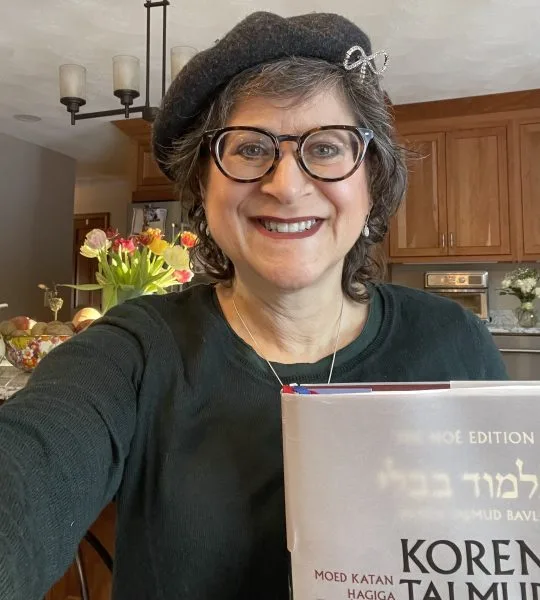
Susan Fisher
Susan Fisher

Raanana, Israel

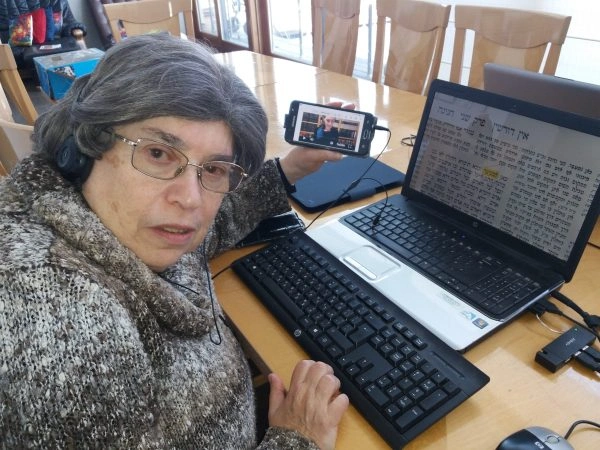
About a year into learning more about Judaism on a path to potential conversion, I saw an article about the upcoming Siyum HaShas in January of 2020. My curiosity was piqued and I immediately started investigating what learning the Daf actually meant. Daily learning? Just what I wanted. Seven and a half years? I love a challenge! So I dove in head first and I’ve enjoyed every moment!!
Nickie Matthews
Nickie Matthews

Blacksburg, United States

I heard the new Daf Yomi cycle was starting and I was curious, so I searched online for a women’s class and was pleasently surprised to find Rabanit Michelle’s great class reviews in many online articles. It has been a splendid journey. It is a way to fill my days with Torah, learning so many amazing things I have never heard before during my Tanach learning at High School. Thanks so much .

Martha Tarazi
Martha Tarazi

Panama, Panama

Having never learned Talmud before, I started Daf Yomi in hopes of connecting to the Rabbinic tradition, sharing a daily idea on Instagram (@dafyomiadventures). With Hadran and Sefaria, I slowly gained confidence in my skills and understanding. Now, part of the Pardes Jewish Educators Program, I can’t wait to bring this love of learning with me as I continue to pass it on to my future students.

Hannah-G-pic
Hannah Greenberg

Pennsylvania, United States

I started learning daf in January, 2020, being inspired by watching the Siyyum Hashas in Binyanei Haumah. I wasn’t sure I would be able to keep up with the task. When I went to school, Gemara was not an option. Fast forward to March, 2022, and each day starts with the daf. The challenge is now learning the intricacies of delving into the actual learning. Hadran community, thank you!

Rochel Cheifetz
Rochel Cheifetz

Riverdale, NY, United States

I was exposed to Talmud in high school, but I was truly inspired after my daughter and I decided to attend the Women’s Siyum Shas in 2020. We knew that this was a historic moment. We were blown away, overcome with emotion at the euphoria of the revolution. Right then, I knew I would continue. My commitment deepened with the every-morning Virtual Beit Midrash on Zoom with R. Michelle.

Adina Hagege
Adina Hagege

Zichron Yaakov, Israel

I saw an elderly man at the shul kiddush in early March 2020, celebrating the siyyum of masechet brachot which he had been learning with a young yeshiva student. I thought, if he can do it, I can do it! I began to learn masechet Shabbat the next day, Making up masechet brachot myself, which I had missed. I haven’t missed a day since, thanks to the ease of listening to Hadran’s podcast!
Judith Shapiro
Judith Shapiro

Minnesota, United States

I’ve been learning since January 2020, and in June I started drawing a phrase from each daf. Sometimes it’s easy (e.g. plants), sometimes it’s very hard (e.g. korbanot), and sometimes it’s loads of fun (e.g. bird racing) to find something to draw. I upload my pictures from each masechet to #DafYomiArt. I am enjoying every step of the journey.

Gila Loike
Gila Loike

Ashdod, Israel

Michelle has been an inspiration for years, but I only really started this cycle after the moving and uplifting siyum in Jerusalem. It’s been an wonderful to learn and relearn the tenets of our religion and to understand how the extraordinary efforts of a band of people to preserve Judaism after the fall of the beit hamikdash is still bearing fruits today. I’m proud to be part of the chain!

Judith Weil
Judith Weil

Raanana, Israel

“I got my job through the NY Times” was an ad campaign when I was growing up. I can headline “I got my daily Daf shiur and Hadran through the NY Times”. I read the January 4, 2020 feature on Reb. Michelle Farber and Hadran and I have been participating ever since. Thanks NY Times & Hadran!
Deborah Aschheim
Deborah Aschheim

New York, United States

I began daf yomi in January 2020 with Brachot. I had made aliya 6 months before, and one of my post-aliya goals was to complete a full cycle. As a life-long Tanach teacher, I wanted to swim from one side of the Yam shel Torah to the other. Daf yomi was also my sanity through COVID. It was the way to marking the progression of time, and feel that I could grow and accomplish while time stopped.

Leah Herzog
Leah Herzog

Givat Zev, Israel

I began my journey two years ago at the beginning of this cycle of the daf yomi. It has been an incredible, challenging experience and has given me a new perspective of Torah Sh’baal Peh and the role it plays in our lives

linda kalish-marcus
linda kalish-marcus

Efrat, Israel

When we heard that R. Michelle was starting daf yomi, my 11-year-old suggested that I go. Little did she know that she would lose me every morning from then on. I remember standing at the Farbers’ door, almost too shy to enter. After that first class, I said that I would come the next day but couldn’t commit to more. A decade later, I still look forward to learning from R. Michelle every morning.

Ruth Leah Kahan
Ruth Leah Kahan

Ra’anana, Israel

I started learning Daf Yomi to fill what I saw as a large gap in my Jewish education. I also hope to inspire my three daughters to ensure that they do not allow the same Talmud-sized gap to form in their own educations. I am so proud to be a part of the Hadran community, and I have loved learning so many of the stories and halachot that we have seen so far. I look forward to continuing!
Dora Chana Haar
Dora Chana Haar

Oceanside NY, United States

I started the daf at the beginning of this cycle in January 2020. My husband, my children, grandchildren and siblings have been very supportive. As someone who learned and taught Tanach and mefarshim for many years, it has been an amazing adventure to complete the six sedarim of Mishnah, and now to study Talmud on a daily basis along with Rabbanit Michelle and the wonderful women of Hadran.

Rookie Billet
Rookie Billet

Jerusalem, Israel

I am grateful for the structure of the Daf Yomi. When I am freer to learn to my heart’s content, I learn other passages in addition. But even in times of difficulty, I always know that I can rely on the structure and social support of Daf Yomi learners all over the world.

I am also grateful for this forum. It is very helpful to learn with a group of enthusiastic and committed women.

Janice Block-2
Janice Block

Beit Shemesh, Israel

I started learning at the start of this cycle, and quickly fell in love. It has become such an important part of my day, enriching every part of my life.

Naomi Niederhoffer
Naomi Niederhoffer

Toronto, Canada

I started Daf during the pandemic. I listened to a number of podcasts by various Rebbeim until one day, I discovered Rabbanit Farbers podcast. Subsequently I joined the Hadran family in Eruvin. Not the easiest place to begin, Rabbanit Farber made it all understandable and fun. The online live group has bonded together and have really become a supportive, encouraging family.

Leah Goldford
Leah Goldford

Edmonton, Alberta, Canada

It’s hard to believe it has been over two years. Daf yomi has changed my life in so many ways and has been sustaining during this global sea change. Each day means learning something new, digging a little deeper, adding another lens, seeing worlds with new eyes. Daf has also fostered new friendships and deepened childhood connections, as long time friends have unexpectedly become havruta.

Joanna Rom
Joanna Rom

Northwest Washington, United States

My husband learns Daf, my son learns Daf, my son-in-law learns Daf.
When I read about Hadran’s Siyyum HaShas 2 years ago, I thought- I can learn Daf too!
I had learned Gemara in Hillel HS in NJ, & I remembered loving it.
Rabbanit Michelle & Hadran have opened my eyes & expanding my learning so much in the past few years. We can now discuss Gemara as a family.
This was a life saver during Covid

Renee Braha
Renee Braha

Brooklyn, NY, United States

Shabbat 85

וְקִים לְהוּ לְרַבָּנַן דְּחַמְשָׁא בְּשִׁיתָּא לָא יָנְקִי מֵהֲדָדֵי.

And the Sages have an accepted tradition that five seeds in a six-handbreadth space do not draw sustenance from one another.

וּמְנָלַן דְּהָא דְּקִים לְהוּ לְרַבָּנַן דְּחַמְשָׁא בְּשִׁיתָּא מִילְּתָא הִיא? דְּאָמַר רַבִּי חִיָּיא בַּר אַבָּא אָמַר רַבִּי יוֹחָנָן: מַאי דִּכְתִיב: ״לֹא תַסִּיג גְּבוּל רֵעֲךָ [אֲשֶׁר גָּבְלוּ רִאשׁוֹנִים]״ — גְּבוּל שֶׁגָּבְלוּ רִאשׁוֹנִים לֹא תַסִּיג. מַאי ״גָּבְלוּ רִאשׁוֹנִים״? אָמַר רַבִּי שְׁמוּאֵל בַּר נַחְמָנִי אָמַר רַבִּי יוֹנָתָן: מַאי דִּכְתִיב ״אֵלֶּה בְנֵי שֵׂעִיר הַחֹרִי יֹשְׁבֵי הָאָרֶץ״, אַטּוּ כּוּלֵּי עָלְמָא יוֹשְׁבֵי רָקִיעַ נִינְהוּ?! אֶלָּא שֶׁהָיוּ בְּקִיאִין בְּיִשּׁוּבָהּ שֶׁל אֶרֶץ, שֶׁהָיוּ אוֹמְרִים: מְלֹא קָנֶה זֶה לְזַיִת, מְלֹא קָנֶה זֶה לִגְפָנִים, מְלֹא קָנֶה זֶה לִתְאֵנִים. וְ״חֹרִי״ — שֶׁמְּרִיחִים אֶת הָאָרֶץ. וְ״חִוִּי״, אָמַר רַב פָּפָּא: שֶׁהָיוּ טוֹעֲמִין אֶת הָאָרֶץ כְּחִוְיָא. רַב אַחָא בַּר יַעֲקֹב אָמַר: ״חֹרִי״ — שֶׁנַּעֲשׂוּ בְּנֵי חוֹרִין מִנִּכְסֵיהֶן.

The Gemara asks: And from where do we derive that when the Sages have an accepted tradition it is a substantial matter, meaning that the tradition is reliable? Rabbi Ḥiyya bar Abba said that Rabbi Yoḥanan said: What is the meaning of that which is written: “You shall not cross your neighbor’s border, which they of the old times have set in your inheritance that you shall inherit” (Deuteronomy 19:14)? It means that you shall not cross the border that the early generations set, establishing the parameters necessary for each plant. The Gemara asks: What is the meaning of the phrase: The early generations set? Rabbi Shmuel bar Naḥmani said that Rabbi Yonatan said: What is the meaning of that which was written: “These are the sons of Seir the Horite who inhabit the land, Lotan and Shoval and Zibeon and Ana” (Genesis 36:20)? And is everyone else inhabitants of the heavens, that it was necessary for the verse to emphasize that these inhabit the land? Rather, it means that they were experts in the settlement of the land, as they would say: This tract of land that is the full length of a rod is fit for olive trees; this full length of a rod is fit for grapes, this full length of a rod is fit for figs. And the members of this tribe were called Horites [ḥori] since they smelled [heriḥu] the earth to determine what is fit to be grown there. The allusion is based on a transposition of the letters ḥet and reish. And in explanation of why the early inhabitants of Seir were called Hivites [ḥivi] (see Genesis 36:2), Rav Pappa said: Because they would taste the earth like a snake [ḥivya] and determine what should be grown there according to the taste. Rav Aḥa bar Ya’akov said that they were called Horites [ḥori] because they became free [benei ḥorin] of their possessions when the children of Esau drove them from their lands. Their primary name was actually Hivites.

אָמַר רַב אַסִּי: עֲרוּגָה — תּוֹכָהּ שִׁשָּׁה חוּץ מִגְּבוּלֶיהָ. תַּנְיָא נָמֵי הָכִי: עֲרוּגָה תּוֹכָהּ שִׁשָּׁה. גְּבוּלֶיהָ בְּכַמָּה? כְּדִתְנַן, רַבִּי יְהוּדָה אוֹמֵר: רוֹחַב — כִּמְלֹא רוֹחַב פַּרְסָה. אָמַר רַבִּי זֵירָא, וְאִיתֵּימָא רַבִּי חֲנִינָא בַּר פָּפָּא: מַאי טַעְמָא דְּרַבִּי יְהוּדָה — דִּכְתִיב: ״וְהִשְׁקִיתָ בְרַגְלְךָ כְּגַן הַיָּרָק״ — מָה רֶגֶל טֶפַח, אַף גְּבוּל נָמֵי טֶפַח.

With regard to the halakha itself, Rav Asi said: The garden bed in the mishna whose area is six by six handbreadths is one whose internal area is six by six handbreadths excluding the area of its boundaries, which must be added to the total area. That was also taught in a baraita: The internal area of a garden bed is six by six handbreadths. The Gemara asks: How much is the size of its boundaries? The Gemara answers, as we learned in a mishna that Rabbi Yehuda says: The width of the border is like the width of a foot. And Rabbi Zeira said, and some say it was Rabbi Ḥanina bar Pappa who said: What is the reason for the statement of Rabbi Yehuda? As it is written: “And you water it with your foot like a garden of herbs” (Deuteronomy 11:10), meaning that just as one’s foot is a handbreadth wide, so too, the boundary between garden beds where one walks to water plants is also a handbreadth wide.

אָמַר רַב: עֲרוּגָה — בְּחוּרְבָּה שָׁנִינוּ. וְהָאִיכָּא מָקוֹם קְרָנוֹת! אָמְרִי בֵּי רַב מִשְּׁמֵיהּ דְּרַב: בִּמְמַלֵּא אֶת הַקְּרָנוֹת. וְלִיזְרַע מֵאַבָּרַאי וְלָא לִימַלֵּי מִגַּוַּאי!

Rav said: When we learned in the mishna that one may plant five kinds of seeds within a garden bed without violating the prohibition of diverse kinds, we learned this with regard to a garden bed in a desolate area not surrounded by other plants. However, if the garden bed is among other garden beds, it is prohibited to plant that many species there because seeds from the different beds will intermingle. The Gemara asks: If the mishna is dealing with a solitary garden bed, isn’t there space in the corners, where more species of seeds could be planted without encountering the prohibition of diverse seeds? The school of Rav taught in the name of Rav: Rav’s statement is referring to a case where one fills the corners of the flowerbed with the five species of seeds, leaving no room in the corners for other varieties. The Gemara asks: And let him plant on the outside and not fill up the inside, to increase the different seed types instead of filling up the corners.

גְּזֵירָה שֶׁמָּא יְמַלֵּא אֶת הַקְּרָנוֹת. וְלֹא יְהֵא אֶלָּא רֹאשׁ תּוֹר יָרָק? מִי לָא תְּנַן: הָיָה רֹאשׁ תּוֹר יָרָק נִכְנָס לְתוֹךְ שָׂדֶה אַחֵר — מוּתָּר, מִפְּנֵי שֶׁנִּרְאֶה סוֹף שָׂדֶה! אֵין רֹאשׁ תּוֹר בַּעֲרוּגָה.

Rather, Rav’s reasoning must be: It is a decree lest one will fill the corners after having first planted the garden bed, and thereby violate the prohibition of diverse kinds. The Gemara asks: And why should that matter, the legal status of the garden bed should merely be like a triangular [rosh tor] plot of vegetables. Didn’t we learn in a mishna: If a triangular plot of vegetables was protruding into another field, it is permitted; there, it is not considered a prohibited mixture of diverse kinds, because the end of the field is distinguishable. Based on the shapes of the two fields where they intersect, the demarcation between them is clear. And the Gemara answers: There is no leniency with regard to a triangular plot in a garden bed. This allowance with regard to a triangular section of one field jutting into another field applies only to a large field where the triangular shape can clearly be attributed to a different field, but in a small garden bed where the seeds are adjacent to one another, it is impossible to distinguish between the seeds.

וּשְׁמוּאֵל אָמַר: עֲרוּגָה בֵּין הָעֲרוּגוֹת שָׁנִינוּ. וְהָא קָא מִיתְעָרְבִי בַּהֲדָדֵי! בְּנוֹטֶה שׁוּרָה לְכָאן וְשׁוּרָה לְכָאן.

And Shmuel said: When we learned in the mishna that one may plant five kinds of seeds within a garden bed without violating the prohibition of diverse kinds, we learned this even with regard to a garden bed among garden beds, not only in a solitary bed. The Gemara asks: Don’t the seeds become intermingled with one another? The Gemara answers: It is referring to a case where one inclines one row to here, in one direction, and one row to here, in a different direction (Me’iri). In that way they do not appear intermingled.

אָמַר עוּלָּא, בְּעוֹ בְּמַעְרְבָא: הִפְקִיעַ תֶּלֶם אֶחָד עַל פְּנֵי כּוּלָּהּ, מַהוּ? אָמַר רַב שֵׁשֶׁת: בָּא עִרְבּוּב וּבִיטֵּל אֶת הַשּׁוּרָה. רַב אַסִּי אָמַר: אֵין עֵירוּבוֹ מְבַטֵּל אֶת הַשּׁוּרָה. אֵיתִיבֵיהּ רָבִינָא לְרַב אָשֵׁי: הַנּוֹטֵעַ שְׁתֵּי שׁוּרוֹת שֶׁל קִישּׁוּאִין, שְׁתֵּי שׁוּרוֹת שֶׁל דִּילּוּעִין, שְׁתֵּי שׁוּרוֹת שֶׁל פּוֹל הַמִּצְרִי — מוּתָּר. שׁוּרָה אַחַת שֶׁל קִישּׁוּאִין וְשׁוּרָה אַחַת שֶׁל דִּילּוּעִין וְשׁוּרָה אַחַת שֶׁל פּוֹל הַמִּצְרִי — אָסוּר! שָׁאנֵי הָכָא דְּאִיכָּא שְׁרָאכָא.

Ulla said: They raise a dilemma in the West, Eretz Yisrael: What is the halakha if one opened a single furrow across its entirety? Is it considered demarcation between the garden beds if one dug a furrow between two garden beds (ge’onim, Tosafot)? Rav Sheshet said: The intermingling of these garden beds comes and nullifies the row. The furrow is not considered to be a demarcation between the beds. Rav Asi said: Its intermingling does not disqualify the row. Ravina raised an objection to the opinion of Rav Ashi from a mishna: One who plants two rows of cucumbers and two rows of gourds and two rows of Egyptian beans, it is permitted because each of the species is distinct. However, if he plants one row of cucumbers and one row of gourds and one row of Egyptian beans, it is prohibited because in single rows there is no clear demarcation between the species. This indicates that a furrow between different species of seeds does not prevent intermingling between them. Rav Ashi replied: The case in that mishna is an exception. Here, it is different because there are branches that grow out from these species which become entangled with each other, nullifying the furrow between them. Other vegetables, whose branches do not become entangled, may be planted with a single furrow between them.

אָמַר רַב כָּהֲנָא אָמַר רַבִּי יוֹחָנָן: הָרוֹצֶה לְמַלֹּאות כׇּל גִּינָּתוֹ יָרָק — עוֹשֶׂה עֲרוּגָה שִׁשָּׁה עַל שִׁשָּׁה וְעוֹגֵל בָּהּ חֲמִשָּׁה, וּמְמַלֵּא קַרְנוֹתֶיהָ כׇּל מַה שֶּׁיִּרְצֶה.

Rav Kahana said that Rabbi Yoḥanan said: One who wishes to fill his entire garden with vegetables and does not want to distance the rows of seeds from one another may make a garden bed that is six by six handbreadths and make five circles inside it (ge’onim, Rambam). He plants different species in the different circles and fills its corners with whatever additional species that he wants.

וְהָא אִיכָּא דְּבֵינֵי וּבֵינֵי! אָמְרִי דְּבֵי רַבִּי יַנַּאי: בְּמַחֲרִיב בֵּין הַבֵּינַיִים. רַב אָשֵׁי אָמַר: אִם הָיוּ זְרוּעִין שְׁתִי — זוֹרְעָן עֵרֶב, עֵרֶב — זוֹרְעָן שְׁתִי. אֵיתִיבֵיהּ רָבִינָא לְרַב אָשֵׁי: עֲבוֹדַת יָרָק בְּיָרָק אַחֵר, שִׁשָּׁה טְפָחִים. וְרוֹאִין אוֹתָם

The Gemara asks: Aren’t there seeds between the circles, which intermingle with the species that are in the circles? The school of Rabbi Yannai say in response to this: This is referring to a case where one leaves the space in between them barren and does not plant there. Rav Ashi said: He may fill the entire bed with seeds, and demarcate between the different types of seeds in the following manner. If the circles were planted lengthwise, he plants the seeds in between widthwise; and if the circles were planted widthwise, he plants the seeds in between lengthwise. Ravina raised an objection to the opinion of Rav Ashi: We learned that the work space of a vegetable of one species, when planted with a vegetable of a different species, is six handbreadths. And one views them

Want to follow content and continue where you left off?

Create an account today to track your progress, mark what you’ve learned, and follow the shiurim that speak to you.

Clear all items from this list?

This will remove ALL the items in this section. You will lose any progress or history connected to them. This is irreversible.

Cancel
Yes, clear all

Are you sure you want to delete this item?

You will lose any progress or history connected to this item.

Cancel
Yes, delete