Search

Shabbat 90

Want to dedicate learning? Get started here:

English
עברית
podcast placeholder

0:00
0:00


podcast placeholder

0:00
0:00


Summary

Today’s daf is dedicated by Nina Black in memory of her mother, Sophia bat Avram v’Esther z”l, who would have appreciated that her daughter is learning Daf Yomi.

Do different spices join together for the requisite amount? On what does it depend? There is a difference in the requisite amount for raw materials than for items that are already ready for use or planted vs. not yet planted. The gemara tries to determine what are the cleaning materials mentioned in the mishna. The mishna continues with the requisite amount for items like pepper, tar, sanctified items eaten by worms/bugs, and a debate regarding accessories to idols. Why are each of these items obligated for any amount – what are they used for? A peddler carrying a basket with many different items is only obligated one sin offering. What is the amount for seeds? What about grasshoppers – live or dead – kosher or non kosher? Did you know that kids played with grasshoppers? Hairs from animals tails – how many? What were they used for? If one stored an item, one is obligated even if the amount was smaller than the requisite amount. What if one changed one’s mind about it? What if one forgot for what purpose it was stored?

Shabbat 90

בְּמִינֵי מְתִיקָה שָׁנוּ, הוֹאִיל וּרְאוּיִין לְמַתֵּק קְדֵירָה. טַעְמָא דַּחֲזוּ לְמַתֵּק אֶת הַקְּדֵירָה, הָא לָאו הָכִי — לָא! הָכָא נָמֵי חֲזוּ לְמַתֵּק.

They taught this halakha in the case of sweet types, because they are fit to be mixed together to sweeten the food in a pot. The Gemara infers: The reason that they join together with one another is that they are suitable to sweeten the food in a pot together. However, if that is not so, then they do not join together with one another. Apparently, spices, in general, do not join together to constitute a complete measure. The Gemara answers: Here, too, the mishna is referring to a case where they are suitable to sweeten the food in a pot.

קְלִיפֵּי אֱגוֹזִין וּקְלִיפֵּי רִמּוֹנִים סְטֵיס וּפוּאָה — כְּדֵי לִצְבּוֹעַ בֶּגֶד קָטָן. וּרְמִינְהִי: הַמּוֹצִיא סַמָּנִים שְׁרוּיִין — כְּדֵי לִצְבּוֹעַ בָּהֶן דּוּגְמָא לְאִירָא! הָא אִיתְּמַר עֲלַהּ, אָמַר רַב נַחְמָן אָמַר רַבָּה בַּר אֲבוּהּ: לְפִי שֶׁאֵין אָדָם טוֹרֵחַ לִשְׁרוֹת סַמְמָנִים לִצְבּוֹעַ בָּהֶן דּוּגְמָא לְאִירָא.

We learned in the mishna: The measure that determines liability for carrying out nutshells, pomegranate peels, safflower and madder, which are used to produce dyes, is equivalent to that which is used to dye a small garment that is placed atop a woman’s hairnet. And the Gemara raised a contradiction from what we learned elsewhere in a mishna: One who carries out herbs that were soaked in water is liable if he carried out a measure equivalent to the amount used to dye a sample the size of a stopper, for the shuttle of a loom. This refers to a small swath of wool that a weaver places on the loom, as a color sample. The herbs were soaked in water because this was how they were prepared for use as dyes. Apparently, according to this Gemara, the measure for liability is not the amount used to dye a small garment. The Gemara replies: Wasn’t it stated with regard to that mishna that Rav Naḥman said that Rabba bar Avuh said: In the case of soaked dyes, the measure for liability is smaller because a person does not go to the trouble to soak herbs just to dye a sample for the shuttle of a loom. He will only begin soaking herbs to dye a more significant garment. However, for herbs that are soaking and are ready for use as a dye, the measure for liability is smaller, i.e., sufficient to dye a sample.

מֵי רַגְלַיִם. תָּנָא: מֵי רַגְלַיִם עַד בֶּן אַרְבָּעִים יוֹם. נֶתֶר. תָּנָא: נֶתֶר אֲלֶכְּסַנְדְּרִית, וְלֹא נֶתֶר אַנְפַּנְטְרִין. בּוֹרִית. אָמַר רַב יְהוּדָה: זֶה חוֹל. וְהָתַנְיָא: הַבּוֹרִית וְהַחוֹל! אֶלָּא: מַאי בּוֹרִית — כַּבְרִיתָא.

The mishna mentioned abrasive materials used for laundry, among them urine. The Gemara clarifies the nature of the listed materials. The Sages taught in a baraita: The urine mentioned in the mishna is urine that is up to forty days old. After that, its acidity weakens, rendering it unsuitable for that purpose. With regard to the natron, the Sage taught in a baraita: This refers to Alexandrian natron from the city in Egypt, and not to natron from Anpantrin, which is of a different quality. With regard to the borit mentioned in the mishna, Rav Yehuda said: That is sand. The Gemara asks: Wasn’t it taught in a baraita: Borit and sand? Since both terms are listed, borit cannot be sand. Rather, what is borit? It is sulphur.

מֵיתִיבִי, הוֹסִיפוּ עֲלֵיהֶן הַחַלְבֵּיצִין וְהַלְּעִינִין וְהַבּוֹרִית וְהָאָהָל. וְאִי סָלְקָא דַעְתָּךְ כַּבְרִיתָא, כַּבְרִיתָא מִי אִיתָא בִּשְׁבִיעִית?! וְהָתְנַן: זֶה הַכְּלָל, כׇּל שֶׁיֵּשׁ לוֹ עִיקָּר — יֵשׁ לוֹ שְׁבִיעִית, וְשֶׁאֵין לוֹ עִיקָּר — אֵין לוֹ שְׁבִיעִית! אֶלָּא מַאי בּוֹרִית — אַהֲלָא. וְהָתַנְיָא: בּוֹרִית וְאַהֲלָא! אֶלָּא תְּרֵי גַּוְונֵי אַהֲלָא.

The Gemara raises an objection based on plants whose use is prohibited during the Sabbatical year. They added bulbs of ornithogalum and wormwood, and borit, and aloe. And if it would enter your mind to say that borit is sulphur, is there sulphur that is subject to the halakhot of the Sabbatical year? Didn’t we learn in a mishna that this is the principle: Anything that has a root and grows is subject to the halakhot of the Sabbatical year, and anything that does not have a root is not subject to the halakhot of the Sabbatical year. Rather, what is the borit? It is aloe. The Gemara asks: Wasn’t it taught in a baraita: And borit and aloe? Since both terms are listed, borit cannot be aloe. Rather, there are two types of aloe. One of them is called borit.

קִימוֹלְיָא, אָמַר רַב יְהוּדָה: שְׁלוֹף דּוֹץ. אַשְׁלָג, אָמַר שְׁמוּאֵל: שְׁאֵילְתִּינְהוּ לְכֹל נָחוֹתֵי יַמָּא, וַאֲמַרוּ לִי ״שׁוּנָאגָא״ שְׁמֵיהּ, וּמִשְׁתְּכַח בְּנוּקְבָּא דְמַרְגָּנִיתָא, וּמַפְּקִי לֵיהּ בְּרִמְצָא דְפַרְזְלָא.

With regard to the cimolian earth mentioned in the mishna, Rav Yehuda said: This is the earth referred to as pull out stick in [shelof dotz]. With regard to the eshlag mentioned in the mishna, Shmuel said: I asked all of the seafarers with regard to the identity of eshlag, and they told me that it is called shonana, and can be found in the shell of the pearl, and is removed using an iron skewer.

מַתְנִי׳ פִּלְפֶּלֶת — כׇּל שֶׁהוּא, וְעִטְרָן — כׇּל שֶׁהוּא. מִינֵי בְשָׂמִים וּמִינֵי מַתָּכוֹת — כׇּל שֶׁהֵן. מֵאַבְנֵי הַמִּזְבֵּחַ וּמֵעֲפַר הַמִּזְבֵּחַ, מְקַק סְפָרִים וּמְקַק מִטְפְּחוֹתֵיהֶם — כׇּל שֶׁהוּא, שֶׁמַּצְנִיעִין אוֹתָן לְגוֹנְזָן. רַבִּי יְהוּדָה אוֹמֵר: אַף הַמּוֹצִיא מְשַׁמְּשֵׁי עֲבוֹדָה זָרָה — כׇּל שֶׁהוּא, שֶׁנֶּאֱמַר: ״וְלֹא יִדְבַּק בְּיָדְךָ מְאוּמָה מִן הַחֵרֶם״.

MISHNA: The measure that determines liability for carrying out pepper on Shabbat is any amount. Similarly, the measure that determines liability for carrying out tar is any amount. The measure that determines liability for carrying out various kinds of perfumes and various kinds of metals is any amount. The measure that determines liability for carrying out stones of the altar or earth of the altar, sacred scrolls or their coverings that became tattered due to an insect called mekek that destroys scrolls, and mekek that destroys their coverings, is any amount. That is because people store them in order to bury them, due to their sanctity, and accord significance to even a small measure of those items. Rabbi Yehuda says: Even one who carries out accessories of idolatry on Shabbat is liable for carrying out any amount, as it is stated: “And there shall cleave nothing of the proscribed items to your hand” (Deuteronomy 13:18). Since even the smallest amount is prohibited and must be burned, any amount is significant.

גְּמָ׳ פִּלְפֶּלֶת כׇּל שֶׁהוּא לְמַאי חַזְיָא? לְרֵיחַ הַפֶּה. עִיטְרָן כׇּל שֶׁהוּא לְמַאי חֲזֵי? לְצִילְחֲתָא. מִינֵי בְּשָׂמִים — כׇּל שֶׁהֵן. תָּנוּ רַבָּנַן: הַמּוֹצִיא רֵיחַ רַע — כׇּל שֶׁהוּא. שֶׁמֶן טוֹב — כׇּל שֶׁהוּא. אַרְגָּמָן — כׇּל שֶׁהוּא. וּבְתוּלַת הַוֶּורֶד — אַחַת.

GEMARA: The Gemara asks: For what use is any amount of pepper suited? The Gemara answers: For dispelling mouth odor. For what use is any amount of tar suited? It is suited for curing a headache. We learned in the mishna that one is liable for carrying out any amount of various kinds of perfumes on Shabbat. The Sages taught in a baraita: Even one who carries out an object with a foul odor on Shabbat for medicinal or similar purposes, is liable for carrying out any amount. The measure that determines liability for carrying out fine perfumed oil is any amount. The measure that determines liability for carrying out purple dye is any amount. The measure that determines liability for carrying out a virgin rosebud on Shabbat is one bud.

מִינֵי מַתָּכוֹת — כׇּל שֶׁהֵן. לְמַאי חֲזוּ? תַּנְיָא, רַבִּי שִׁמְעוֹן בֶּן אֶלְעָזָר אוֹמֵר: שֶׁכֵּן רָאוּי לַעֲשׂוֹת מִמֶּנָּה דׇּרְבָן קָטָן.

We learned in the mishna: The measure that determines liability for carrying out various kinds of metals is any amount. The Gemara asks: For what use is any amount of metal suited, that it renders one liable for carrying it out? It was taught in a baraita: Rabbi Shimon ben Elazar says: Because a small amount of iron is fit to make a small nail.

תָּנוּ רַבָּנַן: הָאוֹמֵר ״הֲרֵי עָלַי בַּרְזֶל״, אֲחֵרִים אוֹמְרִים: לֹא יִפְחוֹת מֵאַמָּה עַל אַמָּה. לְמַאי חַזְיָא? אָמַר רַב יוֹסֵף: לְכָלְיָיא עוֹרֵב. וְאִיכָּא דְאָמְרִי, אֲחֵרִים אוֹמְרִים: לֹא יִפְחוֹת מִכָּלְיָיא עוֹרֵב. וְכַמָּה? אָמַר רַב יוֹסֵף: אַמָּה עַל אַמָּה. נְחֹשֶׁת, לֹא יִפְחוֹת מִמָּעָה כֶּסֶף. תַּנְיָא רַבִּי אֱלִיעֶזֶר אוֹמֵר: לֹא יִפְחוֹת מִצִּינּוֹרָא קְטַנָּה שֶׁל נְחֹשֶׁת. לְמַאי חַזְיָא? אָמַר אַבָּיֵי: שֶׁמְּחַטְּטִין בָּהּ אֶת הַפְּתִילוֹת וּמְקַנְּחִין הַנֵּרוֹת.

Since the Gemara is discussing the measure that determines liability for carrying out metal on Shabbat, it discusses the related halakhot of objects consecrated to the Temple. The Sages taught in a baraita: In the case of one who vows without specifying an amount, and says: It is incumbent upon me to donate iron to the Temple, Aḥerim say: He must donate no less than a cubit by a cubit of iron. The Gemara asks: For what use is metal that size suited? Rav Yosef said: For a raven impediment. The roof of the Temple was covered with iron surfaces with protruding nails to prevent ravens from perching there. And some say a slightly different version. Aḥerim say: He must donate no less than the iron necessary for a raven impediment. And how much iron is that? Rav Yosef said: A cubit by a cubit. One who vows to donate copper must donate no less than the value of a ma’a of silver. It was taught in a baraita that Rabbi Eliezer says: One must donate no less than the amount needed to forge a small copper hook. The Gemara asks: For what Temple use is that suited? Abaye said: They use it to scrape the wicks from the candelabrum, and clean the lamps with it.

מְקַק סְפָרִים וּמְקַק מִטְפָּחֹת. אָמַר רַבִּי יְהוּדָה: מְקָק דְּסִיפְרֵי, תְּכָךְ דְּשִׁירָאֵי, וְאַיְלָא דְעִינְבֵי, וּפָהּ דִּתְאֵנֵי, וְהָהּ דְּרִימּוֹנֵי — כּוּלְּהוּ סַכַּנְתָּא. הָהוּא תַּלְמִידָא דַּהֲוָה יָתֵיב קַמֵּיהּ דְּרַבִּי יוֹחָנָן, הֲוָה קָאָכֵיל תְּאֵינֵי. אֲמַר לֵיהּ: רַבִּי, קוֹצִין יֵשׁ בַּתְּאֵנִים? אֲמַר (לֵיהּ): קַטְלֵיהּ פָּהּ לְדֵין.

We learned in the mishna: The measure that determines liability for carrying out sacred scrolls or their coverings that became tattered due to an insect called mekek that destroys scrolls, and another type of mekek that destroys their coverings, is any amount. Rabbi Yehuda said: These insects, the mekek that destroys scrolls, the tekhakh that attacks silk, and the ila that eats grapes, and the pe that eats figs, and the ha that eats pomegranates, all pose danger to one who swallows them. The Gemara relates: A certain student was sitting before Rabbi Yoḥanan and was eating figs. The student said to Rabbi Yoḥanan: My teacher, are there thorns in figs? Rabbi Yoḥanan said to him: The pe killed that fellow. The insect in the fig had punctured the student’s throat.

מַתְנִי׳ הַמּוֹצִיא קוּפַּת הָרוֹכְלִין, אַף עַל פִּי שֶׁיֵּשׁ בָּהּ מִינִין הַרְבֵּה — אֵינוֹ חַיָּיב אֶלָּא חַטָּאת אַחַת. זֵרְעוֹנֵי גִינָּה — פָּחוֹת מִכִּגְרוֹגֶרֶת. רַבִּי יְהוּדָה בֶּן בְּתִירָה אוֹמֵר: חֲמִשָּׁה.

MISHNA: One who carries out a merchant’s basket, even if there are many types of spices and jewelry in it, is obligated to bring only one sin-offering, because he performed only one act of carrying out. The measure that determines liability for carrying out garden seeds on Shabbat is less than a fig-bulk. Rabbi Yehuda ben Beteira says: The measure for liability is five seeds.

זֶרַע קִישּׁוּאִין — שְׁנַיִם. זֶרַע דִּילּוּעִין — שְׁנַיִם. זֶרַע פּוֹל הַמִּצְרִי — שְׁנַיִם. חָגָב חַי טָהוֹר — כׇּל שֶׁהוּא. מֵת — כִּגְרוֹגֶרֶת. צִפּוֹרֶת כְּרָמִים, בֵּין חַיָּה בֵּין מֵתָה — כׇּל שֶׁהוּא, שֶׁמַּצְנִיעִין אוֹתָהּ לִרְפוּאָה. רַבִּי יְהוּדָה אוֹמֵר: אַף הַמּוֹצִיא חָגָב חַי טָמֵא כׇּל שֶׁהוּא, שֶׁמַּצְנִיעִין אוֹתוֹ לְקָטָן לִשְׂחוֹק בּוֹ.

The measure that determines liability for carrying out cucumber seeds is two seeds because they are large and conspicuous. The measure that determines liability for carrying out squash seeds is two seeds. The measure that determines liability for carrying out seeds of Egyptian beans is two. The measure that determines liability for carrying out a live kosher locust is any amount. For carrying out a dead kosher locust, which is edible, it is the same as any other food, a fig-bulk. The measure that determines liability for carrying out the locust called tzipporet keramim, whether dead or alive, is any amount; this is because one stores them for medicinal purposes or as a talisman, which renders even a small quantity significant. Rabbi Yehuda says: Even one who carries out a live non-kosher locust is liable for carrying out any amount, because people store locusts for a child who wants to play with it.

גְּמָ׳ וּרְמִינְהִי: זֶבֶל וָחוֹל הַדַּק — כְּדֵי לְזַבֵּל קֶלַח שֶׁל כְּרוּב, דִּבְרֵי רַבִּי עֲקִיבָא. וַחֲכָמִים אוֹמְרִים: כְּדֵי לְזַבֵּל כְּרֵישָׁא! אָמַר רַב פָּפָּא: הָא דִּזְרִיעַ, הָא דְּלָא זְרִיעַ — לְפִי שֶׁאֵין אָדָם טוֹרֵחַ לְהוֹצִיא נִימָא אַחַת לִזְרִיעָה.

GEMARA: We learned in the mishna the measure that determines liability for carrying out garden seeds on Shabbat. And the Gemara raised a contradiction from what we learned: The measure that determines liability for carrying out compost and fine sand on Shabbat is equivalent to that which is used to fertilize a cabbage stalk; this is the statement of Rabbi Akiva. And the Rabbis say: Equivalent to that which is used to fertilize a single leek. Even a single plant is a significant amount. Rav Pappa said: This smaller measure applies to a case where the seed was already planted and growing. In that case, one carries out manure to fertilize one plant. That larger measure applies to a case where the seed was not yet planted, because a person does not go to the trouble to carry out a single seed for planting.

זֶרַע קִישּׁוּאִין. תָּנוּ רַבָּנַן: הַמּוֹצִיא גַּרְעִינִין, אִם לִנְטִיעָה — שְׁתַּיִם, אִם לַאֲכִילָה — כִּמְלֹא פִּי חֲזִיר, וְכַמָּה מְלֹא פִּי חֲזִיר — אַחַת. אִם לְהַסִּיק — כְּדֵי לְבַשֵּׁל בֵּיצָה קַלָּה. אִם לְחֶשְׁבּוֹן — שְׁתַּיִם. אֲחֵרִים אוֹמְרִים: חָמֵשׁ. תָּנוּ רַבָּנַן: הַמּוֹצִיא שְׁנֵי נִימִין מִזְּנַב הַסּוּס וּמִזְּנַב הַפָּרָה — חַיָּיב, שֶׁמַּצְנִיעִין אוֹתָן לְנִישְׁבִּין. מִקְשֶׁה שֶׁל חֲזִיר — אַחַת. צוּרֵי דֶקֶל — שְׁתַּיִם. תּוֹרֵי דֶקֶל — אַחַת.

With regard to what the mishna said about the measure for carrying out cucumber and squash seeds, the Sages taught: One who carries out date pits on Shabbat, if he did so in order to plant, he is liable for carrying out two pits. If he did so in order for the animals to eat, he is liable for carrying out enough to fill a pig’s mouth. And how much is enough to fill a pig’s mouth? One date pit. If he did so in order to burn the pits, the measure that determines liability is equivalent to that which is used to cook an easily cooked egg. If he carried them out in order to use them to count, the measure for liability is two pits. Aḥerim say the measure for liability is five pits. A person is capable of keeping track of up to five items without help. The Sages taught: One who carries out two hairs from a horse’s tail or from a cow’s tail on Shabbat is liable, since people store them to use in traps. The measure that determines liability for carrying out stiff hair of a pig is one hair. It is significant because it is used to sew shoes. The measure that determines liability for carrying out palm fronds is two fronds, but the measure for palm vines, which are peeled off the frond and are thinner, is one vine.

צִיפּוֹרֶת כְּרָמִים, בֵּין חַיָּה בֵּין מֵתָה — כׇּל שֶׁהוּא. מַאי צִיפּוֹרֶת כְּרָמִים? אָמַר רַב: פַּלְיָא בִּיאָרִי. אָמַר אַבָּיֵי: וּמִשְׁתַּכְחָא בְּדִיקְלָא דְּחַד נְבָארָא וְעָבְדִי לַהּ לְחוּכְמָא. אָכֵיל לֵיהּ לְפַלְגָא דְיַמִּינֵיהּ, וּפַלְגָא דִשְׂמָאלֵיהּ רָמֵי לֵהּ בְּגוּבְתָּא דִנְחָשָׁא וְחָתֵים לֵהּ בְּשִׁיתִּין גּוּשְׁפַּנְקֵי, וְתָלֵי לֵהּ בְּאִיבְרָא דִשְׂמָאלָא. וְסִימָנָיךְ: ״לֵב חָכָם לִימִינוֹ וְלֵב כְּסִיל לִשְׂמֹאלוֹ״, וְחָכֵים כַּמָּה דְּבָעֵי, וְגָמַר כַּמָּה דְּבָעֵי, וְאָכֵיל לֵיהּ לְאִידַּךְ פַּלְגָא, דְּאִי לָא — מִיעֲקַר תַּלְמוּדֵיהּ.

We learned in the mishna: With regard to carrying out the locust called tzipporet keramim, whether dead or alive, the measure for liability is any amount. This is because one stores them for medicinal purposes or as a talisman, which renders even one locust significant. The Gemara asks: What is tzipporet keramim? Rav said: It is the locust called palya biari. Abaye said: And it can be found in a palm tree that has only one vine, and it is used as a talisman for wisdom. One eats its right half, and casts its left half into a copper tube, and seals it with sixty seals, and hangs it on his left arm. And the mnemonic reminding you which half to eat and which half to hang on the arm is the verse: “A wise heart to his right and a foolish heart to his left” (Ecclesiastes 10:2). And one then grows wise as much as he wants, and studies as much as he wants, and then eats the other half, as if he does not do so, his learning will be forgotten.

רַבִּי יְהוּדָה אוֹמֵר אַף הַמּוֹצִיא כּוּ׳. וְתַנָּא קַמָּא סָבַר לָא. מַאי טַעְמָא? דִילְמָא אָכֵיל לֵיהּ: אִי הָכִי, טָהוֹר נָמֵי. דְּהָא רַב כָּהֲנָא הֲוָה קָאֵים קַמֵּיהּ דְּרַב, וַהֲוָה קָמְעַבַּר שׁוֹשִׁיבָא אַפּוּמֵּיהּ. אֲמַר לֵיהּ: שִׁקְלֵיהּ, דְּלָא לֵימְרוּ מֵיכַל קָאָכֵיל לֵיהּ, וְקָעָבַר מִשּׁוּם ״בַּל תְּשַׁקְּצוּ אֶת נַפְשֹׁתֵיכֶם״! אֶלָּא, דִילְמָא מָיֵית וְאָכֵיל לֵיהּ. וְרַבִּי יְהוּדָה אִי מָיֵית — קָטָן מִיסְפָּד סָפֵיד לֵיהּ.

We learned in the mishna that Rabbi Yehuda says: Even one who carries out a live non-kosher locust is liable for carrying out any amount, because people store locusts for play. The Gemara explains: And the first tanna holds that people do not give children non-kosher locusts for play. What is the reason for this? Due to the concern that perhaps the child will eat it. And the Gemara asks: If so, it should also be prohibited to give a child a kosher locust, lest the child will eat it, as the Gemara related that Rav Kahana stood before Rav and passed a live kosher locust near his mouth. Rav said to Rav Kahana: Put it down, so that people will not mistakenly say: He is eating it and violating the prohibition of “You shall not make yourselves detestable” (Leviticus 11:43). Apparently, eating a kosher locust is prohibited while it is alive. Rather, even according to the unattributed mishna, there is no room for concern that a young child will eat a locust with which he is playing. The reason that the first tanna prohibits giving a non-kosher locust to a child for play is the concern that perhaps it will die and he will eat it. And Rabbi Yehuda, who permits giving a non-kosher locust to a child for play, does not share that concern. If the locust dies, the child will eulogize it and mourn its death, and certainly would not eat it.


הדרן עלך אמר רבי עקיבא

מַתְנִי׳ הַמַּצְנִיעַ לְזֶרַע וּלְדוּגְמָא וְלִרְפוּאָה וְהוֹצִיאוֹ בְּשַׁבָּת — חַיָּיב בְּכׇל שֶׁהוּא. וְכׇל אָדָם — אֵין חַיָּיב עָלָיו אֶלָּא כְּשִׁיעוּרוֹ. חָזַר וְהִכְנִיסוֹ — אֵינוֹ חַיָּיב אֶלָּא כְּשִׁיעוּרוֹ.

MISHNA: One who stores a seed for sowing, or as a sample, or for medicinal purposes and carried it out on Shabbat is liable for carrying out any amount. By storing that measure, he indicates that it is significant to him. Therefore, he is liable for carrying it, despite the fact that what he carried out is less than the halakhic measure that determines liability for that item. And any other person is only liable for carrying it out on Shabbat if he carries out its measure for liability. If one stored the seed, carried it out, and then brought it back in, with no intention to utilize it for the specific purpose for which he stored it, he is only liable if he brought in its measure for liability (Rav Shmuel Strashun).

גְּמָ׳ לְמָה לֵיהּ לְמִיתְנֵי ״הַמַּצְנִיעַ״? לִיתְנֵי: הַמּוֹצִיא לְזֶרַע וּלְדוּגְמָא וְלִרְפוּאָה — חַיָּיב בְּכׇל שֶׁהוּא! אָמַר אַבָּיֵי: הָכָא בְּמַאי עָסְקִינַן, כְּגוֹן שֶׁהִצְנִיעוֹ וְשָׁכַח לָמָּה הִצְנִיעוֹ, וְהַשְׁתָּא קָא מַפֵּיק לֵיהּ סְתָמָא.

GEMARA: The Gemara asks: Why does the mishna teach: One who stores a seed for a specific purpose and carried it out? Let the mishna simply teach: One who carries out a seed for planting, or as a sample, or for medicinal purposes is liable for carrying out any amount. One is not liable for storing the seed. He is liable for carrying out less than the measure that determines liability because he attributed significance to that measure. Abaye said: With what we are dealing here? We are dealing with a case where one stored it for a specific purpose and forgot why he stored it, and now he carries it out for no specific purpose.

New to Talmud?

Check out our resources designed to help you navigate a page of Talmud – and study at the pace, level and style that fits you. 

The Hadran Women’s Tapestry

Meet the diverse women learning Gemara at Hadran and hear their stories. 

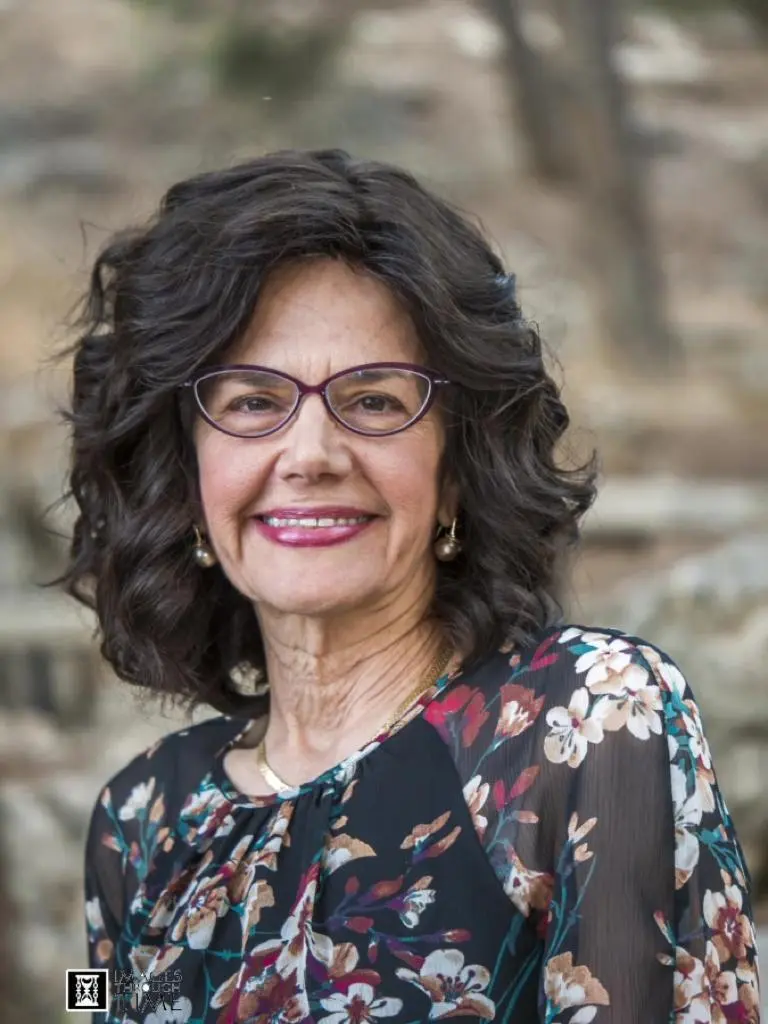
I’ve been wanting to do Daf Yomi for years, but always wanted to start at the beginning and not in the middle of things. When the opportunity came in 2020, I decided: “this is now the time!” I’ve been posting my journey daily on social media, tracking my progress (#DafYomi); now it’s fully integrated into my daily routines. I’ve also inspired my partner to join, too!

Joséphine Altzman
Joséphine Altzman

Teaneck, United States

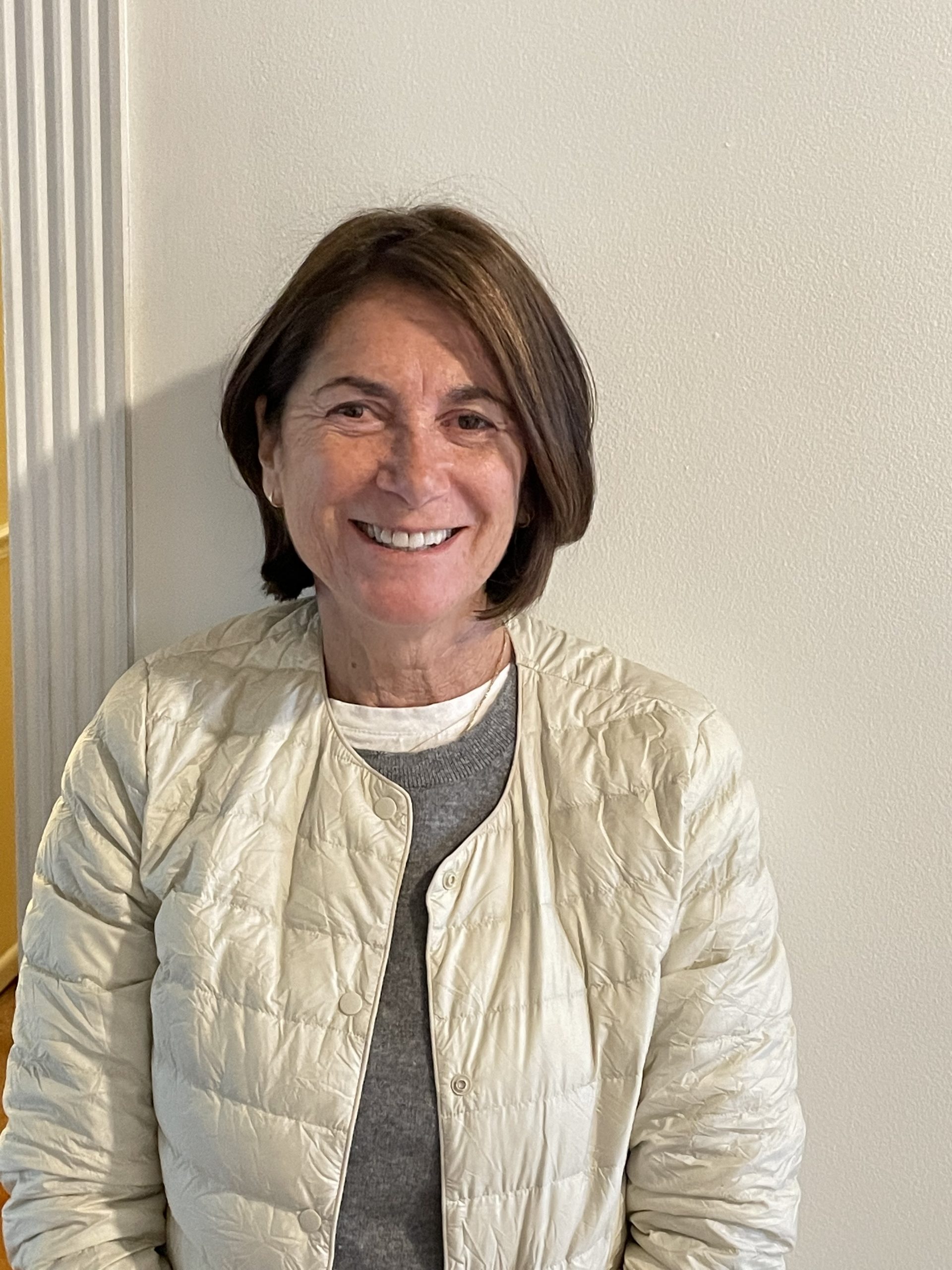
I started the daf at the beginning of this cycle in January 2020. My husband, my children, grandchildren and siblings have been very supportive. As someone who learned and taught Tanach and mefarshim for many years, it has been an amazing adventure to complete the six sedarim of Mishnah, and now to study Talmud on a daily basis along with Rabbanit Michelle and the wonderful women of Hadran.

Rookie Billet
Rookie Billet

Jerusalem, Israel

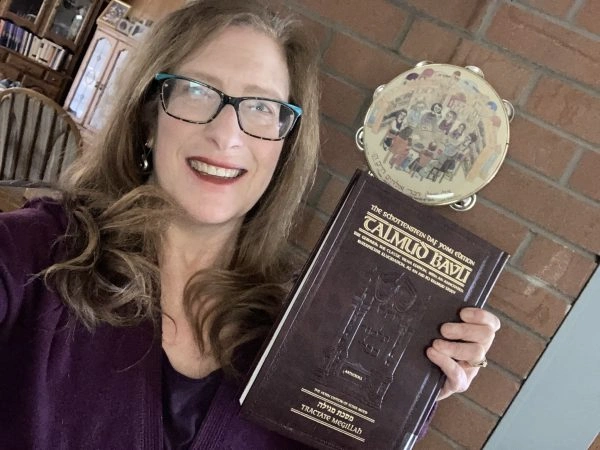
I was inspired to start learning after attending the 2020 siyum in Binyanei Hauma. It has been a great experience for me. It’s amazing to see the origins of stories I’ve heard and rituals I’ve participated in my whole life. Even when I don’t understand the daf itself, I believe that the commitment to learning every day is valuable and has multiple benefits. And there will be another daf tomorrow!

Khaya Eisenberg
Khaya Eisenberg

Jerusalem, Israel

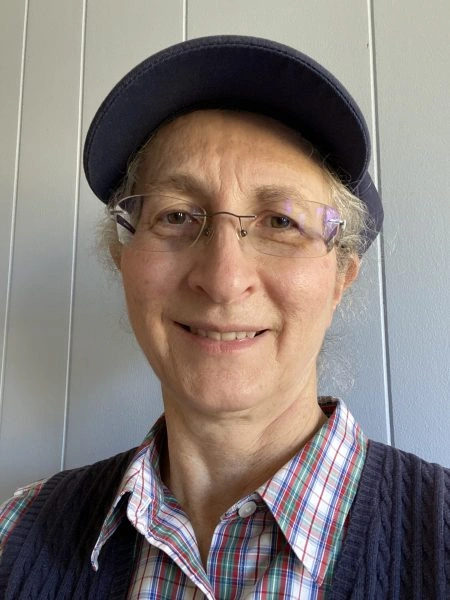
After reading the book, “ If All The Seas Were Ink “ by Ileana Kurshan I started studying Talmud. I searched and studied with several teachers until I found Michelle Farber. I have been studying with her for two years. I look forward every day to learn from her.

Janine Rubens
Janine Rubens

Virginia, United States

I learned Talmud as a student in Yeshivat Ramaz and felt at the time that Talmud wasn’t for me. After reading Ilana Kurshan’s book I was intrigued and after watching the great siyum in Yerushalayim it ignited the spark to begin this journey. It has been a transformative life experience for me as a wife, mother, Savta and member of Klal Yisrael.
Elana Storch
Elana Storch

Phoenix, Arizona, United States

I started learning when my brother sent me the news clip of the celebration of the last Daf Yomi cycle. I was so floored to see so many women celebrating that I wanted to be a part of it. It has been an enriching experience studying a text in a language I don’t speak, using background knowledge that I don’t have. It is stretching my learning in unexpected ways, bringing me joy and satisfaction.

Jodi Gladstone
Jodi Gladstone

Warwick, Rhode Island, United States

I learned daf more off than on 40 years ago. At the beginning of the current cycle, I decided to commit to learning daf regularly. Having Rabanit Michelle available as a learning partner has been amazing. Sometimes I learn with Hadran, sometimes with my husband, and sometimes on my own. It’s been fun to be part of an extended learning community.

Miriam Pollack
Miriam Pollack

Honolulu, Hawaii, United States

My family recently made Aliyah, because we believe the next chapter in the story of the Jewish people is being written here, and we want to be a part of it. Daf Yomi, on the other hand, connects me BACK, to those who wrote earlier chapters thousands of years ago. So, I feel like I’m living in the middle of this epic story. I’m learning how it all began, and looking ahead to see where it goes!
Tina Lamm
Tina Lamm

Jerusalem, Israel

I started learning after the siyum hashas for women and my daily learning has been a constant over the last two years. It grounded me during the chaos of Corona while providing me with a community of fellow learners. The Daf can be challenging but it’s filled with life’s lessons, struggles and hope for a better world. It’s not about the destination but rather about the journey. Thank you Hadran!

Dena Lehrman
Dena Lehrman

אפרת, Israel

As Jewish educator and as a woman, I’m mindful that Talmud has been kept from women for many centuries. Now that we are privileged to learn, and learning is so accessible, it’s my intent to complete Daf Yomi. I am so excited to keep learning with my Hadran community.

Sue Parker Gerson
Sue Parker Gerson

Denver, United States

In January 2020 on a Shabbaton to Baltimore I heard about the new cycle of Daf Yomi after the siyum celebration in NYC stadium. I started to read “ a daily dose of Talmud “ and really enjoyed it . It led me to google “ do Orthodox women study Talmud? “ and found HADRAN! Since then I listen to the podcast every morning, participate in classes and siyum. I love to learn, this is amazing! Thank you

Sandrine Simons
Sandrine Simons

Atlanta, United States

I start learning Daf Yomi in January 2020. The daily learning with Rabbanit Michelle has kept me grounded in this very uncertain time. Despite everything going on – the Pandemic, my personal life, climate change, war, etc… I know I can count on Hadran’s podcast to bring a smile to my face.
Deb Engel
Deb Engel

Los Angeles, United States

Jill Shames
Jill Shames

Jerusalem, Israel

The first month I learned Daf Yomi by myself in secret, because I wasn’t sure how my husband would react, but after the siyyum on Masechet Brachot I discovered Hadran and now sometimes my husband listens to the daf with me. He and I also learn mishnayot together and are constantly finding connections between the different masechtot.

Laura Warshawsky
Laura Warshawsky

Silver Spring, Maryland, United States

With Rabbanit Dr. Naomi Cohen in the Women’s Talmud class, over 30 years ago. It was a “known” class and it was accepted, because of who taught. Since then I have also studied with Avigail Gross-Gelman and Dr. Gabriel Hazut for about a year). Years ago, in a shiur in my shul, I did know about Persians doing 3 things with their clothes on. They opened the shiur to woman after that!

Sharon Mink
Sharon Mink

Haifa, Israel

I LOVE learning the Daf. I started with Shabbat. I join the morning Zoom with Reb Michelle and it totally grounds my day. When Corona hit us in Israel, I decided that I would use the Daf to keep myself sane, especially during the days when we could not venture out more than 300 m from our home. Now my husband and I have so much new material to talk about! It really is the best part of my day!

Batsheva Pava
Batsheva Pava

Hashmonaim, Israel

It happened without intent (so am I yotzei?!) – I watched the women’s siyum live and was so moved by it that the next morning, I tuned in to Rabbanit Michelle’s shiur, and here I am, still learning every day, over 2 years later. Some days it all goes over my head, but others I grasp onto an idea or a story, and I ‘get it’ and that’s the best feeling in the world. So proud to be a Hadran learner.

Jeanne Yael Klempner

Zichron Yaakov, Israel

I learned Talmud as a student in Yeshivat Ramaz and felt at the time that Talmud wasn’t for me. After reading Ilana Kurshan’s book I was intrigued and after watching the great siyum in Yerushalayim it ignited the spark to begin this journey. It has been a transformative life experience for me as a wife, mother, Savta and member of Klal Yisrael.
Elana Storch
Elana Storch

Phoenix, Arizona, United States

I started learning Daf Yomi inspired by תָּפַסְתָּ מְרוּבֶּה לֹא תָּפַסְתָּ, תָּפַסְתָּ מוּעָט תָּפַסְתָּ. I thought I’d start the first page, and then see. I was swept up into the enthusiasm of the Hadran Siyum, and from there the momentum kept building. Rabbanit Michelle’s shiur gives me an anchor, a connection to an incredible virtual community, and an energy to face whatever the day brings.

Medinah Korn
Medinah Korn

בית שמש, Israel

I began Daf Yomi with the last cycle. I was inspired by the Hadran Siyum in Yerushalayim to continue with this cycle. I have learned Daf Yomi with Rabanit Michelle in over 25 countries on 6 continents ( missing Australia)

Barbara-Goldschlag
Barbara Goldschlag

Silver Spring, MD, United States

Shabbat 90

בְּמִינֵי מְתִיקָה שָׁנוּ, הוֹאִיל וּרְאוּיִין לְמַתֵּק קְדֵירָה. טַעְמָא דַּחֲזוּ לְמַתֵּק אֶת הַקְּדֵירָה, הָא לָאו הָכִי — לָא! הָכָא נָמֵי חֲזוּ לְמַתֵּק.

They taught this halakha in the case of sweet types, because they are fit to be mixed together to sweeten the food in a pot. The Gemara infers: The reason that they join together with one another is that they are suitable to sweeten the food in a pot together. However, if that is not so, then they do not join together with one another. Apparently, spices, in general, do not join together to constitute a complete measure. The Gemara answers: Here, too, the mishna is referring to a case where they are suitable to sweeten the food in a pot.

קְלִיפֵּי אֱגוֹזִין וּקְלִיפֵּי רִמּוֹנִים סְטֵיס וּפוּאָה — כְּדֵי לִצְבּוֹעַ בֶּגֶד קָטָן. וּרְמִינְהִי: הַמּוֹצִיא סַמָּנִים שְׁרוּיִין — כְּדֵי לִצְבּוֹעַ בָּהֶן דּוּגְמָא לְאִירָא! הָא אִיתְּמַר עֲלַהּ, אָמַר רַב נַחְמָן אָמַר רַבָּה בַּר אֲבוּהּ: לְפִי שֶׁאֵין אָדָם טוֹרֵחַ לִשְׁרוֹת סַמְמָנִים לִצְבּוֹעַ בָּהֶן דּוּגְמָא לְאִירָא.

We learned in the mishna: The measure that determines liability for carrying out nutshells, pomegranate peels, safflower and madder, which are used to produce dyes, is equivalent to that which is used to dye a small garment that is placed atop a woman’s hairnet. And the Gemara raised a contradiction from what we learned elsewhere in a mishna: One who carries out herbs that were soaked in water is liable if he carried out a measure equivalent to the amount used to dye a sample the size of a stopper, for the shuttle of a loom. This refers to a small swath of wool that a weaver places on the loom, as a color sample. The herbs were soaked in water because this was how they were prepared for use as dyes. Apparently, according to this Gemara, the measure for liability is not the amount used to dye a small garment. The Gemara replies: Wasn’t it stated with regard to that mishna that Rav Naḥman said that Rabba bar Avuh said: In the case of soaked dyes, the measure for liability is smaller because a person does not go to the trouble to soak herbs just to dye a sample for the shuttle of a loom. He will only begin soaking herbs to dye a more significant garment. However, for herbs that are soaking and are ready for use as a dye, the measure for liability is smaller, i.e., sufficient to dye a sample.

מֵי רַגְלַיִם. תָּנָא: מֵי רַגְלַיִם עַד בֶּן אַרְבָּעִים יוֹם. נֶתֶר. תָּנָא: נֶתֶר אֲלֶכְּסַנְדְּרִית, וְלֹא נֶתֶר אַנְפַּנְטְרִין. בּוֹרִית. אָמַר רַב יְהוּדָה: זֶה חוֹל. וְהָתַנְיָא: הַבּוֹרִית וְהַחוֹל! אֶלָּא: מַאי בּוֹרִית — כַּבְרִיתָא.

The mishna mentioned abrasive materials used for laundry, among them urine. The Gemara clarifies the nature of the listed materials. The Sages taught in a baraita: The urine mentioned in the mishna is urine that is up to forty days old. After that, its acidity weakens, rendering it unsuitable for that purpose. With regard to the natron, the Sage taught in a baraita: This refers to Alexandrian natron from the city in Egypt, and not to natron from Anpantrin, which is of a different quality. With regard to the borit mentioned in the mishna, Rav Yehuda said: That is sand. The Gemara asks: Wasn’t it taught in a baraita: Borit and sand? Since both terms are listed, borit cannot be sand. Rather, what is borit? It is sulphur.

מֵיתִיבִי, הוֹסִיפוּ עֲלֵיהֶן הַחַלְבֵּיצִין וְהַלְּעִינִין וְהַבּוֹרִית וְהָאָהָל. וְאִי סָלְקָא דַעְתָּךְ כַּבְרִיתָא, כַּבְרִיתָא מִי אִיתָא בִּשְׁבִיעִית?! וְהָתְנַן: זֶה הַכְּלָל, כׇּל שֶׁיֵּשׁ לוֹ עִיקָּר — יֵשׁ לוֹ שְׁבִיעִית, וְשֶׁאֵין לוֹ עִיקָּר — אֵין לוֹ שְׁבִיעִית! אֶלָּא מַאי בּוֹרִית — אַהֲלָא. וְהָתַנְיָא: בּוֹרִית וְאַהֲלָא! אֶלָּא תְּרֵי גַּוְונֵי אַהֲלָא.

The Gemara raises an objection based on plants whose use is prohibited during the Sabbatical year. They added bulbs of ornithogalum and wormwood, and borit, and aloe. And if it would enter your mind to say that borit is sulphur, is there sulphur that is subject to the halakhot of the Sabbatical year? Didn’t we learn in a mishna that this is the principle: Anything that has a root and grows is subject to the halakhot of the Sabbatical year, and anything that does not have a root is not subject to the halakhot of the Sabbatical year. Rather, what is the borit? It is aloe. The Gemara asks: Wasn’t it taught in a baraita: And borit and aloe? Since both terms are listed, borit cannot be aloe. Rather, there are two types of aloe. One of them is called borit.

קִימוֹלְיָא, אָמַר רַב יְהוּדָה: שְׁלוֹף דּוֹץ. אַשְׁלָג, אָמַר שְׁמוּאֵל: שְׁאֵילְתִּינְהוּ לְכֹל נָחוֹתֵי יַמָּא, וַאֲמַרוּ לִי ״שׁוּנָאגָא״ שְׁמֵיהּ, וּמִשְׁתְּכַח בְּנוּקְבָּא דְמַרְגָּנִיתָא, וּמַפְּקִי לֵיהּ בְּרִמְצָא דְפַרְזְלָא.

With regard to the cimolian earth mentioned in the mishna, Rav Yehuda said: This is the earth referred to as pull out stick in [shelof dotz]. With regard to the eshlag mentioned in the mishna, Shmuel said: I asked all of the seafarers with regard to the identity of eshlag, and they told me that it is called shonana, and can be found in the shell of the pearl, and is removed using an iron skewer.

מַתְנִי׳ פִּלְפֶּלֶת — כׇּל שֶׁהוּא, וְעִטְרָן — כׇּל שֶׁהוּא. מִינֵי בְשָׂמִים וּמִינֵי מַתָּכוֹת — כׇּל שֶׁהֵן. מֵאַבְנֵי הַמִּזְבֵּחַ וּמֵעֲפַר הַמִּזְבֵּחַ, מְקַק סְפָרִים וּמְקַק מִטְפְּחוֹתֵיהֶם — כׇּל שֶׁהוּא, שֶׁמַּצְנִיעִין אוֹתָן לְגוֹנְזָן. רַבִּי יְהוּדָה אוֹמֵר: אַף הַמּוֹצִיא מְשַׁמְּשֵׁי עֲבוֹדָה זָרָה — כׇּל שֶׁהוּא, שֶׁנֶּאֱמַר: ״וְלֹא יִדְבַּק בְּיָדְךָ מְאוּמָה מִן הַחֵרֶם״.

MISHNA: The measure that determines liability for carrying out pepper on Shabbat is any amount. Similarly, the measure that determines liability for carrying out tar is any amount. The measure that determines liability for carrying out various kinds of perfumes and various kinds of metals is any amount. The measure that determines liability for carrying out stones of the altar or earth of the altar, sacred scrolls or their coverings that became tattered due to an insect called mekek that destroys scrolls, and mekek that destroys their coverings, is any amount. That is because people store them in order to bury them, due to their sanctity, and accord significance to even a small measure of those items. Rabbi Yehuda says: Even one who carries out accessories of idolatry on Shabbat is liable for carrying out any amount, as it is stated: “And there shall cleave nothing of the proscribed items to your hand” (Deuteronomy 13:18). Since even the smallest amount is prohibited and must be burned, any amount is significant.

גְּמָ׳ פִּלְפֶּלֶת כׇּל שֶׁהוּא לְמַאי חַזְיָא? לְרֵיחַ הַפֶּה. עִיטְרָן כׇּל שֶׁהוּא לְמַאי חֲזֵי? לְצִילְחֲתָא. מִינֵי בְּשָׂמִים — כׇּל שֶׁהֵן. תָּנוּ רַבָּנַן: הַמּוֹצִיא רֵיחַ רַע — כׇּל שֶׁהוּא. שֶׁמֶן טוֹב — כׇּל שֶׁהוּא. אַרְגָּמָן — כׇּל שֶׁהוּא. וּבְתוּלַת הַוֶּורֶד — אַחַת.

GEMARA: The Gemara asks: For what use is any amount of pepper suited? The Gemara answers: For dispelling mouth odor. For what use is any amount of tar suited? It is suited for curing a headache. We learned in the mishna that one is liable for carrying out any amount of various kinds of perfumes on Shabbat. The Sages taught in a baraita: Even one who carries out an object with a foul odor on Shabbat for medicinal or similar purposes, is liable for carrying out any amount. The measure that determines liability for carrying out fine perfumed oil is any amount. The measure that determines liability for carrying out purple dye is any amount. The measure that determines liability for carrying out a virgin rosebud on Shabbat is one bud.

מִינֵי מַתָּכוֹת — כׇּל שֶׁהֵן. לְמַאי חֲזוּ? תַּנְיָא, רַבִּי שִׁמְעוֹן בֶּן אֶלְעָזָר אוֹמֵר: שֶׁכֵּן רָאוּי לַעֲשׂוֹת מִמֶּנָּה דׇּרְבָן קָטָן.

We learned in the mishna: The measure that determines liability for carrying out various kinds of metals is any amount. The Gemara asks: For what use is any amount of metal suited, that it renders one liable for carrying it out? It was taught in a baraita: Rabbi Shimon ben Elazar says: Because a small amount of iron is fit to make a small nail.

תָּנוּ רַבָּנַן: הָאוֹמֵר ״הֲרֵי עָלַי בַּרְזֶל״, אֲחֵרִים אוֹמְרִים: לֹא יִפְחוֹת מֵאַמָּה עַל אַמָּה. לְמַאי חַזְיָא? אָמַר רַב יוֹסֵף: לְכָלְיָיא עוֹרֵב. וְאִיכָּא דְאָמְרִי, אֲחֵרִים אוֹמְרִים: לֹא יִפְחוֹת מִכָּלְיָיא עוֹרֵב. וְכַמָּה? אָמַר רַב יוֹסֵף: אַמָּה עַל אַמָּה. נְחֹשֶׁת, לֹא יִפְחוֹת מִמָּעָה כֶּסֶף. תַּנְיָא רַבִּי אֱלִיעֶזֶר אוֹמֵר: לֹא יִפְחוֹת מִצִּינּוֹרָא קְטַנָּה שֶׁל נְחֹשֶׁת. לְמַאי חַזְיָא? אָמַר אַבָּיֵי: שֶׁמְּחַטְּטִין בָּהּ אֶת הַפְּתִילוֹת וּמְקַנְּחִין הַנֵּרוֹת.

Since the Gemara is discussing the measure that determines liability for carrying out metal on Shabbat, it discusses the related halakhot of objects consecrated to the Temple. The Sages taught in a baraita: In the case of one who vows without specifying an amount, and says: It is incumbent upon me to donate iron to the Temple, Aḥerim say: He must donate no less than a cubit by a cubit of iron. The Gemara asks: For what use is metal that size suited? Rav Yosef said: For a raven impediment. The roof of the Temple was covered with iron surfaces with protruding nails to prevent ravens from perching there. And some say a slightly different version. Aḥerim say: He must donate no less than the iron necessary for a raven impediment. And how much iron is that? Rav Yosef said: A cubit by a cubit. One who vows to donate copper must donate no less than the value of a ma’a of silver. It was taught in a baraita that Rabbi Eliezer says: One must donate no less than the amount needed to forge a small copper hook. The Gemara asks: For what Temple use is that suited? Abaye said: They use it to scrape the wicks from the candelabrum, and clean the lamps with it.

מְקַק סְפָרִים וּמְקַק מִטְפָּחֹת. אָמַר רַבִּי יְהוּדָה: מְקָק דְּסִיפְרֵי, תְּכָךְ דְּשִׁירָאֵי, וְאַיְלָא דְעִינְבֵי, וּפָהּ דִּתְאֵנֵי, וְהָהּ דְּרִימּוֹנֵי — כּוּלְּהוּ סַכַּנְתָּא. הָהוּא תַּלְמִידָא דַּהֲוָה יָתֵיב קַמֵּיהּ דְּרַבִּי יוֹחָנָן, הֲוָה קָאָכֵיל תְּאֵינֵי. אֲמַר לֵיהּ: רַבִּי, קוֹצִין יֵשׁ בַּתְּאֵנִים? אֲמַר (לֵיהּ): קַטְלֵיהּ פָּהּ לְדֵין.

We learned in the mishna: The measure that determines liability for carrying out sacred scrolls or their coverings that became tattered due to an insect called mekek that destroys scrolls, and another type of mekek that destroys their coverings, is any amount. Rabbi Yehuda said: These insects, the mekek that destroys scrolls, the tekhakh that attacks silk, and the ila that eats grapes, and the pe that eats figs, and the ha that eats pomegranates, all pose danger to one who swallows them. The Gemara relates: A certain student was sitting before Rabbi Yoḥanan and was eating figs. The student said to Rabbi Yoḥanan: My teacher, are there thorns in figs? Rabbi Yoḥanan said to him: The pe killed that fellow. The insect in the fig had punctured the student’s throat.

מַתְנִי׳ הַמּוֹצִיא קוּפַּת הָרוֹכְלִין, אַף עַל פִּי שֶׁיֵּשׁ בָּהּ מִינִין הַרְבֵּה — אֵינוֹ חַיָּיב אֶלָּא חַטָּאת אַחַת. זֵרְעוֹנֵי גִינָּה — פָּחוֹת מִכִּגְרוֹגֶרֶת. רַבִּי יְהוּדָה בֶּן בְּתִירָה אוֹמֵר: חֲמִשָּׁה.

MISHNA: One who carries out a merchant’s basket, even if there are many types of spices and jewelry in it, is obligated to bring only one sin-offering, because he performed only one act of carrying out. The measure that determines liability for carrying out garden seeds on Shabbat is less than a fig-bulk. Rabbi Yehuda ben Beteira says: The measure for liability is five seeds.

זֶרַע קִישּׁוּאִין — שְׁנַיִם. זֶרַע דִּילּוּעִין — שְׁנַיִם. זֶרַע פּוֹל הַמִּצְרִי — שְׁנַיִם. חָגָב חַי טָהוֹר — כׇּל שֶׁהוּא. מֵת — כִּגְרוֹגֶרֶת. צִפּוֹרֶת כְּרָמִים, בֵּין חַיָּה בֵּין מֵתָה — כׇּל שֶׁהוּא, שֶׁמַּצְנִיעִין אוֹתָהּ לִרְפוּאָה. רַבִּי יְהוּדָה אוֹמֵר: אַף הַמּוֹצִיא חָגָב חַי טָמֵא כׇּל שֶׁהוּא, שֶׁמַּצְנִיעִין אוֹתוֹ לְקָטָן לִשְׂחוֹק בּוֹ.

The measure that determines liability for carrying out cucumber seeds is two seeds because they are large and conspicuous. The measure that determines liability for carrying out squash seeds is two seeds. The measure that determines liability for carrying out seeds of Egyptian beans is two. The measure that determines liability for carrying out a live kosher locust is any amount. For carrying out a dead kosher locust, which is edible, it is the same as any other food, a fig-bulk. The measure that determines liability for carrying out the locust called tzipporet keramim, whether dead or alive, is any amount; this is because one stores them for medicinal purposes or as a talisman, which renders even a small quantity significant. Rabbi Yehuda says: Even one who carries out a live non-kosher locust is liable for carrying out any amount, because people store locusts for a child who wants to play with it.

גְּמָ׳ וּרְמִינְהִי: זֶבֶל וָחוֹל הַדַּק — כְּדֵי לְזַבֵּל קֶלַח שֶׁל כְּרוּב, דִּבְרֵי רַבִּי עֲקִיבָא. וַחֲכָמִים אוֹמְרִים: כְּדֵי לְזַבֵּל כְּרֵישָׁא! אָמַר רַב פָּפָּא: הָא דִּזְרִיעַ, הָא דְּלָא זְרִיעַ — לְפִי שֶׁאֵין אָדָם טוֹרֵחַ לְהוֹצִיא נִימָא אַחַת לִזְרִיעָה.

GEMARA: We learned in the mishna the measure that determines liability for carrying out garden seeds on Shabbat. And the Gemara raised a contradiction from what we learned: The measure that determines liability for carrying out compost and fine sand on Shabbat is equivalent to that which is used to fertilize a cabbage stalk; this is the statement of Rabbi Akiva. And the Rabbis say: Equivalent to that which is used to fertilize a single leek. Even a single plant is a significant amount. Rav Pappa said: This smaller measure applies to a case where the seed was already planted and growing. In that case, one carries out manure to fertilize one plant. That larger measure applies to a case where the seed was not yet planted, because a person does not go to the trouble to carry out a single seed for planting.

זֶרַע קִישּׁוּאִין. תָּנוּ רַבָּנַן: הַמּוֹצִיא גַּרְעִינִין, אִם לִנְטִיעָה — שְׁתַּיִם, אִם לַאֲכִילָה — כִּמְלֹא פִּי חֲזִיר, וְכַמָּה מְלֹא פִּי חֲזִיר — אַחַת. אִם לְהַסִּיק — כְּדֵי לְבַשֵּׁל בֵּיצָה קַלָּה. אִם לְחֶשְׁבּוֹן — שְׁתַּיִם. אֲחֵרִים אוֹמְרִים: חָמֵשׁ. תָּנוּ רַבָּנַן: הַמּוֹצִיא שְׁנֵי נִימִין מִזְּנַב הַסּוּס וּמִזְּנַב הַפָּרָה — חַיָּיב, שֶׁמַּצְנִיעִין אוֹתָן לְנִישְׁבִּין. מִקְשֶׁה שֶׁל חֲזִיר — אַחַת. צוּרֵי דֶקֶל — שְׁתַּיִם. תּוֹרֵי דֶקֶל — אַחַת.

With regard to what the mishna said about the measure for carrying out cucumber and squash seeds, the Sages taught: One who carries out date pits on Shabbat, if he did so in order to plant, he is liable for carrying out two pits. If he did so in order for the animals to eat, he is liable for carrying out enough to fill a pig’s mouth. And how much is enough to fill a pig’s mouth? One date pit. If he did so in order to burn the pits, the measure that determines liability is equivalent to that which is used to cook an easily cooked egg. If he carried them out in order to use them to count, the measure for liability is two pits. Aḥerim say the measure for liability is five pits. A person is capable of keeping track of up to five items without help. The Sages taught: One who carries out two hairs from a horse’s tail or from a cow’s tail on Shabbat is liable, since people store them to use in traps. The measure that determines liability for carrying out stiff hair of a pig is one hair. It is significant because it is used to sew shoes. The measure that determines liability for carrying out palm fronds is two fronds, but the measure for palm vines, which are peeled off the frond and are thinner, is one vine.

צִיפּוֹרֶת כְּרָמִים, בֵּין חַיָּה בֵּין מֵתָה — כׇּל שֶׁהוּא. מַאי צִיפּוֹרֶת כְּרָמִים? אָמַר רַב: פַּלְיָא בִּיאָרִי. אָמַר אַבָּיֵי: וּמִשְׁתַּכְחָא בְּדִיקְלָא דְּחַד נְבָארָא וְעָבְדִי לַהּ לְחוּכְמָא. אָכֵיל לֵיהּ לְפַלְגָא דְיַמִּינֵיהּ, וּפַלְגָא דִשְׂמָאלֵיהּ רָמֵי לֵהּ בְּגוּבְתָּא דִנְחָשָׁא וְחָתֵים לֵהּ בְּשִׁיתִּין גּוּשְׁפַּנְקֵי, וְתָלֵי לֵהּ בְּאִיבְרָא דִשְׂמָאלָא. וְסִימָנָיךְ: ״לֵב חָכָם לִימִינוֹ וְלֵב כְּסִיל לִשְׂמֹאלוֹ״, וְחָכֵים כַּמָּה דְּבָעֵי, וְגָמַר כַּמָּה דְּבָעֵי, וְאָכֵיל לֵיהּ לְאִידַּךְ פַּלְגָא, דְּאִי לָא — מִיעֲקַר תַּלְמוּדֵיהּ.

We learned in the mishna: With regard to carrying out the locust called tzipporet keramim, whether dead or alive, the measure for liability is any amount. This is because one stores them for medicinal purposes or as a talisman, which renders even one locust significant. The Gemara asks: What is tzipporet keramim? Rav said: It is the locust called palya biari. Abaye said: And it can be found in a palm tree that has only one vine, and it is used as a talisman for wisdom. One eats its right half, and casts its left half into a copper tube, and seals it with sixty seals, and hangs it on his left arm. And the mnemonic reminding you which half to eat and which half to hang on the arm is the verse: “A wise heart to his right and a foolish heart to his left” (Ecclesiastes 10:2). And one then grows wise as much as he wants, and studies as much as he wants, and then eats the other half, as if he does not do so, his learning will be forgotten.

רַבִּי יְהוּדָה אוֹמֵר אַף הַמּוֹצִיא כּוּ׳. וְתַנָּא קַמָּא סָבַר לָא. מַאי טַעְמָא? דִילְמָא אָכֵיל לֵיהּ: אִי הָכִי, טָהוֹר נָמֵי. דְּהָא רַב כָּהֲנָא הֲוָה קָאֵים קַמֵּיהּ דְּרַב, וַהֲוָה קָמְעַבַּר שׁוֹשִׁיבָא אַפּוּמֵּיהּ. אֲמַר לֵיהּ: שִׁקְלֵיהּ, דְּלָא לֵימְרוּ מֵיכַל קָאָכֵיל לֵיהּ, וְקָעָבַר מִשּׁוּם ״בַּל תְּשַׁקְּצוּ אֶת נַפְשֹׁתֵיכֶם״! אֶלָּא, דִילְמָא מָיֵית וְאָכֵיל לֵיהּ. וְרַבִּי יְהוּדָה אִי מָיֵית — קָטָן מִיסְפָּד סָפֵיד לֵיהּ.

We learned in the mishna that Rabbi Yehuda says: Even one who carries out a live non-kosher locust is liable for carrying out any amount, because people store locusts for play. The Gemara explains: And the first tanna holds that people do not give children non-kosher locusts for play. What is the reason for this? Due to the concern that perhaps the child will eat it. And the Gemara asks: If so, it should also be prohibited to give a child a kosher locust, lest the child will eat it, as the Gemara related that Rav Kahana stood before Rav and passed a live kosher locust near his mouth. Rav said to Rav Kahana: Put it down, so that people will not mistakenly say: He is eating it and violating the prohibition of “You shall not make yourselves detestable” (Leviticus 11:43). Apparently, eating a kosher locust is prohibited while it is alive. Rather, even according to the unattributed mishna, there is no room for concern that a young child will eat a locust with which he is playing. The reason that the first tanna prohibits giving a non-kosher locust to a child for play is the concern that perhaps it will die and he will eat it. And Rabbi Yehuda, who permits giving a non-kosher locust to a child for play, does not share that concern. If the locust dies, the child will eulogize it and mourn its death, and certainly would not eat it.

הדרן עלך אמר רבי עקיבא

מַתְנִי׳ הַמַּצְנִיעַ לְזֶרַע וּלְדוּגְמָא וְלִרְפוּאָה וְהוֹצִיאוֹ בְּשַׁבָּת — חַיָּיב בְּכׇל שֶׁהוּא. וְכׇל אָדָם — אֵין חַיָּיב עָלָיו אֶלָּא כְּשִׁיעוּרוֹ. חָזַר וְהִכְנִיסוֹ — אֵינוֹ חַיָּיב אֶלָּא כְּשִׁיעוּרוֹ.

MISHNA: One who stores a seed for sowing, or as a sample, or for medicinal purposes and carried it out on Shabbat is liable for carrying out any amount. By storing that measure, he indicates that it is significant to him. Therefore, he is liable for carrying it, despite the fact that what he carried out is less than the halakhic measure that determines liability for that item. And any other person is only liable for carrying it out on Shabbat if he carries out its measure for liability. If one stored the seed, carried it out, and then brought it back in, with no intention to utilize it for the specific purpose for which he stored it, he is only liable if he brought in its measure for liability (Rav Shmuel Strashun).

גְּמָ׳ לְמָה לֵיהּ לְמִיתְנֵי ״הַמַּצְנִיעַ״? לִיתְנֵי: הַמּוֹצִיא לְזֶרַע וּלְדוּגְמָא וְלִרְפוּאָה — חַיָּיב בְּכׇל שֶׁהוּא! אָמַר אַבָּיֵי: הָכָא בְּמַאי עָסְקִינַן, כְּגוֹן שֶׁהִצְנִיעוֹ וְשָׁכַח לָמָּה הִצְנִיעוֹ, וְהַשְׁתָּא קָא מַפֵּיק לֵיהּ סְתָמָא.

GEMARA: The Gemara asks: Why does the mishna teach: One who stores a seed for a specific purpose and carried it out? Let the mishna simply teach: One who carries out a seed for planting, or as a sample, or for medicinal purposes is liable for carrying out any amount. One is not liable for storing the seed. He is liable for carrying out less than the measure that determines liability because he attributed significance to that measure. Abaye said: With what we are dealing here? We are dealing with a case where one stored it for a specific purpose and forgot why he stored it, and now he carries it out for no specific purpose.

Want to follow content and continue where you left off?

Create an account today to track your progress, mark what you’ve learned, and follow the shiurim that speak to you.

Clear all items from this list?

This will remove ALL the items in this section. You will lose any progress or history connected to them. This is irreversible.

Cancel
Yes, clear all

Are you sure you want to delete this item?

You will lose any progress or history connected to this item.

Cancel
Yes, delete