Search

Shabbat 98

Want to dedicate learning? Get started here:

English
עברית
podcast placeholder

0:00
0:00


podcast placeholder

0:00
0:00


Summary

Today’s shiur is dedicated to Elana Rand by her family. 

One is not obligated for moving an item in the public domain if it is covered as that is not the way it was done in the Tabernacle. How can that be, if Rav said in the name of Rabbi Chiya that underneath, on the sides and in between the wagons is considered the public domain and those spaces are covered either by the beams or by the wagon? The gemara delves into the details of the size of the beams, the wagon, the wheels, the space in between wagons, in order to answer the question. There is a debate whether the beams were as wide at the top as they were at the bottom or were they one handbreath at the bottom and one finger’s width at the top? What are the ramifications of each opinion?

Shabbat 98

פָּחוֹת מֵאַרְבַּע אַמּוֹת — פָּטוּר. מַאי קָא מַשְׁמַע לַן? הָא קָא מַשְׁמַע לַן: רְשׁוּיוֹת מִצְטָרְפוֹת — וּדְלָא אָמְרִינַן קְלוּטָה כְּמָה שֶׁהוּנְּחָה.

If he throws it less than four cubits, he is exempt, as he is neither liable for carrying from domain to domain nor for carrying in the public domain. The Gemara asks: What is he teaching us with this halakha? The Gemara answers: He is teaching us the following two things. First, that domains join together; even though one public domain is separated from the other by a private domain, they are treated as one domain. And second, that we do not say that an object in airspace is considered at rest. The object is not considered to have landed in a private domain, and therefore the one who threw it is exempt.

אָמַר רַב שְׁמוּאֵל בַּר יְהוּדָה, אָמַר רַב אַבָּא, אָמַר רַב הוּנָא, אָמַר רַב: הַמַּעֲבִיר אַרְבַּע אַמּוֹת בִּרְשׁוּת הָרַבִּים מְקוֹרֶה — פָּטוּר, לְפִי שֶׁאֵינוֹ דּוֹמֶה לְדִגְלֵי מִדְבָּר. אִינִי?! וְהָא עֲגָלוֹת דִּמְקוֹרוֹת הָוְיָין, וְאָמַר רַב מִשּׁוּם רַבִּי חִיָּיא: עֲגָלוֹת, תַּחְתֵּיהֶן וּבֵינֵיהֶן וְצִדֵּיהֶן רְשׁוּת הָרַבִּים! כִּי קָאָמַר רַב בְּדָרָאתָא.

Rav Shmuel bar Yehuda said that Rav Abba said that Rav Huna said that Rav said: One who carries an object four cubits in the covered public domain is exempt because it is not similar to the flags of the camp of Israel in the desert, which were not covered. The Gemara wonders: Is that so? Weren’t the wagons on which they transported the beams of the Tabernacle covered? The beams formed a covering over the wagons. And even so, Rav said in the name of Rabbi Ḥiyya: The areas that were beneath the wagons, and between them, and on their sides are all considered to have been the public domain. Apparently, even a covered public domain, like the space beneath the wagons, has the legal status of a public domain. The Gemara answers: When Rav said that the space beneath the wagons had the legal status of a public domain, he was referring to when the beams were arranged in stacks. The beams did not cover the entire area of the wagon. There was space between the stacks.

מִכְּדֵי, אוּרְכָּא דַעֲגָלָה כַּמָּה הֲוַאי — חֲמֵשׁ אַמִּין, פּוּתְיָא דְקֶרֶשׁ כַּמָּה הֲוַאי — אַמְּתָא וּפַלְגָא, כַּמָּה מוֹתֵיב — תְּלָתָא, פָּשׁ לֵיהּ פַּלְגָא דְאַמְּתָא, כִּי שָׁדֵי לֵיהּ מָר בֵּינֵי וּבֵינֵי — כְּלָבוּד דָּמֵי! מִי סָבְרַתְּ קְרָשִׁים אַפּוּתַיְיהוּ הֲוָה מַנַּח לְהוּ? אַחוּדָּן מַנַּח לְהוּ.

The Gemara asks: After all, how much was the length of a wagon? It was five cubits. How much was the width of a beam? It was a cubit and a half. How many beams could one place on a wagon? One could place three stacks of beams, totaling four and a half cubits. If so, half a cubit of open space remained. When the Master distributes half a cubit between the stacks of beams it is considered lavud, attached, as the space between each stack was less than three handbreadths. The Gemara answers: Do you maintain that they would place the beams on their width? They would place them on their depth, which was one cubit wide, and therefore there was a greater distance between the rows.

סוֹף סוֹף סוּמְכָא דְקֶרֶשׁ כַּמָּה הָוֵי — אַמְּתָא, כַּמָּה הֲוָה מוֹתִיב — אַרְבְּעָה, פָּשָׁא לַהּ אַמְּתָא, כִּי שָׁדֵי לַהּ מָר בֵּינֵי וּבֵינֵי, כְּלָבוּד דָּמֵי. הָנִיחָא לְמַאן דְּאָמַר קְרָשִׁים מִלְּמַטָּן עוֹבְיָין אַמָּה, מִלְּמַעְלָן כָּלִין וְהוֹלְכִין עַד כְּאֶצְבַּע — שַׁפִּיר. אֶלָּא לְמַאן דְּאָמַר כְּשֵׁם שֶׁמִּלְּמַטָּן עוֹבְיָין אַמָּה כָּךְ מִלְּמַעְלָן עוֹבְיָין אַמָּה, מַאי אִיכָּא לְמֵימַר?

The Gemara asks: Ultimately, how much was the depth of a beam? It was one cubit. How many stacks would they place? They would place four stacks. One cubit of open space remained. When the Master distributes one cubit between the four stacks of beams it is considered lavud, as two handbreadths separated each stack. The Gemara adds: This statement of Rav works out well according to the opinion of the one who said that the beams in the Tabernacle were one cubit thick at the bottom, and they narrowed to a fingerbreadth as they reached the top. According to that opinion, there was a space larger than three handbreadths at least between the tops of the beams, and therefore the area beneath that part of the wagon was not covered. However, according to the opinion of the one who said that just as they were one cubit thick at the bottom, so too, the beams were one cubit thick on top, what can be said? In that case, the space between the stacks was less than three handbreadths, and area beneath the wagon had the legal status of a covered public domain.

אָמַר רַב כָּהֲנָא: בְּאַטְבְּעֵי! אַטְבְּעֵי הֵיכָא מַנַּח לְהוּ — אַגַּבָּא דַעֲגָלָה, עֲגָלָה גּוּפַהּ מְקוֹרָה הֲוַאי.

Rav Kahana said: When we said that the underside of the wagon was considered to be a public domain, the statement was not referring to when the beams were stacked on them. When the wagon was empty and consisted of the frames that held the beams in place, beneath the wagon was an uncovered public domain. The Gemara asks: But where would they place the frames? On top of the wagon when the beams were already stacked on it and the wagon itself was already covered by the beams, as stated above (ge’onim).

אָמַר שְׁמוּאֵל: בִּיתֵדוֹת.

Shmuel said: It is referring to the stakes of the Tabernacle. Before the Levites would place the beams on the wagon, they would position the stakes, which were particularly narrow. Therefore, the space between them was greater than three handbreadths, and the area beneath the wagons was therefore considered an uncovered public domain (ge’onim).

תָּנוּ רַבָּנַן: קְרָשִׁים מִלְּמַטָּן עוֹבְיָין אַמָּה, וּמִלְּמַעְלָן כָּלִין וְהוֹלְכִין עַד כְּאֶצְבַּע, שֶׁנֶּאֱמַר: ״יִהְיוּ תַמִּים עַל רֹאשׁוֹ״, וּלְהַלָּן הוּא אוֹמֵר: ״תַּמּוּ נִכְרָתוּ״. דִּבְרֵי רַבִּי יְהוּדָה. רַבִּי נְחֶמְיָה אוֹמֵר: כְּשֵׁם שֶׁמִּלְּמַטָּן עוֹבְיָין אַמָּה, כָּךְ מִלְּמַעְלָן עוֹבְיָין אַמָּה, שֶׁנֶּאֱמַר: ״יַחְדָּיו״.

The Sages taught: The Tabernacle beams were one cubit thick at the bottom, and they narrowed to a fingerbreadth as they reached the top, as it is stated: “And they shall match at the bottom, and together they will be ended [tamim] at the top toward a single ring; so shall it be for them both, they shall form the two corners” (Exodus 26:24). And below, when the children of Israel crossed the Jordan River, it says: “And those who went down toward the Sea of Arava at the Dead Sea came to an end [tamu]” (Joshua 3:16). Tam means finished or terminated. Here, too, the beams narrowed as they reached the top until they were virtually terminated; this is the statement of Rabbi Yehuda. Rabbi Neḥemya says: Just as they were one cubit thick at the bottom, so too, they were one cubit thick at the top, as it is stated: Together.

וְהָכְתִיב ״תַּמִּים״! הַהוּא דְּלֵיתוֹ שַׁלְמִין וְלָא לֵיתוֹ דְּנִיסְרָא. וְאִידַּךְ נָמֵי, הָכְתִיב ״יַחְדָּו״! הָהוּא דְּלָא לִישַׁלְחוֹפִינְהוּ מֵהֲדָדֵי.

The Gemara asks: Isn’t it written: Tamim? The Gemara answers: Rabbi Neḥemya explains that this word teaches that they should bring whole beams and they should not bring planks and attach them. The Gemara asks: And according to the other opinion, Rabbi Yehuda’s opinion, isn’t it written: Together? The Gemara answers: That comes to teach that they should not be positioned askew from each other; rather, they should be perfectly aligned.

בִּשְׁלָמָא לְמַאן דְּאָמַר כְּשֵׁם שֶׁמִּלְּמַטָּן עוֹבְיָין אַמָּה כָּךְ מִלְּמַעְלָן עוֹבְיָין אַמָּה, הַיְינוּ דִּכְתִיב: ״וּלְיַרְכְּתֵי הַמִּשְׁכָּן יָמָּה תַּעֲשֶׂה שִׁשָּׁה קְרָשִׁים. וּשְׁנֵי קְרָשִׁים תַּעֲשֶׂה לִמְקֻצְעֹת״ — דְּאָתֵי פּוּתְיָא דְהָנֵי, מְמַלֵּי לֵיהּ לְסוּמְכָא דְהָנֵי. אֶלָּא לְמַאן דְּאָמַר מִלְּמַטָּן עוֹבְיָין אַמָּה, מִלְּמַעְלָן כָּלִין וְהוֹלְכִין עַד כְּאֶצְבַּע, הַאי עָיֵיל וְהַאי נָפֵיק! דְּשָׁפֵי לְהוּ כִּי טוּרִין.

The Gemara asks further: Granted, according to the one who said: Just as they were one cubit thick at the bottom, so too, they were one cubit thick at the top, it is understandable why it is written: “And for the back of the Tabernacle westward you shall make six beams. And you shall make two beams for the corners of the Tabernacle in the back” (Exodus 26:22–23). This means that the width of these beams comes and covers the remaining thickness of those. However, according to the one who said that they were one cubit thick at the bottom and they narrowed to a fingerbreadth as they reached the top, they would not be perfectly aligned, as at the corners this beam goes in and this beam goes out. Part of the beam would protrude out of the Tabernacle. The Gemara answers that it was not only the thickness of the beam that narrowed. One pared the width of the beams as well so they were sloped like mountains and did not protrude.

״וְהַבְּרִיחַ הַתִּיכֹן בְּתוֹךְ הַקְּרָשִׁים״, תָּנָא: בְּנֵס הָיָה עוֹמֵד.

Following the dispute over the Tabernacle beams, the Gemara interprets other verses according to the two positions. It is written: “And the middle bar in the midst of the beams shall pass through from end to end” (Exodus 26:28). One of the Sages taught: It stood by means of a miracle, as this verse indicates that the middle bar was a single rod that ran along the length and width of the Tabernacle. The middle bar was miraculously bent through the beams on three sides.

״וְאֶת הַמִּשְׁכָּן תַּעֲשֶׂה עֶשֶׂר יְרִיעֹת … אֹרֶךְ הַיְרִיעָה הָאַחַת שְׁמֹנֶה וְעֶשְׂרִים בָּאַמָּה״. שְׁדִי אוּרְכַּיְיהוּ לְפוּתְיָא דְמִשְׁכָּן, כַּמָּה הָוְיָא — עֶשְׂרִין וְתַמְנֵי. דַּל עֲשַׂר לְאִיגָּרָא — פָּשׁוּ לְהוּ תֵּשַׁע לְהַאי גִּיסָא וְתֵשַׁע לְהַאי גִּיסָא. לְרַבִּי יְהוּדָה מִיגַּלְּיָא אַמָּה דַאֲדָנִים, לְרַבִּי נְחֶמְיָה מִיגַּלְּיָא אַמָּה דִקְרָשִׁים.

The Gemara cites a verse with regard to the dispute between Rabbi Yehuda and Rabbi Neḥemya: “And you shall make the Tabernacle with ten curtains…the length of each curtain shall be twenty-eight cubits and the width of each curtain four cubits; all the curtains shall have the same measurement” (Exodus 26:1–2). Place their length, i.e., the curtains’ length, across the width of the Tabernacle. How much was their length? It was twenty-eight cubits. Subtract ten cubits for the width of the roof of the Tabernacle, and nine cubits remain on this side, and nine on that side. According to Rabbi Yehuda, who maintains that the beams narrowed to a fingerbreadth, the cubit of the sockets was exposed, as the beams were ten cubits high and the bottom cubit of the beams was placed in the sockets. According to Rabbi Neḥemya, the cubit at the top of the beams must be added to the overall width of the Tabernacle. In addition to the cubit of the sockets, a cubit of the beams themselves was exposed.

שְׁדִי פּוּתַיְיהוּ לְאוּרְכֵּהּ דְּמִשְׁכָּן, כַּמָּה הָוְיָא — אַרְבְּעִין. דַּל תְּלָתִין לְאִיגָּרָא — פָּשָׁא לְהוּ עֲשַׂר, לְרַבִּי יְהוּדָה, מִכַּסְּיָא אַמָּה דַאֲדָנִים לְרַבִּי נְחֶמְיָה מִיגַּלְּיָא אַמָּה דַאֲדָנִים.

Place their width, i.e., the curtains’ width, across the length of the Tabernacle. How much was their width? It was forty cubits. Subtract thirty cubits for the length of the Tabernacle’s roof and ten cubits remain. According to Rabbi Yehuda, who maintains that the beams narrowed to a fingerbreadth, the curtain hung down the western side of the Tabernacle and the cubit of the sockets was covered. According to Rabbi Neḥemya, the cubit of the sockets was exposed.

״וְעָשִׂיתָ יְרִיעֹת עִזִּים לְאֹהֶל וְגוֹ׳ אֹרֶךְ הַיְרִיעָה הָאַחַת שְׁלֹשִׁים בָּאַמָּה וְגוֹ׳״. שְׁדִי אוּרְכַּיְיהוּ לְפוּתְיָא דְמִשְׁכָּן, כַּמָּה הָוְיָא — תְּלָתִין, דַּל עֲשַׂר לְאִיגָּרָא, פָּשׁוּ לְהוּ עֲשַׂר לְהַאי גִּיסָא וַעֲשַׂר לְהַאי גִּיסָא. לְרַבִּי יְהוּדָה מִיכַּסְּיָא אַמָּה דַאֲדָנִים, לְרַבִּי נְחֶמְיָה מִיגַּלְּיָא אַמָּה דַאֲדָנִים.

It is also written: “And you shall make curtains from goat hair for a tent over the Tabernacle; eleven curtains you shall make them. The length of each curtain shall be thirty cubits and the width of each curtain four cubits; each of the eleven curtains should have the same measurement” (Exodus 26:7–8). Place their length across the width of the Tabernacle. How much was their length? It was thirty cubits. Subtract ten for the width of the roof and there will remain ten on this side and ten on that side. According to Rabbi Yehuda, the cubit of the sockets was covered. According to Rabbi Neḥemya, the cubit of the sockets was exposed.

תַּנְיָא נָמֵי הָכִי: ״וְהָאַמָּה מִזֶּה וְהָאַמָּה מִזֶּה בָּעֹדֵף״ — לְכַסּוֹת אַמָּה שֶׁל אֲדָנִים, דִּבְרֵי רַבִּי יְהוּדָה. רַבִּי נְחֶמְיָה אוֹמֵר: לְכַסּוֹת אַמָּה שֶׁל קְרָשִׁים. שְׁדִי פּוּתַיְיהוּ לְאוּרְכֵּיהּ דְמִשְׁכָּן, כַּמָּה הָוְיָא? אַרְבְּעִין וְאַרְבְּעֵי. דַּל תְּלָתִין לְאִיגָּרָא — פָּשׁוּ לְהוּ אַרְבֵּסְרֵי. דַּל תַּרְתֵּי לְכַפְלָא, דִּכְתִיב: ״וְכָפַלְתָּ אֶת הַיְרִיעָה הַשִּׁשִּׁית אֶל מוּל פְּנֵי הָאֹהֶל״ — פָּשׁוּ לְהוּ תַּרְתֵּי סְרֵי.

That was also taught in a baraita. The verse states, “And the cubit on the one side, and the cubit on the other side of what remains of the length of the curtains of the tent shall hang over the sides of the Tabernacle, on this side and on that side to cover it” (Exodus 26:13). What remains of the length of the curtains is to cover the cubit of the sockets; this is the statement of Rabbi Yehuda. Rabbi Neḥemya says: It is to cover the cubit of the beams. Place their width across the length of the Tabernacle. How much was their width? It was forty-four cubits. Subtract thirty for the roof, and fourteen remain. Subtract two for the doubling of the sixth curtain, as it is written: “And you shall double the sixth curtain over the front of the tent” (Exodus 26:9), and twelve remain.

בִּשְׁלָמָא לְרַבִּי יְהוּדָה, הַיְינוּ דִּכְתִיב: ״חֲצִי הַיְרִיעָה הָעֹדֶפֶת תִּסְרַח״. אֶלָּא לְרַבִּי נְחֶמְיָה, מַאי ״תִּסְרַח״? תִּסְרַח מֵחַבְרוֹתֶיהָ. תָּנָא דְּבֵי רַבִּי יִשְׁמָעֵאל: לְמָה מִשְׁכָּן דּוֹמֶה — לְאִשָּׁה שֶׁמְהַלֶּכֶת בַּשּׁוּק וְשִׁפּוּלֶיהָ מְהַלְּכִין אַחֲרֶיהָ.

Granted, according to the opinion of Rabbi Yehuda, who maintains that the beams narrowed to a fingerbreadth, and therefore the top of the beams did not take up any of the width of the curtains, which enabled the curtain to cover the entire wall of the Tabernacle with part of the curtain on the ground, it is understandable why it is written: “And as for the overhanging part that remained from the curtains of the tent, the half curtain that remained shall hang over the back of the Tabernacle” (Exodus 26:12). However, according to Rabbi Neḥemya, who maintains that it is necessary for the width of the curtains to cover the thickness at the top of the beams, what is the meaning of the phrase shall hang? The Gemara answers: It means that it will hang more than the others. In his opinion, this curtain is two cubits longer than the other curtains covering the Tabernacle. With regard to this, the school of Rabbi Yishmael taught: To what is the Tabernacle similar? It is similar to a woman walking in the marketplace with her skirts following after her.

תָּנוּ רַבָּנַן: חֲרוּצִים הָיוּ קְרָשִׁים וַחֲלוּלִים הָיוּ אֲדָנִים,

The Sages taught with regard to the construction of the Tabernacle: The bottoms of the beams were grooved and the sockets were hollow, and the grooves were inserted into the sockets to support the beams.

New to Talmud?

Check out our resources designed to help you navigate a page of Talmud – and study at the pace, level and style that fits you. 

The Hadran Women’s Tapestry

Meet the diverse women learning Gemara at Hadran and hear their stories. 

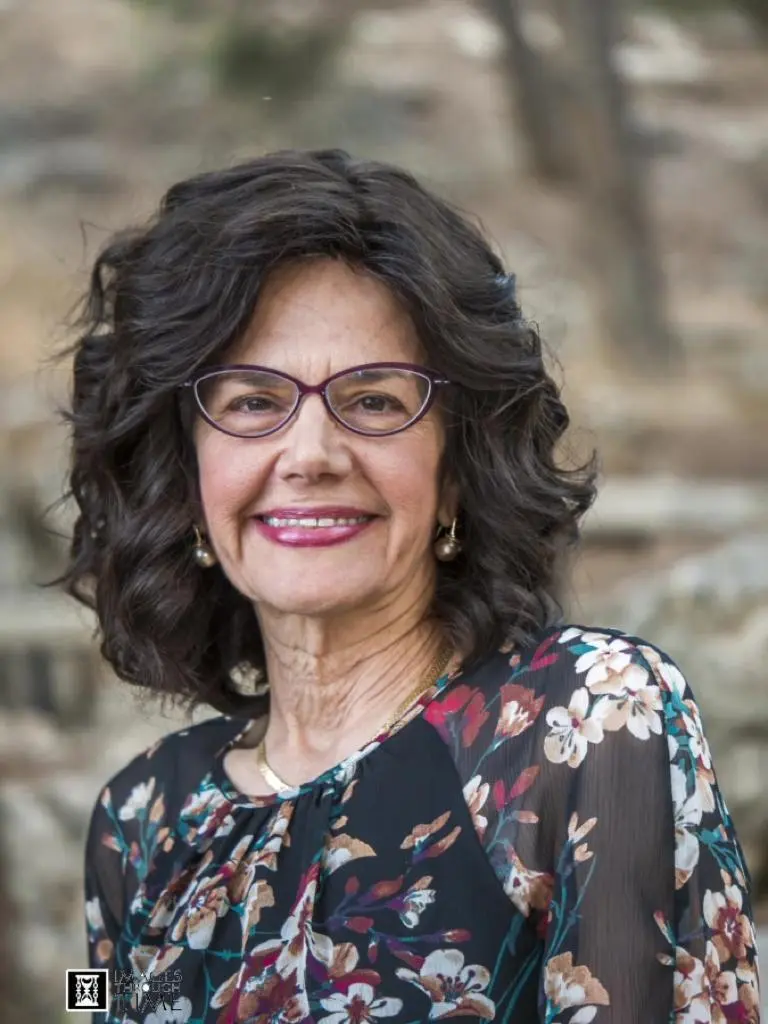
Hadran entered my life after the last Siyum Hashaas, January 2020. I was inspired and challenged simultaneously, having never thought of learning Gemara. With my family’s encouragement, I googled “daf yomi for women”. A perfecr fit!
I especially enjoy when Rabbanit Michelle connects the daf to contemporary issues to share at the shabbat table e.g: looking at the Kohen during duchaning. Toda rabba

Marsha Wasserman
Marsha Wasserman

Jerusalem, Israel

When I began the previous cycle, I promised myself that if I stuck with it, I would reward myself with a trip to Israel. Little did I know that the trip would involve attending the first ever women’s siyum and being inspired by so many learners. I am now over 2 years into my second cycle and being part of this large, diverse, fascinating learning family has enhanced my learning exponentially.

Shira Krebs
Shira Krebs

Minnesota, United States

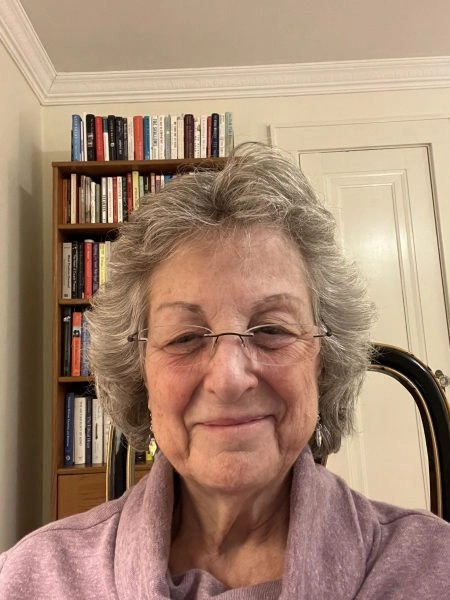
I had no formal learning in Talmud until I began my studies in the Joint Program where in 1976 I was one of the few, if not the only, woman talmud major. It was superior training for law school and enabled me to approach my legal studies with a foundation . In 2018, I began daf yomi listening to Rabbanit MIchelle’s pod cast and my daily talmud studies are one of the highlights of my life.

Krivosha_Terri_Bio
Terri Krivosha

Minneapolis, United States

A beautiful world of Talmudic sages now fill my daily life with discussion and debate.
bringing alive our traditions and texts that has brought new meaning to my life.
I am a מגילת אסתר reader for women . the words in the Mishna of מסכת megillah 17a
הקורא את המגילה למפרע לא יצא were powerful to me.
I hope to have the zchut to complete the cycle for my 70th birthday.

Sheila Hauser
Sheila Hauser

Jerusalem, Israel

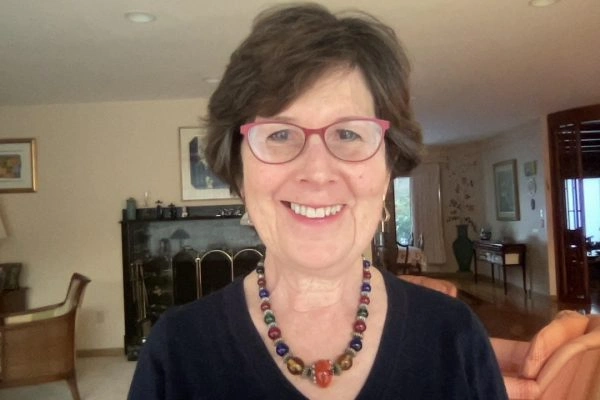
In January 2020, my chevruta suggested that we “up our game. Let’s do Daf Yomi” – and she sent me the Hadran link. I lost my job (and went freelance), there was a pandemic, and I am still opening the podcast with my breakfast coffee, or after Shabbat with popcorn. My Aramaic is improving. I will need a new bookcase, though.

Rhondda May
Rhondda May

Atlanta, Georgia, United States

I began my journey with Rabbanit Michelle more than five years ago. My friend came up with a great idea for about 15 of us to learn the daf and one of us would summarize weekly what we learned.
It was fun but after 2-3 months people began to leave. I have continued. Since the cycle began Again I have joined the Teaneck women.. I find it most rewarding in so many ways. Thank you

Dena Heller
Dena Heller

New Jersey, United States

I’ve been studying Talmud since the ’90s, and decided to take on Daf Yomi two years ago. I wanted to attempt the challenge of a day-to-day, very Jewish activity. Some days are so interesting and some days are so boring. But I’m still here.
Sarene Shanus
Sarene Shanus

Mamaroneck, NY, United States

I began learning the daf in January 2022. I initially “flew under the radar,” sharing my journey with my husband and a few close friends. I was apprehensive – who, me? Gemara? Now, 2 years in, I feel changed. The rigor of a daily commitment frames my days. The intellectual engagement enhances my knowledge. And the virtual community of learners has become a new family, weaving a glorious tapestry.

Gitta Jaroslawicz-Neufeld

Far Rockaway, United States

I began learning with Rabbanit Michelle’s wonderful Talmud Skills class on Pesachim, which really enriched my Pesach seder, and I have been learning Daf Yomi off and on over the past year. Because I’m relatively new at this, there is a “chiddush” for me every time I learn, and the knowledge and insights of the group members add so much to my experience. I feel very lucky to be a part of this.

Julie-Landau-Photo
Julie Landau

Karmiel, Israel

I was moved to tears by the Hadran Siyyum HaShas. I have learned Torah all my life, but never connected to learning Gemara on a regular basis until then. Seeing the sheer joy Talmud Torah at the siyyum, I felt compelled to be part of it, and I haven’t missed a day!
It’s not always easy, but it is so worthwhile, and it has strengthened my love of learning. It is part of my life now.

Michelle Lewis
Michelle Lewis

Beit Shemesh, Israel

I heard about the syium in January 2020 & I was excited to start learning then the pandemic started. Learning Daf became something to focus on but also something stressful. As the world changed around me & my family I had to adjust my expectations for myself & the world. Daf Yomi & the Hadran podcast has been something I look forward to every day. It gives me a moment of centering & Judaism daily.

Talia Haykin
Talia Haykin

Denver, United States

I’ve been studying Talmud since the ’90s, and decided to take on Daf Yomi two years ago. I wanted to attempt the challenge of a day-to-day, very Jewish activity. Some days are so interesting and some days are so boring. But I’m still here.
Wendy Rozov
Wendy Rozov

Phoenix, AZ, United States

I began learning the daf in January 2022. I initially “flew under the radar,” sharing my journey with my husband and a few close friends. I was apprehensive – who, me? Gemara? Now, 2 years in, I feel changed. The rigor of a daily commitment frames my days. The intellectual engagement enhances my knowledge. And the virtual community of learners has become a new family, weaving a glorious tapestry.

Gitta Jaroslawicz-Neufeld

Far Rockaway, United States

After all the hype on the 2020 siyum I became inspired by a friend to begin learning as the new cycle began.with no background in studying Talmud it was a bit daunting in the beginning. my husband began at the same time so we decided to study on shabbat together. The reaction from my 3 daughters has been fantastic. They are very proud. It’s been a great challenge for my brain which is so healthy!

Stacey Goodstein Ashtamker

Modi’in, Israel

My husband learns Daf, my son learns Daf, my son-in-law learns Daf.
When I read about Hadran’s Siyyum HaShas 2 years ago, I thought- I can learn Daf too!
I had learned Gemara in Hillel HS in NJ, & I remembered loving it.
Rabbanit Michelle & Hadran have opened my eyes & expanding my learning so much in the past few years. We can now discuss Gemara as a family.
This was a life saver during Covid

Renee Braha
Renee Braha

Brooklyn, NY, United States

I read Ilana Kurshan’s “If All the Seas Were Ink” which inspired me. Then the Women’s Siyum in Jerusalem in 2020 convinced me, I knew I had to join! I have loved it- it’s been a constant in my life daily, many of the sugiyot connect to our lives. My family and friends all are so supportive. It’s incredible being part of this community and love how diverse it is! I am so excited to learn more!

Shira Jacobowitz
Shira Jacobowitz

Jerusalem, Israel

A Gemara shiur previous to the Hadran Siyum, was the impetus to attend it.It was highly inspirational and I was smitten. The message for me was התלמוד בידינו. I had decided along with my Chahsmonaim group to to do the daf and take it one daf at time- without any expectations at all. There has been a wealth of information, insights and halachik ideas. It is truly exercise of the mind, heart & Soul

Phyllis Hecht.jpeg
Phyllis Hecht

Hashmonaim, Israel

What a great experience to learn with Rabbanit Michelle Farber. I began with this cycle in January 2020 and have been comforted by the consistency and energy of this process throughout the isolation period of Covid. Week by week, I feel like I am exploring a treasure chest with sparkling gems and puzzling antiquities. The hunt is exhilarating.

Marian Frankston
Marian Frankston

Pennsylvania, United States

I started learning Daf in Jan 2020 with Brachot b/c I had never seen the Jewish people united around something so positive, and I wanted to be a part of it. Also, I wanted to broaden my background in Torah Shebal Peh- Maayanot gave me a great gemara education, but I knew that I could hold a conversation in most parts of tanach but almost no TSB. I’m so thankful for Daf and have gained immensely.

Meira Shapiro
Meira Shapiro

NJ, United States

My family recently made Aliyah, because we believe the next chapter in the story of the Jewish people is being written here, and we want to be a part of it. Daf Yomi, on the other hand, connects me BACK, to those who wrote earlier chapters thousands of years ago. So, I feel like I’m living in the middle of this epic story. I’m learning how it all began, and looking ahead to see where it goes!
Tina Lamm
Tina Lamm

Jerusalem, Israel

Shabbat 98

פָּחוֹת מֵאַרְבַּע אַמּוֹת — פָּטוּר. מַאי קָא מַשְׁמַע לַן? הָא קָא מַשְׁמַע לַן: רְשׁוּיוֹת מִצְטָרְפוֹת — וּדְלָא אָמְרִינַן קְלוּטָה כְּמָה שֶׁהוּנְּחָה.

If he throws it less than four cubits, he is exempt, as he is neither liable for carrying from domain to domain nor for carrying in the public domain. The Gemara asks: What is he teaching us with this halakha? The Gemara answers: He is teaching us the following two things. First, that domains join together; even though one public domain is separated from the other by a private domain, they are treated as one domain. And second, that we do not say that an object in airspace is considered at rest. The object is not considered to have landed in a private domain, and therefore the one who threw it is exempt.

אָמַר רַב שְׁמוּאֵל בַּר יְהוּדָה, אָמַר רַב אַבָּא, אָמַר רַב הוּנָא, אָמַר רַב: הַמַּעֲבִיר אַרְבַּע אַמּוֹת בִּרְשׁוּת הָרַבִּים מְקוֹרֶה — פָּטוּר, לְפִי שֶׁאֵינוֹ דּוֹמֶה לְדִגְלֵי מִדְבָּר. אִינִי?! וְהָא עֲגָלוֹת דִּמְקוֹרוֹת הָוְיָין, וְאָמַר רַב מִשּׁוּם רַבִּי חִיָּיא: עֲגָלוֹת, תַּחְתֵּיהֶן וּבֵינֵיהֶן וְצִדֵּיהֶן רְשׁוּת הָרַבִּים! כִּי קָאָמַר רַב בְּדָרָאתָא.

Rav Shmuel bar Yehuda said that Rav Abba said that Rav Huna said that Rav said: One who carries an object four cubits in the covered public domain is exempt because it is not similar to the flags of the camp of Israel in the desert, which were not covered. The Gemara wonders: Is that so? Weren’t the wagons on which they transported the beams of the Tabernacle covered? The beams formed a covering over the wagons. And even so, Rav said in the name of Rabbi Ḥiyya: The areas that were beneath the wagons, and between them, and on their sides are all considered to have been the public domain. Apparently, even a covered public domain, like the space beneath the wagons, has the legal status of a public domain. The Gemara answers: When Rav said that the space beneath the wagons had the legal status of a public domain, he was referring to when the beams were arranged in stacks. The beams did not cover the entire area of the wagon. There was space between the stacks.

מִכְּדֵי, אוּרְכָּא דַעֲגָלָה כַּמָּה הֲוַאי — חֲמֵשׁ אַמִּין, פּוּתְיָא דְקֶרֶשׁ כַּמָּה הֲוַאי — אַמְּתָא וּפַלְגָא, כַּמָּה מוֹתֵיב — תְּלָתָא, פָּשׁ לֵיהּ פַּלְגָא דְאַמְּתָא, כִּי שָׁדֵי לֵיהּ מָר בֵּינֵי וּבֵינֵי — כְּלָבוּד דָּמֵי! מִי סָבְרַתְּ קְרָשִׁים אַפּוּתַיְיהוּ הֲוָה מַנַּח לְהוּ? אַחוּדָּן מַנַּח לְהוּ.

The Gemara asks: After all, how much was the length of a wagon? It was five cubits. How much was the width of a beam? It was a cubit and a half. How many beams could one place on a wagon? One could place three stacks of beams, totaling four and a half cubits. If so, half a cubit of open space remained. When the Master distributes half a cubit between the stacks of beams it is considered lavud, attached, as the space between each stack was less than three handbreadths. The Gemara answers: Do you maintain that they would place the beams on their width? They would place them on their depth, which was one cubit wide, and therefore there was a greater distance between the rows.

סוֹף סוֹף סוּמְכָא דְקֶרֶשׁ כַּמָּה הָוֵי — אַמְּתָא, כַּמָּה הֲוָה מוֹתִיב — אַרְבְּעָה, פָּשָׁא לַהּ אַמְּתָא, כִּי שָׁדֵי לַהּ מָר בֵּינֵי וּבֵינֵי, כְּלָבוּד דָּמֵי. הָנִיחָא לְמַאן דְּאָמַר קְרָשִׁים מִלְּמַטָּן עוֹבְיָין אַמָּה, מִלְּמַעְלָן כָּלִין וְהוֹלְכִין עַד כְּאֶצְבַּע — שַׁפִּיר. אֶלָּא לְמַאן דְּאָמַר כְּשֵׁם שֶׁמִּלְּמַטָּן עוֹבְיָין אַמָּה כָּךְ מִלְּמַעְלָן עוֹבְיָין אַמָּה, מַאי אִיכָּא לְמֵימַר?

The Gemara asks: Ultimately, how much was the depth of a beam? It was one cubit. How many stacks would they place? They would place four stacks. One cubit of open space remained. When the Master distributes one cubit between the four stacks of beams it is considered lavud, as two handbreadths separated each stack. The Gemara adds: This statement of Rav works out well according to the opinion of the one who said that the beams in the Tabernacle were one cubit thick at the bottom, and they narrowed to a fingerbreadth as they reached the top. According to that opinion, there was a space larger than three handbreadths at least between the tops of the beams, and therefore the area beneath that part of the wagon was not covered. However, according to the opinion of the one who said that just as they were one cubit thick at the bottom, so too, the beams were one cubit thick on top, what can be said? In that case, the space between the stacks was less than three handbreadths, and area beneath the wagon had the legal status of a covered public domain.

אָמַר רַב כָּהֲנָא: בְּאַטְבְּעֵי! אַטְבְּעֵי הֵיכָא מַנַּח לְהוּ — אַגַּבָּא דַעֲגָלָה, עֲגָלָה גּוּפַהּ מְקוֹרָה הֲוַאי.

Rav Kahana said: When we said that the underside of the wagon was considered to be a public domain, the statement was not referring to when the beams were stacked on them. When the wagon was empty and consisted of the frames that held the beams in place, beneath the wagon was an uncovered public domain. The Gemara asks: But where would they place the frames? On top of the wagon when the beams were already stacked on it and the wagon itself was already covered by the beams, as stated above (ge’onim).

אָמַר שְׁמוּאֵל: בִּיתֵדוֹת.

Shmuel said: It is referring to the stakes of the Tabernacle. Before the Levites would place the beams on the wagon, they would position the stakes, which were particularly narrow. Therefore, the space between them was greater than three handbreadths, and the area beneath the wagons was therefore considered an uncovered public domain (ge’onim).

תָּנוּ רַבָּנַן: קְרָשִׁים מִלְּמַטָּן עוֹבְיָין אַמָּה, וּמִלְּמַעְלָן כָּלִין וְהוֹלְכִין עַד כְּאֶצְבַּע, שֶׁנֶּאֱמַר: ״יִהְיוּ תַמִּים עַל רֹאשׁוֹ״, וּלְהַלָּן הוּא אוֹמֵר: ״תַּמּוּ נִכְרָתוּ״. דִּבְרֵי רַבִּי יְהוּדָה. רַבִּי נְחֶמְיָה אוֹמֵר: כְּשֵׁם שֶׁמִּלְּמַטָּן עוֹבְיָין אַמָּה, כָּךְ מִלְּמַעְלָן עוֹבְיָין אַמָּה, שֶׁנֶּאֱמַר: ״יַחְדָּיו״.

The Sages taught: The Tabernacle beams were one cubit thick at the bottom, and they narrowed to a fingerbreadth as they reached the top, as it is stated: “And they shall match at the bottom, and together they will be ended [tamim] at the top toward a single ring; so shall it be for them both, they shall form the two corners” (Exodus 26:24). And below, when the children of Israel crossed the Jordan River, it says: “And those who went down toward the Sea of Arava at the Dead Sea came to an end [tamu]” (Joshua 3:16). Tam means finished or terminated. Here, too, the beams narrowed as they reached the top until they were virtually terminated; this is the statement of Rabbi Yehuda. Rabbi Neḥemya says: Just as they were one cubit thick at the bottom, so too, they were one cubit thick at the top, as it is stated: Together.

וְהָכְתִיב ״תַּמִּים״! הַהוּא דְּלֵיתוֹ שַׁלְמִין וְלָא לֵיתוֹ דְּנִיסְרָא. וְאִידַּךְ נָמֵי, הָכְתִיב ״יַחְדָּו״! הָהוּא דְּלָא לִישַׁלְחוֹפִינְהוּ מֵהֲדָדֵי.

The Gemara asks: Isn’t it written: Tamim? The Gemara answers: Rabbi Neḥemya explains that this word teaches that they should bring whole beams and they should not bring planks and attach them. The Gemara asks: And according to the other opinion, Rabbi Yehuda’s opinion, isn’t it written: Together? The Gemara answers: That comes to teach that they should not be positioned askew from each other; rather, they should be perfectly aligned.

בִּשְׁלָמָא לְמַאן דְּאָמַר כְּשֵׁם שֶׁמִּלְּמַטָּן עוֹבְיָין אַמָּה כָּךְ מִלְּמַעְלָן עוֹבְיָין אַמָּה, הַיְינוּ דִּכְתִיב: ״וּלְיַרְכְּתֵי הַמִּשְׁכָּן יָמָּה תַּעֲשֶׂה שִׁשָּׁה קְרָשִׁים. וּשְׁנֵי קְרָשִׁים תַּעֲשֶׂה לִמְקֻצְעֹת״ — דְּאָתֵי פּוּתְיָא דְהָנֵי, מְמַלֵּי לֵיהּ לְסוּמְכָא דְהָנֵי. אֶלָּא לְמַאן דְּאָמַר מִלְּמַטָּן עוֹבְיָין אַמָּה, מִלְּמַעְלָן כָּלִין וְהוֹלְכִין עַד כְּאֶצְבַּע, הַאי עָיֵיל וְהַאי נָפֵיק! דְּשָׁפֵי לְהוּ כִּי טוּרִין.

The Gemara asks further: Granted, according to the one who said: Just as they were one cubit thick at the bottom, so too, they were one cubit thick at the top, it is understandable why it is written: “And for the back of the Tabernacle westward you shall make six beams. And you shall make two beams for the corners of the Tabernacle in the back” (Exodus 26:22–23). This means that the width of these beams comes and covers the remaining thickness of those. However, according to the one who said that they were one cubit thick at the bottom and they narrowed to a fingerbreadth as they reached the top, they would not be perfectly aligned, as at the corners this beam goes in and this beam goes out. Part of the beam would protrude out of the Tabernacle. The Gemara answers that it was not only the thickness of the beam that narrowed. One pared the width of the beams as well so they were sloped like mountains and did not protrude.

״וְהַבְּרִיחַ הַתִּיכֹן בְּתוֹךְ הַקְּרָשִׁים״, תָּנָא: בְּנֵס הָיָה עוֹמֵד.

Following the dispute over the Tabernacle beams, the Gemara interprets other verses according to the two positions. It is written: “And the middle bar in the midst of the beams shall pass through from end to end” (Exodus 26:28). One of the Sages taught: It stood by means of a miracle, as this verse indicates that the middle bar was a single rod that ran along the length and width of the Tabernacle. The middle bar was miraculously bent through the beams on three sides.

״וְאֶת הַמִּשְׁכָּן תַּעֲשֶׂה עֶשֶׂר יְרִיעֹת … אֹרֶךְ הַיְרִיעָה הָאַחַת שְׁמֹנֶה וְעֶשְׂרִים בָּאַמָּה״. שְׁדִי אוּרְכַּיְיהוּ לְפוּתְיָא דְמִשְׁכָּן, כַּמָּה הָוְיָא — עֶשְׂרִין וְתַמְנֵי. דַּל עֲשַׂר לְאִיגָּרָא — פָּשׁוּ לְהוּ תֵּשַׁע לְהַאי גִּיסָא וְתֵשַׁע לְהַאי גִּיסָא. לְרַבִּי יְהוּדָה מִיגַּלְּיָא אַמָּה דַאֲדָנִים, לְרַבִּי נְחֶמְיָה מִיגַּלְּיָא אַמָּה דִקְרָשִׁים.

The Gemara cites a verse with regard to the dispute between Rabbi Yehuda and Rabbi Neḥemya: “And you shall make the Tabernacle with ten curtains…the length of each curtain shall be twenty-eight cubits and the width of each curtain four cubits; all the curtains shall have the same measurement” (Exodus 26:1–2). Place their length, i.e., the curtains’ length, across the width of the Tabernacle. How much was their length? It was twenty-eight cubits. Subtract ten cubits for the width of the roof of the Tabernacle, and nine cubits remain on this side, and nine on that side. According to Rabbi Yehuda, who maintains that the beams narrowed to a fingerbreadth, the cubit of the sockets was exposed, as the beams were ten cubits high and the bottom cubit of the beams was placed in the sockets. According to Rabbi Neḥemya, the cubit at the top of the beams must be added to the overall width of the Tabernacle. In addition to the cubit of the sockets, a cubit of the beams themselves was exposed.

שְׁדִי פּוּתַיְיהוּ לְאוּרְכֵּהּ דְּמִשְׁכָּן, כַּמָּה הָוְיָא — אַרְבְּעִין. דַּל תְּלָתִין לְאִיגָּרָא — פָּשָׁא לְהוּ עֲשַׂר, לְרַבִּי יְהוּדָה, מִכַּסְּיָא אַמָּה דַאֲדָנִים לְרַבִּי נְחֶמְיָה מִיגַּלְּיָא אַמָּה דַאֲדָנִים.

Place their width, i.e., the curtains’ width, across the length of the Tabernacle. How much was their width? It was forty cubits. Subtract thirty cubits for the length of the Tabernacle’s roof and ten cubits remain. According to Rabbi Yehuda, who maintains that the beams narrowed to a fingerbreadth, the curtain hung down the western side of the Tabernacle and the cubit of the sockets was covered. According to Rabbi Neḥemya, the cubit of the sockets was exposed.

״וְעָשִׂיתָ יְרִיעֹת עִזִּים לְאֹהֶל וְגוֹ׳ אֹרֶךְ הַיְרִיעָה הָאַחַת שְׁלֹשִׁים בָּאַמָּה וְגוֹ׳״. שְׁדִי אוּרְכַּיְיהוּ לְפוּתְיָא דְמִשְׁכָּן, כַּמָּה הָוְיָא — תְּלָתִין, דַּל עֲשַׂר לְאִיגָּרָא, פָּשׁוּ לְהוּ עֲשַׂר לְהַאי גִּיסָא וַעֲשַׂר לְהַאי גִּיסָא. לְרַבִּי יְהוּדָה מִיכַּסְּיָא אַמָּה דַאֲדָנִים, לְרַבִּי נְחֶמְיָה מִיגַּלְּיָא אַמָּה דַאֲדָנִים.

It is also written: “And you shall make curtains from goat hair for a tent over the Tabernacle; eleven curtains you shall make them. The length of each curtain shall be thirty cubits and the width of each curtain four cubits; each of the eleven curtains should have the same measurement” (Exodus 26:7–8). Place their length across the width of the Tabernacle. How much was their length? It was thirty cubits. Subtract ten for the width of the roof and there will remain ten on this side and ten on that side. According to Rabbi Yehuda, the cubit of the sockets was covered. According to Rabbi Neḥemya, the cubit of the sockets was exposed.

תַּנְיָא נָמֵי הָכִי: ״וְהָאַמָּה מִזֶּה וְהָאַמָּה מִזֶּה בָּעֹדֵף״ — לְכַסּוֹת אַמָּה שֶׁל אֲדָנִים, דִּבְרֵי רַבִּי יְהוּדָה. רַבִּי נְחֶמְיָה אוֹמֵר: לְכַסּוֹת אַמָּה שֶׁל קְרָשִׁים. שְׁדִי פּוּתַיְיהוּ לְאוּרְכֵּיהּ דְמִשְׁכָּן, כַּמָּה הָוְיָא? אַרְבְּעִין וְאַרְבְּעֵי. דַּל תְּלָתִין לְאִיגָּרָא — פָּשׁוּ לְהוּ אַרְבֵּסְרֵי. דַּל תַּרְתֵּי לְכַפְלָא, דִּכְתִיב: ״וְכָפַלְתָּ אֶת הַיְרִיעָה הַשִּׁשִּׁית אֶל מוּל פְּנֵי הָאֹהֶל״ — פָּשׁוּ לְהוּ תַּרְתֵּי סְרֵי.

That was also taught in a baraita. The verse states, “And the cubit on the one side, and the cubit on the other side of what remains of the length of the curtains of the tent shall hang over the sides of the Tabernacle, on this side and on that side to cover it” (Exodus 26:13). What remains of the length of the curtains is to cover the cubit of the sockets; this is the statement of Rabbi Yehuda. Rabbi Neḥemya says: It is to cover the cubit of the beams. Place their width across the length of the Tabernacle. How much was their width? It was forty-four cubits. Subtract thirty for the roof, and fourteen remain. Subtract two for the doubling of the sixth curtain, as it is written: “And you shall double the sixth curtain over the front of the tent” (Exodus 26:9), and twelve remain.

בִּשְׁלָמָא לְרַבִּי יְהוּדָה, הַיְינוּ דִּכְתִיב: ״חֲצִי הַיְרִיעָה הָעֹדֶפֶת תִּסְרַח״. אֶלָּא לְרַבִּי נְחֶמְיָה, מַאי ״תִּסְרַח״? תִּסְרַח מֵחַבְרוֹתֶיהָ. תָּנָא דְּבֵי רַבִּי יִשְׁמָעֵאל: לְמָה מִשְׁכָּן דּוֹמֶה — לְאִשָּׁה שֶׁמְהַלֶּכֶת בַּשּׁוּק וְשִׁפּוּלֶיהָ מְהַלְּכִין אַחֲרֶיהָ.

Granted, according to the opinion of Rabbi Yehuda, who maintains that the beams narrowed to a fingerbreadth, and therefore the top of the beams did not take up any of the width of the curtains, which enabled the curtain to cover the entire wall of the Tabernacle with part of the curtain on the ground, it is understandable why it is written: “And as for the overhanging part that remained from the curtains of the tent, the half curtain that remained shall hang over the back of the Tabernacle” (Exodus 26:12). However, according to Rabbi Neḥemya, who maintains that it is necessary for the width of the curtains to cover the thickness at the top of the beams, what is the meaning of the phrase shall hang? The Gemara answers: It means that it will hang more than the others. In his opinion, this curtain is two cubits longer than the other curtains covering the Tabernacle. With regard to this, the school of Rabbi Yishmael taught: To what is the Tabernacle similar? It is similar to a woman walking in the marketplace with her skirts following after her.

תָּנוּ רַבָּנַן: חֲרוּצִים הָיוּ קְרָשִׁים וַחֲלוּלִים הָיוּ אֲדָנִים,

The Sages taught with regard to the construction of the Tabernacle: The bottoms of the beams were grooved and the sockets were hollow, and the grooves were inserted into the sockets to support the beams.

Want to follow content and continue where you left off?

Create an account today to track your progress, mark what you’ve learned, and follow the shiurim that speak to you.

Clear all items from this list?

This will remove ALL the items in this section. You will lose any progress or history connected to them. This is irreversible.

Cancel
Yes, clear all

Are you sure you want to delete this item?

You will lose any progress or history connected to this item.

Cancel
Yes, delete