Search

Shevuot 11

Want to dedicate learning? Get started here:

Summary

Today’s daf is sponsored by the Pittsburgh daf yomi group for a refuah shleima for Rabbi Amy Bardack, haRav Ahuva bat Liba who is having surgery today. “Wishing our organizer and leader a speedy recovery.”

In support of Rabbi Yochanan’s ruling that leftover animals designated for communal offerings can be redeemed at the end of the year, Raba brings an example of incense which has inherent sanctity and can be redeemed at the end of the year. Rav Chisda disagrees with Raba as he holds that incense does not have inherent sanctity until a later stage when it is brought into a sanctified vessel just before being offered on the altar. Raba proves his position that it has inherent sanctity.

The Gemara then returns to Rav Chisda’s original question of how can one redeem items with inherent sanctity. Raba answers that the court stipulates at the beginning of the year that any animals not needed will be only sanctified for their value. Abaye raises a difficulty from other communal offerings that cannot be redeemed if lost and replaced and then found. However, Raba answers that the stipulation is for typical, not atypical cases. Why, then, can the red heifer be redeemed in certain circumstances? The Gemara concludes that a stipulation is made because of its high value.

Abaye raises a further difficulty from our Mishna, as Rabbi Shimon answers a question about whether animals designated for one sacrifice that are leftover can be used for another with a particular answer instead of answering that the court stipulated such, as Raba would have said. Raba answers that Rabbi Shimon doesn’t agree with the rabbis that the court can stipulate. Rabbi Yochanan and Raba’s approach is based only on the rabbis’ position.

Shevuot 11

דִּקְדוּשַּׁת דָּמִים הוּא.

as it has only sanctity that inheres in its value. By contrast, animal offerings have inherent sanctity, which cannot be removed.

אֶלָּא מֵעַתָּה, לֹא תִּפָּסֵל בִּטְבוּל יוֹם! אַלְּמָה תַּנְיָא: נְתָנָהּ בְּמַכְתֶּשֶׁת – נִפְסֶלֶת בִּטְבוּל יוֹם?

Rabba challenges Rav Ḥisda’s claim about incense: If that is so, it should not become disqualified through contact with one who was ritually impure who immersed that day but is still not regarded as fully pure until nightfall, as only items with inherent sanctity are disqualified in such a way. Why, then, is it taught in a baraita with regard to the incense: Once the priest has placed it in a mortar to grind it, it can be disqualified through contact with one who immersed that day?

וְכִי תֵּימָא כׇּל קְדוּשַּׁת דָּמִים מִיפַּסְלִי בִּטְבוּל יוֹם; וְהָתְנַן: הַמְּנָחוֹת, מוֹעֲלִין בָּהֶן מִשֶּׁהוּקְדְּשׁוּ; קָדְשׁוּ בִּכְלִי – הוּכְשְׁרוּ לִיפָּסֵל בִּטְבוּל יוֹם וּבִמְחוּסַּר כִּפּוּרִים וּבְלִינָה.

Rabba deflects a possible challenge: And if you would say to defend your opinion that all items that have sanctity that inheres in their value are also disqualified through contact with one who immersed that day, that is not so. He explains: But didn’t we learn in a mishna (Me’ila 9a): With regard to the ingredients of the meal-offerings, one is liable for misusing them from when they are consecrated with sanctity that inheres in their value by the owner verbally dedicating them to the Temple? Once they are further consecrated with inherent sanctity by being placed in a service vessel, they become fit to be disqualified both through contact with one who immersed that day, and through contact with one who has not yet brought an atonement offering to complete the purification process, and through being left overnight.

קָדְשׁוּ בִּכְלִי אִין, לֹא קָדְשׁוּ בִּכְלִי לָא!

Rabba explains the proof: From this mishna it is apparent that if the ingredients of the meal-offerings were consecrated with inherent sanctity by being placed in a service vessel, then, yes, they can be disqualified through contact with one who immersed that day, but if they were not consecrated by being placed in a service vessel, then they will not be disqualified through contact with one who immersed that day, as they have only sanctity that inheres in their value.

אֶלָּא מַאי – קְדוּשַּׁת הַגּוּף הִיא?! אֶלָּא מֵעַתָּה, תִּיפָּסֵל בְּלִינָה! אַלְּמָה תְּנַן: הַקּוֹמֶץ וְהַלְּבוֹנָה וְהַקְּטוֹרֶת וּמִנְחַת כֹּהֲנִים וּמִנְחַת כֹּהֵן מָשׁוּחַ וּמִנְחַת נְסָכִים – מוֹעֲלִים בָּהֶן מִשֶּׁהוּקְדְּשׁוּ, קָדְשׁוּ בִּכְלִי – הוּכְשְׁרוּ לִיפָּסֵל בִּטְבוּל יוֹם וּבִמְחוּסַּר כִּפּוּרִים וּבְלִינָה.

Rav Ḥisda responds: Rather, what do you say? Do you say that the surplus incense, which was only placed in a mortar but never in a service vessel, has inherent sanctity? But if that is so, it should be disqualified by being left overnight. Why, then, did we learn in a mishna (Me’ila 10a): With regard to the handful of the meal-offering that the priest takes to burn on the altar, the frankincense, the incense, the meal-offering of priests, the meal-offering of the anointed priest, i.e., High Priest, and the meal-offering of libations, one is liable for misusing them from when they are consecrated by verbally dedicating them for their purposes. Once they are further consecrated with inherent sanctity by being placed in a service vessel, they become fit to be disqualified both through contact with one who immersed that day, and through contact with one who has not yet brought an atonement offering to complete the purification process, and through being left overnight.

קָדְשׁוּ בִּכְלִי – אִין, לֹא קָדְשׁוּ בִּכְלִי – לָא.

Rav Ḥisda explains the proof: From this mishna it is apparent that if these items were consecrated with inherent sanctity by being placed in a service vessel, then yes, they can be disqualified by being left overnight, but if they were not consecrated by being placed in a service vessel, then they will not be disqualified by being left overnight, as they have only sanctity that inheres in their value. Apparently, even after the incense has been placed in the mortar, it still does not have inherent sanctity.

אֲמַר לֵיהּ: לִינָה קָאָמְרַתְּ? שָׁאנֵי קְטוֹרֶת, הוֹאִיל וְצוּרָתָהּ בְּכׇל הַשָּׁנָה כּוּלָּהּ.

Rabba said to him: Did you say that you can provide a proof from the disqualification that occurs as a result of an item’s being left overnight? One cannot do so, as incense is different, because even though it has inherent sanctity, it is not disqualified by being left overnight, since its form remains unchanged throughout the entire year, and the disqualification brought about by being left overnight applies only to a substance that spoils over time.

מִכׇּל מָקוֹם קַשְׁיָא: וְכִי קְדוּשָּׁה שֶׁבָּהֶן לְהֵיכָן הָלְכָה? אָמַר רַבָּה: לֵב בֵּית דִּין מַתְנֶה עֲלֵיהֶן; אִם הוּצְרְכוּ הוּצְרְכוּ, וְאִם לָאו יִהְיוּ לִדְמֵיהֶן.

The Gemara notes: In any case, Rav Ḥisda’s initial question is still difficult: But the sanctity that was inherent in them, to where has it gone? Rabba said: With regard to the consecration of items for public offerings such as the daily offerings and incense, the court tacitly stipulates concerning them as follows: If they are ultimately required to be used as offerings that year, then they are required for that, and they should be consecrated as offerings. But if they are not required that year, then they are only to be consecrated for their value, i.e., for them to be sold and then for their proceeds to be used toward the purchase of offerings.

אֲמַר לֵיהּ אַבָּיֵי, וְהָא מָר הוּא דְּאָמַר: הִקְדִּישׁ זָכָר לְדָמָיו – קָדוֹשׁ קְדוּשַּׁת הַגּוּף! לָא קַשְׁיָא; הָא דְּאָמַר ״לִדְמֵי עוֹלָה״, הָא דְּאָמַר ״לִדְמֵי נְסָכִים״.

Abaye said to Rabba: But wasn’t it you, Master, who said: If one consecrated a male ram for its value, since that ram is itself fit to be brought as an offering, it is automatically consecrated with inherent sanctity? Accordingly, to what avail is the court’s stipulation? Since the items are fit to be used as offerings, they will automatically become consecrated with inherent sanctity, even if they are consecrated only for their value. Rabba answers: This is not difficult. This case, where the ram is automatically consecrated with inherent sanctity, is referring to a situation where the donor says that it should be consecrated for the value of a burnt-offering, for which the ram is itself suitable, whereas that case, of the court’s stipulation, is analogous to a situation where he says that a ram should be consecrated for the value of libations, for which the ram itself is not suitable and therefore is not automatically consecrated with inherent sanctity.

אֵיתִיבֵיהּ אַבָּיֵי: פַּר וְשָׂעִיר שֶׁל יוֹם הַכִּפּוּרִים שֶׁאָבְדוּ וְהִפְרִישׁ אֲחֵרִים תַּחְתֵּיהֶם,

Abaye raised an objection to Rabba’s suggestion from that which is taught in a baraita: With regard to the bull and the goat of Yom Kippur that were lost, and one separated and sacrificed others in their stead,

וְכֵן שְׂעִירֵי עֲבוֹדָה זָרָה שֶׁאָבְדוּ וְהִפְרִישׁ אֲחֵרִים תַּחְתֵּיהֶן – כּוּלָּן יָמוּתוּ. דִּבְרֵי רַבִּי יְהוּדָה. רַבִּי אֶלְעָזָר וְרַבִּי שִׁמְעוֹן אוֹמְרִים: יִרְעוּ עַד שֶׁיִּסְתָּאֲבוּ, וְיִמָּכְרוּ וְיִפְּלוּ דְּמֵיהֶן לִנְדָבָה. שֶׁאֵין חַטַּאת צִבּוּר מֵתָה.

and likewise, goats that were designated to atone for an act of unwitting public idol worship that were lost, and one separated and sacrificed others in their stead, in such cases, all of the lost animals, should they subsequently be found, shall be left to die. This is in accordance with the halakha that a sin-offering whose owner has already achieved atonement is left to die. This is the statement of Rabbi Yehuda. Rabbi Elazar and Rabbi Shimon say: They should graze until they become unfit by developing a blemish, and then they are sold and their proceeds are allocated for communal gift offerings. They are not left to die, because the halakha is that a communal sin-offering is not left to die.

וְאַמַּאי? לֵימָא לֵב בֵּית דִּין מַתְנֶה עֲלֵיהֶן!

Abaye explains his challenge: But why should it even be necessary to wait until the offerings develop a blemish? Let us say here also that the court tacitly stipulates concerning them, so that if it ultimately emerges that they were not needed, then they should have only sanctity that inheres in their value, and therefore it should be possible to redeem them even if they do not develop a blemish.

אֲבוּדִין קָאָמְרַתְּ? שָׁאנֵי אֲבוּדִין, דְּלָא שְׁכִיחִי.

Rabba deflects the challenge: Did you say that there is a proof from the case of lost animals? Cases of lost animals are different, because they are not common. Therefore, the court does not stipulate concerning such an eventuality.

הֲרֵי פָּרָה, דְּלָא שְׁכִיחָא, וְתַנְיָא: פָּרָה נִפְדֵּית עַל כׇּל פְּסוּל שֶׁבָּהּ – מֵתָה תִּפָּדֶה, נִשְׁחֲטָה תִּפָּדֶה, מָצָא אַחֶרֶת נָאָה הֵימֶנָּה תִּפָּדֶה. שְׁחָטָהּ עַל גַּבֵּי מַעֲרַכְתָּהּ – אֵין לָהּ פְּדִיָּיה עוֹלָמִית! שָׁאנֵי פָּרָה, דְּקׇדְשֵׁי בֶּדֶק הַבַּיִת הִיא.

Abaye persists: But consider the case of a red heifer, which is not common, and yet it is taught in a baraita: A red heifer may be redeemed for any disqualification that occurs to it. If it died, it shall be redeemed; if it was slaughtered in an improper place, it shall be redeemed; if another was found that is choicer than it, it shall be redeemed. But once the priest has slaughtered it properly on its arrangement of wood on the Mount of Olives, it can no longer be redeemed. Presumably, the reason it may be redeemed if a choicer one is found is that the court tacitly stipulates that in such a case it should be consecrated with sanctity that inheres in its value. It is apparent that even in uncommon cases, the court makes such stipulations. Rabba rejects the proof: The red heifer is different, as in all cases it has only the sanctity of items consecrated for Temple maintenance, which inheres only in the item’s value, and so it can always be redeemed, even if still unblemished.

אִי הָכִי, מֵתָה אוֹ נִשְׁחֲטָה תִּפָּדֶה?! הָא בָּעֵינַן הַעֲמָדָה וְהַעֲרָכָה! הָא מַנִּי – רַבִּי שִׁמְעוֹן הִיא, דְּאָמַר: קׇדְשֵׁי מִזְבֵּחַ הָיוּ בִּכְלַל הַעֲמָדָה וְהַעֲרָכָה, קׇדְשֵׁי בֶּדֶק הַבַּיִת לָא הָיוּ בִּכְלַל הַעֲמָדָה וְהַעֲרָכָה.

Abaye asks: If so, if it died or was slaughtered, how can it be redeemed? In order for an item to be redeemed, don’t we require that it first undergo the process of standing and valuation? The animal must be stood before a priest who then evaluates how much it should be redeemed for (see Leviticus 27:11–12), and a dead animal cannot stand. Rabba answers: In accordance with whose opinion is this? It is in accordance with the opinion of Rabbi Shimon, who says: Items consecrated to be offered on the altar were included in the requirement of standing and appraising, but items with the sanctity of items consecrated for Temple maintenance, such as the red heifer, were not included in the requirement of standing and appraising.

אִי רַבִּי שִׁמְעוֹן, אֵימָא סֵיפָא: שְׁחָטָהּ עַל גַּבֵּי מַעֲרַכְתָּהּ, אֵין לָהּ פְּדִיָּיה עוֹלָמִית.

Abaye asks: If, as you claim, the baraita is in accordance with the opinion of Rabbi Shimon, then say and try to justify the latter clause, which states: Once the priest has slaughtered it properly on its arrangement of wood on the Mount of Olives, it can no longer be redeemed.

וְהָתַנְיָא, רַבִּי שִׁמְעוֹן אוֹמֵר: פָּרָה מְטַמְּאָה טוּמְאַת אֳוכָלִין, הוֹאִיל וְהָיְתָה לָהּ שְׁעַת הַכּוֹשֶׁר; וְאָמַר רֵישׁ לָקִישׁ: אוֹמֵר הָיָה רַבִּי שִׁמְעוֹן, פָּרָה נִפְדֵּית עַל גַּב מַעֲרַכְתָּהּ!

And this statement is not consistent with Rabbi Shimon’s opinion, as isn’t it taught in a baraita: Rabbi Shimon says that the meat of a red heifer that was slaughtered properly is susceptible to becoming ritually impure with the ritual impurity of food, even though it is prohibited to partake of it in its current state, since it had a time when it was fit to be eaten. And in explanation of when it was fit to be eaten, Reish Lakish says: Rabbi Shimon would say that a red heifer may be redeemed even while it is upon its arrangement of wood. It is considered fit to be eaten due to the potential to redeem it, which would allow one to then partake of it. It is apparent from Reish Lakish’s comment that the latter clause, and by logical extension, the rest of the baraita, is not in accordance with Rabbi Shimon’s opinion.

אֶלָּא שָׁאנֵי פָּרָה, הוֹאִיל וְדָמֶיהָ יְקָרִין.

Rabba concedes therefore that the red heifer can be redeemed due to the fact that the court makes a stipulation with regard to it, but, nevertheless, he defends his opinion that they do not normally make a stipulation for uncommon cases: Rather, the case of a red heifer is different, since it is of great monetary value. Therefore, to avoid a great loss, the court makes a stipulation despite its being an uncommon case.

אָמַר מָר: מֵתָה תִּפָּדֶה. וְכִי פּוֹדִין אֶת הַקֳּדָשִׁים לְהַאֲכִילָן לִכְלָבִים?! אָמַר רַב מְשַׁרְשְׁיָא: מִשּׁוּם עוֹרָהּ. וְקָיְימִי בֵּית דִּין וּמַתְנוּ אַדַּעְתָּא דְּעוֹרָהּ?! אָמַר רַב כָּהֲנָא, אָמְרִי אִינָשֵׁי: מִגַּמְלָא אוּנַּהּ.

The Gemara interjects with a question concerning the baraita: The Master said in the baraita: If a red heifer died, it shall be redeemed. The Gemara asks: But may one redeem consecrated items in order to feed the meat from them to dogs? Certainly one may not. Nevertheless, the meat of a red heifer that died without being slaughtered is not suitable for any other purpose. Rav Mesharshiyya said: It is redeemed for the sake of its hide. The Gemara asks: But does the court stand and stipulate with its mind on the hide of the heifer, which is presumably of little value? Rav Kahana said: As people say in a popular adage: From a camel, even just its ear. Since a camel is so valuable, even the flesh of its ear is valuable and should be saved if possible. Similarly, the hide of a red heifer will also be valuable.

אֵיתִיבֵיהּ: אָמְרוּ לוֹ לְרַבִּי שִׁמְעוֹן, מַהוּ שֶׁיִּקְרְבוּ זֶה בָּזֶה? אָמַר לְהוּ: יִקְרְבוּ. אָמְרוּ לוֹ: הוֹאִיל וְאֵין כַּפָּרָתָן שָׁוָה, הֵיאַךְ הֵן קְרֵיבִין? אָמַר לָהֶן: כּוּלָּן בָּאִין לְכַפֵּר עַל טוּמְאַת מִקְדָּשׁ וְקָדָשָׁיו.

§ Abaye raised an objection to Rabba’s claim that the court tacitly stipulates concerning items consecrated for public offerings from the mishna (2b): The Rabbis said to Rabbi Shimon: What is the halakha with regard to whether goats consecrated for different days may be sacrificed, this one in place of that one? For example, if a goat was initially consecrated to be sacrificed as part of the Yom Kippur additional offerings, may it be sacrificed instead as part of the Festival additional offerings? Rabbi Shimon said to them: Such a goat may be sacrificed. They said to Rabbi Shimon: Since, according to you, their atonement is not the same, how could they possibly be sacrificed? Rabbi Shimon said to them: They can be interchanged, since ultimately all of them come to atone for the defiling of the Temple or its sacrificial foods.

וְאַמַּאי? לֵימָא לֵב בֵּית דִּין מַתְנֶה עֲלֵיהֶן! רַבִּי שִׁמְעוֹן קָאָמְרַתְּ? רַבִּי שִׁמְעוֹן לֵית לֵיהּ לֵב בֵּית דִּין מַתְנֶה עֲלֵיהֶן. דְּאָמַר רַב אִידִי בַּר אָבִין, אָמַר רַב עַמְרָם, אָמַר רַבִּי יוֹחָנָן: תְּמִידִין שֶׁלֹּא הוּצְרְכוּ לַצִּבּוּר, לְדִבְרֵי רַבִּי שִׁמְעוֹן אֵין נִפְדִּין תְּמִימִים, לְדִבְרֵי חֲכָמִים נִפְדִּין תְּמִימִים.

Abaye explains the objection brought from the mishna: But according to Rabba, why did Rabbi Shimon give the reason he gave? Let Rabbi Shimon say instead that the court tacitly stipulates concerning them that they should be consecrated for the day on which they are ultimately brought. Rabba answers: Did you say a proof from a statement of Rabbi Shimon? Rabbi Shimon does not accept the principle that the court tacitly stipulates concerning them, as is apparent from that which Rav Idi bar Avin says that Rav Amram says that Rabbi Yoḥanan says: Concerning lambs consecrated for the daily offerings that were not needed by the public, according to the statement of Rabbi Shimon they are not redeemed if they are unblemished; according to the statement of the Rabbis they are redeemed, even if they are unblemished.

וְרַבָּנַן דִּפְלִיגִי עֲלֵיהּ דְּרַבִּי שִׁמְעוֹן – מַאן נִינְהוּ? אִי נֵימָא רַבָּנַן דִּקְטוֹרֶת –

The Gemara asks: And the Rabbis who disagree with Rabbi Shimon and hold that the court does make such stipulations, who are they? Where is their opinion recorded? If we say that they are the Sages who ruled, in the mishna cited above (Shekalim 4:5), with regard to surplus incense that it may be redeemed,

New to Talmud?

Check out our resources designed to help you navigate a page of Talmud – and study at the pace, level and style that fits you. 

The Hadran Women’s Tapestry

Meet the diverse women learning Gemara at Hadran and hear their stories. 

After reading the book, “ If All The Seas Were Ink “ by Ileana Kurshan I started studying Talmud. I searched and studied with several teachers until I found Michelle Farber. I have been studying with her for two years. I look forward every day to learn from her.

Janine Rubens
Janine Rubens

Virginia, United States

I started learning when my brother sent me the news clip of the celebration of the last Daf Yomi cycle. I was so floored to see so many women celebrating that I wanted to be a part of it. It has been an enriching experience studying a text in a language I don’t speak, using background knowledge that I don’t have. It is stretching my learning in unexpected ways, bringing me joy and satisfaction.

Jodi Gladstone
Jodi Gladstone

Warwick, Rhode Island, United States

In January 2020, my teaching partner at IDC suggested we do daf yomi. Thanks to her challenge, I started learning daily from Rabbanit Michelle. It’s a joy to be part of the Hadran community. (It’s also a tikkun: in 7th grade, my best friend and I tied for first place in a citywide gemara exam, but we weren’t invited to the celebration because girls weren’t supposed to be learning gemara).

Sara-Averick-photo-scaled
Sara Averick

Jerusalem, Israel

I’ve been wanting to do Daf Yomi for years, but always wanted to start at the beginning and not in the middle of things. When the opportunity came in 2020, I decided: “this is now the time!” I’ve been posting my journey daily on social media, tracking my progress (#DafYomi); now it’s fully integrated into my daily routines. I’ve also inspired my partner to join, too!

Joséphine Altzman
Joséphine Altzman

Teaneck, United States

I tried Daf Yomi in the middle of the last cycle after realizing I could listen to Michelle’s shiurim online. It lasted all of 2 days! Then the new cycle started just days before my father’s first yahrzeit and my youngest daughter’s bat mitzvah. It seemed the right time for a new beginning. My family, friends, colleagues are immensely supportive!

Catriella-Freedman-jpeg
Catriella Freedman

Zichron Yaakov, Israel

As Jewish educator and as a woman, I’m mindful that Talmud has been kept from women for many centuries. Now that we are privileged to learn, and learning is so accessible, it’s my intent to complete Daf Yomi. I am so excited to keep learning with my Hadran community.

Sue Parker Gerson
Sue Parker Gerson

Denver, United States

It’s hard to believe it has been over two years. Daf yomi has changed my life in so many ways and has been sustaining during this global sea change. Each day means learning something new, digging a little deeper, adding another lens, seeing worlds with new eyes. Daf has also fostered new friendships and deepened childhood connections, as long time friends have unexpectedly become havruta.

Joanna Rom
Joanna Rom

Northwest Washington, United States

I went to day school in Toronto but really began to learn when I attended Brovenders back in the early 1980’s. Last year after talking to my sister who was learning Daf Yomi, inspired, I looked on the computer and the Hadran site came up. I have been listening to each days shiur in the morning as I work. I emphasis listening since I am not sitting with a Gamara. I listen while I work in my studio.

Rachel Rotenberg
Rachel Rotenberg

Tekoa, Israel

I started to listen to Michelle’s podcasts four years ago. The minute I started I was hooked. I’m so excited to learn the entire Talmud, and think I will continue always. I chose the quote “while a woman is engaged in conversation she also holds the spindle”. (Megillah 14b). It reminds me of all of the amazing women I learn with every day who multi-task, think ahead and accomplish so much.

Julie Mendelsohn
Julie Mendelsohn

Zichron Yakov, Israel

Shortly after the death of my father, David Malik z”l, I made the commitment to Daf Yomi. While riding to Ben Gurion airport in January, Siyum HaShas was playing on the radio; that was the nudge I needed to get started. The “everyday-ness” of the Daf has been a meaningful spiritual practice, especial after COVID began & I was temporarily unable to say Kaddish at daily in-person minyanim.

Lisa S. Malik
Lisa S. Malik

Wynnewood, United States

After all the hype on the 2020 siyum I became inspired by a friend to begin learning as the new cycle began.with no background in studying Talmud it was a bit daunting in the beginning. my husband began at the same time so we decided to study on shabbat together. The reaction from my 3 daughters has been fantastic. They are very proud. It’s been a great challenge for my brain which is so healthy!

Stacey Goodstein Ashtamker

Modi’in, Israel

About a year into learning more about Judaism on a path to potential conversion, I saw an article about the upcoming Siyum HaShas in January of 2020. My curiosity was piqued and I immediately started investigating what learning the Daf actually meant. Daily learning? Just what I wanted. Seven and a half years? I love a challenge! So I dove in head first and I’ve enjoyed every moment!!
Nickie Matthews
Nickie Matthews

Blacksburg, United States

In early January of 2020, I learned about Siyyum HaShas and Daf Yomi via Tablet Magazine’s brief daily podcast about the Daf. I found it compelling and fascinating. Soon I discovered Hadran; since then I have learned the Daf daily with Rabbanit Michelle Cohen Farber. The Daf has permeated my every hour, and has transformed and magnified my place within the Jewish Universe.

Lisa Berkelhammer
Lisa Berkelhammer

San Francisco, CA , United States

In my Shana bet at Migdal Oz I attended the Hadran siyum hash”as. Witnessing so many women so passionate about their Torah learning and connection to God, I knew I had to begin with the coming cycle. My wedding (June 24) was two weeks before the siyum of mesechet yoma so I went a little ahead and was able to make a speech and siyum at my kiseh kallah on my wedding day!

Sharona Guggenheim Plumb

Givat Shmuel, Israel

I started learning daf in January, 2020, being inspired by watching the Siyyum Hashas in Binyanei Haumah. I wasn’t sure I would be able to keep up with the task. When I went to school, Gemara was not an option. Fast forward to March, 2022, and each day starts with the daf. The challenge is now learning the intricacies of delving into the actual learning. Hadran community, thank you!

Rochel Cheifetz
Rochel Cheifetz

Riverdale, NY, United States

It’s hard to believe it has been over two years. Daf yomi has changed my life in so many ways and has been sustaining during this global sea change. Each day means learning something new, digging a little deeper, adding another lens, seeing worlds with new eyes. Daf has also fostered new friendships and deepened childhood connections, as long time friends have unexpectedly become havruta.

Joanna Rom
Joanna Rom

Northwest Washington, United States

I learned Talmud as a student in Yeshivat Ramaz and felt at the time that Talmud wasn’t for me. After reading Ilana Kurshan’s book I was intrigued and after watching the great siyum in Yerushalayim it ignited the spark to begin this journey. It has been a transformative life experience for me as a wife, mother, Savta and member of Klal Yisrael.
Elana Storch
Elana Storch

Phoenix, Arizona, United States

Michelle has been an inspiration for years, but I only really started this cycle after the moving and uplifting siyum in Jerusalem. It’s been an wonderful to learn and relearn the tenets of our religion and to understand how the extraordinary efforts of a band of people to preserve Judaism after the fall of the beit hamikdash is still bearing fruits today. I’m proud to be part of the chain!

Judith Weil
Judith Weil

Raanana, Israel

I began Daf Yomi with the last cycle. I was inspired by the Hadran Siyum in Yerushalayim to continue with this cycle. I have learned Daf Yomi with Rabanit Michelle in over 25 countries on 6 continents ( missing Australia)

Barbara-Goldschlag
Barbara Goldschlag

Silver Spring, MD, United States

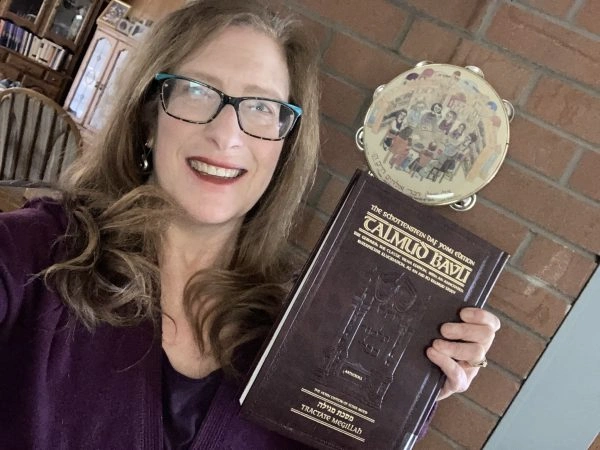
I’ve been learning since January 2020, and in June I started drawing a phrase from each daf. Sometimes it’s easy (e.g. plants), sometimes it’s very hard (e.g. korbanot), and sometimes it’s loads of fun (e.g. bird racing) to find something to draw. I upload my pictures from each masechet to #DafYomiArt. I am enjoying every step of the journey.

Gila Loike
Gila Loike

Ashdod, Israel

Shevuot 11

דִּקְדוּשַּׁת דָּמִים הוּא.

as it has only sanctity that inheres in its value. By contrast, animal offerings have inherent sanctity, which cannot be removed.

אֶלָּא מֵעַתָּה, לֹא תִּפָּסֵל בִּטְבוּל יוֹם! אַלְּמָה תַּנְיָא: נְתָנָהּ בְּמַכְתֶּשֶׁת – נִפְסֶלֶת בִּטְבוּל יוֹם?

Rabba challenges Rav Ḥisda’s claim about incense: If that is so, it should not become disqualified through contact with one who was ritually impure who immersed that day but is still not regarded as fully pure until nightfall, as only items with inherent sanctity are disqualified in such a way. Why, then, is it taught in a baraita with regard to the incense: Once the priest has placed it in a mortar to grind it, it can be disqualified through contact with one who immersed that day?

וְכִי תֵּימָא כׇּל קְדוּשַּׁת דָּמִים מִיפַּסְלִי בִּטְבוּל יוֹם; וְהָתְנַן: הַמְּנָחוֹת, מוֹעֲלִין בָּהֶן מִשֶּׁהוּקְדְּשׁוּ; קָדְשׁוּ בִּכְלִי – הוּכְשְׁרוּ לִיפָּסֵל בִּטְבוּל יוֹם וּבִמְחוּסַּר כִּפּוּרִים וּבְלִינָה.

Rabba deflects a possible challenge: And if you would say to defend your opinion that all items that have sanctity that inheres in their value are also disqualified through contact with one who immersed that day, that is not so. He explains: But didn’t we learn in a mishna (Me’ila 9a): With regard to the ingredients of the meal-offerings, one is liable for misusing them from when they are consecrated with sanctity that inheres in their value by the owner verbally dedicating them to the Temple? Once they are further consecrated with inherent sanctity by being placed in a service vessel, they become fit to be disqualified both through contact with one who immersed that day, and through contact with one who has not yet brought an atonement offering to complete the purification process, and through being left overnight.

קָדְשׁוּ בִּכְלִי אִין, לֹא קָדְשׁוּ בִּכְלִי לָא!

Rabba explains the proof: From this mishna it is apparent that if the ingredients of the meal-offerings were consecrated with inherent sanctity by being placed in a service vessel, then, yes, they can be disqualified through contact with one who immersed that day, but if they were not consecrated by being placed in a service vessel, then they will not be disqualified through contact with one who immersed that day, as they have only sanctity that inheres in their value.

אֶלָּא מַאי – קְדוּשַּׁת הַגּוּף הִיא?! אֶלָּא מֵעַתָּה, תִּיפָּסֵל בְּלִינָה! אַלְּמָה תְּנַן: הַקּוֹמֶץ וְהַלְּבוֹנָה וְהַקְּטוֹרֶת וּמִנְחַת כֹּהֲנִים וּמִנְחַת כֹּהֵן מָשׁוּחַ וּמִנְחַת נְסָכִים – מוֹעֲלִים בָּהֶן מִשֶּׁהוּקְדְּשׁוּ, קָדְשׁוּ בִּכְלִי – הוּכְשְׁרוּ לִיפָּסֵל בִּטְבוּל יוֹם וּבִמְחוּסַּר כִּפּוּרִים וּבְלִינָה.

Rav Ḥisda responds: Rather, what do you say? Do you say that the surplus incense, which was only placed in a mortar but never in a service vessel, has inherent sanctity? But if that is so, it should be disqualified by being left overnight. Why, then, did we learn in a mishna (Me’ila 10a): With regard to the handful of the meal-offering that the priest takes to burn on the altar, the frankincense, the incense, the meal-offering of priests, the meal-offering of the anointed priest, i.e., High Priest, and the meal-offering of libations, one is liable for misusing them from when they are consecrated by verbally dedicating them for their purposes. Once they are further consecrated with inherent sanctity by being placed in a service vessel, they become fit to be disqualified both through contact with one who immersed that day, and through contact with one who has not yet brought an atonement offering to complete the purification process, and through being left overnight.

קָדְשׁוּ בִּכְלִי – אִין, לֹא קָדְשׁוּ בִּכְלִי – לָא.

Rav Ḥisda explains the proof: From this mishna it is apparent that if these items were consecrated with inherent sanctity by being placed in a service vessel, then yes, they can be disqualified by being left overnight, but if they were not consecrated by being placed in a service vessel, then they will not be disqualified by being left overnight, as they have only sanctity that inheres in their value. Apparently, even after the incense has been placed in the mortar, it still does not have inherent sanctity.

אֲמַר לֵיהּ: לִינָה קָאָמְרַתְּ? שָׁאנֵי קְטוֹרֶת, הוֹאִיל וְצוּרָתָהּ בְּכׇל הַשָּׁנָה כּוּלָּהּ.

Rabba said to him: Did you say that you can provide a proof from the disqualification that occurs as a result of an item’s being left overnight? One cannot do so, as incense is different, because even though it has inherent sanctity, it is not disqualified by being left overnight, since its form remains unchanged throughout the entire year, and the disqualification brought about by being left overnight applies only to a substance that spoils over time.

מִכׇּל מָקוֹם קַשְׁיָא: וְכִי קְדוּשָּׁה שֶׁבָּהֶן לְהֵיכָן הָלְכָה? אָמַר רַבָּה: לֵב בֵּית דִּין מַתְנֶה עֲלֵיהֶן; אִם הוּצְרְכוּ הוּצְרְכוּ, וְאִם לָאו יִהְיוּ לִדְמֵיהֶן.

The Gemara notes: In any case, Rav Ḥisda’s initial question is still difficult: But the sanctity that was inherent in them, to where has it gone? Rabba said: With regard to the consecration of items for public offerings such as the daily offerings and incense, the court tacitly stipulates concerning them as follows: If they are ultimately required to be used as offerings that year, then they are required for that, and they should be consecrated as offerings. But if they are not required that year, then they are only to be consecrated for their value, i.e., for them to be sold and then for their proceeds to be used toward the purchase of offerings.

אֲמַר לֵיהּ אַבָּיֵי, וְהָא מָר הוּא דְּאָמַר: הִקְדִּישׁ זָכָר לְדָמָיו – קָדוֹשׁ קְדוּשַּׁת הַגּוּף! לָא קַשְׁיָא; הָא דְּאָמַר ״לִדְמֵי עוֹלָה״, הָא דְּאָמַר ״לִדְמֵי נְסָכִים״.

Abaye said to Rabba: But wasn’t it you, Master, who said: If one consecrated a male ram for its value, since that ram is itself fit to be brought as an offering, it is automatically consecrated with inherent sanctity? Accordingly, to what avail is the court’s stipulation? Since the items are fit to be used as offerings, they will automatically become consecrated with inherent sanctity, even if they are consecrated only for their value. Rabba answers: This is not difficult. This case, where the ram is automatically consecrated with inherent sanctity, is referring to a situation where the donor says that it should be consecrated for the value of a burnt-offering, for which the ram is itself suitable, whereas that case, of the court’s stipulation, is analogous to a situation where he says that a ram should be consecrated for the value of libations, for which the ram itself is not suitable and therefore is not automatically consecrated with inherent sanctity.

אֵיתִיבֵיהּ אַבָּיֵי: פַּר וְשָׂעִיר שֶׁל יוֹם הַכִּפּוּרִים שֶׁאָבְדוּ וְהִפְרִישׁ אֲחֵרִים תַּחְתֵּיהֶם,

Abaye raised an objection to Rabba’s suggestion from that which is taught in a baraita: With regard to the bull and the goat of Yom Kippur that were lost, and one separated and sacrificed others in their stead,

וְכֵן שְׂעִירֵי עֲבוֹדָה זָרָה שֶׁאָבְדוּ וְהִפְרִישׁ אֲחֵרִים תַּחְתֵּיהֶן – כּוּלָּן יָמוּתוּ. דִּבְרֵי רַבִּי יְהוּדָה. רַבִּי אֶלְעָזָר וְרַבִּי שִׁמְעוֹן אוֹמְרִים: יִרְעוּ עַד שֶׁיִּסְתָּאֲבוּ, וְיִמָּכְרוּ וְיִפְּלוּ דְּמֵיהֶן לִנְדָבָה. שֶׁאֵין חַטַּאת צִבּוּר מֵתָה.

and likewise, goats that were designated to atone for an act of unwitting public idol worship that were lost, and one separated and sacrificed others in their stead, in such cases, all of the lost animals, should they subsequently be found, shall be left to die. This is in accordance with the halakha that a sin-offering whose owner has already achieved atonement is left to die. This is the statement of Rabbi Yehuda. Rabbi Elazar and Rabbi Shimon say: They should graze until they become unfit by developing a blemish, and then they are sold and their proceeds are allocated for communal gift offerings. They are not left to die, because the halakha is that a communal sin-offering is not left to die.

וְאַמַּאי? לֵימָא לֵב בֵּית דִּין מַתְנֶה עֲלֵיהֶן!

Abaye explains his challenge: But why should it even be necessary to wait until the offerings develop a blemish? Let us say here also that the court tacitly stipulates concerning them, so that if it ultimately emerges that they were not needed, then they should have only sanctity that inheres in their value, and therefore it should be possible to redeem them even if they do not develop a blemish.

אֲבוּדִין קָאָמְרַתְּ? שָׁאנֵי אֲבוּדִין, דְּלָא שְׁכִיחִי.

Rabba deflects the challenge: Did you say that there is a proof from the case of lost animals? Cases of lost animals are different, because they are not common. Therefore, the court does not stipulate concerning such an eventuality.

הֲרֵי פָּרָה, דְּלָא שְׁכִיחָא, וְתַנְיָא: פָּרָה נִפְדֵּית עַל כׇּל פְּסוּל שֶׁבָּהּ – מֵתָה תִּפָּדֶה, נִשְׁחֲטָה תִּפָּדֶה, מָצָא אַחֶרֶת נָאָה הֵימֶנָּה תִּפָּדֶה. שְׁחָטָהּ עַל גַּבֵּי מַעֲרַכְתָּהּ – אֵין לָהּ פְּדִיָּיה עוֹלָמִית! שָׁאנֵי פָּרָה, דְּקׇדְשֵׁי בֶּדֶק הַבַּיִת הִיא.

Abaye persists: But consider the case of a red heifer, which is not common, and yet it is taught in a baraita: A red heifer may be redeemed for any disqualification that occurs to it. If it died, it shall be redeemed; if it was slaughtered in an improper place, it shall be redeemed; if another was found that is choicer than it, it shall be redeemed. But once the priest has slaughtered it properly on its arrangement of wood on the Mount of Olives, it can no longer be redeemed. Presumably, the reason it may be redeemed if a choicer one is found is that the court tacitly stipulates that in such a case it should be consecrated with sanctity that inheres in its value. It is apparent that even in uncommon cases, the court makes such stipulations. Rabba rejects the proof: The red heifer is different, as in all cases it has only the sanctity of items consecrated for Temple maintenance, which inheres only in the item’s value, and so it can always be redeemed, even if still unblemished.

אִי הָכִי, מֵתָה אוֹ נִשְׁחֲטָה תִּפָּדֶה?! הָא בָּעֵינַן הַעֲמָדָה וְהַעֲרָכָה! הָא מַנִּי – רַבִּי שִׁמְעוֹן הִיא, דְּאָמַר: קׇדְשֵׁי מִזְבֵּחַ הָיוּ בִּכְלַל הַעֲמָדָה וְהַעֲרָכָה, קׇדְשֵׁי בֶּדֶק הַבַּיִת לָא הָיוּ בִּכְלַל הַעֲמָדָה וְהַעֲרָכָה.

Abaye asks: If so, if it died or was slaughtered, how can it be redeemed? In order for an item to be redeemed, don’t we require that it first undergo the process of standing and valuation? The animal must be stood before a priest who then evaluates how much it should be redeemed for (see Leviticus 27:11–12), and a dead animal cannot stand. Rabba answers: In accordance with whose opinion is this? It is in accordance with the opinion of Rabbi Shimon, who says: Items consecrated to be offered on the altar were included in the requirement of standing and appraising, but items with the sanctity of items consecrated for Temple maintenance, such as the red heifer, were not included in the requirement of standing and appraising.

אִי רַבִּי שִׁמְעוֹן, אֵימָא סֵיפָא: שְׁחָטָהּ עַל גַּבֵּי מַעֲרַכְתָּהּ, אֵין לָהּ פְּדִיָּיה עוֹלָמִית.

Abaye asks: If, as you claim, the baraita is in accordance with the opinion of Rabbi Shimon, then say and try to justify the latter clause, which states: Once the priest has slaughtered it properly on its arrangement of wood on the Mount of Olives, it can no longer be redeemed.

וְהָתַנְיָא, רַבִּי שִׁמְעוֹן אוֹמֵר: פָּרָה מְטַמְּאָה טוּמְאַת אֳוכָלִין, הוֹאִיל וְהָיְתָה לָהּ שְׁעַת הַכּוֹשֶׁר; וְאָמַר רֵישׁ לָקִישׁ: אוֹמֵר הָיָה רַבִּי שִׁמְעוֹן, פָּרָה נִפְדֵּית עַל גַּב מַעֲרַכְתָּהּ!

And this statement is not consistent with Rabbi Shimon’s opinion, as isn’t it taught in a baraita: Rabbi Shimon says that the meat of a red heifer that was slaughtered properly is susceptible to becoming ritually impure with the ritual impurity of food, even though it is prohibited to partake of it in its current state, since it had a time when it was fit to be eaten. And in explanation of when it was fit to be eaten, Reish Lakish says: Rabbi Shimon would say that a red heifer may be redeemed even while it is upon its arrangement of wood. It is considered fit to be eaten due to the potential to redeem it, which would allow one to then partake of it. It is apparent from Reish Lakish’s comment that the latter clause, and by logical extension, the rest of the baraita, is not in accordance with Rabbi Shimon’s opinion.

אֶלָּא שָׁאנֵי פָּרָה, הוֹאִיל וְדָמֶיהָ יְקָרִין.

Rabba concedes therefore that the red heifer can be redeemed due to the fact that the court makes a stipulation with regard to it, but, nevertheless, he defends his opinion that they do not normally make a stipulation for uncommon cases: Rather, the case of a red heifer is different, since it is of great monetary value. Therefore, to avoid a great loss, the court makes a stipulation despite its being an uncommon case.

אָמַר מָר: מֵתָה תִּפָּדֶה. וְכִי פּוֹדִין אֶת הַקֳּדָשִׁים לְהַאֲכִילָן לִכְלָבִים?! אָמַר רַב מְשַׁרְשְׁיָא: מִשּׁוּם עוֹרָהּ. וְקָיְימִי בֵּית דִּין וּמַתְנוּ אַדַּעְתָּא דְּעוֹרָהּ?! אָמַר רַב כָּהֲנָא, אָמְרִי אִינָשֵׁי: מִגַּמְלָא אוּנַּהּ.

The Gemara interjects with a question concerning the baraita: The Master said in the baraita: If a red heifer died, it shall be redeemed. The Gemara asks: But may one redeem consecrated items in order to feed the meat from them to dogs? Certainly one may not. Nevertheless, the meat of a red heifer that died without being slaughtered is not suitable for any other purpose. Rav Mesharshiyya said: It is redeemed for the sake of its hide. The Gemara asks: But does the court stand and stipulate with its mind on the hide of the heifer, which is presumably of little value? Rav Kahana said: As people say in a popular adage: From a camel, even just its ear. Since a camel is so valuable, even the flesh of its ear is valuable and should be saved if possible. Similarly, the hide of a red heifer will also be valuable.

אֵיתִיבֵיהּ: אָמְרוּ לוֹ לְרַבִּי שִׁמְעוֹן, מַהוּ שֶׁיִּקְרְבוּ זֶה בָּזֶה? אָמַר לְהוּ: יִקְרְבוּ. אָמְרוּ לוֹ: הוֹאִיל וְאֵין כַּפָּרָתָן שָׁוָה, הֵיאַךְ הֵן קְרֵיבִין? אָמַר לָהֶן: כּוּלָּן בָּאִין לְכַפֵּר עַל טוּמְאַת מִקְדָּשׁ וְקָדָשָׁיו.

§ Abaye raised an objection to Rabba’s claim that the court tacitly stipulates concerning items consecrated for public offerings from the mishna (2b): The Rabbis said to Rabbi Shimon: What is the halakha with regard to whether goats consecrated for different days may be sacrificed, this one in place of that one? For example, if a goat was initially consecrated to be sacrificed as part of the Yom Kippur additional offerings, may it be sacrificed instead as part of the Festival additional offerings? Rabbi Shimon said to them: Such a goat may be sacrificed. They said to Rabbi Shimon: Since, according to you, their atonement is not the same, how could they possibly be sacrificed? Rabbi Shimon said to them: They can be interchanged, since ultimately all of them come to atone for the defiling of the Temple or its sacrificial foods.

וְאַמַּאי? לֵימָא לֵב בֵּית דִּין מַתְנֶה עֲלֵיהֶן! רַבִּי שִׁמְעוֹן קָאָמְרַתְּ? רַבִּי שִׁמְעוֹן לֵית לֵיהּ לֵב בֵּית דִּין מַתְנֶה עֲלֵיהֶן. דְּאָמַר רַב אִידִי בַּר אָבִין, אָמַר רַב עַמְרָם, אָמַר רַבִּי יוֹחָנָן: תְּמִידִין שֶׁלֹּא הוּצְרְכוּ לַצִּבּוּר, לְדִבְרֵי רַבִּי שִׁמְעוֹן אֵין נִפְדִּין תְּמִימִים, לְדִבְרֵי חֲכָמִים נִפְדִּין תְּמִימִים.

Abaye explains the objection brought from the mishna: But according to Rabba, why did Rabbi Shimon give the reason he gave? Let Rabbi Shimon say instead that the court tacitly stipulates concerning them that they should be consecrated for the day on which they are ultimately brought. Rabba answers: Did you say a proof from a statement of Rabbi Shimon? Rabbi Shimon does not accept the principle that the court tacitly stipulates concerning them, as is apparent from that which Rav Idi bar Avin says that Rav Amram says that Rabbi Yoḥanan says: Concerning lambs consecrated for the daily offerings that were not needed by the public, according to the statement of Rabbi Shimon they are not redeemed if they are unblemished; according to the statement of the Rabbis they are redeemed, even if they are unblemished.

וְרַבָּנַן דִּפְלִיגִי עֲלֵיהּ דְּרַבִּי שִׁמְעוֹן – מַאן נִינְהוּ? אִי נֵימָא רַבָּנַן דִּקְטוֹרֶת –

The Gemara asks: And the Rabbis who disagree with Rabbi Shimon and hold that the court does make such stipulations, who are they? Where is their opinion recorded? If we say that they are the Sages who ruled, in the mishna cited above (Shekalim 4:5), with regard to surplus incense that it may be redeemed,

Want to follow content and continue where you left off?

Create an account today to track your progress, mark what you’ve learned, and follow the shiurim that speak to you.

Clear all items from this list?

This will remove ALL the items in this section. You will lose any progress or history connected to them. This is irreversible.

Cancel
Yes, clear all

Are you sure you want to delete this item?

You will lose any progress or history connected to this item.

Cancel
Yes, delete