Search

Shevuot 45

Want to dedicate learning? Get started here:

podcast placeholder

0:00
0:00


Summary

Today’s daf is sponsored by Deborah Aschheim (Weiss) on the occasion of the Bat Mitzvah of her granddaughter Tamar Chava Baumser. “She demonstrates that there are no boundaries to acts of gemulat chasidim.”

Today’s daf is dedicated by the Hadran Zoom family in honor of Chani Farber and Saar Har-Chen, on the occasion of their wedding. We wish you a new home that will be grounded in the happiness that is promised to one who brings their learning always, as we learned with Chani’s mother, Rabbanit Michelle: אַשְׁרִי מִי שֶׁבָּא לְכָאן וְתַלְמוּדוּ בְּיָדו.

If the person who is obligated to take an oath by Torah law is not trustworthy, i.e. if they lied in a previous case or are in the category of those who are exempt from testifying, the obligation to take the oath is placed upon the other person. If one asks a storekeeper to pay their workers and they will pay back the storekeeper later, and the storekeeper claims that he/she paid them and the workers claim they were never paid, each of them takes an oath and the person needs to pay them both. Ben Nanas agrees that the person needs to pay both, but does not allow each side to take an oath as it creates a situation where clearly one side is taking a false oath.

The Mishna lists other cases where there is a disagreement between a storekeeper and a buyer about whether the money was already paid or the item was given to the buyer. Who takes the oath in each case?

Generally, when one holds a deed in hand, they have the upper hand. However, the Mishna mentions cases where the one holding the deed needs to take an oath in order to collect the money.

The Gemara explains why the worker is believed to say he/she didn’t get paid for a job performed. However, this halacha is qualified as only applying in a case where the time in which the worker should have been paid hasn’t passed yet – once that time passes, there is an assumption that the employer paid the worker.

Shmuel and Rav both hold that the worker can take this oath to get paid only if there were witnesses who saw the worker being hired. If not, the employer can claim he/she never hired the worker at all and therefore is believed by saying the worker was already paid because of a “migo.” Rava disagrees with this.

Shevuot 45

אַחַת שְׁבוּעַת הָעֵדוּת וְאַחַת שְׁבוּעַת הַפִּקָּדוֹן, וַאֲפִילּוּ שְׁבוּעַת שָׁוְא; הָיָה אֶחָד מֵהֶן מְשַׂחֵק בְּקוּבְיָא, וּמַלְוֶה בְּרִבִּית, וּמַפְרִיחֵי יוֹנִים, וְסוֹחֲרֵי שְׁבִיעִית – שֶׁכְּנֶגְדּוֹ נִשְׁבָּע וְנוֹטֵל.

One is considered suspect with regard to oaths if he has been found to have taken a false oath, whether it was an oath of testimony, or whether it was an oath on a deposit, or even an oath taken in vain, which is a less severe prohibition. There are also categories of people who by rabbinic decree are considered suspect with regard to oaths: If one of the litigants was a dice player, or one who lends with interest, or among those who fly pigeons, or among the vendors of produce of the Sabbatical Year, then the litigant opposing him takes an oath and receives payment of his claim.

הָיוּ שְׁנֵיהֶן חֲשׁוּדִין – חָזְרָה הַשְּׁבוּעָה לִמְקוֹמָהּ, דִּבְרֵי רַבִּי יוֹסֵי. רַבִּי מֵאִיר אוֹמֵר: יַחְלוֹקוּ.

If both litigants were suspect, the oath returned to its place. This is the statement of Rabbi Yosei, and will be explained in the Gemara. Rabbi Meir says: Since neither can take an oath, they divide the disputed amount.

וְהַחֶנְוָנִי עַל פִּנְקָסוֹ – כֵּיצַד? לֹא שֶׁיֹּאמַר לוֹ: ״כְּתוֹב עַל פִּנְקָסִי שֶׁאַתָּה חַיָּיב לִי מָאתַיִם זוּז״, אֶלָּא אוֹמֵר לוֹ: ״תֵּן לִבְנִי סָאתַיִם חִטִּין״, ״תֵּן לְפוֹעֲלַי (סלע) [בְּסֶלַע] מָעוֹת״. הוּא אוֹמֵר ״נָתַתִּי״, וְהֵן אוֹמְרִים ״לֹא נָטַלְנוּ״ – הוּא נִשְׁבָּע וְנוֹטֵל, וְהֵן נִשְׁבָּעִין וְנוֹטְלִין.

And how does this halakha apply to the storekeeper relying on his ledger? This ruling is not referring to the case where a storekeeper says to a customer: It is written in my ledger that you owe me two hundred dinars. Rather, it is referring to a case where a customer says to a storekeeper: Give my son two se’a of wheat, or: Give my laborers a sela in small coins. And later the storekeeper says: I gave it to them; but they say: We did not receive it. In such a case, where the father or employer admits that he gave those instructions and it is also recorded in the storekeeper’s ledger, the storekeeper takes an oath that he gave the son the wheat or paid the laborers, and he receives compensation from the father or employer; and the laborers take an oath that they were not paid and receive their wages from the employer.

אָמַר בֶּן נַנָּס: כֵּיצַד אֵלּוּ וְאֵלּוּ בָּאִין לִידֵי שְׁבוּעַת שָׁוְא? אֶלָּא הוּא נוֹטֵל שֶׁלֹּא בִּשְׁבוּעָה, וְהֵן נוֹטְלִין שֶׁלֹּא בִּשְׁבוּעָה.

Ben Nannas said: How is it that both these and those come to take an oath in vain? One of them is certainly lying. Rather, the storekeeper receives his compensation without taking an oath, and the laborers receive their wages without taking an oath.

אָמַר לַחֶנְוָנִי: ״תֵּן לִי בְּדִינָר פֵּירוֹת״, וְנָתַן לוֹ; אָמַר לוֹ: ״תֵּן לִי אוֹתוֹ דִּינָר״, אָמַר לוֹ: ״נְתַתִּיו לָךְ וּנְתַתּוֹ בְּאוּנְפָּלִי״ – יִשָּׁבַע בַּעַל הַבַּיִת שֶׁנָּתַן לוֹ אֶת הַדִּינָר. אָמַר לוֹ: ״תֵּן לִי אֶת הַפֵּירוֹת״, אָמַר לוֹ: ״נְתַתִּים לָךְ וְהוֹלַכְתִּים לְתוֹךְ בֵּיתְךָ״ – יִשָּׁבַע חֶנְוָנִי. רַבִּי יְהוּדָה אוֹמֵר: כׇּל שֶׁהַפֵּירוֹת בְּיָדוֹ – יָדוֹ עַל הָעֶלְיוֹנָה.

§ If one said to a storekeeper: Give me produce valued at a dinar, and he gave him the produce. And later the storekeeper said to him: Give me that dinar you owe me, and the customer said to him: I gave it to you, and you put it in your wallet [be’unpali], the customer shall take an oath that he gave him the dinar. If, after he gave the storekeeper the money, the customer said to him: Give me the produce, and the storekeeper said to him: I gave it to you and you transported it to your house, the storekeeper shall take an oath that he has already filled the order, and he is exempt from supplying the produce. Rabbi Yehuda says: Whoever has the produce in his possession has the advantage, and his claim is accepted without his taking an oath.

אָמַר לַשּׁוּלְחָנִי: ״תֵּן לִי בְּדִינָר מָעוֹת״, וְנָתַן לוֹ; אָמַר לוֹ: ״תֵּן לִי אֶת הַדִּינָר״, אָמַר לוֹ: ״נָתַתִּי לְךָ וּנְתַתּוֹ בְּאוּנְפָּלִי״ – יִשָּׁבַע בַּעַל הַבַּיִת. נָתַן לוֹ אֶת הַדִּינָר; אָמַר לוֹ: ״תֵּן לִי אֶת הַמָּעוֹת״, אָמַר לוֹ: ״נְתַתִּים לָךְ וְהִשְׁלַכְתָּ לְתוֹךְ כִּיסְךָ״ – יִשָּׁבַע שׁוּלְחָנִי. רַבִּי יְהוּדָה אוֹמֵר: אֵין דֶּרֶךְ שׁוּלְחָנִי לִיתֵּן אִיסָּר עַד שֶׁיִּטּוֹל דִּינָר.

Similarly, if one said to a money changer: Give me small coins valued at a dinar, and he gave him the coins, and subsequently the money changer said to him: Give me the dinar, and the customer said to him: I gave it to you, and you put it in your wallet; the customer shall take an oath that he paid. If the customer gave the money changer the dinar, and then said to him: Give me the coins, and the money changer said to him: I gave them to you and you cast them into your purse, the money changer shall take an oath. Rabbi Yehuda says: It is not a money changer’s way to give even an issar until he receives a dinar. Therefore, the fact that the customer received the coins indicates that the money changer already received his payment.

כְּשֵׁם שֶׁאָמְרוּ: הַפּוֹגֶמֶת כְּתוּבָּתָהּ – לֹא תִּפָּרַע אֶלָּא בִּשְׁבוּעָה; וְעֵד אֶחָד מְעִידָהּ שֶׁהִיא פְּרוּעָה – לֹא תִּפָּרַע אֶלָּא בִּשְׁבוּעָה; מִנְּכָסִים מְשׁוּעְבָּדִים וּמִנִּכְסֵי יְתוֹמִים – לֹא תִּפָּרַע אֶלָּא בִּשְׁבוּעָה; וְהַנִּפְרַעַת שֶׁלֹּא בְּפָנָיו – לֹא תִּפָּרַע אֶלָּא בִּשְׁבוּעָה. וְכֵן הַיְּתוֹמִים – לֹא יִפָּרְעוּ אֶלָּא בִּשְׁבוּעָה:

§ These cases of taking an oath are just like other cases where the Sages said that one takes an oath and receives payment. The mishna (see Ketubot 87a) teaches: A woman who vitiates her marriage contract by acknowledging receipt of partial payment may collect the remainder only by taking an oath; or if one witness testifies that her marriage contract has been paid, she may collect it only by taking an oath. She may collect it from liened property that has been sold to a third party, or from the property of orphans, only by taking an oath, and a woman who collects it from her husband’s property when not in his presence may collect it only by taking an oath. And likewise, orphans may collect a loan with a promissory note inherited from their father only by taking an oath.

״שְׁבוּעָה שֶׁלֹּא פְּקָדַנוּ אַבָּא, וְלָא אָמַר לָנוּ אַבָּא, שֶׁלֹּא מָצִינוּ בֵּין שְׁטָרוֹתָיו שֶׁל אַבָּא שֶׁשְּׁטָר זֶה פָּרוּעַ״. רַבִּי יוֹחָנָן בֶּן בְּרוֹקָה אוֹמֵר: אֲפִילּוּ נוֹלַד הַבֵּן לְאַחַר מִיתַת הָאָב – הֲרֵי זֶה נִשְׁבָּע וְנוֹטֵל. אָמַר רַבָּן שִׁמְעוֹן בֶּן גַּמְלִיאֵל: אִם יֵשׁ עֵדִים שֶׁאָמַר הָאָב בִּשְׁעַת מִיתָתוֹ: ״שְׁטָר זֶה אֵינוֹ פָּרוּעַ״ – הוּא נוֹטֵל שֶׁלֹּא בִּשְׁבוּעָה.

Orphans who wish to collect payment of money owed to their father must take the following oath: On our oath our father did not direct us on his deathbed not to collect with this promissory note, and our father did not say to us that this note was paid, and we did not find among our father’s documents a record showing that this promissory note was paid. After taking that oath, they may collect the money. Rabbi Yoḥanan ben Beroka says: Even if the son was born after the father’s death, he needs to take an oath in order to receive the money owed to his father. Rabban Shimon ben Gamliel said: If there are witnesses that the father said at the time of his death: This promissory note has not been paid, the son collects the debt without having to take an oath.

וְאֵלּוּ נִשְׁבָּעִין שֶׁלֹּא בְּטַעֲנָה: הַשּׁוּתָּפִין, וְהָאֲרִיסִין, וְהָאַפּוֹטְרוֹפִּין, וְהָאִשָּׁה הַנּוֹשֵׂאת וְהַנּוֹתֶנֶת בְּתוֹךְ הַבַּיִת, וּבֶן הַבַּיִת. אָמַר לוֹ: ״מָה אַתָּה טוֹעֲנֵינִי?״ ״רְצוֹנִי שֶׁתִּשָּׁבַע לִי״ – חַיָּיב.

§ And these people are sometimes required to take an oath that they do not owe anything even when there is no explicit claim against them: Partners, sharecroppers, stewards [apotropin], a woman who does business from home, where she manages the property of orphans, and the member of the household appointed to manage the household’s affairs. For example, in a case where one of these people said to one of the people whose property he or she manages: What is your claim against me? If the other replied: It is simply my wish that you take an oath to me that you have not taken anything of mine, the former is liable to take that oath.

חָלְקוּ הַשּׁוּתָּפִין וְהָאֲרִיסִין – אֵין יָכוֹל לְהַשְׁבִּיעוֹ. (נתגלגל) [נִתְגַּלְגְּלָה] לוֹ שְׁבוּעָה מִמָּקוֹם אַחֵר – מְגַלְגְּלִין עָלָיו אֶת הַכֹּל. וְהַשְּׁבִיעִית מְשַׁמֶּטֶת אֶת הַשְּׁבוּעָה.

Once the partners or the sharecroppers have divided the common property, each taking his share, then one side may not require an oath of the other absent a definite claim. But if an oath was imposed upon him due to some other situation, that oath can be extended to impose upon him any other oath, i.e., it can be extended to apply to any other of their disputes. The mishna adds: And the Sabbatical Year abrogates the obligation to take an oath about a debt, just like it abrogates a debt.

גְּמָ׳ כׇּל הַנִּשְׁבָּעִין שֶׁבַּתּוֹרָה נִשְׁבָּעִין וְלֹא מְשַׁלְּמִין. מְנָלַן? דְּאָמַר קְרָא: ״וְלָקַח בְּעָלָיו וְלֹא יְשַׁלֵּם״ – מִי שֶׁעָלָיו לְשַׁלֵּם, לוֹ שְׁבוּעָה.

GEMARA: The mishna teaches: All those who take an oath that is legislated by the Torah take an oath and do not pay. The Gemara asks: From where do we derive that oaths mandated by Torah law serve only to exempt one from payment? We derive it from the fact that the verse states: “The oath of the Lord shall be between them both, to see whether he has not put his hand on his neighbor’s goods; and its owner shall accept it, and he shall not make restitution” (Exodus 22:10). According to the verse, with regard to he who would otherwise need to pay, it is on him that the obligation to take the oath is imposed.

וְאֵלּוּ נִשְׁבָּעִין וְנוֹטְלִין כּוּ׳. מַאי שְׁנָא שָׂכִיר דְּתַקִּינוּ לֵיה רַבָּנַן דְּמִשְׁתְּבַע וְשָׁקֵיל? אָמַר רַב יְהוּדָה אָמַר שְׁמוּאֵל: הֲלָכוֹת גְּדוֹלוֹת שָׁנוּ כָּאן. הֲלָכוֹת? הָנֵי הִלְכְתָא נִינְהוּ?! אֶלָּא אֵימָא: תַּקָּנוֹת גְּדוֹלוֹת שָׁנוּ כָּאן.

§ The mishna teaches: And these litigants take an oath and receive possession of the disputed funds or property, and it lists a hired worker in that category. The Gemara asks: What is different about a hired worker that the Sages instituted for him that he take an oath and receive his wages? Rav Yehuda said that Shmuel said: Great halakhot were taught here. The Gemara asks: Halakhot? Are these oaths actually halakhot transmitted to Moses from Sinai, as is usually indicated by the use of the term halakhot? They are instituted by rabbinic law. Rather, say: Great ordinances were taught here.

גְּדוֹלוֹת – מִכְּלָל דְּאִיכָּא קְטַנּוֹת?!

The Gemara asks: Since these ordinances are called great, can one conclude by inference that there are also minor ordinances? Are there rabbinic ordinances that are less important?

אֶלָּא אָמַר רַב נַחְמָן אָמַר שְׁמוּאֵל: תַּקָּנוֹת קְבוּעוֹת שָׁנוּ כָּאן – עַקְרוּהָ רַבָּנַן לִשְׁבוּעָה מִבַּעַל הַבַּיִת, וְשַׁדְיוּהָ אַשָּׂכִיר; מִשּׁוּם כְּדֵי חַיָּיו. מִשּׁוּם כְּדֵי חַיָּיו דְּשָׂכִיר – קָנְסִינַן לֵיהּ לְבַעַל הַבַּיִת?! בַּעַל הַבַּיִת גּוּפֵיהּ נִיחָא לֵיהּ דְּמִשְׁתְּבַע שָׂכִיר וְשָׁקֵיל, כִּי הֵיכִי (דְּאִיתַּגְרוּן) [דְּלִיתַּגְרוּן] לֵיהּ פּוֹעֲלִין.

Rather, Rav Naḥman says that Shmuel says: Permanent ordinances were taught here; the Sages uprooted the oath from the employer and imposed it upon the hired worker due to the fact that his wages are his livelihood. The Gemara asks: Due to the need to protect the hired worker’s livelihood, do we penalize the employer by leaving him vulnerable to a dishonest worker? The Gemara answers: The employer himself is amenable to the hired worker taking an oath and collecting his wages, so that laborers will accept employment from him. If the workers are not protected in this manner, they will be wary of accepting work.

אַדְּרַבָּה, שָׂכִיר נִיחָא לֵיהּ דִּלְשְׁתְּבַע בַּעַל הַבַּיִת, וְנִפְקַע, כִּי הֵיכִי דְּלֵיגְרֵיהּ בַּעַל הַבַּיִת! בַּעַל הַבַּיִת עַל כּוּרְחֵיהּ אָגַר. שָׂכִיר נָמֵי עַל כּוּרְחֵיהּ מִיתְּגַר! אֶלָּא בַּעַל הַבַּיִת טָרוּד בְּפוֹעֲלָיו הוּא.

The Gemara asks: On the contrary, isn’t it preferable for the hired worker that in the case of a dispute between them the employer takes the oath and is released from payment? He would agree to this arrangement in order to create conditions in which the employer will readily hire him. If employers are exposed to the risk of being cheated by dishonest workers, they will be wary of hiring. The Gemara answers: The employer perforce hires workers, since he needs the work done. The Gemara asks: Doesn’t the hired worker also perforce accept employment, since he needs it for his livelihood? Rather, the reason the worker takes the oath is that the employer is distracted with managing his laborers, so it is reasonable to assume that he forgot to pay.

וְלִיתֵּב לֵיהּ בְּלָא שְׁבוּעָה!

The Gemara raises a difficulty: But if it is presumed that the employer forgot to pay, let him give the wages to the worker without the worker taking an oath.

כְּדֵי לְהָפִיס דַּעְתּוֹ שֶׁל בַּעַל הַבַּיִת. וְלִיתֵּב לֵיהּ בְּעֵדִים! טְרִיחָא לֵיהּ מִילְּתָא. וְלִיתֵּב לֵיהּ מֵעִיקָּרָא! שְׁנֵיהֶן רוֹצִין בְּהַקָּפָה.

The Gemara explains: The oath was instituted to alleviate the concerns of the employer, to ensure him that he is not being cheated. And why did the Sages not institute that the employer should give the worker his wages in the presence of witnesses so that it could readily be established whether he was paid? The Gemara answers: Finding witnesses whenever he pays wages would be a burdensome matter for him. And why did the Sages not institute that the employer should give him his wages at the outset, when he hires him, so there would be no need for an oath? The Gemara answers: They both want the work to be done on credit, i.e., before the wages are paid, as sometimes the employer has no money ready when he hires a worker, and the worker also prefers receiving his money at the end of the day.

אִי הָכִי, אֲפִילּוּ קָצַץ נָמֵי! אַלְּמָה תַּנְיָא: אוּמָּן אוֹמֵר ״שְׁתַּיִם קָצַצְתָּ לִי״, וְהַלָּה אוֹמֵר ״לֹא קָצַצְתִּי לְךָ אֶלָּא אַחַת״ – הַמּוֹצִיא מֵחֲבֵירוֹ עָלָיו הָרְאָיָה? קְצִיצָה וַדַּאי מִידְכָּר דְּכִיר לֵיהּ.

If so, then even with regard to the amount fixed as payment, the employer is apt to be forgetful. Why, then, is it taught in a baraita: If the craftsman says: You fixed two coins as my payment and the other, the employer, says: I fixed only one coin as your payment, the halakha is that the burden of proof rests upon the claimant? The craftsman must bring witnesses to collect the additional sum; an oath is not sufficient. Why is it not assumed that the employer is distracted, and the craftsman would be allowed to take an oath and collect the amount he claims? The Gemara answers: With regard to the fixing of wages, he certainly remembers.

אִי הָכִי, אֲפִילּוּ עָבַר זְמַנּוֹ נָמֵי! אַלְּמָה תַּנְיָא: עָבַר זְמַנּוֹ וְלֹא נָתַן לוֹ – הֲרֵי זֶה אֵינוֹ נִשְׁבָּע וְנוֹטֵל?

The Gemara asks: If so, then even if the time the wages were due had passed, the worker should be able to prove that he has not been paid by taking an oath. Why, then, is it taught in a baraita that if the established time for paying wages had passed, i.e., the night after the work was performed, and the employer had not given the worker his wages, he no longer can take an oath and receive his wages, but rather must bring witnesses to prove that he was not yet paid.

חֲזָקָה אֵין בַּעַל הַבַּיִת עוֹבֵר בְּ״בַל תָּלִין״. וְהָאָמְרַתְּ: בַּעַל הַבַּיִת טָרוּד בְּפוֹעֲלָיו הוּא! הָנֵי מִילֵּי – מִקַּמֵּי דְּלִימְטֵי זְמַן חִיּוּבָא הוּא; כִּי מָטֵי זְמַן חִיּוּבָא – רָמֵי אַנַּפְשֵׁיהּ וּמִידְּכַר.

The Gemara answers: There is a presumption that the employer will not violate the prohibition against delaying payment of wages (see Leviticus 19:13) and will have paid the worker by the deadline. The Gemara asks: But didn’t you say that the employer is distracted with his laborers and is apt to forget to pay? The Gemara responds: This statement, that he is presumed to be distracted, applies only before the time arrives that he incurs liability for delaying payment of wages. When the time that he incurs liability arrives, he takes it upon himself to remember to pay.

וְכִי שָׂכִיר עוֹבֵר מִשּׁוּם ״בַּל תִּגְזוֹל״?! גַּבֵּי בַּעַל הַבַּיִת אִיכָּא תְּרֵי חֲזָקֵי: חֲדָא דְּאֵין בַּעַל הַבַּיִת עוֹבֵר בְּ״בַל תָּלִין״, וַחֲדָא דְּאֵין שָׂכִיר מְשַׁהֶא שְׂכָרוֹ.

The Gemara asks: Is the hired worker suspected of demanding his wages twice and violating the prohibition against robbery (see Leviticus 19:13)? The Gemara answers: With regard to the employer there are two presumptions supporting his claim that the wages were paid: One is that the employer will not violate the prohibition of delaying payment of wages, and one is that a hired worker will not defer requesting his wages. Therefore, if he is requesting his wages after the deadline, he probably already received them, and he no longer can prove his claim with only an oath.

אָמַר רַב נַחְמָן, אָמַר שְׁמוּאֵל: לֹא שָׁנוּ אֶלָּא שֶׁשְּׂכָרוֹ בְּעֵדִים, אֲבָל שְׂכָרוֹ שֶׁלֹּא בְּעֵדִים – מִתּוֹךְ שֶׁיָּכוֹל לוֹמַר לוֹ: ״לֹא שְׂכַרְתִּיךָ מֵעוֹלָם״, יָכוֹל לוֹמַר לוֹ: ״שְׂכַרְתִּיךָ, וְנָתַתִּי לְךָ שְׂכָרְךָ״. אֲמַר לֵיהּ רַבִּי יִצְחָק: יִישַׁר, וְכֵן אָמַר רַבִּי יוֹחָנָן.

§ Rav Naḥman says that Shmuel says: The Sages taught that a worker takes an oath and receives his wages only when the employer hired him in the presence of witnesses. But if he hired him not in the presence of witnesses, then since he could have made a more advantageous claim [miggo] and said to him: I never hired you, he can instead say to him: I hired you but already gave you your wages, and that claim is accepted by the court. There is a principle in halakha that one is deemed credible when he makes a less advantageous claim than he could have made. Rabbi Yitzḥak said to Rav Naḥman: That is correct; and so said Rabbi Yoḥanan.

מִכְּלָל דִּפְלִיג עֲלֵיהּ רֵישׁ לָקִישׁ? אִיכָּא דְּאָמְרִי מִישְׁתָּא הֲוָה שָׁתֵי לֵיהּ וְשָׁתֵיק לֵיהּ, וְאִיכָּא דְּאָמְרִי מִישְׁהָא הֲוָה שָׁהֵי לֵיהּ וּשְׁתֵיק לֵיהּ.

The Gemara asks: Can one infer from the fact that Rabbi Yitzḥak said that it was specifically Rabbi Yoḥanan who says this, that Reish Lakish, who often engaged in disputes with Rabbi Yoḥanan, disagrees with him, even though Rabbi Yitzḥak did not report that he does? Some say that Reish Lakish was drinking at the time that Rabbi Yoḥanan made his statement and therefore was silent, and some say that he was waiting for him to complete his statement and therefore was silent. It remains unclear whether he disagreed.

אִיתְּמַר נָמֵי: אָמַר רַב מְנַשְּׁיָא בַּר זְבִיד, אָמַר רַב: לֹא שָׁנוּ אֶלָּא שֶׁשְּׂכָרוֹ בְּעֵדִים, אֲבָל שְׂכָרוֹ שֶׁלֹּא בְּעֵדִים – מִתּוֹךְ שֶׁיָּכוֹל לוֹמַר לוֹ: ״לֹא שְׂכַרְתִּיךָ מֵעוֹלָם״, יָכוֹל לוֹמַר לוֹ: ״שְׂכַרְתִּיךָ, וְנָתַתִּי לְךָ שְׂכָרֶךָ״.

It was also stated that Rav Menashya bar Zevid says that Rav says: The Sages taught that a worker takes an oath and receives his wages only when the employer hired him in the presence of witnesses. But if he hired him not in the presence of witnesses, since he could have said to him: I never hired you, he can instead say to him: I hired you but already gave you your wages, and that claim is accepted by the court.

אָמַר רָמֵי בַּר חָמָא: כַּמָּה מְעַלְּיָא הָא שְׁמַעְתָּא! אֲמַר לֵיהּ רָבָא: מַאי מְעַלְּיוּתָא? אִם כֵּן, שְׁבוּעַת שׁוֹמְרִין דְּחַיֵּיב רַחֲמָנָא – הֵיכִי מַשְׁכַּחַתְּ לַהּ? מִתּוֹךְ שֶׁיָּכוֹל לוֹמַר לוֹ ״לֹא הָיוּ דְבָרִים מֵעוֹלָם״, יָכוֹל לוֹמַר לוֹ ״נֶאֶנְסוּ״!

§ Rami bar Ḥama said: How excellent is this halakha. Rava said to him: What is its excellence? If the halakha is so, how can you ever find an instance of the oath of the bailees concerning a deposit that the Merciful One imposed? Since the bailee could say to the owner: These events never occurred, i.e., I never accepted a deposit from you, he can say to him: The deposit was lost by accident. He will not need to take an oath to support his claim, since he would have been deemed credible without taking an oath if he had denied accepting the deposit at all.

דְּאַפְקֵיד לֵיהּ בְּעֵדִים. מִתּוֹךְ שֶׁיָּכוֹל לוֹמַר לוֹ ״הֶחְזַרְתִּיו לָךְ״, יָכוֹל לוֹמַר לוֹ ״נֶאֶנְסוּ״!

Rami Bar Ḥama answered: The oath of the bailees is still relevant where the owner deposited the item with him in the presence of witnesses. Rava retorts: Even then, since he could say to him: I already returned it to you, and his claim would be accepted without his taking an oath, he can say to him: The deposit was lost by accident, and his claim will be accepted without his taking an oath.

דְּאַפְקֵיד לֵיהּ בִּשְׁטָרָא.

Rami bar Ḥama answered: The oath of the bailees is still relevant where the owner deposited the item with him, with a document given as a receipt. Possession of the receipt serves as evidence that the bailee has not returned the deposit.

מִכְּלָל דְּתַרְוַיְיהוּ סְבִירָא לְהוּ: הַמַּפְקִיד אֵצֶל חֲבֵירוֹ בְּעֵדִים – אֵין צָרִיךְ לְהַחְזִיר לוֹ בְּעֵדִים; בִּשְׁטָר – צָרִיךְ לְהַחְזִיר לוֹ בְּעֵדִים.

The Gemara comments: By inference from their statements, one may conclude that both Rava and Rami bar Ḥama hold that if one deposits an item with another person in the presence of witnesses, he does not need to return it to him in the presence of witnesses, and his claim that he returned it without witnesses is accepted. But if one deposits an item with another person with a document given as a receipt, he needs to return it to him in the presence of witnesses, who can testify that it was returned.

קָרֵי רָמֵי בַּר חָמָא עֲלֵיהּ דְּרַב שֵׁשֶׁת: ״וַיָּשֶׂם דָּוִד אֶת הַדְּבָרִים הָאֵלֶּה בְּלִבּוֹ״. דְּאַשְׁכְּחֵיהּ רַב שֵׁשֶׁת לְרַבָּה בַּר שְׁמוּאֵל, אֲמַר לֵיהּ: תָּנֵי מָר מִידֵּי בְּשָׂכִיר? אֲמַר לֵיהּ: אִין, תְּנֵינָא: שָׂכִיר בִּזְמַנּוֹ – נִשְׁבָּע וְנוֹטֵל. כֵּיצַד – בִּזְמַן שֶׁאָמַר לוֹ: ״שְׂכַרְתַּנִי וְלֹא נָתַתָּ לִי שְׂכָרִי״, וְהַלָּה אוֹמֵר: ״שְׂכַרְתִּיךָ וְנָתַתִּי לְךָ שְׂכָרֶךָ״; אֲבָל אָמַר לוֹ: ״שְׁתַּיִם קָצַצְתָּ לִי״, וְהַלָּה אוֹמֵר: ״לֹא קָצַצְתִּי לְךָ אֶלָּא אֶחָת״ – הַמּוֹצִיא מֵחֲבֵירוֹ עָלָיו הָרְאָיָה.

§ Rami bar Ḥama would cite this verse about Rav Sheshet: “And David laid up these words in his heart” (I Samuel 21:13), as Rav Sheshet took it upon himself to find sources that would support or contradict the statements of Rav and Shmuel. As it is recounted that Rav Sheshet encountered Rabba bar Shmuel and said to him: Does the Master teach any halakhot about a hired worker? Rabba bar Shmuel said to him: Yes, I teach this baraita (Tosefta 6:1): A hired worker within his time for receiving wages takes an oath and receives payment. How so? This applies in a case when the worker said to the employer: You hired me but did not give me my wages, and the other, the employer, says: I hired you and gave you your wages. But if the hired worker said to him: You fixed two coins as my payment, and the other, the employer, says: I fixed only one coin as your payment, the burden of proof rests upon the claimant, who must provide witnesses to testify that the wage was the greater sum.

הָא מִדְּסֵיפָא בִּרְאָיָה הָוֵי – רֵישָׁא בְּלֹא רְאָיָה.

Rav Sheshet suggested: Since the latter clause addresses a case in which proof, witness testimony, is required, the first clause must address a case in which proof is not required. This contradicts the statements of Rav and Shmuel above that the worker may take an oath and receive payment only when he has witnesses that this person hired him.

אָמַר רַב נַחְמָן בַּר יִצְחָק:

Rav Naḥman bar Yitzḥak said:

New to Talmud?

Check out our resources designed to help you navigate a page of Talmud – and study at the pace, level and style that fits you. 

The Hadran Women’s Tapestry

Meet the diverse women learning Gemara at Hadran and hear their stories. 

Inspired by Hadran’s first Siyum ha Shas L’Nashim two years ago, I began daf yomi right after for the next cycle. As to this extraordinary journey together with Hadran..as TS Eliot wrote “We must not cease from exploration and the end of all our exploring will be to arrive where we began and to know the place for the first time.

Susan Handelman
Susan Handelman

Jerusalem, Israel

While vacationing in San Diego, Rabbi Leah Herz asked if I’d be interested in being in hevruta with her to learn Daf Yomi through Hadran. Why not? I had loved learning Gemara in college in 1971 but hadn’t returned. With the onset of covid, Daf Yomi and Rabbanit Michelle centered me each day. Thank-you for helping me grow and enter this amazing world of learning.
Meryll Page
Meryll Page

Minneapolis, MN, United States

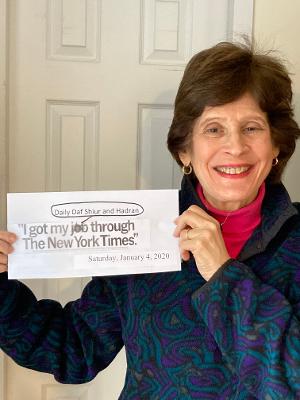
“I got my job through the NY Times” was an ad campaign when I was growing up. I can headline “I got my daily Daf shiur and Hadran through the NY Times”. I read the January 4, 2020 feature on Reb. Michelle Farber and Hadran and I have been participating ever since. Thanks NY Times & Hadran!
Deborah Aschheim
Deborah Aschheim

New York, United States

Hadran entered my life after the last Siyum Hashaas, January 2020. I was inspired and challenged simultaneously, having never thought of learning Gemara. With my family’s encouragement, I googled “daf yomi for women”. A perfecr fit!
I especially enjoy when Rabbanit Michelle connects the daf to contemporary issues to share at the shabbat table e.g: looking at the Kohen during duchaning. Toda rabba

Marsha Wasserman
Marsha Wasserman

Jerusalem, Israel

With Rabbanit Dr. Naomi Cohen in the Women’s Talmud class, over 30 years ago. It was a “known” class and it was accepted, because of who taught. Since then I have also studied with Avigail Gross-Gelman and Dr. Gabriel Hazut for about a year). Years ago, in a shiur in my shul, I did know about Persians doing 3 things with their clothes on. They opened the shiur to woman after that!

Sharon Mink
Sharon Mink

Haifa, Israel

After reading the book, “ If All The Seas Were Ink “ by Ileana Kurshan I started studying Talmud. I searched and studied with several teachers until I found Michelle Farber. I have been studying with her for two years. I look forward every day to learn from her.

Janine Rubens
Janine Rubens

Virginia, United States

I began my journey two years ago at the beginning of this cycle of the daf yomi. It has been an incredible, challenging experience and has given me a new perspective of Torah Sh’baal Peh and the role it plays in our lives

linda kalish-marcus
linda kalish-marcus

Efrat, Israel

In January 2020, my chevruta suggested that we “up our game. Let’s do Daf Yomi” – and she sent me the Hadran link. I lost my job (and went freelance), there was a pandemic, and I am still opening the podcast with my breakfast coffee, or after Shabbat with popcorn. My Aramaic is improving. I will need a new bookcase, though.

Rhondda May
Rhondda May

Atlanta, Georgia, United States

When I was working and taking care of my children, learning was never on the list. Now that I have more time I have two different Gemora classes and the nach yomi as well as the mishna yomi daily.

Shoshana Shinnar
Shoshana Shinnar

Jerusalem, Israel

Having never learned Talmud before, I started Daf Yomi in hopes of connecting to the Rabbinic tradition, sharing a daily idea on Instagram (@dafyomiadventures). With Hadran and Sefaria, I slowly gained confidence in my skills and understanding. Now, part of the Pardes Jewish Educators Program, I can’t wait to bring this love of learning with me as I continue to pass it on to my future students.

Hannah-G-pic
Hannah Greenberg

Pennsylvania, United States

My Daf journey began in August 2012 after participating in the Siyum Hashas where I was blessed as an “enabler” of others.  Galvanized into my own learning I recited the Hadran on Shas in January 2020 with Rabbanit Michelle. That Siyum was a highlight in my life.  Now, on round two, Daf has become my spiritual anchor to which I attribute manifold blessings.

Rina Goldberg
Rina Goldberg

Englewood NJ, United States

I started learning at the beginning of the cycle after a friend persuaded me that it would be right up my alley. I was lucky enough to learn at Rabbanit Michelle’s house before it started on zoom and it was quickly part of my daily routine. I find it so important to see for myself where halachot were derived, where stories were told and to get more insight into how the Rabbis interacted.

Deborah Dickson
Deborah Dickson

Ra’anana, Israel

I started learning on January 5, 2020. When I complete the 7+ year cycle I will be 70 years old. I had been intimidated by those who said that I needed to study Talmud in a traditional way with a chevruta, but I decided the learning was more important to me than the method. Thankful for Daf Yomi for Women helping me catch up when I fall behind, and also being able to celebrate with each Siyum!

Pamela Elisheva
Pamela Elisheva

Bakersfield, United States

It happened without intent (so am I yotzei?!) – I watched the women’s siyum live and was so moved by it that the next morning, I tuned in to Rabbanit Michelle’s shiur, and here I am, still learning every day, over 2 years later. Some days it all goes over my head, but others I grasp onto an idea or a story, and I ‘get it’ and that’s the best feeling in the world. So proud to be a Hadran learner.

Jeanne Yael Klempner

Zichron Yaakov, Israel

I start learning Daf Yomi in January 2020. The daily learning with Rabbanit Michelle has kept me grounded in this very uncertain time. Despite everything going on – the Pandemic, my personal life, climate change, war, etc… I know I can count on Hadran’s podcast to bring a smile to my face.
Deb Engel
Deb Engel

Los Angeles, United States

Geri Goldstein got me started learning daf yomi when I was in Israel 2 years ago. It’s been a challenge and I’ve learned a lot though I’m sure I miss a lot. I quilt as I listen and I want to share what I’ve been working on.

Rebecca Stulberg
Rebecca Stulberg

Ottawa, Canada

I started learning when my brother sent me the news clip of the celebration of the last Daf Yomi cycle. I was so floored to see so many women celebrating that I wanted to be a part of it. It has been an enriching experience studying a text in a language I don’t speak, using background knowledge that I don’t have. It is stretching my learning in unexpected ways, bringing me joy and satisfaction.

Jodi Gladstone
Jodi Gladstone

Warwick, Rhode Island, United States

I started learning Dec 2019 after reading “If all the Seas Were Ink”. I found
Daily daf sessions of Rabbanit Michelle in her house teaching, I then heard about the siyum and a new cycle starting wow I am in! Afternoon here in Sydney, my family and friends know this is my sacred time to hide away to live zoom and learn. Often it’s hard to absorb and relate then a gem shines touching my heart.

Dianne Kuchar
Dianne Kuchar

Dover Heights, Australia

I started learning at the start of this cycle, and quickly fell in love. It has become such an important part of my day, enriching every part of my life.

Naomi Niederhoffer
Naomi Niederhoffer

Toronto, Canada

I started my journey on the day I realized that the Siyum was happening in Yerushalayim and I was missing out. What? I told myself. How could I have not known about this? How can I have missed out on this opportunity? I decided that moment, I would start Daf Yomi and Nach Yomi the very next day. I am so grateful to Hadran. I am changed forever because I learn Gemara with women. Thank you.

Linda Brownstein
Linda Brownstein

Mitspe, Israel

Shevuot 45

אַחַת שְׁבוּעַת הָעֵדוּת וְאַחַת שְׁבוּעַת הַפִּקָּדוֹן, וַאֲפִילּוּ שְׁבוּעַת שָׁוְא; הָיָה אֶחָד מֵהֶן מְשַׂחֵק בְּקוּבְיָא, וּמַלְוֶה בְּרִבִּית, וּמַפְרִיחֵי יוֹנִים, וְסוֹחֲרֵי שְׁבִיעִית – שֶׁכְּנֶגְדּוֹ נִשְׁבָּע וְנוֹטֵל.

One is considered suspect with regard to oaths if he has been found to have taken a false oath, whether it was an oath of testimony, or whether it was an oath on a deposit, or even an oath taken in vain, which is a less severe prohibition. There are also categories of people who by rabbinic decree are considered suspect with regard to oaths: If one of the litigants was a dice player, or one who lends with interest, or among those who fly pigeons, or among the vendors of produce of the Sabbatical Year, then the litigant opposing him takes an oath and receives payment of his claim.

הָיוּ שְׁנֵיהֶן חֲשׁוּדִין – חָזְרָה הַשְּׁבוּעָה לִמְקוֹמָהּ, דִּבְרֵי רַבִּי יוֹסֵי. רַבִּי מֵאִיר אוֹמֵר: יַחְלוֹקוּ.

If both litigants were suspect, the oath returned to its place. This is the statement of Rabbi Yosei, and will be explained in the Gemara. Rabbi Meir says: Since neither can take an oath, they divide the disputed amount.

וְהַחֶנְוָנִי עַל פִּנְקָסוֹ – כֵּיצַד? לֹא שֶׁיֹּאמַר לוֹ: ״כְּתוֹב עַל פִּנְקָסִי שֶׁאַתָּה חַיָּיב לִי מָאתַיִם זוּז״, אֶלָּא אוֹמֵר לוֹ: ״תֵּן לִבְנִי סָאתַיִם חִטִּין״, ״תֵּן לְפוֹעֲלַי (סלע) [בְּסֶלַע] מָעוֹת״. הוּא אוֹמֵר ״נָתַתִּי״, וְהֵן אוֹמְרִים ״לֹא נָטַלְנוּ״ – הוּא נִשְׁבָּע וְנוֹטֵל, וְהֵן נִשְׁבָּעִין וְנוֹטְלִין.

And how does this halakha apply to the storekeeper relying on his ledger? This ruling is not referring to the case where a storekeeper says to a customer: It is written in my ledger that you owe me two hundred dinars. Rather, it is referring to a case where a customer says to a storekeeper: Give my son two se’a of wheat, or: Give my laborers a sela in small coins. And later the storekeeper says: I gave it to them; but they say: We did not receive it. In such a case, where the father or employer admits that he gave those instructions and it is also recorded in the storekeeper’s ledger, the storekeeper takes an oath that he gave the son the wheat or paid the laborers, and he receives compensation from the father or employer; and the laborers take an oath that they were not paid and receive their wages from the employer.

אָמַר בֶּן נַנָּס: כֵּיצַד אֵלּוּ וְאֵלּוּ בָּאִין לִידֵי שְׁבוּעַת שָׁוְא? אֶלָּא הוּא נוֹטֵל שֶׁלֹּא בִּשְׁבוּעָה, וְהֵן נוֹטְלִין שֶׁלֹּא בִּשְׁבוּעָה.

Ben Nannas said: How is it that both these and those come to take an oath in vain? One of them is certainly lying. Rather, the storekeeper receives his compensation without taking an oath, and the laborers receive their wages without taking an oath.

אָמַר לַחֶנְוָנִי: ״תֵּן לִי בְּדִינָר פֵּירוֹת״, וְנָתַן לוֹ; אָמַר לוֹ: ״תֵּן לִי אוֹתוֹ דִּינָר״, אָמַר לוֹ: ״נְתַתִּיו לָךְ וּנְתַתּוֹ בְּאוּנְפָּלִי״ – יִשָּׁבַע בַּעַל הַבַּיִת שֶׁנָּתַן לוֹ אֶת הַדִּינָר. אָמַר לוֹ: ״תֵּן לִי אֶת הַפֵּירוֹת״, אָמַר לוֹ: ״נְתַתִּים לָךְ וְהוֹלַכְתִּים לְתוֹךְ בֵּיתְךָ״ – יִשָּׁבַע חֶנְוָנִי. רַבִּי יְהוּדָה אוֹמֵר: כׇּל שֶׁהַפֵּירוֹת בְּיָדוֹ – יָדוֹ עַל הָעֶלְיוֹנָה.

§ If one said to a storekeeper: Give me produce valued at a dinar, and he gave him the produce. And later the storekeeper said to him: Give me that dinar you owe me, and the customer said to him: I gave it to you, and you put it in your wallet [be’unpali], the customer shall take an oath that he gave him the dinar. If, after he gave the storekeeper the money, the customer said to him: Give me the produce, and the storekeeper said to him: I gave it to you and you transported it to your house, the storekeeper shall take an oath that he has already filled the order, and he is exempt from supplying the produce. Rabbi Yehuda says: Whoever has the produce in his possession has the advantage, and his claim is accepted without his taking an oath.

אָמַר לַשּׁוּלְחָנִי: ״תֵּן לִי בְּדִינָר מָעוֹת״, וְנָתַן לוֹ; אָמַר לוֹ: ״תֵּן לִי אֶת הַדִּינָר״, אָמַר לוֹ: ״נָתַתִּי לְךָ וּנְתַתּוֹ בְּאוּנְפָּלִי״ – יִשָּׁבַע בַּעַל הַבַּיִת. נָתַן לוֹ אֶת הַדִּינָר; אָמַר לוֹ: ״תֵּן לִי אֶת הַמָּעוֹת״, אָמַר לוֹ: ״נְתַתִּים לָךְ וְהִשְׁלַכְתָּ לְתוֹךְ כִּיסְךָ״ – יִשָּׁבַע שׁוּלְחָנִי. רַבִּי יְהוּדָה אוֹמֵר: אֵין דֶּרֶךְ שׁוּלְחָנִי לִיתֵּן אִיסָּר עַד שֶׁיִּטּוֹל דִּינָר.

Similarly, if one said to a money changer: Give me small coins valued at a dinar, and he gave him the coins, and subsequently the money changer said to him: Give me the dinar, and the customer said to him: I gave it to you, and you put it in your wallet; the customer shall take an oath that he paid. If the customer gave the money changer the dinar, and then said to him: Give me the coins, and the money changer said to him: I gave them to you and you cast them into your purse, the money changer shall take an oath. Rabbi Yehuda says: It is not a money changer’s way to give even an issar until he receives a dinar. Therefore, the fact that the customer received the coins indicates that the money changer already received his payment.

כְּשֵׁם שֶׁאָמְרוּ: הַפּוֹגֶמֶת כְּתוּבָּתָהּ – לֹא תִּפָּרַע אֶלָּא בִּשְׁבוּעָה; וְעֵד אֶחָד מְעִידָהּ שֶׁהִיא פְּרוּעָה – לֹא תִּפָּרַע אֶלָּא בִּשְׁבוּעָה; מִנְּכָסִים מְשׁוּעְבָּדִים וּמִנִּכְסֵי יְתוֹמִים – לֹא תִּפָּרַע אֶלָּא בִּשְׁבוּעָה; וְהַנִּפְרַעַת שֶׁלֹּא בְּפָנָיו – לֹא תִּפָּרַע אֶלָּא בִּשְׁבוּעָה. וְכֵן הַיְּתוֹמִים – לֹא יִפָּרְעוּ אֶלָּא בִּשְׁבוּעָה:

§ These cases of taking an oath are just like other cases where the Sages said that one takes an oath and receives payment. The mishna (see Ketubot 87a) teaches: A woman who vitiates her marriage contract by acknowledging receipt of partial payment may collect the remainder only by taking an oath; or if one witness testifies that her marriage contract has been paid, she may collect it only by taking an oath. She may collect it from liened property that has been sold to a third party, or from the property of orphans, only by taking an oath, and a woman who collects it from her husband’s property when not in his presence may collect it only by taking an oath. And likewise, orphans may collect a loan with a promissory note inherited from their father only by taking an oath.

״שְׁבוּעָה שֶׁלֹּא פְּקָדַנוּ אַבָּא, וְלָא אָמַר לָנוּ אַבָּא, שֶׁלֹּא מָצִינוּ בֵּין שְׁטָרוֹתָיו שֶׁל אַבָּא שֶׁשְּׁטָר זֶה פָּרוּעַ״. רַבִּי יוֹחָנָן בֶּן בְּרוֹקָה אוֹמֵר: אֲפִילּוּ נוֹלַד הַבֵּן לְאַחַר מִיתַת הָאָב – הֲרֵי זֶה נִשְׁבָּע וְנוֹטֵל. אָמַר רַבָּן שִׁמְעוֹן בֶּן גַּמְלִיאֵל: אִם יֵשׁ עֵדִים שֶׁאָמַר הָאָב בִּשְׁעַת מִיתָתוֹ: ״שְׁטָר זֶה אֵינוֹ פָּרוּעַ״ – הוּא נוֹטֵל שֶׁלֹּא בִּשְׁבוּעָה.

Orphans who wish to collect payment of money owed to their father must take the following oath: On our oath our father did not direct us on his deathbed not to collect with this promissory note, and our father did not say to us that this note was paid, and we did not find among our father’s documents a record showing that this promissory note was paid. After taking that oath, they may collect the money. Rabbi Yoḥanan ben Beroka says: Even if the son was born after the father’s death, he needs to take an oath in order to receive the money owed to his father. Rabban Shimon ben Gamliel said: If there are witnesses that the father said at the time of his death: This promissory note has not been paid, the son collects the debt without having to take an oath.

וְאֵלּוּ נִשְׁבָּעִין שֶׁלֹּא בְּטַעֲנָה: הַשּׁוּתָּפִין, וְהָאֲרִיסִין, וְהָאַפּוֹטְרוֹפִּין, וְהָאִשָּׁה הַנּוֹשֵׂאת וְהַנּוֹתֶנֶת בְּתוֹךְ הַבַּיִת, וּבֶן הַבַּיִת. אָמַר לוֹ: ״מָה אַתָּה טוֹעֲנֵינִי?״ ״רְצוֹנִי שֶׁתִּשָּׁבַע לִי״ – חַיָּיב.

§ And these people are sometimes required to take an oath that they do not owe anything even when there is no explicit claim against them: Partners, sharecroppers, stewards [apotropin], a woman who does business from home, where she manages the property of orphans, and the member of the household appointed to manage the household’s affairs. For example, in a case where one of these people said to one of the people whose property he or she manages: What is your claim against me? If the other replied: It is simply my wish that you take an oath to me that you have not taken anything of mine, the former is liable to take that oath.

חָלְקוּ הַשּׁוּתָּפִין וְהָאֲרִיסִין – אֵין יָכוֹל לְהַשְׁבִּיעוֹ. (נתגלגל) [נִתְגַּלְגְּלָה] לוֹ שְׁבוּעָה מִמָּקוֹם אַחֵר – מְגַלְגְּלִין עָלָיו אֶת הַכֹּל. וְהַשְּׁבִיעִית מְשַׁמֶּטֶת אֶת הַשְּׁבוּעָה.

Once the partners or the sharecroppers have divided the common property, each taking his share, then one side may not require an oath of the other absent a definite claim. But if an oath was imposed upon him due to some other situation, that oath can be extended to impose upon him any other oath, i.e., it can be extended to apply to any other of their disputes. The mishna adds: And the Sabbatical Year abrogates the obligation to take an oath about a debt, just like it abrogates a debt.

גְּמָ׳ כׇּל הַנִּשְׁבָּעִין שֶׁבַּתּוֹרָה נִשְׁבָּעִין וְלֹא מְשַׁלְּמִין. מְנָלַן? דְּאָמַר קְרָא: ״וְלָקַח בְּעָלָיו וְלֹא יְשַׁלֵּם״ – מִי שֶׁעָלָיו לְשַׁלֵּם, לוֹ שְׁבוּעָה.

GEMARA: The mishna teaches: All those who take an oath that is legislated by the Torah take an oath and do not pay. The Gemara asks: From where do we derive that oaths mandated by Torah law serve only to exempt one from payment? We derive it from the fact that the verse states: “The oath of the Lord shall be between them both, to see whether he has not put his hand on his neighbor’s goods; and its owner shall accept it, and he shall not make restitution” (Exodus 22:10). According to the verse, with regard to he who would otherwise need to pay, it is on him that the obligation to take the oath is imposed.

וְאֵלּוּ נִשְׁבָּעִין וְנוֹטְלִין כּוּ׳. מַאי שְׁנָא שָׂכִיר דְּתַקִּינוּ לֵיה רַבָּנַן דְּמִשְׁתְּבַע וְשָׁקֵיל? אָמַר רַב יְהוּדָה אָמַר שְׁמוּאֵל: הֲלָכוֹת גְּדוֹלוֹת שָׁנוּ כָּאן. הֲלָכוֹת? הָנֵי הִלְכְתָא נִינְהוּ?! אֶלָּא אֵימָא: תַּקָּנוֹת גְּדוֹלוֹת שָׁנוּ כָּאן.

§ The mishna teaches: And these litigants take an oath and receive possession of the disputed funds or property, and it lists a hired worker in that category. The Gemara asks: What is different about a hired worker that the Sages instituted for him that he take an oath and receive his wages? Rav Yehuda said that Shmuel said: Great halakhot were taught here. The Gemara asks: Halakhot? Are these oaths actually halakhot transmitted to Moses from Sinai, as is usually indicated by the use of the term halakhot? They are instituted by rabbinic law. Rather, say: Great ordinances were taught here.

גְּדוֹלוֹת – מִכְּלָל דְּאִיכָּא קְטַנּוֹת?!

The Gemara asks: Since these ordinances are called great, can one conclude by inference that there are also minor ordinances? Are there rabbinic ordinances that are less important?

אֶלָּא אָמַר רַב נַחְמָן אָמַר שְׁמוּאֵל: תַּקָּנוֹת קְבוּעוֹת שָׁנוּ כָּאן – עַקְרוּהָ רַבָּנַן לִשְׁבוּעָה מִבַּעַל הַבַּיִת, וְשַׁדְיוּהָ אַשָּׂכִיר; מִשּׁוּם כְּדֵי חַיָּיו. מִשּׁוּם כְּדֵי חַיָּיו דְּשָׂכִיר – קָנְסִינַן לֵיהּ לְבַעַל הַבַּיִת?! בַּעַל הַבַּיִת גּוּפֵיהּ נִיחָא לֵיהּ דְּמִשְׁתְּבַע שָׂכִיר וְשָׁקֵיל, כִּי הֵיכִי (דְּאִיתַּגְרוּן) [דְּלִיתַּגְרוּן] לֵיהּ פּוֹעֲלִין.

Rather, Rav Naḥman says that Shmuel says: Permanent ordinances were taught here; the Sages uprooted the oath from the employer and imposed it upon the hired worker due to the fact that his wages are his livelihood. The Gemara asks: Due to the need to protect the hired worker’s livelihood, do we penalize the employer by leaving him vulnerable to a dishonest worker? The Gemara answers: The employer himself is amenable to the hired worker taking an oath and collecting his wages, so that laborers will accept employment from him. If the workers are not protected in this manner, they will be wary of accepting work.

אַדְּרַבָּה, שָׂכִיר נִיחָא לֵיהּ דִּלְשְׁתְּבַע בַּעַל הַבַּיִת, וְנִפְקַע, כִּי הֵיכִי דְּלֵיגְרֵיהּ בַּעַל הַבַּיִת! בַּעַל הַבַּיִת עַל כּוּרְחֵיהּ אָגַר. שָׂכִיר נָמֵי עַל כּוּרְחֵיהּ מִיתְּגַר! אֶלָּא בַּעַל הַבַּיִת טָרוּד בְּפוֹעֲלָיו הוּא.

The Gemara asks: On the contrary, isn’t it preferable for the hired worker that in the case of a dispute between them the employer takes the oath and is released from payment? He would agree to this arrangement in order to create conditions in which the employer will readily hire him. If employers are exposed to the risk of being cheated by dishonest workers, they will be wary of hiring. The Gemara answers: The employer perforce hires workers, since he needs the work done. The Gemara asks: Doesn’t the hired worker also perforce accept employment, since he needs it for his livelihood? Rather, the reason the worker takes the oath is that the employer is distracted with managing his laborers, so it is reasonable to assume that he forgot to pay.

וְלִיתֵּב לֵיהּ בְּלָא שְׁבוּעָה!

The Gemara raises a difficulty: But if it is presumed that the employer forgot to pay, let him give the wages to the worker without the worker taking an oath.

כְּדֵי לְהָפִיס דַּעְתּוֹ שֶׁל בַּעַל הַבַּיִת. וְלִיתֵּב לֵיהּ בְּעֵדִים! טְרִיחָא לֵיהּ מִילְּתָא. וְלִיתֵּב לֵיהּ מֵעִיקָּרָא! שְׁנֵיהֶן רוֹצִין בְּהַקָּפָה.

The Gemara explains: The oath was instituted to alleviate the concerns of the employer, to ensure him that he is not being cheated. And why did the Sages not institute that the employer should give the worker his wages in the presence of witnesses so that it could readily be established whether he was paid? The Gemara answers: Finding witnesses whenever he pays wages would be a burdensome matter for him. And why did the Sages not institute that the employer should give him his wages at the outset, when he hires him, so there would be no need for an oath? The Gemara answers: They both want the work to be done on credit, i.e., before the wages are paid, as sometimes the employer has no money ready when he hires a worker, and the worker also prefers receiving his money at the end of the day.

אִי הָכִי, אֲפִילּוּ קָצַץ נָמֵי! אַלְּמָה תַּנְיָא: אוּמָּן אוֹמֵר ״שְׁתַּיִם קָצַצְתָּ לִי״, וְהַלָּה אוֹמֵר ״לֹא קָצַצְתִּי לְךָ אֶלָּא אַחַת״ – הַמּוֹצִיא מֵחֲבֵירוֹ עָלָיו הָרְאָיָה? קְצִיצָה וַדַּאי מִידְכָּר דְּכִיר לֵיהּ.

If so, then even with regard to the amount fixed as payment, the employer is apt to be forgetful. Why, then, is it taught in a baraita: If the craftsman says: You fixed two coins as my payment and the other, the employer, says: I fixed only one coin as your payment, the halakha is that the burden of proof rests upon the claimant? The craftsman must bring witnesses to collect the additional sum; an oath is not sufficient. Why is it not assumed that the employer is distracted, and the craftsman would be allowed to take an oath and collect the amount he claims? The Gemara answers: With regard to the fixing of wages, he certainly remembers.

אִי הָכִי, אֲפִילּוּ עָבַר זְמַנּוֹ נָמֵי! אַלְּמָה תַּנְיָא: עָבַר זְמַנּוֹ וְלֹא נָתַן לוֹ – הֲרֵי זֶה אֵינוֹ נִשְׁבָּע וְנוֹטֵל?

The Gemara asks: If so, then even if the time the wages were due had passed, the worker should be able to prove that he has not been paid by taking an oath. Why, then, is it taught in a baraita that if the established time for paying wages had passed, i.e., the night after the work was performed, and the employer had not given the worker his wages, he no longer can take an oath and receive his wages, but rather must bring witnesses to prove that he was not yet paid.

חֲזָקָה אֵין בַּעַל הַבַּיִת עוֹבֵר בְּ״בַל תָּלִין״. וְהָאָמְרַתְּ: בַּעַל הַבַּיִת טָרוּד בְּפוֹעֲלָיו הוּא! הָנֵי מִילֵּי – מִקַּמֵּי דְּלִימְטֵי זְמַן חִיּוּבָא הוּא; כִּי מָטֵי זְמַן חִיּוּבָא – רָמֵי אַנַּפְשֵׁיהּ וּמִידְּכַר.

The Gemara answers: There is a presumption that the employer will not violate the prohibition against delaying payment of wages (see Leviticus 19:13) and will have paid the worker by the deadline. The Gemara asks: But didn’t you say that the employer is distracted with his laborers and is apt to forget to pay? The Gemara responds: This statement, that he is presumed to be distracted, applies only before the time arrives that he incurs liability for delaying payment of wages. When the time that he incurs liability arrives, he takes it upon himself to remember to pay.

וְכִי שָׂכִיר עוֹבֵר מִשּׁוּם ״בַּל תִּגְזוֹל״?! גַּבֵּי בַּעַל הַבַּיִת אִיכָּא תְּרֵי חֲזָקֵי: חֲדָא דְּאֵין בַּעַל הַבַּיִת עוֹבֵר בְּ״בַל תָּלִין״, וַחֲדָא דְּאֵין שָׂכִיר מְשַׁהֶא שְׂכָרוֹ.

The Gemara asks: Is the hired worker suspected of demanding his wages twice and violating the prohibition against robbery (see Leviticus 19:13)? The Gemara answers: With regard to the employer there are two presumptions supporting his claim that the wages were paid: One is that the employer will not violate the prohibition of delaying payment of wages, and one is that a hired worker will not defer requesting his wages. Therefore, if he is requesting his wages after the deadline, he probably already received them, and he no longer can prove his claim with only an oath.

אָמַר רַב נַחְמָן, אָמַר שְׁמוּאֵל: לֹא שָׁנוּ אֶלָּא שֶׁשְּׂכָרוֹ בְּעֵדִים, אֲבָל שְׂכָרוֹ שֶׁלֹּא בְּעֵדִים – מִתּוֹךְ שֶׁיָּכוֹל לוֹמַר לוֹ: ״לֹא שְׂכַרְתִּיךָ מֵעוֹלָם״, יָכוֹל לוֹמַר לוֹ: ״שְׂכַרְתִּיךָ, וְנָתַתִּי לְךָ שְׂכָרְךָ״. אֲמַר לֵיהּ רַבִּי יִצְחָק: יִישַׁר, וְכֵן אָמַר רַבִּי יוֹחָנָן.

§ Rav Naḥman says that Shmuel says: The Sages taught that a worker takes an oath and receives his wages only when the employer hired him in the presence of witnesses. But if he hired him not in the presence of witnesses, then since he could have made a more advantageous claim [miggo] and said to him: I never hired you, he can instead say to him: I hired you but already gave you your wages, and that claim is accepted by the court. There is a principle in halakha that one is deemed credible when he makes a less advantageous claim than he could have made. Rabbi Yitzḥak said to Rav Naḥman: That is correct; and so said Rabbi Yoḥanan.

מִכְּלָל דִּפְלִיג עֲלֵיהּ רֵישׁ לָקִישׁ? אִיכָּא דְּאָמְרִי מִישְׁתָּא הֲוָה שָׁתֵי לֵיהּ וְשָׁתֵיק לֵיהּ, וְאִיכָּא דְּאָמְרִי מִישְׁהָא הֲוָה שָׁהֵי לֵיהּ וּשְׁתֵיק לֵיהּ.

The Gemara asks: Can one infer from the fact that Rabbi Yitzḥak said that it was specifically Rabbi Yoḥanan who says this, that Reish Lakish, who often engaged in disputes with Rabbi Yoḥanan, disagrees with him, even though Rabbi Yitzḥak did not report that he does? Some say that Reish Lakish was drinking at the time that Rabbi Yoḥanan made his statement and therefore was silent, and some say that he was waiting for him to complete his statement and therefore was silent. It remains unclear whether he disagreed.

אִיתְּמַר נָמֵי: אָמַר רַב מְנַשְּׁיָא בַּר זְבִיד, אָמַר רַב: לֹא שָׁנוּ אֶלָּא שֶׁשְּׂכָרוֹ בְּעֵדִים, אֲבָל שְׂכָרוֹ שֶׁלֹּא בְּעֵדִים – מִתּוֹךְ שֶׁיָּכוֹל לוֹמַר לוֹ: ״לֹא שְׂכַרְתִּיךָ מֵעוֹלָם״, יָכוֹל לוֹמַר לוֹ: ״שְׂכַרְתִּיךָ, וְנָתַתִּי לְךָ שְׂכָרֶךָ״.

It was also stated that Rav Menashya bar Zevid says that Rav says: The Sages taught that a worker takes an oath and receives his wages only when the employer hired him in the presence of witnesses. But if he hired him not in the presence of witnesses, since he could have said to him: I never hired you, he can instead say to him: I hired you but already gave you your wages, and that claim is accepted by the court.

אָמַר רָמֵי בַּר חָמָא: כַּמָּה מְעַלְּיָא הָא שְׁמַעְתָּא! אֲמַר לֵיהּ רָבָא: מַאי מְעַלְּיוּתָא? אִם כֵּן, שְׁבוּעַת שׁוֹמְרִין דְּחַיֵּיב רַחֲמָנָא – הֵיכִי מַשְׁכַּחַתְּ לַהּ? מִתּוֹךְ שֶׁיָּכוֹל לוֹמַר לוֹ ״לֹא הָיוּ דְבָרִים מֵעוֹלָם״, יָכוֹל לוֹמַר לוֹ ״נֶאֶנְסוּ״!

§ Rami bar Ḥama said: How excellent is this halakha. Rava said to him: What is its excellence? If the halakha is so, how can you ever find an instance of the oath of the bailees concerning a deposit that the Merciful One imposed? Since the bailee could say to the owner: These events never occurred, i.e., I never accepted a deposit from you, he can say to him: The deposit was lost by accident. He will not need to take an oath to support his claim, since he would have been deemed credible without taking an oath if he had denied accepting the deposit at all.

דְּאַפְקֵיד לֵיהּ בְּעֵדִים. מִתּוֹךְ שֶׁיָּכוֹל לוֹמַר לוֹ ״הֶחְזַרְתִּיו לָךְ״, יָכוֹל לוֹמַר לוֹ ״נֶאֶנְסוּ״!

Rami Bar Ḥama answered: The oath of the bailees is still relevant where the owner deposited the item with him in the presence of witnesses. Rava retorts: Even then, since he could say to him: I already returned it to you, and his claim would be accepted without his taking an oath, he can say to him: The deposit was lost by accident, and his claim will be accepted without his taking an oath.

דְּאַפְקֵיד לֵיהּ בִּשְׁטָרָא.

Rami bar Ḥama answered: The oath of the bailees is still relevant where the owner deposited the item with him, with a document given as a receipt. Possession of the receipt serves as evidence that the bailee has not returned the deposit.

מִכְּלָל דְּתַרְוַיְיהוּ סְבִירָא לְהוּ: הַמַּפְקִיד אֵצֶל חֲבֵירוֹ בְּעֵדִים – אֵין צָרִיךְ לְהַחְזִיר לוֹ בְּעֵדִים; בִּשְׁטָר – צָרִיךְ לְהַחְזִיר לוֹ בְּעֵדִים.

The Gemara comments: By inference from their statements, one may conclude that both Rava and Rami bar Ḥama hold that if one deposits an item with another person in the presence of witnesses, he does not need to return it to him in the presence of witnesses, and his claim that he returned it without witnesses is accepted. But if one deposits an item with another person with a document given as a receipt, he needs to return it to him in the presence of witnesses, who can testify that it was returned.

קָרֵי רָמֵי בַּר חָמָא עֲלֵיהּ דְּרַב שֵׁשֶׁת: ״וַיָּשֶׂם דָּוִד אֶת הַדְּבָרִים הָאֵלֶּה בְּלִבּוֹ״. דְּאַשְׁכְּחֵיהּ רַב שֵׁשֶׁת לְרַבָּה בַּר שְׁמוּאֵל, אֲמַר לֵיהּ: תָּנֵי מָר מִידֵּי בְּשָׂכִיר? אֲמַר לֵיהּ: אִין, תְּנֵינָא: שָׂכִיר בִּזְמַנּוֹ – נִשְׁבָּע וְנוֹטֵל. כֵּיצַד – בִּזְמַן שֶׁאָמַר לוֹ: ״שְׂכַרְתַּנִי וְלֹא נָתַתָּ לִי שְׂכָרִי״, וְהַלָּה אוֹמֵר: ״שְׂכַרְתִּיךָ וְנָתַתִּי לְךָ שְׂכָרֶךָ״; אֲבָל אָמַר לוֹ: ״שְׁתַּיִם קָצַצְתָּ לִי״, וְהַלָּה אוֹמֵר: ״לֹא קָצַצְתִּי לְךָ אֶלָּא אֶחָת״ – הַמּוֹצִיא מֵחֲבֵירוֹ עָלָיו הָרְאָיָה.

§ Rami bar Ḥama would cite this verse about Rav Sheshet: “And David laid up these words in his heart” (I Samuel 21:13), as Rav Sheshet took it upon himself to find sources that would support or contradict the statements of Rav and Shmuel. As it is recounted that Rav Sheshet encountered Rabba bar Shmuel and said to him: Does the Master teach any halakhot about a hired worker? Rabba bar Shmuel said to him: Yes, I teach this baraita (Tosefta 6:1): A hired worker within his time for receiving wages takes an oath and receives payment. How so? This applies in a case when the worker said to the employer: You hired me but did not give me my wages, and the other, the employer, says: I hired you and gave you your wages. But if the hired worker said to him: You fixed two coins as my payment, and the other, the employer, says: I fixed only one coin as your payment, the burden of proof rests upon the claimant, who must provide witnesses to testify that the wage was the greater sum.

הָא מִדְּסֵיפָא בִּרְאָיָה הָוֵי – רֵישָׁא בְּלֹא רְאָיָה.

Rav Sheshet suggested: Since the latter clause addresses a case in which proof, witness testimony, is required, the first clause must address a case in which proof is not required. This contradicts the statements of Rav and Shmuel above that the worker may take an oath and receive payment only when he has witnesses that this person hired him.

אָמַר רַב נַחְמָן בַּר יִצְחָק:

Rav Naḥman bar Yitzḥak said:

Want to follow content and continue where you left off?

Create an account today to track your progress, mark what you’ve learned, and follow the shiurim that speak to you.

Clear all items from this list?

This will remove ALL the items in this section. You will lose any progress or history connected to them. This is irreversible.

Cancel
Yes, clear all

Are you sure you want to delete this item?

You will lose any progress or history connected to this item.

Cancel
Yes, delete