Search

Sukkah 36

Want to dedicate learning? Get started here:

English
עברית
podcast placeholder

0:00
0:00


podcast placeholder

0:00
0:00


Summary

Today’s daf is sponsored by Emma Rinberg in memory of her beloved mum, Marjorie Glick, Miriam Chana bat Menachem Mendel and Rachel on the occasion of her stone setting and shloshim. “May her precious neshama glow brightly in the zechut of our learning together. And by Terri Krivosha for the refuah shleima of her dear friend Elisheva Bat Orah. And by the Hadran zoom group for a refuah shleima for Debbie Gevir, Devora Shulamit bat Yocheved Chana. ‘Team Debbie’’s tefilot, thoughts, and love are with you. May HaShem grant you a speedy and easy recovery.

Rabba asks if defects that cause an animal to be a treifa would also cause the etrog to be tannaitic source, but without success. What is a Cushi etrog and in which case would it be invalid and in which case would it be valid? The gemara compares a dispute in our mishna regarding the unripe etrog with a dispute regarding tithing an unripe etrog. Will those disqualify it for Sukkot, also say that they are exempt from tithing and vice-versa, or not? The gemara brings two different versions regarding the law that Rav said about an etrog chewed by mice – according to one version, he says it is invalid, and according to the other, he says it is kosher. Both versions compare the case to Rabbi Hanina who ate an etrog and used it for the mitzva. The opinions of Rabbi Meir and Rabbi Yehuda regarding the minimum size of etrog are consistent with their opinions in another controversy regarding the carrying of stones for use in the bathroom on Shabbat. According to Rabbi Yehuda, one can bind a lulav only with something of the same type. So how did the people of Jerusalem bind their lulav’s with gold bands? Rava says that according to Rabbi Yehuda, one can also bind the lulav with other parts of the palm tree, such as the fibers or the trunk.

Sukkah 36

הָא בְּכוּלַּהּ, הָא בְּמִקְצָתַהּ.

this mishna, where it states that if the etrog was peeled it is unfit, is in a case where all of it was peeled. That statement of Rava that if it was peeled it is fit is in a case where only part of it was peeled.

נִסְדַּק, נִיקַּב. תָּנֵי עוּלָּא בַּר חֲנִינָא: נִיקַּב נֶקֶב מְפוּלָּשׁ — בְּמַשֶּׁהוּ, וְשֶׁאֵינוֹ מְפוּלָּשׁ — בִּכְאִיסָּר.

The mishna continues discussing the halakha of an etrog that was split or pierced. Ulla bar Ḥanina taught: An etrog that was pierced with a hole that completely goes through its body is unfit with any size hole. If the hole does not completely go through the etrog, it is unfit only with a hole the size of an issar coin.

בָּעֵי רָבָא: נוֹלְדוּ בָּאֶתְרוֹג סִימָנֵי טְרֵפָה, מַהוּ? מַאי קָמִיבַּעְיָא לֵיהּ? אִי נִקְלַף — תְּנֵינָא! אִי נִסְדַּק — תְּנֵינָא! אִי נִיקַּב — תְּנֵינָא!

Rava raised a dilemma: If signs of a tereifa developed in the etrog, what is its halakhic status? The Gemara clarifies: What is the dilemma that he is raising? There are similarities between the halakhot of the etrog in the mishna and some of the halakhot of a tereifa, a bird or animal with a condition that will lead to its death within a year. If it is the case where the etrog was peeled, we already learned that case. If it is the case where the etrog was split, we learned that case as well. And if it is the case where the etrog was pierced, we learned that too. After ruling out those defects, the question remains: With regard to what is Rava’s dilemma?

כִּי קָא מִיבַּעְיָא לֵיהּ כִּדְעוּלָּא אָמַר רַבִּי יוֹחָנָן: רֵיאָה שֶׁנִּשְׁפְּכָה כְּקִיתוֹן — כְּשֵׁרָה. וְאָמַר רָבָא: וְהוּא דְּקָיְימִי סִימְפּוֹנַהָא. הָא לָא קָיְימִי סִימְפּוֹנַהָא — טְרֵפָה. הָכָא מַאי? דִּלְמָא הָתָם הוּא דְּלָא שָׁלֵיט בַּהּ אַוֵּירָא, הֲדַר בָּרְיָא, אֲבָל הָכָא דְּשָׁלֵיט בַּהּ אַוֵּירָא — סָרוֹחֵי מַסְרְחָא, אוֹ דִלְמָא לָא שְׁנָא?

The Gemara answers: When he raises the dilemma, it is with regard to a case like that which Ulla said that Rabbi Yoḥanan said: A lung whose contents can be poured like a pitcher, i.e., whose tissue dissolved to the point of liquefaction, is not a sign of tereifa, and the animal is kosher. And Rava said: And that is the halakha only where the bronchia are intact. However, if the bronchia are not intact, it is a sign of tereifa. The dilemma here is with regard to a comparable situation in an etrog, i.e., an etrog that liquefied from within: What is its halakhic status? Perhaps it is there, in the case of the lung, where the air does not affect it since it is completely enclosed in the body, that the lungs can recover, and that is why it is not a tereifa. However, here, in the case of the etrog, where the air affects it, it inevitably decays and spoils and therefore it is a tereifa. Or, perhaps the case of the etrog is no different.

תָּא שְׁמַע: אֶתְרוֹג תָּפוּחַ סָרוּחַ, כָּבוּשׁ, שָׁלוּק, כּוּשִׁי, לָבָן, וּמְנוּמָּר — פָּסוּל. אֶתְרוֹג כְּכַדּוּר — פָּסוּל, וְיֵשׁ אוֹמְרִים: אַף הַתְּיוֹם. אֶתְרוֹג הַבּוֹסֶר — רַבִּי עֲקִיבָא פּוֹסֵל, וַחֲכָמִים מַכְשִׁירִין. גִּדְּלוֹ בִּדְפוּס וַעֲשָׂאוֹ כְּמִין בְּרִיָּה אַחֶרֶת — פָּסוּל.

The Gemara answers: Come and hear a resolution to this dilemma based on that which was taught in a baraita. An etrog that is tafuaḥ, saruaḥ, pickled, boiled, a black Cushite etrog, a white etrog, or a speckled etrog is unfit. An etrog shaped like a ball is unfit, and some say even a twin, conjoined, etrog is unfit. With regard to an etrog that is unripe, Rabbi Akiva deems it unfit, and the Rabbis deem it fit. If he grew the etrog in a mold and shaped it to appear like a different entity, and it is no longer shaped like an etrog, it is unfit.

קָתָנֵי מִיהַת תָּפוּחַ סָרוּחַ, מַאי לָאו: תָּפוּחַ מִבַּחוּץ, וְסָרוּחַ מִבִּפְנִים! לָא, אִידִי וְאִידִי מִבַּחוּץ, וְלָא קַשְׁיָא: הָא דִּתְפַח אַף עַל גַּב דְּלָא סְרַח, הָא דִּסְרַח אַף עַל גַּב דְּלָא תְּפַח.

In any event, it teaches that an etrog that is tafuaḥ or saruaḥ is unfit. What, is it not that tafuaḥ means that it decayed on the outside and saruaḥ means that it decayed on the inside? The Gemara rejects this explanation: No, both this and that are referring to decay on the outside. And this apparent redundancy is not difficult, as this case, tafuaḥ, is where it swelled even though it did not decay, and that case, saruaḥ, is where it decayed even though it did not swell.

אָמַר מָר: אֶתְרוֹג כּוּשִׁי — פָּסוּל. וְהָתַנְיָא: כּוּשִׁי כָּשֵׁר, דּוֹמֶה לְכוּשִׁי — פָּסוּל! אֲמַר אַבָּיֵי: כִּי תְּנַן נָמֵי מַתְנִיתִין, דּוֹמֶה לְכוּשִׁי תְּנַן. רָבָא אָמַר: לָא קַשְׁיָא הָא לַן, וְהָא לְהוּ.

The Master said in the baraita cited above: A Cushite etrog is unfit. The Gemara asks: But isn’t it taught in a different baraita: A Cushite etrog is fit, but an etrog that is similar to a Cushite etrog is unfit. Abaye said: When we learned this halakha in the mishna that it is unfit, too, we learned it not in reference to an actual Cushite etrog, but rather in reference to one that is similar to a Cushite etrog. Rava said: Actually, the mishna is referring to a Cushite etrog, and nevertheless, it is not difficult; this, the halakha that it is unfit, is for us in Babylonia because our etrogim are typically light, and the dark Cushite etrogim are conspicuously different. And that, the halakha that it is fit, is for them in Eretz Yisrael, whose etrogim are typically dark. In Eretz Yisrael the dark Cushite etrog is not conspicuously different, and it is therefore fit.

אֶתְרוֹג הַבּוֹסֶר — רַבִּי עֲקִיבָא פּוֹסֵל וַחֲכָמִים מַכְשִׁירִין. אָמַר רַבָּה: רַבִּי עֲקִיבָא וְרַבִּי שִׁמְעוֹן אָמְרוּ דָּבָר אֶחָד. רַבִּי עֲקִיבָא — הָא דַּאֲמַרַן. רַבִּי שִׁמְעוֹן מַאי הִיא — (דְּתַנְיָא:) רַבִּי שִׁמְעוֹן פּוֹטֵר אֶת הָאֶתְרוֹגִים בְּקוֹטְנָן.

It was also taught in the baraita: With regard to an unripe etrog, Rabbi Akiva deems it unfit, and the Rabbis deem it fit. Rabba said: Rabbi Akiva and Rabbi Shimon said one and the same statement. The Gemara elaborates: The statement of Rabbi Akiva is that which we said; an unripe etrog is unfit. Rabbi Shimon, what is his statement? It is as it is taught in a baraita: Rabbi Shimon exempts etrogim from the requirement to be tithed while in their small state. Apparently, Rabbi Shimon, too, holds that an unripe etrog is not a fruit.

אֲמַר לֵיהּ אַבָּיֵי: דִּלְמָא לָא הִיא, עַד כָּאן לָא קָאָמַר רַבִּי עֲקִיבָא הָכָא, דְּבָעֵינַן ״הָדָר״ וְלֵיכָּא, אֲבָל הָתָם — כְּרַבָּנַן סְבִירָא לֵיהּ.

Abaye said to Rabba: Perhaps that is not the case and they do not share the same opinion. Rabbi Akiva stated his opinion only here, with regard to an unripe etrog, as we require beauty [hadar] in an etrog and there is none in the case of an unripe etrog due to its color or small size; however, there, with regard to tithes, perhaps he holds in accordance with the opinion of the Rabbis that one is obligated to tithe even a half-ripe etrog.

אִי נָמֵי, עַד כָּאן לָא קָאָמַר רַבִּי שִׁמְעוֹן הָתָם, אֶלָּא דִּכְתִיב: ״עַשֵּׂר תְּעַשֵּׂר אֵת כׇּל תְּבוּאַת זַרְעֶךָ״, כְּדֶרֶךְ שֶׁבְּנֵי אָדָם מוֹצִיאִין לִזְרִיעָה. אֲבָל הָכָא, כְּרַבָּנַן סְבִירָא לֵיהּ.

Alternatively, Rabbi Shimon stated his opinion only there with regard to the exemption of an unripe etrog from tithes, as it is written: “You shall surely tithe all the produce of your planting, which is brought forth in the field year by year” (Deuteronomy 14:22). From that verse it is derived that the obligation to tithe applies only to produce that has developed to the point where it is typical for people to take it out to the field for sowing; one is not obligated to tithe unripe fruit that is not suitable for planting. However, perhaps here he holds in accordance with the opinion of the Rabbis, who disagree with Rabbi Akiva and would deem an unripe etrog fit.

וְתוּ לָא מִידֵּי.

The Gemara notes: And there is nothing more to discuss here. Clearly, the opinions of Rabbi Akiva and Rabbi Shimon do not necessarily coincide.

גִּדְּלוֹ בִּדְפוּס וַעֲשָׂאוֹ כְּמִין בְּרִיָּה אַחֶרֶת — פָּסוּל. אָמַר רָבָא: לֹא שָׁנוּ אֶלָּא כְּמִין בְּרִיָּה אַחֶרֶת, אֲבָל כִּבְרִיָּיתוֹ — כָּשֵׁר. פְּשִׁיטָא! כְּמִין בְּרִיָּה אַחֶרֶת (תְּנַן)! לָא צְרִיכָא, דַּעֲבִידָא דַּפֵּי דַּפֵּי.

The baraita continues: If he grew the etrog in a mold and shaped it to appear like a different species, it is unfit. Rava said: The Sages taught that it is unfit only if he shaped it to appear like a different species; however, if he shaped the etrog so it still appears like its own species, it is fit. The Gemara asks: That is obvious; the phrase: Like a different species, is explicitly taught in the baraita. If it shaped like its own species, it is fit. The Gemara answers: No, Rava’s statement is necessary to deem fit an etrog that is shaped into the shape of many planks, i.e., pieces of wood attached to each other. Although its shape is not precisely that of a regular etrog, it sufficiently resembles a regular etrog and is fit.

אִיתְּמַר אֶתְרוֹג שֶׁנְּקָבוּהוּ עַכְבָּרִים, אָמַר רַב: אֵין זֶה הָדָר. אִינִי? וְהָא רַבִּי חֲנִינָא מְטַבֵּיל בֵּהּ וְנָפֵיק בֵּהּ! וּלְרַבִּי חֲנִינָא קַשְׁיָא מַתְנִיתִין!

§ It was stated that the amora’im disagree with regard to an etrog that mice pierced. Rav said: That is not beautiful. Is that so? But wouldn’t Rabbi Ḥanina dip his etrog, eat part of it, and fulfill his obligation with what remained of it? The Gemara asks: And for Rabbi Ḥanina, the mishna is difficult, as it states that an incomplete etrog is unfit.

בִּשְׁלָמָא מַתְנִיתִין לְרַבִּי חֲנִינָא לָא קַשְׁיָא: כָּאן בְּיוֹם טוֹב רִאשׁוֹן, כָּאן בְּיוֹם טוֹב שֵׁנִי. אֶלָּא לְרַב קַשְׁיָא! אָמַר לְךָ רַב: שָׁאנֵי עַכְבָּרִים דִּמְאִיסִי.

The Gemara explains: Granted, for Rabbi Ḥanina, the mishna is not difficult, as it can be explained that here, when the mishna prohibits one from using an incomplete etrog, it is referring to performing the mitzva on the first day of the festival of Sukkot, when a complete taking of the species is required; and there, when Rabbi Ḥanina’s conduct leads to the conclusion that an incomplete etrog is fit, it is referring to performing the mitzva on the second day of the Festival or thereafter. However, according to Rav, who said an etrog that was pierced by mice is unfit, Rabbi Ḥanina’s conduct is difficult, as the requirement of beauty applies on all seven days. The Gemara answers: This is not difficult, as Rav could have said to you: Mice are different, as they are repulsive. When mice pierce an etrog, what remains is antithetical to beauty. When a person bites an etrog, what remains can still be considered beautiful.

אִיכָּא דְּאָמְרִי, אָמַר רַב: זֶה הָדָר, דְּהָא רַבִּי חֲנִינָא מְטַבֵּיל בֵּהּ וְנָפֵיק בֵּהּ. וּלְרַבִּי חֲנִינָא קַשְׁיָא מַתְנִיתִין! לָא קַשְׁיָא: כָּאן בְּיוֹם טוֹב רִאשׁוֹן, כָּאן בְּיוֹם טוֹב שֵׁנִי.

§ Some say this exchange differently. Rav said with regard to an etrog that mice pierced: That is beautiful, as Rabbi Ḥanina would dip his etrog, eat part of it, and fulfill his obligation with what remained of it, indicating that an incomplete etrog is fit. The Gemara asks: And for Rabbi Ḥanina, the mishna is difficult, as it states that an incomplete etrog is unfit. The Gemara answers: The mishna is not difficult; here, it is referring to performing the mitzva on the first day of the festival of Sukkot; there, it is referring to performing the mitzva on the second day of the Festival or thereafter.

אֶתְרוֹג קָטָן וְכוּ׳. אָמַר רַפְרָם בַּר פָּפָּא: כְּמַחְלוֹקֶת כָּאן, כָּךְ מַחְלוֹקֶת בַּאֲבָנִים מְקוּרְזָלוֹת. דְּתַנְיָא: בְּשַׁבָּת שָׁלֹשׁ אֲבָנִים מְקוּרְזָלוֹת מוּתָּר לְהַכְנִיס לְבֵית הַכִּסֵּא, וְכַמָּה שִׁיעוּרָן? רַבִּי מֵאִיר אוֹמֵר: כֶּאֱגוֹז, רַבִּי יְהוּדָה אוֹמֵר: כְּבֵיצָה.

A dispute between Rabbi Meir and Rabbi Yehuda is cited in a mishna with regard to the minimum measure of a small etrog. Rafram bar Pappa said: Like the dispute here, so is the dispute with regard to the matter of rounded stones, as it was taught in a baraita: On Shabbat three rounded stones may be taken into the bathroom in order to clean oneself with them. Although generally one may not move stones on Shabbat because they are set aside from use, the Sages permitted doing so in the interest of human dignity. However, they disagreed, with regard to the size of these stones. And what is their measure? Rabbi Meir says: A walnut-bulk; Rabbi Yehuda says: An egg-bulk. Clearly the rationales for these disputes are different; however, since the respective measures are identical, the analogy can serve as a mnemonic.

וּבַגָּדוֹל כְּדֵי שֶׁיֹּאחַז כּוּ׳. תַּנְיָא, אָמַר רַבִּי יוֹסֵי: מַעֲשֶׂה בְּרַבִּי עֲקִיבָא שֶׁבָּא לְבֵית הַכְּנֶסֶת וְאֶתְרוֹגוֹ עַל כְּתֵפוֹ! אָמַר לוֹ רַבִּי יְהוּדָה: מִשָּׁם רְאָיָה? אַף הֵם אָמְרוּ לוֹ: אֵין זֶה הָדָר.

The mishna continues: And in a large etrog, the maximum measure is so that one could hold two in his one hand; this is the statement of Rabbi Yehuda. Rabbi Yosei says: It is fit even if it is so large that he can hold only one in his two hands. It is taught in a baraita that Rabbi Yosei said: There was an incident involving Rabbi Akiva, who came to the synagogue, and his etrog was so large that he carried it on his shoulder. Apparently, one can fulfill his obligation with a large etrog. Rabbi Yehuda said to him: Is there proof from there? In that case, too, the Sages said to him: That is not beauty.

מַתְנִי׳ אֵין אוֹגְדִין אֶת הַלּוּלָב אֶלָּא בְּמִינוֹ, דִּבְרֵי רַבִּי יְהוּדָה. רַבִּי מֵאִיר אוֹמֵר: אֲפִילּוּ (בְּחוּט) בִּמְשִׁיחָה. אָמַר רַבִּי מֵאִיר: מַעֲשֶׂה בְּאַנְשֵׁי יְרוּשָׁלַיִם שֶׁהָיוּ אוֹגְדִין אֶת לוּלְבֵיהֶן בְּגִימוֹנִיּוֹת שֶׁל זָהָב. אָמְרוּ לוֹ: בְּמִינוֹ הָיוּ אוֹגְדִין אוֹתוֹ מִלְּמַטָּה.

MISHNA: One may bind the lulav only with its own species; i.e., one of the four species taken with the lulav. This is the statement of Rabbi Yehuda. Rabbi Meir says: One may do so even with a string or with a cord. Rabbi Meir said: There was an incident involving the men of Jerusalem who would bind their lulavim with gold rings. The Sages said to him: They would bind it with its own species beneath the rings, which serve a merely decorative purpose and not a halakhic one.

גְּמָ׳ אָמַר רָבָא: אֲפִילּוּ בְּסִיב, אֲפִילּוּ בְּעִיקָּרָא דְּדִיקְלָא. וְאָמַר רָבָא: מַאי טַעְמֵיהּ דְּרַבִּי יְהוּדָה, קָסָבַר: לוּלָב צָרִיךְ אֶגֶד, וְאִי מַיְיתֵי מִינָא אַחֲרִינָא — הָוֵה חַמְשָׁה מִינֵי.

GEMARA: Rava said: One may bind the lulav even with fibers that grow around the trunk of the date palm, and even with a piece of the trunk of the date palm. And Rava said: What is the rationale for the opinion of Rabbi Yehuda? He holds that a lulav requires binding, and if one brings another species to bind the lulav, there will be five species and he will violate the prohibition against adding to the mitzvot.

וְאָמַר רָבָא: מְנָא אָמֵינָא לַהּ דְּסִיב וְעִיקָּרָא דְּדִיקְלָא מִינָא דְלוּלַבָּא הוּא — דְּתַנְיָא: ״בַּסּוּכּוֹת תֵּשְׁבוּ״, סוּכָּה שֶׁל כׇּל דָּבָר, דִּבְרֵי רַבִּי מֵאִיר. רַבִּי יְהוּדָה אוֹמֵר: אֵין סוּכָּה נוֹהֶגֶת אֶלָּא בְּאַרְבָּעָה מִינִים שֶׁבַּלּוּלָב. וְהַדִּין נוֹתֵן: וּמָה לוּלָב שֶׁאֵין נוֹהֵג בַּלֵּילוֹת כְּבַיָּמִים, אֵינוֹ נוֹהֵג אֶלָּא בְּאַרְבַּעַת מִינִין, סוּכָּה שֶׁנּוֹהֶגֶת בַּלֵּילוֹת כְּבַיָּמִים — אֵינוֹ דִּין שֶׁלֹּא תְּהֵא אֶלָּא בְּאַרְבַּעַת מִינִין!

And Rava further said: From where do I say this halakha that fibers and the trunk of the date palm are the species of the lulav? It is as it is taught in a baraita that it is written: “You shall reside in sukkot for seven days” (Leviticus 23:42), which means a sukka of any material, as the Torah was not particular about the material to be used for the roofing; any species may be used as long as it grew from the ground and it is not susceptible to impurity. This is the statement of Rabbi Meir. Rabbi Yehuda says: The mitzva of sukka is practiced only with the four species of the lulav as roofing. And, he claims, logic dictates that it is so, as it is derived by means of an a fortiori inference: Just as the mitzva of lulav, which is not practiced at night as it is during the day, is practiced only with the four species, with regard to the mitzva of sukka, which is practiced at night as it is during the day, is it not right that its roofing should be only from the four species?

אָמְרוּ לוֹ: כׇּל דִּין שֶׁאַתָּה דָּן תְּחִלָּתוֹ לְהַחְמִיר וְסוֹפוֹ לְהָקֵל — אֵינוֹ דִּין.

The Rabbis said to him: That is not an a fortiori inference, as any a fortiori inference that you infer initially to be stringent, but ultimately it is to be lenient, is not a legitimate a fortiori inference. If ultimately the stringency leads to a leniency, the entire basis of the inference is undermined.

New to Talmud?

Check out our resources designed to help you navigate a page of Talmud – and study at the pace, level and style that fits you. 

The Hadran Women’s Tapestry

Meet the diverse women learning Gemara at Hadran and hear their stories. 

I began my journey with Rabbanit Michelle more than five years ago. My friend came up with a great idea for about 15 of us to learn the daf and one of us would summarize weekly what we learned.
It was fun but after 2-3 months people began to leave. I have continued. Since the cycle began Again I have joined the Teaneck women.. I find it most rewarding in so many ways. Thank you

Dena Heller
Dena Heller

New Jersey, United States

I learned daf more off than on 40 years ago. At the beginning of the current cycle, I decided to commit to learning daf regularly. Having Rabanit Michelle available as a learning partner has been amazing. Sometimes I learn with Hadran, sometimes with my husband, and sometimes on my own. It’s been fun to be part of an extended learning community.

Miriam Pollack
Miriam Pollack

Honolulu, Hawaii, United States

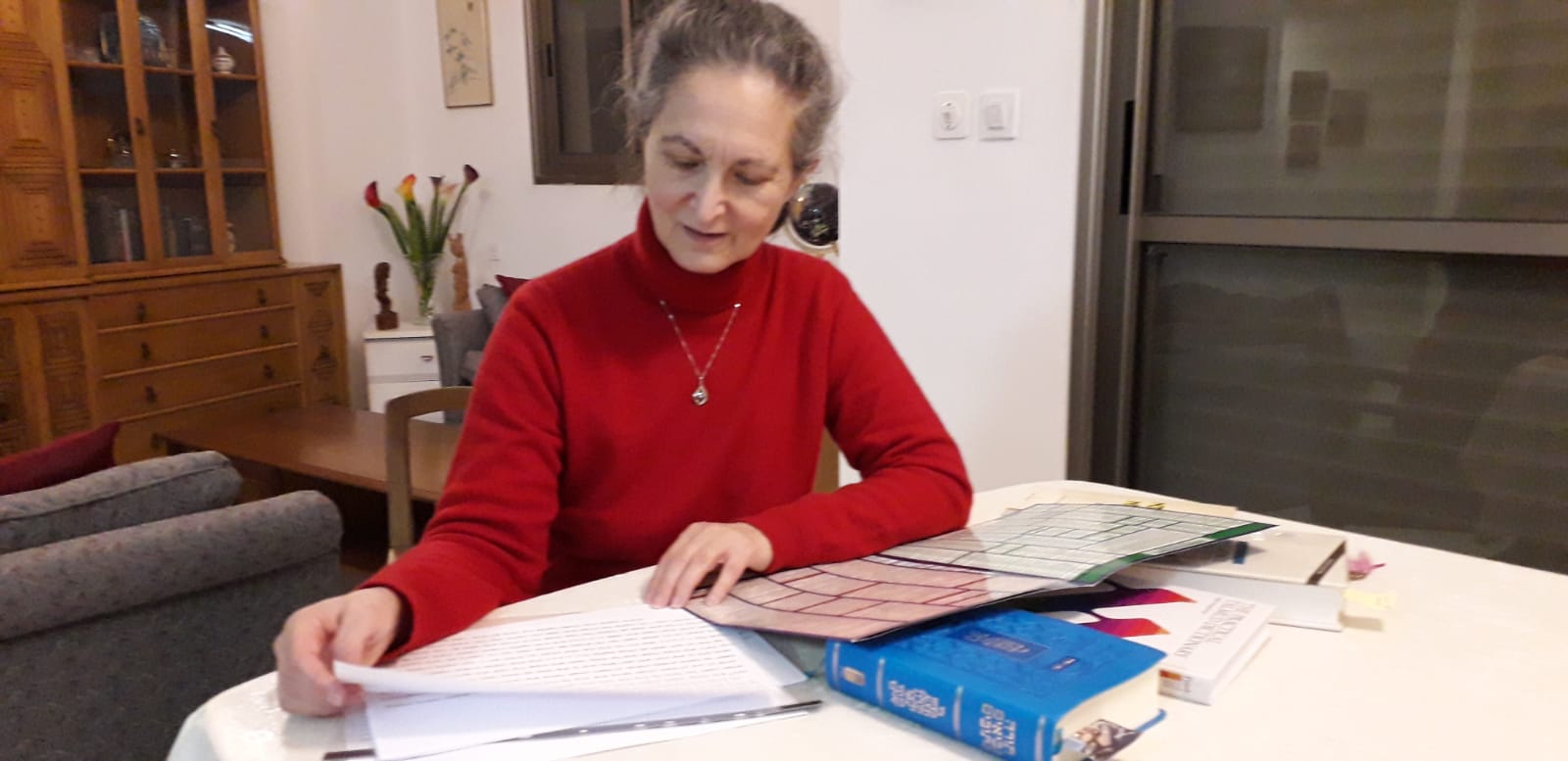
Geri Goldstein got me started learning daf yomi when I was in Israel 2 years ago. It’s been a challenge and I’ve learned a lot though I’m sure I miss a lot. I quilt as I listen and I want to share what I’ve been working on.

Rebecca Stulberg
Rebecca Stulberg

Ottawa, Canada

What a great experience to learn with Rabbanit Michelle Farber. I began with this cycle in January 2020 and have been comforted by the consistency and energy of this process throughout the isolation period of Covid. Week by week, I feel like I am exploring a treasure chest with sparkling gems and puzzling antiquities. The hunt is exhilarating.

Marian Frankston
Marian Frankston

Pennsylvania, United States

I’ve been learning since January 2020, and in June I started drawing a phrase from each daf. Sometimes it’s easy (e.g. plants), sometimes it’s very hard (e.g. korbanot), and sometimes it’s loads of fun (e.g. bird racing) to find something to draw. I upload my pictures from each masechet to #DafYomiArt. I am enjoying every step of the journey.

Gila Loike
Gila Loike

Ashdod, Israel

The first month I learned Daf Yomi by myself in secret, because I wasn’t sure how my husband would react, but after the siyyum on Masechet Brachot I discovered Hadran and now sometimes my husband listens to the daf with me. He and I also learn mishnayot together and are constantly finding connections between the different masechtot.

Laura Warshawsky
Laura Warshawsky

Silver Spring, Maryland, United States

When I began learning Daf Yomi at the beginning of the current cycle, I was preparing for an upcoming surgery and thought that learning the Daf would be something positive I could do each day during my recovery, even if I accomplished nothing else. I had no idea what a lifeline learning the Daf would turn out to be in so many ways.

Laura Shechter
Laura Shechter

Lexington, MA, United States

I began Daf Yomi with the last cycle. I was inspired by the Hadran Siyum in Yerushalayim to continue with this cycle. I have learned Daf Yomi with Rabanit Michelle in over 25 countries on 6 continents ( missing Australia)

Barbara-Goldschlag
Barbara Goldschlag

Silver Spring, MD, United States

I had dreamed of doing daf yomi since I had my first serious Talmud class 18 years ago at Pardes with Rahel Berkovitz, and then a couple of summers with Leah Rosenthal. There is no way I would be able to do it without another wonderful teacher, Michelle, and the Hadran organization. I wake up and am excited to start each day with the next daf.

Beth Elster
Beth Elster

Irvine, United States

See video

Susan Fisher
Susan Fisher

Raanana, Israel

I graduated college in December 2019 and received a set of shas as a present from my husband. With my long time dream of learning daf yomi, I had no idea that a new cycle was beginning just one month later, in January 2020. I have been learning the daf ever since with Michelle Farber… Through grad school, my first job, my first baby, and all the other incredible journeys over the past few years!
Sigal Spitzer Flamholz

Bronx, United States

My curiosity was peaked after seeing posts about the end of the last cycle. I am always looking for opportunities to increase my Jewish literacy & I am someone that is drawn to habit and consistency. Dinnertime includes a “Guess what I learned on the daf” segment for my husband and 18 year old twins. I also love the feelings of connection with my colleagues who are also learning.

Diana Bloom
Diana Bloom

Tampa, United States

“I got my job through the NY Times” was an ad campaign when I was growing up. I can headline “I got my daily Daf shiur and Hadran through the NY Times”. I read the January 4, 2020 feature on Reb. Michelle Farber and Hadran and I have been participating ever since. Thanks NY Times & Hadran!
Deborah Aschheim
Deborah Aschheim

New York, United States

I decided to give daf yomi a try when I heard about the siyum hashas in 2020. Once the pandemic hit, the daily commitment gave my days some much-needed structure. There have been times when I’ve felt like quitting- especially when encountering very technical details in the text. But then I tell myself, “Look how much you’ve done. You can’t stop now!” So I keep going & my Koren bookshelf grows…

Miriam Eckstein-Koas

Huntington, United States

I started learning Gemara at the Yeshivah of Flatbush. And I resumed ‘ברוך ה decades later with Rabbanit Michele at Hadran. I started from Brachot and have had an exciting, rewarding experience throughout seder Moed!

Anne Mirsky (1)
Anne Mirsky

Maale Adumim, Israel

While vacationing in San Diego, Rabbi Leah Herz asked if I’d be interested in being in hevruta with her to learn Daf Yomi through Hadran. Why not? I had loved learning Gemara in college in 1971 but hadn’t returned. With the onset of covid, Daf Yomi and Rabbanit Michelle centered me each day. Thank-you for helping me grow and enter this amazing world of learning.
Meryll Page
Meryll Page

Minneapolis, MN, United States

I began my Daf Yomi journey on January 5, 2020. I had never learned Talmud before. Initially it struck me as a bunch of inane and arcane details with mind bending logic. I am now smitten. Rabbanit Farber brings the page to life and I am eager to learn with her every day!

Lori Stark
Lori Stark

Highland Park, United States

I started learning at the beginning of this Daf Yomi cycle because I heard a lot about the previous cycle coming to an end and thought it would be a good thing to start doing. My husband had already bought several of the Koren Talmud Bavli books and they were just sitting on the shelf, not being used, so here was an opportunity to start using them and find out exactly what was in them. Loving it!

Caroline Levison
Caroline Levison

Borehamwood, United Kingdom

I started learning when my brother sent me the news clip of the celebration of the last Daf Yomi cycle. I was so floored to see so many women celebrating that I wanted to be a part of it. It has been an enriching experience studying a text in a language I don’t speak, using background knowledge that I don’t have. It is stretching my learning in unexpected ways, bringing me joy and satisfaction.

Jodi Gladstone
Jodi Gladstone

Warwick, Rhode Island, United States

In July, 2012 I wrote for Tablet about the first all women’s siyum at Matan in Jerusalem, with 100 women. At the time, I thought, I would like to start with the next cycle – listening to a podcast at different times of day makes it possible. It is incredible that after 10 years, so many women are so engaged!

Beth Kissileff
Beth Kissileff

Pittsburgh, United States

Sukkah 36

הָא Χ‘ΦΌΦ°Χ›Χ•ΦΌΧœΦΌΦ·Χ”ΦΌ, הָא Χ‘ΦΌΦ°ΧžΦ΄Χ§Φ°Χ¦ΦΈΧͺΦ·Χ”ΦΌ.

this mishna, where it states that if the etrog was peeled it is unfit, is in a case where all of it was peeled. That statement of Rava that if it was peeled it is fit is in a case where only part of it was peeled.

Χ Φ΄Χ‘Φ°Χ“ΦΌΦ·Χ§, Χ Φ΄Χ™Χ§ΦΌΦ·Χ‘. ΧͺΦΌΦΈΧ Φ΅Χ™ Χ’Χ•ΦΌΧœΦΌΦΈΧ Χ‘ΦΌΦ·Χ¨ חֲנִינָא: Χ Φ΄Χ™Χ§ΦΌΦ·Χ‘ Χ ΦΆΧ§ΦΆΧ‘ ΧžΦ°Χ€Χ•ΦΌΧœΦΌΦΈΧ©Χ β€” Χ‘ΦΌΦ°ΧžΦ·Χ©ΦΌΧΦΆΧ”Χ•ΦΌ, וְשׁ֢א֡ינוֹ ΧžΦ°Χ€Χ•ΦΌΧœΦΌΦΈΧ©Χ β€” בִּכְאִיבָּר.

The mishna continues discussing the halakha of an etrog that was split or pierced. Ulla bar αΈ€anina taught: An etrog that was pierced with a hole that completely goes through its body is unfit with any size hole. If the hole does not completely go through the etrog, it is unfit only with a hole the size of an issar coin.

Χ‘ΦΌΦΈΧ’Φ΅Χ™ רָבָא: Χ Χ•ΦΉΧœΦ°Χ“Χ•ΦΌ בָּא֢ΧͺΦ°Χ¨Χ•ΦΉΧ’ Χ‘Φ΄Χ™ΧžΦΈΧ Φ΅Χ™ Χ˜Φ°Χ¨Φ΅Χ€ΦΈΧ”, ΧžΦ·Χ”Χ•ΦΌ? ΧžΦ·ΧΧ™ Χ§ΦΈΧžΦ΄Χ™Χ‘ΦΌΦ·Χ’Φ°Χ™ΦΈΧ ΧœΦ΅Χ™Χ”ΦΌ? אִי נִקְלַף β€” Χͺְּנ֡ינָא! אִי Χ Φ΄Χ‘Φ°Χ“ΦΌΦ·Χ§ β€” Χͺְּנ֡ינָא! אִי Χ Φ΄Χ™Χ§ΦΌΦ·Χ‘ β€” Χͺְּנ֡ינָא!

Rava raised a dilemma: If signs of a tereifa developed in the etrog, what is its halakhic status? The Gemara clarifies: What is the dilemma that he is raising? There are similarities between the halakhot of the etrog in the mishna and some of the halakhot of a tereifa, a bird or animal with a condition that will lead to its death within a year. If it is the case where the etrog was peeled, we already learned that case. If it is the case where the etrog was split, we learned that case as well. And if it is the case where the etrog was pierced, we learned that too. After ruling out those defects, the question remains: With regard to what is Rava’s dilemma?

Χ›ΦΌΦ΄Χ™ קָא ΧžΦ΄Χ™Χ‘ΦΌΦ·Χ’Φ°Χ™ΦΈΧ ΧœΦ΅Χ™Χ”ΦΌ Χ›ΦΌΦ΄Χ“Φ°Χ’Χ•ΦΌΧœΦΌΦΈΧ אָמַר Χ¨Φ·Χ‘ΦΌΦ΄Χ™ Χ™Χ•ΦΉΧ—ΦΈΧ ΦΈΧŸ: ר֡יאָה שׁ֢נִּשְׁ׀ְּכָה Χ›ΦΌΦ°Χ§Φ΄Χ™ΧͺΧ•ΦΉΧŸ β€” כְּשׁ֡רָה. Χ•Φ°ΧΦΈΧžΦ·Χ¨ רָבָא: וְהוּא Χ“ΦΌΦ°Χ§ΦΈΧ™Φ°Χ™ΧžΦ΄Χ™ Χ‘Φ΄Χ™ΧžΦ°Χ€ΦΌΧ•ΦΉΧ Φ·Χ”ΦΈΧ. הָא לָא Χ§ΦΈΧ™Φ°Χ™ΧžΦ΄Χ™ Χ‘Φ΄Χ™ΧžΦ°Χ€ΦΌΧ•ΦΉΧ Φ·Χ”ΦΈΧ β€” Χ˜Φ°Χ¨Φ΅Χ€ΦΈΧ”. הָכָא ΧžΦ·ΧΧ™? Χ“ΦΌΦ΄ΧœΦ°ΧžΦΈΧ Χ”ΦΈΧͺָם הוּא Χ“ΦΌΦ°ΧœΦΈΧ Χ©ΧΦΈΧœΦ΅Χ™Χ˜ Χ‘ΦΌΦ·Χ”ΦΌ אַוּ֡ירָא, Χ”Φ²Χ“Φ·Χ¨ בָּרְיָא, ΧΦ²Χ‘ΦΈΧœ הָכָא Χ“ΦΌΦ°Χ©ΧΦΈΧœΦ΅Χ™Χ˜ Χ‘ΦΌΦ·Χ”ΦΌ אַוּ֡ירָא β€” Χ‘ΦΈΧ¨Χ•ΦΉΧ—Φ΅Χ™ ΧžΦ·Χ‘Φ°Χ¨Φ°Χ—ΦΈΧ, אוֹ Χ“Φ΄ΧœΦ°ΧžΦΈΧ לָא שְׁנָא?

The Gemara answers: When he raises the dilemma, it is with regard to a case like that which Ulla said that Rabbi YoαΈ₯anan said: A lung whose contents can be poured like a pitcher, i.e., whose tissue dissolved to the point of liquefaction, is not a sign of tereifa, and the animal is kosher. And Rava said: And that is the halakha only where the bronchia are intact. However, if the bronchia are not intact, it is a sign of tereifa. The dilemma here is with regard to a comparable situation in an etrog, i.e., an etrog that liquefied from within: What is its halakhic status? Perhaps it is there, in the case of the lung, where the air does not affect it since it is completely enclosed in the body, that the lungs can recover, and that is why it is not a tereifa. However, here, in the case of the etrog, where the air affects it, it inevitably decays and spoils and therefore it is a tereifa. Or, perhaps the case of the etrog is no different.

Χͺָּא שְׁמַג: א֢ΧͺΦ°Χ¨Χ•ΦΉΧ’ ΧͺΦΌΦΈΧ€Χ•ΦΌΧ—Φ· Χ‘ΦΈΧ¨Χ•ΦΌΧ—Φ·, כָּבוּשׁ, Χ©ΧΦΈΧœΧ•ΦΌΧ§, כּוּשִׁי, ΧœΦΈΧ‘ΦΈΧŸ, Χ•ΦΌΧžΦ°Χ Χ•ΦΌΧžΦΌΦΈΧ¨ β€” Χ€ΦΌΦΈΧ‘Χ•ΦΌΧœ. א֢ΧͺΦ°Χ¨Χ•ΦΉΧ’ Χ›ΦΌΦ°Χ›Φ·Χ“ΦΌΧ•ΦΌΧ¨ β€” Χ€ΦΌΦΈΧ‘Χ•ΦΌΧœ, וְי֡שׁ ΧΧ•ΦΉΧžΦ°Χ¨Φ΄Χ™Χ: אַף Χ”Φ·Χͺְּיוֹם. א֢ΧͺΦ°Χ¨Χ•ΦΉΧ’ Χ”Φ·Χ‘ΦΌΧ•ΦΉΧ‘ΦΆΧ¨ β€” Χ¨Φ·Χ‘ΦΌΦ΄Χ™ גֲקִיבָא Χ€ΦΌΧ•ΦΉΧ‘Φ΅Χœ, Χ•Φ·Χ—Φ²Χ›ΦΈΧžΦ΄Χ™Χ ΧžΦ·Χ›Φ°Χ©ΧΦ΄Χ™Χ¨Φ΄Χ™ΧŸ. Χ’ΦΌΦ΄Χ“ΦΌΦ°ΧœΧ•ΦΉ Χ‘ΦΌΦ΄Χ“Φ°Χ€Χ•ΦΌΧ‘ וַגֲשָׂאוֹ Χ›ΦΌΦ°ΧžΦ΄Χ™ΧŸ Χ‘ΦΌΦ°Χ¨Φ΄Χ™ΦΌΦΈΧ” אַח֢ר֢Χͺ β€” Χ€ΦΌΦΈΧ‘Χ•ΦΌΧœ.

The Gemara answers: Come and hear a resolution to this dilemma based on that which was taught in a baraita. An etrog that is tafuaαΈ₯, saruaαΈ₯, pickled, boiled, a black Cushite etrog, a white etrog, or a speckled etrog is unfit. An etrog shaped like a ball is unfit, and some say even a twin, conjoined, etrog is unfit. With regard to an etrog that is unripe, Rabbi Akiva deems it unfit, and the Rabbis deem it fit. If he grew the etrog in a mold and shaped it to appear like a different entity, and it is no longer shaped like an etrog, it is unfit.

Χ§ΦΈΧͺΦΈΧ Φ΅Χ™ ΧžΦ΄Χ™Χ”Φ·Χͺ ΧͺΦΌΦΈΧ€Χ•ΦΌΧ—Φ· Χ‘ΦΈΧ¨Χ•ΦΌΧ—Φ·, ΧžΦ·ΧΧ™ ΧœΦΈΧΧ•: ΧͺΦΌΦΈΧ€Χ•ΦΌΧ—Φ· ΧžΦ΄Χ‘ΦΌΦ·Χ—Χ•ΦΌΧ₯, Χ•Φ°Χ‘ΦΈΧ¨Χ•ΦΌΧ—Φ· ΧžΦ΄Χ‘ΦΌΦ΄Χ€Φ°Χ Φ΄Χ™Χ! לָא, אִידִי וְאִידִי ΧžΦ΄Χ‘ΦΌΦ·Χ—Χ•ΦΌΧ₯, Χ•Φ°ΧœΦΈΧ קַשְׁיָא: הָא Χ“ΦΌΦ΄ΧͺΦ°Χ€Φ·Χ— אַף גַל Χ’ΦΌΦ·Χ‘ Χ“ΦΌΦ°ΧœΦΈΧ Χ‘Φ°Χ¨Φ·Χ—, הָא Χ“ΦΌΦ΄Χ‘Φ°Χ¨Φ·Χ— אַף גַל Χ’ΦΌΦ·Χ‘ Χ“ΦΌΦ°ΧœΦΈΧ ΧͺΦΌΦ°Χ€Φ·Χ—.

In any event, it teaches that an etrog that is tafuaαΈ₯ or saruaαΈ₯ is unfit. What, is it not that tafuaαΈ₯ means that it decayed on the outside and saruaαΈ₯ means that it decayed on the inside? The Gemara rejects this explanation: No, both this and that are referring to decay on the outside. And this apparent redundancy is not difficult, as this case, tafuaαΈ₯, is where it swelled even though it did not decay, and that case, saruaαΈ₯, is where it decayed even though it did not swell.

אָמַר מָר: א֢ΧͺΦ°Χ¨Χ•ΦΉΧ’ כּוּשִׁי β€” Χ€ΦΌΦΈΧ‘Χ•ΦΌΧœ. Χ•Φ°Χ”ΦΈΧͺַנְיָא: כּוּשִׁי כָּשׁ֡ר, Χ“ΦΌΧ•ΦΉΧžΦΆΧ” ΧœΦ°Χ›Χ•ΦΌΧ©ΧΦ΄Χ™ β€” Χ€ΦΌΦΈΧ‘Χ•ΦΌΧœ! אֲמַר אַבָּי֡י: Χ›ΦΌΦ΄Χ™ Χͺְּנַן Χ ΦΈΧžΦ΅Χ™ מַΧͺΦ°Χ Φ΄Χ™ΧͺΦ΄Χ™ΧŸ, Χ“ΦΌΧ•ΦΉΧžΦΆΧ” ΧœΦ°Χ›Χ•ΦΌΧ©ΧΦ΄Χ™ Χͺְּנַן. רָבָא אָמַר: לָא קַשְׁיָא הָא לַן, וְהָא ΧœΦ°Χ”Χ•ΦΌ.

The Master said in the baraita cited above: A Cushite etrog is unfit. The Gemara asks: But isn’t it taught in a different baraita: A Cushite etrog is fit, but an etrog that is similar to a Cushite etrog is unfit. Abaye said: When we learned this halakha in the mishna that it is unfit, too, we learned it not in reference to an actual Cushite etrog, but rather in reference to one that is similar to a Cushite etrog. Rava said: Actually, the mishna is referring to a Cushite etrog, and nevertheless, it is not difficult; this, the halakha that it is unfit, is for us in Babylonia because our etrogim are typically light, and the dark Cushite etrogim are conspicuously different. And that, the halakha that it is fit, is for them in Eretz Yisrael, whose etrogim are typically dark. In Eretz Yisrael the dark Cushite etrog is not conspicuously different, and it is therefore fit.

א֢ΧͺΦ°Χ¨Χ•ΦΉΧ’ Χ”Φ·Χ‘ΦΌΧ•ΦΉΧ‘ΦΆΧ¨ β€” Χ¨Φ·Χ‘ΦΌΦ΄Χ™ גֲקִיבָא Χ€ΦΌΧ•ΦΉΧ‘Φ΅Χœ Χ•Φ·Χ—Φ²Χ›ΦΈΧžΦ΄Χ™Χ ΧžΦ·Χ›Φ°Χ©ΧΦ΄Χ™Χ¨Φ΄Χ™ΧŸ. אָמַר Χ¨Φ·Χ‘ΦΌΦΈΧ”: Χ¨Φ·Χ‘ΦΌΦ΄Χ™ גֲקִיבָא Χ•Φ°Χ¨Φ·Χ‘ΦΌΦ΄Χ™ Χ©ΧΦ΄ΧžΦ°Χ’Χ•ΦΉΧŸ ΧΦΈΧžΦ°Χ¨Χ•ΦΌ Χ“ΦΌΦΈΧ‘ΦΈΧ¨ א֢חָד. Χ¨Φ·Χ‘ΦΌΦ΄Χ™ גֲקִיבָא β€” הָא Χ“ΦΌΦ·ΧΦ²ΧžΦ·Χ¨Φ·ΧŸ. Χ¨Φ·Χ‘ΦΌΦ΄Χ™ Χ©ΧΦ΄ΧžΦ°Χ’Χ•ΦΉΧŸ ΧžΦ·ΧΧ™ הִיא β€” (Χ“ΦΌΦ°Χͺַנְיָא:) Χ¨Φ·Χ‘ΦΌΦ΄Χ™ Χ©ΧΦ΄ΧžΦ°Χ’Χ•ΦΉΧŸ Χ€ΦΌΧ•ΦΉΧ˜Φ΅Χ¨ א֢Χͺ הָא֢Χͺְרוֹגִים Χ‘ΦΌΦ°Χ§Χ•ΦΉΧ˜Φ°Χ ΦΈΧŸ.

It was also taught in the baraita: With regard to an unripe etrog, Rabbi Akiva deems it unfit, and the Rabbis deem it fit. Rabba said: Rabbi Akiva and Rabbi Shimon said one and the same statement. The Gemara elaborates: The statement of Rabbi Akiva is that which we said; an unripe etrog is unfit. Rabbi Shimon, what is his statement? It is as it is taught in a baraita: Rabbi Shimon exempts etrogim from the requirement to be tithed while in their small state. Apparently, Rabbi Shimon, too, holds that an unripe etrog is not a fruit.

אֲמַר ΧœΦ΅Χ™Χ”ΦΌ אַבָּי֡י: Χ“ΦΌΦ΄ΧœΦ°ΧžΦΈΧ לָא הִיא, Χ’Φ·Χ“ Χ›ΦΌΦΈΧΧŸ לָא קָאָמַר Χ¨Φ·Χ‘ΦΌΦ΄Χ™ גֲקִיבָא הָכָא, Χ“ΦΌΦ°Χ‘ΦΈΧ’Φ΅Χ™Χ Φ·ΧŸ Χ΄Χ”ΦΈΧ“ΦΈΧ¨Χ΄ Χ•Φ°ΧœΦ΅Χ™Χ›ΦΌΦΈΧ, ΧΦ²Χ‘ΦΈΧœ Χ”ΦΈΧͺָם β€” Χ›ΦΌΦ°Χ¨Φ·Χ‘ΦΌΦΈΧ Φ·ΧŸ בְבִירָא ΧœΦ΅Χ™Χ”ΦΌ.

Abaye said to Rabba: Perhaps that is not the case and they do not share the same opinion. Rabbi Akiva stated his opinion only here, with regard to an unripe etrog, as we require beauty [hadar] in an etrog and there is none in the case of an unripe etrog due to its color or small size; however, there, with regard to tithes, perhaps he holds in accordance with the opinion of the Rabbis that one is obligated to tithe even a half-ripe etrog.

אִי Χ ΦΈΧžΦ΅Χ™, Χ’Φ·Χ“ Χ›ΦΌΦΈΧΧŸ לָא קָאָמַר Χ¨Φ·Χ‘ΦΌΦ΄Χ™ Χ©ΧΦ΄ΧžΦ°Χ’Χ•ΦΉΧŸ Χ”ΦΈΧͺָם, א֢לָּא Χ“ΦΌΦ΄Χ›Φ°ΧͺΦ΄Χ™Χ‘: Χ΄Χ’Φ·Χ©ΦΌΧ‚Φ΅Χ¨ ΧͺΦΌΦ°Χ’Φ·Χ©ΦΌΧ‚Φ΅Χ¨ א֡Χͺ Χ›ΦΌΧ‡Χœ ΧͺְּבוּאַΧͺ Χ–Φ·Χ¨Φ°Χ’ΦΆΧšΦΈΧ΄, Χ›ΦΌΦ°Χ“ΦΆΧ¨ΦΆΧšΦ° שׁ֢בְּנ֡י אָדָם ΧžΧ•ΦΉΧ¦Φ΄Χ™ΧΦ΄Χ™ΧŸ ΧœΦ΄Χ–Φ°Χ¨Φ΄Χ™Χ’ΦΈΧ”. ΧΦ²Χ‘ΦΈΧœ הָכָא, Χ›ΦΌΦ°Χ¨Φ·Χ‘ΦΌΦΈΧ Φ·ΧŸ בְבִירָא ΧœΦ΅Χ™Χ”ΦΌ.

Alternatively, Rabbi Shimon stated his opinion only there with regard to the exemption of an unripe etrog from tithes, as it is written: β€œYou shall surely tithe all the produce of your planting, which is brought forth in the field year by year” (Deuteronomy 14:22). From that verse it is derived that the obligation to tithe applies only to produce that has developed to the point where it is typical for people to take it out to the field for sowing; one is not obligated to tithe unripe fruit that is not suitable for planting. However, perhaps here he holds in accordance with the opinion of the Rabbis, who disagree with Rabbi Akiva and would deem an unripe etrog fit.

Χ•Φ°ΧͺΧ•ΦΌ לָא ΧžΦ΄Χ™Χ“ΦΌΦ΅Χ™.

The Gemara notes: And there is nothing more to discuss here. Clearly, the opinions of Rabbi Akiva and Rabbi Shimon do not necessarily coincide.

Χ’ΦΌΦ΄Χ“ΦΌΦ°ΧœΧ•ΦΉ Χ‘ΦΌΦ΄Χ“Φ°Χ€Χ•ΦΌΧ‘ וַגֲשָׂאוֹ Χ›ΦΌΦ°ΧžΦ΄Χ™ΧŸ Χ‘ΦΌΦ°Χ¨Φ΄Χ™ΦΌΦΈΧ” אַח֢ר֢Χͺ β€” Χ€ΦΌΦΈΧ‘Χ•ΦΌΧœ. אָמַר רָבָא: לֹא שָׁנוּ א֢לָּא Χ›ΦΌΦ°ΧžΦ΄Χ™ΧŸ Χ‘ΦΌΦ°Χ¨Φ΄Χ™ΦΌΦΈΧ” אַח֢ר֢Χͺ, ΧΦ²Χ‘ΦΈΧœ Χ›ΦΌΦ΄Χ‘Φ°Χ¨Φ΄Χ™ΦΌΦΈΧ™ΧͺΧ•ΦΉ β€” כָּשׁ֡ר. Χ€ΦΌΦ°Χ©ΧΦ΄Χ™Χ˜ΦΈΧ! Χ›ΦΌΦ°ΧžΦ΄Χ™ΧŸ Χ‘ΦΌΦ°Χ¨Φ΄Χ™ΦΌΦΈΧ” אַח֢ר֢Χͺ (Χͺְּנַן)! לָא צְרִיכָא, דַּגֲבִידָא Χ“ΦΌΦ·Χ€ΦΌΦ΅Χ™ Χ“ΦΌΦ·Χ€ΦΌΦ΅Χ™.

The baraita continues: If he grew the etrog in a mold and shaped it to appear like a different species, it is unfit. Rava said: The Sages taught that it is unfit only if he shaped it to appear like a different species; however, if he shaped the etrog so it still appears like its own species, it is fit. The Gemara asks: That is obvious; the phrase: Like a different species, is explicitly taught in the baraita. If it shaped like its own species, it is fit. The Gemara answers: No, Rava’s statement is necessary to deem fit an etrog that is shaped into the shape of many planks, i.e., pieces of wood attached to each other. Although its shape is not precisely that of a regular etrog, it sufficiently resembles a regular etrog and is fit.

אִיΧͺְּמַר א֢ΧͺΦ°Χ¨Χ•ΦΉΧ’ שׁ֢נְּקָבוּהוּ גַכְבָּרִים, אָמַר Χ¨Φ·Χ‘: ΧΦ΅Χ™ΧŸ Χ–ΦΆΧ” Χ”ΦΈΧ“ΦΈΧ¨. אִינִי? וְהָא Χ¨Φ·Χ‘ΦΌΦ΄Χ™ חֲנִינָא ΧžΦ°Χ˜Φ·Χ‘ΦΌΦ΅Χ™Χœ Χ‘ΦΌΦ΅Χ”ΦΌ Χ•Φ°Χ ΦΈΧ€Φ΅Χ™Χ§ Χ‘ΦΌΦ΅Χ”ΦΌ! Χ•ΦΌΧœΦ°Χ¨Φ·Χ‘ΦΌΦ΄Χ™ חֲנִינָא קַשְׁיָא מַΧͺΦ°Χ Φ΄Χ™ΧͺΦ΄Χ™ΧŸ!

Β§ It was stated that the amora’im disagree with regard to an etrog that mice pierced. Rav said: That is not beautiful. Is that so? But wouldn’t Rabbi αΈ€anina dip his etrog, eat part of it, and fulfill his obligation with what remained of it? The Gemara asks: And for Rabbi αΈ€anina, the mishna is difficult, as it states that an incomplete etrog is unfit.

Χ‘ΦΌΦ΄Χ©ΧΦ°ΧœΦΈΧžΦΈΧ מַΧͺΦ°Χ Φ΄Χ™ΧͺΦ΄Χ™ΧŸ ΧœΦ°Χ¨Φ·Χ‘ΦΌΦ΄Χ™ חֲנִינָא לָא קַשְׁיָא: Χ›ΦΌΦΈΧΧŸ בְּיוֹם Χ˜Χ•ΦΉΧ‘ Χ¨Φ΄ΧΧ©ΧΧ•ΦΉΧŸ, Χ›ΦΌΦΈΧΧŸ בְּיוֹם Χ˜Χ•ΦΉΧ‘ שׁ֡נִי. א֢לָּא ΧœΦ°Χ¨Φ·Χ‘ קַשְׁיָא! אָמַר לְךָ Χ¨Φ·Χ‘: שָׁאנ֡י גַכְבָּרִים Χ“ΦΌΦ΄ΧžΦ°ΧΦ΄Χ™Χ‘Φ΄Χ™.

The Gemara explains: Granted, for Rabbi αΈ€anina, the mishna is not difficult, as it can be explained that here, when the mishna prohibits one from using an incomplete etrog, it is referring to performing the mitzva on the first day of the festival of Sukkot, when a complete taking of the species is required; and there, when Rabbi αΈ€anina’s conduct leads to the conclusion that an incomplete etrog is fit, it is referring to performing the mitzva on the second day of the Festival or thereafter. However, according to Rav, who said an etrog that was pierced by mice is unfit, Rabbi αΈ€anina’s conduct is difficult, as the requirement of beauty applies on all seven days. The Gemara answers: This is not difficult, as Rav could have said to you: Mice are different, as they are repulsive. When mice pierce an etrog, what remains is antithetical to beauty. When a person bites an etrog, what remains can still be considered beautiful.

אִיכָּא Χ“ΦΌΦ°ΧΦΈΧžΦ°Χ¨Φ΄Χ™, אָמַר Χ¨Φ·Χ‘: Χ–ΦΆΧ” Χ”ΦΈΧ“ΦΈΧ¨, דְּהָא Χ¨Φ·Χ‘ΦΌΦ΄Χ™ חֲנִינָא ΧžΦ°Χ˜Φ·Χ‘ΦΌΦ΅Χ™Χœ Χ‘ΦΌΦ΅Χ”ΦΌ Χ•Φ°Χ ΦΈΧ€Φ΅Χ™Χ§ Χ‘ΦΌΦ΅Χ”ΦΌ. Χ•ΦΌΧœΦ°Χ¨Φ·Χ‘ΦΌΦ΄Χ™ חֲנִינָא קַשְׁיָא מַΧͺΦ°Χ Φ΄Χ™ΧͺΦ΄Χ™ΧŸ! לָא קַשְׁיָא: Χ›ΦΌΦΈΧΧŸ בְּיוֹם Χ˜Χ•ΦΉΧ‘ Χ¨Φ΄ΧΧ©ΧΧ•ΦΉΧŸ, Χ›ΦΌΦΈΧΧŸ בְּיוֹם Χ˜Χ•ΦΉΧ‘ שׁ֡נִי.

Β§ Some say this exchange differently. Rav said with regard to an etrog that mice pierced: That is beautiful, as Rabbi αΈ€anina would dip his etrog, eat part of it, and fulfill his obligation with what remained of it, indicating that an incomplete etrog is fit. The Gemara asks: And for Rabbi αΈ€anina, the mishna is difficult, as it states that an incomplete etrog is unfit. The Gemara answers: The mishna is not difficult; here, it is referring to performing the mitzva on the first day of the festival of Sukkot; there, it is referring to performing the mitzva on the second day of the Festival or thereafter.

א֢ΧͺΦ°Χ¨Χ•ΦΉΧ’ קָטָן Χ•Φ°Χ›Χ•ΦΌΧ³. אָמַר רַ׀ְרָם Χ‘ΦΌΦ·Χ¨ ׀ָּ׀ָּא: Χ›ΦΌΦ°ΧžΦ·Χ—Φ°ΧœΧ•ΦΉΧ§ΦΆΧͺ Χ›ΦΌΦΈΧΧŸ, Χ›ΦΌΦΈΧšΦ° ΧžΦ·Χ—Φ°ΧœΧ•ΦΉΧ§ΦΆΧͺ בַּאֲבָנִים ΧžΦ°Χ§Χ•ΦΌΧ¨Φ°Χ–ΦΈΧœΧ•ΦΉΧͺ. Χ“ΦΌΦ°Χͺַנְיָא: בְּשַׁבָּΧͺ שָׁלֹשׁ אֲבָנִים ΧžΦ°Χ§Χ•ΦΌΧ¨Φ°Χ–ΦΈΧœΧ•ΦΉΧͺ ΧžΧ•ΦΌΧͺΦΌΦΈΧ¨ ΧœΦ°Χ”Φ·Χ›Φ°Χ Φ΄Χ™Χ‘ ΧœΦ°Χ‘Φ΅Χ™Χͺ הַכִּבּ֡א, Χ•Φ°Χ›Φ·ΧžΦΌΦΈΧ” Χ©ΧΦ΄Χ™Χ’Χ•ΦΌΧ¨ΦΈΧŸ? Χ¨Φ·Χ‘ΦΌΦ΄Χ™ ΧžΦ΅ΧΦ΄Χ™Χ¨ ΧΧ•ΦΉΧžΦ΅Χ¨: כּ֢אֱגוֹז, Χ¨Φ·Χ‘ΦΌΦ΄Χ™ Χ™Φ°Χ”Χ•ΦΌΧ“ΦΈΧ” ΧΧ•ΦΉΧžΦ΅Χ¨: Χ›ΦΌΦ°Χ‘Φ΅Χ™Χ¦ΦΈΧ”.

A dispute between Rabbi Meir and Rabbi Yehuda is cited in a mishna with regard to the minimum measure of a small etrog. Rafram bar Pappa said: Like the dispute here, so is the dispute with regard to the matter of rounded stones, as it was taught in a baraita: On Shabbat three rounded stones may be taken into the bathroom in order to clean oneself with them. Although generally one may not move stones on Shabbat because they are set aside from use, the Sages permitted doing so in the interest of human dignity. However, they disagreed, with regard to the size of these stones. And what is their measure? Rabbi Meir says: A walnut-bulk; Rabbi Yehuda says: An egg-bulk. Clearly the rationales for these disputes are different; however, since the respective measures are identical, the analogy can serve as a mnemonic.

Χ•ΦΌΧ‘Φ·Χ’ΦΌΦΈΧ“Χ•ΦΉΧœ Χ›ΦΌΦ°Χ“Φ΅Χ™ שׁ֢יֹּאחַז Χ›ΦΌΧ•ΦΌΧ³. Χͺַּנְיָא, אָמַר Χ¨Φ·Χ‘ΦΌΦ΄Χ™ Χ™Χ•ΦΉΧ‘Φ΅Χ™: ΧžΦ·Χ’Φ²Χ©Χ‚ΦΆΧ” Χ‘ΦΌΦ°Χ¨Φ·Χ‘ΦΌΦ΄Χ™ גֲקִיבָא שׁ֢בָּא ΧœΦ°Χ‘Φ΅Χ™Χͺ Χ”Φ·Χ›ΦΌΦ°Χ ΦΆΧ‘ΦΆΧͺ וְא֢ΧͺΦ°Χ¨Χ•ΦΉΧ’Χ•ΦΉ גַל Χ›ΦΌΦ°ΧͺΦ΅Χ€Χ•ΦΉ! אָמַר ΧœΧ•ΦΉ Χ¨Φ·Χ‘ΦΌΦ΄Χ™ Χ™Φ°Χ”Χ•ΦΌΧ“ΦΈΧ”: מִשָּׁם רְאָיָה? אַף ה֡ם ΧΦΈΧžΦ°Χ¨Χ•ΦΌ ΧœΧ•ΦΉ: ΧΦ΅Χ™ΧŸ Χ–ΦΆΧ” Χ”ΦΈΧ“ΦΈΧ¨.

The mishna continues: And in a large etrog, the maximum measure is so that one could hold two in his one hand; this is the statement of Rabbi Yehuda. Rabbi Yosei says: It is fit even if it is so large that he can hold only one in his two hands. It is taught in a baraita that Rabbi Yosei said: There was an incident involving Rabbi Akiva, who came to the synagogue, and his etrog was so large that he carried it on his shoulder. Apparently, one can fulfill his obligation with a large etrog. Rabbi Yehuda said to him: Is there proof from there? In that case, too, the Sages said to him: That is not beauty.

מַΧͺΦ°Χ Φ΄Χ™Χ³ ΧΦ΅Χ™ΧŸ ΧΧ•ΦΉΧ’Φ°Χ“Φ΄Χ™ΧŸ א֢Χͺ Χ”Φ·ΧœΦΌΧ•ΦΌΧœΦΈΧ‘ א֢לָּא Χ‘ΦΌΦ°ΧžΦ΄Χ™Χ Χ•ΦΉ, Χ“ΦΌΦ΄Χ‘Φ°Χ¨Φ΅Χ™ Χ¨Φ·Χ‘ΦΌΦ΄Χ™ Χ™Φ°Χ”Χ•ΦΌΧ“ΦΈΧ”. Χ¨Φ·Χ‘ΦΌΦ΄Χ™ ΧžΦ΅ΧΦ΄Χ™Χ¨ ΧΧ•ΦΉΧžΦ΅Χ¨: ΧΦ²Χ€Φ΄Χ™ΧœΦΌΧ•ΦΌ (Χ‘ΦΌΦ°Χ—Χ•ΦΌΧ˜) Χ‘ΦΌΦ΄ΧžΦ°Χ©ΧΦ΄Χ™Χ—ΦΈΧ”. אָמַר Χ¨Φ·Χ‘ΦΌΦ΄Χ™ ΧžΦ΅ΧΦ΄Χ™Χ¨: ΧžΦ·Χ’Φ²Χ©Χ‚ΦΆΧ” בְּאַנְשׁ֡י Χ™Φ°Χ¨Χ•ΦΌΧ©ΧΦΈΧœΦ·Χ™Φ΄Χ שׁ֢הָיוּ ΧΧ•ΦΉΧ’Φ°Χ“Φ΄Χ™ΧŸ א֢Χͺ ΧœΧ•ΦΌΧœΦ°Χ‘Φ΅Χ™Χ”ΦΆΧŸ Χ‘ΦΌΦ°Χ’Φ΄Χ™ΧžΧ•ΦΉΧ Φ΄Χ™ΦΌΧ•ΦΉΧͺ שׁ֢ל Χ–ΦΈΧ”ΦΈΧ‘. ΧΦΈΧžΦ°Χ¨Χ•ΦΌ ΧœΧ•ΦΉ: Χ‘ΦΌΦ°ΧžΦ΄Χ™Χ Χ•ΦΉ Χ”ΦΈΧ™Χ•ΦΌ ΧΧ•ΦΉΧ’Φ°Χ“Φ΄Χ™ΧŸ אוֹΧͺΧ•ΦΉ ΧžΦ΄ΧœΦΌΦ°ΧžΦ·Χ˜ΦΌΦΈΧ”.

MISHNA: One may bind the lulav only with its own species; i.e., one of the four species taken with the lulav. This is the statement of Rabbi Yehuda. Rabbi Meir says: One may do so even with a string or with a cord. Rabbi Meir said: There was an incident involving the men of Jerusalem who would bind their lulavim with gold rings. The Sages said to him: They would bind it with its own species beneath the rings, which serve a merely decorative purpose and not a halakhic one.

Χ’ΦΌΦ°ΧžΦΈΧ³ אָמַר רָבָא: ΧΦ²Χ€Φ΄Χ™ΧœΦΌΧ•ΦΌ Χ‘ΦΌΦ°Χ‘Φ΄Χ™Χ‘, ΧΦ²Χ€Φ΄Χ™ΧœΦΌΧ•ΦΌ בְּגִיקָּרָא Χ“ΦΌΦ°Χ“Φ΄Χ™Χ§Φ°ΧœΦΈΧ. Χ•Φ°ΧΦΈΧžΦ·Χ¨ רָבָא: ΧžΦ·ΧΧ™ Χ˜Φ·Χ’Φ°ΧžΦ΅Χ™Χ”ΦΌ Χ“ΦΌΦ°Χ¨Φ·Χ‘ΦΌΦ΄Χ™ Χ™Φ°Χ”Χ•ΦΌΧ“ΦΈΧ”, Χ§ΦΈΧ‘ΦΈΧ‘Φ·Χ¨: ΧœΧ•ΦΌΧœΦΈΧ‘ Χ¦ΦΈΧ¨Φ΄Χ™ΧšΦ° א֢ג֢ד, וְאִי ΧžΦ·Χ™Φ°Χ™ΧͺΦ΅Χ™ ΧžΦ΄Χ™Χ ΦΈΧ אַחֲרִינָא β€” Χ”ΦΈΧ•Φ΅Χ” Χ—Φ·ΧžΦ°Χ©ΧΦΈΧ” ΧžΦ΄Χ™Χ Φ΅Χ™.

GEMARA: Rava said: One may bind the lulav even with fibers that grow around the trunk of the date palm, and even with a piece of the trunk of the date palm. And Rava said: What is the rationale for the opinion of Rabbi Yehuda? He holds that a lulav requires binding, and if one brings another species to bind the lulav, there will be five species and he will violate the prohibition against adding to the mitzvot.

Χ•Φ°ΧΦΈΧžΦ·Χ¨ רָבָא: מְנָא ΧΦΈΧžΦ΅Χ™Χ ΦΈΧ ΧœΦ·Χ”ΦΌ Χ“ΦΌΦ°Χ‘Φ΄Χ™Χ‘ וְגִיקָּרָא Χ“ΦΌΦ°Χ“Φ΄Χ™Χ§Φ°ΧœΦΈΧ ΧžΦ΄Χ™Χ ΦΈΧ Χ“Φ°ΧœΧ•ΦΌΧœΦ·Χ‘ΦΌΦΈΧ הוּא β€” Χ“ΦΌΦ°Χͺַנְיָא: Χ΄Χ‘ΦΌΦ·Χ‘ΦΌΧ•ΦΌΧ›ΦΌΧ•ΦΉΧͺ Χͺּ֡שְׁבוּ״, Χ‘Χ•ΦΌΧ›ΦΌΦΈΧ” שׁ֢ל Χ›ΦΌΧ‡Χœ Χ“ΦΌΦΈΧ‘ΦΈΧ¨, Χ“ΦΌΦ΄Χ‘Φ°Χ¨Φ΅Χ™ Χ¨Φ·Χ‘ΦΌΦ΄Χ™ ΧžΦ΅ΧΦ΄Χ™Χ¨. Χ¨Φ·Χ‘ΦΌΦ΄Χ™ Χ™Φ°Χ”Χ•ΦΌΧ“ΦΈΧ” ΧΧ•ΦΉΧžΦ΅Χ¨: ΧΦ΅Χ™ΧŸ Χ‘Χ•ΦΌΧ›ΦΌΦΈΧ” Χ Χ•ΦΉΧ”ΦΆΧ’ΦΆΧͺ א֢לָּא בְּאַרְבָּגָה ΧžΦ΄Χ™Χ Φ΄Χ™Χ Χ©ΧΦΆΧ‘ΦΌΦ·ΧœΦΌΧ•ΦΌΧœΦΈΧ‘. Χ•Φ°Χ”Φ·Χ“ΦΌΦ΄Χ™ΧŸ Χ Χ•ΦΉΧͺ֡ן: Χ•ΦΌΧžΦΈΧ” ΧœΧ•ΦΌΧœΦΈΧ‘ Χ©ΧΦΆΧΦ΅Χ™ΧŸ Χ Χ•ΦΉΧ”Φ΅Χ’ Χ‘ΦΌΦ·ΧœΦΌΦ΅Χ™ΧœΧ•ΦΉΧͺ Χ›ΦΌΦ°Χ‘Φ·Χ™ΦΌΦΈΧžΦ΄Χ™Χ, א֡ינוֹ Χ Χ•ΦΉΧ”Φ΅Χ’ א֢לָּא בְּאַרְבַּגַΧͺ ΧžΦ΄Χ™Χ Φ΄Χ™ΧŸ, Χ‘Χ•ΦΌΧ›ΦΌΦΈΧ” שׁ֢נּוֹה֢ג֢Χͺ Χ‘ΦΌΦ·ΧœΦΌΦ΅Χ™ΧœΧ•ΦΉΧͺ Χ›ΦΌΦ°Χ‘Φ·Χ™ΦΌΦΈΧžΦ΄Χ™Χ β€” א֡ינוֹ Χ“ΦΌΦ΄Χ™ΧŸ שׁ֢לֹּא Χͺְּה֡א א֢לָּא בְּאַרְבַּגַΧͺ ΧžΦ΄Χ™Χ Φ΄Χ™ΧŸ!

And Rava further said: From where do I say this halakha that fibers and the trunk of the date palm are the species of the lulav? It is as it is taught in a baraita that it is written: β€œYou shall reside in sukkot for seven days” (Leviticus 23:42), which means a sukka of any material, as the Torah was not particular about the material to be used for the roofing; any species may be used as long as it grew from the ground and it is not susceptible to impurity. This is the statement of Rabbi Meir. Rabbi Yehuda says: The mitzva of sukka is practiced only with the four species of the lulav as roofing. And, he claims, logic dictates that it is so, as it is derived by means of an a fortiori inference: Just as the mitzva of lulav, which is not practiced at night as it is during the day, is practiced only with the four species, with regard to the mitzva of sukka, which is practiced at night as it is during the day, is it not right that its roofing should be only from the four species?

ΧΦΈΧžΦ°Χ¨Χ•ΦΌ ΧœΧ•ΦΉ: Χ›ΦΌΧ‡Χœ Χ“ΦΌΦ΄Χ™ΧŸ שׁ֢אַΧͺΦΌΦΈΧ” Χ“ΦΌΦΈΧŸ ΧͺΦΌΦ°Χ—Φ΄ΧœΦΌΦΈΧͺΧ•ΦΉ ΧœΦ°Χ”Φ·Χ—Φ°ΧžΦ΄Χ™Χ¨ Χ•Φ°Χ‘Χ•ΦΉΧ€Χ•ΦΉ ΧœΦ°Χ”ΦΈΧ§Φ΅Χœ β€” א֡ינוֹ Χ“ΦΌΦ΄Χ™ΧŸ.

The Rabbis said to him: That is not an a fortiori inference, as any a fortiori inference that you infer initially to be stringent, but ultimately it is to be lenient, is not a legitimate a fortiori inference. If ultimately the stringency leads to a leniency, the entire basis of the inference is undermined.

Want to follow content and continue where you left off?

Create an account today to track your progress, mark what you’ve learned, and follow the shiurim that speak to you.

Clear all items from this list?

This will remove ALL the items in this section. You will lose any progress or history connected to them. This is irreversible.

Cancel
Yes, clear all

Are you sure you want to delete this item?

You will lose any progress or history connected to this item.

Cancel
Yes, delete