








If one did not fulfill one’s mitzva of taking a lulav in the morning, for how long can it be done? If one started eating, should one stop eating and take the lulav? Is it possible to fulfill one’s obligation of Hallel if one doesn’t know the words by having someone else read it for him? What difference does it make if the person reciting it for him is a man, or a woman, a Canaanite slave or a minor? Raba brings all kinds of customs of Hillel from which it is possible to learn different laws of the recitation of Hillel. One who hears one recite a blessing, it is as if one answered amen/recited it by oneself. From where is this learned?
Sukkah 38

08.13.2021 | ה׳ באלול תשפ״א
Share this shiur:
Want to dedicate learning? Get started here:
Sukkah 38
שְׁיָרֵי מִצְוָה מְעַכְּבִין אֶת הַפּוּרְעָנוּת. שֶׁהֲרֵי תְּנוּפָה שְׁיָרֵי מִצְוָה הִיא — וְעוֹצֶרֶת רוּחוֹת וּטְלָלִים רָעִים. וְאָמַר רָבָא: וְכֵן בְּלוּלָב. רַב אַחָא בַּר יַעֲקֹב מַמְטֵי לֵיהּ וּמַיְיתֵי לֵיהּ, אֲמַר: דֵּין גִּירָא בְּעֵינֵיהּ דְּסִטְנָא. וְלָאו מִלְּתָא הִיא, מִשּׁוּם דְּאָתֵי לְאִיגָּרוֹיֵי בֵּיהּ.
non-essential aspects of a mitzva avert calamity, as waving is a non-essential aspect of the mitzva, since even if one failed to wave the loaves he fulfilled his obligation, and nevertheless it halts harmful winds and dews. And Rava said: And likewise one should conduct himself the same way with a lulav, i.e., one should wave it to and fro and raise and lower it for the same reasons. When Rav Aḥa bar Ya’akov would move the lulav to and fro, he would say: This is an arrow in the eye of Satan, as despite his best efforts, the Jewish people continue to joyously fulfill mitzvot. The Gemara notes: That is not a proper manner of conduct, as it will induce Satan to come to incite him to sin. Gloating due to his victory over the evil inclination will lead Satan to redouble his efforts to corrupt him.
מַתְנִי׳ מִי שֶׁבָּא בַּדֶּרֶךְ וְלֹא הָיָה בְּיָדוֹ לוּלָב לִיטּוֹל — לִכְשֶׁיִּכָּנֵס לְבֵיתוֹ, יִטּוֹל עַל שֻׁלְחָנוֹ. לֹא נָטַל שַׁחֲרִית — יִטּוֹל בֵּין הָעַרְבַּיִם, שֶׁכׇּל הַיּוֹם כָּשֵׁר לְלוּלָב.
MISHNA: With regard to one who was coming along the way and did not have a lulav in his hand to take and fulfill the mitzva while traveling, when he enters his house to eat, he should take the lulav at his table. He interrupts his meal to fulfill the mitzva of lulav. If he did not take the lulav in the morning, he should take it in the afternoon, as the entire day is suited for fulfilling the mitzva of lulav.
גְּמָ׳ אָמְרַתְּ, נוֹטְלוֹ עַל שֻׁלְחָנוֹ; לְמֵימְרָא דְּמַפְסֵיק? וּרְמִינְהִי: אִם הִתְחִילוּ — אֵין מַפְסִיקִין! אָמַר רַב סָפְרָא: לָא קַשְׁיָא, הָא — דְּאִיכָּא שְׁהוּת בַּיּוֹם, הָא — דְּלֵיכָּא שְׁהוּת בַּיּוֹם.
GEMARA: The Gemara analyzes the mishna. On one hand, you said that if he did not take the lulav before the meal then he takes it at his table. That is to say that if remembers that he did not yet take the lulav, he interrupts his meal, takes the lulav, and then continues his meal. And the Gemara raises a contradiction from a mishna (Shabbat 9b): One may not begin to eat before he recites the afternoon prayer; however, if they started a meal, they need not interrupt the meal in order to pray. Rav Safra said: This is not difficult, as that mishna, where one need not interrupt his meal, is referring to a case where there is opportunity to pray later in the day; this mishna, where one must interrupt his meal, is referring to a case where there is no opportunity to take the lulav later in the day. In that case, one must fulfill the mitzva immediately.
אָמַר רָבָא: מַאי קוּשְׁיָא? דִּילְמָא הָא דְּאוֹרָיְיתָא, הָא דְּרַבָּנַן. אֶלָּא אָמַר רָבָא: אִי קַשְׁיָא — הָא קַשְׁיָא: לִכְשֶׁיִּכָּנֵס לְבֵיתוֹ — נוֹטְלוֹ עַל שֻׁלְחָנוֹ, אַלְמָא דְּמַפְסֵיק, וַהֲדַר תָּנֵי: לֹא נָטַל שַׁחֲרִית — יִטּוֹל בֵּין הָעַרְבַּיִם. אַלְמָא לָא מַפְסֵיק!
Rava said: What is the difficulty? The two cases are different, and there is no contradiction at all. Perhaps this mitzva of lulav is a mitzva by Torah law, and therefore one must interrupt his meal to take the lulav, while that mitzva to recite the afternoon prayer is a mitzva by rabbinic law, and therefore one need not interrupt his meal to pray. Rather, Rava said: If there is a difficulty, i.e., a contradiction, this is the difficulty: In the first clause in the mishna it says that when he enters his house to eat, he should take the lulav at his table. Apparently, one must interrupt his meal. And then in the latter clause of the mishna it is taught: If he did not take the lulav in the morning, he should take it in the afternoon. Apparently, he need not interrupt his meal.
אָמַר רַב סָפְרָא: לָא קַשְׁיָא, הָא — דְּאִיכָּא שְׁהוּת בַּיּוֹם, הָא — דְּלֵיכָּא שְׁהוּת בַּיּוֹם.
Resolving the contradiction, Rav Safra said: This is not difficult. This clause, where one need not interrupt his meal, is referring to a case where there is opportunity to take the lulav later in the day; that clause, where one must interrupt his meal, is referring to a case where there is no opportunity to take the lulav later in the day.
אָמַר רַבִּי זֵירָא: מַאי קוּשְׁיָא? דִּלְמָא: מִצְוָה לְאַפְסוֹקֵי, וְאִי לָא פְּסַיק — יִטּוֹל בֵּין הָעַרְבַּיִם, שֶׁכׇּל הַיּוֹם כָּשֵׁר לְלוּלָב. אֶלָּא אָמַר רַבִּי זֵירָא: לְעוֹלָם כִּדְאָמְרִינַן מֵעִיקָּרָא, וּדְקַשְׁיָא לָךְ הָא דְּאוֹרָיְיתָא הָא דְּרַבָּנַן — הָכָא בְּיוֹם טוֹב שֵׁנִי דְּרַבָּנַן עָסְקִינַן.
Rabbi Zeira said: What is the difficulty? There is no contradiction, as perhaps the mishna is teaching that there is a mitzva to interrupt one’s meal and take the lulav; but if he did not interrupt his meal he should take it in the afternoon, as the entire day is suited for fulfilling the mitzva of lulav. Rather, Rabbi Zeira said: Actually, the contradiction is as we said initially, between the ruling with regard to lulav and the ruling with regard to the afternoon prayer. And as to that which you found difficult, i.e., there is no contradiction at all, as this mitzva of lulav is a mitzva by Torah law and that mitzva to recite the afternoon prayer is a mitzva by rabbinic law, that is not difficult; as here, in the case of lulav, we are dealing with the second day of the Festival and beyond, during the intermediate days, when the mitzva of lulav is by rabbinic law. The contradiction is therefore between the rulings pertaining to two mitzvot by rabbinic law.
דַּיְקָא נָמֵי, מִדְּקָתָנֵי: מִי שֶׁבָּא בַּדֶּרֶךְ וְאֵין בְּיָדוֹ לוּלָב. דְּאִי סָלְקָא דַעְתָּךְ בְּיוֹם טוֹב רִאשׁוֹן — מִי שְׁרֵי?!
The language of the mishna is also precise and indicates that it is dealing with the intermediate days of the Festival from the fact that it teaches: One who was coming along the way and does not have a lulav in his hand. As, if it enters your mind to say that the mishna is referring to the first day of the Festival, is it permitted to travel a long distance on that day? Rather, it is referring to the intermediate days.
מַתְנִי׳ מִי שֶׁהָיָה עֶבֶד אוֹ אִשָּׁה אוֹ קָטָן מַקְרִין אוֹתוֹ — עוֹנֶה אַחֲרֵיהֶן מַה שֶּׁהֵן אוֹמְרִין, וְתָבֹא לוֹ מְאֵירָה. אִם הָיָה גָּדוֹל מַקְרֶא אוֹתוֹ, עוֹנֶה אַחֲרָיו ״הַלְלוּיָהּ״. מָקוֹם שֶׁנָּהֲגוּ לִכְפּוֹל — יִכְפּוֹל, לִפְשׁוֹט — יִפְשׁוֹט, לְבָרֵךְ — יְבָרֵךְ, הַכֹּל כְּמִנְהַג הַמְּדִינָה.
MISHNA: With regard to one for whom a Canaanite slave, a woman, or a minor was reciting hallel, he repeats after them what they are saying word for word. The mishna notes: And may a curse come to him for being so ignorant that he needs them to recite it for him. If an adult male was reciting hallel on his behalf, he need not repeat each word, as the adult male can fulfill the obligation to recite hallel on his behalf. Rather, he simply answers: Halleluya, to each phrase that is recited. In a place where they were accustomed to repeat certain verses, he, too, should repeat them. If the custom is to recite them plainly, without repetition, he should recite them plainly. In a place where the custom is to recite a blessing when reciting hallel, he should recite a blessing. Everything is in accordance with the local custom in these matters.
גְּמָ׳ תָּנוּ רַבָּנַן: בֶּאֱמֶת אָמְרוּ בֵּן מְבָרֵךְ לְאָבִיו. וְעֶבֶד מְבָרֵךְ לְרַבּוֹ, וְאִשָּׁה מְבָרֶכֶת לְבַעְלָהּ, אֲבָל אָמְרוּ חֲכָמִים: תָּבֹא מְאֵירָה לְאָדָם שֶׁאִשְׁתּוֹ וּבָנָיו מְבָרְכִין לוֹ.
GEMARA: The Sages taught: Actually, they said that a son may recite a blessing on behalf of his father, and a slave may recite a blessing on behalf of his master, and a woman may recite a blessing on behalf of her husband, but the Sages said: May a curse come to a man who, due to his ignorance, requires his wife and children to recite a blessing on his behalf.
אָמַר רָבָא:
Rava said:
הִלְכְתָא גִּיבָּרָתָא אִיכָּא לְמִשְׁמַע מִמִּנְהֲגָא דְהַלֵּילָא. הוּא אוֹמֵר: ״הַלְלוּיָהּ״, וְהֵן אוֹמְרִים: ״הַלְלוּיָהּ״ — מִכָּאן שֶׁמִּצְוָה לַעֲנוֹת ״הַלְלוּיָהּ״.
Many significant halakhot can be learned from the custom of hallel based on the manner in which it was recited. In reciting hallel there are allusions to several halakhic matters and customs that the Sages instituted due to circumstances extant at the time. Although due to increased literacy and familiarity with the hallel liturgy the reasons no longer apply, these customs remain in practice. The prayer leader recites: “Halleluya” (Psalms 113:1), and the congregation recites: Halleluya, in response. From here is the source that there is a mitzva to respond: Halleluya.
הוּא אוֹמֵר: ״הַלָּלוּ עַבְדֵי ה׳״, וְהֵן אוֹמְרִין: ״הַלְלוּיָהּ״ — מִכָּאן שֶׁאִם הָיָה גָּדוֹל מַקְרֶא אוֹתוֹ, עוֹנֶה אַחֲרָיו ״הַלְלוּיָהּ״. הוּא אוֹמֵר: ״הוֹדוּ לַה׳״, וְהֵן אוֹמְרִים: ״הוֹדוּ לַה׳״ — מִכָּאן שֶׁמִּצְוָה לַעֲנוֹת רָאשֵׁי פְרָקִים. אִתְּמַר נָמֵי, אָמַר רַב חָנָן בַּר רָבָא: מִצְוָה לַעֲנוֹת רָאשֵׁי פְרָקִים.
Likewise, the prayer leader recites: “Give praise, servants of the Lord” (Psalms 113:1), and the congregation recites: Halleluya, in response. From here is the source of the halakha cited in the mishna that if an adult male was reciting hallel on his behalf, he answers: Halleluya. He recites: “Thank the Lord, for He is good” (Psalms 118:1), and they respond: “Thank the Lord, for He is good.” From here is the source that there is a mitzva to respond by reciting the beginnings of chapters. It was also stated that Rav Ḥanan bar Rava said: There is a mitzva to respond by reciting the beginnings of chapters.
הוּא אוֹמֵר: ״אָנָא ה׳ הוֹשִׁיעָה נָּא״, וְהֵן אוֹמְרִים: ״אָנָּא ה׳ הוֹשִׁיעָה נָּא״, — מִכָּאן שֶׁאִם הָיָה קָטָן מַקְרֶא אוֹתוֹ, עוֹנִין אַחֲרָיו מַה שֶׁהוּא אוֹמֵר.
Rava continued to cite the significant halakhot learned from hallel. The prayer leader recites: “Lord, please save us” (Psalms 118:25), and the congregation recites: “Lord, please save us,” in response. From here is the source of the halakha cited in the mishna that if a minor was reciting a portion that is not from the beginning of a chapter on one’s behalf, he recites after him precisely what he says.
הוּא אוֹמֵר: ״אָנָא ה׳ הַצְלִיחָה נָּא״ וְהֵן אוֹמְרִים: ״אָנָּא ה׳ הַצְלִיחָה נָּא״, מִכָּאן שֶׁאִם בָּא לִכְפּוֹל — כּוֹפֵל. הוּא אוֹמֵר: ״בָּרוּךְ הַבָּא״, וְהֵן אוֹמְרִים: ״בְּשֵׁם ה׳״ — מִכָּאן לְשׁוֹמֵעַ כְּעוֹנֶה.
The prayer leader recites: “Lord, please grant us success,” and the congregation recites in response: “Lord, please grant us success” (Psalms 118:25). From here is the source of the halakha that if one comes to repeat a particular verse in hallel twice, he may repeat it. The prayer leader recites: “Blessed is one who comes” (Psalms 118:26), and the congregation recites the rest of the verse: “In the name of the Lord” (Psalms 118:26), in response. From here is the source of the halakha that the halakhic status of one who hears a passage recited is equivalent to that of one who recites it, as the congregation fulfills its obligation even though it does not repeat the entire verse.
בְּעוֹ מִינֵּיהּ מֵרַבִּי חִיָּיא בַּר אַבָּא: שָׁמַע וְלֹא עָנָה, מַהוּ? אֲמַר לְהוּ: חַכִּימַיָּא וְסָפְרַיָּא וְרֵישֵׁי עַמָּא וְדָרָשַׁיָּא אָמְרוּ: שָׁמַע וְלֹא עָנָה — יָצָא.
Apropos this halakha, the Gemara relates that the Sages raised a dilemma before Rabbi Ḥiyya bar Abba: If one heard a passage recited and did not recite it himself, what is the halakha? Did he fulfill his obligation or not? He said to them that the Sages, and the schoolteachers, and the heads of the nation, and the homiletic interpreters said: One who heard a passage recited and did not recite it himself fulfilled his obligation.
אִתְּמַר נָמֵי, אָמַר רַבִּי שִׁמְעוֹן בֶּן פַּזִּי אָמַר רַבִּי יְהוֹשֻׁעַ בֶּן לֵוִי מִשּׁוּם בַּר קַפָּרָא: מִנַּיִן לְשׁוֹמֵעַ כְּעוֹנֶה — דִּכְתִיב: ״אֶת (הַדְּבָרִים) אֲשֶׁר קָרָא (יֹאשִׁיָּהוּ)״. וְכִי יֹאשִׁיָּהוּ קְרָאָן? וַהֲלֹא שָׁפָן קְרָאָן, דִּכְתִיב: ״וַיִּקְרָאֵהוּ שָׁפָן (אֵת כׇּל הַדְּבָרִים הָאֵלֶּה) לִפְנֵי הַמֶּלֶךְ״. אֶלָּא, מִכָּאן לְשׁוֹמֵעַ כְּעוֹנֶה.
It was also stated that Rabbi Shimon ben Pazi said that Rabbi Yehoshua ben Levi said in the name of Bar Kappara: From where is it derived that the halakhic status of one who hears a passage recited is equivalent to that of one who recites it? It is as it is written: “All the words of the book which the king of Judea has read” (II Kings 22:16). And did King Josiah read them? Didn’t Shaphan read them, as it is written: “And Shaphan read it before the king” (II Kings 22:10)? Rather, from here it is derived that the halakhic status of one who hears a passage recited is equivalent to that of one who recites it, and it is as though Josiah read the words himself.
וְדִילְמָא בָּתַר דִּקְרָאנְהוּ שָׁפָן קְרָא יֹאשִׁיָּהוּ? אָמַר רַב אַחָא בַּר יַעֲקֹב: לָא סָלְקָא דַּעְתָּךְ, דִּכְתִיב: ״יַעַן רַךְ לְבָבְךָ וַתִּכָּנַע לִפְנֵי ה׳ בְּשׇׁמְעֲךָ (אֶת הַדְּבָרִים הָאֵלֶּה)״ — ״בְּשׇׁמְעֲךָ״ וְלָא ״בְּקׇרְאֲךָ״.
The Gemara asks: And perhaps after Shaphan read them Josiah read them again? Rav Aḥa bar Ya’akov said: It should not enter your mind to say so, as it is written: “Because your heart was tender and you humbled yourself before the Lord when you heard what I spoke in this place” (II Kings 22:19). The Gemara infers: “When you heard” is written in the verse, and not: When you read. In other words, immediately upon hearing Shaphan read the text, King Josiah sent for Huldah the prophetess, which shows that he humbled his heart. Clearly, the halakhic status of one who hears a passage recited is equivalent to that of one who recites it.
אָמַר רָבָא: לָא לֵימָא אִינִישׁ ״בָּרוּךְ הַבָּא״ וַהֲדַר ״בְּשֵׁם ה׳״, אֶלָּא ״בָּרוּךְ הַבָּא בְּשֵׁם ה׳״, בַּהֲדָדֵי. (אֲמַר לֵיהּ רַב סָפְרָא:
Apropos hallel, the Gemara cites additional halakhot. Rava said: Let a person not recite: “Blessed is one who comes,” and then, after pausing, recite: “In the name of the Lord.” Rather, let him recite without pause: “Blessed is one who comes in the name of the Lord.” Rav Safra said to Rava:
Follow 
New to Talmud?
Check out our resources designed to help you navigate a page of Talmud – and study at the pace, level and style that fits you.
The Hadran Women’s Tapestry
Meet the diverse women learning Gemara at Hadran and hear their stories.
After reading the book, “ If All The Seas Were Ink “ by Ileana Kurshan I started studying Talmud. I searched and studied with several teachers until I found Michelle Farber. I have been studying with her for two years. I look forward every day to learn from her.
Janine Rubens
Virginia, United States
Retirement and Covid converged to provide me with the opportunity to commit to daily Talmud study in October 2020. I dove into the middle of Eruvin and continued to navigate Seder Moed, with Rabannit Michelle as my guide. I have developed more confidence in my learning as I completed each masechet and look forward to completing the Daf Yomi cycle so that I can begin again!

Rhona Fink
San Diego, United States
Last cycle, I listened to parts of various מסכתות. When the הדרן סיום was advertised, I listened to Michelle on נידה. I knew that בע”ה with the next cycle I was in (ב”נ). As I entered the סיום (early), I saw the signs and was overcome with emotion. I was randomly seated in the front row, and I cried many times that night. My choice to learn דף יומי was affirmed. It is one of the best I have made!
Miriam Tannenbaum
אפרת, Israel
I began to learn this cycle of Daf Yomi after my husband passed away 2 1/2 years ago. It seemed a good way to connect to him. Even though I don’t know whether he would have encouraged women learning Gemara, it would have opened wonderful conversations. It also gives me more depth for understanding my frum children and grandchildren. Thank you Hadran and Rabbanit Michelle Farber!!
Harriet Hartman
Tzur Hadassah, Israel
I began learning the daf in January 2022. I initially “flew under the radar,” sharing my journey with my husband and a few close friends. I was apprehensive – who, me? Gemara? Now, 2 years in, I feel changed. The rigor of a daily commitment frames my days. The intellectual engagement enhances my knowledge. And the virtual community of learners has become a new family, weaving a glorious tapestry.
Gitta Jaroslawicz-Neufeld
Far Rockaway, United States
“I got my job through the NY Times” was an ad campaign when I was growing up. I can headline “I got my daily Daf shiur and Hadran through the NY Times”. I read the January 4, 2020 feature on Reb. Michelle Farber and Hadran and I have been participating ever since. Thanks NY Times & Hadran!
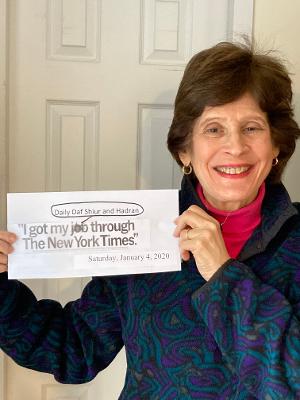
Deborah Aschheim
New York, United States
Margo
I started my Talmud journey in 7th grade at Akiba Jewish Day School in Chicago. I started my Daf Yomi journey after hearing Erica Brown speak at the Hadran Siyum about marking the passage of time through Daf Yomi.
Carolyn
I started my Talmud journey post-college in NY with a few classes. I started my Daf Yomi journey after the Hadran Siyum, which inspired both my son and myself.
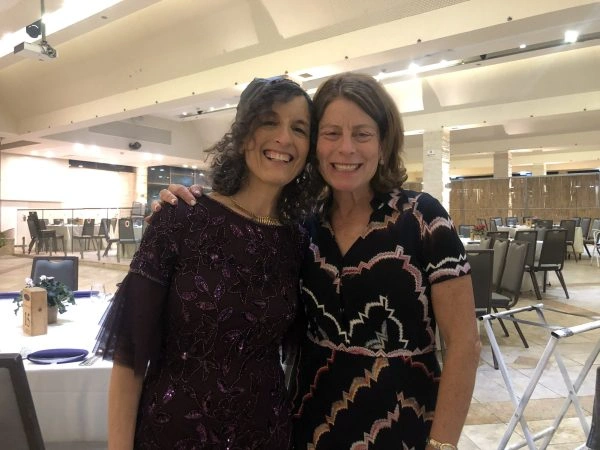
Carolyn Hochstadter and Margo Kossoff Shizgal
Merion Station, USA
Beit Shemesh, Israel
I attended the Siyum so that I could tell my granddaughter that I had been there. Then I decided to listen on Spotify and after the siyum of Brachot, Covid and zoom began. It gave structure to my day. I learn with people from all over the world who are now my friends – yet most of us have never met. I can’t imagine life without it. Thank you Rabbanit Michelle.
Emma Rinberg
Raanana, Israel
I had no formal learning in Talmud until I began my studies in the Joint Program where in 1976 I was one of the few, if not the only, woman talmud major. It was superior training for law school and enabled me to approach my legal studies with a foundation . In 2018, I began daf yomi listening to Rabbanit MIchelle’s pod cast and my daily talmud studies are one of the highlights of my life.
Terri Krivosha
Minneapolis, United States
I started learning at the beginning of the cycle after a friend persuaded me that it would be right up my alley. I was lucky enough to learn at Rabbanit Michelle’s house before it started on zoom and it was quickly part of my daily routine. I find it so important to see for myself where halachot were derived, where stories were told and to get more insight into how the Rabbis interacted.
Deborah Dickson
Ra’anana, Israel
I’ve been wanting to do Daf Yomi for years, but always wanted to start at the beginning and not in the middle of things. When the opportunity came in 2020, I decided: “this is now the time!” I’ve been posting my journey daily on social media, tracking my progress (#DafYomi); now it’s fully integrated into my daily routines. I’ve also inspired my partner to join, too!

Joséphine Altzman
Teaneck, United States
Studying has changed my life view on הלכה and יהדות and time. It has taught me bonudaries of the human nature and honesty of our sages in their discourse to try and build a nation of caring people .
Goldie Gilad
Kfar Saba, Israel
About a year into learning more about Judaism on a path to potential conversion, I saw an article about the upcoming Siyum HaShas in January of 2020. My curiosity was piqued and I immediately started investigating what learning the Daf actually meant. Daily learning? Just what I wanted. Seven and a half years? I love a challenge! So I dove in head first and I’ve enjoyed every moment!!
Nickie Matthews
Blacksburg, United States
In January 2020, my chevruta suggested that we “up our game. Let’s do Daf Yomi” – and she sent me the Hadran link. I lost my job (and went freelance), there was a pandemic, and I am still opening the podcast with my breakfast coffee, or after Shabbat with popcorn. My Aramaic is improving. I will need a new bookcase, though.
Rhondda May
Atlanta, Georgia, United States
I was moved to tears by the Hadran Siyyum HaShas. I have learned Torah all my life, but never connected to learning Gemara on a regular basis until then. Seeing the sheer joy Talmud Torah at the siyyum, I felt compelled to be part of it, and I haven’t missed a day!
It’s not always easy, but it is so worthwhile, and it has strengthened my love of learning. It is part of my life now.

Michelle Lewis
Beit Shemesh, Israel
Ive been learning Gmara since 5th grade and always loved it. Have always wanted to do Daf Yomi and now with Michelle Farber’s online classes it made it much easier to do! Really enjoying the experience thank you!!
Lisa Lawrence
Neve Daniel, Israel
Robin Zeiger
Tel Aviv, Israel
I decided to give daf yomi a try when I heard about the siyum hashas in 2020. Once the pandemic hit, the daily commitment gave my days some much-needed structure. There have been times when I’ve felt like quitting- especially when encountering very technical details in the text. But then I tell myself, “Look how much you’ve done. You can’t stop now!” So I keep going & my Koren bookshelf grows…

Miriam Eckstein-Koas
Huntington, United States
I had tried to start after being inspired by the hadran siyum, but did not manage to stick to it. However, just before masechet taanit, our rav wrote a message to the shul WhatsApp encouraging people to start with masechet taanit, so I did! And this time, I’m hooked! I listen to the shiur every day , and am also trying to improve my skills.
Laura Major
Yad Binyamin, Israel
A few years back, after reading Ilana Kurshan’s book, “If All The Seas Were Ink,” I began pondering the crazy, outlandish idea of beginning the Daf Yomi cycle. Beginning in December, 2019, a month before the previous cycle ended, I “auditioned” 30 different podcasts in 30 days, and ultimately chose to take the plunge with Hadran and Rabbanit Michelle. Such joy!
Cindy Dolgin
HUNTINGTON, United States
Sukkah 38
שְׁיָרֵי מִצְוָה מְעַכְּבִין אֶת הַפּוּרְעָנוּת. שֶׁהֲרֵי תְּנוּפָה שְׁיָרֵי מִצְוָה הִיא — וְעוֹצֶרֶת רוּחוֹת וּטְלָלִים רָעִים. וְאָמַר רָבָא: וְכֵן בְּלוּלָב. רַב אַחָא בַּר יַעֲקֹב מַמְטֵי לֵיהּ וּמַיְיתֵי לֵיהּ, אֲמַר: דֵּין גִּירָא בְּעֵינֵיהּ דְּסִטְנָא. וְלָאו מִלְּתָא הִיא, מִשּׁוּם דְּאָתֵי לְאִיגָּרוֹיֵי בֵּיהּ.
non-essential aspects of a mitzva avert calamity, as waving is a non-essential aspect of the mitzva, since even if one failed to wave the loaves he fulfilled his obligation, and nevertheless it halts harmful winds and dews. And Rava said: And likewise one should conduct himself the same way with a lulav, i.e., one should wave it to and fro and raise and lower it for the same reasons. When Rav Aḥa bar Ya’akov would move the lulav to and fro, he would say: This is an arrow in the eye of Satan, as despite his best efforts, the Jewish people continue to joyously fulfill mitzvot. The Gemara notes: That is not a proper manner of conduct, as it will induce Satan to come to incite him to sin. Gloating due to his victory over the evil inclination will lead Satan to redouble his efforts to corrupt him.
מַתְנִי׳ מִי שֶׁבָּא בַּדֶּרֶךְ וְלֹא הָיָה בְּיָדוֹ לוּלָב לִיטּוֹל — לִכְשֶׁיִּכָּנֵס לְבֵיתוֹ, יִטּוֹל עַל שֻׁלְחָנוֹ. לֹא נָטַל שַׁחֲרִית — יִטּוֹל בֵּין הָעַרְבַּיִם, שֶׁכׇּל הַיּוֹם כָּשֵׁר לְלוּלָב.
MISHNA: With regard to one who was coming along the way and did not have a lulav in his hand to take and fulfill the mitzva while traveling, when he enters his house to eat, he should take the lulav at his table. He interrupts his meal to fulfill the mitzva of lulav. If he did not take the lulav in the morning, he should take it in the afternoon, as the entire day is suited for fulfilling the mitzva of lulav.
גְּמָ׳ אָמְרַתְּ, נוֹטְלוֹ עַל שֻׁלְחָנוֹ; לְמֵימְרָא דְּמַפְסֵיק? וּרְמִינְהִי: אִם הִתְחִילוּ — אֵין מַפְסִיקִין! אָמַר רַב סָפְרָא: לָא קַשְׁיָא, הָא — דְּאִיכָּא שְׁהוּת בַּיּוֹם, הָא — דְּלֵיכָּא שְׁהוּת בַּיּוֹם.
GEMARA: The Gemara analyzes the mishna. On one hand, you said that if he did not take the lulav before the meal then he takes it at his table. That is to say that if remembers that he did not yet take the lulav, he interrupts his meal, takes the lulav, and then continues his meal. And the Gemara raises a contradiction from a mishna (Shabbat 9b): One may not begin to eat before he recites the afternoon prayer; however, if they started a meal, they need not interrupt the meal in order to pray. Rav Safra said: This is not difficult, as that mishna, where one need not interrupt his meal, is referring to a case where there is opportunity to pray later in the day; this mishna, where one must interrupt his meal, is referring to a case where there is no opportunity to take the lulav later in the day. In that case, one must fulfill the mitzva immediately.
אָמַר רָבָא: מַאי קוּשְׁיָא? דִּילְמָא הָא דְּאוֹרָיְיתָא, הָא דְּרַבָּנַן. אֶלָּא אָמַר רָבָא: אִי קַשְׁיָא — הָא קַשְׁיָא: לִכְשֶׁיִּכָּנֵס לְבֵיתוֹ — נוֹטְלוֹ עַל שֻׁלְחָנוֹ, אַלְמָא דְּמַפְסֵיק, וַהֲדַר תָּנֵי: לֹא נָטַל שַׁחֲרִית — יִטּוֹל בֵּין הָעַרְבַּיִם. אַלְמָא לָא מַפְסֵיק!
Rava said: What is the difficulty? The two cases are different, and there is no contradiction at all. Perhaps this mitzva of lulav is a mitzva by Torah law, and therefore one must interrupt his meal to take the lulav, while that mitzva to recite the afternoon prayer is a mitzva by rabbinic law, and therefore one need not interrupt his meal to pray. Rather, Rava said: If there is a difficulty, i.e., a contradiction, this is the difficulty: In the first clause in the mishna it says that when he enters his house to eat, he should take the lulav at his table. Apparently, one must interrupt his meal. And then in the latter clause of the mishna it is taught: If he did not take the lulav in the morning, he should take it in the afternoon. Apparently, he need not interrupt his meal.
אָמַר רַב סָפְרָא: לָא קַשְׁיָא, הָא — דְּאִיכָּא שְׁהוּת בַּיּוֹם, הָא — דְּלֵיכָּא שְׁהוּת בַּיּוֹם.
Resolving the contradiction, Rav Safra said: This is not difficult. This clause, where one need not interrupt his meal, is referring to a case where there is opportunity to take the lulav later in the day; that clause, where one must interrupt his meal, is referring to a case where there is no opportunity to take the lulav later in the day.
אָמַר רַבִּי זֵירָא: מַאי קוּשְׁיָא? דִּלְמָא: מִצְוָה לְאַפְסוֹקֵי, וְאִי לָא פְּסַיק — יִטּוֹל בֵּין הָעַרְבַּיִם, שֶׁכׇּל הַיּוֹם כָּשֵׁר לְלוּלָב. אֶלָּא אָמַר רַבִּי זֵירָא: לְעוֹלָם כִּדְאָמְרִינַן מֵעִיקָּרָא, וּדְקַשְׁיָא לָךְ הָא דְּאוֹרָיְיתָא הָא דְּרַבָּנַן — הָכָא בְּיוֹם טוֹב שֵׁנִי דְּרַבָּנַן עָסְקִינַן.
Rabbi Zeira said: What is the difficulty? There is no contradiction, as perhaps the mishna is teaching that there is a mitzva to interrupt one’s meal and take the lulav; but if he did not interrupt his meal he should take it in the afternoon, as the entire day is suited for fulfilling the mitzva of lulav. Rather, Rabbi Zeira said: Actually, the contradiction is as we said initially, between the ruling with regard to lulav and the ruling with regard to the afternoon prayer. And as to that which you found difficult, i.e., there is no contradiction at all, as this mitzva of lulav is a mitzva by Torah law and that mitzva to recite the afternoon prayer is a mitzva by rabbinic law, that is not difficult; as here, in the case of lulav, we are dealing with the second day of the Festival and beyond, during the intermediate days, when the mitzva of lulav is by rabbinic law. The contradiction is therefore between the rulings pertaining to two mitzvot by rabbinic law.
דַּיְקָא נָמֵי, מִדְּקָתָנֵי: מִי שֶׁבָּא בַּדֶּרֶךְ וְאֵין בְּיָדוֹ לוּלָב. דְּאִי סָלְקָא דַעְתָּךְ בְּיוֹם טוֹב רִאשׁוֹן — מִי שְׁרֵי?!
The language of the mishna is also precise and indicates that it is dealing with the intermediate days of the Festival from the fact that it teaches: One who was coming along the way and does not have a lulav in his hand. As, if it enters your mind to say that the mishna is referring to the first day of the Festival, is it permitted to travel a long distance on that day? Rather, it is referring to the intermediate days.
מַתְנִי׳ מִי שֶׁהָיָה עֶבֶד אוֹ אִשָּׁה אוֹ קָטָן מַקְרִין אוֹתוֹ — עוֹנֶה אַחֲרֵיהֶן מַה שֶּׁהֵן אוֹמְרִין, וְתָבֹא לוֹ מְאֵירָה. אִם הָיָה גָּדוֹל מַקְרֶא אוֹתוֹ, עוֹנֶה אַחֲרָיו ״הַלְלוּיָהּ״. מָקוֹם שֶׁנָּהֲגוּ לִכְפּוֹל — יִכְפּוֹל, לִפְשׁוֹט — יִפְשׁוֹט, לְבָרֵךְ — יְבָרֵךְ, הַכֹּל כְּמִנְהַג הַמְּדִינָה.
MISHNA: With regard to one for whom a Canaanite slave, a woman, or a minor was reciting hallel, he repeats after them what they are saying word for word. The mishna notes: And may a curse come to him for being so ignorant that he needs them to recite it for him. If an adult male was reciting hallel on his behalf, he need not repeat each word, as the adult male can fulfill the obligation to recite hallel on his behalf. Rather, he simply answers: Halleluya, to each phrase that is recited. In a place where they were accustomed to repeat certain verses, he, too, should repeat them. If the custom is to recite them plainly, without repetition, he should recite them plainly. In a place where the custom is to recite a blessing when reciting hallel, he should recite a blessing. Everything is in accordance with the local custom in these matters.
גְּמָ׳ תָּנוּ רַבָּנַן: בֶּאֱמֶת אָמְרוּ בֵּן מְבָרֵךְ לְאָבִיו. וְעֶבֶד מְבָרֵךְ לְרַבּוֹ, וְאִשָּׁה מְבָרֶכֶת לְבַעְלָהּ, אֲבָל אָמְרוּ חֲכָמִים: תָּבֹא מְאֵירָה לְאָדָם שֶׁאִשְׁתּוֹ וּבָנָיו מְבָרְכִין לוֹ.
GEMARA: The Sages taught: Actually, they said that a son may recite a blessing on behalf of his father, and a slave may recite a blessing on behalf of his master, and a woman may recite a blessing on behalf of her husband, but the Sages said: May a curse come to a man who, due to his ignorance, requires his wife and children to recite a blessing on his behalf.
אָמַר רָבָא:
Rava said:
הִלְכְתָא גִּיבָּרָתָא אִיכָּא לְמִשְׁמַע מִמִּנְהֲגָא דְהַלֵּילָא. הוּא אוֹמֵר: ״הַלְלוּיָהּ״, וְהֵן אוֹמְרִים: ״הַלְלוּיָהּ״ — מִכָּאן שֶׁמִּצְוָה לַעֲנוֹת ״הַלְלוּיָהּ״.
Many significant halakhot can be learned from the custom of hallel based on the manner in which it was recited. In reciting hallel there are allusions to several halakhic matters and customs that the Sages instituted due to circumstances extant at the time. Although due to increased literacy and familiarity with the hallel liturgy the reasons no longer apply, these customs remain in practice. The prayer leader recites: “Halleluya” (Psalms 113:1), and the congregation recites: Halleluya, in response. From here is the source that there is a mitzva to respond: Halleluya.
הוּא אוֹמֵר: ״הַלָּלוּ עַבְדֵי ה׳״, וְהֵן אוֹמְרִין: ״הַלְלוּיָהּ״ — מִכָּאן שֶׁאִם הָיָה גָּדוֹל מַקְרֶא אוֹתוֹ, עוֹנֶה אַחֲרָיו ״הַלְלוּיָהּ״. הוּא אוֹמֵר: ״הוֹדוּ לַה׳״, וְהֵן אוֹמְרִים: ״הוֹדוּ לַה׳״ — מִכָּאן שֶׁמִּצְוָה לַעֲנוֹת רָאשֵׁי פְרָקִים. אִתְּמַר נָמֵי, אָמַר רַב חָנָן בַּר רָבָא: מִצְוָה לַעֲנוֹת רָאשֵׁי פְרָקִים.
Likewise, the prayer leader recites: “Give praise, servants of the Lord” (Psalms 113:1), and the congregation recites: Halleluya, in response. From here is the source of the halakha cited in the mishna that if an adult male was reciting hallel on his behalf, he answers: Halleluya. He recites: “Thank the Lord, for He is good” (Psalms 118:1), and they respond: “Thank the Lord, for He is good.” From here is the source that there is a mitzva to respond by reciting the beginnings of chapters. It was also stated that Rav Ḥanan bar Rava said: There is a mitzva to respond by reciting the beginnings of chapters.
הוּא אוֹמֵר: ״אָנָא ה׳ הוֹשִׁיעָה נָּא״, וְהֵן אוֹמְרִים: ״אָנָּא ה׳ הוֹשִׁיעָה נָּא״, — מִכָּאן שֶׁאִם הָיָה קָטָן מַקְרֶא אוֹתוֹ, עוֹנִין אַחֲרָיו מַה שֶׁהוּא אוֹמֵר.
Rava continued to cite the significant halakhot learned from hallel. The prayer leader recites: “Lord, please save us” (Psalms 118:25), and the congregation recites: “Lord, please save us,” in response. From here is the source of the halakha cited in the mishna that if a minor was reciting a portion that is not from the beginning of a chapter on one’s behalf, he recites after him precisely what he says.
הוּא אוֹמֵר: ״אָנָא ה׳ הַצְלִיחָה נָּא״ וְהֵן אוֹמְרִים: ״אָנָּא ה׳ הַצְלִיחָה נָּא״, מִכָּאן שֶׁאִם בָּא לִכְפּוֹל — כּוֹפֵל. הוּא אוֹמֵר: ״בָּרוּךְ הַבָּא״, וְהֵן אוֹמְרִים: ״בְּשֵׁם ה׳״ — מִכָּאן לְשׁוֹמֵעַ כְּעוֹנֶה.
The prayer leader recites: “Lord, please grant us success,” and the congregation recites in response: “Lord, please grant us success” (Psalms 118:25). From here is the source of the halakha that if one comes to repeat a particular verse in hallel twice, he may repeat it. The prayer leader recites: “Blessed is one who comes” (Psalms 118:26), and the congregation recites the rest of the verse: “In the name of the Lord” (Psalms 118:26), in response. From here is the source of the halakha that the halakhic status of one who hears a passage recited is equivalent to that of one who recites it, as the congregation fulfills its obligation even though it does not repeat the entire verse.
בְּעוֹ מִינֵּיהּ מֵרַבִּי חִיָּיא בַּר אַבָּא: שָׁמַע וְלֹא עָנָה, מַהוּ? אֲמַר לְהוּ: חַכִּימַיָּא וְסָפְרַיָּא וְרֵישֵׁי עַמָּא וְדָרָשַׁיָּא אָמְרוּ: שָׁמַע וְלֹא עָנָה — יָצָא.
Apropos this halakha, the Gemara relates that the Sages raised a dilemma before Rabbi Ḥiyya bar Abba: If one heard a passage recited and did not recite it himself, what is the halakha? Did he fulfill his obligation or not? He said to them that the Sages, and the schoolteachers, and the heads of the nation, and the homiletic interpreters said: One who heard a passage recited and did not recite it himself fulfilled his obligation.
אִתְּמַר נָמֵי, אָמַר רַבִּי שִׁמְעוֹן בֶּן פַּזִּי אָמַר רַבִּי יְהוֹשֻׁעַ בֶּן לֵוִי מִשּׁוּם בַּר קַפָּרָא: מִנַּיִן לְשׁוֹמֵעַ כְּעוֹנֶה — דִּכְתִיב: ״אֶת (הַדְּבָרִים) אֲשֶׁר קָרָא (יֹאשִׁיָּהוּ)״. וְכִי יֹאשִׁיָּהוּ קְרָאָן? וַהֲלֹא שָׁפָן קְרָאָן, דִּכְתִיב: ״וַיִּקְרָאֵהוּ שָׁפָן (אֵת כׇּל הַדְּבָרִים הָאֵלֶּה) לִפְנֵי הַמֶּלֶךְ״. אֶלָּא, מִכָּאן לְשׁוֹמֵעַ כְּעוֹנֶה.
It was also stated that Rabbi Shimon ben Pazi said that Rabbi Yehoshua ben Levi said in the name of Bar Kappara: From where is it derived that the halakhic status of one who hears a passage recited is equivalent to that of one who recites it? It is as it is written: “All the words of the book which the king of Judea has read” (II Kings 22:16). And did King Josiah read them? Didn’t Shaphan read them, as it is written: “And Shaphan read it before the king” (II Kings 22:10)? Rather, from here it is derived that the halakhic status of one who hears a passage recited is equivalent to that of one who recites it, and it is as though Josiah read the words himself.
וְדִילְמָא בָּתַר דִּקְרָאנְהוּ שָׁפָן קְרָא יֹאשִׁיָּהוּ? אָמַר רַב אַחָא בַּר יַעֲקֹב: לָא סָלְקָא דַּעְתָּךְ, דִּכְתִיב: ״יַעַן רַךְ לְבָבְךָ וַתִּכָּנַע לִפְנֵי ה׳ בְּשׇׁמְעֲךָ (אֶת הַדְּבָרִים הָאֵלֶּה)״ — ״בְּשׇׁמְעֲךָ״ וְלָא ״בְּקׇרְאֲךָ״.
The Gemara asks: And perhaps after Shaphan read them Josiah read them again? Rav Aḥa bar Ya’akov said: It should not enter your mind to say so, as it is written: “Because your heart was tender and you humbled yourself before the Lord when you heard what I spoke in this place” (II Kings 22:19). The Gemara infers: “When you heard” is written in the verse, and not: When you read. In other words, immediately upon hearing Shaphan read the text, King Josiah sent for Huldah the prophetess, which shows that he humbled his heart. Clearly, the halakhic status of one who hears a passage recited is equivalent to that of one who recites it.
אָמַר רָבָא: לָא לֵימָא אִינִישׁ ״בָּרוּךְ הַבָּא״ וַהֲדַר ״בְּשֵׁם ה׳״, אֶלָּא ״בָּרוּךְ הַבָּא בְּשֵׁם ה׳״, בַּהֲדָדֵי. (אֲמַר לֵיהּ רַב סָפְרָא:
Apropos hallel, the Gemara cites additional halakhot. Rava said: Let a person not recite: “Blessed is one who comes,” and then, after pausing, recite: “In the name of the Lord.” Rather, let him recite without pause: “Blessed is one who comes in the name of the Lord.” Rav Safra said to Rava:
Follow

