Search

Sukkah 48

Want to dedicate learning? Get started here:

English
עברית
podcast placeholder

0:00
0:00


podcast placeholder

0:00
0:00


Summary

Today’s daf is sponsored by Dr. Daniel and Sara Berelowitz in honor of the marriage of Shevi Berelowitz to Jacob Namrow today. And by Mendel Rosbi in honor of his wife Chana Shacham-Rosbi on the occasion of her 35th birthday and her becoming a Yoetzet Halacha.

There is a braita to strengthen the opinion that we say shehechiyanu on Shemini Atzeret – there it is written that Shemini Atzeret is different in six ways and the acronym is Pz”r Ksh”v – P-payis– lottery, Z-zmanshehechiyanu, R-regel-holiday, K-karban – sacrifice, S-shir – song and B-bracha. One says Hallel and is required to fulfill the mitzva of simcha, eating sacrificial meat, on all eight days. How do you learn that there is an obligation of simcha even on Shmini Atzeret? What do you do on the seventh day of Sukkot after one has finished eating the last meal? Why? If one has no place inside one’s house to eat and needs the sukkah to eat on Shmini Atzeret, what does on do to make it clear that he/she is not sitting there to observe the mitzva of sitting in a sukkah? What difference is there in this matter between the people of Eretz Yisrael and the people living abroad? How would they do the water libations on Sukkot? From where did they bring the water? How much water did they bring? What route would the kohen take? Where would he pour the water? The one who poured the water would raise his hands because once there was a case where the kohen was a Sadducee and instead of pouring the water on the altar, he poured the water on his feet because the Sadducees claimed that there is no mitzvah of water libations. In response, the people stoned him with etrogs. What would they do differently on Shabbat? The gemara brings up an argument between two heretics whose names were “Sasson” and “Simcha”. Each one brought verses with their name to show that he is better than the other. There is another dialogue between a heretic named Sasson and Rabbi Avahu. In the Temple, the kohanim would always turn to the right except for three instances and one of them is the water libations. Why? According to Rabbi Yehuda, the vessels on the altar into which the water and wine were poured were blackened – why? Why were the holes in the cups where the water and wine were poured of different sizes? Does the mishna that describes it follow the opinion of Rabbi Yehuda or the rabbis? The gemara tells a more detailed version of the story of the Sadducee who poured the water on his feet and tells that on that day the corner of the altar was damaged by the pelting and there fixed it with salt so that an altar would not appear damaged.
Sukkah 48

רֶגֶל בִּפְנֵי עַצְמוֹ לְעִנְיַן פָּזֵ״‎ר קֶשֶׁ״‎ב. פַּיִיס בִּפְנֵי עַצְמוֹ. זְמַן בִּפְנֵי עַצְמוֹ. רֶגֶל בִּפְנֵי עַצְמוֹ. קׇרְבָּן בִּפְנֵי עַצְמוֹ. שִׁירָה בִּפְנֵי עַצְמוֹ. בְּרָכָה בִּפְנֵי עַצְמוֹ.

is a Festival in and of itself with regard to the matter of: Peh, zayin, reish; kuf, shin, beit. This is an acronym for: A lottery [payis] in and of itself, i.e., a new lottery is performed on that day to determine which priests will sacrifice the offerings that day, and the order established on Sukkot does not continue; the blessing of time [zeman], i.e., Who has given us life, sustained us, and brought us to this time, in and of itself, as it is recited just as it is recited at the start of each Festival; a Festival [regel ] in and of itself, and there is no mitzva to sit in the sukka (see Tosafot); an offering [korban] in and of itself, as the number of offerings sacrificed on the Eighth Day is not a continuation of the number sacrificed on Sukkot but is part of a new calculation; a song [shira] in and of itself, since the psalms recited by the Levites as the offerings are sacrificed on the Eighth Day are not a continuation of those recited on Sukkot; a blessing [berakha] in and of itself, as the addition to the third blessing of Grace after Meals and to the Amida prayer (see Tosafot) is phrased in a manner different from that of the addition recited on Sukkot.

מַתְנִי׳ הַהַלֵּל וְהַשִּׂמְחָה — שְׁמוֹנָה. כֵּיצַד? מְלַמֵּד שֶׁחַיָּיב אָדָם בְּהַלֵּל וּבְשִׂמְחָה וּבִכְבוֹד יוֹם טוֹב הָאַחֲרוֹן שֶׁל חַג כִּשְׁאָר כׇּל יְמוֹת הַחַג.

MISHNA: This mishna elaborates upon the first mishna in this chapter. The obligation to recite hallel and the mitzva of rejoicing on the Festival by sacrificing and eating the meat of peace-offerings are always for eight days. The mishna explains: How so? This teaches that a person is obligated in hallel, and in the mitzva of rejoicing, and in reverence for the last day of the Festival like he is for all the other days of the Festival.

גְּמָ׳ מְנָא הָנֵי מִילֵּי — דְּתָנוּ רַבָּנַן: ״וְהָיִיתָ אַךְ שָׂמֵחַ״ — לְרַבּוֹת לֵילֵי יוֹם טוֹב הָאַחֲרוֹן. אוֹ אֵינוֹ אֶלָּא יוֹם טוֹב הָרִאשׁוֹן? כְּשֶׁהוּא אוֹמֵר ״אַךְ״ — חִלֵּק.

GEMARA: The Gemara asks: From where are these matters, that on the eighth day of the Festival one is obligated to rejoice, derived? It is as the Sages taught that the verse states with regard to Sukkot: “And you shall be altogether joyful” (Deuteronomy 16:15). The verse comes to include the evenings of the last day of the Festival, i.e., then too, one is obligated to rejoice by partaking of the meat of the peace-offerings sacrificed the previous day. The Gemara asks: Does the verse come to include the evening of the eighth day? Or perhaps it comes to include only the evening of the first day of the Festival. The Gemara answers: When the verse says: Altogether, it is exclusionary, and it has distinguished this night from the other nights of the Festival.

וּמָה רָאִיתָ לְרַבּוֹת לֵילֵי יוֹם טוֹב הָאַחֲרוֹן וּלְהוֹצִיא לֵילֵי יוֹם טוֹב הָרִאשׁוֹן? מְרַבֶּה אֲנִי לֵילֵי יוֹם טוֹב הָאַחֲרוֹן — שֶׁיֵּשׁ שִׂמְחָה לְפָנָיו, וּמוֹצִיא אֲנִי לֵילֵי יוֹם טוֹב הָרִאשׁוֹן — שֶׁאֵין שִׂמְחָה לְפָנָיו.

The Gemara asks: What did you see that led you to include the evenings of the last day of the Festival in the mitzva of rejoicing and to exclude the evenings of the first day of the Festival? Why not require one to sacrifice peace-offerings on the afternoon preceding the Festival to be eaten on the first night? The Gemara answers: I include the evenings of the last day of the Festival, before which there is a day of rejoicing, as it is reasonable that the rejoicing should continue, and I exclude the evenings of the first day of the Festival, before which there is not a day of rejoicing, as there is no obligation to sacrifice offerings on the afternoon preceding the Festival.

מַתְנִי׳ סוּכָּה — שִׁבְעָה. כֵּיצַד? גָּמַר מִלֶּאֱכוֹל — לֹא יַתִּיר אֶת סוּכָּתוֹ. אֲבָל מוֹרִיד אֶת הַכֵּלִים מִן הַמִּנְחָה וּלְמַעְלָה, מִפְּנֵי כְּבוֹד יוֹם טוֹב הָאַחֲרוֹן שֶׁל חַג.

MISHNA: The mitzva of sukka is seven days. How does one fulfill this obligation for seven full days? When one finished eating on the seventh day, he should not dismantle his sukka immediately, because the obligation continues until the end of the day. However, he takes the vessels down from the sukka into the house from minḥa time and onward in deference to the last day of the Festival, when he will require the vessels in the house.

גְּמָ׳ אֵין לוֹ כֵּלִים לְהוֹרִיד, מַהוּ? אֵין לוֹ כֵּלִים?! אֶלָּא כִּי אִשְׁתַּמַּשׁ בְּמַאי אִשְׁתַּמַּשׁ? אֶלָּא: אֵין לוֹ מָקוֹם לְהוֹרִיד כֵּלָיו, מַהוּ? רַבִּי חִיָּיא בַּר (רַב) אָמַר: פּוֹחֵת בָּהּ אַרְבָּעָה. וְרַבִּי יְהוֹשֻׁעַ בֶּן לֵוִי אָמַר: מַדְלִיק בָּהּ אֶת הַנֵּר.

GEMARA: The Gemara asks: If one does not have vessels to take down from the sukka, what should he do? The Gemara asks: One does not have vessels? But when he utilized his sukka during the Festival, with what vessels did he eat when he utilized the sukka? Rather, this is the question: If he has no place into which he can take down his vessels and he must continue eating in the sukka, what is the halakha? What can he do to underscore the fact that he is eating there not to fulfill a mitzva, thereby violating the prohibition against adding to the mitzvot of the Torah, but only due to the lack of an alternative? Rabbi Ḥiyya bar Rav said: He reduces the roofing of the sukka by four handbreadths, thereby rendering the sukka unfit. And Rabbi Yehoshua ben Levi said: He lights a lamp inside the sukka, which is prohibited during the festival of Sukkot.

וְלָא פְּלִיגִי: הָא לַן וְהָא לְהוּ.

The Gemara notes: And they do not disagree with regard to the halakha. Instead, they are providing different solutions for different locations. This is for us, who live outside Eretz Yisrael, and this is for them, who live in Eretz Yisrael. Those who live in Eretz Yisrael reduce the roofing, since the obligation to sit in the sukka no longer applies. However, those who live outside of Eretz Yisrael, who are obligated to sit in the sukka on the eighth day with regard to which there is uncertainty that it might be the seventh day, must find another way to distinguish the eighth day from the days of the Festival of Sukkot.

הָא תִּינַח סוּכָּה קְטַנָּה, סוּכָּה גְּדוֹלָה מַאי אִיכָּא לְמֵימַר? דִּמְעַיֵּיל בַּהּ מָאנֵי מֵיכְלָא. דְּאָמַר רָבָא: מָאנֵי מֵיכְלָא — בַּר מִמְּטַלַּלְתָּא. מָאנֵי מִשְׁתְּיָא — בִּמְטַלַּלְתָּא.

The Gemara asks: This works out well with regard to a small sukka, since it is prohibited to light a lamp due to the danger of a conflagration, and lighting a lamp will underscore the distinction. However, with regard to a large sukka, in which there is no prohibition and therefore no distinction, what can be said? The Gemara answers: One underscores the distinction in that he brings eating vessels, e.g., pots in which food was cooked, into the sukka, as Rava said: Eating vessels are taken out of the sukka; drinking vessels remain in the sukka. By leaving the pots and pans in the sukka, he indicates that the sukka is no longer involved in fulfillment of the mitzva.

מַתְנִי׳ נִיסּוּךְ הַמַּיִם כֵּיצַד? צְלוֹחִית שֶׁל זָהָב מַחְזֶקֶת שְׁלֹשָׁה לוּגִּים הָיָה מְמַלֵּא מִן הַשִּׁילוֹחַ. הִגִּיעוּ לְשַׁעַר הַמַּיִם, תָּקְעוּ וְהֵרִיעוּ וְתָקְעוּ. עָלָה בַּכֶּבֶשׁ וּפָנָה לִשְׂמֹאלוֹ, שְׁנֵי סְפָלִים שֶׁל כֶּסֶף הָיוּ שָׁם. רַבִּי יְהוּדָה אוֹמֵר: שֶׁל סִיד הָיוּ, אֶלָּא שֶׁהָיוּ מוּשְׁחָרִין פְּנֵיהֶם מִפְּנֵי הַיַּיִן. וּמְנוּקָּבִין

MISHNA: With regard to the rite of water libation performed in the Temple during the Festival, how was it performed? One would fill a golden jug with a capacity of three log with water from the Siloam pool. When those who went to bring the water reached the Gate of the Water, so called because the water for the libation was brought through this gate leading to the Temple courtyard, they sounded a tekia, sounded a terua, and sounded another tekia as an expression of joy. The priest ascended the ramp of the altar and turned to his left. There were two silver basins there into which he poured the water. Rabbi Yehuda said: They were limestone basins, but they would blacken due to the wine and therefore looked like silver. The two basins were perforated at the bottom

כְּמִין שְׁנֵי חוֹטָמִין דַּקִּין, (וְאֶחָד) מְעוּבֶּה וְאֶחָד דַּק, כְּדֵי שֶׁיְּהוּ שְׁנֵיהֶם כָּלִין בְּבַת אַחַת. מַעֲרָבוֹ — שֶׁל מַיִם, מִזְרָחוֹ — שֶׁל יַיִן. עֵירָה שֶׁל מַיִם לְתוֹךְ שֶׁל יַיִן, וְשֶׁל יַיִן לְתוֹךְ שֶׁל מַיִם — יָצָא.

with two thin perforated nose-like protrusions. One of the basins, used for the wine libation, had a perforation that was broad, and one, used for the water libation, had a perforation that was thin, so that the flow of both the water and the wine, which do not have the same viscosity, would conclude simultaneously. The basin to the west of the altar was for water, and the basin to the east of the altar was for wine. However, if one poured the contents of the basin of water into the basin of wine, or the contents of the basin of wine into the basin of water, he fulfilled his obligation, as failure to pour the libation from the prescribed location does not disqualify the libation after the fact.

רַבִּי יְהוּדָה אוֹמֵר: בַּלּוֹג הָיָה מְנַסֵּךְ כׇּל שְׁמוֹנָה. וְלַמְנַסֵּךְ אוֹמֵר לוֹ: הַגְבַּהּ יָדֶךָ. שֶׁפַּעַם אֶחָד נִסֵּךְ אֶחָד עַל גַּבֵּי רַגְלָיו, וּרְגָמוּהוּ כׇּל הָעָם בְּאֶתְרוֹגֵיהֶן.

Rabbi Yehuda says: The basin for the water libation was not that large; rather, one would pour the water with a vessel that had a capacity of one log on all eight days of the Festival and not only seven. And the appointee says to the one pouring the water into the silver basin: Raise your hand, so that his actions would be visible, as one time a Sadducee priest intentionally poured the water on his feet, as the Sadducees did not accept the oral tradition requiring water libation, and in their rage all the people pelted him with their etrogim.

כְּמַעֲשֵׂהוּ בַּחוֹל כָּךְ מַעֲשֵׂהוּ בַּשַּׁבָּת, אֶלָּא שֶׁהָיָה מְמַלֵּא מֵעֶרֶב שַׁבָּת חָבִית שֶׁל זָהָב שֶׁאֵינָהּ מְקוּדֶּשֶׁת מִן הַשִּׁילוֹחַ וּמַנִּיחָהּ בַּלִּשְׁכָּה. נִשְׁפְּכָה, נִתְגַּלְּתָה, הָיָה מְמַלֵּא מִן הַכִּיּוֹר. שֶׁהַיַּיִן וְהַמַּיִם מְגוּלִּין — פְּסוּלִין לְגַבֵּי מִזְבֵּחַ.

Rabbi Yehuda continues: As its performance during the week, so is its performance on Shabbat, except that on Shabbat one would not draw water. Instead, on Shabbat eve, one would fill a golden barrel that was not consecrated for exclusive use in the Temple from the Siloam pool, and he would place it in the Temple chamber and draw water from there on Shabbat. If the water in the barrel spilled, or if it was exposed overnight, leading to concern that a snake may have deposited poison in the water, one would fill the jug with water from the basin in the Temple courtyard, as exposed wine or water is unfit for the altar. Just as it is prohibited for people to drink them due to the potential danger, so too, they may not be poured on the altar.

גְּמָ׳ מְנָא הָנֵי מִילֵּי? אָמַר רַב עֵינָא, דְּאָמַר קְרָא: ״וּשְׁאַבְתֶּם מַיִם בְּשָׂשׂוֹן וְגוֹ׳״.

GEMARA: With regard to the customs accompanying the drawing of the water, the Gemara asks: From where are these matters derived? Rav Eina said that it is as the verse states: “With joy [sason] you shall draw water out of the springs of salvation” (Isaiah 12:3), indicating that the water was to be drawn from the spring and the rite performed in extreme joy.

הָנְהוּ תְּרֵי מִינֵי, חַד שְׁמֵיהּ שָׂשׂוֹן וְחַד שְׁמֵיהּ שִׂמְחָה. אֲמַר לֵיהּ שָׂשׂוֹן לְשִׂמְחָה: אֲנָא עֲדִיפְנָא מִינָּךְ, דִּכְתִיב: ״שָׂשׂוֹן וְשִׂמְחָה יַשִּׂיגוּ וְגוֹ׳״. אֲמַר לֵיהּ שִׂמְחָה לְשָׂשׂוֹן: אֲנָא עֲדִיפְנָא מִינָּךְ, דִּכְתִיב: ״שִׂמְחָה וְשָׂשׂוֹן לַיְּהוּדִים״. אֲמַר לֵיהּ שָׂשׂוֹן לְשִׂמְחָה: חַד יוֹמָא שָׁבְקוּךְ וְשַׁוְּיוּךְ פַּרְוַונְקָא, דִּכְתִיב: ״כִּי בְשִׂמְחָה תֵצֵאוּ״. אֲמַר לֵיהּ שִׂמְחָה לְשָׂשׂוֹן: חַד יוֹמָא שָׁבְקוּךְ וּמָלוּ בָּךְ מַיָּא, דִּכְתִיב: ״וּשְׁאַבְתֶּם מַיִם בְּשָׂשׂוֹן״.

Apropos this verse, the Gemara relates: There were these two heretics, one named Sason and one named Simḥa. Sason said to Simḥa: I am superior to you, as it is written: “They shall obtain joy [sason] and happiness [simḥa], and sorrow and sighing shall flee” (Isaiah 35:10). The verse mentions joy first. Simḥa said to Sason, On the contrary, I am superior to you, as it is written: “There was happiness [simḥa] and joy [sason] for the Jews” (Esther 8:17). Sason said to Simḥa: One day they will dismiss you and render you a messenger [parvanka], as it is written: “For you shall go out with happiness [simḥa]” (Isaiah 55:12). Simḥa said to Sason: One day they will dismiss you and draw water with you, as it is written: “With joy [sason] you shall draw water.”

אֲמַר לֵיהּ הָהוּא מִינָא דִּשְׁמֵיהּ שָׂשׂוֹן לְרַבִּי אֲבָהוּ: עֲתִידִיתוּ דִּתְמַלּוֹ לִי מַיִם לְעָלְמָא דְּאָתֵי, דִּכְתִיב: ״וּשְׁאַבְתֶּם מַיִם בְּשָׂשׂוֹן״, אֲמַר לֵיהּ: אִי הֲוָה כְּתִיב ״לְשָׂשׂוֹן״ — כִּדְקָאָמְרַתְּ, הַשְׁתָּא דִּכְתִיב ״בְּשָׂשׂוֹן״ — מַשְׁכֵּיהּ דְּהָהוּא גַּבְרָא מְשַׁוֵּינַן לֵיהּ גּוֹדָא וּמָלֵינַן בֵּיהּ מַיָּא.

The Gemara relates a similar incident: A certain heretic named Sason said to Rabbi Abbahu: You are all destined to draw water for me in the World-to-Come, as it is written: “With sason you shall draw water.” Rabbi Abbahu said to him: If it had been written: For sason, it would have been as you say; now that it is written: With sason, it means that the skin of that man, you, will be rendered a wineskin, and we will draw water with it.

עָלָה בַּכֶּבֶשׁ וּפָנָה לִשְׂמֹאלוֹ כּוּ׳. תָּנוּ רַבָּנַן: כׇּל הָעוֹלִים לְמִזְבֵּחַ — עוֹלִין דֶּרֶךְ יָמִין וּמַקִּיפִין וְיוֹרְדִין דֶּרֶךְ שְׂמֹאל. חוּץ מִן הָעוֹלֶה לִשְׁלֹשָׁה דְּבָרִים הַלָּלוּ, שֶׁעוֹלִין דֶּרֶךְ שְׂמֹאל וְחוֹזְרִין עַל הֶעָקֵב. וְאֵלּוּ הֵן: נִיסּוּךְ הַמַּיִם, וְנִיסּוּךְ הַיַּיִן, וְעוֹלַת הָעוֹף כְּשֶׁרָבְתָה בַּמִּזְרָח.

§ The mishna continues: The priest ascended the ramp of the altar and turned to his left. The Sages taught: All who ascend the altar ascend and turn via the right, and circle the altar, and descend via the left. This is the case except for one ascending to perform one of these three tasks, as the ones who perform these tasks ascend via the left, and then turn on their heel and return in the direction that they came. And these tasks are: The water libation, and the wine libation, and the bird sacrificed as a burnt-offering when there were too many priests engaged in the sacrifice of these burnt-offerings in the preferred location east of the altar. When that was the case, additional priests engaged in sacrificing the same offering would pinch the neck of the bird west of the altar.

אֶלָּא, שֶׁהָיוּ מַשְׁחִירִין. בִּשְׁלָמָא דְּיַיִן מַשְׁחִיר, דְּמַיָּא אַמַּאי מַשְׁחִיר? כֵּיוָן דְּאָמַר מָר: עֵירָה שֶׁל מַיִם לְתוֹךְ שֶׁל יַיִן, וְשֶׁל יַיִן לְתוֹךְ שֶׁל מַיִם יָצָא — שֶׁל מַיִם אָתֵי לְאַשְׁחוֹרֵי.

The mishna continues: Rabbi Yehuda said that they were limestone, not silver, basins, but they would blacken due to the wine. The Gemara asks: Granted, the basin for wine blackened due to the wine; however, why did the basin for water blacken? The Gemara answers: Since the Master said in the mishna: However, if one inadvertently poured the contents of the basin of water into the basin of wine or the contents of the basin of wine into the basin of water, he fulfilled his obligation. Then even the basin for water would come to blacken over the course of time as well.

וּמְנוּקָּבִים כְּמִין שְׁנֵי חוֹטָמִין וְכוּ׳. לֵימָא מַתְנִיתִין רַבִּי יְהוּדָה הִיא וְלָא רַבָּנַן, דִּתְנַן: רַבִּי יְהוּדָה אוֹמֵר: בַּלּוֹג הָיָה מְנַסֵּךְ כׇּל שְׁמוֹנָה. דְּאִי רַבָּנַן, — כִּי הֲדָדֵי נִינְהוּ!

§ The mishna continues: And the two basins were perforated at the bottom with two thin, perforated, nose-like protrusions, one broad and one thin. The Gemara asks: Let us say that the mishna is in accordance with the opinion of Rabbi Yehuda and not with that of the Rabbis, as we learned in the mishna that Rabbi Yehuda says: One would pour the water with a vessel that had a capacity of one log on all eight days of the Festival, unlike the wine libation, for which a three-log basin was used. According to his opinion, there is a difference between the capacity of the wine vessel and that of the water vessel; therefore, it is clear why the opening in the wine vessel was broader. As, if the mishna is in accordance with the opinion of the Rabbis, they are the same as the capacity of the water basin, three log. Why, then, were there different sized openings?

אֲפִילּוּ תֵּימָא רַבָּנַן: חַמְרָא סְמִיךְ, מַיָּא קְלִישׁ.

The Gemara answers: Even if you say that the mishna is in accordance with the opinion of the Rabbis, the reason for the different-sized openings is that wine is thick and water is thin, and therefore wine flows more slowly than water. In order to ensure that the emptying of both basins would conclude simultaneously, the wine basin required a wider opening.

הָכִי נָמֵי מִסְתַּבְּרָא, דְּאִי רַבִּי יְהוּדָה — ״רָחָב״ וְ״קָצָר״ אִית לֵיהּ. דְּתַנְיָא, רַבִּי יְהוּדָה אוֹמֵר: שְׁנֵי קַשְׂווֹאוֹת הָיוּ שָׁם, אֶחָד שֶׁל מַיִם וְאֶחָד שֶׁל יַיִן. שֶׁל יַיִן — פִּיהָ רָחָב, שֶׁל מַיִם — פִּיהָ קָצָר, כְּדֵי שֶׁיְּהוּ שְׁנֵיהֶם כָּלִין בְּבַת אַחַת, שְׁמַע מִינַּהּ.

So too, it is reasonable to establish that the mishna is in accordance with the opinion of the Rabbis, as, if it is in accordance with the opinion of Rabbi Yehuda, unlike the description of the two openings in the mishna as broad and thin, elsewhere he is of the opinion that the openings as wide and narrow, as it was taught in a baraita that Rabbi Yehuda says: There were two small pipes there, one for water and one for wine. The mouth of the pipe for wine was wide and the mouth of the pipe for water was narrow, so that the emptying of both basins would conclude simultaneously. The disparity between wide and narrow is greater than the disparity between broad and thin, thereby facilitating the simultaneous emptying of the three-log and one-log basins according to Rabbi Yehuda. The Gemara concludes: Indeed, learn from it that the mishna is not in accordance with the opinion of Rabbi Yehuda.

מַעֲרָבוֹ שֶׁל מַיִם. תָּנוּ רַבָּנַן: מַעֲשֶׂה בְּצַדּוּקִי אֶחָד שֶׁנִּיסֵּךְ עַל גַּבֵּי רַגְלָיו, וּרְגָמוּהוּ כׇּל הָעָם בְּאֶתְרוֹגֵיהֶן. וְאוֹתוֹ הַיּוֹם נִפְגְּמָה קֶרֶן הַמִּזְבֵּחַ, וְהֵבִיאוּ בּוּל שֶׁל מֶלַח וּסְתָמוּהוּ. לֹא מִפְּנֵי שֶׁהוּכְשַׁר לַעֲבוֹדָה, אֶלָּא מִפְּנֵי שֶׁלֹּא יֵרָאֶה מִזְבֵּחַ פָּגוּם.

§ The mishna continues: The basin to the west of the altar was for water, and the basin to the east of the altar was for wine, and they would tell the one pouring the water to raise his hand. The Sages taught: There was an incident involving one Sadducee priest who poured the water on his feet, and in anger all the people pelted him with their etrogim. And that day, the horn of the altar was damaged as a result of the pelting and the ensuing chaos. They brought a fistful of salt and sealed the damaged section, not because it rendered the altar fit for the Temple service, but in deference to the altar, so that the altar would not be seen in its damaged state.

New to Talmud?

Check out our resources designed to help you navigate a page of Talmud – and study at the pace, level and style that fits you. 

The Hadran Women’s Tapestry

Meet the diverse women learning Gemara at Hadran and hear their stories. 

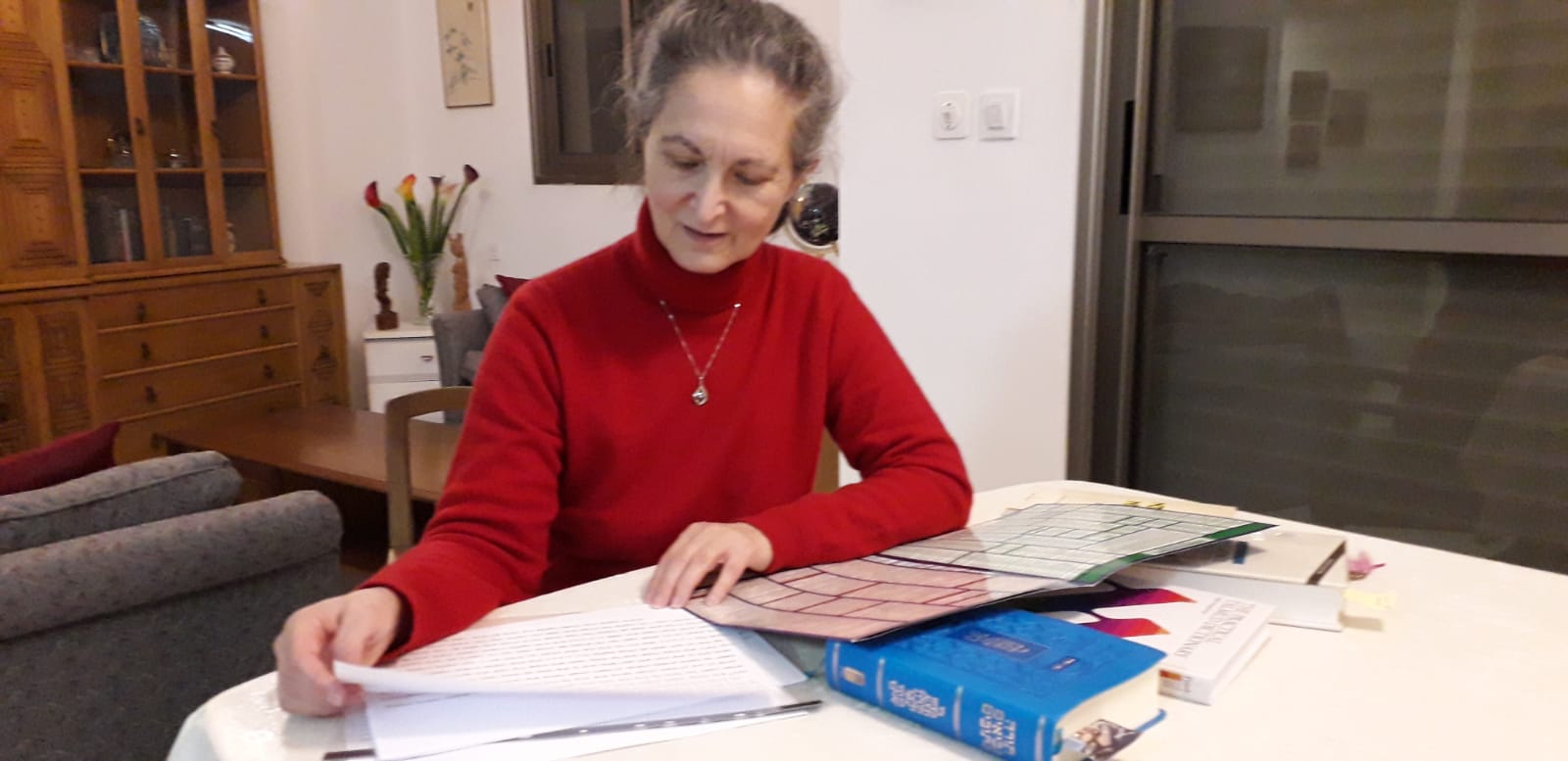
The start of my journey is not so exceptional. I was between jobs and wanted to be sure to get out every day (this was before corona). Well, I was hooked after about a month and from then on only looked for work-from-home jobs so I could continue learning the Daf. Daf has been a constant in my life, though hurricanes, death, illness/injury, weddings. My new friends are Rav, Shmuel, Ruth, Joanna.
Judi Felber
Judi Felber

Raanana, Israel

In July, 2012 I wrote for Tablet about the first all women’s siyum at Matan in Jerusalem, with 100 women. At the time, I thought, I would like to start with the next cycle – listening to a podcast at different times of day makes it possible. It is incredible that after 10 years, so many women are so engaged!

Beth Kissileff
Beth Kissileff

Pittsburgh, United States

I started at the beginning of this cycle. No 1 reason, but here’s 5.
In 2019 I read about the upcoming siyum hashas.
There was a sermon at shul about how anyone can learn Talmud.
Talmud references come up when I am studying. I wanted to know more.
Yentl was on telly. Not a great movie but it’s about studying Talmud.
I went to the Hadran website: A new cycle is starting. I’m gonna do this

Denise Neapolitan
Denise Neapolitan

Cambridge, United Kingdom

3 years ago, I joined Rabbanit Michelle to organize the unprecedented Siyum HaShas event in Jerusalem for thousands of women. The whole experience was so inspiring that I decided then to start learning the daf and see how I would go…. and I’m still at it. I often listen to the Daf on my bike in mornings, surrounded by both the external & the internal beauty of Eretz Yisrael & Am Yisrael!

Lisa Kolodny
Lisa Kolodny

Raanana, Israel

I had tried to start after being inspired by the hadran siyum, but did not manage to stick to it. However, just before masechet taanit, our rav wrote a message to the shul WhatsApp encouraging people to start with masechet taanit, so I did! And this time, I’m hooked! I listen to the shiur every day , and am also trying to improve my skills.

Laura Major
Laura Major

Yad Binyamin, Israel

“I got my job through the NY Times” was an ad campaign when I was growing up. I can headline “I got my daily Daf shiur and Hadran through the NY Times”. I read the January 4, 2020 feature on Reb. Michelle Farber and Hadran and I have been participating ever since. Thanks NY Times & Hadran!
Deborah Aschheim
Deborah Aschheim

New York, United States

I started learning daf in January, 2020, being inspired by watching the Siyyum Hashas in Binyanei Haumah. I wasn’t sure I would be able to keep up with the task. When I went to school, Gemara was not an option. Fast forward to March, 2022, and each day starts with the daf. The challenge is now learning the intricacies of delving into the actual learning. Hadran community, thank you!

Rochel Cheifetz
Rochel Cheifetz

Riverdale, NY, United States

I started last year after completing the Pesach Sugiyot class. Masechet Yoma might seem like a difficult set of topics, but for me made Yom Kippur and the Beit HaMikdash come alive. Liturgy I’d always had trouble connecting with took on new meaning as I gained a sense of real people moving through specific spaces in particular ways. It was the perfect introduction; I am so grateful for Hadran!

Debbie Engelen-Eigles

Minnesota, United States

I heard about the syium in January 2020 & I was excited to start learning then the pandemic started. Learning Daf became something to focus on but also something stressful. As the world changed around me & my family I had to adjust my expectations for myself & the world. Daf Yomi & the Hadran podcast has been something I look forward to every day. It gives me a moment of centering & Judaism daily.

Talia Haykin
Talia Haykin

Denver, United States

I started learning on January 5, 2020. When I complete the 7+ year cycle I will be 70 years old. I had been intimidated by those who said that I needed to study Talmud in a traditional way with a chevruta, but I decided the learning was more important to me than the method. Thankful for Daf Yomi for Women helping me catch up when I fall behind, and also being able to celebrate with each Siyum!

Pamela Elisheva
Pamela Elisheva

Bakersfield, United States

A Gemara shiur previous to the Hadran Siyum, was the impetus to attend it.It was highly inspirational and I was smitten. The message for me was התלמוד בידינו. I had decided along with my Chahsmonaim group to to do the daf and take it one daf at time- without any expectations at all. There has been a wealth of information, insights and halachik ideas. It is truly exercise of the mind, heart & Soul

Phyllis Hecht.jpeg
Phyllis Hecht

Hashmonaim, Israel

I started learning daf yomi at the beginning of this cycle. As the pandemic evolved, it’s been so helpful to me to have this discipline every morning to listen to the daf podcast after I’ve read the daf; learning about the relationships between the rabbis and the ways they were constructing our Jewish religion after the destruction of the Temple. I’m grateful to be on this journey!

Mona Fishbane
Mona Fishbane

Teaneck NJ, United States

I had tried to start after being inspired by the hadran siyum, but did not manage to stick to it. However, just before masechet taanit, our rav wrote a message to the shul WhatsApp encouraging people to start with masechet taanit, so I did! And this time, I’m hooked! I listen to the shiur every day , and am also trying to improve my skills.

Laura Major
Laura Major

Yad Binyamin, Israel

When the new cycle began, I thought, If not now, when? I’d just turned 72. I feel like a tourist on a tour bus passing astonishing scenery each day. Rabbanit Michelle is my beloved tour guide. When the cycle ends, I’ll be 80. I pray that I’ll have strength and mind to continue the journey to glimpse a little more. My grandchildren think having a daf-learning savta is cool!

Wendy Dickstein
Wendy Dickstein

Jerusalem, Israel

I learned Talmud as a student in Yeshivat Ramaz and felt at the time that Talmud wasn’t for me. After reading Ilana Kurshan’s book I was intrigued and after watching the great siyum in Yerushalayim it ignited the spark to begin this journey. It has been a transformative life experience for me as a wife, mother, Savta and member of Klal Yisrael.
Elana Storch
Elana Storch

Phoenix, Arizona, United States

I started learning Dec 2019 after reading “If all the Seas Were Ink”. I found
Daily daf sessions of Rabbanit Michelle in her house teaching, I then heard about the siyum and a new cycle starting wow I am in! Afternoon here in Sydney, my family and friends know this is my sacred time to hide away to live zoom and learn. Often it’s hard to absorb and relate then a gem shines touching my heart.

Dianne Kuchar
Dianne Kuchar

Dover Heights, Australia

I started learning Daf in Jan 2020 with Brachot b/c I had never seen the Jewish people united around something so positive, and I wanted to be a part of it. Also, I wanted to broaden my background in Torah Shebal Peh- Maayanot gave me a great gemara education, but I knew that I could hold a conversation in most parts of tanach but almost no TSB. I’m so thankful for Daf and have gained immensely.

Meira Shapiro
Meira Shapiro

NJ, United States

The start of my journey is not so exceptional. I was between jobs and wanted to be sure to get out every day (this was before corona). Well, I was hooked after about a month and from then on only looked for work-from-home jobs so I could continue learning the Daf. Daf has been a constant in my life, though hurricanes, death, illness/injury, weddings. My new friends are Rav, Shmuel, Ruth, Joanna.
Judi Felber
Judi Felber

Raanana, Israel

In my Shana bet at Migdal Oz I attended the Hadran siyum hash”as. Witnessing so many women so passionate about their Torah learning and connection to God, I knew I had to begin with the coming cycle. My wedding (June 24) was two weeks before the siyum of mesechet yoma so I went a little ahead and was able to make a speech and siyum at my kiseh kallah on my wedding day!

Sharona Guggenheim Plumb

Givat Shmuel, Israel

I start learning Daf Yomi in January 2020. The daily learning with Rabbanit Michelle has kept me grounded in this very uncertain time. Despite everything going on – the Pandemic, my personal life, climate change, war, etc… I know I can count on Hadran’s podcast to bring a smile to my face.
Deb Engel
Deb Engel

Los Angeles, United States

Sukkah 48

רֶגֶל בִּפְנֵי עַצְמוֹ לְעִנְיַן פָּזֵ״‎ר קֶשֶׁ״‎ב. פַּיִיס בִּפְנֵי עַצְמוֹ. זְמַן בִּפְנֵי עַצְמוֹ. רֶגֶל בִּפְנֵי עַצְמוֹ. קׇרְבָּן בִּפְנֵי עַצְמוֹ. שִׁירָה בִּפְנֵי עַצְמוֹ. בְּרָכָה בִּפְנֵי עַצְמוֹ.

is a Festival in and of itself with regard to the matter of: Peh, zayin, reish; kuf, shin, beit. This is an acronym for: A lottery [payis] in and of itself, i.e., a new lottery is performed on that day to determine which priests will sacrifice the offerings that day, and the order established on Sukkot does not continue; the blessing of time [zeman], i.e., Who has given us life, sustained us, and brought us to this time, in and of itself, as it is recited just as it is recited at the start of each Festival; a Festival [regel ] in and of itself, and there is no mitzva to sit in the sukka (see Tosafot); an offering [korban] in and of itself, as the number of offerings sacrificed on the Eighth Day is not a continuation of the number sacrificed on Sukkot but is part of a new calculation; a song [shira] in and of itself, since the psalms recited by the Levites as the offerings are sacrificed on the Eighth Day are not a continuation of those recited on Sukkot; a blessing [berakha] in and of itself, as the addition to the third blessing of Grace after Meals and to the Amida prayer (see Tosafot) is phrased in a manner different from that of the addition recited on Sukkot.

מַתְנִי׳ הַהַלֵּל וְהַשִּׂמְחָה — שְׁמוֹנָה. כֵּיצַד? מְלַמֵּד שֶׁחַיָּיב אָדָם בְּהַלֵּל וּבְשִׂמְחָה וּבִכְבוֹד יוֹם טוֹב הָאַחֲרוֹן שֶׁל חַג כִּשְׁאָר כׇּל יְמוֹת הַחַג.

MISHNA: This mishna elaborates upon the first mishna in this chapter. The obligation to recite hallel and the mitzva of rejoicing on the Festival by sacrificing and eating the meat of peace-offerings are always for eight days. The mishna explains: How so? This teaches that a person is obligated in hallel, and in the mitzva of rejoicing, and in reverence for the last day of the Festival like he is for all the other days of the Festival.

גְּמָ׳ מְנָא הָנֵי מִילֵּי — דְּתָנוּ רַבָּנַן: ״וְהָיִיתָ אַךְ שָׂמֵחַ״ — לְרַבּוֹת לֵילֵי יוֹם טוֹב הָאַחֲרוֹן. אוֹ אֵינוֹ אֶלָּא יוֹם טוֹב הָרִאשׁוֹן? כְּשֶׁהוּא אוֹמֵר ״אַךְ״ — חִלֵּק.

GEMARA: The Gemara asks: From where are these matters, that on the eighth day of the Festival one is obligated to rejoice, derived? It is as the Sages taught that the verse states with regard to Sukkot: “And you shall be altogether joyful” (Deuteronomy 16:15). The verse comes to include the evenings of the last day of the Festival, i.e., then too, one is obligated to rejoice by partaking of the meat of the peace-offerings sacrificed the previous day. The Gemara asks: Does the verse come to include the evening of the eighth day? Or perhaps it comes to include only the evening of the first day of the Festival. The Gemara answers: When the verse says: Altogether, it is exclusionary, and it has distinguished this night from the other nights of the Festival.

וּמָה רָאִיתָ לְרַבּוֹת לֵילֵי יוֹם טוֹב הָאַחֲרוֹן וּלְהוֹצִיא לֵילֵי יוֹם טוֹב הָרִאשׁוֹן? מְרַבֶּה אֲנִי לֵילֵי יוֹם טוֹב הָאַחֲרוֹן — שֶׁיֵּשׁ שִׂמְחָה לְפָנָיו, וּמוֹצִיא אֲנִי לֵילֵי יוֹם טוֹב הָרִאשׁוֹן — שֶׁאֵין שִׂמְחָה לְפָנָיו.

The Gemara asks: What did you see that led you to include the evenings of the last day of the Festival in the mitzva of rejoicing and to exclude the evenings of the first day of the Festival? Why not require one to sacrifice peace-offerings on the afternoon preceding the Festival to be eaten on the first night? The Gemara answers: I include the evenings of the last day of the Festival, before which there is a day of rejoicing, as it is reasonable that the rejoicing should continue, and I exclude the evenings of the first day of the Festival, before which there is not a day of rejoicing, as there is no obligation to sacrifice offerings on the afternoon preceding the Festival.

מַתְנִי׳ סוּכָּה — שִׁבְעָה. כֵּיצַד? גָּמַר מִלֶּאֱכוֹל — לֹא יַתִּיר אֶת סוּכָּתוֹ. אֲבָל מוֹרִיד אֶת הַכֵּלִים מִן הַמִּנְחָה וּלְמַעְלָה, מִפְּנֵי כְּבוֹד יוֹם טוֹב הָאַחֲרוֹן שֶׁל חַג.

MISHNA: The mitzva of sukka is seven days. How does one fulfill this obligation for seven full days? When one finished eating on the seventh day, he should not dismantle his sukka immediately, because the obligation continues until the end of the day. However, he takes the vessels down from the sukka into the house from minḥa time and onward in deference to the last day of the Festival, when he will require the vessels in the house.

גְּמָ׳ אֵין לוֹ כֵּלִים לְהוֹרִיד, מַהוּ? אֵין לוֹ כֵּלִים?! אֶלָּא כִּי אִשְׁתַּמַּשׁ בְּמַאי אִשְׁתַּמַּשׁ? אֶלָּא: אֵין לוֹ מָקוֹם לְהוֹרִיד כֵּלָיו, מַהוּ? רַבִּי חִיָּיא בַּר (רַב) אָמַר: פּוֹחֵת בָּהּ אַרְבָּעָה. וְרַבִּי יְהוֹשֻׁעַ בֶּן לֵוִי אָמַר: מַדְלִיק בָּהּ אֶת הַנֵּר.

GEMARA: The Gemara asks: If one does not have vessels to take down from the sukka, what should he do? The Gemara asks: One does not have vessels? But when he utilized his sukka during the Festival, with what vessels did he eat when he utilized the sukka? Rather, this is the question: If he has no place into which he can take down his vessels and he must continue eating in the sukka, what is the halakha? What can he do to underscore the fact that he is eating there not to fulfill a mitzva, thereby violating the prohibition against adding to the mitzvot of the Torah, but only due to the lack of an alternative? Rabbi Ḥiyya bar Rav said: He reduces the roofing of the sukka by four handbreadths, thereby rendering the sukka unfit. And Rabbi Yehoshua ben Levi said: He lights a lamp inside the sukka, which is prohibited during the festival of Sukkot.

וְלָא פְּלִיגִי: הָא לַן וְהָא לְהוּ.

The Gemara notes: And they do not disagree with regard to the halakha. Instead, they are providing different solutions for different locations. This is for us, who live outside Eretz Yisrael, and this is for them, who live in Eretz Yisrael. Those who live in Eretz Yisrael reduce the roofing, since the obligation to sit in the sukka no longer applies. However, those who live outside of Eretz Yisrael, who are obligated to sit in the sukka on the eighth day with regard to which there is uncertainty that it might be the seventh day, must find another way to distinguish the eighth day from the days of the Festival of Sukkot.

הָא תִּינַח סוּכָּה קְטַנָּה, סוּכָּה גְּדוֹלָה מַאי אִיכָּא לְמֵימַר? דִּמְעַיֵּיל בַּהּ מָאנֵי מֵיכְלָא. דְּאָמַר רָבָא: מָאנֵי מֵיכְלָא — בַּר מִמְּטַלַּלְתָּא. מָאנֵי מִשְׁתְּיָא — בִּמְטַלַּלְתָּא.

The Gemara asks: This works out well with regard to a small sukka, since it is prohibited to light a lamp due to the danger of a conflagration, and lighting a lamp will underscore the distinction. However, with regard to a large sukka, in which there is no prohibition and therefore no distinction, what can be said? The Gemara answers: One underscores the distinction in that he brings eating vessels, e.g., pots in which food was cooked, into the sukka, as Rava said: Eating vessels are taken out of the sukka; drinking vessels remain in the sukka. By leaving the pots and pans in the sukka, he indicates that the sukka is no longer involved in fulfillment of the mitzva.

מַתְנִי׳ נִיסּוּךְ הַמַּיִם כֵּיצַד? צְלוֹחִית שֶׁל זָהָב מַחְזֶקֶת שְׁלֹשָׁה לוּגִּים הָיָה מְמַלֵּא מִן הַשִּׁילוֹחַ. הִגִּיעוּ לְשַׁעַר הַמַּיִם, תָּקְעוּ וְהֵרִיעוּ וְתָקְעוּ. עָלָה בַּכֶּבֶשׁ וּפָנָה לִשְׂמֹאלוֹ, שְׁנֵי סְפָלִים שֶׁל כֶּסֶף הָיוּ שָׁם. רַבִּי יְהוּדָה אוֹמֵר: שֶׁל סִיד הָיוּ, אֶלָּא שֶׁהָיוּ מוּשְׁחָרִין פְּנֵיהֶם מִפְּנֵי הַיַּיִן. וּמְנוּקָּבִין

MISHNA: With regard to the rite of water libation performed in the Temple during the Festival, how was it performed? One would fill a golden jug with a capacity of three log with water from the Siloam pool. When those who went to bring the water reached the Gate of the Water, so called because the water for the libation was brought through this gate leading to the Temple courtyard, they sounded a tekia, sounded a terua, and sounded another tekia as an expression of joy. The priest ascended the ramp of the altar and turned to his left. There were two silver basins there into which he poured the water. Rabbi Yehuda said: They were limestone basins, but they would blacken due to the wine and therefore looked like silver. The two basins were perforated at the bottom

כְּמִין שְׁנֵי חוֹטָמִין דַּקִּין, (וְאֶחָד) מְעוּבֶּה וְאֶחָד דַּק, כְּדֵי שֶׁיְּהוּ שְׁנֵיהֶם כָּלִין בְּבַת אַחַת. מַעֲרָבוֹ — שֶׁל מַיִם, מִזְרָחוֹ — שֶׁל יַיִן. עֵירָה שֶׁל מַיִם לְתוֹךְ שֶׁל יַיִן, וְשֶׁל יַיִן לְתוֹךְ שֶׁל מַיִם — יָצָא.

with two thin perforated nose-like protrusions. One of the basins, used for the wine libation, had a perforation that was broad, and one, used for the water libation, had a perforation that was thin, so that the flow of both the water and the wine, which do not have the same viscosity, would conclude simultaneously. The basin to the west of the altar was for water, and the basin to the east of the altar was for wine. However, if one poured the contents of the basin of water into the basin of wine, or the contents of the basin of wine into the basin of water, he fulfilled his obligation, as failure to pour the libation from the prescribed location does not disqualify the libation after the fact.

רַבִּי יְהוּדָה אוֹמֵר: בַּלּוֹג הָיָה מְנַסֵּךְ כׇּל שְׁמוֹנָה. וְלַמְנַסֵּךְ אוֹמֵר לוֹ: הַגְבַּהּ יָדֶךָ. שֶׁפַּעַם אֶחָד נִסֵּךְ אֶחָד עַל גַּבֵּי רַגְלָיו, וּרְגָמוּהוּ כׇּל הָעָם בְּאֶתְרוֹגֵיהֶן.

Rabbi Yehuda says: The basin for the water libation was not that large; rather, one would pour the water with a vessel that had a capacity of one log on all eight days of the Festival and not only seven. And the appointee says to the one pouring the water into the silver basin: Raise your hand, so that his actions would be visible, as one time a Sadducee priest intentionally poured the water on his feet, as the Sadducees did not accept the oral tradition requiring water libation, and in their rage all the people pelted him with their etrogim.

כְּמַעֲשֵׂהוּ בַּחוֹל כָּךְ מַעֲשֵׂהוּ בַּשַּׁבָּת, אֶלָּא שֶׁהָיָה מְמַלֵּא מֵעֶרֶב שַׁבָּת חָבִית שֶׁל זָהָב שֶׁאֵינָהּ מְקוּדֶּשֶׁת מִן הַשִּׁילוֹחַ וּמַנִּיחָהּ בַּלִּשְׁכָּה. נִשְׁפְּכָה, נִתְגַּלְּתָה, הָיָה מְמַלֵּא מִן הַכִּיּוֹר. שֶׁהַיַּיִן וְהַמַּיִם מְגוּלִּין — פְּסוּלִין לְגַבֵּי מִזְבֵּחַ.

Rabbi Yehuda continues: As its performance during the week, so is its performance on Shabbat, except that on Shabbat one would not draw water. Instead, on Shabbat eve, one would fill a golden barrel that was not consecrated for exclusive use in the Temple from the Siloam pool, and he would place it in the Temple chamber and draw water from there on Shabbat. If the water in the barrel spilled, or if it was exposed overnight, leading to concern that a snake may have deposited poison in the water, one would fill the jug with water from the basin in the Temple courtyard, as exposed wine or water is unfit for the altar. Just as it is prohibited for people to drink them due to the potential danger, so too, they may not be poured on the altar.

גְּמָ׳ מְנָא הָנֵי מִילֵּי? אָמַר רַב עֵינָא, דְּאָמַר קְרָא: ״וּשְׁאַבְתֶּם מַיִם בְּשָׂשׂוֹן וְגוֹ׳״.

GEMARA: With regard to the customs accompanying the drawing of the water, the Gemara asks: From where are these matters derived? Rav Eina said that it is as the verse states: “With joy [sason] you shall draw water out of the springs of salvation” (Isaiah 12:3), indicating that the water was to be drawn from the spring and the rite performed in extreme joy.

הָנְהוּ תְּרֵי מִינֵי, חַד שְׁמֵיהּ שָׂשׂוֹן וְחַד שְׁמֵיהּ שִׂמְחָה. אֲמַר לֵיהּ שָׂשׂוֹן לְשִׂמְחָה: אֲנָא עֲדִיפְנָא מִינָּךְ, דִּכְתִיב: ״שָׂשׂוֹן וְשִׂמְחָה יַשִּׂיגוּ וְגוֹ׳״. אֲמַר לֵיהּ שִׂמְחָה לְשָׂשׂוֹן: אֲנָא עֲדִיפְנָא מִינָּךְ, דִּכְתִיב: ״שִׂמְחָה וְשָׂשׂוֹן לַיְּהוּדִים״. אֲמַר לֵיהּ שָׂשׂוֹן לְשִׂמְחָה: חַד יוֹמָא שָׁבְקוּךְ וְשַׁוְּיוּךְ פַּרְוַונְקָא, דִּכְתִיב: ״כִּי בְשִׂמְחָה תֵצֵאוּ״. אֲמַר לֵיהּ שִׂמְחָה לְשָׂשׂוֹן: חַד יוֹמָא שָׁבְקוּךְ וּמָלוּ בָּךְ מַיָּא, דִּכְתִיב: ״וּשְׁאַבְתֶּם מַיִם בְּשָׂשׂוֹן״.

Apropos this verse, the Gemara relates: There were these two heretics, one named Sason and one named Simḥa. Sason said to Simḥa: I am superior to you, as it is written: “They shall obtain joy [sason] and happiness [simḥa], and sorrow and sighing shall flee” (Isaiah 35:10). The verse mentions joy first. Simḥa said to Sason, On the contrary, I am superior to you, as it is written: “There was happiness [simḥa] and joy [sason] for the Jews” (Esther 8:17). Sason said to Simḥa: One day they will dismiss you and render you a messenger [parvanka], as it is written: “For you shall go out with happiness [simḥa]” (Isaiah 55:12). Simḥa said to Sason: One day they will dismiss you and draw water with you, as it is written: “With joy [sason] you shall draw water.”

אֲמַר לֵיהּ הָהוּא מִינָא דִּשְׁמֵיהּ שָׂשׂוֹן לְרַבִּי אֲבָהוּ: עֲתִידִיתוּ דִּתְמַלּוֹ לִי מַיִם לְעָלְמָא דְּאָתֵי, דִּכְתִיב: ״וּשְׁאַבְתֶּם מַיִם בְּשָׂשׂוֹן״, אֲמַר לֵיהּ: אִי הֲוָה כְּתִיב ״לְשָׂשׂוֹן״ — כִּדְקָאָמְרַתְּ, הַשְׁתָּא דִּכְתִיב ״בְּשָׂשׂוֹן״ — מַשְׁכֵּיהּ דְּהָהוּא גַּבְרָא מְשַׁוֵּינַן לֵיהּ גּוֹדָא וּמָלֵינַן בֵּיהּ מַיָּא.

The Gemara relates a similar incident: A certain heretic named Sason said to Rabbi Abbahu: You are all destined to draw water for me in the World-to-Come, as it is written: “With sason you shall draw water.” Rabbi Abbahu said to him: If it had been written: For sason, it would have been as you say; now that it is written: With sason, it means that the skin of that man, you, will be rendered a wineskin, and we will draw water with it.

עָלָה בַּכֶּבֶשׁ וּפָנָה לִשְׂמֹאלוֹ כּוּ׳. תָּנוּ רַבָּנַן: כׇּל הָעוֹלִים לְמִזְבֵּחַ — עוֹלִין דֶּרֶךְ יָמִין וּמַקִּיפִין וְיוֹרְדִין דֶּרֶךְ שְׂמֹאל. חוּץ מִן הָעוֹלֶה לִשְׁלֹשָׁה דְּבָרִים הַלָּלוּ, שֶׁעוֹלִין דֶּרֶךְ שְׂמֹאל וְחוֹזְרִין עַל הֶעָקֵב. וְאֵלּוּ הֵן: נִיסּוּךְ הַמַּיִם, וְנִיסּוּךְ הַיַּיִן, וְעוֹלַת הָעוֹף כְּשֶׁרָבְתָה בַּמִּזְרָח.

§ The mishna continues: The priest ascended the ramp of the altar and turned to his left. The Sages taught: All who ascend the altar ascend and turn via the right, and circle the altar, and descend via the left. This is the case except for one ascending to perform one of these three tasks, as the ones who perform these tasks ascend via the left, and then turn on their heel and return in the direction that they came. And these tasks are: The water libation, and the wine libation, and the bird sacrificed as a burnt-offering when there were too many priests engaged in the sacrifice of these burnt-offerings in the preferred location east of the altar. When that was the case, additional priests engaged in sacrificing the same offering would pinch the neck of the bird west of the altar.

אֶלָּא, שֶׁהָיוּ מַשְׁחִירִין. בִּשְׁלָמָא דְּיַיִן מַשְׁחִיר, דְּמַיָּא אַמַּאי מַשְׁחִיר? כֵּיוָן דְּאָמַר מָר: עֵירָה שֶׁל מַיִם לְתוֹךְ שֶׁל יַיִן, וְשֶׁל יַיִן לְתוֹךְ שֶׁל מַיִם יָצָא — שֶׁל מַיִם אָתֵי לְאַשְׁחוֹרֵי.

The mishna continues: Rabbi Yehuda said that they were limestone, not silver, basins, but they would blacken due to the wine. The Gemara asks: Granted, the basin for wine blackened due to the wine; however, why did the basin for water blacken? The Gemara answers: Since the Master said in the mishna: However, if one inadvertently poured the contents of the basin of water into the basin of wine or the contents of the basin of wine into the basin of water, he fulfilled his obligation. Then even the basin for water would come to blacken over the course of time as well.

וּמְנוּקָּבִים כְּמִין שְׁנֵי חוֹטָמִין וְכוּ׳. לֵימָא מַתְנִיתִין רַבִּי יְהוּדָה הִיא וְלָא רַבָּנַן, דִּתְנַן: רַבִּי יְהוּדָה אוֹמֵר: בַּלּוֹג הָיָה מְנַסֵּךְ כׇּל שְׁמוֹנָה. דְּאִי רַבָּנַן, — כִּי הֲדָדֵי נִינְהוּ!

§ The mishna continues: And the two basins were perforated at the bottom with two thin, perforated, nose-like protrusions, one broad and one thin. The Gemara asks: Let us say that the mishna is in accordance with the opinion of Rabbi Yehuda and not with that of the Rabbis, as we learned in the mishna that Rabbi Yehuda says: One would pour the water with a vessel that had a capacity of one log on all eight days of the Festival, unlike the wine libation, for which a three-log basin was used. According to his opinion, there is a difference between the capacity of the wine vessel and that of the water vessel; therefore, it is clear why the opening in the wine vessel was broader. As, if the mishna is in accordance with the opinion of the Rabbis, they are the same as the capacity of the water basin, three log. Why, then, were there different sized openings?

אֲפִילּוּ תֵּימָא רַבָּנַן: חַמְרָא סְמִיךְ, מַיָּא קְלִישׁ.

The Gemara answers: Even if you say that the mishna is in accordance with the opinion of the Rabbis, the reason for the different-sized openings is that wine is thick and water is thin, and therefore wine flows more slowly than water. In order to ensure that the emptying of both basins would conclude simultaneously, the wine basin required a wider opening.

הָכִי נָמֵי מִסְתַּבְּרָא, דְּאִי רַבִּי יְהוּדָה — ״רָחָב״ וְ״קָצָר״ אִית לֵיהּ. דְּתַנְיָא, רַבִּי יְהוּדָה אוֹמֵר: שְׁנֵי קַשְׂווֹאוֹת הָיוּ שָׁם, אֶחָד שֶׁל מַיִם וְאֶחָד שֶׁל יַיִן. שֶׁל יַיִן — פִּיהָ רָחָב, שֶׁל מַיִם — פִּיהָ קָצָר, כְּדֵי שֶׁיְּהוּ שְׁנֵיהֶם כָּלִין בְּבַת אַחַת, שְׁמַע מִינַּהּ.

So too, it is reasonable to establish that the mishna is in accordance with the opinion of the Rabbis, as, if it is in accordance with the opinion of Rabbi Yehuda, unlike the description of the two openings in the mishna as broad and thin, elsewhere he is of the opinion that the openings as wide and narrow, as it was taught in a baraita that Rabbi Yehuda says: There were two small pipes there, one for water and one for wine. The mouth of the pipe for wine was wide and the mouth of the pipe for water was narrow, so that the emptying of both basins would conclude simultaneously. The disparity between wide and narrow is greater than the disparity between broad and thin, thereby facilitating the simultaneous emptying of the three-log and one-log basins according to Rabbi Yehuda. The Gemara concludes: Indeed, learn from it that the mishna is not in accordance with the opinion of Rabbi Yehuda.

מַעֲרָבוֹ שֶׁל מַיִם. תָּנוּ רַבָּנַן: מַעֲשֶׂה בְּצַדּוּקִי אֶחָד שֶׁנִּיסֵּךְ עַל גַּבֵּי רַגְלָיו, וּרְגָמוּהוּ כׇּל הָעָם בְּאֶתְרוֹגֵיהֶן. וְאוֹתוֹ הַיּוֹם נִפְגְּמָה קֶרֶן הַמִּזְבֵּחַ, וְהֵבִיאוּ בּוּל שֶׁל מֶלַח וּסְתָמוּהוּ. לֹא מִפְּנֵי שֶׁהוּכְשַׁר לַעֲבוֹדָה, אֶלָּא מִפְּנֵי שֶׁלֹּא יֵרָאֶה מִזְבֵּחַ פָּגוּם.

§ The mishna continues: The basin to the west of the altar was for water, and the basin to the east of the altar was for wine, and they would tell the one pouring the water to raise his hand. The Sages taught: There was an incident involving one Sadducee priest who poured the water on his feet, and in anger all the people pelted him with their etrogim. And that day, the horn of the altar was damaged as a result of the pelting and the ensuing chaos. They brought a fistful of salt and sealed the damaged section, not because it rendered the altar fit for the Temple service, but in deference to the altar, so that the altar would not be seen in its damaged state.

Want to follow content and continue where you left off?

Create an account today to track your progress, mark what you’ve learned, and follow the shiurim that speak to you.

Clear all items from this list?

This will remove ALL the items in this section. You will lose any progress or history connected to them. This is irreversible.

Cancel
Yes, clear all

Are you sure you want to delete this item?

You will lose any progress or history connected to this item.

Cancel
Yes, delete