Search

Taanit 30

Want to dedicate learning? Get started here:

English
עברית
podcast placeholder

0:00
0:00


podcast placeholder

0:00
0:00


Summary

This week’s learning is sponsored as a zechut for a refuah shleima for Chava Naami bat Daba Chana, Evie Haar, b’toch she’ar cholei Yisrael, by the Hadran Women of Long Island. May our learning be a source of strength and merit for the entire family.

Today’s daf is sponsored by Moshe & Aviva Schwartz in honor of their cousins, Amalia Gerber “Mazal tov for completing your first siyum of Mishnayot Nezikin in honor of your Bat Mitzvah” and Ilana Kurshan “for teaching us as part of siyum Masechet Ta’anit!”

One cannot eat two cooked items on erev Tisha B’av – is this only in the afternoon or only for the final meal before the fast? Or both? One cannot eat wine or meat at that meal and according to Rabban Shimon ben Gamliel, one should change from the way one normally eats. What does this mean? Laws of mourning apply to Tisha B’av. One cannot eat, drink, wash, put on oils, wear shoes, engage in sexual relations, read passages from the Tanach, learn Mishna, Talmud, Midrash, halakha, and aggada as they are pleasurable activities. There is a debate whether or not one can learn a section that one has never learned before as perhaps it is less enjoyable. Children in school should not study. One is allowed to study passages that discuss the destruction of the Temple and passages from Job. Salted meat is no longer considered meat, although it depends on how long it was salted. At what point after pressing the grapes is wine considered a problem? What did Rav Yehuda do every erev Tisha B’av? Can one work on Tisha b’Av? It is dependent on one’s custom. Torah scholars do not work so as to fully experience the fast. However, the rabbis strongly encouraged everyone to refrain from working. Does one need to turn one’s bed over as mourners do? What about pregnant and nursing women? The Mishna stated that the happiest days of the year were the 15th of Av and Yom Kippur. Yom Kippur was a happy day because it is a day where our sins are forgiven. But what happened on the 15th of Av? Several answers are brought.

Taanit 30

מֵ״חַגָּה״. וּמַאן דְּאָמַר כּוּלּוֹ אָסוּר — מֵ״חׇדְשָׁהּ״, וּמַאן דְּאָמַר כׇּל הַשַּׁבָּת כּוּלָּהּ אָסוּר — מִ״שַּׁבַּתָּהּ״.

derives from the phrase “her Festival” that acts of mirth and rejoicing are prohibited from the New Moon, which is considered like a Festival. And the one who said that these activities are prohibited during the entire month learns this from the phrase “her New Moon.” And the one who said that acts of rejoicing are prohibited during the entire week of the Ninth of Av, derives this from the phrase “her Shabbat,” which also means a week.

אָמַר רָבָא: הֲלָכָה כְּרַבָּן שִׁמְעוֹן בֶּן גַּמְלִיאֵל. וְאָמַר רָבָא: הֲלָכָה כְּרַבִּי מֵאִיר. וְתַרְוַיְיהוּ לְקוּלָּא, וּצְרִיכָא. דְּאִי אַשְׁמוֹעִינַן הֲלָכָה כְּרַבִּי מֵאִיר, הֲוָה אָמֵינָא: אֲפִילּוּ מֵרֹאשׁ חֹדֶשׁ, קָמַשְׁמַע לַן הֲלָכָה כְּרַבָּן שִׁמְעוֹן בֶּן גַּמְלִיאֵל.

With regard to the halakha itself, Rava said: The halakha is in accordance with the opinion of Rabban Shimon ben Gamliel. And Rava also said that the halakha is in accordance with the opinion of Rabbi Meir. The Gemara remarks: And both of these rulings are intended as a leniency. And it is necessary for Rava to state both rulings, for had he taught us only that the halakha is in accordance with the opinion of Rabbi Meir, I would have said that the mourning practices are obligatory even from the New Moon, as maintained by Rabbi Meir. Therefore, Rava teaches us that the halakha is in accordance with the opinion of Rabban Shimon ben Gamliel, that the restrictions of mourning do not apply until the week of the Ninth of Av.

וְאִי אַשְׁמוֹעִינַן הֲלָכָה כְּרַבָּן שִׁמְעוֹן בֶּן גַּמְלִיאֵל, הֲוָה אָמֵינָא: אֲפִילּוּ לְאַחֲרָיו, קָמַשְׁמַע לַן הֲלָכָה כְּרַבִּי מֵאִיר.

And had he taught us only that the halakha is in accordance with the opinion of Rabban Shimon ben Gamliel, I would have said that the prohibitions apply even after the fast, until the end of the week. Consequently, Rava teaches us that the halakha is in accordance with the opinion of Rabbi Meir. The prohibitions apply only until the Ninth of Av itself, not afterward.

עֶרֶב תִּשְׁעָה בְּאָב לֹא יֹאכַל אָדָם שְׁנֵי תַבְשִׁילִין כּוּ׳. אָמַר רַב יְהוּדָה: לֹא שָׁנוּ אֶלָּא מִשֵּׁשׁ שָׁעוֹת וּלְמַעְלָה, אֲבָל מִשֵּׁשׁ שָׁעוֹת וּלְמַטָּה — מוּתָּר. וְאָמַר רַב יְהוּדָה: לֹא שָׁנוּ אֶלָּא בִּסְעוּדָה הַמַּפְסִיק בָּהּ, אֲבָל בִּסְעוּדָה שֶׁאֵינוֹ מַפְסִיק בָּהּ — מוּתָּר.

§ The mishna taught: On the eve of the Ninth of Av, a person may not eat two cooked dishes in one meal. Rav Yehuda said: They taught that one may not partake of a meal with two dishes only from six hours of the day and onward, but from six hours and earlier it is permitted. And Rav Yehuda also said: They taught that it is prohibited to eat two dishes only in the concluding meal before beginning the fast. However, in a non-concluding meal it is permitted to eat two cooked dishes.

וְתַרְוַיְיהוּ לְקוּלָּא, וּצְרִיכָא. דְּאִי אַשְׁמְעִינַן בִּסְעוּדָה הַמַּפְסִיק בָּהּ, הֲוָה אָמֵינָא: אֲפִילּוּ מִשֵּׁשׁ שָׁעוֹת וּלְמַטָּה — קָמַשְׁמַע לַן מִשֵּׁשׁ שָׁעוֹת וּלְמַעְלָה. וְאִי אַשְׁמְעִינַן מִשֵּׁשׁ שָׁעוֹת וּלְמַעְלָה, הֲוָה אָמֵינָא: אֲפִילּוּ בִּסְעוּדָה שֶׁאֵינוֹ מַפְסִיק בָּהּ — קָמַשְׁמַע לַן בִּסְעוּדָה הַמַּפְסִיק בָּהּ.

The Gemara comments: And both of these rulings are intended as a leniency. And it is necessary for Rav Yehuda to state them both, for had he taught us that this halakha is referring only to the concluding meal, I would have said that this applies even from six hours and earlier. Rav Yehuda therefore teaches us that it applies only from six hours and onward. And had he taught us only that it is prohibited to eat two dishes from six hours and onward, I would have said that this applies even to a meal by which he does not stop eating. Rav Yehuda therefore teaches us that it applies only to the concluding meal.

תַּנְיָא כְּלִישָּׁנָא קַמָּא. תַּנְיָא כְּלִישָּׁנָא בָּתְרָא. תַּנְיָא כְּלִישָּׁנָא בָּתְרָא: הַסּוֹעֵד עֶרֶב תִּשְׁעָה בְּאָב, אִם עָתִיד לִסְעוֹד סְעוּדָה אַחֶרֶת — מוּתָּר לֶאֱכוֹל בָּשָׂר וְלִשְׁתּוֹת יַיִן, וְאִם לָאו — אָסוּר לֶאֱכוֹל בָּשָׂר וְלִשְׁתּוֹת יַיִן.

The Gemara comments: It is taught in a baraita in accordance with the first version, and it is taught in a baraita in accordance with the second version. The Gemara elaborates: It is taught in a baraita in accordance with the second version, as follows: With regard to one who dines on the eve of the Ninth of Av, if he will eat another meal, he is permitted to eat meat and to drink wine during this first meal. But if he does not intend to eat another meal, he is prohibited to eat meat and to drink wine.

תַּנְיָא כְּלִישָּׁנָא קַמָּא: עֶרֶב תִּשְׁעָה בְּאָב לֹא יֹאכַל אָדָם שְׁנֵי תַבְשִׁילִין, לֹא יֹאכַל בָּשָׂר וְלֹא יִשְׁתֶּה יַיִן. רַבָּן שִׁמְעוֹן בֶּן גַּמְלִיאֵל אוֹמֵר: יְשַׁנֶּה. אָמַר רַבִּי יְהוּדָה: כֵּיצַד מְשַׁנֶּה? אִם הָיָה רָגִיל לֶאֱכוֹל שְׁנֵי תַבְשִׁילִין — יֹאכַל מִין אֶחָד, וְאִם הָיָה רָגִיל לִסְעוֹד בַּעֲשָׂרָה בְּנֵי אָדָם — סוֹעֵד בַּחֲמִשָּׁה, הָיָה רָגִיל לִשְׁתּוֹת עֲשָׂרָה כּוֹסוֹת — שׁוֹתֶה חֲמִשָּׁה כּוֹסוֹת. בַּמֶּה דְּבָרִים אֲמוּרִים מִשֵּׁשׁ שָׁעוֹת וּלְמַעְלָה, אֲבָל מִשֵּׁשׁ שָׁעוֹת וּלְמַטָּה — מוּתָּר.

It is taught in a baraita in accordance with the first version: On the eve of the Ninth of Av, a person may not eat two cooked dishes. Furthermore, one may neither eat meat nor drink wine. Rabban Shimon ben Gamliel says: One must adjust and decrease the amount he eats. Rabbi Yehuda said: How should one adjust his meal? If he is accustomed to eat two cooked dishes at each meal, he should eat only one type of food; and if he is accustomed to dine in the company of ten people, he should dine with only five; and if he is accustomed to drinking ten cups of wine, he should drink only five cups. In what case is this statement said? From six hours and onward; however, from six hours and earlier all these practices are permitted.

תַּנְיָא אִידַּךְ: עֶרֶב תִּשְׁעָה בְּאָב לֹא יֹאכַל אָדָם שְׁנֵי תַבְשִׁילִין, לֹא יֹאכַל בָּשָׂר וְלֹא יִשְׁתֶּה יַיִן, דִּבְרֵי רַבִּי מֵאִיר. וַחֲכָמִים אוֹמְרִים: יְשַׁנֶּה. וּמְמַעֵט בַּבָּשָׂר וּבַיַּיִן. כֵּיצַד מְמַעֵט? אִם הָיָה רָגִיל לֶאֱכוֹל לִיטְרָא בָּשָׂר — יֹאכַל חֲצִי לִיטְרָא, הָיָה רָגִיל לִשְׁתּוֹת לוֹג יַיִן — יִשְׁתֶּה חֲצִי לוֹג יַיִן, וְאִם אֵינוֹ רָגִיל כׇּל עִיקָּר — אָסוּר. רַבָּן שִׁמְעוֹן בֶּן גַּמְלִיאֵל אוֹמֵר: אִם הָיָה רָגִיל לֶאֱכוֹל צְנוֹן אוֹ מָלִיחַ אַחַר סְעוּדָּתוֹ — הָרְשׁוּת בְּיָדוֹ.

It is taught in another baraita: On the eve of the Ninth of Av, a person may not eat two cooked dishes, and he may neither eat meat nor drink wine; this is the statement of Rabbi Meir. And the Rabbis say: One must adjust and reduce his consumption of meat and wine. How does one reduce his meat and wine? If he is accustomed to eating a liter of meat in his meal, he should eat half a liter; if he is accustomed to drinking a log of wine, he should drink half a log of wine; and if he is not accustomed to eating meat or drinking wine at all, it is prohibited for him to do so at all. Rabban Shimon ben Gamliel says: If he is accustomed to eating a radish or a salted dish after his meal, he has permission to do so on the eve of the Ninth of Av, as they are not considered an additional dish.

תַּנְיָא אִידַּךְ: כֹּל שֶׁהוּא מִשּׁוּם תִּשְׁעָה בְּאָב — אָסוּר לֶאֱכוֹל בָּשָׂר וְאָסוּר לִשְׁתּוֹת יַיִן וְאָסוּר לִרְחוֹץ. כׇּל שֶׁאֵינוֹ מִשּׁוּם תִּשְׁעָה בְּאָב — מוּתָּר לֶאֱכוֹל בָּשָׂר וְלִשְׁתּוֹת יַיִן וְאָסוּר לִרְחוֹץ. רַבִּי יִשְׁמָעֵאל בְּרַבִּי יוֹסֵי אוֹמֵר מִשּׁוּם אָבִיו: כׇּל שָׁעָה שֶׁמּוּתָּר לֶאֱכוֹל בָּשָׂר — מוּתָּר לִרְחוֹץ.

It is taught in another baraita: In any meal that is eaten due to the fast of the Ninth of Av, it is prohibited to eat meat; and it is prohibited to drink wine; and it is likewise prohibited to bathe in anticipation of the fast. However, in any meal that is not due to the Ninth of Av, i.e., one is eating the meal in order that he shouldn’t be hungry on the Ninth of Av, it is permitted to eat meat and to drink wine, but it is nevertheless prohibited to bathe at that time. Rabbi Yishmael, son of Rabbi Yosei, said in the name of his father: For the entire time that one is permitted to eat meat, he is likewise permitted to bathe.

תָּנוּ רַבָּנַן: כׇּל מִצְוֹת הַנּוֹהֲגוֹת בְּאָבֵל — נוֹהֲגוֹת בְּתִשְׁעָה בְּאָב; אָסוּר בַּאֲכִילָה וּבִשְׁתִיָּה, וּבְסִיכָה, וּבִנְעִילַת הַסַּנְדָּל, וּבְתַשְׁמִישׁ הַמִּטָּה. וְאָסוּר לִקְרוֹת בַּתּוֹרָה בַּנְּבִיאִים וּבַכְּתוּבִים, וְלִשְׁנוֹת בַּמִּשְׁנָה בַּתַּלְמוּד וּבַמִּדְרָשׁ וּבָהֲלָכוֹת וּבָאַגָּדוֹת.

The Sages taught: All mitzvot practiced by a mourner are likewise practiced on the Ninth of Av: It is prohibited to engage in eating, and in drinking, and in smearing oil on one’s body, and in wearing shoes, and in conjugal relations. It is prohibited to read from the Torah, from the Prophets, and from the Writings, or to study from the Mishna, from the Gemara, and from midrash, and from collections of halakhot, and from collections of aggadot.

אֲבָל קוֹרֵא הוּא בִּמְקוֹם שֶׁאֵינוֹ רָגִיל לִקְרוֹת, וְשׁוֹנֶה בִּמְקוֹם שֶׁאֵינוֹ רָגִיל לִשְׁנוֹת, וְקוֹרֵא בְּקִינוֹת בְּאִיּוֹב, וּבִדְבָרִים הָרָעִים שֶׁבְּיִרְמְיָה. וְתִינוֹקוֹת שֶׁל בֵּית רַבָּן בְּטֵלִין, מִשּׁוּם שֶׁנֶּאֱמַר: ״פִּקּוּדֵי ה׳ יְשָׁרִים מְשַׂמְּחֵי לֵב״.

However, one may read from a place in the Bible that he is unaccustomed to reading, as it will be difficult for him and he will not derive pleasure from it, and he may likewise study from a place of the Talmud that he is unaccustomed to studying. And one may read from the book of Lamentations; from the book of Job; and from the evil matters in Jeremiah, i.e., his prophecies of doom. And schoolchildren interrupt their studies for the day because it is stated: “The precepts of the Lord are right, rejoicing the heart” (Psalms 19:9).

רַבִּי יְהוּדָה אוֹמֵר: אַף אֵינוֹ קוֹרֵא בִּמְקוֹם שֶׁאֵינוֹ רָגִיל לִקְרוֹת, וְאֵינוֹ שׁוֹנֶה בִּמְקוֹם שֶׁאֵינוֹ רָגִיל לִשְׁנוֹת. אֲבָל קוֹרֵא הוּא בְּאִיּוֹב וּבְקִינוֹת וּבִדְבָרִים הָרָעִים שֶׁבְּיִרְמְיָהוּ. וְתִינוֹקוֹת שֶׁל בֵּית רַבָּן בְּטֵלִים בּוֹ, מִשּׁוּם שֶׁנֶּאֱמַר: ״פִּקּוּדֵי ה׳ יְשָׁרִים מְשַׂמְּחֵי לֵב״.

Rabbi Yehuda says: One may not even read from a place in the Bible that he is unaccustomed to reading, nor may one study from a place of the Talmud that he is unaccustomed to studying. However, one may read from Job, and from Lamentations, and from the evil matters of Jeremiah. And schoolchildren interrupt their studies on that day because it is stated: “The precepts of the Lord are right, rejoicing the heart” (Psalms 19:9).

לֹא יֹאכַל בָּשָׂר וְלֹא יִשְׁתֶּה יַיִן. תָּנָא: אֲבָל אוֹכֵל הוּא בָּשָׂר מָלִיחַ וְשׁוֹתֶה יַיִן מִגִּתּוֹ. בָּשָׂר מָלִיחַ עַד כַּמָּה? אָמַר רַב חִינָּנָא בַּר כָּהֲנָא מִשְּׁמֵיהּ דִּשְׁמוּאֵל: כׇּל זְמַן שֶׁהוּא כִּשְׁלָמִים.

§ The mishna taught that one may neither eat meat nor drink wine. A tanna taught in the Tosefta: However, one may eat heavily salted meat and drink wine from his press, i.e., wine that has not finished fermenting. The Gemara inquires: With regard to salted meat, how long must this meat remain in salt before it is permitted? Rav Ḥinnana bar Kahana said in the name of Shmuel: As long as it is like peace-offerings, which could be eaten for two days and one night after they were sacrificed. After this time has passed, it is no longer called meat. Therefore, if it was salted for longer than this, it may be eaten on the eve of the Ninth of Av.

וְיַיִן מִגִּתּוֹ עַד כַּמָּה? כׇּל זְמַן שֶׁהוּא תּוֹסֵס. תָּנָא: יַיִן תּוֹסֵס אֵין בּוֹ מִשּׁוּם גִּילּוּי, וְכַמָּה תְּסִיסָתוֹ — שְׁלֹשָׁה יָמִים.

The Gemara asks: And with regard to wine from his press, until when is wine considered from his press? As long as it is fermenting. A tanna taught in a baraita: Wine that is fermenting does not have a problem with regard to exposed liquids, as there is no concern that a snake will leave its venom in that wine. And how long is its fermenting period? Three days from the time the grapes were pressed.

אָמַר רַב יְהוּדָה אָמַר רַב: כָּךְ הָיָה מִנְהָגוֹ שֶׁל רַבִּי יְהוּדָה בְּרַבִּי אִילְעַאי: עֶרֶב תִּשְׁעָה בְּאָב מְבִיאִין לוֹ פַּת חֲרֵבָה בְּמֶלַח, וְיוֹשֵׁב

Rav Yehuda said that Rav said: This was the custom of Rabbi Yehuda, son of Rabbi Ilai. On the eve of the Ninth of Av, near the evening, they would bring him stale bread with salt, and he would sit

בֵּין תַּנּוּר לְכִירַיִים וְאוֹכֵל, וְשׁוֹתֶה עָלֶיהָ קִיתוֹן שֶׁל מַיִם, וְדוֹמֶה כְּמִי שֶׁמֵּתוֹ מוּטָּל לְפָנָיו.

between the oven and the stove, which was considered the least respectable place in the house. And he would eat his bread, and drink a jug [kiton] of water with it, and in doing so he would resemble one whose deceased relative is laid out unburied before him.

תְּנַן הָתָם: מָקוֹם שֶׁנָּהֲגוּ לַעֲשׂוֹת מְלָאכָה בְּתִשְׁעָה בְּאָב — עוֹשִׂין, מָקוֹם שֶׁנָּהֲגוּ שֶׁלֹּא לַעֲשׂוֹת — אֵין עוֹשִׂין. וּבְכׇל מָקוֹם, תַּלְמִידֵי חֲכָמִים בְּטֵלִים. רַבָּן שִׁמְעוֹן בֶּן גַּמְלִיאֵל אוֹמֵר: לְעוֹלָם יַעֲשֶׂה כָּל אָדָם עַצְמוֹ כְּתַלְמִיד חָכָם. תַּנְיָא נָמֵי הָכִי, רַבָּן שִׁמְעוֹן בֶּן גַּמְלִיאֵל אוֹמֵר: לְעוֹלָם יַעֲשֶׂה אָדָם עַצְמוֹ כְּתַלְמִיד חָכָם, כְּדֵי שֶׁיִּתְעַנֶּה.

§ We learned in a mishna there: In a place where people were accustomed to perform labor on the Ninth of Av, one performs labor. In a place where people were accustomed not to perform labor, one does not perform labor. And in all places, Torah scholars are idle and do not perform labor on the Ninth of Av. Rabban Shimon ben Gamliel says: With regard to the Ninth of Av, a person should always conduct himself as a Torah scholar and refrain from performing labor. This is also taught in a baraita: Rabban Shimon ben Gamliel says: A person should always conduct himself as a Torah scholar, so that he will feel the hardship of the fast.

תַּנְיָא אִידַּךְ, רַבָּן שִׁמְעוֹן בֶּן גַּמְלִיאֵל אוֹמֵר: כׇּל הָאוֹכֵל וְשׁוֹתֶה בְּתִשְׁעָה בְּאָב — כְּאִילּוּ אוֹכֵל וְשׁוֹתֶה בְּיוֹם הַכִּפּוּרִים. רַבִּי עֲקִיבָא אוֹמֵר: כׇּל הָעוֹשֶׂה מְלָאכָה בְּתִשְׁעָה בְּאָב — אֵינוֹ רוֹאֶה סִימַן בְּרָכָה לְעוֹלָם.

It is taught in another baraita that Rabban Shimon ben Gamliel says: Whoever eats and drinks on the Ninth of Av, although the prohibition was instituted by the Prophets, it is as though he eats and drinks on Yom Kippur. Rabbi Akiva says: Whoever performs labor on the Ninth of Av never sees a sign of a blessing from that work.

וַחֲכָמִים אוֹמְרִים: כׇּל הָעוֹשֶׂה מְלָאכָה בְּתִשְׁעָה בְּאָב וְאֵינוֹ מִתְאַבֵּל עַל יְרוּשָׁלַיִם — אֵינוֹ רוֹאֶה בְּשִׂמְחָתָהּ, שֶׁנֶּאֱמַר: ״שִׂמְחוּ אֶת יְרוּשָׁלִַים וְגִילוּ בָהּ כׇּל אֹהֲבֶיהָ שִׂישׂוּ אִתָּהּ מָשׂוֹשׂ כׇּל הַמִּתְאַבְּלִים עָלֶיהָ״, מִכָּאן אָמְרוּ: כׇּל הַמִּתְאַבֵּל עַל יְרוּשָׁלַיִם — זוֹכֶה וְרוֹאֶה בְּשִׂמְחָתָהּ, וְשֶׁאֵינוֹ מִתְאַבֵּל עַל יְרוּשָׁלַיִם — אֵינוֹ רוֹאֶה בְּשִׂמְחָתָהּ. תַּנְיָא נָמֵי הָכִי: כׇּל הָאוֹכֵל בָּשָׂר וְשׁוֹתֶה יַיִן בְּתִשְׁעָה בְּאָב — עָלָיו הַכָּתוּב אוֹמֵר: ״וַתְּהִי עֲוֹנוֹתָם עַל עַצְמוֹתָם״.

And the Sages say: Whoever performs labor on the Ninth of Av and does not mourn for Jerusalem will not see her future joy, as it is stated: “Rejoice with Jerusalem and be glad with her, all who love her; rejoice for joy with her, all who mourn for her” (Isaiah 66:10). From here it is stated: Whoever mourns for Jerusalem will merit and see her future joy, and whoever does not mourn for Jerusalem will not see her future joy. This is also taught in a baraita: Whoever eats meat or drinks wine in the meal before the Ninth of Av, about him the verse states: “And whose iniquities are upon their bones, because the terror of the mighty was in the land of the living” (Ezekiel 32:27).

רַבִּי יְהוּדָה מְחַיֵּיב בִּכְפִיַּית הַמִּטָּה, וְלֹא הוֹדוּ לוֹ חֲכָמִים. תַּנְיָא, אָמְרוּ לוֹ לְרַבִּי יְהוּדָה: לִדְבָרֶיךָ, עוּבָּרוֹת וּמְנִיקוֹת מָה תְּהֵא עֲלֵיהֶן? אָמַר לָהֶם: אַף אֲנִי לֹא אָמַרְתִּי אֶלָּא בְּיָכוֹל.

§ The mishna taught: Rabbi Yehuda obligates one to overturn the bed, but the Rabbis did not agree with him. It is taught in a baraita that the Rabbis said to Rabbi Yehuda: According to your statement, pregnant women and nursing women, who cannot sleep on the floor, what will become of them? Rabbi Yehuda said to them: I, too, spoke only with regard to those who are able.

תַּנְיָא נָמֵי הָכִי: מוֹדֶה רַבִּי יְהוּדָה לַחֲכָמִים בְּשֶׁאֵינוֹ יָכוֹל, וּמוֹדִים חֲכָמִים לְרַבִּי יְהוּדָה בְּיָכוֹל. מַאי בֵּינַיְיהוּ? אִיכָּא בֵּינַיְיהוּ שְׁאָר מִטּוֹת.

This is also taught in another baraita: Rabbi Yehuda concedes to the Rabbis with regard to one who is unable to sleep on the floor, and the Rabbis concede to Rabbi Yehuda with regard to one who is able to do so. The Gemara asks: If so, what is the practical difference between them? The Gemara explains: The practical difference between them is the status of other beds.

כִּדְתַנְיָא: כְּשֶׁאָמְרוּ לִכְפּוֹת הַמִּטָּה, לֹא מִטָּתוֹ בִּלְבַד הוּא כּוֹפֶה, אֶלָּא כׇּל הַמִּטּוֹת כּוּלָּן הוּא כּוֹפֶה. אָמַר רָבָא: הִלְכְתָא כְּתַנָּא דִּידַן, וְלֹא הוֹדוּ לוֹ חֲכָמִים כׇּל עִיקָּר.

As it is taught in a baraita: When the Rabbis said that a mourner is required to overturn the bed, they meant that he overturns not only his own bed, but also that he must overturn all the beds in the house. Rabbi Yehuda maintains that one must likewise overturn all of the beds of one’s house on the Ninth of Av. Rava said: The halakha is in accordance with the opinion of the tanna of our mishna, and the Rabbis did not concede to Rabbi Yehuda at all, even with regard to one who is able. Therefore, there is no requirement to overturn one’s bed on the Ninth of Av.

אָמַר רַבָּן שִׁמְעוֹן בֶּן גַּמְלִיאֵל: לֹא הָיוּ יָמִים טוֹבִים לְיִשְׂרָאֵל כַּחֲמִשָּׁה עָשָׂר בְּאָב וּכְיוֹם הַכִּפּוּרִים. בִּשְׁלָמָא יוֹם הַכִּפּוּרִים — מִשּׁוּם דְּאִית בֵּיהּ סְלִיחָה וּמְחִילָה, יוֹם שֶׁנִּיתְּנוּ בּוֹ לוּחוֹת הָאַחֲרוֹנוֹת.

§ The mishna taught that Rabban Shimon ben Gamliel said: There were no days as happy for the Jewish people as the fifteenth of Av and as Yom Kippur. The Gemara asks: Granted, Yom Kippur is a day of joy because it has the elements of pardon and forgiveness, and moreover, it is the day on which the last pair of tablets were given.

אֶלָּא חֲמִשָּׁה עָשָׂר בְּאָב מַאי הִיא? אָמַר רַב יְהוּדָה אָמַר שְׁמוּאֵל: יוֹם שֶׁהוּתְּרוּ שְׁבָטִים לָבוֹא זֶה בָּזֶה.

However, what is the special joy of the fifteenth of Av? Rav Yehuda said that Shmuel said: This was the day on which the members of different tribes were permitted to enter one another’s tribe, by intermarriage. It was initially prohibited to intermarry between tribes, so as to keep each plot of land within the portion of the tribe that originally inherited it. This halakha was instituted by the Torah in the wake of a complaint by the relatives of the daughters of Zelophehad, who were worried that if these women married men from other tribes, the inheritance of Zelophehad would be lost from his tribe (see Numbers 36:1–12).

מַאי דְּרוּשׁ? ״זֶה הַדָּבָר אֲשֶׁר צִוָּה ה׳ לִבְנוֹת צְלׇפְחָד וְגוֹ׳״ — דָּבָר זֶה לֹא יְהֵא נוֹהֵג אֶלָּא בְּדוֹר זֶה.

What did they expound, in support of their conclusion that this halakha was no longer in effect? The verse states: “This is the matter that the Lord has commanded concerning the daughters of Zelophehad, saying: Let them marry whom they think best; only into the family of the tribe of their father shall they marry” (Numbers 36:5). They derived from the verse that this matter shall be practiced only in this generation, when Eretz Yisrael was divided among the tribes, but afterward members of different tribes were permitted to marry. On the day this barrier separating the tribes was removed, the Sages established a permanent day of rejoicing.

אָמַר רַב יוֹסֵף אָמַר רַב נַחְמָן: יוֹם שֶׁהוּתַּר שֵׁבֶט בִּנְיָמִין לָבוֹא בַּקָּהָל, שֶׁנֶּאֱמַר: ״וְאִישׁ יִשְׂרָאֵל נִשְׁבַּע בַּמִּצְפָּה לֵאמֹר אִישׁ מִמֶּנּוּ לֹא יִתֵּן בִּתּוֹ לְבִנְיָמִן לְאִשָּׁה״. מַאי דְּרוּשׁ? אָמַר רַב: ״מִמֶּנּוּ״, וְלֹא מִבָּנֵינוּ.

Rav Yosef said that Rav Naḥman said: The fifteenth of Av was the day on which the tribe of Benjamin was permitted to enter the congregation of the Jewish people. After the tragic incident at Gibeah, for which the tribe of Benjamin was blamed, the other tribes ostracized them. They took an oath to prohibit themselves from marrying a member of the tribe of Benjamin, as it is stated: “And the men of Israel had sworn in Mizpah, saying: None of us shall give his daughter to Benjamin as a wife” (Judges 21:1). The Gemara asks: What did they expound that enabled them to dissolve this oath? Rav said: They understood the verse literally, as it states: “None of us,” and not: None of our children, i.e., the oath applied only to the generation that took the oath, not their descendants.

אָמַר רַבָּה בַּר בַּר חָנָה אָמַר רַבִּי יוֹחָנָן: יוֹם שֶׁכָּלוּ בּוֹ מֵתֵי מִדְבָּר. דְּאָמַר מָר: עַד שֶׁלֹּא כָּלוּ מֵתֵי מִדְבָּר לֹא הָיָה דִּבּוּר עִם מֹשֶׁה, שֶׁנֶּאֱמַר: ״וַיְהִי כַּאֲשֶׁר תַּמּוּ כׇּל אַנְשֵׁי הַמִּלְחָמָה לָמוּת. וַיְדַבֵּר ה׳ אֵלַי״. אֵלַי הָיָה הַדִּבּוּר.

Rabba bar bar Ḥana said that Rabbi Yoḥanan said: The fifteenth of Av was the day on which the deaths of the Jews in the wilderness ceased. The entire generation that had left Egypt had passed away, as the Master said: After the sin of the spies, on account of which the Jews of that generation were sentenced to die in the wilderness, as long as the death of the Jews in the wilderness had not ceased, God’s speech did not come to Moses, as it is stated: “And it came to pass, when all the men of war were consumed and dead from among the people, that the Lord spoke to me, saying” (Deuteronomy 2:16–17). This indicates that only then, after the last member of that generation had died, was God’s speech delivered to me, i.e., Moses, but not beforehand. When the Jews realized that the decree that God would not speak to Moses had been lifted, they established that day as a permanent day of rejoicing.

עוּלָּא אָמַר: יוֹם שֶׁבִּיטֵּל הוֹשֵׁעַ בֶּן אֵלָה פְּרוֹסְדָיוֹת שֶׁהוֹשִׁיב יָרׇבְעָם בֶּן נְבָט עַל הַדְּרָכִים שֶׁלֹּא יַעֲלוּ יִשְׂרָאֵל לָרֶגֶל, וְאָמַר:

Ulla said: The fifteenth of Av was the day on which King Hoshea, son of Ela, canceled the guards that Jeroboam, son of Nevat, placed on the roads so that the Jews would not ascend to Jerusalem for the pilgrim Festival. And Hoshea, son of Ela, said

New to Talmud?

Check out our resources designed to help you navigate a page of Talmud – and study at the pace, level and style that fits you. 

The Hadran Women’s Tapestry

Meet the diverse women learning Gemara at Hadran and hear their stories. 

In July, 2012 I wrote for Tablet about the first all women’s siyum at Matan in Jerusalem, with 100 women. At the time, I thought, I would like to start with the next cycle – listening to a podcast at different times of day makes it possible. It is incredible that after 10 years, so many women are so engaged!

Beth Kissileff
Beth Kissileff

Pittsburgh, United States

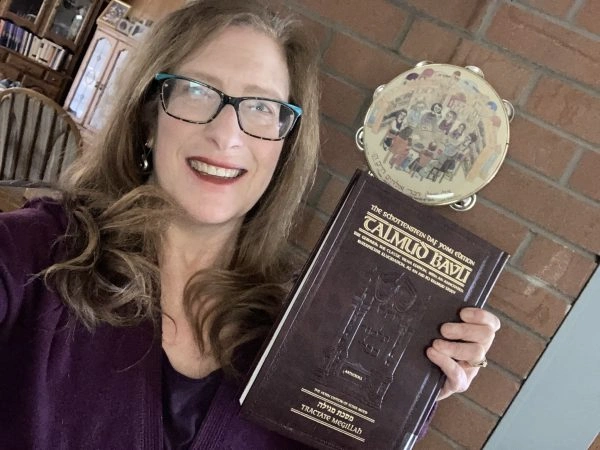
As Jewish educator and as a woman, I’m mindful that Talmud has been kept from women for many centuries. Now that we are privileged to learn, and learning is so accessible, it’s my intent to complete Daf Yomi. I am so excited to keep learning with my Hadran community.

Sue Parker Gerson
Sue Parker Gerson

Denver, United States

In early 2020, I began the process of a stem cell transplant. The required extreme isolation forced me to leave work and normal life but gave me time to delve into Jewish text study. I did not feel isolated. I began Daf Yomi at the start of this cycle, with family members joining me online from my hospital room. I’ve used my newly granted time to to engage, grow and connect through this learning.

Reena Slovin
Reena Slovin

Worcester, United States

I learned daf more off than on 40 years ago. At the beginning of the current cycle, I decided to commit to learning daf regularly. Having Rabanit Michelle available as a learning partner has been amazing. Sometimes I learn with Hadran, sometimes with my husband, and sometimes on my own. It’s been fun to be part of an extended learning community.

Miriam Pollack
Miriam Pollack

Honolulu, Hawaii, United States

I had never heard of Daf Yomi and after reading the book, The Weight of Ink, I explored more about it. I discovered that it was only 6 months before a whole new cycle started and I was determined to give it a try. I tried to get a friend to join me on the journey but after the first few weeks they all dropped it. I haven’t missed a day of reading and of listening to the podcast.

Anne Rubin
Anne Rubin

Elkins Park, United States

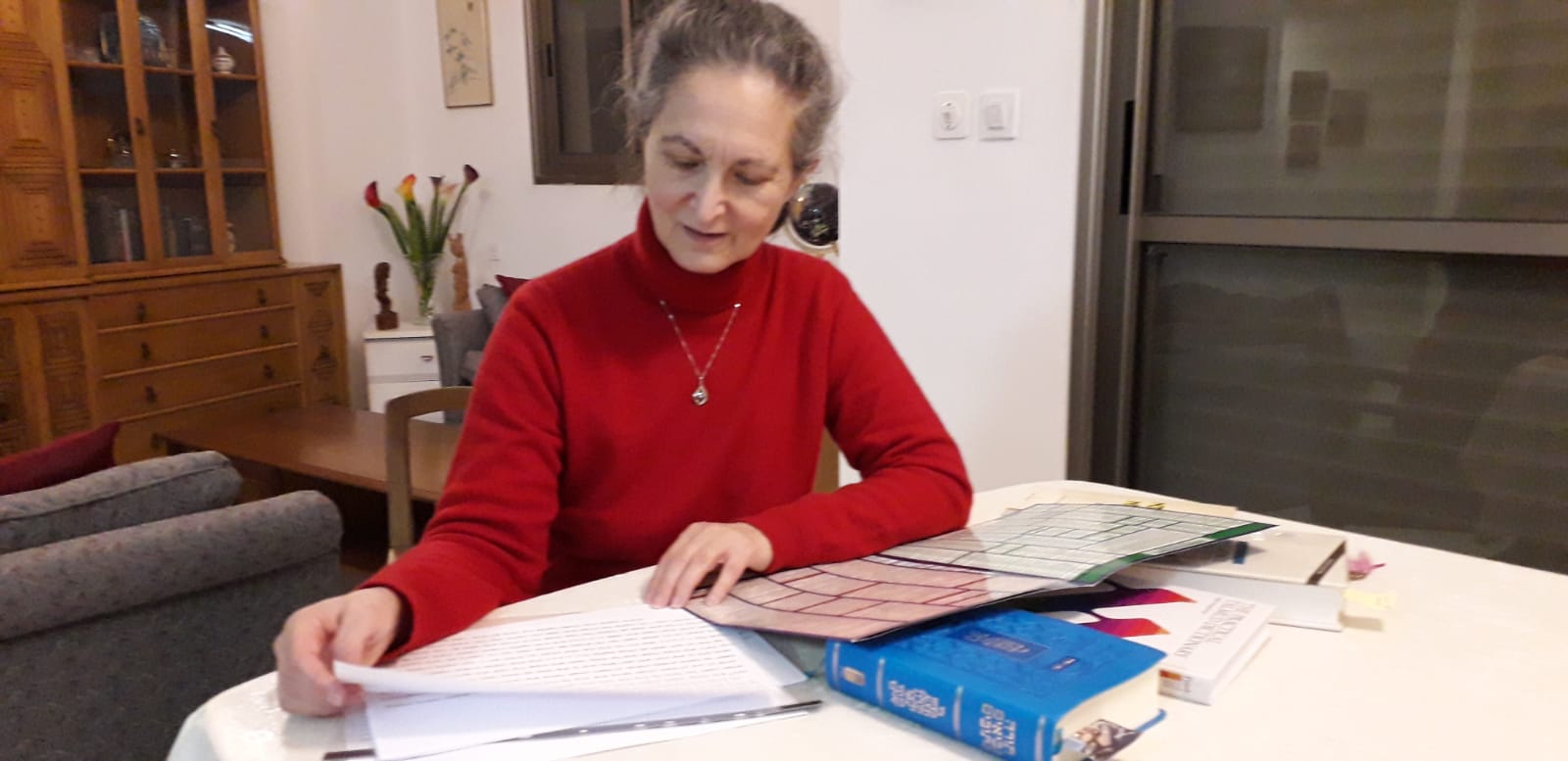
A beautiful world of Talmudic sages now fill my daily life with discussion and debate.
bringing alive our traditions and texts that has brought new meaning to my life.
I am a מגילת אסתר reader for women . the words in the Mishna of מסכת megillah 17a
הקורא את המגילה למפרע לא יצא were powerful to me.
I hope to have the zchut to complete the cycle for my 70th birthday.

Sheila Hauser
Sheila Hauser

Jerusalem, Israel

Geri Goldstein got me started learning daf yomi when I was in Israel 2 years ago. It’s been a challenge and I’ve learned a lot though I’m sure I miss a lot. I quilt as I listen and I want to share what I’ve been working on.

Rebecca Stulberg
Rebecca Stulberg

Ottawa, Canada

It happened without intent (so am I yotzei?!) – I watched the women’s siyum live and was so moved by it that the next morning, I tuned in to Rabbanit Michelle’s shiur, and here I am, still learning every day, over 2 years later. Some days it all goes over my head, but others I grasp onto an idea or a story, and I ‘get it’ and that’s the best feeling in the world. So proud to be a Hadran learner.

Jeanne Yael Klempner

Zichron Yaakov, Israel

At almost 70 I am just beginning my journey with Talmud and Hadran. I began not late, but right when I was called to learn. It is never too late to begin! The understanding patience of staff and participants with more experience and knowledge has been fabulous. The joy of learning never stops and for me. It is a new life, a new light, a new depth of love of The Holy One, Blessed be He.
Deborah Hoffman-Wade

Richmond, CA, United States

I never thought I’d be able to do Daf Yomi till I saw the video of Hadran’s Siyum HaShas. Now, 2 years later, I’m about to participate in Siyum Seder Mo’ed with my Hadran community. It has been an incredible privilege to learn with Rabbanit Michelle and to get to know so many caring, talented and knowledgeable women. I look forward with great anticipation and excitement to learning Seder Nashim.

Caroline-Ben-Ari-Tapestry
Caroline Ben-Ari

Karmiel, Israel

I learned daf more off than on 40 years ago. At the beginning of the current cycle, I decided to commit to learning daf regularly. Having Rabanit Michelle available as a learning partner has been amazing. Sometimes I learn with Hadran, sometimes with my husband, and sometimes on my own. It’s been fun to be part of an extended learning community.

Miriam Pollack
Miriam Pollack

Honolulu, Hawaii, United States

“I got my job through the NY Times” was an ad campaign when I was growing up. I can headline “I got my daily Daf shiur and Hadran through the NY Times”. I read the January 4, 2020 feature on Reb. Michelle Farber and Hadran and I have been participating ever since. Thanks NY Times & Hadran!
Deborah Aschheim
Deborah Aschheim

New York, United States

Retirement and Covid converged to provide me with the opportunity to commit to daily Talmud study in October 2020. I dove into the middle of Eruvin and continued to navigate Seder Moed, with Rabannit Michelle as my guide. I have developed more confidence in my learning as I completed each masechet and look forward to completing the Daf Yomi cycle so that I can begin again!

Rhona Fink
Rhona Fink

San Diego, United States

I started learning at the beginning of this cycle more than 2 years ago, and I have not missed a day or a daf. It’s been challenging and enlightening and even mind-numbing at times, but the learning and the shared experience have all been worth it. If you are open to it, there’s no telling what might come into your life.

Patti Evans
Patti Evans

Phoenix, Arizona, United States

I started learning Daf Yomi in January 2020 after watching my grandfather, Mayer Penstein z”l, finish shas with the previous cycle. My grandfather made learning so much fun was so proud that his grandchildren wanted to join him. I was also inspired by Ilana Kurshan’s book, If All the Seas Were Ink. Two years in, I can say that it has enriched my life in so many ways.

Leeza Hirt Wilner
Leeza Hirt Wilner

New York, United States

I started learning after the siyum hashas for women and my daily learning has been a constant over the last two years. It grounded me during the chaos of Corona while providing me with a community of fellow learners. The Daf can be challenging but it’s filled with life’s lessons, struggles and hope for a better world. It’s not about the destination but rather about the journey. Thank you Hadran!

Dena Lehrman
Dena Lehrman

אפרת, Israel

My Daf journey began in August 2012 after participating in the Siyum Hashas where I was blessed as an “enabler” of others.  Galvanized into my own learning I recited the Hadran on Shas in January 2020 with Rabbanit Michelle. That Siyum was a highlight in my life.  Now, on round two, Daf has become my spiritual anchor to which I attribute manifold blessings.

Rina Goldberg
Rina Goldberg

Englewood NJ, United States

Having never learned Talmud before, I started Daf Yomi in hopes of connecting to the Rabbinic tradition, sharing a daily idea on Instagram (@dafyomiadventures). With Hadran and Sefaria, I slowly gained confidence in my skills and understanding. Now, part of the Pardes Jewish Educators Program, I can’t wait to bring this love of learning with me as I continue to pass it on to my future students.

Hannah-G-pic
Hannah Greenberg

Pennsylvania, United States

I started learning Daf Yomi because my sister, Ruth Leah Kahan, attended Michelle’s class in person and suggested I listen remotely. She always sat near Michelle and spoke up during class so that I could hear her voice. Our mom had just died unexpectedly and it made me feel connected to hear Ruth Leah’s voice, and now to know we are both listening to the same thing daily, continents apart.
Jessica Shklar
Jessica Shklar

Philadelphia, United States

After reading the book, “ If All The Seas Were Ink “ by Ileana Kurshan I started studying Talmud. I searched and studied with several teachers until I found Michelle Farber. I have been studying with her for two years. I look forward every day to learn from her.

Janine Rubens
Janine Rubens

Virginia, United States

Taanit 30

מֵ״חַגָּה״. וּמַאן דְּאָמַר כּוּלּוֹ אָסוּר — מֵ״חׇדְשָׁהּ״, וּמַאן דְּאָמַר כׇּל הַשַּׁבָּת כּוּלָּהּ אָסוּר — מִ״שַּׁבַּתָּהּ״.

derives from the phrase “her Festival” that acts of mirth and rejoicing are prohibited from the New Moon, which is considered like a Festival. And the one who said that these activities are prohibited during the entire month learns this from the phrase “her New Moon.” And the one who said that acts of rejoicing are prohibited during the entire week of the Ninth of Av, derives this from the phrase “her Shabbat,” which also means a week.

אָמַר רָבָא: הֲלָכָה כְּרַבָּן שִׁמְעוֹן בֶּן גַּמְלִיאֵל. וְאָמַר רָבָא: הֲלָכָה כְּרַבִּי מֵאִיר. וְתַרְוַיְיהוּ לְקוּלָּא, וּצְרִיכָא. דְּאִי אַשְׁמוֹעִינַן הֲלָכָה כְּרַבִּי מֵאִיר, הֲוָה אָמֵינָא: אֲפִילּוּ מֵרֹאשׁ חֹדֶשׁ, קָמַשְׁמַע לַן הֲלָכָה כְּרַבָּן שִׁמְעוֹן בֶּן גַּמְלִיאֵל.

With regard to the halakha itself, Rava said: The halakha is in accordance with the opinion of Rabban Shimon ben Gamliel. And Rava also said that the halakha is in accordance with the opinion of Rabbi Meir. The Gemara remarks: And both of these rulings are intended as a leniency. And it is necessary for Rava to state both rulings, for had he taught us only that the halakha is in accordance with the opinion of Rabbi Meir, I would have said that the mourning practices are obligatory even from the New Moon, as maintained by Rabbi Meir. Therefore, Rava teaches us that the halakha is in accordance with the opinion of Rabban Shimon ben Gamliel, that the restrictions of mourning do not apply until the week of the Ninth of Av.

וְאִי אַשְׁמוֹעִינַן הֲלָכָה כְּרַבָּן שִׁמְעוֹן בֶּן גַּמְלִיאֵל, הֲוָה אָמֵינָא: אֲפִילּוּ לְאַחֲרָיו, קָמַשְׁמַע לַן הֲלָכָה כְּרַבִּי מֵאִיר.

And had he taught us only that the halakha is in accordance with the opinion of Rabban Shimon ben Gamliel, I would have said that the prohibitions apply even after the fast, until the end of the week. Consequently, Rava teaches us that the halakha is in accordance with the opinion of Rabbi Meir. The prohibitions apply only until the Ninth of Av itself, not afterward.

עֶרֶב תִּשְׁעָה בְּאָב לֹא יֹאכַל אָדָם שְׁנֵי תַבְשִׁילִין כּוּ׳. אָמַר רַב יְהוּדָה: לֹא שָׁנוּ אֶלָּא מִשֵּׁשׁ שָׁעוֹת וּלְמַעְלָה, אֲבָל מִשֵּׁשׁ שָׁעוֹת וּלְמַטָּה — מוּתָּר. וְאָמַר רַב יְהוּדָה: לֹא שָׁנוּ אֶלָּא בִּסְעוּדָה הַמַּפְסִיק בָּהּ, אֲבָל בִּסְעוּדָה שֶׁאֵינוֹ מַפְסִיק בָּהּ — מוּתָּר.

§ The mishna taught: On the eve of the Ninth of Av, a person may not eat two cooked dishes in one meal. Rav Yehuda said: They taught that one may not partake of a meal with two dishes only from six hours of the day and onward, but from six hours and earlier it is permitted. And Rav Yehuda also said: They taught that it is prohibited to eat two dishes only in the concluding meal before beginning the fast. However, in a non-concluding meal it is permitted to eat two cooked dishes.

וְתַרְוַיְיהוּ לְקוּלָּא, וּצְרִיכָא. דְּאִי אַשְׁמְעִינַן בִּסְעוּדָה הַמַּפְסִיק בָּהּ, הֲוָה אָמֵינָא: אֲפִילּוּ מִשֵּׁשׁ שָׁעוֹת וּלְמַטָּה — קָמַשְׁמַע לַן מִשֵּׁשׁ שָׁעוֹת וּלְמַעְלָה. וְאִי אַשְׁמְעִינַן מִשֵּׁשׁ שָׁעוֹת וּלְמַעְלָה, הֲוָה אָמֵינָא: אֲפִילּוּ בִּסְעוּדָה שֶׁאֵינוֹ מַפְסִיק בָּהּ — קָמַשְׁמַע לַן בִּסְעוּדָה הַמַּפְסִיק בָּהּ.

The Gemara comments: And both of these rulings are intended as a leniency. And it is necessary for Rav Yehuda to state them both, for had he taught us that this halakha is referring only to the concluding meal, I would have said that this applies even from six hours and earlier. Rav Yehuda therefore teaches us that it applies only from six hours and onward. And had he taught us only that it is prohibited to eat two dishes from six hours and onward, I would have said that this applies even to a meal by which he does not stop eating. Rav Yehuda therefore teaches us that it applies only to the concluding meal.

תַּנְיָא כְּלִישָּׁנָא קַמָּא. תַּנְיָא כְּלִישָּׁנָא בָּתְרָא. תַּנְיָא כְּלִישָּׁנָא בָּתְרָא: הַסּוֹעֵד עֶרֶב תִּשְׁעָה בְּאָב, אִם עָתִיד לִסְעוֹד סְעוּדָה אַחֶרֶת — מוּתָּר לֶאֱכוֹל בָּשָׂר וְלִשְׁתּוֹת יַיִן, וְאִם לָאו — אָסוּר לֶאֱכוֹל בָּשָׂר וְלִשְׁתּוֹת יַיִן.

The Gemara comments: It is taught in a baraita in accordance with the first version, and it is taught in a baraita in accordance with the second version. The Gemara elaborates: It is taught in a baraita in accordance with the second version, as follows: With regard to one who dines on the eve of the Ninth of Av, if he will eat another meal, he is permitted to eat meat and to drink wine during this first meal. But if he does not intend to eat another meal, he is prohibited to eat meat and to drink wine.

תַּנְיָא כְּלִישָּׁנָא קַמָּא: עֶרֶב תִּשְׁעָה בְּאָב לֹא יֹאכַל אָדָם שְׁנֵי תַבְשִׁילִין, לֹא יֹאכַל בָּשָׂר וְלֹא יִשְׁתֶּה יַיִן. רַבָּן שִׁמְעוֹן בֶּן גַּמְלִיאֵל אוֹמֵר: יְשַׁנֶּה. אָמַר רַבִּי יְהוּדָה: כֵּיצַד מְשַׁנֶּה? אִם הָיָה רָגִיל לֶאֱכוֹל שְׁנֵי תַבְשִׁילִין — יֹאכַל מִין אֶחָד, וְאִם הָיָה רָגִיל לִסְעוֹד בַּעֲשָׂרָה בְּנֵי אָדָם — סוֹעֵד בַּחֲמִשָּׁה, הָיָה רָגִיל לִשְׁתּוֹת עֲשָׂרָה כּוֹסוֹת — שׁוֹתֶה חֲמִשָּׁה כּוֹסוֹת. בַּמֶּה דְּבָרִים אֲמוּרִים מִשֵּׁשׁ שָׁעוֹת וּלְמַעְלָה, אֲבָל מִשֵּׁשׁ שָׁעוֹת וּלְמַטָּה — מוּתָּר.

It is taught in a baraita in accordance with the first version: On the eve of the Ninth of Av, a person may not eat two cooked dishes. Furthermore, one may neither eat meat nor drink wine. Rabban Shimon ben Gamliel says: One must adjust and decrease the amount he eats. Rabbi Yehuda said: How should one adjust his meal? If he is accustomed to eat two cooked dishes at each meal, he should eat only one type of food; and if he is accustomed to dine in the company of ten people, he should dine with only five; and if he is accustomed to drinking ten cups of wine, he should drink only five cups. In what case is this statement said? From six hours and onward; however, from six hours and earlier all these practices are permitted.

תַּנְיָא אִידַּךְ: עֶרֶב תִּשְׁעָה בְּאָב לֹא יֹאכַל אָדָם שְׁנֵי תַבְשִׁילִין, לֹא יֹאכַל בָּשָׂר וְלֹא יִשְׁתֶּה יַיִן, דִּבְרֵי רַבִּי מֵאִיר. וַחֲכָמִים אוֹמְרִים: יְשַׁנֶּה. וּמְמַעֵט בַּבָּשָׂר וּבַיַּיִן. כֵּיצַד מְמַעֵט? אִם הָיָה רָגִיל לֶאֱכוֹל לִיטְרָא בָּשָׂר — יֹאכַל חֲצִי לִיטְרָא, הָיָה רָגִיל לִשְׁתּוֹת לוֹג יַיִן — יִשְׁתֶּה חֲצִי לוֹג יַיִן, וְאִם אֵינוֹ רָגִיל כׇּל עִיקָּר — אָסוּר. רַבָּן שִׁמְעוֹן בֶּן גַּמְלִיאֵל אוֹמֵר: אִם הָיָה רָגִיל לֶאֱכוֹל צְנוֹן אוֹ מָלִיחַ אַחַר סְעוּדָּתוֹ — הָרְשׁוּת בְּיָדוֹ.

It is taught in another baraita: On the eve of the Ninth of Av, a person may not eat two cooked dishes, and he may neither eat meat nor drink wine; this is the statement of Rabbi Meir. And the Rabbis say: One must adjust and reduce his consumption of meat and wine. How does one reduce his meat and wine? If he is accustomed to eating a liter of meat in his meal, he should eat half a liter; if he is accustomed to drinking a log of wine, he should drink half a log of wine; and if he is not accustomed to eating meat or drinking wine at all, it is prohibited for him to do so at all. Rabban Shimon ben Gamliel says: If he is accustomed to eating a radish or a salted dish after his meal, he has permission to do so on the eve of the Ninth of Av, as they are not considered an additional dish.

תַּנְיָא אִידַּךְ: כֹּל שֶׁהוּא מִשּׁוּם תִּשְׁעָה בְּאָב — אָסוּר לֶאֱכוֹל בָּשָׂר וְאָסוּר לִשְׁתּוֹת יַיִן וְאָסוּר לִרְחוֹץ. כׇּל שֶׁאֵינוֹ מִשּׁוּם תִּשְׁעָה בְּאָב — מוּתָּר לֶאֱכוֹל בָּשָׂר וְלִשְׁתּוֹת יַיִן וְאָסוּר לִרְחוֹץ. רַבִּי יִשְׁמָעֵאל בְּרַבִּי יוֹסֵי אוֹמֵר מִשּׁוּם אָבִיו: כׇּל שָׁעָה שֶׁמּוּתָּר לֶאֱכוֹל בָּשָׂר — מוּתָּר לִרְחוֹץ.

It is taught in another baraita: In any meal that is eaten due to the fast of the Ninth of Av, it is prohibited to eat meat; and it is prohibited to drink wine; and it is likewise prohibited to bathe in anticipation of the fast. However, in any meal that is not due to the Ninth of Av, i.e., one is eating the meal in order that he shouldn’t be hungry on the Ninth of Av, it is permitted to eat meat and to drink wine, but it is nevertheless prohibited to bathe at that time. Rabbi Yishmael, son of Rabbi Yosei, said in the name of his father: For the entire time that one is permitted to eat meat, he is likewise permitted to bathe.

תָּנוּ רַבָּנַן: כׇּל מִצְוֹת הַנּוֹהֲגוֹת בְּאָבֵל — נוֹהֲגוֹת בְּתִשְׁעָה בְּאָב; אָסוּר בַּאֲכִילָה וּבִשְׁתִיָּה, וּבְסִיכָה, וּבִנְעִילַת הַסַּנְדָּל, וּבְתַשְׁמִישׁ הַמִּטָּה. וְאָסוּר לִקְרוֹת בַּתּוֹרָה בַּנְּבִיאִים וּבַכְּתוּבִים, וְלִשְׁנוֹת בַּמִּשְׁנָה בַּתַּלְמוּד וּבַמִּדְרָשׁ וּבָהֲלָכוֹת וּבָאַגָּדוֹת.

The Sages taught: All mitzvot practiced by a mourner are likewise practiced on the Ninth of Av: It is prohibited to engage in eating, and in drinking, and in smearing oil on one’s body, and in wearing shoes, and in conjugal relations. It is prohibited to read from the Torah, from the Prophets, and from the Writings, or to study from the Mishna, from the Gemara, and from midrash, and from collections of halakhot, and from collections of aggadot.

אֲבָל קוֹרֵא הוּא בִּמְקוֹם שֶׁאֵינוֹ רָגִיל לִקְרוֹת, וְשׁוֹנֶה בִּמְקוֹם שֶׁאֵינוֹ רָגִיל לִשְׁנוֹת, וְקוֹרֵא בְּקִינוֹת בְּאִיּוֹב, וּבִדְבָרִים הָרָעִים שֶׁבְּיִרְמְיָה. וְתִינוֹקוֹת שֶׁל בֵּית רַבָּן בְּטֵלִין, מִשּׁוּם שֶׁנֶּאֱמַר: ״פִּקּוּדֵי ה׳ יְשָׁרִים מְשַׂמְּחֵי לֵב״.

However, one may read from a place in the Bible that he is unaccustomed to reading, as it will be difficult for him and he will not derive pleasure from it, and he may likewise study from a place of the Talmud that he is unaccustomed to studying. And one may read from the book of Lamentations; from the book of Job; and from the evil matters in Jeremiah, i.e., his prophecies of doom. And schoolchildren interrupt their studies for the day because it is stated: “The precepts of the Lord are right, rejoicing the heart” (Psalms 19:9).

רַבִּי יְהוּדָה אוֹמֵר: אַף אֵינוֹ קוֹרֵא בִּמְקוֹם שֶׁאֵינוֹ רָגִיל לִקְרוֹת, וְאֵינוֹ שׁוֹנֶה בִּמְקוֹם שֶׁאֵינוֹ רָגִיל לִשְׁנוֹת. אֲבָל קוֹרֵא הוּא בְּאִיּוֹב וּבְקִינוֹת וּבִדְבָרִים הָרָעִים שֶׁבְּיִרְמְיָהוּ. וְתִינוֹקוֹת שֶׁל בֵּית רַבָּן בְּטֵלִים בּוֹ, מִשּׁוּם שֶׁנֶּאֱמַר: ״פִּקּוּדֵי ה׳ יְשָׁרִים מְשַׂמְּחֵי לֵב״.

Rabbi Yehuda says: One may not even read from a place in the Bible that he is unaccustomed to reading, nor may one study from a place of the Talmud that he is unaccustomed to studying. However, one may read from Job, and from Lamentations, and from the evil matters of Jeremiah. And schoolchildren interrupt their studies on that day because it is stated: “The precepts of the Lord are right, rejoicing the heart” (Psalms 19:9).

לֹא יֹאכַל בָּשָׂר וְלֹא יִשְׁתֶּה יַיִן. תָּנָא: אֲבָל אוֹכֵל הוּא בָּשָׂר מָלִיחַ וְשׁוֹתֶה יַיִן מִגִּתּוֹ. בָּשָׂר מָלִיחַ עַד כַּמָּה? אָמַר רַב חִינָּנָא בַּר כָּהֲנָא מִשְּׁמֵיהּ דִּשְׁמוּאֵל: כׇּל זְמַן שֶׁהוּא כִּשְׁלָמִים.

§ The mishna taught that one may neither eat meat nor drink wine. A tanna taught in the Tosefta: However, one may eat heavily salted meat and drink wine from his press, i.e., wine that has not finished fermenting. The Gemara inquires: With regard to salted meat, how long must this meat remain in salt before it is permitted? Rav Ḥinnana bar Kahana said in the name of Shmuel: As long as it is like peace-offerings, which could be eaten for two days and one night after they were sacrificed. After this time has passed, it is no longer called meat. Therefore, if it was salted for longer than this, it may be eaten on the eve of the Ninth of Av.

וְיַיִן מִגִּתּוֹ עַד כַּמָּה? כׇּל זְמַן שֶׁהוּא תּוֹסֵס. תָּנָא: יַיִן תּוֹסֵס אֵין בּוֹ מִשּׁוּם גִּילּוּי, וְכַמָּה תְּסִיסָתוֹ — שְׁלֹשָׁה יָמִים.

The Gemara asks: And with regard to wine from his press, until when is wine considered from his press? As long as it is fermenting. A tanna taught in a baraita: Wine that is fermenting does not have a problem with regard to exposed liquids, as there is no concern that a snake will leave its venom in that wine. And how long is its fermenting period? Three days from the time the grapes were pressed.

אָמַר רַב יְהוּדָה אָמַר רַב: כָּךְ הָיָה מִנְהָגוֹ שֶׁל רַבִּי יְהוּדָה בְּרַבִּי אִילְעַאי: עֶרֶב תִּשְׁעָה בְּאָב מְבִיאִין לוֹ פַּת חֲרֵבָה בְּמֶלַח, וְיוֹשֵׁב

Rav Yehuda said that Rav said: This was the custom of Rabbi Yehuda, son of Rabbi Ilai. On the eve of the Ninth of Av, near the evening, they would bring him stale bread with salt, and he would sit

בֵּין תַּנּוּר לְכִירַיִים וְאוֹכֵל, וְשׁוֹתֶה עָלֶיהָ קִיתוֹן שֶׁל מַיִם, וְדוֹמֶה כְּמִי שֶׁמֵּתוֹ מוּטָּל לְפָנָיו.

between the oven and the stove, which was considered the least respectable place in the house. And he would eat his bread, and drink a jug [kiton] of water with it, and in doing so he would resemble one whose deceased relative is laid out unburied before him.

תְּנַן הָתָם: מָקוֹם שֶׁנָּהֲגוּ לַעֲשׂוֹת מְלָאכָה בְּתִשְׁעָה בְּאָב — עוֹשִׂין, מָקוֹם שֶׁנָּהֲגוּ שֶׁלֹּא לַעֲשׂוֹת — אֵין עוֹשִׂין. וּבְכׇל מָקוֹם, תַּלְמִידֵי חֲכָמִים בְּטֵלִים. רַבָּן שִׁמְעוֹן בֶּן גַּמְלִיאֵל אוֹמֵר: לְעוֹלָם יַעֲשֶׂה כָּל אָדָם עַצְמוֹ כְּתַלְמִיד חָכָם. תַּנְיָא נָמֵי הָכִי, רַבָּן שִׁמְעוֹן בֶּן גַּמְלִיאֵל אוֹמֵר: לְעוֹלָם יַעֲשֶׂה אָדָם עַצְמוֹ כְּתַלְמִיד חָכָם, כְּדֵי שֶׁיִּתְעַנֶּה.

§ We learned in a mishna there: In a place where people were accustomed to perform labor on the Ninth of Av, one performs labor. In a place where people were accustomed not to perform labor, one does not perform labor. And in all places, Torah scholars are idle and do not perform labor on the Ninth of Av. Rabban Shimon ben Gamliel says: With regard to the Ninth of Av, a person should always conduct himself as a Torah scholar and refrain from performing labor. This is also taught in a baraita: Rabban Shimon ben Gamliel says: A person should always conduct himself as a Torah scholar, so that he will feel the hardship of the fast.

תַּנְיָא אִידַּךְ, רַבָּן שִׁמְעוֹן בֶּן גַּמְלִיאֵל אוֹמֵר: כׇּל הָאוֹכֵל וְשׁוֹתֶה בְּתִשְׁעָה בְּאָב — כְּאִילּוּ אוֹכֵל וְשׁוֹתֶה בְּיוֹם הַכִּפּוּרִים. רַבִּי עֲקִיבָא אוֹמֵר: כׇּל הָעוֹשֶׂה מְלָאכָה בְּתִשְׁעָה בְּאָב — אֵינוֹ רוֹאֶה סִימַן בְּרָכָה לְעוֹלָם.

It is taught in another baraita that Rabban Shimon ben Gamliel says: Whoever eats and drinks on the Ninth of Av, although the prohibition was instituted by the Prophets, it is as though he eats and drinks on Yom Kippur. Rabbi Akiva says: Whoever performs labor on the Ninth of Av never sees a sign of a blessing from that work.

וַחֲכָמִים אוֹמְרִים: כׇּל הָעוֹשֶׂה מְלָאכָה בְּתִשְׁעָה בְּאָב וְאֵינוֹ מִתְאַבֵּל עַל יְרוּשָׁלַיִם — אֵינוֹ רוֹאֶה בְּשִׂמְחָתָהּ, שֶׁנֶּאֱמַר: ״שִׂמְחוּ אֶת יְרוּשָׁלִַים וְגִילוּ בָהּ כׇּל אֹהֲבֶיהָ שִׂישׂוּ אִתָּהּ מָשׂוֹשׂ כׇּל הַמִּתְאַבְּלִים עָלֶיהָ״, מִכָּאן אָמְרוּ: כׇּל הַמִּתְאַבֵּל עַל יְרוּשָׁלַיִם — זוֹכֶה וְרוֹאֶה בְּשִׂמְחָתָהּ, וְשֶׁאֵינוֹ מִתְאַבֵּל עַל יְרוּשָׁלַיִם — אֵינוֹ רוֹאֶה בְּשִׂמְחָתָהּ. תַּנְיָא נָמֵי הָכִי: כׇּל הָאוֹכֵל בָּשָׂר וְשׁוֹתֶה יַיִן בְּתִשְׁעָה בְּאָב — עָלָיו הַכָּתוּב אוֹמֵר: ״וַתְּהִי עֲוֹנוֹתָם עַל עַצְמוֹתָם״.

And the Sages say: Whoever performs labor on the Ninth of Av and does not mourn for Jerusalem will not see her future joy, as it is stated: “Rejoice with Jerusalem and be glad with her, all who love her; rejoice for joy with her, all who mourn for her” (Isaiah 66:10). From here it is stated: Whoever mourns for Jerusalem will merit and see her future joy, and whoever does not mourn for Jerusalem will not see her future joy. This is also taught in a baraita: Whoever eats meat or drinks wine in the meal before the Ninth of Av, about him the verse states: “And whose iniquities are upon their bones, because the terror of the mighty was in the land of the living” (Ezekiel 32:27).

רַבִּי יְהוּדָה מְחַיֵּיב בִּכְפִיַּית הַמִּטָּה, וְלֹא הוֹדוּ לוֹ חֲכָמִים. תַּנְיָא, אָמְרוּ לוֹ לְרַבִּי יְהוּדָה: לִדְבָרֶיךָ, עוּבָּרוֹת וּמְנִיקוֹת מָה תְּהֵא עֲלֵיהֶן? אָמַר לָהֶם: אַף אֲנִי לֹא אָמַרְתִּי אֶלָּא בְּיָכוֹל.

§ The mishna taught: Rabbi Yehuda obligates one to overturn the bed, but the Rabbis did not agree with him. It is taught in a baraita that the Rabbis said to Rabbi Yehuda: According to your statement, pregnant women and nursing women, who cannot sleep on the floor, what will become of them? Rabbi Yehuda said to them: I, too, spoke only with regard to those who are able.

תַּנְיָא נָמֵי הָכִי: מוֹדֶה רַבִּי יְהוּדָה לַחֲכָמִים בְּשֶׁאֵינוֹ יָכוֹל, וּמוֹדִים חֲכָמִים לְרַבִּי יְהוּדָה בְּיָכוֹל. מַאי בֵּינַיְיהוּ? אִיכָּא בֵּינַיְיהוּ שְׁאָר מִטּוֹת.

This is also taught in another baraita: Rabbi Yehuda concedes to the Rabbis with regard to one who is unable to sleep on the floor, and the Rabbis concede to Rabbi Yehuda with regard to one who is able to do so. The Gemara asks: If so, what is the practical difference between them? The Gemara explains: The practical difference between them is the status of other beds.

כִּדְתַנְיָא: כְּשֶׁאָמְרוּ לִכְפּוֹת הַמִּטָּה, לֹא מִטָּתוֹ בִּלְבַד הוּא כּוֹפֶה, אֶלָּא כׇּל הַמִּטּוֹת כּוּלָּן הוּא כּוֹפֶה. אָמַר רָבָא: הִלְכְתָא כְּתַנָּא דִּידַן, וְלֹא הוֹדוּ לוֹ חֲכָמִים כׇּל עִיקָּר.

As it is taught in a baraita: When the Rabbis said that a mourner is required to overturn the bed, they meant that he overturns not only his own bed, but also that he must overturn all the beds in the house. Rabbi Yehuda maintains that one must likewise overturn all of the beds of one’s house on the Ninth of Av. Rava said: The halakha is in accordance with the opinion of the tanna of our mishna, and the Rabbis did not concede to Rabbi Yehuda at all, even with regard to one who is able. Therefore, there is no requirement to overturn one’s bed on the Ninth of Av.

אָמַר רַבָּן שִׁמְעוֹן בֶּן גַּמְלִיאֵל: לֹא הָיוּ יָמִים טוֹבִים לְיִשְׂרָאֵל כַּחֲמִשָּׁה עָשָׂר בְּאָב וּכְיוֹם הַכִּפּוּרִים. בִּשְׁלָמָא יוֹם הַכִּפּוּרִים — מִשּׁוּם דְּאִית בֵּיהּ סְלִיחָה וּמְחִילָה, יוֹם שֶׁנִּיתְּנוּ בּוֹ לוּחוֹת הָאַחֲרוֹנוֹת.

§ The mishna taught that Rabban Shimon ben Gamliel said: There were no days as happy for the Jewish people as the fifteenth of Av and as Yom Kippur. The Gemara asks: Granted, Yom Kippur is a day of joy because it has the elements of pardon and forgiveness, and moreover, it is the day on which the last pair of tablets were given.

אֶלָּא חֲמִשָּׁה עָשָׂר בְּאָב מַאי הִיא? אָמַר רַב יְהוּדָה אָמַר שְׁמוּאֵל: יוֹם שֶׁהוּתְּרוּ שְׁבָטִים לָבוֹא זֶה בָּזֶה.

However, what is the special joy of the fifteenth of Av? Rav Yehuda said that Shmuel said: This was the day on which the members of different tribes were permitted to enter one another’s tribe, by intermarriage. It was initially prohibited to intermarry between tribes, so as to keep each plot of land within the portion of the tribe that originally inherited it. This halakha was instituted by the Torah in the wake of a complaint by the relatives of the daughters of Zelophehad, who were worried that if these women married men from other tribes, the inheritance of Zelophehad would be lost from his tribe (see Numbers 36:1–12).

מַאי דְּרוּשׁ? ״זֶה הַדָּבָר אֲשֶׁר צִוָּה ה׳ לִבְנוֹת צְלׇפְחָד וְגוֹ׳״ — דָּבָר זֶה לֹא יְהֵא נוֹהֵג אֶלָּא בְּדוֹר זֶה.

What did they expound, in support of their conclusion that this halakha was no longer in effect? The verse states: “This is the matter that the Lord has commanded concerning the daughters of Zelophehad, saying: Let them marry whom they think best; only into the family of the tribe of their father shall they marry” (Numbers 36:5). They derived from the verse that this matter shall be practiced only in this generation, when Eretz Yisrael was divided among the tribes, but afterward members of different tribes were permitted to marry. On the day this barrier separating the tribes was removed, the Sages established a permanent day of rejoicing.

אָמַר רַב יוֹסֵף אָמַר רַב נַחְמָן: יוֹם שֶׁהוּתַּר שֵׁבֶט בִּנְיָמִין לָבוֹא בַּקָּהָל, שֶׁנֶּאֱמַר: ״וְאִישׁ יִשְׂרָאֵל נִשְׁבַּע בַּמִּצְפָּה לֵאמֹר אִישׁ מִמֶּנּוּ לֹא יִתֵּן בִּתּוֹ לְבִנְיָמִן לְאִשָּׁה״. מַאי דְּרוּשׁ? אָמַר רַב: ״מִמֶּנּוּ״, וְלֹא מִבָּנֵינוּ.

Rav Yosef said that Rav Naḥman said: The fifteenth of Av was the day on which the tribe of Benjamin was permitted to enter the congregation of the Jewish people. After the tragic incident at Gibeah, for which the tribe of Benjamin was blamed, the other tribes ostracized them. They took an oath to prohibit themselves from marrying a member of the tribe of Benjamin, as it is stated: “And the men of Israel had sworn in Mizpah, saying: None of us shall give his daughter to Benjamin as a wife” (Judges 21:1). The Gemara asks: What did they expound that enabled them to dissolve this oath? Rav said: They understood the verse literally, as it states: “None of us,” and not: None of our children, i.e., the oath applied only to the generation that took the oath, not their descendants.

אָמַר רַבָּה בַּר בַּר חָנָה אָמַר רַבִּי יוֹחָנָן: יוֹם שֶׁכָּלוּ בּוֹ מֵתֵי מִדְבָּר. דְּאָמַר מָר: עַד שֶׁלֹּא כָּלוּ מֵתֵי מִדְבָּר לֹא הָיָה דִּבּוּר עִם מֹשֶׁה, שֶׁנֶּאֱמַר: ״וַיְהִי כַּאֲשֶׁר תַּמּוּ כׇּל אַנְשֵׁי הַמִּלְחָמָה לָמוּת. וַיְדַבֵּר ה׳ אֵלַי״. אֵלַי הָיָה הַדִּבּוּר.

Rabba bar bar Ḥana said that Rabbi Yoḥanan said: The fifteenth of Av was the day on which the deaths of the Jews in the wilderness ceased. The entire generation that had left Egypt had passed away, as the Master said: After the sin of the spies, on account of which the Jews of that generation were sentenced to die in the wilderness, as long as the death of the Jews in the wilderness had not ceased, God’s speech did not come to Moses, as it is stated: “And it came to pass, when all the men of war were consumed and dead from among the people, that the Lord spoke to me, saying” (Deuteronomy 2:16–17). This indicates that only then, after the last member of that generation had died, was God’s speech delivered to me, i.e., Moses, but not beforehand. When the Jews realized that the decree that God would not speak to Moses had been lifted, they established that day as a permanent day of rejoicing.

עוּלָּא אָמַר: יוֹם שֶׁבִּיטֵּל הוֹשֵׁעַ בֶּן אֵלָה פְּרוֹסְדָיוֹת שֶׁהוֹשִׁיב יָרׇבְעָם בֶּן נְבָט עַל הַדְּרָכִים שֶׁלֹּא יַעֲלוּ יִשְׂרָאֵל לָרֶגֶל, וְאָמַר:

Ulla said: The fifteenth of Av was the day on which King Hoshea, son of Ela, canceled the guards that Jeroboam, son of Nevat, placed on the roads so that the Jews would not ascend to Jerusalem for the pilgrim Festival. And Hoshea, son of Ela, said

Want to follow content and continue where you left off?

Create an account today to track your progress, mark what you’ve learned, and follow the shiurim that speak to you.

Clear all items from this list?

This will remove ALL the items in this section. You will lose any progress or history connected to them. This is irreversible.

Cancel
Yes, clear all

Are you sure you want to delete this item?

You will lose any progress or history connected to this item.

Cancel
Yes, delete