Search

Yoma 35

Want to dedicate learning? Get started here:

English
עברית
podcast placeholder

0:00
0:00


podcast placeholder

0:00
0:00


Summary

This week’s learning is sponsored by Joy Benatar in memory of Miriam David, Malka bat Michael v’Esther. Remembered as a devoted wife, mother, grandmother, and Jewish educator.

Why is the room called Beit HaParva? Why did they hold up specifically a garment made of linen? Why did the mishna tell us the total sum of how much the clothing cost? Can a kohen use his own clothing for work in the Temple? A story is told about the clothes of Rabbi Elazar ben Charsom whose mother made his very expensive fine clothing to work in the Temple but the threads were transparent and one could see his body underneath the clothing. Since Rabbi Elazar ben Charsom is mentioned, the gemara brings a braita that also relates to him. A poor person, a rich person and an evil person are brought to judgement and asked, “Why did you not learn Torah?” If they say they were too poor, they remind them of the story of Hillel who always learned Torah in the same place every day but one day couldn’t pay the entrance fee and he sacrificed his life to learn Torah by going up to the roof on a snowy day and risking his life to listen to the Torah through the skylight.” If he says he is too rich, they remind him of Rabbi Elazar ben Charsom who was so rich and yet left his business dealings to others and spent his time going from place to place learning Torah. If he says he is too beautiful, they remind him of the story of Yosef who didn’t give in to Potifar’s wife’s daily attempts to seduce him. The mishna continues in the actions of the Kohen Gadol. He takes the bull and does smicha, then vidui, confession of his sins and his family’s sins.

Yoma 35

גְּמָ׳ מַאי ״פַּרְוָה״? אָמַר רַב יוֹסֵף: פַּרְוָה אַמְגּוּשָׁא.

GEMARA: What is the meaning of the name Parva? Rav Yosef said: Parva is the name of a Persian sorcerer, whose name is associated with the chamber due to a particular incident.

פֵּרְסוּ סָדִין שֶׁל בּוּץ. מַאי שְׁנָא שֶׁל בּוּץ? אָמַר רַב כָּהֲנָא: כְּדֵי שֶׁיַּכִּיר שֶׁעֲבוֹדַת הַיּוֹם בְּבִגְדֵי בוּץ.

§ It was stated in the mishna: They spread there a sheet of fine linen. The Gemara asks: What is different that the sheet that they spread was made of fine linen? Rav Kahana said: It was so that the High Priest will be aware and remember that the service of the day is performed in fine linen.

בַּשַּׁחַר הָיָה לוֹבֵשׁ פִּלּוּסִין שֶׁל שְׁמוֹנָה עָשָׂר וְכוּ׳. וְתַנָּא מִנְיָינָא אֲתָא לְאַשְׁמוֹעִינַן? הָא קָא מַשְׁמַע לַן דִּבְצִיר מֵהָנֵי לָא נֶעְבֵּיד. הָא אִי בָּצֵיר מֵהָנֵי וְטָפֵי אַהֲנִי — לֵית לַן בַּהּ.

§ The mishna continues: In the morning, he would wear garments worth eighteen maneh, and in the afternoon he would wear garments worth twelve maneh. In total, the clothes were worth thirty maneh. The Gemara expresses surprise at the total in the mishna: Does the tanna come to tell us the tally that eighteen and twelve equal thirty? The Gemara answers: This comes to teach us that one may not fashion garments worth less than the total of these morning and afternoon garments. The Gemara elaborates: If one decreases the value of these morning garments, and raises the value of those afternoon garments, we have no problem with it. One can distribute the total of thirty maneh between the two sets of garments in any manner that he chooses.

דְּכוּלֵּי עָלְמָא מִיהַת דְּשַׁחַר עֲדִיפִי, מְנָא לַן? אָמַר רַב הוּנָא בְּרֵיהּ דְּרַב עִילָּאֵי: אָמַר קְרָא: ״בַּד״ ״בַּד״ ״בַּד״ ״בַּד״, מוּבְחָר בַּבַּד.

The Gemara comments: However, everyone, both Rabbi Meir and the Rabbis, agrees that the clothes of the morning are superior and must be more valuable than those of the afternoon. From where do we derive this? Rav Huna, son of Rav Ilai, said that with regard to the linen garments donned by the High Priest in the morning, the verse states: “He shall be dressed in a sacred linen tunic, and with linen trousers next to his flesh, and he shall be girded with a linen belt, and he shall wear a linen mitre” (Leviticus 16:4). From the fact that the verse repeats the term linen four times it is derived that the choicest linen should be used for this purpose.

מֵיתִיבִי: ״וְלָבְשׁוּ בְּגָדִים אֲחֵרִים וְלֹא יְקַדְּשׁוּ אֶת הָעָם בְּבִגְדֵיהֶם״,

The Gemara raises an objection. It is stated: “And it shall be that when they enter in at the gates of the inner court, they shall be clothed with linen garments; and no wool shall come upon them, while they minister in the gates of the inner court, and within” (Ezekiel 44:17). This verse is referring to the Yom Kippur service, as during the year the High Priest performed the service in eight priestly vestments made partially of wool. Two verses later the prophet says: “And when they go forth into the outer court, into the outer court to the people, they shall remove their garments in which they serve, and lay them in the sacred chambers, and they shall put on other garments, so that they do not sanctify the people with their garments” (Ezekiel 44:19).

מַאי לָאו ״אֲחֵרִים״ — חֲשׁוּבִין מֵהֶן! לֹא, ״אֲחֵרִים״ — פְּחוּתִים מֵהֶן.

The Gemara infers: What, doesn’t “other” mean more important than the first set of linen garments? The Gemara rejects this: No, although “other” means different garments, it means garments inferior to them, the first set of linen garments. The High Priest does not don a second set of garments to effect atonement; rather, he dons them in deference to God to remove the spoon and the coal pan from the Holy of Holies.

תָּנֵי רַב הוּנָא בַּר יְהוּדָה, וְאָמְרִי לַהּ רַב שְׁמוּאֵל בַּר יְהוּדָה: אַחַר שֶׁכָּלְתָה עֲבוֹדַת צִיבּוּר, כֹּהֵן שֶׁעָשְׂתָה לוֹ אִמּוֹ כְּתוֹנֶת — לוֹבְשָׁהּ, וְעוֹבֵד בָּהּ עֲבוֹדַת יָחִיד, וּבִלְבַד שֶׁיִּמְסְרֶנָּה לַצִּיבּוּר. פְּשִׁיטָא?

Rav Huna bar Yehuda, and some say Rav Shmuel bar Yehuda, taught: After the public service concluded, a priest whose mother had made him a priestly tunic may wear it and perform an individual service while wearing it, such as removal of the spoon and the coal pan, which is not a service in and of itself, provided he transfers it to the possession of the public. All services performed by the priest must be performed while he is wearing sacred garments owned by the public, as all the Temple vessels are. The Gemara asks: This is obvious; once he transfers it to the possession of the public, it is Temple property like any other vessel that an individual donates to the Temple. What is novel in this statement?

מַהוּ דְּתֵימָא נֵיחוּשׁ שֶׁמָּא לֹא יִמְסְרֶנָּה יָפֶה יָפֶה, קָא מַשְׁמַע לַן. אָמְרוּ עָלָיו עַל רַבִּי יִשְׁמָעֵאל בֶּן פִּאָבִי שֶׁעָשְׂתָה לוֹ אִמּוֹ כְּתוֹנֶת שֶׁל מֵאָה מָנֶה, וְלוֹבְשָׁהּ וְעוֹבֵד בָּהּ עֲבוֹדַת יָחִיד, וּמְסָרָהּ לַצִּיבּוּר.

The Gemara answers: Lest you say that the concern is that since he is the one wearing it perhaps he will intend to retain ownership and will not transfer it wholeheartedly; therefore, it teaches us that if he transfers possession to the public, that is not a concern. Apropos this halakha, the Gemara relates: They said about the High Priest Rabbi Yishmael ben Pabi that his mother made him a tunic worth one hundred maneh. He donned it and performed an individual service and transferred possession of it to the public.

אָמְרוּ עָלָיו עַל רַבִּי אֶלְעָזָר בֶּן חַרְסוֹם שֶׁעָשְׂתָה לוֹ אִמּוֹ כְּתוֹנֶת מִשְׁתֵּי רִיבּוֹא, וְלֹא הֱנִיחוּהוּ אֶחָיו הַכֹּהֲנִים לְלוֹבְשָׁהּ מִפְּנֵי שֶׁנִּרְאָה כְּעָרוֹם. וּמִי מִתְחֲזֵי? וְהָאָמַר מָר: חוּטָן כָּפוּל שִׁשָּׁה! אָמַר אַבָּיֵי: כְּחַמְרָא בְּמִזְגָּא.

And similarly, they said about the High Priest Rabbi Elazar ben Ḥarsum that his mother made him a tunic worth twenty thousand dinars, but his fellow priests did not allow him to wear it because it was transparent and he appeared as one who is naked. The Gemara asks: And could he be seen through a garment made to the specifications of the priestly vestments? Didn’t the Master say: The threads of the priestly vestments were six-fold? Since the clothes were woven from threads that thick, his body could not have been seen through them. Abaye said: It is like wine in a thick glass cup. His flesh could not actually be seen, but since it was very fine linen, it was somewhat translucent and his skin color was discernible.

תָּנוּ רַבָּנַן: עָנִי וְעָשִׁיר וְרָשָׁע בָּאִין לַדִּין, לֶעָנִי אוֹמְרִים לוֹ: מִפְּנֵי מָה לֹא עָסַקְתָּ בַּתּוֹרָה? אִם אוֹמֵר: עָנִי הָיִיתִי, וְטָרוּד בִּמְזוֹנוֹתַי, אוֹמְרִים לוֹ: כְּלוּם עָנִי הָיִיתָ יוֹתֵר מֵהִלֵּל?

§ Apropos the great wealth of Rabbi Elazar ben Ḥarsum, the Gemara cites that which the Sages taught: A poor person, and a wealthy person, and a wicked person come to face judgment before the Heavenly court for their conduct in this world. To the poor person, the members of the court say: Why did you not engage in Torah? If he rationalizes his conduct and says: I was poor and preoccupied with earning enough to pay for my sustenance and that is why I did not engage in Torah study, they say to him: Were you any poorer than Hillel, who was wretchedly poor and nevertheless attempted to study Torah?

אָמְרוּ עָלָיו עַל הִלֵּל הַזָּקֵן שֶׁבְּכׇל יוֹם וָיוֹם הָיָה עוֹשֶׂה וּמִשְׂתַּכֵּר בִּטְרַפָּעִיק, חֶצְיוֹ הָיָה נוֹתֵן לְשׁוֹמֵר בֵּית הַמִּדְרָשׁ, וְחֶצְיוֹ לְפַרְנָסָתוֹ וּלְפַרְנָסַת אַנְשֵׁי בֵיתוֹ. פַּעַם אַחַת לֹא מָצָא לְהִשְׂתַּכֵּר, וְלֹא הִנִּיחוֹ שׁוֹמֵר בֵּית הַמִּדְרָשׁ לְהִכָּנֵס. עָלָה וְנִתְלָה וְיָשַׁב עַל פִּי אֲרוּבָּה כְּדֵי שֶׁיִּשְׁמַע דִּבְרֵי אֱלֹהִים חַיִּים מִפִּי שְׁמַעְיָה וְאַבְטַלְיוֹן.

They said about Hillel the Elder that each and every day he would work and earn a half-dinar, half of which he would give to the guard of the study hall and half of which he spent for his sustenance and the sustenance of the members of his family. One time he did not find employment to earn a wage, and the guard of the study hall did not allow him to enter. He ascended to the roof, suspended himself, and sat at the edge of the skylight in order to hear the words of the Torah of the living God from the mouths of Shemaya and Avtalyon, the spiritual leaders of that generation.

אָמְרוּ: אוֹתוֹ הַיּוֹם עֶרֶב שַׁבָּת הָיָה, וּתְקוּפַת טֵבֵת הָיְתָה, וְיָרַד עָלָיו שֶׁלֶג מִן הַשָּׁמַיִם. כְּשֶׁעָלָה עַמּוּד הַשַּׁחַר אָמַר לוֹ שְׁמַעְיָה לְאַבְטַלְיוֹן: אַבְטַלְיוֹן אָחִי, בְּכׇל יוֹם הַבַּיִת מֵאִיר וְהַיּוֹם אָפֵל, שֶׁמָּא יוֹם הַמְעוּנָּן הוּא? הֵצִיצוּ עֵינֵיהֶן וְרָאוּ דְּמוּת אָדָם בַּאֲרוּבָּה. עָלוּ וּמָצְאוּ עָלָיו רוּם שָׁלֹשׁ אַמּוֹת שֶׁלֶג. פֵּרְקוּהוּ, וְהִרְחִיצוּהוּ וְסָכוּהוּ, וְהוֹשִׁיבוּהוּ כְּנֶגֶד הַמְּדוּרָה. אָמְרוּ: רָאוּי זֶה לְחַלֵּל עָלָיו אֶת הַשַּׁבָּת.

The Sages continued and said: That day was Shabbat eve and it was the winter season of Tevet, and snow fell upon him from the sky. When it was dawn, Shemaya said to Avtalyon: Avtalyon, my brother, every day at this hour the study hall is already bright from the sunlight streaming through the skylight, and today it is dark; is it perhaps a cloudy day? They focused their eyes and saw the image of a man in the skylight. They ascended and found him covered with snow three cubits high. They extricated him from the snow, and they washed him and smeared oil on him, and they sat him opposite the bonfire to warm him. They said: This man is worthy for us to desecrate Shabbat for him. Saving a life overrides Shabbat in any case; however, this great man is especially deserving. Clearly, poverty is no excuse for the failure to attempt to study Torah.

עָשִׁיר, אוֹמְרִים לוֹ: מִפְּנֵי מָה לֹא עָסַקְתָּ בַּתּוֹרָה? אִם אוֹמֵר: עָשִׁיר הָיִיתִי וְטָרוּד הָיִיתִי בִּנְכָסַי. אוֹמְרִים לוֹ: כְּלוּם עָשִׁיר הָיִיתָ יוֹתֵר מֵרַבִּי אֶלְעָזָר? אָמְרוּ עָלָיו עַל רַבִּי אֶלְעָזָר בֶּן חַרְסוֹם שֶׁהִנִּיחַ לוֹ אָבִיו אֶלֶף עֲיָירוֹת בַּיַּבָּשָׁה, וּכְנֶגְדָּן אֶלֶף סְפִינוֹת בַּיָּם. וּבְכׇל יוֹם וָיוֹם נוֹטֵל נֹאד שֶׁל קֶמַח עַל כְּתֵיפוֹ וּמְהַלֵּךְ מֵעִיר לְעִיר וּמִמְּדִינָה לִמְדִינָה לִלְמוֹד תּוֹרָה.

And if a wealthy man comes before the heavenly court, the members of the court say to him: Why did you not engage in Torah? If he says: I was wealthy and preoccupied with managing my possessions, they say to him: Were you any wealthier than Rabbi Elazar, who was exceedingly wealthy and nevertheless studied Torah? They said about Rabbi Elazar ben Ḥarsum that his father left him an inheritance of one thousand villages on land, and corresponding to them, one thousand ships at sea. And each and every day he takes a leather jug of flour on his shoulder and walks from city to city and from state to state to study Torah from the Torah scholars in each of those places.

פַּעַם אַחַת מְצָאוּהוּ עֲבָדָיו, וְעָשׂוּ בּוֹ אַנְגַּרְיָא. אָמַר לָהֶן: בְּבַקָּשָׁה מִכֶּם, הַנִּיחוּנִי וְאֵלֵךְ לִלְמוֹד תּוֹרָה. אָמְרוּ לוֹ: חַיֵּי רַבִּי אֶלְעָזָר בֶּן חַרְסוֹם שֶׁאֵין מַנִּיחִין אוֹתְךָ. וּמִיָּמָיו לֹא הָלַךְ וְרָאָה אוֹתָן, אֶלָּא יוֹשֵׁב וְעוֹסֵק בַּתּוֹרָה כׇּל הַיּוֹם וְכׇל הַלַּיְלָה.

One time as he passed through the villages in his estate and his servants found him, did not recognize him, and, thinking he was a resident of the town, they pressed him into service [angarya] for the master of the estate. He said to them: I beseech you; let me be and I will go study Torah. They said: We swear by the life of Rabbi Elazar ben Ḥarsum that we will not let you be. The Gemara comments: And in all his days, he never went and saw all his possessions and his property; rather, he would sit and engage in the study of Torah all day and all night.

רָשָׁע, אוֹמְרִים לוֹ: מִפְּנֵי מָה לֹא עָסַקְתָּ בַּתּוֹרָה? אִם אָמַר: נָאֶה הָיִיתִי, וְטָרוּד בְּיִצְרִי, (הָיָה) אוֹמְרִים לוֹ: כְּלוּם נָאֶה הָיִיתָ מִיּוֹסֵף? אָמְרוּ עָלָיו עַל יוֹסֵף הַצַּדִּיק: בְּכׇל יוֹם וָיוֹם הָיְתָה אֵשֶׁת פּוֹטִיפַר מְשַׁדַּלְתּוֹ בִּדְבָרִים. בְּגָדִים שֶׁלָּבְשָׁה לוֹ שַׁחֲרִית לֹא לָבְשָׁה לוֹ עַרְבִית. בְּגָדִים שֶׁלָּבְשָׁה לוֹ עַרְבִית לֹא לָבְשָׁה לוֹ שַׁחֲרִית.

And if a wicked man comes to judgment, the members of the court say to him: Why did you not engage in Torah? If he said: I was handsome and preoccupied with my evil inclination, as I had many temptations, they say to him: Were you any more handsome than Joseph, who did not neglect Torah despite his beauty? They said about Joseph the righteous: Each and every day, the wife of Potiphar seduced him with words. In addition, the clothes that she wore to entice him in the morning, she did not wear to entice him in the evening. The clothes that she wore to entice him in the evening, she did not wear to entice him in the morning of the next day.

אָמְרָה לוֹ: הִשָּׁמַע לִי! אָמַר לָהּ: לָאו. אָמְרָה לוֹ: הֲרֵינִי חוֹבַשְׁתְּךָ בְּבֵית הָאֲסוּרִין! אָמַר לָהּ: ״ה׳ מַתִּיר אֲסוּרִים״. הֲרֵינִי כּוֹפֶפֶת קוֹמָתְךָ! ״ה׳ זוֹקֵף כְּפוּפִים״. הֲרֵינִי מְסַמָּא אֶת עֵינֶיךָ! ״ה׳ פּוֹקֵחַ עִוְרִים״. נָתְנָה לוֹ אֶלֶף כִּכְּרֵי כֶסֶף לִשְׁמוֹעַ אֵלֶיהָ ״לִשְׁכַּב אֶצְלָהּ לִהְיוֹת עִמָּהּ״, וְלֹא רָצָה לִשְׁמוֹעַ אֵלֶיהָ.

One day she said to him: Submit to me and have relations with me.
He said to her: No.
She said to him: I will incarcerate you in the prison. He said to her: I do not fear you, as it is stated: “God releases prisoners” (Psalms 146:7).
She said to him: I will cause you to be bent over with suffering.
He said: “God straightens those who are bent over” (Psalms 146:8).
She said I will blind your eyes.
He said to her “God opens the eyes of the blind” (Psalms 146:8).
She gave him a thousand talents of silver to submit to her, “to lie with her and be with her” (Genesis 39:10), and he refused.

״לִשְׁכַּב אֶצְלָהּ״ בָּעוֹלָם הַזֶּה, ״לִהְיוֹת עִמָּהּ״ לָעוֹלָם הַבָּא. נִמְצָא: הִלֵּל מְחַיֵּיב אֶת הָעֲנִיִּים, רַבִּי אֶלְעָזָר בֶּן חַרְסוֹם מְחַיֵּיב אֶת הָעֲשִׁירִים, יוֹסֵף מְחַיֵּיב אֶת הָרְשָׁעִים.

The Gemara elaborates: Had he submitted to her to lie with her in this world, it would have been decreed in Heaven that he would be with her in the World-to-Come. Therefore, he refused. Consequently, Hillel obligates the poor to study Torah, Rabbi Elazar ben Ḥarsum obligates the wealthy, and Joseph obligates the wicked. For each category of people, there is a role model who overcame his preoccupations and temptations to study Torah.

מַתְנִי׳ בָּא לוֹ אֵצֶל פָּרוֹ, וּפָרוֹ הָיָה עוֹמֵד בֵּין הָאוּלָם וְלַמִּזְבֵּחַ, רֹאשׁוֹ לַדָּרוֹם וּפָנָיו לַמַּעֲרָב. וְהַכֹּהֵן עוֹמֵד בַּמִּזְרָח וּפָנָיו לַמַּעֲרָב. וְסוֹמֵךְ שְׁתֵּי יָדָיו עָלָיו, וּמִתְוַדֶּה.

MISHNA: The High Priest comes and stands next to his bull, and his bull was standing between the Entrance Hall and the altar with its head facing to the south and its face to the west. And the priest stands to the east of the bull, and his face points to the west. And the priest places his two hands on the bull and confesses.

וְכָךְ הָיָה אוֹמֵר: אָנָא הַשֵּׁם! עָוִיתִי, פָּשַׁעְתִּי, חָטָאתִי לְפָנֶיךָ אֲנִי וּבֵיתִי. אָנָא הַשֵּׁם! כַּפֶּר נָא לָעֲוֹנוֹת וְלַפְּשָׁעִים וְלַחֲטָאִים שֶׁעָוִיתִי וְשֶׁפָּשַׁעְתִּי וְשֶׁחָטָאתִי לְפָנֶיךָ אֲנִי וּבֵיתִי, כַּכָּתוּב בְּתוֹרַת מֹשֶׁה עַבְדֶּךָ: ״כִּי בַיּוֹם הַזֶּה יְכַפֵּר וְגוֹ׳״. וְהֵן עוֹנִין אַחֲרָיו: ״בָּרוּךְ שֵׁם כְּבוֹד, מַלְכוּתוֹ לְעוֹלָם וָעֶד״.

And this is what he would say in his confession: Please, God, I have sinned, I have done wrong, and I have rebelled before You, I and my family. Please, God, grant atonement, please, for the sins, and for the wrongs, and for the rebellions that I have sinned, and done wrong, and rebelled before You, I and my family, as it is written in the Torah of Moses your servant: “For on this day atonement shall be made for you to cleanse you of all your sins; you shall be clean before the Lord” (Leviticus 16:30). And the priests and the people who were in the courtyard respond after he recites the name of God: Blessed be the name of His glorious kingdom forever and all time.

New to Talmud?

Check out our resources designed to help you navigate a page of Talmud – and study at the pace, level and style that fits you. 

The Hadran Women’s Tapestry

Meet the diverse women learning Gemara at Hadran and hear their stories. 

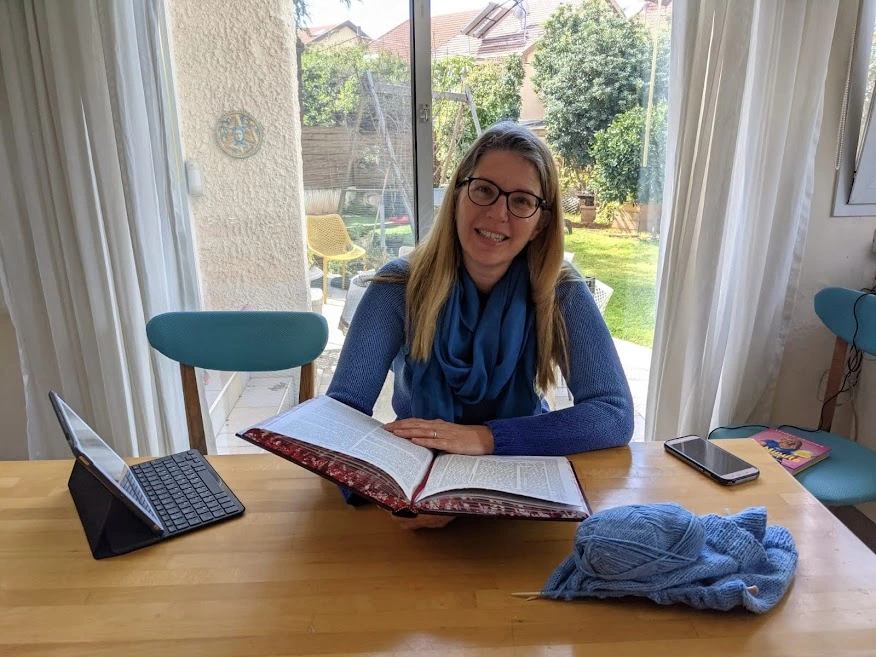
In January 2020, my teaching partner at IDC suggested we do daf yomi. Thanks to her challenge, I started learning daily from Rabbanit Michelle. It’s a joy to be part of the Hadran community. (It’s also a tikkun: in 7th grade, my best friend and I tied for first place in a citywide gemara exam, but we weren’t invited to the celebration because girls weren’t supposed to be learning gemara).

Sara-Averick-photo-scaled
Sara Averick

Jerusalem, Israel

I LOVE learning the Daf. I started with Shabbat. I join the morning Zoom with Reb Michelle and it totally grounds my day. When Corona hit us in Israel, I decided that I would use the Daf to keep myself sane, especially during the days when we could not venture out more than 300 m from our home. Now my husband and I have so much new material to talk about! It really is the best part of my day!

Batsheva Pava
Batsheva Pava

Hashmonaim, Israel

After being so inspired by the siyum shas two years ago, I began tentatively learning daf yomi, like Rabbanut Michelle kept saying – taking one daf at a time. I’m still taking it one daf at a time, one masechet at a time, but I’m loving it and am still so inspired by Rabbanit Michelle and the Hadran community, and yes – I am proud to be finishing Seder Mo’ed.

Caroline Graham-Ofstein

Bet Shemesh, Israel

After enthusing to my friend Ruth Kahan about how much I had enjoyed remote Jewish learning during the earlier part of the pandemic, she challenged me to join her in learning the daf yomi cycle. I had always wanted to do daf yomi but now had no excuse. The beginning was particularly hard as I had never studied Talmud but has become easier, as I have gained some familiarity with it.

Susan-Vishner-Hadran-photo-scaled
Susan Vishner

Brookline, United States

I learned daf more off than on 40 years ago. At the beginning of the current cycle, I decided to commit to learning daf regularly. Having Rabanit Michelle available as a learning partner has been amazing. Sometimes I learn with Hadran, sometimes with my husband, and sometimes on my own. It’s been fun to be part of an extended learning community.

Miriam Pollack
Miriam Pollack

Honolulu, Hawaii, United States

My family recently made Aliyah, because we believe the next chapter in the story of the Jewish people is being written here, and we want to be a part of it. Daf Yomi, on the other hand, connects me BACK, to those who wrote earlier chapters thousands of years ago. So, I feel like I’m living in the middle of this epic story. I’m learning how it all began, and looking ahead to see where it goes!
Tina Lamm
Tina Lamm

Jerusalem, Israel

It has been a pleasure keeping pace with this wonderful and scholarly group of women.

Janice Block
Janice Block

Beit Shemesh, Israel

In early January of 2020, I learned about Siyyum HaShas and Daf Yomi via Tablet Magazine’s brief daily podcast about the Daf. I found it compelling and fascinating. Soon I discovered Hadran; since then I have learned the Daf daily with Rabbanit Michelle Cohen Farber. The Daf has permeated my every hour, and has transformed and magnified my place within the Jewish Universe.

Lisa Berkelhammer
Lisa Berkelhammer

San Francisco, CA , United States

I had tried to start after being inspired by the hadran siyum, but did not manage to stick to it. However, just before masechet taanit, our rav wrote a message to the shul WhatsApp encouraging people to start with masechet taanit, so I did! And this time, I’m hooked! I listen to the shiur every day , and am also trying to improve my skills.

Laura Major
Laura Major

Yad Binyamin, Israel

At almost 70 I am just beginning my journey with Talmud and Hadran. I began not late, but right when I was called to learn. It is never too late to begin! The understanding patience of staff and participants with more experience and knowledge has been fabulous. The joy of learning never stops and for me. It is a new life, a new light, a new depth of love of The Holy One, Blessed be He.
Deborah Hoffman-Wade

Richmond, CA, United States

In January 2020 on a Shabbaton to Baltimore I heard about the new cycle of Daf Yomi after the siyum celebration in NYC stadium. I started to read “ a daily dose of Talmud “ and really enjoyed it . It led me to google “ do Orthodox women study Talmud? “ and found HADRAN! Since then I listen to the podcast every morning, participate in classes and siyum. I love to learn, this is amazing! Thank you

Sandrine Simons
Sandrine Simons

Atlanta, United States

After reading the book, “ If All The Seas Were Ink “ by Ileana Kurshan I started studying Talmud. I searched and studied with several teachers until I found Michelle Farber. I have been studying with her for two years. I look forward every day to learn from her.

Janine Rubens
Janine Rubens

Virginia, United States

I had dreamed of doing daf yomi since I had my first serious Talmud class 18 years ago at Pardes with Rahel Berkovitz, and then a couple of summers with Leah Rosenthal. There is no way I would be able to do it without another wonderful teacher, Michelle, and the Hadran organization. I wake up and am excited to start each day with the next daf.

Beth Elster
Beth Elster

Irvine, United States

After being so inspired by the siyum shas two years ago, I began tentatively learning daf yomi, like Rabbanut Michelle kept saying – taking one daf at a time. I’m still taking it one daf at a time, one masechet at a time, but I’m loving it and am still so inspired by Rabbanit Michelle and the Hadran community, and yes – I am proud to be finishing Seder Mo’ed.

Caroline Graham-Ofstein

Bet Shemesh, Israel

I started learning Daf in Jan 2020 with Brachot b/c I had never seen the Jewish people united around something so positive, and I wanted to be a part of it. Also, I wanted to broaden my background in Torah Shebal Peh- Maayanot gave me a great gemara education, but I knew that I could hold a conversation in most parts of tanach but almost no TSB. I’m so thankful for Daf and have gained immensely.

Meira Shapiro
Meira Shapiro

NJ, United States

I’ve been studying Talmud since the ’90s, and decided to take on Daf Yomi two years ago. I wanted to attempt the challenge of a day-to-day, very Jewish activity. Some days are so interesting and some days are so boring. But I’m still here.
Wendy Rozov
Wendy Rozov

Phoenix, AZ, United States

I never thought I’d be able to do Daf Yomi till I saw the video of Hadran’s Siyum HaShas. Now, 2 years later, I’m about to participate in Siyum Seder Mo’ed with my Hadran community. It has been an incredible privilege to learn with Rabbanit Michelle and to get to know so many caring, talented and knowledgeable women. I look forward with great anticipation and excitement to learning Seder Nashim.

Caroline-Ben-Ari-Tapestry
Caroline Ben-Ari

Karmiel, Israel

I started learning when my brother sent me the news clip of the celebration of the last Daf Yomi cycle. I was so floored to see so many women celebrating that I wanted to be a part of it. It has been an enriching experience studying a text in a language I don’t speak, using background knowledge that I don’t have. It is stretching my learning in unexpected ways, bringing me joy and satisfaction.

Jodi Gladstone
Jodi Gladstone

Warwick, Rhode Island, United States

My family recently made Aliyah, because we believe the next chapter in the story of the Jewish people is being written here, and we want to be a part of it. Daf Yomi, on the other hand, connects me BACK, to those who wrote earlier chapters thousands of years ago. So, I feel like I’m living in the middle of this epic story. I’m learning how it all began, and looking ahead to see where it goes!
Tina Lamm
Tina Lamm

Jerusalem, Israel

I started learning Talmud with R’ Haramati in Yeshivah of Flatbush. But after a respite of 60 years, Rabbanit Michelle lit my fire – after attending the last three world siyumim in Miami Beach, Meadowlands and Boca Raton, and now that I’m retired, I decided – “I can do this!” It has been an incredible journey so far, and I look forward to learning Daf everyday – Mazal Tov to everyone!

Roslyn Jaffe
Roslyn Jaffe

Florida, United States

Yoma 35

גְּמָ׳ מַאי ״פַּרְוָה״? אָמַר רַב יוֹסֵף: פַּרְוָה אַמְגּוּשָׁא.

GEMARA: What is the meaning of the name Parva? Rav Yosef said: Parva is the name of a Persian sorcerer, whose name is associated with the chamber due to a particular incident.

פֵּרְסוּ סָדִין שֶׁל בּוּץ. מַאי שְׁנָא שֶׁל בּוּץ? אָמַר רַב כָּהֲנָא: כְּדֵי שֶׁיַּכִּיר שֶׁעֲבוֹדַת הַיּוֹם בְּבִגְדֵי בוּץ.

§ It was stated in the mishna: They spread there a sheet of fine linen. The Gemara asks: What is different that the sheet that they spread was made of fine linen? Rav Kahana said: It was so that the High Priest will be aware and remember that the service of the day is performed in fine linen.

בַּשַּׁחַר הָיָה לוֹבֵשׁ פִּלּוּסִין שֶׁל שְׁמוֹנָה עָשָׂר וְכוּ׳. וְתַנָּא מִנְיָינָא אֲתָא לְאַשְׁמוֹעִינַן? הָא קָא מַשְׁמַע לַן דִּבְצִיר מֵהָנֵי לָא נֶעְבֵּיד. הָא אִי בָּצֵיר מֵהָנֵי וְטָפֵי אַהֲנִי — לֵית לַן בַּהּ.

§ The mishna continues: In the morning, he would wear garments worth eighteen maneh, and in the afternoon he would wear garments worth twelve maneh. In total, the clothes were worth thirty maneh. The Gemara expresses surprise at the total in the mishna: Does the tanna come to tell us the tally that eighteen and twelve equal thirty? The Gemara answers: This comes to teach us that one may not fashion garments worth less than the total of these morning and afternoon garments. The Gemara elaborates: If one decreases the value of these morning garments, and raises the value of those afternoon garments, we have no problem with it. One can distribute the total of thirty maneh between the two sets of garments in any manner that he chooses.

דְּכוּלֵּי עָלְמָא מִיהַת דְּשַׁחַר עֲדִיפִי, מְנָא לַן? אָמַר רַב הוּנָא בְּרֵיהּ דְּרַב עִילָּאֵי: אָמַר קְרָא: ״בַּד״ ״בַּד״ ״בַּד״ ״בַּד״, מוּבְחָר בַּבַּד.

The Gemara comments: However, everyone, both Rabbi Meir and the Rabbis, agrees that the clothes of the morning are superior and must be more valuable than those of the afternoon. From where do we derive this? Rav Huna, son of Rav Ilai, said that with regard to the linen garments donned by the High Priest in the morning, the verse states: “He shall be dressed in a sacred linen tunic, and with linen trousers next to his flesh, and he shall be girded with a linen belt, and he shall wear a linen mitre” (Leviticus 16:4). From the fact that the verse repeats the term linen four times it is derived that the choicest linen should be used for this purpose.

מֵיתִיבִי: ״וְלָבְשׁוּ בְּגָדִים אֲחֵרִים וְלֹא יְקַדְּשׁוּ אֶת הָעָם בְּבִגְדֵיהֶם״,

The Gemara raises an objection. It is stated: “And it shall be that when they enter in at the gates of the inner court, they shall be clothed with linen garments; and no wool shall come upon them, while they minister in the gates of the inner court, and within” (Ezekiel 44:17). This verse is referring to the Yom Kippur service, as during the year the High Priest performed the service in eight priestly vestments made partially of wool. Two verses later the prophet says: “And when they go forth into the outer court, into the outer court to the people, they shall remove their garments in which they serve, and lay them in the sacred chambers, and they shall put on other garments, so that they do not sanctify the people with their garments” (Ezekiel 44:19).

מַאי לָאו ״אֲחֵרִים״ — חֲשׁוּבִין מֵהֶן! לֹא, ״אֲחֵרִים״ — פְּחוּתִים מֵהֶן.

The Gemara infers: What, doesn’t “other” mean more important than the first set of linen garments? The Gemara rejects this: No, although “other” means different garments, it means garments inferior to them, the first set of linen garments. The High Priest does not don a second set of garments to effect atonement; rather, he dons them in deference to God to remove the spoon and the coal pan from the Holy of Holies.

תָּנֵי רַב הוּנָא בַּר יְהוּדָה, וְאָמְרִי לַהּ רַב שְׁמוּאֵל בַּר יְהוּדָה: אַחַר שֶׁכָּלְתָה עֲבוֹדַת צִיבּוּר, כֹּהֵן שֶׁעָשְׂתָה לוֹ אִמּוֹ כְּתוֹנֶת — לוֹבְשָׁהּ, וְעוֹבֵד בָּהּ עֲבוֹדַת יָחִיד, וּבִלְבַד שֶׁיִּמְסְרֶנָּה לַצִּיבּוּר. פְּשִׁיטָא?

Rav Huna bar Yehuda, and some say Rav Shmuel bar Yehuda, taught: After the public service concluded, a priest whose mother had made him a priestly tunic may wear it and perform an individual service while wearing it, such as removal of the spoon and the coal pan, which is not a service in and of itself, provided he transfers it to the possession of the public. All services performed by the priest must be performed while he is wearing sacred garments owned by the public, as all the Temple vessels are. The Gemara asks: This is obvious; once he transfers it to the possession of the public, it is Temple property like any other vessel that an individual donates to the Temple. What is novel in this statement?

מַהוּ דְּתֵימָא נֵיחוּשׁ שֶׁמָּא לֹא יִמְסְרֶנָּה יָפֶה יָפֶה, קָא מַשְׁמַע לַן. אָמְרוּ עָלָיו עַל רַבִּי יִשְׁמָעֵאל בֶּן פִּאָבִי שֶׁעָשְׂתָה לוֹ אִמּוֹ כְּתוֹנֶת שֶׁל מֵאָה מָנֶה, וְלוֹבְשָׁהּ וְעוֹבֵד בָּהּ עֲבוֹדַת יָחִיד, וּמְסָרָהּ לַצִּיבּוּר.

The Gemara answers: Lest you say that the concern is that since he is the one wearing it perhaps he will intend to retain ownership and will not transfer it wholeheartedly; therefore, it teaches us that if he transfers possession to the public, that is not a concern. Apropos this halakha, the Gemara relates: They said about the High Priest Rabbi Yishmael ben Pabi that his mother made him a tunic worth one hundred maneh. He donned it and performed an individual service and transferred possession of it to the public.

אָמְרוּ עָלָיו עַל רַבִּי אֶלְעָזָר בֶּן חַרְסוֹם שֶׁעָשְׂתָה לוֹ אִמּוֹ כְּתוֹנֶת מִשְׁתֵּי רִיבּוֹא, וְלֹא הֱנִיחוּהוּ אֶחָיו הַכֹּהֲנִים לְלוֹבְשָׁהּ מִפְּנֵי שֶׁנִּרְאָה כְּעָרוֹם. וּמִי מִתְחֲזֵי? וְהָאָמַר מָר: חוּטָן כָּפוּל שִׁשָּׁה! אָמַר אַבָּיֵי: כְּחַמְרָא בְּמִזְגָּא.

And similarly, they said about the High Priest Rabbi Elazar ben Ḥarsum that his mother made him a tunic worth twenty thousand dinars, but his fellow priests did not allow him to wear it because it was transparent and he appeared as one who is naked. The Gemara asks: And could he be seen through a garment made to the specifications of the priestly vestments? Didn’t the Master say: The threads of the priestly vestments were six-fold? Since the clothes were woven from threads that thick, his body could not have been seen through them. Abaye said: It is like wine in a thick glass cup. His flesh could not actually be seen, but since it was very fine linen, it was somewhat translucent and his skin color was discernible.

תָּנוּ רַבָּנַן: עָנִי וְעָשִׁיר וְרָשָׁע בָּאִין לַדִּין, לֶעָנִי אוֹמְרִים לוֹ: מִפְּנֵי מָה לֹא עָסַקְתָּ בַּתּוֹרָה? אִם אוֹמֵר: עָנִי הָיִיתִי, וְטָרוּד בִּמְזוֹנוֹתַי, אוֹמְרִים לוֹ: כְּלוּם עָנִי הָיִיתָ יוֹתֵר מֵהִלֵּל?

§ Apropos the great wealth of Rabbi Elazar ben Ḥarsum, the Gemara cites that which the Sages taught: A poor person, and a wealthy person, and a wicked person come to face judgment before the Heavenly court for their conduct in this world. To the poor person, the members of the court say: Why did you not engage in Torah? If he rationalizes his conduct and says: I was poor and preoccupied with earning enough to pay for my sustenance and that is why I did not engage in Torah study, they say to him: Were you any poorer than Hillel, who was wretchedly poor and nevertheless attempted to study Torah?

אָמְרוּ עָלָיו עַל הִלֵּל הַזָּקֵן שֶׁבְּכׇל יוֹם וָיוֹם הָיָה עוֹשֶׂה וּמִשְׂתַּכֵּר בִּטְרַפָּעִיק, חֶצְיוֹ הָיָה נוֹתֵן לְשׁוֹמֵר בֵּית הַמִּדְרָשׁ, וְחֶצְיוֹ לְפַרְנָסָתוֹ וּלְפַרְנָסַת אַנְשֵׁי בֵיתוֹ. פַּעַם אַחַת לֹא מָצָא לְהִשְׂתַּכֵּר, וְלֹא הִנִּיחוֹ שׁוֹמֵר בֵּית הַמִּדְרָשׁ לְהִכָּנֵס. עָלָה וְנִתְלָה וְיָשַׁב עַל פִּי אֲרוּבָּה כְּדֵי שֶׁיִּשְׁמַע דִּבְרֵי אֱלֹהִים חַיִּים מִפִּי שְׁמַעְיָה וְאַבְטַלְיוֹן.

They said about Hillel the Elder that each and every day he would work and earn a half-dinar, half of which he would give to the guard of the study hall and half of which he spent for his sustenance and the sustenance of the members of his family. One time he did not find employment to earn a wage, and the guard of the study hall did not allow him to enter. He ascended to the roof, suspended himself, and sat at the edge of the skylight in order to hear the words of the Torah of the living God from the mouths of Shemaya and Avtalyon, the spiritual leaders of that generation.

אָמְרוּ: אוֹתוֹ הַיּוֹם עֶרֶב שַׁבָּת הָיָה, וּתְקוּפַת טֵבֵת הָיְתָה, וְיָרַד עָלָיו שֶׁלֶג מִן הַשָּׁמַיִם. כְּשֶׁעָלָה עַמּוּד הַשַּׁחַר אָמַר לוֹ שְׁמַעְיָה לְאַבְטַלְיוֹן: אַבְטַלְיוֹן אָחִי, בְּכׇל יוֹם הַבַּיִת מֵאִיר וְהַיּוֹם אָפֵל, שֶׁמָּא יוֹם הַמְעוּנָּן הוּא? הֵצִיצוּ עֵינֵיהֶן וְרָאוּ דְּמוּת אָדָם בַּאֲרוּבָּה. עָלוּ וּמָצְאוּ עָלָיו רוּם שָׁלֹשׁ אַמּוֹת שֶׁלֶג. פֵּרְקוּהוּ, וְהִרְחִיצוּהוּ וְסָכוּהוּ, וְהוֹשִׁיבוּהוּ כְּנֶגֶד הַמְּדוּרָה. אָמְרוּ: רָאוּי זֶה לְחַלֵּל עָלָיו אֶת הַשַּׁבָּת.

The Sages continued and said: That day was Shabbat eve and it was the winter season of Tevet, and snow fell upon him from the sky. When it was dawn, Shemaya said to Avtalyon: Avtalyon, my brother, every day at this hour the study hall is already bright from the sunlight streaming through the skylight, and today it is dark; is it perhaps a cloudy day? They focused their eyes and saw the image of a man in the skylight. They ascended and found him covered with snow three cubits high. They extricated him from the snow, and they washed him and smeared oil on him, and they sat him opposite the bonfire to warm him. They said: This man is worthy for us to desecrate Shabbat for him. Saving a life overrides Shabbat in any case; however, this great man is especially deserving. Clearly, poverty is no excuse for the failure to attempt to study Torah.

עָשִׁיר, אוֹמְרִים לוֹ: מִפְּנֵי מָה לֹא עָסַקְתָּ בַּתּוֹרָה? אִם אוֹמֵר: עָשִׁיר הָיִיתִי וְטָרוּד הָיִיתִי בִּנְכָסַי. אוֹמְרִים לוֹ: כְּלוּם עָשִׁיר הָיִיתָ יוֹתֵר מֵרַבִּי אֶלְעָזָר? אָמְרוּ עָלָיו עַל רַבִּי אֶלְעָזָר בֶּן חַרְסוֹם שֶׁהִנִּיחַ לוֹ אָבִיו אֶלֶף עֲיָירוֹת בַּיַּבָּשָׁה, וּכְנֶגְדָּן אֶלֶף סְפִינוֹת בַּיָּם. וּבְכׇל יוֹם וָיוֹם נוֹטֵל נֹאד שֶׁל קֶמַח עַל כְּתֵיפוֹ וּמְהַלֵּךְ מֵעִיר לְעִיר וּמִמְּדִינָה לִמְדִינָה לִלְמוֹד תּוֹרָה.

And if a wealthy man comes before the heavenly court, the members of the court say to him: Why did you not engage in Torah? If he says: I was wealthy and preoccupied with managing my possessions, they say to him: Were you any wealthier than Rabbi Elazar, who was exceedingly wealthy and nevertheless studied Torah? They said about Rabbi Elazar ben Ḥarsum that his father left him an inheritance of one thousand villages on land, and corresponding to them, one thousand ships at sea. And each and every day he takes a leather jug of flour on his shoulder and walks from city to city and from state to state to study Torah from the Torah scholars in each of those places.

פַּעַם אַחַת מְצָאוּהוּ עֲבָדָיו, וְעָשׂוּ בּוֹ אַנְגַּרְיָא. אָמַר לָהֶן: בְּבַקָּשָׁה מִכֶּם, הַנִּיחוּנִי וְאֵלֵךְ לִלְמוֹד תּוֹרָה. אָמְרוּ לוֹ: חַיֵּי רַבִּי אֶלְעָזָר בֶּן חַרְסוֹם שֶׁאֵין מַנִּיחִין אוֹתְךָ. וּמִיָּמָיו לֹא הָלַךְ וְרָאָה אוֹתָן, אֶלָּא יוֹשֵׁב וְעוֹסֵק בַּתּוֹרָה כׇּל הַיּוֹם וְכׇל הַלַּיְלָה.

One time as he passed through the villages in his estate and his servants found him, did not recognize him, and, thinking he was a resident of the town, they pressed him into service [angarya] for the master of the estate. He said to them: I beseech you; let me be and I will go study Torah. They said: We swear by the life of Rabbi Elazar ben Ḥarsum that we will not let you be. The Gemara comments: And in all his days, he never went and saw all his possessions and his property; rather, he would sit and engage in the study of Torah all day and all night.

רָשָׁע, אוֹמְרִים לוֹ: מִפְּנֵי מָה לֹא עָסַקְתָּ בַּתּוֹרָה? אִם אָמַר: נָאֶה הָיִיתִי, וְטָרוּד בְּיִצְרִי, (הָיָה) אוֹמְרִים לוֹ: כְּלוּם נָאֶה הָיִיתָ מִיּוֹסֵף? אָמְרוּ עָלָיו עַל יוֹסֵף הַצַּדִּיק: בְּכׇל יוֹם וָיוֹם הָיְתָה אֵשֶׁת פּוֹטִיפַר מְשַׁדַּלְתּוֹ בִּדְבָרִים. בְּגָדִים שֶׁלָּבְשָׁה לוֹ שַׁחֲרִית לֹא לָבְשָׁה לוֹ עַרְבִית. בְּגָדִים שֶׁלָּבְשָׁה לוֹ עַרְבִית לֹא לָבְשָׁה לוֹ שַׁחֲרִית.

And if a wicked man comes to judgment, the members of the court say to him: Why did you not engage in Torah? If he said: I was handsome and preoccupied with my evil inclination, as I had many temptations, they say to him: Were you any more handsome than Joseph, who did not neglect Torah despite his beauty? They said about Joseph the righteous: Each and every day, the wife of Potiphar seduced him with words. In addition, the clothes that she wore to entice him in the morning, she did not wear to entice him in the evening. The clothes that she wore to entice him in the evening, she did not wear to entice him in the morning of the next day.

אָמְרָה לוֹ: הִשָּׁמַע לִי! אָמַר לָהּ: לָאו. אָמְרָה לוֹ: הֲרֵינִי חוֹבַשְׁתְּךָ בְּבֵית הָאֲסוּרִין! אָמַר לָהּ: ״ה׳ מַתִּיר אֲסוּרִים״. הֲרֵינִי כּוֹפֶפֶת קוֹמָתְךָ! ״ה׳ זוֹקֵף כְּפוּפִים״. הֲרֵינִי מְסַמָּא אֶת עֵינֶיךָ! ״ה׳ פּוֹקֵחַ עִוְרִים״. נָתְנָה לוֹ אֶלֶף כִּכְּרֵי כֶסֶף לִשְׁמוֹעַ אֵלֶיהָ ״לִשְׁכַּב אֶצְלָהּ לִהְיוֹת עִמָּהּ״, וְלֹא רָצָה לִשְׁמוֹעַ אֵלֶיהָ.

One day she said to him: Submit to me and have relations with me.
He said to her: No.
She said to him: I will incarcerate you in the prison. He said to her: I do not fear you, as it is stated: “God releases prisoners” (Psalms 146:7).
She said to him: I will cause you to be bent over with suffering.
He said: “God straightens those who are bent over” (Psalms 146:8).
She said I will blind your eyes.
He said to her “God opens the eyes of the blind” (Psalms 146:8).
She gave him a thousand talents of silver to submit to her, “to lie with her and be with her” (Genesis 39:10), and he refused.

״לִשְׁכַּב אֶצְלָהּ״ בָּעוֹלָם הַזֶּה, ״לִהְיוֹת עִמָּהּ״ לָעוֹלָם הַבָּא. נִמְצָא: הִלֵּל מְחַיֵּיב אֶת הָעֲנִיִּים, רַבִּי אֶלְעָזָר בֶּן חַרְסוֹם מְחַיֵּיב אֶת הָעֲשִׁירִים, יוֹסֵף מְחַיֵּיב אֶת הָרְשָׁעִים.

The Gemara elaborates: Had he submitted to her to lie with her in this world, it would have been decreed in Heaven that he would be with her in the World-to-Come. Therefore, he refused. Consequently, Hillel obligates the poor to study Torah, Rabbi Elazar ben Ḥarsum obligates the wealthy, and Joseph obligates the wicked. For each category of people, there is a role model who overcame his preoccupations and temptations to study Torah.

מַתְנִי׳ בָּא לוֹ אֵצֶל פָּרוֹ, וּפָרוֹ הָיָה עוֹמֵד בֵּין הָאוּלָם וְלַמִּזְבֵּחַ, רֹאשׁוֹ לַדָּרוֹם וּפָנָיו לַמַּעֲרָב. וְהַכֹּהֵן עוֹמֵד בַּמִּזְרָח וּפָנָיו לַמַּעֲרָב. וְסוֹמֵךְ שְׁתֵּי יָדָיו עָלָיו, וּמִתְוַדֶּה.

MISHNA: The High Priest comes and stands next to his bull, and his bull was standing between the Entrance Hall and the altar with its head facing to the south and its face to the west. And the priest stands to the east of the bull, and his face points to the west. And the priest places his two hands on the bull and confesses.

וְכָךְ הָיָה אוֹמֵר: אָנָא הַשֵּׁם! עָוִיתִי, פָּשַׁעְתִּי, חָטָאתִי לְפָנֶיךָ אֲנִי וּבֵיתִי. אָנָא הַשֵּׁם! כַּפֶּר נָא לָעֲוֹנוֹת וְלַפְּשָׁעִים וְלַחֲטָאִים שֶׁעָוִיתִי וְשֶׁפָּשַׁעְתִּי וְשֶׁחָטָאתִי לְפָנֶיךָ אֲנִי וּבֵיתִי, כַּכָּתוּב בְּתוֹרַת מֹשֶׁה עַבְדֶּךָ: ״כִּי בַיּוֹם הַזֶּה יְכַפֵּר וְגוֹ׳״. וְהֵן עוֹנִין אַחֲרָיו: ״בָּרוּךְ שֵׁם כְּבוֹד, מַלְכוּתוֹ לְעוֹלָם וָעֶד״.

And this is what he would say in his confession: Please, God, I have sinned, I have done wrong, and I have rebelled before You, I and my family. Please, God, grant atonement, please, for the sins, and for the wrongs, and for the rebellions that I have sinned, and done wrong, and rebelled before You, I and my family, as it is written in the Torah of Moses your servant: “For on this day atonement shall be made for you to cleanse you of all your sins; you shall be clean before the Lord” (Leviticus 16:30). And the priests and the people who were in the courtyard respond after he recites the name of God: Blessed be the name of His glorious kingdom forever and all time.

Want to follow content and continue where you left off?

Create an account today to track your progress, mark what you’ve learned, and follow the shiurim that speak to you.

Clear all items from this list?

This will remove ALL the items in this section. You will lose any progress or history connected to them. This is irreversible.

Cancel
Yes, clear all

Are you sure you want to delete this item?

You will lose any progress or history connected to this item.

Cancel
Yes, delete