Search

Yoma 56

Want to dedicate learning? Get started here:

English
עברית
podcast placeholder

0:00
0:00


podcast placeholder

0:00
0:00


Summary

This week’s learning is sponsored by Robert and Paula Cohen in memory of Paula’s father, Chaim Avraham ben Alter Gershon HaKohen. And by Elana Storch in honor of the birth of her granddaughter, Reut Noa, born to our children Julianna and Reuben Habousha Cohen. Reut Noa is named for women of strength and courage. One day she will know that a week of learning was dedicated to her arrival and I will share the great achievements of Rabbanit Farber and the beautiful community of Hadran. 

What is the reason why Rabbi Yehuda thinks there was only one pedestal for the bloods of the bull and the goat? Was it because the Kohen Gadol may not read the signs and may confuse between the bloods? Apparently, that is the issue, even though in the case of the shofarot in Shekalim, that was not the issue. In Shekalim the issue was a concern that someone may have died after their money went in and there would be no way to fix the situation as Rabbi Yehuda doesn’t hold by laws of breira, retroactive designation. From where do we know that Rabbi Yehuda doesn’t hold by breira? Why would Rabbi Yehuda think in the case of the Kohen Gadol, we cannot rely on the fact that he will read the signs but in the case of the shofarot, we can? A case is brought of a chazan who described the service of the Kohen Gadol in a way that was both according to Rabbi Yehuda and the rabbis and Rava corrected him. From where do we derive that the blood is sprinkled in the Sanctuary onto the parochet in the same order and the same amount as was done inside the Holy of Holies?

Yoma 56

עֲשָׂרָה מַעֲשֵׂר רִאשׁוֹן, תִּשְׁעָה מַעֲשֵׂר שֵׁנִי, וּמֵיחֵל וְשׁוֹתֶה מִיָּד. דִּבְרֵי רַבִּי מֵאִיר.

ten log that I will later separate shall be the first tithe; and another tenth from the rest, which equals nine log of the remaining ninety, shall be second tithe. And he redeems the second tithe with money that he will later take to Jerusalem, and he may then immediately drink the wine. After Shabbat, when he removes portions from the mixture and places them in vessels, they are retroactively designated as terumot and tithes. This is the statement of Rabbi Meir.

רַבִּי יְהוּדָה וְרַבִּי יוֹסֵי וְרַבִּי שִׁמְעוֹן אוֹסְרִין. אַלְמָא אֵין בְּרֵירָה.

Rabbi Yehuda, Rabbi Yosei, and Rabbi Shimon prohibit this practice. Apparently, Rabbi Yehuda maintains that there is no retroactive clarification.

מִמַּאי? דִּילְמָא שָׁאנֵי הָתָם כִּדְקָתָנֵי טַעְמָא, אָמְרוּ לוֹ לְרַבִּי מֵאִיר: אִי אַתָּה מוֹדֶה שֶׁמָּא יִבָּקַע הַנּוֹד וְנִמְצָא שׁוֹתֶה טְבָלִים לְמַפְרֵעַ? וְאָמַר לָהֶם: לִכְשֶׁיִּבָּקַע.

The Gemara explains the difficulty: From where do you reach this conclusion? Perhaps it is different there, as the reason is taught: The Rabbis said to Rabbi Meir: Do you not concede that the jug might split open before he removes the portions of terumot and tithes from the mixture, causing all the wine to spill out? And he will then be found drinking untithed wine retroactively. Therefore, he cannot rely on separation that has not yet occurred. And he said to them: Although there will be a problem if it splits open, there is no cause to be concerned for this contingency in advance. Since this reasoning is based on the possibility that the jug might break, there is no proof from here that Rabbi Yehuda rejects the principle of retroactive clarification.

אֶלָּא, מִדְּתָנֵי אַיּוֹ. דְּתָנֵי אַיּוֹ, רַבִּי יְהוּדָה אוֹמֵר: אֵין אָדָם מַתְנֶה עַל שְׁנֵי דְבָרִים כְּאֶחָד.

Rather, the proof that Rabbi Yehuda does not accept the principle of retroactive clarification is from a baraita the Sage Ayo taught. As Ayo taught that Rabbi Yehuda says: A person cannot stipulate conditions about two matters at once, e. g., one cannot establish a joining of Shabbat boundaries [eiruv] in each of two different directions on Friday afternoon while making the following stipulation: If tomorrow, on Shabbat, two Sages arrive from two different directions, I will decide then which of the two lecturers I prefer to hear at that point in time, which will determine which eiruv is in effect.

אֶלָּא: אִם בָּא חָכָם לַמִּזְרָח — עֵירוּבוֹ לַמִּזְרָח. לַמַּעֲרָב — עֵירוּבוֹ לַמַּעֲרָב. אֲבָל לְכָאן וּלְכָאן — לָא.

Rather, he may say that if the Sage comes to the east, his eiruv is to the east, and if the Sage comes to the west, his eiruv is to the west. However, he may not say that if one Sage comes from here, and another Sage comes from there, he will go wherever he wishes, in either direction.

וְהָוֵינַן בַּהּ: מַאי שְׁנָא לְכָאן וּלְכָאן דְּלָא, דְּאֵין בְּרֵירָה.

And we discussed this passage in the Gemara and asked: What is different about a case in which one stipulated that if Sages came from here and from there that he may go to whichever side he chooses, such that his eiruv is not effective? Apparently, Rabbi Yehuda maintains that there is no retroactive clarification, i.e., this person cannot claim after the fact that the place where he walked is designated as the place that he initially intended for his eiruv.

לְמִזְרָח וּמַעֲרָב נָמֵי אֵין בְּרֵירָה?

However, according to this principle, when an individual establishes an eiruv to the east and to the west for the anticipated arrival of a single Sage, one should also invoke the principle that there is no retroactive clarification. Why does Rabbi Yehuda agree that if one anticipates the arrival of a single Sage and stipulates that if he comes to the east his eiruv will be to the east, the eiruv is valid?

וְאָמַר רַבִּי יוֹחָנָן: כְּשֶׁכְּבָר בָּא חָכָם.

And Rabbi Yoḥanan said: This is not a true case of retroactive clarification, as the Sage had already come by twilight, but the one who established the eiruv did not yet know at which side of the town the Sage had arrived. Therefore, at the time the eiruv establishes his Shabbat residence, it is clear which eiruv he wants, although he himself will become aware of that only later. In this case, Rabbi Yehuda agrees that the eiruv is valid, but he nonetheless maintains in general that there is no retroactive clarification. This accounts for Rabbi Yehuda’s opinion that there was no container for nests of obligatory sin-offerings and burnt-offerings, as he maintains that there is no solution for the possible mixture of the different coins.

וְהַשְׁתָּא דְּאָמְרִינַן לְרַבִּי יְהוּדָה אֵין בְּרֵירָה, הָא כְּתִיבָה אִית לֵיהּ! יוֹם הַכִּפּוּרִים נָמֵי, נַעֲבֵיד תְּרֵי וְנִכְתּוֹב עֲלַיְיהוּ!

The Gemara asks: And now that we have said and proven that according to Rabbi Yehuda there is no retroactive clarification, nevertheless he is of the opinion that one may rely on writing, as proven from the halakha of the collection horns. If so, on Yom Kippur as well, let us place two pedestals and write on them which one is for the blood of the bull and which is for the blood of the goat.

מִשּׁוּם חוּלְשָׁא דְּכֹהֵן גָּדוֹל לָאו אַדַּעְתֵּיהּ. דְּאִי לָא תֵּימָא הָכִי, בְּלָא כְּתִיבָה נָמֵי, הַאי נְפִישׁ וְהַאי זוּטַר.

The Gemara answers: The reason they did not place two pedestals with writing on them is due to the High Priest’s weakness. Since he is fasting during the entire day’s service, the writing will not be on his mind; he will pay no attention to it and might become confused. As, if you do not say so, that there is concern for the High Priest’s weakness, even without writing he should also not err, as this bowl in which he collects the bull’s blood is relatively large and this one for the goat’s blood is small.

וְכִי תֵּימָא לָא מְקַבֵּיל לֵיהּ כּוּלֵּיהּ, וְהָאָמַר רַב יְהוּדָה: הַשּׁוֹחֵט צָרִיךְ שֶׁיְּקַבֵּל אֶת כׇּל דָּמוֹ שֶׁל פַּר, שֶׁנֶּאֱמַר: ״וְאֵת כׇּל דַּם הַפָּר יִשְׁפּוֹךְ אֶל יְסוֹד הַמִּזְבֵּחַ״.

And if you say that he does not collect all the bull’s blood but only some of it, so that the bowls are of equal size, didn’t Rav Yehuda say: One who slaughters the bull must receive all of the blood of the bull, as it is stated: “And all the blood of the bull he shall pour out on the base of the altar” (Leviticus 4:7).

וְכִי תֵּימָא: דִּילְמָא מִשְׁתְּפִיךְ מִינֵּיהּ — הַאי חִיוָּר וְהַאי סוּמָּק. אֶלָּא, מִשּׁוּם חוּלְשָׁא דְּכֹהֵן גָּדוֹל לָאו אַדַּעְתֵּיהּ. הָכָא נָמֵי, מִשּׁוּם חוּלְשָׁא דְּכֹהֵן גָּדוֹל לָאו אַדַּעְתֵּיהּ.

And if you say that perhaps some of the bull’s blood might spill, yielding equal amounts of blood, there should still be no mistake, as this blood, that of the goat, is white and bright compared to the blood of the bull, and this blood of the bull is red and darker than the other. Rather, the reason must be that due to the High Priest’s weakness, these differences will not be on his mind. Here, too, the writing will not help, as due to the High Priest’s weakness the inscriptions will not be on his mind.

הָהוּא דִּנְחֵית קַמֵּיהּ דְּרָבָא, אֲמַר: יָצָא וְהִנִּיחוֹ עַל כַּן שֵׁנִי שֶׁבַּהֵיכָל, נָטַל דַּם הַפָּר, וְהִנִּיחַ דַּם הַשָּׂעִיר.

§ The Gemara relates: A certain person descended to lead the prayer service on Yom Kippur before Rava. He included the order of the High Priest’s Yom Kippur service in his prayer, and he recited: The High Priest then emerged from the Holy of Holies and placed the bowl on the second golden pedestal in the Sanctuary; he took the blood of the bull from the pedestal and placed the blood of the goat in its place.

אֲמַר לֵיהּ: חֲדָא כְּרַבָּנַן וַחֲדָא כְּרַבִּי יְהוּדָה?! אֵימָא: הִנִּיחַ דַּם הַשָּׂעִיר, וְנָטַל דַּם הַפָּר.

Rava said to him: This is problematic, as one statement is in accordance with the opinion of the Rabbis, and the other one is in accordance with the opinion of Rabbi Yehuda. According to the Rabbis, each of these bowls sat on its own pedestal in the Sanctuary, whereas Rabbi Yehuda maintains that the High Priest must first lift up the container with the blood of the bull and then put down that of the goat. Rather, you should recite the entire order of the service entirely in accordance with the opinion of the Rabbis: He placed the blood of the goat on its designated pedestal and took the blood of the bull from the second stand.

וְהִזָּה מִמֶּנּוּ עַל הַפָּרוֹכֶת כְּנֶגֶד אָרוֹן מִבַּחוּץ. תָּנוּ רַבָּנַן: ״וְכֵן יַעֲשֶׂה לְאֹהֶל מוֹעֵד״, מָה תַּלְמוּד לוֹמַר? כְּשֵׁם שֶׁמַּזֶּה לִפְנַי לְפָנִים — כָּךְ מַזֶּה בַּהֵיכָל.

§ The mishna taught: And the High Priest sprinkled from the blood of the bull on the curtain opposite the Ark from outside the Holy of Holies. The Sages taught: “And he shall make atonement for the sacred place because of the impurities of the children of Israel, and because of their transgressions, even all their sins; and so shall he do for the Tent of Meeting that dwells with them in the midst of their impurity” (Leviticus 16:16). What is the meaning when the verse states this? Just as he sprinkles in the innermost sanctum, the Holy of Holies, so he sprinkles in the Sanctuary, the Tent of Meeting, toward the curtain.

מָה לִפְנַי לִפְנִים, אַחַת לְמַעְלָה וְשֶׁבַע לְמַטָּה מִדַּם הַפָּר — כָּךְ מַזֶּה בַּהֵיכָל. וּכְשֵׁם שֶׁלִּפְנַי לִפְנִים, אַחַת לְמַעְלָה וְשֶׁבַע לְמַטָּה מִדַּם הַשָּׂעִיר — כָּךְ מַזֶּה בַּהֵיכָל. ״הַשּׁוֹכֵן אִתָּם בְּתוֹךְ טוּמְאֹתָם״, אֲפִילּוּ בִּשְׁעַת שֶׁהֵן טְמֵאִים — שְׁכִינָה עִמָּהֶם.

Furthermore: Just as in the innermost sanctum he sprinkles once upward and seven times downward from the blood of the bull, so he sprinkles in the Sanctuary. And just as in the innermost sanctum he sprinkles once upward and seven times downward from the blood of the goat, so he sprinkles in the Sanctuary. The last part of the verse: “That dwells with them in the midst of their impurity,” teaches that even when the Jewish people are impure, the Divine Presence is with them.

אֲמַר לֵיהּ הָהוּא צַדּוּקִי לְרַבִּי חֲנִינָא:

With regard to this verse, the Gemara relates: A certain Sadducee said to Rabbi Ḥanina:

New to Talmud?

Check out our resources designed to help you navigate a page of Talmud – and study at the pace, level and style that fits you. 

The Hadran Women’s Tapestry

Meet the diverse women learning Gemara at Hadran and hear their stories. 

In early 2020, I began the process of a stem cell transplant. The required extreme isolation forced me to leave work and normal life but gave me time to delve into Jewish text study. I did not feel isolated. I began Daf Yomi at the start of this cycle, with family members joining me online from my hospital room. I’ve used my newly granted time to to engage, grow and connect through this learning.

Reena Slovin
Reena Slovin

Worcester, United States

I started learning Daf Yomi to fill what I saw as a large gap in my Jewish education. I also hope to inspire my three daughters to ensure that they do not allow the same Talmud-sized gap to form in their own educations. I am so proud to be a part of the Hadran community, and I have loved learning so many of the stories and halachot that we have seen so far. I look forward to continuing!
Dora Chana Haar
Dora Chana Haar

Oceanside NY, United States

I decided to give daf yomi a try when I heard about the siyum hashas in 2020. Once the pandemic hit, the daily commitment gave my days some much-needed structure. There have been times when I’ve felt like quitting- especially when encountering very technical details in the text. But then I tell myself, “Look how much you’ve done. You can’t stop now!” So I keep going & my Koren bookshelf grows…

Miriam Eckstein-Koas

Huntington, United States

I started learning at the beginning of the cycle after a friend persuaded me that it would be right up my alley. I was lucky enough to learn at Rabbanit Michelle’s house before it started on zoom and it was quickly part of my daily routine. I find it so important to see for myself where halachot were derived, where stories were told and to get more insight into how the Rabbis interacted.

Deborah Dickson
Deborah Dickson

Ra’anana, Israel

I am a Reform rabbi and took Talmud courses in rabbinical school, but I knew there was so much more to learn. It felt inauthentic to serve as a rabbi without having read the entire Talmud, so when the opportunity arose to start Daf Yomi in 2020, I dove in! Thanks to Hadran, Daf Yomi has enriched my understanding of rabbinic Judaism and deepened my love of Jewish text & tradition. Todah rabbah!

Rabbi Nicki Greninger

California, United States

Hearing and reading about the siyumim at the completion of the 13 th cycle Daf Yomi asked our shul rabbi about starting the Daf – he directed me to another shiur in town he thought would allow a woman to join, and so I did! Love seeing the sources for the Divrei Torah I’ve been hearing for the past decades of living an observant life and raising 5 children .

Jill Felder
Jill Felder

Pittsburgh, Pennsylvania, United States

When I began learning Daf Yomi at the beginning of the current cycle, I was preparing for an upcoming surgery and thought that learning the Daf would be something positive I could do each day during my recovery, even if I accomplished nothing else. I had no idea what a lifeline learning the Daf would turn out to be in so many ways.

Laura Shechter
Laura Shechter

Lexington, MA, United States

After reading the book, “ If All The Seas Were Ink “ by Ileana Kurshan I started studying Talmud. I searched and studied with several teachers until I found Michelle Farber. I have been studying with her for two years. I look forward every day to learn from her.

Janine Rubens
Janine Rubens

Virginia, United States

I heard the new Daf Yomi cycle was starting and I was curious, so I searched online for a women’s class and was pleasently surprised to find Rabanit Michelle’s great class reviews in many online articles. It has been a splendid journey. It is a way to fill my days with Torah, learning so many amazing things I have never heard before during my Tanach learning at High School. Thanks so much .

Martha Tarazi
Martha Tarazi

Panama, Panama

I started learning daf yomi at the beginning of this cycle. As the pandemic evolved, it’s been so helpful to me to have this discipline every morning to listen to the daf podcast after I’ve read the daf; learning about the relationships between the rabbis and the ways they were constructing our Jewish religion after the destruction of the Temple. I’m grateful to be on this journey!

Mona Fishbane
Mona Fishbane

Teaneck NJ, United States

“I got my job through the NY Times” was an ad campaign when I was growing up. I can headline “I got my daily Daf shiur and Hadran through the NY Times”. I read the January 4, 2020 feature on Reb. Michelle Farber and Hadran and I have been participating ever since. Thanks NY Times & Hadran!
Deborah Aschheim
Deborah Aschheim

New York, United States

I was moved to tears by the Hadran Siyyum HaShas. I have learned Torah all my life, but never connected to learning Gemara on a regular basis until then. Seeing the sheer joy Talmud Torah at the siyyum, I felt compelled to be part of it, and I haven’t missed a day!
It’s not always easy, but it is so worthwhile, and it has strengthened my love of learning. It is part of my life now.

Michelle Lewis
Michelle Lewis

Beit Shemesh, Israel

Ive been learning Gmara since 5th grade and always loved it. Have always wanted to do Daf Yomi and now with Michelle Farber’s online classes it made it much easier to do! Really enjoying the experience thank you!!

Lisa Lawrence
Lisa Lawrence

Neve Daniel, Israel

After experiences over the years of asking to join gemara shiurim for men and either being refused by the maggid shiur or being the only women there, sometimes behind a mechitza, I found out about Hadran sometime during the tail end of Masechet Shabbat, I think. Life has been much better since then.

Madeline Cohen
Madeline Cohen

London, United Kingdom

Attending the Siyyum in Jerusalem 26 months ago inspired me to become part of this community of learners. So many aspects of Jewish life have been illuminated by what we have learned in Seder Moed. My day is not complete without daf Yomi. I am so grateful to Rabbanit Michelle and the Hadran Community.

Nancy Kolodny
Nancy Kolodny

Newton, United States

I was inspired to start learning after attending the 2020 siyum in Binyanei Hauma. It has been a great experience for me. It’s amazing to see the origins of stories I’ve heard and rituals I’ve participated in my whole life. Even when I don’t understand the daf itself, I believe that the commitment to learning every day is valuable and has multiple benefits. And there will be another daf tomorrow!

Khaya Eisenberg
Khaya Eisenberg

Jerusalem, Israel

At almost 70 I am just beginning my journey with Talmud and Hadran. I began not late, but right when I was called to learn. It is never too late to begin! The understanding patience of staff and participants with more experience and knowledge has been fabulous. The joy of learning never stops and for me. It is a new life, a new light, a new depth of love of The Holy One, Blessed be He.
Deborah Hoffman-Wade

Richmond, CA, United States

I decided to give daf yomi a try when I heard about the siyum hashas in 2020. Once the pandemic hit, the daily commitment gave my days some much-needed structure. There have been times when I’ve felt like quitting- especially when encountering very technical details in the text. But then I tell myself, “Look how much you’ve done. You can’t stop now!” So I keep going & my Koren bookshelf grows…

Miriam Eckstein-Koas

Huntington, United States

A beautiful world of Talmudic sages now fill my daily life with discussion and debate.
bringing alive our traditions and texts that has brought new meaning to my life.
I am a מגילת אסתר reader for women . the words in the Mishna of מסכת megillah 17a
הקורא את המגילה למפרע לא יצא were powerful to me.
I hope to have the zchut to complete the cycle for my 70th birthday.

Sheila Hauser
Sheila Hauser

Jerusalem, Israel

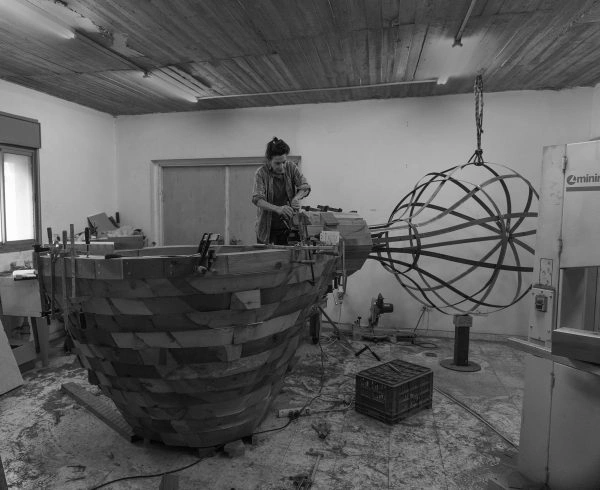
Geri Goldstein got me started learning daf yomi when I was in Israel 2 years ago. It’s been a challenge and I’ve learned a lot though I’m sure I miss a lot. I quilt as I listen and I want to share what I’ve been working on.

Rebecca Stulberg
Rebecca Stulberg

Ottawa, Canada

Yoma 56

עֲשָׂרָה מַעֲשֵׂר רִאשׁוֹן, תִּשְׁעָה מַעֲשֵׂר שֵׁנִי, וּמֵיחֵל וְשׁוֹתֶה מִיָּד. דִּבְרֵי רַבִּי מֵאִיר.

ten log that I will later separate shall be the first tithe; and another tenth from the rest, which equals nine log of the remaining ninety, shall be second tithe. And he redeems the second tithe with money that he will later take to Jerusalem, and he may then immediately drink the wine. After Shabbat, when he removes portions from the mixture and places them in vessels, they are retroactively designated as terumot and tithes. This is the statement of Rabbi Meir.

רַבִּי יְהוּדָה וְרַבִּי יוֹסֵי וְרַבִּי שִׁמְעוֹן אוֹסְרִין. אַלְמָא אֵין בְּרֵירָה.

Rabbi Yehuda, Rabbi Yosei, and Rabbi Shimon prohibit this practice. Apparently, Rabbi Yehuda maintains that there is no retroactive clarification.

מִמַּאי? דִּילְמָא שָׁאנֵי הָתָם כִּדְקָתָנֵי טַעְמָא, אָמְרוּ לוֹ לְרַבִּי מֵאִיר: אִי אַתָּה מוֹדֶה שֶׁמָּא יִבָּקַע הַנּוֹד וְנִמְצָא שׁוֹתֶה טְבָלִים לְמַפְרֵעַ? וְאָמַר לָהֶם: לִכְשֶׁיִּבָּקַע.

The Gemara explains the difficulty: From where do you reach this conclusion? Perhaps it is different there, as the reason is taught: The Rabbis said to Rabbi Meir: Do you not concede that the jug might split open before he removes the portions of terumot and tithes from the mixture, causing all the wine to spill out? And he will then be found drinking untithed wine retroactively. Therefore, he cannot rely on separation that has not yet occurred. And he said to them: Although there will be a problem if it splits open, there is no cause to be concerned for this contingency in advance. Since this reasoning is based on the possibility that the jug might break, there is no proof from here that Rabbi Yehuda rejects the principle of retroactive clarification.

אֶלָּא, מִדְּתָנֵי אַיּוֹ. דְּתָנֵי אַיּוֹ, רַבִּי יְהוּדָה אוֹמֵר: אֵין אָדָם מַתְנֶה עַל שְׁנֵי דְבָרִים כְּאֶחָד.

Rather, the proof that Rabbi Yehuda does not accept the principle of retroactive clarification is from a baraita the Sage Ayo taught. As Ayo taught that Rabbi Yehuda says: A person cannot stipulate conditions about two matters at once, e. g., one cannot establish a joining of Shabbat boundaries [eiruv] in each of two different directions on Friday afternoon while making the following stipulation: If tomorrow, on Shabbat, two Sages arrive from two different directions, I will decide then which of the two lecturers I prefer to hear at that point in time, which will determine which eiruv is in effect.

אֶלָּא: אִם בָּא חָכָם לַמִּזְרָח — עֵירוּבוֹ לַמִּזְרָח. לַמַּעֲרָב — עֵירוּבוֹ לַמַּעֲרָב. אֲבָל לְכָאן וּלְכָאן — לָא.

Rather, he may say that if the Sage comes to the east, his eiruv is to the east, and if the Sage comes to the west, his eiruv is to the west. However, he may not say that if one Sage comes from here, and another Sage comes from there, he will go wherever he wishes, in either direction.

וְהָוֵינַן בַּהּ: מַאי שְׁנָא לְכָאן וּלְכָאן דְּלָא, דְּאֵין בְּרֵירָה.

And we discussed this passage in the Gemara and asked: What is different about a case in which one stipulated that if Sages came from here and from there that he may go to whichever side he chooses, such that his eiruv is not effective? Apparently, Rabbi Yehuda maintains that there is no retroactive clarification, i.e., this person cannot claim after the fact that the place where he walked is designated as the place that he initially intended for his eiruv.

לְמִזְרָח וּמַעֲרָב נָמֵי אֵין בְּרֵירָה?

However, according to this principle, when an individual establishes an eiruv to the east and to the west for the anticipated arrival of a single Sage, one should also invoke the principle that there is no retroactive clarification. Why does Rabbi Yehuda agree that if one anticipates the arrival of a single Sage and stipulates that if he comes to the east his eiruv will be to the east, the eiruv is valid?

וְאָמַר רַבִּי יוֹחָנָן: כְּשֶׁכְּבָר בָּא חָכָם.

And Rabbi Yoḥanan said: This is not a true case of retroactive clarification, as the Sage had already come by twilight, but the one who established the eiruv did not yet know at which side of the town the Sage had arrived. Therefore, at the time the eiruv establishes his Shabbat residence, it is clear which eiruv he wants, although he himself will become aware of that only later. In this case, Rabbi Yehuda agrees that the eiruv is valid, but he nonetheless maintains in general that there is no retroactive clarification. This accounts for Rabbi Yehuda’s opinion that there was no container for nests of obligatory sin-offerings and burnt-offerings, as he maintains that there is no solution for the possible mixture of the different coins.

וְהַשְׁתָּא דְּאָמְרִינַן לְרַבִּי יְהוּדָה אֵין בְּרֵירָה, הָא כְּתִיבָה אִית לֵיהּ! יוֹם הַכִּפּוּרִים נָמֵי, נַעֲבֵיד תְּרֵי וְנִכְתּוֹב עֲלַיְיהוּ!

The Gemara asks: And now that we have said and proven that according to Rabbi Yehuda there is no retroactive clarification, nevertheless he is of the opinion that one may rely on writing, as proven from the halakha of the collection horns. If so, on Yom Kippur as well, let us place two pedestals and write on them which one is for the blood of the bull and which is for the blood of the goat.

מִשּׁוּם חוּלְשָׁא דְּכֹהֵן גָּדוֹל לָאו אַדַּעְתֵּיהּ. דְּאִי לָא תֵּימָא הָכִי, בְּלָא כְּתִיבָה נָמֵי, הַאי נְפִישׁ וְהַאי זוּטַר.

The Gemara answers: The reason they did not place two pedestals with writing on them is due to the High Priest’s weakness. Since he is fasting during the entire day’s service, the writing will not be on his mind; he will pay no attention to it and might become confused. As, if you do not say so, that there is concern for the High Priest’s weakness, even without writing he should also not err, as this bowl in which he collects the bull’s blood is relatively large and this one for the goat’s blood is small.

וְכִי תֵּימָא לָא מְקַבֵּיל לֵיהּ כּוּלֵּיהּ, וְהָאָמַר רַב יְהוּדָה: הַשּׁוֹחֵט צָרִיךְ שֶׁיְּקַבֵּל אֶת כׇּל דָּמוֹ שֶׁל פַּר, שֶׁנֶּאֱמַר: ״וְאֵת כׇּל דַּם הַפָּר יִשְׁפּוֹךְ אֶל יְסוֹד הַמִּזְבֵּחַ״.

And if you say that he does not collect all the bull’s blood but only some of it, so that the bowls are of equal size, didn’t Rav Yehuda say: One who slaughters the bull must receive all of the blood of the bull, as it is stated: “And all the blood of the bull he shall pour out on the base of the altar” (Leviticus 4:7).

וְכִי תֵּימָא: דִּילְמָא מִשְׁתְּפִיךְ מִינֵּיהּ — הַאי חִיוָּר וְהַאי סוּמָּק. אֶלָּא, מִשּׁוּם חוּלְשָׁא דְּכֹהֵן גָּדוֹל לָאו אַדַּעְתֵּיהּ. הָכָא נָמֵי, מִשּׁוּם חוּלְשָׁא דְּכֹהֵן גָּדוֹל לָאו אַדַּעְתֵּיהּ.

And if you say that perhaps some of the bull’s blood might spill, yielding equal amounts of blood, there should still be no mistake, as this blood, that of the goat, is white and bright compared to the blood of the bull, and this blood of the bull is red and darker than the other. Rather, the reason must be that due to the High Priest’s weakness, these differences will not be on his mind. Here, too, the writing will not help, as due to the High Priest’s weakness the inscriptions will not be on his mind.

הָהוּא דִּנְחֵית קַמֵּיהּ דְּרָבָא, אֲמַר: יָצָא וְהִנִּיחוֹ עַל כַּן שֵׁנִי שֶׁבַּהֵיכָל, נָטַל דַּם הַפָּר, וְהִנִּיחַ דַּם הַשָּׂעִיר.

§ The Gemara relates: A certain person descended to lead the prayer service on Yom Kippur before Rava. He included the order of the High Priest’s Yom Kippur service in his prayer, and he recited: The High Priest then emerged from the Holy of Holies and placed the bowl on the second golden pedestal in the Sanctuary; he took the blood of the bull from the pedestal and placed the blood of the goat in its place.

אֲמַר לֵיהּ: חֲדָא כְּרַבָּנַן וַחֲדָא כְּרַבִּי יְהוּדָה?! אֵימָא: הִנִּיחַ דַּם הַשָּׂעִיר, וְנָטַל דַּם הַפָּר.

Rava said to him: This is problematic, as one statement is in accordance with the opinion of the Rabbis, and the other one is in accordance with the opinion of Rabbi Yehuda. According to the Rabbis, each of these bowls sat on its own pedestal in the Sanctuary, whereas Rabbi Yehuda maintains that the High Priest must first lift up the container with the blood of the bull and then put down that of the goat. Rather, you should recite the entire order of the service entirely in accordance with the opinion of the Rabbis: He placed the blood of the goat on its designated pedestal and took the blood of the bull from the second stand.

וְהִזָּה מִמֶּנּוּ עַל הַפָּרוֹכֶת כְּנֶגֶד אָרוֹן מִבַּחוּץ. תָּנוּ רַבָּנַן: ״וְכֵן יַעֲשֶׂה לְאֹהֶל מוֹעֵד״, מָה תַּלְמוּד לוֹמַר? כְּשֵׁם שֶׁמַּזֶּה לִפְנַי לְפָנִים — כָּךְ מַזֶּה בַּהֵיכָל.

§ The mishna taught: And the High Priest sprinkled from the blood of the bull on the curtain opposite the Ark from outside the Holy of Holies. The Sages taught: “And he shall make atonement for the sacred place because of the impurities of the children of Israel, and because of their transgressions, even all their sins; and so shall he do for the Tent of Meeting that dwells with them in the midst of their impurity” (Leviticus 16:16). What is the meaning when the verse states this? Just as he sprinkles in the innermost sanctum, the Holy of Holies, so he sprinkles in the Sanctuary, the Tent of Meeting, toward the curtain.

מָה לִפְנַי לִפְנִים, אַחַת לְמַעְלָה וְשֶׁבַע לְמַטָּה מִדַּם הַפָּר — כָּךְ מַזֶּה בַּהֵיכָל. וּכְשֵׁם שֶׁלִּפְנַי לִפְנִים, אַחַת לְמַעְלָה וְשֶׁבַע לְמַטָּה מִדַּם הַשָּׂעִיר — כָּךְ מַזֶּה בַּהֵיכָל. ״הַשּׁוֹכֵן אִתָּם בְּתוֹךְ טוּמְאֹתָם״, אֲפִילּוּ בִּשְׁעַת שֶׁהֵן טְמֵאִים — שְׁכִינָה עִמָּהֶם.

Furthermore: Just as in the innermost sanctum he sprinkles once upward and seven times downward from the blood of the bull, so he sprinkles in the Sanctuary. And just as in the innermost sanctum he sprinkles once upward and seven times downward from the blood of the goat, so he sprinkles in the Sanctuary. The last part of the verse: “That dwells with them in the midst of their impurity,” teaches that even when the Jewish people are impure, the Divine Presence is with them.

אֲמַר לֵיהּ הָהוּא צַדּוּקִי לְרַבִּי חֲנִינָא:

With regard to this verse, the Gemara relates: A certain Sadducee said to Rabbi Ḥanina:

Want to follow content and continue where you left off?

Create an account today to track your progress, mark what you’ve learned, and follow the shiurim that speak to you.

Clear all items from this list?

This will remove ALL the items in this section. You will lose any progress or history connected to them. This is irreversible.

Cancel
Yes, clear all

Are you sure you want to delete this item?

You will lose any progress or history connected to this item.

Cancel
Yes, delete