








If the sprinklings of the bull and goat are derived by a hekesh, juxtaposition, how can we derive a further juxtaposition from the sprinklings in the Holy of Holies to the sprinklings in the Sanctuary – rules don’t allow for a juxtaposition on a juxtaposition in the realm of the Temple. The gemara offers several answers. Are the sprinklings in the Sanctuary done on the parochet or in front of the parochet, on the floor? What does one do if the bloods get mixed together before the Kohen Gadol sprinkles the blood in the Holy of Holies? What if they mix after sprinkling upward but before the downward sprinklings? What if the Kohen got confused and doesn’t know which blood is in each cup? If some of the bloods mixed together but some remained separate, is what’s mixed up considered the remainder, or is it considered “rejected”? The mishna explains that the last stage of the blood sprinklings is to mix them together and place them on the four corners of the golden altar. That is a subject of debate as according to one opinion, they are placed separately on the corners of the altar. Is it clear that there is a tannaitic debate on this topic? Perhaps they both agree?
Yoma 57

Share this shiur:
Want to dedicate learning? Get started here:
Yoma 57
הַשְׁתָּא בָּרִי טְמֵאִים אַתּוּן, דִּכְתִיב: ״טוּמְאָתָהּ בְּשׁוּלֶיהָ״. אֲמַר לֵיהּ, תָּא חֲזִי מָה כְּתִיב בְּהוּ: ״הַשּׁוֹכֵן אִתָּם בְּתוֹךְ טוּמְאֹתָם״, אֲפִילּוּ בִּזְמַן שֶׁהֵן טְמֵאִין — שְׁכִינָה שְׁרוּיָה בֵּינֵיהֶן.
Now you are certainly impure, as it is written about the Jewish people: “Her impurity was in her skirts” (Lamentations 1:9), and the Divine Presence does not dwell upon the Jews when they are impure. Rabbi Ḥanina said to him: Come and see what is written about the Jewish people: “That dwells with them in the midst of their impurity” (Leviticus 16:16). This indicates that even when they are impure, the Divine Presence dwells among them.
וְכִי דָּבָר הַלָּמֵד בְּהֶיקֵּשׁ, חוֹזֵר וּמְלַמֵּד בְּהֶיקֵּשׁ?
The Gemara raises a difficulty with regard to the aforementioned halakha. It was stated above that the comparison to the goat teaches that the High Priest sprinkles the bull’s blood once upward; and the seven downward sprinklings of the goat’s blood are derived from the rite of the blood of the bull. Subsequently, the order of sprinkling toward the curtain in the Sanctuary is again derived by means of a similar comparison. The Gemara asks: And does a matter derived by juxtaposition, i.e., a halakha not written explicitly in the Torah but learned by means of a comparison, again teach by juxtaposition? There is a general principle that a halakha derived by juxtaposition with regard to offerings cannot subsequently teach another halakha by juxtaposition.
הַאי, הֵימֶנּוּ וְדָבָר אַחֵר הוּא, וְלָא הָוֵי הֶיקֵּשׁ.
The Gemara answers that the first juxtaposition was not a proper inference by verbal analogy, as this halakha that the High Priest must sprinkle once upward and seven times downward is derived both from that juxtaposition and something else as well. Since the basic requirement that he must sprinkle upward and downward for the bull and the goat is stated explicitly in both cases, and the comparison was necessary only to teach the precise number of sprinklings, this inference is not considered a juxtaposition to the extent that one cannot derive further comparisons from it.
הָנִיחָא לְמַאן דְּאָמַר לָא הָוֵי הֶיקֵּשׁ. אֶלָּא לְמַאן דְּאָמַר הָוֵי הֶיקֵּשׁ, מַאי אִיכָּא לְמֵימַר?
The Gemara continues to question this explanation: It works out well according to the one who said that a juxtaposition that is also inferred from something else is not considered a juxtaposition in this regard; but according to the one who says that this too is called a juxtaposition, what can be said?
מְקוֹמוֹת הוּא דְּגָמְרִי מֵהֲדָדֵי.
The Gemara answers: It is the locations that are derived from one another. The halakha of the blood of the bull was not derived from that of the goat, nor the halakha of sprinkling the bull’s blood outside the curtain from that of sprinkling the bull’s blood inside. Instead, the first comparison equates the sprinkling of the bull’s blood and the goat’s blood, while the second comparison equates the locations, i.e., he sprinkles outside the curtain in the same manner that he sprinkles inside. Consequently, the two juxtapositions are not connected to each other, which means that there is no problem of a halakha derived by juxtaposition itself teaching by juxtaposition.
אִי בָּעֵית אֵימָא: חוּץ מִבִּפְנִים בַּחֲדָא זִימְנָא גָּמַר.
If you wish, say instead a different resolution: The sprinkling outside is derived from the sprinkling inside all at once, i.e., the juxtaposition includes not only the blood of the bull and the goat, but also the manners of sprinkling the blood inside and outside. There are not two comparisons here, one derived from the other, but a single, complex juxtaposition.
תָּנָא: כְּשֶׁהוּא מַזֶּה, אֵינוֹ מַזֶּה עַל הַפָּרוֹכֶת, אֶלָּא כְּנֶגֶד הַפָּרוֹכֶת. אָמַר רַבִּי אֶלְעָזָר בְּרַבִּי יוֹסֵי: אֲנִי רְאִיתִיהָ בְּרוֹמִי, וְהָיוּ עָלֶיהָ כַּמָּה טִיפֵּי דָמִים שֶׁל פַּר וְשָׂעִיר שֶׁל יוֹם הַכִּפּוּרִים.
§ A Sage taught: When the High Priest sprinkles the blood, he does not actually sprinkle on the curtain but opposite the curtain. Rabbi Elazar, son of Rabbi Yosei, said: I saw the curtain in Rome. After a miracle was performed on his behalf and he healed the daughter of the Roman emperor, Rabbi Elazar was permitted to view the ruler’s treasures and take whatever he wanted. He saw the Temple vessels that the Romans captured, including the curtain. Rabbi Elazar continued: And on the curtain were several drops of blood from the bull and the goat of Yom Kippur. This shows that the blood was actually sprinkled on the curtain.
וְדִילְמָא דְּפַר הֶעְלֵם דָּבָר שֶׁל צִבּוּר וּשְׂעִירֵי עֲבוֹדָה זָרָה הֲווֹ!
The Gemara questions this conclusion: But how can Rabbi Elazar be sure that these drops of blood were from the bull and goat of Yom Kippur? Perhaps they were from the bull for an unwitting communal sin or the goats for a sin of idolatry, both of whose blood is also sprinkled on the curtain.
דַּחֲזָא דַּעֲבִידִי כְּסִדְרָן. וּתְנַן נָמֵי גַּבֵּי פַּר הֶעְלֵם דָּבָר שֶׁל צִבּוּר כִּי הַאי גַוְונָא: כְּשֶׁהוּא מַזֶּה, לֹא הָיוּ נוֹגְעִין בַּפָּרוֹכֶת, וְאִם נָגְעוּ — נָגְעוּ.
The Gemara explains that he saw that these sprinklings of blood were performed in their order, one drop after another, a sequence that is followed only in the Yom Kippur service. And we also learned in a mishna about a case like this with regard to the bull for an unwitting communal sin: When he sprinkles, the blood would not touch the curtain, but if it did touch, it touched, and this did not invalidate the service.
אָמַר רַבִּי אֶלְעָזָר בְּרַבִּי יוֹסֵי: אֲנִי רְאִיתִיהָ בְּרוֹמִי, וְהָיוּ עָלֶיהָ כַּמָּה טִיפֵּי דָמִים שֶׁל פַּר הֶעְלֵם דָּבָר שֶׁל צִבּוּר, וּשְׂעִירֵי עֲבוֹדָה זָרָה. וְדִילְמָא דְּפַר וְשָׂעִיר שֶׁל יוֹם הַכִּפּוּרִים נִינְהוּ? דַּחֲזַנְהוּ דַּעֲבִידִי שֶׁלֹּא כְּסִדְרָן.
Rabbi Elazar, son of Rabbi Yosei, said: I saw the curtain in Rome, and there were several drops of blood on it from the bull for an unwitting communal sin and the goats for a sin of idolatry. The Gemara asks: But how could he identify the source of the blood; perhaps they were from the bull and goat of Yom Kippur? The Gemara answers: He saw that they were performed not in their order and inferred that they must be sprinklings from communal sin-offerings, which are not presented in a sequence.
נִתְעָרְבוּ לוֹ דָּמִים בְּדָמִים, אָמַר רָבָא: נוֹתֵן אַחַת לְמַעְלָה וְשֶׁבַע לְמַטָּה, וְעוֹלֶה לוֹ לְכָאן וּלְכָאן.
The Gemara asks a question: What should the High Priest do if the blood of the bull became mixed with the blood of the goat before he finished all the sprinklings? Rava said: He should present from the mixture once upward and seven times downward, and that counts toward both this one and that one, as he has sprinkled from both of them.
אַמְרוּהָ קַמֵּיהּ דְּרַבִּי יִרְמְיָה, אָמַר: בַּבְלָאֵי טַפְשָׁאֵי, מִשּׁוּם דְּדָיְירִי בְּאַרְעָא דַחֲשׁוֹכָא — אָמְרִי שְׁמַעְתָּא דִּמְחַשְּׁכָן! הָא קָא יָהֵיב לְמַעְלָה דְּשָׂעִיר מִקַּמֵּי מַטָּה דְּפַר, וְהַתּוֹרָה אָמְרָה: ״וְכִלָּה מִכַּפֵּר אֶת הַקֹּדֶשׁ״, כַּלֵּה דַּם הַפָּר וְאַחַר כָּךְ כַּלֵּה דַּם הַשָּׂעִיר!
They said this answer before Rabbi Yirmeya in Eretz Yisrael, whereupon he said: Foolish Babylonians! Because they live in a dark, low land, they speak darkened halakhot, devoid of logic. If this solution is followed, when the High Priest sprinkles the mixture of bull and goat blood, he thereby presents the upward sprinklings of the goat before he sprinkles the downward presentations of the bull; and the Torah said: “And when he has finished atoning for the sacred place” (Leviticus 16:20), which teaches: He finishes the blood of the bull by sprinkling upward and downward, and only afterward he finishes the blood of the goat.
אֶלָּא, אָמַר רַבִּי יִרְמְיָה: נוֹתֵן אַחַת לְמַעְלָה וְשֶׁבַע לְמַטָּה לְשֵׁם הַפָּר, וְחוֹזֵר וְנוֹתֵן אַחַת לְמַעְלָה וְשֶׁבַע לְמַטָּה לְשֵׁם הַשָּׂעִיר.
Rather, Rabbi Yirmeya said that the High Priest proceeds as follows: He presents once upward and seven times downward for the purpose of sprinkling the blood of the bull, as the blood of the bull is in this mixture. And he again presents once upward and seven times downward for the purpose of sprinkling the blood of the goat. Although the blood is mixed together and by sprinkling for the purpose of the bull’s blood he also sprinkles some of the goat’s blood, since he has only the bull’s blood in mind it is as though he did not sprinkle the blood of the goat at all.
נִתְעָרְבוּ לוֹ דָּמִים בְּדָמִים בְּמַתָּנוֹת הָאַחֲרוֹנוֹת, סְבַר רַב פָּפָּא קַמֵּיהּ דְּרָבָא לְמֵימַר: נוֹתֵן שֶׁבַע לְמַטָּה לְשֵׁם פַּר וּלְשֵׁם שָׂעִיר, וְחוֹזֵר וְנוֹתֵן אַחַת לְמַעְלָה לְשֵׁם שָׂעִיר.
The Gemara asks another question: What should the High Priest do if the blood of the bull became mixed with the blood of the goat during the final presentations that he performs in the Sanctuary? Rav Pappa, who was sitting before Rava, thought to say: He presents seven times downward for the purpose of the bull and for the purpose of the goat, and he again presents once upward for the purpose of the goat.
אֲמַר לֵיהּ רָבָא: עַד הַשְׁתָּא קָרוּ לַן טַפְשָׁאֵי, וְהַשְׁתָּא — טַפְשָׁאֵי דְטַפְשָׁאֵי, דְּקָא מַגְמְרִינַן לְהוּ וְלָא גְּמִירִי. וְהָא קָא יָהֵיב מַטָּה דְשָׂעִיר מִקַּמֵּי מַעְלָה דְשָׂעִיר, וְהַתּוֹרָה אָמְרָה: תֵּן לְמַעְלָה, וְאַחַר כָּךְ לְמַטָּה!
Rava said to him: Until now they called us Babylonians merely foolish, and now they will call us the foolish of the foolish, as they will say that we teach them and yet they do not learn. In response to your statement one could simply repeat Rabbi Yirmeya’s previous argument: But he presents downward sprinklings for the goat before the upward sprinklings for the goat, and the Torah said: Present upward and then downward.
אֶלָּא אָמַר רָבָא: נוֹתֵן שֶׁבַע לְמַטָּה לְשֵׁם פַּר, וְחוֹזֵר וְנוֹתֵן אַחַת לְמַעְלָה וְשֶׁבַע לְמַטָּה לְשֵׁם שָׂעִיר.
Rather, Rava said: He presents downward seven times for the purpose of the bull, and he again presents upward once and downward seven times for the purpose of the goat.
נִתְעָרְבוּ לוֹ כּוֹסוֹת בְּכוֹסוֹת — נוֹתֵן, וְחוֹזֵר וְנוֹתֵן,
The Gemara asks another question: What if the cups became mixed, i.e., if the bowl containing the blood of the bull was confused with that of the blood of the goat? The Gemara explains: He presents blood from one cup by sprinkling upward once and downward seven times, and he again presents a second set of sprinklings from the second cup.
וְחוֹזֵר וְנוֹתֵן, שְׁלֹשָׁה פְּעָמִים.
And he again presents another set of sprinklings, again from the first cup, which amounts to a total of three times. In this manner, he fulfills the obligation no matter which cup was which. If the first cup was that of the bull’s blood and the second was that of the goat, he fulfilled his obligation with the first and second sprinklings. If the first cup contained the blood of the goat, he performed the sprinkling of the goat’s blood before that of the bull, which means his first set of sprinklings are discounted. Consequently, when he sprinkled from the second cup, which contains the bull’s blood, and a third time from the cup of the goat’s blood, he fulfilled his obligation with the second and third sets of sprinklings.
מִקְצָת דָּמִים נִתְעָרְבוּ לוֹ, וּמִקְצָת דָּמִים לֹא נִתְעָרְבוּ [לוֹ], פְּשִׁיטָא: כִּי יָהֵיב — מִוַּדָּאִין יְהֵיב.
The Gemara asks yet another question: If only part of the blood became mixed together and part of the blood did not become mixed, e.g., if some of the blood spilled and became mixed in a third vessel, the solution is obvious: When he presents, he presents from the blood of certain identity.
מִיהוּ, הָנָךְ: שִׁירַיִם הָווּ, וְלִיסוֹד אָזְלִי, אוֹ דִילְמָא: דְּחוּיִין הָווּ, וְאָזְלִי לְאַמָּה?
However, one could still ask a question with regard to this case: What is the status of the mixed blood in the other vessel or vessels? Are they considered the remainder of the blood, and the remainder of the blood goes to the base of the altar like the remainder of all blood of sin-offerings? Or perhaps this mixture of blood is rejected, as the blood from this vessel was not used for the first sprinklings, and therefore the two types of blood are spilled and go to the canal beneath the altar, which rinses all the dirt from the courtyard into the Kidron River.
אָמַר רַב פָּפָּא: אֲפִילּוּ לְמַאן דְּאָמַר כּוֹס אֶחָד עוֹשֶׂה חֲבֵירוֹ שִׁירַיִם — הָנֵי מִילֵּי הֵיכָא דְּאִי בָּעֵי לְמֵיתַב מָצֵי יָהֵיב. אֲבָל הַאי, דְּאִי בָּעֵי לְמֵיתַב לָא מָצֵי יָהֵיב — לָא.
Rav Pappa said: Even according to the one who says that one cup renders its counterpart a remainder, i.e., if a one collected blood in two cups, the blood in the second cup is considered the remainder of the first cup, this applies only in a case where he could present blood from the second cup if he wanted to, i.e., if both cups were filled with blood from the offering. However, in this case, as the blood in this vessel could not be presented even if he wanted to, it does not become a remainder, and it is therefore certainly rejected.
אֲמַר לֵיהּ רַב הוּנָא בְּרֵיהּ דְּרַב יְהוֹשֻׁעַ לְרַב פָּפָּא: אַדְּרַבָּה: אֲפִילּוּ לְמַאן דְּאָמַר כּוֹס אֶחָד עוֹשֶׂה חֲבֵירוֹ דָּחוּי — הָנֵי מִילֵּי, דְּדַחְיֵיהּ בְּיָדַיִם, אֲבָל הֵיכָא דְּלָא דַּחְיֵיהּ בְּיָדַיִם — לָא.
Rav Huna, son of Rav Yehoshua, said to Rav Pappa: On the contrary, even according to the one who says that when blood is collected in two cups one cup renders the blood of its counterpart rejected, that applies only when he rejects the second cup with his own hands, i.e., by means of a direct act. However, in a case where he does not reject it with his own hands, as no act of rejection was performed but rather the blood became a remainder by itself, the blood is not rejected.
דְּתַנְיָא, לְמַעְלָה הוּא אוֹמֵר: ״וְאֶת דָּמוֹ יִשְׁפּוֹךְ״, וּלְמַטָּה הוּא אוֹמֵר: ״וְאֶת כׇּל דָּמָהּ יִשְׁפּוֹךְ״.
As it was taught in a baraita: In the verse above, it says: “And the priest shall take of the blood of the sin-offering with his finger, and put it upon the corners of the altar of the burnt-offering, and he shall pour its blood out at the base of the altar of burnt-offering” (Leviticus 4:25). And in the verse below it says: “And the priest shall take of its blood with his finger, and put it upon the corners of the altar of burnt-offering, and he shall pour all its blood out at the base of the altar” (Leviticus 4:30). The second verse adds the word “all.”
מִנַּיִין לְחַטָּאת שֶׁקִּבֵּל דָּמָה בְּאַרְבַּע כּוֹסוֹת וְנָתַן מִזֶּה אַחַת וּמִזֶּה אַחַת, שֶׁכּוּלָּן נִשְׁפָּכִין לַיְּסוֹד — תַּלְמוּד לוֹמַר: ״וְאֶת כׇּל דָּמָהּ יִשְׁפּוֹךְ״.
The baraita explains: From where is it derived with regard to a sin-offering that if one collected its blood in four cups and presented blood from each of them by sprinkling once from this cup and once from that cup until he has sprinkled four times, once from each cup, that the leftover blood in all the cups is poured out as remainders on the base of the altar? The verse states: “And he shall pour all its blood.”
יָכוֹל אֲפִילּוּ נָתַן אַרְבַּע מַתָּנוֹת מֵאַחַת מֵהֶן — תַּלְמוּד לוֹמַר: ״וְאֶת דָּמוֹ יִשְׁפּוֹךְ״ — הָהוּא נִשְׁפָּךְ לַיְּסוֹד, וְהֵן נִשְׁפָּכִין לָאַמָּה. רַבִּי אֱלִיעֶזֶר בְּרַבִּי שִׁמְעוֹן אוֹמֵר: מִנַּיִין לְחַטָּאת שֶׁקִּבֵּל דָּמָה בְּאַרְבַּע כּוֹסוֹת וְנָתַן אַרְבַּע מַתָּנוֹת מֵאֶחָד מֵהֶן, שֶׁכּוּלָּן נִשְׁפָּכִין לַיְּסוֹד — תַּלְמוּד לוֹמַר: ״וְאֶת כׇּל דָּמָהּ יִשְׁפּוֹךְ״.
One might have thought that even if he presented four presentations from one of them, all the rest should be spilled on the base of the altar as remainder; therefore, the verse states: “And he shall pour its blood.” This indicates that not all the blood, but only that blood in the bowl from which blood was sprinkled on the altar, is poured on the base as a remainder, and the rest of the cups of blood are poured into the canal. Rabbi Eliezer, son of Rabbi Shimon, says: From where is it derived with regard to a sin-offering that if one collected its blood in four cups and presented four presentations from one of them, that they are all poured at the base of the altar? The verse states: “And he shall pour all its blood.”
וּלְרַבִּי אֱלִיעֶזֶר בְּרַבִּי שִׁמְעוֹן, הָא כְּתִיב: ״וְאֶת דָּמוֹ יִשְׁפּוֹךְ״? אָמַר רַב אָשֵׁי: לְמַעוֹטֵי שִׁירַיִם שֶׁבְּצַוַּאר בְּהֵמָה.
The Gemara asks: And according to the opinion of Rabbi Eliezer, son of Rabbi Shimon, isn’t it also written: “And he shall pour its blood”? How does he explain this difference between the verses? Rav Ashi said: When the Torah states “its blood,” it comes to exclude the remainders that are in the throat of the animal. If more blood comes out of the throat after the collection of the blood, that blood is certainly not poured on the base of the altar but is swept into the canal of the Temple.
עֵירָה דַּם הַפָּר לְתוֹךְ דַּם הַשָּׂעִיר. תְּנַן כְּמַאן דְּאָמַר: מְעָרְבִין לִקְרָנוֹת. דְּאִיתְּמַר: רַבִּי יֹאשִׁיָּה וְרַבִּי יוֹנָתָן, חַד אָמַר: מְעָרְבִין, וְחַד אָמַר: אֵין מְעָרְבִין.
§ The mishna states that after the High Priest sprinkled the blood toward the curtain he poured the blood of the bull into the blood of the goat. The Gemara comments: We learned this mishna in accordance with the opinion of the one who said that the High Priest mixes the two types of blood before placing them on the corners of the inner altar, and he does not present each one separately. As it was stated: The later tanna’im, Rabbi Yoshiya and Rabbi Yonatan, debated this issue. One of them said: The High Priest mixes the blood for the purpose of placing the blood on the altar’s corners, and one of them said: He does not mix the blood.
תִּסְתַּיֵּים דְּרַבִּי יֹאשִׁיָּה הוּא דְּאָמַר מְעָרְבִין, דְּאָמַר: אַף עַל גַּב דְּלָא כְּתִיב ״יַחְדָּיו״ — כְּמַאן דִּכְתִיב ״יַחְדָּיו״ דָּמֵי.
The Gemara comments: Conclude that Rabbi Yoshiya was the tanna who said that the High Priest mixes the blood. In general, he maintains that whenever a verse mentions two matters, although the term: Together, is not written explicitly, it is considered as though the term: Together, is indeed written. In other words, two items that appear in the same verse are treated as combined unless expressly stated otherwise. By contrast, Rabbi Yonatan maintains that even if two matters are mentioned together they are treated separately unless the verse uses the term: Together. In this case, the verse states: “And he shall take of the blood of the bull and of the blood of the goat” (Leviticus 16:18). Therefore, Rabbi Yoshiya rules that the High Priest must place the two sets of blood together.
אֲפִילּוּ תֵּימָא רַבִּי יוֹנָתָן הוּא, שָׁאנֵי הָכָא דִּכְתִיב: ״אַחַת״.
The Gemara rejects this contention. Even if you say that the mishna is in accordance with the opinion of Rabbi Yonatan, it remains possible to explain its ruling, since it is different here, as it is written “once” (Exodus 30:10), which indicates that there must be one act of sprinkling and not two. Consequently, the High Priest must mix the blood to ensure that there is only one presentation.
תַּנְיָא דְּלָא כְּשִׁנּוּיַין: ״וְלָקַח מִדַּם הַפָּר וּמִדַּם הַשָּׂעִיר״, שֶׁיִּהְיוּ מְעוֹרָבִין, דִּבְרֵי רַבִּי יֹאשִׁיָּה.
The Gemara comments: It was taught in a baraita contrary to our response, but in accordance with the initial assumption: “And he shall go out to the altar that is before the Lord, and make atonement for it; and he shall take of the blood of the bull and of the blood of the goat, and put it on the corners of the altar round about” (Leviticus 16:18). This verse teaches that the blood of the bull and the goat should be mixed. This is the statement of Rabbi Yoshiya.

New to Talmud?
Check out our resources designed to help you navigate a page of Talmud – and study at the pace, level and style that fits you.
The Hadran Women’s Tapestry
Meet the diverse women learning Gemara at Hadran and hear their stories.
Margo
I started my Talmud journey in 7th grade at Akiba Jewish Day School in Chicago. I started my Daf Yomi journey after hearing Erica Brown speak at the Hadran Siyum about marking the passage of time through Daf Yomi.
Carolyn
I started my Talmud journey post-college in NY with a few classes. I started my Daf Yomi journey after the Hadran Siyum, which inspired both my son and myself.
Merion Station, USA
Beit Shemesh, Israel
I started learning at the beginning of this Daf Yomi cycle because I heard a lot about the previous cycle coming to an end and thought it would be a good thing to start doing. My husband had already bought several of the Koren Talmud Bavli books and they were just sitting on the shelf, not being used, so here was an opportunity to start using them and find out exactly what was in them. Loving it!

Borehamwood, United Kingdom
In early 2020, I began the process of a stem cell transplant. The required extreme isolation forced me to leave work and normal life but gave me time to delve into Jewish text study. I did not feel isolated. I began Daf Yomi at the start of this cycle, with family members joining me online from my hospital room. I’ve used my newly granted time to to engage, grow and connect through this learning.
Worcester, United States
I started learning Daf Yomi in January 2020 after watching my grandfather, Mayer Penstein z”l, finish shas with the previous cycle. My grandfather made learning so much fun was so proud that his grandchildren wanted to join him. I was also inspired by Ilana Kurshan’s book, If All the Seas Were Ink. Two years in, I can say that it has enriched my life in so many ways.

New York, United States
I began to learn this cycle of Daf Yomi after my husband passed away 2 1/2 years ago. It seemed a good way to connect to him. Even though I don’t know whether he would have encouraged women learning Gemara, it would have opened wonderful conversations. It also gives me more depth for understanding my frum children and grandchildren. Thank you Hadran and Rabbanit Michelle Farber!!
Tzur Hadassah, Israel
I started learning Talmud with R’ Haramati in Yeshivah of Flatbush. But after a respite of 60 years, Rabbanit Michelle lit my fire – after attending the last three world siyumim in Miami Beach, Meadowlands and Boca Raton, and now that I’m retired, I decided – “I can do this!” It has been an incredible journey so far, and I look forward to learning Daf everyday – Mazal Tov to everyone!

Florida, United States
When I was working and taking care of my children, learning was never on the list. Now that I have more time I have two different Gemora classes and the nach yomi as well as the mishna yomi daily.
Jerusalem, Israel
When I started studying Hebrew at Brown University’s Hillel, I had no idea that almost 38 years later, I’m doing Daf Yomi. My Shabbat haburah is led by Rabbanit Leah Sarna. The women are a hoot. I’m tracking the completion of each tractate by reading Ilana Kurshan’s memoir, If All the Seas Were Ink.

Pennsylvania, United States
When we heard that R. Michelle was starting daf yomi, my 11-year-old suggested that I go. Little did she know that she would lose me every morning from then on. I remember standing at the Farbers’ door, almost too shy to enter. After that first class, I said that I would come the next day but couldn’t commit to more. A decade later, I still look forward to learning from R. Michelle every morning.

Ra’anana, Israel

Bronx, United States
Berlin, Germany
I started learning on January 5, 2020. When I complete the 7+ year cycle I will be 70 years old. I had been intimidated by those who said that I needed to study Talmud in a traditional way with a chevruta, but I decided the learning was more important to me than the method. Thankful for Daf Yomi for Women helping me catch up when I fall behind, and also being able to celebrate with each Siyum!

Bakersfield, United States
I started the daf at the beginning of this cycle in January 2020. My husband, my children, grandchildren and siblings have been very supportive. As someone who learned and taught Tanach and mefarshim for many years, it has been an amazing adventure to complete the six sedarim of Mishnah, and now to study Talmud on a daily basis along with Rabbanit Michelle and the wonderful women of Hadran.
Jerusalem, Israel
I started learning after the siyum hashas for women and my daily learning has been a constant over the last two years. It grounded me during the chaos of Corona while providing me with a community of fellow learners. The Daf can be challenging but it’s filled with life’s lessons, struggles and hope for a better world. It’s not about the destination but rather about the journey. Thank you Hadran!

אפרת, Israel
I’ve been learning since January 2020, and in June I started drawing a phrase from each daf. Sometimes it’s easy (e.g. plants), sometimes it’s very hard (e.g. korbanot), and sometimes it’s loads of fun (e.g. bird racing) to find something to draw. I upload my pictures from each masechet to #DafYomiArt. I am enjoying every step of the journey.

Ashdod, Israel
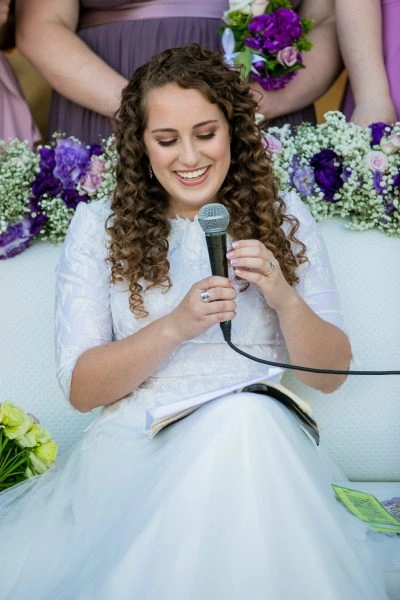
In my Shana bet at Migdal Oz I attended the Hadran siyum hash”as. Witnessing so many women so passionate about their Torah learning and connection to God, I knew I had to begin with the coming cycle. My wedding (June 24) was two weeks before the siyum of mesechet yoma so I went a little ahead and was able to make a speech and siyum at my kiseh kallah on my wedding day!
Givat Shmuel, Israel
3 years ago, I joined Rabbanit Michelle to organize the unprecedented Siyum HaShas event in Jerusalem for thousands of women. The whole experience was so inspiring that I decided then to start learning the daf and see how I would go…. and I’m still at it. I often listen to the Daf on my bike in mornings, surrounded by both the external & the internal beauty of Eretz Yisrael & Am Yisrael!

Raanana, Israel
After experiences over the years of asking to join gemara shiurim for men and either being refused by the maggid shiur or being the only women there, sometimes behind a mechitza, I found out about Hadran sometime during the tail end of Masechet Shabbat, I think. Life has been much better since then.
London, United Kingdom
I read Ilana Kurshan’s “If All the Seas Were Ink” which inspired me. Then the Women’s Siyum in Jerusalem in 2020 convinced me, I knew I had to join! I have loved it- it’s been a constant in my life daily, many of the sugiyot connect to our lives. My family and friends all are so supportive. It’s incredible being part of this community and love how diverse it is! I am so excited to learn more!

Jerusalem, Israel
I learned Mishnayot more than twenty years ago and started with Gemara much later in life. Although I never managed to learn Daf Yomi consistently, I am learning since some years Gemara in depth and with much joy. Since last year I am studying at the International Halakha Scholars Program at the WIHL. I often listen to Rabbanit Farbers Gemara shiurim to understand better a specific sugyiah. I am grateful for the help and inspiration!
Berlin, Germany
Yoma 57
הַשְׁתָּא בָּרִי טְמֵאִים אַתּוּן, דִּכְתִיב: ״טוּמְאָתָהּ בְּשׁוּלֶיהָ״. אֲמַר לֵיהּ, תָּא חֲזִי מָה כְּתִיב בְּהוּ: ״הַשּׁוֹכֵן אִתָּם בְּתוֹךְ טוּמְאֹתָם״, אֲפִילּוּ בִּזְמַן שֶׁהֵן טְמֵאִין — שְׁכִינָה שְׁרוּיָה בֵּינֵיהֶן.
Now you are certainly impure, as it is written about the Jewish people: “Her impurity was in her skirts” (Lamentations 1:9), and the Divine Presence does not dwell upon the Jews when they are impure. Rabbi Ḥanina said to him: Come and see what is written about the Jewish people: “That dwells with them in the midst of their impurity” (Leviticus 16:16). This indicates that even when they are impure, the Divine Presence dwells among them.
וְכִי דָּבָר הַלָּמֵד בְּהֶיקֵּשׁ, חוֹזֵר וּמְלַמֵּד בְּהֶיקֵּשׁ?
The Gemara raises a difficulty with regard to the aforementioned halakha. It was stated above that the comparison to the goat teaches that the High Priest sprinkles the bull’s blood once upward; and the seven downward sprinklings of the goat’s blood are derived from the rite of the blood of the bull. Subsequently, the order of sprinkling toward the curtain in the Sanctuary is again derived by means of a similar comparison. The Gemara asks: And does a matter derived by juxtaposition, i.e., a halakha not written explicitly in the Torah but learned by means of a comparison, again teach by juxtaposition? There is a general principle that a halakha derived by juxtaposition with regard to offerings cannot subsequently teach another halakha by juxtaposition.
הַאי, הֵימֶנּוּ וְדָבָר אַחֵר הוּא, וְלָא הָוֵי הֶיקֵּשׁ.
The Gemara answers that the first juxtaposition was not a proper inference by verbal analogy, as this halakha that the High Priest must sprinkle once upward and seven times downward is derived both from that juxtaposition and something else as well. Since the basic requirement that he must sprinkle upward and downward for the bull and the goat is stated explicitly in both cases, and the comparison was necessary only to teach the precise number of sprinklings, this inference is not considered a juxtaposition to the extent that one cannot derive further comparisons from it.
הָנִיחָא לְמַאן דְּאָמַר לָא הָוֵי הֶיקֵּשׁ. אֶלָּא לְמַאן דְּאָמַר הָוֵי הֶיקֵּשׁ, מַאי אִיכָּא לְמֵימַר?
The Gemara continues to question this explanation: It works out well according to the one who said that a juxtaposition that is also inferred from something else is not considered a juxtaposition in this regard; but according to the one who says that this too is called a juxtaposition, what can be said?
מְקוֹמוֹת הוּא דְּגָמְרִי מֵהֲדָדֵי.
The Gemara answers: It is the locations that are derived from one another. The halakha of the blood of the bull was not derived from that of the goat, nor the halakha of sprinkling the bull’s blood outside the curtain from that of sprinkling the bull’s blood inside. Instead, the first comparison equates the sprinkling of the bull’s blood and the goat’s blood, while the second comparison equates the locations, i.e., he sprinkles outside the curtain in the same manner that he sprinkles inside. Consequently, the two juxtapositions are not connected to each other, which means that there is no problem of a halakha derived by juxtaposition itself teaching by juxtaposition.
אִי בָּעֵית אֵימָא: חוּץ מִבִּפְנִים בַּחֲדָא זִימְנָא גָּמַר.
If you wish, say instead a different resolution: The sprinkling outside is derived from the sprinkling inside all at once, i.e., the juxtaposition includes not only the blood of the bull and the goat, but also the manners of sprinkling the blood inside and outside. There are not two comparisons here, one derived from the other, but a single, complex juxtaposition.
תָּנָא: כְּשֶׁהוּא מַזֶּה, אֵינוֹ מַזֶּה עַל הַפָּרוֹכֶת, אֶלָּא כְּנֶגֶד הַפָּרוֹכֶת. אָמַר רַבִּי אֶלְעָזָר בְּרַבִּי יוֹסֵי: אֲנִי רְאִיתִיהָ בְּרוֹמִי, וְהָיוּ עָלֶיהָ כַּמָּה טִיפֵּי דָמִים שֶׁל פַּר וְשָׂעִיר שֶׁל יוֹם הַכִּפּוּרִים.
§ A Sage taught: When the High Priest sprinkles the blood, he does not actually sprinkle on the curtain but opposite the curtain. Rabbi Elazar, son of Rabbi Yosei, said: I saw the curtain in Rome. After a miracle was performed on his behalf and he healed the daughter of the Roman emperor, Rabbi Elazar was permitted to view the ruler’s treasures and take whatever he wanted. He saw the Temple vessels that the Romans captured, including the curtain. Rabbi Elazar continued: And on the curtain were several drops of blood from the bull and the goat of Yom Kippur. This shows that the blood was actually sprinkled on the curtain.
וְדִילְמָא דְּפַר הֶעְלֵם דָּבָר שֶׁל צִבּוּר וּשְׂעִירֵי עֲבוֹדָה זָרָה הֲווֹ!
The Gemara questions this conclusion: But how can Rabbi Elazar be sure that these drops of blood were from the bull and goat of Yom Kippur? Perhaps they were from the bull for an unwitting communal sin or the goats for a sin of idolatry, both of whose blood is also sprinkled on the curtain.
דַּחֲזָא דַּעֲבִידִי כְּסִדְרָן. וּתְנַן נָמֵי גַּבֵּי פַּר הֶעְלֵם דָּבָר שֶׁל צִבּוּר כִּי הַאי גַוְונָא: כְּשֶׁהוּא מַזֶּה, לֹא הָיוּ נוֹגְעִין בַּפָּרוֹכֶת, וְאִם נָגְעוּ — נָגְעוּ.
The Gemara explains that he saw that these sprinklings of blood were performed in their order, one drop after another, a sequence that is followed only in the Yom Kippur service. And we also learned in a mishna about a case like this with regard to the bull for an unwitting communal sin: When he sprinkles, the blood would not touch the curtain, but if it did touch, it touched, and this did not invalidate the service.
אָמַר רַבִּי אֶלְעָזָר בְּרַבִּי יוֹסֵי: אֲנִי רְאִיתִיהָ בְּרוֹמִי, וְהָיוּ עָלֶיהָ כַּמָּה טִיפֵּי דָמִים שֶׁל פַּר הֶעְלֵם דָּבָר שֶׁל צִבּוּר, וּשְׂעִירֵי עֲבוֹדָה זָרָה. וְדִילְמָא דְּפַר וְשָׂעִיר שֶׁל יוֹם הַכִּפּוּרִים נִינְהוּ? דַּחֲזַנְהוּ דַּעֲבִידִי שֶׁלֹּא כְּסִדְרָן.
Rabbi Elazar, son of Rabbi Yosei, said: I saw the curtain in Rome, and there were several drops of blood on it from the bull for an unwitting communal sin and the goats for a sin of idolatry. The Gemara asks: But how could he identify the source of the blood; perhaps they were from the bull and goat of Yom Kippur? The Gemara answers: He saw that they were performed not in their order and inferred that they must be sprinklings from communal sin-offerings, which are not presented in a sequence.
נִתְעָרְבוּ לוֹ דָּמִים בְּדָמִים, אָמַר רָבָא: נוֹתֵן אַחַת לְמַעְלָה וְשֶׁבַע לְמַטָּה, וְעוֹלֶה לוֹ לְכָאן וּלְכָאן.
The Gemara asks a question: What should the High Priest do if the blood of the bull became mixed with the blood of the goat before he finished all the sprinklings? Rava said: He should present from the mixture once upward and seven times downward, and that counts toward both this one and that one, as he has sprinkled from both of them.
אַמְרוּהָ קַמֵּיהּ דְּרַבִּי יִרְמְיָה, אָמַר: בַּבְלָאֵי טַפְשָׁאֵי, מִשּׁוּם דְּדָיְירִי בְּאַרְעָא דַחֲשׁוֹכָא — אָמְרִי שְׁמַעְתָּא דִּמְחַשְּׁכָן! הָא קָא יָהֵיב לְמַעְלָה דְּשָׂעִיר מִקַּמֵּי מַטָּה דְּפַר, וְהַתּוֹרָה אָמְרָה: ״וְכִלָּה מִכַּפֵּר אֶת הַקֹּדֶשׁ״, כַּלֵּה דַּם הַפָּר וְאַחַר כָּךְ כַּלֵּה דַּם הַשָּׂעִיר!
They said this answer before Rabbi Yirmeya in Eretz Yisrael, whereupon he said: Foolish Babylonians! Because they live in a dark, low land, they speak darkened halakhot, devoid of logic. If this solution is followed, when the High Priest sprinkles the mixture of bull and goat blood, he thereby presents the upward sprinklings of the goat before he sprinkles the downward presentations of the bull; and the Torah said: “And when he has finished atoning for the sacred place” (Leviticus 16:20), which teaches: He finishes the blood of the bull by sprinkling upward and downward, and only afterward he finishes the blood of the goat.
אֶלָּא, אָמַר רַבִּי יִרְמְיָה: נוֹתֵן אַחַת לְמַעְלָה וְשֶׁבַע לְמַטָּה לְשֵׁם הַפָּר, וְחוֹזֵר וְנוֹתֵן אַחַת לְמַעְלָה וְשֶׁבַע לְמַטָּה לְשֵׁם הַשָּׂעִיר.
Rather, Rabbi Yirmeya said that the High Priest proceeds as follows: He presents once upward and seven times downward for the purpose of sprinkling the blood of the bull, as the blood of the bull is in this mixture. And he again presents once upward and seven times downward for the purpose of sprinkling the blood of the goat. Although the blood is mixed together and by sprinkling for the purpose of the bull’s blood he also sprinkles some of the goat’s blood, since he has only the bull’s blood in mind it is as though he did not sprinkle the blood of the goat at all.
נִתְעָרְבוּ לוֹ דָּמִים בְּדָמִים בְּמַתָּנוֹת הָאַחֲרוֹנוֹת, סְבַר רַב פָּפָּא קַמֵּיהּ דְּרָבָא לְמֵימַר: נוֹתֵן שֶׁבַע לְמַטָּה לְשֵׁם פַּר וּלְשֵׁם שָׂעִיר, וְחוֹזֵר וְנוֹתֵן אַחַת לְמַעְלָה לְשֵׁם שָׂעִיר.
The Gemara asks another question: What should the High Priest do if the blood of the bull became mixed with the blood of the goat during the final presentations that he performs in the Sanctuary? Rav Pappa, who was sitting before Rava, thought to say: He presents seven times downward for the purpose of the bull and for the purpose of the goat, and he again presents once upward for the purpose of the goat.
אֲמַר לֵיהּ רָבָא: עַד הַשְׁתָּא קָרוּ לַן טַפְשָׁאֵי, וְהַשְׁתָּא — טַפְשָׁאֵי דְטַפְשָׁאֵי, דְּקָא מַגְמְרִינַן לְהוּ וְלָא גְּמִירִי. וְהָא קָא יָהֵיב מַטָּה דְשָׂעִיר מִקַּמֵּי מַעְלָה דְשָׂעִיר, וְהַתּוֹרָה אָמְרָה: תֵּן לְמַעְלָה, וְאַחַר כָּךְ לְמַטָּה!
Rava said to him: Until now they called us Babylonians merely foolish, and now they will call us the foolish of the foolish, as they will say that we teach them and yet they do not learn. In response to your statement one could simply repeat Rabbi Yirmeya’s previous argument: But he presents downward sprinklings for the goat before the upward sprinklings for the goat, and the Torah said: Present upward and then downward.
אֶלָּא אָמַר רָבָא: נוֹתֵן שֶׁבַע לְמַטָּה לְשֵׁם פַּר, וְחוֹזֵר וְנוֹתֵן אַחַת לְמַעְלָה וְשֶׁבַע לְמַטָּה לְשֵׁם שָׂעִיר.
Rather, Rava said: He presents downward seven times for the purpose of the bull, and he again presents upward once and downward seven times for the purpose of the goat.
נִתְעָרְבוּ לוֹ כּוֹסוֹת בְּכוֹסוֹת — נוֹתֵן, וְחוֹזֵר וְנוֹתֵן,
The Gemara asks another question: What if the cups became mixed, i.e., if the bowl containing the blood of the bull was confused with that of the blood of the goat? The Gemara explains: He presents blood from one cup by sprinkling upward once and downward seven times, and he again presents a second set of sprinklings from the second cup.
וְחוֹזֵר וְנוֹתֵן, שְׁלֹשָׁה פְּעָמִים.
And he again presents another set of sprinklings, again from the first cup, which amounts to a total of three times. In this manner, he fulfills the obligation no matter which cup was which. If the first cup was that of the bull’s blood and the second was that of the goat, he fulfilled his obligation with the first and second sprinklings. If the first cup contained the blood of the goat, he performed the sprinkling of the goat’s blood before that of the bull, which means his first set of sprinklings are discounted. Consequently, when he sprinkled from the second cup, which contains the bull’s blood, and a third time from the cup of the goat’s blood, he fulfilled his obligation with the second and third sets of sprinklings.
מִקְצָת דָּמִים נִתְעָרְבוּ לוֹ, וּמִקְצָת דָּמִים לֹא נִתְעָרְבוּ [לוֹ], פְּשִׁיטָא: כִּי יָהֵיב — מִוַּדָּאִין יְהֵיב.
The Gemara asks yet another question: If only part of the blood became mixed together and part of the blood did not become mixed, e.g., if some of the blood spilled and became mixed in a third vessel, the solution is obvious: When he presents, he presents from the blood of certain identity.
מִיהוּ, הָנָךְ: שִׁירַיִם הָווּ, וְלִיסוֹד אָזְלִי, אוֹ דִילְמָא: דְּחוּיִין הָווּ, וְאָזְלִי לְאַמָּה?
However, one could still ask a question with regard to this case: What is the status of the mixed blood in the other vessel or vessels? Are they considered the remainder of the blood, and the remainder of the blood goes to the base of the altar like the remainder of all blood of sin-offerings? Or perhaps this mixture of blood is rejected, as the blood from this vessel was not used for the first sprinklings, and therefore the two types of blood are spilled and go to the canal beneath the altar, which rinses all the dirt from the courtyard into the Kidron River.
אָמַר רַב פָּפָּא: אֲפִילּוּ לְמַאן דְּאָמַר כּוֹס אֶחָד עוֹשֶׂה חֲבֵירוֹ שִׁירַיִם — הָנֵי מִילֵּי הֵיכָא דְּאִי בָּעֵי לְמֵיתַב מָצֵי יָהֵיב. אֲבָל הַאי, דְּאִי בָּעֵי לְמֵיתַב לָא מָצֵי יָהֵיב — לָא.
Rav Pappa said: Even according to the one who says that one cup renders its counterpart a remainder, i.e., if a one collected blood in two cups, the blood in the second cup is considered the remainder of the first cup, this applies only in a case where he could present blood from the second cup if he wanted to, i.e., if both cups were filled with blood from the offering. However, in this case, as the blood in this vessel could not be presented even if he wanted to, it does not become a remainder, and it is therefore certainly rejected.
אֲמַר לֵיהּ רַב הוּנָא בְּרֵיהּ דְּרַב יְהוֹשֻׁעַ לְרַב פָּפָּא: אַדְּרַבָּה: אֲפִילּוּ לְמַאן דְּאָמַר כּוֹס אֶחָד עוֹשֶׂה חֲבֵירוֹ דָּחוּי — הָנֵי מִילֵּי, דְּדַחְיֵיהּ בְּיָדַיִם, אֲבָל הֵיכָא דְּלָא דַּחְיֵיהּ בְּיָדַיִם — לָא.
Rav Huna, son of Rav Yehoshua, said to Rav Pappa: On the contrary, even according to the one who says that when blood is collected in two cups one cup renders the blood of its counterpart rejected, that applies only when he rejects the second cup with his own hands, i.e., by means of a direct act. However, in a case where he does not reject it with his own hands, as no act of rejection was performed but rather the blood became a remainder by itself, the blood is not rejected.
דְּתַנְיָא, לְמַעְלָה הוּא אוֹמֵר: ״וְאֶת דָּמוֹ יִשְׁפּוֹךְ״, וּלְמַטָּה הוּא אוֹמֵר: ״וְאֶת כׇּל דָּמָהּ יִשְׁפּוֹךְ״.
As it was taught in a baraita: In the verse above, it says: “And the priest shall take of the blood of the sin-offering with his finger, and put it upon the corners of the altar of the burnt-offering, and he shall pour its blood out at the base of the altar of burnt-offering” (Leviticus 4:25). And in the verse below it says: “And the priest shall take of its blood with his finger, and put it upon the corners of the altar of burnt-offering, and he shall pour all its blood out at the base of the altar” (Leviticus 4:30). The second verse adds the word “all.”
מִנַּיִין לְחַטָּאת שֶׁקִּבֵּל דָּמָה בְּאַרְבַּע כּוֹסוֹת וְנָתַן מִזֶּה אַחַת וּמִזֶּה אַחַת, שֶׁכּוּלָּן נִשְׁפָּכִין לַיְּסוֹד — תַּלְמוּד לוֹמַר: ״וְאֶת כׇּל דָּמָהּ יִשְׁפּוֹךְ״.
The baraita explains: From where is it derived with regard to a sin-offering that if one collected its blood in four cups and presented blood from each of them by sprinkling once from this cup and once from that cup until he has sprinkled four times, once from each cup, that the leftover blood in all the cups is poured out as remainders on the base of the altar? The verse states: “And he shall pour all its blood.”
יָכוֹל אֲפִילּוּ נָתַן אַרְבַּע מַתָּנוֹת מֵאַחַת מֵהֶן — תַּלְמוּד לוֹמַר: ״וְאֶת דָּמוֹ יִשְׁפּוֹךְ״ — הָהוּא נִשְׁפָּךְ לַיְּסוֹד, וְהֵן נִשְׁפָּכִין לָאַמָּה. רַבִּי אֱלִיעֶזֶר בְּרַבִּי שִׁמְעוֹן אוֹמֵר: מִנַּיִין לְחַטָּאת שֶׁקִּבֵּל דָּמָה בְּאַרְבַּע כּוֹסוֹת וְנָתַן אַרְבַּע מַתָּנוֹת מֵאֶחָד מֵהֶן, שֶׁכּוּלָּן נִשְׁפָּכִין לַיְּסוֹד — תַּלְמוּד לוֹמַר: ״וְאֶת כׇּל דָּמָהּ יִשְׁפּוֹךְ״.
One might have thought that even if he presented four presentations from one of them, all the rest should be spilled on the base of the altar as remainder; therefore, the verse states: “And he shall pour its blood.” This indicates that not all the blood, but only that blood in the bowl from which blood was sprinkled on the altar, is poured on the base as a remainder, and the rest of the cups of blood are poured into the canal. Rabbi Eliezer, son of Rabbi Shimon, says: From where is it derived with regard to a sin-offering that if one collected its blood in four cups and presented four presentations from one of them, that they are all poured at the base of the altar? The verse states: “And he shall pour all its blood.”
וּלְרַבִּי אֱלִיעֶזֶר בְּרַבִּי שִׁמְעוֹן, הָא כְּתִיב: ״וְאֶת דָּמוֹ יִשְׁפּוֹךְ״? אָמַר רַב אָשֵׁי: לְמַעוֹטֵי שִׁירַיִם שֶׁבְּצַוַּאר בְּהֵמָה.
The Gemara asks: And according to the opinion of Rabbi Eliezer, son of Rabbi Shimon, isn’t it also written: “And he shall pour its blood”? How does he explain this difference between the verses? Rav Ashi said: When the Torah states “its blood,” it comes to exclude the remainders that are in the throat of the animal. If more blood comes out of the throat after the collection of the blood, that blood is certainly not poured on the base of the altar but is swept into the canal of the Temple.
עֵירָה דַּם הַפָּר לְתוֹךְ דַּם הַשָּׂעִיר. תְּנַן כְּמַאן דְּאָמַר: מְעָרְבִין לִקְרָנוֹת. דְּאִיתְּמַר: רַבִּי יֹאשִׁיָּה וְרַבִּי יוֹנָתָן, חַד אָמַר: מְעָרְבִין, וְחַד אָמַר: אֵין מְעָרְבִין.
§ The mishna states that after the High Priest sprinkled the blood toward the curtain he poured the blood of the bull into the blood of the goat. The Gemara comments: We learned this mishna in accordance with the opinion of the one who said that the High Priest mixes the two types of blood before placing them on the corners of the inner altar, and he does not present each one separately. As it was stated: The later tanna’im, Rabbi Yoshiya and Rabbi Yonatan, debated this issue. One of them said: The High Priest mixes the blood for the purpose of placing the blood on the altar’s corners, and one of them said: He does not mix the blood.
תִּסְתַּיֵּים דְּרַבִּי יֹאשִׁיָּה הוּא דְּאָמַר מְעָרְבִין, דְּאָמַר: אַף עַל גַּב דְּלָא כְּתִיב ״יַחְדָּיו״ — כְּמַאן דִּכְתִיב ״יַחְדָּיו״ דָּמֵי.
The Gemara comments: Conclude that Rabbi Yoshiya was the tanna who said that the High Priest mixes the blood. In general, he maintains that whenever a verse mentions two matters, although the term: Together, is not written explicitly, it is considered as though the term: Together, is indeed written. In other words, two items that appear in the same verse are treated as combined unless expressly stated otherwise. By contrast, Rabbi Yonatan maintains that even if two matters are mentioned together they are treated separately unless the verse uses the term: Together. In this case, the verse states: “And he shall take of the blood of the bull and of the blood of the goat” (Leviticus 16:18). Therefore, Rabbi Yoshiya rules that the High Priest must place the two sets of blood together.
אֲפִילּוּ תֵּימָא רַבִּי יוֹנָתָן הוּא, שָׁאנֵי הָכָא דִּכְתִיב: ״אַחַת״.
The Gemara rejects this contention. Even if you say that the mishna is in accordance with the opinion of Rabbi Yonatan, it remains possible to explain its ruling, since it is different here, as it is written “once” (Exodus 30:10), which indicates that there must be one act of sprinkling and not two. Consequently, the High Priest must mix the blood to ensure that there is only one presentation.
תַּנְיָא דְּלָא כְּשִׁנּוּיַין: ״וְלָקַח מִדַּם הַפָּר וּמִדַּם הַשָּׂעִיר״, שֶׁיִּהְיוּ מְעוֹרָבִין, דִּבְרֵי רַבִּי יֹאשִׁיָּה.
The Gemara comments: It was taught in a baraita contrary to our response, but in accordance with the initial assumption: “And he shall go out to the altar that is before the Lord, and make atonement for it; and he shall take of the blood of the bull and of the blood of the goat, and put it on the corners of the altar round about” (Leviticus 16:18). This verse teaches that the blood of the bull and the goat should be mixed. This is the statement of Rabbi Yoshiya.

