Search

Yoma 71

Want to dedicate learning? Get started here:

English
עברית
podcast placeholder

0:00
0:00


podcast placeholder

0:00
0:00


Summary

Today’s daf is sponsored by Jill Shames upon the Shloshim of her father, Ze’ev Velvel ben Reuven v’Chana, Bill Baker in gratitude for the love of learning he instilled in his children, his grandchildren and his great-grandchildren. And by Rivkie Berger Samson in memory of her father, Shea Berger, Yehoshua Heschel ben Ephraim Yisroel HaLevi, on his first yartzeit. “My father’s love of learning and attendance at multiple shiurim during his busy week as well as on Shabbat has inspired me to continue in his footsteps. He is sorely missed. Yihei Zichro Baruch.”

When did Aharon remove the spoon and the pan? A braita explains that these verses are not in order. How do we know that? Rav Chisda and Rava prove it – each in a different way. The braita also explained that these verses are the only ones that are out of order in this chapter, but also that isn’t so as the burning of the bull and goat are out of order. The gemara proves that they are also out of order. What will a person do if he sees that his children have left the Torah way? The gemara tells a story about a high priest who met Shemaiah and Avtalion after he finished his work on Yom Kippur and the people who accompanied him went instead to escort Shemaiah and Avtalion. The high priest got angry and reminded them that they were once not Jewish (as they had converted). To which they responded: we are behaving more like Aaron’s descendants than you because we pursue peace and you do not. The mishna compares the clothes of the lay priest to the clothes of the high priest. How thick do each of the threads need to?

Yoma 71

שֶׁכׇּל הַפָּרָשָׁה כּוּלָּהּ נֶאֶמְרָה עַל הַסֵּדֶר, חוּץ מִפָּסוּק זֶה.

as the whole portion of the service of the day detailed in Leviticus is written in this order, and the service must be performed in that order, except for this verse, which is stated out of order and is performed only later. The verse detailing his reentry (Leviticus 16:23) is written before the verse detailing the sacrifice of the rams (Leviticus 16:24), but in fact the reentry occurs only after the sacrifice of the rams.

מַאי טַעְמָא? אָמַר רַב חִסְדָּא: גְּמִירִי, חָמֵשׁ טְבִילוֹת וַעֲשָׂרָה קִידּוּשִׁין טוֹבֵל כֹּהֵן גָּדוֹל וּמְקַדֵּשׁ בּוֹ בַּיּוֹם,

The Gemara asks: What is the reason to assume this verse is written out of order? Rav Ḥisda said: They learned as a tradition that the High Priest performs five immersions and ten sanctifications of his hands and feet when he changes clothing on that day. Each time the High Priest changes between the white and golden garments, he sanctifies his hands and feet, immerses, dresses in the new set of garments and then once again sanctifies his hands and feet.

וְאִי אָמְרַתְּ כְּסִדְרָן כְּתִיבִי, לָא מַשְׁכַּחַתְּ לַהּ אֶלָּא שָׁלֹשׁ טְבִילוֹת וְשִׁשָּׁה קִידּוּשִׁין.

And if you say that the verses, including this one, are written in order, you find only three immersions and six sanctifications. Read in order, the verses indicate only three changes of garments, which involve three immersions and six sanctifications. In order to arrive at the requisite numbers of five immersions and ten sanctifications one must assume that the High Priest’s reentry into the Holy of Holies takes place at a later time, after he has already changed into the golden garments. This would require him to change into the white garments and then back into the golden garments, providing an additional two immersions and four sanctifications.

מַתְקֵיף לַהּ רַבִּי זֵירָא: וְדִילְמָא מַפְסֵיק לֵיהּ בְּשָׂעִיר הַנַּעֲשֶׂה בַּחוּץ!

Rabbi Zeira strongly objects to this: But perhaps the order of the verses in Leviticus can be maintained, and the requisite number of immersions and sanctifications still achieved, if he interrupts the service performed in the white garments with the goat whose services are performed outside of the Sanctuary, i.e., in the Temple courtyard, and are performed in the golden garments. The sacrifice of the goat is not mentioned in Leviticus but only in Numbers. Therefore, it could be inserted into the service of the day without compromising the order of the verses in Leviticus. The change into the golden garments and then back into the white garments would contribute an additional two immersions and four sanctifications, thus arriving at the requisite numbers.

אָמַר אַבָּיֵי, אָמַר קְרָא: ״וְיָצָא וְעָשָׂה אֶת עוֹלָתוֹ״, מִיצִיאָה רִאשׁוֹנָה עָבֵיד אֵילוֹ וְאֵיל הָעָם.

Abaye said: It is clear that the verse detailing the reentry must be out of order, since the verse states: “And he shall exit and make his burnt-offering and the burnt-offering of the people” (Leviticus 16:24). This is the first exit stated in the verses and implies that immediately following his first exit from the Holy of Holies, he performs the sacrifice of his ram and the ram of the people without any other interruption. If so, the reentry must occur only afterward.

רָבָא אָמַר, אָמַר קְרָא: ״וּפָשַׁט אֶת בִּגְדֵי הַבָּד״, שֶׁאֵין תַּלְמוּד לוֹמַר ״אֲשֶׁר לָבַשׁ״, כְּלוּם אָדָם פּוֹשֵׁט אֶלָּא מַה שֶּׁלּוֹבֵשׁ?! אֶלָּא מָה תַּלְמוּד לוֹמַר ״אֲשֶׁר לָבַשׁ״ — שֶׁלָּבַשׁ כְּבָר.

Rava said a different proof. The verse states: “And Aaron shall come into the Tent of Meeting and he shall remove the linen garments which he wore when he went into the Sanctuary” (Leviticus 16:23). Now, the verse does not need to state “which he wore,” as this is obvious; can one remove anything other than what he is wearing? Rather, what is the meaning when the verse states “which he wore”? It is referring to those garments which he had already worn previously, removed, and then worn again. It is therefore apparent that this verse occurs at a point when he had already changed out of the white garments and into the golden garments. Perforce, then, it must be out of order.

מַתְקֵיף לַהּ רַבָּה בַּר רַב שֵׁילָא: וְאֵימָא דְּמַפְסֵיק לֵיהּ בְּשָׂעִיר הַנַּעֲשֶׂה בַּחוּץ! הָכְתִיב: ״וְיָצָא וְעָשָׂה״.

Rabba bar Rav Sheila strongly objects to this: Say that the order of the verses can be maintained, and the requisite number of immersions and sanctifications achieved, if he interrupts the services performed in the white garments with the goat whose services are performed outside and are performed in the golden garments. This would provide the additional two immersions and four sanctifications required. The Gemara answers: Isn’t it written: “And he shall exit and make his burnt-offering and the burnt-offering of the people” (Leviticus 16:24), which implies that immediately following his first exit he performs the sacrifice of his ram and the ram of the people and the reentry to the Holy of Holies occurs only later.

וְכׇל הַפָּרָשָׁה כּוּלָּהּ נֶאֶמְרָה עַל הַסֵּדֶר? וְהָא קְרָאֵי כְּתִיבִי: ״וְאֵת חֵלֶב הַחַטָּאת יַקְטִיר הַמִּזְבֵּחָה״, וַהֲדַר: ״וְאֵת פַּר הַחַטָּאת וְאֵת שְׂעִיר הַחַטָּאת״, וְאִילּוּ אֲנַן תְּנַן: הָרוֹאֶה אֶת כֹּהֵן גָּדוֹל כְּשֶׁהוּא קוֹרֵא — אֵינוֹ רוֹאֶה פַּר וְשָׂעִיר הַנִּשְׂרָפִין. וְאִילּוּ אֵמוּרֵי חַטָּאת בָּתַר הָכִי מַקְטֵיר לְהוּ!

The Gemara questions the premise of the baraita: Is the entire passage really written in order? But among the verses it is written: “And he shall burn the fat of the sin-offering upon the altar”(Leviticus 16:25), and then in a later verse it is written: “And the bull of the sin-offering, and the goat of the sin-offering, whose blood was brought to make atonement in the Sanctuary, shall be carried outside the camp; and they shall burn…” (Leviticus 16:27). Yet we learned in the mishna: One who sees the High Priest reading the Torah does not see the bull and goat that are burned, which are referred to in verse 27, while according to all opinions concerning the order of the day, the portions of the sin-offering to be consumed on the altar, which are mentioned in verse 25, are burned only afterward. Therefore, it is apparent that these verses are also not in order.

אֵימָא: חוּץ מִפָּסוּק זֶה וְאֵילָךְ.

The Gemara answers: Say that the intent of the baraita is that the verses are in order except for this verse and onward.

וּמַאי חָזֵית דִּמְשַׁבְּשַׁתְּ קְרָאֵי, שַׁבֵּישׁ מַתְנִיתָא!

The Gemara asks: And what did you see that you preferred to rearrange the order of the verses? Instead, rearrange the order in the mishna.

אָמַר אַבָּיֵי, אָמַר קְרָא: ״וְהַמְשַׁלֵּחַ … וְהַשּׂוֹרֵף״. מָה מְשַׁלֵּחַ דְּמֵעִיקָּרָא — אַף שׂוֹרֵף דְּמֵעִיקָּרָא.

Abaye said: It is clear that the verse detailing the burning of the remains of the bull is out of order, since the verse states: “And the one who sends the goat to Azazel” (Leviticus 16:26), and then states: “And the one who burns them” (Leviticus 16:28). The repeated use of the phrase “And the one who…” indicates that just as the one who sends the goat to Azazel does so earlier, before the portions of the sin-offering are placed on the altar to be consumed, so too, the one who burns the remains of the bull and goat does so earlier, even though the verse detailing this burning is written after the verse detailing the burning of the portions of the sin-offering.

אַדְּרַבָּה: מָה שׂוֹרֵף דְּהַשְׁתָּא — אַף מְשַׁלֵּחַ דְּהַשְׁתָּא!

The Gemara rejects this: On the contrary, one could make the opposite claim: Just as the one who burns the remains of the bull and goat does so now, so too, the one who sends the goat to Azazel does so only now, after the other sacrifices.

״וְהַמְשַׁלֵּחַ״, דְּמֵעִיקָּרָא מַשְׁמַע. רָבָא אָמַר, אָמַר קְרָא: ״יׇעֳמַד חַי״, עַד מָתַי יְהֵא זָקוּק לַעֲמוֹד חַי? עַד שְׁעַת כַּפָּרָה. וְאֵימָתַי שְׁעַת כַּפָּרָה? בִּשְׁעַת מַתַּן דָּמִים, וְתוּ לָא.

The Gemara explains a difficulty with this: The phrasing of: “And the one who sends” implies that it was performed earlier. Alternatively, Rava said: Sending the goat away definitely took place earlier, as the verse states: “But the goat on which the lot fell for Azazel shall be stood alive before the Lord, to make atonement over him” (Leviticus 16:10). This teaches: How long must it stand alive? It must do so until the moment of atonement. And when is the moment of atonement? It is at the moment of the presenting of the blood, but no later. At that point it is already sent away.

אָתֵי מְשַׁלֵּחַ, מְצָאוֹ בַּשּׁוּק לְכֹהֵן גָּדוֹל, אוֹמֵר לוֹ: אִישִׁי כֹּהֵן גָּדוֹל! עָשִׂינוּ שְׁלִיחוּתְךָ. מְצָאוֹ בְּבֵיתוֹ, אוֹמֵר לוֹ: מְחַיֵּה חַיִּים, עָשִׂינוּ שְׁלִיחוּתוֹ.

§ The Gemara describes the eventual meeting between the High Priest and the one who sends the goat to Azazel: When the one who sends the goat comes on the day following Yom Kippur, if he finds the High Priest in the market, which is a public place, he says to him: My Master, High Priest, we performed your mission, i.e., we fulfilled the mitzva of sending the goat to Azazel. He refers to the sending as the High Priest’s mission as a public display of respect. But if he finds him in his house, he says to him: The One Who grants life to the living, God, we performed His mission.

אָמַר רַבָּה: כִּי מִיפַּטְרִי רַבָּנַן מֵהֲדָדֵי בְּפוּמְבְּדִיתָא אָמְרִי הָכִי: ״מְחַיֵּה חַיִּים יִתֵּן לְךָ חַיִּים אֲרוּכִּים וְטוֹבִים וּמְתוּקָּנִין״.

Apropos the phrase: The One Who grants life to the living, Rabba said: When the Sages take leave from one another in Pumbedita, they say as follows: May the One Who grants life to the living grant you a long, good, and established life.

״אֶתְהַלֵּךְ לִפְנֵי ה׳ בְּאַרְצוֹת הַחַיִּים״, אָמַר רַב יְהוּדָה: זֶה מָקוֹם שְׁוָוקִים.

Further apropos the phrase: The One Who grants life to the living, the Gemara explains a verse using a similar phrase and then additional verses. With regard to the verse: “I shall walk before the Lord in the lands of the living” (Psalms 116:9), Rav Yehuda said: This is the place of markets, where food and needs can be readily obtained. King David, who wandered from place to place, prayed to always find ready sustenance.

״כִּי אוֹרֶךְ יָמִים וּשְׁנוֹת חַיִּים וְשָׁלוֹם יוֹסִיפוּ לָךְ״, וְכִי יֵשׁ שָׁנִים שֶׁל חַיִּים וְיֵשׁ שָׁנִים שֶׁאֵינָן שֶׁל חַיִּים? אָמַר רַבִּי אֶלְעָזָר: אֵלּוּ שְׁנוֹתָיו שֶׁל אָדָם הַמִּתְהַפְּכוֹת עָלָיו מֵרָעָה לְטוֹבָה.

The verse states: “For length of days, and years of life, and peace, will they add to you” (Proverbs 3:2). The Gemara asks: Are there years of life and years that are not of life? The Gemara explains: Rabbi Elazar said: “Years of life” refers to good years. As such, these additional years of life referred to in the verse are the years of a person’s life which are transformed for him from bad to good.

״אֲלֵיכֶם אִישִׁים אֶקְרָא״, אָמַר רַבִּי בֶּרֶכְיָה: אֵלּוּ תַּלְמִידֵי חֲכָמִים, שֶׁדּוֹמִין לְנָשִׁים וְעוֹשִׂין גְּבוּרָה כַּאֲנָשִׁים. וְאָמַר רַבִּי בֶּרֶכְיָה: הָרוֹצֶה לְנַסֵּךְ יַיִן עַל גַּבֵּי הַמִּזְבֵּחַ — יְמַלֵּא גְּרוֹנָם שֶׁל תַּלְמִידֵי חֲכָמִים יַיִן, שֶׁנֶּאֱמַר: ״אֲלֵיכֶם אִישִׁים אֶקְרָא״.

The verse states: “To you men [ishim] do I call, and my voice is to the sons of men” (Proverbs 8:4). Rabbi Berekhya said: The word ishim, although it means men, is similar to the term isha, woman. It may therefore be taken to refer to these Torah scholars, who are similar to women in that they are physically weak and are not engaged in many activities that other men are, but nevertheless, they act mightily like men when engaged in Torah study. And Rabbi Berekhya said further about that same verse: Nowadays one who wishes to pour libations of wine over the altar should fill the throats of Torah scholars with wine, as it is stated: “To you men [ishim] do I call.” The use of the phrase ishim, which is similar to isheh, used for the altar’s fire, suggests that scholars may be compared to the fire of the altar.

וְאָמַר רַבִּי בֶּרֶכְיָה: אִם רוֹאֶה אָדָם שֶׁתּוֹרָה פּוֹסֶקֶת מִזַּרְעוֹ — יִשָּׂא בַּת תַּלְמִיד חָכָם, שֶׁנֶּאֱמַר: ״אִם יַזְקִין בָּאָרֶץ שׇׁרְשׁוֹ וּבֶעָפָר יָמוּת גִּזְעוֹ

And Rabbi Berekhya said: If a person sees that Torah is ceasing from his children, and they are not becoming Torah scholars like himself, he should marry the daughter of a Torah scholar. This will ensure that his children from her will be raised with Torah, as it is stated: “Though its root will grow old in the earth, and its trunk will die in the ground,

מֵרֵיחַ מַיִם יַפְרִיחַ וְעָשָׂה קָצִיר כְּמוֹ נָטַע״.

from the scent of water it will blossom and put forth branches like a plant” (Job 14:8–9). If the figurative trunk of one’s family is drying up through lack of Torah, he should plant himself in a place of water, i.e., a family of scholars, water being a metaphor for Torah. This will ensure that his children will blossom into Torah scholars.

וְיוֹם טוֹב הָיָה עוֹשֶׂה לְאוֹהֲבָיו. תָּנוּ רַבָּנַן: מַעֲשֶׂה בְּכֹהֵן גָּדוֹל אֶחָד שֶׁיָּצָא מִבֵּית הַמִּקְדָּשׁ וַהֲווֹ אָזְלִי כּוּלֵּי עָלְמָא בָּתְרֵיהּ. כֵּיוָן דְּחַזְיוּנְהוּ לִשְׁמַעְיָה וְאַבְטַלְיוֹן, שַׁבְקוּהוּ לְדִידֵיהּ וְאָזְלִי בָּתַר שְׁמַעְיָה וְאַבְטַלְיוֹן.

§ It was taught in the mishna: The people escort the High Priest to his house. And he would make a feast for his loved ones. The Sages taught in a baraita: There was an incident involving one High Priest who exited the Holy Temple and everyone followed him. When they saw Shemaya and Avtalyon, the heads of the Sanhedrin, walking along, in deference to them they left the High Priest by himself and walked after Shemaya and Avtalyon.

לְסוֹף אֲתוֹ שְׁמַעְיָה וְאַבְטַלְיוֹן לְאִיפְּטוֹרֵי מִינֵּיהּ דְּכֹהֵן גָּדוֹל. אָמַר לָהֶן: יֵיתוֹן בְּנֵי עַמְמִין לִשְׁלָם. אֲמַרוּ לֵיהּ: יֵיתוֹן בְּנֵי עַמְמִין לִשְׁלָם דְּעָבְדִין עוֹבָדָא דְאַהֲרֹן, וְלָא יֵיתֵי בַּר אַהֲרֹן לִשְׁלָם דְּלָא עָבֵיד עוֹבָדָא דְאַהֲרֹן.

Eventually, Shemaya and Avtalyon came to take leave of the High Priest before returning to their homes. Envious of the attention they received, he angrily said to them: Let the descendants of the gentile nations come in peace. Shemaya and Avtalyon descended from converts, and he scornfully drew attention to that fact. They said to him: Let the descendants of the gentile nations come in peace, who perform the acts of Aaron, who loved and pursued peace; and let not a descendant of Aaron come in peace, who does not perform the acts of Aaron and who speaks condescendingly to descendants of converts.

מַתְנִי׳ כֹּהֵן גָּדוֹל מְשַׁמֵּשׁ בִּשְׁמוֹנָה כֵּלִים, וְהַהֶדְיוֹט בְּאַרְבָּעָה: בִּכְתוֹנֶת וּמִכְנָסַיִם וּמִצְנֶפֶת וְאַבְנֵט. מוֹסִיף עָלָיו כֹּהֵן גָּדוֹל: חֹשֶׁן וְאֵפוֹד וּמְעִיל וְצִיץ. בְּאֵלּוּ נִשְׁאָלִין בְּאוּרִים וְתוּמִּים. וְאֵין נִשְׁאָלִין אֶלָּא לְמֶלֶךְ וּלְאַב בֵּית דִּין וּלְמִי שֶׁהַצִּיבּוּר צָרִיךְ בּוֹ.

MISHNA: Throughout the year the High Priest serves in eight garments, and the common priest serves in four: In a tunic and trousers and a mitre and a belt. The High Priest adds another four garments beyond those worn by the common priest: A breastplate, and an ephod, and a robe, and a frontplate. When dressed in these eight garments, the High Priest may be consulted for the decision of the Urim VeTummim. And he may be consulted for the decision of the Urim VeTummim only on behalf of the king, or on behalf of the president of the court, or on behalf of one whom the community needs. Individual inquiries are not posed to the Urim VeTummim.

גְּמָ׳ תָּנוּ רַבָּנַן, דְּבָרִים שֶׁנֶּאֱמַר בָּהֶן ״שֵׁשׁ״ חוּטָן כָּפוּל שִׁשָּׁה. ״מׇשְׁזָר״ שְׁמוֹנָה. מְעִיל שְׁנֵים עָשָׂר. פָּרוֹכֶת עֶשְׂרִים וְאַרְבָּעָה. חוֹשֶׁן וְאֵפוֹד עֶשְׂרִים וּשְׁמוֹנָה.

GEMARA: The Sages taught in a baraita: With regard to those items of the priestly vestments about which it is stated they must be made with linen [shesh], their threads are spun six-fold, as suggested by the use of the term shesh, which also means six. When the Torah states that certain items are twined, it means their threads are spun eightfold. Threads used to weave the robe were spun from twelve strands. The threads of the curtain were spun from twenty-four strands. The threads used to weave the breastplate and ephod were spun from twenty-eight strands.

חוּטָן כָּפוּל שִׁשָּׁה מְנָא לַן — דְּאָמַר קְרָא: ״וַיַּעֲשׂוּ אֶת הַכׇּתְנֹת שֵׁשׁ … וְאֵת הַמִּצְנֶפֶת שֵׁשׁ וְאֶת פַּאֲרֵי הַמִּגְבָּעֹת שֵׁשׁ וְאֶת מִכְנְסֵי הַבָּד שֵׁשׁ מׇשְׁזָר״. חַמְשָׁה קְרָאֵי כְּתִיבִי: חַד לְגוּפֵיהּ, דְּכִיתָּנָא נִיהְווֹ. וְחַד, שֶׁיְּהֵא חוּטָן כָּפוּל שִׁשָּׁה. וְחַד, שֶׁיִּהְיוּ שְׁזוּרִין. וְחַד, לִשְׁאָר בְּגָדִים שֶׁלֹּא נֶאֱמַר בָּהֶן שֵׁשׁ. וְחַד, לְעַכֵּב.

The Gemara asks: That the threads made from shesh are spun six-fold, from where do we derive this? The verse states: “And they made the tunics of linen [shesh] of woven work for Aaron and for his sons. And the mitre of linen, and the adorning mitres of linen, and the linen [bad] trousers of twined linen” (Exodus 39:27–28). Five mentions of the word linen are written; four times as “shesh” and an additional instance of “bad,” both meaning linen. One mention is stated for that halakha itself, to teach that they should be made of linen. And one mention is written to teach that the threads should be spun six-fold, shesh being interpreted as six. And one mention teaches that the six strands should be spun together into one. And one mention teaches that this also applies to the other garments, even though the term shesh is not stated with regard to them. And one mention teaches that this requirement is indispensable and that garments not made this way are invalid.

מַאי מַשְׁמַע דְּהַאי ״שֵׁשׁ״ כִּיתָּנָא הוּא? אָמַר רַבִּי יוֹסֵי בְּרַבִּי חֲנִינָא: דְּאָמַר קְרָא ״בַּד״ — דָּבָר הָעוֹלֶה מִן הַקַּרְקַע בַּד בַּד. וְאֵימָא עַמְרָא! עַמְרָא אִיפְּצוֹלֵי מִיפַּצְלָא. כִּיתָּנָא נָמֵי אִיפְּצוֹלֵי מִפְּצִיל! כִּיתָּנָא אַגַּב לָקוּתֵיהּ מִפְּצִיל.

The Gemara asks: From where may it be inferred that this term shesh means linen? Rabbi Yosei, son of Rabbi Ḥanina, said: As the verse also states: “Bad,” and uses it interchangeably with shesh. And bad refers to something which sprouts from the ground stalk by stalk [bad bad], each one by itself. This is a fitting description of flax, the plant used to produce linen, as opposed to other plants, such as cotton, whose fibers grow meshed together. The Gemara asks: And say that it refers to wool, since when it grows from the animal, each hair grows separately. The Gemara answers: Wool splits, with each hair dividing into several hairs, so it does not fully fit the description of sprouting stalk by stalk. The Gemara asks: But flax also splits into individual hairs. The Gemara answers: Flax, unlike wool, splits only when beaten.

רָבִינָא אָמַר מֵהָכָא: ״פַּאֲרֵי פִשְׁתִּים יִהְיוּ עַל רֹאשָׁם וּמִכְנְסֵי פִשְׁתִּים יִהְיוּ עַל מׇתְנֵיהֶם״.

Ravina said: We have a proof for the matter from here: The verse states: “They shall have linen [pishtim] mitres upon their heads, and linen trousers upon their loins” (Ezekiel 44:18). The term pishtim used in Ezekiel certainly refers to linen; therefore, it is clear that the terms shesh and bad, used in the Torah for the same garments, also refer to linen.

אֲמַר לֵיהּ רַב אָשֵׁי: הָא מִקַּמֵּי דְּאָתֵי יְחֶזְקֵאל, מַאן אַמְרַהּ? וּלְטַעְמָיךְ, הָא דְּאָמַר רַב חִסְדָּא: דָּבָר זֶה מִתּוֹרַת מֹשֶׁה רַבֵּינוּ לֹא לָמַדְנוּ, מִדִּבְרֵי יְחֶזְקֵאל בֶּן בּוּזִי לָמַדְנוּ: ״כׇּל בֶּן נֵכָר עֶרֶל לֵב וְעֶרֶל בָּשָׂר לֹא יָבֹא אֶל מִקְדָּשִׁי״ — הָא מִקַּמֵּי דְּאָתֵי יְחֶזְקֵאל, מַאן אַמְרַהּ? אֶלָּא גְּמָרָא גְּמִירִי לַהּ, וַאֲתָא יְחֶזְקֵאל וְאַסְמְכַהּ אַקְּרָא. הָכָא נָמֵי: גְּמָרָא גְּמִירִי לַהּ, וַאֲתָא יְחֶזְקֵאל וְאַסְמְכַהּ אַקְּרָא.

Rav Ashi said to him: But before Ezekiel came, who said this halakha? How was it known? Ravina retorted: And according to your reasoning, the same question could be asked with regard to that which Rav Ḥisda said concerning the disqualification of an uncircumcised priest from serving in the Temple: This matter we did not learn from the Torah of Moses our teacher, as it is not written explicitly in the Torah; rather, we learned it from the words of Ezekiel ben Buzi, as the verse states: “No foreigner, uncircumcised of heart or uncircumcised of flesh, shall enter into My sanctuary” (Ezekiel 44:9). One could ask here as well: Before Ezekiel came, who said this halakha? Rather, perforce, they learned it as a tradition and then Ezekiel came and supported it with a verse. Here, too, they learned it as a tradition and then Ezekiel came and supported it with a verse.

״מׇשְׁזָר״ שְׁמוֹנָה. מְנָא לַן? דִּכְתִיב: ״וַיַּעֲשׂוּ עַל שׁוּלֵי הַמְּעִיל רִמּוֹנֵי תְּכֵלֶת וְאַרְגָּמָן וְתוֹלַעַת שָׁנִי מׇשְׁזָר״, וְיָלֵיף ״מׇשְׁזָר״ ״מׇשְׁזָר״ מִפָּרוֹכֶת, מָה לְהַלָּן עֶשְׂרִים וְאַרְבָּעָה — אַף כָּאן עֶשְׂרִים וְאַרְבָּעָה, דַּהֲוָה כׇּל חַד וְחַד תַּמְנֵי.

The Gemara continues to explain the baraita. That the use of the term twined implies that the thread should be spun from eight strands, from where do we derive this? As it is written: “And they made upon the skirts of the robe pomegranates of sky-blue, and purple, and scarlet, twined” (Exodus 39:24); and derive a verbal analogy from the term “twined” used in this verse and the term “twined” from the verse about the curtain: Just as there, with regard to the curtain, there are twenty-four strands, as will be explained, so too here, there are twenty-four strands in total. And since each pomegranate is made of three colors, sky-blue, purple, and scarlet, it must be that each one of them was spun from eight strands.

וְנֵילַף מֵחֹשֶׁן וְאֵפוֹד: מָה לְהַלָּן עֶשְׂרִים וּשְׁמוֹנָה, אַף כָּאן עֶשְׂרִים וּשְׁמוֹנָה! דָּנִין דָּבָר שֶׁלֹּא נֶאֱמַר בּוֹ זָהָב, מִדָּבָר שֶׁלֹּא נֶאֱמַר בּוֹ זָהָב, לְאַפּוֹקֵי חֹשֶׁן וְאֵפוֹד שֶׁנֶּאֱמַר בָּהֶן זָהָב. אַדְּרַבָּה: דָּנִין בֶּגֶד מִבֶּגֶד, לְאַפּוֹקֵי פָּרוֹכֶת — דְּאֹהֶל הוּא!

The Gemara challenges this derivation: Let us derive the number of strands instead from the breastplate and ephod and say: Just as there, with regard to the breastplate and ephod, there are twenty-eight strands, so too, here there are twenty-eight strands. The Gemara answers: It is preferable to derive the halakhot of an item, i.e., the pomegranates, with regard to which the use of gold threads is not stated, from the halakhot of an item, i.e., the curtain, with regard to which the use of gold threads is also not stated. This would come to exclude the possibility of deriving them from the breastplate and ephod, with regard to which the use of gold threads is stated. The Gemara asks: On the contrary, it should be preferable to derive the halakhot of one garment from another garment, i.e., the halakhot of the robe from the halakhot of the breastplate and ephod. This would come to exclude the possibility of deriving them from the curtain, which is a tent, i.e., part of the Temple building, and not a garment. The Gemara accepts that the derivation is flawed.

אֶלָּא: דָּנִין מֵאַבְנֵט, וְדָנִין בֶּגֶד וְדָבָר שֶׁלֹּא נֶאֱמַר בּוֹ זָהָב, מִבֶּגֶד וְדָבָר שֶׁלֹּא נֶאֱמַר בּוֹ זָהָב, וְאֵין דָּנִין דָּבָר שֶׁאֵין בּוֹ זָהָב מִדָּבָר שֶׁיֵּשׁ בּוֹ זָהָב.

Rather, the need for thread of eight strands is derived from the belt, which had twenty-four threads in total, and a garment and an item with regard to which the use of gold thread is not stated, i.e., the pomegranates, are derived from a garment and an item with regard to which the use of gold thread is not stated. And an item with no gold, such as the pomegranates and robe, is not derived from an item that has gold in it, such as the breastplate and ephod.

רַב מָרִי אָמַר: ״תַּעֲשֶׂנּוּ״ כְּתִיב. תַּעֲשֶׂנּוּ לָזֶה, וְלֹא לְאַחֵר.

Rav Mari said another reason not to derive the number of strands in a pomegranate from the breastplate and ephod: “Like the work of the ephod you shall make it” (Exodus 28:15) is written with regard to the breastplate to indicate that you shall make it, i.e., the breastplate, like the ephod, which indicates that for this, i.e., the breastplate, you shall use thread of twenty-eight strands, and not for anything else.

רַב אָשֵׁי אָמַר: ״וְעָשִׂיתָ״ כְּתִיב, שֶׁיִּהְיוּ כׇּל עֲשִׂיּוֹת שָׁווֹת. וְהֵיכִי נֶעְבֵּיד? נֶעְבֵּיד תְּלָתָא דְּעַשְׂרָה עַשְׂרָה — הָווּ לְהוּ תְּלָתִין! נֶעְבֵּיד תְּרֵי דְּתִשְׁעָה תִּשְׁעָה וְחַד דְּעַשְׂרָה — אֲמַר קְרָא: ״וְעָשִׂיתָ״, שֶׁיִּהְיוּ כׇּל עֲשִׂיּוֹתָיו שָׁווֹת.

Rav Ashi said another reason that there could not be twenty-eight strands in a pomegranate: “And you shall make pomegranates of sky-blue, and of purple, and of scarlet” (Exodus 28:33) is written to indicate that all the makings of it must be equal, i.e., that each color thread should be made from the same number of strands. However, if there are twenty-eight strands in total, the three threads, each of a different color, cannot be made with an equal number of strands, as how should we do it? Let us make three colored threads of ten strands each; then they are thirty strands in total, which is too many. Let us make two colored threads of nine strands and one of ten; but the verse states: “And you shall make,” to indicate that all the makings of it must be equal. Perforce, the threads used for the pomegranates and the robe must be derived from an item woven from threads of a number of strands divisible by three, such as the curtain.

מְעִיל שְׁנֵים עָשָׂר, מְנָא לַן — דִּכְתִיב: ״וְעָשִׂיתָ אֶת מְעִיל הָאֵפוֹד

The Gemara continues to explain the baraita: That the robe must be woven from threads spun from twelve strands, from where do we derive this? As it is written: “And you shall make the robe of the ephod

New to Talmud?

Check out our resources designed to help you navigate a page of Talmud – and study at the pace, level and style that fits you. 

The Hadran Women’s Tapestry

Meet the diverse women learning Gemara at Hadran and hear their stories. 

I started learning Gemara at the Yeshivah of Flatbush. And I resumed ‘ברוך ה decades later with Rabbanit Michele at Hadran. I started from Brachot and have had an exciting, rewarding experience throughout seder Moed!

Anne Mirsky (1)
Anne Mirsky

Maale Adumim, Israel

I read Ilana Kurshan’s “If All the Seas Were Ink” which inspired me. Then the Women’s Siyum in Jerusalem in 2020 convinced me, I knew I had to join! I have loved it- it’s been a constant in my life daily, many of the sugiyot connect to our lives. My family and friends all are so supportive. It’s incredible being part of this community and love how diverse it is! I am so excited to learn more!

Shira Jacobowitz
Shira Jacobowitz

Jerusalem, Israel

I’ve been wanting to do Daf Yomi for years, but always wanted to start at the beginning and not in the middle of things. When the opportunity came in 2020, I decided: “this is now the time!” I’ve been posting my journey daily on social media, tracking my progress (#DafYomi); now it’s fully integrated into my daily routines. I’ve also inspired my partner to join, too!

Joséphine Altzman
Joséphine Altzman

Teaneck, United States

Hearing and reading about the siyumim at the completion of the 13 th cycle Daf Yomi asked our shul rabbi about starting the Daf – he directed me to another shiur in town he thought would allow a woman to join, and so I did! Love seeing the sources for the Divrei Torah I’ve been hearing for the past decades of living an observant life and raising 5 children .

Jill Felder
Jill Felder

Pittsburgh, Pennsylvania, United States

I learned Talmud as a student in Yeshivat Ramaz and felt at the time that Talmud wasn’t for me. After reading Ilana Kurshan’s book I was intrigued and after watching the great siyum in Yerushalayim it ignited the spark to begin this journey. It has been a transformative life experience for me as a wife, mother, Savta and member of Klal Yisrael.
Elana Storch
Elana Storch

Phoenix, Arizona, United States

As Jewish educator and as a woman, I’m mindful that Talmud has been kept from women for many centuries. Now that we are privileged to learn, and learning is so accessible, it’s my intent to complete Daf Yomi. I am so excited to keep learning with my Hadran community.

Sue Parker Gerson
Sue Parker Gerson

Denver, United States

I started at the beginning of this cycle. No 1 reason, but here’s 5.
In 2019 I read about the upcoming siyum hashas.
There was a sermon at shul about how anyone can learn Talmud.
Talmud references come up when I am studying. I wanted to know more.
Yentl was on telly. Not a great movie but it’s about studying Talmud.
I went to the Hadran website: A new cycle is starting. I’m gonna do this

Denise Neapolitan
Denise Neapolitan

Cambridge, United Kingdom

In July, 2012 I wrote for Tablet about the first all women’s siyum at Matan in Jerusalem, with 100 women. At the time, I thought, I would like to start with the next cycle – listening to a podcast at different times of day makes it possible. It is incredible that after 10 years, so many women are so engaged!

Beth Kissileff
Beth Kissileff

Pittsburgh, United States

Attending the Siyyum in Jerusalem 26 months ago inspired me to become part of this community of learners. So many aspects of Jewish life have been illuminated by what we have learned in Seder Moed. My day is not complete without daf Yomi. I am so grateful to Rabbanit Michelle and the Hadran Community.

Nancy Kolodny
Nancy Kolodny

Newton, United States

I learned Mishnayot more than twenty years ago and started with Gemara much later in life. Although I never managed to learn Daf Yomi consistently, I am learning since some years Gemara in depth and with much joy. Since last year I am studying at the International Halakha Scholars Program at the WIHL. I often listen to Rabbanit Farbers Gemara shiurim to understand better a specific sugyiah. I am grateful for the help and inspiration!

Shoshana Ruerup
Shoshana Ruerup

Berlin, Germany

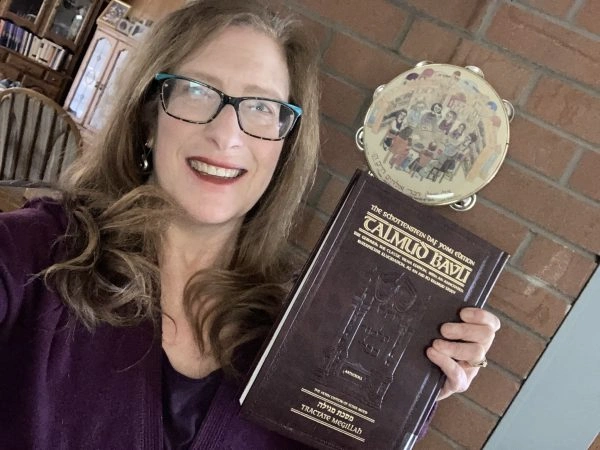
Geri Goldstein got me started learning daf yomi when I was in Israel 2 years ago. It’s been a challenge and I’ve learned a lot though I’m sure I miss a lot. I quilt as I listen and I want to share what I’ve been working on.

Rebecca Stulberg
Rebecca Stulberg

Ottawa, Canada

I started learning on January 5, 2020. When I complete the 7+ year cycle I will be 70 years old. I had been intimidated by those who said that I needed to study Talmud in a traditional way with a chevruta, but I decided the learning was more important to me than the method. Thankful for Daf Yomi for Women helping me catch up when I fall behind, and also being able to celebrate with each Siyum!

Pamela Elisheva
Pamela Elisheva

Bakersfield, United States

With Rabbanit Dr. Naomi Cohen in the Women’s Talmud class, over 30 years ago. It was a “known” class and it was accepted, because of who taught. Since then I have also studied with Avigail Gross-Gelman and Dr. Gabriel Hazut for about a year). Years ago, in a shiur in my shul, I did know about Persians doing 3 things with their clothes on. They opened the shiur to woman after that!

Sharon Mink
Sharon Mink

Haifa, Israel

Margo
I started my Talmud journey in 7th grade at Akiba Jewish Day School in Chicago. I started my Daf Yomi journey after hearing Erica Brown speak at the Hadran Siyum about marking the passage of time through Daf Yomi.

Carolyn
I started my Talmud journey post-college in NY with a few classes. I started my Daf Yomi journey after the Hadran Siyum, which inspired both my son and myself.

Carolyn Hochstadter and Margo Kossoff Shizgal

Merion Station,  USA

Beit Shemesh, Israel

At almost 70 I am just beginning my journey with Talmud and Hadran. I began not late, but right when I was called to learn. It is never too late to begin! The understanding patience of staff and participants with more experience and knowledge has been fabulous. The joy of learning never stops and for me. It is a new life, a new light, a new depth of love of The Holy One, Blessed be He.
Deborah Hoffman-Wade

Richmond, CA, United States

I began to learn this cycle of Daf Yomi after my husband passed away 2 1/2 years ago. It seemed a good way to connect to him. Even though I don’t know whether he would have encouraged women learning Gemara, it would have opened wonderful conversations. It also gives me more depth for understanding my frum children and grandchildren. Thank you Hadran and Rabbanit Michelle Farber!!

Harriet Hartman
Harriet Hartman

Tzur Hadassah, Israel

I’ve been studying Talmud since the ’90s, and decided to take on Daf Yomi two years ago. I wanted to attempt the challenge of a day-to-day, very Jewish activity. Some days are so interesting and some days are so boring. But I’m still here.
Sarene Shanus
Sarene Shanus

Mamaroneck, NY, United States

I was exposed to Talmud in high school, but I was truly inspired after my daughter and I decided to attend the Women’s Siyum Shas in 2020. We knew that this was a historic moment. We were blown away, overcome with emotion at the euphoria of the revolution. Right then, I knew I would continue. My commitment deepened with the every-morning Virtual Beit Midrash on Zoom with R. Michelle.

Adina Hagege
Adina Hagege

Zichron Yaakov, Israel

Last cycle, I listened to parts of various מסכתות. When the הדרן סיום was advertised, I listened to Michelle on נידה. I knew that בע”ה with the next cycle I was in (ב”נ). As I entered the סיום (early), I saw the signs and was overcome with emotion. I was randomly seated in the front row, and I cried many times that night. My choice to learn דף יומי was affirmed. It is one of the best I have made!

Miriam Tannenbaum
Miriam Tannenbaum

אפרת, Israel

See video

Susan Fisher
Susan Fisher

Raanana, Israel

Yoma 71

שֶׁכׇּל הַפָּרָשָׁה כּוּלָּהּ נֶאֶמְרָה עַל הַסֵּדֶר, חוּץ מִפָּסוּק זֶה.

as the whole portion of the service of the day detailed in Leviticus is written in this order, and the service must be performed in that order, except for this verse, which is stated out of order and is performed only later. The verse detailing his reentry (Leviticus 16:23) is written before the verse detailing the sacrifice of the rams (Leviticus 16:24), but in fact the reentry occurs only after the sacrifice of the rams.

מַאי טַעְמָא? אָמַר רַב חִסְדָּא: גְּמִירִי, חָמֵשׁ טְבִילוֹת וַעֲשָׂרָה קִידּוּשִׁין טוֹבֵל כֹּהֵן גָּדוֹל וּמְקַדֵּשׁ בּוֹ בַּיּוֹם,

The Gemara asks: What is the reason to assume this verse is written out of order? Rav Ḥisda said: They learned as a tradition that the High Priest performs five immersions and ten sanctifications of his hands and feet when he changes clothing on that day. Each time the High Priest changes between the white and golden garments, he sanctifies his hands and feet, immerses, dresses in the new set of garments and then once again sanctifies his hands and feet.

וְאִי אָמְרַתְּ כְּסִדְרָן כְּתִיבִי, לָא מַשְׁכַּחַתְּ לַהּ אֶלָּא שָׁלֹשׁ טְבִילוֹת וְשִׁשָּׁה קִידּוּשִׁין.

And if you say that the verses, including this one, are written in order, you find only three immersions and six sanctifications. Read in order, the verses indicate only three changes of garments, which involve three immersions and six sanctifications. In order to arrive at the requisite numbers of five immersions and ten sanctifications one must assume that the High Priest’s reentry into the Holy of Holies takes place at a later time, after he has already changed into the golden garments. This would require him to change into the white garments and then back into the golden garments, providing an additional two immersions and four sanctifications.

מַתְקֵיף לַהּ רַבִּי זֵירָא: וְדִילְמָא מַפְסֵיק לֵיהּ בְּשָׂעִיר הַנַּעֲשֶׂה בַּחוּץ!

Rabbi Zeira strongly objects to this: But perhaps the order of the verses in Leviticus can be maintained, and the requisite number of immersions and sanctifications still achieved, if he interrupts the service performed in the white garments with the goat whose services are performed outside of the Sanctuary, i.e., in the Temple courtyard, and are performed in the golden garments. The sacrifice of the goat is not mentioned in Leviticus but only in Numbers. Therefore, it could be inserted into the service of the day without compromising the order of the verses in Leviticus. The change into the golden garments and then back into the white garments would contribute an additional two immersions and four sanctifications, thus arriving at the requisite numbers.

אָמַר אַבָּיֵי, אָמַר קְרָא: ״וְיָצָא וְעָשָׂה אֶת עוֹלָתוֹ״, מִיצִיאָה רִאשׁוֹנָה עָבֵיד אֵילוֹ וְאֵיל הָעָם.

Abaye said: It is clear that the verse detailing the reentry must be out of order, since the verse states: “And he shall exit and make his burnt-offering and the burnt-offering of the people” (Leviticus 16:24). This is the first exit stated in the verses and implies that immediately following his first exit from the Holy of Holies, he performs the sacrifice of his ram and the ram of the people without any other interruption. If so, the reentry must occur only afterward.

רָבָא אָמַר, אָמַר קְרָא: ״וּפָשַׁט אֶת בִּגְדֵי הַבָּד״, שֶׁאֵין תַּלְמוּד לוֹמַר ״אֲשֶׁר לָבַשׁ״, כְּלוּם אָדָם פּוֹשֵׁט אֶלָּא מַה שֶּׁלּוֹבֵשׁ?! אֶלָּא מָה תַּלְמוּד לוֹמַר ״אֲשֶׁר לָבַשׁ״ — שֶׁלָּבַשׁ כְּבָר.

Rava said a different proof. The verse states: “And Aaron shall come into the Tent of Meeting and he shall remove the linen garments which he wore when he went into the Sanctuary” (Leviticus 16:23). Now, the verse does not need to state “which he wore,” as this is obvious; can one remove anything other than what he is wearing? Rather, what is the meaning when the verse states “which he wore”? It is referring to those garments which he had already worn previously, removed, and then worn again. It is therefore apparent that this verse occurs at a point when he had already changed out of the white garments and into the golden garments. Perforce, then, it must be out of order.

מַתְקֵיף לַהּ רַבָּה בַּר רַב שֵׁילָא: וְאֵימָא דְּמַפְסֵיק לֵיהּ בְּשָׂעִיר הַנַּעֲשֶׂה בַּחוּץ! הָכְתִיב: ״וְיָצָא וְעָשָׂה״.

Rabba bar Rav Sheila strongly objects to this: Say that the order of the verses can be maintained, and the requisite number of immersions and sanctifications achieved, if he interrupts the services performed in the white garments with the goat whose services are performed outside and are performed in the golden garments. This would provide the additional two immersions and four sanctifications required. The Gemara answers: Isn’t it written: “And he shall exit and make his burnt-offering and the burnt-offering of the people” (Leviticus 16:24), which implies that immediately following his first exit he performs the sacrifice of his ram and the ram of the people and the reentry to the Holy of Holies occurs only later.

וְכׇל הַפָּרָשָׁה כּוּלָּהּ נֶאֶמְרָה עַל הַסֵּדֶר? וְהָא קְרָאֵי כְּתִיבִי: ״וְאֵת חֵלֶב הַחַטָּאת יַקְטִיר הַמִּזְבֵּחָה״, וַהֲדַר: ״וְאֵת פַּר הַחַטָּאת וְאֵת שְׂעִיר הַחַטָּאת״, וְאִילּוּ אֲנַן תְּנַן: הָרוֹאֶה אֶת כֹּהֵן גָּדוֹל כְּשֶׁהוּא קוֹרֵא — אֵינוֹ רוֹאֶה פַּר וְשָׂעִיר הַנִּשְׂרָפִין. וְאִילּוּ אֵמוּרֵי חַטָּאת בָּתַר הָכִי מַקְטֵיר לְהוּ!

The Gemara questions the premise of the baraita: Is the entire passage really written in order? But among the verses it is written: “And he shall burn the fat of the sin-offering upon the altar”(Leviticus 16:25), and then in a later verse it is written: “And the bull of the sin-offering, and the goat of the sin-offering, whose blood was brought to make atonement in the Sanctuary, shall be carried outside the camp; and they shall burn…” (Leviticus 16:27). Yet we learned in the mishna: One who sees the High Priest reading the Torah does not see the bull and goat that are burned, which are referred to in verse 27, while according to all opinions concerning the order of the day, the portions of the sin-offering to be consumed on the altar, which are mentioned in verse 25, are burned only afterward. Therefore, it is apparent that these verses are also not in order.

אֵימָא: חוּץ מִפָּסוּק זֶה וְאֵילָךְ.

The Gemara answers: Say that the intent of the baraita is that the verses are in order except for this verse and onward.

וּמַאי חָזֵית דִּמְשַׁבְּשַׁתְּ קְרָאֵי, שַׁבֵּישׁ מַתְנִיתָא!

The Gemara asks: And what did you see that you preferred to rearrange the order of the verses? Instead, rearrange the order in the mishna.

אָמַר אַבָּיֵי, אָמַר קְרָא: ״וְהַמְשַׁלֵּחַ … וְהַשּׂוֹרֵף״. מָה מְשַׁלֵּחַ דְּמֵעִיקָּרָא — אַף שׂוֹרֵף דְּמֵעִיקָּרָא.

Abaye said: It is clear that the verse detailing the burning of the remains of the bull is out of order, since the verse states: “And the one who sends the goat to Azazel” (Leviticus 16:26), and then states: “And the one who burns them” (Leviticus 16:28). The repeated use of the phrase “And the one who…” indicates that just as the one who sends the goat to Azazel does so earlier, before the portions of the sin-offering are placed on the altar to be consumed, so too, the one who burns the remains of the bull and goat does so earlier, even though the verse detailing this burning is written after the verse detailing the burning of the portions of the sin-offering.

אַדְּרַבָּה: מָה שׂוֹרֵף דְּהַשְׁתָּא — אַף מְשַׁלֵּחַ דְּהַשְׁתָּא!

The Gemara rejects this: On the contrary, one could make the opposite claim: Just as the one who burns the remains of the bull and goat does so now, so too, the one who sends the goat to Azazel does so only now, after the other sacrifices.

״וְהַמְשַׁלֵּחַ״, דְּמֵעִיקָּרָא מַשְׁמַע. רָבָא אָמַר, אָמַר קְרָא: ״יׇעֳמַד חַי״, עַד מָתַי יְהֵא זָקוּק לַעֲמוֹד חַי? עַד שְׁעַת כַּפָּרָה. וְאֵימָתַי שְׁעַת כַּפָּרָה? בִּשְׁעַת מַתַּן דָּמִים, וְתוּ לָא.

The Gemara explains a difficulty with this: The phrasing of: “And the one who sends” implies that it was performed earlier. Alternatively, Rava said: Sending the goat away definitely took place earlier, as the verse states: “But the goat on which the lot fell for Azazel shall be stood alive before the Lord, to make atonement over him” (Leviticus 16:10). This teaches: How long must it stand alive? It must do so until the moment of atonement. And when is the moment of atonement? It is at the moment of the presenting of the blood, but no later. At that point it is already sent away.

אָתֵי מְשַׁלֵּחַ, מְצָאוֹ בַּשּׁוּק לְכֹהֵן גָּדוֹל, אוֹמֵר לוֹ: אִישִׁי כֹּהֵן גָּדוֹל! עָשִׂינוּ שְׁלִיחוּתְךָ. מְצָאוֹ בְּבֵיתוֹ, אוֹמֵר לוֹ: מְחַיֵּה חַיִּים, עָשִׂינוּ שְׁלִיחוּתוֹ.

§ The Gemara describes the eventual meeting between the High Priest and the one who sends the goat to Azazel: When the one who sends the goat comes on the day following Yom Kippur, if he finds the High Priest in the market, which is a public place, he says to him: My Master, High Priest, we performed your mission, i.e., we fulfilled the mitzva of sending the goat to Azazel. He refers to the sending as the High Priest’s mission as a public display of respect. But if he finds him in his house, he says to him: The One Who grants life to the living, God, we performed His mission.

אָמַר רַבָּה: כִּי מִיפַּטְרִי רַבָּנַן מֵהֲדָדֵי בְּפוּמְבְּדִיתָא אָמְרִי הָכִי: ״מְחַיֵּה חַיִּים יִתֵּן לְךָ חַיִּים אֲרוּכִּים וְטוֹבִים וּמְתוּקָּנִין״.

Apropos the phrase: The One Who grants life to the living, Rabba said: When the Sages take leave from one another in Pumbedita, they say as follows: May the One Who grants life to the living grant you a long, good, and established life.

״אֶתְהַלֵּךְ לִפְנֵי ה׳ בְּאַרְצוֹת הַחַיִּים״, אָמַר רַב יְהוּדָה: זֶה מָקוֹם שְׁוָוקִים.

Further apropos the phrase: The One Who grants life to the living, the Gemara explains a verse using a similar phrase and then additional verses. With regard to the verse: “I shall walk before the Lord in the lands of the living” (Psalms 116:9), Rav Yehuda said: This is the place of markets, where food and needs can be readily obtained. King David, who wandered from place to place, prayed to always find ready sustenance.

״כִּי אוֹרֶךְ יָמִים וּשְׁנוֹת חַיִּים וְשָׁלוֹם יוֹסִיפוּ לָךְ״, וְכִי יֵשׁ שָׁנִים שֶׁל חַיִּים וְיֵשׁ שָׁנִים שֶׁאֵינָן שֶׁל חַיִּים? אָמַר רַבִּי אֶלְעָזָר: אֵלּוּ שְׁנוֹתָיו שֶׁל אָדָם הַמִּתְהַפְּכוֹת עָלָיו מֵרָעָה לְטוֹבָה.

The verse states: “For length of days, and years of life, and peace, will they add to you” (Proverbs 3:2). The Gemara asks: Are there years of life and years that are not of life? The Gemara explains: Rabbi Elazar said: “Years of life” refers to good years. As such, these additional years of life referred to in the verse are the years of a person’s life which are transformed for him from bad to good.

״אֲלֵיכֶם אִישִׁים אֶקְרָא״, אָמַר רַבִּי בֶּרֶכְיָה: אֵלּוּ תַּלְמִידֵי חֲכָמִים, שֶׁדּוֹמִין לְנָשִׁים וְעוֹשִׂין גְּבוּרָה כַּאֲנָשִׁים. וְאָמַר רַבִּי בֶּרֶכְיָה: הָרוֹצֶה לְנַסֵּךְ יַיִן עַל גַּבֵּי הַמִּזְבֵּחַ — יְמַלֵּא גְּרוֹנָם שֶׁל תַּלְמִידֵי חֲכָמִים יַיִן, שֶׁנֶּאֱמַר: ״אֲלֵיכֶם אִישִׁים אֶקְרָא״.

The verse states: “To you men [ishim] do I call, and my voice is to the sons of men” (Proverbs 8:4). Rabbi Berekhya said: The word ishim, although it means men, is similar to the term isha, woman. It may therefore be taken to refer to these Torah scholars, who are similar to women in that they are physically weak and are not engaged in many activities that other men are, but nevertheless, they act mightily like men when engaged in Torah study. And Rabbi Berekhya said further about that same verse: Nowadays one who wishes to pour libations of wine over the altar should fill the throats of Torah scholars with wine, as it is stated: “To you men [ishim] do I call.” The use of the phrase ishim, which is similar to isheh, used for the altar’s fire, suggests that scholars may be compared to the fire of the altar.

וְאָמַר רַבִּי בֶּרֶכְיָה: אִם רוֹאֶה אָדָם שֶׁתּוֹרָה פּוֹסֶקֶת מִזַּרְעוֹ — יִשָּׂא בַּת תַּלְמִיד חָכָם, שֶׁנֶּאֱמַר: ״אִם יַזְקִין בָּאָרֶץ שׇׁרְשׁוֹ וּבֶעָפָר יָמוּת גִּזְעוֹ

And Rabbi Berekhya said: If a person sees that Torah is ceasing from his children, and they are not becoming Torah scholars like himself, he should marry the daughter of a Torah scholar. This will ensure that his children from her will be raised with Torah, as it is stated: “Though its root will grow old in the earth, and its trunk will die in the ground,

מֵרֵיחַ מַיִם יַפְרִיחַ וְעָשָׂה קָצִיר כְּמוֹ נָטַע״.

from the scent of water it will blossom and put forth branches like a plant” (Job 14:8–9). If the figurative trunk of one’s family is drying up through lack of Torah, he should plant himself in a place of water, i.e., a family of scholars, water being a metaphor for Torah. This will ensure that his children will blossom into Torah scholars.

וְיוֹם טוֹב הָיָה עוֹשֶׂה לְאוֹהֲבָיו. תָּנוּ רַבָּנַן: מַעֲשֶׂה בְּכֹהֵן גָּדוֹל אֶחָד שֶׁיָּצָא מִבֵּית הַמִּקְדָּשׁ וַהֲווֹ אָזְלִי כּוּלֵּי עָלְמָא בָּתְרֵיהּ. כֵּיוָן דְּחַזְיוּנְהוּ לִשְׁמַעְיָה וְאַבְטַלְיוֹן, שַׁבְקוּהוּ לְדִידֵיהּ וְאָזְלִי בָּתַר שְׁמַעְיָה וְאַבְטַלְיוֹן.

§ It was taught in the mishna: The people escort the High Priest to his house. And he would make a feast for his loved ones. The Sages taught in a baraita: There was an incident involving one High Priest who exited the Holy Temple and everyone followed him. When they saw Shemaya and Avtalyon, the heads of the Sanhedrin, walking along, in deference to them they left the High Priest by himself and walked after Shemaya and Avtalyon.

לְסוֹף אֲתוֹ שְׁמַעְיָה וְאַבְטַלְיוֹן לְאִיפְּטוֹרֵי מִינֵּיהּ דְּכֹהֵן גָּדוֹל. אָמַר לָהֶן: יֵיתוֹן בְּנֵי עַמְמִין לִשְׁלָם. אֲמַרוּ לֵיהּ: יֵיתוֹן בְּנֵי עַמְמִין לִשְׁלָם דְּעָבְדִין עוֹבָדָא דְאַהֲרֹן, וְלָא יֵיתֵי בַּר אַהֲרֹן לִשְׁלָם דְּלָא עָבֵיד עוֹבָדָא דְאַהֲרֹן.

Eventually, Shemaya and Avtalyon came to take leave of the High Priest before returning to their homes. Envious of the attention they received, he angrily said to them: Let the descendants of the gentile nations come in peace. Shemaya and Avtalyon descended from converts, and he scornfully drew attention to that fact. They said to him: Let the descendants of the gentile nations come in peace, who perform the acts of Aaron, who loved and pursued peace; and let not a descendant of Aaron come in peace, who does not perform the acts of Aaron and who speaks condescendingly to descendants of converts.

מַתְנִי׳ כֹּהֵן גָּדוֹל מְשַׁמֵּשׁ בִּשְׁמוֹנָה כֵּלִים, וְהַהֶדְיוֹט בְּאַרְבָּעָה: בִּכְתוֹנֶת וּמִכְנָסַיִם וּמִצְנֶפֶת וְאַבְנֵט. מוֹסִיף עָלָיו כֹּהֵן גָּדוֹל: חֹשֶׁן וְאֵפוֹד וּמְעִיל וְצִיץ. בְּאֵלּוּ נִשְׁאָלִין בְּאוּרִים וְתוּמִּים. וְאֵין נִשְׁאָלִין אֶלָּא לְמֶלֶךְ וּלְאַב בֵּית דִּין וּלְמִי שֶׁהַצִּיבּוּר צָרִיךְ בּוֹ.

MISHNA: Throughout the year the High Priest serves in eight garments, and the common priest serves in four: In a tunic and trousers and a mitre and a belt. The High Priest adds another four garments beyond those worn by the common priest: A breastplate, and an ephod, and a robe, and a frontplate. When dressed in these eight garments, the High Priest may be consulted for the decision of the Urim VeTummim. And he may be consulted for the decision of the Urim VeTummim only on behalf of the king, or on behalf of the president of the court, or on behalf of one whom the community needs. Individual inquiries are not posed to the Urim VeTummim.

גְּמָ׳ תָּנוּ רַבָּנַן, דְּבָרִים שֶׁנֶּאֱמַר בָּהֶן ״שֵׁשׁ״ חוּטָן כָּפוּל שִׁשָּׁה. ״מׇשְׁזָר״ שְׁמוֹנָה. מְעִיל שְׁנֵים עָשָׂר. פָּרוֹכֶת עֶשְׂרִים וְאַרְבָּעָה. חוֹשֶׁן וְאֵפוֹד עֶשְׂרִים וּשְׁמוֹנָה.

GEMARA: The Sages taught in a baraita: With regard to those items of the priestly vestments about which it is stated they must be made with linen [shesh], their threads are spun six-fold, as suggested by the use of the term shesh, which also means six. When the Torah states that certain items are twined, it means their threads are spun eightfold. Threads used to weave the robe were spun from twelve strands. The threads of the curtain were spun from twenty-four strands. The threads used to weave the breastplate and ephod were spun from twenty-eight strands.

חוּטָן כָּפוּל שִׁשָּׁה מְנָא לַן — דְּאָמַר קְרָא: ״וַיַּעֲשׂוּ אֶת הַכׇּתְנֹת שֵׁשׁ … וְאֵת הַמִּצְנֶפֶת שֵׁשׁ וְאֶת פַּאֲרֵי הַמִּגְבָּעֹת שֵׁשׁ וְאֶת מִכְנְסֵי הַבָּד שֵׁשׁ מׇשְׁזָר״. חַמְשָׁה קְרָאֵי כְּתִיבִי: חַד לְגוּפֵיהּ, דְּכִיתָּנָא נִיהְווֹ. וְחַד, שֶׁיְּהֵא חוּטָן כָּפוּל שִׁשָּׁה. וְחַד, שֶׁיִּהְיוּ שְׁזוּרִין. וְחַד, לִשְׁאָר בְּגָדִים שֶׁלֹּא נֶאֱמַר בָּהֶן שֵׁשׁ. וְחַד, לְעַכֵּב.

The Gemara asks: That the threads made from shesh are spun six-fold, from where do we derive this? The verse states: “And they made the tunics of linen [shesh] of woven work for Aaron and for his sons. And the mitre of linen, and the adorning mitres of linen, and the linen [bad] trousers of twined linen” (Exodus 39:27–28). Five mentions of the word linen are written; four times as “shesh” and an additional instance of “bad,” both meaning linen. One mention is stated for that halakha itself, to teach that they should be made of linen. And one mention is written to teach that the threads should be spun six-fold, shesh being interpreted as six. And one mention teaches that the six strands should be spun together into one. And one mention teaches that this also applies to the other garments, even though the term shesh is not stated with regard to them. And one mention teaches that this requirement is indispensable and that garments not made this way are invalid.

מַאי מַשְׁמַע דְּהַאי ״שֵׁשׁ״ כִּיתָּנָא הוּא? אָמַר רַבִּי יוֹסֵי בְּרַבִּי חֲנִינָא: דְּאָמַר קְרָא ״בַּד״ — דָּבָר הָעוֹלֶה מִן הַקַּרְקַע בַּד בַּד. וְאֵימָא עַמְרָא! עַמְרָא אִיפְּצוֹלֵי מִיפַּצְלָא. כִּיתָּנָא נָמֵי אִיפְּצוֹלֵי מִפְּצִיל! כִּיתָּנָא אַגַּב לָקוּתֵיהּ מִפְּצִיל.

The Gemara asks: From where may it be inferred that this term shesh means linen? Rabbi Yosei, son of Rabbi Ḥanina, said: As the verse also states: “Bad,” and uses it interchangeably with shesh. And bad refers to something which sprouts from the ground stalk by stalk [bad bad], each one by itself. This is a fitting description of flax, the plant used to produce linen, as opposed to other plants, such as cotton, whose fibers grow meshed together. The Gemara asks: And say that it refers to wool, since when it grows from the animal, each hair grows separately. The Gemara answers: Wool splits, with each hair dividing into several hairs, so it does not fully fit the description of sprouting stalk by stalk. The Gemara asks: But flax also splits into individual hairs. The Gemara answers: Flax, unlike wool, splits only when beaten.

רָבִינָא אָמַר מֵהָכָא: ״פַּאֲרֵי פִשְׁתִּים יִהְיוּ עַל רֹאשָׁם וּמִכְנְסֵי פִשְׁתִּים יִהְיוּ עַל מׇתְנֵיהֶם״.

Ravina said: We have a proof for the matter from here: The verse states: “They shall have linen [pishtim] mitres upon their heads, and linen trousers upon their loins” (Ezekiel 44:18). The term pishtim used in Ezekiel certainly refers to linen; therefore, it is clear that the terms shesh and bad, used in the Torah for the same garments, also refer to linen.

אֲמַר לֵיהּ רַב אָשֵׁי: הָא מִקַּמֵּי דְּאָתֵי יְחֶזְקֵאל, מַאן אַמְרַהּ? וּלְטַעְמָיךְ, הָא דְּאָמַר רַב חִסְדָּא: דָּבָר זֶה מִתּוֹרַת מֹשֶׁה רַבֵּינוּ לֹא לָמַדְנוּ, מִדִּבְרֵי יְחֶזְקֵאל בֶּן בּוּזִי לָמַדְנוּ: ״כׇּל בֶּן נֵכָר עֶרֶל לֵב וְעֶרֶל בָּשָׂר לֹא יָבֹא אֶל מִקְדָּשִׁי״ — הָא מִקַּמֵּי דְּאָתֵי יְחֶזְקֵאל, מַאן אַמְרַהּ? אֶלָּא גְּמָרָא גְּמִירִי לַהּ, וַאֲתָא יְחֶזְקֵאל וְאַסְמְכַהּ אַקְּרָא. הָכָא נָמֵי: גְּמָרָא גְּמִירִי לַהּ, וַאֲתָא יְחֶזְקֵאל וְאַסְמְכַהּ אַקְּרָא.

Rav Ashi said to him: But before Ezekiel came, who said this halakha? How was it known? Ravina retorted: And according to your reasoning, the same question could be asked with regard to that which Rav Ḥisda said concerning the disqualification of an uncircumcised priest from serving in the Temple: This matter we did not learn from the Torah of Moses our teacher, as it is not written explicitly in the Torah; rather, we learned it from the words of Ezekiel ben Buzi, as the verse states: “No foreigner, uncircumcised of heart or uncircumcised of flesh, shall enter into My sanctuary” (Ezekiel 44:9). One could ask here as well: Before Ezekiel came, who said this halakha? Rather, perforce, they learned it as a tradition and then Ezekiel came and supported it with a verse. Here, too, they learned it as a tradition and then Ezekiel came and supported it with a verse.

״מׇשְׁזָר״ שְׁמוֹנָה. מְנָא לַן? דִּכְתִיב: ״וַיַּעֲשׂוּ עַל שׁוּלֵי הַמְּעִיל רִמּוֹנֵי תְּכֵלֶת וְאַרְגָּמָן וְתוֹלַעַת שָׁנִי מׇשְׁזָר״, וְיָלֵיף ״מׇשְׁזָר״ ״מׇשְׁזָר״ מִפָּרוֹכֶת, מָה לְהַלָּן עֶשְׂרִים וְאַרְבָּעָה — אַף כָּאן עֶשְׂרִים וְאַרְבָּעָה, דַּהֲוָה כׇּל חַד וְחַד תַּמְנֵי.

The Gemara continues to explain the baraita. That the use of the term twined implies that the thread should be spun from eight strands, from where do we derive this? As it is written: “And they made upon the skirts of the robe pomegranates of sky-blue, and purple, and scarlet, twined” (Exodus 39:24); and derive a verbal analogy from the term “twined” used in this verse and the term “twined” from the verse about the curtain: Just as there, with regard to the curtain, there are twenty-four strands, as will be explained, so too here, there are twenty-four strands in total. And since each pomegranate is made of three colors, sky-blue, purple, and scarlet, it must be that each one of them was spun from eight strands.

וְנֵילַף מֵחֹשֶׁן וְאֵפוֹד: מָה לְהַלָּן עֶשְׂרִים וּשְׁמוֹנָה, אַף כָּאן עֶשְׂרִים וּשְׁמוֹנָה! דָּנִין דָּבָר שֶׁלֹּא נֶאֱמַר בּוֹ זָהָב, מִדָּבָר שֶׁלֹּא נֶאֱמַר בּוֹ זָהָב, לְאַפּוֹקֵי חֹשֶׁן וְאֵפוֹד שֶׁנֶּאֱמַר בָּהֶן זָהָב. אַדְּרַבָּה: דָּנִין בֶּגֶד מִבֶּגֶד, לְאַפּוֹקֵי פָּרוֹכֶת — דְּאֹהֶל הוּא!

The Gemara challenges this derivation: Let us derive the number of strands instead from the breastplate and ephod and say: Just as there, with regard to the breastplate and ephod, there are twenty-eight strands, so too, here there are twenty-eight strands. The Gemara answers: It is preferable to derive the halakhot of an item, i.e., the pomegranates, with regard to which the use of gold threads is not stated, from the halakhot of an item, i.e., the curtain, with regard to which the use of gold threads is also not stated. This would come to exclude the possibility of deriving them from the breastplate and ephod, with regard to which the use of gold threads is stated. The Gemara asks: On the contrary, it should be preferable to derive the halakhot of one garment from another garment, i.e., the halakhot of the robe from the halakhot of the breastplate and ephod. This would come to exclude the possibility of deriving them from the curtain, which is a tent, i.e., part of the Temple building, and not a garment. The Gemara accepts that the derivation is flawed.

אֶלָּא: דָּנִין מֵאַבְנֵט, וְדָנִין בֶּגֶד וְדָבָר שֶׁלֹּא נֶאֱמַר בּוֹ זָהָב, מִבֶּגֶד וְדָבָר שֶׁלֹּא נֶאֱמַר בּוֹ זָהָב, וְאֵין דָּנִין דָּבָר שֶׁאֵין בּוֹ זָהָב מִדָּבָר שֶׁיֵּשׁ בּוֹ זָהָב.

Rather, the need for thread of eight strands is derived from the belt, which had twenty-four threads in total, and a garment and an item with regard to which the use of gold thread is not stated, i.e., the pomegranates, are derived from a garment and an item with regard to which the use of gold thread is not stated. And an item with no gold, such as the pomegranates and robe, is not derived from an item that has gold in it, such as the breastplate and ephod.

רַב מָרִי אָמַר: ״תַּעֲשֶׂנּוּ״ כְּתִיב. תַּעֲשֶׂנּוּ לָזֶה, וְלֹא לְאַחֵר.

Rav Mari said another reason not to derive the number of strands in a pomegranate from the breastplate and ephod: “Like the work of the ephod you shall make it” (Exodus 28:15) is written with regard to the breastplate to indicate that you shall make it, i.e., the breastplate, like the ephod, which indicates that for this, i.e., the breastplate, you shall use thread of twenty-eight strands, and not for anything else.

רַב אָשֵׁי אָמַר: ״וְעָשִׂיתָ״ כְּתִיב, שֶׁיִּהְיוּ כׇּל עֲשִׂיּוֹת שָׁווֹת. וְהֵיכִי נֶעְבֵּיד? נֶעְבֵּיד תְּלָתָא דְּעַשְׂרָה עַשְׂרָה — הָווּ לְהוּ תְּלָתִין! נֶעְבֵּיד תְּרֵי דְּתִשְׁעָה תִּשְׁעָה וְחַד דְּעַשְׂרָה — אֲמַר קְרָא: ״וְעָשִׂיתָ״, שֶׁיִּהְיוּ כׇּל עֲשִׂיּוֹתָיו שָׁווֹת.

Rav Ashi said another reason that there could not be twenty-eight strands in a pomegranate: “And you shall make pomegranates of sky-blue, and of purple, and of scarlet” (Exodus 28:33) is written to indicate that all the makings of it must be equal, i.e., that each color thread should be made from the same number of strands. However, if there are twenty-eight strands in total, the three threads, each of a different color, cannot be made with an equal number of strands, as how should we do it? Let us make three colored threads of ten strands each; then they are thirty strands in total, which is too many. Let us make two colored threads of nine strands and one of ten; but the verse states: “And you shall make,” to indicate that all the makings of it must be equal. Perforce, the threads used for the pomegranates and the robe must be derived from an item woven from threads of a number of strands divisible by three, such as the curtain.

מְעִיל שְׁנֵים עָשָׂר, מְנָא לַן — דִּכְתִיב: ״וְעָשִׂיתָ אֶת מְעִיל הָאֵפוֹד

The Gemara continues to explain the baraita: That the robe must be woven from threads spun from twelve strands, from where do we derive this? As it is written: “And you shall make the robe of the ephod

Want to follow content and continue where you left off?

Create an account today to track your progress, mark what you’ve learned, and follow the shiurim that speak to you.

Clear all items from this list?

This will remove ALL the items in this section. You will lose any progress or history connected to them. This is irreversible.

Cancel
Yes, clear all

Are you sure you want to delete this item?

You will lose any progress or history connected to this item.

Cancel
Yes, delete