Search

Zevachim 39

Want to dedicate learning? Get started here:

Zevachim 39

וְהָתַנְיָא: דָּמִים הַטְּעוּנִין יְסוֹד – טְעוּנִין כִּיבּוּס, וּמַחְשָׁבָה מוֹעֶלֶת בָּהֶן, וְהַמַּעֲלֶה מֵהֶן בַּחוּץ חַיָּיב;

And this is as it is taught in a baraita: With regard to blood that requires the base of the altar, presumably a reference to the remainder of the blood of a sin offering, which must be poured on the base of the altar, it requires laundering; and improper intent is effective with regard to it, i.e., if the priest poured such blood with the intent to partake of the sacrificial meat beyond its designated time, the offering is piggul; and one who offers it up outside the Temple is liable.

וְדָמִים הַנִּשְׁפָּכִין לָאַמָּה – אֵין טְעוּנִין כִּיבּוּס, וְאֵין מַחְשָׁבָה מוֹעֶלֶת בָּהֶן, וְהַמַּעֲלֶה מֵהֶן בַּחוּץ פָּטוּר.

And conversely, with regard to blood that is poured into the Temple courtyard drain that passed through the Temple and emptied into the Kidron River, which is blood that has become disqualified, it does not require laundering, and improper intent is not effective with regard to it, and one who offers it up outside the Temple is exempt.

מַאן שָׁמְעַתְּ לֵיהּ דְּאָמַר מַעֲלֶה מֵהֶן בַּחוּץ חַיָּיב – רַבִּי נְחֶמְיָה הִיא; וְקָאָמַר: טָעוּן כִּיבּוּס.

The Gemara inquires: About whom did you learn that he said that one who offers up the remainder of the blood outside the Temple is liable? It is Rabbi Neḥemya who says this, and he states in this baraita that a garment that was sprayed with such blood requires laundering.

וּמַחְשָׁבָה מוֹעֶלֶת בָּהֶן?! וְהָתַנְיָא: יָצְאוּ שִׁירַיִם וְהַקְטָרַת אֵימוּרִין, שֶׁאֵין מְעַכְּבִין אֶת הַכַּפָּרָה – שֶׁאֵין מַחְשָׁבָה מוֹעֶלֶת בָּהֶן!

The Gemara asks: And is improper intent effective with regard to blood that must be poured on the base of the altar? But isn’t it taught in a baraita discussing the intent that renders an offering piggul: The possibility of piggul applies only with regard to a service that is indispensable for atonement. This serves to exclude pouring the remainder of the blood on the altar and burning the sacrificial portions on the altar, actions that are not indispensable for atonement, concerning which the halakha is that improper intent is not effective with regard to them.

כִּי תַּנְיָא הָהִיא – בְּשָׁלֹשׁ מַתָּנוֹת שֶׁבַּחַטָּאת.

Rather, when that baraita is taught, stating that blood that requires the base requires laundering, it is not referring to the remainder of the blood after the placements have been completed. Instead, it is referring to the blood that is to be used for the last three placements of the blood of a sin offering.

אִי הָכִי, טְעוּנִין יְסוֹד?! לְקֶרֶן אָזְלִי! אֵימָא: נִיטְעָנִין יְסוֹד. וּמַחְשָׁבָה מוֹעֶלֶת בָּהֶן?! הָאָמְרַתְּ: לָא שַׁרְיָא וְלָא מְפַגְּלָא וְלָא עָיְילָא לְגַוַּאי – כְּסוֹפָן!

The Gemara asks: If so, is it correct to describe this blood as requiring the base of the altar? After all, this blood goes to the corner of the altar, not the base. The Gemara answers: Say that this means: Blood that becomes required for the base, i.e., blood that in the end, after the placements are completed, will be poured on the base of the altar. The Gemara further asks: But is improper intent effective with regard to the blood of the last three placements of the blood of a sin offering? Didn’t you say that this blood does not render the offering permitted for eating, nor does it render the offering piggul, and it is not governed by the halakha that if the blood enters inside the Sanctuary the sin offering is disqualified? With regard to all these matters the blood of the last three placements is treated like the blood presented at the end, i.e., like the remainder of the blood of a sin offering.

אֶלָּא כִּי תַּנְיָא הָהִיא – בְּדָמִים הַפְּנִימִיִּם.

The Gemara explains: Rather, when that baraita is taught, stating that blood requiring the base requires laundering, and improper intent is effective with regard to it, and one who presents of it outside the Temple is liable, it is indeed referring to the remainder of the blood after the placements have been completed. It is stated not with regard to the remainder of the blood of a standard sin offering, but with regard to the remainder of the blood of inner sin offerings, which are brought on the inner altar located inside the Sanctuary.

אֲבָל בְּדָמִים הַחִיצוֹנִים מַאי, פָּטוּר?! אַדְּתָנֵי דָּמִים הַנִּשְׁפָּכִין לָאַמָּה; לִיפְלוֹג וְלִיתְנֵי בְּדִידַהּ: בַּמֶּה דְּבָרִים אֲמוּרִים – בְּדָמִים הַפְּנִימִיִּם, אֲבָל בְּדָמִים הַחִיצוֹנִים – פָּטוּר!

The Gemara asks: But if that is the case, with regard to the remainder of the blood of external sin offerings that are brought on the external altar, what is the halakha? Is one who presents them outside the Temple exempt? If so, rather than teaching the halakha of disqualified blood that is poured into the Temple courtyard drain, let the baraita distinguish and teach the halakha within the case of the remainder of the blood itself, in the following manner: In what case is this statement said? In a case of the blood of sin offerings brought on the inner altar. But in the case of the blood of sin offerings brought on the external altar, one who offers up such an offering outside the Temple is exempt.

הָא מַנִּי – רַבִּי נְחֶמְיָה הִיא, דְּאָמַר: שְׁיָרֵי הַדָּם שֶׁהִקְרִיבָן בַּחוּץ – חַיָּיב; וְלָא מַתְנֵי לֵיהּ תְּלָתָא פְּטוּרֵי לְבַהֲדֵי תְּלָתָא חִיּוּבֵי.

The Gemara answers: The baraita could not have made such a distinction, for in accordance with whose opinion is this ruling? It is in accordance with the opinion of Rabbi Neḥemya, who says: With regard to the remainder of the blood of a sin offering brought on the external altar, in a case where one presented it outside the Temple, he is liable. And therefore, were the tanna to contrast the halakha of the blood of sin offerings brought on the external altar with that of the blood of sin offerings brought on the inner altar, he would not have been able to teach three rulings of exemptions corresponding to three rulings of liabilities, as Rabbi Neḥemya maintains that even with regard to the remainder of the blood of a sin offering brought on the external altar, if one presents it outside the Temple he is liable. Therefore, the tanna preferred to compare the halakhot of the remainder of the blood of inner sin offerings to the disqualified blood that is poured into the Temple courtyard drain, so that he could list three lenient rulings alongside three stringent ones.

רָבִינָא אָמַר: מִן הַקֶּרֶן – מַמָּשׁ, מִן הַיְסוֹד – מִן הָרָאוּי לַיְסוֹד.

§ The Gemara returns to discuss the statement of Rav Pappa, that a garment sprayed by blood from the last three placements of the blood of a sin offering requires laundering, and to his proof from the mishna that states that if the blood of a sin offering sprayed onto a garment from the corner of the altar or from the base of the altar, the garment does not require laundering. Ravina says, in answer to the objection raised against Rav Pappa above, that according to Rav Pappa the mishna (93a) should be understood as follows: The term: From the corner, means from the corner, literally, after the blood was placed there, and therefore Rav Pappa could infer from this that blood that is fit to be placed on the corner, including the blood to be used for the last three sprinklings, requires laundering. But the term: From the base of the altar, does not mean from the base, literally. Rather, it means: From blood that is fit for the base of the altar, i.e., from the remainder of the blood, which is to be poured on the base.

אֲמַר לֵיהּ רַב תַּחְלִיפָא בַּר גַּזָּא לְרָבִינָא: אֵימָא אִידֵּי וְאִידֵּי רָאוּי הוּא! הַאי מַאי? הַשְׁתָּא רָאוּי לַקֶּרֶן – אָמְרַתְּ לָא; רָאוּי לַיְסוֹד מִיבַּעְיָא?! אֶלָּא מִן הַקֶּרֶן – מִן הַקֶּרֶן מַמָּשׁ, מִן הַיְסוֹד – מִן הָרָאוּי לַיְסוֹד.

Rav Taḥlifa bar Gazza said to Ravina: One can say a different explanation, that both this and that, i.e., the term: From the corner, and the term: From the base, are referring to blood that is fit for the corner or the base, in which case the mishna teaches that a garment sprayed by the blood that was to be used for the last three placements of a sin offering does not require laundering, contrary to the opinion of Rav Pappa. Ravina replied: What is this claim? Now that you say that blood which is fit for the corner does not require laundering, is it necessary to state that the same applies to blood that is merely fit for the base of the altar? That ruling would be unnecessary. Rather, it must be that the term: From the corner, means from the corner, literally, i.e., that the blood has already been placed there, whereas the term: From the base, means from blood that is fit for the base, i.e., from the remainder of the blood, which is to be poured on the base.

כׇּל הַנִּיתָּנִין עַל מִזְבֵּחַ הַפְּנִימִי כּוּ׳. תָּנוּ רַבָּנַן: ״וְעָשָׂה כַּאֲשֶׁר עָשָׂה״ – מָה בָּא לִלְמוֹד?

§ The mishna teaches: With regard to all the offerings whose blood is to be placed on the inner altar, which are the bull and goat of Yom Kippur, the bull for an unwitting sin of the anointed priest, the bull for an unwitting communal sin, and the goat for an unwitting communal sin of idol worship, if the priest omitted even one of the placements, it is as though he did not facilitate atonement. The Sages taught in a baraita: The Torah first discusses the bull for an unwitting sin of the anointed priest and afterward the bull for an unwitting communal sin, concerning which it states: “And he shall do with the bull, as he did with the bull for a sin offering” (Leviticus 4:20). It may be asked: This phrase: “And he shall do…as he did,” what does this come to teach? All the details stated with regard to the first bull, i.e., that of the anointed priest, seem to be stated explicitly with regard to the second bull as well.

לִכְפּוֹל בְּהַזָּאָתוֹ; וְלָמַד שֶׁאִם חִיסַּר אַחַת מִכׇּל הַמַּתָּנוֹת – לֹא עָשָׂה וְלֹא כְּלוּם. אֵין לִי אֶלָּא מַתַּן שֶׁבַע, שֶׁמְּעַכְּבוֹת בְּכׇל מָקוֹם; מַתַּן אַרְבַּע מִנַּיִין? תַּלְמוּד לוֹמַר: ״כֵּן יַעֲשֶׂה״.

Rather, the verse comes to repeat the halakha of the sprinkling of the blood, as though it were written twice with regard to the same bull. This repetition of the halakha indicates that the sprinkling is indispensable, thereby teaching that if the priest omitted one of the placements he has done nothing. I have a derivation only with regard to the seven placements on the Curtain separating between the Sanctuary and Holy of Holies, that they are indispensable, as these seven are indispensable in all cases, as the Gemara will explain (40a). From where is it derived that the same applies to the four placements on the inner altar? The verse states: “So shall he do” (Leviticus 4:20).

״לַפָּר״ – זֶה פַּר יוֹם הַכִּפּוּרִים,

The baraita continues: The verse states: “And he shall do with the bull” (Leviticus 4:20); this alludes to a different bull whose service is similar, namely the bull of Yom Kippur.

״כַּאֲשֶׁר עָשָׂה לְפַר״ – זֶה פַּר כֹּהֵן מָשִׁיחַ. ״הַחַטָּאת״ – אֵלּוּ שְׂעִירֵי עֲבוֹדָה זָרָה. יָכוֹל שֶׁאֲנִי מְרַבֶּה אַף שְׂעִירֵי הָרְגָלִים וּשְׂעִירֵי רָאשֵׁי חֳדָשִׁים? תַּלְמוּד לוֹמַר: ״לוֹ״.

“As he did with the bull” (Leviticus 4:20); this is a reference to the bull for an unwitting sin of the anointed priest, teaching that all of the sprinklings of the blood of this bull are also indispensable. “A sin offering”; these are the goats for an unwitting communal sin of idol worship, teaching that they are offered in the same manner as the bull for an unwitting communal sin, their blood being sprinkled in the Sanctuary and their flesh burned. One might have thought that I should include also the goats of the Festivals and the goats sacrificed on the New Moons, which are communal offerings as well, i.e., that their service should be performed inside the Sanctuary like that of the bull for an unwitting communal sin. Therefore, the verse states: “So shall he do with this” (Leviticus 4:20), which indicates that this service is performed only with this animal and not with the goats of the Festivals or the goats of the New Moons.

וּמָה רָאִיתָ לְרַבּוֹת אֶת אֵלּוּ וּלְהוֹצִיא אֶת אֵלּוּ? אַחַר שֶׁרִיבָּה הַכָּתוּב וּמִיעֵט, מְרַבֶּה אֲנִי אֶת אֵלּוּ שֶׁמְּכַפְּרִין עַל עֲבֵירַת מִצְוָה יְדוּעָה, וּמוֹצִיא אֲנִי אֵלּוּ שֶׁאֵין מְכַפְּרִין עַל עֲבֵירַת מִצְוָה יְדוּעָה.

The Gemara asks: And what did you see to include these goats for an unwitting communal sin of idol worship and to exclude those goats sacrificed on the Festivals and the New Moons? The Gemara answers: After noting that the verse included some offerings and excluded others, one can say: I include these goats for an unwitting communal sin of idol worship, as they atone for the known transgression of a mitzva, i.e., idol worship, and therefore they are similar to the bull for an unwitting communal sin, which is brought for an erroneous ruling of the Sanhedrin with regard to a specific mitzva. And I exclude those goats sacrificed on the Festivals and the New Moons, as they do not atone for the known transgression of a mitzva, but rather they atone for the unwitting defilement of the Temple or its sacrificial foods.

״וְכִפֶּר״ – אַף עַל פִּי שֶׁלֹּא סָמַךְ. ״וְנִסְלַח״ – אַף עַל פִּי שֶׁלֹּא נָתַן שִׁירַיִם.

The baraita resumes its interpretation of the verse. “And the priest shall make atonement”; this teaches that atonement is achieved even if the Elders did not place their hands on the head of the bull as they are commanded to do (see Leviticus 4:15). “And they shall be forgiven”; this teaches that atonement is achieved even if the priest did not place the remainder of the blood on the base of the altar, as is required (see Leviticus 4:7).

וּמָה רָאִיתָ לִפְסוֹל בְּהַזָּאוֹת, וּלְהַכְשִׁיר בִּסְמִיכָה וְשִׁירַיִם?

The Gemara again asks: And as the verse does not specify which aspects of the service are included and which are excluded, what did you see to disqualify the offering in the case of the seven sprinklings; how did you derive that the phrase “And he shall do…as he did” teaches that the seven sprinklings are indispensable? And what did you see to render the offering fit in the absence of placing hands on the head of the offering and pouring out the remainder of the blood on the base of the altar, based on the words “And the priest shall make atonement…and they shall be forgiven”?

אָמַרְתָּ: פּוֹסֵל [אֲנִי] בְּהַזָּאוֹת – שֶׁמְּעַכְּבוֹת בְּכׇל מָקוֹם, וּמַכְשִׁיר אֲנִי בִּסְמִיכָה וְשִׁירַיִם – שֶׁאֵין מְעַכְּבוֹת בְּכׇל מָקוֹם.

The Gemara answers: You should say the following logical argument: I disqualify the offering in the absence of the seven sprinklings, as these seven sprinklings are indispensable in all cases, as will be explained (40a), and I render the offering fit in the absence of placing hands on the head of the offering and in the absence of the pouring of the remainder of the blood onto the base of the altar, as these are not indispensable in all cases, and therefore it is reasonable to conclude that they are not indispensable here either.

New to Talmud?

Check out our resources designed to help you navigate a page of Talmud – and study at the pace, level and style that fits you. 

The Hadran Women’s Tapestry

Meet the diverse women learning Gemara at Hadran and hear their stories. 

In July, 2012 I wrote for Tablet about the first all women’s siyum at Matan in Jerusalem, with 100 women. At the time, I thought, I would like to start with the next cycle – listening to a podcast at different times of day makes it possible. It is incredible that after 10 years, so many women are so engaged!

Beth Kissileff
Beth Kissileff

Pittsburgh, United States

In January 2020 on a Shabbaton to Baltimore I heard about the new cycle of Daf Yomi after the siyum celebration in NYC stadium. I started to read “ a daily dose of Talmud “ and really enjoyed it . It led me to google “ do Orthodox women study Talmud? “ and found HADRAN! Since then I listen to the podcast every morning, participate in classes and siyum. I love to learn, this is amazing! Thank you

Sandrine Simons
Sandrine Simons

Atlanta, United States

I started my journey on the day I realized that the Siyum was happening in Yerushalayim and I was missing out. What? I told myself. How could I have not known about this? How can I have missed out on this opportunity? I decided that moment, I would start Daf Yomi and Nach Yomi the very next day. I am so grateful to Hadran. I am changed forever because I learn Gemara with women. Thank you.

Linda Brownstein
Linda Brownstein

Mitspe, Israel

I started learning with rabbis. I needed to know more than the stories. My first teacher to show me “the way of the Talmud” as well as the stories was Samara Schwartz.
Michelle Farber started the new cycle 2 yrs ago and I jumped on for the ride.
I do not look back.

Jenifer Nech
Jenifer Nech

Houston, United States

3 years ago, I joined Rabbanit Michelle to organize the unprecedented Siyum HaShas event in Jerusalem for thousands of women. The whole experience was so inspiring that I decided then to start learning the daf and see how I would go…. and I’m still at it. I often listen to the Daf on my bike in mornings, surrounded by both the external & the internal beauty of Eretz Yisrael & Am Yisrael!

Lisa Kolodny
Lisa Kolodny

Raanana, Israel

A Gemara shiur previous to the Hadran Siyum, was the impetus to attend it.It was highly inspirational and I was smitten. The message for me was התלמוד בידינו. I had decided along with my Chahsmonaim group to to do the daf and take it one daf at time- without any expectations at all. There has been a wealth of information, insights and halachik ideas. It is truly exercise of the mind, heart & Soul

Phyllis Hecht.jpeg
Phyllis Hecht

Hashmonaim, Israel

I never thought I’d be able to do Daf Yomi till I saw the video of Hadran’s Siyum HaShas. Now, 2 years later, I’m about to participate in Siyum Seder Mo’ed with my Hadran community. It has been an incredible privilege to learn with Rabbanit Michelle and to get to know so many caring, talented and knowledgeable women. I look forward with great anticipation and excitement to learning Seder Nashim.

Caroline-Ben-Ari-Tapestry
Caroline Ben-Ari

Karmiel, Israel

After all the hype on the 2020 siyum I became inspired by a friend to begin learning as the new cycle began.with no background in studying Talmud it was a bit daunting in the beginning. my husband began at the same time so we decided to study on shabbat together. The reaction from my 3 daughters has been fantastic. They are very proud. It’s been a great challenge for my brain which is so healthy!

Stacey Goodstein Ashtamker

Modi’in, Israel

As Jewish educator and as a woman, I’m mindful that Talmud has been kept from women for many centuries. Now that we are privileged to learn, and learning is so accessible, it’s my intent to complete Daf Yomi. I am so excited to keep learning with my Hadran community.

Sue Parker Gerson
Sue Parker Gerson

Denver, United States

I began learning with Rabbanit Michelle’s wonderful Talmud Skills class on Pesachim, which really enriched my Pesach seder, and I have been learning Daf Yomi off and on over the past year. Because I’m relatively new at this, there is a “chiddush” for me every time I learn, and the knowledge and insights of the group members add so much to my experience. I feel very lucky to be a part of this.

Julie-Landau-Photo
Julie Landau

Karmiel, Israel

I started last year after completing the Pesach Sugiyot class. Masechet Yoma might seem like a difficult set of topics, but for me made Yom Kippur and the Beit HaMikdash come alive. Liturgy I’d always had trouble connecting with took on new meaning as I gained a sense of real people moving through specific spaces in particular ways. It was the perfect introduction; I am so grateful for Hadran!

Debbie Engelen-Eigles

Minnesota, United States

I started learning Daf Yomi inspired by תָּפַסְתָּ מְרוּבֶּה לֹא תָּפַסְתָּ, תָּפַסְתָּ מוּעָט תָּפַסְתָּ. I thought I’d start the first page, and then see. I was swept up into the enthusiasm of the Hadran Siyum, and from there the momentum kept building. Rabbanit Michelle’s shiur gives me an anchor, a connection to an incredible virtual community, and an energy to face whatever the day brings.

Medinah Korn
Medinah Korn

בית שמש, Israel

I heard the new Daf Yomi cycle was starting and I was curious, so I searched online for a women’s class and was pleasently surprised to find Rabanit Michelle’s great class reviews in many online articles. It has been a splendid journey. It is a way to fill my days with Torah, learning so many amazing things I have never heard before during my Tanach learning at High School. Thanks so much .

Martha Tarazi
Martha Tarazi

Panama, Panama

I started learning with rabbis. I needed to know more than the stories. My first teacher to show me “the way of the Talmud” as well as the stories was Samara Schwartz.
Michelle Farber started the new cycle 2 yrs ago and I jumped on for the ride.
I do not look back.

Jenifer Nech
Jenifer Nech

Houston, United States

Since I started in January of 2020, Daf Yomi has changed my life. It connects me to Jews all over the world, especially learned women. It makes cooking, gardening, and folding laundry into acts of Torah study. Daf Yomi enables me to participate in a conversation with and about our heritage that has been going on for more than 2000 years.

Shira Eliaser
Shira Eliaser

Skokie, IL, United States

I learned Mishnayot more than twenty years ago and started with Gemara much later in life. Although I never managed to learn Daf Yomi consistently, I am learning since some years Gemara in depth and with much joy. Since last year I am studying at the International Halakha Scholars Program at the WIHL. I often listen to Rabbanit Farbers Gemara shiurim to understand better a specific sugyiah. I am grateful for the help and inspiration!

Shoshana Ruerup
Shoshana Ruerup

Berlin, Germany

My Daf journey began in August 2012 after participating in the Siyum Hashas where I was blessed as an “enabler” of others.  Galvanized into my own learning I recited the Hadran on Shas in January 2020 with Rabbanit Michelle. That Siyum was a highlight in my life.  Now, on round two, Daf has become my spiritual anchor to which I attribute manifold blessings.

Rina Goldberg
Rina Goldberg

Englewood NJ, United States

I’ve been studying Talmud since the ’90s, and decided to take on Daf Yomi two years ago. I wanted to attempt the challenge of a day-to-day, very Jewish activity. Some days are so interesting and some days are so boring. But I’m still here.
Wendy Rozov
Wendy Rozov

Phoenix, AZ, United States

In January 2020, my teaching partner at IDC suggested we do daf yomi. Thanks to her challenge, I started learning daily from Rabbanit Michelle. It’s a joy to be part of the Hadran community. (It’s also a tikkun: in 7th grade, my best friend and I tied for first place in a citywide gemara exam, but we weren’t invited to the celebration because girls weren’t supposed to be learning gemara).

Sara-Averick-photo-scaled
Sara Averick

Jerusalem, Israel

I began daf yomi in January 2020 with Brachot. I had made aliya 6 months before, and one of my post-aliya goals was to complete a full cycle. As a life-long Tanach teacher, I wanted to swim from one side of the Yam shel Torah to the other. Daf yomi was also my sanity through COVID. It was the way to marking the progression of time, and feel that I could grow and accomplish while time stopped.
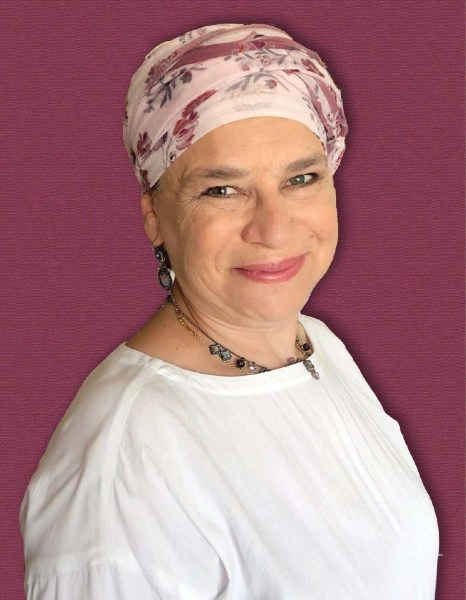
Leah Herzog
Leah Herzog

Givat Zev, Israel

Zevachim 39

וְהָתַנְיָא: דָּמִים הַטְּעוּנִין יְסוֹד – טְעוּנִין כִּיבּוּס, וּמַחְשָׁבָה מוֹעֶלֶת בָּהֶן, וְהַמַּעֲלֶה מֵהֶן בַּחוּץ חַיָּיב;

And this is as it is taught in a baraita: With regard to blood that requires the base of the altar, presumably a reference to the remainder of the blood of a sin offering, which must be poured on the base of the altar, it requires laundering; and improper intent is effective with regard to it, i.e., if the priest poured such blood with the intent to partake of the sacrificial meat beyond its designated time, the offering is piggul; and one who offers it up outside the Temple is liable.

וְדָמִים הַנִּשְׁפָּכִין לָאַמָּה – אֵין טְעוּנִין כִּיבּוּס, וְאֵין מַחְשָׁבָה מוֹעֶלֶת בָּהֶן, וְהַמַּעֲלֶה מֵהֶן בַּחוּץ פָּטוּר.

And conversely, with regard to blood that is poured into the Temple courtyard drain that passed through the Temple and emptied into the Kidron River, which is blood that has become disqualified, it does not require laundering, and improper intent is not effective with regard to it, and one who offers it up outside the Temple is exempt.

מַאן שָׁמְעַתְּ לֵיהּ דְּאָמַר מַעֲלֶה מֵהֶן בַּחוּץ חַיָּיב – רַבִּי נְחֶמְיָה הִיא; וְקָאָמַר: טָעוּן כִּיבּוּס.

The Gemara inquires: About whom did you learn that he said that one who offers up the remainder of the blood outside the Temple is liable? It is Rabbi Neḥemya who says this, and he states in this baraita that a garment that was sprayed with such blood requires laundering.

וּמַחְשָׁבָה מוֹעֶלֶת בָּהֶן?! וְהָתַנְיָא: יָצְאוּ שִׁירַיִם וְהַקְטָרַת אֵימוּרִין, שֶׁאֵין מְעַכְּבִין אֶת הַכַּפָּרָה – שֶׁאֵין מַחְשָׁבָה מוֹעֶלֶת בָּהֶן!

The Gemara asks: And is improper intent effective with regard to blood that must be poured on the base of the altar? But isn’t it taught in a baraita discussing the intent that renders an offering piggul: The possibility of piggul applies only with regard to a service that is indispensable for atonement. This serves to exclude pouring the remainder of the blood on the altar and burning the sacrificial portions on the altar, actions that are not indispensable for atonement, concerning which the halakha is that improper intent is not effective with regard to them.

כִּי תַּנְיָא הָהִיא – בְּשָׁלֹשׁ מַתָּנוֹת שֶׁבַּחַטָּאת.

Rather, when that baraita is taught, stating that blood that requires the base requires laundering, it is not referring to the remainder of the blood after the placements have been completed. Instead, it is referring to the blood that is to be used for the last three placements of the blood of a sin offering.

אִי הָכִי, טְעוּנִין יְסוֹד?! לְקֶרֶן אָזְלִי! אֵימָא: נִיטְעָנִין יְסוֹד. וּמַחְשָׁבָה מוֹעֶלֶת בָּהֶן?! הָאָמְרַתְּ: לָא שַׁרְיָא וְלָא מְפַגְּלָא וְלָא עָיְילָא לְגַוַּאי – כְּסוֹפָן!

The Gemara asks: If so, is it correct to describe this blood as requiring the base of the altar? After all, this blood goes to the corner of the altar, not the base. The Gemara answers: Say that this means: Blood that becomes required for the base, i.e., blood that in the end, after the placements are completed, will be poured on the base of the altar. The Gemara further asks: But is improper intent effective with regard to the blood of the last three placements of the blood of a sin offering? Didn’t you say that this blood does not render the offering permitted for eating, nor does it render the offering piggul, and it is not governed by the halakha that if the blood enters inside the Sanctuary the sin offering is disqualified? With regard to all these matters the blood of the last three placements is treated like the blood presented at the end, i.e., like the remainder of the blood of a sin offering.

אֶלָּא כִּי תַּנְיָא הָהִיא – בְּדָמִים הַפְּנִימִיִּם.

The Gemara explains: Rather, when that baraita is taught, stating that blood requiring the base requires laundering, and improper intent is effective with regard to it, and one who presents of it outside the Temple is liable, it is indeed referring to the remainder of the blood after the placements have been completed. It is stated not with regard to the remainder of the blood of a standard sin offering, but with regard to the remainder of the blood of inner sin offerings, which are brought on the inner altar located inside the Sanctuary.

אֲבָל בְּדָמִים הַחִיצוֹנִים מַאי, פָּטוּר?! אַדְּתָנֵי דָּמִים הַנִּשְׁפָּכִין לָאַמָּה; לִיפְלוֹג וְלִיתְנֵי בְּדִידַהּ: בַּמֶּה דְּבָרִים אֲמוּרִים – בְּדָמִים הַפְּנִימִיִּם, אֲבָל בְּדָמִים הַחִיצוֹנִים – פָּטוּר!

The Gemara asks: But if that is the case, with regard to the remainder of the blood of external sin offerings that are brought on the external altar, what is the halakha? Is one who presents them outside the Temple exempt? If so, rather than teaching the halakha of disqualified blood that is poured into the Temple courtyard drain, let the baraita distinguish and teach the halakha within the case of the remainder of the blood itself, in the following manner: In what case is this statement said? In a case of the blood of sin offerings brought on the inner altar. But in the case of the blood of sin offerings brought on the external altar, one who offers up such an offering outside the Temple is exempt.

הָא מַנִּי – רַבִּי נְחֶמְיָה הִיא, דְּאָמַר: שְׁיָרֵי הַדָּם שֶׁהִקְרִיבָן בַּחוּץ – חַיָּיב; וְלָא מַתְנֵי לֵיהּ תְּלָתָא פְּטוּרֵי לְבַהֲדֵי תְּלָתָא חִיּוּבֵי.

The Gemara answers: The baraita could not have made such a distinction, for in accordance with whose opinion is this ruling? It is in accordance with the opinion of Rabbi Neḥemya, who says: With regard to the remainder of the blood of a sin offering brought on the external altar, in a case where one presented it outside the Temple, he is liable. And therefore, were the tanna to contrast the halakha of the blood of sin offerings brought on the external altar with that of the blood of sin offerings brought on the inner altar, he would not have been able to teach three rulings of exemptions corresponding to three rulings of liabilities, as Rabbi Neḥemya maintains that even with regard to the remainder of the blood of a sin offering brought on the external altar, if one presents it outside the Temple he is liable. Therefore, the tanna preferred to compare the halakhot of the remainder of the blood of inner sin offerings to the disqualified blood that is poured into the Temple courtyard drain, so that he could list three lenient rulings alongside three stringent ones.

רָבִינָא אָמַר: מִן הַקֶּרֶן – מַמָּשׁ, מִן הַיְסוֹד – מִן הָרָאוּי לַיְסוֹד.

§ The Gemara returns to discuss the statement of Rav Pappa, that a garment sprayed by blood from the last three placements of the blood of a sin offering requires laundering, and to his proof from the mishna that states that if the blood of a sin offering sprayed onto a garment from the corner of the altar or from the base of the altar, the garment does not require laundering. Ravina says, in answer to the objection raised against Rav Pappa above, that according to Rav Pappa the mishna (93a) should be understood as follows: The term: From the corner, means from the corner, literally, after the blood was placed there, and therefore Rav Pappa could infer from this that blood that is fit to be placed on the corner, including the blood to be used for the last three sprinklings, requires laundering. But the term: From the base of the altar, does not mean from the base, literally. Rather, it means: From blood that is fit for the base of the altar, i.e., from the remainder of the blood, which is to be poured on the base.

אֲמַר לֵיהּ רַב תַּחְלִיפָא בַּר גַּזָּא לְרָבִינָא: אֵימָא אִידֵּי וְאִידֵּי רָאוּי הוּא! הַאי מַאי? הַשְׁתָּא רָאוּי לַקֶּרֶן – אָמְרַתְּ לָא; רָאוּי לַיְסוֹד מִיבַּעְיָא?! אֶלָּא מִן הַקֶּרֶן – מִן הַקֶּרֶן מַמָּשׁ, מִן הַיְסוֹד – מִן הָרָאוּי לַיְסוֹד.

Rav Taḥlifa bar Gazza said to Ravina: One can say a different explanation, that both this and that, i.e., the term: From the corner, and the term: From the base, are referring to blood that is fit for the corner or the base, in which case the mishna teaches that a garment sprayed by the blood that was to be used for the last three placements of a sin offering does not require laundering, contrary to the opinion of Rav Pappa. Ravina replied: What is this claim? Now that you say that blood which is fit for the corner does not require laundering, is it necessary to state that the same applies to blood that is merely fit for the base of the altar? That ruling would be unnecessary. Rather, it must be that the term: From the corner, means from the corner, literally, i.e., that the blood has already been placed there, whereas the term: From the base, means from blood that is fit for the base, i.e., from the remainder of the blood, which is to be poured on the base.

כׇּל הַנִּיתָּנִין עַל מִזְבֵּחַ הַפְּנִימִי כּוּ׳. תָּנוּ רַבָּנַן: ״וְעָשָׂה כַּאֲשֶׁר עָשָׂה״ – מָה בָּא לִלְמוֹד?

§ The mishna teaches: With regard to all the offerings whose blood is to be placed on the inner altar, which are the bull and goat of Yom Kippur, the bull for an unwitting sin of the anointed priest, the bull for an unwitting communal sin, and the goat for an unwitting communal sin of idol worship, if the priest omitted even one of the placements, it is as though he did not facilitate atonement. The Sages taught in a baraita: The Torah first discusses the bull for an unwitting sin of the anointed priest and afterward the bull for an unwitting communal sin, concerning which it states: “And he shall do with the bull, as he did with the bull for a sin offering” (Leviticus 4:20). It may be asked: This phrase: “And he shall do…as he did,” what does this come to teach? All the details stated with regard to the first bull, i.e., that of the anointed priest, seem to be stated explicitly with regard to the second bull as well.

לִכְפּוֹל בְּהַזָּאָתוֹ; וְלָמַד שֶׁאִם חִיסַּר אַחַת מִכׇּל הַמַּתָּנוֹת – לֹא עָשָׂה וְלֹא כְּלוּם. אֵין לִי אֶלָּא מַתַּן שֶׁבַע, שֶׁמְּעַכְּבוֹת בְּכׇל מָקוֹם; מַתַּן אַרְבַּע מִנַּיִין? תַּלְמוּד לוֹמַר: ״כֵּן יַעֲשֶׂה״.

Rather, the verse comes to repeat the halakha of the sprinkling of the blood, as though it were written twice with regard to the same bull. This repetition of the halakha indicates that the sprinkling is indispensable, thereby teaching that if the priest omitted one of the placements he has done nothing. I have a derivation only with regard to the seven placements on the Curtain separating between the Sanctuary and Holy of Holies, that they are indispensable, as these seven are indispensable in all cases, as the Gemara will explain (40a). From where is it derived that the same applies to the four placements on the inner altar? The verse states: “So shall he do” (Leviticus 4:20).

״לַפָּר״ – זֶה פַּר יוֹם הַכִּפּוּרִים,

The baraita continues: The verse states: “And he shall do with the bull” (Leviticus 4:20); this alludes to a different bull whose service is similar, namely the bull of Yom Kippur.

״כַּאֲשֶׁר עָשָׂה לְפַר״ – זֶה פַּר כֹּהֵן מָשִׁיחַ. ״הַחַטָּאת״ – אֵלּוּ שְׂעִירֵי עֲבוֹדָה זָרָה. יָכוֹל שֶׁאֲנִי מְרַבֶּה אַף שְׂעִירֵי הָרְגָלִים וּשְׂעִירֵי רָאשֵׁי חֳדָשִׁים? תַּלְמוּד לוֹמַר: ״לוֹ״.

“As he did with the bull” (Leviticus 4:20); this is a reference to the bull for an unwitting sin of the anointed priest, teaching that all of the sprinklings of the blood of this bull are also indispensable. “A sin offering”; these are the goats for an unwitting communal sin of idol worship, teaching that they are offered in the same manner as the bull for an unwitting communal sin, their blood being sprinkled in the Sanctuary and their flesh burned. One might have thought that I should include also the goats of the Festivals and the goats sacrificed on the New Moons, which are communal offerings as well, i.e., that their service should be performed inside the Sanctuary like that of the bull for an unwitting communal sin. Therefore, the verse states: “So shall he do with this” (Leviticus 4:20), which indicates that this service is performed only with this animal and not with the goats of the Festivals or the goats of the New Moons.

וּמָה רָאִיתָ לְרַבּוֹת אֶת אֵלּוּ וּלְהוֹצִיא אֶת אֵלּוּ? אַחַר שֶׁרִיבָּה הַכָּתוּב וּמִיעֵט, מְרַבֶּה אֲנִי אֶת אֵלּוּ שֶׁמְּכַפְּרִין עַל עֲבֵירַת מִצְוָה יְדוּעָה, וּמוֹצִיא אֲנִי אֵלּוּ שֶׁאֵין מְכַפְּרִין עַל עֲבֵירַת מִצְוָה יְדוּעָה.

The Gemara asks: And what did you see to include these goats for an unwitting communal sin of idol worship and to exclude those goats sacrificed on the Festivals and the New Moons? The Gemara answers: After noting that the verse included some offerings and excluded others, one can say: I include these goats for an unwitting communal sin of idol worship, as they atone for the known transgression of a mitzva, i.e., idol worship, and therefore they are similar to the bull for an unwitting communal sin, which is brought for an erroneous ruling of the Sanhedrin with regard to a specific mitzva. And I exclude those goats sacrificed on the Festivals and the New Moons, as they do not atone for the known transgression of a mitzva, but rather they atone for the unwitting defilement of the Temple or its sacrificial foods.

״וְכִפֶּר״ – אַף עַל פִּי שֶׁלֹּא סָמַךְ. ״וְנִסְלַח״ – אַף עַל פִּי שֶׁלֹּא נָתַן שִׁירַיִם.

The baraita resumes its interpretation of the verse. “And the priest shall make atonement”; this teaches that atonement is achieved even if the Elders did not place their hands on the head of the bull as they are commanded to do (see Leviticus 4:15). “And they shall be forgiven”; this teaches that atonement is achieved even if the priest did not place the remainder of the blood on the base of the altar, as is required (see Leviticus 4:7).

וּמָה רָאִיתָ לִפְסוֹל בְּהַזָּאוֹת, וּלְהַכְשִׁיר בִּסְמִיכָה וְשִׁירַיִם?

The Gemara again asks: And as the verse does not specify which aspects of the service are included and which are excluded, what did you see to disqualify the offering in the case of the seven sprinklings; how did you derive that the phrase “And he shall do…as he did” teaches that the seven sprinklings are indispensable? And what did you see to render the offering fit in the absence of placing hands on the head of the offering and pouring out the remainder of the blood on the base of the altar, based on the words “And the priest shall make atonement…and they shall be forgiven”?

אָמַרְתָּ: פּוֹסֵל [אֲנִי] בְּהַזָּאוֹת – שֶׁמְּעַכְּבוֹת בְּכׇל מָקוֹם, וּמַכְשִׁיר אֲנִי בִּסְמִיכָה וְשִׁירַיִם – שֶׁאֵין מְעַכְּבוֹת בְּכׇל מָקוֹם.

The Gemara answers: You should say the following logical argument: I disqualify the offering in the absence of the seven sprinklings, as these seven sprinklings are indispensable in all cases, as will be explained (40a), and I render the offering fit in the absence of placing hands on the head of the offering and in the absence of the pouring of the remainder of the blood onto the base of the altar, as these are not indispensable in all cases, and therefore it is reasonable to conclude that they are not indispensable here either.

Want to follow content and continue where you left off?

Create an account today to track your progress, mark what you’ve learned, and follow the shiurim that speak to you.

Clear all items from this list?

This will remove ALL the items in this section. You will lose any progress or history connected to them. This is irreversible.

Cancel
Yes, clear all

Are you sure you want to delete this item?

You will lose any progress or history connected to this item.

Cancel
Yes, delete