








Zevachim 39

Share this shiur:
Want to dedicate learning? Get started here:
Zevachim 39
וְהָתַנְיָא: דָּמִים הַטְּעוּנִין יְסוֹד – טְעוּנִין כִּיבּוּס, וּמַחְשָׁבָה מוֹעֶלֶת בָּהֶן, וְהַמַּעֲלֶה מֵהֶן בַּחוּץ חַיָּיב;
And this is as it is taught in a baraita: With regard to blood that requires the base of the altar, presumably a reference to the remainder of the blood of a sin offering, which must be poured on the base of the altar, it requires laundering; and improper intent is effective with regard to it, i.e., if the priest poured such blood with the intent to partake of the sacrificial meat beyond its designated time, the offering is piggul; and one who offers it up outside the Temple is liable.
וְדָמִים הַנִּשְׁפָּכִין לָאַמָּה – אֵין טְעוּנִין כִּיבּוּס, וְאֵין מַחְשָׁבָה מוֹעֶלֶת בָּהֶן, וְהַמַּעֲלֶה מֵהֶן בַּחוּץ פָּטוּר.
And conversely, with regard to blood that is poured into the Temple courtyard drain that passed through the Temple and emptied into the Kidron River, which is blood that has become disqualified, it does not require laundering, and improper intent is not effective with regard to it, and one who offers it up outside the Temple is exempt.
מַאן שָׁמְעַתְּ לֵיהּ דְּאָמַר מַעֲלֶה מֵהֶן בַּחוּץ חַיָּיב – רַבִּי נְחֶמְיָה הִיא; וְקָאָמַר: טָעוּן כִּיבּוּס.
The Gemara inquires: About whom did you learn that he said that one who offers up the remainder of the blood outside the Temple is liable? It is Rabbi Neḥemya who says this, and he states in this baraita that a garment that was sprayed with such blood requires laundering.
וּמַחְשָׁבָה מוֹעֶלֶת בָּהֶן?! וְהָתַנְיָא: יָצְאוּ שִׁירַיִם וְהַקְטָרַת אֵימוּרִין, שֶׁאֵין מְעַכְּבִין אֶת הַכַּפָּרָה – שֶׁאֵין מַחְשָׁבָה מוֹעֶלֶת בָּהֶן!
The Gemara asks: And is improper intent effective with regard to blood that must be poured on the base of the altar? But isn’t it taught in a baraita discussing the intent that renders an offering piggul: The possibility of piggul applies only with regard to a service that is indispensable for atonement. This serves to exclude pouring the remainder of the blood on the altar and burning the sacrificial portions on the altar, actions that are not indispensable for atonement, concerning which the halakha is that improper intent is not effective with regard to them.
כִּי תַּנְיָא הָהִיא – בְּשָׁלֹשׁ מַתָּנוֹת שֶׁבַּחַטָּאת.
Rather, when that baraita is taught, stating that blood that requires the base requires laundering, it is not referring to the remainder of the blood after the placements have been completed. Instead, it is referring to the blood that is to be used for the last three placements of the blood of a sin offering.
אִי הָכִי, טְעוּנִין יְסוֹד?! לְקֶרֶן אָזְלִי! אֵימָא: נִיטְעָנִין יְסוֹד. וּמַחְשָׁבָה מוֹעֶלֶת בָּהֶן?! הָאָמְרַתְּ: לָא שַׁרְיָא וְלָא מְפַגְּלָא וְלָא עָיְילָא לְגַוַּאי – כְּסוֹפָן!
The Gemara asks: If so, is it correct to describe this blood as requiring the base of the altar? After all, this blood goes to the corner of the altar, not the base. The Gemara answers: Say that this means: Blood that becomes required for the base, i.e., blood that in the end, after the placements are completed, will be poured on the base of the altar. The Gemara further asks: But is improper intent effective with regard to the blood of the last three placements of the blood of a sin offering? Didn’t you say that this blood does not render the offering permitted for eating, nor does it render the offering piggul, and it is not governed by the halakha that if the blood enters inside the Sanctuary the sin offering is disqualified? With regard to all these matters the blood of the last three placements is treated like the blood presented at the end, i.e., like the remainder of the blood of a sin offering.
אֶלָּא כִּי תַּנְיָא הָהִיא – בְּדָמִים הַפְּנִימִיִּם.
The Gemara explains: Rather, when that baraita is taught, stating that blood requiring the base requires laundering, and improper intent is effective with regard to it, and one who presents of it outside the Temple is liable, it is indeed referring to the remainder of the blood after the placements have been completed. It is stated not with regard to the remainder of the blood of a standard sin offering, but with regard to the remainder of the blood of inner sin offerings, which are brought on the inner altar located inside the Sanctuary.
אֲבָל בְּדָמִים הַחִיצוֹנִים מַאי, פָּטוּר?! אַדְּתָנֵי דָּמִים הַנִּשְׁפָּכִין לָאַמָּה; לִיפְלוֹג וְלִיתְנֵי בְּדִידַהּ: בַּמֶּה דְּבָרִים אֲמוּרִים – בְּדָמִים הַפְּנִימִיִּם, אֲבָל בְּדָמִים הַחִיצוֹנִים – פָּטוּר!
The Gemara asks: But if that is the case, with regard to the remainder of the blood of external sin offerings that are brought on the external altar, what is the halakha? Is one who presents them outside the Temple exempt? If so, rather than teaching the halakha of disqualified blood that is poured into the Temple courtyard drain, let the baraita distinguish and teach the halakha within the case of the remainder of the blood itself, in the following manner: In what case is this statement said? In a case of the blood of sin offerings brought on the inner altar. But in the case of the blood of sin offerings brought on the external altar, one who offers up such an offering outside the Temple is exempt.
הָא מַנִּי – רַבִּי נְחֶמְיָה הִיא, דְּאָמַר: שְׁיָרֵי הַדָּם שֶׁהִקְרִיבָן בַּחוּץ – חַיָּיב; וְלָא מַתְנֵי לֵיהּ תְּלָתָא פְּטוּרֵי לְבַהֲדֵי תְּלָתָא חִיּוּבֵי.
The Gemara answers: The baraita could not have made such a distinction, for in accordance with whose opinion is this ruling? It is in accordance with the opinion of Rabbi Neḥemya, who says: With regard to the remainder of the blood of a sin offering brought on the external altar, in a case where one presented it outside the Temple, he is liable. And therefore, were the tanna to contrast the halakha of the blood of sin offerings brought on the external altar with that of the blood of sin offerings brought on the inner altar, he would not have been able to teach three rulings of exemptions corresponding to three rulings of liabilities, as Rabbi Neḥemya maintains that even with regard to the remainder of the blood of a sin offering brought on the external altar, if one presents it outside the Temple he is liable. Therefore, the tanna preferred to compare the halakhot of the remainder of the blood of inner sin offerings to the disqualified blood that is poured into the Temple courtyard drain, so that he could list three lenient rulings alongside three stringent ones.
רָבִינָא אָמַר: מִן הַקֶּרֶן – מַמָּשׁ, מִן הַיְסוֹד – מִן הָרָאוּי לַיְסוֹד.
§ The Gemara returns to discuss the statement of Rav Pappa, that a garment sprayed by blood from the last three placements of the blood of a sin offering requires laundering, and to his proof from the mishna that states that if the blood of a sin offering sprayed onto a garment from the corner of the altar or from the base of the altar, the garment does not require laundering. Ravina says, in answer to the objection raised against Rav Pappa above, that according to Rav Pappa the mishna (93a) should be understood as follows: The term: From the corner, means from the corner, literally, after the blood was placed there, and therefore Rav Pappa could infer from this that blood that is fit to be placed on the corner, including the blood to be used for the last three sprinklings, requires laundering. But the term: From the base of the altar, does not mean from the base, literally. Rather, it means: From blood that is fit for the base of the altar, i.e., from the remainder of the blood, which is to be poured on the base.
אֲמַר לֵיהּ רַב תַּחְלִיפָא בַּר גַּזָּא לְרָבִינָא: אֵימָא אִידֵּי וְאִידֵּי רָאוּי הוּא! הַאי מַאי? הַשְׁתָּא רָאוּי לַקֶּרֶן – אָמְרַתְּ לָא; רָאוּי לַיְסוֹד מִיבַּעְיָא?! אֶלָּא מִן הַקֶּרֶן – מִן הַקֶּרֶן מַמָּשׁ, מִן הַיְסוֹד – מִן הָרָאוּי לַיְסוֹד.
Rav Taḥlifa bar Gazza said to Ravina: One can say a different explanation, that both this and that, i.e., the term: From the corner, and the term: From the base, are referring to blood that is fit for the corner or the base, in which case the mishna teaches that a garment sprayed by the blood that was to be used for the last three placements of a sin offering does not require laundering, contrary to the opinion of Rav Pappa. Ravina replied: What is this claim? Now that you say that blood which is fit for the corner does not require laundering, is it necessary to state that the same applies to blood that is merely fit for the base of the altar? That ruling would be unnecessary. Rather, it must be that the term: From the corner, means from the corner, literally, i.e., that the blood has already been placed there, whereas the term: From the base, means from blood that is fit for the base, i.e., from the remainder of the blood, which is to be poured on the base.
כׇּל הַנִּיתָּנִין עַל מִזְבֵּחַ הַפְּנִימִי כּוּ׳. תָּנוּ רַבָּנַן: ״וְעָשָׂה כַּאֲשֶׁר עָשָׂה״ – מָה בָּא לִלְמוֹד?
§ The mishna teaches: With regard to all the offerings whose blood is to be placed on the inner altar, which are the bull and goat of Yom Kippur, the bull for an unwitting sin of the anointed priest, the bull for an unwitting communal sin, and the goat for an unwitting communal sin of idol worship, if the priest omitted even one of the placements, it is as though he did not facilitate atonement. The Sages taught in a baraita: The Torah first discusses the bull for an unwitting sin of the anointed priest and afterward the bull for an unwitting communal sin, concerning which it states: “And he shall do with the bull, as he did with the bull for a sin offering” (Leviticus 4:20). It may be asked: This phrase: “And he shall do…as he did,” what does this come to teach? All the details stated with regard to the first bull, i.e., that of the anointed priest, seem to be stated explicitly with regard to the second bull as well.
לִכְפּוֹל בְּהַזָּאָתוֹ; וְלָמַד שֶׁאִם חִיסַּר אַחַת מִכׇּל הַמַּתָּנוֹת – לֹא עָשָׂה וְלֹא כְּלוּם. אֵין לִי אֶלָּא מַתַּן שֶׁבַע, שֶׁמְּעַכְּבוֹת בְּכׇל מָקוֹם; מַתַּן אַרְבַּע מִנַּיִין? תַּלְמוּד לוֹמַר: ״כֵּן יַעֲשֶׂה״.
Rather, the verse comes to repeat the halakha of the sprinkling of the blood, as though it were written twice with regard to the same bull. This repetition of the halakha indicates that the sprinkling is indispensable, thereby teaching that if the priest omitted one of the placements he has done nothing. I have a derivation only with regard to the seven placements on the Curtain separating between the Sanctuary and Holy of Holies, that they are indispensable, as these seven are indispensable in all cases, as the Gemara will explain (40a). From where is it derived that the same applies to the four placements on the inner altar? The verse states: “So shall he do” (Leviticus 4:20).
״לַפָּר״ – זֶה פַּר יוֹם הַכִּפּוּרִים,
The baraita continues: The verse states: “And he shall do with the bull” (Leviticus 4:20); this alludes to a different bull whose service is similar, namely the bull of Yom Kippur.
״כַּאֲשֶׁר עָשָׂה לְפַר״ – זֶה פַּר כֹּהֵן מָשִׁיחַ. ״הַחַטָּאת״ – אֵלּוּ שְׂעִירֵי עֲבוֹדָה זָרָה. יָכוֹל שֶׁאֲנִי מְרַבֶּה אַף שְׂעִירֵי הָרְגָלִים וּשְׂעִירֵי רָאשֵׁי חֳדָשִׁים? תַּלְמוּד לוֹמַר: ״לוֹ״.
“As he did with the bull” (Leviticus 4:20); this is a reference to the bull for an unwitting sin of the anointed priest, teaching that all of the sprinklings of the blood of this bull are also indispensable. “A sin offering”; these are the goats for an unwitting communal sin of idol worship, teaching that they are offered in the same manner as the bull for an unwitting communal sin, their blood being sprinkled in the Sanctuary and their flesh burned. One might have thought that I should include also the goats of the Festivals and the goats sacrificed on the New Moons, which are communal offerings as well, i.e., that their service should be performed inside the Sanctuary like that of the bull for an unwitting communal sin. Therefore, the verse states: “So shall he do with this” (Leviticus 4:20), which indicates that this service is performed only with this animal and not with the goats of the Festivals or the goats of the New Moons.
וּמָה רָאִיתָ לְרַבּוֹת אֶת אֵלּוּ וּלְהוֹצִיא אֶת אֵלּוּ? אַחַר שֶׁרִיבָּה הַכָּתוּב וּמִיעֵט, מְרַבֶּה אֲנִי אֶת אֵלּוּ שֶׁמְּכַפְּרִין עַל עֲבֵירַת מִצְוָה יְדוּעָה, וּמוֹצִיא אֲנִי אֵלּוּ שֶׁאֵין מְכַפְּרִין עַל עֲבֵירַת מִצְוָה יְדוּעָה.
The Gemara asks: And what did you see to include these goats for an unwitting communal sin of idol worship and to exclude those goats sacrificed on the Festivals and the New Moons? The Gemara answers: After noting that the verse included some offerings and excluded others, one can say: I include these goats for an unwitting communal sin of idol worship, as they atone for the known transgression of a mitzva, i.e., idol worship, and therefore they are similar to the bull for an unwitting communal sin, which is brought for an erroneous ruling of the Sanhedrin with regard to a specific mitzva. And I exclude those goats sacrificed on the Festivals and the New Moons, as they do not atone for the known transgression of a mitzva, but rather they atone for the unwitting defilement of the Temple or its sacrificial foods.
״וְכִפֶּר״ – אַף עַל פִּי שֶׁלֹּא סָמַךְ. ״וְנִסְלַח״ – אַף עַל פִּי שֶׁלֹּא נָתַן שִׁירַיִם.
The baraita resumes its interpretation of the verse. “And the priest shall make atonement”; this teaches that atonement is achieved even if the Elders did not place their hands on the head of the bull as they are commanded to do (see Leviticus 4:15). “And they shall be forgiven”; this teaches that atonement is achieved even if the priest did not place the remainder of the blood on the base of the altar, as is required (see Leviticus 4:7).
וּמָה רָאִיתָ לִפְסוֹל בְּהַזָּאוֹת, וּלְהַכְשִׁיר בִּסְמִיכָה וְשִׁירַיִם?
The Gemara again asks: And as the verse does not specify which aspects of the service are included and which are excluded, what did you see to disqualify the offering in the case of the seven sprinklings; how did you derive that the phrase “And he shall do…as he did” teaches that the seven sprinklings are indispensable? And what did you see to render the offering fit in the absence of placing hands on the head of the offering and pouring out the remainder of the blood on the base of the altar, based on the words “And the priest shall make atonement…and they shall be forgiven”?
אָמַרְתָּ: פּוֹסֵל [אֲנִי] בְּהַזָּאוֹת – שֶׁמְּעַכְּבוֹת בְּכׇל מָקוֹם, וּמַכְשִׁיר אֲנִי בִּסְמִיכָה וְשִׁירַיִם – שֶׁאֵין מְעַכְּבוֹת בְּכׇל מָקוֹם.
The Gemara answers: You should say the following logical argument: I disqualify the offering in the absence of the seven sprinklings, as these seven sprinklings are indispensable in all cases, as will be explained (40a), and I render the offering fit in the absence of placing hands on the head of the offering and in the absence of the pouring of the remainder of the blood onto the base of the altar, as these are not indispensable in all cases, and therefore it is reasonable to conclude that they are not indispensable here either.

New to Talmud?
Check out our resources designed to help you navigate a page of Talmud – and study at the pace, level and style that fits you.
The Hadran Women’s Tapestry
Meet the diverse women learning Gemara at Hadran and hear their stories.
In my Shana bet at Migdal Oz I attended the Hadran siyum hash”as. Witnessing so many women so passionate about their Torah learning and connection to God, I knew I had to begin with the coming cycle. My wedding (June 24) was two weeks before the siyum of mesechet yoma so I went a little ahead and was able to make a speech and siyum at my kiseh kallah on my wedding day!

Givat Shmuel, Israel
I started learning after the siyum hashas for women and my daily learning has been a constant over the last two years. It grounded me during the chaos of Corona while providing me with a community of fellow learners. The Daf can be challenging but it’s filled with life’s lessons, struggles and hope for a better world. It’s not about the destination but rather about the journey. Thank you Hadran!

אפרת, Israel
A Gemara shiur previous to the Hadran Siyum, was the impetus to attend it.It was highly inspirational and I was smitten. The message for me was התלמוד בידינו. I had decided along with my Chahsmonaim group to to do the daf and take it one daf at time- without any expectations at all. There has been a wealth of information, insights and halachik ideas. It is truly exercise of the mind, heart & Soul
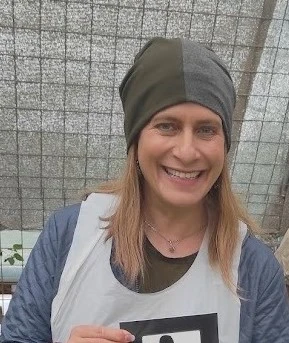
Hashmonaim, Israel
I had tried to start after being inspired by the hadran siyum, but did not manage to stick to it. However, just before masechet taanit, our rav wrote a message to the shul WhatsApp encouraging people to start with masechet taanit, so I did! And this time, I’m hooked! I listen to the shiur every day , and am also trying to improve my skills.

Yad Binyamin, Israel
I started my Daf Yomi journey at the beginning of the COVID19 pandemic.

Los Angeles, United States

Berlin, Germany

Los Angeles, United States
Studying has changed my life view on הלכה and יהדות and time. It has taught me bonudaries of the human nature and honesty of our sages in their discourse to try and build a nation of caring people .

Kfar Saba, Israel
I’ve been wanting to do Daf Yomi for years, but always wanted to start at the beginning and not in the middle of things. When the opportunity came in 2020, I decided: “this is now the time!” I’ve been posting my journey daily on social media, tracking my progress (#DafYomi); now it’s fully integrated into my daily routines. I’ve also inspired my partner to join, too!

Teaneck, United States
Geri Goldstein got me started learning daf yomi when I was in Israel 2 years ago. It’s been a challenge and I’ve learned a lot though I’m sure I miss a lot. I quilt as I listen and I want to share what I’ve been working on.

Ottawa, Canada

Tel Aviv, Israel
I’ve been learning since January 2020, and in June I started drawing a phrase from each daf. Sometimes it’s easy (e.g. plants), sometimes it’s very hard (e.g. korbanot), and sometimes it’s loads of fun (e.g. bird racing) to find something to draw. I upload my pictures from each masechet to #DafYomiArt. I am enjoying every step of the journey.

Ashdod, Israel

Phoenix, AZ, United States
In January 2020, my teaching partner at IDC suggested we do daf yomi. Thanks to her challenge, I started learning daily from Rabbanit Michelle. It’s a joy to be part of the Hadran community. (It’s also a tikkun: in 7th grade, my best friend and I tied for first place in a citywide gemara exam, but we weren’t invited to the celebration because girls weren’t supposed to be learning gemara).

Jerusalem, Israel
Margo
I started my Talmud journey in 7th grade at Akiba Jewish Day School in Chicago. I started my Daf Yomi journey after hearing Erica Brown speak at the Hadran Siyum about marking the passage of time through Daf Yomi.
Carolyn
I started my Talmud journey post-college in NY with a few classes. I started my Daf Yomi journey after the Hadran Siyum, which inspired both my son and myself.
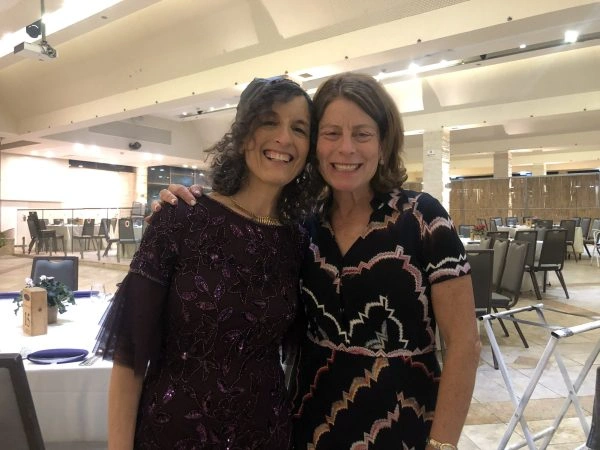
Merion Station, USA
Beit Shemesh, Israel
Los Angeles, United States
I started my Daf Yomi journey at the beginning of the COVID19 pandemic.
Los Angeles, United States
I attended the Siyum so that I could tell my granddaughter that I had been there. Then I decided to listen on Spotify and after the siyum of Brachot, Covid and zoom began. It gave structure to my day. I learn with people from all over the world who are now my friends – yet most of us have never met. I can’t imagine life without it. Thank you Rabbanit Michelle.
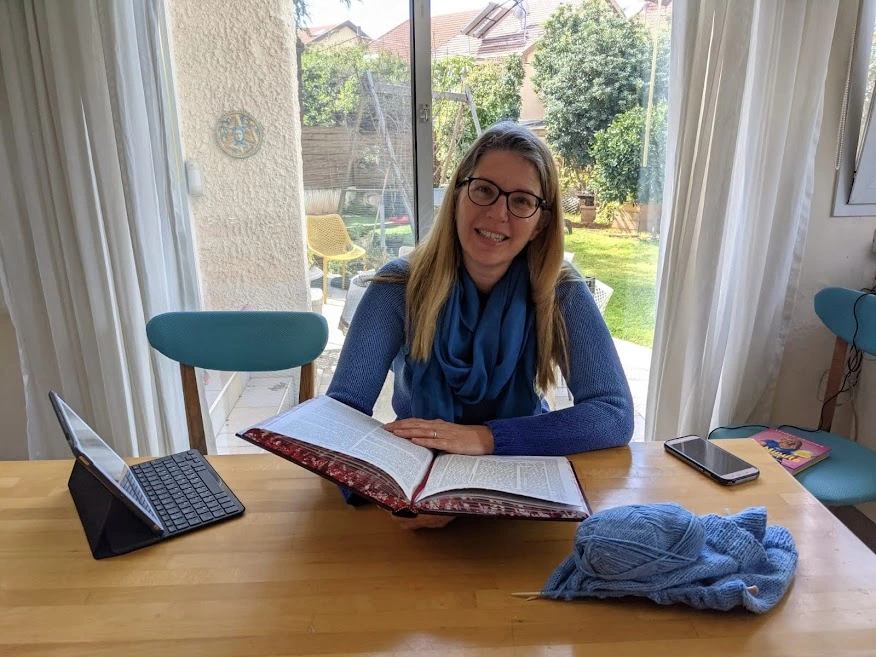
Raanana, Israel
When I was working and taking care of my children, learning was never on the list. Now that I have more time I have two different Gemora classes and the nach yomi as well as the mishna yomi daily.
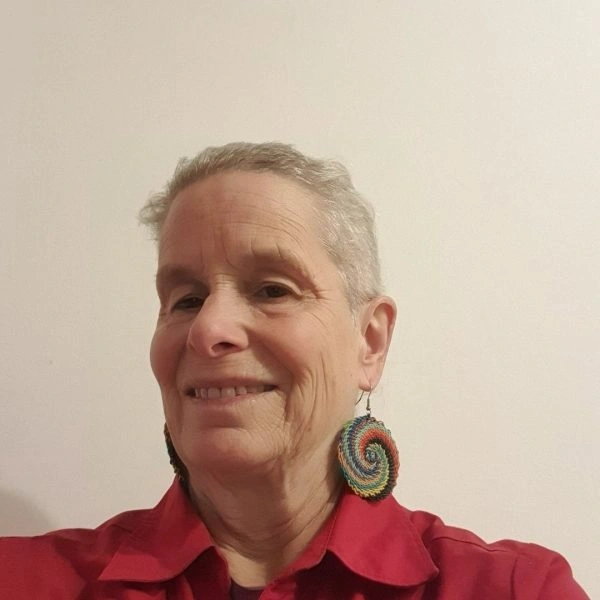
Jerusalem, Israel
I had dreamed of doing daf yomi since I had my first serious Talmud class 18 years ago at Pardes with Rahel Berkovitz, and then a couple of summers with Leah Rosenthal. There is no way I would be able to do it without another wonderful teacher, Michelle, and the Hadran organization. I wake up and am excited to start each day with the next daf.

Irvine, United States
Zevachim 39
וְהָתַנְיָא: דָּמִים הַטְּעוּנִין יְסוֹד – טְעוּנִין כִּיבּוּס, וּמַחְשָׁבָה מוֹעֶלֶת בָּהֶן, וְהַמַּעֲלֶה מֵהֶן בַּחוּץ חַיָּיב;
And this is as it is taught in a baraita: With regard to blood that requires the base of the altar, presumably a reference to the remainder of the blood of a sin offering, which must be poured on the base of the altar, it requires laundering; and improper intent is effective with regard to it, i.e., if the priest poured such blood with the intent to partake of the sacrificial meat beyond its designated time, the offering is piggul; and one who offers it up outside the Temple is liable.
וְדָמִים הַנִּשְׁפָּכִין לָאַמָּה – אֵין טְעוּנִין כִּיבּוּס, וְאֵין מַחְשָׁבָה מוֹעֶלֶת בָּהֶן, וְהַמַּעֲלֶה מֵהֶן בַּחוּץ פָּטוּר.
And conversely, with regard to blood that is poured into the Temple courtyard drain that passed through the Temple and emptied into the Kidron River, which is blood that has become disqualified, it does not require laundering, and improper intent is not effective with regard to it, and one who offers it up outside the Temple is exempt.
מַאן שָׁמְעַתְּ לֵיהּ דְּאָמַר מַעֲלֶה מֵהֶן בַּחוּץ חַיָּיב – רַבִּי נְחֶמְיָה הִיא; וְקָאָמַר: טָעוּן כִּיבּוּס.
The Gemara inquires: About whom did you learn that he said that one who offers up the remainder of the blood outside the Temple is liable? It is Rabbi Neḥemya who says this, and he states in this baraita that a garment that was sprayed with such blood requires laundering.
וּמַחְשָׁבָה מוֹעֶלֶת בָּהֶן?! וְהָתַנְיָא: יָצְאוּ שִׁירַיִם וְהַקְטָרַת אֵימוּרִין, שֶׁאֵין מְעַכְּבִין אֶת הַכַּפָּרָה – שֶׁאֵין מַחְשָׁבָה מוֹעֶלֶת בָּהֶן!
The Gemara asks: And is improper intent effective with regard to blood that must be poured on the base of the altar? But isn’t it taught in a baraita discussing the intent that renders an offering piggul: The possibility of piggul applies only with regard to a service that is indispensable for atonement. This serves to exclude pouring the remainder of the blood on the altar and burning the sacrificial portions on the altar, actions that are not indispensable for atonement, concerning which the halakha is that improper intent is not effective with regard to them.
כִּי תַּנְיָא הָהִיא – בְּשָׁלֹשׁ מַתָּנוֹת שֶׁבַּחַטָּאת.
Rather, when that baraita is taught, stating that blood that requires the base requires laundering, it is not referring to the remainder of the blood after the placements have been completed. Instead, it is referring to the blood that is to be used for the last three placements of the blood of a sin offering.
אִי הָכִי, טְעוּנִין יְסוֹד?! לְקֶרֶן אָזְלִי! אֵימָא: נִיטְעָנִין יְסוֹד. וּמַחְשָׁבָה מוֹעֶלֶת בָּהֶן?! הָאָמְרַתְּ: לָא שַׁרְיָא וְלָא מְפַגְּלָא וְלָא עָיְילָא לְגַוַּאי – כְּסוֹפָן!
The Gemara asks: If so, is it correct to describe this blood as requiring the base of the altar? After all, this blood goes to the corner of the altar, not the base. The Gemara answers: Say that this means: Blood that becomes required for the base, i.e., blood that in the end, after the placements are completed, will be poured on the base of the altar. The Gemara further asks: But is improper intent effective with regard to the blood of the last three placements of the blood of a sin offering? Didn’t you say that this blood does not render the offering permitted for eating, nor does it render the offering piggul, and it is not governed by the halakha that if the blood enters inside the Sanctuary the sin offering is disqualified? With regard to all these matters the blood of the last three placements is treated like the blood presented at the end, i.e., like the remainder of the blood of a sin offering.
אֶלָּא כִּי תַּנְיָא הָהִיא – בְּדָמִים הַפְּנִימִיִּם.
The Gemara explains: Rather, when that baraita is taught, stating that blood requiring the base requires laundering, and improper intent is effective with regard to it, and one who presents of it outside the Temple is liable, it is indeed referring to the remainder of the blood after the placements have been completed. It is stated not with regard to the remainder of the blood of a standard sin offering, but with regard to the remainder of the blood of inner sin offerings, which are brought on the inner altar located inside the Sanctuary.
אֲבָל בְּדָמִים הַחִיצוֹנִים מַאי, פָּטוּר?! אַדְּתָנֵי דָּמִים הַנִּשְׁפָּכִין לָאַמָּה; לִיפְלוֹג וְלִיתְנֵי בְּדִידַהּ: בַּמֶּה דְּבָרִים אֲמוּרִים – בְּדָמִים הַפְּנִימִיִּם, אֲבָל בְּדָמִים הַחִיצוֹנִים – פָּטוּר!
The Gemara asks: But if that is the case, with regard to the remainder of the blood of external sin offerings that are brought on the external altar, what is the halakha? Is one who presents them outside the Temple exempt? If so, rather than teaching the halakha of disqualified blood that is poured into the Temple courtyard drain, let the baraita distinguish and teach the halakha within the case of the remainder of the blood itself, in the following manner: In what case is this statement said? In a case of the blood of sin offerings brought on the inner altar. But in the case of the blood of sin offerings brought on the external altar, one who offers up such an offering outside the Temple is exempt.
הָא מַנִּי – רַבִּי נְחֶמְיָה הִיא, דְּאָמַר: שְׁיָרֵי הַדָּם שֶׁהִקְרִיבָן בַּחוּץ – חַיָּיב; וְלָא מַתְנֵי לֵיהּ תְּלָתָא פְּטוּרֵי לְבַהֲדֵי תְּלָתָא חִיּוּבֵי.
The Gemara answers: The baraita could not have made such a distinction, for in accordance with whose opinion is this ruling? It is in accordance with the opinion of Rabbi Neḥemya, who says: With regard to the remainder of the blood of a sin offering brought on the external altar, in a case where one presented it outside the Temple, he is liable. And therefore, were the tanna to contrast the halakha of the blood of sin offerings brought on the external altar with that of the blood of sin offerings brought on the inner altar, he would not have been able to teach three rulings of exemptions corresponding to three rulings of liabilities, as Rabbi Neḥemya maintains that even with regard to the remainder of the blood of a sin offering brought on the external altar, if one presents it outside the Temple he is liable. Therefore, the tanna preferred to compare the halakhot of the remainder of the blood of inner sin offerings to the disqualified blood that is poured into the Temple courtyard drain, so that he could list three lenient rulings alongside three stringent ones.
רָבִינָא אָמַר: מִן הַקֶּרֶן – מַמָּשׁ, מִן הַיְסוֹד – מִן הָרָאוּי לַיְסוֹד.
§ The Gemara returns to discuss the statement of Rav Pappa, that a garment sprayed by blood from the last three placements of the blood of a sin offering requires laundering, and to his proof from the mishna that states that if the blood of a sin offering sprayed onto a garment from the corner of the altar or from the base of the altar, the garment does not require laundering. Ravina says, in answer to the objection raised against Rav Pappa above, that according to Rav Pappa the mishna (93a) should be understood as follows: The term: From the corner, means from the corner, literally, after the blood was placed there, and therefore Rav Pappa could infer from this that blood that is fit to be placed on the corner, including the blood to be used for the last three sprinklings, requires laundering. But the term: From the base of the altar, does not mean from the base, literally. Rather, it means: From blood that is fit for the base of the altar, i.e., from the remainder of the blood, which is to be poured on the base.
אֲמַר לֵיהּ רַב תַּחְלִיפָא בַּר גַּזָּא לְרָבִינָא: אֵימָא אִידֵּי וְאִידֵּי רָאוּי הוּא! הַאי מַאי? הַשְׁתָּא רָאוּי לַקֶּרֶן – אָמְרַתְּ לָא; רָאוּי לַיְסוֹד מִיבַּעְיָא?! אֶלָּא מִן הַקֶּרֶן – מִן הַקֶּרֶן מַמָּשׁ, מִן הַיְסוֹד – מִן הָרָאוּי לַיְסוֹד.
Rav Taḥlifa bar Gazza said to Ravina: One can say a different explanation, that both this and that, i.e., the term: From the corner, and the term: From the base, are referring to blood that is fit for the corner or the base, in which case the mishna teaches that a garment sprayed by the blood that was to be used for the last three placements of a sin offering does not require laundering, contrary to the opinion of Rav Pappa. Ravina replied: What is this claim? Now that you say that blood which is fit for the corner does not require laundering, is it necessary to state that the same applies to blood that is merely fit for the base of the altar? That ruling would be unnecessary. Rather, it must be that the term: From the corner, means from the corner, literally, i.e., that the blood has already been placed there, whereas the term: From the base, means from blood that is fit for the base, i.e., from the remainder of the blood, which is to be poured on the base.
כׇּל הַנִּיתָּנִין עַל מִזְבֵּחַ הַפְּנִימִי כּוּ׳. תָּנוּ רַבָּנַן: ״וְעָשָׂה כַּאֲשֶׁר עָשָׂה״ – מָה בָּא לִלְמוֹד?
§ The mishna teaches: With regard to all the offerings whose blood is to be placed on the inner altar, which are the bull and goat of Yom Kippur, the bull for an unwitting sin of the anointed priest, the bull for an unwitting communal sin, and the goat for an unwitting communal sin of idol worship, if the priest omitted even one of the placements, it is as though he did not facilitate atonement. The Sages taught in a baraita: The Torah first discusses the bull for an unwitting sin of the anointed priest and afterward the bull for an unwitting communal sin, concerning which it states: “And he shall do with the bull, as he did with the bull for a sin offering” (Leviticus 4:20). It may be asked: This phrase: “And he shall do…as he did,” what does this come to teach? All the details stated with regard to the first bull, i.e., that of the anointed priest, seem to be stated explicitly with regard to the second bull as well.
לִכְפּוֹל בְּהַזָּאָתוֹ; וְלָמַד שֶׁאִם חִיסַּר אַחַת מִכׇּל הַמַּתָּנוֹת – לֹא עָשָׂה וְלֹא כְּלוּם. אֵין לִי אֶלָּא מַתַּן שֶׁבַע, שֶׁמְּעַכְּבוֹת בְּכׇל מָקוֹם; מַתַּן אַרְבַּע מִנַּיִין? תַּלְמוּד לוֹמַר: ״כֵּן יַעֲשֶׂה״.
Rather, the verse comes to repeat the halakha of the sprinkling of the blood, as though it were written twice with regard to the same bull. This repetition of the halakha indicates that the sprinkling is indispensable, thereby teaching that if the priest omitted one of the placements he has done nothing. I have a derivation only with regard to the seven placements on the Curtain separating between the Sanctuary and Holy of Holies, that they are indispensable, as these seven are indispensable in all cases, as the Gemara will explain (40a). From where is it derived that the same applies to the four placements on the inner altar? The verse states: “So shall he do” (Leviticus 4:20).
״לַפָּר״ – זֶה פַּר יוֹם הַכִּפּוּרִים,
The baraita continues: The verse states: “And he shall do with the bull” (Leviticus 4:20); this alludes to a different bull whose service is similar, namely the bull of Yom Kippur.
״כַּאֲשֶׁר עָשָׂה לְפַר״ – זֶה פַּר כֹּהֵן מָשִׁיחַ. ״הַחַטָּאת״ – אֵלּוּ שְׂעִירֵי עֲבוֹדָה זָרָה. יָכוֹל שֶׁאֲנִי מְרַבֶּה אַף שְׂעִירֵי הָרְגָלִים וּשְׂעִירֵי רָאשֵׁי חֳדָשִׁים? תַּלְמוּד לוֹמַר: ״לוֹ״.
“As he did with the bull” (Leviticus 4:20); this is a reference to the bull for an unwitting sin of the anointed priest, teaching that all of the sprinklings of the blood of this bull are also indispensable. “A sin offering”; these are the goats for an unwitting communal sin of idol worship, teaching that they are offered in the same manner as the bull for an unwitting communal sin, their blood being sprinkled in the Sanctuary and their flesh burned. One might have thought that I should include also the goats of the Festivals and the goats sacrificed on the New Moons, which are communal offerings as well, i.e., that their service should be performed inside the Sanctuary like that of the bull for an unwitting communal sin. Therefore, the verse states: “So shall he do with this” (Leviticus 4:20), which indicates that this service is performed only with this animal and not with the goats of the Festivals or the goats of the New Moons.
וּמָה רָאִיתָ לְרַבּוֹת אֶת אֵלּוּ וּלְהוֹצִיא אֶת אֵלּוּ? אַחַר שֶׁרִיבָּה הַכָּתוּב וּמִיעֵט, מְרַבֶּה אֲנִי אֶת אֵלּוּ שֶׁמְּכַפְּרִין עַל עֲבֵירַת מִצְוָה יְדוּעָה, וּמוֹצִיא אֲנִי אֵלּוּ שֶׁאֵין מְכַפְּרִין עַל עֲבֵירַת מִצְוָה יְדוּעָה.
The Gemara asks: And what did you see to include these goats for an unwitting communal sin of idol worship and to exclude those goats sacrificed on the Festivals and the New Moons? The Gemara answers: After noting that the verse included some offerings and excluded others, one can say: I include these goats for an unwitting communal sin of idol worship, as they atone for the known transgression of a mitzva, i.e., idol worship, and therefore they are similar to the bull for an unwitting communal sin, which is brought for an erroneous ruling of the Sanhedrin with regard to a specific mitzva. And I exclude those goats sacrificed on the Festivals and the New Moons, as they do not atone for the known transgression of a mitzva, but rather they atone for the unwitting defilement of the Temple or its sacrificial foods.
״וְכִפֶּר״ – אַף עַל פִּי שֶׁלֹּא סָמַךְ. ״וְנִסְלַח״ – אַף עַל פִּי שֶׁלֹּא נָתַן שִׁירַיִם.
The baraita resumes its interpretation of the verse. “And the priest shall make atonement”; this teaches that atonement is achieved even if the Elders did not place their hands on the head of the bull as they are commanded to do (see Leviticus 4:15). “And they shall be forgiven”; this teaches that atonement is achieved even if the priest did not place the remainder of the blood on the base of the altar, as is required (see Leviticus 4:7).
וּמָה רָאִיתָ לִפְסוֹל בְּהַזָּאוֹת, וּלְהַכְשִׁיר בִּסְמִיכָה וְשִׁירַיִם?
The Gemara again asks: And as the verse does not specify which aspects of the service are included and which are excluded, what did you see to disqualify the offering in the case of the seven sprinklings; how did you derive that the phrase “And he shall do…as he did” teaches that the seven sprinklings are indispensable? And what did you see to render the offering fit in the absence of placing hands on the head of the offering and pouring out the remainder of the blood on the base of the altar, based on the words “And the priest shall make atonement…and they shall be forgiven”?
אָמַרְתָּ: פּוֹסֵל [אֲנִי] בְּהַזָּאוֹת – שֶׁמְּעַכְּבוֹת בְּכׇל מָקוֹם, וּמַכְשִׁיר אֲנִי בִּסְמִיכָה וְשִׁירַיִם – שֶׁאֵין מְעַכְּבוֹת בְּכׇל מָקוֹם.
The Gemara answers: You should say the following logical argument: I disqualify the offering in the absence of the seven sprinklings, as these seven sprinklings are indispensable in all cases, as will be explained (40a), and I render the offering fit in the absence of placing hands on the head of the offering and in the absence of the pouring of the remainder of the blood onto the base of the altar, as these are not indispensable in all cases, and therefore it is reasonable to conclude that they are not indispensable here either.

