








Zevachim 40

Share this shiur:
Want to dedicate learning? Get started here:
Zevachim 40
אָמַר מָר: אֵין לִי אֶלָּא מַתַּן שֶׁבַע שֶׁמְּעַכְּבוֹת בְּכׇל מָקוֹם. הֵיכָא? אָמַר רַב פָּפָּא: בְּפָרָה וּבִנְגָעִים.
The Gemara analyzes the baraita in detail. The Master said in the baraita: I have a derivation only with regard to the seven placements on the Curtain separating between the Sanctuary and Holy of Holies, that they are indispensable, as these seven are indispensable in all cases. The Gemara asks: Where are the seven indispensable? Rav Pappa says: In the case of the red heifer (see Numbers 19:2–4), and in the purification process of one afflicted with leprous marks (see Leviticus 14:16).
מַתַּן אַרְבַּע מִנַּיִן? תַּלְמוּד לוֹמַר: ״כֵּן יַעֲשֶׂה״. מַאי שְׁנָא מַתַּן שֶׁבַע – דִּכְתִיבָן וּכְפִילָן, מַתַּן אַרְבַּע נָמֵי – כְּתִיבָן וּכְפִילָן!
The baraita continues: From where is it derived that the same applies to the four placements on the inner altar? The verse states: “So shall he do” (Leviticus 4:20). The Gemara asks: What is different about seven placements, that they should be indispensable? If you say that the reason is that the seven placements are written and repeated, by means of the terms “And he shall do…as he did,” which teaches that they are indispensable, I can say that the four placements as well are written and repeated. Why then should their halakha be any different?
אָמַר רַבִּי יִרְמְיָה: לֹא נִצְרְכָא אֶלָּא לְרַבִּי שִׁמְעוֹן. דְּתַנְיָא, לְמַעְלָה אוֹמֵר: ״קֶרֶן״–״קַרְנוֹת״ – שְׁתַּיִם; לְמַטָּה הוּא אוֹמֵר: ״קֶרֶן״–״קַרְנוֹת״ – אַרְבַּע. דִּבְרֵי רַבִּי שִׁמְעוֹן.
Rabbi Yirmeya says: This is necessary only according to the opinion of Rabbi Shimon, who maintains that only two placements are written in this chapter, while the other two are derived through a juxtaposition. Consequently, a specific derivation is required for these. As it is taught in a baraita with regard to the placements on the inner altar: Above, in the case of the bull for an unwitting sin of the anointed priest, the verse states corner in the plural form of corners (see Leviticus 4:7), i.e., it says “corners [karnot],” in the plural, where it could have written corner, in the singular. These are two corners. And below, with regard to the bull for an unwitting communal sin, it again states corner in the plural form of corners (see Leviticus 4:18). Together these amount to four corners. This is the statement of Rabbi Shimon.
רַבִּי יְהוּדָה אוֹמֵר: אֵינוֹ צָרִיךְ; הֲרֵי הוּא אוֹמֵר: ״בְּאֹהֶל מוֹעֵד״ – עַל כׇּל הָאָמוּר בְּאֹהֶל מוֹעֵד. וְרַבִּי יְהוּדָה, ״כֵּן יֵעָשֶׂה״ מַאי עָבֵיד לֵיהּ?
Rabbi Yehuda says: This derivation is not necessary, as it states in these same verses: “And he shall put of the blood upon the corners of the altar which is before the Lord, which is in the Tent of Meeting” (Leviticus 4:18). The superfluous expression “in the Tent of Meeting” teaches that the blood must be placed on all the corners of the altar that are stated with regard to the Tent of Meeting, i.e., on all four corners. The Gemara asks: And Rabbi Yehuda, what does he do with the phrase “so shall he do,” which Rabbi Shimon interprets as referring to the four placements?
מִיבְּעֵי לֵיהּ לְכִדְתַנְיָא: לְפִי שֶׁלֹּא לָמַדְנוּ לְפַר יוֹם הַכִּפּוּרִים לִסְמִיכָה. וּשְׁיָרֵי הַדָּם מִנַּיִן? תַּלְמוּד לוֹמַר: ״כֵּן יַעֲשֶׂה״.
The Gemara answers that Rabbi Yehuda requires this verse for that which is taught in a baraita: As we did not learn with regard to the bull of Yom Kippur that placing hands is required, i.e., that the High Priest must place his hands on this animal before it is slaughtered, and likewise it is not stated that the remainder of its blood must be poured on the base of the altar. From where is it derived that these actions must be performed? The verse states: “So shall he do.”
וּלְפַר יוֹם הַכִּפּוּרִים לֹא לָמַדְנוּ? הָא אָמַרְתָּ: ״לַפָּר״ – זֶה יוֹם הַכִּפּוּרִים!
The Gemara asks: And did we not learn with regard to the bull of Yom Kippur that these requirements apply? But you said earlier in the baraita: “With the bull” (Leviticus 4:20); this alludes to the bull of Yom Kippur, which indicates that all the rites performed in connection with the bull for an unwitting communal sin apply also to the bull of Yom Kippur.
אִיצְטְרִיךְ; סָלְקָא דַּעְתָּךְ אָמֵינָא: הָנֵי מִילֵּי – עֲבוֹדָה דִּמְעַכְּבָא כַּפָּרָה, אֲבָל עֲבוֹדָה דְּלָא מְעַכְּבָא כַּפָּרָה – אֵימָא לָא; קָמַשְׁמַע לַן.
The Gemara answers: The derivation from the phrase “so shall he do” was necessary, as it could enter your mind to say that this matter, the comparison between the bull for an unwitting communal sin and the bull of Yom Kippur, applies only to a service that is indispensable for atonement, e.g., the sprinkling of the blood. But with regard to a service that is not indispensable for atonement, such as placing hands on the head of the animal or pouring out the remainder of the blood, one might say that these actions need not be performed. Therefore, the verse teaches us: “So shall he do,” i.e., these services, too, must be performed with the bull of Yom Kippur.
וְרַבִּי שִׁמְעוֹן, הַאי ״בְּאֹהֶל מוֹעֵד״ מַאי עָבֵיד לֵיהּ? ״בְּאֹהֶל מוֹעֵד״ מִבְּעֵי לֵיהּ שֶׁאִם נִפְחֲתָה תִּקְרָה שֶׁל הֵיכָל, לֹא הָיָה מַזֶּה. וְאִידַּךְ – מֵ״אֲשֶׁר״. וְאִידַּךְ – ״אֲשֶׁר״ לָא דָּרֵישׁ.
The Gemara asks: And Rabbi Shimon, what does he do with this phrase: “In the Tent of Meeting,” from which Rabbi Yehuda derives that the blood must be placed on all four corners of the altar? The Gemara answers: Rabbi Shimon requires the phrase “in the Tent of Meeting” to teach that if the roof of the Sanctuary was breached by a hole, the priest would not sprinkle the blood, as it would no longer be called the Tent of Meeting. The Gemara asks: And the other tanna, Rabbi Yehuda, from where does he derive this halakha? The Gemara explains that Rabbi Yehuda derives it from the superfluous term “which is in the Tent of Meeting” (Leviticus 4:7, 18). The Gemara asks: And the other tanna, Rabbi Shimon? He does not interpret the term “which is” as he maintains that this expression is not significant enough to serve as the source of a halakha.
אַבָּיֵי אָמַר: לְרַבִּי יְהוּדָה נָמֵי אִיצְטְרִיךְ; סָלְקָא דַּעְתָּךְ אָמֵינָא: מִידֵּי דְּהָוֵה אַסְּמִיכָה וּשְׁיָרֵי הַדָּם – דְּאַף עַל גַּב דִּכְתִיבָן וּכְפִילָן לָא מְעַכְּבָא, מַתַּן אַרְבַּע נָמֵי לָא תִּתְעַכַּב; קָא מַשְׁמַע לַן.
Abaye said: According to the opinion of Rabbi Yehuda as well, it was necessary to learn from the phrase “so shall he do” that the four placements are indispensable. As it might enter your mind to say that just as it is with regard to placing hands and the remainder of the blood, that even though they are written and repeated they are not indispensable, so too, the four placements of blood should not be indispensable. Therefore, the phrase “so shall he do” teaches us that this is not the case, and the four sprinklings are indeed indispensable.
״לַפָּר״ – זֶה פַּר יוֹם הַכִּפּוּרִים. לְמַאי הִילְכְתָא? אִי לְעַכֵּב – פְּשִׁיטָא, ״חֻקָּה״ כְּתִיבָה בֵּיהּ!
§ The baraita teaches: “With the bull” (Leviticus 4:20), this alludes to the bull of Yom Kippur. To what halakha does this statement relate? If it serves to teach that all matters stated with regard to the bull of Yom Kippur are indispensable, this is obvious, since the word “statute” is written concerning it: “And this shall be an everlasting statute to you” (Leviticus 16:29), and there is a principle that halakhot described as statutes are indispensable.
אָמַר רַב נַחְמָן בַּר יִצְחָק: לֹא נִצְרְכָא אֶלָּא לְרַבִּי יְהוּדָה, דְּאָמַר: כִּי כְּתִיבָה ״חֻקָּה״ – אַדְּבָרִים הַנַּעֲשִׂים בְּבִגְדֵי לָבָן בִּפְנִים, שֶׁאִם הִקְדִּים מַעֲשֶׂה לַחֲבֵירוֹ – לֹא עָשָׂה וְלֹא כְלוּם;
Rav Naḥman bar Yitzḥak said: This statement is necessary only according to the opinion of Rabbi Yehuda, who says: When the term “statute” is written concerning the Yom Kippur service, indicating that no details may be altered, it is written only with regard to actions performed in white garments inside the Holy of Holies, e.g., burning the incense and sprinkling the blood, which are the essential services of the day, and it teaches that if the High Priest performed one of the actions before another, i.e., not in the proper order, he has done nothing.
אֲבָל דְּבָרִים הַנַּעֲשִׂים בְּבִגְדֵי לָבָן בַּחוּץ, הִקְדִּים מַעֲשֶׂה לַחֲבֵירוֹ – מַה שֶּׁעָשָׂה עָשׂוּי; אֵימָא מִדִּכְסִידְרָן לָא מְעַכְּבִי, הַזָּאוֹת נָמֵי לָא מְעַכְּבִי; קָא מַשְׁמַע לַן.
But with regard to those actions performed in white garments outside, in the Sanctuary, if he performed one action before another, what he did is done and he is not required to repeat the rite. Consequently, one might say that from the fact that their order is not indispensable, it may be derived that the sprinklings, i.e., placements, themselves are also not indispensable. Therefore, the term “with the bull” teaches us that the placements are indeed indispensable.
מַתְקֵיף לַהּ רַב פָּפָּא: וּמִי מָצֵית אָמְרַתְּ הָכִי?! וְהָתַנְיָא: ״וְכִלָּה מִכַּפֵּר אֶת הַקֹּדֶשׁ״ – אִם כִּיפֵּר כִּילָּה, וְאִם לֹא כִּיפֵּר לֹא כִּילָּה. דִּבְרֵי רַבִּי עֲקִיבָא.
Rav Pappa objects to this: And how can you say this, that Rabbi Yehuda derives from here that the placements are indispensable? But isn’t it taught in a baraita: The verse discussing the Yom Kippur service states: “And when he has finished atoning for the Sanctuary” (Leviticus 16:20). This indicates that if he performed the atonement, i.e., the sprinklings, inside the Sanctuary, he has finished the order of the service, even though he has not poured the remainder of the blood on the base of the altar; and if he did not perform the atonement, he has not finished; this is the statement of Rabbi Akiva.
אָמַר לוֹ רַבִּי יְהוּדָה, מִפְּנֵי מָה לֹא נֹאמַר: אִם כִּילָּה כִּיפֵּר, וְאִם לֹא כִּילָּה לֹא כִּיפֵּר?
Rabbi Yehuda said to him: For what reason do we not say: If he finished the entire service, which includes sprinkling the blood in the Sanctuary and pouring the remainder of the blood onto the base of the altar, he has facilitated atonement; and if he did not finish, he has not facilitated atonement? This indicates that Rabbi Yehuda derives from this verse the halakha that the sprinklings in the Sanctuary are indispensable.
אָמַר רַב פָּפָּא: לֹא נִצְרְכָא אֶלָּא לְאֶת (דם) [בְּדָם] וּבִטְבִילָה. ״אֶת״ – אָמַר רַב אַחָא בַּר יַעֲקֹב: לֹא נִצְרְכָא לְהַכְשִׁיר
Rav Pappa says: This reference to the bull of Yom Kippur in the term “with the bull,” is necessary only to apply to the bull of Yom Kippur three halakhot that are derived from that which is stated with regard to the bull for an unwitting sin of the anointed priest: “And the priest shall immerse his finger [et etzba’o] in the blood” (Leviticus 4:6). These halakhot can be summarized in the shortened form: Et, blood, and with immersion. The Gemara elaborates: With regard to the word et, Rav Aḥa bar Ya’akov says: This word is necessary only to render fit
אַמִּין שֶׁבָּאֶצְבַּע. ״בַּדָּם״ – שֶׁיְּהֵא בַּדָּם שִׁיעוּר טְבִילָה מֵעִיקָּרָא. ״וְטָבַל״ – וְלֹא מְסַפֵּג.
service performed by a priest who has a wart or blister on his finger. These are not considered an interposition between his finger and the blood. With regard to the term “in the blood” (Leviticus 4:6), this teaches that the blood in the service vessel must be of a sufficient measure for immersion from the outset. The priest must initially collect in the vessel enough blood for all the sprinklings, rather than adding blood to the vessel for each sprinkling. Finally, the term “and the priest shall immerse his finger in the blood” indicates that there must be enough blood in the vessel such that the priest can immerse his finger in it and not have to wipe the sides of the utensil to collect blood for sprinkling.
וְאִיצְטְרִיךְ לְמִכְתַּב ״בַּדָּם״, דְּאִי כְּתַב רַחֲמָנָא ״וְטָבַל״ – הֲוָה אָמֵינָא: אַף עַל גַּב דְּלֵיכָּא שִׁיעוּר טְבִילָה מֵעִיקָּרָא; כְּתַב רַחֲמָנָא ״בַּדָּם״.
The Gemara explains: And it was necessary for the verse to state both these last two terms. It had to write “in the blood,” as had the Merciful One written only “and the priest shall immerse,” I would say that the sprinklings are valid even if there was not a sufficient measure of blood for immersion from the outset, but only enough for a single sprinkling, provided that the priest then added more blood to the vessel for each sprinkling. Therefore, the Merciful One writes “in the blood” to teach that from the outset there must be enough blood in the vessel for all the sprinklings.
וְאִי כְּתַב רַחֲמָנָא ״בַּדָּם״ – הֲוָה אָמֵינָא: אֲפִילּוּ מְסַפֵּג; כְּתַב רַחֲמָנָא: ״וְטָבַל״.
And conversely, had the Merciful One written only “in the blood,” I would say that even if there was enough blood in the vessel at the outset it is not necessary that there be enough blood for immersion for the last sprinklings, as the priest can wipe the sides of the utensil to collect blood for sprinkling. Therefore, the Merciful One writes “and the priest shall immerse.”
״מִזְבַּח קְטֹרֶת סַמִּים״ לְמָה לִי? שֶׁאִם לֹא נִתְחַנֵּךְ הַמִּזְבֵּחַ בִּקְטוֹרֶת הַסַּמִּים – לֹא הָיָה מַזֶּה.
The Gemara addresses another apparently superfluous phrase in the same chapter: “And the priest shall put some of the blood upon the corners of the altar of sweet incense before the Lord” (Leviticus 4:7). Why do I need the verse to mention the sweet incense? It would have been enough to identify the altar as being “before the Lord” and one would have understood that the reference is to the inner altar. Rather, this serves to teach that if the altar had not been inaugurated with sweet incense, the priest would not sprinkle blood on it.
תַּנְיָא כְּוָותֵיהּ דְּרַב פָּפָּא: ״וְעָשָׂה… כַּאֲשֶׁר עָשָׂה״ – מָה תַּלְמוּד לוֹמַר ״לַפָּר״? לְרַבּוֹת פַּר יוֹם הַכִּפּוּרִים לְכׇל מַה שֶּׁאָמוּר בָּעִנְיָן. דִּבְרֵי רַבִּי.
The Gemara comments: It is taught in a baraita in accordance with the opinion of Rav Pappa that the superfluous phrase in the passage discussing the bull for an unwitting communal sin alludes to the bull of Yom Kippur in order to teach the three halakhot of et, in the blood, and immersion, from the case of the bull for an unwitting sin of the anointed priest, which is also alluded to in that verse. The baraita states: “And he shall do with the bull, as he did with the bull for a sin offering” (Leviticus 4:20). What is the meaning when the verse states “with the bull”? This serves to include the bull of Yom Kippur for all that is stated in this matter, i.e., in the passage concerning the bull for an unwitting sin of the anointed priest, specifically the halakhot of et, in the blood, and immersion. This is the statement of Rabbi Yehuda HaNasi.
אָמַר רַבִּי יִשְׁמָעֵאל: קַל וָחוֹמֶר! וּמָה בְּמָקוֹם שֶׁלֹּא הוּשְׁוָה קׇרְבָּן לְקׇרְבָּן – הִשְׁוָה מַעֲשִׂים לְמַעֲשִׂים; מָקוֹם שֶׁהִשְׁוָה קׇרְבָּן לְקׇרְבָּן – אֵינוֹ דִּין שֶׁיַּשְׁוֶה מַעֲשֶׂה לְמַעֲשֶׂה?!
Rabbi Yishmael said: This inclusion is unnecessary, as these halakhot can be derived via an a fortiori inference: Just as in a case in which one offering is not equated with another offering of a different type of animal, the Torah equated the actions of sprinkling the blood in one offering with the actions of the blood in the other offering, as will be explained, in a case in which the Torah equated one offering with another offering, i.e., the bull for an unwitting sin of the anointed priest and the bull of Yom Kippur, isn’t it logical that the Torah should equate the actions of sprinkling the blood in the one offering with the actions of the blood in the other offering? Therefore, the derivation by way of a special inclusion is not necessary.
אֶלָּא מָה תַּלְמוּד לוֹמַר ״לַפָּר״ – זֶה פַּר הֶעְלֵם דָּבָר שֶׁל צִבּוּר. ״לְפַר״ – זֶה פַּר כֹּהֵן מָשִׁיחַ.
Rather, what is the meaning when the verse states: “And he shall do with the bull, as he did with the bull for a sin offering”? With regard to the first instance of “with the bull,” this is the bull for an unwitting communal sin. And with regard to the second instance of “with the bull,” this is the bull for an unwitting sin of the anointed priest. And the verse serves to teach that just as in the first case, if the priest omitted one of the sprinklings, he has done nothing, the same is true in the second case.
אָמַר מָר: וּמָה בִּמְקוֹם שֶׁלֹּא הוּשְׁוָה קׇרְבָּן לְקׇרְבָּן. מַאי לֹא הוּשְׁוָה קׇרְבָּן לְקׇרְבָּן?
The Gemara clarifies the baraita. The Master said above: Just as in a case in which one offering is not equated with another offering. What is the meaning of the expression: One offering is not equated with another offering? Which offerings are not brought from the same type of animal, but nevertheless the halakhot governing the sprinkling of their blood are the same?
אִילֵּימָא פַּר יוֹם הַכִּפּוּרִים וּשְׂעִיר יוֹם הַכִּפּוּרִים – אִיכָּא לְמִיפְרַךְ: מָה לְהָנָךְ, שֶׁכֵּן נִכְנָס דָּמָם לִפְנַיי וְלִפְנִים!
If we say that Rabbi Yishmael is referring to the bull of Yom Kippur and the goat of Yom Kippur, and from them he derives by way of an a fortiori inference that the actions concerning the bull of Yom Kippur are the same as those concerning the bull for an unwitting sin of the anointed priest, which are the same animal, this can be refuted as follows: What is notable about these offerings, the bull and the goat of Yom Kippur? They are notable in that their blood enters the innermost sanctum, the Holy of Holies. This is not so of the bull for an unwitting sin of the anointed priest, the blood of which is sprinkled only in the outer area of the Sanctuary.
אֶלָּא פַּר הֶעְלֵם דָּבָר שֶׁל צִבּוּר וּשְׂעִירֵי עֲבוֹדָה זָרָה – אִיכָּא לְמִיפְרַךְ: מָה לְהָנָךְ, שֶׁכֵּן מְכַפְּרִין עַל עֲבֵירוֹת מִצְוָה יְדוּעָה!
Rather, say that the reference here is to the bull for an unwitting communal sin and the goats for an unwitting communal sin of idol worship. But once again this claim can be refuted: What is notable about these offerings? They are notable in that they both atone for the known transgressions of a mitzva, whereas the bull of Yom Kippur atones for unknown transgressions (see Shevuot 2a).
אֶלָּא פַּר הֶעְלֵם דָּבָר שֶׁל צִבּוּר וְשָׂעִיר שֶׁל יוֹם הַכִּפּוּרִים. וְהָכִי קָאָמַר: וּמָה בִּמְקוֹם שֶׁלֹּא הוּשְׁווּ קׇרְבָּן לְקׇרְבָּן – דְּהַאי פַּר וְהַאי שָׂעִיר, הוּשְׁווּ מַעֲשִׂים לְמַעֲשִׂים – לְמַאי דִּכְתַב בְּהוּ; מָקוֹם שֶׁהוּשְׁוָה קׇרְבָּן לְקׇרְבָּן – דְּהַאי פַּר וְהַאי פַּר, אֵינוֹ דִּין
Rather, the reference here is to the bull for an unwitting communal sin and the goat of Yom Kippur, and this is what Rabbi Yishmael is saying: Just as in a case in which one offering is not equated with another offering, as this is a bull and that is a goat, nevertheless the actions of sprinkling the blood in one offering are equated with the actions of the blood in the other offering with regard to that which is written concerning it, in a case in which one offering is equated with another offering, i.e., the bull for an unwitting sin of the anointed priest and the bull of Yom Kippur, as this is a bull and that is a bull, isn’t it logical

New to Talmud?
Check out our resources designed to help you navigate a page of Talmud – and study at the pace, level and style that fits you.
The Hadran Women’s Tapestry
Meet the diverse women learning Gemara at Hadran and hear their stories.

Ontario, Canada
Geri Goldstein got me started learning daf yomi when I was in Israel 2 years ago. It’s been a challenge and I’ve learned a lot though I’m sure I miss a lot. I quilt as I listen and I want to share what I’ve been working on.

Ottawa, Canada
I started my journey on the day I realized that the Siyum was happening in Yerushalayim and I was missing out. What? I told myself. How could I have not known about this? How can I have missed out on this opportunity? I decided that moment, I would start Daf Yomi and Nach Yomi the very next day. I am so grateful to Hadran. I am changed forever because I learn Gemara with women. Thank you.
Mitspe, Israel

Minneapolis, MN, United States
Mamaroneck, NY, United States
Studying has changed my life view on הלכה and יהדות and time. It has taught me bonudaries of the human nature and honesty of our sages in their discourse to try and build a nation of caring people .
Kfar Saba, Israel
I learned Mishnayot more than twenty years ago and started with Gemara much later in life. Although I never managed to learn Daf Yomi consistently, I am learning since some years Gemara in depth and with much joy. Since last year I am studying at the International Halakha Scholars Program at the WIHL. I often listen to Rabbanit Farbers Gemara shiurim to understand better a specific sugyiah. I am grateful for the help and inspiration!
Berlin, Germany
I attended the Siyum so that I could tell my granddaughter that I had been there. Then I decided to listen on Spotify and after the siyum of Brachot, Covid and zoom began. It gave structure to my day. I learn with people from all over the world who are now my friends – yet most of us have never met. I can’t imagine life without it. Thank you Rabbanit Michelle.
Raanana, Israel
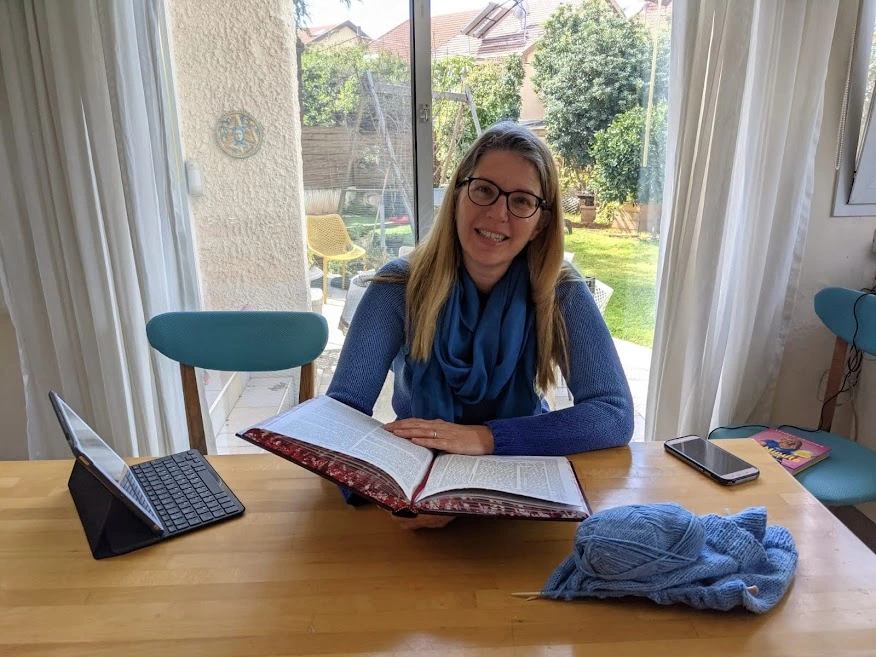
My Daf journey began in August 2012 after participating in the Siyum Hashas where I was blessed as an “enabler” of others. Galvanized into my own learning I recited the Hadran on Shas in January 2020 with Rabbanit Michelle. That Siyum was a highlight in my life. Now, on round two, Daf has become my spiritual anchor to which I attribute manifold blessings.

Englewood NJ, United States
I began to learn this cycle of Daf Yomi after my husband passed away 2 1/2 years ago. It seemed a good way to connect to him. Even though I don’t know whether he would have encouraged women learning Gemara, it would have opened wonderful conversations. It also gives me more depth for understanding my frum children and grandchildren. Thank you Hadran and Rabbanit Michelle Farber!!
Tzur Hadassah, Israel
Ontario, Canada
3 years ago, I joined Rabbanit Michelle to organize the unprecedented Siyum HaShas event in Jerusalem for thousands of women. The whole experience was so inspiring that I decided then to start learning the daf and see how I would go…. and I’m still at it. I often listen to the Daf on my bike in mornings, surrounded by both the external & the internal beauty of Eretz Yisrael & Am Yisrael!

Raanana, Israel
Hearing and reading about the siyumim at the completion of the 13 th cycle Daf Yomi asked our shul rabbi about starting the Daf – he directed me to another shiur in town he thought would allow a woman to join, and so I did! Love seeing the sources for the Divrei Torah I’ve been hearing for the past decades of living an observant life and raising 5 children .

Pittsburgh, Pennsylvania, United States
After reading the book, “ If All The Seas Were Ink “ by Ileana Kurshan I started studying Talmud. I searched and studied with several teachers until I found Michelle Farber. I have been studying with her for two years. I look forward every day to learn from her.
Virginia, United States
I began my journey two years ago at the beginning of this cycle of the daf yomi. It has been an incredible, challenging experience and has given me a new perspective of Torah Sh’baal Peh and the role it plays in our lives
Efrat, Israel
I tried Daf Yomi in the middle of the last cycle after realizing I could listen to Michelle’s shiurim online. It lasted all of 2 days! Then the new cycle started just days before my father’s first yahrzeit and my youngest daughter’s bat mitzvah. It seemed the right time for a new beginning. My family, friends, colleagues are immensely supportive!
Zichron Yaakov, Israel
Attending the Siyyum in Jerusalem 26 months ago inspired me to become part of this community of learners. So many aspects of Jewish life have been illuminated by what we have learned in Seder Moed. My day is not complete without daf Yomi. I am so grateful to Rabbanit Michelle and the Hadran Community.
Newton, United States
I learned daf more off than on 40 years ago. At the beginning of the current cycle, I decided to commit to learning daf regularly. Having Rabanit Michelle available as a learning partner has been amazing. Sometimes I learn with Hadran, sometimes with my husband, and sometimes on my own. It’s been fun to be part of an extended learning community.

Honolulu, Hawaii, United States
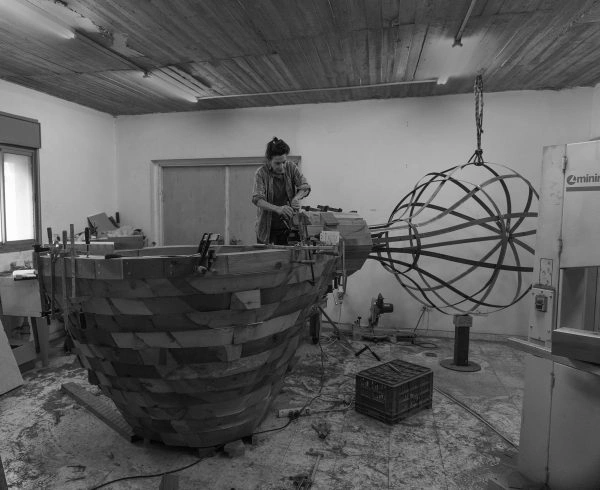
I went to day school in Toronto but really began to learn when I attended Brovenders back in the early 1980’s. Last year after talking to my sister who was learning Daf Yomi, inspired, I looked on the computer and the Hadran site came up. I have been listening to each days shiur in the morning as I work. I emphasis listening since I am not sitting with a Gamara. I listen while I work in my studio.
Tekoa, Israel

Jerusalem, Israel
Zevachim 40
אָמַר מָר: אֵין לִי אֶלָּא מַתַּן שֶׁבַע שֶׁמְּעַכְּבוֹת בְּכׇל מָקוֹם. הֵיכָא? אָמַר רַב פָּפָּא: בְּפָרָה וּבִנְגָעִים.
The Gemara analyzes the baraita in detail. The Master said in the baraita: I have a derivation only with regard to the seven placements on the Curtain separating between the Sanctuary and Holy of Holies, that they are indispensable, as these seven are indispensable in all cases. The Gemara asks: Where are the seven indispensable? Rav Pappa says: In the case of the red heifer (see Numbers 19:2–4), and in the purification process of one afflicted with leprous marks (see Leviticus 14:16).
מַתַּן אַרְבַּע מִנַּיִן? תַּלְמוּד לוֹמַר: ״כֵּן יַעֲשֶׂה״. מַאי שְׁנָא מַתַּן שֶׁבַע – דִּכְתִיבָן וּכְפִילָן, מַתַּן אַרְבַּע נָמֵי – כְּתִיבָן וּכְפִילָן!
The baraita continues: From where is it derived that the same applies to the four placements on the inner altar? The verse states: “So shall he do” (Leviticus 4:20). The Gemara asks: What is different about seven placements, that they should be indispensable? If you say that the reason is that the seven placements are written and repeated, by means of the terms “And he shall do…as he did,” which teaches that they are indispensable, I can say that the four placements as well are written and repeated. Why then should their halakha be any different?
אָמַר רַבִּי יִרְמְיָה: לֹא נִצְרְכָא אֶלָּא לְרַבִּי שִׁמְעוֹן. דְּתַנְיָא, לְמַעְלָה אוֹמֵר: ״קֶרֶן״–״קַרְנוֹת״ – שְׁתַּיִם; לְמַטָּה הוּא אוֹמֵר: ״קֶרֶן״–״קַרְנוֹת״ – אַרְבַּע. דִּבְרֵי רַבִּי שִׁמְעוֹן.
Rabbi Yirmeya says: This is necessary only according to the opinion of Rabbi Shimon, who maintains that only two placements are written in this chapter, while the other two are derived through a juxtaposition. Consequently, a specific derivation is required for these. As it is taught in a baraita with regard to the placements on the inner altar: Above, in the case of the bull for an unwitting sin of the anointed priest, the verse states corner in the plural form of corners (see Leviticus 4:7), i.e., it says “corners [karnot],” in the plural, where it could have written corner, in the singular. These are two corners. And below, with regard to the bull for an unwitting communal sin, it again states corner in the plural form of corners (see Leviticus 4:18). Together these amount to four corners. This is the statement of Rabbi Shimon.
רַבִּי יְהוּדָה אוֹמֵר: אֵינוֹ צָרִיךְ; הֲרֵי הוּא אוֹמֵר: ״בְּאֹהֶל מוֹעֵד״ – עַל כׇּל הָאָמוּר בְּאֹהֶל מוֹעֵד. וְרַבִּי יְהוּדָה, ״כֵּן יֵעָשֶׂה״ מַאי עָבֵיד לֵיהּ?
Rabbi Yehuda says: This derivation is not necessary, as it states in these same verses: “And he shall put of the blood upon the corners of the altar which is before the Lord, which is in the Tent of Meeting” (Leviticus 4:18). The superfluous expression “in the Tent of Meeting” teaches that the blood must be placed on all the corners of the altar that are stated with regard to the Tent of Meeting, i.e., on all four corners. The Gemara asks: And Rabbi Yehuda, what does he do with the phrase “so shall he do,” which Rabbi Shimon interprets as referring to the four placements?
מִיבְּעֵי לֵיהּ לְכִדְתַנְיָא: לְפִי שֶׁלֹּא לָמַדְנוּ לְפַר יוֹם הַכִּפּוּרִים לִסְמִיכָה. וּשְׁיָרֵי הַדָּם מִנַּיִן? תַּלְמוּד לוֹמַר: ״כֵּן יַעֲשֶׂה״.
The Gemara answers that Rabbi Yehuda requires this verse for that which is taught in a baraita: As we did not learn with regard to the bull of Yom Kippur that placing hands is required, i.e., that the High Priest must place his hands on this animal before it is slaughtered, and likewise it is not stated that the remainder of its blood must be poured on the base of the altar. From where is it derived that these actions must be performed? The verse states: “So shall he do.”
וּלְפַר יוֹם הַכִּפּוּרִים לֹא לָמַדְנוּ? הָא אָמַרְתָּ: ״לַפָּר״ – זֶה יוֹם הַכִּפּוּרִים!
The Gemara asks: And did we not learn with regard to the bull of Yom Kippur that these requirements apply? But you said earlier in the baraita: “With the bull” (Leviticus 4:20); this alludes to the bull of Yom Kippur, which indicates that all the rites performed in connection with the bull for an unwitting communal sin apply also to the bull of Yom Kippur.
אִיצְטְרִיךְ; סָלְקָא דַּעְתָּךְ אָמֵינָא: הָנֵי מִילֵּי – עֲבוֹדָה דִּמְעַכְּבָא כַּפָּרָה, אֲבָל עֲבוֹדָה דְּלָא מְעַכְּבָא כַּפָּרָה – אֵימָא לָא; קָמַשְׁמַע לַן.
The Gemara answers: The derivation from the phrase “so shall he do” was necessary, as it could enter your mind to say that this matter, the comparison between the bull for an unwitting communal sin and the bull of Yom Kippur, applies only to a service that is indispensable for atonement, e.g., the sprinkling of the blood. But with regard to a service that is not indispensable for atonement, such as placing hands on the head of the animal or pouring out the remainder of the blood, one might say that these actions need not be performed. Therefore, the verse teaches us: “So shall he do,” i.e., these services, too, must be performed with the bull of Yom Kippur.
וְרַבִּי שִׁמְעוֹן, הַאי ״בְּאֹהֶל מוֹעֵד״ מַאי עָבֵיד לֵיהּ? ״בְּאֹהֶל מוֹעֵד״ מִבְּעֵי לֵיהּ שֶׁאִם נִפְחֲתָה תִּקְרָה שֶׁל הֵיכָל, לֹא הָיָה מַזֶּה. וְאִידַּךְ – מֵ״אֲשֶׁר״. וְאִידַּךְ – ״אֲשֶׁר״ לָא דָּרֵישׁ.
The Gemara asks: And Rabbi Shimon, what does he do with this phrase: “In the Tent of Meeting,” from which Rabbi Yehuda derives that the blood must be placed on all four corners of the altar? The Gemara answers: Rabbi Shimon requires the phrase “in the Tent of Meeting” to teach that if the roof of the Sanctuary was breached by a hole, the priest would not sprinkle the blood, as it would no longer be called the Tent of Meeting. The Gemara asks: And the other tanna, Rabbi Yehuda, from where does he derive this halakha? The Gemara explains that Rabbi Yehuda derives it from the superfluous term “which is in the Tent of Meeting” (Leviticus 4:7, 18). The Gemara asks: And the other tanna, Rabbi Shimon? He does not interpret the term “which is” as he maintains that this expression is not significant enough to serve as the source of a halakha.
אַבָּיֵי אָמַר: לְרַבִּי יְהוּדָה נָמֵי אִיצְטְרִיךְ; סָלְקָא דַּעְתָּךְ אָמֵינָא: מִידֵּי דְּהָוֵה אַסְּמִיכָה וּשְׁיָרֵי הַדָּם – דְּאַף עַל גַּב דִּכְתִיבָן וּכְפִילָן לָא מְעַכְּבָא, מַתַּן אַרְבַּע נָמֵי לָא תִּתְעַכַּב; קָא מַשְׁמַע לַן.
Abaye said: According to the opinion of Rabbi Yehuda as well, it was necessary to learn from the phrase “so shall he do” that the four placements are indispensable. As it might enter your mind to say that just as it is with regard to placing hands and the remainder of the blood, that even though they are written and repeated they are not indispensable, so too, the four placements of blood should not be indispensable. Therefore, the phrase “so shall he do” teaches us that this is not the case, and the four sprinklings are indeed indispensable.
״לַפָּר״ – זֶה פַּר יוֹם הַכִּפּוּרִים. לְמַאי הִילְכְתָא? אִי לְעַכֵּב – פְּשִׁיטָא, ״חֻקָּה״ כְּתִיבָה בֵּיהּ!
§ The baraita teaches: “With the bull” (Leviticus 4:20), this alludes to the bull of Yom Kippur. To what halakha does this statement relate? If it serves to teach that all matters stated with regard to the bull of Yom Kippur are indispensable, this is obvious, since the word “statute” is written concerning it: “And this shall be an everlasting statute to you” (Leviticus 16:29), and there is a principle that halakhot described as statutes are indispensable.
אָמַר רַב נַחְמָן בַּר יִצְחָק: לֹא נִצְרְכָא אֶלָּא לְרַבִּי יְהוּדָה, דְּאָמַר: כִּי כְּתִיבָה ״חֻקָּה״ – אַדְּבָרִים הַנַּעֲשִׂים בְּבִגְדֵי לָבָן בִּפְנִים, שֶׁאִם הִקְדִּים מַעֲשֶׂה לַחֲבֵירוֹ – לֹא עָשָׂה וְלֹא כְלוּם;
Rav Naḥman bar Yitzḥak said: This statement is necessary only according to the opinion of Rabbi Yehuda, who says: When the term “statute” is written concerning the Yom Kippur service, indicating that no details may be altered, it is written only with regard to actions performed in white garments inside the Holy of Holies, e.g., burning the incense and sprinkling the blood, which are the essential services of the day, and it teaches that if the High Priest performed one of the actions before another, i.e., not in the proper order, he has done nothing.
אֲבָל דְּבָרִים הַנַּעֲשִׂים בְּבִגְדֵי לָבָן בַּחוּץ, הִקְדִּים מַעֲשֶׂה לַחֲבֵירוֹ – מַה שֶּׁעָשָׂה עָשׂוּי; אֵימָא מִדִּכְסִידְרָן לָא מְעַכְּבִי, הַזָּאוֹת נָמֵי לָא מְעַכְּבִי; קָא מַשְׁמַע לַן.
But with regard to those actions performed in white garments outside, in the Sanctuary, if he performed one action before another, what he did is done and he is not required to repeat the rite. Consequently, one might say that from the fact that their order is not indispensable, it may be derived that the sprinklings, i.e., placements, themselves are also not indispensable. Therefore, the term “with the bull” teaches us that the placements are indeed indispensable.
מַתְקֵיף לַהּ רַב פָּפָּא: וּמִי מָצֵית אָמְרַתְּ הָכִי?! וְהָתַנְיָא: ״וְכִלָּה מִכַּפֵּר אֶת הַקֹּדֶשׁ״ – אִם כִּיפֵּר כִּילָּה, וְאִם לֹא כִּיפֵּר לֹא כִּילָּה. דִּבְרֵי רַבִּי עֲקִיבָא.
Rav Pappa objects to this: And how can you say this, that Rabbi Yehuda derives from here that the placements are indispensable? But isn’t it taught in a baraita: The verse discussing the Yom Kippur service states: “And when he has finished atoning for the Sanctuary” (Leviticus 16:20). This indicates that if he performed the atonement, i.e., the sprinklings, inside the Sanctuary, he has finished the order of the service, even though he has not poured the remainder of the blood on the base of the altar; and if he did not perform the atonement, he has not finished; this is the statement of Rabbi Akiva.
אָמַר לוֹ רַבִּי יְהוּדָה, מִפְּנֵי מָה לֹא נֹאמַר: אִם כִּילָּה כִּיפֵּר, וְאִם לֹא כִּילָּה לֹא כִּיפֵּר?
Rabbi Yehuda said to him: For what reason do we not say: If he finished the entire service, which includes sprinkling the blood in the Sanctuary and pouring the remainder of the blood onto the base of the altar, he has facilitated atonement; and if he did not finish, he has not facilitated atonement? This indicates that Rabbi Yehuda derives from this verse the halakha that the sprinklings in the Sanctuary are indispensable.
אָמַר רַב פָּפָּא: לֹא נִצְרְכָא אֶלָּא לְאֶת (דם) [בְּדָם] וּבִטְבִילָה. ״אֶת״ – אָמַר רַב אַחָא בַּר יַעֲקֹב: לֹא נִצְרְכָא לְהַכְשִׁיר
Rav Pappa says: This reference to the bull of Yom Kippur in the term “with the bull,” is necessary only to apply to the bull of Yom Kippur three halakhot that are derived from that which is stated with regard to the bull for an unwitting sin of the anointed priest: “And the priest shall immerse his finger [et etzba’o] in the blood” (Leviticus 4:6). These halakhot can be summarized in the shortened form: Et, blood, and with immersion. The Gemara elaborates: With regard to the word et, Rav Aḥa bar Ya’akov says: This word is necessary only to render fit
אַמִּין שֶׁבָּאֶצְבַּע. ״בַּדָּם״ – שֶׁיְּהֵא בַּדָּם שִׁיעוּר טְבִילָה מֵעִיקָּרָא. ״וְטָבַל״ – וְלֹא מְסַפֵּג.
service performed by a priest who has a wart or blister on his finger. These are not considered an interposition between his finger and the blood. With regard to the term “in the blood” (Leviticus 4:6), this teaches that the blood in the service vessel must be of a sufficient measure for immersion from the outset. The priest must initially collect in the vessel enough blood for all the sprinklings, rather than adding blood to the vessel for each sprinkling. Finally, the term “and the priest shall immerse his finger in the blood” indicates that there must be enough blood in the vessel such that the priest can immerse his finger in it and not have to wipe the sides of the utensil to collect blood for sprinkling.
וְאִיצְטְרִיךְ לְמִכְתַּב ״בַּדָּם״, דְּאִי כְּתַב רַחֲמָנָא ״וְטָבַל״ – הֲוָה אָמֵינָא: אַף עַל גַּב דְּלֵיכָּא שִׁיעוּר טְבִילָה מֵעִיקָּרָא; כְּתַב רַחֲמָנָא ״בַּדָּם״.
The Gemara explains: And it was necessary for the verse to state both these last two terms. It had to write “in the blood,” as had the Merciful One written only “and the priest shall immerse,” I would say that the sprinklings are valid even if there was not a sufficient measure of blood for immersion from the outset, but only enough for a single sprinkling, provided that the priest then added more blood to the vessel for each sprinkling. Therefore, the Merciful One writes “in the blood” to teach that from the outset there must be enough blood in the vessel for all the sprinklings.
וְאִי כְּתַב רַחֲמָנָא ״בַּדָּם״ – הֲוָה אָמֵינָא: אֲפִילּוּ מְסַפֵּג; כְּתַב רַחֲמָנָא: ״וְטָבַל״.
And conversely, had the Merciful One written only “in the blood,” I would say that even if there was enough blood in the vessel at the outset it is not necessary that there be enough blood for immersion for the last sprinklings, as the priest can wipe the sides of the utensil to collect blood for sprinkling. Therefore, the Merciful One writes “and the priest shall immerse.”
״מִזְבַּח קְטֹרֶת סַמִּים״ לְמָה לִי? שֶׁאִם לֹא נִתְחַנֵּךְ הַמִּזְבֵּחַ בִּקְטוֹרֶת הַסַּמִּים – לֹא הָיָה מַזֶּה.
The Gemara addresses another apparently superfluous phrase in the same chapter: “And the priest shall put some of the blood upon the corners of the altar of sweet incense before the Lord” (Leviticus 4:7). Why do I need the verse to mention the sweet incense? It would have been enough to identify the altar as being “before the Lord” and one would have understood that the reference is to the inner altar. Rather, this serves to teach that if the altar had not been inaugurated with sweet incense, the priest would not sprinkle blood on it.
תַּנְיָא כְּוָותֵיהּ דְּרַב פָּפָּא: ״וְעָשָׂה… כַּאֲשֶׁר עָשָׂה״ – מָה תַּלְמוּד לוֹמַר ״לַפָּר״? לְרַבּוֹת פַּר יוֹם הַכִּפּוּרִים לְכׇל מַה שֶּׁאָמוּר בָּעִנְיָן. דִּבְרֵי רַבִּי.
The Gemara comments: It is taught in a baraita in accordance with the opinion of Rav Pappa that the superfluous phrase in the passage discussing the bull for an unwitting communal sin alludes to the bull of Yom Kippur in order to teach the three halakhot of et, in the blood, and immersion, from the case of the bull for an unwitting sin of the anointed priest, which is also alluded to in that verse. The baraita states: “And he shall do with the bull, as he did with the bull for a sin offering” (Leviticus 4:20). What is the meaning when the verse states “with the bull”? This serves to include the bull of Yom Kippur for all that is stated in this matter, i.e., in the passage concerning the bull for an unwitting sin of the anointed priest, specifically the halakhot of et, in the blood, and immersion. This is the statement of Rabbi Yehuda HaNasi.
אָמַר רַבִּי יִשְׁמָעֵאל: קַל וָחוֹמֶר! וּמָה בְּמָקוֹם שֶׁלֹּא הוּשְׁוָה קׇרְבָּן לְקׇרְבָּן – הִשְׁוָה מַעֲשִׂים לְמַעֲשִׂים; מָקוֹם שֶׁהִשְׁוָה קׇרְבָּן לְקׇרְבָּן – אֵינוֹ דִּין שֶׁיַּשְׁוֶה מַעֲשֶׂה לְמַעֲשֶׂה?!
Rabbi Yishmael said: This inclusion is unnecessary, as these halakhot can be derived via an a fortiori inference: Just as in a case in which one offering is not equated with another offering of a different type of animal, the Torah equated the actions of sprinkling the blood in one offering with the actions of the blood in the other offering, as will be explained, in a case in which the Torah equated one offering with another offering, i.e., the bull for an unwitting sin of the anointed priest and the bull of Yom Kippur, isn’t it logical that the Torah should equate the actions of sprinkling the blood in the one offering with the actions of the blood in the other offering? Therefore, the derivation by way of a special inclusion is not necessary.
אֶלָּא מָה תַּלְמוּד לוֹמַר ״לַפָּר״ – זֶה פַּר הֶעְלֵם דָּבָר שֶׁל צִבּוּר. ״לְפַר״ – זֶה פַּר כֹּהֵן מָשִׁיחַ.
Rather, what is the meaning when the verse states: “And he shall do with the bull, as he did with the bull for a sin offering”? With regard to the first instance of “with the bull,” this is the bull for an unwitting communal sin. And with regard to the second instance of “with the bull,” this is the bull for an unwitting sin of the anointed priest. And the verse serves to teach that just as in the first case, if the priest omitted one of the sprinklings, he has done nothing, the same is true in the second case.
אָמַר מָר: וּמָה בִּמְקוֹם שֶׁלֹּא הוּשְׁוָה קׇרְבָּן לְקׇרְבָּן. מַאי לֹא הוּשְׁוָה קׇרְבָּן לְקׇרְבָּן?
The Gemara clarifies the baraita. The Master said above: Just as in a case in which one offering is not equated with another offering. What is the meaning of the expression: One offering is not equated with another offering? Which offerings are not brought from the same type of animal, but nevertheless the halakhot governing the sprinkling of their blood are the same?
אִילֵּימָא פַּר יוֹם הַכִּפּוּרִים וּשְׂעִיר יוֹם הַכִּפּוּרִים – אִיכָּא לְמִיפְרַךְ: מָה לְהָנָךְ, שֶׁכֵּן נִכְנָס דָּמָם לִפְנַיי וְלִפְנִים!
If we say that Rabbi Yishmael is referring to the bull of Yom Kippur and the goat of Yom Kippur, and from them he derives by way of an a fortiori inference that the actions concerning the bull of Yom Kippur are the same as those concerning the bull for an unwitting sin of the anointed priest, which are the same animal, this can be refuted as follows: What is notable about these offerings, the bull and the goat of Yom Kippur? They are notable in that their blood enters the innermost sanctum, the Holy of Holies. This is not so of the bull for an unwitting sin of the anointed priest, the blood of which is sprinkled only in the outer area of the Sanctuary.
אֶלָּא פַּר הֶעְלֵם דָּבָר שֶׁל צִבּוּר וּשְׂעִירֵי עֲבוֹדָה זָרָה – אִיכָּא לְמִיפְרַךְ: מָה לְהָנָךְ, שֶׁכֵּן מְכַפְּרִין עַל עֲבֵירוֹת מִצְוָה יְדוּעָה!
Rather, say that the reference here is to the bull for an unwitting communal sin and the goats for an unwitting communal sin of idol worship. But once again this claim can be refuted: What is notable about these offerings? They are notable in that they both atone for the known transgressions of a mitzva, whereas the bull of Yom Kippur atones for unknown transgressions (see Shevuot 2a).
אֶלָּא פַּר הֶעְלֵם דָּבָר שֶׁל צִבּוּר וְשָׂעִיר שֶׁל יוֹם הַכִּפּוּרִים. וְהָכִי קָאָמַר: וּמָה בִּמְקוֹם שֶׁלֹּא הוּשְׁווּ קׇרְבָּן לְקׇרְבָּן – דְּהַאי פַּר וְהַאי שָׂעִיר, הוּשְׁווּ מַעֲשִׂים לְמַעֲשִׂים – לְמַאי דִּכְתַב בְּהוּ; מָקוֹם שֶׁהוּשְׁוָה קׇרְבָּן לְקׇרְבָּן – דְּהַאי פַּר וְהַאי פַּר, אֵינוֹ דִּין
Rather, the reference here is to the bull for an unwitting communal sin and the goat of Yom Kippur, and this is what Rabbi Yishmael is saying: Just as in a case in which one offering is not equated with another offering, as this is a bull and that is a goat, nevertheless the actions of sprinkling the blood in one offering are equated with the actions of the blood in the other offering with regard to that which is written concerning it, in a case in which one offering is equated with another offering, i.e., the bull for an unwitting sin of the anointed priest and the bull of Yom Kippur, as this is a bull and that is a bull, isn’t it logical

