








Zevachim 54

Share this shiur:
Want to dedicate learning? Get started here:
Zevachim 54
״חֹפֵף עָלָיו כׇּל הַיּוֹם״. לְפִיכָךְ זָכָה בִּנְיָמִין הַצַּדִּיק וְנַעֲשָׂה אוּשְׁפִּיזְכָן לְהַקָּדוֹשׁ בָּרוּךְ הוּא, שֶׁנֶּאֱמַר: ״וּבֵין כְּתֵפָיו שָׁכֵן״.
“He covers it throughout the day, and He dwells between his shoulders” (Deuteronomy 33:12). The term “covers it” is understood to mean that Benjamin is continually focused upon that site. Therefore, Benjamin the righteous was privileged and became the host of the Holy One, Blessed be He, as the Holy of Holies was built in his portion. As it is stated: “And He dwells between his shoulders.”
מֵיתִיבִי: עוֹלַת הָעוֹף כֵּיצַד הָיְתָה נַעֲשֵׂית? הָיָה מוֹלֵק אֶת רֹאשָׁהּ מִמּוּל עוֹרְפָּהּ, וּמַבְדִּיל, וּמְמַצֶּה דָּמָהּ עַל קִיר הַמִּזְבֵּחַ.
The Gemara raises an objection from a baraita: How was the rite of a bird burnt offering performed? The priest ascended the ramp and turned to the surrounding ledge. When he arrived at the southeast corner, the priest would pinch the bird’s head by pinching at its nape with his thumbnail and sever the bird’s head from its body, and would squeeze out its blood on the wall of the altar.
וְאִי אָמְרַתְּ לֹא הָיָה לָהּ יְסוֹד – בְּאַוֵּירָא בְּעָלְמָא הוּא דְּקָא עָבֵיד! אָמַר רַב נַחְמָן בַּר יִצְחָק: אֵימַר כָּךְ הִתְנוּ – אַוֵּירָא דְּבִנְיָמִין, קַרְקַע דִּיהוּדָה.
The Gemara states its objection: And if you say that the southeast corner of the altar had no base, is he merely performing the rite in the air, i.e., not within the domain of the altar? Rav Naḥman bar Yitzḥak said: Say that when Eretz Yisrael was apportioned, they made this condition: The airspace of what would become the southeast part of the altar is in the portion of the tribe of Benjamin, so the pinching of the bird offering was performed within the domain of the altar. But the land was in the portion of the tribe of Judah.
מַאי לֹא (הֲוָה) [הָיָה] לָהּ יְסוֹד? רַב אָמַר: בְּבִנְיָן, לֵוִי אָמַר: בְּדָמִים. רַב מְתַרְגֵּם: ״בְּאַחְסָנְתֵּיהּ יִתְבְּנֵי מַדְבְּחָא״, לֵוִי מְתַרְגֵּם: ״בְּאַחְסָנְתֵּיהּ יִתְבְּנֵי מַקְדְּשָׁא״ – מְקוֹם מְקוּדָּשׁ לְדָמִים.
§ The Gemara asks: What does the baraita mean when it states that the southeast corner of the altar had no base? Rav says: It is with regard to the fact that it had no base built on those sides. Levi says: It is with regard to the fact that no blood was sprinkled on that side, as the blood was not permitted to be presented there, even though there was a physical base. Based on this dispute, each of them disagreed as to the correct Aramaic translation of the verse: “Benjamin is a wolf that tears apart; in the morning he devours the prey, and in the evening he divides the spoil” (Genesis 49:27). Rav translates this as: In his portion will the altar be built. Levi translates this as: In his portion will the Sanctuary be built, which means: A place sanctified for blood.
תָּא שְׁמַע: הַיְסוֹד הָיָה מְהַלֵּךְ עַל פְּנֵי כׇּל הַצָּפוֹן וְעַל פְּנֵי כׇּל הַמַּעֲרָב, אוֹכֵל בַּדָּרוֹם אַמָּה אַחַת וּבַמִּזְרָח אַמָּה אַחַת! מַאי ״אוֹכֵל״ נָמֵי – בְּדָמִים.
The Gemara brings proof for each opinion: Come and hear a proof for the explanation of Rav from a mishna (Middot 35b): The base of the altar would extend along all of the northern side and along all of the western side. It consumed one cubit on the southern side and one cubit on the eastern side. This indicates that there was no base on most of the southern or eastern sides of the altar. The Gemara comments: Levi would explain: What is the meaning of the term: Consume? The baraita, as well, is stated with regard to consuming blood of the offerings.
תָּא שְׁמַע: הַמִּזְבֵּחַ הָיָה שְׁלֹשִׁים וּשְׁתַּיִם עַל שְׁלֹשִׁים וּשְׁתַּיִם! הָכָא בְּמַאי עָסְקִינַן – מִן הַצַּד.
The Gemara suggests: Come and hear a proof for the explanation of Levi from that same mishna: The altar was thirty-two cubits by thirty-two cubits. This indicates that there was a base on all four sides, in accordance with the opinion of Levi. Rav could answer: Here we are dealing with the measurement from the side. In other words, only the northern and western sides were thirty-two cubits in length.
תָּא שְׁמַע: נִמְצָא פּוֹרֵחַ אַמָּה עַל יְסוֹד וְאַמָּה עַל סוֹבֵב! אֵימָא כְּנֶגֶד אַמָּה יְסוֹד, וְעַל אַמָּה סוֹבֵב.
The Gemara suggests: Come and hear a proof for the explanation of Levi from a baraita: It turns out the top of the ramp of the altar would overhang one cubit in the air over the base of the altar and one cubit over the surrounding ledge. This indicates that it had a base on all four sides, as the ramp was on the southern side. Rav could answer: Say that the baraita means it would overhang toward the place where the base of a cubit would have been, and one cubit over the surrounding ledge.
תָּא שְׁמַע, דְּתָנֵי לֵוִי: כֵּיצַד בּוֹנִין אֶת הַמִּזְבֵּחַ? מְבִיאִין מַלְבֵּן שֶׁהוּא שְׁלֹשִׁים וּשְׁתַּיִם עַל שְׁלֹשִׁים וּשְׁתַּיִם וְגוֹבְהוֹ אַמָּה, וּמֵבִיא חֲלוּקֵי אֲבָנִים מְפוּלָּמוֹת – בֵּין גְּדוֹלוֹת בֵּין קְטַנּוֹת, וּמֵבִיא סִיד וְקוּנְיָא וָזֶפֶת, וּמְמַחֶה וְשׁוֹפֵךְ. וְזֶה הוּא מְקוֹם יְסוֹד.
The Gemara suggests: Come and hear a proof, as Levi teaches in a baraita: How does one build the altar? He brings a square wooden frame, which is thirty-two cubits by thirty-two cubits, and its height is one cubit. And he brings pieces of damp [mefulamot] stone, both large and small, which are the main components of the altar, which is described as: “An altar of stone” (Exodus 20:22). And he brings plaster and molten lead and tar, and melts them and pours the mixture into the gaps between the stones. And this is the place of the base of the altar.
וְחוֹזֵר וּמֵבִיא מַלְבֵּן שֶׁהוּא שְׁלֹשִׁים אַמָּה עַל שְׁלֹשִׁים אַמָּה וְגוֹבְהוֹ חָמֵשׁ אַמּוֹת, וּמֵבִיא חֲלוּקֵי אֲבָנִים כּוּ׳. וְחוֹזֵר וּמֵבִיא מַלְבֵּן שֶׁהוּא עֶשְׂרִים וּשְׁמוֹנֶה עַל עֶשְׂרִים וּשְׁמוֹנֶה אַמּוֹת וְגוֹבְהוֹ שָׁלֹשׁ אַמּוֹת, וּמֵבִיא חֲלוּקֵי כּוּ׳. וְהוּא מְקוֹם הַמַּעֲרָכָה.
And then he brings a square wooden frame, which is thirty cubits by thirty cubits, and its height is five cubits. And he brings pieces of damp stone, both large and small. And he brings plaster and molten lead and tar, and melts them and pours the mixture into the gaps between the stones. And then he brings a square wooden frame, which is twenty-eight cubits by twenty-eight cubits, and its height is three cubits. And he brings pieces of damp stone, both large and small. And he brings plaster and molten lead and tar, and melts them and pours the mixture into the gaps between the stones. And this is the place of the arrangement of wood on the altar.
וְחוֹזֵר וּמֵבִיא מַלְבֵּן שֶׁהוּא אַמָּה עַל אַמָּה, וּמֵבִיא חֲלוּקֵי אֲבָנִים מְפוּלָּמוֹת בֵּין גְּדוֹלוֹת בֵּין קְטַנּוֹת, וּמֵבִיא זֶפֶת וְקוּנְיָא, וּמְמַחֶה וְשׁוֹפֵךְ. וְזֶהוּ קֶרֶן. וְכֵן לְכׇל קֶרֶן וָקֶרֶן.
And then he brings a square wooden frame, which is one cubit by one cubit. And he brings pieces of damp stone, both large and small. And he brings plaster and molten lead and tar, and melts them and pours the mixture into the frame. And this is the corner of the altar. And so he does this for each and every corner. This baraita indicates that the altar had a base around all four sides.
וְכִי תֵּימָא
The Gemara comments: And if you would say
דְּגָיֵיז לֵיהּ, ״אֲבָנִים שְׁלֵמוֹת״ כְּתִיב!
that he cuts the base on the southern and western sides after he has poured the mixture for the altar and it has dried, it is written concerning the altar: “You shall build the altar of the Lord your God of unhewn stones; and you shall offer burnt offerings on it to the Lord your God” (Deuteronomy 27:6), so it cannot be cut.
דְּמַחֵית מִידֵּי מִתּוּתֵיהּ, וְשָׁקֵיל לֵיהּ. דְּאִי לָא תֵּימָא הָכִי, הָא דְּאָמַר רַב כָּהֲנָא: אֲבָנִים שֶׁל קְרָנוֹת חֲלוּלוֹת הָיוּ – דִּכְתִיב: ״וּמָלְאוּ כַּמִּזְרָק כְּזָוִיֹּת מִזְבֵּחַ״; הָכָא נָמֵי ״אֲבָנִים שְׁלֵמוֹת״ אָמַר רַחֲמָנָא! אֶלָּא דְּמַחֵית מִידֵּי מִתּוּתֵיהּ וְשָׁקֵיל לֵיהּ; הָכָא נָמֵי, דְּמַחֵית מִידֵּי מִתּוּתֵיהּ וְשָׁקֵיל לֵיהּ.
Rav could answer: This means that he places something under the frame, in the place where there is to be no base, and after the poured mixture has dried he removes it, leaving the space empty. As if you do not say so, how will you explain that which Rav Kahana says: The stone interiors of the corners were hollow, i.e., there were gaps between the stones, as it is written: “And they shall be filled like the basins, like the corners of the altar” (Zechariah 9:15)? The verse compares the corners to hollow basins. Here too, doesn’t the Merciful One state that the altar must be made of “unhewn stones”? If so, how could the corners be hollow? Rather, it must be that he places something, e.g., sticks and twigs, under the frame and pours the mixture for the corners over it, and when it has hardened, removes the sticks and twigs, leaving the corners somewhat hollow. Here too, he places something under the frame and later removes it.
דָּרֵשׁ רָבָא, מַאי דִּכְתִיב: ״וַיֵּלֶךְ דָּוִד וּשְׁמוּאֵל וַיֵּשְׁבוּ בְּנוֹיוֹת בָּרָמָה״? וְכִי מָה עִנְיַן נוֹיוֹת אֵצֶל רָמָה? אֶלָּא שֶׁהָיוּ יוֹשְׁבִין בָּרָמָה וְעוֹסְקִין בְּנוֹיוֹ שֶׁל עוֹלָם.
§ Apropos the altar and the Temple, the Gemara relates that Rava taught: What is the meaning of that which is written concerning David: “And he and Samuel went and dwelt in Naioth. And it was told Saul, saying: Behold, David is at Naioth [beNayot] in Ramah” (I Samuel 19:18–19)? But what does Naioth have to do with Ramah? They are in two distinct places. Rather, this means that they were sitting in Ramah and were involved in discussing the beauty [benoyo] of the world, i.e., the Temple.
אָמְרִי, כְּתִיב: ״וְקַמְתָּ וְעָלִיתָ אֶל הַמָּקוֹם״ – מְלַמֵּד שֶׁבֵּית הַמִּקְדָּשׁ גָּבוֹהַּ מִכׇּל אֶרֶץ יִשְׂרָאֵל, וְאֶרֶץ יִשְׂרָאֵל גְּבוֹהָה מִכׇּל אֲרָצוֹת. לָא הֲווֹ יָדְעִי דּוּכְתֵּיהּ הֵיכָא;
David and Samuel said: It is written: “Then you shall arise, and get you up unto the place which the Lord your God shall choose” (Deuteronomy 17:8). This teaches that the Temple is higher than all places in Eretz Yisrael. And Eretz Yisrael is higher than all countries. They did not know where the highest place in Eretz Yisrael was.
אַיְיתוֹ סֵפֶר יְהוֹשֻׁעַ, בְּכוּלְּהוּ כְּתִיב: ״וְיָרַד (וְעָלָה) הַגְּבוּל״, ״וְתָאַר הַגְּבוּל״; בְּשֵׁבֶט בִּנְיָמִין ״וְעָלָה״ כְּתִיב, ״וְיָרַד״ לָא כְּתִיב. אָמְרִי, שְׁמַע מִינַּהּ: הָכָא הוּא מְקוֹמוֹ.
They brought the book of Joshua. With regard to all of the borders of the tribes it is written: “And went down” (see Joshua 15:10, 16:3, 17:9), and it is written: “And the border went up to Beth Hoglah.” (Joshua 15:6), and: “And the border was drawn from the top of the mountain to the fountain of the waters of Nephtoah” (Joshua 15:9). The verse uses different terms to describe the borders of the portion of each tribe. And with regard to the borders of the tribe of Benjamin it is written only: “And went up” (Joshua 18:11), but it is not written: “And went down.” They said: Conclude from the verses that the Temple’s place is here, in the portion of Benjamin.
סְבוּר לְמִבְנְיֵיהּ בְּעֵין עֵיטָם – דְּמִדְּלֵי; אָמְרִי: נִיתַתֵּי בֵּיהּ קַלִּיל, כְּדִכְתִיב: ״וּבֵין כְּתֵפָיו שָׁכֵן״.
They thought to build it at Ein Eitam, which is higher than any other place in the portion of Benjamin. They said: Let us lower it a bit, as it is written: “He covers it throughout the day, and He dwells between his shoulders” (Deuteronomy 33:12). This indicates that the Temple is situated slightly lower, between two peaks.
וְאִיבָּעֵית אֵימָא: גְּמִירִי דְּסַנְהֶדְרִין בְּחֶלְקוֹ דִּיהוּדָה וּשְׁכִינָה בְּחֶלְקוֹ דְּבִנְיָמִין, וְאִי מְדַלִּינַן לֵיהּ – מִתְפְּלֵיג טוּבָא; מוּטָב דְּנִיתַתֵּי בֵּיהּ פּוּרְתָּא, כְּדִכְתִיב: ״וּבֵין כְּתֵפָיו שָׁכֵן״.
And if you wish, say instead that it is learned as a tradition that the Sanhedrin is to be located in the portion of Judah, and the place of the Divine Presence is to be located in the portion of Benjamin. They said: And if we raise it and place it near Ein Eitam it will be too distant from the portion of Judah. They said: It is preferable that we lower it a bit, as it is written: “He covers it throughout the day, and He dwells between his shoulders” (Deuteronomy 33:12).
וְעַל דָּבָר זֶה נִתְקַנֵּא דּוֹאֵג הָאֲדוֹמִי בְּדָוִד, כְּדִכְתִיב: ״כִּי קִנְאַת בֵּיתְךָ אֲכָלָתְנִי״, וּכְתִיב: ״זְכוֹר ה׳ לְדָוִד אֵת כׇּל עֻנּוֹתוֹ אֲשֶׁר נִשְׁבַּע לַה׳ וְגוֹ׳, אִם אָבֹא בְּאֹהֶל בֵּיתִי וְגוֹ׳, אִם אֶתֵּן שְׁנַת לְעֵינָי לְעַפְעַפַּי תְּנוּמָה עַד אֶמְצָא מָקוֹם לַה׳ וְגוֹ׳״.
And with regard to this matter, that David and Samuel discovered the location of the Temple, Doeg the Edomite was jealous of David, as it is written: “Because jealousy for Your House has eaten me up” (Psalms 69:10), and it is written: “Lord, remember for David all his affliction; how he swore to the Lord, and vowed unto the Mighty One of Jacob: I will not come into the tent of my house, nor go up into the bed that is spread for me; if I will give sleep to my eyes, or slumber to my eyelids; until I find a place for the Lord, a dwelling place for the Mighty One of Jacob” (Psalms 132:1–5).
״הִנֵּה שְׁמַעֲנוּהָ בְאֶפְרָתָה מְצָאנוּהָ בִּשְׂדֵה יַעַר״; ״בְּאֶפְרָתָה״ – זֶה יְהוֹשֻׁעַ, דְּקָאָתֵי מֵאֶפְרַיִם. ״מְצָאנוּהָ בִּשְׂדֵה יַעַר״ – זֶה בִּנְיָמִין, דִּכְתִיב: ״בִּנְיָמִין זְאֵב יִטְרָף״.
The verse following those verses states: “We heard of it as being in Ephrath; we found it in the field of the wood” (Psalms 132:6). Rava explains the meaning of these words: “In Ephrath”; this is a reference to Joshua, who came from the tribe of Ephraim. This alludes to the fact that David and Samuel were able to locate the highest place in Eretz Yisrael based on the book of Joshua. “We found it in the field of the wood”; this is a reference to Benjamin, as it is written concerning him: “Benjamin is a wolf that tears apart; in the morning he devours the prey, and in the evening he divides the spoil” (Genesis 49:27). A wolf is a wild animal living in the field, and David and Samuel found the location of the Temple in the portion of Benjamin.
מַתְנִי׳ זִבְחֵי שַׁלְמֵי צִבּוּר וַאֲשָׁמוֹת; אֵלּוּ הֵן אֲשָׁמוֹת – אֲשַׁם גְּזֵילוֹת, אֲשַׁם מְעִילוֹת, אֲשַׁם שִׁפְחָה חֲרוּפָה, אֲשַׁם נָזִיר, אֲשַׁם מְצוֹרָע, אָשָׁם תָּלוּי;
MISHNA: These are the halakhot of communal peace offerings and guilt offerings. These are guilt offerings: The guilt offering for robbery, brought by one from whom another demanded payment of a debt and he denied it and took a false oath (see Leviticus 5:20–26); the guilt offering for unwitting misuse of consecrated property (see Leviticus 5:14–16); the guilt offering of an espoused maidservant, brought by one who engaged in sexual intercourse with a Canaanite maidservant betrothed to a Hebrew slave (see Leviticus 19:20–22); the guilt offering of a nazirite who became impure via contact with a corpse (see Numbers 6:12); the guilt offering of a leper, brought for his purification (see Leviticus 14:12); and the provisional guilt offering, brought by one who is uncertain as to whether he committed a sin that requires a sin offering (see Leviticus 5:17–18).
שְׁחִיטָתָן בַּצָּפוֹן וְקִיבּוּל דָּמָן בִּכְלֵי שָׁרֵת בַּצָּפוֹן, וְדָמָן טָעוּן שְׁתֵּי מַתָּנוֹת שֶׁהֵן אַרְבַּע, וְנֶאֱכָלִין לִפְנִים מִן הַקְּלָעִים – לְזִכְרֵי כְהוּנָּה, לְכׇל מַאֲכָל, לְיוֹם וָלַיְלָה עַד חֲצוֹת.
Concerning all of these, their slaughter is in the north of the Temple courtyard and collection of their blood in a service vessel is in the north, and their blood requires two placements that are four. And the meat portions of the offering are eaten within the curtains, i.e., in the Temple courtyard, by male priests. And they are eaten prepared in any manner of food preparation, on the day the offering was sacrificed and during the night that follows, until midnight.

Today’s daily daf tools:

New to Talmud?
Check out our resources designed to help you navigate a page of Talmud – and study at the pace, level and style that fits you.
The Hadran Women’s Tapestry
Meet the diverse women learning Gemara at Hadran and hear their stories.
In early January of 2020, I learned about Siyyum HaShas and Daf Yomi via Tablet Magazine’s brief daily podcast about the Daf. I found it compelling and fascinating. Soon I discovered Hadran; since then I have learned the Daf daily with Rabbanit Michelle Cohen Farber. The Daf has permeated my every hour, and has transformed and magnified my place within the Jewish Universe.
San Francisco, CA , United States
I started learning Talmud with R’ Haramati in Yeshivah of Flatbush. But after a respite of 60 years, Rabbanit Michelle lit my fire – after attending the last three world siyumim in Miami Beach, Meadowlands and Boca Raton, and now that I’m retired, I decided – “I can do this!” It has been an incredible journey so far, and I look forward to learning Daf everyday – Mazal Tov to everyone!

Florida, United States
Geri Goldstein got me started learning daf yomi when I was in Israel 2 years ago. It’s been a challenge and I’ve learned a lot though I’m sure I miss a lot. I quilt as I listen and I want to share what I’ve been working on.

Ottawa, Canada
When I began learning Daf Yomi at the beginning of the current cycle, I was preparing for an upcoming surgery and thought that learning the Daf would be something positive I could do each day during my recovery, even if I accomplished nothing else. I had no idea what a lifeline learning the Daf would turn out to be in so many ways.

Lexington, MA, United States
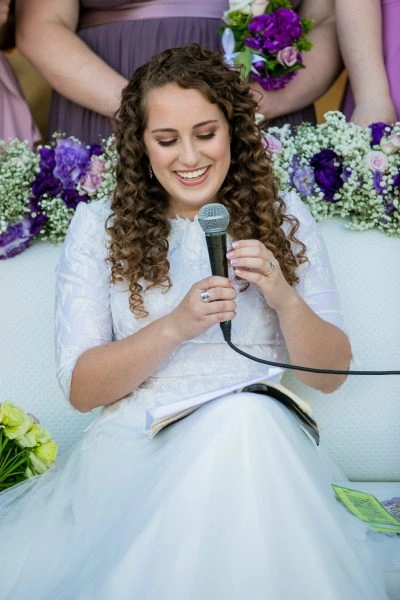
In my Shana bet at Migdal Oz I attended the Hadran siyum hash”as. Witnessing so many women so passionate about their Torah learning and connection to God, I knew I had to begin with the coming cycle. My wedding (June 24) was two weeks before the siyum of mesechet yoma so I went a little ahead and was able to make a speech and siyum at my kiseh kallah on my wedding day!
Givat Shmuel, Israel
Michelle has been an inspiration for years, but I only really started this cycle after the moving and uplifting siyum in Jerusalem. It’s been an wonderful to learn and relearn the tenets of our religion and to understand how the extraordinary efforts of a band of people to preserve Judaism after the fall of the beit hamikdash is still bearing fruits today. I’m proud to be part of the chain!
Raanana, Israel
Inspired by Hadran’s first Siyum ha Shas L’Nashim two years ago, I began daf yomi right after for the next cycle. As to this extraordinary journey together with Hadran..as TS Eliot wrote “We must not cease from exploration and the end of all our exploring will be to arrive where we began and to know the place for the first time.

Jerusalem, Israel
After being so inspired by the siyum shas two years ago, I began tentatively learning daf yomi, like Rabbanut Michelle kept saying – taking one daf at a time. I’m still taking it one daf at a time, one masechet at a time, but I’m loving it and am still so inspired by Rabbanit Michelle and the Hadran community, and yes – I am proud to be finishing Seder Mo’ed.

Bet Shemesh, Israel
I started learning after the siyum hashas for women and my daily learning has been a constant over the last two years. It grounded me during the chaos of Corona while providing me with a community of fellow learners. The Daf can be challenging but it’s filled with life’s lessons, struggles and hope for a better world. It’s not about the destination but rather about the journey. Thank you Hadran!

אפרת, Israel
I’ve been wanting to do Daf Yomi for years, but always wanted to start at the beginning and not in the middle of things. When the opportunity came in 2020, I decided: “this is now the time!” I’ve been posting my journey daily on social media, tracking my progress (#DafYomi); now it’s fully integrated into my daily routines. I’ve also inspired my partner to join, too!

Teaneck, United States
It happened without intent (so am I yotzei?!) – I watched the women’s siyum live and was so moved by it that the next morning, I tuned in to Rabbanit Michelle’s shiur, and here I am, still learning every day, over 2 years later. Some days it all goes over my head, but others I grasp onto an idea or a story, and I ‘get it’ and that’s the best feeling in the world. So proud to be a Hadran learner.
Zichron Yaakov, Israel
I began my Daf Yomi journey on January 5, 2020. I had never learned Talmud before. Initially it struck me as a bunch of inane and arcane details with mind bending logic. I am now smitten. Rabbanit Farber brings the page to life and I am eager to learn with her every day!
Highland Park, United States
After being so inspired by the siyum shas two years ago, I began tentatively learning daf yomi, like Rabbanut Michelle kept saying – taking one daf at a time. I’m still taking it one daf at a time, one masechet at a time, but I’m loving it and am still so inspired by Rabbanit Michelle and the Hadran community, and yes – I am proud to be finishing Seder Mo’ed.
Bet Shemesh, Israel
I have joined the community of daf yomi learners at the start of this cycle. I have studied in different ways – by reading the page, translating the page, attending a local shiur and listening to Rabbanit Farber’s podcasts, depending on circumstances and where I was at the time. The reactions have been positive throughout – with no exception!
Guildford, United Kingdom
I started learning on January 5, 2020. When I complete the 7+ year cycle I will be 70 years old. I had been intimidated by those who said that I needed to study Talmud in a traditional way with a chevruta, but I decided the learning was more important to me than the method. Thankful for Daf Yomi for Women helping me catch up when I fall behind, and also being able to celebrate with each Siyum!
Bakersfield, United States
Minnesota, United States
See video

Raanana, Israel
I tried Daf Yomi in the middle of the last cycle after realizing I could listen to Michelle’s shiurim online. It lasted all of 2 days! Then the new cycle started just days before my father’s first yahrzeit and my youngest daughter’s bat mitzvah. It seemed the right time for a new beginning. My family, friends, colleagues are immensely supportive!

Zichron Yaakov, Israel
When we heard that R. Michelle was starting daf yomi, my 11-year-old suggested that I go. Little did she know that she would lose me every morning from then on. I remember standing at the Farbers’ door, almost too shy to enter. After that first class, I said that I would come the next day but couldn’t commit to more. A decade later, I still look forward to learning from R. Michelle every morning.
Ra’anana, Israel
Michelle has been an inspiration for years, but I only really started this cycle after the moving and uplifting siyum in Jerusalem. It’s been an wonderful to learn and relearn the tenets of our religion and to understand how the extraordinary efforts of a band of people to preserve Judaism after the fall of the beit hamikdash is still bearing fruits today. I’m proud to be part of the chain!
Raanana, Israel
Zevachim 54
״חֹפֵף עָלָיו כׇּל הַיּוֹם״. לְפִיכָךְ זָכָה בִּנְיָמִין הַצַּדִּיק וְנַעֲשָׂה אוּשְׁפִּיזְכָן לְהַקָּדוֹשׁ בָּרוּךְ הוּא, שֶׁנֶּאֱמַר: ״וּבֵין כְּתֵפָיו שָׁכֵן״.
“He covers it throughout the day, and He dwells between his shoulders” (Deuteronomy 33:12). The term “covers it” is understood to mean that Benjamin is continually focused upon that site. Therefore, Benjamin the righteous was privileged and became the host of the Holy One, Blessed be He, as the Holy of Holies was built in his portion. As it is stated: “And He dwells between his shoulders.”
מֵיתִיבִי: עוֹלַת הָעוֹף כֵּיצַד הָיְתָה נַעֲשֵׂית? הָיָה מוֹלֵק אֶת רֹאשָׁהּ מִמּוּל עוֹרְפָּהּ, וּמַבְדִּיל, וּמְמַצֶּה דָּמָהּ עַל קִיר הַמִּזְבֵּחַ.
The Gemara raises an objection from a baraita: How was the rite of a bird burnt offering performed? The priest ascended the ramp and turned to the surrounding ledge. When he arrived at the southeast corner, the priest would pinch the bird’s head by pinching at its nape with his thumbnail and sever the bird’s head from its body, and would squeeze out its blood on the wall of the altar.
וְאִי אָמְרַתְּ לֹא הָיָה לָהּ יְסוֹד – בְּאַוֵּירָא בְּעָלְמָא הוּא דְּקָא עָבֵיד! אָמַר רַב נַחְמָן בַּר יִצְחָק: אֵימַר כָּךְ הִתְנוּ – אַוֵּירָא דְּבִנְיָמִין, קַרְקַע דִּיהוּדָה.
The Gemara states its objection: And if you say that the southeast corner of the altar had no base, is he merely performing the rite in the air, i.e., not within the domain of the altar? Rav Naḥman bar Yitzḥak said: Say that when Eretz Yisrael was apportioned, they made this condition: The airspace of what would become the southeast part of the altar is in the portion of the tribe of Benjamin, so the pinching of the bird offering was performed within the domain of the altar. But the land was in the portion of the tribe of Judah.
מַאי לֹא (הֲוָה) [הָיָה] לָהּ יְסוֹד? רַב אָמַר: בְּבִנְיָן, לֵוִי אָמַר: בְּדָמִים. רַב מְתַרְגֵּם: ״בְּאַחְסָנְתֵּיהּ יִתְבְּנֵי מַדְבְּחָא״, לֵוִי מְתַרְגֵּם: ״בְּאַחְסָנְתֵּיהּ יִתְבְּנֵי מַקְדְּשָׁא״ – מְקוֹם מְקוּדָּשׁ לְדָמִים.
§ The Gemara asks: What does the baraita mean when it states that the southeast corner of the altar had no base? Rav says: It is with regard to the fact that it had no base built on those sides. Levi says: It is with regard to the fact that no blood was sprinkled on that side, as the blood was not permitted to be presented there, even though there was a physical base. Based on this dispute, each of them disagreed as to the correct Aramaic translation of the verse: “Benjamin is a wolf that tears apart; in the morning he devours the prey, and in the evening he divides the spoil” (Genesis 49:27). Rav translates this as: In his portion will the altar be built. Levi translates this as: In his portion will the Sanctuary be built, which means: A place sanctified for blood.
תָּא שְׁמַע: הַיְסוֹד הָיָה מְהַלֵּךְ עַל פְּנֵי כׇּל הַצָּפוֹן וְעַל פְּנֵי כׇּל הַמַּעֲרָב, אוֹכֵל בַּדָּרוֹם אַמָּה אַחַת וּבַמִּזְרָח אַמָּה אַחַת! מַאי ״אוֹכֵל״ נָמֵי – בְּדָמִים.
The Gemara brings proof for each opinion: Come and hear a proof for the explanation of Rav from a mishna (Middot 35b): The base of the altar would extend along all of the northern side and along all of the western side. It consumed one cubit on the southern side and one cubit on the eastern side. This indicates that there was no base on most of the southern or eastern sides of the altar. The Gemara comments: Levi would explain: What is the meaning of the term: Consume? The baraita, as well, is stated with regard to consuming blood of the offerings.
תָּא שְׁמַע: הַמִּזְבֵּחַ הָיָה שְׁלֹשִׁים וּשְׁתַּיִם עַל שְׁלֹשִׁים וּשְׁתַּיִם! הָכָא בְּמַאי עָסְקִינַן – מִן הַצַּד.
The Gemara suggests: Come and hear a proof for the explanation of Levi from that same mishna: The altar was thirty-two cubits by thirty-two cubits. This indicates that there was a base on all four sides, in accordance with the opinion of Levi. Rav could answer: Here we are dealing with the measurement from the side. In other words, only the northern and western sides were thirty-two cubits in length.
תָּא שְׁמַע: נִמְצָא פּוֹרֵחַ אַמָּה עַל יְסוֹד וְאַמָּה עַל סוֹבֵב! אֵימָא כְּנֶגֶד אַמָּה יְסוֹד, וְעַל אַמָּה סוֹבֵב.
The Gemara suggests: Come and hear a proof for the explanation of Levi from a baraita: It turns out the top of the ramp of the altar would overhang one cubit in the air over the base of the altar and one cubit over the surrounding ledge. This indicates that it had a base on all four sides, as the ramp was on the southern side. Rav could answer: Say that the baraita means it would overhang toward the place where the base of a cubit would have been, and one cubit over the surrounding ledge.
תָּא שְׁמַע, דְּתָנֵי לֵוִי: כֵּיצַד בּוֹנִין אֶת הַמִּזְבֵּחַ? מְבִיאִין מַלְבֵּן שֶׁהוּא שְׁלֹשִׁים וּשְׁתַּיִם עַל שְׁלֹשִׁים וּשְׁתַּיִם וְגוֹבְהוֹ אַמָּה, וּמֵבִיא חֲלוּקֵי אֲבָנִים מְפוּלָּמוֹת – בֵּין גְּדוֹלוֹת בֵּין קְטַנּוֹת, וּמֵבִיא סִיד וְקוּנְיָא וָזֶפֶת, וּמְמַחֶה וְשׁוֹפֵךְ. וְזֶה הוּא מְקוֹם יְסוֹד.
The Gemara suggests: Come and hear a proof, as Levi teaches in a baraita: How does one build the altar? He brings a square wooden frame, which is thirty-two cubits by thirty-two cubits, and its height is one cubit. And he brings pieces of damp [mefulamot] stone, both large and small, which are the main components of the altar, which is described as: “An altar of stone” (Exodus 20:22). And he brings plaster and molten lead and tar, and melts them and pours the mixture into the gaps between the stones. And this is the place of the base of the altar.
וְחוֹזֵר וּמֵבִיא מַלְבֵּן שֶׁהוּא שְׁלֹשִׁים אַמָּה עַל שְׁלֹשִׁים אַמָּה וְגוֹבְהוֹ חָמֵשׁ אַמּוֹת, וּמֵבִיא חֲלוּקֵי אֲבָנִים כּוּ׳. וְחוֹזֵר וּמֵבִיא מַלְבֵּן שֶׁהוּא עֶשְׂרִים וּשְׁמוֹנֶה עַל עֶשְׂרִים וּשְׁמוֹנֶה אַמּוֹת וְגוֹבְהוֹ שָׁלֹשׁ אַמּוֹת, וּמֵבִיא חֲלוּקֵי כּוּ׳. וְהוּא מְקוֹם הַמַּעֲרָכָה.
And then he brings a square wooden frame, which is thirty cubits by thirty cubits, and its height is five cubits. And he brings pieces of damp stone, both large and small. And he brings plaster and molten lead and tar, and melts them and pours the mixture into the gaps between the stones. And then he brings a square wooden frame, which is twenty-eight cubits by twenty-eight cubits, and its height is three cubits. And he brings pieces of damp stone, both large and small. And he brings plaster and molten lead and tar, and melts them and pours the mixture into the gaps between the stones. And this is the place of the arrangement of wood on the altar.
וְחוֹזֵר וּמֵבִיא מַלְבֵּן שֶׁהוּא אַמָּה עַל אַמָּה, וּמֵבִיא חֲלוּקֵי אֲבָנִים מְפוּלָּמוֹת בֵּין גְּדוֹלוֹת בֵּין קְטַנּוֹת, וּמֵבִיא זֶפֶת וְקוּנְיָא, וּמְמַחֶה וְשׁוֹפֵךְ. וְזֶהוּ קֶרֶן. וְכֵן לְכׇל קֶרֶן וָקֶרֶן.
And then he brings a square wooden frame, which is one cubit by one cubit. And he brings pieces of damp stone, both large and small. And he brings plaster and molten lead and tar, and melts them and pours the mixture into the frame. And this is the corner of the altar. And so he does this for each and every corner. This baraita indicates that the altar had a base around all four sides.
וְכִי תֵּימָא
The Gemara comments: And if you would say
דְּגָיֵיז לֵיהּ, ״אֲבָנִים שְׁלֵמוֹת״ כְּתִיב!
that he cuts the base on the southern and western sides after he has poured the mixture for the altar and it has dried, it is written concerning the altar: “You shall build the altar of the Lord your God of unhewn stones; and you shall offer burnt offerings on it to the Lord your God” (Deuteronomy 27:6), so it cannot be cut.
דְּמַחֵית מִידֵּי מִתּוּתֵיהּ, וְשָׁקֵיל לֵיהּ. דְּאִי לָא תֵּימָא הָכִי, הָא דְּאָמַר רַב כָּהֲנָא: אֲבָנִים שֶׁל קְרָנוֹת חֲלוּלוֹת הָיוּ – דִּכְתִיב: ״וּמָלְאוּ כַּמִּזְרָק כְּזָוִיֹּת מִזְבֵּחַ״; הָכָא נָמֵי ״אֲבָנִים שְׁלֵמוֹת״ אָמַר רַחֲמָנָא! אֶלָּא דְּמַחֵית מִידֵּי מִתּוּתֵיהּ וְשָׁקֵיל לֵיהּ; הָכָא נָמֵי, דְּמַחֵית מִידֵּי מִתּוּתֵיהּ וְשָׁקֵיל לֵיהּ.
Rav could answer: This means that he places something under the frame, in the place where there is to be no base, and after the poured mixture has dried he removes it, leaving the space empty. As if you do not say so, how will you explain that which Rav Kahana says: The stone interiors of the corners were hollow, i.e., there were gaps between the stones, as it is written: “And they shall be filled like the basins, like the corners of the altar” (Zechariah 9:15)? The verse compares the corners to hollow basins. Here too, doesn’t the Merciful One state that the altar must be made of “unhewn stones”? If so, how could the corners be hollow? Rather, it must be that he places something, e.g., sticks and twigs, under the frame and pours the mixture for the corners over it, and when it has hardened, removes the sticks and twigs, leaving the corners somewhat hollow. Here too, he places something under the frame and later removes it.
דָּרֵשׁ רָבָא, מַאי דִּכְתִיב: ״וַיֵּלֶךְ דָּוִד וּשְׁמוּאֵל וַיֵּשְׁבוּ בְּנוֹיוֹת בָּרָמָה״? וְכִי מָה עִנְיַן נוֹיוֹת אֵצֶל רָמָה? אֶלָּא שֶׁהָיוּ יוֹשְׁבִין בָּרָמָה וְעוֹסְקִין בְּנוֹיוֹ שֶׁל עוֹלָם.
§ Apropos the altar and the Temple, the Gemara relates that Rava taught: What is the meaning of that which is written concerning David: “And he and Samuel went and dwelt in Naioth. And it was told Saul, saying: Behold, David is at Naioth [beNayot] in Ramah” (I Samuel 19:18–19)? But what does Naioth have to do with Ramah? They are in two distinct places. Rather, this means that they were sitting in Ramah and were involved in discussing the beauty [benoyo] of the world, i.e., the Temple.
אָמְרִי, כְּתִיב: ״וְקַמְתָּ וְעָלִיתָ אֶל הַמָּקוֹם״ – מְלַמֵּד שֶׁבֵּית הַמִּקְדָּשׁ גָּבוֹהַּ מִכׇּל אֶרֶץ יִשְׂרָאֵל, וְאֶרֶץ יִשְׂרָאֵל גְּבוֹהָה מִכׇּל אֲרָצוֹת. לָא הֲווֹ יָדְעִי דּוּכְתֵּיהּ הֵיכָא;
David and Samuel said: It is written: “Then you shall arise, and get you up unto the place which the Lord your God shall choose” (Deuteronomy 17:8). This teaches that the Temple is higher than all places in Eretz Yisrael. And Eretz Yisrael is higher than all countries. They did not know where the highest place in Eretz Yisrael was.
אַיְיתוֹ סֵפֶר יְהוֹשֻׁעַ, בְּכוּלְּהוּ כְּתִיב: ״וְיָרַד (וְעָלָה) הַגְּבוּל״, ״וְתָאַר הַגְּבוּל״; בְּשֵׁבֶט בִּנְיָמִין ״וְעָלָה״ כְּתִיב, ״וְיָרַד״ לָא כְּתִיב. אָמְרִי, שְׁמַע מִינַּהּ: הָכָא הוּא מְקוֹמוֹ.
They brought the book of Joshua. With regard to all of the borders of the tribes it is written: “And went down” (see Joshua 15:10, 16:3, 17:9), and it is written: “And the border went up to Beth Hoglah.” (Joshua 15:6), and: “And the border was drawn from the top of the mountain to the fountain of the waters of Nephtoah” (Joshua 15:9). The verse uses different terms to describe the borders of the portion of each tribe. And with regard to the borders of the tribe of Benjamin it is written only: “And went up” (Joshua 18:11), but it is not written: “And went down.” They said: Conclude from the verses that the Temple’s place is here, in the portion of Benjamin.
סְבוּר לְמִבְנְיֵיהּ בְּעֵין עֵיטָם – דְּמִדְּלֵי; אָמְרִי: נִיתַתֵּי בֵּיהּ קַלִּיל, כְּדִכְתִיב: ״וּבֵין כְּתֵפָיו שָׁכֵן״.
They thought to build it at Ein Eitam, which is higher than any other place in the portion of Benjamin. They said: Let us lower it a bit, as it is written: “He covers it throughout the day, and He dwells between his shoulders” (Deuteronomy 33:12). This indicates that the Temple is situated slightly lower, between two peaks.
וְאִיבָּעֵית אֵימָא: גְּמִירִי דְּסַנְהֶדְרִין בְּחֶלְקוֹ דִּיהוּדָה וּשְׁכִינָה בְּחֶלְקוֹ דְּבִנְיָמִין, וְאִי מְדַלִּינַן לֵיהּ – מִתְפְּלֵיג טוּבָא; מוּטָב דְּנִיתַתֵּי בֵּיהּ פּוּרְתָּא, כְּדִכְתִיב: ״וּבֵין כְּתֵפָיו שָׁכֵן״.
And if you wish, say instead that it is learned as a tradition that the Sanhedrin is to be located in the portion of Judah, and the place of the Divine Presence is to be located in the portion of Benjamin. They said: And if we raise it and place it near Ein Eitam it will be too distant from the portion of Judah. They said: It is preferable that we lower it a bit, as it is written: “He covers it throughout the day, and He dwells between his shoulders” (Deuteronomy 33:12).
וְעַל דָּבָר זֶה נִתְקַנֵּא דּוֹאֵג הָאֲדוֹמִי בְּדָוִד, כְּדִכְתִיב: ״כִּי קִנְאַת בֵּיתְךָ אֲכָלָתְנִי״, וּכְתִיב: ״זְכוֹר ה׳ לְדָוִד אֵת כׇּל עֻנּוֹתוֹ אֲשֶׁר נִשְׁבַּע לַה׳ וְגוֹ׳, אִם אָבֹא בְּאֹהֶל בֵּיתִי וְגוֹ׳, אִם אֶתֵּן שְׁנַת לְעֵינָי לְעַפְעַפַּי תְּנוּמָה עַד אֶמְצָא מָקוֹם לַה׳ וְגוֹ׳״.
And with regard to this matter, that David and Samuel discovered the location of the Temple, Doeg the Edomite was jealous of David, as it is written: “Because jealousy for Your House has eaten me up” (Psalms 69:10), and it is written: “Lord, remember for David all his affliction; how he swore to the Lord, and vowed unto the Mighty One of Jacob: I will not come into the tent of my house, nor go up into the bed that is spread for me; if I will give sleep to my eyes, or slumber to my eyelids; until I find a place for the Lord, a dwelling place for the Mighty One of Jacob” (Psalms 132:1–5).
״הִנֵּה שְׁמַעֲנוּהָ בְאֶפְרָתָה מְצָאנוּהָ בִּשְׂדֵה יַעַר״; ״בְּאֶפְרָתָה״ – זֶה יְהוֹשֻׁעַ, דְּקָאָתֵי מֵאֶפְרַיִם. ״מְצָאנוּהָ בִּשְׂדֵה יַעַר״ – זֶה בִּנְיָמִין, דִּכְתִיב: ״בִּנְיָמִין זְאֵב יִטְרָף״.
The verse following those verses states: “We heard of it as being in Ephrath; we found it in the field of the wood” (Psalms 132:6). Rava explains the meaning of these words: “In Ephrath”; this is a reference to Joshua, who came from the tribe of Ephraim. This alludes to the fact that David and Samuel were able to locate the highest place in Eretz Yisrael based on the book of Joshua. “We found it in the field of the wood”; this is a reference to Benjamin, as it is written concerning him: “Benjamin is a wolf that tears apart; in the morning he devours the prey, and in the evening he divides the spoil” (Genesis 49:27). A wolf is a wild animal living in the field, and David and Samuel found the location of the Temple in the portion of Benjamin.
מַתְנִי׳ זִבְחֵי שַׁלְמֵי צִבּוּר וַאֲשָׁמוֹת; אֵלּוּ הֵן אֲשָׁמוֹת – אֲשַׁם גְּזֵילוֹת, אֲשַׁם מְעִילוֹת, אֲשַׁם שִׁפְחָה חֲרוּפָה, אֲשַׁם נָזִיר, אֲשַׁם מְצוֹרָע, אָשָׁם תָּלוּי;
MISHNA: These are the halakhot of communal peace offerings and guilt offerings. These are guilt offerings: The guilt offering for robbery, brought by one from whom another demanded payment of a debt and he denied it and took a false oath (see Leviticus 5:20–26); the guilt offering for unwitting misuse of consecrated property (see Leviticus 5:14–16); the guilt offering of an espoused maidservant, brought by one who engaged in sexual intercourse with a Canaanite maidservant betrothed to a Hebrew slave (see Leviticus 19:20–22); the guilt offering of a nazirite who became impure via contact with a corpse (see Numbers 6:12); the guilt offering of a leper, brought for his purification (see Leviticus 14:12); and the provisional guilt offering, brought by one who is uncertain as to whether he committed a sin that requires a sin offering (see Leviticus 5:17–18).
שְׁחִיטָתָן בַּצָּפוֹן וְקִיבּוּל דָּמָן בִּכְלֵי שָׁרֵת בַּצָּפוֹן, וְדָמָן טָעוּן שְׁתֵּי מַתָּנוֹת שֶׁהֵן אַרְבַּע, וְנֶאֱכָלִין לִפְנִים מִן הַקְּלָעִים – לְזִכְרֵי כְהוּנָּה, לְכׇל מַאֲכָל, לְיוֹם וָלַיְלָה עַד חֲצוֹת.
Concerning all of these, their slaughter is in the north of the Temple courtyard and collection of their blood in a service vessel is in the north, and their blood requires two placements that are four. And the meat portions of the offering are eaten within the curtains, i.e., in the Temple courtyard, by male priests. And they are eaten prepared in any manner of food preparation, on the day the offering was sacrificed and during the night that follows, until midnight.

