








Can kodshim kalim be eaten when there is no altar? An alternative opinion is brought. Was the altar in the mishkan in Shilo made of stone? Different opinions are brought. A mishna is brought which says that the altar in the time of the seconbd temple was larger than the first temple. Why?
Zevachim 61

06.13.2018 | ל׳ בסיון תשע״ח
Share this shiur:
Want to dedicate learning? Get started here:
Zevachim 61
הָא רַבִּי יִשְׁמָעֵאל, הָא רַבָּנַן.
This first baraita is in accordance with the opinion of Rabbi Yishmael, who derives that meat of a firstborn offering, which is an offering of lesser sanctity, cannot be consumed if the altar is damaged or absent, based upon the halakha pertaining to the blood of the firstborn. That second baraita is in accordance with the opinion of the Sages, who disagree with Rabbi Yishmael.
וְאִיבָּעֵית אֵימָא: הָא וְהָא בְּקׇדְשֵׁי קָדָשִׁים; וּמַאי בִּשְׁנֵי מְקוֹמוֹת – קוֹדֶם שֶׁיַּעֲמִידוּ לְוִיִּם אֶת הַמִּשְׁכָּן,
And if you wish, say there is a different resolution of the two baraitot: Both this baraita and that baraita are referring to offerings of the most sacred order. And what does the second baraita mean when it says the food may be consumed in two locations? It is referring to when the Israelites arrive at a new camp, before the Levites erect the Tabernacle,
וּלְאַחַר שֶׁיְּפָרְקוּ הַלְוִיִּם אֶת הַמִּשְׁכָּן.
and, when they are leaving the camp, after the Levites dismantle the Tabernacle but before they remove the altar. Since the altar has not yet been moved, it is still permitted to consume the sacrificial food.
מַהוּ דְּתֵימָא: אִיפְּסִיל לְהוּ בְּיוֹצֵא; קָא מַשְׁמַע לַן.
The Gemara continues: It was necessary to state this halakha lest you say that once the partitions surrounding the courtyard have been taken down, the sacrificial food has been disqualified because it is considered to have left the courtyard of the Tabernacle. Therefore, the baraita teaches us that the food is permitted for consumption as long as the altar remains in place.
וְאֵימָא הָכִי נָמֵי! אָמַר קְרָא: ״וְנָסַע אֹהֶל מוֹעֵד״ – אַף עַל פִּי שֶׁנָּסַע, אֹהֶל מוֹעֵד הוּא.
The Gemara challenges: And say it is indeed so, that the sacrificial food should be disqualified because it is no longer within the partitions surrounding the courtyard. The Gemara explains: The verse states: “Then the Tent of Meeting shall travel” (Numbers 2:17). This verse indicates that even though it traveled it is still considered the Tent of Meeting. Therefore, the sacrificial food is not considered to have left its designated area.
אָמַר רַב הוּנָא אָמַר רַב: מִזְבֵּחַ שֶׁל שִׁילֹה – שֶׁל אֲבָנִים הָיָה. דְּתַנְיָא, רַבִּי אֱלִיעֶזֶר בֶּן יַעֲקֹב אוֹמֵר: מָה תַּלְמוּד לוֹמַר ״אֲבָנִים״ ״אֲבָנִים״ ״אֲבָנִים״ שָׁלֹשׁ פְּעָמִים? אֶחָד שֶׁל שִׁילֹה, וְאֶחָד שֶׁל נוֹב וְגִבְעוֹן, וּבֵית עוֹלָמִים.
§ The Gemara raises another discussion concerning the altar: Rav Huna says that Rav says: The altar in Shiloh was fashioned of stones, unlike the portable altar constructed in the time of Moses, which was fashioned from copper. This is as it is taught in a baraita: Rabbi Eliezer ben Yaakov says: Why must the verses state that the altar must be fashioned from stones (Exodus 20:22), and state again that the altar must be fashioned from stones (Deuteronomy 27:5), and mention yet again the word stones (Deuteronomy 27:6), with regard to the altar, for a total of three times? These allude to three different stone altars: One in Shiloh, and one in Nov and Gibeon, and one in the Eternal House, i.e., the Temple.
מֵתִיב רַב אַחָא בַּר אַמֵּי: אֵשׁ שֶׁיָּרְדָה מִן הַשָּׁמַיִם בִּימֵי מֹשֶׁה – לֹא נִסְתַּלְּקָה מֵעַל מִזְבַּח הַנְּחוֹשֶׁת אֶלָּא בִּימֵי שְׁלֹמֹה, וְאֵשׁ שֶׁיָּרְדָה בִּימֵי שְׁלֹמֹה – לֹא נִסְתַּלְּקָה עַד שֶׁבָּא מְנַשֶּׁה וְסִילְּקָהּ. וְאִם אִיתָא, מֵעִיקָּרָא הוּא דְּאִיסְתַּלַּק לֵיהּ!
Rav Aḥa bar Ami raises an objection based on a baraita: The fire that descended from Heaven upon the altar in the days of Moses (see Leviticus 9:24) departed from atop the copper altar only in the days of Solomon, when he replaced the copper altar with a stone altar, and the fire that descended upon the altar in the days of Solomon did not depart until Manasseh came and removed it by destroying the altar. And if it is so that the altar in Shiloh was fashioned of stones, it emerges that the fire departed the copper altar earlier, when the stone altar in Shiloh replaced the copper altar of Moses, many years before King Solomon.
הוּא דְּאָמַר – כְּרַבִּי נָתָן; דְּתַנְיָא, רַבִּי נָתָן אוֹמֵר: מִזְבֵּחַ שֶׁל שִׁילֹה – שֶׁל נְחוֹשֶׁת הָיָה, חָלוּל וּמָלֵא אֲבָנִים.
The Gemara explains: Rav Huna stated his opinion in accordance with the statement of Rabbi Natan, as it is taught in a baraita that Rabbi Natan says: The altar in Shiloh was fashioned of copper; it was hollow and full of stones.
רַב נַחְמָן בַּר יִצְחָק אָמַר: מַאי לֹא נִסְתַּלְּקָה – לֹא נִסְתַּלְּקָה לְבַטָּלָה. מַאי הִיא? רַבָּנַן אָמְרִי: שְׁבִיבָא הֲוָה מְשַׁדְּרָא. רַב פָּפָּא אָמַר: אוּשְׁפִּיזָא הֲוָה נָקֵט, וְזִימְנִין הָכָא וְזִימְנִין הָכָא.
Rav Naḥman bar Yitzḥak says there is an alternative answer: What is the meaning of the statement in the baraita that the fire did not depart until the days of Solomon? It means that it did not depart in a manner in which it was nullified; it was still somewhat present in Shiloh on the copper altar, which stood together with the stone altar. The Gemara asks: What is it, i.e., what does it mean that the fire did not depart in a manner in which it was nullified? The Gemara answers: The Rabbis say: The fire on the copper altar would emit sparks toward the stone altar when the priests would sacrifice offerings on the stone altar. Rav Pappa says: The fire was as a guest; sometimes it was here, on the copper altar, and sometimes it was there, on the stone altar.
תְּנַן הָתָם: וּכְשֶׁעָלוּ בְּנֵי הַגּוֹלָה – הוֹסִיפוּ עָלָיו אַרְבַּע אַמּוֹת מִן הַדָּרוֹם וְאַרְבַּע אַמּוֹת מִן הַמַּעֲרָב, כְּמִין גַּמָּא. מַאי טַעְמָא? אָמַר רַב יוֹסֵף: מִשּׁוּם דְּלָא סָפַק.
§ The Gemara continues discussing the altar: We learned in a mishna there (Middot 35b): The altar in the First Temple was twenty-eight by twenty-eight cubits. When the members of the exile ascended to Jerusalem in the beginning of the Second Temple period, they added four cubits to it on the south and four cubits on the west sides of the altar, like the shape of the Greek letter gamma, i.e., the additions made a right angle. As a result, the altar in the Second Temple was thirty-two by thirty-two cubits. The Gemara asks: What was the reason for this expansion? Rav Yosef said: Because the size of the altar from the First Temple was not sufficient.
אֲמַר לֵיהּ אַבָּיֵי: הַשְׁתָּא מִקְדָּשׁ רִאשׁוֹן, דִּכְתִיב בֵּיהּ: ״יְהוּדָה וְיִשְׂרָאֵל רַבִּים כַּחוֹל אֲשֶׁר עַל שְׂפַת הַיָּם״ – סְפֵק; מִקְדָּשׁ שֵׁנִי, דִּכְתִיב בֵּיהּ: ״כׇּל הַקָּהָל כְּאֶחָד אַרְבַּע רִבּוֹא״ – לֹא סָפֵק?! אֲמַר לֵיהּ: הָתָם אֵשׁ שֶׁל שָׁמַיִם מְסַיַּיעְתָּן, הָכָא אֵין אֵשׁ שֶׁל שָׁמַיִם מְסַיַּיעְתָּן.
Abaye said to him: Now, if in the First Temple era, about which it is written: “Judah and Israel were many as the sand that is by the sea” (I Kings 4:20), the altar was sufficient, how could it be that in the Second Temple era, about which it is written: “The whole congregation together was forty and two thousand three hundred and sixty” (Ezra 2:64), the altar was not sufficient? Rav Yosef said to Abaye: There, in the First Temple, a heavenly fire would assist them and consume the offerings. Here, in the Second Temple, there was no heavenly fire that would assist them. Therefore, they needed a larger area in which to burn the offerings.
כִּי אֲתָא רָבִין, אָמַר רַבִּי שִׁמְעוֹן בֶּן פַּזִּי מִשּׁוּם בַּר קַפָּרָא: שִׁיתִין הוֹסִיפוּ. מֵעִיקָּרָא סְבוּר: ״מִזְבַּח אֲדָמָה״ – שֶׁהוּא אָטוּם בָּאֲדָמָה.
When Ravin came from Eretz Yisrael to Babylonia, he reported that which Rabbi Shimon ben Pazi says in the name of Bar Kappara with regard to the expansion of the altar: They expanded the altar to extend over the underground cavities into which the libations flowed. Initially, in the First Temple era, they held that when the verse states: “An altar of earth you shall make for Me” (Exodus 20:21), it means that it should be completely filled with earth.
וּלְבַסּוֹף סְבוּר: שְׁתִיָּה כַּאֲכִילָה, וּמַאי ״מִזְבַּח אֲדָמָה״ – שֶׁהוּא מְחוּבָּר בַּאֲדָמָה; שֶׁלֹּא יִבְנֶנּוּ לֹא עַל גַּבֵּי כִּיפִּים
But ultimately, in the Second Temple era, they maintained that the altar’s drinking is like its eating, i.e., just as the offerings are burned upon the altar, so too, the libations must be poured onto the altar itself and not down its side. Consequently, they expanded the altar to cover the underground cavities, and created holes in the altar so that the libations could be poured on top of the altar and flow into the underground cavities. And according to this, what is the meaning of the phrase “an altar of earth”? It teaches that the altar must be attached to the earth, so that one may not build it on top of arches
Follow 
New to Talmud?
Check out our resources designed to help you navigate a page of Talmud – and study at the pace, level and style that fits you.
The Hadran Women’s Tapestry
Meet the diverse women learning Gemara at Hadran and hear their stories.
As Jewish educator and as a woman, I’m mindful that Talmud has been kept from women for many centuries. Now that we are privileged to learn, and learning is so accessible, it’s my intent to complete Daf Yomi. I am so excited to keep learning with my Hadran community.
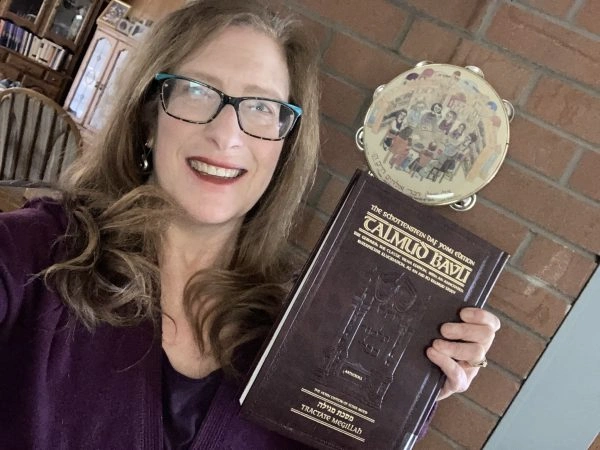
Sue Parker Gerson
Denver, United States
When I started studying Hebrew at Brown University’s Hillel, I had no idea that almost 38 years later, I’m doing Daf Yomi. My Shabbat haburah is led by Rabbanit Leah Sarna. The women are a hoot. I’m tracking the completion of each tractate by reading Ilana Kurshan’s memoir, If All the Seas Were Ink.

Hannah Lee
Pennsylvania, United States
I started learning after the siyum hashas for women and my daily learning has been a constant over the last two years. It grounded me during the chaos of Corona while providing me with a community of fellow learners. The Daf can be challenging but it’s filled with life’s lessons, struggles and hope for a better world. It’s not about the destination but rather about the journey. Thank you Hadran!
Dena Lehrman
אפרת, Israel
Hearing and reading about the siyumim at the completion of the 13 th cycle Daf Yomi asked our shul rabbi about starting the Daf – he directed me to another shiur in town he thought would allow a woman to join, and so I did! Love seeing the sources for the Divrei Torah I’ve been hearing for the past decades of living an observant life and raising 5 children .

Jill Felder
Pittsburgh, Pennsylvania, United States
I had no formal learning in Talmud until I began my studies in the Joint Program where in 1976 I was one of the few, if not the only, woman talmud major. It was superior training for law school and enabled me to approach my legal studies with a foundation . In 2018, I began daf yomi listening to Rabbanit MIchelle’s pod cast and my daily talmud studies are one of the highlights of my life.

Terri Krivosha
Minneapolis, United States
In July, 2012 I wrote for Tablet about the first all women’s siyum at Matan in Jerusalem, with 100 women. At the time, I thought, I would like to start with the next cycle – listening to a podcast at different times of day makes it possible. It is incredible that after 10 years, so many women are so engaged!

Beth Kissileff
Pittsburgh, United States
The start of my journey is not so exceptional. I was between jobs and wanted to be sure to get out every day (this was before corona). Well, I was hooked after about a month and from then on only looked for work-from-home jobs so I could continue learning the Daf. Daf has been a constant in my life, though hurricanes, death, illness/injury, weddings. My new friends are Rav, Shmuel, Ruth, Joanna.

Judi Felber
Raanana, Israel
I read Ilana Kurshan’s “If All the Seas Were Ink” which inspired me. Then the Women’s Siyum in Jerusalem in 2020 convinced me, I knew I had to join! I have loved it- it’s been a constant in my life daily, many of the sugiyot connect to our lives. My family and friends all are so supportive. It’s incredible being part of this community and love how diverse it is! I am so excited to learn more!

Shira Jacobowitz
Jerusalem, Israel
What a great experience to learn with Rabbanit Michelle Farber. I began with this cycle in January 2020 and have been comforted by the consistency and energy of this process throughout the isolation period of Covid. Week by week, I feel like I am exploring a treasure chest with sparkling gems and puzzling antiquities. The hunt is exhilarating.
Marian Frankston
Pennsylvania, United States
When I began the previous cycle, I promised myself that if I stuck with it, I would reward myself with a trip to Israel. Little did I know that the trip would involve attending the first ever women’s siyum and being inspired by so many learners. I am now over 2 years into my second cycle and being part of this large, diverse, fascinating learning family has enhanced my learning exponentially.

Shira Krebs
Minnesota, United States
In early 2020, I began the process of a stem cell transplant. The required extreme isolation forced me to leave work and normal life but gave me time to delve into Jewish text study. I did not feel isolated. I began Daf Yomi at the start of this cycle, with family members joining me online from my hospital room. I’ve used my newly granted time to to engage, grow and connect through this learning.
Reena Slovin
Worcester, United States
In July, 2012 I wrote for Tablet about the first all women’s siyum at Matan in Jerusalem, with 100 women. At the time, I thought, I would like to start with the next cycle – listening to a podcast at different times of day makes it possible. It is incredible that after 10 years, so many women are so engaged!
Beth Kissileff
Pittsburgh, United States
I started to listen to Michelle’s podcasts four years ago. The minute I started I was hooked. I’m so excited to learn the entire Talmud, and think I will continue always. I chose the quote “while a woman is engaged in conversation she also holds the spindle”. (Megillah 14b). It reminds me of all of the amazing women I learn with every day who multi-task, think ahead and accomplish so much.

Julie Mendelsohn
Zichron Yakov, Israel
My first Talmud class experience was a weekly group in 1971 studying Taanit. In 2007 I resumed Talmud study with a weekly group I continue learning with. January 2020, I was inspired to try learning Daf Yomi. A friend introduced me to Daf Yomi for Women and Rabbanit Michelle Farber, I have kept with this program and look forward, G- willing, to complete the entire Shas with Hadran.
Lorri Lewis
Palo Alto, CA, United States
I had tried to start after being inspired by the hadran siyum, but did not manage to stick to it. However, just before masechet taanit, our rav wrote a message to the shul WhatsApp encouraging people to start with masechet taanit, so I did! And this time, I’m hooked! I listen to the shiur every day , and am also trying to improve my skills.
Laura Major
Yad Binyamin, Israel
My curiosity was peaked after seeing posts about the end of the last cycle. I am always looking for opportunities to increase my Jewish literacy & I am someone that is drawn to habit and consistency. Dinnertime includes a “Guess what I learned on the daf” segment for my husband and 18 year old twins. I also love the feelings of connection with my colleagues who are also learning.

Diana Bloom
Tampa, United States
I started learning Daf Yomi to fill what I saw as a large gap in my Jewish education. I also hope to inspire my three daughters to ensure that they do not allow the same Talmud-sized gap to form in their own educations. I am so proud to be a part of the Hadran community, and I have loved learning so many of the stories and halachot that we have seen so far. I look forward to continuing!

Dora Chana Haar
Oceanside NY, United States
After enthusing to my friend Ruth Kahan about how much I had enjoyed remote Jewish learning during the earlier part of the pandemic, she challenged me to join her in learning the daf yomi cycle. I had always wanted to do daf yomi but now had no excuse. The beginning was particularly hard as I had never studied Talmud but has become easier, as I have gained some familiarity with it.
Susan Vishner
Brookline, United States
I’ve been studying Talmud since the ’90s, and decided to take on Daf Yomi two years ago. I wanted to attempt the challenge of a day-to-day, very Jewish activity. Some days are so interesting and some days are so boring. But I’m still here.
Sarene Shanus
Mamaroneck, NY, United States
Ive been learning Gmara since 5th grade and always loved it. Have always wanted to do Daf Yomi and now with Michelle Farber’s online classes it made it much easier to do! Really enjoying the experience thank you!!

Lisa Lawrence
Neve Daniel, Israel
Zevachim 61
הָא רַבִּי יִשְׁמָעֵאל, הָא רַבָּנַן.
This first baraita is in accordance with the opinion of Rabbi Yishmael, who derives that meat of a firstborn offering, which is an offering of lesser sanctity, cannot be consumed if the altar is damaged or absent, based upon the halakha pertaining to the blood of the firstborn. That second baraita is in accordance with the opinion of the Sages, who disagree with Rabbi Yishmael.
וְאִיבָּעֵית אֵימָא: הָא וְהָא בְּקׇדְשֵׁי קָדָשִׁים; וּמַאי בִּשְׁנֵי מְקוֹמוֹת – קוֹדֶם שֶׁיַּעֲמִידוּ לְוִיִּם אֶת הַמִּשְׁכָּן,
And if you wish, say there is a different resolution of the two baraitot: Both this baraita and that baraita are referring to offerings of the most sacred order. And what does the second baraita mean when it says the food may be consumed in two locations? It is referring to when the Israelites arrive at a new camp, before the Levites erect the Tabernacle,
וּלְאַחַר שֶׁיְּפָרְקוּ הַלְוִיִּם אֶת הַמִּשְׁכָּן.
and, when they are leaving the camp, after the Levites dismantle the Tabernacle but before they remove the altar. Since the altar has not yet been moved, it is still permitted to consume the sacrificial food.
מַהוּ דְּתֵימָא: אִיפְּסִיל לְהוּ בְּיוֹצֵא; קָא מַשְׁמַע לַן.
The Gemara continues: It was necessary to state this halakha lest you say that once the partitions surrounding the courtyard have been taken down, the sacrificial food has been disqualified because it is considered to have left the courtyard of the Tabernacle. Therefore, the baraita teaches us that the food is permitted for consumption as long as the altar remains in place.
וְאֵימָא הָכִי נָמֵי! אָמַר קְרָא: ״וְנָסַע אֹהֶל מוֹעֵד״ – אַף עַל פִּי שֶׁנָּסַע, אֹהֶל מוֹעֵד הוּא.
The Gemara challenges: And say it is indeed so, that the sacrificial food should be disqualified because it is no longer within the partitions surrounding the courtyard. The Gemara explains: The verse states: “Then the Tent of Meeting shall travel” (Numbers 2:17). This verse indicates that even though it traveled it is still considered the Tent of Meeting. Therefore, the sacrificial food is not considered to have left its designated area.
אָמַר רַב הוּנָא אָמַר רַב: מִזְבֵּחַ שֶׁל שִׁילֹה – שֶׁל אֲבָנִים הָיָה. דְּתַנְיָא, רַבִּי אֱלִיעֶזֶר בֶּן יַעֲקֹב אוֹמֵר: מָה תַּלְמוּד לוֹמַר ״אֲבָנִים״ ״אֲבָנִים״ ״אֲבָנִים״ שָׁלֹשׁ פְּעָמִים? אֶחָד שֶׁל שִׁילֹה, וְאֶחָד שֶׁל נוֹב וְגִבְעוֹן, וּבֵית עוֹלָמִים.
§ The Gemara raises another discussion concerning the altar: Rav Huna says that Rav says: The altar in Shiloh was fashioned of stones, unlike the portable altar constructed in the time of Moses, which was fashioned from copper. This is as it is taught in a baraita: Rabbi Eliezer ben Yaakov says: Why must the verses state that the altar must be fashioned from stones (Exodus 20:22), and state again that the altar must be fashioned from stones (Deuteronomy 27:5), and mention yet again the word stones (Deuteronomy 27:6), with regard to the altar, for a total of three times? These allude to three different stone altars: One in Shiloh, and one in Nov and Gibeon, and one in the Eternal House, i.e., the Temple.
מֵתִיב רַב אַחָא בַּר אַמֵּי: אֵשׁ שֶׁיָּרְדָה מִן הַשָּׁמַיִם בִּימֵי מֹשֶׁה – לֹא נִסְתַּלְּקָה מֵעַל מִזְבַּח הַנְּחוֹשֶׁת אֶלָּא בִּימֵי שְׁלֹמֹה, וְאֵשׁ שֶׁיָּרְדָה בִּימֵי שְׁלֹמֹה – לֹא נִסְתַּלְּקָה עַד שֶׁבָּא מְנַשֶּׁה וְסִילְּקָהּ. וְאִם אִיתָא, מֵעִיקָּרָא הוּא דְּאִיסְתַּלַּק לֵיהּ!
Rav Aḥa bar Ami raises an objection based on a baraita: The fire that descended from Heaven upon the altar in the days of Moses (see Leviticus 9:24) departed from atop the copper altar only in the days of Solomon, when he replaced the copper altar with a stone altar, and the fire that descended upon the altar in the days of Solomon did not depart until Manasseh came and removed it by destroying the altar. And if it is so that the altar in Shiloh was fashioned of stones, it emerges that the fire departed the copper altar earlier, when the stone altar in Shiloh replaced the copper altar of Moses, many years before King Solomon.
הוּא דְּאָמַר – כְּרַבִּי נָתָן; דְּתַנְיָא, רַבִּי נָתָן אוֹמֵר: מִזְבֵּחַ שֶׁל שִׁילֹה – שֶׁל נְחוֹשֶׁת הָיָה, חָלוּל וּמָלֵא אֲבָנִים.
The Gemara explains: Rav Huna stated his opinion in accordance with the statement of Rabbi Natan, as it is taught in a baraita that Rabbi Natan says: The altar in Shiloh was fashioned of copper; it was hollow and full of stones.
רַב נַחְמָן בַּר יִצְחָק אָמַר: מַאי לֹא נִסְתַּלְּקָה – לֹא נִסְתַּלְּקָה לְבַטָּלָה. מַאי הִיא? רַבָּנַן אָמְרִי: שְׁבִיבָא הֲוָה מְשַׁדְּרָא. רַב פָּפָּא אָמַר: אוּשְׁפִּיזָא הֲוָה נָקֵט, וְזִימְנִין הָכָא וְזִימְנִין הָכָא.
Rav Naḥman bar Yitzḥak says there is an alternative answer: What is the meaning of the statement in the baraita that the fire did not depart until the days of Solomon? It means that it did not depart in a manner in which it was nullified; it was still somewhat present in Shiloh on the copper altar, which stood together with the stone altar. The Gemara asks: What is it, i.e., what does it mean that the fire did not depart in a manner in which it was nullified? The Gemara answers: The Rabbis say: The fire on the copper altar would emit sparks toward the stone altar when the priests would sacrifice offerings on the stone altar. Rav Pappa says: The fire was as a guest; sometimes it was here, on the copper altar, and sometimes it was there, on the stone altar.
תְּנַן הָתָם: וּכְשֶׁעָלוּ בְּנֵי הַגּוֹלָה – הוֹסִיפוּ עָלָיו אַרְבַּע אַמּוֹת מִן הַדָּרוֹם וְאַרְבַּע אַמּוֹת מִן הַמַּעֲרָב, כְּמִין גַּמָּא. מַאי טַעְמָא? אָמַר רַב יוֹסֵף: מִשּׁוּם דְּלָא סָפַק.
§ The Gemara continues discussing the altar: We learned in a mishna there (Middot 35b): The altar in the First Temple was twenty-eight by twenty-eight cubits. When the members of the exile ascended to Jerusalem in the beginning of the Second Temple period, they added four cubits to it on the south and four cubits on the west sides of the altar, like the shape of the Greek letter gamma, i.e., the additions made a right angle. As a result, the altar in the Second Temple was thirty-two by thirty-two cubits. The Gemara asks: What was the reason for this expansion? Rav Yosef said: Because the size of the altar from the First Temple was not sufficient.
אֲמַר לֵיהּ אַבָּיֵי: הַשְׁתָּא מִקְדָּשׁ רִאשׁוֹן, דִּכְתִיב בֵּיהּ: ״יְהוּדָה וְיִשְׂרָאֵל רַבִּים כַּחוֹל אֲשֶׁר עַל שְׂפַת הַיָּם״ – סְפֵק; מִקְדָּשׁ שֵׁנִי, דִּכְתִיב בֵּיהּ: ״כׇּל הַקָּהָל כְּאֶחָד אַרְבַּע רִבּוֹא״ – לֹא סָפֵק?! אֲמַר לֵיהּ: הָתָם אֵשׁ שֶׁל שָׁמַיִם מְסַיַּיעְתָּן, הָכָא אֵין אֵשׁ שֶׁל שָׁמַיִם מְסַיַּיעְתָּן.
Abaye said to him: Now, if in the First Temple era, about which it is written: “Judah and Israel were many as the sand that is by the sea” (I Kings 4:20), the altar was sufficient, how could it be that in the Second Temple era, about which it is written: “The whole congregation together was forty and two thousand three hundred and sixty” (Ezra 2:64), the altar was not sufficient? Rav Yosef said to Abaye: There, in the First Temple, a heavenly fire would assist them and consume the offerings. Here, in the Second Temple, there was no heavenly fire that would assist them. Therefore, they needed a larger area in which to burn the offerings.
כִּי אֲתָא רָבִין, אָמַר רַבִּי שִׁמְעוֹן בֶּן פַּזִּי מִשּׁוּם בַּר קַפָּרָא: שִׁיתִין הוֹסִיפוּ. מֵעִיקָּרָא סְבוּר: ״מִזְבַּח אֲדָמָה״ – שֶׁהוּא אָטוּם בָּאֲדָמָה.
When Ravin came from Eretz Yisrael to Babylonia, he reported that which Rabbi Shimon ben Pazi says in the name of Bar Kappara with regard to the expansion of the altar: They expanded the altar to extend over the underground cavities into which the libations flowed. Initially, in the First Temple era, they held that when the verse states: “An altar of earth you shall make for Me” (Exodus 20:21), it means that it should be completely filled with earth.
וּלְבַסּוֹף סְבוּר: שְׁתִיָּה כַּאֲכִילָה, וּמַאי ״מִזְבַּח אֲדָמָה״ – שֶׁהוּא מְחוּבָּר בַּאֲדָמָה; שֶׁלֹּא יִבְנֶנּוּ לֹא עַל גַּבֵּי כִּיפִּים
But ultimately, in the Second Temple era, they maintained that the altar’s drinking is like its eating, i.e., just as the offerings are burned upon the altar, so too, the libations must be poured onto the altar itself and not down its side. Consequently, they expanded the altar to cover the underground cavities, and created holes in the altar so that the libations could be poured on top of the altar and flow into the underground cavities. And according to this, what is the meaning of the phrase “an altar of earth”? It teaches that the altar must be attached to the earth, so that one may not build it on top of arches
Follow

