Search

Zevachim 68

Want to dedicate learning? Get started here:

podcast placeholder

0:00
0:00


Summary

Today’s shiur is sponsored by Caroline Musin in honor of the Yeshivat Maharat graduates.

The gemara raises questions on Rav Ada bar Ahava’s understanding of Rabbi Yehoshua and in the end explains Rabbi Yehoshua in a different manner. Depending on how or where the melika is performed, affects whether or not is has the status of a neveila of a pure bird and can cause impurities while the person is eating it.

Zevachim 68

צְרִיכָה שֶׁתָּבִיא עוֹד חָמֵשׁ פְּרֵידִין לְמַעְלָה.

she must bring another five birds and sacrifice them all above the red line as burnt offerings. Since her commitment was not satisfied, she has not fulfilled even part of her vow. She must therefore bring two burnt offerings of each species to ensure that she fulfills her vow, and she must bring another bird to replace the initial obligatory burnt offering and fulfill her commitment to bring them together.

מִמִּין אֶחָד. וּמִשְּׁנֵי מִינִין – תָּבִיא שֵׁשׁ.

This is the halakha only if both pairs that she brought were of the same species. But if they were of two different species, and the priest does not remember which he sacrificed first as the obligatory pair, she must bring six, two of each species to ensure that she fulfills her vow, and one more of each species to ensure that she properly replaces the original burnt offering of the obligatory pair and fulfills her commitment.

נְתָנָתַן לַכֹּהֵן, וְאֵינָהּ יוֹדַעַת מָה נָתְנָה; הָלַךְ הַכֹּהֵן וְעָשָׂה, וְאֵינוֹ יוֹדֵעַ מָה עָשָׂה – צְרִיכָה אַרְבַּע פְּרִידִין לְנִדְרָהּ, וּשְׁתַּיִם לְחוֹבָתָהּ, וְחַטָּאת אַחַת.

If the woman specified the species of bird for her vow but then forgot which species she specified, and she gave two pairs of birds to the priest but does not know now what species she gave, or even if she gave him one or two species of birds, and the priest went and sacrificed the birds but does not know now what he sacrificed where, in this case, she must bring seven birds, as follows: Four birds, two of each species, for her vow; and two more birds, one of each species, for her obligatory burnt offering, in case the priest sacrificed a sin offering of a certain species and the burnt offering must now match that species; and one sin offering of either species, in case the priest sacrificed them all as burnt offerings.

בֶּן עַזַּאי אוֹמֵר: שְׁתֵּי חַטָּאוֹת.

Ben Azzai says she must bring two sin offerings, one of each species, as he holds that if the priest sacrificed a bird of a certain species specifically as the obligatory burnt offering, the sin offering must now match that species.

אָמַר רַבִּי יְהוֹשֻׁעַ, זֶהוּ שֶׁאָמְרוּ: כְּשֶׁהוּא חַי – קוֹלוֹ אֶחָד, וּכְשֶׁהוּא מֵת – קוֹלוֹ שִׁבְעָה.

The mishna concludes: Rabbi Yehoshua said that there is a parable that explains this situation: This is what people say about a sheep: When it is alive it makes one sound, and when it is dead it makes seven sounds. Its two horns become trumpets, its two shinbones become flutes, its skin becomes a drumhead, its large intestines become harp strings, and its small intestines become lyre strings. Here too, because of the uncertainty as to what had occurred, the woman must bring seven extra birds. Since Rabbi Yehoshua summarizes the mishna, the mishnayot in this chapter must be in accordance with his opinion. According to Rav Adda bar Ahava’s explanation of Rabbi Yehoshua’s principle, burnt offerings of birds sacrificed as sin offerings become valid sin offerings. Why then, according to these mishnayot, are they disqualified?

אֵימַר דַּאֲמַר רַבִּי יְהוֹשֻׁעַ – לְאַפּוֹקַהּ מִידֵי מְעִילָה; לְמִיסַּק לֵיהּ לְחוֹבָה מִי אָמַר?!

The Gemara responds: Rav Adda bar Ahava’s explanation is not at odds with these mishnayot; while it is reasonable to say, i.e., to explain, that Rabbi Yehoshua said that the offering becomes a sin offering insofar as to exclude one who derives benefit from it from liability for misuse of consecrated property, did he say that it becomes a sin offering so expansively as to indicate that it would satisfy the owner’s obligation? In the cases in the mishnayot in Kinnim, all burnt offerings that were sacrificed as sin offerings are not subject to the halakhot of misuse of consecrated property, but the women must nevertheless bring replacement offerings.

מַתְנִי׳ כׇּל הַפְּסוּלִין שֶׁמָּלְקוּ – מְלִיקָתָן פְּסוּלָה, וְאֵינָן מְטַמְּאוֹת בְּבֵית הַבְּלִיעָה. מָלַק בִּשְׂמֹאל אוֹ בַּלַּיְלָה, שָׁחַט חוּלִּין בִּפְנִים וְקָדָשִׁים בַּחוּץ – אֵינָן מְטַמְּאוֹת בְּבֵית הַבְּלִיעָה.

MISHNA: With regard to any of those people disqualified from performing the Temple service who pinched the nape of a bird offering, their pinching is not valid, but the offering’s meat does not render one who swallows it ritually impure when it is in the throat, as would the meat of a kosher bird that was not ritually slaughtered. If a priest pinched it with the thumbnail of his left hand, or if he pinched it at night, or if he slaughtered a non-sacred bird inside the Temple courtyard or a sacrificial bird outside the Temple courtyard, in all these cases, although it is prohibited to consume these birds, they do not render one ritually impure when they are in the throat, as the halakhic status of pinching is like that of slaughtering.

מָלַק בְּסַכִּין; מָלַק חוּלִּין בִּפְנִים וְקָדָשִׁים בַּחוּץ;

If he pinched with a knife and not with his thumbnail; or if he pinched a non-sacred bird inside the Temple courtyard or a sacrificial bird outside the Temple courtyard;

תּוֹרִין שֶׁלֹּא הִגִּיעַ זְמַנָּן, וּבְנֵי יוֹנָה שֶׁעָבַר זְמַנָּן; שֶׁיָּבְשָׁה גַּפָּהּ, שֶׁנִּסְמֵית עֵינָהּ וְשֶׁנִּקְטְעָה רַגְלָהּ – מְטַמֵּא בְּבֵית הַבְּלִיעָה.

or if he pinched doves whose time of fitness for sacrifice has not yet arrived, as they are too young to be sacrificed; or if he pinched pigeons whose time of fitness has passed, as they are too old; or if he pinched the nape of a fledgling whose wing was withered, or whose eye was blinded, or whose leg was severed; in all these cases, although the bird’s nape was pinched, it renders one who swallows it ritually impure when it is in the throat.

זֶה הַכְּלָל: כֹּל שֶׁפְּסוּלוֹ בַּקּוֹדֶשׁ – אֵינוֹ מְטַמֵּא בְּבֵית הַבְּלִיעָה; לֹא הָיָה פְּסוּלוֹ בַּקּוֹדֶשׁ – מְטַמֵּא בְּבֵית הַבְּלִיעָה.

This is the principle: The meat of any bird that was initially fit for sacrifice and whose disqualification occurred in the course of the service in the sacred Temple courtyard does not render one who swallows it ritually impure when it is in the throat. The meat of any bird whose disqualification did not occur in the sacred area, but rather was disqualified before the service began, renders one ritually impure when it is in the throat.

גְּמָ׳ אָמַר רַב: שְׂמֹאל וְלַיְלָה – אֵין מְטַמְּאִין בְּבֵית הַבְּלִיעָה, זָר וְסַכִּין – מְטַמְּאִין בְּבֵית הַבְּלִיעָה.

GEMARA: Rav says: Pinching with the thumbnail of the left hand and pinching at night do not cause the offering’s meat to render one who swallows it ritually impure when it is in the throat as would the carcass of an unslaughtered bird; but pinching by a non-priest and pinching, i.e., cutting from the nape of the neck, with a knife rather than the fingernail do cause the meat to render one ritually impure when it is in the throat.

מַאי שְׁנָא שְׂמֹאל – דְּאִית לֵיהּ הֶכְשֵׁירָה בְּיוֹם הַכִּפּוּרִים, וְלַיְלָה – אִית לֵיהּ הֶכְשֵׁירָה בְּאֵיבָרִים וּפְדָרִים; זָר נָמֵי – אִית לֵיהּ הֶכְשֵׁירָה בִּשְׁחִיטָה! שְׁחִיטָה לָאו עֲבוֹדָה הִיא.

The Gemara challenges: What is different about the first two cases that prevents the bird from assuming the status of a carcass? Temple service with the left hand has an instance of validity during the service on Yom Kippur, when the High Priest enters the Holy of Holies holding the spoon of incense in his left hand. And Temple service at night has an instance of validity in the burning of limbs and fats of offerings on the altar, which may be burned throughout the night. But a non-priest also has an instance of validity in the slaughter of animal offerings. Why then does Rav rule that pinching by a non-priest renders the bird a carcass? The Gemara answers: Slaughter is not considered a full-fledged sacrificial rite, and therefore it cannot be compared to pinching.

וְלָא?! וְהָא אָמַר רַבִּי זֵירָא: שְׁחִיטַת פָּרָה בְּזָר – פְּסוּלָה; וּמַחְוֵי רַב עֲלַהּ: אֶלְעָזָר וְ״חוּקָּה״!

The Gemara asks: And is it not a full-fledged rite? But doesn’t Rabbi Zeira say that the slaughter of a red heifer by a non-priest is not valid, which indicates that it is a full-fledged rite? And Rav showed a source in the Torah for this halakha: The verses concerning the red heifer mention both Elazar the priest as performing the slaughter and the word “statute,” which is mentioned in the verse: “This is the statute of the law” (Numbers 19:2), teaching that Elazar’s involvement was halakhically required.

שָׁאנֵי פָּרָה, דְּקׇדְשֵׁי בֶּדֶק הַבַּיִת הִיא.

The Gemara answers: The red heifer is different, as it has the halakhic status of an item consecrated for Temple maintenance rather than for sacrifice on the altar. Therefore, its slaughter cannot teach the halakha concerning an actual offering.

וְלָא כֹּל דְּכֵן הוּא: קׇדְשֵׁי בֶּדֶק הַבַּיִת בָּעוּ כְּהוּנָּה, קׇדְשֵׁי מִזְבֵּחַ מִיבַּעְיָא?!

The Gemara asks: But can it not be inferred a fortiori that slaughter is a sacrificial rite? If animals that have the status of items consecrated for Temple maintenance, which are of lesser sanctity, require slaughter by the priesthood, is it necessary to say that the slaughter of animals consecrated for sacrifice on the altar, which are of greater sanctity, is a sacrificial rite that should require a priest? Apparently, the fact that non-priests may slaughter offerings proves that certain sacrificial rites apply to them.

אָמַר רַב שִׁישָׁא בְּרֵיהּ דְּרַב אִידִי: מִידֵּי דְּהָוֵה אַמַּרְאוֹת נְגָעִים – דְּלָאו עֲבוֹדָה הִיא, וּבָעֲיָא כְּהוּנָּה.

Rav Sheisha, son of Rav Idi, said: The slaughter of a red heifer does not constitute Temple service at all, and therefore it cannot be compared to the slaughter of an offering. The halakha is just as it is with regard to the examination of the shades of leprous marks, which does not constitute Temple service but requires a declaration of purity or impurity by the priesthood.

וְנֵילַף מִבָּמָה!

The Gemara asks: But let us derive from the halakha of a private altar, which was a valid medium for sacrificing offerings before the Temple was built, where non-priests were permitted to pinch the napes of bird offerings, that there is a circumstance in which pinching by non-priests is valid. Why then does the bird assume the status of a carcass when the pinching is performed by a non-priest?

מִבָּמָה לָא יָלֵיף.

The Gemara answers: One cannot derive the halakhot of the Temple service from the halakhot of a private altar, which was considered non-sacred by comparison.

וְלָא?! וְהָתַנְיָא: מִנַּיִן לַיּוֹצֵא שֶׁאִם עָלָה לֹא יֵרֵד – שֶׁהֲרֵי יוֹצֵא כָּשֵׁר בְּבָמָה.

The Gemara asks: And can one not derive the halakhot of the Temple service from the halakhot of a private altar? But isn’t it taught in a baraita: From where is it derived with regard to an item, e.g., the limbs of an offering, which emerged from the Temple courtyard and was thereby rendered unfit for sacrifice upon the altar, that if it nevertheless ascended upon the altar it shall not descend? It is derived from the fact that an item that emerged is valid for sacrifice on a private altar. This indicates that one can learn from the halakhot of a private altar with regard to the Temple service.

תָּנָא אַ״זֹּאת תּוֹרַת הָעוֹלָה״ סְמִיךְ לֵיהּ.

The Gemara answers: The tanna of that baraita relies on the verse: “This is the law of the burnt offering [ha’ola]” (Leviticus 6:2), from which it is derived that any item that ascends [ola] upon the altar shall not descend from it, even if it was disqualified. In other words, the verse is the actual source for the halakha of the baraita, whereas the case of a private altar is cited merely in support of this ruling.

וְרַבִּי יוֹחָנָן אָמַר: זָר אֵין מְטַמֵּא אַבֵּית הַבְּלִיעָה, סַכִּין מְטַמֵּא אַבֵּית הַבְּלִיעָה.

Until this point the Gemara has discussed the opinion of Rav, who holds that the pinching of a non-priest renders the bird a carcass with regard to ritual impurity. But Rabbi Yoḥanan says: If a non-priest pinched the nape of a bird offering, the meat does not render one who swallows it ritually impure when it is in the throat; but if a priest pinched it, i.e., cut it from the nape of the neck, with a knife, the meat renders one ritually impure when it is in the throat.

תְּנַן: כׇּל הַפְּסוּלִין שֶׁמָּלְקוּ – מְלִיקָתָן פְּסוּלָה. בִּשְׁלָמָא לְרַבִּי יוֹחָנָן, ״כֹּל״ – לְאֵיתוֹיֵי זָר. אֶלָּא לְרַב, ״כׇּל״ – לְאֵיתוֹיֵי מַאי?

The Gemara brings proof for the opinion of Rabbi Yoḥanan from that which we learned in the mishna: If any of those disqualified for Temple service pinched the nape of a bird offering, their pinching is not valid, but the meat does not render one who swallows it ritually impure when it is in the throat. Granted, according to Rabbi Yoḥanan, the word: Any, is written to add that even the pinching of a non-priest does not render the bird a carcass. But according to Rav, who holds that it does render the bird a carcass, what is added by the word: Any?

(לָאו) לְאֵיתוֹיֵי שְׂמֹאל וְלַיְלָה. שְׂמֹאל וְלַיְלָה בְּהֶדְיָא קָתָנֵי! תָּנֵי וַהֲדַר מְפָרֵשׁ.

The Gemara answers: It is written to add pinching with the left hand or pinching at night. The Gemara challenges: The word: Any, is unnecessary with regard to teaching the cases of pinching with the left hand and pinching at night, as they are taught in the mishna explicitly. The Gemara answers: According to Rav, the word: Any, is not meant to add a specific case. Rather the mishna teaches the principle and then explains using specific examples.

תָּא שְׁמַע: זֶה הַכְּלָל – כֹּל שֶׁהָיָה פְּסוּלוֹ בַּקּוֹדֶשׁ, אֵינוֹ מְטַמֵּא בְּגָדִים אַבֵּית הַבְּלִיעָה. בִּשְׁלָמָא לְרַבִּי יוֹחָנָן, ״כֹּל״ לְאֵיתוֹיֵי זָר. אֶלָּא לְרַב, לְאֵיתוֹיֵי מַאי?

The Gemara suggests: Come and hear proof from the continuation of the mishna: This is the principle: The meat of any bird whose disqualification occurred during the course of the service in the sacred Temple courtyard does not render the garments of one who swallows it ritually impure when the meat is in the throat. Granted, according to Rabbi Yoḥanan, the word: Any, is written to add that even the pinching of a non-priest does not render the bird a carcass. But according to Rav, who holds that it does render the bird a carcass, what is added by the word: Any?

New to Talmud?

Check out our resources designed to help you navigate a page of Talmud – and study at the pace, level and style that fits you. 

The Hadran Women’s Tapestry

Meet the diverse women learning Gemara at Hadran and hear their stories. 

I started learning daf yomi at the beginning of this cycle. As the pandemic evolved, it’s been so helpful to me to have this discipline every morning to listen to the daf podcast after I’ve read the daf; learning about the relationships between the rabbis and the ways they were constructing our Jewish religion after the destruction of the Temple. I’m grateful to be on this journey!

Mona Fishbane
Mona Fishbane

Teaneck NJ, United States

I started learning at the beginning of the cycle after a friend persuaded me that it would be right up my alley. I was lucky enough to learn at Rabbanit Michelle’s house before it started on zoom and it was quickly part of my daily routine. I find it so important to see for myself where halachot were derived, where stories were told and to get more insight into how the Rabbis interacted.

Deborah Dickson
Deborah Dickson

Ra’anana, Israel

I started learning on January 5, 2020. When I complete the 7+ year cycle I will be 70 years old. I had been intimidated by those who said that I needed to study Talmud in a traditional way with a chevruta, but I decided the learning was more important to me than the method. Thankful for Daf Yomi for Women helping me catch up when I fall behind, and also being able to celebrate with each Siyum!

Pamela Elisheva
Pamela Elisheva

Bakersfield, United States

I started learning Gemara at the Yeshivah of Flatbush. And I resumed ‘ברוך ה decades later with Rabbanit Michele at Hadran. I started from Brachot and have had an exciting, rewarding experience throughout seder Moed!

Anne Mirsky (1)
Anne Mirsky

Maale Adumim, Israel

I tried Daf Yomi in the middle of the last cycle after realizing I could listen to Michelle’s shiurim online. It lasted all of 2 days! Then the new cycle started just days before my father’s first yahrzeit and my youngest daughter’s bat mitzvah. It seemed the right time for a new beginning. My family, friends, colleagues are immensely supportive!

Catriella-Freedman-jpeg
Catriella Freedman

Zichron Yaakov, Israel

I had dreamed of doing daf yomi since I had my first serious Talmud class 18 years ago at Pardes with Rahel Berkovitz, and then a couple of summers with Leah Rosenthal. There is no way I would be able to do it without another wonderful teacher, Michelle, and the Hadran organization. I wake up and am excited to start each day with the next daf.

Beth Elster
Beth Elster

Irvine, United States

“I got my job through the NY Times” was an ad campaign when I was growing up. I can headline “I got my daily Daf shiur and Hadran through the NY Times”. I read the January 4, 2020 feature on Reb. Michelle Farber and Hadran and I have been participating ever since. Thanks NY Times & Hadran!
Deborah Aschheim
Deborah Aschheim

New York, United States

I have joined the community of daf yomi learners at the start of this cycle. I have studied in different ways – by reading the page, translating the page, attending a local shiur and listening to Rabbanit Farber’s podcasts, depending on circumstances and where I was at the time. The reactions have been positive throughout – with no exception!

Silke Goldberg
Silke Goldberg

Guildford, United Kingdom

I saw an elderly man at the shul kiddush in early March 2020, celebrating the siyyum of masechet brachot which he had been learning with a young yeshiva student. I thought, if he can do it, I can do it! I began to learn masechet Shabbat the next day, Making up masechet brachot myself, which I had missed. I haven’t missed a day since, thanks to the ease of listening to Hadran’s podcast!
Judith Shapiro
Judith Shapiro

Minnesota, United States

I started learning daf in January, 2020, being inspired by watching the Siyyum Hashas in Binyanei Haumah. I wasn’t sure I would be able to keep up with the task. When I went to school, Gemara was not an option. Fast forward to March, 2022, and each day starts with the daf. The challenge is now learning the intricacies of delving into the actual learning. Hadran community, thank you!

Rochel Cheifetz
Rochel Cheifetz

Riverdale, NY, United States

Michelle has been an inspiration for years, but I only really started this cycle after the moving and uplifting siyum in Jerusalem. It’s been an wonderful to learn and relearn the tenets of our religion and to understand how the extraordinary efforts of a band of people to preserve Judaism after the fall of the beit hamikdash is still bearing fruits today. I’m proud to be part of the chain!

Judith Weil
Judith Weil

Raanana, Israel

As Jewish educator and as a woman, I’m mindful that Talmud has been kept from women for many centuries. Now that we are privileged to learn, and learning is so accessible, it’s my intent to complete Daf Yomi. I am so excited to keep learning with my Hadran community.

Sue Parker Gerson
Sue Parker Gerson

Denver, United States

When the new cycle began, I thought, If not now, when? I’d just turned 72. I feel like a tourist on a tour bus passing astonishing scenery each day. Rabbanit Michelle is my beloved tour guide. When the cycle ends, I’ll be 80. I pray that I’ll have strength and mind to continue the journey to glimpse a little more. My grandchildren think having a daf-learning savta is cool!

Wendy Dickstein
Wendy Dickstein

Jerusalem, Israel

When I began learning Daf Yomi at the beginning of the current cycle, I was preparing for an upcoming surgery and thought that learning the Daf would be something positive I could do each day during my recovery, even if I accomplished nothing else. I had no idea what a lifeline learning the Daf would turn out to be in so many ways.

Laura Shechter
Laura Shechter

Lexington, MA, United States

I began to learn this cycle of Daf Yomi after my husband passed away 2 1/2 years ago. It seemed a good way to connect to him. Even though I don’t know whether he would have encouraged women learning Gemara, it would have opened wonderful conversations. It also gives me more depth for understanding my frum children and grandchildren. Thank you Hadran and Rabbanit Michelle Farber!!

Harriet Hartman
Harriet Hartman

Tzur Hadassah, Israel

I heard about the syium in January 2020 & I was excited to start learning then the pandemic started. Learning Daf became something to focus on but also something stressful. As the world changed around me & my family I had to adjust my expectations for myself & the world. Daf Yomi & the Hadran podcast has been something I look forward to every day. It gives me a moment of centering & Judaism daily.

Talia Haykin
Talia Haykin

Denver, United States

I attended the Siyum so that I could tell my granddaughter that I had been there. Then I decided to listen on Spotify and after the siyum of Brachot, Covid and zoom began. It gave structure to my day. I learn with people from all over the world who are now my friends – yet most of us have never met. I can’t imagine life without it. Thank you Rabbanit Michelle.

Emma Rinberg
Emma Rinberg

Raanana, Israel

The start of my journey is not so exceptional. I was between jobs and wanted to be sure to get out every day (this was before corona). Well, I was hooked after about a month and from then on only looked for work-from-home jobs so I could continue learning the Daf. Daf has been a constant in my life, though hurricanes, death, illness/injury, weddings. My new friends are Rav, Shmuel, Ruth, Joanna.
Judi Felber
Judi Felber

Raanana, Israel

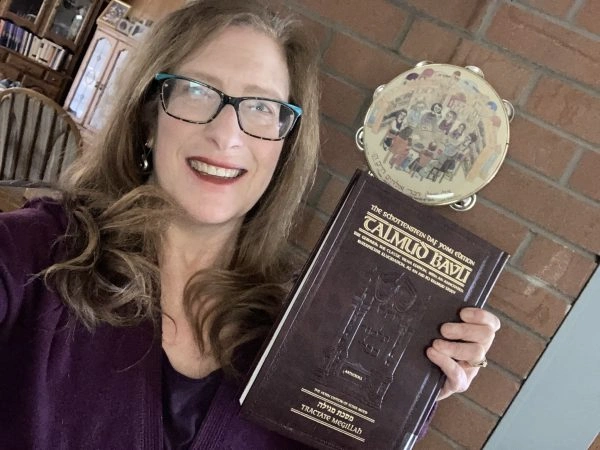
Geri Goldstein got me started learning daf yomi when I was in Israel 2 years ago. It’s been a challenge and I’ve learned a lot though I’m sure I miss a lot. I quilt as I listen and I want to share what I’ve been working on.

Rebecca Stulberg
Rebecca Stulberg

Ottawa, Canada

In July, 2012 I wrote for Tablet about the first all women’s siyum at Matan in Jerusalem, with 100 women. At the time, I thought, I would like to start with the next cycle – listening to a podcast at different times of day makes it possible. It is incredible that after 10 years, so many women are so engaged!

Beth Kissileff
Beth Kissileff

Pittsburgh, United States

Zevachim 68

צְרִיכָה שֶׁתָּבִיא עוֹד חָמֵשׁ פְּרֵידִין לְמַעְלָה.

she must bring another five birds and sacrifice them all above the red line as burnt offerings. Since her commitment was not satisfied, she has not fulfilled even part of her vow. She must therefore bring two burnt offerings of each species to ensure that she fulfills her vow, and she must bring another bird to replace the initial obligatory burnt offering and fulfill her commitment to bring them together.

מִמִּין אֶחָד. וּמִשְּׁנֵי מִינִין – תָּבִיא שֵׁשׁ.

This is the halakha only if both pairs that she brought were of the same species. But if they were of two different species, and the priest does not remember which he sacrificed first as the obligatory pair, she must bring six, two of each species to ensure that she fulfills her vow, and one more of each species to ensure that she properly replaces the original burnt offering of the obligatory pair and fulfills her commitment.

נְתָנָתַן לַכֹּהֵן, וְאֵינָהּ יוֹדַעַת מָה נָתְנָה; הָלַךְ הַכֹּהֵן וְעָשָׂה, וְאֵינוֹ יוֹדֵעַ מָה עָשָׂה – צְרִיכָה אַרְבַּע פְּרִידִין לְנִדְרָהּ, וּשְׁתַּיִם לְחוֹבָתָהּ, וְחַטָּאת אַחַת.

If the woman specified the species of bird for her vow but then forgot which species she specified, and she gave two pairs of birds to the priest but does not know now what species she gave, or even if she gave him one or two species of birds, and the priest went and sacrificed the birds but does not know now what he sacrificed where, in this case, she must bring seven birds, as follows: Four birds, two of each species, for her vow; and two more birds, one of each species, for her obligatory burnt offering, in case the priest sacrificed a sin offering of a certain species and the burnt offering must now match that species; and one sin offering of either species, in case the priest sacrificed them all as burnt offerings.

בֶּן עַזַּאי אוֹמֵר: שְׁתֵּי חַטָּאוֹת.

Ben Azzai says she must bring two sin offerings, one of each species, as he holds that if the priest sacrificed a bird of a certain species specifically as the obligatory burnt offering, the sin offering must now match that species.

אָמַר רַבִּי יְהוֹשֻׁעַ, זֶהוּ שֶׁאָמְרוּ: כְּשֶׁהוּא חַי – קוֹלוֹ אֶחָד, וּכְשֶׁהוּא מֵת – קוֹלוֹ שִׁבְעָה.

The mishna concludes: Rabbi Yehoshua said that there is a parable that explains this situation: This is what people say about a sheep: When it is alive it makes one sound, and when it is dead it makes seven sounds. Its two horns become trumpets, its two shinbones become flutes, its skin becomes a drumhead, its large intestines become harp strings, and its small intestines become lyre strings. Here too, because of the uncertainty as to what had occurred, the woman must bring seven extra birds. Since Rabbi Yehoshua summarizes the mishna, the mishnayot in this chapter must be in accordance with his opinion. According to Rav Adda bar Ahava’s explanation of Rabbi Yehoshua’s principle, burnt offerings of birds sacrificed as sin offerings become valid sin offerings. Why then, according to these mishnayot, are they disqualified?

אֵימַר דַּאֲמַר רַבִּי יְהוֹשֻׁעַ – לְאַפּוֹקַהּ מִידֵי מְעִילָה; לְמִיסַּק לֵיהּ לְחוֹבָה מִי אָמַר?!

The Gemara responds: Rav Adda bar Ahava’s explanation is not at odds with these mishnayot; while it is reasonable to say, i.e., to explain, that Rabbi Yehoshua said that the offering becomes a sin offering insofar as to exclude one who derives benefit from it from liability for misuse of consecrated property, did he say that it becomes a sin offering so expansively as to indicate that it would satisfy the owner’s obligation? In the cases in the mishnayot in Kinnim, all burnt offerings that were sacrificed as sin offerings are not subject to the halakhot of misuse of consecrated property, but the women must nevertheless bring replacement offerings.

מַתְנִי׳ כׇּל הַפְּסוּלִין שֶׁמָּלְקוּ – מְלִיקָתָן פְּסוּלָה, וְאֵינָן מְטַמְּאוֹת בְּבֵית הַבְּלִיעָה. מָלַק בִּשְׂמֹאל אוֹ בַּלַּיְלָה, שָׁחַט חוּלִּין בִּפְנִים וְקָדָשִׁים בַּחוּץ – אֵינָן מְטַמְּאוֹת בְּבֵית הַבְּלִיעָה.

MISHNA: With regard to any of those people disqualified from performing the Temple service who pinched the nape of a bird offering, their pinching is not valid, but the offering’s meat does not render one who swallows it ritually impure when it is in the throat, as would the meat of a kosher bird that was not ritually slaughtered. If a priest pinched it with the thumbnail of his left hand, or if he pinched it at night, or if he slaughtered a non-sacred bird inside the Temple courtyard or a sacrificial bird outside the Temple courtyard, in all these cases, although it is prohibited to consume these birds, they do not render one ritually impure when they are in the throat, as the halakhic status of pinching is like that of slaughtering.

מָלַק בְּסַכִּין; מָלַק חוּלִּין בִּפְנִים וְקָדָשִׁים בַּחוּץ;

If he pinched with a knife and not with his thumbnail; or if he pinched a non-sacred bird inside the Temple courtyard or a sacrificial bird outside the Temple courtyard;

תּוֹרִין שֶׁלֹּא הִגִּיעַ זְמַנָּן, וּבְנֵי יוֹנָה שֶׁעָבַר זְמַנָּן; שֶׁיָּבְשָׁה גַּפָּהּ, שֶׁנִּסְמֵית עֵינָהּ וְשֶׁנִּקְטְעָה רַגְלָהּ – מְטַמֵּא בְּבֵית הַבְּלִיעָה.

or if he pinched doves whose time of fitness for sacrifice has not yet arrived, as they are too young to be sacrificed; or if he pinched pigeons whose time of fitness has passed, as they are too old; or if he pinched the nape of a fledgling whose wing was withered, or whose eye was blinded, or whose leg was severed; in all these cases, although the bird’s nape was pinched, it renders one who swallows it ritually impure when it is in the throat.

זֶה הַכְּלָל: כֹּל שֶׁפְּסוּלוֹ בַּקּוֹדֶשׁ – אֵינוֹ מְטַמֵּא בְּבֵית הַבְּלִיעָה; לֹא הָיָה פְּסוּלוֹ בַּקּוֹדֶשׁ – מְטַמֵּא בְּבֵית הַבְּלִיעָה.

This is the principle: The meat of any bird that was initially fit for sacrifice and whose disqualification occurred in the course of the service in the sacred Temple courtyard does not render one who swallows it ritually impure when it is in the throat. The meat of any bird whose disqualification did not occur in the sacred area, but rather was disqualified before the service began, renders one ritually impure when it is in the throat.

גְּמָ׳ אָמַר רַב: שְׂמֹאל וְלַיְלָה – אֵין מְטַמְּאִין בְּבֵית הַבְּלִיעָה, זָר וְסַכִּין – מְטַמְּאִין בְּבֵית הַבְּלִיעָה.

GEMARA: Rav says: Pinching with the thumbnail of the left hand and pinching at night do not cause the offering’s meat to render one who swallows it ritually impure when it is in the throat as would the carcass of an unslaughtered bird; but pinching by a non-priest and pinching, i.e., cutting from the nape of the neck, with a knife rather than the fingernail do cause the meat to render one ritually impure when it is in the throat.

מַאי שְׁנָא שְׂמֹאל – דְּאִית לֵיהּ הֶכְשֵׁירָה בְּיוֹם הַכִּפּוּרִים, וְלַיְלָה – אִית לֵיהּ הֶכְשֵׁירָה בְּאֵיבָרִים וּפְדָרִים; זָר נָמֵי – אִית לֵיהּ הֶכְשֵׁירָה בִּשְׁחִיטָה! שְׁחִיטָה לָאו עֲבוֹדָה הִיא.

The Gemara challenges: What is different about the first two cases that prevents the bird from assuming the status of a carcass? Temple service with the left hand has an instance of validity during the service on Yom Kippur, when the High Priest enters the Holy of Holies holding the spoon of incense in his left hand. And Temple service at night has an instance of validity in the burning of limbs and fats of offerings on the altar, which may be burned throughout the night. But a non-priest also has an instance of validity in the slaughter of animal offerings. Why then does Rav rule that pinching by a non-priest renders the bird a carcass? The Gemara answers: Slaughter is not considered a full-fledged sacrificial rite, and therefore it cannot be compared to pinching.

וְלָא?! וְהָא אָמַר רַבִּי זֵירָא: שְׁחִיטַת פָּרָה בְּזָר – פְּסוּלָה; וּמַחְוֵי רַב עֲלַהּ: אֶלְעָזָר וְ״חוּקָּה״!

The Gemara asks: And is it not a full-fledged rite? But doesn’t Rabbi Zeira say that the slaughter of a red heifer by a non-priest is not valid, which indicates that it is a full-fledged rite? And Rav showed a source in the Torah for this halakha: The verses concerning the red heifer mention both Elazar the priest as performing the slaughter and the word “statute,” which is mentioned in the verse: “This is the statute of the law” (Numbers 19:2), teaching that Elazar’s involvement was halakhically required.

שָׁאנֵי פָּרָה, דְּקׇדְשֵׁי בֶּדֶק הַבַּיִת הִיא.

The Gemara answers: The red heifer is different, as it has the halakhic status of an item consecrated for Temple maintenance rather than for sacrifice on the altar. Therefore, its slaughter cannot teach the halakha concerning an actual offering.

וְלָא כֹּל דְּכֵן הוּא: קׇדְשֵׁי בֶּדֶק הַבַּיִת בָּעוּ כְּהוּנָּה, קׇדְשֵׁי מִזְבֵּחַ מִיבַּעְיָא?!

The Gemara asks: But can it not be inferred a fortiori that slaughter is a sacrificial rite? If animals that have the status of items consecrated for Temple maintenance, which are of lesser sanctity, require slaughter by the priesthood, is it necessary to say that the slaughter of animals consecrated for sacrifice on the altar, which are of greater sanctity, is a sacrificial rite that should require a priest? Apparently, the fact that non-priests may slaughter offerings proves that certain sacrificial rites apply to them.

אָמַר רַב שִׁישָׁא בְּרֵיהּ דְּרַב אִידִי: מִידֵּי דְּהָוֵה אַמַּרְאוֹת נְגָעִים – דְּלָאו עֲבוֹדָה הִיא, וּבָעֲיָא כְּהוּנָּה.

Rav Sheisha, son of Rav Idi, said: The slaughter of a red heifer does not constitute Temple service at all, and therefore it cannot be compared to the slaughter of an offering. The halakha is just as it is with regard to the examination of the shades of leprous marks, which does not constitute Temple service but requires a declaration of purity or impurity by the priesthood.

וְנֵילַף מִבָּמָה!

The Gemara asks: But let us derive from the halakha of a private altar, which was a valid medium for sacrificing offerings before the Temple was built, where non-priests were permitted to pinch the napes of bird offerings, that there is a circumstance in which pinching by non-priests is valid. Why then does the bird assume the status of a carcass when the pinching is performed by a non-priest?

מִבָּמָה לָא יָלֵיף.

The Gemara answers: One cannot derive the halakhot of the Temple service from the halakhot of a private altar, which was considered non-sacred by comparison.

וְלָא?! וְהָתַנְיָא: מִנַּיִן לַיּוֹצֵא שֶׁאִם עָלָה לֹא יֵרֵד – שֶׁהֲרֵי יוֹצֵא כָּשֵׁר בְּבָמָה.

The Gemara asks: And can one not derive the halakhot of the Temple service from the halakhot of a private altar? But isn’t it taught in a baraita: From where is it derived with regard to an item, e.g., the limbs of an offering, which emerged from the Temple courtyard and was thereby rendered unfit for sacrifice upon the altar, that if it nevertheless ascended upon the altar it shall not descend? It is derived from the fact that an item that emerged is valid for sacrifice on a private altar. This indicates that one can learn from the halakhot of a private altar with regard to the Temple service.

תָּנָא אַ״זֹּאת תּוֹרַת הָעוֹלָה״ סְמִיךְ לֵיהּ.

The Gemara answers: The tanna of that baraita relies on the verse: “This is the law of the burnt offering [ha’ola]” (Leviticus 6:2), from which it is derived that any item that ascends [ola] upon the altar shall not descend from it, even if it was disqualified. In other words, the verse is the actual source for the halakha of the baraita, whereas the case of a private altar is cited merely in support of this ruling.

וְרַבִּי יוֹחָנָן אָמַר: זָר אֵין מְטַמֵּא אַבֵּית הַבְּלִיעָה, סַכִּין מְטַמֵּא אַבֵּית הַבְּלִיעָה.

Until this point the Gemara has discussed the opinion of Rav, who holds that the pinching of a non-priest renders the bird a carcass with regard to ritual impurity. But Rabbi Yoḥanan says: If a non-priest pinched the nape of a bird offering, the meat does not render one who swallows it ritually impure when it is in the throat; but if a priest pinched it, i.e., cut it from the nape of the neck, with a knife, the meat renders one ritually impure when it is in the throat.

תְּנַן: כׇּל הַפְּסוּלִין שֶׁמָּלְקוּ – מְלִיקָתָן פְּסוּלָה. בִּשְׁלָמָא לְרַבִּי יוֹחָנָן, ״כֹּל״ – לְאֵיתוֹיֵי זָר. אֶלָּא לְרַב, ״כׇּל״ – לְאֵיתוֹיֵי מַאי?

The Gemara brings proof for the opinion of Rabbi Yoḥanan from that which we learned in the mishna: If any of those disqualified for Temple service pinched the nape of a bird offering, their pinching is not valid, but the meat does not render one who swallows it ritually impure when it is in the throat. Granted, according to Rabbi Yoḥanan, the word: Any, is written to add that even the pinching of a non-priest does not render the bird a carcass. But according to Rav, who holds that it does render the bird a carcass, what is added by the word: Any?

(לָאו) לְאֵיתוֹיֵי שְׂמֹאל וְלַיְלָה. שְׂמֹאל וְלַיְלָה בְּהֶדְיָא קָתָנֵי! תָּנֵי וַהֲדַר מְפָרֵשׁ.

The Gemara answers: It is written to add pinching with the left hand or pinching at night. The Gemara challenges: The word: Any, is unnecessary with regard to teaching the cases of pinching with the left hand and pinching at night, as they are taught in the mishna explicitly. The Gemara answers: According to Rav, the word: Any, is not meant to add a specific case. Rather the mishna teaches the principle and then explains using specific examples.

תָּא שְׁמַע: זֶה הַכְּלָל – כֹּל שֶׁהָיָה פְּסוּלוֹ בַּקּוֹדֶשׁ, אֵינוֹ מְטַמֵּא בְּגָדִים אַבֵּית הַבְּלִיעָה. בִּשְׁלָמָא לְרַבִּי יוֹחָנָן, ״כֹּל״ לְאֵיתוֹיֵי זָר. אֶלָּא לְרַב, לְאֵיתוֹיֵי מַאי?

The Gemara suggests: Come and hear proof from the continuation of the mishna: This is the principle: The meat of any bird whose disqualification occurred during the course of the service in the sacred Temple courtyard does not render the garments of one who swallows it ritually impure when the meat is in the throat. Granted, according to Rabbi Yoḥanan, the word: Any, is written to add that even the pinching of a non-priest does not render the bird a carcass. But according to Rav, who holds that it does render the bird a carcass, what is added by the word: Any?

Want to follow content and continue where you left off?

Create an account today to track your progress, mark what you’ve learned, and follow the shiurim that speak to you.

Clear all items from this list?

This will remove ALL the items in this section. You will lose any progress or history connected to them. This is irreversible.

Cancel
Yes, clear all

Are you sure you want to delete this item?

You will lose any progress or history connected to this item.

Cancel
Yes, delete