








Drashot are brought from a summary verse of sacrifices that compares the different types to each other. Two different versions are brought regarding which laws we learn from each. Which categories of kohanim (impure, etc,) get a portion of the meat of the sacrifices and which don’t.
Zevachim 98

07.20.2018 | ח׳ באב תשע״ח
Share this shiur:
Want to dedicate learning? Get started here:
Zevachim 98
אִיכָּא דְּנָפְקָא לֵיהּ מֵהָכָא, וְאִיכָּא דְּנָפְקָא לֵיהּ מֵהָכָא.
There is one tanna who derives it, the halakha that only males of priestly families may eat of the communal peace offering, from here, i.e., the precedent mentioned explicitly with regard to the meal offering; and there is one tanna who derives it from there, i.e., the amplification of the verse stated with regard to meal offerings, sin offerings, and guilt offerings.
״חַטָּאת״ – מָה חַטָּאת מִתְקַדֶּשֶׁת בְּבָלוּעַ, אַף כֹּל מִתְקַדֶּשֶׁת בְּבָלוּעַ.
The Gemara continues expounding the verse: “This is the law of the burnt offering, of the meal offering, and of the sin offering, and of the guilt offering, and of the inauguration offering, and of the sacrifice of peace offerings.” “Sin offering” teaches: Just as with regard to a sin offering, whatever it touches is sanctified through the substance that becomes absorbed, so too for all offerings mentioned in this verse, whatever they touch is sanctified through the absorbed portions.
״אָשָׁם״ – מָה אָשָׁם אֵין שָׁפִיר וְשִׁלְיָא קָדוֹשׁ בּוֹ, אַף כֹּל אֵין שָׁפִיר וְשִׁלְיָא קָדוֹשׁ בּוֹ. קָסָבַר: וַולְדוֹת קָדָשִׁים בַּהֲוָיָיתָן הֵן קְדוֹשִׁים, וְדָנִין אֶפְשָׁר מִשֶּׁאִי אֶפְשָׁר.
“Guilt offering” teaches: Just as with regard to a guilt offering, a fetal sac and a placenta are not sacred within it, because a guilt offering is always male and as such never holds a fetal sac or a placenta, so too for any of the offerings mentioned in the verse, a fetal sac and a placenta are not sacred if found within it. The Gemara notes: Evidently, this tanna holds that with regard to the offspring of sacrificial animals, they are sanctified only as they are from the moments of their births, but not in utero. And he also holds that one derives the possible from the impossible, so that the halakha of a fetal sac and of a placenta concerning female animals may be derived from the halakha of a male animal.
״מִלּוּאִים״ – מָה מִלּוּאִים מוֹתְרֵיהֶן בִּשְׂרֵיפָה, וְאֵין בַּעֲלֵי חַיִּים בְּמוֹתְרֵיהֶן; אַף כֹּל – מוֹתְרֵיהֶן בִּשְׂרֵיפָה, וְאֵין בַּעֲלֵי חַיִּים בְּמוֹתְרֵיהֶן.
“Inauguration offering” teaches: Just as with regard to the inauguration offering, the rams and the bread of that offering, which were brought during the seven days of inauguration of the Tabernacle and which the priests ate, their leftovers were disposed of by incineration, as is stated: “And if any of the flesh of the inauguration offering, or of the bread, remain until the morning, then you shall burn the remainder with fire” (Exodus 29:34), and no living animals were among their leftovers designated for incineration; so too for all offerings mentioned, their leftovers are disposed of by incineration, and there are no living animals counted among their leftovers to be incinerated. Accordingly, if one sanctifies two animals so that either one may be brought if the other is lost, when one animal is sacrificed, the surviving animal is not killed and incinerated.
״שְׁלָמִים״ – מָה שְׁלָמִים מְפַגְּלִין וּמִתְפַּגְּלִין, אַף כֹּל מְפַגְּלִין וּמִתְפַּגְּלִין.
“Peace offering” teaches: Just as with regard to the peace offering, its components can render an animal disqualified as an offering that was sacrificed with the intent to consume it after its appointed time [piggul] and can be rendered piggul; so too with regard to all offerings mentioned in this verse, their components render an animal disqualified as piggul and can be rendered piggul.
בְּמַתְנִיתָא תָּנָא מִשְּׁמֵיהּ דְּרַבִּי עֲקִיבָא: ״מִנְחָה״ – מָה מִנְחָה מִתְקַדֶּשֶׁת בְּבָלוּעַ, אַף כֹּל מִתְקַדֶּשֶׁת בְּבָלוּעַ.
§ With regard to the verse at the center of the prior exchange (Leviticus 7:37), the Gemara states: It was taught in a baraita in the name of Rabbi Akiva: From the term “meal offering,” it is derived: Just as with regard to a meal offering, whatever it touches is sanctified through the substance that becomes absorbed, as it is stated: “Whatever shall touch them shall be sacred” (Leviticus 6:11); so too for all offerings mentioned in this verse, whatever they touch is sanctified through the absorbed portions.
וְאִיצְטְרִיךְ לְמִכְתַּב מִנְחָה, וְאִיצְטְרִיךְ לְמִכְתַּב חַטָּאת. דְּאִי אַשְׁמְעִינַן מִנְחָה – דְּאַיְּידֵי דְּרַכִּיכָא מִיבַּלְעָא, אֲבָל חַטָּאת אֵימָא לָא; וְאִי אַשְׁמְעִינַן חַטָּאת – מִשּׁוּם דְּקָרִיר, אֲבָל מִנְחָה אֵימָא לָא; צְרִיכָא.
The Gemara notes: And it was necessary to write the halakha of absorption with regard to a meal offering, and it was necessary to write the halakha of absorption with regard to a sin offering. As, had the Torah taught us this halakha only with regard to a meal offering, I would say that since it is soft, it is absorbed and, therefore it sanctifies what it touches. But with regard to the meat of a sin offering, I would say that it does not sanctify what it touches. And had it taught us this halakha only with regard to a sin offering, I would say that because, on account of its fattiness, it oozes into whatever it touches, it sanctifies it. But with regard to a meal offering, I would say that it does not sanctify what it touches. Therefore, it is necessary for the Torah to write both.
״חַטָּאת״ – מָה חַטָּאת אֵינָהּ בָּאָה אֶלָּא מִן הַחוּלִּין, וּבַיּוֹם, וּבְיָדוֹ הַיְמָנִית; אַף כֹּל אֵינָהּ בָּאָה אֶלָּא מִן הַחוּלִּין, וּבַיּוֹם, וּבְיָדוֹ הַיְמָנִית. וְחַטָּאת מְנָלַן? אָמַר רַב חִסְדָּא, אָמַר קְרָא: ״וְהִקְרִיב אַהֲרֹן אֶת פַּר הַחַטָּאת אֲשֶׁר לוֹ״ – מִשֶּׁלּוֹ, וְלֹא מִשֶּׁל צִיבּוּר וְלֹא מִשֶּׁל מַעֲשֵׂר.
The cited baraita continues: “Sin offering” teaches: Just as a sin offering is brought only from non-sacred animals and is sacrificed specifically in the daytime, and its service must be performed with the priest’s right hand; so too all offerings mentioned are brought only from non-sacred animals, and are sacrificed specifically in the daytime, and each one’s service must be performed with the priest’s right hand. And with regard to a sin offering, from where do we derive that it is brought only from non-sacred animals? Rav Ḥisda said: The verse states: “And Aaron shall present the bull of the sin offering, which is his” (Leviticus 16:11). This teaches that the animal must come from his cattle, and not from communal property, and not from money upon which the second tithe has been redeemed.
בַּיּוֹם – מִ״בְּיוֹם צַוֹּתוֹ״ נָפְקָא! כְּדִי נַסְבַהּ.
The Gemara asks: Why is it necessary to derive from the halakha of a sin offering that an offering is sacrificed in the daytime? Is this principle not derived from the conspicuous expression: “On the day of His commanding” (Leviticus 7:38), which is understood to be referring to all offerings? The Gemara answers: Indeed, the baraita cited the principle from the model of a sin offering for no reason [kedi], and it was mentioned here on account of the other principles.
בְּיָדוֹ הַיְמָנִית – מִדְּרַבָּה בַּר בַּר חָנָה נָפְקָא, דְּאָמַר רַבָּה בַּר בַּר חָנָה אָמַר רֵישׁ לָקִישׁ: כׇּל מָקוֹם שֶׁנֶּאֱמַר אֶצְבַּע וּכְהוּנָּה – אֵינוֹ אֶלָּא יָמִין! כְּדִי נַסְבַהּ.
The Gemara asks: Why must the baraita teach that the halakha of the sin offering teaches that the rites of an offering must be performed with the priest’s right hand? Is this not derived from the statement of Rabba bar bar Ḥana? As Rabba bar bar Ḥana says that Reish Lakish says: In any place in the Torah that it is stated that an action is performed with a finger, or that it is performed by priesthood, the halakha is that the rite is performed only with the right hand. This is derived from the Torah’s statement with regard to the leper: “And the priest shall dip his right finger” (Leviticus 14:16). The Gemara answers: The baraita cited the principle from the model of a sin offering for no reason, since it is actually derived from Rabba bar bar Ḥana’s statement.
וְאִיבָּעֵית אֵימָא: סָבַר לַהּ כְּרַבִּי שִׁמְעוֹן, דְּאָמַר: אֶצְבַּע – לָא בָּעֲיָא כְּהוּנָּה, כְּהוּנָּה – בָּעֲיָא אֶצְבַּע.
The Gemara suggest: And if you wish, say that the tanna of the baraita holds in accordance with the opinion of Rabbi Shimon, who says: Where the verse mentions a finger, it is not necessary for the verse to mention priesthood; but where it mentions priesthood, it is necessary for the verse to mention a finger, in order to teach that the rite must be performed with the right hand, which is not self-evident. With regard to the assorted offerings itemized in the verse (Leviticus 7:37), the Torah does not mention a finger; therefore, they must be derived from the halakha of a sin offering.
״אָשָׁם״ – מָה אָשָׁם עַצְמוֹתָיו מוּתָּרִין, אַף כֹּל עַצְמוֹתָיו מוּתָּרִין.
The cited baraita continues: “Guilt offering” teaches: Just as with regard to a guilt offering, its bones have no sanctity and are permitted for any use, so too with regard to any mentioned offering, its bones are permitted.
אָמַר רָבָא: פְּשִׁיטָא לִי –
§ Rava said: It is obvious to me that
דַּם חַטָּאת לְמַטָּה וְדַם עוֹלָה לְמַעְלָה, טָעוּן כִּיבּוּס.
when the blood of a sin offering is below and the blood of a burnt offering is above, in a case in which the blood of a burnt offering is sprayed as a second layer on top of the blood of a sin offering that has already been sprayed and absorbed into a garment, the garment requires laundering.
בָּעֵי רָבָא: דַּם עוֹלָה לְמַטָּה וְדַם חַטָּאת לְמַעְלָה, מַהוּ? מִשּׁוּם נוֹגֵעַ הוּא – וְהָא נוֹגֵעַ; אוֹ דִלְמָא מִשּׁוּם בָּלוּעַ הוּא – וְהָא לָא בָּלַע (הוּא)? הֲדַר פַּשְׁטַהּ, דְּאֵין טְעוּנִין כִּיבּוּס.
Rava asks: When the blood of a burnt offering is below and the blood of a sin offering is above, what is the halakha? Is one required to launder a garment to remove the blood of a sin offering because the blood touches his garment, and in this case, this blood is touching the garment? Or perhaps is one required to launder it because of the absorption of the blood into the garment, and, in this case, since the garment has already absorbed the other blood, this garment did not absorb the blood? Rava then resolves his dilemma, ruling that such garments do not require laundering.
אָמַר רָבָא: פְּשִׁיטָא לִי, דָּם עַל בִּגְדּוֹ – חוֹצֵץ, וְאִם טַבָּח הוּא – אֵינוֹ חוֹצֵץ. רְבָב עַל בִּגְדּוֹ – חוֹצֵץ, וְאִם מוֹכֵר רְבָב הוּא – אֵינוֹ חוֹצֵץ. בָּעֵי רָבָא: דָּם וּרְבָב עַל בִּגְדּוֹ, מַהוּ?
§ In a similar manner, with regard to the immersion of a garment that has become impure, Rava said: It is obvious to me that if there is blood on one’s garment, it interposes between the water of immersion and the garment, such that the immersion is ineffective. But if he is a butcher, used to having blood on his garments, a bloodstain does not interpose, and the immersion is effective, since a substance is not considered an interposition if the one immersing is not particular about it. Similarly, if there is a stain of fat [revav] on one’s garment, it interposes. But if he is a fat seller, such a stain does not interpose. Rava asks: If there is both blood and fat on one’s garment when he immerses it, what is the halakha?
אִם טַבָּח הוּא, תִּיפּוֹק לִי מִשּׁוּם רְבָב! וְאִי מוֹכֵר רְבָב הוּא, תִּיפּוֹק לִי מִשּׁוּם דָּם! לָא צְרִיכָא, דְּעָבֵיד הָא וְהָא. אַחֲדָא לָא קָפֵיד, אַתַּרְתֵּי קָפֵיד; אוֹ דִּלְמָא אַתַּרְתֵּי נָמֵי לָא קָפֵיד? תֵּיקוּ.
The Gemara challenges the question: If he is a butcher, let me derive that the stain interposes due to the fat that he is not used to having on his garments; and conversely, if he is a fat seller, let me derive that the stain interposes due to the stain of blood that he is not used to having on his garments. The Gemara explains: No, this question is not superfluous; it is necessary with regard to a person who works both as this, a butcher, and as that, a fat seller. In such a case, the question is: Is it that he is not particular with regard to one stain, but he is particular with regard to two stains, so that the immersion is ineffective? Or, perhaps, is it that he is not particular even with regard to two stains, as neither is unusual for him? The Gemara provides no answer, and the question shall stand unresolved.
הֲדַרַן עֲלָךְ דַּם חַטָּאת
מַתְנִי׳ טְבוּל יוֹם וּמְחוּסַּר כִּיפּוּרִים – אֵינָן חוֹלְקִין בַּקֳּדָשִׁים לֶאֱכוֹל לָעֶרֶב.
MISHNA: A priest who was ritually impure who immersed that day and is waiting for nightfall for the purification process to be completed, and a priest who has not yet brought an atonement offering to complete the purification process, e.g., a zav and a leper who did not bring their requisite atonement offerings, who are not yet permitted to partake of sacrificial meat, do not receive a share of sacrificial meat along with the other members of the patrilineal priestly family serving in the Temple that day, in order to partake of it in the evening after the offerings were sacrificed, even though after nightfall he would be permitted to partake of the offerings.
אוֹנֵן – (אֵינוֹ) נוֹגֵעַ וְאֵינוֹ מַקְרִיב, וְאֵינוֹ חוֹלֵק לֶאֱכוֹל לָעֶרֶב.
A priest who is an acute mourner, i.e., if one of his relatives for whom he is obligated to mourn died that day, is permitted to touch sacrificial meat, as he is not ritually impure. But he may not sacrifice offerings, and he does not receive a share of sacrificial meat in order to partake of it in the evening.
בַּעֲלֵי מוּמִין, בֵּין בַּעֲלֵי מוּמִין עוֹבְרִין בֵּין בַּעֲלֵי מוּמִין קְבוּעִין – חוֹלְקִין וְאוֹכְלִין, אֲבָל לֹא מַקְרִיבִין.
Blemished priests, whether they are temporarily blemished or whether they are permanently blemished, receive a share and partake of the offerings with their priestly brethren, but do not sacrifice the offerings.
כֹּל שֶׁאֵינוֹ רָאוּי לַעֲבוֹדָה – אֵינוֹ חוֹלֵק בַּבָּשָׂר. וְכֹל שֶׁאֵין לוֹ בַּבָּשָׂר – אֵין לוֹ בָּעוֹרוֹת.
The principle is: Any priest who is unfit for the service that specific day does not receive a share of the sacrificial meat, and anyone who has no share of the meat has no share in the hides of the animals, to which the priests are entitled as well.
אֲפִילּוּ טָמֵא בִּשְׁעַת זְרִיקַת דָּמִים, וְטָהוֹר בִּשְׁעַת הֶקְטֵר חֲלָבִים – אֵינוֹ חוֹלֵק בַּבָּשָׂר; שֶׁנֶּאֱמַר: ״הַמַּקְרִיב אֶת דַּם הַשְּׁלָמִים [וְאֶת הַחֵלֶב מִבְּנֵי אַהֲרֹן] – לוֹ (יִהְיֶה) [תִהְיֶה שׁוֹק הַיָּמִין לְמָנָה]״.
Even if the priest was ritually impure only at the time of the sprinkling of the blood of the offering and he was pure at the time of the burning of the fats of that offering, he still does not receive a share of the meat, as it is stated: “He that sacrifices the blood of the peace offerings and the fat, from among the sons of Aaron, shall have the right thigh for a portion” (Leviticus 7:33). One who cannot sprinkle the blood does not receive a share in the meat.
Follow 
New to Talmud?
Check out our resources designed to help you navigate a page of Talmud – and study at the pace, level and style that fits you.
The Hadran Women’s Tapestry
Meet the diverse women learning Gemara at Hadran and hear their stories.
While vacationing in San Diego, Rabbi Leah Herz asked if I’d be interested in being in hevruta with her to learn Daf Yomi through Hadran. Why not? I had loved learning Gemara in college in 1971 but hadn’t returned. With the onset of covid, Daf Yomi and Rabbanit Michelle centered me each day. Thank-you for helping me grow and enter this amazing world of learning.

Meryll Page
Minneapolis, MN, United States
I started learning Daf Yomi to fill what I saw as a large gap in my Jewish education. I also hope to inspire my three daughters to ensure that they do not allow the same Talmud-sized gap to form in their own educations. I am so proud to be a part of the Hadran community, and I have loved learning so many of the stories and halachot that we have seen so far. I look forward to continuing!

Dora Chana Haar
Oceanside NY, United States
I started learning at the beginning of this Daf Yomi cycle because I heard a lot about the previous cycle coming to an end and thought it would be a good thing to start doing. My husband had already bought several of the Koren Talmud Bavli books and they were just sitting on the shelf, not being used, so here was an opportunity to start using them and find out exactly what was in them. Loving it!

Caroline Levison
Borehamwood, United Kingdom
I started the daf at the beginning of this cycle in January 2020. My husband, my children, grandchildren and siblings have been very supportive. As someone who learned and taught Tanach and mefarshim for many years, it has been an amazing adventure to complete the six sedarim of Mishnah, and now to study Talmud on a daily basis along with Rabbanit Michelle and the wonderful women of Hadran.

Rookie Billet
Jerusalem, Israel
I started with Ze Kollel in Berlin, directed by Jeremy Borowitz for Hillel Deutschland. We read Masechet Megillah chapter 4 and each participant wrote his commentary on a Sugia that particularly impressed him. I wrote six poems about different Sugiot! Fascinated by the discussions on Talmud I continued to learn with Rabanit Michelle Farber and am currently taking part in the Tikun Olam course.

Yael Merlini
Berlin, Germany
In January 2020, my chevruta suggested that we “up our game. Let’s do Daf Yomi” – and she sent me the Hadran link. I lost my job (and went freelance), there was a pandemic, and I am still opening the podcast with my breakfast coffee, or after Shabbat with popcorn. My Aramaic is improving. I will need a new bookcase, though.

Rhondda May
Atlanta, Georgia, United States
3 years ago, I joined Rabbanit Michelle to organize the unprecedented Siyum HaShas event in Jerusalem for thousands of women. The whole experience was so inspiring that I decided then to start learning the daf and see how I would go…. and I’m still at it. I often listen to the Daf on my bike in mornings, surrounded by both the external & the internal beauty of Eretz Yisrael & Am Yisrael!

Lisa Kolodny
Raanana, Israel
I started to listen to Michelle’s podcasts four years ago. The minute I started I was hooked. I’m so excited to learn the entire Talmud, and think I will continue always. I chose the quote “while a woman is engaged in conversation she also holds the spindle”. (Megillah 14b). It reminds me of all of the amazing women I learn with every day who multi-task, think ahead and accomplish so much.

Julie Mendelsohn
Zichron Yakov, Israel
A beautiful world of Talmudic sages now fill my daily life with discussion and debate.
bringing alive our traditions and texts that has brought new meaning to my life.
I am a מגילת אסתר reader for women . the words in the Mishna of מסכת megillah 17a
הקורא את המגילה למפרע לא יצא were powerful to me.
I hope to have the zchut to complete the cycle for my 70th birthday.

Sheila Hauser
Jerusalem, Israel
Geri Goldstein got me started learning daf yomi when I was in Israel 2 years ago. It’s been a challenge and I’ve learned a lot though I’m sure I miss a lot. I quilt as I listen and I want to share what I’ve been working on.

Rebecca Stulberg
Ottawa, Canada
I’ve been wanting to do Daf Yomi for years, but always wanted to start at the beginning and not in the middle of things. When the opportunity came in 2020, I decided: “this is now the time!” I’ve been posting my journey daily on social media, tracking my progress (#DafYomi); now it’s fully integrated into my daily routines. I’ve also inspired my partner to join, too!

Joséphine Altzman
Teaneck, United States
Margo
I started my Talmud journey in 7th grade at Akiba Jewish Day School in Chicago. I started my Daf Yomi journey after hearing Erica Brown speak at the Hadran Siyum about marking the passage of time through Daf Yomi.
Carolyn
I started my Talmud journey post-college in NY with a few classes. I started my Daf Yomi journey after the Hadran Siyum, which inspired both my son and myself.
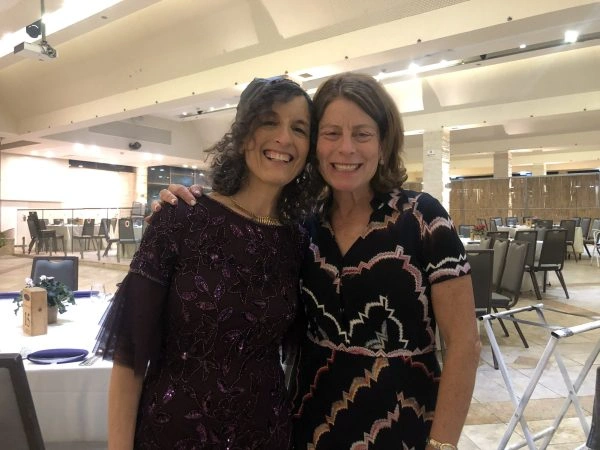
Carolyn Hochstadter and Margo Kossoff Shizgal
Merion Station, USA
Beit Shemesh, Israel
I started my journey on the day I realized that the Siyum was happening in Yerushalayim and I was missing out. What? I told myself. How could I have not known about this? How can I have missed out on this opportunity? I decided that moment, I would start Daf Yomi and Nach Yomi the very next day. I am so grateful to Hadran. I am changed forever because I learn Gemara with women. Thank you.
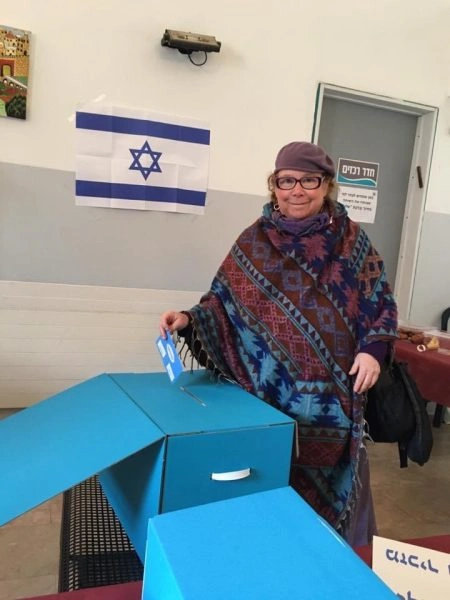
Linda Brownstein
Mitspe, Israel
I have joined the community of daf yomi learners at the start of this cycle. I have studied in different ways – by reading the page, translating the page, attending a local shiur and listening to Rabbanit Farber’s podcasts, depending on circumstances and where I was at the time. The reactions have been positive throughout – with no exception!

Silke Goldberg
Guildford, United Kingdom
I had no formal learning in Talmud until I began my studies in the Joint Program where in 1976 I was one of the few, if not the only, woman talmud major. It was superior training for law school and enabled me to approach my legal studies with a foundation . In 2018, I began daf yomi listening to Rabbanit MIchelle’s pod cast and my daily talmud studies are one of the highlights of my life.

Terri Krivosha
Minneapolis, United States
I began my journey with Rabbanit Michelle more than five years ago. My friend came up with a great idea for about 15 of us to learn the daf and one of us would summarize weekly what we learned.
It was fun but after 2-3 months people began to leave. I have continued. Since the cycle began Again I have joined the Teaneck women.. I find it most rewarding in so many ways. Thank you

Dena Heller
New Jersey, United States
I began learning the daf in January 2022. I initially “flew under the radar,” sharing my journey with my husband and a few close friends. I was apprehensive – who, me? Gemara? Now, 2 years in, I feel changed. The rigor of a daily commitment frames my days. The intellectual engagement enhances my knowledge. And the virtual community of learners has become a new family, weaving a glorious tapestry.

Gitta Jaroslawicz-Neufeld
Far Rockaway, United States
I started the daf at the beginning of this cycle in January 2020. My husband, my children, grandchildren and siblings have been very supportive. As someone who learned and taught Tanach and mefarshim for many years, it has been an amazing adventure to complete the six sedarim of Mishnah, and now to study Talmud on a daily basis along with Rabbanit Michelle and the wonderful women of Hadran.
Rookie Billet
Jerusalem, Israel
I started learning Jan 2020 when I heard the new cycle was starting. I had tried during the last cycle and didn’t make it past a few weeks. Learning online from old men didn’t speak to my soul and I knew Talmud had to be a soul journey for me. Enter Hadran! Talmud from Rabbanit Michelle Farber from a woman’s perspective, a mother’s perspective and a modern perspective. Motivated to continue!

Keren Carter
Brentwood, California, United States

Robin Zeiger
Tel Aviv, Israel
Zevachim 98
אִיכָּא דְּנָפְקָא לֵיהּ מֵהָכָא, וְאִיכָּא דְּנָפְקָא לֵיהּ מֵהָכָא.
There is one tanna who derives it, the halakha that only males of priestly families may eat of the communal peace offering, from here, i.e., the precedent mentioned explicitly with regard to the meal offering; and there is one tanna who derives it from there, i.e., the amplification of the verse stated with regard to meal offerings, sin offerings, and guilt offerings.
״חַטָּאת״ – מָה חַטָּאת מִתְקַדֶּשֶׁת בְּבָלוּעַ, אַף כֹּל מִתְקַדֶּשֶׁת בְּבָלוּעַ.
The Gemara continues expounding the verse: “This is the law of the burnt offering, of the meal offering, and of the sin offering, and of the guilt offering, and of the inauguration offering, and of the sacrifice of peace offerings.” “Sin offering” teaches: Just as with regard to a sin offering, whatever it touches is sanctified through the substance that becomes absorbed, so too for all offerings mentioned in this verse, whatever they touch is sanctified through the absorbed portions.
״אָשָׁם״ – מָה אָשָׁם אֵין שָׁפִיר וְשִׁלְיָא קָדוֹשׁ בּוֹ, אַף כֹּל אֵין שָׁפִיר וְשִׁלְיָא קָדוֹשׁ בּוֹ. קָסָבַר: וַולְדוֹת קָדָשִׁים בַּהֲוָיָיתָן הֵן קְדוֹשִׁים, וְדָנִין אֶפְשָׁר מִשֶּׁאִי אֶפְשָׁר.
“Guilt offering” teaches: Just as with regard to a guilt offering, a fetal sac and a placenta are not sacred within it, because a guilt offering is always male and as such never holds a fetal sac or a placenta, so too for any of the offerings mentioned in the verse, a fetal sac and a placenta are not sacred if found within it. The Gemara notes: Evidently, this tanna holds that with regard to the offspring of sacrificial animals, they are sanctified only as they are from the moments of their births, but not in utero. And he also holds that one derives the possible from the impossible, so that the halakha of a fetal sac and of a placenta concerning female animals may be derived from the halakha of a male animal.
״מִלּוּאִים״ – מָה מִלּוּאִים מוֹתְרֵיהֶן בִּשְׂרֵיפָה, וְאֵין בַּעֲלֵי חַיִּים בְּמוֹתְרֵיהֶן; אַף כֹּל – מוֹתְרֵיהֶן בִּשְׂרֵיפָה, וְאֵין בַּעֲלֵי חַיִּים בְּמוֹתְרֵיהֶן.
“Inauguration offering” teaches: Just as with regard to the inauguration offering, the rams and the bread of that offering, which were brought during the seven days of inauguration of the Tabernacle and which the priests ate, their leftovers were disposed of by incineration, as is stated: “And if any of the flesh of the inauguration offering, or of the bread, remain until the morning, then you shall burn the remainder with fire” (Exodus 29:34), and no living animals were among their leftovers designated for incineration; so too for all offerings mentioned, their leftovers are disposed of by incineration, and there are no living animals counted among their leftovers to be incinerated. Accordingly, if one sanctifies two animals so that either one may be brought if the other is lost, when one animal is sacrificed, the surviving animal is not killed and incinerated.
״שְׁלָמִים״ – מָה שְׁלָמִים מְפַגְּלִין וּמִתְפַּגְּלִין, אַף כֹּל מְפַגְּלִין וּמִתְפַּגְּלִין.
“Peace offering” teaches: Just as with regard to the peace offering, its components can render an animal disqualified as an offering that was sacrificed with the intent to consume it after its appointed time [piggul] and can be rendered piggul; so too with regard to all offerings mentioned in this verse, their components render an animal disqualified as piggul and can be rendered piggul.
בְּמַתְנִיתָא תָּנָא מִשְּׁמֵיהּ דְּרַבִּי עֲקִיבָא: ״מִנְחָה״ – מָה מִנְחָה מִתְקַדֶּשֶׁת בְּבָלוּעַ, אַף כֹּל מִתְקַדֶּשֶׁת בְּבָלוּעַ.
§ With regard to the verse at the center of the prior exchange (Leviticus 7:37), the Gemara states: It was taught in a baraita in the name of Rabbi Akiva: From the term “meal offering,” it is derived: Just as with regard to a meal offering, whatever it touches is sanctified through the substance that becomes absorbed, as it is stated: “Whatever shall touch them shall be sacred” (Leviticus 6:11); so too for all offerings mentioned in this verse, whatever they touch is sanctified through the absorbed portions.
וְאִיצְטְרִיךְ לְמִכְתַּב מִנְחָה, וְאִיצְטְרִיךְ לְמִכְתַּב חַטָּאת. דְּאִי אַשְׁמְעִינַן מִנְחָה – דְּאַיְּידֵי דְּרַכִּיכָא מִיבַּלְעָא, אֲבָל חַטָּאת אֵימָא לָא; וְאִי אַשְׁמְעִינַן חַטָּאת – מִשּׁוּם דְּקָרִיר, אֲבָל מִנְחָה אֵימָא לָא; צְרִיכָא.
The Gemara notes: And it was necessary to write the halakha of absorption with regard to a meal offering, and it was necessary to write the halakha of absorption with regard to a sin offering. As, had the Torah taught us this halakha only with regard to a meal offering, I would say that since it is soft, it is absorbed and, therefore it sanctifies what it touches. But with regard to the meat of a sin offering, I would say that it does not sanctify what it touches. And had it taught us this halakha only with regard to a sin offering, I would say that because, on account of its fattiness, it oozes into whatever it touches, it sanctifies it. But with regard to a meal offering, I would say that it does not sanctify what it touches. Therefore, it is necessary for the Torah to write both.
״חַטָּאת״ – מָה חַטָּאת אֵינָהּ בָּאָה אֶלָּא מִן הַחוּלִּין, וּבַיּוֹם, וּבְיָדוֹ הַיְמָנִית; אַף כֹּל אֵינָהּ בָּאָה אֶלָּא מִן הַחוּלִּין, וּבַיּוֹם, וּבְיָדוֹ הַיְמָנִית. וְחַטָּאת מְנָלַן? אָמַר רַב חִסְדָּא, אָמַר קְרָא: ״וְהִקְרִיב אַהֲרֹן אֶת פַּר הַחַטָּאת אֲשֶׁר לוֹ״ – מִשֶּׁלּוֹ, וְלֹא מִשֶּׁל צִיבּוּר וְלֹא מִשֶּׁל מַעֲשֵׂר.
The cited baraita continues: “Sin offering” teaches: Just as a sin offering is brought only from non-sacred animals and is sacrificed specifically in the daytime, and its service must be performed with the priest’s right hand; so too all offerings mentioned are brought only from non-sacred animals, and are sacrificed specifically in the daytime, and each one’s service must be performed with the priest’s right hand. And with regard to a sin offering, from where do we derive that it is brought only from non-sacred animals? Rav Ḥisda said: The verse states: “And Aaron shall present the bull of the sin offering, which is his” (Leviticus 16:11). This teaches that the animal must come from his cattle, and not from communal property, and not from money upon which the second tithe has been redeemed.
בַּיּוֹם – מִ״בְּיוֹם צַוֹּתוֹ״ נָפְקָא! כְּדִי נַסְבַהּ.
The Gemara asks: Why is it necessary to derive from the halakha of a sin offering that an offering is sacrificed in the daytime? Is this principle not derived from the conspicuous expression: “On the day of His commanding” (Leviticus 7:38), which is understood to be referring to all offerings? The Gemara answers: Indeed, the baraita cited the principle from the model of a sin offering for no reason [kedi], and it was mentioned here on account of the other principles.
בְּיָדוֹ הַיְמָנִית – מִדְּרַבָּה בַּר בַּר חָנָה נָפְקָא, דְּאָמַר רַבָּה בַּר בַּר חָנָה אָמַר רֵישׁ לָקִישׁ: כׇּל מָקוֹם שֶׁנֶּאֱמַר אֶצְבַּע וּכְהוּנָּה – אֵינוֹ אֶלָּא יָמִין! כְּדִי נַסְבַהּ.
The Gemara asks: Why must the baraita teach that the halakha of the sin offering teaches that the rites of an offering must be performed with the priest’s right hand? Is this not derived from the statement of Rabba bar bar Ḥana? As Rabba bar bar Ḥana says that Reish Lakish says: In any place in the Torah that it is stated that an action is performed with a finger, or that it is performed by priesthood, the halakha is that the rite is performed only with the right hand. This is derived from the Torah’s statement with regard to the leper: “And the priest shall dip his right finger” (Leviticus 14:16). The Gemara answers: The baraita cited the principle from the model of a sin offering for no reason, since it is actually derived from Rabba bar bar Ḥana’s statement.
וְאִיבָּעֵית אֵימָא: סָבַר לַהּ כְּרַבִּי שִׁמְעוֹן, דְּאָמַר: אֶצְבַּע – לָא בָּעֲיָא כְּהוּנָּה, כְּהוּנָּה – בָּעֲיָא אֶצְבַּע.
The Gemara suggest: And if you wish, say that the tanna of the baraita holds in accordance with the opinion of Rabbi Shimon, who says: Where the verse mentions a finger, it is not necessary for the verse to mention priesthood; but where it mentions priesthood, it is necessary for the verse to mention a finger, in order to teach that the rite must be performed with the right hand, which is not self-evident. With regard to the assorted offerings itemized in the verse (Leviticus 7:37), the Torah does not mention a finger; therefore, they must be derived from the halakha of a sin offering.
״אָשָׁם״ – מָה אָשָׁם עַצְמוֹתָיו מוּתָּרִין, אַף כֹּל עַצְמוֹתָיו מוּתָּרִין.
The cited baraita continues: “Guilt offering” teaches: Just as with regard to a guilt offering, its bones have no sanctity and are permitted for any use, so too with regard to any mentioned offering, its bones are permitted.
אָמַר רָבָא: פְּשִׁיטָא לִי –
§ Rava said: It is obvious to me that
דַּם חַטָּאת לְמַטָּה וְדַם עוֹלָה לְמַעְלָה, טָעוּן כִּיבּוּס.
when the blood of a sin offering is below and the blood of a burnt offering is above, in a case in which the blood of a burnt offering is sprayed as a second layer on top of the blood of a sin offering that has already been sprayed and absorbed into a garment, the garment requires laundering.
בָּעֵי רָבָא: דַּם עוֹלָה לְמַטָּה וְדַם חַטָּאת לְמַעְלָה, מַהוּ? מִשּׁוּם נוֹגֵעַ הוּא – וְהָא נוֹגֵעַ; אוֹ דִלְמָא מִשּׁוּם בָּלוּעַ הוּא – וְהָא לָא בָּלַע (הוּא)? הֲדַר פַּשְׁטַהּ, דְּאֵין טְעוּנִין כִּיבּוּס.
Rava asks: When the blood of a burnt offering is below and the blood of a sin offering is above, what is the halakha? Is one required to launder a garment to remove the blood of a sin offering because the blood touches his garment, and in this case, this blood is touching the garment? Or perhaps is one required to launder it because of the absorption of the blood into the garment, and, in this case, since the garment has already absorbed the other blood, this garment did not absorb the blood? Rava then resolves his dilemma, ruling that such garments do not require laundering.
אָמַר רָבָא: פְּשִׁיטָא לִי, דָּם עַל בִּגְדּוֹ – חוֹצֵץ, וְאִם טַבָּח הוּא – אֵינוֹ חוֹצֵץ. רְבָב עַל בִּגְדּוֹ – חוֹצֵץ, וְאִם מוֹכֵר רְבָב הוּא – אֵינוֹ חוֹצֵץ. בָּעֵי רָבָא: דָּם וּרְבָב עַל בִּגְדּוֹ, מַהוּ?
§ In a similar manner, with regard to the immersion of a garment that has become impure, Rava said: It is obvious to me that if there is blood on one’s garment, it interposes between the water of immersion and the garment, such that the immersion is ineffective. But if he is a butcher, used to having blood on his garments, a bloodstain does not interpose, and the immersion is effective, since a substance is not considered an interposition if the one immersing is not particular about it. Similarly, if there is a stain of fat [revav] on one’s garment, it interposes. But if he is a fat seller, such a stain does not interpose. Rava asks: If there is both blood and fat on one’s garment when he immerses it, what is the halakha?
אִם טַבָּח הוּא, תִּיפּוֹק לִי מִשּׁוּם רְבָב! וְאִי מוֹכֵר רְבָב הוּא, תִּיפּוֹק לִי מִשּׁוּם דָּם! לָא צְרִיכָא, דְּעָבֵיד הָא וְהָא. אַחֲדָא לָא קָפֵיד, אַתַּרְתֵּי קָפֵיד; אוֹ דִּלְמָא אַתַּרְתֵּי נָמֵי לָא קָפֵיד? תֵּיקוּ.
The Gemara challenges the question: If he is a butcher, let me derive that the stain interposes due to the fat that he is not used to having on his garments; and conversely, if he is a fat seller, let me derive that the stain interposes due to the stain of blood that he is not used to having on his garments. The Gemara explains: No, this question is not superfluous; it is necessary with regard to a person who works both as this, a butcher, and as that, a fat seller. In such a case, the question is: Is it that he is not particular with regard to one stain, but he is particular with regard to two stains, so that the immersion is ineffective? Or, perhaps, is it that he is not particular even with regard to two stains, as neither is unusual for him? The Gemara provides no answer, and the question shall stand unresolved.
הֲדַרַן עֲלָךְ דַּם חַטָּאת
מַתְנִי׳ טְבוּל יוֹם וּמְחוּסַּר כִּיפּוּרִים – אֵינָן חוֹלְקִין בַּקֳּדָשִׁים לֶאֱכוֹל לָעֶרֶב.
MISHNA: A priest who was ritually impure who immersed that day and is waiting for nightfall for the purification process to be completed, and a priest who has not yet brought an atonement offering to complete the purification process, e.g., a zav and a leper who did not bring their requisite atonement offerings, who are not yet permitted to partake of sacrificial meat, do not receive a share of sacrificial meat along with the other members of the patrilineal priestly family serving in the Temple that day, in order to partake of it in the evening after the offerings were sacrificed, even though after nightfall he would be permitted to partake of the offerings.
אוֹנֵן – (אֵינוֹ) נוֹגֵעַ וְאֵינוֹ מַקְרִיב, וְאֵינוֹ חוֹלֵק לֶאֱכוֹל לָעֶרֶב.
A priest who is an acute mourner, i.e., if one of his relatives for whom he is obligated to mourn died that day, is permitted to touch sacrificial meat, as he is not ritually impure. But he may not sacrifice offerings, and he does not receive a share of sacrificial meat in order to partake of it in the evening.
בַּעֲלֵי מוּמִין, בֵּין בַּעֲלֵי מוּמִין עוֹבְרִין בֵּין בַּעֲלֵי מוּמִין קְבוּעִין – חוֹלְקִין וְאוֹכְלִין, אֲבָל לֹא מַקְרִיבִין.
Blemished priests, whether they are temporarily blemished or whether they are permanently blemished, receive a share and partake of the offerings with their priestly brethren, but do not sacrifice the offerings.
כֹּל שֶׁאֵינוֹ רָאוּי לַעֲבוֹדָה – אֵינוֹ חוֹלֵק בַּבָּשָׂר. וְכֹל שֶׁאֵין לוֹ בַּבָּשָׂר – אֵין לוֹ בָּעוֹרוֹת.
The principle is: Any priest who is unfit for the service that specific day does not receive a share of the sacrificial meat, and anyone who has no share of the meat has no share in the hides of the animals, to which the priests are entitled as well.
אֲפִילּוּ טָמֵא בִּשְׁעַת זְרִיקַת דָּמִים, וְטָהוֹר בִּשְׁעַת הֶקְטֵר חֲלָבִים – אֵינוֹ חוֹלֵק בַּבָּשָׂר; שֶׁנֶּאֱמַר: ״הַמַּקְרִיב אֶת דַּם הַשְּׁלָמִים [וְאֶת הַחֵלֶב מִבְּנֵי אַהֲרֹן] – לוֹ (יִהְיֶה) [תִהְיֶה שׁוֹק הַיָּמִין לְמָנָה]״.
Even if the priest was ritually impure only at the time of the sprinkling of the blood of the offering and he was pure at the time of the burning of the fats of that offering, he still does not receive a share of the meat, as it is stated: “He that sacrifices the blood of the peace offerings and the fat, from among the sons of Aaron, shall have the right thigh for a portion” (Leviticus 7:33). One who cannot sprinkle the blood does not receive a share in the meat.
Follow

