חיפוש

בבא בתרא קא

רוצה להקדיש לימוד?

podcast placeholder

0:00
0:00


תקציר

אם מישהו קונה מערת קבורה או שוכר מישהו לבנות עבורו מערת קבורה, מהן המידות המינימליות וכמה מקומות קבורה אמורים להיות? לתנא קמא ורבי שמעון יש תשובות שונות לשאלות אלו. רבי שמעון סבר שכל מערה מכילה שלושה עשר מקומות לגופות, מהם אחד מימין לפתח ואחד משמאל. היכן בדיוק היו שני הקברים הללו? מוצעים מספר הסברים, וחלקם נדחים. לפי ההסבר האחרון, הם חפפו עם קברים אחרים אך הונחו עמוק יותר באדמה. מובאת הוכחה שגופות נקברו מתחת לקברים אחרים מדעתו של רבי שמעון שהיו ארבע מערות סביב כל חצר, שכן זה בבירור היה מוביל לחפיפת קברים ולכן כנראה עשו חלק בעומק אחר מהשאר. אך רב הונא בנו של רבי יהושע מנסה לדחות הוכחה זו על ידי הצעה שהקברים הוצבו בזווית כמו ענפי דקל ולא חפפו. אך הגמרא דוחה את דחייתו של רב הונא מכיוון שזה לא יכול היה לעבוד מתמטית. רב שישא מביא הסבר חלופי לשני הקברים הנוספים ליד הכניסה – הם לא חפפו כלל עם האחרים מכיוון שהם נועדו לנפלים ולכן היו קצרים יותר.

Burial caves

בבא בתרא קא

וְרׇחְבָּן שִׁשָּׁה.

and their width is six handbreadths.

רַבִּי שִׁמְעוֹן אוֹמֵר: עוֹשֶׂה תּוֹכָהּ שֶׁל מְעָרָה שֵׁשׁ אַמּוֹת עַל שְׁמוֹנֶה, וּפוֹתֵחַ לְתוֹכָהּ שְׁלֹשָׁה עָשָׂר כּוּךְ – אַרְבָּעָה מִכָּאן, וְאַרְבָּעָה מִכָּאן, וּשְׁלֹשָׁה מִכְּנֶגְדָּן, וְאֶחָד מִימִין הַפֶּתַח, וְאֶחָד מִן הַשְּׂמֹאל.

Rabbi Shimon says: He should construct the inside of each burial chamber six cubits wide by eight cubits long and open up into the chamber, by digging into its walls, thirteen burial niches. Four niches should be opened up from the wall here, along the length of the chamber, and four from there, along the other side, and three niches from the wall facing the entrance, and one from the right of the entrance and another one from the left.

וְעוֹשֶׂה חָצֵר עַל פִּי הַמְּעָרָה שֵׁשׁ עַל שֵׁשׁ, כִּמְלֹא הַמִּטָּה וְקוֹבְרֶיהָ.

The mishna describes the general structure of the catacomb: And he must fashion a courtyard at the entrance of the burial chamber that should be six cubits by six cubits, which is equal to the combined length of the bier of the deceased and those who bury him, to ensure adequate room for the burial to take place.

וּפוֹתֵחַ לְתוֹכָהּ שְׁתֵּי מְעָרוֹת – אַחַת מִכָּאן וְאַחַת מִכָּאן. רַבִּי שִׁמְעוֹן אוֹמֵר: אַרְבַּע לְאַרְבַּע רוּחוֹתֶיהָ.

And he should open up two burial chambers into the courtyard, one from here and one from there, i.e., on opposite sides of the courtyard. Rabbi Shimon says: He should open up four burial chambers, one on each of the courtyard’s four sides.

רַבָּן שִׁמְעוֹן בֶּן גַּמְלִיאֵל אוֹמֵר: הַכֹּל לְפִי הַסֶּלַע.

Rabban Shimon ben Gamliel says: Everything is dependent on the nature of the bedrock. If the bedrock is hard and strong it will be able to accommodate more niches, which will be more closely packed together, with less bedrock between them. If the bedrock is softer, fewer and more sparsely spaced niches should be formed.

גְּמָ׳ הָנֵי תְּרֵי לְהֵיכָא שָׁדֵי לְהוּ? אִי לְבָרַאי – הָא קָמִיתַּדְשִׁי לְהוּ! וְתוּ, הָא תְּנַן: חֲצַר הַקֶּבֶר, הָעוֹמֵד בְּתוֹכוֹ – טָהוֹר!

GEMARA: In Rabbi Shimon’s depiction of a burial chamber, he states that two niches should be opened up, one from the right of the entrance and one from the left. The Gemara asks: These two niches, in which direction does he set them? If they are directed toward the outside of the chamber, i.e., under the floor of the courtyard, won’t people trample over them when they enter the courtyard, which is improper? And furthermore, didn’t we learn in the mishna (Oholot 15:8): With regard to the courtyard of a catacomb, one who stands inside it is ritually pure because it can be presumed that he did not stand over a dead body? Clearly, these niches are not to be dug underneath the courtyard.

אָמַר רַבִּי יוֹסֵי בְּרַבִּי חֲנִינָא: דְּעָבֵיד לְהוּ כְּמִין נֶגֶר.

Rabbi Yosei, son of Rabbi Ḥanina, said: He makes these two niches at the side of the entrance, vertically, like a door bolt.

וְהָא אָמַר רַבִּי יוֹחָנָן:

The Gemara challenges this explanation: But doesn’t Rabbi Yoḥanan say with regard to the burial of people in a vertical position:

קְבוּרַת חֲמוֹרִים הִיא זוֹ!

This is like a burial of donkeys and is disrespectful.

לְרַבִּי יוֹחָנָן, דְּעָבֵיד לְהוּ בְּקֶרֶן זָוִית.

The Gemara answers: According to the opinion of Rabbi Yoḥanan, each of these two niches is formed in a different corner of the chamber, aligned diagonally away from the chamber’s cavity.

וְהָא נָגְעִי כּוּכִין לַהֲדָדֵי!

The Gemara challenges: But if so, won’t the niches located around the corners touch one another? According to Rabbi Yoḥanan’s suggestion, there are, in fact, three niches located at each of the two back corners. One is recessed into the wall of the length of the chamber, at right angles to it, another is recessed into the back wall of the chamber, also at right angles to it, and a third that extends diagonally away from the chamber. The ends of these three niches will overlap, causing there to be too little space in them to fulfill the minimum required measurement.

אָמַר רַב אָשֵׁי: בְּמַעֲמִיק. דְּאִי לָא תֵּימָא הָכִי, אַרְבַּע מְעָרוֹת לְרַבִּי שִׁמְעוֹן – הֵיכִי עָבֵיד לְהוּ? הָא קָא נָגְעִי כּוּכִין לַהֲדָדֵי! אֶלָּא בְּמַעֲמִיק; הָכָא נָמֵי בְּמַעֲמִיק.

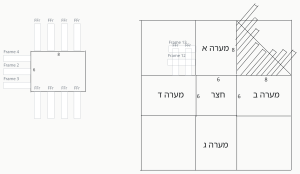
Rav Ashi said: It is possible to do this where, when constructing the niches that extend diagonally away from the chamber, one deepens them, i.e., forms them lower down in the wall than the other niches adjacent to them. As, if you do not say that this is a solution, then how could the four chambers depicted by Rabbi Shimon be constructed? Won’t the niches touch one another? The niches of one chamber will overlap those of the chamber adjacent to it. Rather, it is possible to arrange the niches only where, when constructing the niches of two chambers at opposite ends of the courtyard, one deepens them, i.e., forms them lower down in the wall than the niches of the other two chambers that are adjacent to them. Here too, it is a case in which one deepens them.

רַב הוּנָא בְּרֵיהּ דְּרַב יְהוֹשֻׁעַ אָמַר: אַרְבַּע מְעָרוֹת לְרַבִּי שִׁמְעוֹן – דְּעָבֵיד לְהוּ כִּי חֲרוּתָא.

Rav Huna, son of Rav Yehoshua, said that there is an alternative explanation: It is possible to fashion the four chambers depicted by Rabbi Shimon where one constructs them so that all the niches extend diagonally away from the cavity of the chamber like the leaves of a palm branch, which have spread out from its spine. If formed in this way, the niches of adjacent chambers will not overlap, even if they are at the same depth in the ground.

וְהָא דְּרַב הוּנָא בְּרֵיהּ דְּרַב יְהוֹשֻׁעַ – בְּרוּתָא הִיא. מִכְּדֵי כׇּל אַמְּתָא בְּרִיבּוּעָא אַמְּתָא וּתְרֵי חוּמְשֵׁי בַּאֲלַכְסוֹנָא; כַּמָּה הָוֵי לְהוּ? חַד סְרֵי וְחוּמְשָׁא; כּוּכִין כַּמָּה הָווּ? תְּמָנְיָא; תְּמָנְיָא בְּחַד סְרֵי וְחוּמְשָׁא הֵיכִי מַשְׁכַּחַתְּ לַהּ? אֶלָּא הָא דְּרַב הוּנָא בְּרֵיהּ דְּרַב יְהוֹשֻׁעַ – בְּרוּתָא הִיא.

The Gemara notes: And this statement of Rav Huna, son of Rav Yehoshua, is an error, because it is not possible to form all the niches in this way, since the length of the diagonal of every square whose side is one cubit is one and two-fifths cubits. Each chamber is eight cubits long, which means that between two adjacent chambers, placed at right angles to each other, there is a square area of eight cubits by eight cubits into which the niches of those two chambers must be formed. How much is the diagonal of that area? Eleven and one-fifth cubits. How many niches have to fit in that space? Eight. How can you find that eight niches can possibly fit into eleven and one-fifth cubits? Each of the niches is a cubit wide, and there must be a cubit wall of bedrock between each niche. To accommodate this once would need an area of at least fifteen cubits. Rather, this statement of Rav Huna, son of Rav Yehoshua, is in error.

וְאִי בָּעֵית אֵימָא, כִּדְאָמַר רַב שִׁישָׁא בְּרֵיהּ דְּרַב אִידִי: בְּנִיפְלֵי; הָכָא נָמֵי בְּנִיפְלֵי.

The Gemara provides an alternative solution to the problem of the niches at the corners overlapping. Or if you wish, say as Rav Sheisha, son of Rav Idi, said in answer to a similar question: It is referring to non-viable newborns, which require only very small burial niches. Similarly, here also, the niches at the corners of the chambers were used for non-viable newborns.

תְּנַן הָתָם: הַמּוֹצֵא מֵת מוּשְׁכָּב כְּדַרְכּוֹ, נוֹטְלוֹ וְאֶת תְּפוּסָתוֹ. שְׁנַיִם – נוֹטְלָן וְאֶת תְּפוּסָתָן.

§ The Gemara considers another mishna that relates to the structure of a catacomb: We learned in a mishna there (Nazir 64b): With regard to one who finds a corpse while inspecting a place that was not previously established as a cemetery, to ensure that it is free of ritual impurity, and the corpse is lying in the usual manner of Jewish burial, he removes it from there and also removes its surrounding earth. And similarly, if he finds two corpses buried in the usual manner, he removes them and their surrounding earth. Since only one or two corpses were found, it may be assumed that the area is not a cemetery; therefore, the corpses may be removed.

חדשה בלימוד הגמרא?

זה הדף הראשון שלך? איזו התרגשות עצומה! יש לנו בדיוק את התכנים והכלים שיעזרו לך לעשות את הצעדים הראשונים ללמידה בקצב וברמה שלך, כך תוכלי להרגיש בנוח גם בתוך הסוגיות המורכבות ומאתגרות.

פסיפס הלומדות שלנו

גלי את קהילת הלומדות שלנו, מגוון נשים, רקעים וסיפורים. כולן חלק מתנועה ומסע מרגש ועוצמתי.

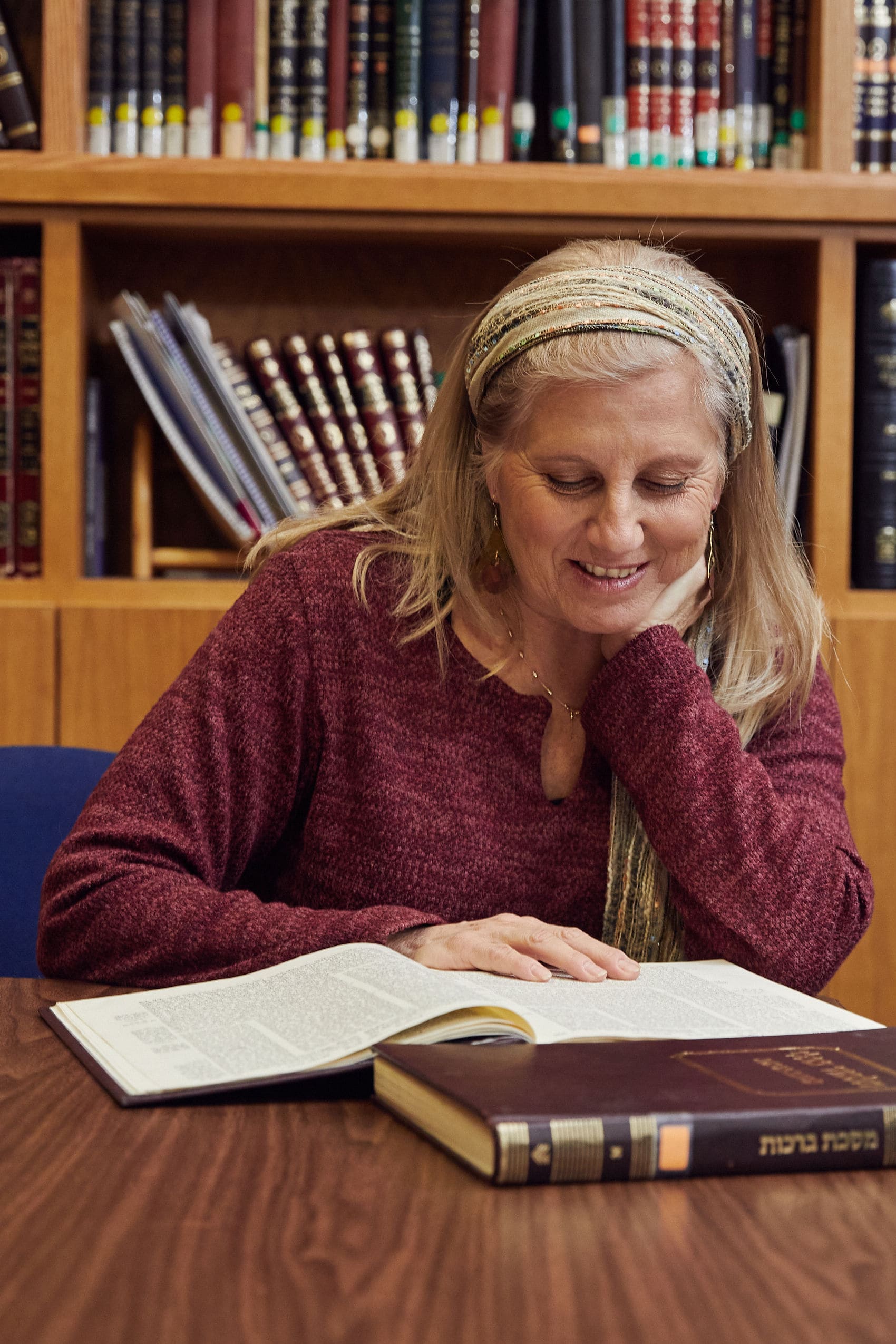
התחלתי ללמוד דף לפני קצת יותר מ-5 שנים, כשלמדתי רבנות בישיבת מהר”ת בניו יורק. בדיעבד, עד אז, הייתי בלימוד הגמרא שלי כמו מישהו שאוסף חרוזים משרשרת שהתפזרה, פה משהו ושם משהו, ומאז נפתח עולם ומלואו…. הדף נותן לי לימוד בצורה מאורגנת, שיטתית, יום-יומית, ומלמד אותי לא רק ידע אלא את השפה ודרך החשיבה שלנו. לשמחתי, יש לי סביבה תומכת וההרגשה שלי היא כמו בציטוט שבחרתי: הדף משפיע לטובה על כל היום שלי.

Michal Kahana
מיכל כהנא

חיפה, ישראל

בתחילת הסבב הנוכחי של לימוד הדף היומי, נחשפתי לחגיגות המרגשות באירועי הסיום ברחבי העולם. והבטחתי לעצמי שבקרוב אצטרף גם למעגל הלומדות. הסבב התחיל כאשר הייתי בתחילת דרכי בתוכנית קרן אריאל להכשרת יועצות הלכה של נשמ”ת. לא הצלחתי להוסיף את ההתחייבות לדף היומי על הלימוד האינטנסיבי של תוכנית היועצות. בבוקר למחרת המבחן הסופי בנשמ”ת, התחלתי את לימוד הדף במסכת סוכה ומאז לא הפסקתי.

Hana Shaham-Rozby (Dr.)
חנה שחם-רוזבי (ד”ר)

קרית גת, ישראל

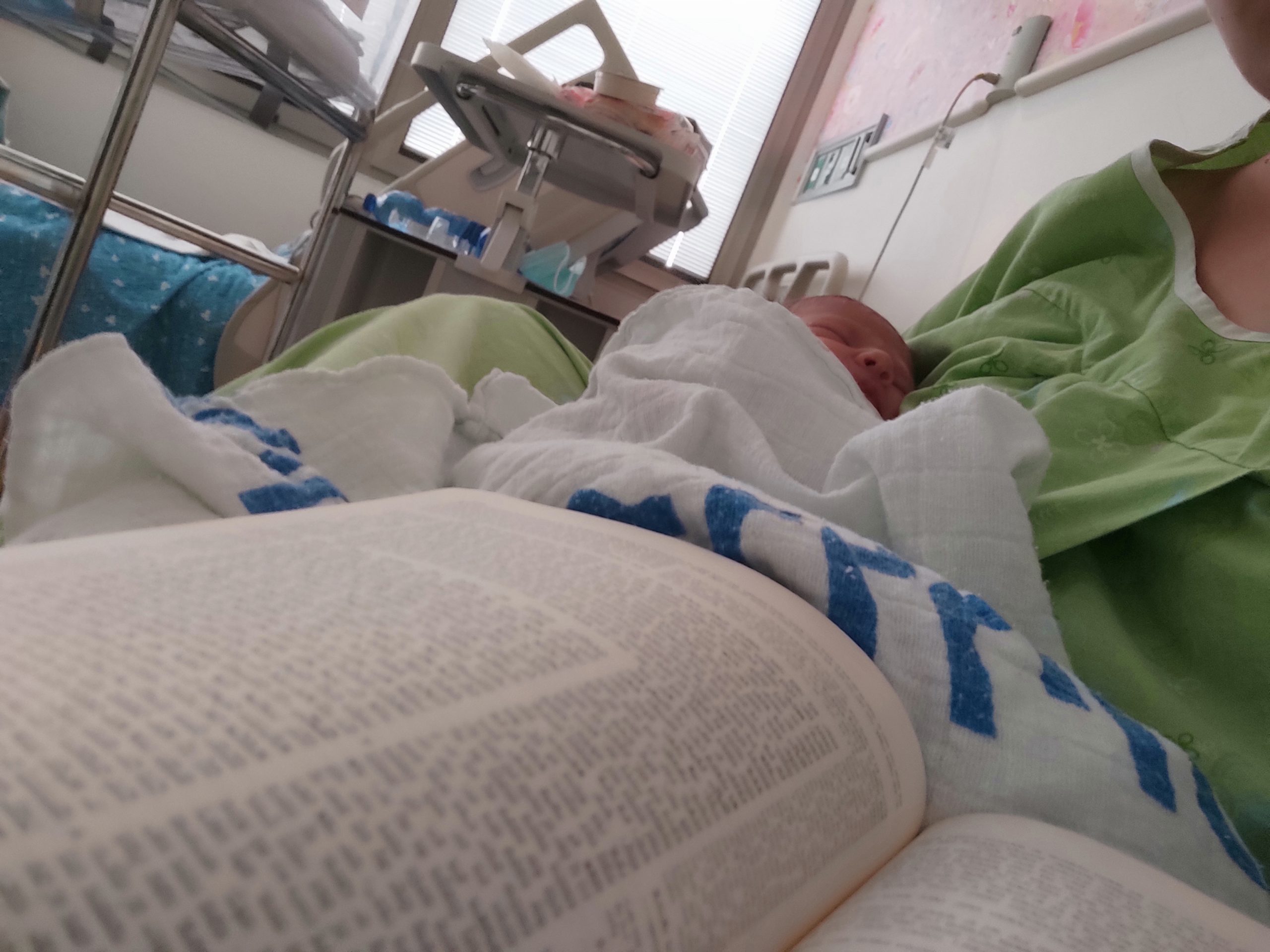
התחלתי בסיום הש”ס, יצאתי באורות. נשברתי פעמיים, ובשתיהם הרבנית מישל עודדה להמשיך איפה שכולם בסבב ולהשלים כשאוכל, וכך עשיתי וכיום השלמתי הכל. מדהים אותי שאני לומדת כל יום קצת, אפילו בחדר הלידה, בבידוד או בחו”ל. לאט לאט יותר נינוחה בסוגיות. לא כולם מבינים את הרצון, בפרט כפמניסטית. חשה סיפוק גדול להכיר את המושגים וצורת החשיבה. החלום זה להמשיך ולהתמיד ובמקביל ללמוד איך מהסוגיות נוצרה והתפתחה ההלכה.

Weingarten Sherrington Foundation
קרן וינגרטן שרינגטון

מודיעין, ישראל

בתחילת הסבב הנוכחי הצטברו אצלי תחושות שאני לא מבינה מספיק מהי ההלכה אותה אני מקיימת בכל יום. כמו כן, כאמא לבנות רציתי לתת להן מודל נשי של לימוד תורה
שתי הסיבות האלו הובילו אותי להתחיל ללמוד. נתקלתי בתגובות מפרגנות וסקרניות איך אישה לומדת גמרא..
כמו שרואים בתמונה אני ממשיכה ללמוד גם היום ואפילו במחלקת יולדות אחרי לידת ביתי השלישית.

Noa Shiloh
נועה שילה

רבבה, ישראל

התחלתי מחוג במסכת קידושין שהעבירה הרבנית רייסנר במסגרת בית המדרש כלנה בגבעת שמואל; לאחר מכן התחיל סבב הדף היומי אז הצטרפתי. לסביבה לקח זמן לעכל אבל היום כולם תומכים ומשתתפים איתי. הלימוד לעתים מעניין ומעשיר ולעתים קשה ואף הזוי… אך אני ממשיכה קדימה. הוא משפיע על היומיום שלי קודם כל במרדף אחרי הדף, וגם במושגים הרבים שלמדתי ובידע שהועשרתי בו, חלקו ממש מעשי

Abigail Chrissy
אביגיל כריסי

ראש העין, ישראל

רציתי לקבל ידע בתחום שהרגשתי שהוא גדול וחשוב אך נעלם ממני. הלימוד מעניק אתגר וסיפוק ומעמיק את תחושת השייכות שלי לתורה וליהדות

Ruth Agiv
רות עגיב

עלי זהב – לשם, ישראל

למדתי גמרא מכיתה ז- ט ב Maimonides School ואחרי העליה שלי בגיל 14 לימוד הגמרא, שלא היה כל כך מקובל בימים אלה, היה די ספוראדי. אחרי "ההתגלות” בבנייני האומה התחלתי ללמוד בעיקר בדרך הביתה למדתי מפוקקטסים שונים. לאט לאט ראיתי שאני תמיד חוזרת לרבנית מישל פרבר. באיזה שהוא שלב התחלתי ללמוד בזום בשעה 7:10 .
היום "אין מצב” שאני אתחיל את היום שלי ללא לימוד עם הרבנית מישל עם כוס הקפה שלי!!

selfie-scaled
דבי גביר

חשמונאים, ישראל

התחלתי ללמוד דף יומי בסבב הקודם. זכיתי לסיים אותו במעמד המרגש של הדרן. בסבב הראשון ליווה אותי הספק, שאולי לא אצליח לעמוד בקצב ולהתמיד. בסבב השני אני לומדת ברוגע, מתוך אמונה ביכולתי ללמוד ולסיים. בסבב הלימוד הראשון ליוותה אותי חוויה מסויימת של בדידות. הדרן העניקה לי קהילת לימוד ואחוות נשים. החוויה של סיום הש”ס במעמד כה גדול כשנשים שאינן מכירות אותי, שמחות ומתרגשות עבורי , היתה חוויה מרוממת נפש

Ilanit Weil
אילנית ווייל

קיבוץ מגדל עוז, ישראל

הצטרפתי ללומדות בתחילת מסכת תענית. ההתרגשות שלי ושל המשפחה היתה גדולה מאוד, והיא הולכת וגוברת עם כל סיום שאני זוכה לו. במשך שנים רבות רציתי להצטרף ומשום מה זה לא קרה… ב”ה מצאתי לפני מספר חודשים פרסום של הדרן, ומיד הצטרפתי והתאהבתי. הדף היומי שינה את חיי ממש והפך כל יום- ליום של תורה. מודה לכן מקרב ליבי ומאחלת לכולנו לימוד פורה מתוך אהבת התורה ולומדיה.

Noa Rosen
נעה רוזן

חיספין רמת הגולן, ישראל

אני לומדת גמרא כעשור במסגרות שונות, ואת הדף היומי התחלתי כשחברה הציעה שאצטרף אליה לסיום בבנייני האומה. מאז אני לומדת עם פודקסט הדרן, משתדלת באופן יומי אך אם לא מספיקה, מדביקה פערים עד ערב שבת. בסבב הזה הלימוד הוא "ממעוף הציפור”, מקשיבה במהירות מוגברת תוך כדי פעילויות כמו בישול או נהיגה, וכך רוכשת היכרות עם הסוגיות ואופן ניתוחם על ידי חז”ל. בע”ה בסבב הבא, ואולי לפני, אצלול לתוכו באופן מעמיק יותר.

Yael Bir
יעל ביר

רמת גן, ישראל

התחלתי ללמוד דף יומי בסבב הקודם. זכיתי לסיים אותו במעמד המרגש של הדרן. בסבב הראשון ליווה אותי הספק, שאולי לא אצליח לעמוד בקצב ולהתמיד. בסבב השני אני לומדת ברוגע, מתוך אמונה ביכולתי ללמוד ולסיים. בסבב הלימוד הראשון ליוותה אותי חוויה מסויימת של בדידות. הדרן העניקה לי קהילת לימוד ואחוות נשים. החוויה של סיום הש”ס במעמד כה גדול כשנשים שאינן מכירות אותי, שמחות ומתרגשות עבורי , היתה חוויה מרוממת נפש

Ilanit Weil
אילנית ווייל

קיבוץ מגדל עוז, ישראל

אחרי שראיתי את הסיום הנשי של הדף היומי בבנייני האומה זה ריגש אותי ועורר בי את הרצון להצטרף. לא למדתי גמרא קודם לכן בכלל, אז הכל היה לי חדש, ולכן אני לומדת בעיקר מהשיעורים פה בהדרן, בשוטנשטיין או בחוברות ושיננתם.

Rebecca Schloss
רבקה שלוס

בית שמש, ישראל

התחלתי ללמוד גמרא בבית הספר בגיל צעיר והתאהבתי. המשכתי בכך כל חיי ואף היייתי מורה לגמרא בבית הספר שקד בשדה אליהו (בית הספר בו למדתי בילדותי)בתחילת מחזור דף יומי הנוכחי החלטתי להצטרף ובע”ה מקווה להתמיד ולהמשיך. אני אוהבת את המפגש עם הדף את "דרישות השלום ” שמקבלת מקשרים עם דפים אחרים שלמדתי את הסנכרון שמתחולל בין התכנים.

Ariela Bigman
אריאלה ביגמן

מעלה גלבוע, ישראל

למדתי גמרא מכיתה ז- ט ב Maimonides School ואחרי העליה שלי בגיל 14 לימוד הגמרא, שלא היה כל כך מקובל בימים אלה, היה די ספוראדי. אחרי "ההתגלות” בבנייני האומה התחלתי ללמוד בעיקר בדרך הביתה למדתי מפוקקטסים שונים. לאט לאט ראיתי שאני תמיד חוזרת לרבנית מישל פרבר. באיזה שהוא שלב התחלתי ללמוד בזום בשעה 7:10 .
היום "אין מצב” שאני אתחיל את היום שלי ללא לימוד עם הרבנית מישל עם כוס הקפה שלי!!

selfie-scaled
דבי גביר

חשמונאים, ישראל

התחלתי ללמוד דף יומי ממסכת נידה כי זה היה חומר הלימוד שלי אז. לאחר הסיום הגדול בבנייני האומה החלטתי להמשיך. וב”ה מאז עם הפסקות קטנות של קורונה ולידה אני משתדלת להמשיך ולהיות חלק.

זה משפיע מאוד על היום יום שלי ועל אף שאני עסוקה בלימודי הלכה ותורה כל יום, זאת המסגרת הקבועה והמחייבת ביותר שיש לי.

Moriah Taesan Michaeli
מוריה תעסן מיכאלי

גבעת הראל, ישראל

התחלתי ללמוד לפני 4.5 שנים, כשהודיה חברה שלי פתחה קבוצת ווטסאפ ללימוד דף יומי בתחילת מסכת סנהדרין. מאז לימוד הדף נכנס לתוך היום-יום שלי והפך לאחד ממגדירי הזהות שלי ממש.

Rosenberg Foundation
קרן רוזנברג

ירושלים, ישראל

"התחלתי ללמוד דף יומי במחזור הזה, בח’ בטבת תש””ף. לקחתי על עצמי את הלימוד כדי ליצור תחום של התמדה יומיומית בחיים, והצטרפתי לקבוצת הלומדים בבית הכנסת בכפר אדומים. המשפחה והסביבה מתפעלים ותומכים.
בלימוד שלי אני מתפעלת בעיקר מכך שכדי ללמוד גמרא יש לדעת ולהכיר את כל הגמרא. זו מעין צבת בצבת עשויה שהיא עצומה בהיקפה.”

Sarah Fox
שרה פוּקס

כפר אדומים, ישראל

התחלתי ללמוד בסבב הנוכחי לפני כשנתיים .הסביבה מתפעלת ותומכת מאוד. אני משתדלת ללמוד מכל ההסכתים הנוספים שיש באתר הדרן. אני עורכת כל סיום מסכת שיעור בביתי לכ20 נשים שמחכות בקוצר רוח למפגשים האלו.

Yael Asher
יעל אשר

יהוד, ישראל

התחלתי ללמוד דף יומי לפני שנתיים, עם מסכת שבת. בהתחלה ההתמדה היתה קשה אבל בזכות הקורונה והסגרים הצלחתי להדביק את הפערים בשבתות הארוכות, לסיים את מסכת שבת ולהמשיך עם המסכתות הבאות. עכשיו אני מסיימת בהתרגשות רבה את מסכת חגיגה וסדר מועד ומחכה לסדר הבא!

Ilana-Shachnowitz
אילנה שכנוביץ

מודיעין, ישראל

התחלתי ללמוד דף יומי שהתחילו מסכת כתובות, לפני 7 שנים, במסגרת קבוצת לימוד שהתפרקה די מהר, ומשם המשכתי לבד בתמיכת האיש שלי. נעזרתי בגמרת שטיינזלץ ובשיעורים מוקלטים.
הסביבה מאד תומכת ואני מקבלת המון מילים טובות לאורך כל הדרך. מאז הסיום הגדול יש תחושה שאני חלק מדבר גדול יותר.
אני לומדת בשיטת ה”7 דפים בשבוע” של הרבנית תרצה קלמן – כלומר, לא נורא אם לא הצלחת ללמוד כל יום, העיקר שגמרת ארבעה דפים בשבוע

Rachel Goldstein
רחל גולדשטיין

עתניאל, ישראל

בבא בתרא קא

וְרׇחְבָּן שִׁשָּׁה.

and their width is six handbreadths.

רַבִּי שִׁמְעוֹן אוֹמֵר: עוֹשֶׂה תּוֹכָהּ שֶׁל מְעָרָה שֵׁשׁ אַמּוֹת עַל שְׁמוֹנֶה, וּפוֹתֵחַ לְתוֹכָהּ שְׁלֹשָׁה עָשָׂר כּוּךְ – אַרְבָּעָה מִכָּאן, וְאַרְבָּעָה מִכָּאן, וּשְׁלֹשָׁה מִכְּנֶגְדָּן, וְאֶחָד מִימִין הַפֶּתַח, וְאֶחָד מִן הַשְּׂמֹאל.

Rabbi Shimon says: He should construct the inside of each burial chamber six cubits wide by eight cubits long and open up into the chamber, by digging into its walls, thirteen burial niches. Four niches should be opened up from the wall here, along the length of the chamber, and four from there, along the other side, and three niches from the wall facing the entrance, and one from the right of the entrance and another one from the left.

וְעוֹשֶׂה חָצֵר עַל פִּי הַמְּעָרָה שֵׁשׁ עַל שֵׁשׁ, כִּמְלֹא הַמִּטָּה וְקוֹבְרֶיהָ.

The mishna describes the general structure of the catacomb: And he must fashion a courtyard at the entrance of the burial chamber that should be six cubits by six cubits, which is equal to the combined length of the bier of the deceased and those who bury him, to ensure adequate room for the burial to take place.

וּפוֹתֵחַ לְתוֹכָהּ שְׁתֵּי מְעָרוֹת – אַחַת מִכָּאן וְאַחַת מִכָּאן. רַבִּי שִׁמְעוֹן אוֹמֵר: אַרְבַּע לְאַרְבַּע רוּחוֹתֶיהָ.

And he should open up two burial chambers into the courtyard, one from here and one from there, i.e., on opposite sides of the courtyard. Rabbi Shimon says: He should open up four burial chambers, one on each of the courtyard’s four sides.

רַבָּן שִׁמְעוֹן בֶּן גַּמְלִיאֵל אוֹמֵר: הַכֹּל לְפִי הַסֶּלַע.

Rabban Shimon ben Gamliel says: Everything is dependent on the nature of the bedrock. If the bedrock is hard and strong it will be able to accommodate more niches, which will be more closely packed together, with less bedrock between them. If the bedrock is softer, fewer and more sparsely spaced niches should be formed.

גְּמָ׳ הָנֵי תְּרֵי לְהֵיכָא שָׁדֵי לְהוּ? אִי לְבָרַאי – הָא קָמִיתַּדְשִׁי לְהוּ! וְתוּ, הָא תְּנַן: חֲצַר הַקֶּבֶר, הָעוֹמֵד בְּתוֹכוֹ – טָהוֹר!

GEMARA: In Rabbi Shimon’s depiction of a burial chamber, he states that two niches should be opened up, one from the right of the entrance and one from the left. The Gemara asks: These two niches, in which direction does he set them? If they are directed toward the outside of the chamber, i.e., under the floor of the courtyard, won’t people trample over them when they enter the courtyard, which is improper? And furthermore, didn’t we learn in the mishna (Oholot 15:8): With regard to the courtyard of a catacomb, one who stands inside it is ritually pure because it can be presumed that he did not stand over a dead body? Clearly, these niches are not to be dug underneath the courtyard.

אָמַר רַבִּי יוֹסֵי בְּרַבִּי חֲנִינָא: דְּעָבֵיד לְהוּ כְּמִין נֶגֶר.

Rabbi Yosei, son of Rabbi Ḥanina, said: He makes these two niches at the side of the entrance, vertically, like a door bolt.

וְהָא אָמַר רַבִּי יוֹחָנָן:

The Gemara challenges this explanation: But doesn’t Rabbi Yoḥanan say with regard to the burial of people in a vertical position:

קְבוּרַת חֲמוֹרִים הִיא זוֹ!

This is like a burial of donkeys and is disrespectful.

לְרַבִּי יוֹחָנָן, דְּעָבֵיד לְהוּ בְּקֶרֶן זָוִית.

The Gemara answers: According to the opinion of Rabbi Yoḥanan, each of these two niches is formed in a different corner of the chamber, aligned diagonally away from the chamber’s cavity.

וְהָא נָגְעִי כּוּכִין לַהֲדָדֵי!

The Gemara challenges: But if so, won’t the niches located around the corners touch one another? According to Rabbi Yoḥanan’s suggestion, there are, in fact, three niches located at each of the two back corners. One is recessed into the wall of the length of the chamber, at right angles to it, another is recessed into the back wall of the chamber, also at right angles to it, and a third that extends diagonally away from the chamber. The ends of these three niches will overlap, causing there to be too little space in them to fulfill the minimum required measurement.

אָמַר רַב אָשֵׁי: בְּמַעֲמִיק. דְּאִי לָא תֵּימָא הָכִי, אַרְבַּע מְעָרוֹת לְרַבִּי שִׁמְעוֹן – הֵיכִי עָבֵיד לְהוּ? הָא קָא נָגְעִי כּוּכִין לַהֲדָדֵי! אֶלָּא בְּמַעֲמִיק; הָכָא נָמֵי בְּמַעֲמִיק.

Rav Ashi said: It is possible to do this where, when constructing the niches that extend diagonally away from the chamber, one deepens them, i.e., forms them lower down in the wall than the other niches adjacent to them. As, if you do not say that this is a solution, then how could the four chambers depicted by Rabbi Shimon be constructed? Won’t the niches touch one another? The niches of one chamber will overlap those of the chamber adjacent to it. Rather, it is possible to arrange the niches only where, when constructing the niches of two chambers at opposite ends of the courtyard, one deepens them, i.e., forms them lower down in the wall than the niches of the other two chambers that are adjacent to them. Here too, it is a case in which one deepens them.

רַב הוּנָא בְּרֵיהּ דְּרַב יְהוֹשֻׁעַ אָמַר: אַרְבַּע מְעָרוֹת לְרַבִּי שִׁמְעוֹן – דְּעָבֵיד לְהוּ כִּי חֲרוּתָא.

Rav Huna, son of Rav Yehoshua, said that there is an alternative explanation: It is possible to fashion the four chambers depicted by Rabbi Shimon where one constructs them so that all the niches extend diagonally away from the cavity of the chamber like the leaves of a palm branch, which have spread out from its spine. If formed in this way, the niches of adjacent chambers will not overlap, even if they are at the same depth in the ground.

וְהָא דְּרַב הוּנָא בְּרֵיהּ דְּרַב יְהוֹשֻׁעַ – בְּרוּתָא הִיא. מִכְּדֵי כׇּל אַמְּתָא בְּרִיבּוּעָא אַמְּתָא וּתְרֵי חוּמְשֵׁי בַּאֲלַכְסוֹנָא; כַּמָּה הָוֵי לְהוּ? חַד סְרֵי וְחוּמְשָׁא; כּוּכִין כַּמָּה הָווּ? תְּמָנְיָא; תְּמָנְיָא בְּחַד סְרֵי וְחוּמְשָׁא הֵיכִי מַשְׁכַּחַתְּ לַהּ? אֶלָּא הָא דְּרַב הוּנָא בְּרֵיהּ דְּרַב יְהוֹשֻׁעַ – בְּרוּתָא הִיא.

The Gemara notes: And this statement of Rav Huna, son of Rav Yehoshua, is an error, because it is not possible to form all the niches in this way, since the length of the diagonal of every square whose side is one cubit is one and two-fifths cubits. Each chamber is eight cubits long, which means that between two adjacent chambers, placed at right angles to each other, there is a square area of eight cubits by eight cubits into which the niches of those two chambers must be formed. How much is the diagonal of that area? Eleven and one-fifth cubits. How many niches have to fit in that space? Eight. How can you find that eight niches can possibly fit into eleven and one-fifth cubits? Each of the niches is a cubit wide, and there must be a cubit wall of bedrock between each niche. To accommodate this once would need an area of at least fifteen cubits. Rather, this statement of Rav Huna, son of Rav Yehoshua, is in error.

וְאִי בָּעֵית אֵימָא, כִּדְאָמַר רַב שִׁישָׁא בְּרֵיהּ דְּרַב אִידִי: בְּנִיפְלֵי; הָכָא נָמֵי בְּנִיפְלֵי.

The Gemara provides an alternative solution to the problem of the niches at the corners overlapping. Or if you wish, say as Rav Sheisha, son of Rav Idi, said in answer to a similar question: It is referring to non-viable newborns, which require only very small burial niches. Similarly, here also, the niches at the corners of the chambers were used for non-viable newborns.

תְּנַן הָתָם: הַמּוֹצֵא מֵת מוּשְׁכָּב כְּדַרְכּוֹ, נוֹטְלוֹ וְאֶת תְּפוּסָתוֹ. שְׁנַיִם – נוֹטְלָן וְאֶת תְּפוּסָתָן.

§ The Gemara considers another mishna that relates to the structure of a catacomb: We learned in a mishna there (Nazir 64b): With regard to one who finds a corpse while inspecting a place that was not previously established as a cemetery, to ensure that it is free of ritual impurity, and the corpse is lying in the usual manner of Jewish burial, he removes it from there and also removes its surrounding earth. And similarly, if he finds two corpses buried in the usual manner, he removes them and their surrounding earth. Since only one or two corpses were found, it may be assumed that the area is not a cemetery; therefore, the corpses may be removed.

רוצה לעקוב אחרי התכנים ולהמשיך ללמוד?

ביצירת חשבון עוד היום ניתן לעקוב אחרי ההתקדמות שלך, לסמן מה למדת, ולעקוב אחרי השיעורים שמעניינים אותך.

לנקות את כל הפריטים מהרשימה?

פעולה זו תסיר את כל הפריטים בחלק זה כולל ההתקדמות וההיסטוריה. שימי לב: לא ניתן לשחזר פעולה זו.

ביטול
מחיקה

האם את/ה בטוח/ה שברצונך למחוק פריט זה?

תאבד/י את כל ההתקדמות או ההיסטוריה הקשורות לפריט זה.

ביטול
מחיקה