חיפוש

בבא בתרא קיג

רוצה להקדיש לימוד?

podcast placeholder

0:00
0:00


תקציר

הדף היום מוקדש ע”י לורנס ומישל ברקוביץ לע”נ אמה של לורנס, אלינור לסון ברקוביץ.

למה היה ברור בברייתות שהפסוק במדבר לז:ז מתייחס לאישה שתעביר ירושה לבנה שהוא משבט אחר, ובמדבר לז:ט מתייחס לאישה שתעביר ירושה לבעלה משבט אחר?

כאשר בעל יורש את אשתו, הוא יורש רכוש שהייתה בבעלותה בזמן מותה (מוחזק) אך לא רכוש שעובר אליה לאחר מותה (ראוי), כגון במקרה שאביה נפטר אחריה ואין לה אחים. מהו המקור לדין זה? חלק מהפסוקים ששימשו בברייתא הקודמת מוסברים עכשיו באופן שונה.

המשנה ציינה שבני האחות יורשים מדודם. הגמרא לומדת ממילים אלו שהדין הוא לזכרים ולא לנקבות. רב ששת מסביר שהכוונה היא שהאחיינים יורשים לפני האחייניות וכך נכון לכל שלבי הירושה – קודם ניתנת לזכרים ורק אם אין, אז עוברת לנקבות. מהו המקור לדין זה?

אין חלוקת ירושה בלילה. אמירה זו מוסברת על בסיס ברייתא ואמירה של רב יהודה ורב חסדא.

בבא בתרא קיג

תַּנְיָא אִידַּךְ: ״וְלֹא תִסֹּב נַחֲלָה מִמַּטֶּה לְמַטֶּה אַחֵר״ – בְּסִיבַּת הַבַּעַל הַכָּתוּב מְדַבֵּר.

It is taught in another baraita: “So shall no inheritance transfer from one tribe to another tribe” (Numbers 36:9); the verse speaks of the transfer of the inheritance by means of the husband. The Torah prohibits the woman from marrying a man from a different tribe since her husband will inherit from her, thereby transferring her inheritance away from its original tribe.

אַתָּה אוֹמֵר בְּסִיבַּת הַבַּעַל; אוֹ אֵינוֹ אֶלָּא בְּסִיבַּת הַבֵּן? כְּשֶׁהוּא אוֹמֵר: ״וְלֹא תִסֹּב נַחֲלָה לִבְנֵי יִשְׂרָאֵל מִמַּטֶּה אֶל מַטֶּה״ – הֲרֵי הֲסִיבַּת הַבֵּן אָמוּר; הָא מָה אֲנִי מְקַיֵּים ״וְלֹא תִסֹּב נַחֲלָה מִמַּטֶּה לְמַטֶּה אַחֵר״? בְּסִיבַּת הַבַּעַל הַכָּתוּב מְדַבֵּר.

Do you say that this is with regard to the transfer of the inheritance by means of the husband, or is it only with regard to the transfer of the inheritance by means of the son? When it says: “So shall no inheritance of the children of Israel transfer from tribe to tribe” (Numbers 36:7), the verse is speaking with regard to the transfer of the inheritance by means of the son. How do I realize the meaning of the verse: “So shall no inheritance transfer from one tribe to another tribe” (Numbers 36:9)? That verse speaks of the transfer of the inheritance by means of the husband.

דְּכוּלֵּי עָלְמָא מִיהַת, ״מִמַּטֶּה לְמַטֶּה אַחֵר״ – בְּסִיבַּת הַבַּעַל הַכָּתוּב מְדַבֵּר; מַאי מַשְׁמַע? סִימָן אָמַר רַבָּה בַּר רַב שֵׁילָא, אָמַר קְרָא: ״אִישׁ״. תַּרְוַיְיהוּ ״אִישׁ״ כְּתִיב בְּהוּ!

The Gemara comments: In any event, according to everyone, i.e., according to both baraitot, the phrase in the verse “from one tribe to another tribe” speaks of the transfer of the inheritance by means of the husband. The Gemara asks: From where is this inferred? The Gemara supplies a mnemonic. Rabba bar Rav Sheila said that the latter part of the verse states: “So shall no inheritance transfer from one tribe to another tribe; for the tribes of the children of Israel shall cleave each one [ish] to its own inheritance,” alluding to the transfer by means of the husband, as the word “ish” means husband, in the context of: “Elimelech the husband [ish] of Naomi” (Ruth 1:3). The Gemara asks: But the word ish” is written in both of the verses. Therefore, both verses should be interpreted with regard to the transfer of the inheritance by means of the husband.

אֶלָּא אָמַר רַב נַחְמָן בַּר יִצְחָק, אָמַר קְרָא: ״יִדְבְּקוּ״. תַּרְוַיְיהוּ ״יִדְבְּקוּ״ כְּתִיב בְּהוּ!

Rather, Rav Naḥman bar Yitzḥak said a different explanation. The verse states: “Shall cleave,” and this term alludes to marriage, as in the context of: “And he shall cleave to his wife” (Genesis 2:24). The Gemara raises a difficulty: But the term “shall cleave” is written in both of the verses. Therefore, both verses should be interpreted with regard to the transfer of the inheritance by means of the husband.

אֶלָּא אָמַר רָבָא, אָמַר קְרָא: ״יִדְבְּקוּ מַטּוֹת״. רַב אָשֵׁי אָמַר, אָמַר קְרָא: ״מִמַּטֶּה לְמַטֶּה אַחֵר״ – וּבֵן לָאו אַחֵר הוּא.

Rather, Rava said a different explanation: The verse states: “The tribes of the children of Israel shall cleave,” and tribes cleave to one another through marriage. Rav Ashi said another explanation: The verse states: “From one tribe to another tribe,” and a son is not considered “another,” as he is an extension of his mother.

אָמַר רַבִּי אֲבָהוּ אָמַר רַבִּי יוֹחָנָן אָמַר רַבִּי יַנַּאי אָמַר רַבִּי; וּמָטוּ בָּהּ מִשְּׁמֵיהּ דְּרַבִּי יְהוֹשֻׁעַ בֶּן קׇרְחָה: מִנַּיִן לְבַעַל שֶׁאֵינוֹ נוֹטֵל בָּרָאוּי כִּבְמוּחְזָק? שֶׁנֶּאֱמַר: ״וּשְׂגוּב הוֹלִיד אֶת יָאִיר, וַיְהִי לוֹ עֶשְׂרִים וְשָׁלוֹשׁ עָרִים בְּאֶרֶץ הַגִּלְעָד״. מִנַּיִן לְיָאִיר – שֶׁלֹּא הָיָה לוֹ לִשְׂגוּב? אֶלָּא מְלַמֵּד שֶׁנָּשָׂא שְׂגוּב אִשָּׁה, וּמֵתָה בְּחַיֵּי מוֹרִישֶׁיהָ; וּמֵתוּ מוֹרִישֶׁיהָ, וִירָשָׁהּ יָאִיר.

§ Rabbi Abbahu says that Rabbi Yoḥanan says that Rabbi Yannai says that Rabbi Yehuda HaNasi says, and some determined it was in the name of Rabbi Yehoshua ben Korḥa: From where is it derived that a husband who inherits from his wife does not take in inheritance the property due to the deceased as he does the property she possessed? Instead of the husband inheriting the property that was due to her, that property is inherited by her other relatives, such as her son, or other relatives of her father. As it is stated: “And Seguv begot Yair, who had twenty three cities in the land of Gilead” (I Chronicles 2:22). The Gemara asks: From where did Yair have land that his father, Seguv, did not have? Rather, this teaches that Seguv married a woman and she died in the lifetime of her potential legators, and her legators then died, and Yair, her son, not Seguv, her husband, inherited these inheritances from her.

וְאוֹמֵר: ״וְאֶלְעָזָר בֶּן אַהֲרֹן מֵת וַיִּקְבְּרוּ וְגוֹ׳״. מִנַּיִן לְפִנְחָס – שֶׁלֹּא הָיָה לוֹ לְאֶלְעָזָר? מְלַמֵּד שֶׁנָּשָׂא אֶלְעָזָר אִשָּׁה, וּמֵתָה בְּחַיֵּי מוֹרִישֶׁיהָ; וּמֵתוּ מוֹרִישֶׁיהָ, וִירָשָׁהּ פִּנְחָס.

And it is stated: “And Elazar, the son of Aaron, died; and they buried him in the Hill of Pinehas his son” (Joshua 24:33). From where did Pinehas have land that his father, Elazar, did not have? Rather, this teaches that Elazar married a woman and she died in the lifetime of her potential legators, and her legators then died, and Pinehas her son, not Elazar her husband, inherited the property from her.

וּמַאי ״וְאוֹמֵר״? וְכִי תֵּימָא, יָאִיר – דַּהֲוָה נְסִיב אִיתְּתָא וּמֵתָה, וְיַרְתַהּ; תַּלְמוּד לוֹמַר: וְאֶלְעָזָר בֶּן אַהֲרֹן מֵת״. וְכִי תֵּימָא דִּנְפַלָה לֵיהּ בִּשְׂדֵה חֲרָמִים, אָמַר קְרָא: ״בְּנוֹ״ – נַחֲלָה הָרְאוּיָה לוֹ, וִירָשָׁהּ בְּנוֹ.

And what is the meaning of: And it is stated? Why is it necessary to provide an additional proof beyond the first verse? The Gemara explains. And if you would say: In the verse concerning Seguv and Yair, it is Yair, not Seguv, who married a woman and she died and he inherited from her, and he did not inherit from his mother, the verse states: “And Elazar, the son of Aaron, died; and they buried him in the Hill of Pinehas his son” (Joshua 24:33), teaching that Pinehas inherited the land of those from whom his mother inherited, and Elazar did not. And if you would say that this land came into the possession of Pinehas as a dedicated field, as he was a priest, and he did not inherit it from his mother, the verse states: “His son,” indicating that it was an inheritance that was fitting for him, i.e., Elazar, had his wife not predeceased her legators, and his son inherited it.

וּבְנֵי אָחוֹת. תָּנָא: בְּנֵי אָחוֹת, וְלֹא בְּנוֹת אָחוֹת.

§ The mishna teaches: And sons of sisters, i.e., nephews born to the sisters of the deceased, inherit from their maternal uncles but do not bequeath to them. It is taught in a baraita: This halakha applies to sons of sisters but not to daughters of sisters.

לְמַאי הִלְכְתָא? אָמַר רַב שֵׁשֶׁת: לְקַדֵּם.

With regard to what halakha was this said? It is obvious that in principle daughters have the right to inherit from their maternal uncle, as the mother inherits from him. Rav Sheshet said: It is said to teach that where there are sons as well, they precede the daughters in inheriting from their maternal uncle.

תָּנֵי רַב שְׁמוּאֵל בַּר רַב יִצְחָק קַמֵּיהּ דְּרַב הוּנָא: ״וְיָרַשׁ״ – מַקִּישׁ יְרוּשָּׁה שְׁנִיָּה לִירוּשָּׁה רִאשׁוֹנָה; מָה יְרוּשָּׁה רִאשׁוֹנָה – בֵּן קוֹדֵם לַבַּת, אַף יְרוּשָּׁה שְׁנִיָּה – בֵּן קוֹדֵם לַבַּת.

Rav Shmuel bar Rav Yitzḥak taught a baraita before Rav Huna: At the end of the passage discussing inheritance of land, the verse states: “Then you shall give his inheritance to his kinsman who is next to him of his family, and he shall inherit it” (Numbers 27:11). The verse juxtaposes a secondary inheritance, that of one inheriting from other relatives, to a primary inheritance, that of a child inheriting from a parent. This teaches that just as with regard to a primary inheritance a son precedes a daughter, so too, with regard to a secondary inheritance a son precedes a daughter.

תָּנֵי רַבָּה בַּר חֲנִינָא קַמֵּיהּ דְּרַב נַחְמָן: ״וְהָיָה בְּיוֹם הַנְחִילוֹ אֶת בָּנָיו״ – בַּיוֹם אַתָּה מַפִּיל נַחֲלוֹת, וְאִי אַתָּה מַפִּיל נַחֲלוֹת בַּלַּיְלָה. אָמַר לֵיהּ אַבָּיֵי: אֶלָּא מֵעַתָּה, דְּשָׁכֵיב בִּימָמָא הוּא דְּיָרְתִי לֵיהּ בְּנֵיהּ, מַאן דְּשָׁכֵיב בְּלֵילְיָא לָא יָרְתִי לֵיהּ בְּנֵיהּ?!

§ Rabba bar Ḥanina taught a baraita before Rav Naḥman: A verse in the passage concerning the double portion inherited by a firstborn states: “Then it shall be on the day that he causes his sons to inherit that which he has” (Deuteronomy 21:16). The addition of the phrase “on the day” teaches that it is specifically during the day that you may distribute inheritances, but you may not distribute inheritances at night. Abaye said to him: That cannot be the halakha, as, if that is so, it ought to be that only one who dies during the day is the one from whom his children inherit, but with regard to one who dies at night, his children do not inherit from him, and this is not the case.

דִּלְמָא דִּין נַחֲלוֹת קָא אָמְרַתְּ? דְּתַנְיָא: ״וְהָיְתָה לִבְנֵי יִשְׂרָאֵל לְחֻקַּת מִשְׁפָּט״ – אוֹרְעָה כָּל הַפָּרָשָׁה כּוּלָּהּ לִהְיוֹת דִּין.

Abaye suggests a different interpretation of Rabba bar Ḥanina’s statement: Perhaps you said a distinction between day and night with regard to the adjudication of inheritances, as judges are permitted to sit only during the day. A proof for this distinction is as it is taught in a baraita: A verse in the passage concerning inheritance states: “And it shall be for the children of Israel a statute of judgment” (Numbers 27:11), teaching that the entire portion was placed [ure’a] together to be considered a matter of judgment, subject to the procedural rules of a court matter.

וְכִדְרַב יְהוּדָה, דְּאָמַר רַב יְהוּדָה: שְׁלֹשָׁה שֶׁנִּכְנְסוּ לְבַקֵּר אֶת הַחוֹלֶה, רָצוּ – כּוֹתְבִין, רָצוּ – עוֹשִׂין דִּין. שְׁנַיִם – כּוֹתְבִין וְאֵין עוֹשִׂין דִּין. וְאָמַר רַב חִסְדָּא: לֹא שָׁנוּ אֶלָּא בַּיּוֹם;

Abaye continues: And this is in accordance with the statement of Rav Yehuda, as Rav Yehuda says: In a case where there were three men who entered a room to visit a sick person and the sick person desired to write a will in order to distribute his property following his death, if the visitors wish to do so they may write his will and sign it as witnesses. And if they wish, they may act in judgment, i.e., they may act as a court in the matter, since there are three of them. Therefore, they can determine that the will has the validity of an act of court and transfer the property to the heirs in their capacity as a court. But if only two came to visit the sick person, they may write the will and sign it as witnesses, but they may not act in judgment, since three are required to form a court. And Rav Ḥisda says: This halakha was taught only in a case where the three came to visit him during the day,

חדשה בלימוד הגמרא?

זה הדף הראשון שלך? איזו התרגשות עצומה! יש לנו בדיוק את התכנים והכלים שיעזרו לך לעשות את הצעדים הראשונים ללמידה בקצב וברמה שלך, כך תוכלי להרגיש בנוח גם בתוך הסוגיות המורכבות ומאתגרות.

פסיפס הלומדות שלנו

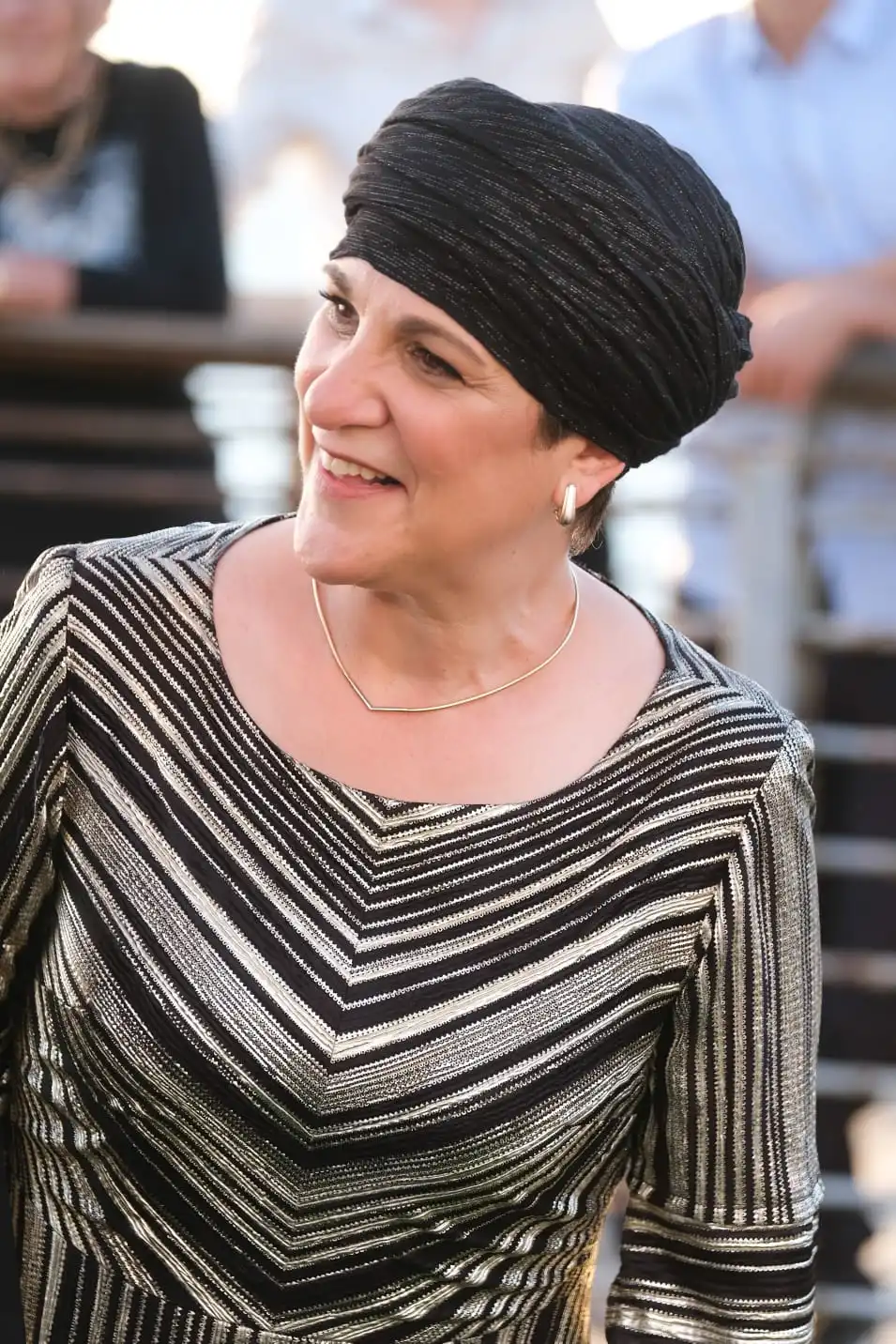
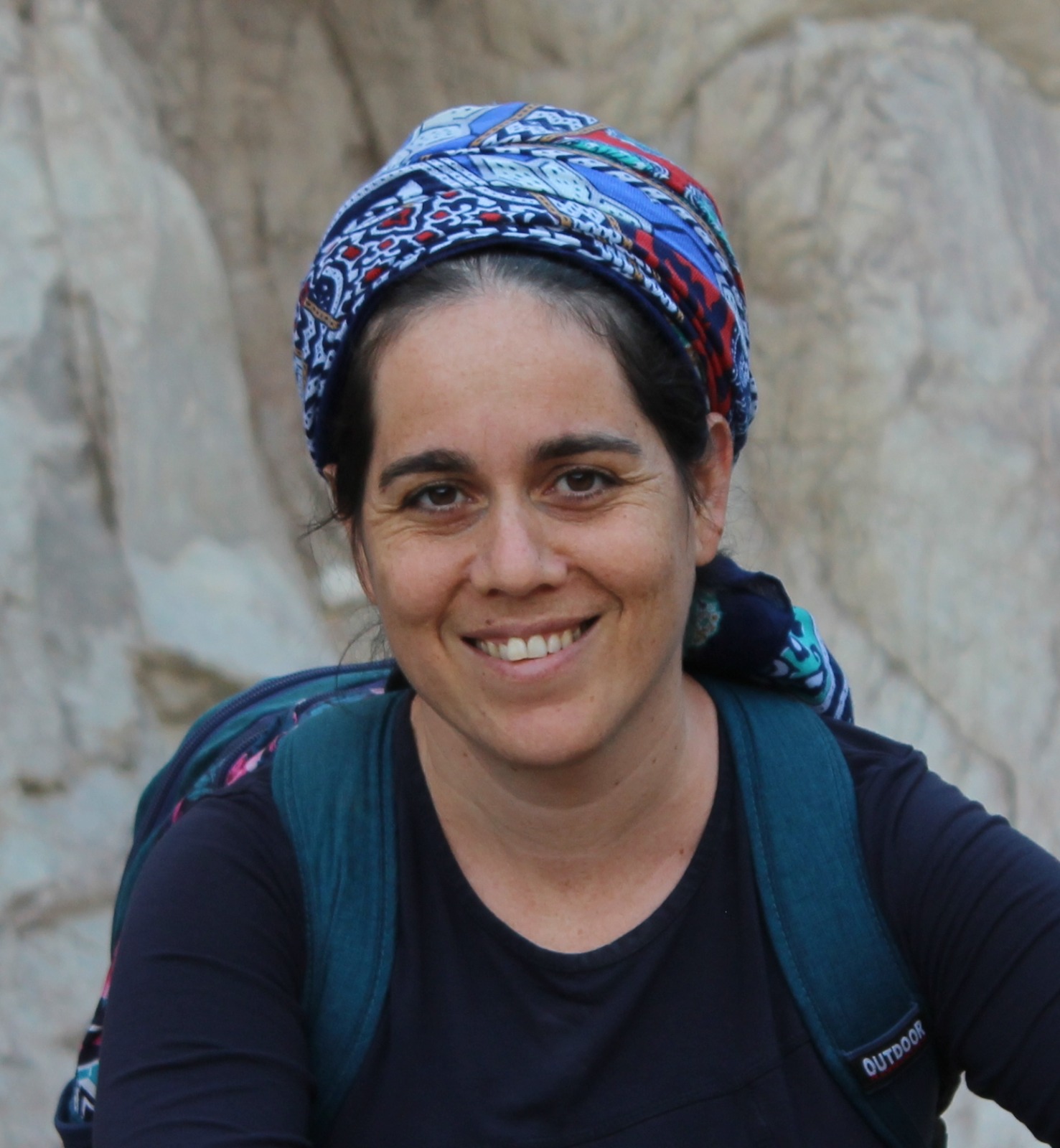
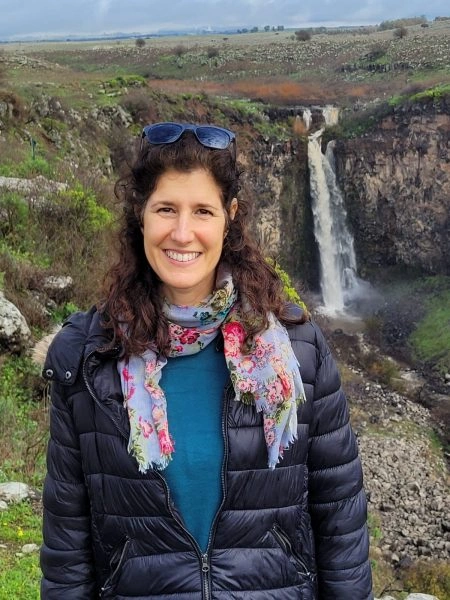
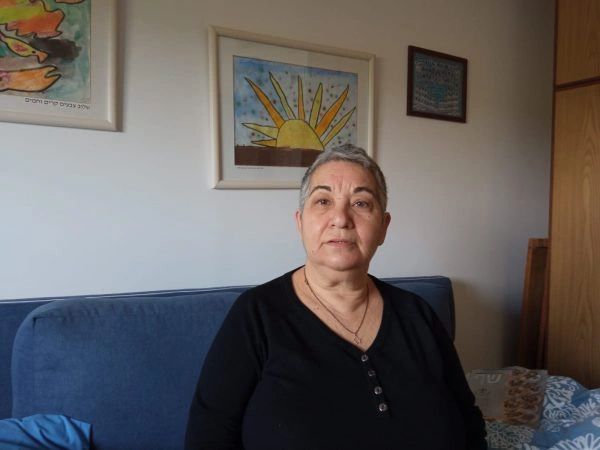
גלי את קהילת הלומדות שלנו, מגוון נשים, רקעים וסיפורים. כולן חלק מתנועה ומסע מרגש ועוצמתי.

התחלתי ללמוד בעידוד שתי חברות אתן למדתי בעבר את הפרק היומי במסגרת 929.
בבית מתלהבים מאוד ובשבת אני לומדת את הדף עם בעלי שזה מפתיע ומשמח מאוד! לימוד הדף הוא חלק בלתי נפרד מהיום שלי. לומדת בצהריים ומחכה לזמן הזה מידי יום…

Miriam Wengerover
מרים ונגרובר

אפרת, ישראל

התחלתי להשתתף בשיעור נשים פעם בשבוע, תכננתי ללמוד רק דפים בודדים, לא האמנתי שאצליח יותר מכך.
לאט לאט נשאבתי פנימה לעולם הלימוד .משתדלת ללמוד כל בוקר ומתחילה את היום בתחושה של מלאות ומתוך התכווננות נכונה יותר.
הלימוד של הדף היומי ממלא אותי בתחושה של חיבור עמוק לעם היהודי ולכל הלומדים בעבר ובהווה.

Neely Hayon
נילי חיון

אפרת, ישראל

התחלתי מחוג במסכת קידושין שהעבירה הרבנית רייסנר במסגרת בית המדרש כלנה בגבעת שמואל; לאחר מכן התחיל סבב הדף היומי אז הצטרפתי. לסביבה לקח זמן לעכל אבל היום כולם תומכים ומשתתפים איתי. הלימוד לעתים מעניין ומעשיר ולעתים קשה ואף הזוי… אך אני ממשיכה קדימה. הוא משפיע על היומיום שלי קודם כל במרדף אחרי הדף, וגם במושגים הרבים שלמדתי ובידע שהועשרתי בו, חלקו ממש מעשי

Abigail Chrissy
אביגיל כריסי

ראש העין, ישראל

התחלתי ללמוד דף יומי באמצע תקופת הקורונה, שאבא שלי סיפר לי על קבוצה של בנות שתיפתח ביישוב שלנו ותלמד דף יומי כל יום. הרבה זמן רציתי להצטרף לזה וזאת הייתה ההזדמנות בשבילי. הצטרפתי במסכת שקלים ובאמצע הייתה הפסקה קצרה. כיום אני כבר לומדת באולפנה ולומדת דף יומי לבד מתוך גמרא של טיינזלץ.

Saturdays in Raleigh
שבות בראלי

עתניאל, ישראל

כבר סיפרתי בסיום של מועד קטן.
הלימוד מאוד משפיעה על היום שלי כי אני לומדת עם רבנית מישל על הבוקר בזום. זה נותן טון לכל היום – בסיס למחשבות שלי .זה זכות גדול להתחיל את היום בלימוד ובתפילה. תודה רבה !

שרה-ברלוביץ
שרה ברלוביץ

ירושלים, ישראל

אמא שלי למדה איתי ש”ס משנה, והתחילה ללמוד דף יומי. אני החלטתי שאני רוצה ללמוד גם. בהתחלה למדתי איתה, אח”כ הצטרפתי ללימוד דף יומי שהרב דני וינט מעביר לנוער בנים בעתניאל. במסכת עירובין עוד חברה הצטרפה אלי וכשהתחלנו פסחים הרב דני פתח לנו שעור דף יומי לבנות. מאז אנחנו לומדות איתו קבוע כל יום את הדף היומי (ובשבת אבא שלי מחליף אותו). אני נהנית מהלימוד, הוא מאתגר ומעניין

Renana Hellman
רננה הלמן

עתניאל, ישראל

בסוף הסבב הקודם ראיתי את השמחה הגדולה שבסיום הלימוד, בעלי סיים כבר בפעם השלישית וכמובן הסיום הנשי בבנייני האומה וחשבתי שאולי זו הזדמנות עבורי למשהו חדש.
למרות שאני שונה בסביבה שלי, מי ששומע על הלימוד שלי מפרגן מאוד.
אני מנסה ללמוד קצת בכל יום, גם אם לא את כל הדף ובסך הכל אני בדרך כלל עומדת בקצב.
הלימוד מעניק המון משמעות ליום יום ועושה סדר בלמוד תורה, שתמיד היה (ועדיין) שאיפה. אבל אין כמו קביעות

Racheli-Mendelson
רחלי מנדלסון

טל מנשה, ישראל

התחלתי ללמוד דף יומי שהתחילו מסכת כתובות, לפני 7 שנים, במסגרת קבוצת לימוד שהתפרקה די מהר, ומשם המשכתי לבד בתמיכת האיש שלי. נעזרתי בגמרת שטיינזלץ ובשיעורים מוקלטים.
הסביבה מאד תומכת ואני מקבלת המון מילים טובות לאורך כל הדרך. מאז הסיום הגדול יש תחושה שאני חלק מדבר גדול יותר.
אני לומדת בשיטת ה”7 דפים בשבוע” של הרבנית תרצה קלמן – כלומר, לא נורא אם לא הצלחת ללמוד כל יום, העיקר שגמרת ארבעה דפים בשבוע

Rachel Goldstein
רחל גולדשטיין

עתניאל, ישראל

התחלתי לפני כמה שנים אבל רק בסבב הזה זכיתי ללמוד יום יום ולסיים מסכתות

Sigal Tel
סיגל טל

רעננה, ישראל

התחלתי ללמוד בשנת המדרשה במגדל עוז, בינתיים נהנית מאוד מהלימוד ומהגמרא, מעניין ומשמח מאוד!
משתדלת להצליח לעקוב כל יום, לפעמים משלימה קצת בהמשך השבוע.. מרגישה שיש עוגן מקובע ביום שלי והוא משמח מאוד!

Uriah Kesner
אוריה קסנר

חיפה , ישראל

התחלתי ללמוד בסבב הנוכחי לפני כשנתיים .הסביבה מתפעלת ותומכת מאוד. אני משתדלת ללמוד מכל ההסכתים הנוספים שיש באתר הדרן. אני עורכת כל סיום מסכת שיעור בביתי לכ20 נשים שמחכות בקוצר רוח למפגשים האלו.

Yael Asher
יעל אשר

יהוד, ישראל

רבנית מישל הציתה אש התלמוד בלבבות בביניני האומה ואני נדלקתי. היא פתחה פתח ותמכה במתחילות כמוני ואפשרה לנו להתקדם בצעדים נכונים וטובים. הקימה מערך שלם שמסובב את הלומדות בסביבה תומכת וכך נכנסתי למסלול לימוד מעשיר שאין כמוה. הדרן יצר קהילה גדולה וחזקה שמאפשרת התקדמות מכל נקודת מוצא. יש דיבוק לומדות שמחזק את ההתמדה של כולנו. כל פניה ושאלה נענית בזריזות ויסודיות. תודה גם למגי על כל העזרה.

Sarah Aber
שרה אבר

נתניה, ישראל

התחלתי ללמוד דף יומי לפני שנתיים, עם מסכת שבת. בהתחלה ההתמדה היתה קשה אבל בזכות הקורונה והסגרים הצלחתי להדביק את הפערים בשבתות הארוכות, לסיים את מסכת שבת ולהמשיך עם המסכתות הבאות. עכשיו אני מסיימת בהתרגשות רבה את מסכת חגיגה וסדר מועד ומחכה לסדר הבא!

Ilana-Shachnowitz
אילנה שכנוביץ

מודיעין, ישראל

התחלתי ללמוד את הדף היומי מעט אחרי שבני הקטן נולד. בהתחלה בשמיעה ולימוד באמצעות השיעור של הרבנית שפרבר. ובהמשך העזתי וקניתי לעצמי גמרא. מאז ממשיכה יום יום ללמוד עצמאית, ולפעמים בעזרת השיעור של הרבנית, כל יום. כל סיום של מסכת מביא לאושר גדול וסיפוק. הילדים בבית נהיו חלק מהלימוד, אני משתפת בסוגיות מעניינות ונהנית לשמוע את דעתם.

Eliraz Blau
אלירז בלאו

מעלה מכמש, ישראל

My explorations into Gemara started a few days into the present cycle. I binged learnt and become addicted. I’m fascinated by the rich "tapestry” of intertwined themes, connections between Masechtot, conversations between generations of Rabbanim and learners past and present all over the world. My life has acquired a golden thread, linking generations with our amazing heritage.
Thank you.

Susan Kasdan
סוזן כשדן

חשמונאים, Israel

התחלתי לפני 8 שנים במדרשה. לאחרונה סיימתי מסכת תענית בלמידה עצמית ועכשיו לקראת סיום מסכת מגילה.

Daniela Baruchim
דניאלה ברוכים

רעננה, ישראל

A life-changing journey started with a Chanukah family tiyul to Zippori, home of the Sanhedrin 2 years ago and continued with the Syum in Binanei Hauma where I was awed by the energy of 3000 women dedicated to learning daf Yomi. Opening my morning daily with a fresh daf, I am excited with the new insights I find enriching my life and opening new and deeper horizons for me.

Becky Goldstein
בקי גולדשטיין

Elazar gush etzion, Israel

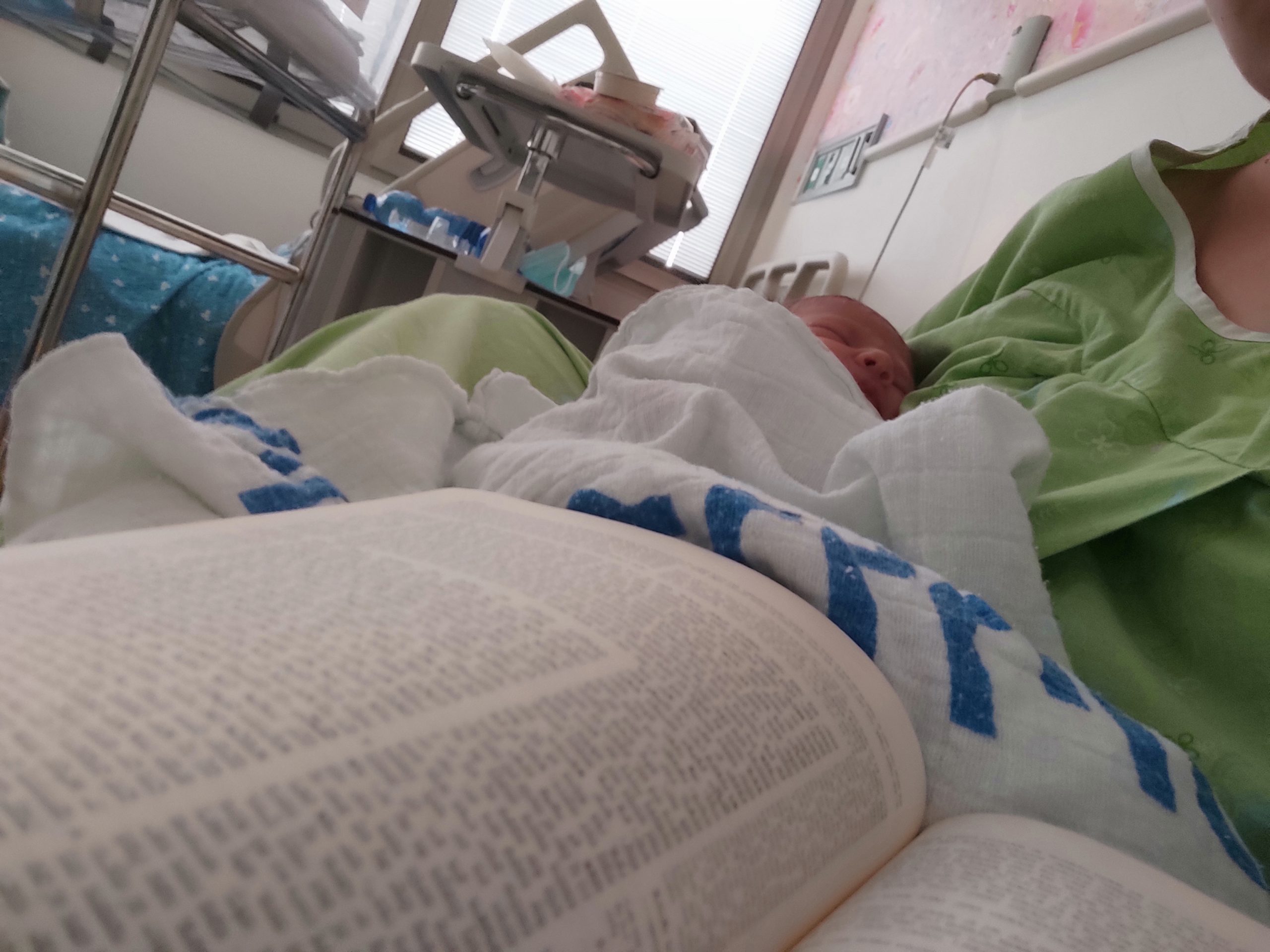
בתחילת הסבב הנוכחי הצטברו אצלי תחושות שאני לא מבינה מספיק מהי ההלכה אותה אני מקיימת בכל יום. כמו כן, כאמא לבנות רציתי לתת להן מודל נשי של לימוד תורה
שתי הסיבות האלו הובילו אותי להתחיל ללמוד. נתקלתי בתגובות מפרגנות וסקרניות איך אישה לומדת גמרא..
כמו שרואים בתמונה אני ממשיכה ללמוד גם היום ואפילו במחלקת יולדות אחרי לידת ביתי השלישית.

Noa Shiloh
נועה שילה

רבבה, ישראל

בתחילת הסבב הנוכחי של לימוד הדף היומי, נחשפתי לחגיגות המרגשות באירועי הסיום ברחבי העולם. והבטחתי לעצמי שבקרוב אצטרף גם למעגל הלומדות. הסבב התחיל כאשר הייתי בתחילת דרכי בתוכנית קרן אריאל להכשרת יועצות הלכה של נשמ”ת. לא הצלחתי להוסיף את ההתחייבות לדף היומי על הלימוד האינטנסיבי של תוכנית היועצות. בבוקר למחרת המבחן הסופי בנשמ”ת, התחלתי את לימוד הדף במסכת סוכה ומאז לא הפסקתי.

Hana Shaham-Rozby (Dr.)
חנה שחם-רוזבי (ד”ר)

קרית גת, ישראל

לצערי גדלתי בדור שבו לימוד גמרא לנשים לא היה דבר שבשגרה ושנים שאני חולמת להשלים את הפער הזה.. עד שלפני מספר שבועות, כמעט במקרה, נתקלתי במודעת פרסומת הקוראת להצטרף ללימוד מסכת תענית. כשקראתי את המודעה הרגשתי שהיא כאילו נכתבה עבורי – "תמיד חלמת ללמוד גמרא ולא ידעת איך להתחיל”, "בואי להתנסות במסכת קצרה וקלה” (רק היה חסר שהמודעה תיפתח במילים "מיכי שלום”..). קפצתי למים ו- ב”ה אני בדרך להגשמת החלום:)

Micah Kadosh
מיכי קדוש

מורשת, ישראל

בבא בתרא קיג

תַּנְיָא אִידַּךְ: ״וְלֹא תִסֹּב נַחֲלָה מִמַּטֶּה לְמַטֶּה אַחֵר״ – בְּסִיבַּת הַבַּעַל הַכָּתוּב מְדַבֵּר.

It is taught in another baraita: “So shall no inheritance transfer from one tribe to another tribe” (Numbers 36:9); the verse speaks of the transfer of the inheritance by means of the husband. The Torah prohibits the woman from marrying a man from a different tribe since her husband will inherit from her, thereby transferring her inheritance away from its original tribe.

אַתָּה אוֹמֵר בְּסִיבַּת הַבַּעַל; אוֹ אֵינוֹ אֶלָּא בְּסִיבַּת הַבֵּן? כְּשֶׁהוּא אוֹמֵר: ״וְלֹא תִסֹּב נַחֲלָה לִבְנֵי יִשְׂרָאֵל מִמַּטֶּה אֶל מַטֶּה״ – הֲרֵי הֲסִיבַּת הַבֵּן אָמוּר; הָא מָה אֲנִי מְקַיֵּים ״וְלֹא תִסֹּב נַחֲלָה מִמַּטֶּה לְמַטֶּה אַחֵר״? בְּסִיבַּת הַבַּעַל הַכָּתוּב מְדַבֵּר.

Do you say that this is with regard to the transfer of the inheritance by means of the husband, or is it only with regard to the transfer of the inheritance by means of the son? When it says: “So shall no inheritance of the children of Israel transfer from tribe to tribe” (Numbers 36:7), the verse is speaking with regard to the transfer of the inheritance by means of the son. How do I realize the meaning of the verse: “So shall no inheritance transfer from one tribe to another tribe” (Numbers 36:9)? That verse speaks of the transfer of the inheritance by means of the husband.

דְּכוּלֵּי עָלְמָא מִיהַת, ״מִמַּטֶּה לְמַטֶּה אַחֵר״ – בְּסִיבַּת הַבַּעַל הַכָּתוּב מְדַבֵּר; מַאי מַשְׁמַע? סִימָן אָמַר רַבָּה בַּר רַב שֵׁילָא, אָמַר קְרָא: ״אִישׁ״. תַּרְוַיְיהוּ ״אִישׁ״ כְּתִיב בְּהוּ!

The Gemara comments: In any event, according to everyone, i.e., according to both baraitot, the phrase in the verse “from one tribe to another tribe” speaks of the transfer of the inheritance by means of the husband. The Gemara asks: From where is this inferred? The Gemara supplies a mnemonic. Rabba bar Rav Sheila said that the latter part of the verse states: “So shall no inheritance transfer from one tribe to another tribe; for the tribes of the children of Israel shall cleave each one [ish] to its own inheritance,” alluding to the transfer by means of the husband, as the word “ish” means husband, in the context of: “Elimelech the husband [ish] of Naomi” (Ruth 1:3). The Gemara asks: But the word ish” is written in both of the verses. Therefore, both verses should be interpreted with regard to the transfer of the inheritance by means of the husband.

אֶלָּא אָמַר רַב נַחְמָן בַּר יִצְחָק, אָמַר קְרָא: ״יִדְבְּקוּ״. תַּרְוַיְיהוּ ״יִדְבְּקוּ״ כְּתִיב בְּהוּ!

Rather, Rav Naḥman bar Yitzḥak said a different explanation. The verse states: “Shall cleave,” and this term alludes to marriage, as in the context of: “And he shall cleave to his wife” (Genesis 2:24). The Gemara raises a difficulty: But the term “shall cleave” is written in both of the verses. Therefore, both verses should be interpreted with regard to the transfer of the inheritance by means of the husband.

אֶלָּא אָמַר רָבָא, אָמַר קְרָא: ״יִדְבְּקוּ מַטּוֹת״. רַב אָשֵׁי אָמַר, אָמַר קְרָא: ״מִמַּטֶּה לְמַטֶּה אַחֵר״ – וּבֵן לָאו אַחֵר הוּא.

Rather, Rava said a different explanation: The verse states: “The tribes of the children of Israel shall cleave,” and tribes cleave to one another through marriage. Rav Ashi said another explanation: The verse states: “From one tribe to another tribe,” and a son is not considered “another,” as he is an extension of his mother.

אָמַר רַבִּי אֲבָהוּ אָמַר רַבִּי יוֹחָנָן אָמַר רַבִּי יַנַּאי אָמַר רַבִּי; וּמָטוּ בָּהּ מִשְּׁמֵיהּ דְּרַבִּי יְהוֹשֻׁעַ בֶּן קׇרְחָה: מִנַּיִן לְבַעַל שֶׁאֵינוֹ נוֹטֵל בָּרָאוּי כִּבְמוּחְזָק? שֶׁנֶּאֱמַר: ״וּשְׂגוּב הוֹלִיד אֶת יָאִיר, וַיְהִי לוֹ עֶשְׂרִים וְשָׁלוֹשׁ עָרִים בְּאֶרֶץ הַגִּלְעָד״. מִנַּיִן לְיָאִיר – שֶׁלֹּא הָיָה לוֹ לִשְׂגוּב? אֶלָּא מְלַמֵּד שֶׁנָּשָׂא שְׂגוּב אִשָּׁה, וּמֵתָה בְּחַיֵּי מוֹרִישֶׁיהָ; וּמֵתוּ מוֹרִישֶׁיהָ, וִירָשָׁהּ יָאִיר.

§ Rabbi Abbahu says that Rabbi Yoḥanan says that Rabbi Yannai says that Rabbi Yehuda HaNasi says, and some determined it was in the name of Rabbi Yehoshua ben Korḥa: From where is it derived that a husband who inherits from his wife does not take in inheritance the property due to the deceased as he does the property she possessed? Instead of the husband inheriting the property that was due to her, that property is inherited by her other relatives, such as her son, or other relatives of her father. As it is stated: “And Seguv begot Yair, who had twenty three cities in the land of Gilead” (I Chronicles 2:22). The Gemara asks: From where did Yair have land that his father, Seguv, did not have? Rather, this teaches that Seguv married a woman and she died in the lifetime of her potential legators, and her legators then died, and Yair, her son, not Seguv, her husband, inherited these inheritances from her.

וְאוֹמֵר: ״וְאֶלְעָזָר בֶּן אַהֲרֹן מֵת וַיִּקְבְּרוּ וְגוֹ׳״. מִנַּיִן לְפִנְחָס – שֶׁלֹּא הָיָה לוֹ לְאֶלְעָזָר? מְלַמֵּד שֶׁנָּשָׂא אֶלְעָזָר אִשָּׁה, וּמֵתָה בְּחַיֵּי מוֹרִישֶׁיהָ; וּמֵתוּ מוֹרִישֶׁיהָ, וִירָשָׁהּ פִּנְחָס.

And it is stated: “And Elazar, the son of Aaron, died; and they buried him in the Hill of Pinehas his son” (Joshua 24:33). From where did Pinehas have land that his father, Elazar, did not have? Rather, this teaches that Elazar married a woman and she died in the lifetime of her potential legators, and her legators then died, and Pinehas her son, not Elazar her husband, inherited the property from her.

וּמַאי ״וְאוֹמֵר״? וְכִי תֵּימָא, יָאִיר – דַּהֲוָה נְסִיב אִיתְּתָא וּמֵתָה, וְיַרְתַהּ; תַּלְמוּד לוֹמַר: וְאֶלְעָזָר בֶּן אַהֲרֹן מֵת״. וְכִי תֵּימָא דִּנְפַלָה לֵיהּ בִּשְׂדֵה חֲרָמִים, אָמַר קְרָא: ״בְּנוֹ״ – נַחֲלָה הָרְאוּיָה לוֹ, וִירָשָׁהּ בְּנוֹ.

And what is the meaning of: And it is stated? Why is it necessary to provide an additional proof beyond the first verse? The Gemara explains. And if you would say: In the verse concerning Seguv and Yair, it is Yair, not Seguv, who married a woman and she died and he inherited from her, and he did not inherit from his mother, the verse states: “And Elazar, the son of Aaron, died; and they buried him in the Hill of Pinehas his son” (Joshua 24:33), teaching that Pinehas inherited the land of those from whom his mother inherited, and Elazar did not. And if you would say that this land came into the possession of Pinehas as a dedicated field, as he was a priest, and he did not inherit it from his mother, the verse states: “His son,” indicating that it was an inheritance that was fitting for him, i.e., Elazar, had his wife not predeceased her legators, and his son inherited it.

וּבְנֵי אָחוֹת. תָּנָא: בְּנֵי אָחוֹת, וְלֹא בְּנוֹת אָחוֹת.

§ The mishna teaches: And sons of sisters, i.e., nephews born to the sisters of the deceased, inherit from their maternal uncles but do not bequeath to them. It is taught in a baraita: This halakha applies to sons of sisters but not to daughters of sisters.

לְמַאי הִלְכְתָא? אָמַר רַב שֵׁשֶׁת: לְקַדֵּם.

With regard to what halakha was this said? It is obvious that in principle daughters have the right to inherit from their maternal uncle, as the mother inherits from him. Rav Sheshet said: It is said to teach that where there are sons as well, they precede the daughters in inheriting from their maternal uncle.

תָּנֵי רַב שְׁמוּאֵל בַּר רַב יִצְחָק קַמֵּיהּ דְּרַב הוּנָא: ״וְיָרַשׁ״ – מַקִּישׁ יְרוּשָּׁה שְׁנִיָּה לִירוּשָּׁה רִאשׁוֹנָה; מָה יְרוּשָּׁה רִאשׁוֹנָה – בֵּן קוֹדֵם לַבַּת, אַף יְרוּשָּׁה שְׁנִיָּה – בֵּן קוֹדֵם לַבַּת.

Rav Shmuel bar Rav Yitzḥak taught a baraita before Rav Huna: At the end of the passage discussing inheritance of land, the verse states: “Then you shall give his inheritance to his kinsman who is next to him of his family, and he shall inherit it” (Numbers 27:11). The verse juxtaposes a secondary inheritance, that of one inheriting from other relatives, to a primary inheritance, that of a child inheriting from a parent. This teaches that just as with regard to a primary inheritance a son precedes a daughter, so too, with regard to a secondary inheritance a son precedes a daughter.

תָּנֵי רַבָּה בַּר חֲנִינָא קַמֵּיהּ דְּרַב נַחְמָן: ״וְהָיָה בְּיוֹם הַנְחִילוֹ אֶת בָּנָיו״ – בַּיוֹם אַתָּה מַפִּיל נַחֲלוֹת, וְאִי אַתָּה מַפִּיל נַחֲלוֹת בַּלַּיְלָה. אָמַר לֵיהּ אַבָּיֵי: אֶלָּא מֵעַתָּה, דְּשָׁכֵיב בִּימָמָא הוּא דְּיָרְתִי לֵיהּ בְּנֵיהּ, מַאן דְּשָׁכֵיב בְּלֵילְיָא לָא יָרְתִי לֵיהּ בְּנֵיהּ?!

§ Rabba bar Ḥanina taught a baraita before Rav Naḥman: A verse in the passage concerning the double portion inherited by a firstborn states: “Then it shall be on the day that he causes his sons to inherit that which he has” (Deuteronomy 21:16). The addition of the phrase “on the day” teaches that it is specifically during the day that you may distribute inheritances, but you may not distribute inheritances at night. Abaye said to him: That cannot be the halakha, as, if that is so, it ought to be that only one who dies during the day is the one from whom his children inherit, but with regard to one who dies at night, his children do not inherit from him, and this is not the case.

דִּלְמָא דִּין נַחֲלוֹת קָא אָמְרַתְּ? דְּתַנְיָא: ״וְהָיְתָה לִבְנֵי יִשְׂרָאֵל לְחֻקַּת מִשְׁפָּט״ – אוֹרְעָה כָּל הַפָּרָשָׁה כּוּלָּהּ לִהְיוֹת דִּין.

Abaye suggests a different interpretation of Rabba bar Ḥanina’s statement: Perhaps you said a distinction between day and night with regard to the adjudication of inheritances, as judges are permitted to sit only during the day. A proof for this distinction is as it is taught in a baraita: A verse in the passage concerning inheritance states: “And it shall be for the children of Israel a statute of judgment” (Numbers 27:11), teaching that the entire portion was placed [ure’a] together to be considered a matter of judgment, subject to the procedural rules of a court matter.

וְכִדְרַב יְהוּדָה, דְּאָמַר רַב יְהוּדָה: שְׁלֹשָׁה שֶׁנִּכְנְסוּ לְבַקֵּר אֶת הַחוֹלֶה, רָצוּ – כּוֹתְבִין, רָצוּ – עוֹשִׂין דִּין. שְׁנַיִם – כּוֹתְבִין וְאֵין עוֹשִׂין דִּין. וְאָמַר רַב חִסְדָּא: לֹא שָׁנוּ אֶלָּא בַּיּוֹם;

Abaye continues: And this is in accordance with the statement of Rav Yehuda, as Rav Yehuda says: In a case where there were three men who entered a room to visit a sick person and the sick person desired to write a will in order to distribute his property following his death, if the visitors wish to do so they may write his will and sign it as witnesses. And if they wish, they may act in judgment, i.e., they may act as a court in the matter, since there are three of them. Therefore, they can determine that the will has the validity of an act of court and transfer the property to the heirs in their capacity as a court. But if only two came to visit the sick person, they may write the will and sign it as witnesses, but they may not act in judgment, since three are required to form a court. And Rav Ḥisda says: This halakha was taught only in a case where the three came to visit him during the day,

רוצה לעקוב אחרי התכנים ולהמשיך ללמוד?

ביצירת חשבון עוד היום ניתן לעקוב אחרי ההתקדמות שלך, לסמן מה למדת, ולעקוב אחרי השיעורים שמעניינים אותך.

לנקות את כל הפריטים מהרשימה?

פעולה זו תסיר את כל הפריטים בחלק זה כולל ההתקדמות וההיסטוריה. שימי לב: לא ניתן לשחזר פעולה זו.

ביטול
מחיקה

האם את/ה בטוח/ה שברצונך למחוק פריט זה?

תאבד/י את כל ההתקדמות או ההיסטוריה הקשורות לפריט זה.

ביטול
מחיקה