חיפוש

בבא בתרא קטו

רוצה להקדיש לימוד?

podcast placeholder

0:00
0:00


תקציר

רבי יוחנן מצטט אמירה של רבי יהודה בנו של רבי שמעון שאם יורשת את בנה. עם זאת, רבי יוחנן דוחה אמירה זו מכיוון שהיא סותרת את משנתינו הקובעת בבירור כי אם אינה יורשת את בנה. רבי יהודה השיב שהוא אינו יודע מיהו מחבר המשנה ולכן אינו מוטרד מהסתירה. הגמרא מסבירה תחילה מדוע לא ניתן להסביר את המשנה לפי רבי זכריה בן הקצב ואז ממשיכה להסביר שיש במשנה סתירה פנימית לגבי הדרשה של המילה ‘מטות’. עם זאת, הם מיישבים את הסתירה.

המשנה דנה בסדר הירושה – בכל שלב, אם האדם שאמור לרשת אינו בחיים, הירושה עוברת לצאצאיו לפני שעוברים לבא בתור. היתה מחלוקת גדולה בין הצדוקים לחכמים במקרה מסויים. אם לנפטר היה בן ובת, והבן כבר אינו בחיים במיתת הנפטר, אך יש לו בת (נכדתו של הנפטר), החכמים פסקו שבתו של הבן (נכדתו של הנפטר) קודמת לבתו של הנפטר בירושת אביהם. הצדוקים סברו שהבת והנכדה מתחלקות בירושה 50/50. רבן יוחנן בן זכאי התווכח איתם וניצחם וקבעו את ההלכה על פי הבנת החכמים.

בבא בתרא קטו

אֵיתִיבֵיהּ רַבִּי יוֹחָנָן לְרַבִּי יְהוּדָה בֶּן שִׁמְעוֹן: הָאִשָּׁה אֶת בְּנָהּ, וְהָאִשָּׁה אֶת בַּעְלָהּ, וַאֲחֵי הָאֵם – מַנְחִילִין וְלֹא נוֹחֲלִין! אֲמַר לֵיהּ: מִשְׁנָתֵנוּ, אֵינִי יוֹדֵעַ מִי שְׁנָאָהּ.

Rabbi Yoḥanan raised an objection to the opinion of Rabbi Yehuda ben Shimon from the mishna, which teaches: A woman with regard to her son, a woman with regard to her husband, and maternal uncles all bequeath to their respective relatives but do not inherit from them. The mishna states explicitly that a mother does not inherit her son’s property. Rabbi Yehuda ben Shimon said to him: With regard to our mishna, I do not know who taught it, i.e., I am not aware of any tanna who concurs with its ruling and it is not the accepted halakha.

וְלֵימָא לֵיהּ: רַבִּי זְכַרְיָה בֶּן הַקַּצָּב הִיא, דְּלָא דָּרֵישׁ ״מַטּוֹת״!

The Gemara asks: But let Rabbi Yoḥanan say to Rabbi Yehuda ben Shimon that the mishna is written in accordance with the opinion of Rabbi Zekharya ben HaKatzav, who, as noted on page 111a, does not derive the halakha that sons precede daughters with regard to the inheritance of their mother from the word “tribes.” Since Rabbi Yehuda ben Shimon’s ruling is based on a derivation from the word “tribes,” it stands to reason that Rabbi Zekharya disagrees with Rabbi Yehuda ben Shimon, and the ruling of the mishna is in accordance with Rabbi Zekharya’s opinion.

לָא מִיתּוֹקְמָא מַתְנִיתִין כְּרַבִּי זְכַרְיָה בֶּן הַקַּצָּב; דְּקָתָנֵי: ״וּבְנֵי אָחוֹת״, וְתָנָא: ״בְּנֵי אָחוֹת״ – וְלֹא בְּנוֹת אָחוֹת. וְאָמְרִינַן: לְמַאי הִלְכְתָא? וְאָמַר רַב שֵׁשֶׁת: לְקַדֵּם.

The Gemara answers: The mishna cannot be interpreted in accordance with the opinion of Rabbi Zekharya ben HaKatzav, as it teaches: And the sons of a sister inherit but do not bequeath, and a Sage taught that the mishna is referring only to sons of a sister and not to daughters of a sister, and we say: With regard to what halakha is there a distinction between the sons and daughters of a sister? And Rav Sheshet said: The distinction is meant to teach that where there are sons as well, they precede the daughters in inheriting from their maternal uncle.

וְאִי סָלְקָא דַּעְתָּךְ מַתְנִיתִין רַבִּי זְכַרְיָה בֶּן הַקַּצָּב הִיא, הָא אָמַר: אֶחָד הַבֵּן וְאֶחָד הַבַּת שָׁוִין בְּנִכְסֵי הָאֵם!

The Gemara continues: And if it enters your mind that the mishna is written in accordance with the opinion of Rabbi Zekharya ben HaKatzav, doesn’t he say: Both the son and the daughter are equal with regard to the mother’s property, as they inherit equally? The mishna stands in contraposition to Rabbi Zekharya’s ruling, and therefore it cannot be written in accordance with his opinion.

וְתַנָּא דִּידַן – מִמָּה נַפְשָׁךְ; אִי דָּרֵישׁ ״מַטּוֹת״, אִשָּׁה נָמֵי תִּירַשׁ אֶת בְּנָהּ; אִי לָא דָּרֵישׁ ״מַטּוֹת״, בֵּן דְּקוֹדֵם לַבַּת בְּנִכְסֵי הָאֵם – מְנָא לֵיהּ?

The Gemara asks: And the tanna of our mishna, whichever way you look at it, is inconsistent: If he interprets the word “tribes,” then a woman also should inherit from her son, as noted above (114b). And if he does not interpret the word “tribes,” then from where is it clear to him that a son precedes a daughter with regard to the property of the mother? Both halakhot are derived from the same source, so how can the tanna accept one and reject the other?

לְעוֹלָם דָּרֵישׁ ״מַטּוֹת״; וְשָׁאנֵי הָכָא, דְּאָמַר קְרָא: ״וְכׇל בַּת יֹרֶשֶׁת נַחֲלָה״ – יוֹרֶשֶׁת, וְאֵינָהּ מוֹרֶשֶׁת.

The Gemara explains: Actually, the tanna of the mishna interprets the word “tribes,” but it is different here, with regard to a woman inheriting from her son, as the verse states: “And every daughter who possesses [yoreshet] an inheritance from the tribes” (Numbers 36:8), which teaches that a daughter inherits [yoreshet] from two tribes, but she does not bequeath to two tribes. She bequeaths only to her father’s tribe.

מַתְנִי׳ סֵדֶר נַחֲלוֹת כָּךְ הוּא: ״אִישׁ כִּי יָמוּת וּבֵן אֵין לוֹ, וְהַעֲבַרְתֶּם אֶת נַחֲלָתוֹ לְבִתּוֹ״ – בֵּן קוֹדֵם לַבַּת, כׇּל יוֹצְאֵי יְרֵיכוֹ שֶׁל בֵּן קוֹדְמִין לַבַּת. בַּת קוֹדֶמֶת לָאַחִין, יוֹצְאֵי יְרֵיכָהּ שֶׁל בַּת קוֹדְמִין לָאַחִין. אַחִין קוֹדְמִין לַאֲחֵי הָאָב, יוֹצְאֵי יְרֵיכָן שֶׁל אַחִין קוֹדְמִין לַאֲחֵי הָאָב.

MISHNA: The order of precedence with regard to inheritances is this: The verse states: “If a man dies, and has no son, then you shall pass his inheritance to his daughter” (Numbers 27:8). This teaches that a son precedes a daughter. Additionally, all descendants of a son precede a daughter. A daughter precedes the brothers of the deceased. Additionally, the descendants of a daughter precede the brothers of the deceased. Brothers of the deceased precede the uncles of the deceased. Additionally, the descendants of the brothers precede the uncles.

זֶה הַכְּלָל: כׇּל הַקּוֹדֵם בַּנַּחֲלָה – יוֹצְאֵי יְרֵיכוֹ קוֹדְמִין. וְהָאָב קוֹדֵם לְכׇל יוֹצְאֵי יְרֵיכוֹ.

This is the principle: Concerning anyone who precedes another with regard to inheritance, his descendants precede the other as well, and a father who inherits precedes all of his descendants.

גְּמָ׳ תָּנוּ רַבָּנַן: ״בֵּן״ – אֵין לִי אֶלָּא בֵּן; בֶּן הַבֵּן, אוֹ בַּת הַבֵּן, אוֹ בֶּן בַּת הַבֵּן – מִנַּיִן? תַּלְמוּד לוֹמַר: ״אֵין לוֹ״ – עַיֵּין עָלָיו.

GEMARA: The Sages taught: The verse states: “If a man dies, and has no son, then you shall pass his inheritance to his daughter” (Numbers 27:8). I have derived only that a son precedes others with regard to the inheritance of the deceased; from where do I derive that a son of a son, or a daughter of a son, or a son of a daughter of a son also precedes the deceased’s other relatives? The verse states: “If a man dies, and he has no [ein lo] son.” The word ein is written aleph, yod, nun. Therefore, the Sages read it as if it states: Investigate with regard to him [ayyein alav], to search for descendants of his son, and give the inheritance to them if they are found.

״בַּת״ – אֵין לִי אֶלָּא בַּת; בַּת הַבַּת, וּבֶן הַבַּת, וּבַת בֶּן הַבַּת – מִנַּיִן? תַּלְמוּד לוֹמַר: ״אֵין לוֹ״ – עַיֵּין עָלָיו.

The next verse states: “And if he has no daughter, then you shall give his inheritance to his brothers” (Numbers 27:9). I have derived only that a daughter precedes others, except a son and his descendants, with regard to the inheritance of the deceased, from where then do I derive that a daughter’s daughter, or a son of a daughter, or a daughter of a son of a daughter also precede the deceased’s other relatives? The verse states: “And if he has no [ein lo] daughter.” The word ein is written aleph, yod, nun. Therefore, the Sages read it as if it states: Investigate with regard to him [ayyein alav], to search for descendants of his daughter, and give the inheritance to them if they are found.

הָא כֵּיצַד? נַחֲלָה מְמַשְׁמֶשֶׁת וְהוֹלֶכֶת, עַד רְאוּבֵן. וְלֵימָא עַד יַעֲקֹב! אָמַר אַבָּיֵי: גְּמִירִי דְּלָא כָּלֵה שִׁבְטָא.

The Gemara asks: How so, i.e., how is the investigation performed when he has no offspring at all? The Gemara answers: The family lineage that determines the inheritance is successively examined up to Reuben, son of Jacob, i.e., the heirs are determined by investigating the family genealogy, and that investigation can extend all the way to Reuben, son of our forefather Jacob. The Gemara asks: And let it say: Until Jacob himself, rather than until Reuben, since if none of Reuben’s descendants survive, one would have to examine Jacob’s descendants. Abaye said in reply: It is learned as a tradition that a tribe will not be eliminated entirely, and some descendants will always remain.

אָמַר רַב הוּנָא אָמַר רַב: כׇּל הָאוֹמֵר תִּירַשׁ בַּת עִם בַּת הַבֵּן, אֲפִילּוּ נָשִׂיא שֶׁבְּיִשְׂרָאֵל – אֵין שׁוֹמְעִין לוֹ, שֶׁאֵינָן אֶלָּא מַעֲשֵׂה צָדוֹקִין. דְּתַנְיָא: בְּאַרְבָּעָה וְעֶשְׂרִים בְּטֵבֵת תַּבְנָא לְדִינַנָא. שֶׁהָיוּ צָדוֹקִין אוֹמְרִין: תִּירַשׁ הַבַּת עִם בַּת הַבֵּן.

§ Rav Huna says that Rav says: With regard to anyone who says that a daughter of the deceased should inherit the estate of her father along with the daughter of the son of the deceased, even if he is a prince of the Jewish people, one should not listen to him, as this is nothing other than an act of the Sadducees, and runs counter to the ruling of the mishna that the descendants of a son inherit before a daughter. As it is taught in a baraita in Megillat Ta’anit, which describes various minor holidays on which it is forbidden to fast or eulogize: On the twenty-fourth of Tevet, we returned to our law, i.e., the halakha was reestablished in accordance with the opinion of the Sages after having been dictated by the Sadducees. As the Sadducees would say: A daughter should inherit the estate of her father along with the daughter of the son of the deceased.

נִטְפַּל לָהֶן רַבָּן יוֹחָנָן בֶּן זַכַּאי, אָמַר לָהֶם: שׁוֹטִים, מִנַּיִן זֶה לָכֶם? וְלֹא הָיָה אָדָם שֶׁהֶחְזִירוֹ דָּבָר, חוּץ מִזָּקֵן אֶחָד שֶׁהָיָה מְפַטְפֵּט כְּנֶגְדּוֹ, וְאוֹמֵר: וּמָה בַּת בְּנוֹ הַבָּאָה מִכֹּחַ בְּנוֹ – תִּירָשֶׁנּוּ; בִּתּוֹ הַבָּאָה מִכֹּחוֹ – לֹא כׇּל שֶׁכֵּן?

The baraita continues: Rabban Yoḥanan ben Zakkai joined them to discuss their ruling, and said to them: Imbeciles, from where do you derive this ruling? And there was no person that answered him anything, except for one old man who was chattering at him and saying that it is an a fortiori inference: And just as a daughter of the deceased’s son, who comes to claim her inheritance from her grandfather by virtue of his son, inherits her grandfather’s property, so too, with regard to the deceased’s own daughter, who comes to inherit by virtue of the deceased, all the more so is it not clear that she should inherit his property?

קָרָא עָלָיו אֶת הַמִּקְרָא הַזֶּה: ״אֵלֶּה בְנֵי שֵׂעִיר הַחֹרִי יֹשְׁבֵי הָאָרֶץ: לוֹטָן וְשׁוֹבָל וְצִבְעוֹן וַעֲנָה״, וּכְתִיב: ״אֵלֶּה בְּנֵי צִבְעוֹן, וְאַיָּה וַעֲנָה״! אֶלָּא מְלַמֵּד שֶׁבָּא צִבְעוֹן עַל אִמּוֹ, וְהוֹלִיד עֲנָה.

Rabban Yoḥanan ben Zakkai recited this verse about him: “These are the sons of Seir the Horite, the inhabitants of the land: Lotan and Shobal and Zibeon and Anah” (Genesis 36:20), and it is written: “And these are the children of Zibeon: Aiah and Anah” (Genesis 36:24). The first verse portrays Zibeon and Anah as brothers, while the second states that they are father and son. Rather, this teaches that Zibeon engaged in sexual intercourse with his mother and begot Anah, so that he was both Anah’s father and his brother. From the fact that the first verse equates Zibeon and Anah by referring to both of them as Seir’s sons despite Anah being a grandson of Seir, it is clear that grandchildren are equal to children, contrary to the Sadducees’ assertion.

וְדִלְמָא תְּרֵי עֲנָה הֲווֹ! אָמַר רַבָּה: אָמֵינָא מִלְּתָא דְּלָא אַמְרַהּ שַׁבּוּר מַלְכָּא; וּמַנּוּ? שְׁמוּאֵל. אִיכָּא דְאָמְרִי, אָמַר רַב פָּפָּא: אָמֵינָא מִלְּתָא דְּלָא אַמְרַהּ שַׁבּוּר מַלְכָּא; וּמַנּוּ? רַבָּה. אָמַר קְרָא: ״הוּא עֲנָה״ – הוּא עֲנָה דְּמֵעִיקָּרָא.

The Gemara interrupts the recounting of the baraita and questions Rabban Yoḥanan ben Zakkai’s inference: But perhaps there were two people named Anah, so that one Anah was Zibeon’s son, and the other his brother? Rabba said: I will state a matter that even King Shapur did not state. And who is this King Shapur? This cannot be a reference to Shapur, king of Persia; rather, it must be a moniker for someone else. He is Shmuel, whose legal rulings were accepted by the public like the edicts of a king by his subjects. Some state a different version, that it was Rav Pappa who said: I will state a matter that even King Shapur did not state. And who is this King Shapur? He is Rabba. The verse goes on to state: “This is Anah” (Genesis 36:24), indicating that he is the same Anah mentioned initially, earlier in the verse. Accordingly, there was only one Anah, who was both Zibeon’s brother and Zibeon’s son.

אֲמַר לֵיהּ: רַבִּי, בְּכָךְ אַתָּה פּוֹטְרֵנִי?! אָמַר לוֹ: שׁוֹטֶה,

The baraita continues: The Sadducee said to Rabban Yoḥanan ben Zakkai: My teacher, you dismiss me with this retort? I agree that the son of a son precedes a daughter, as the verse you quoted suggests; I am asserting that a daughter inherits together with the daughter of a son, and the verse you quoted has no bearing on that claim. Rabban Yoḥanan ben Zakkai said to him: Imbecile,

חדשה בלימוד הגמרא?

זה הדף הראשון שלך? איזו התרגשות עצומה! יש לנו בדיוק את התכנים והכלים שיעזרו לך לעשות את הצעדים הראשונים ללמידה בקצב וברמה שלך, כך תוכלי להרגיש בנוח גם בתוך הסוגיות המורכבות ומאתגרות.

פסיפס הלומדות שלנו

גלי את קהילת הלומדות שלנו, מגוון נשים, רקעים וסיפורים. כולן חלק מתנועה ומסע מרגש ועוצמתי.

התחלתי ללמוד בסבב הנוכחי לפני כשנתיים .הסביבה מתפעלת ותומכת מאוד. אני משתדלת ללמוד מכל ההסכתים הנוספים שיש באתר הדרן. אני עורכת כל סיום מסכת שיעור בביתי לכ20 נשים שמחכות בקוצר רוח למפגשים האלו.

Yael Asher
יעל אשר

יהוד, ישראל

A life-changing journey started with a Chanukah family tiyul to Zippori, home of the Sanhedrin 2 years ago and continued with the Syum in Binanei Hauma where I was awed by the energy of 3000 women dedicated to learning daf Yomi. Opening my morning daily with a fresh daf, I am excited with the new insights I find enriching my life and opening new and deeper horizons for me.

Becky Goldstein
בקי גולדשטיין

Elazar gush etzion, Israel

הצטרפתי ללומדות בתחילת מסכת תענית. ההתרגשות שלי ושל המשפחה היתה גדולה מאוד, והיא הולכת וגוברת עם כל סיום שאני זוכה לו. במשך שנים רבות רציתי להצטרף ומשום מה זה לא קרה… ב”ה מצאתי לפני מספר חודשים פרסום של הדרן, ומיד הצטרפתי והתאהבתי. הדף היומי שינה את חיי ממש והפך כל יום- ליום של תורה. מודה לכן מקרב ליבי ומאחלת לכולנו לימוד פורה מתוך אהבת התורה ולומדיה.

Noa Rosen
נעה רוזן

חיספין רמת הגולן, ישראל

סיום השס לנשים נתן לי מוטביציה להתחיל ללמוד דף יומי. עד אז למדתי גמרא בשבתות ועשיתי כמה סיומים. אבל לימוד יומיומי זה שונה לגמרי ופתאום כל דבר שקורה בחיים מתקשר לדף היומי.

Fogel Foundation
קרן פוגל

רתמים, ישראל

התחלתי ללמוד גמרא בבית הספר בגיל צעיר והתאהבתי. המשכתי בכך כל חיי ואף היייתי מורה לגמרא בבית הספר שקד בשדה אליהו (בית הספר בו למדתי בילדותי)בתחילת מחזור דף יומי הנוכחי החלטתי להצטרף ובע”ה מקווה להתמיד ולהמשיך. אני אוהבת את המפגש עם הדף את "דרישות השלום ” שמקבלת מקשרים עם דפים אחרים שלמדתי את הסנכרון שמתחולל בין התכנים.

Ariela Bigman
אריאלה ביגמן

מעלה גלבוע, ישראל

התחלתי להשתתף בשיעור נשים פעם בשבוע, תכננתי ללמוד רק דפים בודדים, לא האמנתי שאצליח יותר מכך.
לאט לאט נשאבתי פנימה לעולם הלימוד .משתדלת ללמוד כל בוקר ומתחילה את היום בתחושה של מלאות ומתוך התכווננות נכונה יותר.
הלימוד של הדף היומי ממלא אותי בתחושה של חיבור עמוק לעם היהודי ולכל הלומדים בעבר ובהווה.

Neely Hayon
נילי חיון

אפרת, ישראל

התחלתי ללמוד דף יומי בסבב הקודם. זכיתי לסיים אותו במעמד המרגש של הדרן. בסבב הראשון ליווה אותי הספק, שאולי לא אצליח לעמוד בקצב ולהתמיד. בסבב השני אני לומדת ברוגע, מתוך אמונה ביכולתי ללמוד ולסיים. בסבב הלימוד הראשון ליוותה אותי חוויה מסויימת של בדידות. הדרן העניקה לי קהילת לימוד ואחוות נשים. החוויה של סיום הש”ס במעמד כה גדול כשנשים שאינן מכירות אותי, שמחות ומתרגשות עבורי , היתה חוויה מרוממת נפש

Ilanit Weil
אילנית ווייל

קיבוץ מגדל עוז, ישראל

התחלתי ללמוד לפני כשנתיים בשאיפה לסיים לראשונה מסכת אחת במהלך חופשת הלידה.
אחרי מסכת אחת כבר היה קשה להפסיק…

Noa Gallant
נעה גלנט

ירוחם, ישראל

התחלתי ללמוד לפני 4.5 שנים, כשהודיה חברה שלי פתחה קבוצת ווטסאפ ללימוד דף יומי בתחילת מסכת סנהדרין. מאז לימוד הדף נכנס לתוך היום-יום שלי והפך לאחד ממגדירי הזהות שלי ממש.

Rosenberg Foundation
קרן רוזנברג

ירושלים, ישראל

בתחילת הסבב הנוכחי של לימוד הדף היומי, נחשפתי לחגיגות המרגשות באירועי הסיום ברחבי העולם. והבטחתי לעצמי שבקרוב אצטרף גם למעגל הלומדות. הסבב התחיל כאשר הייתי בתחילת דרכי בתוכנית קרן אריאל להכשרת יועצות הלכה של נשמ”ת. לא הצלחתי להוסיף את ההתחייבות לדף היומי על הלימוד האינטנסיבי של תוכנית היועצות. בבוקר למחרת המבחן הסופי בנשמ”ת, התחלתי את לימוד הדף במסכת סוכה ומאז לא הפסקתי.

Hana Shaham-Rozby (Dr.)
חנה שחם-רוזבי (ד”ר)

קרית גת, ישראל

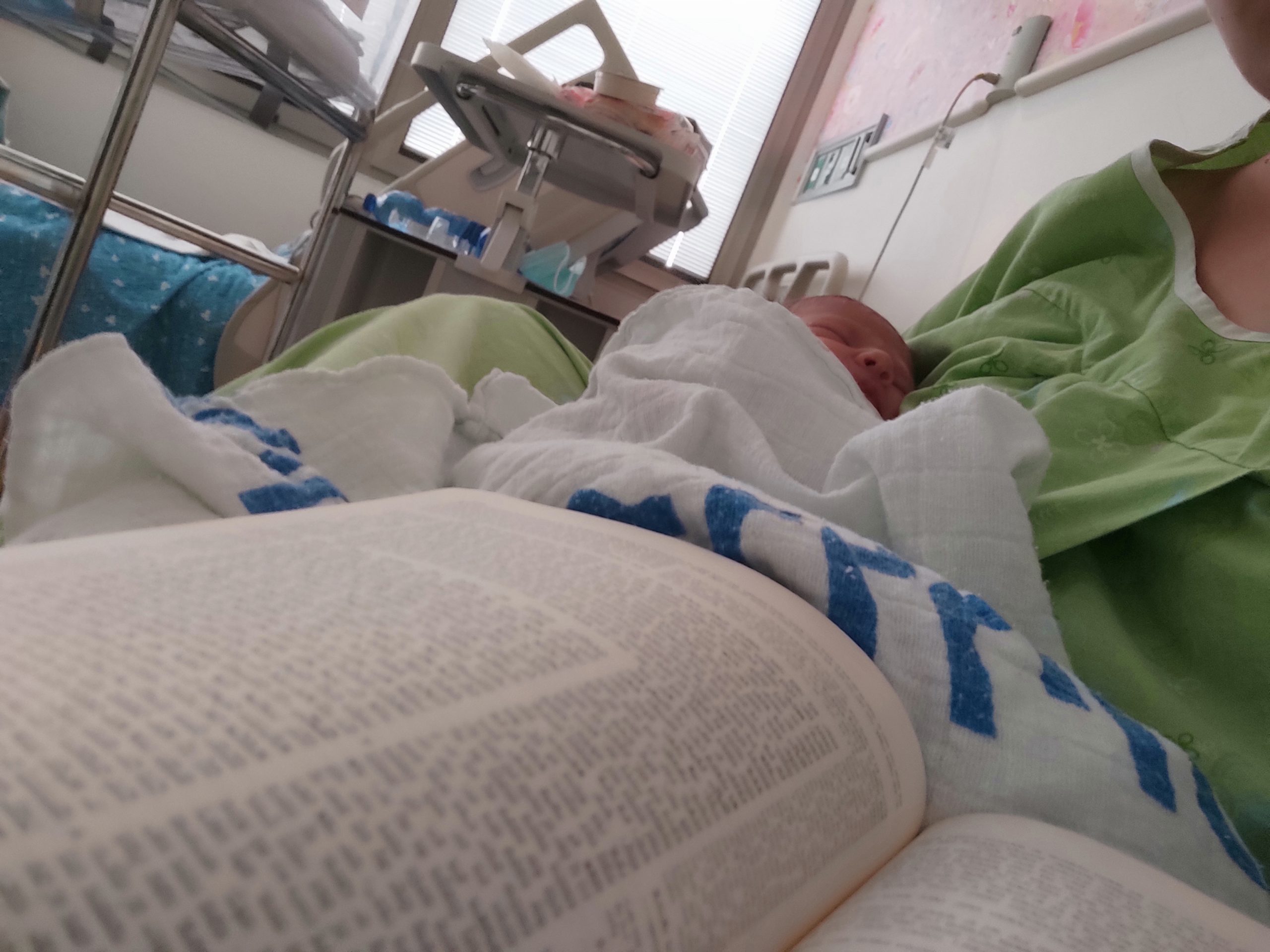
בתחילת הסבב הנוכחי הצטברו אצלי תחושות שאני לא מבינה מספיק מהי ההלכה אותה אני מקיימת בכל יום. כמו כן, כאמא לבנות רציתי לתת להן מודל נשי של לימוד תורה
שתי הסיבות האלו הובילו אותי להתחיל ללמוד. נתקלתי בתגובות מפרגנות וסקרניות איך אישה לומדת גמרא..
כמו שרואים בתמונה אני ממשיכה ללמוד גם היום ואפילו במחלקת יולדות אחרי לידת ביתי השלישית.

Noa Shiloh
נועה שילה

רבבה, ישראל

התחלתי ללמוד בשנת המדרשה במגדל עוז, בינתיים נהנית מאוד מהלימוד ומהגמרא, מעניין ומשמח מאוד!
משתדלת להצליח לעקוב כל יום, לפעמים משלימה קצת בהמשך השבוע.. מרגישה שיש עוגן מקובע ביום שלי והוא משמח מאוד!

Uriah Kesner
אוריה קסנר

חיפה , ישראל

ראיתי את הסיום הגדול בבנייני האומה וכל כך התרשמתי ורציתי לקחת חלק.. אבל לקח לי עוד כשנה וחצי )באמצע מסיכת שבת להצטרף..
הלימוד חשוב לי מאוד.. אני תמיד במרדף אחרי הדף וגונבת כל פעם חצי דף כשהילדים עסוקים ומשלימה אח”כ אחרי שכולם הלכו לישון..

Olga Mizrahi
אולגה מזרחי

ירושלים, ישראל

רציתי לקבל ידע בתחום שהרגשתי שהוא גדול וחשוב אך נעלם ממני. הלימוד מעניק אתגר וסיפוק ומעמיק את תחושת השייכות שלי לתורה וליהדות

Ruth Agiv
רות עגיב

עלי זהב – לשם, ישראל

התחלתי ללמוד לפני 4.5 שנים, כשהודיה חברה שלי פתחה קבוצת ווטסאפ ללימוד דף יומי בתחילת מסכת סנהדרין. מאז לימוד הדף נכנס לתוך היום-יום שלי והפך לאחד ממגדירי הזהות שלי ממש.

Rosenberg Foundation
קרן רוזנברג

ירושלים, ישראל

אחי, שלומד דף יומי ממסכת ברכות, חיפש חברותא ללימוד מסכת ראש השנה והציע לי. החברותא היתה מאתגרת טכנית ורוב הזמן נעשתה דרך הטלפון, כך שבסיום המסכת נפרדו דרכינו. אחי חזר ללמוד לבד, אבל אני כבר נכבשתי בקסם הגמרא ושכנעתי את האיש שלי להצטרף אלי למסכת ביצה. מאז המשכנו הלאה, ועכשיו אנחנו מתרגשים לקראתו של סדר נשים!

Shulamit Saban
שולמית סבן

נוקדים, ישראל

התחלתי מעט לפני תחילת הסבב הנוכחי. אני נהנית מהאתגר של להמשיך להתמיד, מרגעים של "אהה, מפה זה הגיע!” ומהאתגר האינטלקטואלי

Eilat-Chen and Deller
אילת-חן ודלר

לוד, ישראל

שמעתי על הסיום הענק של הדף היומי ע”י נשים בבנייני האומה. רציתי גם.
החלטתי להצטרף. התחלתי ושיכנעתי את בעלי ועוד שתי חברות להצטרף. עכשיו יש לי לימוד משותף איתו בשבת ומפגש חודשי איתן בנושא (והתכתבויות תדירות על דברים מיוחדים שקראנו). הצטרפנו לקבוצות שונות בווטסאפ. אנחנו ממש נהנות. אני שומעת את השיעור מידי יום (בד”כ מהרב יוני גוטמן) וקוראת ומצטרפת לסיומים של הדרן. גם מקפידה על דף משלהן (ונהנית מאד).

Liat Citron
ליאת סיטרון

אפרת, ישראל

אני לומדת גמרא כעשור במסגרות שונות, ואת הדף היומי התחלתי כשחברה הציעה שאצטרף אליה לסיום בבנייני האומה. מאז אני לומדת עם פודקסט הדרן, משתדלת באופן יומי אך אם לא מספיקה, מדביקה פערים עד ערב שבת. בסבב הזה הלימוד הוא "ממעוף הציפור”, מקשיבה במהירות מוגברת תוך כדי פעילויות כמו בישול או נהיגה, וכך רוכשת היכרות עם הסוגיות ואופן ניתוחם על ידי חז”ל. בע”ה בסבב הבא, ואולי לפני, אצלול לתוכו באופן מעמיק יותר.

Yael Bir
יעל ביר

רמת גן, ישראל

. לא תמיד נהניתי מלימוד גמרא כילדה.,בל כהתבגרתי התחלתי לאהוב את זה שוב. התחלתי ללמוד מסכת סוטה בדף היומי לפני כחמש עשרה שנה ואז הפסקתי.הגעתי לסיום הגדול של הדרן לפני שנתיים וזה נתן לי השראה. והתחלתי ללמוד למשך כמה ימים ואז היתה לי פריצת דיסק והפסקתי…עד אלול השנה. אז התחלתי עם מסכת ביצה וב”ה אני מצליחה לעמוד בקצב. המשפחה מאוד תומכת בי ויש כמה שגם לומדים את זה במקביל. אני אוהבת שיש עוגן כל יום.

Rebecca Darshan
רבקה דרשן

בית שמש, ישראל

בבא בתרא קטו

אֵיתִיבֵיהּ רַבִּי יוֹחָנָן לְרַבִּי יְהוּדָה בֶּן שִׁמְעוֹן: הָאִשָּׁה אֶת בְּנָהּ, וְהָאִשָּׁה אֶת בַּעְלָהּ, וַאֲחֵי הָאֵם – מַנְחִילִין וְלֹא נוֹחֲלִין! אֲמַר לֵיהּ: מִשְׁנָתֵנוּ, אֵינִי יוֹדֵעַ מִי שְׁנָאָהּ.

Rabbi Yoḥanan raised an objection to the opinion of Rabbi Yehuda ben Shimon from the mishna, which teaches: A woman with regard to her son, a woman with regard to her husband, and maternal uncles all bequeath to their respective relatives but do not inherit from them. The mishna states explicitly that a mother does not inherit her son’s property. Rabbi Yehuda ben Shimon said to him: With regard to our mishna, I do not know who taught it, i.e., I am not aware of any tanna who concurs with its ruling and it is not the accepted halakha.

וְלֵימָא לֵיהּ: רַבִּי זְכַרְיָה בֶּן הַקַּצָּב הִיא, דְּלָא דָּרֵישׁ ״מַטּוֹת״!

The Gemara asks: But let Rabbi Yoḥanan say to Rabbi Yehuda ben Shimon that the mishna is written in accordance with the opinion of Rabbi Zekharya ben HaKatzav, who, as noted on page 111a, does not derive the halakha that sons precede daughters with regard to the inheritance of their mother from the word “tribes.” Since Rabbi Yehuda ben Shimon’s ruling is based on a derivation from the word “tribes,” it stands to reason that Rabbi Zekharya disagrees with Rabbi Yehuda ben Shimon, and the ruling of the mishna is in accordance with Rabbi Zekharya’s opinion.

לָא מִיתּוֹקְמָא מַתְנִיתִין כְּרַבִּי זְכַרְיָה בֶּן הַקַּצָּב; דְּקָתָנֵי: ״וּבְנֵי אָחוֹת״, וְתָנָא: ״בְּנֵי אָחוֹת״ – וְלֹא בְּנוֹת אָחוֹת. וְאָמְרִינַן: לְמַאי הִלְכְתָא? וְאָמַר רַב שֵׁשֶׁת: לְקַדֵּם.

The Gemara answers: The mishna cannot be interpreted in accordance with the opinion of Rabbi Zekharya ben HaKatzav, as it teaches: And the sons of a sister inherit but do not bequeath, and a Sage taught that the mishna is referring only to sons of a sister and not to daughters of a sister, and we say: With regard to what halakha is there a distinction between the sons and daughters of a sister? And Rav Sheshet said: The distinction is meant to teach that where there are sons as well, they precede the daughters in inheriting from their maternal uncle.

וְאִי סָלְקָא דַּעְתָּךְ מַתְנִיתִין רַבִּי זְכַרְיָה בֶּן הַקַּצָּב הִיא, הָא אָמַר: אֶחָד הַבֵּן וְאֶחָד הַבַּת שָׁוִין בְּנִכְסֵי הָאֵם!

The Gemara continues: And if it enters your mind that the mishna is written in accordance with the opinion of Rabbi Zekharya ben HaKatzav, doesn’t he say: Both the son and the daughter are equal with regard to the mother’s property, as they inherit equally? The mishna stands in contraposition to Rabbi Zekharya’s ruling, and therefore it cannot be written in accordance with his opinion.

וְתַנָּא דִּידַן – מִמָּה נַפְשָׁךְ; אִי דָּרֵישׁ ״מַטּוֹת״, אִשָּׁה נָמֵי תִּירַשׁ אֶת בְּנָהּ; אִי לָא דָּרֵישׁ ״מַטּוֹת״, בֵּן דְּקוֹדֵם לַבַּת בְּנִכְסֵי הָאֵם – מְנָא לֵיהּ?

The Gemara asks: And the tanna of our mishna, whichever way you look at it, is inconsistent: If he interprets the word “tribes,” then a woman also should inherit from her son, as noted above (114b). And if he does not interpret the word “tribes,” then from where is it clear to him that a son precedes a daughter with regard to the property of the mother? Both halakhot are derived from the same source, so how can the tanna accept one and reject the other?

לְעוֹלָם דָּרֵישׁ ״מַטּוֹת״; וְשָׁאנֵי הָכָא, דְּאָמַר קְרָא: ״וְכׇל בַּת יֹרֶשֶׁת נַחֲלָה״ – יוֹרֶשֶׁת, וְאֵינָהּ מוֹרֶשֶׁת.

The Gemara explains: Actually, the tanna of the mishna interprets the word “tribes,” but it is different here, with regard to a woman inheriting from her son, as the verse states: “And every daughter who possesses [yoreshet] an inheritance from the tribes” (Numbers 36:8), which teaches that a daughter inherits [yoreshet] from two tribes, but she does not bequeath to two tribes. She bequeaths only to her father’s tribe.

מַתְנִי׳ סֵדֶר נַחֲלוֹת כָּךְ הוּא: ״אִישׁ כִּי יָמוּת וּבֵן אֵין לוֹ, וְהַעֲבַרְתֶּם אֶת נַחֲלָתוֹ לְבִתּוֹ״ – בֵּן קוֹדֵם לַבַּת, כׇּל יוֹצְאֵי יְרֵיכוֹ שֶׁל בֵּן קוֹדְמִין לַבַּת. בַּת קוֹדֶמֶת לָאַחִין, יוֹצְאֵי יְרֵיכָהּ שֶׁל בַּת קוֹדְמִין לָאַחִין. אַחִין קוֹדְמִין לַאֲחֵי הָאָב, יוֹצְאֵי יְרֵיכָן שֶׁל אַחִין קוֹדְמִין לַאֲחֵי הָאָב.

MISHNA: The order of precedence with regard to inheritances is this: The verse states: “If a man dies, and has no son, then you shall pass his inheritance to his daughter” (Numbers 27:8). This teaches that a son precedes a daughter. Additionally, all descendants of a son precede a daughter. A daughter precedes the brothers of the deceased. Additionally, the descendants of a daughter precede the brothers of the deceased. Brothers of the deceased precede the uncles of the deceased. Additionally, the descendants of the brothers precede the uncles.

זֶה הַכְּלָל: כׇּל הַקּוֹדֵם בַּנַּחֲלָה – יוֹצְאֵי יְרֵיכוֹ קוֹדְמִין. וְהָאָב קוֹדֵם לְכׇל יוֹצְאֵי יְרֵיכוֹ.

This is the principle: Concerning anyone who precedes another with regard to inheritance, his descendants precede the other as well, and a father who inherits precedes all of his descendants.

גְּמָ׳ תָּנוּ רַבָּנַן: ״בֵּן״ – אֵין לִי אֶלָּא בֵּן; בֶּן הַבֵּן, אוֹ בַּת הַבֵּן, אוֹ בֶּן בַּת הַבֵּן – מִנַּיִן? תַּלְמוּד לוֹמַר: ״אֵין לוֹ״ – עַיֵּין עָלָיו.

GEMARA: The Sages taught: The verse states: “If a man dies, and has no son, then you shall pass his inheritance to his daughter” (Numbers 27:8). I have derived only that a son precedes others with regard to the inheritance of the deceased; from where do I derive that a son of a son, or a daughter of a son, or a son of a daughter of a son also precedes the deceased’s other relatives? The verse states: “If a man dies, and he has no [ein lo] son.” The word ein is written aleph, yod, nun. Therefore, the Sages read it as if it states: Investigate with regard to him [ayyein alav], to search for descendants of his son, and give the inheritance to them if they are found.

״בַּת״ – אֵין לִי אֶלָּא בַּת; בַּת הַבַּת, וּבֶן הַבַּת, וּבַת בֶּן הַבַּת – מִנַּיִן? תַּלְמוּד לוֹמַר: ״אֵין לוֹ״ – עַיֵּין עָלָיו.

The next verse states: “And if he has no daughter, then you shall give his inheritance to his brothers” (Numbers 27:9). I have derived only that a daughter precedes others, except a son and his descendants, with regard to the inheritance of the deceased, from where then do I derive that a daughter’s daughter, or a son of a daughter, or a daughter of a son of a daughter also precede the deceased’s other relatives? The verse states: “And if he has no [ein lo] daughter.” The word ein is written aleph, yod, nun. Therefore, the Sages read it as if it states: Investigate with regard to him [ayyein alav], to search for descendants of his daughter, and give the inheritance to them if they are found.

הָא כֵּיצַד? נַחֲלָה מְמַשְׁמֶשֶׁת וְהוֹלֶכֶת, עַד רְאוּבֵן. וְלֵימָא עַד יַעֲקֹב! אָמַר אַבָּיֵי: גְּמִירִי דְּלָא כָּלֵה שִׁבְטָא.

The Gemara asks: How so, i.e., how is the investigation performed when he has no offspring at all? The Gemara answers: The family lineage that determines the inheritance is successively examined up to Reuben, son of Jacob, i.e., the heirs are determined by investigating the family genealogy, and that investigation can extend all the way to Reuben, son of our forefather Jacob. The Gemara asks: And let it say: Until Jacob himself, rather than until Reuben, since if none of Reuben’s descendants survive, one would have to examine Jacob’s descendants. Abaye said in reply: It is learned as a tradition that a tribe will not be eliminated entirely, and some descendants will always remain.

אָמַר רַב הוּנָא אָמַר רַב: כׇּל הָאוֹמֵר תִּירַשׁ בַּת עִם בַּת הַבֵּן, אֲפִילּוּ נָשִׂיא שֶׁבְּיִשְׂרָאֵל – אֵין שׁוֹמְעִין לוֹ, שֶׁאֵינָן אֶלָּא מַעֲשֵׂה צָדוֹקִין. דְּתַנְיָא: בְּאַרְבָּעָה וְעֶשְׂרִים בְּטֵבֵת תַּבְנָא לְדִינַנָא. שֶׁהָיוּ צָדוֹקִין אוֹמְרִין: תִּירַשׁ הַבַּת עִם בַּת הַבֵּן.

§ Rav Huna says that Rav says: With regard to anyone who says that a daughter of the deceased should inherit the estate of her father along with the daughter of the son of the deceased, even if he is a prince of the Jewish people, one should not listen to him, as this is nothing other than an act of the Sadducees, and runs counter to the ruling of the mishna that the descendants of a son inherit before a daughter. As it is taught in a baraita in Megillat Ta’anit, which describes various minor holidays on which it is forbidden to fast or eulogize: On the twenty-fourth of Tevet, we returned to our law, i.e., the halakha was reestablished in accordance with the opinion of the Sages after having been dictated by the Sadducees. As the Sadducees would say: A daughter should inherit the estate of her father along with the daughter of the son of the deceased.

נִטְפַּל לָהֶן רַבָּן יוֹחָנָן בֶּן זַכַּאי, אָמַר לָהֶם: שׁוֹטִים, מִנַּיִן זֶה לָכֶם? וְלֹא הָיָה אָדָם שֶׁהֶחְזִירוֹ דָּבָר, חוּץ מִזָּקֵן אֶחָד שֶׁהָיָה מְפַטְפֵּט כְּנֶגְדּוֹ, וְאוֹמֵר: וּמָה בַּת בְּנוֹ הַבָּאָה מִכֹּחַ בְּנוֹ – תִּירָשֶׁנּוּ; בִּתּוֹ הַבָּאָה מִכֹּחוֹ – לֹא כׇּל שֶׁכֵּן?

The baraita continues: Rabban Yoḥanan ben Zakkai joined them to discuss their ruling, and said to them: Imbeciles, from where do you derive this ruling? And there was no person that answered him anything, except for one old man who was chattering at him and saying that it is an a fortiori inference: And just as a daughter of the deceased’s son, who comes to claim her inheritance from her grandfather by virtue of his son, inherits her grandfather’s property, so too, with regard to the deceased’s own daughter, who comes to inherit by virtue of the deceased, all the more so is it not clear that she should inherit his property?

קָרָא עָלָיו אֶת הַמִּקְרָא הַזֶּה: ״אֵלֶּה בְנֵי שֵׂעִיר הַחֹרִי יֹשְׁבֵי הָאָרֶץ: לוֹטָן וְשׁוֹבָל וְצִבְעוֹן וַעֲנָה״, וּכְתִיב: ״אֵלֶּה בְּנֵי צִבְעוֹן, וְאַיָּה וַעֲנָה״! אֶלָּא מְלַמֵּד שֶׁבָּא צִבְעוֹן עַל אִמּוֹ, וְהוֹלִיד עֲנָה.

Rabban Yoḥanan ben Zakkai recited this verse about him: “These are the sons of Seir the Horite, the inhabitants of the land: Lotan and Shobal and Zibeon and Anah” (Genesis 36:20), and it is written: “And these are the children of Zibeon: Aiah and Anah” (Genesis 36:24). The first verse portrays Zibeon and Anah as brothers, while the second states that they are father and son. Rather, this teaches that Zibeon engaged in sexual intercourse with his mother and begot Anah, so that he was both Anah’s father and his brother. From the fact that the first verse equates Zibeon and Anah by referring to both of them as Seir’s sons despite Anah being a grandson of Seir, it is clear that grandchildren are equal to children, contrary to the Sadducees’ assertion.

וְדִלְמָא תְּרֵי עֲנָה הֲווֹ! אָמַר רַבָּה: אָמֵינָא מִלְּתָא דְּלָא אַמְרַהּ שַׁבּוּר מַלְכָּא; וּמַנּוּ? שְׁמוּאֵל. אִיכָּא דְאָמְרִי, אָמַר רַב פָּפָּא: אָמֵינָא מִלְּתָא דְּלָא אַמְרַהּ שַׁבּוּר מַלְכָּא; וּמַנּוּ? רַבָּה. אָמַר קְרָא: ״הוּא עֲנָה״ – הוּא עֲנָה דְּמֵעִיקָּרָא.

The Gemara interrupts the recounting of the baraita and questions Rabban Yoḥanan ben Zakkai’s inference: But perhaps there were two people named Anah, so that one Anah was Zibeon’s son, and the other his brother? Rabba said: I will state a matter that even King Shapur did not state. And who is this King Shapur? This cannot be a reference to Shapur, king of Persia; rather, it must be a moniker for someone else. He is Shmuel, whose legal rulings were accepted by the public like the edicts of a king by his subjects. Some state a different version, that it was Rav Pappa who said: I will state a matter that even King Shapur did not state. And who is this King Shapur? He is Rabba. The verse goes on to state: “This is Anah” (Genesis 36:24), indicating that he is the same Anah mentioned initially, earlier in the verse. Accordingly, there was only one Anah, who was both Zibeon’s brother and Zibeon’s son.

אֲמַר לֵיהּ: רַבִּי, בְּכָךְ אַתָּה פּוֹטְרֵנִי?! אָמַר לוֹ: שׁוֹטֶה,

The baraita continues: The Sadducee said to Rabban Yoḥanan ben Zakkai: My teacher, you dismiss me with this retort? I agree that the son of a son precedes a daughter, as the verse you quoted suggests; I am asserting that a daughter inherits together with the daughter of a son, and the verse you quoted has no bearing on that claim. Rabban Yoḥanan ben Zakkai said to him: Imbecile,

רוצה לעקוב אחרי התכנים ולהמשיך ללמוד?

ביצירת חשבון עוד היום ניתן לעקוב אחרי ההתקדמות שלך, לסמן מה למדת, ולעקוב אחרי השיעורים שמעניינים אותך.

לנקות את כל הפריטים מהרשימה?

פעולה זו תסיר את כל הפריטים בחלק זה כולל ההתקדמות וההיסטוריה. שימי לב: לא ניתן לשחזר פעולה זו.

ביטול
מחיקה

האם את/ה בטוח/ה שברצונך למחוק פריט זה?

תאבד/י את כל ההתקדמות או ההיסטוריה הקשורות לפריט זה.

ביטול
מחיקה