חיפוש

בבא בתרא קיז

רוצה להקדיש לימוד?

podcast placeholder

0:00
0:00


תקציר

הדף היום מוקדש לע”נ פרופ’ פול הברפילד, אביה של שולי מישקין, שנפטר השבוע. תנחומים מכל משפחת הדרן. 

כיצד חולקו הנחלות כאשר בני ישראל נכנסו לארץ? ישנן שלוש תשובות שונות לשאלה זו, כל אחת מבוססת על פרשנות שונה לפסוקים בבמדבר כו:נג,נה. גישה אחת (רבי יאשיה) היא שחלק שווה ניתן לכל אלה שיצאו ממצרים מעל גיל עשרים. גישה שנייה (רבי יונתן) היא שחלק שווה ניתן לכל הנכנסים לארץ, אך חלקים כאילו הוחזרו למשפחות וחולקו לפי המשפחות שיצאו ממצרים. הגישה השלישית (רבי שמעון בן אלעזר) היא שחלק ניתן לכל אדם שנכנס לארץ וגם לכל אדם שיצא ממצרים.

היו אנשים שונים שלא קיבלו חלקים כמו המרגלים ואלה שהלכו אחרי קורח. חלקם של המרגלים ניתן ליהושע וכלב. בניהם של האנשים מקבוצות אלה ירשו אדמה דרך סביהם, בתנאי שהסבים היו לפחות בני עשרים בזמן יציאת מצרים.

רב פפא מעלה קושי כנגד רבי יונתן מהפסוק בבמדבר כו:נד, "לָרַב תַּרְבֶּה נַחֲלָתוֹ וְלַמְעַט תַּמְעִיט נַחֲלָתוֹ”. מה הצורך בפסוק זה אם החלוקה הייתה שווה בין הנכנסים לארץ, שהרי ברור שמשפחה גדולה תקבל יותר חלקים?

בבא בתרא קיז

גְּמָ׳ תְּנַן כְּמַאן דְּאָמַר לְיוֹצְאֵי מִצְרַיִם נִתְחַלְּקָה הָאָרֶץ –

GEMARA: The Gemara comments: In the mishna that teaches that Zelophehad and Hepher were entitled to portions in Eretz Yisrael, we learned in accordance with the opinion of the one who says: Eretz Yisrael was divided among those who left Egypt.

דְּתַנְיָא, רַבִּי יֹאשִׁיָּה אוֹמֵר: לְיוֹצְאֵי מִצְרַיִם נִתְחַלְּקָה הָאָרֶץ, שֶׁנֶּאֱמַר: ״לִשְׁמוֹת מַטּוֹת אֲבֹתָם יִנְחָלוּ״. אֶלָּא מָה אֲנִי מְקַיֵּים ״לָאֵלֶּה תֵּחָלֵק הָאָרֶץ בְּנַחֲלָה״? ״לָאֵלֶּה״ – כָּאֵלֶּה, לְהוֹצִיא אֶת הַטְּפָלִים.

The Gemara cites a baraita that presents three opinions as to how Eretz Yisrael was divided. As it is taught in a baraita that Rabbi Yoshiya says: Eretz Yisrael was divided among those who left Egypt, as it is stated: “According to the names of the tribes of their fathers they shall inherit” (Numbers 26:55), which teaches that the Jewish people would inherit Eretz Yisrael according to the names of their fathers, i.e., those who left Egypt. Rabbi Yoshiya continues: But how do I realize the meaning of the verse: “Unto these the land shall be divided for an inheritance” (Numbers 26:53), which indicates that the land was to be divided among those recently counted in the wilderness, i.e., those who would enter Eretz Yisrael? He answers: “Unto these” teaches that the land will be divided among those who are like these people who were counted, in that they were adults above the age of twenty, to exclude the children, who were not entitled to a portion in Eretz Yisrael, as they were not of age at the time of the Exodus.

רַבִּי יוֹנָתָן אוֹמֵר: לְבָאֵי הָאָרֶץ נִתְחַלְּקָה הָאָרֶץ, שֶׁנֶּאֱמַר: ״לָאֵלֶּה תֵּחָלֵק הָאָרֶץ בְּנַחֲלָה״. אֶלָּא מָה אֲנִי מְקַיֵּים ״לִשְׁמוֹת מַטּוֹת אֲבֹתָם יִנְחָלוּ״? מְשׁוּנָּה נַחֲלָה זוֹ מִכׇּל נְחָלוֹת שֶׁבָּעוֹלָם; שֶׁכׇּל נְחָלוֹת שֶׁבָּעוֹלָם – חַיִּין יוֹרְשִׁין מֵתִים, וְכָאן – מֵתִים יוֹרְשִׁין חַיִּין.

The baraita presents a second opinion. Rabbi Yonatan says: Eretz Yisrael was divided among those who entered Eretz Yisrael, as it is stated: “Unto these the land shall be divided for an inheritance” (Numbers 26:53). But how do I realize the meaning of the verse: “According to the names of the tribes of their fathers they shall inherit” (Numbers 26:55)? This teaches that this inheritance is different from all other inheritances in the world, for in all other inheritances in the world, the living inherit from the dead, but here, the dead inherit from the living. In other words, the portions of land received by those who entered Eretz Yisrael were transferred to their fathers who left Egypt, and then inherited by the current generation, as the Gemara will now explain.

אָמַר רַבִּי: אֶמְשׁוֹל לְךָ מָשָׁל, לְמָה הַדָּבָר דּוֹמֶה? לִשְׁנֵי אַחִין כֹּהֲנִים שֶׁהָיוּ בְּעִיר אַחַת, לְאֶחָד יֵשׁ לוֹ בֵּן אֶחָד, וְאֶחָד יֵשׁ לוֹ שְׁנֵי בָנִים, וְהָלְכוּ לַגּוֹרֶן. זֶה שֶׁיֵּשׁ לוֹ בֵּן אֶחָד – נוֹטֵל חֵלֶק אֶחָד, וְזֶה שֶׁיֵּשׁ לוֹ שְׁנֵי בָנִים – נוֹטֵל שְׁנֵי חֲלָקִים. וּמַחְזִירִין אֵצֶל אֲבִיהֶן, וְחוֹזְרִין וְחוֹלְקִין בְּשָׁוֶה.

Rabbi Yehuda HaNasi said: I will tell you a parable. To what is this matter comparable? To two brothers who were priests and who were in one town. One brother has one son, and one brother has two sons, and the sons all went to the threshing floor to collect teruma. This brother, who has one son, takes one portion of the teruma from his child, and that brother, who has two sons, takes two portions from his sons. And the brothers then return with the three portions to their father, and then redivide the portions among themselves equally, so that each brother receives one and one-half portions. When the brothers give their shares to their children, the son of the first brother will receive all that his father had received, while the sons of the other brother will divide what their father had received.

רַבִּי שִׁמְעוֹן בֶּן אֶלְעָזָר אוֹמֵר:

The baraita presents a third opinion. Rabbi Shimon ben Elazar says:

לְאֵלּוּ וּלְאֵלּוּ נִתְחַלְּקָה הָאָרֶץ, כְּדֵי לְקַיֵּים שְׁנֵי מִקְרָאוֹת הַלָּלוּ – הָא כֵּיצַד? הָיָה מִיּוֹצְאֵי מִצְרַיִם – נוֹטֵל חֶלְקוֹ עִם יוֹצְאֵי מִצְרַיִם, הָיָה מִבָּאֵי הָאָרֶץ – נוֹטֵל חֶלְקוֹ עִם בָּאֵי הָאָרֶץ, מִכָּאן וּמִכָּאן – נוֹטֵל חֶלְקוֹ מִכָּאן וּמִכָּאן.

Eretz Yisrael was divided to these and to those, so as to uphold these two verses. How so? If one was from among those who left Egypt, he takes his portion along with those who left Egypt. If one was from among those who entered Eretz Yisrael, he takes his portion along with those who entered Eretz Yisrael. If one was from both here and there, i.e., he was among those who left Egypt and also entered Eretz Yisrael himself, he takes his portion from here and there, as he is entitled to two portions.

מְרַגְּלִים – יְהוֹשֻׁעַ וְכָלֵב נָטְלוּ חֶלְקָם. מִתְלוֹנְנִים וַעֲדַת קֹרַח – לֹא הָיָה לָהֶם חֵלֶק בָּאָרֶץ; הַבָּנִים נָטְלוּ בִּזְכוּת אֲבִי אֲבִיהֶן, וּבִזְכוּת אֲבִי אִמּוֹתֵיהֶן.

The baraita continues: With regard to the twelve spies sent to survey Eretz Yisrael prior to the Jewish people’s entry into the land, Joshua and Caleb took all of the spies’ portions of the land. Additionally, the protesters and the assembly of Korah did not have a portion of Eretz Yisrael. Nevertheless, their sons took portions of the land in the merit of their paternal grandfathers and in the merit of their maternal grandfathers if they were among those who left Egypt. This concludes the Gemara’s citation of the baraita.

מַאי מַשְׁמַע דְּהַאי: ״לִשְׁמוֹת מַטּוֹת אֲבֹתָם״ – בְּיוֹצְאֵי מִצְרַיִם כְּתִיב? דִּלְמָא לִשְׁבָטִים קָאָמַר לַהּ! דִּכְתִיב: ״וְנָתַתִּי אֹתָהּ לָכֶם מוֹרָשָׁה אֲנִי ה׳״ – יְרוּשָּׁה הִיא לָכֶם מֵאֲבוֹתֵיכֶם; וּלְיוֹצְאֵי מִצְרַיִם קָאָמַר לְהוּ.

The Gemara asks: From where may it be inferred that this verse, which states: “According to the names of the tribes of their fathers they shall inherit” (Numbers 26:55), is written with regard to those who left Egypt; perhaps the verse was stated in reference to the progenitors of the tribes, and teaches that the land should be divided among the twelve tribes? The Gemara answers: The inference is from a verse, as it is written: “And I will bring you in to the land, concerning which I lifted up My hand to give it to Abraham, to Isaac, and to Jacob; and I will give it to you for a heritage: I am the Lord” (Exodus 6:8). This verse states that Eretz Yisrael is an inheritance for you from your forefathers, and this verse was told to those who left Egypt, indicating that those who left Egypt inherit the land.

(סִימָן: לָרַב, צְלָפְחָד, וְיוֹסֵף, אִיכְּפַל, מְנַשֶּׁה, יְחַשֵּׁב.)

The Gemara presents a mnemonic device for the following series of questions posed by Rav Pappa to Abaye relating to the division of Eretz Yisrael: To the more; Zelophehad; and Joseph; contested; Manasseh; will count.

אֲמַר לֵיהּ רַב פָּפָּא לְאַבָּיֵי: בִּשְׁלָמָא לְמַאן דְּאָמַר לְיוֹצְאֵי מִצְרַיִם נִתְחַלְּקָה הָאָרֶץ, הַיְינוּ דִּכְתִיב: ״לָרַב תַּרְבֶּה נַחֲלָתוֹ וְלַמְעַט תַּמְעִיט נַחֲלָתוֹ״.

The Gemara presents the first question. Rav Pappa said to Abaye: Granted, according to the one who says that Eretz Yisrael was divided among those who left Egypt, this is the meaning of that which is written: “To the more you shall give the more inheritance, and to the fewer you shall give the less inheritance” (Numbers 26:54). The verse may be understood as teaching the novelty that even though the number of Jewish people entering Eretz Yisrael differed from the number who left Egypt, the land is nevertheless divided according to the numbers at the time of the Exodus, not according to the count at the time they received the land.

חדשה בלימוד הגמרא?

זה הדף הראשון שלך? איזו התרגשות עצומה! יש לנו בדיוק את התכנים והכלים שיעזרו לך לעשות את הצעדים הראשונים ללמידה בקצב וברמה שלך, כך תוכלי להרגיש בנוח גם בתוך הסוגיות המורכבות ומאתגרות.

פסיפס הלומדות שלנו

גלי את קהילת הלומדות שלנו, מגוון נשים, רקעים וסיפורים. כולן חלק מתנועה ומסע מרגש ועוצמתי.

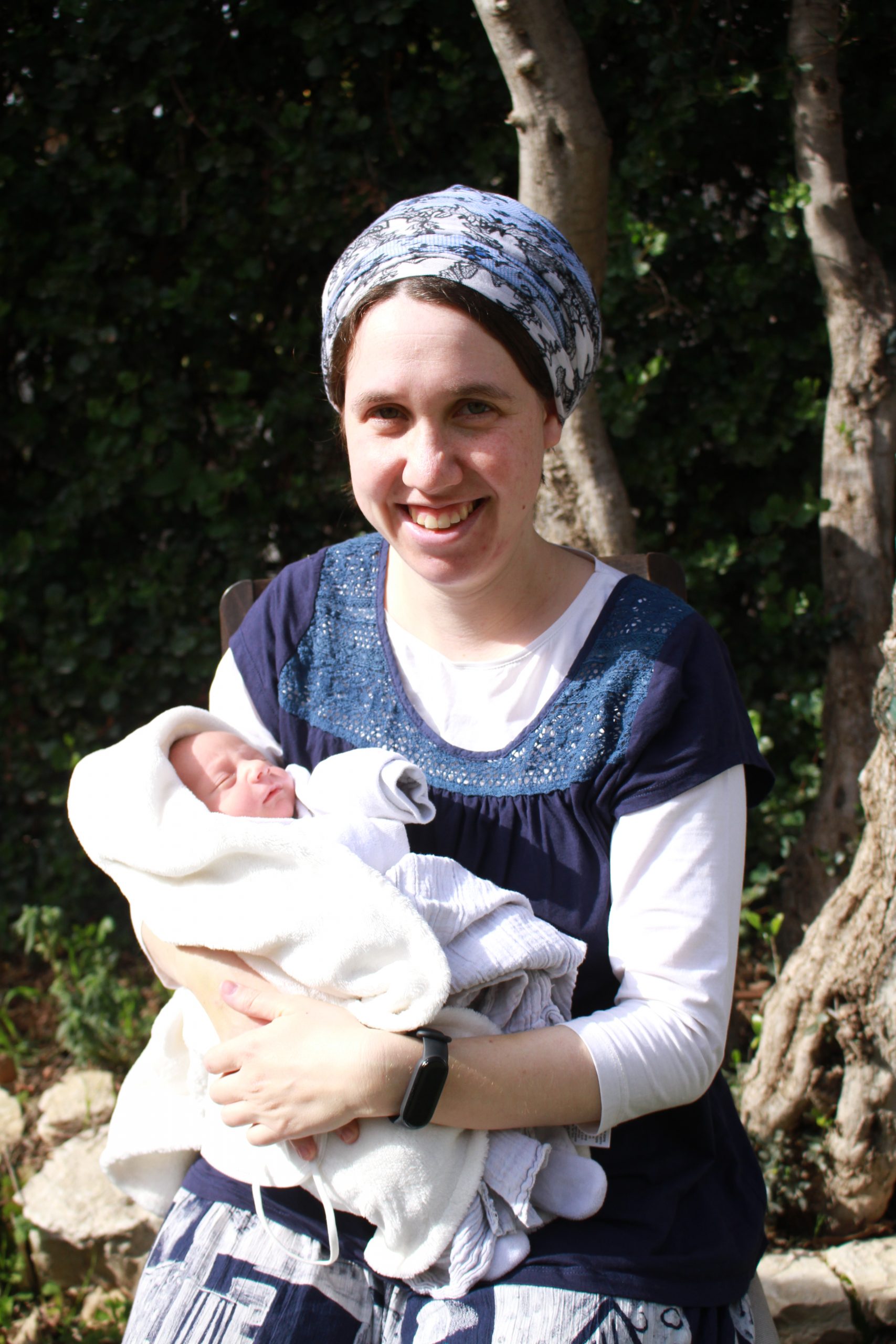
A friend in the SF Bay Area said in Dec 2019 that she might start listening on her morning drive to work. I mentioned to my husband and we decided to try the Daf when it began in Jan 2020 as part of our preparing to make Aliyah in the summer.

Hana Piotrkovsky
חנה פיוטרקובסקי

ירושלים, Israel

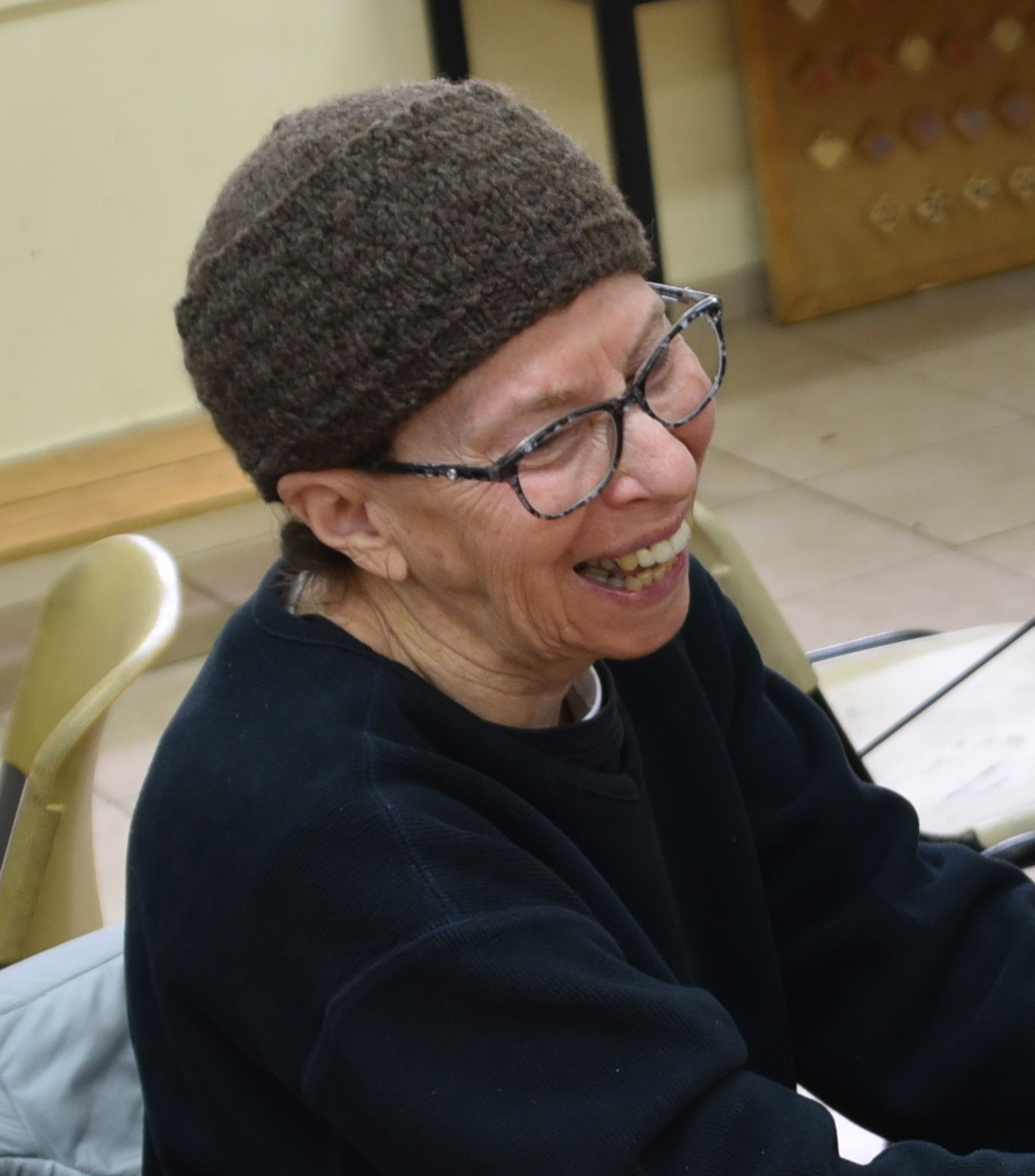
התחלתי מעט לפני תחילת הסבב הנוכחי. אני נהנית מהאתגר של להמשיך להתמיד, מרגעים של "אהה, מפה זה הגיע!” ומהאתגר האינטלקטואלי

Eilat-Chen and Deller
אילת-חן ודלר

לוד, ישראל

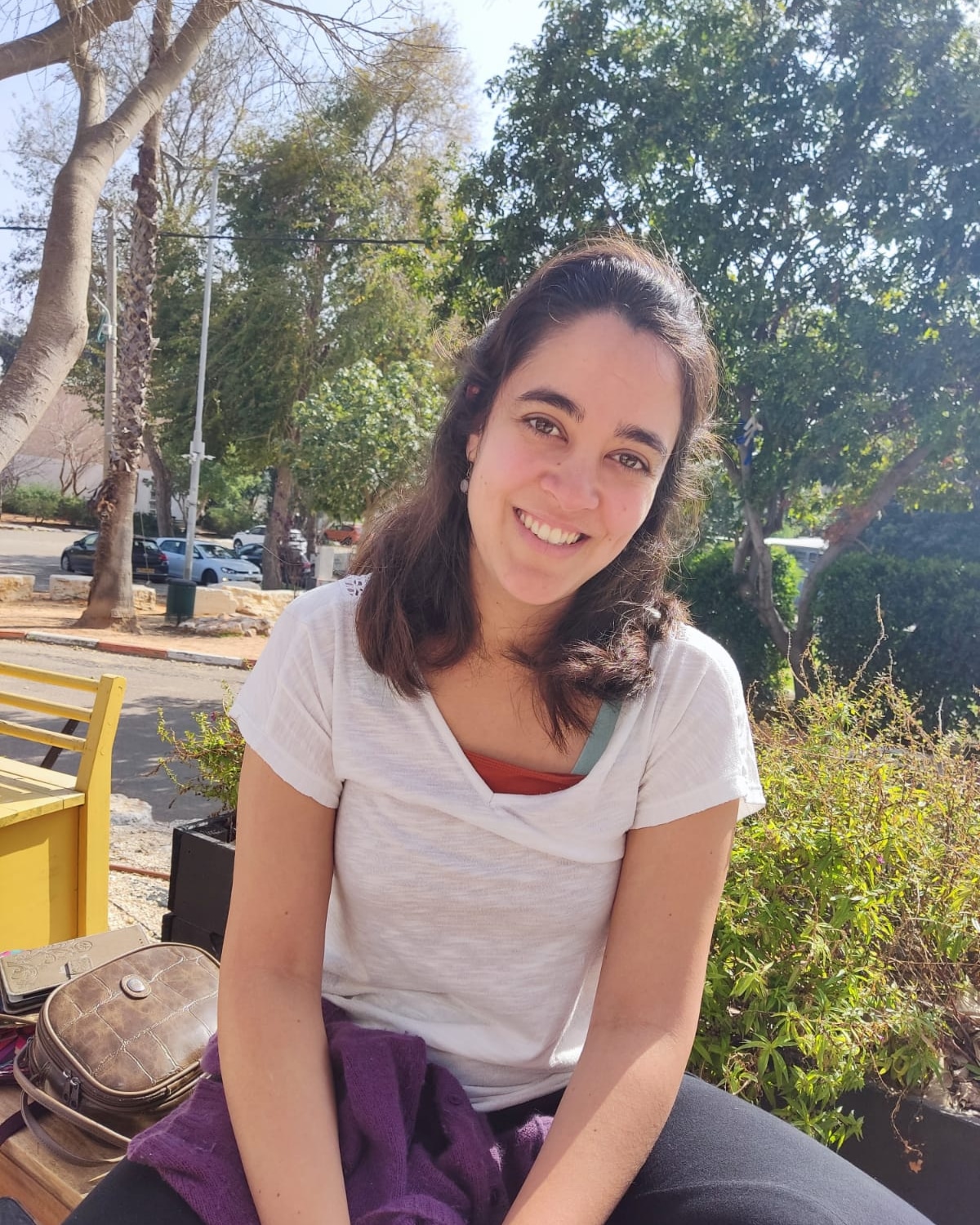
התחלתי ללמוד גמרא בבית הספר בגיל צעיר והתאהבתי. המשכתי בכך כל חיי ואף היייתי מורה לגמרא בבית הספר שקד בשדה אליהו (בית הספר בו למדתי בילדותי)בתחילת מחזור דף יומי הנוכחי החלטתי להצטרף ובע”ה מקווה להתמיד ולהמשיך. אני אוהבת את המפגש עם הדף את "דרישות השלום ” שמקבלת מקשרים עם דפים אחרים שלמדתי את הסנכרון שמתחולל בין התכנים.

Ariela Bigman
אריאלה ביגמן

מעלה גלבוע, ישראל

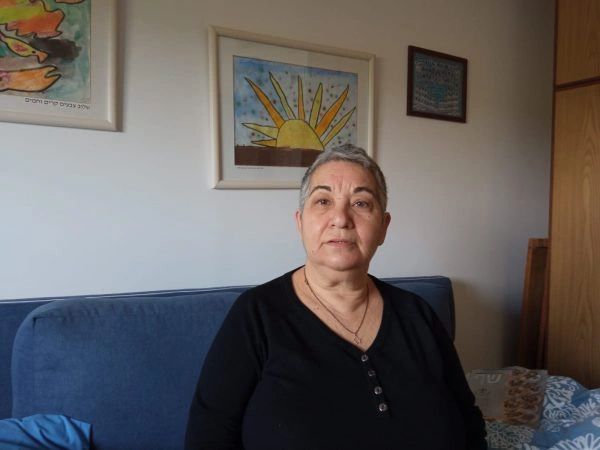
בתחילת הסבב הנוכחי של לימוד הדף היומי, נחשפתי לחגיגות המרגשות באירועי הסיום ברחבי העולם. והבטחתי לעצמי שבקרוב אצטרף גם למעגל הלומדות. הסבב התחיל כאשר הייתי בתחילת דרכי בתוכנית קרן אריאל להכשרת יועצות הלכה של נשמ”ת. לא הצלחתי להוסיף את ההתחייבות לדף היומי על הלימוד האינטנסיבי של תוכנית היועצות. בבוקר למחרת המבחן הסופי בנשמ”ת, התחלתי את לימוד הדף במסכת סוכה ומאז לא הפסקתי.

Hana Shaham-Rozby (Dr.)
חנה שחם-רוזבי (ד”ר)

קרית גת, ישראל

התחלתי ללמוד לפני כשנתיים בשאיפה לסיים לראשונה מסכת אחת במהלך חופשת הלידה.
אחרי מסכת אחת כבר היה קשה להפסיק…

Noa Gallant
נעה גלנט

ירוחם, ישראל

התחלתי בתחילת הסבב, והתמכרתי. זה נותן משמעות נוספת ליומיום ומאוד מחזק לתת לזה מקום בתוך כל שגרת הבית-עבודה השוטפת.

Reut Abrahami
רעות אברהמי

בית שמש, ישראל

בסוף הסבב הקודם ראיתי את השמחה הגדולה שבסיום הלימוד, בעלי סיים כבר בפעם השלישית וכמובן הסיום הנשי בבנייני האומה וחשבתי שאולי זו הזדמנות עבורי למשהו חדש.
למרות שאני שונה בסביבה שלי, מי ששומע על הלימוד שלי מפרגן מאוד.
אני מנסה ללמוד קצת בכל יום, גם אם לא את כל הדף ובסך הכל אני בדרך כלל עומדת בקצב.
הלימוד מעניק המון משמעות ליום יום ועושה סדר בלמוד תורה, שתמיד היה (ועדיין) שאיפה. אבל אין כמו קביעות

Racheli-Mendelson
רחלי מנדלסון

טל מנשה, ישראל

התחלתי לפני כמה שנים אבל רק בסבב הזה זכיתי ללמוד יום יום ולסיים מסכתות

Sigal Tel
סיגל טל

רעננה, ישראל

לפני 15 שנה, אחרי עשרות שנים של "ג’ינגול” בין משפחה לקריירה תובענית בהייטק, הצטרפתי לשיעורי גמרא במתן רעננה. הלימוד המעמיק והייחודי של הרבנית אושרה קורן יחד עם קבוצת הנשים המגוונת הייתה חוויה מאלפת ומעשירה. לפני כשמונה שנים כאשר מחזור הדף היומי הגיע למסכת תענית הצטרפתי כ”חברותא” לבעלי. זו השעה היומית שלנו ביחד כאשר דפי הגמרא משתלבים בחיי היום יום, משפיעים ומושפעים, וכשלא מספיקים תמיד משלימים בשבת

Yodi Askoff
יודי אסקוף

רעננה, ישראל

אחי, שלומד דף יומי ממסכת ברכות, חיפש חברותא ללימוד מסכת ראש השנה והציע לי. החברותא היתה מאתגרת טכנית ורוב הזמן נעשתה דרך הטלפון, כך שבסיום המסכת נפרדו דרכינו. אחי חזר ללמוד לבד, אבל אני כבר נכבשתי בקסם הגמרא ושכנעתי את האיש שלי להצטרף אלי למסכת ביצה. מאז המשכנו הלאה, ועכשיו אנחנו מתרגשים לקראתו של סדר נשים!

Shulamit Saban
שולמית סבן

נוקדים, ישראל

התחלתי ללמוד דף יומי שהתחילו מסכת כתובות, לפני 7 שנים, במסגרת קבוצת לימוד שהתפרקה די מהר, ומשם המשכתי לבד בתמיכת האיש שלי. נעזרתי בגמרת שטיינזלץ ובשיעורים מוקלטים.
הסביבה מאד תומכת ואני מקבלת המון מילים טובות לאורך כל הדרך. מאז הסיום הגדול יש תחושה שאני חלק מדבר גדול יותר.
אני לומדת בשיטת ה”7 דפים בשבוע” של הרבנית תרצה קלמן – כלומר, לא נורא אם לא הצלחת ללמוד כל יום, העיקר שגמרת ארבעה דפים בשבוע

Rachel Goldstein
רחל גולדשטיין

עתניאל, ישראל

רציתי לקבל ידע בתחום שהרגשתי שהוא גדול וחשוב אך נעלם ממני. הלימוד מעניק אתגר וסיפוק ומעמיק את תחושת השייכות שלי לתורה וליהדות

Ruth Agiv
רות עגיב

עלי זהב – לשם, ישראל

שמעתי על הסיום הענק של הדף היומי ע”י נשים בבנייני האומה. רציתי גם.
החלטתי להצטרף. התחלתי ושיכנעתי את בעלי ועוד שתי חברות להצטרף. עכשיו יש לי לימוד משותף איתו בשבת ומפגש חודשי איתן בנושא (והתכתבויות תדירות על דברים מיוחדים שקראנו). הצטרפנו לקבוצות שונות בווטסאפ. אנחנו ממש נהנות. אני שומעת את השיעור מידי יום (בד”כ מהרב יוני גוטמן) וקוראת ומצטרפת לסיומים של הדרן. גם מקפידה על דף משלהן (ונהנית מאד).

Liat Citron
ליאת סיטרון

אפרת, ישראל

התחלתי ללמוד גמרא בבית הספר בגיל צעיר והתאהבתי. המשכתי בכך כל חיי ואף היייתי מורה לגמרא בבית הספר שקד בשדה אליהו (בית הספר בו למדתי בילדותי)בתחילת מחזור דף יומי הנוכחי החלטתי להצטרף ובע”ה מקווה להתמיד ולהמשיך. אני אוהבת את המפגש עם הדף את "דרישות השלום ” שמקבלת מקשרים עם דפים אחרים שלמדתי את הסנכרון שמתחולל בין התכנים.

Ariela Bigman
אריאלה ביגמן

מעלה גלבוע, ישראל

My explorations into Gemara started a few days into the present cycle. I binged learnt and become addicted. I’m fascinated by the rich "tapestry” of intertwined themes, connections between Masechtot, conversations between generations of Rabbanim and learners past and present all over the world. My life has acquired a golden thread, linking generations with our amazing heritage.
Thank you.

Susan Kasdan
סוזן כשדן

חשמונאים, Israel

A life-changing journey started with a Chanukah family tiyul to Zippori, home of the Sanhedrin 2 years ago and continued with the Syum in Binanei Hauma where I was awed by the energy of 3000 women dedicated to learning daf Yomi. Opening my morning daily with a fresh daf, I am excited with the new insights I find enriching my life and opening new and deeper horizons for me.

Becky Goldstein
בקי גולדשטיין

Elazar gush etzion, Israel

התחלתי ללמוד דף יומי בתחילת מסכת ברכות, עוד לא ידעתי כלום. נחשפתי לסיום הש״ס, ובעצם להתחלה מחדש בתקשורת, הפתיע אותי לטובה שהיה מקום לעיסוק בתורה.
את המסכתות הראשונות למדתי, אבל לא סיימתי (חוץ מעירובין איכשהו). השנה כשהגעתי למדרשה, נכנסתי ללופ, ואני מצליחה להיות חלק, סיימתי עם החברותא שלי את כל המסכתות הקצרות, גם כשהיינו חולות קורונה ובבידודים, למדנו לבד, העיקר לא לצבור פער, ומחכות ליבמות 🙂

Eden Yeshuron
עדן ישורון

מזכרת בתיה, ישראל

התחלתי בתחילת הסבב, והתמכרתי. זה נותן משמעות נוספת ליומיום ומאוד מחזק לתת לזה מקום בתוך כל שגרת הבית-עבודה השוטפת.

Reut Abrahami
רעות אברהמי

בית שמש, ישראל

התחלתי ללמוד דף יומי באמצע תקופת הקורונה, שאבא שלי סיפר לי על קבוצה של בנות שתיפתח ביישוב שלנו ותלמד דף יומי כל יום. הרבה זמן רציתי להצטרף לזה וזאת הייתה ההזדמנות בשבילי. הצטרפתי במסכת שקלים ובאמצע הייתה הפסקה קצרה. כיום אני כבר לומדת באולפנה ולומדת דף יומי לבד מתוך גמרא של טיינזלץ.

Saturdays in Raleigh
שבות בראלי

עתניאל, ישראל

ראיתי את הסיום הגדול בבנייני האומה וכל כך התרשמתי ורציתי לקחת חלק.. אבל לקח לי עוד כשנה וחצי )באמצע מסיכת שבת להצטרף..
הלימוד חשוב לי מאוד.. אני תמיד במרדף אחרי הדף וגונבת כל פעם חצי דף כשהילדים עסוקים ומשלימה אח”כ אחרי שכולם הלכו לישון..

Olga Mizrahi
אולגה מזרחי

ירושלים, ישראל

בבא בתרא קיז

גְּמָ׳ תְּנַן כְּמַאן דְּאָמַר לְיוֹצְאֵי מִצְרַיִם נִתְחַלְּקָה הָאָרֶץ –

GEMARA: The Gemara comments: In the mishna that teaches that Zelophehad and Hepher were entitled to portions in Eretz Yisrael, we learned in accordance with the opinion of the one who says: Eretz Yisrael was divided among those who left Egypt.

דְּתַנְיָא, רַבִּי יֹאשִׁיָּה אוֹמֵר: לְיוֹצְאֵי מִצְרַיִם נִתְחַלְּקָה הָאָרֶץ, שֶׁנֶּאֱמַר: ״לִשְׁמוֹת מַטּוֹת אֲבֹתָם יִנְחָלוּ״. אֶלָּא מָה אֲנִי מְקַיֵּים ״לָאֵלֶּה תֵּחָלֵק הָאָרֶץ בְּנַחֲלָה״? ״לָאֵלֶּה״ – כָּאֵלֶּה, לְהוֹצִיא אֶת הַטְּפָלִים.

The Gemara cites a baraita that presents three opinions as to how Eretz Yisrael was divided. As it is taught in a baraita that Rabbi Yoshiya says: Eretz Yisrael was divided among those who left Egypt, as it is stated: “According to the names of the tribes of their fathers they shall inherit” (Numbers 26:55), which teaches that the Jewish people would inherit Eretz Yisrael according to the names of their fathers, i.e., those who left Egypt. Rabbi Yoshiya continues: But how do I realize the meaning of the verse: “Unto these the land shall be divided for an inheritance” (Numbers 26:53), which indicates that the land was to be divided among those recently counted in the wilderness, i.e., those who would enter Eretz Yisrael? He answers: “Unto these” teaches that the land will be divided among those who are like these people who were counted, in that they were adults above the age of twenty, to exclude the children, who were not entitled to a portion in Eretz Yisrael, as they were not of age at the time of the Exodus.

רַבִּי יוֹנָתָן אוֹמֵר: לְבָאֵי הָאָרֶץ נִתְחַלְּקָה הָאָרֶץ, שֶׁנֶּאֱמַר: ״לָאֵלֶּה תֵּחָלֵק הָאָרֶץ בְּנַחֲלָה״. אֶלָּא מָה אֲנִי מְקַיֵּים ״לִשְׁמוֹת מַטּוֹת אֲבֹתָם יִנְחָלוּ״? מְשׁוּנָּה נַחֲלָה זוֹ מִכׇּל נְחָלוֹת שֶׁבָּעוֹלָם; שֶׁכׇּל נְחָלוֹת שֶׁבָּעוֹלָם – חַיִּין יוֹרְשִׁין מֵתִים, וְכָאן – מֵתִים יוֹרְשִׁין חַיִּין.

The baraita presents a second opinion. Rabbi Yonatan says: Eretz Yisrael was divided among those who entered Eretz Yisrael, as it is stated: “Unto these the land shall be divided for an inheritance” (Numbers 26:53). But how do I realize the meaning of the verse: “According to the names of the tribes of their fathers they shall inherit” (Numbers 26:55)? This teaches that this inheritance is different from all other inheritances in the world, for in all other inheritances in the world, the living inherit from the dead, but here, the dead inherit from the living. In other words, the portions of land received by those who entered Eretz Yisrael were transferred to their fathers who left Egypt, and then inherited by the current generation, as the Gemara will now explain.

אָמַר רַבִּי: אֶמְשׁוֹל לְךָ מָשָׁל, לְמָה הַדָּבָר דּוֹמֶה? לִשְׁנֵי אַחִין כֹּהֲנִים שֶׁהָיוּ בְּעִיר אַחַת, לְאֶחָד יֵשׁ לוֹ בֵּן אֶחָד, וְאֶחָד יֵשׁ לוֹ שְׁנֵי בָנִים, וְהָלְכוּ לַגּוֹרֶן. זֶה שֶׁיֵּשׁ לוֹ בֵּן אֶחָד – נוֹטֵל חֵלֶק אֶחָד, וְזֶה שֶׁיֵּשׁ לוֹ שְׁנֵי בָנִים – נוֹטֵל שְׁנֵי חֲלָקִים. וּמַחְזִירִין אֵצֶל אֲבִיהֶן, וְחוֹזְרִין וְחוֹלְקִין בְּשָׁוֶה.

Rabbi Yehuda HaNasi said: I will tell you a parable. To what is this matter comparable? To two brothers who were priests and who were in one town. One brother has one son, and one brother has two sons, and the sons all went to the threshing floor to collect teruma. This brother, who has one son, takes one portion of the teruma from his child, and that brother, who has two sons, takes two portions from his sons. And the brothers then return with the three portions to their father, and then redivide the portions among themselves equally, so that each brother receives one and one-half portions. When the brothers give their shares to their children, the son of the first brother will receive all that his father had received, while the sons of the other brother will divide what their father had received.

רַבִּי שִׁמְעוֹן בֶּן אֶלְעָזָר אוֹמֵר:

The baraita presents a third opinion. Rabbi Shimon ben Elazar says:

לְאֵלּוּ וּלְאֵלּוּ נִתְחַלְּקָה הָאָרֶץ, כְּדֵי לְקַיֵּים שְׁנֵי מִקְרָאוֹת הַלָּלוּ – הָא כֵּיצַד? הָיָה מִיּוֹצְאֵי מִצְרַיִם – נוֹטֵל חֶלְקוֹ עִם יוֹצְאֵי מִצְרַיִם, הָיָה מִבָּאֵי הָאָרֶץ – נוֹטֵל חֶלְקוֹ עִם בָּאֵי הָאָרֶץ, מִכָּאן וּמִכָּאן – נוֹטֵל חֶלְקוֹ מִכָּאן וּמִכָּאן.

Eretz Yisrael was divided to these and to those, so as to uphold these two verses. How so? If one was from among those who left Egypt, he takes his portion along with those who left Egypt. If one was from among those who entered Eretz Yisrael, he takes his portion along with those who entered Eretz Yisrael. If one was from both here and there, i.e., he was among those who left Egypt and also entered Eretz Yisrael himself, he takes his portion from here and there, as he is entitled to two portions.

מְרַגְּלִים – יְהוֹשֻׁעַ וְכָלֵב נָטְלוּ חֶלְקָם. מִתְלוֹנְנִים וַעֲדַת קֹרַח – לֹא הָיָה לָהֶם חֵלֶק בָּאָרֶץ; הַבָּנִים נָטְלוּ בִּזְכוּת אֲבִי אֲבִיהֶן, וּבִזְכוּת אֲבִי אִמּוֹתֵיהֶן.

The baraita continues: With regard to the twelve spies sent to survey Eretz Yisrael prior to the Jewish people’s entry into the land, Joshua and Caleb took all of the spies’ portions of the land. Additionally, the protesters and the assembly of Korah did not have a portion of Eretz Yisrael. Nevertheless, their sons took portions of the land in the merit of their paternal grandfathers and in the merit of their maternal grandfathers if they were among those who left Egypt. This concludes the Gemara’s citation of the baraita.

מַאי מַשְׁמַע דְּהַאי: ״לִשְׁמוֹת מַטּוֹת אֲבֹתָם״ – בְּיוֹצְאֵי מִצְרַיִם כְּתִיב? דִּלְמָא לִשְׁבָטִים קָאָמַר לַהּ! דִּכְתִיב: ״וְנָתַתִּי אֹתָהּ לָכֶם מוֹרָשָׁה אֲנִי ה׳״ – יְרוּשָּׁה הִיא לָכֶם מֵאֲבוֹתֵיכֶם; וּלְיוֹצְאֵי מִצְרַיִם קָאָמַר לְהוּ.

The Gemara asks: From where may it be inferred that this verse, which states: “According to the names of the tribes of their fathers they shall inherit” (Numbers 26:55), is written with regard to those who left Egypt; perhaps the verse was stated in reference to the progenitors of the tribes, and teaches that the land should be divided among the twelve tribes? The Gemara answers: The inference is from a verse, as it is written: “And I will bring you in to the land, concerning which I lifted up My hand to give it to Abraham, to Isaac, and to Jacob; and I will give it to you for a heritage: I am the Lord” (Exodus 6:8). This verse states that Eretz Yisrael is an inheritance for you from your forefathers, and this verse was told to those who left Egypt, indicating that those who left Egypt inherit the land.

(סִימָן: לָרַב, צְלָפְחָד, וְיוֹסֵף, אִיכְּפַל, מְנַשֶּׁה, יְחַשֵּׁב.)

The Gemara presents a mnemonic device for the following series of questions posed by Rav Pappa to Abaye relating to the division of Eretz Yisrael: To the more; Zelophehad; and Joseph; contested; Manasseh; will count.

אֲמַר לֵיהּ רַב פָּפָּא לְאַבָּיֵי: בִּשְׁלָמָא לְמַאן דְּאָמַר לְיוֹצְאֵי מִצְרַיִם נִתְחַלְּקָה הָאָרֶץ, הַיְינוּ דִּכְתִיב: ״לָרַב תַּרְבֶּה נַחֲלָתוֹ וְלַמְעַט תַּמְעִיט נַחֲלָתוֹ״.

The Gemara presents the first question. Rav Pappa said to Abaye: Granted, according to the one who says that Eretz Yisrael was divided among those who left Egypt, this is the meaning of that which is written: “To the more you shall give the more inheritance, and to the fewer you shall give the less inheritance” (Numbers 26:54). The verse may be understood as teaching the novelty that even though the number of Jewish people entering Eretz Yisrael differed from the number who left Egypt, the land is nevertheless divided according to the numbers at the time of the Exodus, not according to the count at the time they received the land.

רוצה לעקוב אחרי התכנים ולהמשיך ללמוד?

ביצירת חשבון עוד היום ניתן לעקוב אחרי ההתקדמות שלך, לסמן מה למדת, ולעקוב אחרי השיעורים שמעניינים אותך.

לנקות את כל הפריטים מהרשימה?

פעולה זו תסיר את כל הפריטים בחלק זה כולל ההתקדמות וההיסטוריה. שימי לב: לא ניתן לשחזר פעולה זו.

ביטול
מחיקה

האם את/ה בטוח/ה שברצונך למחוק פריט זה?

תאבד/י את כל ההתקדמות או ההיסטוריה הקשורות לפריט זה.

ביטול
מחיקה