חיפוש

בבא בתרא קכ

רוצה להקדיש לימוד?

podcast placeholder

0:00
0:00


תקציר

הדף היום מוקדש ע”י סלביה קליין לע”נ אמה, לאה בת יוסף ופאשה.

אם בנות צלפחד התחתנו אחרי גיל ארבעים, כיצד היו להן ילדים, שהרי לפי ברייתא, אלה שנישאים אחרי גיל ארבעים אינם יכולים להוליד ילדים? כמו שיוכבד, אמו של משה, ילדה אותו בגיל 130 כאשר גופה "התחדש” באופן ניסי, כך קרה גם לבנות צלפחד. מסבירים/דורשים מהפסוקים איך ידוע שיוכבד הייתה בת 130 שנה בלידת משה.

שמותיהן של בנות צלפחד מוזכרים פעמיים בתורה, כל פעם בסדר שונה – פעם אחת לפי סדר החכמה (כאשר הן ניגשו למשה) ופעם אחת לפי סדר הגיל (כאשר דנים במי הן יכולות להינשא). בבית דין, הכבוד ניתן לחכם ביותר, בעוד שבמסיבה הוא ניתן למבוגר ביותר. לבנות צלפחד הותר להינשא לכל מי שרצו, אך הומלץ להן להינשא בתוך השבט. עם זאת, נשים אחרות בדורן שירשו נחלה נאסר עליהן להינשא מחוץ לשבט. איסור זה היה רק לאותו הדור. זה נלמד מהמילים "זה הדבר” שכוונתם לצמצם. הגמרא מעלה קושי מכיוון שיש מקומות אחרים (האיסור להקריב קרבנות מחוץ למקדש ודיני נדרים) שבהם נעשה שימוש במילים אלה והמצווה ניתנה לדורות. כיצד ניתן להסביר זאת?

בבא בתרא קכ

אֶפְשָׁר בַּת מֵאָה וּשְׁלֹשִׁים שָׁנָה, וְקֹרֵא לָהּ: ״בַּת״?! דְּאָמַר רַבִּי חָמָא בַּר חֲנִינָא: זוֹ יוֹכֶבֶד; שֶׁהוֹרָתָהּ בַּדֶּרֶךְ, וְנוֹלְדָה בֵּין הַחוֹמוֹת – דִּכְתִיב: ״אֲשֶׁר יָלְדָה אֹתָהּ לְלֵוִי בְּמִצְרָיִם״ –

The Gemara asks: Is it possible that this is Jochebed? Jochebed was then 130 years old and the verse called her a daughter, indicating one who is very young. Jochebed’s age is established based on a tradition concerning the number of Jacob’s descendants who came to Egypt, as follows: While the verse states that Leah had thirty-three descendants (Genesis 46:15), only thirty-two were enumerated. This was explained as Rabbi Ḥama bar Ḥanina says: This “daughter of Levi” is Jochebed, whose conception occurred on the journey as the family of Jacob descended to Egypt, and she was born within the walls, i.e., having entered Egypt, as it is written: “And the name of Amram’s wife was Jochebed, the daughter of Levi, who was born to Levi in Egypt” (Numbers 26:59).

לֵידָתָהּ בְּמִצְרַיִם, וְהוֹרָתָהּ שֶׁלֹּא בְּמִצְרַיִם. וְאַמַּאי קָרוּ לַהּ ״בַּת״? אָמַר רַב יְהוּדָה בַּר זְבִידָא: מְלַמֵּד שֶׁנּוֹלְדוּ בָּהּ סִימָנֵי נַעֲרוּת, נִתְעַדֵּן הַבָּשָׂר, נִתְפַּשְּׁטוּ הַקְּמָטִין, וְחָזַר הַיּוֹפִי לִמְקוֹמוֹ.

One can infer from the verse: Her birth was in Egypt, but her conception was not in Egypt. Since the Jewish people were in Egypt for 210 years and Moses was eighty years old at the time of the Exodus, Jochebed must have been 130 years old when Moses was born. The Gemara therefore asks: And why does the verse call her “a daughter”? Rav Yehuda bar Zevida says: This teaches that her signs of youth miraculously came into being again. The flesh became smooth, the wrinkles were straightened out, and the youthful beauty returned to its place.

״וַיִּקַּח״?! ״וַיַּחְזוֹר״ מִיבְּעֵי לֵיהּ! אָמַר רַב יְהוּדָה בַּר זְבִידָא: מְלַמֵּד שֶׁעָשָׂה לָהּ מַעֲשֵׂה לִקּוּחִין – הוֹשִׁיבָה בְּאַפִּרְיוֹן, וְאַהֲרֹן וּמִרְיָם מְשׁוֹרְרִים לְפָנֶיהָ, וּמַלְאֲכֵי שָׁרֵת אוֹמְרִים: ״אֵם הַבָּנִים שִׂמְחָה״.

The verse concerning Amram’s marriage to Jochebed states: “And a man of the house of Levi went, and took as a wife a daughter of Levi” (Exodus 2:1). The Gemara asks: Since Jochebed had already been married to Amram for some years, as Miriam and Aaron were already born, the verse should have stated: And he took back as a wife. Rav Yehuda bar Zevida says: The wording of the verse teaches that Amram performed for her a formal act of marriage as though he were marrying her for the first time. He seated her in a bridal palanquin [be’appiryon], and Aaron and Miriam were singing before her, and the ministering angels were saying: “A joyful mother of children” (Psalms 113:9).

לְהַלָּן מְנָאָן הַכָּתוּב דֶּרֶךְ גְּדוּלָּתָן, וְכָאן דֶּרֶךְ חׇכְמָתָן; מְסַיְּיעָא לֵיהּ לְרַבִּי אַמֵּי, דְּאָמַר רַבִּי אַמֵּי: בִּישִׁיבָה – הַלֵּךְ אַחַר חׇכְמָה. בִּמְסִיבָּה – הַלֵּךְ אַחַר זִקְנָה. אָמַר רַב אָשֵׁי: וְהוּא דְּמַפְלַיג בְּחׇכְמָה, וְהוּא דְּמַפְלַיג בְּזִקְנָה.

§ The Gemara returns to discuss Zelophehad’s daughters: Later on, the verse lists them according to their age, stating: “For Mahlah, Tirzah, and Hoglah, and Milcah, and Noah, the daughters of Zelophehad, were married” (Numbers 36:11), and here the verse lists them in a different order, according to their wisdom: “And these are the names of his daughters: Mahlah, Noah, and Hoglah, and Milcah, and Tirzah” (Numbers 27:1). This supports the ruling of Rabbi Ami, as Rabbi Ami says: In the context of sitting in judgment or learning Torah, follow the participants’ wisdom in determining the seating, so that the wisest is granted the highest honor, and in the context of reclining for a meal, follow the participants’ age. Rav Ashi says: And this is so only when one is outstanding in wisdom, then wisdom trumps age; and this is so only when one of the participants is outstanding in age, i.e., particularly old, then age trumps wisdom.

תָּנָא דְּבֵי רַבִּי יִשְׁמָעֵאל: בְּנוֹת צְלָפְחָד שְׁקוּלוֹת הָיוּ, שֶׁנֶּאֱמַר: ״וַתִּהְיֶינָה״ – הֲוָיָה אַחַת לְכוּלָּן.

The Gemara cites an alternative opinion: The school of Rabbi Yishmael taught: The daughters of Zelophehad were equal in stature, as it is stated: “For Mahlah, Tirzah, and Hoglah, and Milcah, and Noah, the daughters of Zelophehad, were [vatihyena] married.” The word “vatihyena” demonstrates: There was one uniform existence [havaya], i.e., spiritual level, for all of them.

אָמַר רַב יְהוּדָה אָמַר שְׁמוּאֵל: בְּנוֹת צְלָפְחָד הוּתְּרוּ לְהִנָּשֵׂא לְכׇל הַשְּׁבָטִים, שֶׁנֶּאֱמַר: ״לַטּוֹב בְּעֵינֵיהֶם תִּהְיֶינָה לְנָשִׁים״; אֶלָּא מָה אֲנִי מְקַיֵּים ״אַךְ לְמִשְׁפַּחַת מַטֵּה אֲבִיהֶם תִּהְיֶינָה לְנָשִׁים״? עֵצָה טוֹבָה הִשִּׂיאָן הַכָּתוּב, שֶׁלֹּא יִנָּשְׂאוּ אֶלָּא לְהָגוּן לָהֶן.

§ Rav Yehuda says that Shmuel says: The daughters of Zelophehad were permitted to marry members of any of the tribes, as it is stated: “Let them be married to whom they think best” (Numbers 36:6). But how do I realize the meaning of the continuation of the same verse: “Only into the family of the tribe of their father shall they be married” (Numbers 36:6), according to which they were permitted to marry only members of their own tribe? The verse offered them good advice, that they should be married only to those fit for them, who were often men from within the family.

מוֹתֵיב רַבָּה: ״אֱמוֹר אֲלֵיהֶם״ – לְאוֹתָן הָעוֹמְדִים עַל הַר סִינַי, ״לְדֹרֹתֵיכֶם״ – אֵלּוּ דּוֹרוֹת הַבָּאִים. אִם נֶאֱמַר אָבוֹת – לָמָּה נֶאֱמַר בָּנִים? וְאִם נֶאֱמַר בָּנִים – לָמָּה נֶאֱמַר אָבוֹת? מִפְּנֵי שֶׁיֵּשׁ בָּאָבוֹת מַה שֶּׁאֵין בַּבָּנִים, וְיֵשׁ בַּבָּנִים מַה שֶּׁאֵין בָּאָבוֹת –

Rabba raised an objection from a baraita taught concerning the prohibition against eating consecrated foods while in a state of ritual impurity. Moses was commanded: “Say to them: Whoever will be of all your descendants throughout your generations, who approaches to the holy things, which the children of Israel consecrate to the Lord, having his uncleanness upon him, that soul shall be cut off from before Me” (Leviticus 22:3). Which people are referred to in the phrase “say to them”? It is referring to those standing at Mount Sinai. Which people are referred to in the phrase “throughout your generations”? These are the coming generations. If the halakha is stated to the fathers, why is it stated to the sons; and if the halakha is stated to the sons, why is it stated to the fathers? This is because there are mitzvot for the fathers that are not for the sons, and there are mitzvot for the sons that are not for the fathers.

בָּאָבוֹת הוּא אוֹמֵר: ״וְכׇל בַּת יֹרֶשֶׁת נַחֲלָה״; וְהַרְבֵּה מִצְוֹת נִצְטַוּוּ בָּנִים, שֶׁלֹּא נִצְטַוּוּ אָבוֹת. הָא מִפְּנֵי שֶׁיֵּשׁ בָּאָבוֹת שֶׁאֵין בַּבָּנִים, וְיֵשׁ בַּבָּנִים מַה שֶּׁאֵין בָּאָבוֹת – הוּצְרַךְ לוֹמַר אָבוֹת, הוּצְרַךְ לוֹמַר בָּנִים.

The baraita continues: For the fathers, the verse states: “And every daughter who possesses an inheritance from the tribes of the children of Israel, shall be wife to one of the family of the tribe of her father” (Numbers 36:8). This mitzva, that the woman should marry a member of her own tribe, applied only to the first generation that received tribal portions of Eretz Yisrael. And, by contrast, there were many mitzvot, e.g., all the mitzvot that applied only from the time that Eretz Yisrael was settled, which the sons were commanded to fulfill but which the fathers were not commanded to fulfill. Because there are mitzvot for the fathers that are not for the sons, and there are mitzvot for the sons that are not for the fathers, the verse needed to state, i.e., to address, the fathers, and it needed to state, i.e., to address, the sons.

קָתָנֵי מִיהַת, בָּאָבוֹת הוּא אוֹמֵר: ״וְכׇל בַּת יֹרֶשֶׁת נַחֲלָה״! הוּא מוֹתֵיב לַהּ וְהוּא מְפָרֵק לַהּ – לְבַר מִבְּנוֹת צְלָפְחָד.

Rabba states his objection: In any event, the baraita teaches: For the fathers, the verse states: “And every daughter who possesses an inheritance from the tribes of the children of Israel, shall be wife to one of the family of the tribe of her father.” This indicates that this was a mitzva for that entire generation, including Zelophehad’s daughters, in contrast to the statement of Shmuel. The Gemara explains: He, Rabba, raised the objection, and he resolved it: This mitzva applied to everyone except for the daughters of Zelophehad, who were explicitly permitted to marry members of any tribe.

אָמַר מָר, בָּאָבוֹת הוּא אוֹמֵר: ״וְכׇל בַּת יוֹרֶשֶׁת נַחֲלָה״ – בָּאָבוֹת אִין, בַּבָנִים לָא. מַאי מַשְׁמַע? אָמַר רָבָא, אָמַר קְרָא: ״זֶה הַדָּבָר״ – דָּבָר זֶה לֹא יְהֵא נוֹהֵג אֶלָּא בְּדוֹר זֶה.

The Master says in the baraita cited above: For the fathers, the verse states: “And every daughter who possesses an inheritance from the tribes of the children of Israel, shall be wife to one of the family of the tribe of her father.” For the fathers, yes, this is the mitzva, but for the sons, it is not so. The Gemara asks: From where may it be inferred? Rava said that the verse states there: “This is the matter that the Lord has commanded” (Numbers 36:6), meaning: This matter will not be practiced except in this generation.

אֲמַר לֵיהּ רַבָּה זוּטֵי לְרַב אָשֵׁי: אֶלָּא מֵעַתָּה, ״זֶה הַדָּבָר״ דִּשְׁחוּטֵי חוּץ – הָכִי נָמֵי דְּלָא יְהֵא נוֹהֵג אֶלָּא בְּדוֹר זֶה? שָׁאנֵי הָתָם, דִּכְתִיב: ״לְדֹרֹתָם״.

Rabba Zuti said to Rav Ashi: If that is so, then concerning the phrase “this is the matter” written with regard to an offering slaughtered outside the Tabernacle (see Leviticus 17:2–3), so too, is it the halakha that it will not be practiced except in this generation? Certainly that is not so, as that prohibition applies in all generations. What is the difference between the two passages? Rav Ashi answered: It is different there, with regard to offerings slaughtered outside the Tabernacle or Temple, as it is written: “Throughout their generations” (Leviticus 17:7), indicating that the prohibition is in effect in all generations.

״זֶה הַדָּבָר״ דְּרָאשֵׁי הַמַּטּוֹת – הָכִי נָמֵי דְּלָא יְהֵא נוֹהֵג אֶלָּא בְּדוֹר זֶה? אֲמַר לֵיהּ: הָהוּא, יָלֵיף ״זֶה״–״זֶה״ מֵהָתָם.

Rabba Zuti asked Rav Ashi about another instance of the same phrase. In the case of “this is the matter” written with regard to the heads of the tribes, in the introductory verse to the halakhot of vows: “And Moses spoke to the heads of the tribes of the children of Israel, saying: This is the matter that the Lord has commanded” (Numbers 30:2), is it also the case that the halakhot of vows will not be practiced except in this generation? Rav Ashi said to him: The halakha in that case, that of vows, is derived through a verbal analogy between the word “this” stated here, in the verse discussing vows, and the word “this” stated there, in the verse discussing offerings slaughtered outside the Tabernacle or Temple, which is applicable in all generations.

הַאי נָמֵי, לֵילַיף ״זֶה״–״זֶה״ מֵהָתָם! הַאי מַאי? בִּשְׁלָמָא הָתָם, אִיצְטְרִיךְ לִגְזֵרָה שָׁוָה; הָכָא – לְמַאי אִיצְטְרִיךְ? לִשְׁתּוֹק קְרָא מִינֵּיהּ, וַאֲנָא יָדַעְנָא דִּלְדוֹרוֹת הוּא!

The Gemara asks: This halakha, concerning the daughter inheriting her father’s portion, let it be derived through a verbal analogy between the word “this” stated here, with regard to inheritance, and the word “this” stated there, in the verse discussing offerings, as well. The Gemara rejects that comparison: What is this suggestion? Granted, there, i.e., with regard to offerings slaughtered outside the Tabernacle or Temple and with regard to vows, the phrase “this is the matter” was necessary for deriving other halakhot through a verbal analogy, as will be explained later. Therefore, the term may also be employed to teach that the halakha applies in all generations. But here, with regard to a daughter’s inheritance, for what other halakha was this phrase necessary? If the halakha truly applies for posterity, let the verse be silent and refrain from addressing when this halakha applies by not stating “this is the matter,” and I would know that it is for all generations, as is the case with all other mitzvot.

מַאי גְּזֵרָה שָׁוָה? דְּתַנְיָא: נֶאֱמַר כָּאן: ״זֶה הַדָּבָר״, וְנֶאֱמַר לְהַלָּן: ״זֶה הַדָּבָר״; מָה לְהַלָּן – אַהֲרֹן וּבָנָיו וְכׇל יִשְׂרָאֵל, אַף כָּאן – אַהֲרֹן וּבָנָיו וְכׇל יִשְׂרָאֵל. וּמָה כָּאן – רָאשֵׁי הַמַּטּוֹת, אַף לְהַלָּן – רָאשֵׁי הַמַּטּוֹת.

The Gemara explains: What is the verbal analogy for which the phrase was necessary? As it is taught in a baraita: It is stated here, with regard to vows: “This is the matter,” and it is stated there, with regard to offerings slaughtered outside the Tabernacle or Temple: “This is the matter.” Just as there the mitzva applies to Aaron and his sons and all Israel, so too here, with regard to vows, the mitzva applies to Aaron and his sons and all Israel. And just as here the mitzva applies to the heads of the tribes, as explicitly stated in the verse cited above, so too there, with regard to offerings slaughtered outside the Tabernacle or Temple, there is particular relevance to the heads of the tribes.

אָמַר מָר: מָה לְהַלָּן אַהֲרֹן וּבָנָיו וְכׇל יִשְׂרָאֵל, אַף כָּאן אַהֲרֹן וּבָנָיו וְכׇל יִשְׂרָאֵל. לְמַאי הִלְכְתָא? אָמַר רַב אַחָא בַּר יַעֲקֹב: לוֹמַר שֶׁהֲפָרַת נְדָרִים בִּשְׁלֹשָׁה הֶדְיוֹטוֹת.

The Gemara analyzes the cited baraita. The Master says: Just as there, with regard to offerings, the mitzva applies to Aaron and his sons and all Israel, so too here, with regard to vows, the mitzva applies to Aaron and his sons and all Israel. The Gemara asks: With regard to what halakha is this verbal analogy stated? Rav Aḥa bar Ya’akov says: This is written to say that the dissolution of vows can be performed by three laymen with no particular expertise in the halakhot of vows, just as the prohibition of offerings slaughtered outside the Tabernacle or Temple applies to all of the Jewish people, including laymen.

וְהָא ״רָאשֵׁי הַמַּטּוֹת״ כְּתִיב בֵּיהּ! כִּדְאָמַר רַב חִסְדָּא אָמַר רַבִּי יוֹחָנָן: בְּיָחִיד מוּמְחֶה, הָכִי נָמֵי – בְּיָחִיד מוּמְחֶה.

The Gemara objects: But the phrase “the heads of the tribes” is written explicitly in the portion of the vows, indicating that the matter is not entrusted to laymen. The Gemara answers: It is as Rav Ḥisda says that Rabbi Yoḥanan says in a different context: The mention of the heads of tribes teaches that vows may be dissolved by a single expert halakhic authority; so too here, this phrase teaches that vows can be nullified by a single expert halakhic authority.

וּמָה כָּאן רָאשֵׁי הַמַּטּוֹת, אַף לְהַלָּן רָאשֵׁי הַמַּטּוֹת. לְמַאי הִלְכְתָא? אָמַר רַב שֵׁשֶׁת: לוֹמַר שֶׁיֵּשׁ שְׁאֵלָה בְּהֶקְדֵּשׁ.

The Gemara analyzes the next clause of the cited baraita: And just as here the mitzva applies to the heads of the tribes, so too there, with regard to offerings slaughtered outside the Tabernacle or Temple, there is particular relevance to the heads of the tribes. The Gemara asks: With regard to what halakha are the heads of the tribes linked to the prohibition of slaughtering offerings outside the Tabernacle or Temple? Rav Sheshet says: This is written to say that there is a concept of requesting dissolution of consecration of consecrated property, just as one can request dissolution of a vow.

וּלְבֵית שַׁמַּאי, דְּאָמְרִי: אֵין שְׁאֵלָה בְּהֶקְדֵּשׁ – דִּתְנַן, בֵּית שַׁמַּאי אוֹמְרִים: הֶקְדֵּשׁ טָעוּת – הֶקְדֵּשׁ, וּבֵית הִלֵּל אוֹמְרִים: אֵינוֹ הֶקְדֵּשׁ; הַאי ״זֶה״ וְ״זֶה״ מַאי עָבְדִי לֵיהּ?

The Gemara asks: And according to Beit Shammai, who say that there is no possibility of requesting that a halakhic authority dissolve a vow of consecrated property, this cannot explain the connection of the heads of the tribes to offerings slaughtered outside the Tabernacle or Temple. As we learned in a mishna (Nazir 30b): Beit Shammai say: Consecration that one performed in error is nevertheless effective as consecration, because one’s mindset does not supersede his verbal declaration; and Beit Hillel say: This is not consecration. Accordingly, in the opinion of Beit Shammai, what do they do with this seemingly analogous usage of “this” and “this,” in the portions of offerings slaughtered outside the Tabernacle or Temple and vows, respectively?

״זֶה הַדָּבָר״ דִּשְׁחוּטֵי חוּץ – מִיבְּעֵי לֵיהּ ״עַל הַשּׁוֹחֵט הוּא חַיָּיב, וְאֵינוֹ חַיָּיב עַל הַמּוֹלֵק״. ״זֶה הַדָּבָר״ דְּרָאשֵׁי הַמַּטּוֹת – מִיבְּעֵי לֵיהּ לְ״חָכָם מַתִּיר, וְאֵין בַּעַל מַתִּיר. בַּעַל מֵפֵר, וְאֵין חָכָם מֵפֵר״.

The Gemara answers: Beit Shammai require “this is the matter” written of offerings slaughtered outside the Tabernacle or Temple to teach that for the act of slaughtering, he is liable to receive excision from the World-to-Come [karet]; but he is not liable to receive karet for the act of pinching the neck of a consecrated bird outside the Tabernacle or Temple, which is excluded from the category of slaughtering in this mitzva. And Beit Shammai require “this is the matter” written of the heads of the tribes in the portion about vows to teach that only a halakhic authority can dissolve vows, but a husband cannot dissolve them. The halakhic authority can dissolve the vow for a petitioner, but a woman’s husband or father cannot dissolve her vow. And, conversely, a husband can nullify his wife’s or his daughter’s vows on the day that he hears the vow, regardless of her mindset, but a halakhic authority cannot nullify vows in this manner.

וּלְבֵית שַׁמַּאי דְּלֵית לְהוּ גְּזֵרָה שָׁוָה, הֲפָרַת נְדָרִים בִּשְׁלֹשָׁה הֶדְיוֹטוֹת מְנָא לְהוּ? נָפְקָא לְהוּ מִדְּתַנְיָא: ״וַיְדַבֵּר מֹשֶׁה אֶת מֹעֲדֵי ה׳ אֶל בְּנֵי יִשְׂרָאֵל״ – רַבִּי יוֹסֵי הַגְּלִילִי אוֹמֵר:

The Gemara asks: But according to Beit Shammai, who do not have this verbal analogy, meaning that they do not recognize as authoritative the verbal analogy that links vows to offerings slaughtered outside the Tabernacle or Temple, from where do they derive that dissolution of vows can be performed by three laymen? The Gemara answers: Beit Shammai derive it from that which is taught in a baraita: The verse states at the end of a passage relating to the halakhot of the Festivals: “And Moses declared to the children of Israel the appointed seasons of the Lord” (Leviticus 23:44). In explaining the verse, Rabbi Yosei HaGelili says:

חדשה בלימוד הגמרא?

זה הדף הראשון שלך? איזו התרגשות עצומה! יש לנו בדיוק את התכנים והכלים שיעזרו לך לעשות את הצעדים הראשונים ללמידה בקצב וברמה שלך, כך תוכלי להרגיש בנוח גם בתוך הסוגיות המורכבות ומאתגרות.

פסיפס הלומדות שלנו

גלי את קהילת הלומדות שלנו, מגוון נשים, רקעים וסיפורים. כולן חלק מתנועה ומסע מרגש ועוצמתי.

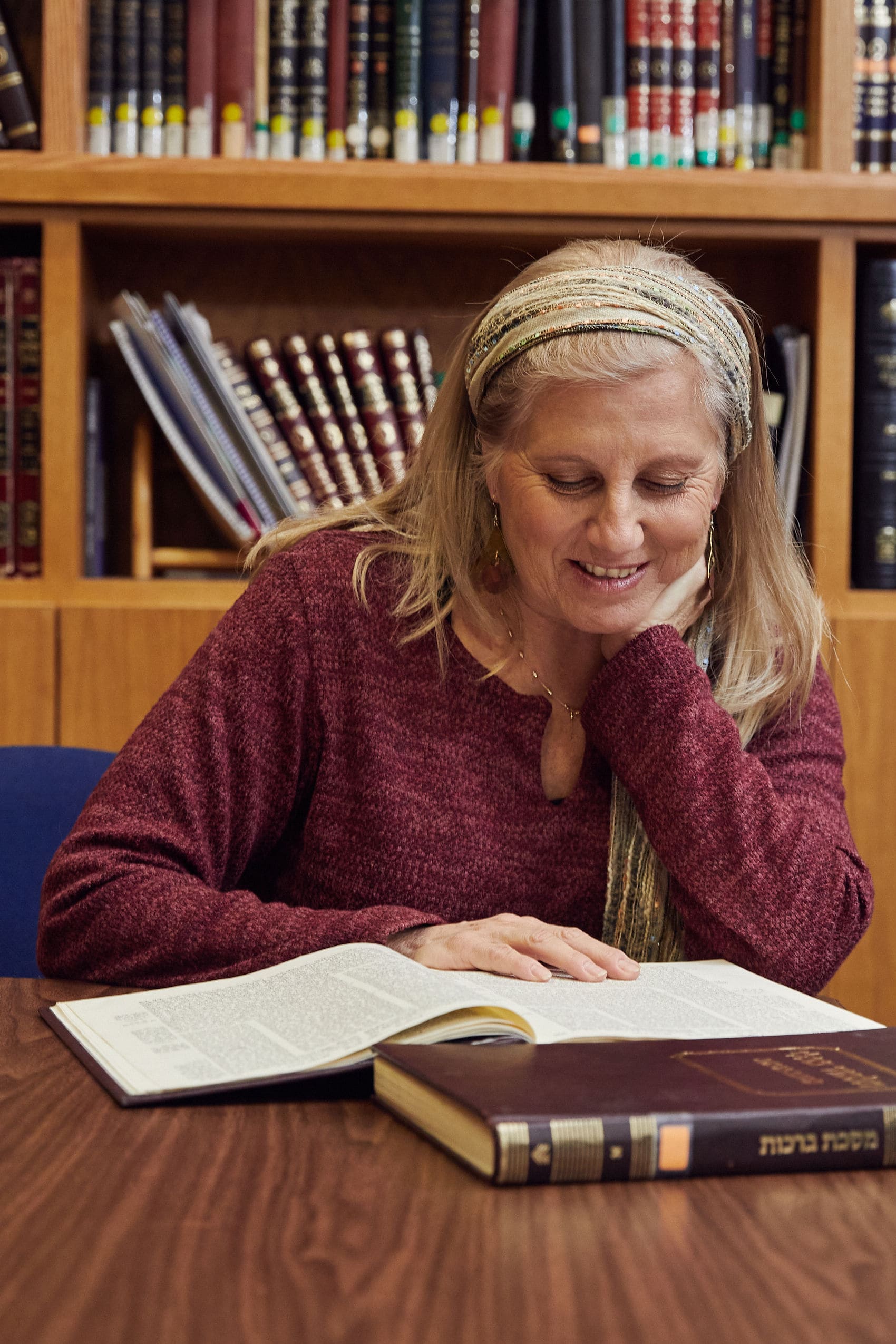
התחלתי ללמוד דף יומי ממסכת נידה כי זה היה חומר הלימוד שלי אז. לאחר הסיום הגדול בבנייני האומה החלטתי להמשיך. וב”ה מאז עם הפסקות קטנות של קורונה ולידה אני משתדלת להמשיך ולהיות חלק.

זה משפיע מאוד על היום יום שלי ועל אף שאני עסוקה בלימודי הלכה ותורה כל יום, זאת המסגרת הקבועה והמחייבת ביותר שיש לי.

Moriah Taesan Michaeli
מוריה תעסן מיכאלי

גבעת הראל, ישראל

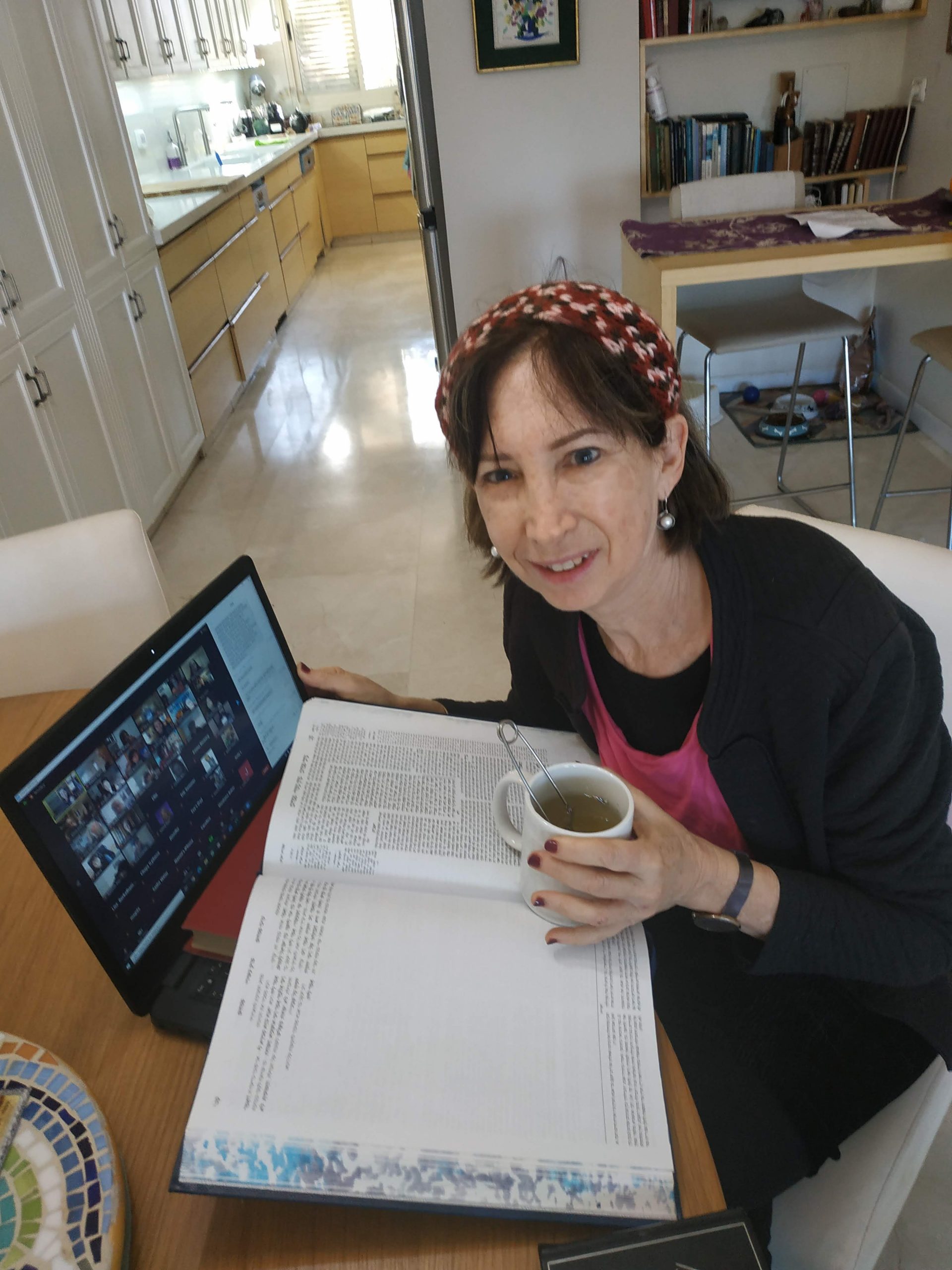
למדתי גמרא מכיתה ז- ט ב Maimonides School ואחרי העליה שלי בגיל 14 לימוד הגמרא, שלא היה כל כך מקובל בימים אלה, היה די ספוראדי. אחרי "ההתגלות” בבנייני האומה התחלתי ללמוד בעיקר בדרך הביתה למדתי מפוקקטסים שונים. לאט לאט ראיתי שאני תמיד חוזרת לרבנית מישל פרבר. באיזה שהוא שלב התחלתי ללמוד בזום בשעה 7:10 .
היום "אין מצב” שאני אתחיל את היום שלי ללא לימוד עם הרבנית מישל עם כוס הקפה שלי!!

selfie-scaled
דבי גביר

חשמונאים, ישראל

ראיתי את הסיום הגדול בבנייני האומה וכל כך התרשמתי ורציתי לקחת חלק.. אבל לקח לי עוד כשנה וחצי )באמצע מסיכת שבת להצטרף..
הלימוד חשוב לי מאוד.. אני תמיד במרדף אחרי הדף וגונבת כל פעם חצי דף כשהילדים עסוקים ומשלימה אח”כ אחרי שכולם הלכו לישון..

Olga Mizrahi
אולגה מזרחי

ירושלים, ישראל

בתחילת הסבב הנוכחי הצטברו אצלי תחושות שאני לא מבינה מספיק מהי ההלכה אותה אני מקיימת בכל יום. כמו כן, כאמא לבנות רציתי לתת להן מודל נשי של לימוד תורה
שתי הסיבות האלו הובילו אותי להתחיל ללמוד. נתקלתי בתגובות מפרגנות וסקרניות איך אישה לומדת גמרא..
כמו שרואים בתמונה אני ממשיכה ללמוד גם היום ואפילו במחלקת יולדות אחרי לידת ביתי השלישית.

Noa Shiloh
נועה שילה

רבבה, ישראל

"התחלתי ללמוד דף יומי במחזור הזה, בח’ בטבת תש””ף. לקחתי על עצמי את הלימוד כדי ליצור תחום של התמדה יומיומית בחיים, והצטרפתי לקבוצת הלומדים בבית הכנסת בכפר אדומים. המשפחה והסביבה מתפעלים ותומכים.
בלימוד שלי אני מתפעלת בעיקר מכך שכדי ללמוד גמרא יש לדעת ולהכיר את כל הגמרא. זו מעין צבת בצבת עשויה שהיא עצומה בהיקפה.”

Sarah Fox
שרה פוּקס

כפר אדומים, ישראל

התחלתי להשתתף בשיעור נשים פעם בשבוע, תכננתי ללמוד רק דפים בודדים, לא האמנתי שאצליח יותר מכך.
לאט לאט נשאבתי פנימה לעולם הלימוד .משתדלת ללמוד כל בוקר ומתחילה את היום בתחושה של מלאות ומתוך התכווננות נכונה יותר.
הלימוד של הדף היומי ממלא אותי בתחושה של חיבור עמוק לעם היהודי ולכל הלומדים בעבר ובהווה.

Neely Hayon
נילי חיון

אפרת, ישראל

רציתי לקבל ידע בתחום שהרגשתי שהוא גדול וחשוב אך נעלם ממני. הלימוד מעניק אתגר וסיפוק ומעמיק את תחושת השייכות שלי לתורה וליהדות

Ruth Agiv
רות עגיב

עלי זהב – לשם, ישראל

A life-changing journey started with a Chanukah family tiyul to Zippori, home of the Sanhedrin 2 years ago and continued with the Syum in Binanei Hauma where I was awed by the energy of 3000 women dedicated to learning daf Yomi. Opening my morning daily with a fresh daf, I am excited with the new insights I find enriching my life and opening new and deeper horizons for me.

Becky Goldstein
בקי גולדשטיין

Elazar gush etzion, Israel

באירוע של הדרן בנייני האומה. בהשראתה של אמי שלי שסיימה את הש”ס בסבב הקודם ובעידוד מאיר , אישי, וילדיי וחברותיי ללימוד במכון למנהיגות הלכתית של רשת אור תורה סטון ומורתיי הרבנית ענת נובוסלסקי והרבנית דבורה עברון, ראש המכון למנהיגות הלכתית.
הלימוד מעשיר את יומי, מחזיר אותי גם למסכתות שכבר סיימתי וידוע שאינו דומה מי ששונה פרקו מאה לשונה פרקו מאה ואחת במיוחד מרתקים אותי החיבורים בין המסכתות

Roit Kalech
רוית קלך

מודיעין, ישראל

סיום השס לנשים נתן לי מוטביציה להתחיל ללמוד דף יומי. עד אז למדתי גמרא בשבתות ועשיתי כמה סיומים. אבל לימוד יומיומי זה שונה לגמרי ופתאום כל דבר שקורה בחיים מתקשר לדף היומי.

Fogel Foundation
קרן פוגל

רתמים, ישראל

My explorations into Gemara started a few days into the present cycle. I binged learnt and become addicted. I’m fascinated by the rich "tapestry” of intertwined themes, connections between Masechtot, conversations between generations of Rabbanim and learners past and present all over the world. My life has acquired a golden thread, linking generations with our amazing heritage.
Thank you.

Susan Kasdan
סוזן כשדן

חשמונאים, Israel

אחי, שלומד דף יומי ממסכת ברכות, חיפש חברותא ללימוד מסכת ראש השנה והציע לי. החברותא היתה מאתגרת טכנית ורוב הזמן נעשתה דרך הטלפון, כך שבסיום המסכת נפרדו דרכינו. אחי חזר ללמוד לבד, אבל אני כבר נכבשתי בקסם הגמרא ושכנעתי את האיש שלי להצטרף אלי למסכת ביצה. מאז המשכנו הלאה, ועכשיו אנחנו מתרגשים לקראתו של סדר נשים!

Shulamit Saban
שולמית סבן

נוקדים, ישראל

התחלתי ללמוד בעידוד שתי חברות אתן למדתי בעבר את הפרק היומי במסגרת 929.
בבית מתלהבים מאוד ובשבת אני לומדת את הדף עם בעלי שזה מפתיע ומשמח מאוד! לימוד הדף הוא חלק בלתי נפרד מהיום שלי. לומדת בצהריים ומחכה לזמן הזה מידי יום…

Miriam Wengerover
מרים ונגרובר

אפרת, ישראל

"התחלתי ללמוד דף יומי במחזור הזה, בח’ בטבת תש””ף. לקחתי על עצמי את הלימוד כדי ליצור תחום של התמדה יומיומית בחיים, והצטרפתי לקבוצת הלומדים בבית הכנסת בכפר אדומים. המשפחה והסביבה מתפעלים ותומכים.
בלימוד שלי אני מתפעלת בעיקר מכך שכדי ללמוד גמרא יש לדעת ולהכיר את כל הגמרא. זו מעין צבת בצבת עשויה שהיא עצומה בהיקפה.”

Sarah Fox
שרה פוּקס

כפר אדומים, ישראל

באירוע של הדרן בנייני האומה. בהשראתה של אמי שלי שסיימה את הש”ס בסבב הקודם ובעידוד מאיר , אישי, וילדיי וחברותיי ללימוד במכון למנהיגות הלכתית של רשת אור תורה סטון ומורתיי הרבנית ענת נובוסלסקי והרבנית דבורה עברון, ראש המכון למנהיגות הלכתית.
הלימוד מעשיר את יומי, מחזיר אותי גם למסכתות שכבר סיימתי וידוע שאינו דומה מי ששונה פרקו מאה לשונה פרקו מאה ואחת במיוחד מרתקים אותי החיבורים בין המסכתות

Roit Kalech
רוית קלך

מודיעין, ישראל

התחלתי ללמוד בסבב הנוכחי לפני כשנתיים .הסביבה מתפעלת ותומכת מאוד. אני משתדלת ללמוד מכל ההסכתים הנוספים שיש באתר הדרן. אני עורכת כל סיום מסכת שיעור בביתי לכ20 נשים שמחכות בקוצר רוח למפגשים האלו.

Yael Asher
יעל אשר

יהוד, ישראל

אמא שלי למדה איתי ש”ס משנה, והתחילה ללמוד דף יומי. אני החלטתי שאני רוצה ללמוד גם. בהתחלה למדתי איתה, אח”כ הצטרפתי ללימוד דף יומי שהרב דני וינט מעביר לנוער בנים בעתניאל. במסכת עירובין עוד חברה הצטרפה אלי וכשהתחלנו פסחים הרב דני פתח לנו שעור דף יומי לבנות. מאז אנחנו לומדות איתו קבוע כל יום את הדף היומי (ובשבת אבא שלי מחליף אותו). אני נהנית מהלימוד, הוא מאתגר ומעניין

Renana Hellman
רננה הלמן

עתניאל, ישראל

התחלתי ללמוד דף יומי לפני שנתיים, עם מסכת שבת. בהתחלה ההתמדה היתה קשה אבל בזכות הקורונה והסגרים הצלחתי להדביק את הפערים בשבתות הארוכות, לסיים את מסכת שבת ולהמשיך עם המסכתות הבאות. עכשיו אני מסיימת בהתרגשות רבה את מסכת חגיגה וסדר מועד ומחכה לסדר הבא!

Ilana-Shachnowitz
אילנה שכנוביץ

מודיעין, ישראל

אחרי שראיתי את הסיום הנשי של הדף היומי בבנייני האומה זה ריגש אותי ועורר בי את הרצון להצטרף. לא למדתי גמרא קודם לכן בכלל, אז הכל היה לי חדש, ולכן אני לומדת בעיקר מהשיעורים פה בהדרן, בשוטנשטיין או בחוברות ושיננתם.

Rebecca Schloss
רבקה שלוס

בית שמש, ישראל

A friend in the SF Bay Area said in Dec 2019 that she might start listening on her morning drive to work. I mentioned to my husband and we decided to try the Daf when it began in Jan 2020 as part of our preparing to make Aliyah in the summer.

Hana Piotrkovsky
חנה פיוטרקובסקי

ירושלים, Israel

בבא בתרא קכ

אֶפְשָׁר בַּת מֵאָה וּשְׁלֹשִׁים שָׁנָה, וְקֹרֵא לָהּ: ״בַּת״?! דְּאָמַר רַבִּי חָמָא בַּר חֲנִינָא: זוֹ יוֹכֶבֶד; שֶׁהוֹרָתָהּ בַּדֶּרֶךְ, וְנוֹלְדָה בֵּין הַחוֹמוֹת – דִּכְתִיב: ״אֲשֶׁר יָלְדָה אֹתָהּ לְלֵוִי בְּמִצְרָיִם״ –

The Gemara asks: Is it possible that this is Jochebed? Jochebed was then 130 years old and the verse called her a daughter, indicating one who is very young. Jochebed’s age is established based on a tradition concerning the number of Jacob’s descendants who came to Egypt, as follows: While the verse states that Leah had thirty-three descendants (Genesis 46:15), only thirty-two were enumerated. This was explained as Rabbi Ḥama bar Ḥanina says: This “daughter of Levi” is Jochebed, whose conception occurred on the journey as the family of Jacob descended to Egypt, and she was born within the walls, i.e., having entered Egypt, as it is written: “And the name of Amram’s wife was Jochebed, the daughter of Levi, who was born to Levi in Egypt” (Numbers 26:59).

לֵידָתָהּ בְּמִצְרַיִם, וְהוֹרָתָהּ שֶׁלֹּא בְּמִצְרַיִם. וְאַמַּאי קָרוּ לַהּ ״בַּת״? אָמַר רַב יְהוּדָה בַּר זְבִידָא: מְלַמֵּד שֶׁנּוֹלְדוּ בָּהּ סִימָנֵי נַעֲרוּת, נִתְעַדֵּן הַבָּשָׂר, נִתְפַּשְּׁטוּ הַקְּמָטִין, וְחָזַר הַיּוֹפִי לִמְקוֹמוֹ.

One can infer from the verse: Her birth was in Egypt, but her conception was not in Egypt. Since the Jewish people were in Egypt for 210 years and Moses was eighty years old at the time of the Exodus, Jochebed must have been 130 years old when Moses was born. The Gemara therefore asks: And why does the verse call her “a daughter”? Rav Yehuda bar Zevida says: This teaches that her signs of youth miraculously came into being again. The flesh became smooth, the wrinkles were straightened out, and the youthful beauty returned to its place.

״וַיִּקַּח״?! ״וַיַּחְזוֹר״ מִיבְּעֵי לֵיהּ! אָמַר רַב יְהוּדָה בַּר זְבִידָא: מְלַמֵּד שֶׁעָשָׂה לָהּ מַעֲשֵׂה לִקּוּחִין – הוֹשִׁיבָה בְּאַפִּרְיוֹן, וְאַהֲרֹן וּמִרְיָם מְשׁוֹרְרִים לְפָנֶיהָ, וּמַלְאֲכֵי שָׁרֵת אוֹמְרִים: ״אֵם הַבָּנִים שִׂמְחָה״.

The verse concerning Amram’s marriage to Jochebed states: “And a man of the house of Levi went, and took as a wife a daughter of Levi” (Exodus 2:1). The Gemara asks: Since Jochebed had already been married to Amram for some years, as Miriam and Aaron were already born, the verse should have stated: And he took back as a wife. Rav Yehuda bar Zevida says: The wording of the verse teaches that Amram performed for her a formal act of marriage as though he were marrying her for the first time. He seated her in a bridal palanquin [be’appiryon], and Aaron and Miriam were singing before her, and the ministering angels were saying: “A joyful mother of children” (Psalms 113:9).

לְהַלָּן מְנָאָן הַכָּתוּב דֶּרֶךְ גְּדוּלָּתָן, וְכָאן דֶּרֶךְ חׇכְמָתָן; מְסַיְּיעָא לֵיהּ לְרַבִּי אַמֵּי, דְּאָמַר רַבִּי אַמֵּי: בִּישִׁיבָה – הַלֵּךְ אַחַר חׇכְמָה. בִּמְסִיבָּה – הַלֵּךְ אַחַר זִקְנָה. אָמַר רַב אָשֵׁי: וְהוּא דְּמַפְלַיג בְּחׇכְמָה, וְהוּא דְּמַפְלַיג בְּזִקְנָה.

§ The Gemara returns to discuss Zelophehad’s daughters: Later on, the verse lists them according to their age, stating: “For Mahlah, Tirzah, and Hoglah, and Milcah, and Noah, the daughters of Zelophehad, were married” (Numbers 36:11), and here the verse lists them in a different order, according to their wisdom: “And these are the names of his daughters: Mahlah, Noah, and Hoglah, and Milcah, and Tirzah” (Numbers 27:1). This supports the ruling of Rabbi Ami, as Rabbi Ami says: In the context of sitting in judgment or learning Torah, follow the participants’ wisdom in determining the seating, so that the wisest is granted the highest honor, and in the context of reclining for a meal, follow the participants’ age. Rav Ashi says: And this is so only when one is outstanding in wisdom, then wisdom trumps age; and this is so only when one of the participants is outstanding in age, i.e., particularly old, then age trumps wisdom.

תָּנָא דְּבֵי רַבִּי יִשְׁמָעֵאל: בְּנוֹת צְלָפְחָד שְׁקוּלוֹת הָיוּ, שֶׁנֶּאֱמַר: ״וַתִּהְיֶינָה״ – הֲוָיָה אַחַת לְכוּלָּן.

The Gemara cites an alternative opinion: The school of Rabbi Yishmael taught: The daughters of Zelophehad were equal in stature, as it is stated: “For Mahlah, Tirzah, and Hoglah, and Milcah, and Noah, the daughters of Zelophehad, were [vatihyena] married.” The word “vatihyena” demonstrates: There was one uniform existence [havaya], i.e., spiritual level, for all of them.

אָמַר רַב יְהוּדָה אָמַר שְׁמוּאֵל: בְּנוֹת צְלָפְחָד הוּתְּרוּ לְהִנָּשֵׂא לְכׇל הַשְּׁבָטִים, שֶׁנֶּאֱמַר: ״לַטּוֹב בְּעֵינֵיהֶם תִּהְיֶינָה לְנָשִׁים״; אֶלָּא מָה אֲנִי מְקַיֵּים ״אַךְ לְמִשְׁפַּחַת מַטֵּה אֲבִיהֶם תִּהְיֶינָה לְנָשִׁים״? עֵצָה טוֹבָה הִשִּׂיאָן הַכָּתוּב, שֶׁלֹּא יִנָּשְׂאוּ אֶלָּא לְהָגוּן לָהֶן.

§ Rav Yehuda says that Shmuel says: The daughters of Zelophehad were permitted to marry members of any of the tribes, as it is stated: “Let them be married to whom they think best” (Numbers 36:6). But how do I realize the meaning of the continuation of the same verse: “Only into the family of the tribe of their father shall they be married” (Numbers 36:6), according to which they were permitted to marry only members of their own tribe? The verse offered them good advice, that they should be married only to those fit for them, who were often men from within the family.

מוֹתֵיב רַבָּה: ״אֱמוֹר אֲלֵיהֶם״ – לְאוֹתָן הָעוֹמְדִים עַל הַר סִינַי, ״לְדֹרֹתֵיכֶם״ – אֵלּוּ דּוֹרוֹת הַבָּאִים. אִם נֶאֱמַר אָבוֹת – לָמָּה נֶאֱמַר בָּנִים? וְאִם נֶאֱמַר בָּנִים – לָמָּה נֶאֱמַר אָבוֹת? מִפְּנֵי שֶׁיֵּשׁ בָּאָבוֹת מַה שֶּׁאֵין בַּבָּנִים, וְיֵשׁ בַּבָּנִים מַה שֶּׁאֵין בָּאָבוֹת –

Rabba raised an objection from a baraita taught concerning the prohibition against eating consecrated foods while in a state of ritual impurity. Moses was commanded: “Say to them: Whoever will be of all your descendants throughout your generations, who approaches to the holy things, which the children of Israel consecrate to the Lord, having his uncleanness upon him, that soul shall be cut off from before Me” (Leviticus 22:3). Which people are referred to in the phrase “say to them”? It is referring to those standing at Mount Sinai. Which people are referred to in the phrase “throughout your generations”? These are the coming generations. If the halakha is stated to the fathers, why is it stated to the sons; and if the halakha is stated to the sons, why is it stated to the fathers? This is because there are mitzvot for the fathers that are not for the sons, and there are mitzvot for the sons that are not for the fathers.

בָּאָבוֹת הוּא אוֹמֵר: ״וְכׇל בַּת יֹרֶשֶׁת נַחֲלָה״; וְהַרְבֵּה מִצְוֹת נִצְטַוּוּ בָּנִים, שֶׁלֹּא נִצְטַוּוּ אָבוֹת. הָא מִפְּנֵי שֶׁיֵּשׁ בָּאָבוֹת שֶׁאֵין בַּבָּנִים, וְיֵשׁ בַּבָּנִים מַה שֶּׁאֵין בָּאָבוֹת – הוּצְרַךְ לוֹמַר אָבוֹת, הוּצְרַךְ לוֹמַר בָּנִים.

The baraita continues: For the fathers, the verse states: “And every daughter who possesses an inheritance from the tribes of the children of Israel, shall be wife to one of the family of the tribe of her father” (Numbers 36:8). This mitzva, that the woman should marry a member of her own tribe, applied only to the first generation that received tribal portions of Eretz Yisrael. And, by contrast, there were many mitzvot, e.g., all the mitzvot that applied only from the time that Eretz Yisrael was settled, which the sons were commanded to fulfill but which the fathers were not commanded to fulfill. Because there are mitzvot for the fathers that are not for the sons, and there are mitzvot for the sons that are not for the fathers, the verse needed to state, i.e., to address, the fathers, and it needed to state, i.e., to address, the sons.

קָתָנֵי מִיהַת, בָּאָבוֹת הוּא אוֹמֵר: ״וְכׇל בַּת יֹרֶשֶׁת נַחֲלָה״! הוּא מוֹתֵיב לַהּ וְהוּא מְפָרֵק לַהּ – לְבַר מִבְּנוֹת צְלָפְחָד.

Rabba states his objection: In any event, the baraita teaches: For the fathers, the verse states: “And every daughter who possesses an inheritance from the tribes of the children of Israel, shall be wife to one of the family of the tribe of her father.” This indicates that this was a mitzva for that entire generation, including Zelophehad’s daughters, in contrast to the statement of Shmuel. The Gemara explains: He, Rabba, raised the objection, and he resolved it: This mitzva applied to everyone except for the daughters of Zelophehad, who were explicitly permitted to marry members of any tribe.

אָמַר מָר, בָּאָבוֹת הוּא אוֹמֵר: ״וְכׇל בַּת יוֹרֶשֶׁת נַחֲלָה״ – בָּאָבוֹת אִין, בַּבָנִים לָא. מַאי מַשְׁמַע? אָמַר רָבָא, אָמַר קְרָא: ״זֶה הַדָּבָר״ – דָּבָר זֶה לֹא יְהֵא נוֹהֵג אֶלָּא בְּדוֹר זֶה.

The Master says in the baraita cited above: For the fathers, the verse states: “And every daughter who possesses an inheritance from the tribes of the children of Israel, shall be wife to one of the family of the tribe of her father.” For the fathers, yes, this is the mitzva, but for the sons, it is not so. The Gemara asks: From where may it be inferred? Rava said that the verse states there: “This is the matter that the Lord has commanded” (Numbers 36:6), meaning: This matter will not be practiced except in this generation.

אֲמַר לֵיהּ רַבָּה זוּטֵי לְרַב אָשֵׁי: אֶלָּא מֵעַתָּה, ״זֶה הַדָּבָר״ דִּשְׁחוּטֵי חוּץ – הָכִי נָמֵי דְּלָא יְהֵא נוֹהֵג אֶלָּא בְּדוֹר זֶה? שָׁאנֵי הָתָם, דִּכְתִיב: ״לְדֹרֹתָם״.

Rabba Zuti said to Rav Ashi: If that is so, then concerning the phrase “this is the matter” written with regard to an offering slaughtered outside the Tabernacle (see Leviticus 17:2–3), so too, is it the halakha that it will not be practiced except in this generation? Certainly that is not so, as that prohibition applies in all generations. What is the difference between the two passages? Rav Ashi answered: It is different there, with regard to offerings slaughtered outside the Tabernacle or Temple, as it is written: “Throughout their generations” (Leviticus 17:7), indicating that the prohibition is in effect in all generations.

״זֶה הַדָּבָר״ דְּרָאשֵׁי הַמַּטּוֹת – הָכִי נָמֵי דְּלָא יְהֵא נוֹהֵג אֶלָּא בְּדוֹר זֶה? אֲמַר לֵיהּ: הָהוּא, יָלֵיף ״זֶה״–״זֶה״ מֵהָתָם.

Rabba Zuti asked Rav Ashi about another instance of the same phrase. In the case of “this is the matter” written with regard to the heads of the tribes, in the introductory verse to the halakhot of vows: “And Moses spoke to the heads of the tribes of the children of Israel, saying: This is the matter that the Lord has commanded” (Numbers 30:2), is it also the case that the halakhot of vows will not be practiced except in this generation? Rav Ashi said to him: The halakha in that case, that of vows, is derived through a verbal analogy between the word “this” stated here, in the verse discussing vows, and the word “this” stated there, in the verse discussing offerings slaughtered outside the Tabernacle or Temple, which is applicable in all generations.

הַאי נָמֵי, לֵילַיף ״זֶה״–״זֶה״ מֵהָתָם! הַאי מַאי? בִּשְׁלָמָא הָתָם, אִיצְטְרִיךְ לִגְזֵרָה שָׁוָה; הָכָא – לְמַאי אִיצְטְרִיךְ? לִשְׁתּוֹק קְרָא מִינֵּיהּ, וַאֲנָא יָדַעְנָא דִּלְדוֹרוֹת הוּא!

The Gemara asks: This halakha, concerning the daughter inheriting her father’s portion, let it be derived through a verbal analogy between the word “this” stated here, with regard to inheritance, and the word “this” stated there, in the verse discussing offerings, as well. The Gemara rejects that comparison: What is this suggestion? Granted, there, i.e., with regard to offerings slaughtered outside the Tabernacle or Temple and with regard to vows, the phrase “this is the matter” was necessary for deriving other halakhot through a verbal analogy, as will be explained later. Therefore, the term may also be employed to teach that the halakha applies in all generations. But here, with regard to a daughter’s inheritance, for what other halakha was this phrase necessary? If the halakha truly applies for posterity, let the verse be silent and refrain from addressing when this halakha applies by not stating “this is the matter,” and I would know that it is for all generations, as is the case with all other mitzvot.

מַאי גְּזֵרָה שָׁוָה? דְּתַנְיָא: נֶאֱמַר כָּאן: ״זֶה הַדָּבָר״, וְנֶאֱמַר לְהַלָּן: ״זֶה הַדָּבָר״; מָה לְהַלָּן – אַהֲרֹן וּבָנָיו וְכׇל יִשְׂרָאֵל, אַף כָּאן – אַהֲרֹן וּבָנָיו וְכׇל יִשְׂרָאֵל. וּמָה כָּאן – רָאשֵׁי הַמַּטּוֹת, אַף לְהַלָּן – רָאשֵׁי הַמַּטּוֹת.

The Gemara explains: What is the verbal analogy for which the phrase was necessary? As it is taught in a baraita: It is stated here, with regard to vows: “This is the matter,” and it is stated there, with regard to offerings slaughtered outside the Tabernacle or Temple: “This is the matter.” Just as there the mitzva applies to Aaron and his sons and all Israel, so too here, with regard to vows, the mitzva applies to Aaron and his sons and all Israel. And just as here the mitzva applies to the heads of the tribes, as explicitly stated in the verse cited above, so too there, with regard to offerings slaughtered outside the Tabernacle or Temple, there is particular relevance to the heads of the tribes.

אָמַר מָר: מָה לְהַלָּן אַהֲרֹן וּבָנָיו וְכׇל יִשְׂרָאֵל, אַף כָּאן אַהֲרֹן וּבָנָיו וְכׇל יִשְׂרָאֵל. לְמַאי הִלְכְתָא? אָמַר רַב אַחָא בַּר יַעֲקֹב: לוֹמַר שֶׁהֲפָרַת נְדָרִים בִּשְׁלֹשָׁה הֶדְיוֹטוֹת.

The Gemara analyzes the cited baraita. The Master says: Just as there, with regard to offerings, the mitzva applies to Aaron and his sons and all Israel, so too here, with regard to vows, the mitzva applies to Aaron and his sons and all Israel. The Gemara asks: With regard to what halakha is this verbal analogy stated? Rav Aḥa bar Ya’akov says: This is written to say that the dissolution of vows can be performed by three laymen with no particular expertise in the halakhot of vows, just as the prohibition of offerings slaughtered outside the Tabernacle or Temple applies to all of the Jewish people, including laymen.

וְהָא ״רָאשֵׁי הַמַּטּוֹת״ כְּתִיב בֵּיהּ! כִּדְאָמַר רַב חִסְדָּא אָמַר רַבִּי יוֹחָנָן: בְּיָחִיד מוּמְחֶה, הָכִי נָמֵי – בְּיָחִיד מוּמְחֶה.

The Gemara objects: But the phrase “the heads of the tribes” is written explicitly in the portion of the vows, indicating that the matter is not entrusted to laymen. The Gemara answers: It is as Rav Ḥisda says that Rabbi Yoḥanan says in a different context: The mention of the heads of tribes teaches that vows may be dissolved by a single expert halakhic authority; so too here, this phrase teaches that vows can be nullified by a single expert halakhic authority.

וּמָה כָּאן רָאשֵׁי הַמַּטּוֹת, אַף לְהַלָּן רָאשֵׁי הַמַּטּוֹת. לְמַאי הִלְכְתָא? אָמַר רַב שֵׁשֶׁת: לוֹמַר שֶׁיֵּשׁ שְׁאֵלָה בְּהֶקְדֵּשׁ.

The Gemara analyzes the next clause of the cited baraita: And just as here the mitzva applies to the heads of the tribes, so too there, with regard to offerings slaughtered outside the Tabernacle or Temple, there is particular relevance to the heads of the tribes. The Gemara asks: With regard to what halakha are the heads of the tribes linked to the prohibition of slaughtering offerings outside the Tabernacle or Temple? Rav Sheshet says: This is written to say that there is a concept of requesting dissolution of consecration of consecrated property, just as one can request dissolution of a vow.

וּלְבֵית שַׁמַּאי, דְּאָמְרִי: אֵין שְׁאֵלָה בְּהֶקְדֵּשׁ – דִּתְנַן, בֵּית שַׁמַּאי אוֹמְרִים: הֶקְדֵּשׁ טָעוּת – הֶקְדֵּשׁ, וּבֵית הִלֵּל אוֹמְרִים: אֵינוֹ הֶקְדֵּשׁ; הַאי ״זֶה״ וְ״זֶה״ מַאי עָבְדִי לֵיהּ?

The Gemara asks: And according to Beit Shammai, who say that there is no possibility of requesting that a halakhic authority dissolve a vow of consecrated property, this cannot explain the connection of the heads of the tribes to offerings slaughtered outside the Tabernacle or Temple. As we learned in a mishna (Nazir 30b): Beit Shammai say: Consecration that one performed in error is nevertheless effective as consecration, because one’s mindset does not supersede his verbal declaration; and Beit Hillel say: This is not consecration. Accordingly, in the opinion of Beit Shammai, what do they do with this seemingly analogous usage of “this” and “this,” in the portions of offerings slaughtered outside the Tabernacle or Temple and vows, respectively?

״זֶה הַדָּבָר״ דִּשְׁחוּטֵי חוּץ – מִיבְּעֵי לֵיהּ ״עַל הַשּׁוֹחֵט הוּא חַיָּיב, וְאֵינוֹ חַיָּיב עַל הַמּוֹלֵק״. ״זֶה הַדָּבָר״ דְּרָאשֵׁי הַמַּטּוֹת – מִיבְּעֵי לֵיהּ לְ״חָכָם מַתִּיר, וְאֵין בַּעַל מַתִּיר. בַּעַל מֵפֵר, וְאֵין חָכָם מֵפֵר״.

The Gemara answers: Beit Shammai require “this is the matter” written of offerings slaughtered outside the Tabernacle or Temple to teach that for the act of slaughtering, he is liable to receive excision from the World-to-Come [karet]; but he is not liable to receive karet for the act of pinching the neck of a consecrated bird outside the Tabernacle or Temple, which is excluded from the category of slaughtering in this mitzva. And Beit Shammai require “this is the matter” written of the heads of the tribes in the portion about vows to teach that only a halakhic authority can dissolve vows, but a husband cannot dissolve them. The halakhic authority can dissolve the vow for a petitioner, but a woman’s husband or father cannot dissolve her vow. And, conversely, a husband can nullify his wife’s or his daughter’s vows on the day that he hears the vow, regardless of her mindset, but a halakhic authority cannot nullify vows in this manner.

וּלְבֵית שַׁמַּאי דְּלֵית לְהוּ גְּזֵרָה שָׁוָה, הֲפָרַת נְדָרִים בִּשְׁלֹשָׁה הֶדְיוֹטוֹת מְנָא לְהוּ? נָפְקָא לְהוּ מִדְּתַנְיָא: ״וַיְדַבֵּר מֹשֶׁה אֶת מֹעֲדֵי ה׳ אֶל בְּנֵי יִשְׂרָאֵל״ – רַבִּי יוֹסֵי הַגְּלִילִי אוֹמֵר:

The Gemara asks: But according to Beit Shammai, who do not have this verbal analogy, meaning that they do not recognize as authoritative the verbal analogy that links vows to offerings slaughtered outside the Tabernacle or Temple, from where do they derive that dissolution of vows can be performed by three laymen? The Gemara answers: Beit Shammai derive it from that which is taught in a baraita: The verse states at the end of a passage relating to the halakhot of the Festivals: “And Moses declared to the children of Israel the appointed seasons of the Lord” (Leviticus 23:44). In explaining the verse, Rabbi Yosei HaGelili says:

רוצה לעקוב אחרי התכנים ולהמשיך ללמוד?

ביצירת חשבון עוד היום ניתן לעקוב אחרי ההתקדמות שלך, לסמן מה למדת, ולעקוב אחרי השיעורים שמעניינים אותך.

לנקות את כל הפריטים מהרשימה?

פעולה זו תסיר את כל הפריטים בחלק זה כולל ההתקדמות וההיסטוריה. שימי לב: לא ניתן לשחזר פעולה זו.

ביטול
מחיקה

האם את/ה בטוח/ה שברצונך למחוק פריט זה?

תאבד/י את כל ההתקדמות או ההיסטוריה הקשורות לפריט זה.

ביטול
מחיקה