חיפוש

בבא בתרא קכח

רוצה להקדיש לימוד?

podcast placeholder

0:00
0:00


תקציר

הדף היום מוקדש לעילוי נשמת הרב ד”ר ריימונד הררי אשר השרה בי אהבת לימוד גמרא. הוא החיה כל מקרה בגמרא, והפך את החומר למרתק ורלוונטי. הוא היה מורה שדאג בכל ליבו לתלמידיו ולצמיחתם האישית. הוא היה מודל לחיקוי שמורשתו תמשיך לחיות בחייהם של אין ספור אנשים שנגע בהם. תנחומים לאשתו, ויקי, לומדת הדרן, ולכל המשפחה. יהי זכרו ברוך.

הדף היום מוקדש ע”י מירי דרכי לע”נ חברתה יפית יפה בת יצחק ומזל שנפטרה היום. 

שבע הלכות של רבי אבא מארץ ישראל נשלחו לבבל בנושאים שונים ומר זוטרא בשם רב שימי בר אשי פוסק כמותו.

1. אחד טוען שהאדם שנמצא בבית חברו הוא עבדו וכי נגנב והנתבע מכחיש את הטענה ואומר שהעבד ניתן לו במתנה/נמכר על ידי התובע. אם הנתבע מציע לתובע להישבע שהעבד בבעלותו, אז הנתבע אינו יכול לתבוע שוב את העבד (אינו יכול לחזור בו מהצעתו שהתובע ישבע ויטול). הגמרא מסבירה שהחידוש של רבי אבא כאן הוא שחכמים מחזיקים בדעה זו אפילו כשממון/רכוש נלקח מצד אחד וניתן לצד השני (שינוי המצב הקיים – "אתן לך”). אחרים סוברים שזה רק במקרה שבו המצב הקיים נשמר ("מחול לך”).

2. נושים של נפטר יכולים לגבות רק מקרקע שהאב השאיר ליתומים. רבי אבא פסק שעבדים נחשבים כקרקע. רב נחמן חולק ואינו משווה עבדים לקרקע לעניין זה.

3. אדם יכול להעיד עבור בן דוד של אביו כי הקשר ביניהם מרוחק במקצת. זה נקרא דור שלישי המעיד עבור קרוב מדור שני כי שניהם מחוברים דרך אחים שהם קרובים מדור ראשון. רבא סובר שאפילו דור ראשון יכול להעיד עבור דור שלישי, כלומר אדם ודוד-רבה שלו. מר בר רב אשי אף החזיק בדעה שאדם וסבו, אך אין הלכה כמותו כי הם קרובים ישירים.

4. אם אדם ידע עדות על גבולות קרקע ואז התעוור, אינו יכול להעיד. שמואל פוסק שאם העיוור יכול לזהות סימנים בשדה, עדותו מתקבלת. רב ששת ורב פפא מרחיבים זאת למקרים אחרים שבהם אפשר לזהות פריטים לפי גודל או משקל – סימנים (גלימה וגוש של כסף). מובאת ברייתא המקשה על שמואל, רב ששת ורב פפא.

5. יש שתי פרשנויות להלכה החמישית של רבי אבא. האחת היא שהוא פסק כרבי יוחנן בן ברוקה שאפשר לבחור להוריש את כל הרכוש לאחד היורשים (בן בין הבנים או בת בין הבנות). אפשרות שנייה היא שאם אב קובע שאחד מהבנים הוא הבכור, כאשר אחר מוחזק כבר כבכור, הוא נאמן, כעמדת רבי יהודה. רבי יוחנן חולק על רבי אבא בפסיקה זו ומחזיק בעמדת חכמים (או במחלוקתם עם רבי יוחנן בן ברוקה או עם רבי יהודה).

6. אם אדם אומר שאשתו תירש בין הבנים, זה מועיל. אולם, זה יכלול רק רכוש שהיה בבעלות האיש באותה נקודה ואינו כולל רכוש שהוא רוכש מאוחר יותר. ואם נולדו עוד בנים מאוחר יותר, האישה תצטרך לחלוק את הרכוש גם איתם.

7. אם מלווה מוציא שטר חוב והלווה אומר שחצי כבר נפרע ואז באים עדים ומעידים שכל ההלוואה נפרעה, רבי אבא פוסק שהלווה נשבע (מודה במקצת) ומשלם את החצי השני אבל המלווה יכול לגבות רק מרכוש שבבעלות הלווה ולא מנכסים משועבדים כי הקונים יכולים להסתמך על עדות העדים. מר בר רב אשי חולק ורואה בלווה כמי שמשיב אבידה שיהיה פטור משבועה.

בבא בתרא קכח

אַתָּה נְתַתּוֹ לִי בְּמַתָּנָה. רְצוֹנְךָ הִשָּׁבַע וְטוֹל?״ וְנִשְׁבַּע – אֵינוֹ יָכוֹל לַחְזוֹר בּוֹ.

or: You gave him to me as a gift, if he then adds: Although I owe you nothing, as the slave is mine, if it is your desire, take an oath that he is yours and take him; and the claimant takes an oath that the slave is his, the one in possession of the slave cannot retract his offer, although he was not obligated to make the offer.

מַאי קָא מַשְׁמַע לַן? תְּנֵינָא, אָמַר לוֹ: ״נֶאֱמָן עָלַי אַבָּא״; ״נֶאֱמָן עָלַי אָבִיךָ״; ״נֶאֱמָנִין עָלַי שְׁלֹשָׁה רוֹעֵי בָקָר״ – רַבִּי מֵאִיר אוֹמֵר: יָכוֹל לַחֲזוֹר בּוֹ, וַחֲכָמִים אוֹמְרִים: אֵינוֹ יָכוֹל לַחֲזוֹר בּוֹ!

The Gemara asks: What is Rabbi Abba teaching us? We already learned in a mishna (Sanhedrin 24a) that if one of the litigants said to the other: My father is trusted to adjudicate for me, or: Your father is trusted to adjudicate for me, or: These three cattle herders who are not experts in halakha are trusted to adjudicate for me, and all of the individuals this litigant mentioned are legally disqualified from serving as judges, Rabbi Meir says that the one who stated this can retract his statement, and the Rabbis say that he cannot retract it, and he is obligated to have them serve as judges if the other litigant so desires. Since this halakha is already stated in the mishna, what novel halakha did Rabbi Abba teach?

הָא קָא מַשְׁמַע לַן – דִּבְ״אֶתֵּן לָךְ״ מַחְלוֹקֶת, וַהֲלָכָה כְּדִבְרֵי חֲכָמִים.

The Gemara in tractate Sanhedrin records a dispute between amora’im as to the circumstances of the case of that mishna, with one amora holding that the dispute pertains only to a case where the one accepting the disqualified judge will need to forgive a debt if the judge rules in accordance with his opponent, while another amora holds that the dispute pertains even to a case where he will need to pay the other litigant if the judge rules in accordance with his opponent. By stating his ruling in a case where the litigant will have to give the slave to the other, Rabbi Abba teaches us this, that the dispute between Rabbi Meir and the Rabbis is even in a case where the litigant said: I will give you what you claim if that is the ruling of these judges, and the Rabbis hold that if he subsequently wishes to retract his suggestion, he cannot do so. And Rabbi Abba also teaches that the halakha is in accordance with the statement of the Rabbis.

שְׁלַח לֵיהּ רַבִּי אַבָּא לְרַב יוֹסֵף בַּר חָמָא, הֲלָכָה: גּוֹבִין מִן הָעֲבָדִים. וְרַב נַחְמָן אָמַר: אֵין גּוֹבִין.

§ Rabbi Abba also sent a ruling to Rav Yosef bar Ḥama that the halakha is that the creditors of one who died collect the debts from the Canaanite slaves the deceased left his heirs, i.e., they take the slaves, as slaves have the same status as land in this regard. And Rav Naḥman says that they do not collect the debt by taking the slaves.

שְׁלַח לֵיהּ רַבִּי אַבָּא לְרַב יוֹסֵף בַּר חָמָא, הֲלָכָה: שְׁלִישִׁי בְּשֵׁנִי – כָּשֵׁר. רָבָא אָמַר: אַף בְּרִאשׁוֹן.

§ Rabbi Abba also sent a ruling to Rav Yosef bar Ḥama that with regard to people with a common ancestor, the halakha is that the testimony of members of the third generation with regard to members of the second generation whose closest familial connection is through that ancestor is valid. For example, one can testify about his first cousin once removed, and is not disqualified as a relative. Rava says: Even the testimony of members of the third generation with regard to members of the first generation is valid; e.g., one can testify about his great-uncle.

מָר בַּר רַב אָשֵׁי אַכְשַׁר בְּאַבָּא דְאַבָּא; וְלֵית הִלְכְתָא כְּמָר בַּר רַב אָשֵׁי.

Mar bar Rav Ashi deemed one’s testimony with regard to his father’s father valid, as he considered it a case of testimony of a member of the third generation with regard to a member of the first generation, which Rava deemed valid. But the halakha is not in accordance with the opinion of Mar bar Rav Ashi.

שְׁלַח לֵיהּ רַבִּי אַבָּא לְרַב יוֹסֵף בַּר חָמָא: הָיָה יוֹדֵעַ לוֹ בְּעֵדוּת קַרְקַע עַד שֶׁלֹּא נִסְתַּמֵּא, וְנִסְתַּמֵּא – פָּסוּל.

§ Rabbi Abba also sent a ruling to Rav Yosef bar Ḥama concerning testimony: If one knew information that could serve as testimony about the boundary of another’s land before he became blind, and then he became blind, he is disqualified from bearing witness in a dispute as to the boundaries of that person’s properties.

וּשְׁמוּאֵל אָמַר: כָּשֵׁר, אֶפְשָׁר דִּמְכַוֵּין מִצְרָנַהָא. אֲבָל גְּלִימָא – לָא. וְרַב שֵׁשֶׁת אָמַר: אֲפִילּוּ גְּלִימָא, אֶפְשָׁר דִּמְכַוֵּין מִדַּת אׇרְכּוֹ וּמִדַּת רׇחְבּוֹ. אֲבָל נְסָכָא – לָא. וְרַב פָּפָּא אָמַר: אֲפִילּוּ נְסָכָא, אֶפְשָׁר דִּמְכַוֵּין מִדַּת מִשְׁקְלוֹתָיו.

And Shmuel said: He is fit to bear witness, as it is possible for him to determine the boundaries of the fields despite his blindness. But he is not fit to identify a movable item, e.g., a cloak, as he cannot see it. And Rav Sheshet said: He can identify even a cloak, as it is possible for him to determine its length and its width. But he is not fit to identify a piece of silver. And Rav Pappa said: He can identify even a piece of silver, as it is possible for him to determine its weight.

מֵיתִיבִי: הָיָה יוֹדֵעַ לוֹ בְּעֵדוּת עַד שֶׁלֹּא נַעֲשָׂה חֲתָנוֹ, וְנַעֲשָׂה חֲתָנוֹ; פִּיקֵּחַ, וְנִתְחָרֵשׁ; פִּיתֵּחַ, וְנִסְתַּמֵּא; שָׁפוּי, וְנִשְׁתַּטָּה – פָּסוּל.

The Gemara raises an objection from a baraita (Tosefta, Sanhedrin 3:5): If one knew information that could serve as testimony about another before he became his son-in-law, and then he became his son-in-law, thereby becoming a relative who is disqualified from bearing witness concerning him; or if he was able to hear at the time he witnessed an incident and then he became deaf; or if he was able to see at the time he witnessed an incident and then became blind; or if he was halakhically competent and then became insane, in all these cases, he is disqualified from bearing witness.

אֲבָל הָיָה יוֹדֵעַ לוֹ בְּעֵדוּת עַד שֶׁלֹּא נַעֲשָׂה חֲתָנוֹ, וְנַעֲשָׂה חֲתָנוֹ וּמֵתָה בִּתּוֹ; פִּיקֵּחַ וְנִתְחָרֵשׁ וְחָזַר וְנִתְפַּקֵּחַ; פִּיתֵּחַ וְנִסְתַּמֵּא וְחָזַר וְנִתְפַּתֵּחַ; שָׁפוּי וְנִשְׁתַּטָּה וְחָזַר וְנִשְׁתַּפָּה – כָּשֵׁר.

The baraita continues: But if he knew information about him that could serve as testimony before he became his son-in-law, and then he became his son-in-law, and then his daughter died, so that they are no longer related; or if he was able to hear, and then became deaf, and then again became able to hear; or if he was able to see, and then became blind, and then again became able to see; or if he was halakhically competent, and then became insane, and then again became halakhically competent, in all these cases, he is fit to bear witness.

זֶה הַכְּלָל: כׇּל שֶׁתְּחִלָּתוֹ אוֹ סוֹפוֹ בְּפַסְלוּת – פָּסוּל, תְּחִלָּתוֹ וְסוֹפוֹ בְּכַשְׁרוּת – כָּשֵׁר.

The baraita concludes: This is the principle: Anyone whose initial state or his ultimate state, i.e., his state at the time of the incident or at the time of his testimony in court, is one of disqualification for bearing witness is disqualified from bearing witness. But anyone whose initial state and his ultimate state is one of fitness to bear witness is fit to bear witness, even if he was disqualified in the interim. This baraita clearly states that one who is blind is disqualified from bearing witness.

תְּיוּבְתָּא דְכוּלְּהוּ! תְּיוּבְתָּא.

The Gemara concludes: The refutation of the opinions of all the amora’im who held that a person who became blind after witnessing a matter can, in certain cases, testify about it, is indeed a conclusive refutation.

שְׁלַח רַבִּי אַבָּא לְרַב יוֹסֵף בַּר חָמָא: הָאוֹמֵר עַל תִּינוֹק בֵּין הַבָּנִים – נֶאֱמָן. וְרַבִּי יוֹחָנָן אָמַר: אֵינוֹ נֶאֱמָן.

§ Rabbi Abba sent another ruling to Rav Yosef bar Ḥama: One who says something concerning one child among his sons is deemed credible, and Rabbi Yoḥanan says that he is not deemed credible.

מַאי קָאָמַר? אָמַר אַבָּיֵי: הָכִי קָאָמַר, הָאוֹמֵר עַל תִּינוֹק בֵּין הַבָּנִים: ״יִירַשׁ כׇּל נְכָסַי״ – נֶאֱמָן, כְּרַבִּי יוֹחָנָן בֶּן בְּרוֹקָה. וְרַבִּי יוֹחָנָן אָמַר: אֵינוֹ נֶאֱמָן, כְּרַבָּנַן.

The Gemara asks: What is Rabbi Abba saying? Abaye said that this is what Rabbi Abba is saying: One who says concerning one child among his sons: He shall inherit all my property, is deemed credible, in accordance with the opinion of Rabbi Yoḥanan ben Beroka, who holds that one can bequeath all his property to one of his heirs (130a). And Rabbi Yoḥanan says that he is not deemed credible, in accordance with the opinion of the Rabbis, who disagree with Rabbi Yoḥanan ben Beroka.

מַתְקֵיף לַהּ רָבָא: הַאי ״נֶאֱמָן״ וְ״אֵינוֹ נֶאֱמָן״?! ״יִירַשׁ״ וְ״לֹא יִירַשׁ״ מִבַּעְיָא לֵיהּ!

Rava objects to this explanation: According to Abaye’s explanation, this wording: Is deemed credible, and: He is not deemed credible, is not precise; he should have employed the terms: Shall inherit, and: Shall not inherit, as the issue is the ability of the father to specify who will inherit from him, not his credibility.

אֶלָּא אָמַר רָבָא: הָכִי קָאָמַר, הָאוֹמֵר עַל תִּינוֹק בֵּין הַבָּנִים: ״בְּכוֹר הוּא״ – נֶאֱמָן, כְּרַבִּי יְהוּדָה. וְרַבִּי יוֹחָנָן אָמַר: אֵינוֹ נֶאֱמָן, כְּרַבָּנַן.

Rather, Rava said that this is what Rabbi Abba is saying: One who says about one child among his sons that he is his firstborn is deemed credible, in accordance with the opinion of Rabbi Yehuda (127b); and Rabbi Yoḥanan says that he is not deemed credible, in accordance with the opinion of the Rabbis, who disagree with Rabbi Yehuda.

שְׁלַח לֵיהּ רַבִּי אַבָּא לְרַב יוֹסֵף בַּר חָמָא: הָאוֹמֵר ״תִּטּוֹל אִשְׁתִּי כְּאֶחָד מִן הַבָּנִים״ – נוֹטֶלֶת כְּאֶחָד מִן הַבָּנִים. אָמַר רָבָא: וּבִנְכָסִים שֶׁל עַכְשָׁיו, וּבְבָנִים הַבָּאִין לְאַחַר מִכָּאן.

§ Rabbi Abba sent another ruling to Rav Yosef bar Ḥama: In a case of one who says: My wife will take a portion of my estate like one of the sons, she takes a portion like one of the sons, as it is considered a gift. Rava says: And this ruling is only with regard to the husband’s current property, which he can give her as a gift. The husband cannot give her a portion of his future property. And furthermore, the calculation of her portion must take into account not only the number of sons the husband has at the time of his statement, but also the sons who come, i.e., who will be born, afterward.

שְׁלַח לֵיהּ רַבִּי אַבָּא לְרַב יוֹסֵף בַּר חָמָא: הַמּוֹצִיא שְׁטַר חוֹב עַל חֲבֵירוֹ; מַלְוֶה אוֹמֵר: לֹא נִפְרַעְתִּי כְּלוּם, וְלֹוֶה אוֹמֵר: פָּרַעְתִּי מֶחֱצָה, וְהָעֵדִים מְעִידִין שֶׁפָּרַע כּוּלּוֹ – הֲרֵי זֶה נִשְׁבָּע, וְגוֹבֶה מֶחֱצָה מִנְּכָסִים בְּנֵי חוֹרִין; אֲבָל מִמְּשׁוּעְבָּדִין לָא, דְּאָמְרִי: אֲנַן אַעֵדִים סָמְכִינַן.

§ Rabbi Abba sent another ruling to Rav Yosef bar Ḥama: In the case of one who produces a promissory note against another, and the creditor says: I was not repaid anything, and the debtor says: I repaid half the debt, and the witnesses testify that the debtor repaid the entire debt, then this debtor takes an oath that he repaid half, as is the halakha with regard to one who admits to a part of a claim, and he is exempt from paying that half. And the creditor collects the second half from unsold property; but not from liened property that was sold after the loan, as the buyers can say: We rely on the witnesses that the debt was repaid in its entirety.

וַאֲפִילּוּ לְרַבִּי עֲקִיבָא, דְּאָמַר: מֵשִׁיב אֲבֵדָה הָוֵי – הָנֵי מִילֵּי הֵיכָא דְּלֵיכָּא עֵדִים, אֲבָל הֵיכָא דְּאִיכָּא עֵדִים – אִירְתוֹתֵי אִירְתַת.

The Gemara compares this halakha to the case of a promissory note that states that the debtor owes the creditor: Sela coins, without stating how many. The creditor claims that he lent the debtor five sela and the debtor claims that he borrowed only three. Rabbi Akiva holds that since the wording of the promissory note indicates a minimum debt of two sela, and the creditor could not have collected the third sela without the debtor’s admission, the latter’s admission to a part of the claim cannot render him liable to take an oath. The Gemara states: And even according to Rabbi Akiva, who says that the debtor is not liable to take an oath, as with regard to the third sela his legal status is similar to that of one who returns a lost item, this statement applies only in a case where there are no witnesses to the loan. But where there are witnesses, as is the case in Rabbi Abba’s ruling, the debtor fears denying the entire debt. Therefore he is liable to take an oath that he repaid half, as one who admits to a part of the claim.

מַתְקֵיף לַהּ מָר בַּר רַב אָשֵׁי: אַדְּרַבָּה, אֲפִילּוּ לְרַבִּי שִׁמְעוֹן בֶּן אֶלְעָזָר דְּאָמַר: מוֹדֶה מִקְצָת הַטַּעֲנָה הָוֵי – הָנֵי מִילֵּי הֵיכָא דְּלֵיכָּא עֵדִים דְּקָא מְסַיְּיעִי לֵיהּ, אֲבָל הֵיכָא דְּאִיכָּא עֵדִים דְּקָא מְסַיְּיעִי לֵיהּ – וַדַּאי מֵשִׁיב אֲבֵדָה הָוֵי.

Mar bar Rav Ashi objects to this: On the contrary; even according to Rabbi Shimon ben Elazar, who disagrees with Rabbi Akiva and says that the debtor is considered one who admits to a part of the claim, this statement applies only in a case where there are no witnesses who support him. But here in the case of Rabbi Abba, where there are witnesses who support him, testifying that he repaid the entire debt, his legal status is certainly that of one who returns a lost item, and he does not need to take an oath that he repaid half.

דָּרֵשׁ מָר זוּטְרָא מִשְּׁמֵיהּ דְּרַב שִׁימִי בַּר אָשֵׁי: הִלְכְתָא בְּכׇל הָנֵי שְׁמַעְתָּתָא, כְּדִשְׁלַח לֵיהּ רַבִּי אַבָּא לְרַב יוֹסֵף בַּר חָמָא. אֲמַר לֵיהּ רָבִינָא לְרַב אָשֵׁי: דְּרַב נַחְמָן, מַאי? אֲמַר לֵיהּ: ״אֵין גּוֹבִין״ מַתְנֵינַן לַהּ, וְכֵן אָמַר רַב נַחְמָן.

§ Mar Zutra taught in the name of Rav Shimi bar Ashi: The halakha in all these halakhot is as Rabbi Abba sent to Rav Yosef bar Ḥama. Ravina said to Rav Ashi: What about the statement with which Rav Naḥman disagreed, i.e., that a debt can be collected by taking the slaves the debtor left his heirs? Is the halakha in accordance with this ruling of Rabbi Abba as well, despite the principle that in monetary matters the halakha is in accordance with Rav Naḥman’s opinion? Rav Ashi said to him: We teach a different tradition, that Rabbi Abba’s statement rules that a creditor does not collect the debt from the slaves the debtor left his heirs, and that Rav Naḥman said the same.

וְאֶלָּא הִלְכְתָא – לְאַפּוֹקֵי מַאי?

The Gemara asks: But then what possibility does Mar Zutra exclude in ruling that the halakha is in accordance with Rabbi Abba’s statement?

חדשה בלימוד הגמרא?

זה הדף הראשון שלך? איזו התרגשות עצומה! יש לנו בדיוק את התכנים והכלים שיעזרו לך לעשות את הצעדים הראשונים ללמידה בקצב וברמה שלך, כך תוכלי להרגיש בנוח גם בתוך הסוגיות המורכבות ומאתגרות.

פסיפס הלומדות שלנו

גלי את קהילת הלומדות שלנו, מגוון נשים, רקעים וסיפורים. כולן חלק מתנועה ומסע מרגש ועוצמתי.

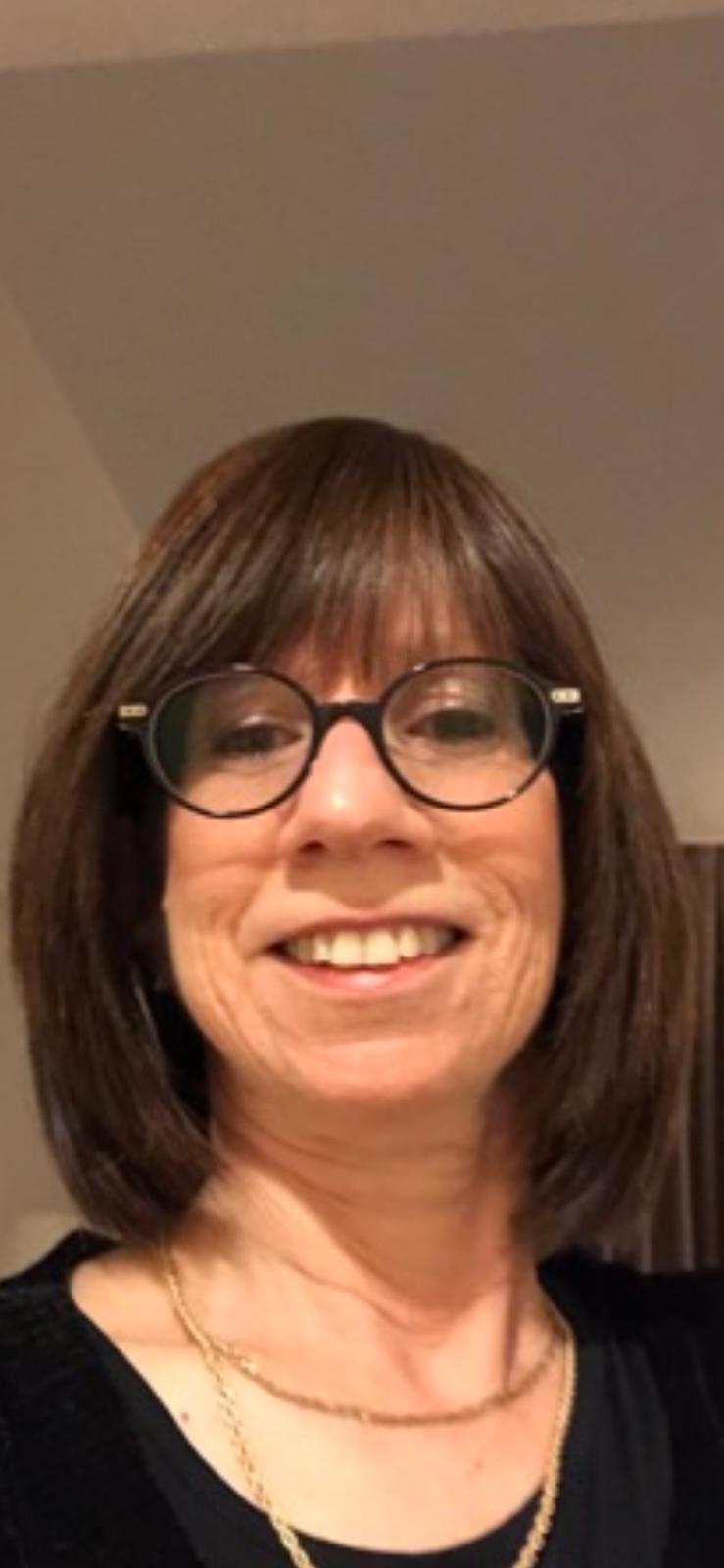
"התחלתי ללמוד דף יומי במחזור הזה, בח’ בטבת תש””ף. לקחתי על עצמי את הלימוד כדי ליצור תחום של התמדה יומיומית בחיים, והצטרפתי לקבוצת הלומדים בבית הכנסת בכפר אדומים. המשפחה והסביבה מתפעלים ותומכים.
בלימוד שלי אני מתפעלת בעיקר מכך שכדי ללמוד גמרא יש לדעת ולהכיר את כל הגמרא. זו מעין צבת בצבת עשויה שהיא עצומה בהיקפה.”

Sarah Fox
שרה פוּקס

כפר אדומים, ישראל

כבר סיפרתי בסיום של מועד קטן.
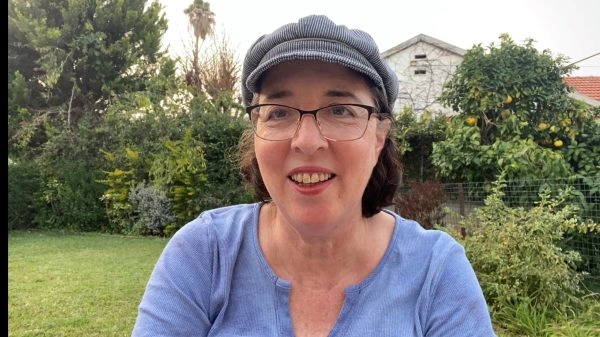
הלימוד מאוד משפיעה על היום שלי כי אני לומדת עם רבנית מישל על הבוקר בזום. זה נותן טון לכל היום – בסיס למחשבות שלי .זה זכות גדול להתחיל את היום בלימוד ובתפילה. תודה רבה !

שרה-ברלוביץ
שרה ברלוביץ

ירושלים, ישראל

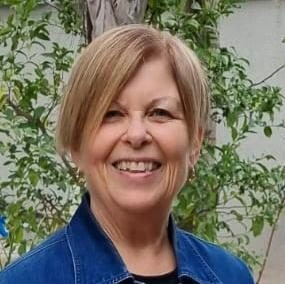
. לא תמיד נהניתי מלימוד גמרא כילדה.,בל כהתבגרתי התחלתי לאהוב את זה שוב. התחלתי ללמוד מסכת סוטה בדף היומי לפני כחמש עשרה שנה ואז הפסקתי.הגעתי לסיום הגדול של הדרן לפני שנתיים וזה נתן לי השראה. והתחלתי ללמוד למשך כמה ימים ואז היתה לי פריצת דיסק והפסקתי…עד אלול השנה. אז התחלתי עם מסכת ביצה וב”ה אני מצליחה לעמוד בקצב. המשפחה מאוד תומכת בי ויש כמה שגם לומדים את זה במקביל. אני אוהבת שיש עוגן כל יום.

Rebecca Darshan
רבקה דרשן

בית שמש, ישראל

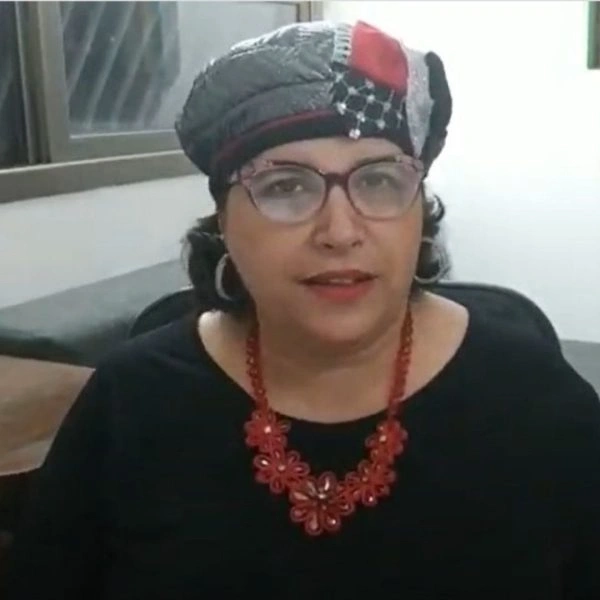
לצערי גדלתי בדור שבו לימוד גמרא לנשים לא היה דבר שבשגרה ושנים שאני חולמת להשלים את הפער הזה.. עד שלפני מספר שבועות, כמעט במקרה, נתקלתי במודעת פרסומת הקוראת להצטרף ללימוד מסכת תענית. כשקראתי את המודעה הרגשתי שהיא כאילו נכתבה עבורי – "תמיד חלמת ללמוד גמרא ולא ידעת איך להתחיל”, "בואי להתנסות במסכת קצרה וקלה” (רק היה חסר שהמודעה תיפתח במילים "מיכי שלום”..). קפצתי למים ו- ב”ה אני בדרך להגשמת החלום:)

Micah Kadosh
מיכי קדוש

מורשת, ישראל

הייתי לפני שנתיים בסיום הדרן נשים בבנייני האומה והחלטתי להתחיל. אפילו רק כמה דפים, אולי רק פרק, אולי רק מסכת… בינתיים סיימתי רבע שס ותכף את כל סדר מועד בה.
הסביבה תומכת ומפרגנת. אני בת יחידה עם ארבעה אחים שכולם לומדים דף יומי. מדי פעם אנחנו עושים סיומים יחד באירועים משפחתיים. ממש מרגש. מסכת שבת סיימנו כולנו יחד עם אבא שלנו!
אני שומעת כל יום פודקאסט בהליכה או בנסיעה ואחכ לומדת את הגמרא.

Edna Gross
עדנה גרוס

מרכז שפירא, ישראל

אני לומדת גמרא כעשור במסגרות שונות, ואת הדף היומי התחלתי כשחברה הציעה שאצטרף אליה לסיום בבנייני האומה. מאז אני לומדת עם פודקסט הדרן, משתדלת באופן יומי אך אם לא מספיקה, מדביקה פערים עד ערב שבת. בסבב הזה הלימוד הוא "ממעוף הציפור”, מקשיבה במהירות מוגברת תוך כדי פעילויות כמו בישול או נהיגה, וכך רוכשת היכרות עם הסוגיות ואופן ניתוחם על ידי חז”ל. בע”ה בסבב הבא, ואולי לפני, אצלול לתוכו באופן מעמיק יותר.

Yael Bir
יעל ביר

רמת גן, ישראל

רציתי לקבל ידע בתחום שהרגשתי שהוא גדול וחשוב אך נעלם ממני. הלימוד מעניק אתגר וסיפוק ומעמיק את תחושת השייכות שלי לתורה וליהדות

Ruth Agiv
רות עגיב

עלי זהב – לשם, ישראל

התחלתי ללמוד דף יומי אחרי שחזרתי בתשובה ולמדתי במדרשה במגדל עוז. הלימוד טוב ומספק חומר למחשבה על נושאים הלכתיים ”קטנים” ועד לערכים גדולים ביהדות. חשוב לי להכיר את הגמרא לעומק. והצעד הקטן היום הוא ללמוד אותה בבקיאות, בעזרת השם, ומי יודע אולי גם אגיע לעיון בנושאים מעניינים. נושאים בגמרא מתחברים לחגים, לתפילה, ליחסים שבין אדם לחברו ולמקום ולשאר הדברים שמלווים באורח חיים דתי 🙂

Gaia Divo
גאיה דיבו

מצפה יריחו, ישראל

התחלתי מעט לפני תחילת הסבב הנוכחי. אני נהנית מהאתגר של להמשיך להתמיד, מרגעים של "אהה, מפה זה הגיע!” ומהאתגר האינטלקטואלי

Eilat-Chen and Deller
אילת-חן ודלר

לוד, ישראל

סיום השס לנשים נתן לי מוטביציה להתחיל ללמוד דף יומי. עד אז למדתי גמרא בשבתות ועשיתי כמה סיומים. אבל לימוד יומיומי זה שונה לגמרי ופתאום כל דבר שקורה בחיים מתקשר לדף היומי.

Fogel Foundation
קרן פוגל

רתמים, ישראל

התחלתי ללמוד דף יומי לפני שנתיים, עם מסכת שבת. בהתחלה ההתמדה היתה קשה אבל בזכות הקורונה והסגרים הצלחתי להדביק את הפערים בשבתות הארוכות, לסיים את מסכת שבת ולהמשיך עם המסכתות הבאות. עכשיו אני מסיימת בהתרגשות רבה את מסכת חגיגה וסדר מועד ומחכה לסדר הבא!

Ilana-Shachnowitz
אילנה שכנוביץ

מודיעין, ישראל

בסוף הסבב הקודם ראיתי את השמחה הגדולה שבסיום הלימוד, בעלי סיים כבר בפעם השלישית וכמובן הסיום הנשי בבנייני האומה וחשבתי שאולי זו הזדמנות עבורי למשהו חדש.
למרות שאני שונה בסביבה שלי, מי ששומע על הלימוד שלי מפרגן מאוד.
אני מנסה ללמוד קצת בכל יום, גם אם לא את כל הדף ובסך הכל אני בדרך כלל עומדת בקצב.
הלימוד מעניק המון משמעות ליום יום ועושה סדר בלמוד תורה, שתמיד היה (ועדיין) שאיפה. אבל אין כמו קביעות

Racheli-Mendelson
רחלי מנדלסון

טל מנשה, ישראל

אמא שלי למדה איתי ש”ס משנה, והתחילה ללמוד דף יומי. אני החלטתי שאני רוצה ללמוד גם. בהתחלה למדתי איתה, אח”כ הצטרפתי ללימוד דף יומי שהרב דני וינט מעביר לנוער בנים בעתניאל. במסכת עירובין עוד חברה הצטרפה אלי וכשהתחלנו פסחים הרב דני פתח לנו שעור דף יומי לבנות. מאז אנחנו לומדות איתו קבוע כל יום את הדף היומי (ובשבת אבא שלי מחליף אותו). אני נהנית מהלימוד, הוא מאתגר ומעניין

Renana Hellman
רננה הלמן

עתניאל, ישראל

רציתי לקבל ידע בתחום שהרגשתי שהוא גדול וחשוב אך נעלם ממני. הלימוד מעניק אתגר וסיפוק ומעמיק את תחושת השייכות שלי לתורה וליהדות

Ruth Agiv
רות עגיב

עלי זהב – לשם, ישראל

התחלתי ללמוד בעידוד שתי חברות אתן למדתי בעבר את הפרק היומי במסגרת 929.
בבית מתלהבים מאוד ובשבת אני לומדת את הדף עם בעלי שזה מפתיע ומשמח מאוד! לימוד הדף הוא חלק בלתי נפרד מהיום שלי. לומדת בצהריים ומחכה לזמן הזה מידי יום…

Miriam Wengerover
מרים ונגרובר

אפרת, ישראל

התחלתי בתחילת הסבב, והתמכרתי. זה נותן משמעות נוספת ליומיום ומאוד מחזק לתת לזה מקום בתוך כל שגרת הבית-עבודה השוטפת.

Reut Abrahami
רעות אברהמי

בית שמש, ישראל

רבנית מישל הציתה אש התלמוד בלבבות בביניני האומה ואני נדלקתי. היא פתחה פתח ותמכה במתחילות כמוני ואפשרה לנו להתקדם בצעדים נכונים וטובים. הקימה מערך שלם שמסובב את הלומדות בסביבה תומכת וכך נכנסתי למסלול לימוד מעשיר שאין כמוה. הדרן יצר קהילה גדולה וחזקה שמאפשרת התקדמות מכל נקודת מוצא. יש דיבוק לומדות שמחזק את ההתמדה של כולנו. כל פניה ושאלה נענית בזריזות ויסודיות. תודה גם למגי על כל העזרה.

Sarah Aber
שרה אבר

נתניה, ישראל

למדתי גמרא מכיתה ז- ט ב Maimonides School ואחרי העליה שלי בגיל 14 לימוד הגמרא, שלא היה כל כך מקובל בימים אלה, היה די ספוראדי. אחרי "ההתגלות” בבנייני האומה התחלתי ללמוד בעיקר בדרך הביתה למדתי מפוקקטסים שונים. לאט לאט ראיתי שאני תמיד חוזרת לרבנית מישל פרבר. באיזה שהוא שלב התחלתי ללמוד בזום בשעה 7:10 .
היום "אין מצב” שאני אתחיל את היום שלי ללא לימוד עם הרבנית מישל עם כוס הקפה שלי!!

selfie-scaled
דבי גביר

חשמונאים, ישראל

התחלתי ללמוד דף יומי בסבב הקודם. זכיתי לסיים אותו במעמד המרגש של הדרן. בסבב הראשון ליווה אותי הספק, שאולי לא אצליח לעמוד בקצב ולהתמיד. בסבב השני אני לומדת ברוגע, מתוך אמונה ביכולתי ללמוד ולסיים. בסבב הלימוד הראשון ליוותה אותי חוויה מסויימת של בדידות. הדרן העניקה לי קהילת לימוד ואחוות נשים. החוויה של סיום הש”ס במעמד כה גדול כשנשים שאינן מכירות אותי, שמחות ומתרגשות עבורי , היתה חוויה מרוממת נפש

Ilanit Weil
אילנית ווייל

קיבוץ מגדל עוז, ישראל

הצטרפתי ללומדות בתחילת מסכת תענית. ההתרגשות שלי ושל המשפחה היתה גדולה מאוד, והיא הולכת וגוברת עם כל סיום שאני זוכה לו. במשך שנים רבות רציתי להצטרף ומשום מה זה לא קרה… ב”ה מצאתי לפני מספר חודשים פרסום של הדרן, ומיד הצטרפתי והתאהבתי. הדף היומי שינה את חיי ממש והפך כל יום- ליום של תורה. מודה לכן מקרב ליבי ומאחלת לכולנו לימוד פורה מתוך אהבת התורה ולומדיה.

Noa Rosen
נעה רוזן

חיספין רמת הגולן, ישראל

בבא בתרא קכח

אַתָּה נְתַתּוֹ לִי בְּמַתָּנָה. רְצוֹנְךָ הִשָּׁבַע וְטוֹל?״ וְנִשְׁבַּע – אֵינוֹ יָכוֹל לַחְזוֹר בּוֹ.

or: You gave him to me as a gift, if he then adds: Although I owe you nothing, as the slave is mine, if it is your desire, take an oath that he is yours and take him; and the claimant takes an oath that the slave is his, the one in possession of the slave cannot retract his offer, although he was not obligated to make the offer.

מַאי קָא מַשְׁמַע לַן? תְּנֵינָא, אָמַר לוֹ: ״נֶאֱמָן עָלַי אַבָּא״; ״נֶאֱמָן עָלַי אָבִיךָ״; ״נֶאֱמָנִין עָלַי שְׁלֹשָׁה רוֹעֵי בָקָר״ – רַבִּי מֵאִיר אוֹמֵר: יָכוֹל לַחֲזוֹר בּוֹ, וַחֲכָמִים אוֹמְרִים: אֵינוֹ יָכוֹל לַחֲזוֹר בּוֹ!

The Gemara asks: What is Rabbi Abba teaching us? We already learned in a mishna (Sanhedrin 24a) that if one of the litigants said to the other: My father is trusted to adjudicate for me, or: Your father is trusted to adjudicate for me, or: These three cattle herders who are not experts in halakha are trusted to adjudicate for me, and all of the individuals this litigant mentioned are legally disqualified from serving as judges, Rabbi Meir says that the one who stated this can retract his statement, and the Rabbis say that he cannot retract it, and he is obligated to have them serve as judges if the other litigant so desires. Since this halakha is already stated in the mishna, what novel halakha did Rabbi Abba teach?

הָא קָא מַשְׁמַע לַן – דִּבְ״אֶתֵּן לָךְ״ מַחְלוֹקֶת, וַהֲלָכָה כְּדִבְרֵי חֲכָמִים.

The Gemara in tractate Sanhedrin records a dispute between amora’im as to the circumstances of the case of that mishna, with one amora holding that the dispute pertains only to a case where the one accepting the disqualified judge will need to forgive a debt if the judge rules in accordance with his opponent, while another amora holds that the dispute pertains even to a case where he will need to pay the other litigant if the judge rules in accordance with his opponent. By stating his ruling in a case where the litigant will have to give the slave to the other, Rabbi Abba teaches us this, that the dispute between Rabbi Meir and the Rabbis is even in a case where the litigant said: I will give you what you claim if that is the ruling of these judges, and the Rabbis hold that if he subsequently wishes to retract his suggestion, he cannot do so. And Rabbi Abba also teaches that the halakha is in accordance with the statement of the Rabbis.

שְׁלַח לֵיהּ רַבִּי אַבָּא לְרַב יוֹסֵף בַּר חָמָא, הֲלָכָה: גּוֹבִין מִן הָעֲבָדִים. וְרַב נַחְמָן אָמַר: אֵין גּוֹבִין.

§ Rabbi Abba also sent a ruling to Rav Yosef bar Ḥama that the halakha is that the creditors of one who died collect the debts from the Canaanite slaves the deceased left his heirs, i.e., they take the slaves, as slaves have the same status as land in this regard. And Rav Naḥman says that they do not collect the debt by taking the slaves.

שְׁלַח לֵיהּ רַבִּי אַבָּא לְרַב יוֹסֵף בַּר חָמָא, הֲלָכָה: שְׁלִישִׁי בְּשֵׁנִי – כָּשֵׁר. רָבָא אָמַר: אַף בְּרִאשׁוֹן.

§ Rabbi Abba also sent a ruling to Rav Yosef bar Ḥama that with regard to people with a common ancestor, the halakha is that the testimony of members of the third generation with regard to members of the second generation whose closest familial connection is through that ancestor is valid. For example, one can testify about his first cousin once removed, and is not disqualified as a relative. Rava says: Even the testimony of members of the third generation with regard to members of the first generation is valid; e.g., one can testify about his great-uncle.

מָר בַּר רַב אָשֵׁי אַכְשַׁר בְּאַבָּא דְאַבָּא; וְלֵית הִלְכְתָא כְּמָר בַּר רַב אָשֵׁי.

Mar bar Rav Ashi deemed one’s testimony with regard to his father’s father valid, as he considered it a case of testimony of a member of the third generation with regard to a member of the first generation, which Rava deemed valid. But the halakha is not in accordance with the opinion of Mar bar Rav Ashi.

שְׁלַח לֵיהּ רַבִּי אַבָּא לְרַב יוֹסֵף בַּר חָמָא: הָיָה יוֹדֵעַ לוֹ בְּעֵדוּת קַרְקַע עַד שֶׁלֹּא נִסְתַּמֵּא, וְנִסְתַּמֵּא – פָּסוּל.

§ Rabbi Abba also sent a ruling to Rav Yosef bar Ḥama concerning testimony: If one knew information that could serve as testimony about the boundary of another’s land before he became blind, and then he became blind, he is disqualified from bearing witness in a dispute as to the boundaries of that person’s properties.

וּשְׁמוּאֵל אָמַר: כָּשֵׁר, אֶפְשָׁר דִּמְכַוֵּין מִצְרָנַהָא. אֲבָל גְּלִימָא – לָא. וְרַב שֵׁשֶׁת אָמַר: אֲפִילּוּ גְּלִימָא, אֶפְשָׁר דִּמְכַוֵּין מִדַּת אׇרְכּוֹ וּמִדַּת רׇחְבּוֹ. אֲבָל נְסָכָא – לָא. וְרַב פָּפָּא אָמַר: אֲפִילּוּ נְסָכָא, אֶפְשָׁר דִּמְכַוֵּין מִדַּת מִשְׁקְלוֹתָיו.

And Shmuel said: He is fit to bear witness, as it is possible for him to determine the boundaries of the fields despite his blindness. But he is not fit to identify a movable item, e.g., a cloak, as he cannot see it. And Rav Sheshet said: He can identify even a cloak, as it is possible for him to determine its length and its width. But he is not fit to identify a piece of silver. And Rav Pappa said: He can identify even a piece of silver, as it is possible for him to determine its weight.

מֵיתִיבִי: הָיָה יוֹדֵעַ לוֹ בְּעֵדוּת עַד שֶׁלֹּא נַעֲשָׂה חֲתָנוֹ, וְנַעֲשָׂה חֲתָנוֹ; פִּיקֵּחַ, וְנִתְחָרֵשׁ; פִּיתֵּחַ, וְנִסְתַּמֵּא; שָׁפוּי, וְנִשְׁתַּטָּה – פָּסוּל.

The Gemara raises an objection from a baraita (Tosefta, Sanhedrin 3:5): If one knew information that could serve as testimony about another before he became his son-in-law, and then he became his son-in-law, thereby becoming a relative who is disqualified from bearing witness concerning him; or if he was able to hear at the time he witnessed an incident and then he became deaf; or if he was able to see at the time he witnessed an incident and then became blind; or if he was halakhically competent and then became insane, in all these cases, he is disqualified from bearing witness.

אֲבָל הָיָה יוֹדֵעַ לוֹ בְּעֵדוּת עַד שֶׁלֹּא נַעֲשָׂה חֲתָנוֹ, וְנַעֲשָׂה חֲתָנוֹ וּמֵתָה בִּתּוֹ; פִּיקֵּחַ וְנִתְחָרֵשׁ וְחָזַר וְנִתְפַּקֵּחַ; פִּיתֵּחַ וְנִסְתַּמֵּא וְחָזַר וְנִתְפַּתֵּחַ; שָׁפוּי וְנִשְׁתַּטָּה וְחָזַר וְנִשְׁתַּפָּה – כָּשֵׁר.

The baraita continues: But if he knew information about him that could serve as testimony before he became his son-in-law, and then he became his son-in-law, and then his daughter died, so that they are no longer related; or if he was able to hear, and then became deaf, and then again became able to hear; or if he was able to see, and then became blind, and then again became able to see; or if he was halakhically competent, and then became insane, and then again became halakhically competent, in all these cases, he is fit to bear witness.

זֶה הַכְּלָל: כׇּל שֶׁתְּחִלָּתוֹ אוֹ סוֹפוֹ בְּפַסְלוּת – פָּסוּל, תְּחִלָּתוֹ וְסוֹפוֹ בְּכַשְׁרוּת – כָּשֵׁר.

The baraita concludes: This is the principle: Anyone whose initial state or his ultimate state, i.e., his state at the time of the incident or at the time of his testimony in court, is one of disqualification for bearing witness is disqualified from bearing witness. But anyone whose initial state and his ultimate state is one of fitness to bear witness is fit to bear witness, even if he was disqualified in the interim. This baraita clearly states that one who is blind is disqualified from bearing witness.

תְּיוּבְתָּא דְכוּלְּהוּ! תְּיוּבְתָּא.

The Gemara concludes: The refutation of the opinions of all the amora’im who held that a person who became blind after witnessing a matter can, in certain cases, testify about it, is indeed a conclusive refutation.

שְׁלַח רַבִּי אַבָּא לְרַב יוֹסֵף בַּר חָמָא: הָאוֹמֵר עַל תִּינוֹק בֵּין הַבָּנִים – נֶאֱמָן. וְרַבִּי יוֹחָנָן אָמַר: אֵינוֹ נֶאֱמָן.

§ Rabbi Abba sent another ruling to Rav Yosef bar Ḥama: One who says something concerning one child among his sons is deemed credible, and Rabbi Yoḥanan says that he is not deemed credible.

מַאי קָאָמַר? אָמַר אַבָּיֵי: הָכִי קָאָמַר, הָאוֹמֵר עַל תִּינוֹק בֵּין הַבָּנִים: ״יִירַשׁ כׇּל נְכָסַי״ – נֶאֱמָן, כְּרַבִּי יוֹחָנָן בֶּן בְּרוֹקָה. וְרַבִּי יוֹחָנָן אָמַר: אֵינוֹ נֶאֱמָן, כְּרַבָּנַן.

The Gemara asks: What is Rabbi Abba saying? Abaye said that this is what Rabbi Abba is saying: One who says concerning one child among his sons: He shall inherit all my property, is deemed credible, in accordance with the opinion of Rabbi Yoḥanan ben Beroka, who holds that one can bequeath all his property to one of his heirs (130a). And Rabbi Yoḥanan says that he is not deemed credible, in accordance with the opinion of the Rabbis, who disagree with Rabbi Yoḥanan ben Beroka.

מַתְקֵיף לַהּ רָבָא: הַאי ״נֶאֱמָן״ וְ״אֵינוֹ נֶאֱמָן״?! ״יִירַשׁ״ וְ״לֹא יִירַשׁ״ מִבַּעְיָא לֵיהּ!

Rava objects to this explanation: According to Abaye’s explanation, this wording: Is deemed credible, and: He is not deemed credible, is not precise; he should have employed the terms: Shall inherit, and: Shall not inherit, as the issue is the ability of the father to specify who will inherit from him, not his credibility.

אֶלָּא אָמַר רָבָא: הָכִי קָאָמַר, הָאוֹמֵר עַל תִּינוֹק בֵּין הַבָּנִים: ״בְּכוֹר הוּא״ – נֶאֱמָן, כְּרַבִּי יְהוּדָה. וְרַבִּי יוֹחָנָן אָמַר: אֵינוֹ נֶאֱמָן, כְּרַבָּנַן.

Rather, Rava said that this is what Rabbi Abba is saying: One who says about one child among his sons that he is his firstborn is deemed credible, in accordance with the opinion of Rabbi Yehuda (127b); and Rabbi Yoḥanan says that he is not deemed credible, in accordance with the opinion of the Rabbis, who disagree with Rabbi Yehuda.

שְׁלַח לֵיהּ רַבִּי אַבָּא לְרַב יוֹסֵף בַּר חָמָא: הָאוֹמֵר ״תִּטּוֹל אִשְׁתִּי כְּאֶחָד מִן הַבָּנִים״ – נוֹטֶלֶת כְּאֶחָד מִן הַבָּנִים. אָמַר רָבָא: וּבִנְכָסִים שֶׁל עַכְשָׁיו, וּבְבָנִים הַבָּאִין לְאַחַר מִכָּאן.

§ Rabbi Abba sent another ruling to Rav Yosef bar Ḥama: In a case of one who says: My wife will take a portion of my estate like one of the sons, she takes a portion like one of the sons, as it is considered a gift. Rava says: And this ruling is only with regard to the husband’s current property, which he can give her as a gift. The husband cannot give her a portion of his future property. And furthermore, the calculation of her portion must take into account not only the number of sons the husband has at the time of his statement, but also the sons who come, i.e., who will be born, afterward.

שְׁלַח לֵיהּ רַבִּי אַבָּא לְרַב יוֹסֵף בַּר חָמָא: הַמּוֹצִיא שְׁטַר חוֹב עַל חֲבֵירוֹ; מַלְוֶה אוֹמֵר: לֹא נִפְרַעְתִּי כְּלוּם, וְלֹוֶה אוֹמֵר: פָּרַעְתִּי מֶחֱצָה, וְהָעֵדִים מְעִידִין שֶׁפָּרַע כּוּלּוֹ – הֲרֵי זֶה נִשְׁבָּע, וְגוֹבֶה מֶחֱצָה מִנְּכָסִים בְּנֵי חוֹרִין; אֲבָל מִמְּשׁוּעְבָּדִין לָא, דְּאָמְרִי: אֲנַן אַעֵדִים סָמְכִינַן.

§ Rabbi Abba sent another ruling to Rav Yosef bar Ḥama: In the case of one who produces a promissory note against another, and the creditor says: I was not repaid anything, and the debtor says: I repaid half the debt, and the witnesses testify that the debtor repaid the entire debt, then this debtor takes an oath that he repaid half, as is the halakha with regard to one who admits to a part of a claim, and he is exempt from paying that half. And the creditor collects the second half from unsold property; but not from liened property that was sold after the loan, as the buyers can say: We rely on the witnesses that the debt was repaid in its entirety.

וַאֲפִילּוּ לְרַבִּי עֲקִיבָא, דְּאָמַר: מֵשִׁיב אֲבֵדָה הָוֵי – הָנֵי מִילֵּי הֵיכָא דְּלֵיכָּא עֵדִים, אֲבָל הֵיכָא דְּאִיכָּא עֵדִים – אִירְתוֹתֵי אִירְתַת.

The Gemara compares this halakha to the case of a promissory note that states that the debtor owes the creditor: Sela coins, without stating how many. The creditor claims that he lent the debtor five sela and the debtor claims that he borrowed only three. Rabbi Akiva holds that since the wording of the promissory note indicates a minimum debt of two sela, and the creditor could not have collected the third sela without the debtor’s admission, the latter’s admission to a part of the claim cannot render him liable to take an oath. The Gemara states: And even according to Rabbi Akiva, who says that the debtor is not liable to take an oath, as with regard to the third sela his legal status is similar to that of one who returns a lost item, this statement applies only in a case where there are no witnesses to the loan. But where there are witnesses, as is the case in Rabbi Abba’s ruling, the debtor fears denying the entire debt. Therefore he is liable to take an oath that he repaid half, as one who admits to a part of the claim.

מַתְקֵיף לַהּ מָר בַּר רַב אָשֵׁי: אַדְּרַבָּה, אֲפִילּוּ לְרַבִּי שִׁמְעוֹן בֶּן אֶלְעָזָר דְּאָמַר: מוֹדֶה מִקְצָת הַטַּעֲנָה הָוֵי – הָנֵי מִילֵּי הֵיכָא דְּלֵיכָּא עֵדִים דְּקָא מְסַיְּיעִי לֵיהּ, אֲבָל הֵיכָא דְּאִיכָּא עֵדִים דְּקָא מְסַיְּיעִי לֵיהּ – וַדַּאי מֵשִׁיב אֲבֵדָה הָוֵי.

Mar bar Rav Ashi objects to this: On the contrary; even according to Rabbi Shimon ben Elazar, who disagrees with Rabbi Akiva and says that the debtor is considered one who admits to a part of the claim, this statement applies only in a case where there are no witnesses who support him. But here in the case of Rabbi Abba, where there are witnesses who support him, testifying that he repaid the entire debt, his legal status is certainly that of one who returns a lost item, and he does not need to take an oath that he repaid half.

דָּרֵשׁ מָר זוּטְרָא מִשְּׁמֵיהּ דְּרַב שִׁימִי בַּר אָשֵׁי: הִלְכְתָא בְּכׇל הָנֵי שְׁמַעְתָּתָא, כְּדִשְׁלַח לֵיהּ רַבִּי אַבָּא לְרַב יוֹסֵף בַּר חָמָא. אֲמַר לֵיהּ רָבִינָא לְרַב אָשֵׁי: דְּרַב נַחְמָן, מַאי? אֲמַר לֵיהּ: ״אֵין גּוֹבִין״ מַתְנֵינַן לַהּ, וְכֵן אָמַר רַב נַחְמָן.

§ Mar Zutra taught in the name of Rav Shimi bar Ashi: The halakha in all these halakhot is as Rabbi Abba sent to Rav Yosef bar Ḥama. Ravina said to Rav Ashi: What about the statement with which Rav Naḥman disagreed, i.e., that a debt can be collected by taking the slaves the debtor left his heirs? Is the halakha in accordance with this ruling of Rabbi Abba as well, despite the principle that in monetary matters the halakha is in accordance with Rav Naḥman’s opinion? Rav Ashi said to him: We teach a different tradition, that Rabbi Abba’s statement rules that a creditor does not collect the debt from the slaves the debtor left his heirs, and that Rav Naḥman said the same.

וְאֶלָּא הִלְכְתָא – לְאַפּוֹקֵי מַאי?

The Gemara asks: But then what possibility does Mar Zutra exclude in ruling that the halakha is in accordance with Rabbi Abba’s statement?

רוצה לעקוב אחרי התכנים ולהמשיך ללמוד?

ביצירת חשבון עוד היום ניתן לעקוב אחרי ההתקדמות שלך, לסמן מה למדת, ולעקוב אחרי השיעורים שמעניינים אותך.

לנקות את כל הפריטים מהרשימה?

פעולה זו תסיר את כל הפריטים בחלק זה כולל ההתקדמות וההיסטוריה. שימי לב: לא ניתן לשחזר פעולה זו.

ביטול
מחיקה

האם את/ה בטוח/ה שברצונך למחוק פריט זה?

תאבד/י את כל ההתקדמות או ההיסטוריה הקשורות לפריט זה.

ביטול
מחיקה