חיפוש

בבא בתרא קמז

רוצה להקדיש לימוד?

podcast placeholder

0:00
0:00


תקציר

הדף היום מוקדש ע”י אסתר קרמר לע”נ מני גרוס.

הדף היום מוקדש ע”י דבי ומרק פרשן לע”נ פרל ביילא בת שמחה.

מניין לומדים שדברי שכיב מרע נחשבים ככתובים וכמסורים, כאילו נעשה קניין? חכמים שונים למדו זאת משני פסוקים מהתורה ושניים מהנביאים. רבא אומר בשם רב נחמן שדין זה אינו נלמד מהתורה, אלא חכמים תיקנו זאת כדי שלא תיטרף דעתו עליו. הגמרא מקשה על רב נחמן מאמירה אחרת שלו על פסק של שמואל. שמואל סבר שאם אדם מכר שטר חוב לאחר ואחר כך מחל על החוב המקורי, החוב בטל, ואפילו יורש של המלווה המקורי יכול למחול על החוב. רב נחמן הסביר שאפילו שמואל יסכים שאם השטר חוב לא נמכר לאחר אלא ניתן כמתנת שכיב מרע, היורש אינו יכול למחול על החוב. זה לכאורה מראה שכוח דברי שכיב מרע תקפים מדאורייתא כיוון שהם חזקים יותר ממתנה רגילה. הם מיישבים קושי זה בהסבר שלרב נחמן החכמים בתקנתם נתנו לדברי שכיב מרע תוקף לקניין כאילו זה קניין דאורייתא, אף על פי שזה מדרבנן.

רבא ציטט את רב נחמן שבמתנת שכיב מרע אי אפשר להקנות דבר שאין בו ממש או שלא בא לעולם – כמו זכות מגורים בבית או זכות לפירות עתידיים מעץ. מדבריו נראה שרב נחמן מתייחס למתנת שכיב מרע כמו לדיני מתנות של בריא. הגמרא מעלה קושי על הנחה זו.

בבא בתרא קמז

דּוֹמֶה שֶׁיֵּשׁ לִי בֵּן, עַכְשָׁיו שֶׁאֵין לִי בֵּן – נְכָסַי לִפְלוֹנִי; הָיָה חוֹלֶה וּמוּטָל בַּמִּטָּה, וְאָמְרוּ לוֹ: נְכָסָיו לְמִי? אָמַר לָהֶן: דּוֹמֶה שֶׁאִשְׁתִּי מְעוּבֶּרֶת, עַכְשָׁיו שֶׁאֵין אִשְׁתִּי מְעוּבֶּרֶת – נְכָסַי לִפְלוֹנִי; וְנוֹדַע שֶׁיֵּשׁ לוֹ בֵּן אוֹ שֶׁהָיְתָה אִשְׁתּוֹ מְעוּבֶּרֶת – אֵין מַתְּנָתוֹ מַתָּנָה.

Previously, I thought that I had a son. Now that I have been informed that I do not have a son, my property shall be given to so-and-so. Or if he was ill and bedridden, and those present said to him: To whom shall his property be given? And he said to them: Previously, I thought that my wife was pregnant. Now that I have been informed that my wife is not pregnant, my property shall be given to so-and-so. And if it then became known, in either of those cases, that he had a son or that his wife was pregnant, his gift is not a valid gift, since he clearly indicated that he bestowed the gift on that recipient only because he thought he had no heir.

לֵימָא רַבִּי שִׁמְעוֹן בֶּן מְנַסְיָא הִיא, וְלָא רַבָּנַן? אֲפִילּוּ תֵּימָא רַבָּנַן, ״דּוֹמֶה״ שָׁאנֵי.

The Gemara asks: Shall we say that this is the opinion of Rabbi Shimon ben Menasya and not the opinion of the Rabbis? The Gemara rejects this: You can even say that this is the opinion of the Rabbis, as the case where he said: I thought that I had a son, is different, since he stated the reason for his actions.

וּדְקָאָרֵי לַהּ – מַאי קָאָרֵי לַהּ? מַהוּ דְּתֵימָא: צַעְרֵיהּ הוּא דְּקָא מַדְכַּר, קָא מַשְׁמַע לַן.

Since the difference between the cases is obvious, the Gemara asks: He who asked it, why did he ask it? The Gemara replies: Lest you say that when the bedridden man mentioned that he does not have a son, he is mentioning it only as an expression of his sorrow, since the matter of the disposal of his estate brings it to mind, but he is not mentioning this as the reason for the gift, the baraita therefore teaches us that the reference to his son indicates that had he known that he had a son, he would not have given his property to others.

אָמַר רַבִּי זֵירָא אָמַר רַב: מִנַּיִן לְמַתְּנַת שְׁכִיב מְרַע שֶׁהִיא מִן הַתּוֹרָה? שֶׁנֶּאֱמַר: ״וְהַעֲבַרְתֶּם אֶת נַחֲלָתוֹ לְבִתּוֹ״ – יֵשׁ לְךָ הַעֲבָרָה אַחֶרֶת שֶׁהִיא כָּזוֹ. וְאֵי זוֹ? זוֹ מַתְּנַת שְׁכִיב מְרַע.

§ Unlike the gifts of a healthy person, the gifts of a person on his deathbed do not require a formal act of acquisition. Rabbi Zeira says that Rav says: From where is it derived that this halakha with regard to the gift of a person on his deathbed is by Torah law? As it is stated in the passage delineating the laws of inheritance: “If a man dies, and he does not have a son, then you shall cause his inheritance to pass to his daughter” (Numbers 27:8). The term “you shall cause…to pass” is superfluous, as the verse could have stated: His inheritance shall go to his daughter. One can therefore derive from this term that you have another case of causing property to pass to another, which is comparable to this case of inheritance, which does not require an act of acquisition. And what is this case? This is the case of the gift of a person on his deathbed.

רַב נַחְמָן אָמַר רַבָּה בַּר אֲבוּהּ, מֵהָכָא: ״וּנְתַתֶּם אֶת נַחֲלָתוֹ לְאֶחָיו״ – יֵשׁ לְךָ נְתִינָה אַחֶרֶת שֶׁהִיא כָּזוֹ. וְאֵי זוֹ? זוֹ מַתְּנַת שְׁכִיב מְרַע.

Rav Naḥman says that Rabba bar Avuh says: The halakha with regard to the gift of a person on his deathbed is derived from here: “And if he has no daughter, then you shall give his inheritance to his brothers” (Numbers 27:9). The verse could have stated: His inheritance shall go to his brothers, as inheritance is transferred by itself, without any intervention. One can therefore derive from the term “you shall give” that you have another case of giving that is comparable to this case. And what is this case? This is the case of the gift of a person on his deathbed.

וְרַב נַחְמָן – מַאי טַעְמָא לָא אָמַר מִ״וְהַעֲבַרְתֶּם״? הַהוּא מִיבְּעֵי לֵיהּ לְכִדְרַבִּי – דְּתַנְיָא, רַבִּי אוֹמֵר: בְּכוּלָּן נֶאֶמְרָה בָּהֶן ״נְתִינָה״, וְכָאן נֶאֶמְרָה ״הַעֲבָרָה״; אֵין לְךָ שֶׁמַּעֲבִיר נַחֲלָה מִשֵּׁבֶט לְשֵׁבֶט, אֶלָּא בַּת – הוֹאִיל וּבְנָהּ וּבַעְלָהּ יוֹרְשִׁין אוֹתָהּ.

The Gemara asks: And with regard to Rav Naḥman, what is the reason that he did not say that this halakha can be derived from the term “you shall cause…to pass”? The Gemara answers: He requires that verse for that which is taught by Rabbi Yehuda HaNasi, as it is taught in a baraita: Rabbi Yehuda HaNasi says: With regard to all of the heirs, the term giving was stated in the Torah, and here, with regard to the daughter, the term causing to pass was stated. One can derive from this that there is no heir who can cause one’s inheritance to pass from one tribe to another tribe except for the daughter, since her son and her husband inherit from her, and they may be of a different tribe.

וְרַבִּי זֵירָא – מַאי טַעְמָא לָא אָמַר מִ״וּנְתַתֶּם״? אוֹרְחֵיהּ דִּקְרָא הוּא.

The Gemara asks: And with regard to Rabbi Zeira, what is the reason that he did not say that this halakha can be derived from the term “Then you shall give”? The Gemara answers: Rabbi Zeira maintains that this usage is the usual manner of the verse, and one cannot derive anything from this term.

רַב מְנַשְּׁיָא בַּר יִרְמְיָה אָמַר, מֵהָכָא: ״בַּיָּמִים הָהֵם חָלָה חִזְקִיָּהוּ לָמוּת, וַיָּבֹא אֵלָיו יְשַׁעְיָהוּ בֶן אָמוֹץ הַנָּבִיא, וַיֹּאמֶר אֵלָיו: כֹּה אָמַר ה׳, צַו לְבֵיתֶךָ, כִּי מֵת אַתָּה וְלֹא תִחְיֶה״ – בְּצַוָּאָה בְּעָלְמָא.

Rav Menashya bar Yirmeya says: The halakha with regard to the gift of a person on his deathbed is derived from here: “In those days Hezekiah became deathly ill, and Isaiah ben Amoz the prophet came to him, and said to him: So says the Lord: Instruct your household, for you will die, and you will not live” (II Kings 20:1). This indicates that merely by issuing an instruction, a person on his deathbed can transfer ownership of his property.

רָמֵי בַּר יְחֶזְקֵאל אָמַר, מֵהָכָא: ״וַאֲחִיתוֹפֶל רָאָה כִּי לֹא נֶעֶשְׂתָה עֲצָתוֹ וַיַּחֲבֹשׁ אֶת הַחֲמוֹר וַיֵּלֶךְ אֶל בֵּיתוֹ אֶל עִירוֹ וַיְצַו אֶל בֵּיתוֹ וַיֵּחָנַק״, בְּצַוָּאָה בְּעָלְמָא.

Rami bar Yeḥezkel says: The halakha with regard to the gift of a person on his deathbed is derived from here: “And when Ahithophel saw that his counsel was not followed, he saddled his ass, and he arose, and went to his home, to his city; and he instructed his household, and strangled himself” (II Samuel 17:23). This indicates that merely by issuing an instruction, a person on his deathbed can transfer ownership of his property.

תָּנוּ רַבָּנַן: שְׁלֹשָׁה דְּבָרִים צִוָּה אֲחִיתוֹפֶל אֶת בָּנָיו – אַל תִּהְיוּ בְּמַחְלוֹקֶת, וְאַל תִּמְרְדוּ בְּמַלְכוּת בֵּית דָּוִד, וְיוֹם טוֹב שֶׁל עֲצֶרֶת בָּרוּר – זִרְעוּ חִטִּים. מָר זוּטְרָא אָמַר: ״בָּלוּל״ אִיתְּמַר. אָמְרִי נְהַרְדָּעֵי מִשְּׁמֵיהּ דְּרַבִּי יַעֲקֹב: לֹא ״בָּרוּר״ – בָּרוּר מַמָּשׁ, וְלֹא ״בָּלוּל״ – בָּלוּל מַמָּשׁ, אֶלָּא אֲפִילּוּ בָּלוּל וְרוּחַ צְפוֹנִית מְנַשַּׁבְתּוֹ – זֶה הוּא בָּרוּר.

The Sages taught: Before his death, when he saw that Absalom’s rebellion against King David had failed, Ahithophel instructed his sons with regard to three matters: Do not be participants in a dispute. And do not rebel against the kingship of the house of David. And if the festival of Shavuot is a clear day, sow wheat, as it is a sign that the wheat crop will thrive. Mar Zutra said: It was stated that the wheat crop will thrive if Shavuot is a cloudy day, not if it is a clear day. The Sages of Neharde’a say in the name of Rabbi Ya’akov: According to both opinions, a clear day does not literally mean a clear day, nor does a cloudy day literally mean a cloudy day. Rather, even if the day is cloudy but a north wind is blowing the clouds away, this is considered a clear day.

אֲמַר לֵיהּ רַבִּי אַבָּא לְרַב אָשֵׁי: אֲנַן – אַדְּרַב יִצְחָק בַּר אַבְדִּימִי מַתְנֵינַן לַהּ, דְּאָמַר רַב יִצְחָק בַּר אַבְדִּימִי: מוֹצָאֵי יוֹם טוֹב הָאַחֲרוֹן שֶׁל חַג, הַכֹּל צוֹפִין לַעֲשַׁן הַמַּעֲרָכָה; נָטָה כְּלַפֵּי צָפוֹן – עֲנִיִּים שְׂמֵחִים וּבַעְלֵי בָתִּים עֲצֵבִין, מִפְּנֵי שֶׁגִּשְׁמֵי שָׁנָה מְרוּבִּין, וּפֵירוֹת מַרְקִיבִין.

Rabbi Abba said to Rav Ashi: We teach this matter of signs concerning crops with regard to the statement of Rav Yitzḥak bar Avdimi, as Rav Yitzḥak bar Avdimi says: At the conclusion of the final day of the festival of Sukkot, everyone looked upon the smoke rising from the arrangement of wood on the altar. If the smoke inclined toward the north due to a south wind, the poor were glad and the homeowners were sad, because this was a sign that the year’s rainfall would be plentiful, and although the rain would produce an abundant crop, the produce would decay due to the humidity. The humidity would make it difficult to store the abundant harvest, forcing the homeowners to sell the produce quickly at a lower price.

נָטָה כְּלַפֵּי דָרוֹם – עֲנִיִּים עֲצֵבִים וּבַעְלֵי בָתִּים שְׂמֵחִין, מִפְּנֵי שֶׁגִּשְׁמֵי שָׁנָה מוּעָטִין, וּפֵירוֹת מִשְׁתַּמְּרִין. נָטָה כְּלַפֵּי מִזְרָח – הַכֹּל שְׂמֵחִין. כְּלַפֵּי מַעֲרָב – הַכֹּל עֲצֵבִין.

If the smoke inclined toward the south due to a north wind, the poor were sad and the homeowners were glad, because this indicated that the year’s rainfall would be sparse and the produce would be meager and would store well. If the smoke inclined toward the east due to a west wind, everyone was glad, because this indicated that there would be sufficient rainfall to ensure a substantial crop, and at the same time, the produce would store well. If the smoke inclined toward the west due to an east wind, everyone was sad, because the east wind does not bring rain, and this indicated that there would be a drought.

וּרְמִינְהִי: מִזְרָחִית – לְעוֹלָם יָפָה. מַעֲרָבִית – לְעוֹלָם קָשָׁה. רוּחַ צְפוֹנִית – יָפָה לְחִטִּים בְּשָׁעָה שֶׁהֵבִיאוּ שְׁלִישׁ, וְקָשָׁה לְזֵיתִים בְּשָׁעָה שֶׁיָּנֵיצוּ. וְרוּחַ דְּרוֹמִית – קָשָׁה לְחִטִּין בְּשָׁעָה שֶׁהֵבִיאוּ שְׁלִישׁ, וְיָפָה לְזֵיתִים בְּשָׁעָה שֶׁיָּנֵיצוּ.

The Gemara raises a contradiction from a baraita: An east wind is always beneficial, and a west wind is always harmful. A north wind is beneficial to the wheat when it has reached one-third of its growth and harmful to the olives when they are blossoming. And a south wind is harmful to the wheat when it has reached one-third of its growth and beneficial to the olives when they are blossoming.

וְאָמַר רַב יוֹסֵף, וְאִיתֵּימָא מָר זוּטְרָא, וְאִיתֵּימָא רַב נַחְמָן בַּר יִצְחָק: וְסִימָנָךְ – שֻׁלְחָן בַּצָּפוֹן, וּמְנוֹרָה בַּדָּרוֹם. הַאי מְרַבֵּי דִידֵיהּ וְהַאי מְרַבֵּי דִידֵיהּ!

And Rav Yosef says, and some say it is Mar Zutra who says this, and some say it is Rav Naḥman bar Yitzḥak who says this: The following is your mnemonic to remember which wind is beneficial to which crop: The Table is in the north of the Sanctuary, and the Candelabrum is in the south. This one increases its own, and that one increases its own, i.e., the Table, upon which the shewbread made from wheat is placed, is in the north, and the north wind is beneficial to the wheat. The Candelabrum, which is lit with olive oil, is in the south, and the south wind is beneficial to the olives. In any event, the baraita contradicts the statement of Rav Yitzḥak bar Avdimi with regard to the effect of the western and eastern winds.

לָא קַשְׁיָא; הָא לַן, וְהָא לְהוּ.

The Gemara answers: This is not difficult. This, the east wind, is for us, in Babylonia, and that, the west wind, is for them, in Eretz Yisrael. In Babylonia the east wind is beneficial, because water is plentiful there, and the dry east wind does not harm the crops. In Eretz Yisrael the east wind is harmful, because water is scarce, and the east wind ruins the crops, whereas the west wind brings the necessary rain.

תַּנְיָא, אַבָּא שָׁאוּל אוֹמֵר: יוֹם טוֹב שֶׁל עֲצֶרֶת בָּרוּר – סִימָן יָפֶה לְכׇל הַשָּׁנָה כּוּלָּהּ. אָמַר רַב זְבִיד: הַאי יוֹמָא קַמָּא דְּרֵישׁ שַׁתָּא, אִי חַמִּים – כּוּלַּהּ שַׁתָּא חַמִּימָא, אִי קָרִיר – כּוּלַּהּ שַׁתָּא קָרִירָא. לְמַאי נָפְקָא מִינַּהּ?

It is taught in a baraita: Abba Shaul says: If the festival of Shavuot is a clear day, this is a good sign for the entire year. Rav Zevid said: With regard to this first day of Rosh HaShana, if it is warm, the entire year will be warm, but if it is cold, the entire year will be cold. The Gemara asks: What difference is there whether one knows this or not?

לִתְפִלָּתוֹ שֶׁל כֹּהֵן גָּדוֹל.

The Gemara answers: The difference is with regard to the prayer of the High Priest, who would pray on Yom Kippur for beneficial weather, and this knowledge enabled him to formulate his prayers accordingly.

וְרָבָא אָמַר רַב נַחְמָן: מַתְּנַת שְׁכִיב מְרַע מִדְּרַבָּנַן בְּעָלְמָא הִיא, שֶׁמָּא תִּטָּרֵף דַּעְתּוֹ עָלָיו.

The Gemara resumes the discussion with regard to the gifts of a person on his deathbed: And Rava says that Rav Naḥman says: The halakha that the gift of a person on his deathbed does not require an act of acquisition is merely by rabbinic law, and it is instituted lest he see that his will is not being carried out and he lose control of his mind due to his grief, exacerbating his physical state.

וּמִי אָמַר רַב נַחְמָן הָכִי?! וְהָא אָמַר רַב נַחְמָן, אַף עַל גַּב דְּאָמַר שְׁמוּאֵל: הַמּוֹכֵר שְׁטַר חוֹב לַחֲבֵירוֹ, וְחָזַר וּמְחָלוֹ – מָחוּל; וַאֲפִילּוּ יוֹרֵשׁ מוֹחֵל; מוֹדֶה שְׁמוּאֵל שֶׁאִם נְתָנוֹ בְּמַתְּנַת שְׁכִיב מְרַע, דְּאֵינוֹ יָכוֹל לְמוֹחְלוֹ.

The Gemara asks: And did Rav Naḥman actually say this? But doesn’t Rav Naḥman say: Even though Shmuel says that with regard to one who sells a promissory note to another and then forgives the debt, the debt is forgiven and the note is nullified, and even the heir of the creditor can forgive the debt, Shmuel concedes that if the creditor gave the promissory note as the gift of a person on his deathbed, his heir cannot forgive the debt?

אִי אָמְרַתְּ בִּשְׁלָמָא דְּאוֹרָיְיתָא, מִשּׁוּם הָכִי אֵינוֹ יָכוֹל לִמְחוֹל. אֶלָּא אִי אָמְרַתְּ דְּרַבָּנַן הִיא, אַמַּאי אֵינוֹ יָכוֹל לִמְחוֹל? אֵינָהּ שֶׁל תּוֹרָה, וַעֲשָׂאוּהָ כְּשֶׁל תּוֹרָה.

Granted, if you say that the gift of a person on his deathbed is valid by Torah law without an act of acquisition, due to that reason the heir cannot forgive the debt, as the debt was acquired by another. But if you say that it is valid by rabbinic law, why is the heir unable to forgive the debt? The Gemara replies: Rav Naḥman maintains that although this gift is not effective by Torah law, nevertheless, the Sages made it a halakha with the force of Torah law.

אָמַר רָבָא אָמַר רַב נַחְמָן: שְׁכִיב מְרַע שֶׁאָמַר ״יָדוּר פְּלוֹנִי בְּבַיִת זֶה״; ״יֹאכַל פְּלוֹנִי פֵּירוֹת דֶּקֶל זֶה״ – לֹא אָמַר כְּלוּם, עַד שֶׁיֹּאמַר: ״תְּנוּ בַּיִת זֶה לִפְלוֹנִי וְיָדוּר בּוֹ״; ״תְּנוּ דֶּקֶל זֶה לִפְלוֹנִי וְיֹאכַל פֵּירוֹתָיו״.

Rava says that Rav Naḥman says: With regard to a person on his deathbed who says: So-and-so shall reside in this house, or who says: So-and-so shall eat the fruit of this palm tree, he has not said anything, as one cannot give that which is not tangible, such as the right to use property, or the right to consume fruit that has not yet grown. His statement is ineffective until he says: Give this house to so-and-so and he shall reside there, or: Give this palm tree to so-and-so and he shall eat its fruit.

לְמֵימְרָא דְּסָבַר רַב נַחְמָן מִילְּתָא דְּאִיתָא בְּבָרִיא – אִיתָא בִּשְׁכִיב מְרַע, דְלֵיתָא בְּבָרִיא – לֵיתָא בִּשְׁכִיב מְרַע? וְהָא אָמַר רָבָא אָמַר רַב נַחְמָן:

The Gemara asks: Is this to say that Rav Naḥman maintains that only a matter that can be conferred as a gift by a healthy person with an act of acquisition can be conferred as a gift by a person on his deathbed by means of verbal instruction, but a matter that cannot be conferred as a gift by a healthy person cannot be conferred as a gift by a person on his deathbed? Consequently, a person on his deathbed cannot transfer ownership of an intangible right, just as a healthy person cannot do so. But doesn’t Rava say that Rav Naḥman says:

חדשה בלימוד הגמרא?

זה הדף הראשון שלך? איזו התרגשות עצומה! יש לנו בדיוק את התכנים והכלים שיעזרו לך לעשות את הצעדים הראשונים ללמידה בקצב וברמה שלך, כך תוכלי להרגיש בנוח גם בתוך הסוגיות המורכבות ומאתגרות.

פסיפס הלומדות שלנו

גלי את קהילת הלומדות שלנו, מגוון נשים, רקעים וסיפורים. כולן חלק מתנועה ומסע מרגש ועוצמתי.

התחלתי לפני כמה שנים אבל רק בסבב הזה זכיתי ללמוד יום יום ולסיים מסכתות

Sigal Tel
סיגל טל

רעננה, ישראל

לצערי גדלתי בדור שבו לימוד גמרא לנשים לא היה דבר שבשגרה ושנים שאני חולמת להשלים את הפער הזה.. עד שלפני מספר שבועות, כמעט במקרה, נתקלתי במודעת פרסומת הקוראת להצטרף ללימוד מסכת תענית. כשקראתי את המודעה הרגשתי שהיא כאילו נכתבה עבורי – "תמיד חלמת ללמוד גמרא ולא ידעת איך להתחיל”, "בואי להתנסות במסכת קצרה וקלה” (רק היה חסר שהמודעה תיפתח במילים "מיכי שלום”..). קפצתי למים ו- ב”ה אני בדרך להגשמת החלום:)

Micah Kadosh
מיכי קדוש

מורשת, ישראל

A life-changing journey started with a Chanukah family tiyul to Zippori, home of the Sanhedrin 2 years ago and continued with the Syum in Binanei Hauma where I was awed by the energy of 3000 women dedicated to learning daf Yomi. Opening my morning daily with a fresh daf, I am excited with the new insights I find enriching my life and opening new and deeper horizons for me.

Becky Goldstein
בקי גולדשטיין

Elazar gush etzion, Israel

סיום השס לנשים נתן לי מוטביציה להתחיל ללמוד דף יומי. עד אז למדתי גמרא בשבתות ועשיתי כמה סיומים. אבל לימוד יומיומי זה שונה לגמרי ופתאום כל דבר שקורה בחיים מתקשר לדף היומי.

Fogel Foundation
קרן פוגל

רתמים, ישראל

התחלתי ללמוד בשנת המדרשה במגדל עוז, בינתיים נהנית מאוד מהלימוד ומהגמרא, מעניין ומשמח מאוד!
משתדלת להצליח לעקוב כל יום, לפעמים משלימה קצת בהמשך השבוע.. מרגישה שיש עוגן מקובע ביום שלי והוא משמח מאוד!

Uriah Kesner
אוריה קסנר

חיפה , ישראל

הייתי לפני שנתיים בסיום הדרן נשים בבנייני האומה והחלטתי להתחיל. אפילו רק כמה דפים, אולי רק פרק, אולי רק מסכת… בינתיים סיימתי רבע שס ותכף את כל סדר מועד בה.
הסביבה תומכת ומפרגנת. אני בת יחידה עם ארבעה אחים שכולם לומדים דף יומי. מדי פעם אנחנו עושים סיומים יחד באירועים משפחתיים. ממש מרגש. מסכת שבת סיימנו כולנו יחד עם אבא שלנו!
אני שומעת כל יום פודקאסט בהליכה או בנסיעה ואחכ לומדת את הגמרא.

Edna Gross
עדנה גרוס

מרכז שפירא, ישראל

התחלתי ללמוד דף יומי לפני שנתיים, עם מסכת שבת. בהתחלה ההתמדה היתה קשה אבל בזכות הקורונה והסגרים הצלחתי להדביק את הפערים בשבתות הארוכות, לסיים את מסכת שבת ולהמשיך עם המסכתות הבאות. עכשיו אני מסיימת בהתרגשות רבה את מסכת חגיגה וסדר מועד ומחכה לסדר הבא!

Ilana-Shachnowitz
אילנה שכנוביץ

מודיעין, ישראל

אחי, שלומד דף יומי ממסכת ברכות, חיפש חברותא ללימוד מסכת ראש השנה והציע לי. החברותא היתה מאתגרת טכנית ורוב הזמן נעשתה דרך הטלפון, כך שבסיום המסכת נפרדו דרכינו. אחי חזר ללמוד לבד, אבל אני כבר נכבשתי בקסם הגמרא ושכנעתי את האיש שלי להצטרף אלי למסכת ביצה. מאז המשכנו הלאה, ועכשיו אנחנו מתרגשים לקראתו של סדר נשים!

Shulamit Saban
שולמית סבן

נוקדים, ישראל

התחלתי כשהייתי בחופש, עם הפרסומים על תחילת המחזור, הסביבה קיבלה את זה כמשהו מתמיד ומשמעותי ובהערכה, הלימוד זה עוגן יציב ביום יום, יש שבועות יותר ויש שפחות אבל זה משהו שנמצא שם אמין ובעל משמעות בחיים שלי….

Adi Diamant
עדי דיאמנט

גמזו, ישראל

"התחלתי ללמוד דף יומי במחזור הזה, בח’ בטבת תש””ף. לקחתי על עצמי את הלימוד כדי ליצור תחום של התמדה יומיומית בחיים, והצטרפתי לקבוצת הלומדים בבית הכנסת בכפר אדומים. המשפחה והסביבה מתפעלים ותומכים.
בלימוד שלי אני מתפעלת בעיקר מכך שכדי ללמוד גמרא יש לדעת ולהכיר את כל הגמרא. זו מעין צבת בצבת עשויה שהיא עצומה בהיקפה.”

Sarah Fox
שרה פוּקס

כפר אדומים, ישראל

התחלתי מחוג במסכת קידושין שהעבירה הרבנית רייסנר במסגרת בית המדרש כלנה בגבעת שמואל; לאחר מכן התחיל סבב הדף היומי אז הצטרפתי. לסביבה לקח זמן לעכל אבל היום כולם תומכים ומשתתפים איתי. הלימוד לעתים מעניין ומעשיר ולעתים קשה ואף הזוי… אך אני ממשיכה קדימה. הוא משפיע על היומיום שלי קודם כל במרדף אחרי הדף, וגם במושגים הרבים שלמדתי ובידע שהועשרתי בו, חלקו ממש מעשי

Abigail Chrissy
אביגיל כריסי

ראש העין, ישראל

התחלתי לפני כמה שנים אבל רק בסבב הזה זכיתי ללמוד יום יום ולסיים מסכתות

Sigal Tel
סיגל טל

רעננה, ישראל

התחלתי ללמוד בסבב הנוכחי לפני כשנתיים .הסביבה מתפעלת ותומכת מאוד. אני משתדלת ללמוד מכל ההסכתים הנוספים שיש באתר הדרן. אני עורכת כל סיום מסכת שיעור בביתי לכ20 נשים שמחכות בקוצר רוח למפגשים האלו.

Yael Asher
יעל אשר

יהוד, ישראל

שמעתי על הסיום הענק של הדף היומי ע”י נשים בבנייני האומה. רציתי גם.
החלטתי להצטרף. התחלתי ושיכנעתי את בעלי ועוד שתי חברות להצטרף. עכשיו יש לי לימוד משותף איתו בשבת ומפגש חודשי איתן בנושא (והתכתבויות תדירות על דברים מיוחדים שקראנו). הצטרפנו לקבוצות שונות בווטסאפ. אנחנו ממש נהנות. אני שומעת את השיעור מידי יום (בד”כ מהרב יוני גוטמן) וקוראת ומצטרפת לסיומים של הדרן. גם מקפידה על דף משלהן (ונהנית מאד).

Liat Citron
ליאת סיטרון

אפרת, ישראל

לפני 15 שנה, אחרי עשרות שנים של "ג’ינגול” בין משפחה לקריירה תובענית בהייטק, הצטרפתי לשיעורי גמרא במתן רעננה. הלימוד המעמיק והייחודי של הרבנית אושרה קורן יחד עם קבוצת הנשים המגוונת הייתה חוויה מאלפת ומעשירה. לפני כשמונה שנים כאשר מחזור הדף היומי הגיע למסכת תענית הצטרפתי כ”חברותא” לבעלי. זו השעה היומית שלנו ביחד כאשר דפי הגמרא משתלבים בחיי היום יום, משפיעים ומושפעים, וכשלא מספיקים תמיד משלימים בשבת

Yodi Askoff
יודי אסקוף

רעננה, ישראל

אחרי שראיתי את הסיום הנשי של הדף היומי בבנייני האומה זה ריגש אותי ועורר בי את הרצון להצטרף. לא למדתי גמרא קודם לכן בכלל, אז הכל היה לי חדש, ולכן אני לומדת בעיקר מהשיעורים פה בהדרן, בשוטנשטיין או בחוברות ושיננתם.

Rebecca Schloss
רבקה שלוס

בית שמש, ישראל

התחלתי בתחילת הסבב, והתמכרתי. זה נותן משמעות נוספת ליומיום ומאוד מחזק לתת לזה מקום בתוך כל שגרת הבית-עבודה השוטפת.

Reut Abrahami
רעות אברהמי

בית שמש, ישראל

באירוע של הדרן בנייני האומה. בהשראתה של אמי שלי שסיימה את הש”ס בסבב הקודם ובעידוד מאיר , אישי, וילדיי וחברותיי ללימוד במכון למנהיגות הלכתית של רשת אור תורה סטון ומורתיי הרבנית ענת נובוסלסקי והרבנית דבורה עברון, ראש המכון למנהיגות הלכתית.
הלימוד מעשיר את יומי, מחזיר אותי גם למסכתות שכבר סיימתי וידוע שאינו דומה מי ששונה פרקו מאה לשונה פרקו מאה ואחת במיוחד מרתקים אותי החיבורים בין המסכתות

Roit Kalech
רוית קלך

מודיעין, ישראל

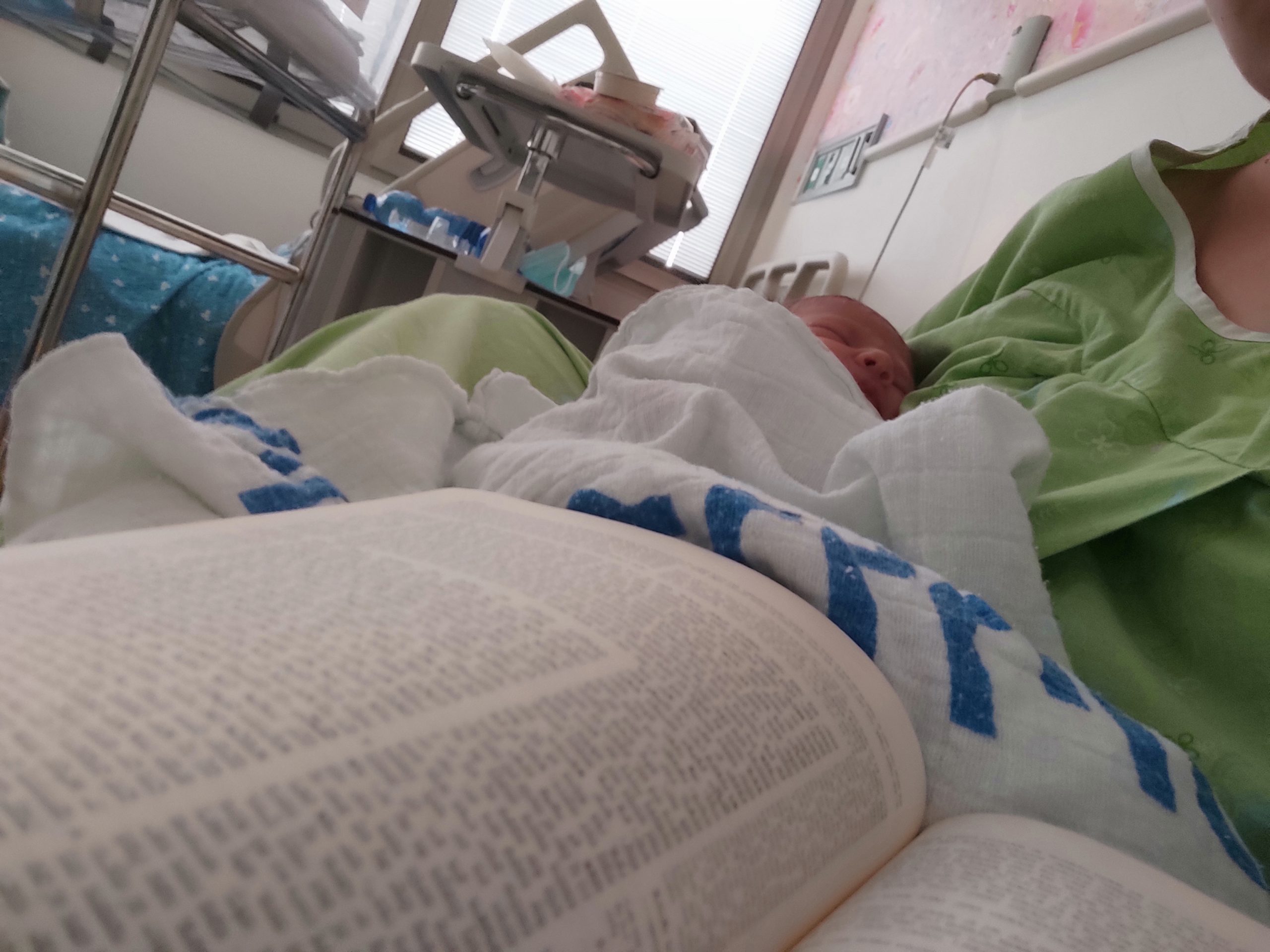
התחלתי בסיום הש”ס, יצאתי באורות. נשברתי פעמיים, ובשתיהם הרבנית מישל עודדה להמשיך איפה שכולם בסבב ולהשלים כשאוכל, וכך עשיתי וכיום השלמתי הכל. מדהים אותי שאני לומדת כל יום קצת, אפילו בחדר הלידה, בבידוד או בחו”ל. לאט לאט יותר נינוחה בסוגיות. לא כולם מבינים את הרצון, בפרט כפמניסטית. חשה סיפוק גדול להכיר את המושגים וצורת החשיבה. החלום זה להמשיך ולהתמיד ובמקביל ללמוד איך מהסוגיות נוצרה והתפתחה ההלכה.

Weingarten Sherrington Foundation
קרן וינגרטן שרינגטון

מודיעין, ישראל

התחלתי ללמוד דף יומי כאשר קיבלתי במייל ממכון שטיינזלץ את הדפים הראשונים של מסכת ברכות במייל. קודם לא ידעתי איך לקרוא אותם עד שנתתי להם להדריך אותי. הסביבה שלי לא מודעת לעניין כי אני לא מדברת על כך בפומבי. למדתי מהדפים דברים חדשים, כמו הקשר בין המבנה של בית המקדש והמשכן לגופו של האדם (יומא מה, ע”א) והקשר שלו למשפט מפורסם שמופיע בספר ההינדי "בהגוד-גיתא”. מתברר שזה רעיון כלל עולמי ולא רק יהודי

Elena Arenburg
אלנה ארנבורג

נשר, ישראל

בבא בתרא קמז

דּוֹמֶה שֶׁיֵּשׁ לִי בֵּן, עַכְשָׁיו שֶׁאֵין לִי בֵּן – נְכָסַי לִפְלוֹנִי; הָיָה חוֹלֶה וּמוּטָל בַּמִּטָּה, וְאָמְרוּ לוֹ: נְכָסָיו לְמִי? אָמַר לָהֶן: דּוֹמֶה שֶׁאִשְׁתִּי מְעוּבֶּרֶת, עַכְשָׁיו שֶׁאֵין אִשְׁתִּי מְעוּבֶּרֶת – נְכָסַי לִפְלוֹנִי; וְנוֹדַע שֶׁיֵּשׁ לוֹ בֵּן אוֹ שֶׁהָיְתָה אִשְׁתּוֹ מְעוּבֶּרֶת – אֵין מַתְּנָתוֹ מַתָּנָה.

Previously, I thought that I had a son. Now that I have been informed that I do not have a son, my property shall be given to so-and-so. Or if he was ill and bedridden, and those present said to him: To whom shall his property be given? And he said to them: Previously, I thought that my wife was pregnant. Now that I have been informed that my wife is not pregnant, my property shall be given to so-and-so. And if it then became known, in either of those cases, that he had a son or that his wife was pregnant, his gift is not a valid gift, since he clearly indicated that he bestowed the gift on that recipient only because he thought he had no heir.

לֵימָא רַבִּי שִׁמְעוֹן בֶּן מְנַסְיָא הִיא, וְלָא רַבָּנַן? אֲפִילּוּ תֵּימָא רַבָּנַן, ״דּוֹמֶה״ שָׁאנֵי.

The Gemara asks: Shall we say that this is the opinion of Rabbi Shimon ben Menasya and not the opinion of the Rabbis? The Gemara rejects this: You can even say that this is the opinion of the Rabbis, as the case where he said: I thought that I had a son, is different, since he stated the reason for his actions.

וּדְקָאָרֵי לַהּ – מַאי קָאָרֵי לַהּ? מַהוּ דְּתֵימָא: צַעְרֵיהּ הוּא דְּקָא מַדְכַּר, קָא מַשְׁמַע לַן.

Since the difference between the cases is obvious, the Gemara asks: He who asked it, why did he ask it? The Gemara replies: Lest you say that when the bedridden man mentioned that he does not have a son, he is mentioning it only as an expression of his sorrow, since the matter of the disposal of his estate brings it to mind, but he is not mentioning this as the reason for the gift, the baraita therefore teaches us that the reference to his son indicates that had he known that he had a son, he would not have given his property to others.

אָמַר רַבִּי זֵירָא אָמַר רַב: מִנַּיִן לְמַתְּנַת שְׁכִיב מְרַע שֶׁהִיא מִן הַתּוֹרָה? שֶׁנֶּאֱמַר: ״וְהַעֲבַרְתֶּם אֶת נַחֲלָתוֹ לְבִתּוֹ״ – יֵשׁ לְךָ הַעֲבָרָה אַחֶרֶת שֶׁהִיא כָּזוֹ. וְאֵי זוֹ? זוֹ מַתְּנַת שְׁכִיב מְרַע.

§ Unlike the gifts of a healthy person, the gifts of a person on his deathbed do not require a formal act of acquisition. Rabbi Zeira says that Rav says: From where is it derived that this halakha with regard to the gift of a person on his deathbed is by Torah law? As it is stated in the passage delineating the laws of inheritance: “If a man dies, and he does not have a son, then you shall cause his inheritance to pass to his daughter” (Numbers 27:8). The term “you shall cause…to pass” is superfluous, as the verse could have stated: His inheritance shall go to his daughter. One can therefore derive from this term that you have another case of causing property to pass to another, which is comparable to this case of inheritance, which does not require an act of acquisition. And what is this case? This is the case of the gift of a person on his deathbed.

רַב נַחְמָן אָמַר רַבָּה בַּר אֲבוּהּ, מֵהָכָא: ״וּנְתַתֶּם אֶת נַחֲלָתוֹ לְאֶחָיו״ – יֵשׁ לְךָ נְתִינָה אַחֶרֶת שֶׁהִיא כָּזוֹ. וְאֵי זוֹ? זוֹ מַתְּנַת שְׁכִיב מְרַע.

Rav Naḥman says that Rabba bar Avuh says: The halakha with regard to the gift of a person on his deathbed is derived from here: “And if he has no daughter, then you shall give his inheritance to his brothers” (Numbers 27:9). The verse could have stated: His inheritance shall go to his brothers, as inheritance is transferred by itself, without any intervention. One can therefore derive from the term “you shall give” that you have another case of giving that is comparable to this case. And what is this case? This is the case of the gift of a person on his deathbed.

וְרַב נַחְמָן – מַאי טַעְמָא לָא אָמַר מִ״וְהַעֲבַרְתֶּם״? הַהוּא מִיבְּעֵי לֵיהּ לְכִדְרַבִּי – דְּתַנְיָא, רַבִּי אוֹמֵר: בְּכוּלָּן נֶאֶמְרָה בָּהֶן ״נְתִינָה״, וְכָאן נֶאֶמְרָה ״הַעֲבָרָה״; אֵין לְךָ שֶׁמַּעֲבִיר נַחֲלָה מִשֵּׁבֶט לְשֵׁבֶט, אֶלָּא בַּת – הוֹאִיל וּבְנָהּ וּבַעְלָהּ יוֹרְשִׁין אוֹתָהּ.

The Gemara asks: And with regard to Rav Naḥman, what is the reason that he did not say that this halakha can be derived from the term “you shall cause…to pass”? The Gemara answers: He requires that verse for that which is taught by Rabbi Yehuda HaNasi, as it is taught in a baraita: Rabbi Yehuda HaNasi says: With regard to all of the heirs, the term giving was stated in the Torah, and here, with regard to the daughter, the term causing to pass was stated. One can derive from this that there is no heir who can cause one’s inheritance to pass from one tribe to another tribe except for the daughter, since her son and her husband inherit from her, and they may be of a different tribe.

וְרַבִּי זֵירָא – מַאי טַעְמָא לָא אָמַר מִ״וּנְתַתֶּם״? אוֹרְחֵיהּ דִּקְרָא הוּא.

The Gemara asks: And with regard to Rabbi Zeira, what is the reason that he did not say that this halakha can be derived from the term “Then you shall give”? The Gemara answers: Rabbi Zeira maintains that this usage is the usual manner of the verse, and one cannot derive anything from this term.

רַב מְנַשְּׁיָא בַּר יִרְמְיָה אָמַר, מֵהָכָא: ״בַּיָּמִים הָהֵם חָלָה חִזְקִיָּהוּ לָמוּת, וַיָּבֹא אֵלָיו יְשַׁעְיָהוּ בֶן אָמוֹץ הַנָּבִיא, וַיֹּאמֶר אֵלָיו: כֹּה אָמַר ה׳, צַו לְבֵיתֶךָ, כִּי מֵת אַתָּה וְלֹא תִחְיֶה״ – בְּצַוָּאָה בְּעָלְמָא.

Rav Menashya bar Yirmeya says: The halakha with regard to the gift of a person on his deathbed is derived from here: “In those days Hezekiah became deathly ill, and Isaiah ben Amoz the prophet came to him, and said to him: So says the Lord: Instruct your household, for you will die, and you will not live” (II Kings 20:1). This indicates that merely by issuing an instruction, a person on his deathbed can transfer ownership of his property.

רָמֵי בַּר יְחֶזְקֵאל אָמַר, מֵהָכָא: ״וַאֲחִיתוֹפֶל רָאָה כִּי לֹא נֶעֶשְׂתָה עֲצָתוֹ וַיַּחֲבֹשׁ אֶת הַחֲמוֹר וַיֵּלֶךְ אֶל בֵּיתוֹ אֶל עִירוֹ וַיְצַו אֶל בֵּיתוֹ וַיֵּחָנַק״, בְּצַוָּאָה בְּעָלְמָא.

Rami bar Yeḥezkel says: The halakha with regard to the gift of a person on his deathbed is derived from here: “And when Ahithophel saw that his counsel was not followed, he saddled his ass, and he arose, and went to his home, to his city; and he instructed his household, and strangled himself” (II Samuel 17:23). This indicates that merely by issuing an instruction, a person on his deathbed can transfer ownership of his property.

תָּנוּ רַבָּנַן: שְׁלֹשָׁה דְּבָרִים צִוָּה אֲחִיתוֹפֶל אֶת בָּנָיו – אַל תִּהְיוּ בְּמַחְלוֹקֶת, וְאַל תִּמְרְדוּ בְּמַלְכוּת בֵּית דָּוִד, וְיוֹם טוֹב שֶׁל עֲצֶרֶת בָּרוּר – זִרְעוּ חִטִּים. מָר זוּטְרָא אָמַר: ״בָּלוּל״ אִיתְּמַר. אָמְרִי נְהַרְדָּעֵי מִשְּׁמֵיהּ דְּרַבִּי יַעֲקֹב: לֹא ״בָּרוּר״ – בָּרוּר מַמָּשׁ, וְלֹא ״בָּלוּל״ – בָּלוּל מַמָּשׁ, אֶלָּא אֲפִילּוּ בָּלוּל וְרוּחַ צְפוֹנִית מְנַשַּׁבְתּוֹ – זֶה הוּא בָּרוּר.

The Sages taught: Before his death, when he saw that Absalom’s rebellion against King David had failed, Ahithophel instructed his sons with regard to three matters: Do not be participants in a dispute. And do not rebel against the kingship of the house of David. And if the festival of Shavuot is a clear day, sow wheat, as it is a sign that the wheat crop will thrive. Mar Zutra said: It was stated that the wheat crop will thrive if Shavuot is a cloudy day, not if it is a clear day. The Sages of Neharde’a say in the name of Rabbi Ya’akov: According to both opinions, a clear day does not literally mean a clear day, nor does a cloudy day literally mean a cloudy day. Rather, even if the day is cloudy but a north wind is blowing the clouds away, this is considered a clear day.

אֲמַר לֵיהּ רַבִּי אַבָּא לְרַב אָשֵׁי: אֲנַן – אַדְּרַב יִצְחָק בַּר אַבְדִּימִי מַתְנֵינַן לַהּ, דְּאָמַר רַב יִצְחָק בַּר אַבְדִּימִי: מוֹצָאֵי יוֹם טוֹב הָאַחֲרוֹן שֶׁל חַג, הַכֹּל צוֹפִין לַעֲשַׁן הַמַּעֲרָכָה; נָטָה כְּלַפֵּי צָפוֹן – עֲנִיִּים שְׂמֵחִים וּבַעְלֵי בָתִּים עֲצֵבִין, מִפְּנֵי שֶׁגִּשְׁמֵי שָׁנָה מְרוּבִּין, וּפֵירוֹת מַרְקִיבִין.

Rabbi Abba said to Rav Ashi: We teach this matter of signs concerning crops with regard to the statement of Rav Yitzḥak bar Avdimi, as Rav Yitzḥak bar Avdimi says: At the conclusion of the final day of the festival of Sukkot, everyone looked upon the smoke rising from the arrangement of wood on the altar. If the smoke inclined toward the north due to a south wind, the poor were glad and the homeowners were sad, because this was a sign that the year’s rainfall would be plentiful, and although the rain would produce an abundant crop, the produce would decay due to the humidity. The humidity would make it difficult to store the abundant harvest, forcing the homeowners to sell the produce quickly at a lower price.

נָטָה כְּלַפֵּי דָרוֹם – עֲנִיִּים עֲצֵבִים וּבַעְלֵי בָתִּים שְׂמֵחִין, מִפְּנֵי שֶׁגִּשְׁמֵי שָׁנָה מוּעָטִין, וּפֵירוֹת מִשְׁתַּמְּרִין. נָטָה כְּלַפֵּי מִזְרָח – הַכֹּל שְׂמֵחִין. כְּלַפֵּי מַעֲרָב – הַכֹּל עֲצֵבִין.

If the smoke inclined toward the south due to a north wind, the poor were sad and the homeowners were glad, because this indicated that the year’s rainfall would be sparse and the produce would be meager and would store well. If the smoke inclined toward the east due to a west wind, everyone was glad, because this indicated that there would be sufficient rainfall to ensure a substantial crop, and at the same time, the produce would store well. If the smoke inclined toward the west due to an east wind, everyone was sad, because the east wind does not bring rain, and this indicated that there would be a drought.

וּרְמִינְהִי: מִזְרָחִית – לְעוֹלָם יָפָה. מַעֲרָבִית – לְעוֹלָם קָשָׁה. רוּחַ צְפוֹנִית – יָפָה לְחִטִּים בְּשָׁעָה שֶׁהֵבִיאוּ שְׁלִישׁ, וְקָשָׁה לְזֵיתִים בְּשָׁעָה שֶׁיָּנֵיצוּ. וְרוּחַ דְּרוֹמִית – קָשָׁה לְחִטִּין בְּשָׁעָה שֶׁהֵבִיאוּ שְׁלִישׁ, וְיָפָה לְזֵיתִים בְּשָׁעָה שֶׁיָּנֵיצוּ.

The Gemara raises a contradiction from a baraita: An east wind is always beneficial, and a west wind is always harmful. A north wind is beneficial to the wheat when it has reached one-third of its growth and harmful to the olives when they are blossoming. And a south wind is harmful to the wheat when it has reached one-third of its growth and beneficial to the olives when they are blossoming.

וְאָמַר רַב יוֹסֵף, וְאִיתֵּימָא מָר זוּטְרָא, וְאִיתֵּימָא רַב נַחְמָן בַּר יִצְחָק: וְסִימָנָךְ – שֻׁלְחָן בַּצָּפוֹן, וּמְנוֹרָה בַּדָּרוֹם. הַאי מְרַבֵּי דִידֵיהּ וְהַאי מְרַבֵּי דִידֵיהּ!

And Rav Yosef says, and some say it is Mar Zutra who says this, and some say it is Rav Naḥman bar Yitzḥak who says this: The following is your mnemonic to remember which wind is beneficial to which crop: The Table is in the north of the Sanctuary, and the Candelabrum is in the south. This one increases its own, and that one increases its own, i.e., the Table, upon which the shewbread made from wheat is placed, is in the north, and the north wind is beneficial to the wheat. The Candelabrum, which is lit with olive oil, is in the south, and the south wind is beneficial to the olives. In any event, the baraita contradicts the statement of Rav Yitzḥak bar Avdimi with regard to the effect of the western and eastern winds.

לָא קַשְׁיָא; הָא לַן, וְהָא לְהוּ.

The Gemara answers: This is not difficult. This, the east wind, is for us, in Babylonia, and that, the west wind, is for them, in Eretz Yisrael. In Babylonia the east wind is beneficial, because water is plentiful there, and the dry east wind does not harm the crops. In Eretz Yisrael the east wind is harmful, because water is scarce, and the east wind ruins the crops, whereas the west wind brings the necessary rain.

תַּנְיָא, אַבָּא שָׁאוּל אוֹמֵר: יוֹם טוֹב שֶׁל עֲצֶרֶת בָּרוּר – סִימָן יָפֶה לְכׇל הַשָּׁנָה כּוּלָּהּ. אָמַר רַב זְבִיד: הַאי יוֹמָא קַמָּא דְּרֵישׁ שַׁתָּא, אִי חַמִּים – כּוּלַּהּ שַׁתָּא חַמִּימָא, אִי קָרִיר – כּוּלַּהּ שַׁתָּא קָרִירָא. לְמַאי נָפְקָא מִינַּהּ?

It is taught in a baraita: Abba Shaul says: If the festival of Shavuot is a clear day, this is a good sign for the entire year. Rav Zevid said: With regard to this first day of Rosh HaShana, if it is warm, the entire year will be warm, but if it is cold, the entire year will be cold. The Gemara asks: What difference is there whether one knows this or not?

לִתְפִלָּתוֹ שֶׁל כֹּהֵן גָּדוֹל.

The Gemara answers: The difference is with regard to the prayer of the High Priest, who would pray on Yom Kippur for beneficial weather, and this knowledge enabled him to formulate his prayers accordingly.

וְרָבָא אָמַר רַב נַחְמָן: מַתְּנַת שְׁכִיב מְרַע מִדְּרַבָּנַן בְּעָלְמָא הִיא, שֶׁמָּא תִּטָּרֵף דַּעְתּוֹ עָלָיו.

The Gemara resumes the discussion with regard to the gifts of a person on his deathbed: And Rava says that Rav Naḥman says: The halakha that the gift of a person on his deathbed does not require an act of acquisition is merely by rabbinic law, and it is instituted lest he see that his will is not being carried out and he lose control of his mind due to his grief, exacerbating his physical state.

וּמִי אָמַר רַב נַחְמָן הָכִי?! וְהָא אָמַר רַב נַחְמָן, אַף עַל גַּב דְּאָמַר שְׁמוּאֵל: הַמּוֹכֵר שְׁטַר חוֹב לַחֲבֵירוֹ, וְחָזַר וּמְחָלוֹ – מָחוּל; וַאֲפִילּוּ יוֹרֵשׁ מוֹחֵל; מוֹדֶה שְׁמוּאֵל שֶׁאִם נְתָנוֹ בְּמַתְּנַת שְׁכִיב מְרַע, דְּאֵינוֹ יָכוֹל לְמוֹחְלוֹ.

The Gemara asks: And did Rav Naḥman actually say this? But doesn’t Rav Naḥman say: Even though Shmuel says that with regard to one who sells a promissory note to another and then forgives the debt, the debt is forgiven and the note is nullified, and even the heir of the creditor can forgive the debt, Shmuel concedes that if the creditor gave the promissory note as the gift of a person on his deathbed, his heir cannot forgive the debt?

אִי אָמְרַתְּ בִּשְׁלָמָא דְּאוֹרָיְיתָא, מִשּׁוּם הָכִי אֵינוֹ יָכוֹל לִמְחוֹל. אֶלָּא אִי אָמְרַתְּ דְּרַבָּנַן הִיא, אַמַּאי אֵינוֹ יָכוֹל לִמְחוֹל? אֵינָהּ שֶׁל תּוֹרָה, וַעֲשָׂאוּהָ כְּשֶׁל תּוֹרָה.

Granted, if you say that the gift of a person on his deathbed is valid by Torah law without an act of acquisition, due to that reason the heir cannot forgive the debt, as the debt was acquired by another. But if you say that it is valid by rabbinic law, why is the heir unable to forgive the debt? The Gemara replies: Rav Naḥman maintains that although this gift is not effective by Torah law, nevertheless, the Sages made it a halakha with the force of Torah law.

אָמַר רָבָא אָמַר רַב נַחְמָן: שְׁכִיב מְרַע שֶׁאָמַר ״יָדוּר פְּלוֹנִי בְּבַיִת זֶה״; ״יֹאכַל פְּלוֹנִי פֵּירוֹת דֶּקֶל זֶה״ – לֹא אָמַר כְּלוּם, עַד שֶׁיֹּאמַר: ״תְּנוּ בַּיִת זֶה לִפְלוֹנִי וְיָדוּר בּוֹ״; ״תְּנוּ דֶּקֶל זֶה לִפְלוֹנִי וְיֹאכַל פֵּירוֹתָיו״.

Rava says that Rav Naḥman says: With regard to a person on his deathbed who says: So-and-so shall reside in this house, or who says: So-and-so shall eat the fruit of this palm tree, he has not said anything, as one cannot give that which is not tangible, such as the right to use property, or the right to consume fruit that has not yet grown. His statement is ineffective until he says: Give this house to so-and-so and he shall reside there, or: Give this palm tree to so-and-so and he shall eat its fruit.

לְמֵימְרָא דְּסָבַר רַב נַחְמָן מִילְּתָא דְּאִיתָא בְּבָרִיא – אִיתָא בִּשְׁכִיב מְרַע, דְלֵיתָא בְּבָרִיא – לֵיתָא בִּשְׁכִיב מְרַע? וְהָא אָמַר רָבָא אָמַר רַב נַחְמָן:

The Gemara asks: Is this to say that Rav Naḥman maintains that only a matter that can be conferred as a gift by a healthy person with an act of acquisition can be conferred as a gift by a person on his deathbed by means of verbal instruction, but a matter that cannot be conferred as a gift by a healthy person cannot be conferred as a gift by a person on his deathbed? Consequently, a person on his deathbed cannot transfer ownership of an intangible right, just as a healthy person cannot do so. But doesn’t Rava say that Rav Naḥman says:

רוצה לעקוב אחרי התכנים ולהמשיך ללמוד?

ביצירת חשבון עוד היום ניתן לעקוב אחרי ההתקדמות שלך, לסמן מה למדת, ולעקוב אחרי השיעורים שמעניינים אותך.

לנקות את כל הפריטים מהרשימה?

פעולה זו תסיר את כל הפריטים בחלק זה כולל ההתקדמות וההיסטוריה. שימי לב: לא ניתן לשחזר פעולה זו.

ביטול
מחיקה

האם את/ה בטוח/ה שברצונך למחוק פריט זה?

תאבד/י את כל ההתקדמות או ההיסטוריה הקשורות לפריט זה.

ביטול
מחיקה