חיפוש

בבא בתרא קמט

רוצה להקדיש לימוד?

podcast placeholder

0:00
0:00


תקציר

איזו לשונות מועילות במתנת שכיב מרע?

אם אדם מוכר את כל רכושו כשהוא שכיב מרע, האם המכירה תקפה אם הוא מחלים ממחלתו?

אם אדם מודה בשעת מיתתו שהוא חייב כסף, האם מאמינים להודאתו או שאפשר שהוא משקר ורוצה להראות שאין לו הרבה כסף? מסופר סיפור על איסור הגר וכיצד הוא הצליח להשתמש בהודאה כפתרון להעביר את כספו שהיה בידי רבא (שהחזיק אותו עבורו) לבנו.

המשנה אומרת שאם אדם חילק את רכושובשעת מיתתו אך השאיר קרקע בכל שיעור, ואז החלים, המתנה תקפה. רב יהודה אומר בשם רב ש”כל שהוא” למעשה פירושו שיעור הראוי לפרנסתו. רב ירמיה בר אבא אומר שאפילו אם השאיר מיטלטלים הראויים לפרנסתו. רב זירא תומך בדעותיהם, ורב יוסף מטיל ספק בהם על סמך הנוסח במשנה (של "קרקע” ו”כל שהוא”). אביי תומך ברבי זירא ממשנה בפאה שם קרקע למעשה כוללת גם מיטלטלים.

בבא בתרא קמט

״יֵהָנֶה בָּהֶן״, מַהִי? דְּנֶיהְוֵי כּוּלְּהוּ מַתָּנָה קָאָמַר, אוֹ דִלְמָא לִיתְהֲנֵי מִינַּיְיהוּ מִידֵּי קָאָמַר? ״יֵרָאֶה בָּהֶן״, מַהוּ? ״יַעֲמוֹד בָּהֶן״, מַהוּ? ״יִשָּׁעֵן בָּהֶן״, מַהוּ? תֵּיקוּ.

If a person on his deathbed says: So-and-so shall benefit from my property, what is the halakha? Is he saying that all of the property shall be a gift? Or perhaps he is saying that the recipient shall derive some benefit from the property. If he says: So-and-so shall be seen in my property, what is the halakha? If he says: So-and-so shall stand in my property, what is the halakha? If he says: So-and-so shall rely on my property, what is the halakha? The Gemara concludes: All these dilemmas shall stand unresolved.

אִיבַּעְיָא לְהוּ: מָכַר כׇּל נְכָסָיו, מַהוּ? אָמַר רַב יְהוּדָה אָמַר רַב: אִם עָמַד אֵינוֹ חוֹזֵר. וְזִימְנִין אָמַר רַב יְהוּדָה אָמַר רַב: אִם עָמַד חוֹזֵר. וְלָא פְּלִיגִי: הָא דְּאִיתַנְהוּ לְזוּזִי בְּעֵינַיְיהוּ, הָא דְּפַרְעִינְהוּ בְּחוֹבוֹ.

A dilemma was raised before the Sages: If a person on his deathbed sold all of his property, what is the halakha? Rav Yehuda says that Rav says: If he recovers, he cannot retract the sale. And at times, Rav Yehuda said that Rav said: If he recovers, he can retract the sale. And these statements do not disagree. This statement, that he can retract the sale, applies in a case where the dinars he received as payment are still extant, i.e., in his possession. That statement, that he cannot retract the sale, applies in a case where he paid his debt with those dinars.

אִיבַּעְיָא לְהוּ: שְׁכִיב מְרַע שֶׁהוֹדָה, מַהוּ? תָּא שְׁמַע, דְּאִיסּוּר גִּיּוֹרָא הֲוָה לֵיהּ תְּרֵיסַר אַלְפֵי זוּזֵי בֵּי רָבָא. רַב מָרִי בְּרֵיהּ – הוֹרָתוֹ שֶׁלֹּא בִּקְדוּשָּׁה, וְלֵידָתוֹ בִּקְדוּשָּׁה הֲוַאי; וּבֵי רַב הֲוָה.

§ A dilemma was raised before the Sages: In the case of a person on his deathbed who admitted that he owed money to a certain person, where it was possible that he did not actually owe him money, what is the halakha? Does his admission qualify as the gift of a person on his deathbed? The Gemara answers: Come and hear a proof, as Issur the convert had twelve thousand dinars deposited in the house of Rava. Rav Mari, Issur’s son, whose conception was not in the sanctity of the Jewish people, i.e., he was conceived before his father converted, but his birth was in the sanctity of the Jewish people, i.e., he was born after his father converted, was in a study hall elsewhere when his father was on his deathbed.

אָמַר רָבָא: הֵיכִי נִיקְנִינְהוּ רַב מָרִי לְהָנֵי זוּזֵי? אִי בִּירוּשָׁה – לָאו בַּר יְרוּשָּׁה הוּא. אִי בְּמַתָּנָה – מַתְּנַת שְׁכִיב מְרַע כִּירוּשָּׁה שַׁוְּיוּהָ רַבָּנַן; כׇּל הֵיכָא דְּאִיתֵיהּ בִּירוּשָׁה – אִיתֵיהּ בְּמַתָּנָה, כֹּל הֵיכָא דְּלֵיתֵיהּ בִּירוּשָׁה – לֵיתֵיהּ בְּמַתָּנָה.

Rava reasoned that he would acquire possession of the deposit for himself, as he said: How can Rav Mari acquire these dinars? If he attempts to acquire the money as inheritance, he is not fit to inherit from Issur. Since he was conceived before his father converted, he is therefore not halakhically considered his son. If he attempts to acquire it as a gift, the Sages equated the halakhic status of the gift of a person on his deathbed with that of inheritance. Therefore, anywhere that the property can be acquired as inheritance, it can also be acquired as a gift, and anywhere that the property cannot be acquired as inheritance, it cannot be acquired as a gift.

אִי בִּמְשִׁיכָה – לֵיתַנְהוּ גַּבֵּיהּ. אִי בַּחֲלִיפִין – אֵין מַטְבֵּעַ נִקְנֶה בַּחֲלִיפִין. אִי אַגַּב קַרְקַע – לֵית לֵיהּ אַרְעָא. אִי בְּמַעֲמַד שְׁלָשְׁתָּן – אִי שָׁלַח לִי לָא אָזֵילְנָא.

If he attempts to acquire the dinars by pulling them, which is a formal act of acquisition, he will not be able to do this, as the dinars are not with him. If he attempts to acquire them by means of symbolic exchange, a pro forma act of acquisition effecting the transfer of ownership of an article, money cannot be acquired by means of symbolic exchange. If he attempts to acquire them by means of the acquisition of land, Issur does not have any land. If he attempts to acquire them by means of verbal instruction made by his father in the presence of all three parties, i.e., the giver, the recipient, and the bailee, if he sends for me, the bailee, I shall not go, as without the presence of the bailee he cannot transfer ownership of the money.

מַתְקֵיף לַהּ רַב אִיקָא בְּרֵיהּ דְּרַב אַמֵּי: אַמַּאי? וְלוֹדֵי אִיסּוּר דְּהָלֵין זוּזֵי דְּרַב מָרִי נִינְהוּ, וְלִיקְנִינְהוּ בְּאוֹדִיתָא! אַדְּהָכִי, נְפַק אוֹדִיתָא מִבֵּי אִיסּוּר. אִיקְּפַד רָבָא, אָמַר: קָא מַגְמְרִי טַעֲנָתָא לְאִינָשֵׁי, וּמַפְסְדִי לִי.

Rav Ika, son of Rav Ami, objected to this: Why is Rav Mari unable to acquire the money? But why not let Issur admit that these dinars are owned by Rav Mari, and he shall transfer ownership of them to Rav Mari by means of a document of admission? In the meantime, a document of admission stating that the dinars belonged to Rav Mari emerged from Issur’s house. Rava became angry, and said: They are teaching people legal claims and causing me loss. In any event, this incident proves that the admission of a person on his deathbed is a valid means of transferring ownership.

שִׁיֵּיר קַרְקַע כׇּל שֶׁהוּא – מַתְּנָתוֹ קַיֶּימֶת. וְכַמָּה ״כׇּל שֶׁהוּא״? אָמַר רַב יְהוּדָה אָמַר רַב: קַרְקַע כְּדֵי פַרְנָסָתוֹ. וְרַב יִרְמְיָה בַּר אַבָּא אָמַר: מְטַלְטְלִין כְּדֵי פַרְנָסָתוֹ.

§ The mishna teaches (146b): If a person on his deathbed reserved for himself any amount of land, his gift stands even if he subsequently recovers. The Gemara asks: And how much is meant by the term: Any amount? Rav Yehuda says that Rav says: This means land that is sufficient to provide for his livelihood. Since he reserved this land for himself, one can assume that he wished to transfer the rest of his property in any event. And Rav Yirmeya bar Abba says: Even if he reserved for himself movable property that is sufficient to provide for his livelihood, his gift is valid.

אָמַר רַבִּי זֵירָא: כַּמָּה מְכַוְּונָן שְׁמַעְתָּתָא דְסָבֵי; קַרְקַע טַעְמָא מַאי – דְּאִי קָאֵי סָמֵיךְ עֲלֵיהּ; מִטַּלְטְלִי נָמֵי – אִי קָאֵי סָמֵיךְ עִילָּוַיְהוּ.

Rabbi Zeira said: How meticulous are the halakhic statements of the elders Rav Yehuda and Rav Yirmeya. With regard to land, what is the reason that he must have reserved enough for his livelihood? The reason is that if he recovers he will rely on that land for his livelihood. With regard to movable property as well, if he recovers he will rely on it for his livelihood.

מַתְקֵיף לַהּ רַב יוֹסֵף: וּמַאי כַּוּוֹנְתָּא? מַאן דְּאָמַר מְטַלְטְלִין – ״קַרְקַע״ תְּנַן! מַאן דְּאָמַר: כְּדֵי פַרְנָסָתוֹ – ״כׇּל שֶׁהוּא״ תְּנַן!

Rav Yosef objects to Rabbi Zeira’s statement: What is meticulous about these statements? The statement of the one who says the gift is valid even if he reserved for himself movable property is difficult, as we learn in the mishna that he must leave himself land. The statement of the one who says that he must leave himself an amount sufficient to provide for his livelihood is difficult, as we learn in the mishna that his gift is valid if he reserved for himself any amount.

אֲמַר לֵיהּ אַבָּיֵי: וְכׇל הֵיכָא דְּתָנֵי ״קַרְקַע״ – קַרְקַע דַּוְקָא? וְהָא תְּנַן: הַכּוֹתֵב כׇּל נְכָסָיו לְעַבְדּוֹ – יָצָא בֶּן חוֹרִין. שִׁיֵּיר קַרְקַע כָּל שֶׁהוּא, לֹא יָצָא בֶּן חוֹרִין. רַבִּי שִׁמְעוֹן אוֹמֵר: לְעוֹלָם הוּא בֶּן חוֹרִין, עַד שֶׁיֹּאמַר: ״כׇּל נְכָסַי נְתוּנִין לִפְלוֹנִי עַבְדִּי, חוּץ מֵאֶחָד מֵרִבּוֹא שֶׁבָּהֶן״.

Abaye said to Rav Yosef: And anywhere that the term land is taught, does it mean specifically land? But didn’t we learn in a mishna (Pe’a 3:8): With regard to one who writes, i.e., gives via a document, all of his property to his Canaanite slave, the slave has been emancipated, but if he reserved for himself any amount of land, then he has not been emancipated, as perhaps he reserved the slave for himself as well. Rabbi Shimon says: He always becomes a freeman regardless of the wording of the document, even if the owner reserved land for himself, unless it says in the document: All of my property is given to so-and-so my slave, except for one ten-thousandth of it, as in that case it is possible that the master meant to include the slave in the portion that he is not giving away. Consequently, the slave is not emancipated.

חדשה בלימוד הגמרא?

זה הדף הראשון שלך? איזו התרגשות עצומה! יש לנו בדיוק את התכנים והכלים שיעזרו לך לעשות את הצעדים הראשונים ללמידה בקצב וברמה שלך, כך תוכלי להרגיש בנוח גם בתוך הסוגיות המורכבות ומאתגרות.

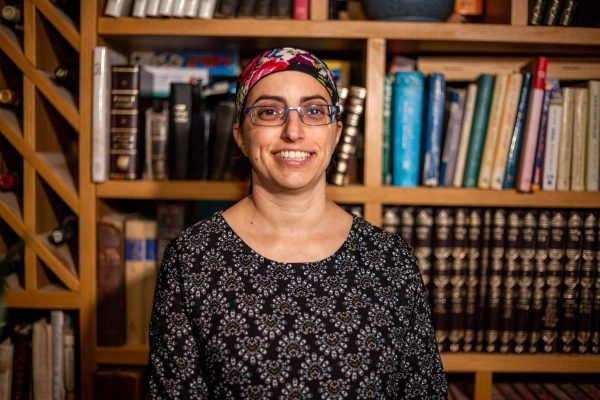
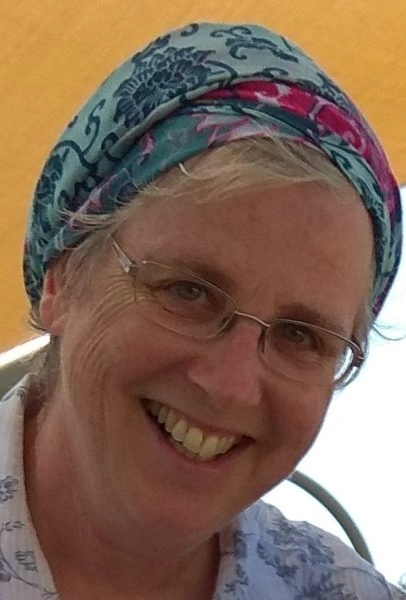
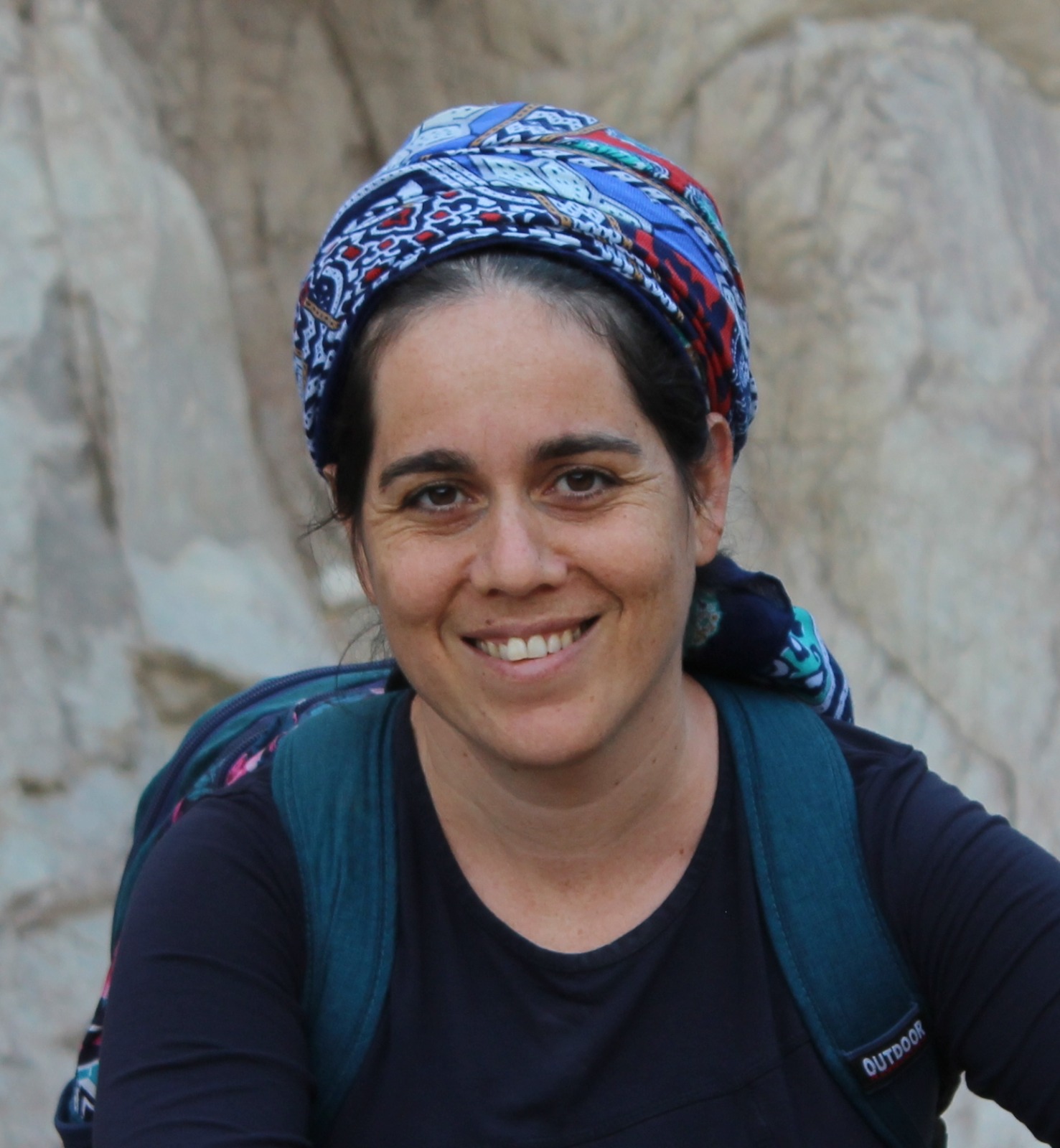
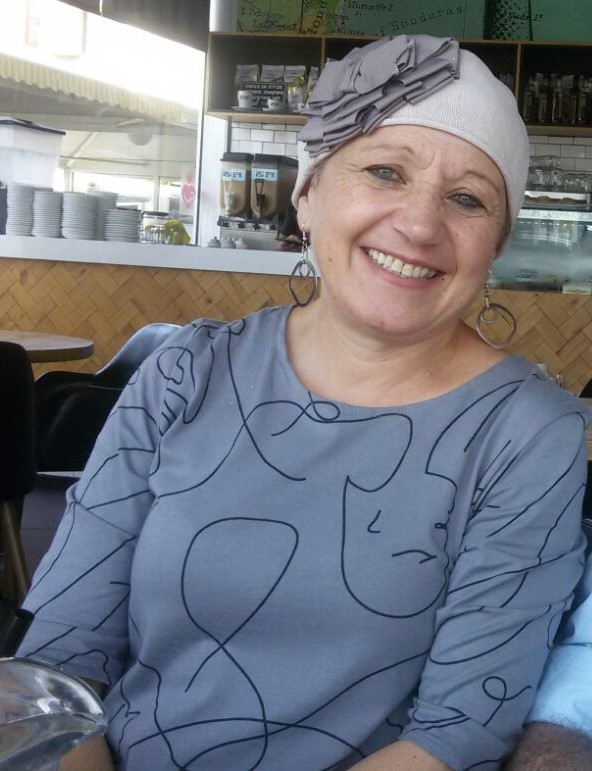
פסיפס הלומדות שלנו

גלי את קהילת הלומדות שלנו, מגוון נשים, רקעים וסיפורים. כולן חלק מתנועה ומסע מרגש ועוצמתי.

ראיתי את הסיום הגדול בבנייני האומה וכל כך התרשמתי ורציתי לקחת חלק.. אבל לקח לי עוד כשנה וחצי )באמצע מסיכת שבת להצטרף..
הלימוד חשוב לי מאוד.. אני תמיד במרדף אחרי הדף וגונבת כל פעם חצי דף כשהילדים עסוקים ומשלימה אח”כ אחרי שכולם הלכו לישון..

Olga Mizrahi
אולגה מזרחי

ירושלים, ישראל

התחלתי להשתתף בשיעור נשים פעם בשבוע, תכננתי ללמוד רק דפים בודדים, לא האמנתי שאצליח יותר מכך.
לאט לאט נשאבתי פנימה לעולם הלימוד .משתדלת ללמוד כל בוקר ומתחילה את היום בתחושה של מלאות ומתוך התכווננות נכונה יותר.
הלימוד של הדף היומי ממלא אותי בתחושה של חיבור עמוק לעם היהודי ולכל הלומדים בעבר ובהווה.

Neely Hayon
נילי חיון

אפרת, ישראל

רבנית מישל הציתה אש התלמוד בלבבות בביניני האומה ואני נדלקתי. היא פתחה פתח ותמכה במתחילות כמוני ואפשרה לנו להתקדם בצעדים נכונים וטובים. הקימה מערך שלם שמסובב את הלומדות בסביבה תומכת וכך נכנסתי למסלול לימוד מעשיר שאין כמוה. הדרן יצר קהילה גדולה וחזקה שמאפשרת התקדמות מכל נקודת מוצא. יש דיבוק לומדות שמחזק את ההתמדה של כולנו. כל פניה ושאלה נענית בזריזות ויסודיות. תודה גם למגי על כל העזרה.

Sarah Aber
שרה אבר

נתניה, ישראל

הצטרפתי ללומדות בתחילת מסכת תענית. ההתרגשות שלי ושל המשפחה היתה גדולה מאוד, והיא הולכת וגוברת עם כל סיום שאני זוכה לו. במשך שנים רבות רציתי להצטרף ומשום מה זה לא קרה… ב”ה מצאתי לפני מספר חודשים פרסום של הדרן, ומיד הצטרפתי והתאהבתי. הדף היומי שינה את חיי ממש והפך כל יום- ליום של תורה. מודה לכן מקרב ליבי ומאחלת לכולנו לימוד פורה מתוך אהבת התורה ולומדיה.

Noa Rosen
נעה רוזן

חיספין רמת הגולן, ישראל

התחלתי ללמוד את הדף היומי מעט אחרי שבני הקטן נולד. בהתחלה בשמיעה ולימוד באמצעות השיעור של הרבנית שפרבר. ובהמשך העזתי וקניתי לעצמי גמרא. מאז ממשיכה יום יום ללמוד עצמאית, ולפעמים בעזרת השיעור של הרבנית, כל יום. כל סיום של מסכת מביא לאושר גדול וסיפוק. הילדים בבית נהיו חלק מהלימוד, אני משתפת בסוגיות מעניינות ונהנית לשמוע את דעתם.

Eliraz Blau
אלירז בלאו

מעלה מכמש, ישראל

התחלתי ללמוד דף יומי כאשר קיבלתי במייל ממכון שטיינזלץ את הדפים הראשונים של מסכת ברכות במייל. קודם לא ידעתי איך לקרוא אותם עד שנתתי להם להדריך אותי. הסביבה שלי לא מודעת לעניין כי אני לא מדברת על כך בפומבי. למדתי מהדפים דברים חדשים, כמו הקשר בין המבנה של בית המקדש והמשכן לגופו של האדם (יומא מה, ע”א) והקשר שלו למשפט מפורסם שמופיע בספר ההינדי "בהגוד-גיתא”. מתברר שזה רעיון כלל עולמי ולא רק יהודי

Elena Arenburg
אלנה ארנבורג

נשר, ישראל

התחלתי בסיום הש”ס, יצאתי באורות. נשברתי פעמיים, ובשתיהם הרבנית מישל עודדה להמשיך איפה שכולם בסבב ולהשלים כשאוכל, וכך עשיתי וכיום השלמתי הכל. מדהים אותי שאני לומדת כל יום קצת, אפילו בחדר הלידה, בבידוד או בחו”ל. לאט לאט יותר נינוחה בסוגיות. לא כולם מבינים את הרצון, בפרט כפמניסטית. חשה סיפוק גדול להכיר את המושגים וצורת החשיבה. החלום זה להמשיך ולהתמיד ובמקביל ללמוד איך מהסוגיות נוצרה והתפתחה ההלכה.

Weingarten Sherrington Foundation
קרן וינגרטן שרינגטון

מודיעין, ישראל

התחלתי בתחילת הסבב, והתמכרתי. זה נותן משמעות נוספת ליומיום ומאוד מחזק לתת לזה מקום בתוך כל שגרת הבית-עבודה השוטפת.

Reut Abrahami
רעות אברהמי

בית שמש, ישראל

התחלתי ללמוד לפני כשנתיים בשאיפה לסיים לראשונה מסכת אחת במהלך חופשת הלידה.
אחרי מסכת אחת כבר היה קשה להפסיק…

Noa Gallant
נעה גלנט

ירוחם, ישראל

לצערי גדלתי בדור שבו לימוד גמרא לנשים לא היה דבר שבשגרה ושנים שאני חולמת להשלים את הפער הזה.. עד שלפני מספר שבועות, כמעט במקרה, נתקלתי במודעת פרסומת הקוראת להצטרף ללימוד מסכת תענית. כשקראתי את המודעה הרגשתי שהיא כאילו נכתבה עבורי – "תמיד חלמת ללמוד גמרא ולא ידעת איך להתחיל”, "בואי להתנסות במסכת קצרה וקלה” (רק היה חסר שהמודעה תיפתח במילים "מיכי שלום”..). קפצתי למים ו- ב”ה אני בדרך להגשמת החלום:)

Micah Kadosh
מיכי קדוש

מורשת, ישראל

"
גם אני התחלתי בסבב הנוכחי וב””ה הצלחתי לסיים את רוב המסכתות . בזכות הרבנית מישל משתדלת לפתוח את היום בשיעור הזום בשעה 6:20 .הלימוד הפך להיות חלק משמעותי בחיי ויש ימים בהם אני מצליחה לחזור על הדף עם מלמדים נוספים ששיעוריהם נמצאים במרשתת. שמחה להיות חלק מקהילת לומדות ברחבי העולם. ובמיוחד לשמש דוגמה לנכדותיי שאי””ה יגדלו לדור שלימוד תורה לנשים יהיה משהו שבשגרה. "

Ronit Shavit
רונית שביט

נתניה, ישראל

באירוע של הדרן בנייני האומה. בהשראתה של אמי שלי שסיימה את הש”ס בסבב הקודם ובעידוד מאיר , אישי, וילדיי וחברותיי ללימוד במכון למנהיגות הלכתית של רשת אור תורה סטון ומורתיי הרבנית ענת נובוסלסקי והרבנית דבורה עברון, ראש המכון למנהיגות הלכתית.
הלימוד מעשיר את יומי, מחזיר אותי גם למסכתות שכבר סיימתי וידוע שאינו דומה מי ששונה פרקו מאה לשונה פרקו מאה ואחת במיוחד מרתקים אותי החיבורים בין המסכתות

Roit Kalech
רוית קלך

מודיעין, ישראל

התחלתי ללמוד דף יומי אחרי שחזרתי בתשובה ולמדתי במדרשה במגדל עוז. הלימוד טוב ומספק חומר למחשבה על נושאים הלכתיים ”קטנים” ועד לערכים גדולים ביהדות. חשוב לי להכיר את הגמרא לעומק. והצעד הקטן היום הוא ללמוד אותה בבקיאות, בעזרת השם, ומי יודע אולי גם אגיע לעיון בנושאים מעניינים. נושאים בגמרא מתחברים לחגים, לתפילה, ליחסים שבין אדם לחברו ולמקום ולשאר הדברים שמלווים באורח חיים דתי 🙂

Gaia Divo
גאיה דיבו

מצפה יריחו, ישראל

בתחילת הסבב הנוכחי הצטברו אצלי תחושות שאני לא מבינה מספיק מהי ההלכה אותה אני מקיימת בכל יום. כמו כן, כאמא לבנות רציתי לתת להן מודל נשי של לימוד תורה
שתי הסיבות האלו הובילו אותי להתחיל ללמוד. נתקלתי בתגובות מפרגנות וסקרניות איך אישה לומדת גמרא..
כמו שרואים בתמונה אני ממשיכה ללמוד גם היום ואפילו במחלקת יולדות אחרי לידת ביתי השלישית.

Noa Shiloh
נועה שילה

רבבה, ישראל

"התחלתי ללמוד דף יומי במחזור הזה, בח’ בטבת תש””ף. לקחתי על עצמי את הלימוד כדי ליצור תחום של התמדה יומיומית בחיים, והצטרפתי לקבוצת הלומדים בבית הכנסת בכפר אדומים. המשפחה והסביבה מתפעלים ותומכים.
בלימוד שלי אני מתפעלת בעיקר מכך שכדי ללמוד גמרא יש לדעת ולהכיר את כל הגמרא. זו מעין צבת בצבת עשויה שהיא עצומה בהיקפה.”

Sarah Fox
שרה פוּקס

כפר אדומים, ישראל

התחלתי ללמוד דף יומי ממסכת נידה כי זה היה חומר הלימוד שלי אז. לאחר הסיום הגדול בבנייני האומה החלטתי להמשיך. וב”ה מאז עם הפסקות קטנות של קורונה ולידה אני משתדלת להמשיך ולהיות חלק.

זה משפיע מאוד על היום יום שלי ועל אף שאני עסוקה בלימודי הלכה ותורה כל יום, זאת המסגרת הקבועה והמחייבת ביותר שיש לי.

Moriah Taesan Michaeli
מוריה תעסן מיכאלי

גבעת הראל, ישראל

למדתי גמרא מכיתה ז- ט ב Maimonides School ואחרי העליה שלי בגיל 14 לימוד הגמרא, שלא היה כל כך מקובל בימים אלה, היה די ספוראדי. אחרי "ההתגלות” בבנייני האומה התחלתי ללמוד בעיקר בדרך הביתה למדתי מפוקקטסים שונים. לאט לאט ראיתי שאני תמיד חוזרת לרבנית מישל פרבר. באיזה שהוא שלב התחלתי ללמוד בזום בשעה 7:10 .
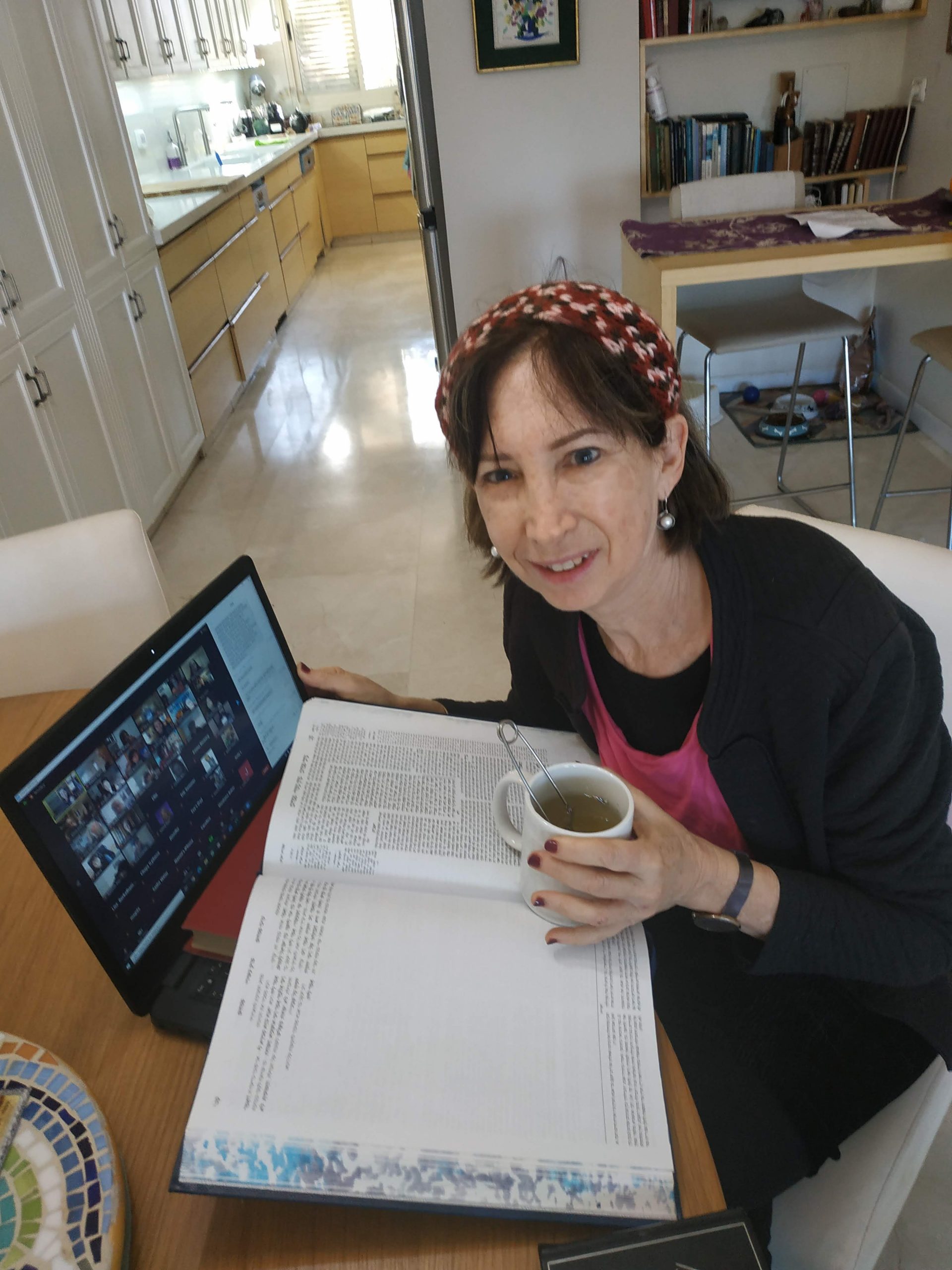
היום "אין מצב” שאני אתחיל את היום שלי ללא לימוד עם הרבנית מישל עם כוס הקפה שלי!!

selfie-scaled
דבי גביר

חשמונאים, ישראל

כבר סיפרתי בסיום של מועד קטן.
הלימוד מאוד משפיעה על היום שלי כי אני לומדת עם רבנית מישל על הבוקר בזום. זה נותן טון לכל היום – בסיס למחשבות שלי .זה זכות גדול להתחיל את היום בלימוד ובתפילה. תודה רבה !

שרה-ברלוביץ
שרה ברלוביץ

ירושלים, ישראל

התחלתי לפני 8 שנים במדרשה. לאחרונה סיימתי מסכת תענית בלמידה עצמית ועכשיו לקראת סיום מסכת מגילה.

Daniela Baruchim
דניאלה ברוכים

רעננה, ישראל

התחלתי מעט לפני תחילת הסבב הנוכחי. אני נהנית מהאתגר של להמשיך להתמיד, מרגעים של "אהה, מפה זה הגיע!” ומהאתגר האינטלקטואלי

Eilat-Chen and Deller
אילת-חן ודלר

לוד, ישראל

בבא בתרא קמט

״יֵהָנֶה בָּהֶן״, מַהִי? דְּנֶיהְוֵי כּוּלְּהוּ מַתָּנָה קָאָמַר, אוֹ דִלְמָא לִיתְהֲנֵי מִינַּיְיהוּ מִידֵּי קָאָמַר? ״יֵרָאֶה בָּהֶן״, מַהוּ? ״יַעֲמוֹד בָּהֶן״, מַהוּ? ״יִשָּׁעֵן בָּהֶן״, מַהוּ? תֵּיקוּ.

If a person on his deathbed says: So-and-so shall benefit from my property, what is the halakha? Is he saying that all of the property shall be a gift? Or perhaps he is saying that the recipient shall derive some benefit from the property. If he says: So-and-so shall be seen in my property, what is the halakha? If he says: So-and-so shall stand in my property, what is the halakha? If he says: So-and-so shall rely on my property, what is the halakha? The Gemara concludes: All these dilemmas shall stand unresolved.

אִיבַּעְיָא לְהוּ: מָכַר כׇּל נְכָסָיו, מַהוּ? אָמַר רַב יְהוּדָה אָמַר רַב: אִם עָמַד אֵינוֹ חוֹזֵר. וְזִימְנִין אָמַר רַב יְהוּדָה אָמַר רַב: אִם עָמַד חוֹזֵר. וְלָא פְּלִיגִי: הָא דְּאִיתַנְהוּ לְזוּזִי בְּעֵינַיְיהוּ, הָא דְּפַרְעִינְהוּ בְּחוֹבוֹ.

A dilemma was raised before the Sages: If a person on his deathbed sold all of his property, what is the halakha? Rav Yehuda says that Rav says: If he recovers, he cannot retract the sale. And at times, Rav Yehuda said that Rav said: If he recovers, he can retract the sale. And these statements do not disagree. This statement, that he can retract the sale, applies in a case where the dinars he received as payment are still extant, i.e., in his possession. That statement, that he cannot retract the sale, applies in a case where he paid his debt with those dinars.

אִיבַּעְיָא לְהוּ: שְׁכִיב מְרַע שֶׁהוֹדָה, מַהוּ? תָּא שְׁמַע, דְּאִיסּוּר גִּיּוֹרָא הֲוָה לֵיהּ תְּרֵיסַר אַלְפֵי זוּזֵי בֵּי רָבָא. רַב מָרִי בְּרֵיהּ – הוֹרָתוֹ שֶׁלֹּא בִּקְדוּשָּׁה, וְלֵידָתוֹ בִּקְדוּשָּׁה הֲוַאי; וּבֵי רַב הֲוָה.

§ A dilemma was raised before the Sages: In the case of a person on his deathbed who admitted that he owed money to a certain person, where it was possible that he did not actually owe him money, what is the halakha? Does his admission qualify as the gift of a person on his deathbed? The Gemara answers: Come and hear a proof, as Issur the convert had twelve thousand dinars deposited in the house of Rava. Rav Mari, Issur’s son, whose conception was not in the sanctity of the Jewish people, i.e., he was conceived before his father converted, but his birth was in the sanctity of the Jewish people, i.e., he was born after his father converted, was in a study hall elsewhere when his father was on his deathbed.

אָמַר רָבָא: הֵיכִי נִיקְנִינְהוּ רַב מָרִי לְהָנֵי זוּזֵי? אִי בִּירוּשָׁה – לָאו בַּר יְרוּשָּׁה הוּא. אִי בְּמַתָּנָה – מַתְּנַת שְׁכִיב מְרַע כִּירוּשָּׁה שַׁוְּיוּהָ רַבָּנַן; כׇּל הֵיכָא דְּאִיתֵיהּ בִּירוּשָׁה – אִיתֵיהּ בְּמַתָּנָה, כֹּל הֵיכָא דְּלֵיתֵיהּ בִּירוּשָׁה – לֵיתֵיהּ בְּמַתָּנָה.

Rava reasoned that he would acquire possession of the deposit for himself, as he said: How can Rav Mari acquire these dinars? If he attempts to acquire the money as inheritance, he is not fit to inherit from Issur. Since he was conceived before his father converted, he is therefore not halakhically considered his son. If he attempts to acquire it as a gift, the Sages equated the halakhic status of the gift of a person on his deathbed with that of inheritance. Therefore, anywhere that the property can be acquired as inheritance, it can also be acquired as a gift, and anywhere that the property cannot be acquired as inheritance, it cannot be acquired as a gift.

אִי בִּמְשִׁיכָה – לֵיתַנְהוּ גַּבֵּיהּ. אִי בַּחֲלִיפִין – אֵין מַטְבֵּעַ נִקְנֶה בַּחֲלִיפִין. אִי אַגַּב קַרְקַע – לֵית לֵיהּ אַרְעָא. אִי בְּמַעֲמַד שְׁלָשְׁתָּן – אִי שָׁלַח לִי לָא אָזֵילְנָא.

If he attempts to acquire the dinars by pulling them, which is a formal act of acquisition, he will not be able to do this, as the dinars are not with him. If he attempts to acquire them by means of symbolic exchange, a pro forma act of acquisition effecting the transfer of ownership of an article, money cannot be acquired by means of symbolic exchange. If he attempts to acquire them by means of the acquisition of land, Issur does not have any land. If he attempts to acquire them by means of verbal instruction made by his father in the presence of all three parties, i.e., the giver, the recipient, and the bailee, if he sends for me, the bailee, I shall not go, as without the presence of the bailee he cannot transfer ownership of the money.

מַתְקֵיף לַהּ רַב אִיקָא בְּרֵיהּ דְּרַב אַמֵּי: אַמַּאי? וְלוֹדֵי אִיסּוּר דְּהָלֵין זוּזֵי דְּרַב מָרִי נִינְהוּ, וְלִיקְנִינְהוּ בְּאוֹדִיתָא! אַדְּהָכִי, נְפַק אוֹדִיתָא מִבֵּי אִיסּוּר. אִיקְּפַד רָבָא, אָמַר: קָא מַגְמְרִי טַעֲנָתָא לְאִינָשֵׁי, וּמַפְסְדִי לִי.

Rav Ika, son of Rav Ami, objected to this: Why is Rav Mari unable to acquire the money? But why not let Issur admit that these dinars are owned by Rav Mari, and he shall transfer ownership of them to Rav Mari by means of a document of admission? In the meantime, a document of admission stating that the dinars belonged to Rav Mari emerged from Issur’s house. Rava became angry, and said: They are teaching people legal claims and causing me loss. In any event, this incident proves that the admission of a person on his deathbed is a valid means of transferring ownership.

שִׁיֵּיר קַרְקַע כׇּל שֶׁהוּא – מַתְּנָתוֹ קַיֶּימֶת. וְכַמָּה ״כׇּל שֶׁהוּא״? אָמַר רַב יְהוּדָה אָמַר רַב: קַרְקַע כְּדֵי פַרְנָסָתוֹ. וְרַב יִרְמְיָה בַּר אַבָּא אָמַר: מְטַלְטְלִין כְּדֵי פַרְנָסָתוֹ.

§ The mishna teaches (146b): If a person on his deathbed reserved for himself any amount of land, his gift stands even if he subsequently recovers. The Gemara asks: And how much is meant by the term: Any amount? Rav Yehuda says that Rav says: This means land that is sufficient to provide for his livelihood. Since he reserved this land for himself, one can assume that he wished to transfer the rest of his property in any event. And Rav Yirmeya bar Abba says: Even if he reserved for himself movable property that is sufficient to provide for his livelihood, his gift is valid.

אָמַר רַבִּי זֵירָא: כַּמָּה מְכַוְּונָן שְׁמַעְתָּתָא דְסָבֵי; קַרְקַע טַעְמָא מַאי – דְּאִי קָאֵי סָמֵיךְ עֲלֵיהּ; מִטַּלְטְלִי נָמֵי – אִי קָאֵי סָמֵיךְ עִילָּוַיְהוּ.

Rabbi Zeira said: How meticulous are the halakhic statements of the elders Rav Yehuda and Rav Yirmeya. With regard to land, what is the reason that he must have reserved enough for his livelihood? The reason is that if he recovers he will rely on that land for his livelihood. With regard to movable property as well, if he recovers he will rely on it for his livelihood.

מַתְקֵיף לַהּ רַב יוֹסֵף: וּמַאי כַּוּוֹנְתָּא? מַאן דְּאָמַר מְטַלְטְלִין – ״קַרְקַע״ תְּנַן! מַאן דְּאָמַר: כְּדֵי פַרְנָסָתוֹ – ״כׇּל שֶׁהוּא״ תְּנַן!

Rav Yosef objects to Rabbi Zeira’s statement: What is meticulous about these statements? The statement of the one who says the gift is valid even if he reserved for himself movable property is difficult, as we learn in the mishna that he must leave himself land. The statement of the one who says that he must leave himself an amount sufficient to provide for his livelihood is difficult, as we learn in the mishna that his gift is valid if he reserved for himself any amount.

אֲמַר לֵיהּ אַבָּיֵי: וְכׇל הֵיכָא דְּתָנֵי ״קַרְקַע״ – קַרְקַע דַּוְקָא? וְהָא תְּנַן: הַכּוֹתֵב כׇּל נְכָסָיו לְעַבְדּוֹ – יָצָא בֶּן חוֹרִין. שִׁיֵּיר קַרְקַע כָּל שֶׁהוּא, לֹא יָצָא בֶּן חוֹרִין. רַבִּי שִׁמְעוֹן אוֹמֵר: לְעוֹלָם הוּא בֶּן חוֹרִין, עַד שֶׁיֹּאמַר: ״כׇּל נְכָסַי נְתוּנִין לִפְלוֹנִי עַבְדִּי, חוּץ מֵאֶחָד מֵרִבּוֹא שֶׁבָּהֶן״.

Abaye said to Rav Yosef: And anywhere that the term land is taught, does it mean specifically land? But didn’t we learn in a mishna (Pe’a 3:8): With regard to one who writes, i.e., gives via a document, all of his property to his Canaanite slave, the slave has been emancipated, but if he reserved for himself any amount of land, then he has not been emancipated, as perhaps he reserved the slave for himself as well. Rabbi Shimon says: He always becomes a freeman regardless of the wording of the document, even if the owner reserved land for himself, unless it says in the document: All of my property is given to so-and-so my slave, except for one ten-thousandth of it, as in that case it is possible that the master meant to include the slave in the portion that he is not giving away. Consequently, the slave is not emancipated.

רוצה לעקוב אחרי התכנים ולהמשיך ללמוד?

ביצירת חשבון עוד היום ניתן לעקוב אחרי ההתקדמות שלך, לסמן מה למדת, ולעקוב אחרי השיעורים שמעניינים אותך.

לנקות את כל הפריטים מהרשימה?

פעולה זו תסיר את כל הפריטים בחלק זה כולל ההתקדמות וההיסטוריה. שימי לב: לא ניתן לשחזר פעולה זו.

ביטול
מחיקה

האם את/ה בטוח/ה שברצונך למחוק פריט זה?

תאבד/י את כל ההתקדמות או ההיסטוריה הקשורות לפריט זה.

ביטול
מחיקה