חיפוש

בבא בתרא קסו

רוצה להקדיש לימוד?

podcast placeholder

0:00
0:00


תקציר

הדף היום מוקדש על ידי שירה דישון לע”נ בנה איתן בן שירה הי”ד בשנה לפטירתו. "איתן היה תלמיד בישיבת קרית שמונה אותה אהב כל כך. ובסמליות מופלאה יום לאחר האזכרה ישיבת קרית שמונה שפונתה למרכז הארץ למשך יותר משנה חוזרת לקרית שמונה בשמחת חג ובריקודים. לבטח איתן יצטרף לריקודי השמחה מלמעלה.”

הדף היום מוקדש ע”י ג’ודי שפירא לע”נ אביה, אלברט טייכמן.

הדף היום מוקדש ע”י לסלי גלסברג נדל לע”נ אחותה, רחל בת ברל הלוי וטובה.  

הגמרא ממשיכה לבחון את פרטיה של הברייתא הדנה בפרשנויות שונות של לשון לא ברורה במסמך הנוגע לדינרים, בפרט אם המסמך מתייחס לדינרי כסף או זהב. בהבהרת הקושי בברייתא, נעשית הבחנה בין ‘דינרי’ (זהב) ל’דינרים’ (כסף).

כדי לתמוך בהבחנה זו, מובאת משנה בכריתות, המתארת כיצד רבן שמעון בן גמליאל שינה את ההלכה כדי לשבור את מחיר השוק בעופות (קינים) שעלה לרמה אסטרונומית.

המשנה מסבירה עיקרון בפרשנות מסמכים: כאשר יש סתירה בין הטקסט בראש ובתחתית המסמך, נוקטים אחר הטקסט התחתון. זאת על בסיס ההנחה שהשינוי היה מכוון, המשקף שינוי מודע על ידי המוכר או נושה. מטרת כתיבת החלק העליון היא לסייע בפענוח אותיות או מספרים חסרים בחלק התחתון. ברייתא מוסיפה ומבהירה עיקרון זה, בהגבילה תיקונים כאלה לאות או סיפרה אחת בלבד. אם שתי אותיות או סיפרות השתנו, הדבר יפורש כשינוי מכוון מראשית המסמך, ואז יש לפעול על פי הטקסט בסופו או לא לגבות בכלל על בסיס אותו שטר.

במקרה ספציפי, הובא בפני בית הדין מסמך שהיה כתוב בו "שש מאות ואחד זוז”. סוג המטבע של השש מאות לא היה ברור. אביי פסק שאין מדובר בפרוטות, שכן מספרים גדולים של פרוטות בדרך כלל אינם נכתבים במסמכים אלא מומרים למטבעות גדולים יותר. בהתחשב באפשרויות הנותרות של מטבעות סלע (ארבעה דינרים) או זוזים (דינר אחד), אביי פסק לנהוג לפי הסכום הנמוך יותר. החלטה זו התבססה על העיקרון שהצד המחזיק בשטר נמצא בעמדה חלשה יותר ואינו יכול לדרוש כסף מהצד השני ללא הוכחה ברורה.

בבא בתרא קסו

וְאֵימָא פְּרִיטֵי! פְּרִיטֵי דְּדַהֲבָא לָא עָבְדִי אִינָשֵׁי.

The Gemara asks further: But why not say that the intent is not a dinar, but smaller coins, such as perutot? The Gemara answers: People do not make perutot of gold.

״זָהָב בְּדִינָרִין״ – אֵין פָּחוֹת מִבִּשְׁנֵי דִינָרִין כֶּסֶף, זָהָב. וְאֵימָא דַּהֲבָא פְּרִיכָא בִּתְרֵי דִינָרֵי דַּהֲבָא קָאָמַר! אָמַר אַבָּיֵי: יַד בַּעַל הַשְּׁטָר עַל הַתַּחְתּוֹנָה.

The Gemara continues its analysis of the baraita, which states: If it is written: Gold, in dinars, the amount must be no less than two silver dinars’ worth of gold. The Gemara asks: But why not say that the document is speaking of two golden dinars’ worth of pieces of gold? Abaye says: This interpretation is also possible, but the guiding principle in all interpretations of ambiguities is that the holder of the document is at a disadvantage.

רֵישָׁא דְּקָתָנֵי: ״כֶּסֶף בְּדִינָרִין״ – אֵין פָּחוֹת מִשְּׁנֵי דִּינָרִין זָהָב, כֶּסֶף; אַמַּאי? אֵימָא כַּסְפָּא – נְסָכָא בִּתְרֵי דִּינָרֵי כַּסְפָּא קָאָמַר!

The Gemara asks a question from the first clause of the baraita, which teaches that if the document states: Silver in dinars, the amount must be no less than two golden dinars’ worth of silver. Why is he entitled to so much? Say that the document is speaking of silver only, and means: Two silver dinars’ worth of silver pieces. This interpretation would be a lower value than the interpretation assigned to it by the baraita, and would be in keeping with the principle that the holder of the document is at a disadvantage.

אָמַר רַב אָשֵׁי: רֵישָׁא דִּכְתַב ״דִּינָרֵי״, סֵיפָא דִּכְתַב ״דִּינָרִין״.

Rav Ashi said in reply that the text of the baraita should be emended: In the first clause the case is that the scribe wrote: Silver in dinars, using the plural form dinarei, which refers specifically to golden dinars. In the latter clause, the case is that the scribe wrote: Gold in dinars, using the plural form dinarin, which denotes silver dinars specifically.

וּמְנָא תֵּימְרָא דְּשָׁאנֵי בֵּין ״דִּינָרֵי״ לְ״דִינָרִין״?

The Gemara supports its assertion that there is a difference between these two plural forms: And from where do you say that there is a difference between the words dinarei and dinarin?

דְּתַנְיָא: הָאִשָּׁה שֶׁהָיוּ עָלֶיהָ סְפֵק חָמֵשׁ לֵידוֹת; סְפֵק חָמֵשׁ זִיבוֹת – מְבִיאָה קׇרְבָּן אֶחָד וְאוֹכֶלֶת בִּזְבָחִים, וְאֵין הַשְּׁאָר עָלֶיהָ חוֹבָה. הָיוּ עָלֶיהָ חָמֵשׁ לֵידוֹת וַדָּאוֹת; חָמֵשׁ זִיבוֹת וַדָּאוֹת – מְבִיאָה קׇרְבָּן אֶחָד וְאוֹכֶלֶת בִּזְבָחִים, וְהַשְּׁאָר עָלֶיהָ חוֹבָה.

This is as it is taught in a mishna (Karetot 8a): In the case of a woman for whom there was uncertainty with regard to five births, and likewise a woman for whom there was uncertainty with regard to five irregular discharges of blood from the uterus [ziva], she brings one offering, and then she may partake of the meat of offerings. And the remaining offerings are not an obligation for her. If she has in her case five definite births or five definite discharges of a zava, she brings one offering, and then she may partake of the meat of offerings. And the remaining offerings are an obligation for her.

מַעֲשֶׂה וְעָמְדוּ קִינִּים בִּירוּשָׁלַיִם בְּדִינְרֵי זָהָב, אָמַר רַבָּן שִׁמְעוֹן בֶּן גַּמְלִיאֵל: הַמָּעוֹן הַזֶּה! אִם אָלִין הַלַּיְלָה עַד שֶׁיְּהוּ בְּדִינָרִין. נִכְנַס לְבֵית דִּין וְלִימֵּד: הָאִשָּׁה שֶׁהָיוּ עָלֶיהָ חָמֵשׁ לֵידוֹת וַדָּאוֹת; חָמֵשׁ זִיבוֹת וַדָּאוֹת – מְבִיאָה קׇרְבָּן אֶחָד וְאוֹכֶלֶת בִּזְבָחִים, וְאֵין הַשְּׁאָר עָלֶיהָ חוֹבָה.

That mishna continues: There was an incident where the price of nests, i.e., pairs of birds, stood in Jerusalem at golden dinarei, as the great demand for birds for the offerings of a woman after childbirth and a zava led to an increase in the price. Rabban Shimon ben Gamliel said: I take an oath by this abode of the Divine Presence that I will not lie down tonight until the price of nests will be in dinarin. Ultimately, he entered the court and taught: A woman for whom there were five definite births or five definite discharges of a zava brings one offering, and then she may partake of the meat of offerings. And the remaining offerings are not an obligation for her.

וְעָמְדוּ קִינִּין בּוֹ בַּיּוֹם בְּרִבְעָתַיִם.

The mishna concludes: And as a result, the price of the nests stood that day at one-quarter of a silver dinar, as the demand for nests decreased. It is clear in the mishna that the term dinarei indicates a higher value than the term dinarin.

כָּתוּב מִלְּמַעְלָה וְכוּ׳. תָּנוּ רַבָּנַן: יִלְמַד הַתַּחְתּוֹן מִן הָעֶלְיוֹן – בְּאוֹת אַחַת; אֲבָל לֹא בִּשְׁתֵּי אוֹתִיּוֹת –

§ The mishna teaches: If it is written in the document above that someone owes one hundred dinars, and below it is written two hundred dinars, or if above it is written two hundred and below one hundred, everything follows the bottom amount. If so, why does one write the information in the upper part of the document at all? It is a safety measure, so that if one letter is erased from the lower part of the document, thereby rendering it illegible, the information can be learned from the upper part of the document. The Sages taught in a baraita (Tosefta 11:4): Information concerning what is written below may be learned from what is written above if the lower text is missing one letter, but not if it is missing two letters. In that case, in the event of a discrepancy between information written above and information written below, the document is not valid.

כְּגוֹן ״חָנָן״ מֵ״חֲנָנִי״ וְ״עָנָן״ מֵ״עֲנָנִי״.

For example, if the name of one party is written as Ḥanan below and Ḥanani above, it may be derived from the word Ḥanani written above that the party is named Ḥanani. And similarly, if a name is written Anan below, it may be learned from the name Anani written above that the party is named Anani.

מַאי שְׁנָא שְׁתֵּי אוֹתִיּוֹת דְּלָא – דִּלְמָא מִיתְרְמֵי שֵׁם בֶּן אַרְבַּע אוֹתִיּוֹת, וְהָוֵה לֵיהּ פַּלְגֵיהּ דִּשְׁמָא; אִי הָכִי, אוֹת אַחַת נָמֵי – דִּלְמָא מִיתְרְמֵי שֵׁם בֶּן שְׁתֵּי אוֹתִיּוֹת, וְהָוֵה לֵיהּ פַּלְגֵיהּ דִּשְׁמָא!

The Gemara asks: What is different about two letters missing, that the baraita teaches that the name written below cannot be corrected from the name written above? The Gemara suggests: It is out of concern that perhaps it will occur by chance that there is a four-letter name, and the omission of two letters would be half of the name, and for this reason the Sages extended this concern to all cases where two letters are missing. The Gemara challenges: If so, the same could be said when one letter is missing as well, as perhaps it will occur by chance that there is a two-letter name, and the omission of one letter would be half of the name.

אֶלָּא שְׁתֵּי אוֹתִיּוֹת הַיְינוּ טַעְמָא – דִּלְמָא מִיתְרְמֵי שֵׁם בֶּן שָׁלֹשׁ אוֹתִיּוֹת, וְהָוֵה לֵיהּ רוּבָּא דִשְׁמָא.

The Gemara explains: Rather, this is the reason that when two letters are missing the name written below cannot be corrected from the name written above: The concern is that perhaps it will occur by chance that there is a three-letter name, and the omission of two letters would be a majority of the name. The Sages applied this concern to all cases where two letters are missing.

אָמַר רַב פָּפָּא: פְּשִׁיטָא לִי – ״סֵפֶל״ מִלְּמַעְלָה וְ״קֵפֶל״ מִלְּמַטָּה – הַכֹּל הוֹלֵךְ אַחַר הַתַּחְתּוֹן.

The Gemara continues to discuss discrepancies between the information written above and below in a document. Rav Pappa said: It is obvious to me that if a document states above that one owes a sefel, a type of cup, and below it states kefel, a type of garment, everything is determined by the information written below. In this case there is not a missing letter at the bottom but an altered letter. Therefore, the information written below is not corrected from the information written above.

בָּעֵי רַב פָּפָּא: ״קֵפֶל״ מִלְּמַעְלָה וְ״סֵפֶל״ מִלְּמַטָּה, מַאי – מִי חָיְישִׁינַן לִזְבוּב, אוֹ לָא? תֵּיקוּ.

Rav Pappa raises a dilemma: What if it is stated kefel above and sefel below? The difference between the two words is that the former begins with kuf, whereas the latter begins with samekh. The orthographical difference between these two letters is a single stroke that extends downward, as the omission of the extension of this stroke would change kuf into samekh. Rav Pappa’s dilemma is: Are we concerned for the possibility that a fly landed on the stroke of the kuf, removing the ink and changing it into samekh? Or are we not concerned with this possibility? The Gemara comments: The dilemma shall stand unresolved.

הָהוּא דַּהֲוָה כְּתִב בֵּיהּ: ״שֵׁית מְאָה וְזוּזָא״, שַׁלְחֵהּ רַב שֵׁרֵבְיָא קַמֵּיהּ דְּאַבָּיֵי: שֵׁית מְאָה אִיסְתֵּירֵי וְזוּזָא, אוֹ דִלְמָא שֵׁית מְאָה פְּרִיטֵי וְזוּזָא? אֲמַר לֵיהּ: דַּל פְּרִיטֵי, דְּלָא כָּתְבִי בִּשְׁטָרָא – דַּאֲסוֹכֵי מַסְכַּן לְהוּ,

§ The Gemara relates: There was a certain document in which it was written that the amount due was six hundred and a dinar, without specifying to which denomination the six hundred amount referred. Rav Sherevya sent this question before Abaye: Does the holder of the document collect six hundred istira and a dinar? Istira is another name for a sela, which equals four dinars. Or is he perhaps entitled to collect only six hundred perutot and a dinar, a peruta being a small fraction of a dinar? Abaye said to him: Remove the possibility of six hundred perutot, since people do not write large numbers of perutot in a document, as they instead combine them into larger denominations

חדשה בלימוד הגמרא?

זה הדף הראשון שלך? איזו התרגשות עצומה! יש לנו בדיוק את התכנים והכלים שיעזרו לך לעשות את הצעדים הראשונים ללמידה בקצב וברמה שלך, כך תוכלי להרגיש בנוח גם בתוך הסוגיות המורכבות ומאתגרות.

פסיפס הלומדות שלנו

גלי את קהילת הלומדות שלנו, מגוון נשים, רקעים וסיפורים. כולן חלק מתנועה ומסע מרגש ועוצמתי.

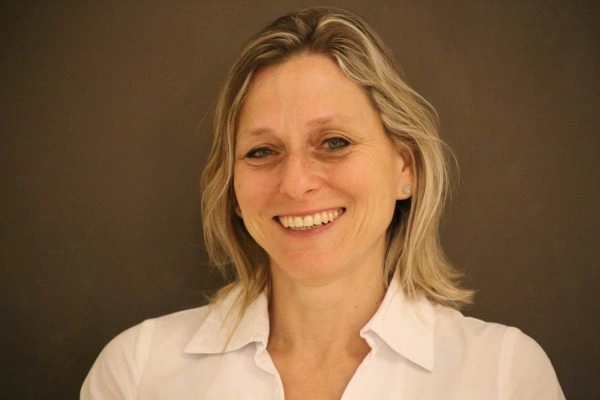
באירוע של הדרן בנייני האומה. בהשראתה של אמי שלי שסיימה את הש”ס בסבב הקודם ובעידוד מאיר , אישי, וילדיי וחברותיי ללימוד במכון למנהיגות הלכתית של רשת אור תורה סטון ומורתיי הרבנית ענת נובוסלסקי והרבנית דבורה עברון, ראש המכון למנהיגות הלכתית.
הלימוד מעשיר את יומי, מחזיר אותי גם למסכתות שכבר סיימתי וידוע שאינו דומה מי ששונה פרקו מאה לשונה פרקו מאה ואחת במיוחד מרתקים אותי החיבורים בין המסכתות

Roit Kalech
רוית קלך

מודיעין, ישראל

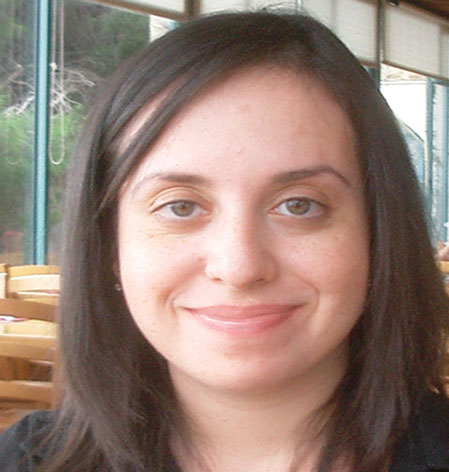
התחלתי מעט לפני תחילת הסבב הנוכחי. אני נהנית מהאתגר של להמשיך להתמיד, מרגעים של "אהה, מפה זה הגיע!” ומהאתגר האינטלקטואלי

Eilat-Chen and Deller
אילת-חן ודלר

לוד, ישראל

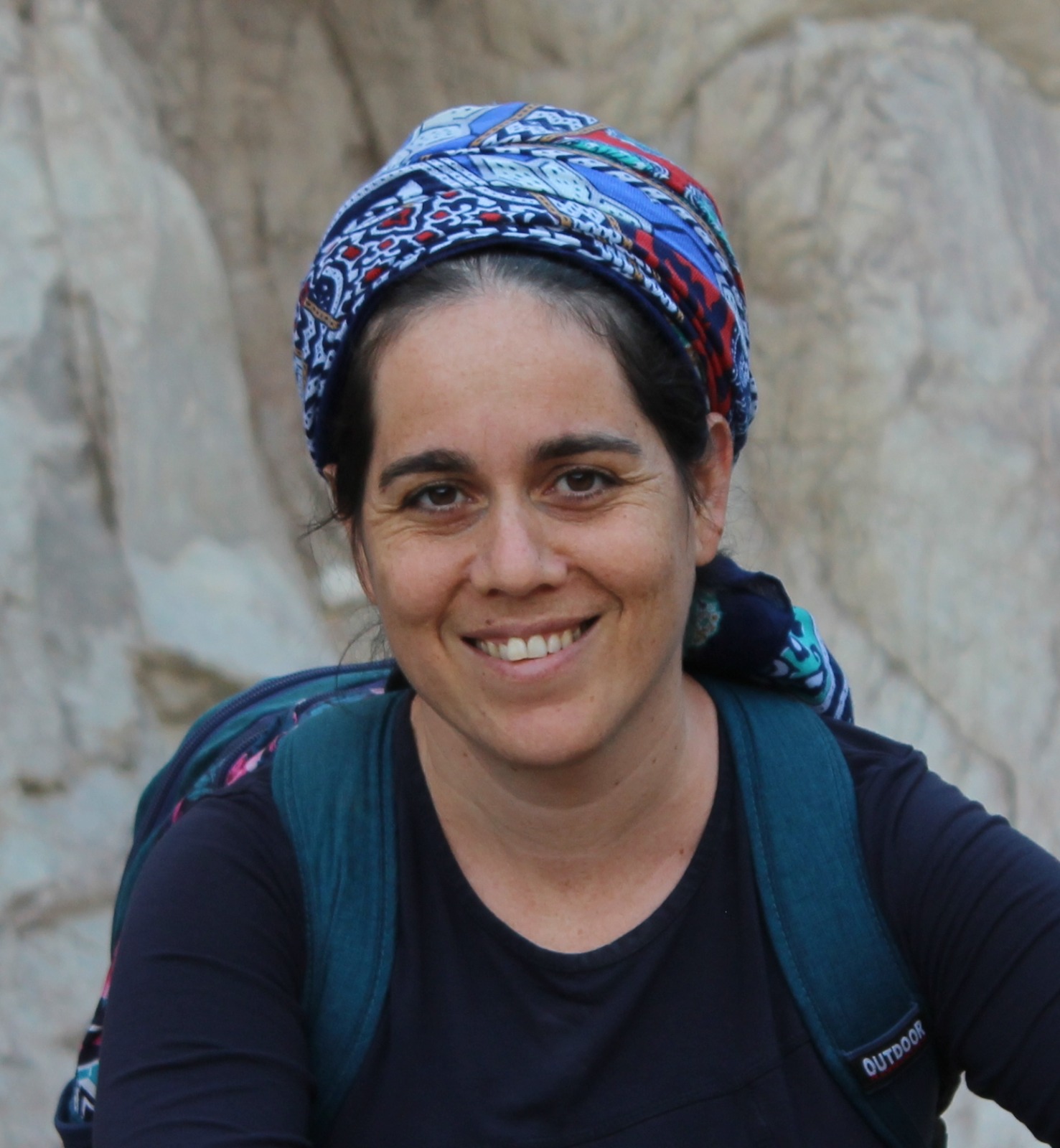
. לא תמיד נהניתי מלימוד גמרא כילדה.,בל כהתבגרתי התחלתי לאהוב את זה שוב. התחלתי ללמוד מסכת סוטה בדף היומי לפני כחמש עשרה שנה ואז הפסקתי.הגעתי לסיום הגדול של הדרן לפני שנתיים וזה נתן לי השראה. והתחלתי ללמוד למשך כמה ימים ואז היתה לי פריצת דיסק והפסקתי…עד אלול השנה. אז התחלתי עם מסכת ביצה וב”ה אני מצליחה לעמוד בקצב. המשפחה מאוד תומכת בי ויש כמה שגם לומדים את זה במקביל. אני אוהבת שיש עוגן כל יום.

Rebecca Darshan
רבקה דרשן

בית שמש, ישראל

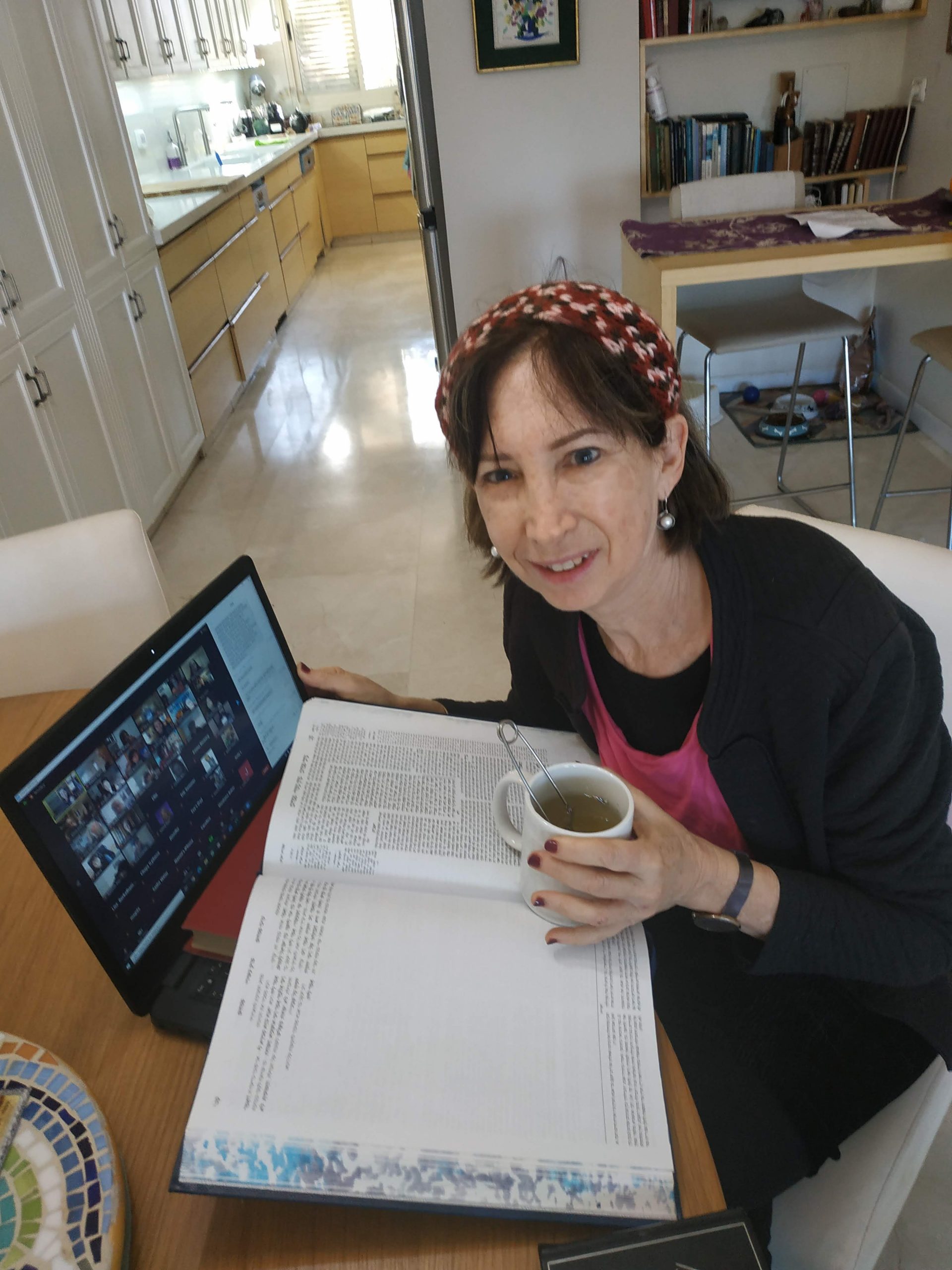
התחלתי ללמוד את הדף היומי מעט אחרי שבני הקטן נולד. בהתחלה בשמיעה ולימוד באמצעות השיעור של הרבנית שפרבר. ובהמשך העזתי וקניתי לעצמי גמרא. מאז ממשיכה יום יום ללמוד עצמאית, ולפעמים בעזרת השיעור של הרבנית, כל יום. כל סיום של מסכת מביא לאושר גדול וסיפוק. הילדים בבית נהיו חלק מהלימוד, אני משתפת בסוגיות מעניינות ונהנית לשמוע את דעתם.

Eliraz Blau
אלירז בלאו

מעלה מכמש, ישראל

אחי, שלומד דף יומי ממסכת ברכות, חיפש חברותא ללימוד מסכת ראש השנה והציע לי. החברותא היתה מאתגרת טכנית ורוב הזמן נעשתה דרך הטלפון, כך שבסיום המסכת נפרדו דרכינו. אחי חזר ללמוד לבד, אבל אני כבר נכבשתי בקסם הגמרא ושכנעתי את האיש שלי להצטרף אלי למסכת ביצה. מאז המשכנו הלאה, ועכשיו אנחנו מתרגשים לקראתו של סדר נשים!

Shulamit Saban
שולמית סבן

נוקדים, ישראל

התחלתי לפני 8 שנים במדרשה. לאחרונה סיימתי מסכת תענית בלמידה עצמית ועכשיו לקראת סיום מסכת מגילה.

Daniela Baruchim
דניאלה ברוכים

רעננה, ישראל

התחלתי כשהייתי בחופש, עם הפרסומים על תחילת המחזור, הסביבה קיבלה את זה כמשהו מתמיד ומשמעותי ובהערכה, הלימוד זה עוגן יציב ביום יום, יש שבועות יותר ויש שפחות אבל זה משהו שנמצא שם אמין ובעל משמעות בחיים שלי….

Adi Diamant
עדי דיאמנט

גמזו, ישראל

A friend in the SF Bay Area said in Dec 2019 that she might start listening on her morning drive to work. I mentioned to my husband and we decided to try the Daf when it began in Jan 2020 as part of our preparing to make Aliyah in the summer.

Hana Piotrkovsky
חנה פיוטרקובסקי

ירושלים, Israel

רציתי לקבל ידע בתחום שהרגשתי שהוא גדול וחשוב אך נעלם ממני. הלימוד מעניק אתגר וסיפוק ומעמיק את תחושת השייכות שלי לתורה וליהדות

Ruth Agiv
רות עגיב

עלי זהב – לשם, ישראל

התחלתי לפני כמה שנים אבל רק בסבב הזה זכיתי ללמוד יום יום ולסיים מסכתות

Sigal Tel
סיגל טל

רעננה, ישראל

"
גם אני התחלתי בסבב הנוכחי וב””ה הצלחתי לסיים את רוב המסכתות . בזכות הרבנית מישל משתדלת לפתוח את היום בשיעור הזום בשעה 6:20 .הלימוד הפך להיות חלק משמעותי בחיי ויש ימים בהם אני מצליחה לחזור על הדף עם מלמדים נוספים ששיעוריהם נמצאים במרשתת. שמחה להיות חלק מקהילת לומדות ברחבי העולם. ובמיוחד לשמש דוגמה לנכדותיי שאי””ה יגדלו לדור שלימוד תורה לנשים יהיה משהו שבשגרה. "

Ronit Shavit
רונית שביט

נתניה, ישראל

התחלתי ללמוד דף יומי כאשר קיבלתי במייל ממכון שטיינזלץ את הדפים הראשונים של מסכת ברכות במייל. קודם לא ידעתי איך לקרוא אותם עד שנתתי להם להדריך אותי. הסביבה שלי לא מודעת לעניין כי אני לא מדברת על כך בפומבי. למדתי מהדפים דברים חדשים, כמו הקשר בין המבנה של בית המקדש והמשכן לגופו של האדם (יומא מה, ע”א) והקשר שלו למשפט מפורסם שמופיע בספר ההינדי "בהגוד-גיתא”. מתברר שזה רעיון כלל עולמי ולא רק יהודי

Elena Arenburg
אלנה ארנבורג

נשר, ישראל

התחלתי ללמוד דף לפני קצת יותר מ-5 שנים, כשלמדתי רבנות בישיבת מהר”ת בניו יורק. בדיעבד, עד אז, הייתי בלימוד הגמרא שלי כמו מישהו שאוסף חרוזים משרשרת שהתפזרה, פה משהו ושם משהו, ומאז נפתח עולם ומלואו…. הדף נותן לי לימוד בצורה מאורגנת, שיטתית, יום-יומית, ומלמד אותי לא רק ידע אלא את השפה ודרך החשיבה שלנו. לשמחתי, יש לי סביבה תומכת וההרגשה שלי היא כמו בציטוט שבחרתי: הדף משפיע לטובה על כל היום שלי.

Michal Kahana
מיכל כהנא

חיפה, ישראל

התחלתי ללמוד דף יומי לפני שנתיים, עם מסכת שבת. בהתחלה ההתמדה היתה קשה אבל בזכות הקורונה והסגרים הצלחתי להדביק את הפערים בשבתות הארוכות, לסיים את מסכת שבת ולהמשיך עם המסכתות הבאות. עכשיו אני מסיימת בהתרגשות רבה את מסכת חגיגה וסדר מועד ומחכה לסדר הבא!

Ilana-Shachnowitz
אילנה שכנוביץ

מודיעין, ישראל

לצערי גדלתי בדור שבו לימוד גמרא לנשים לא היה דבר שבשגרה ושנים שאני חולמת להשלים את הפער הזה.. עד שלפני מספר שבועות, כמעט במקרה, נתקלתי במודעת פרסומת הקוראת להצטרף ללימוד מסכת תענית. כשקראתי את המודעה הרגשתי שהיא כאילו נכתבה עבורי – "תמיד חלמת ללמוד גמרא ולא ידעת איך להתחיל”, "בואי להתנסות במסכת קצרה וקלה” (רק היה חסר שהמודעה תיפתח במילים "מיכי שלום”..). קפצתי למים ו- ב”ה אני בדרך להגשמת החלום:)

Micah Kadosh
מיכי קדוש

מורשת, ישראל

"התחלתי ללמוד דף יומי במחזור הזה, בח’ בטבת תש””ף. לקחתי על עצמי את הלימוד כדי ליצור תחום של התמדה יומיומית בחיים, והצטרפתי לקבוצת הלומדים בבית הכנסת בכפר אדומים. המשפחה והסביבה מתפעלים ותומכים.
בלימוד שלי אני מתפעלת בעיקר מכך שכדי ללמוד גמרא יש לדעת ולהכיר את כל הגמרא. זו מעין צבת בצבת עשויה שהיא עצומה בהיקפה.”

Sarah Fox
שרה פוּקס

כפר אדומים, ישראל

ראיתי את הסיום הגדול בבנייני האומה וכל כך התרשמתי ורציתי לקחת חלק.. אבל לקח לי עוד כשנה וחצי )באמצע מסיכת שבת להצטרף..
הלימוד חשוב לי מאוד.. אני תמיד במרדף אחרי הדף וגונבת כל פעם חצי דף כשהילדים עסוקים ומשלימה אח”כ אחרי שכולם הלכו לישון..

Olga Mizrahi
אולגה מזרחי

ירושלים, ישראל

אני לומדת גמרא כעשור במסגרות שונות, ואת הדף היומי התחלתי כשחברה הציעה שאצטרף אליה לסיום בבנייני האומה. מאז אני לומדת עם פודקסט הדרן, משתדלת באופן יומי אך אם לא מספיקה, מדביקה פערים עד ערב שבת. בסבב הזה הלימוד הוא "ממעוף הציפור”, מקשיבה במהירות מוגברת תוך כדי פעילויות כמו בישול או נהיגה, וכך רוכשת היכרות עם הסוגיות ואופן ניתוחם על ידי חז”ל. בע”ה בסבב הבא, ואולי לפני, אצלול לתוכו באופן מעמיק יותר.

Yael Bir
יעל ביר

רמת גן, ישראל

רציתי לקבל ידע בתחום שהרגשתי שהוא גדול וחשוב אך נעלם ממני. הלימוד מעניק אתגר וסיפוק ומעמיק את תחושת השייכות שלי לתורה וליהדות

Ruth Agiv
רות עגיב

עלי זהב – לשם, ישראל

סיום השס לנשים נתן לי מוטביציה להתחיל ללמוד דף יומי. עד אז למדתי גמרא בשבתות ועשיתי כמה סיומים. אבל לימוד יומיומי זה שונה לגמרי ופתאום כל דבר שקורה בחיים מתקשר לדף היומי.

Fogel Foundation
קרן פוגל

רתמים, ישראל

בבא בתרא קסו

וְאֵימָא פְּרִיטֵי! פְּרִיטֵי דְּדַהֲבָא לָא עָבְדִי אִינָשֵׁי.

The Gemara asks further: But why not say that the intent is not a dinar, but smaller coins, such as perutot? The Gemara answers: People do not make perutot of gold.

״זָהָב בְּדִינָרִין״ – אֵין פָּחוֹת מִבִּשְׁנֵי דִינָרִין כֶּסֶף, זָהָב. וְאֵימָא דַּהֲבָא פְּרִיכָא בִּתְרֵי דִינָרֵי דַּהֲבָא קָאָמַר! אָמַר אַבָּיֵי: יַד בַּעַל הַשְּׁטָר עַל הַתַּחְתּוֹנָה.

The Gemara continues its analysis of the baraita, which states: If it is written: Gold, in dinars, the amount must be no less than two silver dinars’ worth of gold. The Gemara asks: But why not say that the document is speaking of two golden dinars’ worth of pieces of gold? Abaye says: This interpretation is also possible, but the guiding principle in all interpretations of ambiguities is that the holder of the document is at a disadvantage.

רֵישָׁא דְּקָתָנֵי: ״כֶּסֶף בְּדִינָרִין״ – אֵין פָּחוֹת מִשְּׁנֵי דִּינָרִין זָהָב, כֶּסֶף; אַמַּאי? אֵימָא כַּסְפָּא – נְסָכָא בִּתְרֵי דִּינָרֵי כַּסְפָּא קָאָמַר!

The Gemara asks a question from the first clause of the baraita, which teaches that if the document states: Silver in dinars, the amount must be no less than two golden dinars’ worth of silver. Why is he entitled to so much? Say that the document is speaking of silver only, and means: Two silver dinars’ worth of silver pieces. This interpretation would be a lower value than the interpretation assigned to it by the baraita, and would be in keeping with the principle that the holder of the document is at a disadvantage.

אָמַר רַב אָשֵׁי: רֵישָׁא דִּכְתַב ״דִּינָרֵי״, סֵיפָא דִּכְתַב ״דִּינָרִין״.

Rav Ashi said in reply that the text of the baraita should be emended: In the first clause the case is that the scribe wrote: Silver in dinars, using the plural form dinarei, which refers specifically to golden dinars. In the latter clause, the case is that the scribe wrote: Gold in dinars, using the plural form dinarin, which denotes silver dinars specifically.

וּמְנָא תֵּימְרָא דְּשָׁאנֵי בֵּין ״דִּינָרֵי״ לְ״דִינָרִין״?

The Gemara supports its assertion that there is a difference between these two plural forms: And from where do you say that there is a difference between the words dinarei and dinarin?

דְּתַנְיָא: הָאִשָּׁה שֶׁהָיוּ עָלֶיהָ סְפֵק חָמֵשׁ לֵידוֹת; סְפֵק חָמֵשׁ זִיבוֹת – מְבִיאָה קׇרְבָּן אֶחָד וְאוֹכֶלֶת בִּזְבָחִים, וְאֵין הַשְּׁאָר עָלֶיהָ חוֹבָה. הָיוּ עָלֶיהָ חָמֵשׁ לֵידוֹת וַדָּאוֹת; חָמֵשׁ זִיבוֹת וַדָּאוֹת – מְבִיאָה קׇרְבָּן אֶחָד וְאוֹכֶלֶת בִּזְבָחִים, וְהַשְּׁאָר עָלֶיהָ חוֹבָה.

This is as it is taught in a mishna (Karetot 8a): In the case of a woman for whom there was uncertainty with regard to five births, and likewise a woman for whom there was uncertainty with regard to five irregular discharges of blood from the uterus [ziva], she brings one offering, and then she may partake of the meat of offerings. And the remaining offerings are not an obligation for her. If she has in her case five definite births or five definite discharges of a zava, she brings one offering, and then she may partake of the meat of offerings. And the remaining offerings are an obligation for her.

מַעֲשֶׂה וְעָמְדוּ קִינִּים בִּירוּשָׁלַיִם בְּדִינְרֵי זָהָב, אָמַר רַבָּן שִׁמְעוֹן בֶּן גַּמְלִיאֵל: הַמָּעוֹן הַזֶּה! אִם אָלִין הַלַּיְלָה עַד שֶׁיְּהוּ בְּדִינָרִין. נִכְנַס לְבֵית דִּין וְלִימֵּד: הָאִשָּׁה שֶׁהָיוּ עָלֶיהָ חָמֵשׁ לֵידוֹת וַדָּאוֹת; חָמֵשׁ זִיבוֹת וַדָּאוֹת – מְבִיאָה קׇרְבָּן אֶחָד וְאוֹכֶלֶת בִּזְבָחִים, וְאֵין הַשְּׁאָר עָלֶיהָ חוֹבָה.

That mishna continues: There was an incident where the price of nests, i.e., pairs of birds, stood in Jerusalem at golden dinarei, as the great demand for birds for the offerings of a woman after childbirth and a zava led to an increase in the price. Rabban Shimon ben Gamliel said: I take an oath by this abode of the Divine Presence that I will not lie down tonight until the price of nests will be in dinarin. Ultimately, he entered the court and taught: A woman for whom there were five definite births or five definite discharges of a zava brings one offering, and then she may partake of the meat of offerings. And the remaining offerings are not an obligation for her.

וְעָמְדוּ קִינִּין בּוֹ בַּיּוֹם בְּרִבְעָתַיִם.

The mishna concludes: And as a result, the price of the nests stood that day at one-quarter of a silver dinar, as the demand for nests decreased. It is clear in the mishna that the term dinarei indicates a higher value than the term dinarin.

כָּתוּב מִלְּמַעְלָה וְכוּ׳. תָּנוּ רַבָּנַן: יִלְמַד הַתַּחְתּוֹן מִן הָעֶלְיוֹן – בְּאוֹת אַחַת; אֲבָל לֹא בִּשְׁתֵּי אוֹתִיּוֹת –

§ The mishna teaches: If it is written in the document above that someone owes one hundred dinars, and below it is written two hundred dinars, or if above it is written two hundred and below one hundred, everything follows the bottom amount. If so, why does one write the information in the upper part of the document at all? It is a safety measure, so that if one letter is erased from the lower part of the document, thereby rendering it illegible, the information can be learned from the upper part of the document. The Sages taught in a baraita (Tosefta 11:4): Information concerning what is written below may be learned from what is written above if the lower text is missing one letter, but not if it is missing two letters. In that case, in the event of a discrepancy between information written above and information written below, the document is not valid.

כְּגוֹן ״חָנָן״ מֵ״חֲנָנִי״ וְ״עָנָן״ מֵ״עֲנָנִי״.

For example, if the name of one party is written as Ḥanan below and Ḥanani above, it may be derived from the word Ḥanani written above that the party is named Ḥanani. And similarly, if a name is written Anan below, it may be learned from the name Anani written above that the party is named Anani.

מַאי שְׁנָא שְׁתֵּי אוֹתִיּוֹת דְּלָא – דִּלְמָא מִיתְרְמֵי שֵׁם בֶּן אַרְבַּע אוֹתִיּוֹת, וְהָוֵה לֵיהּ פַּלְגֵיהּ דִּשְׁמָא; אִי הָכִי, אוֹת אַחַת נָמֵי – דִּלְמָא מִיתְרְמֵי שֵׁם בֶּן שְׁתֵּי אוֹתִיּוֹת, וְהָוֵה לֵיהּ פַּלְגֵיהּ דִּשְׁמָא!

The Gemara asks: What is different about two letters missing, that the baraita teaches that the name written below cannot be corrected from the name written above? The Gemara suggests: It is out of concern that perhaps it will occur by chance that there is a four-letter name, and the omission of two letters would be half of the name, and for this reason the Sages extended this concern to all cases where two letters are missing. The Gemara challenges: If so, the same could be said when one letter is missing as well, as perhaps it will occur by chance that there is a two-letter name, and the omission of one letter would be half of the name.

אֶלָּא שְׁתֵּי אוֹתִיּוֹת הַיְינוּ טַעְמָא – דִּלְמָא מִיתְרְמֵי שֵׁם בֶּן שָׁלֹשׁ אוֹתִיּוֹת, וְהָוֵה לֵיהּ רוּבָּא דִשְׁמָא.

The Gemara explains: Rather, this is the reason that when two letters are missing the name written below cannot be corrected from the name written above: The concern is that perhaps it will occur by chance that there is a three-letter name, and the omission of two letters would be a majority of the name. The Sages applied this concern to all cases where two letters are missing.

אָמַר רַב פָּפָּא: פְּשִׁיטָא לִי – ״סֵפֶל״ מִלְּמַעְלָה וְ״קֵפֶל״ מִלְּמַטָּה – הַכֹּל הוֹלֵךְ אַחַר הַתַּחְתּוֹן.

The Gemara continues to discuss discrepancies between the information written above and below in a document. Rav Pappa said: It is obvious to me that if a document states above that one owes a sefel, a type of cup, and below it states kefel, a type of garment, everything is determined by the information written below. In this case there is not a missing letter at the bottom but an altered letter. Therefore, the information written below is not corrected from the information written above.

בָּעֵי רַב פָּפָּא: ״קֵפֶל״ מִלְּמַעְלָה וְ״סֵפֶל״ מִלְּמַטָּה, מַאי – מִי חָיְישִׁינַן לִזְבוּב, אוֹ לָא? תֵּיקוּ.

Rav Pappa raises a dilemma: What if it is stated kefel above and sefel below? The difference between the two words is that the former begins with kuf, whereas the latter begins with samekh. The orthographical difference between these two letters is a single stroke that extends downward, as the omission of the extension of this stroke would change kuf into samekh. Rav Pappa’s dilemma is: Are we concerned for the possibility that a fly landed on the stroke of the kuf, removing the ink and changing it into samekh? Or are we not concerned with this possibility? The Gemara comments: The dilemma shall stand unresolved.

הָהוּא דַּהֲוָה כְּתִב בֵּיהּ: ״שֵׁית מְאָה וְזוּזָא״, שַׁלְחֵהּ רַב שֵׁרֵבְיָא קַמֵּיהּ דְּאַבָּיֵי: שֵׁית מְאָה אִיסְתֵּירֵי וְזוּזָא, אוֹ דִלְמָא שֵׁית מְאָה פְּרִיטֵי וְזוּזָא? אֲמַר לֵיהּ: דַּל פְּרִיטֵי, דְּלָא כָּתְבִי בִּשְׁטָרָא – דַּאֲסוֹכֵי מַסְכַּן לְהוּ,

§ The Gemara relates: There was a certain document in which it was written that the amount due was six hundred and a dinar, without specifying to which denomination the six hundred amount referred. Rav Sherevya sent this question before Abaye: Does the holder of the document collect six hundred istira and a dinar? Istira is another name for a sela, which equals four dinars. Or is he perhaps entitled to collect only six hundred perutot and a dinar, a peruta being a small fraction of a dinar? Abaye said to him: Remove the possibility of six hundred perutot, since people do not write large numbers of perutot in a document, as they instead combine them into larger denominations

רוצה לעקוב אחרי התכנים ולהמשיך ללמוד?

ביצירת חשבון עוד היום ניתן לעקוב אחרי ההתקדמות שלך, לסמן מה למדת, ולעקוב אחרי השיעורים שמעניינים אותך.

לנקות את כל הפריטים מהרשימה?

פעולה זו תסיר את כל הפריטים בחלק זה כולל ההתקדמות וההיסטוריה. שימי לב: לא ניתן לשחזר פעולה זו.

ביטול
מחיקה

האם את/ה בטוח/ה שברצונך למחוק פריט זה?

תאבד/י את כל ההתקדמות או ההיסטוריה הקשורות לפריט זה.

ביטול
מחיקה