חיפוש

בבא בתרא קעא

רוצה להקדיש לימוד?

podcast placeholder

0:00
0:00


תקציר

הדף היום מוקדש ע”י מאיר ואהובה בלופסקי לע”נ סבתה של אהובה, בסיה חוה בת ירמיהו, בציון השלושים, ולכבוד אירוסי בנה משה למאיה וינד.

הדף היום מוקדש ע”י סיגל ספיזר לע”נ סבתה, רייזל בת גיטל.

הדף היום מוקדש ע”י דויד ומיצי גפן לע”נ אביה של מיצי, ג’ק לוק.

כאשר לווה משלם חלק מהלוואה, מוצעים שתי דעות תנאיים כדי למנוע מהמלווה לנסות לגבות את הסכום המלא המקורי. רבי יהודה מציע לכתוב מסמך הלוואה חדש לחלוטין המשקף את יתרת החוב המופחתת, תוך החלפת המסמך המקורי כדי להבטיח בהירות לגבי החוב הנותר. רבי יוסי ממליץ על יצירת קבלה שהלווה שומר כהוכחה לתשלום חלקי, המשמשת כראיה שחלק מההלוואה כבר נפרע ומגנה על הלווה מפני תביעות עתידיות אפשריות.

רב לא מקבל את שתי העמדות, ודורש שמסמך חדש יירשם במיוחד על ידי בית הדין ויתוארך למועד ההלוואה המקורי. מקשים על עמדה זו מברייתא המתירה לעדים לכתוב שטר חדש עם התאריך המקורי. עם זאת, רב נשאר בעמדתו, וטוען שלעדים חסרה הסמכות של בית הדין ליצור שעבוד על רכוש הקונה מהתאריך המקורי.

רבי יהודה ורבי יוסי גם חלוקים לגבי מסמכים מאוחרים, במיוחד במקרים שבהם האיחור אינו ברור באופן מפורש. עמדתו של רבי יהודה נובעת מהשקפתו שאין לכתוב שובר, ולכן מתיר איחור תאריך שאינו יכול להוביל לרמייה. רבי יוסי, המתיר כתיבת קבלות, מזהיר שקבלה המקדימה את המסמך המאוחר עלולה לאפשר למלווה לגבות את ההלוואה פעמיים.

שאלה רחבה יותר עולה לגבי קבלות: האם הן ישימות רק לתשלומים חלקיים של הלוואות או גם להלוואות ששולמו במלואן? המסקנה היא שאם המלווה טוען שמסמך אבוד ולכן אי אפשר לקורעו, הוא רשאי לדרוש תשלום תוך מתן שובר ללווה. גישה זו מוצדקת כי המלווה ידו על העליונה כי עשה טובה ללווה כשהלוה לו מלכתחילה.

משנה בשביעית י:ה מבחינה בין שטרות מוקדמים למאוחרים. מאחר שמסמכים יוצרים שעבודי נכסים, מסמכים מוקדמים נפסלים בשל הנחת שעבוד שגויה על קרקעות שנמכרו לאחר תאריך המופיע בשטר. מסמכים מאוחרים, עם זאת, מתקבלים.

רב המנונא מגביל ההיתר לכתוב שטר מאוחר למסמכי הלוואה אך מעלה חששות לגבי שטרי מכירה מאוחרים שיכולים לאפשר רמייה. הוא מזהיר שמוכר עלול לרכוש חזרה את הנכסים לפני מועד הרשום בשטר, והקונה עלול אז להשתמש בשטר כדי להוכיח בעלות שגויה. כאשר נשאל מדוע חששות דומים אינם חלים על הלוואות, הגמרא מציעה שרב המנונא כנראה אינו מתיר לכתוב שובר.

לאחר מכן, מסמכים מאוחרים הותרו, ואנשים החלו גם לכתוב קבלות. כדי למנוע רמייה אפשרית, רבי אבא יעץ לסופריו לציין במפורש על מסמכים מאוחרים את עובדת האיחור, בעוד רב ספרא הציע להימנע מלשים תאריך על שוברים כשלא ידוע איזה תאריך הופיע בשטר.

בבא בתרא קעא

בִּשְׁלָמָא בֵּי דִינָא – אַלִּימֵי לְאַפְקוֹעֵי מָמוֹנָא. אֶלָּא עֵדִים שֶׁעָשׂוּ שְׁלִיחוּתָן – חוֹזְרִין וְעוֹשִׂין שְׁלִיחוּתָן?!

Granted, a court can write a new document, because the court has the power to confiscate money. A creditor has the right to seize any property that the debtor had owned on the day the promissory note was written, even if that property was subsequently sold to others; the earlier the date on the note, the more properties it applies to. By dating the new document on the date of the original document the creditor is once again given the right to seize properties from those who had purchased land from the debtor in between the date of the original loan and the date the new promissory note is actually written. The court has such confiscatory power. But with regard to witnesses, who already performed their agency, i.e., fulfilled their assigned role, the first time they wrote the promissory note, can they return and perform their agency again by writing a second promissory note?

וְלָא?! וְהָא אָמַר רַב יְהוּדָה אָמַר רַב: עֵדִים כּוֹתְבִין אֲפִילּוּ עֲשָׂרָה שְׁטָרוֹת עַל שָׂדֶה אַחַת!

The Gemara asks: And is it so that witnesses are not empowered to do so? But doesn’t Rav Yehuda say that Rav says: Witnesses who were commissioned to write a deed for the transfer of property may write even ten deeds for one field? If the original deed is lost or destroyed, the witnesses may write a replacement deed for the purchaser, even if the deed is lost many times.

רַב יוֹסֵף אָמַר: בִּשְׁטַר מַתָּנָה,

Rav Yosef says an answer to this question: Rav Yehuda’s statement was concerning a deed of gift, not a bill of sale. A gift of land has no guarantee; if it is repossessed from the recipient by the giver’s creditor to repay the giver’s debt, the recipient has no recourse and cannot collect any money from anyone. Therefore, in this case no one is jeopardized by the writing of many replacement deeds, which are intended only to serve as a proof that the recipient is actually entitled to the land.

וְרַבָּה אָמַר: בִּשְׁטָר שֶׁאֵין בּוֹ אַחְרָיוּת.

And Rabba says: It is possible to say that Rav Yehuda’s statement applied even with regard to a bill of sale that does not have a guarantee in it. In that case as well, there is no potential loss to any purchasers of land. By contrast, in the case of a promissory note, which can be used to repossess property from those who have purchased land from the debtor, witnesses do not have the authority to predate a document and thereby subject more purchasers to possible land seizures due to the predating of the document.

מַאי בָּרַיְיתָא? דְּתַנְיָא: הֲרֵי שֶׁהָיוּ נוֹשִׁין בּוֹ אֶלֶף זוּז, וּפָרַע מֵהֶן חֲמֵשׁ מֵאוֹת זוּז – עֵדִים מְקָרְעִין אֶת הַשְּׁטָר, וְכוֹתְבִין לוֹ שְׁטָר אַחֵר מִזְּמַן רִאשׁוֹן, דִּבְרֵי רַבִּי יְהוּדָה. רַבִּי יוֹסֵי אוֹמֵר: שְׁטָר זֶה יְהֵא מוּנָּח בִּמְקוֹמוֹ, וְיִכְתְּבוּ שׁוֹבָר.

The Gemara cited an excerpt from a baraita earlier. It now cites it in full: What is the full text of the baraita? As it is taught: If one thousand dinars are owed by a debtor, and the debt is recorded in a promissory note, and the debtor repaid five hundred dinars out of the total, the witnesses tear the original promissory note and write another promissory note for him, dated from the time of the first note. This is the statement of Rabbi Yehuda. Rabbi Yosei says: This original promissory note shall remain in its place, in the custody of the creditor, and witnesses write a receipt for the five hundred dinars that were repaid. This receipt is given to the debtor to protect himself against a possible attempt by the creditor to use the promissory note to collect the entire one thousand dinars.

וּמִפְּנֵי שְׁנֵי דְבָרִים אָמְרוּ כּוֹתְבִין שׁוֹבָר – אַחַת, כְּדֵי שֶׁיָּכוֹף לְפוֹרְעוֹ; וְאַחַת, כְּדֵי שֶׁיִּגְבֶּה מִזְּמַן רִאשׁוֹן.

Rabbi Yosei continues: And there are two reasons why the Sages said that they write a receipt, as opposed to writing a new promissory note: One reason is so that the creditor can coerce the debtor to repay him, i.e., the psychological pressure for the debtor of knowing that the creditor has a promissory note with a larger amount listed than what he owes him will induce the debtor to repay the remainder promptly. And the other one is so that he, the creditor, should be able to collect liened property from the first date, that of the original document.

וְהָא רַבִּי יְהוּדָה נָמֵי מִזְּמַן רִאשׁוֹן קָאָמַר! הָכִי קָאָמַר לֵיהּ רַבִּי יוֹסֵי לְרַבִּי יְהוּדָה: אִי מִזְּמַן רִאשׁוֹן קָאָמְרַתְּ – פְּלִיגְנָא עֲלָךְ בַּחֲדָא; אִי מִזְּמַן שֵׁנִי קָאָמְרַתְּ – פְּלִיגְנָא עֲלָךְ בְּתַרְתֵּי.

The Gemara asks with regard to Rabbi Yosei’s second reason: But doesn’t Rabbi Yehuda also say that the new document must be dated from the time of the first document? The Gemara answers: Rabbi Yosei did not hear a full explanation of Rabbi Yehuda’s opinion; he heard only that Rabbi Yehuda prescribed writing a new promissory note recording the new balance. And this is what Rabbi Yosei is saying to Rabbi Yehuda: If you mean to say that the new promissory note is dated from the time of the first document, I disagree with you on one count, as I hold a receipt should be written to pressure the debtor. If you mean to say that the second promissory note is dated from the second date, i.e., from when the second promissory note was written, I disagree with you on two counts.

תָּנוּ רַבָּנַן: שְׁטַר שֶׁזְּמַנּוֹ כָּתוּב בְּשַׁבָּת אוֹ בַּעֲשָׂרָה בְּתִשְׁרִי – שְׁטָר מְאוּחָר הוּא, וְכָשֵׁר; דִּבְרֵי רַבִּי יְהוּדָה. רַבִּי יוֹסֵי פּוֹסֵל. אָמַר לוֹ רַבִּי יְהוּדָה: וַהֲלֹא מַעֲשֶׂה בָּא לְפָנֶיךָ בְּצִפּוֹרִי, וְהִכְשַׁרְתָּ! אָמַר לוֹ: כְּשֶׁהִכְשַׁרְתִּי – בָּזֶה הִכְשַׁרְתִּי.

§ The Gemara discusses a related halakha. The Sages taught in a baraita (Tosefta, Makkot 1:3): If there is a promissory note whose date is written as a Shabbat or as the tenth of Tishrei, i.e., Yom Kippur, it is assumed to be a postdated promissory note, as writing is forbidden on Shabbat and Yom Kippur, and it is therefore valid. This is the statement of Rabbi Yehuda. Rabbi Yosei deems the promissory note invalid. Rabbi Yehuda said to Rabbi Yosei: But didn’t such an incident come before you in Tzippori, and you yourself deemed the promissory note valid? Rabbi Yosei said to him: When I deemed the promissory note valid, it was in a case like this, where the date was a Shabbat or Yom Kippur, that I deemed it valid.

וְהָא רַבִּי יְהוּדָה נָמֵי בָּזֶה קָאָמַר!

The Gemara is puzzled by Rabbi Yosei’s response at the end of the baraita: But Rabbi Yehuda was also speaking in a case like this, where the date was a Shabbat or Yom Kippur, and yet Rabbi Yosei’s opinion was that the promissory note is invalid.

אָמַר רַבִּי פְּדָת: הַכֹּל מוֹדִים שֶׁאִם הוּזְקַקְנוּ לְעוֹנָתוֹ שֶׁל שְׁטָר, וְנִמְצֵאת עוֹנָתוֹ מְכֻוֶּונֶת בְּשַׁבָּת אוֹ בַּעֲשָׂרָה בְּתִשְׁרִי – שֶׁשְּׁטָר מְאוּחָר הוּא, וְכָשֵׁר;

Rabbi Pedat says: All parties to this dispute agree that if we engaged in an investigation of the date of the document, and its date was found to be exactly on Shabbat or on the tenth of Tishrei, that it is self-evident that it is a postdated promissory note and is valid.

לֹא נֶחְלְקוּ אֶלָּא בִּשְׁטָר מְאוּחָר בְּעָלְמָא –

The two Sages disagree only with regard to a case of a postdated promissory note in general, i.e., one in which the fact that it is postdated is not readily discernible from the dating of the document, as opposed to one dated on Shabbat or Yom Kippur.

דְּרַבִּי יְהוּדָה לְטַעְמֵיהּ, דְּאָמַר: אֵין כּוֹתְבִין שׁוֹבָר, וְלָא נָפֵיק מִינֵּיהּ חוּרְבָּא;

As Rabbi Yehuda conforms to his line of reasoning, as he says: One does not write a receipt for a debtor when he pays his debt; rather, the original document is torn, and in the case of partial repayment a new document is written, attesting to the balance due. And consequently, no harm can emerge from a postdated document. There is no concern that the date on the postdated document may have been recorded after the writing of a receipt.

וְרַבִּי יוֹסֵי לְטַעְמֵיהּ, דְּאָמַר: כּוֹתְבִין שׁוֹבָר, וְנָפֵיק מִינֵּיהּ חוּרְבָּא.

And Rabbi Yosei conforms to his line of reasoning, as he says: One writes a receipt for a debtor when he pays his debt, in lieu of tearing the promissory note. And consequently, harm can emerge from a postdated promissory note. Harm can occur in a case such as the following: The loan was given on the first of Nisan. The debt was paid on the following day and, rather than tearing the promissory note, a receipt was written and dated on the second of Nisan. If the original note had been postdated to the third of Nisan or thereafter, the creditor could use it to collect his debt a second time, arguing that the debtor’s receipt is irrelevant, as its date is prior to the date in the promissory note.

אָמַר רַב הוּנָא בְּרֵיהּ דְּרַב יְהוֹשֻׁעַ: אֲפִילּוּ לְמַאן דְּאָמַר כּוֹתְבִין שׁוֹבָר, הָנֵי מִילֵּי אַפַּלְגָא, אֲבָל אַכּוּלֵּיהּ – לָא.

§ Rav Huna, son of Rav Yehoshua, says: Even according to the one who says that one writes a receipt for the debtor when he pays, in lieu of tearing the promissory note, this statement applies only with regard to a case where the debtor pays half, i.e., a portion, of the debt. But with regard to a case where the debtor comes to repay all of the debt and the creditor has lost the promissory note and cannot tear it, all agree that one does not write a receipt. Rather, the debtor will not be required to repay the loan unless the creditor can produce the promissory note.

וְלָא הִיא, אֲפִילּוּ אַכּוּלֵּיהּ כָּתְבִינַן.

The Gemara rejects this opinion: But it is not so; we write a receipt even in a case where the debtor pays all of the debt.

כִּי הָא דְּרַב יִצְחָק בַּר יוֹסֵף הֲוָה מַסֵּיק בֵּיהּ זוּזִי בְּרַבִּי אַבָּא. אֲתָא לְקַמֵּיהּ דְּרַבִּי חֲנִינָא בַּר פַּפֵּי, אֲמַר לֵיהּ: ״הַב לִי זוּזַיי״. אֲמַר לֵיהּ: ״הַב לִי שְׁטָרַאי, וּשְׁקוֹל זוּזָךְ״. אֲמַר לֵיהּ: ״שְׁטָרָךְ אִירְכַס לִי, אֶכְתּוֹב לָךְ תְּבָרָא״. אָמַר לֵיהּ: ״הָא רַב וּשְׁמוּאֵל דְּאָמְרִי תַּרְוַיְיהוּ: אֵין כּוֹתְבִין שׁוֹבָר!״

The Gemara proves its assertion: This is like that case where Rav Yitzḥak bar Yosef was owed money by Rabbi Abba. Rav Yitzḥak bar Yosef came before Rabbi Ḥanina bar Pappi, and said to Rabbi Abba: Give me my money. Rabbi Abba said to him: First give me my promissory note, and then take your money. Rav Yitzḥak bar Yosef said to him: I lost your promissory note; instead, I will write a receipt for you. Rabbi Abba said to him: Isn’t there the opinion of Rav and Shmuel, who both say that the halakha is that one does not write a receipt?

אֲמַר: ״מַאן יָהֵיב לַן מֵעַפְרֵיהּ דְּרַב וּשְׁמוּאֵל, רָמִינַן בְּעַיְינִין; הָא רַבִּי יוֹחָנָן וְהָא רֵישׁ לָקִישׁ דְּאָמְרִי תַּרְוַיְיהוּ: כּוֹתְבִין שׁוֹבָר״.

Rabbi Ḥanina bar Pappi, the judge, thereupon said: Who will give us some of the dust of Rav and Shmuel, and I will place it on my eyes, so highly do I regard them. Nevertheless, isn’t there the opinion of Rabbi Yoḥanan and Reish Lakish, who both say that one writes a receipt?

וְכֵן כִּי אֲתָא רָבִין אָמַר רַבִּי אִילְעָא: כּוֹתְבִין שׁוֹבָר.

And similarly, when Ravin came from Eretz Yisrael to Babylonia, he said that Rabbi Ilai says: The halakha is that one writes a receipt.

וּמִסְתַּבְּרָא דְּכוֹתְבִין שׁוֹבָר; דְּאִי סָלְקָא דַּעְתָּא אֵין כּוֹתְבִין שׁוֹבָר, אָבַד שְׁטָרוֹ שֶׁל זֶה – יֹאכַל הַלָּה וְחָדֵי?!

The Gemara concludes: And it stands to reason that one writes a receipt. As, if it would enter your mind that one does not write a receipt, then if the promissory note of this creditor is lost, should this debtor eat and rejoice? Is it fair that he should keep money that he knows he owes the creditor?

מַתְקֵיף לַהּ אַבָּיֵי: וְאֶלָּא מַאי, כּוֹתְבִין שׁוֹבָר?! אָבַד שׁוֹבָרוֹ שֶׁל זֶה – יֹאכַל הַלָּה וְחָדֵי? אֲמַר לֵיהּ רָבָא: אִין, ״עֶבֶד לֹוֶה לְאִישׁ מַלְוֶה״.

Abaye objects to this line of reasoning: Rather, what should the halakha be, that one writes a receipt when the creditor cannot find the promissory note? If the receipt of the debtor is lost, should this creditor eat and rejoice? Once the debtor has lost his receipt, there is nothing to prevent the creditor from collecting the debt a second time. This, too, is unfair. In either case, whether a receipt is written or not, an injustice could result. Why should it be preferred that the potential of suffering an injustice should be borne by the debtor rather than the creditor? Rava said to Abaye: Yes, it is preferable, because, as it is written: “The borrower is a servant to the lender” (Proverbs 22:7). The debtor’s interests are subordinated to those of the creditor.

תְּנַן הָתָם: שִׁטְרֵי חוֹב הַמּוּקְדָּמִין – פְּסוּלִין, וְהַמְאוּחָרִין – כְּשֵׁרִין.

§ We learned in a mishna elsewhere (Shevi’it 10:5): Promissory notes that are antedated are not valid, but those that are postdated are valid.

אָמַר רַב הַמְנוּנָא: לֹא שָׁנוּ אֶלָּא שְׁטָרֵי הַלְוָאָה, אֲבָל שְׁטָרֵי מִקָּח וּמִמְכָּר – אֲפִילּוּ מְאוּחָרִין נָמֵי פְּסוּלִין. מַאי טַעְמָא? זִימְנִין דִּמְזַבֵּין לֵיהּ אַרְעָא בְּנִיסָן וְכָתֵיב לֵיהּ בְּתִשְׁרִי, וּמִתְרְמֵי לֵיהּ זוּזֵי בֵּינֵי בֵּינֵי וְזָבֵין לַיהּ מִינֵּיהּ, וְכִי מָטֵי תִּשְׁרִי – מַפֵּיק לֵיהּ, וְאָמַר לֵיהּ: הֲדַר זְבֵנְתַּהּ מִינָּךְ!

Rav Hamnuna says: They taught this halakha only with regard to promissory notes, but with regard to deeds of buying and selling property, even postdated documents are not valid. What is the reason for this stringency in the case of bills of sale? If postdated documents were allowed, there could be times that the seller sells land to the purchaser in the month of Nisan of a particular year and writes a postdated deed for him stating that the sale took place in the following Tishrei, and some money happens to reach the seller between Nisan and Tishrei and he purchases the land back from the purchaser. And then, when Tishrei arrives, the purchaser takes out the original bill of sale and says to the seller: It is true that you purchased the field from me, but I then purchased it from you again now, in Tishrei, as stated in this document.

אִי הָכִי, שְׁטָרֵי הַלְוָאָה נָמֵי – זִמְנִין דְּיָזֵיף בְּנִיסָן וּכְתִיב לֵיהּ שְׁטָרָא בְּתִשְׁרִי; וּמִתְרְמֵי לֵיהּ זוּזֵי בֵּינֵי בֵּינֵי וּפָרַע לֵיהּ, וְאָמַר לֵיהּ: הַב לִי שְׁטָרַאי, וְאָמַר לֵיהּ: אִירְכַס לִי, וְכָתֵיב לֵיהּ תְּבָרָא; וְכִי מָטֵי זִמְנֵיהּ, מַפֵּיק לֵיהּ וַאֲמַר לֵיהּ: הָנֵי הַשְׁתָּא הוּא דִּיזַפְתְּ מִינַּאי!

The Gemara asks: If so, a similar scenario could occur with promissory notes as well: There could be times that one borrows money in Nisan and writes a promissory note for the creditor stating that the loan took place in the following Tishrei, and some money happens to reach the debtor between Nisan and Tishrei and he repays his debt to the creditor early and says to him: Give me my promissory note. And the creditor says to him: I lost it, and he writes him a receipt instead. And then, when the time written in the note arrives, the creditor takes out the supposedly lost promissory note and says to the debtor: It is true that you repaid me previously, but it is now, after you repaid that loan, that you borrowed from me these dinars recorded in this document, which is dated in Tishrei.

קָסָבַר: אֵין כּוֹתְבִין שׁוֹבָר.

The Gemara answers: Rav Hamnuna holds that one does not write a receipt, so that scenario cannot occur. Like Rabbi Yehuda, Rav Hamnuna maintains that if a creditor loses his promissory note the debtor does not have to repay the loan. Rabbi Yosei, who does allow the creditor to collect his debt in such a case and write a receipt for the debtor, is concerned about that scenario, and consequently he holds that postdated promissory notes are not valid.

אֲמַר לֵיהּ רַב יֵימַר לְרַב כָּהֲנָא, וְאָמְרִי לַהּ רַב יִרְמְיָה מִדִּיפְתִּי לְרַב כָּהֲנָא: וְהָאִידָּנָא דְּכָתְבִינַן שְׁטָרֵי מְאוּחָרֵי וְכָתְבִינַן תְּבָרָא, אַמַּאי קָעָבְדִינַן הָכִי? אֲמַר לֵיהּ, בָּתַר דַּאֲמַר לְהוּ רַבִּי אַבָּא לְסָפְרֵיהּ: כִּי כָּתְבִיתוּ שְׁטָרֵ[י] מְאוּחָרֵי, כְּתֻבוּ הָכִי: ״שְׁטָרָא דְּנַן לָא בְּזִמְנֵיהּ כְּתַבְנֵיהּ, אֶלָּא אַחַרְנוֹהִי וּכְתַבְנוֹהִי״.

Rav Yeimar said to Rav Kahana, and some say it was Rav Yirmeya of Difti who said this to Rav Kahana: And today, when we write postdated promissory notes, and we also write a receipt in cases where the creditor loses his promissory note, why do we do this? The combination of allowing postdated promissory notes and allowing the writing of a receipt instead of producing the promissory note would enable double collection of the loan to take place. Rav Kahana said to him: The problem was rectified after Rabbi Abba told his court scribe: When you write postdated promissory notes, write as follows: We did not write this document on its date, i.e., on the date written within the document; rather, we postdated it and wrote it. Since it is clear from the text of the document that it was postdated, double collection of the loan is avoided.

אֲמַר לֵיהּ רַב אָשֵׁי לְרַב כָּהֲנָא: וְהָאִידָּנָא – דְּלָא קָא עָבְדִינַן הָכִי? בָּתַר דַּאֲמַר לֵיהּ רַב סָפְרָא לְסָפְרֵיהּ: כִּי כָּתְבִיתוּ הָנֵי תְּבָרֵי; אִי יָדְעִיתוּ זִימְנָא דִשְׁטָרָא – כְּתֻבוּ, אִי לָא – כְּתֻבוּ סְתָמָא, דְּכׇל אֵימַת דְּנָפֵיק – לַרְעֵיהּ.

Rav Ashi said to Rav Kahana: But what about today, when we do not do this, i.e., we do not follow Rabbi Abba’s instructions? How do we avoid double collection of the loan? Rav Kahana replied: The problem was rectified after Rav Safra said to his court scribe: When you write these receipts for debtors who pay debts without the original promissory note being torn, if you know the date written in the missing promissory note, write it into the receipt. But if you do not know the date written in the promissory note, write the receipt without specification, i.e., do not write any date at all in the receipt, so that whenever the creditor produces the promissory note, the undated receipt can weaken it, i.e., exempt the debtor from payment.

אֲמַר לֵיהּ רָבִינָא לְרַב אָשֵׁי, וְאָמְרִי לַהּ רַב אָשֵׁי לְרַב כָּהֲנָא:

Ravina said to Rav Ashi, and some say it was Rav Ashi who said to Rav Kahana:

חדשה בלימוד הגמרא?

זה הדף הראשון שלך? איזו התרגשות עצומה! יש לנו בדיוק את התכנים והכלים שיעזרו לך לעשות את הצעדים הראשונים ללמידה בקצב וברמה שלך, כך תוכלי להרגיש בנוח גם בתוך הסוגיות המורכבות ומאתגרות.

פסיפס הלומדות שלנו

גלי את קהילת הלומדות שלנו, מגוון נשים, רקעים וסיפורים. כולן חלק מתנועה ומסע מרגש ועוצמתי.

"התחלתי ללמוד דף יומי במחזור הזה, בח’ בטבת תש””ף. לקחתי על עצמי את הלימוד כדי ליצור תחום של התמדה יומיומית בחיים, והצטרפתי לקבוצת הלומדים בבית הכנסת בכפר אדומים. המשפחה והסביבה מתפעלים ותומכים.
בלימוד שלי אני מתפעלת בעיקר מכך שכדי ללמוד גמרא יש לדעת ולהכיר את כל הגמרא. זו מעין צבת בצבת עשויה שהיא עצומה בהיקפה.”

Sarah Fox
שרה פוּקס

כפר אדומים, ישראל

התחלתי ללמוד דף יומי בסבב הקודם. זכיתי לסיים אותו במעמד המרגש של הדרן. בסבב הראשון ליווה אותי הספק, שאולי לא אצליח לעמוד בקצב ולהתמיד. בסבב השני אני לומדת ברוגע, מתוך אמונה ביכולתי ללמוד ולסיים. בסבב הלימוד הראשון ליוותה אותי חוויה מסויימת של בדידות. הדרן העניקה לי קהילת לימוד ואחוות נשים. החוויה של סיום הש”ס במעמד כה גדול כשנשים שאינן מכירות אותי, שמחות ומתרגשות עבורי , היתה חוויה מרוממת נפש

Ilanit Weil
אילנית ווייל

קיבוץ מגדל עוז, ישראל

התחלתי לפני 8 שנים במדרשה. לאחרונה סיימתי מסכת תענית בלמידה עצמית ועכשיו לקראת סיום מסכת מגילה.

Daniela Baruchim
דניאלה ברוכים

רעננה, ישראל

התחלתי כשהייתי בחופש, עם הפרסומים על תחילת המחזור, הסביבה קיבלה את זה כמשהו מתמיד ומשמעותי ובהערכה, הלימוד זה עוגן יציב ביום יום, יש שבועות יותר ויש שפחות אבל זה משהו שנמצא שם אמין ובעל משמעות בחיים שלי….

Adi Diamant
עדי דיאמנט

גמזו, ישראל

התחלתי ללמוד גמרא בבית הספר בגיל צעיר והתאהבתי. המשכתי בכך כל חיי ואף היייתי מורה לגמרא בבית הספר שקד בשדה אליהו (בית הספר בו למדתי בילדותי)בתחילת מחזור דף יומי הנוכחי החלטתי להצטרף ובע”ה מקווה להתמיד ולהמשיך. אני אוהבת את המפגש עם הדף את "דרישות השלום ” שמקבלת מקשרים עם דפים אחרים שלמדתי את הסנכרון שמתחולל בין התכנים.

Ariela Bigman
אריאלה ביגמן

מעלה גלבוע, ישראל

סיום השס לנשים נתן לי מוטביציה להתחיל ללמוד דף יומי. עד אז למדתי גמרא בשבתות ועשיתי כמה סיומים. אבל לימוד יומיומי זה שונה לגמרי ופתאום כל דבר שקורה בחיים מתקשר לדף היומי.

Fogel Foundation
קרן פוגל

רתמים, ישראל

התחלתי ללמוד דף יומי אחרי שחזרתי בתשובה ולמדתי במדרשה במגדל עוז. הלימוד טוב ומספק חומר למחשבה על נושאים הלכתיים ”קטנים” ועד לערכים גדולים ביהדות. חשוב לי להכיר את הגמרא לעומק. והצעד הקטן היום הוא ללמוד אותה בבקיאות, בעזרת השם, ומי יודע אולי גם אגיע לעיון בנושאים מעניינים. נושאים בגמרא מתחברים לחגים, לתפילה, ליחסים שבין אדם לחברו ולמקום ולשאר הדברים שמלווים באורח חיים דתי 🙂

Gaia Divo
גאיה דיבו

מצפה יריחו, ישראל

התחלתי מעט לפני תחילת הסבב הנוכחי. אני נהנית מהאתגר של להמשיך להתמיד, מרגעים של "אהה, מפה זה הגיע!” ומהאתגר האינטלקטואלי

Eilat-Chen and Deller
אילת-חן ודלר

לוד, ישראל

התחלתי ללמוד את הדף היומי מעט אחרי שבני הקטן נולד. בהתחלה בשמיעה ולימוד באמצעות השיעור של הרבנית שפרבר. ובהמשך העזתי וקניתי לעצמי גמרא. מאז ממשיכה יום יום ללמוד עצמאית, ולפעמים בעזרת השיעור של הרבנית, כל יום. כל סיום של מסכת מביא לאושר גדול וסיפוק. הילדים בבית נהיו חלק מהלימוד, אני משתפת בסוגיות מעניינות ונהנית לשמוע את דעתם.

Eliraz Blau
אלירז בלאו

מעלה מכמש, ישראל

התחלתי ללמוד דף יומי שהתחילו מסכת כתובות, לפני 7 שנים, במסגרת קבוצת לימוד שהתפרקה די מהר, ומשם המשכתי לבד בתמיכת האיש שלי. נעזרתי בגמרת שטיינזלץ ובשיעורים מוקלטים.
הסביבה מאד תומכת ואני מקבלת המון מילים טובות לאורך כל הדרך. מאז הסיום הגדול יש תחושה שאני חלק מדבר גדול יותר.
אני לומדת בשיטת ה”7 דפים בשבוע” של הרבנית תרצה קלמן – כלומר, לא נורא אם לא הצלחת ללמוד כל יום, העיקר שגמרת ארבעה דפים בשבוע

Rachel Goldstein
רחל גולדשטיין

עתניאל, ישראל

למדתי גמרא מכיתה ז- ט ב Maimonides School ואחרי העליה שלי בגיל 14 לימוד הגמרא, שלא היה כל כך מקובל בימים אלה, היה די ספוראדי. אחרי "ההתגלות” בבנייני האומה התחלתי ללמוד בעיקר בדרך הביתה למדתי מפוקקטסים שונים. לאט לאט ראיתי שאני תמיד חוזרת לרבנית מישל פרבר. באיזה שהוא שלב התחלתי ללמוד בזום בשעה 7:10 .
היום "אין מצב” שאני אתחיל את היום שלי ללא לימוד עם הרבנית מישל עם כוס הקפה שלי!!

selfie-scaled
דבי גביר

חשמונאים, ישראל

לפני 15 שנה, אחרי עשרות שנים של "ג’ינגול” בין משפחה לקריירה תובענית בהייטק, הצטרפתי לשיעורי גמרא במתן רעננה. הלימוד המעמיק והייחודי של הרבנית אושרה קורן יחד עם קבוצת הנשים המגוונת הייתה חוויה מאלפת ומעשירה. לפני כשמונה שנים כאשר מחזור הדף היומי הגיע למסכת תענית הצטרפתי כ”חברותא” לבעלי. זו השעה היומית שלנו ביחד כאשר דפי הגמרא משתלבים בחיי היום יום, משפיעים ומושפעים, וכשלא מספיקים תמיד משלימים בשבת

Yodi Askoff
יודי אסקוף

רעננה, ישראל

התחלתי ללמוד גמרא בבית הספר בגיל צעיר והתאהבתי. המשכתי בכך כל חיי ואף היייתי מורה לגמרא בבית הספר שקד בשדה אליהו (בית הספר בו למדתי בילדותי)בתחילת מחזור דף יומי הנוכחי החלטתי להצטרף ובע”ה מקווה להתמיד ולהמשיך. אני אוהבת את המפגש עם הדף את "דרישות השלום ” שמקבלת מקשרים עם דפים אחרים שלמדתי את הסנכרון שמתחולל בין התכנים.

Ariela Bigman
אריאלה ביגמן

מעלה גלבוע, ישראל

"
גם אני התחלתי בסבב הנוכחי וב””ה הצלחתי לסיים את רוב המסכתות . בזכות הרבנית מישל משתדלת לפתוח את היום בשיעור הזום בשעה 6:20 .הלימוד הפך להיות חלק משמעותי בחיי ויש ימים בהם אני מצליחה לחזור על הדף עם מלמדים נוספים ששיעוריהם נמצאים במרשתת. שמחה להיות חלק מקהילת לומדות ברחבי העולם. ובמיוחד לשמש דוגמה לנכדותיי שאי””ה יגדלו לדור שלימוד תורה לנשים יהיה משהו שבשגרה. "

Ronit Shavit
רונית שביט

נתניה, ישראל

A friend in the SF Bay Area said in Dec 2019 that she might start listening on her morning drive to work. I mentioned to my husband and we decided to try the Daf when it began in Jan 2020 as part of our preparing to make Aliyah in the summer.

Hana Piotrkovsky
חנה פיוטרקובסקי

ירושלים, Israel

רבנית מישל הציתה אש התלמוד בלבבות בביניני האומה ואני נדלקתי. היא פתחה פתח ותמכה במתחילות כמוני ואפשרה לנו להתקדם בצעדים נכונים וטובים. הקימה מערך שלם שמסובב את הלומדות בסביבה תומכת וכך נכנסתי למסלול לימוד מעשיר שאין כמוה. הדרן יצר קהילה גדולה וחזקה שמאפשרת התקדמות מכל נקודת מוצא. יש דיבוק לומדות שמחזק את ההתמדה של כולנו. כל פניה ושאלה נענית בזריזות ויסודיות. תודה גם למגי על כל העזרה.

Sarah Aber
שרה אבר

נתניה, ישראל

התחלתי ללמוד דף יומי בסבב הקודם. זכיתי לסיים אותו במעמד המרגש של הדרן. בסבב הראשון ליווה אותי הספק, שאולי לא אצליח לעמוד בקצב ולהתמיד. בסבב השני אני לומדת ברוגע, מתוך אמונה ביכולתי ללמוד ולסיים. בסבב הלימוד הראשון ליוותה אותי חוויה מסויימת של בדידות. הדרן העניקה לי קהילת לימוד ואחוות נשים. החוויה של סיום הש”ס במעמד כה גדול כשנשים שאינן מכירות אותי, שמחות ומתרגשות עבורי , היתה חוויה מרוממת נפש

Ilanit Weil
אילנית ווייל

קיבוץ מגדל עוז, ישראל

בתחילת הסבב הנוכחי הצטברו אצלי תחושות שאני לא מבינה מספיק מהי ההלכה אותה אני מקיימת בכל יום. כמו כן, כאמא לבנות רציתי לתת להן מודל נשי של לימוד תורה
שתי הסיבות האלו הובילו אותי להתחיל ללמוד. נתקלתי בתגובות מפרגנות וסקרניות איך אישה לומדת גמרא..
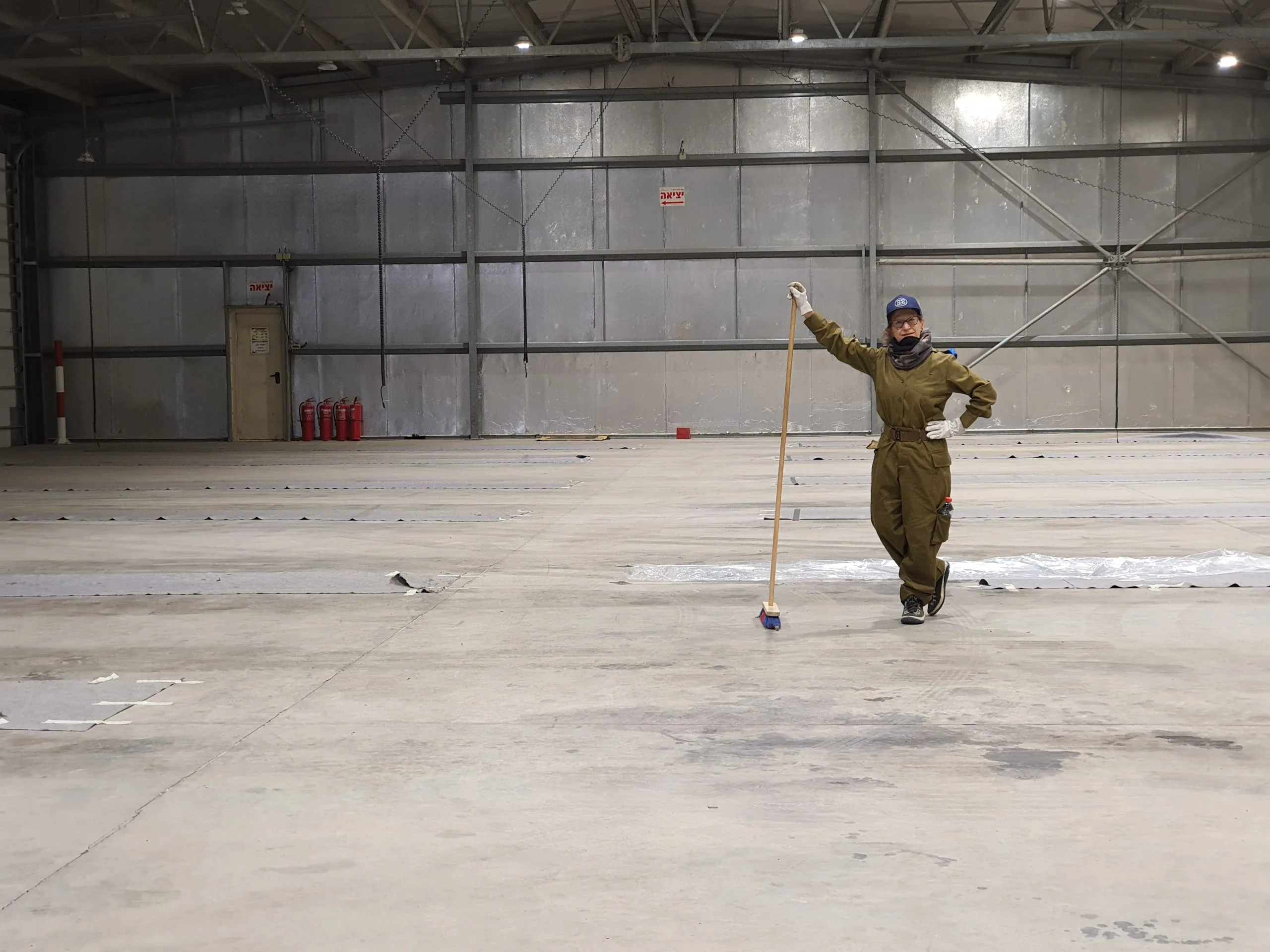
כמו שרואים בתמונה אני ממשיכה ללמוד גם היום ואפילו במחלקת יולדות אחרי לידת ביתי השלישית.

Noa Shiloh
נועה שילה

רבבה, ישראל

התחלתי ללמוד דף יומי ממסכת נידה כי זה היה חומר הלימוד שלי אז. לאחר הסיום הגדול בבנייני האומה החלטתי להמשיך. וב”ה מאז עם הפסקות קטנות של קורונה ולידה אני משתדלת להמשיך ולהיות חלק.

זה משפיע מאוד על היום יום שלי ועל אף שאני עסוקה בלימודי הלכה ותורה כל יום, זאת המסגרת הקבועה והמחייבת ביותר שיש לי.

Moriah Taesan Michaeli
מוריה תעסן מיכאלי

גבעת הראל, ישראל

התחלתי בסיום הש”ס, יצאתי באורות. נשברתי פעמיים, ובשתיהם הרבנית מישל עודדה להמשיך איפה שכולם בסבב ולהשלים כשאוכל, וכך עשיתי וכיום השלמתי הכל. מדהים אותי שאני לומדת כל יום קצת, אפילו בחדר הלידה, בבידוד או בחו”ל. לאט לאט יותר נינוחה בסוגיות. לא כולם מבינים את הרצון, בפרט כפמניסטית. חשה סיפוק גדול להכיר את המושגים וצורת החשיבה. החלום זה להמשיך ולהתמיד ובמקביל ללמוד איך מהסוגיות נוצרה והתפתחה ההלכה.

Weingarten Sherrington Foundation
קרן וינגרטן שרינגטון

מודיעין, ישראל

בבא בתרא קעא

בִּשְׁלָמָא בֵּי דִינָא – אַלִּימֵי לְאַפְקוֹעֵי מָמוֹנָא. אֶלָּא עֵדִים שֶׁעָשׂוּ שְׁלִיחוּתָן – חוֹזְרִין וְעוֹשִׂין שְׁלִיחוּתָן?!

Granted, a court can write a new document, because the court has the power to confiscate money. A creditor has the right to seize any property that the debtor had owned on the day the promissory note was written, even if that property was subsequently sold to others; the earlier the date on the note, the more properties it applies to. By dating the new document on the date of the original document the creditor is once again given the right to seize properties from those who had purchased land from the debtor in between the date of the original loan and the date the new promissory note is actually written. The court has such confiscatory power. But with regard to witnesses, who already performed their agency, i.e., fulfilled their assigned role, the first time they wrote the promissory note, can they return and perform their agency again by writing a second promissory note?

וְלָא?! וְהָא אָמַר רַב יְהוּדָה אָמַר רַב: עֵדִים כּוֹתְבִין אֲפִילּוּ עֲשָׂרָה שְׁטָרוֹת עַל שָׂדֶה אַחַת!

The Gemara asks: And is it so that witnesses are not empowered to do so? But doesn’t Rav Yehuda say that Rav says: Witnesses who were commissioned to write a deed for the transfer of property may write even ten deeds for one field? If the original deed is lost or destroyed, the witnesses may write a replacement deed for the purchaser, even if the deed is lost many times.

רַב יוֹסֵף אָמַר: בִּשְׁטַר מַתָּנָה,

Rav Yosef says an answer to this question: Rav Yehuda’s statement was concerning a deed of gift, not a bill of sale. A gift of land has no guarantee; if it is repossessed from the recipient by the giver’s creditor to repay the giver’s debt, the recipient has no recourse and cannot collect any money from anyone. Therefore, in this case no one is jeopardized by the writing of many replacement deeds, which are intended only to serve as a proof that the recipient is actually entitled to the land.

וְרַבָּה אָמַר: בִּשְׁטָר שֶׁאֵין בּוֹ אַחְרָיוּת.

And Rabba says: It is possible to say that Rav Yehuda’s statement applied even with regard to a bill of sale that does not have a guarantee in it. In that case as well, there is no potential loss to any purchasers of land. By contrast, in the case of a promissory note, which can be used to repossess property from those who have purchased land from the debtor, witnesses do not have the authority to predate a document and thereby subject more purchasers to possible land seizures due to the predating of the document.

מַאי בָּרַיְיתָא? דְּתַנְיָא: הֲרֵי שֶׁהָיוּ נוֹשִׁין בּוֹ אֶלֶף זוּז, וּפָרַע מֵהֶן חֲמֵשׁ מֵאוֹת זוּז – עֵדִים מְקָרְעִין אֶת הַשְּׁטָר, וְכוֹתְבִין לוֹ שְׁטָר אַחֵר מִזְּמַן רִאשׁוֹן, דִּבְרֵי רַבִּי יְהוּדָה. רַבִּי יוֹסֵי אוֹמֵר: שְׁטָר זֶה יְהֵא מוּנָּח בִּמְקוֹמוֹ, וְיִכְתְּבוּ שׁוֹבָר.

The Gemara cited an excerpt from a baraita earlier. It now cites it in full: What is the full text of the baraita? As it is taught: If one thousand dinars are owed by a debtor, and the debt is recorded in a promissory note, and the debtor repaid five hundred dinars out of the total, the witnesses tear the original promissory note and write another promissory note for him, dated from the time of the first note. This is the statement of Rabbi Yehuda. Rabbi Yosei says: This original promissory note shall remain in its place, in the custody of the creditor, and witnesses write a receipt for the five hundred dinars that were repaid. This receipt is given to the debtor to protect himself against a possible attempt by the creditor to use the promissory note to collect the entire one thousand dinars.

וּמִפְּנֵי שְׁנֵי דְבָרִים אָמְרוּ כּוֹתְבִין שׁוֹבָר – אַחַת, כְּדֵי שֶׁיָּכוֹף לְפוֹרְעוֹ; וְאַחַת, כְּדֵי שֶׁיִּגְבֶּה מִזְּמַן רִאשׁוֹן.

Rabbi Yosei continues: And there are two reasons why the Sages said that they write a receipt, as opposed to writing a new promissory note: One reason is so that the creditor can coerce the debtor to repay him, i.e., the psychological pressure for the debtor of knowing that the creditor has a promissory note with a larger amount listed than what he owes him will induce the debtor to repay the remainder promptly. And the other one is so that he, the creditor, should be able to collect liened property from the first date, that of the original document.

וְהָא רַבִּי יְהוּדָה נָמֵי מִזְּמַן רִאשׁוֹן קָאָמַר! הָכִי קָאָמַר לֵיהּ רַבִּי יוֹסֵי לְרַבִּי יְהוּדָה: אִי מִזְּמַן רִאשׁוֹן קָאָמְרַתְּ – פְּלִיגְנָא עֲלָךְ בַּחֲדָא; אִי מִזְּמַן שֵׁנִי קָאָמְרַתְּ – פְּלִיגְנָא עֲלָךְ בְּתַרְתֵּי.

The Gemara asks with regard to Rabbi Yosei’s second reason: But doesn’t Rabbi Yehuda also say that the new document must be dated from the time of the first document? The Gemara answers: Rabbi Yosei did not hear a full explanation of Rabbi Yehuda’s opinion; he heard only that Rabbi Yehuda prescribed writing a new promissory note recording the new balance. And this is what Rabbi Yosei is saying to Rabbi Yehuda: If you mean to say that the new promissory note is dated from the time of the first document, I disagree with you on one count, as I hold a receipt should be written to pressure the debtor. If you mean to say that the second promissory note is dated from the second date, i.e., from when the second promissory note was written, I disagree with you on two counts.

תָּנוּ רַבָּנַן: שְׁטַר שֶׁזְּמַנּוֹ כָּתוּב בְּשַׁבָּת אוֹ בַּעֲשָׂרָה בְּתִשְׁרִי – שְׁטָר מְאוּחָר הוּא, וְכָשֵׁר; דִּבְרֵי רַבִּי יְהוּדָה. רַבִּי יוֹסֵי פּוֹסֵל. אָמַר לוֹ רַבִּי יְהוּדָה: וַהֲלֹא מַעֲשֶׂה בָּא לְפָנֶיךָ בְּצִפּוֹרִי, וְהִכְשַׁרְתָּ! אָמַר לוֹ: כְּשֶׁהִכְשַׁרְתִּי – בָּזֶה הִכְשַׁרְתִּי.

§ The Gemara discusses a related halakha. The Sages taught in a baraita (Tosefta, Makkot 1:3): If there is a promissory note whose date is written as a Shabbat or as the tenth of Tishrei, i.e., Yom Kippur, it is assumed to be a postdated promissory note, as writing is forbidden on Shabbat and Yom Kippur, and it is therefore valid. This is the statement of Rabbi Yehuda. Rabbi Yosei deems the promissory note invalid. Rabbi Yehuda said to Rabbi Yosei: But didn’t such an incident come before you in Tzippori, and you yourself deemed the promissory note valid? Rabbi Yosei said to him: When I deemed the promissory note valid, it was in a case like this, where the date was a Shabbat or Yom Kippur, that I deemed it valid.

וְהָא רַבִּי יְהוּדָה נָמֵי בָּזֶה קָאָמַר!

The Gemara is puzzled by Rabbi Yosei’s response at the end of the baraita: But Rabbi Yehuda was also speaking in a case like this, where the date was a Shabbat or Yom Kippur, and yet Rabbi Yosei’s opinion was that the promissory note is invalid.

אָמַר רַבִּי פְּדָת: הַכֹּל מוֹדִים שֶׁאִם הוּזְקַקְנוּ לְעוֹנָתוֹ שֶׁל שְׁטָר, וְנִמְצֵאת עוֹנָתוֹ מְכֻוֶּונֶת בְּשַׁבָּת אוֹ בַּעֲשָׂרָה בְּתִשְׁרִי – שֶׁשְּׁטָר מְאוּחָר הוּא, וְכָשֵׁר;

Rabbi Pedat says: All parties to this dispute agree that if we engaged in an investigation of the date of the document, and its date was found to be exactly on Shabbat or on the tenth of Tishrei, that it is self-evident that it is a postdated promissory note and is valid.

לֹא נֶחְלְקוּ אֶלָּא בִּשְׁטָר מְאוּחָר בְּעָלְמָא –

The two Sages disagree only with regard to a case of a postdated promissory note in general, i.e., one in which the fact that it is postdated is not readily discernible from the dating of the document, as opposed to one dated on Shabbat or Yom Kippur.

דְּרַבִּי יְהוּדָה לְטַעְמֵיהּ, דְּאָמַר: אֵין כּוֹתְבִין שׁוֹבָר, וְלָא נָפֵיק מִינֵּיהּ חוּרְבָּא;

As Rabbi Yehuda conforms to his line of reasoning, as he says: One does not write a receipt for a debtor when he pays his debt; rather, the original document is torn, and in the case of partial repayment a new document is written, attesting to the balance due. And consequently, no harm can emerge from a postdated document. There is no concern that the date on the postdated document may have been recorded after the writing of a receipt.

וְרַבִּי יוֹסֵי לְטַעְמֵיהּ, דְּאָמַר: כּוֹתְבִין שׁוֹבָר, וְנָפֵיק מִינֵּיהּ חוּרְבָּא.

And Rabbi Yosei conforms to his line of reasoning, as he says: One writes a receipt for a debtor when he pays his debt, in lieu of tearing the promissory note. And consequently, harm can emerge from a postdated promissory note. Harm can occur in a case such as the following: The loan was given on the first of Nisan. The debt was paid on the following day and, rather than tearing the promissory note, a receipt was written and dated on the second of Nisan. If the original note had been postdated to the third of Nisan or thereafter, the creditor could use it to collect his debt a second time, arguing that the debtor’s receipt is irrelevant, as its date is prior to the date in the promissory note.

אָמַר רַב הוּנָא בְּרֵיהּ דְּרַב יְהוֹשֻׁעַ: אֲפִילּוּ לְמַאן דְּאָמַר כּוֹתְבִין שׁוֹבָר, הָנֵי מִילֵּי אַפַּלְגָא, אֲבָל אַכּוּלֵּיהּ – לָא.

§ Rav Huna, son of Rav Yehoshua, says: Even according to the one who says that one writes a receipt for the debtor when he pays, in lieu of tearing the promissory note, this statement applies only with regard to a case where the debtor pays half, i.e., a portion, of the debt. But with regard to a case where the debtor comes to repay all of the debt and the creditor has lost the promissory note and cannot tear it, all agree that one does not write a receipt. Rather, the debtor will not be required to repay the loan unless the creditor can produce the promissory note.

וְלָא הִיא, אֲפִילּוּ אַכּוּלֵּיהּ כָּתְבִינַן.

The Gemara rejects this opinion: But it is not so; we write a receipt even in a case where the debtor pays all of the debt.

כִּי הָא דְּרַב יִצְחָק בַּר יוֹסֵף הֲוָה מַסֵּיק בֵּיהּ זוּזִי בְּרַבִּי אַבָּא. אֲתָא לְקַמֵּיהּ דְּרַבִּי חֲנִינָא בַּר פַּפֵּי, אֲמַר לֵיהּ: ״הַב לִי זוּזַיי״. אֲמַר לֵיהּ: ״הַב לִי שְׁטָרַאי, וּשְׁקוֹל זוּזָךְ״. אֲמַר לֵיהּ: ״שְׁטָרָךְ אִירְכַס לִי, אֶכְתּוֹב לָךְ תְּבָרָא״. אָמַר לֵיהּ: ״הָא רַב וּשְׁמוּאֵל דְּאָמְרִי תַּרְוַיְיהוּ: אֵין כּוֹתְבִין שׁוֹבָר!״

The Gemara proves its assertion: This is like that case where Rav Yitzḥak bar Yosef was owed money by Rabbi Abba. Rav Yitzḥak bar Yosef came before Rabbi Ḥanina bar Pappi, and said to Rabbi Abba: Give me my money. Rabbi Abba said to him: First give me my promissory note, and then take your money. Rav Yitzḥak bar Yosef said to him: I lost your promissory note; instead, I will write a receipt for you. Rabbi Abba said to him: Isn’t there the opinion of Rav and Shmuel, who both say that the halakha is that one does not write a receipt?

אֲמַר: ״מַאן יָהֵיב לַן מֵעַפְרֵיהּ דְּרַב וּשְׁמוּאֵל, רָמִינַן בְּעַיְינִין; הָא רַבִּי יוֹחָנָן וְהָא רֵישׁ לָקִישׁ דְּאָמְרִי תַּרְוַיְיהוּ: כּוֹתְבִין שׁוֹבָר״.

Rabbi Ḥanina bar Pappi, the judge, thereupon said: Who will give us some of the dust of Rav and Shmuel, and I will place it on my eyes, so highly do I regard them. Nevertheless, isn’t there the opinion of Rabbi Yoḥanan and Reish Lakish, who both say that one writes a receipt?

וְכֵן כִּי אֲתָא רָבִין אָמַר רַבִּי אִילְעָא: כּוֹתְבִין שׁוֹבָר.

And similarly, when Ravin came from Eretz Yisrael to Babylonia, he said that Rabbi Ilai says: The halakha is that one writes a receipt.

וּמִסְתַּבְּרָא דְּכוֹתְבִין שׁוֹבָר; דְּאִי סָלְקָא דַּעְתָּא אֵין כּוֹתְבִין שׁוֹבָר, אָבַד שְׁטָרוֹ שֶׁל זֶה – יֹאכַל הַלָּה וְחָדֵי?!

The Gemara concludes: And it stands to reason that one writes a receipt. As, if it would enter your mind that one does not write a receipt, then if the promissory note of this creditor is lost, should this debtor eat and rejoice? Is it fair that he should keep money that he knows he owes the creditor?

מַתְקֵיף לַהּ אַבָּיֵי: וְאֶלָּא מַאי, כּוֹתְבִין שׁוֹבָר?! אָבַד שׁוֹבָרוֹ שֶׁל זֶה – יֹאכַל הַלָּה וְחָדֵי? אֲמַר לֵיהּ רָבָא: אִין, ״עֶבֶד לֹוֶה לְאִישׁ מַלְוֶה״.

Abaye objects to this line of reasoning: Rather, what should the halakha be, that one writes a receipt when the creditor cannot find the promissory note? If the receipt of the debtor is lost, should this creditor eat and rejoice? Once the debtor has lost his receipt, there is nothing to prevent the creditor from collecting the debt a second time. This, too, is unfair. In either case, whether a receipt is written or not, an injustice could result. Why should it be preferred that the potential of suffering an injustice should be borne by the debtor rather than the creditor? Rava said to Abaye: Yes, it is preferable, because, as it is written: “The borrower is a servant to the lender” (Proverbs 22:7). The debtor’s interests are subordinated to those of the creditor.

תְּנַן הָתָם: שִׁטְרֵי חוֹב הַמּוּקְדָּמִין – פְּסוּלִין, וְהַמְאוּחָרִין – כְּשֵׁרִין.

§ We learned in a mishna elsewhere (Shevi’it 10:5): Promissory notes that are antedated are not valid, but those that are postdated are valid.

אָמַר רַב הַמְנוּנָא: לֹא שָׁנוּ אֶלָּא שְׁטָרֵי הַלְוָאָה, אֲבָל שְׁטָרֵי מִקָּח וּמִמְכָּר – אֲפִילּוּ מְאוּחָרִין נָמֵי פְּסוּלִין. מַאי טַעְמָא? זִימְנִין דִּמְזַבֵּין לֵיהּ אַרְעָא בְּנִיסָן וְכָתֵיב לֵיהּ בְּתִשְׁרִי, וּמִתְרְמֵי לֵיהּ זוּזֵי בֵּינֵי בֵּינֵי וְזָבֵין לַיהּ מִינֵּיהּ, וְכִי מָטֵי תִּשְׁרִי – מַפֵּיק לֵיהּ, וְאָמַר לֵיהּ: הֲדַר זְבֵנְתַּהּ מִינָּךְ!

Rav Hamnuna says: They taught this halakha only with regard to promissory notes, but with regard to deeds of buying and selling property, even postdated documents are not valid. What is the reason for this stringency in the case of bills of sale? If postdated documents were allowed, there could be times that the seller sells land to the purchaser in the month of Nisan of a particular year and writes a postdated deed for him stating that the sale took place in the following Tishrei, and some money happens to reach the seller between Nisan and Tishrei and he purchases the land back from the purchaser. And then, when Tishrei arrives, the purchaser takes out the original bill of sale and says to the seller: It is true that you purchased the field from me, but I then purchased it from you again now, in Tishrei, as stated in this document.

אִי הָכִי, שְׁטָרֵי הַלְוָאָה נָמֵי – זִמְנִין דְּיָזֵיף בְּנִיסָן וּכְתִיב לֵיהּ שְׁטָרָא בְּתִשְׁרִי; וּמִתְרְמֵי לֵיהּ זוּזֵי בֵּינֵי בֵּינֵי וּפָרַע לֵיהּ, וְאָמַר לֵיהּ: הַב לִי שְׁטָרַאי, וְאָמַר לֵיהּ: אִירְכַס לִי, וְכָתֵיב לֵיהּ תְּבָרָא; וְכִי מָטֵי זִמְנֵיהּ, מַפֵּיק לֵיהּ וַאֲמַר לֵיהּ: הָנֵי הַשְׁתָּא הוּא דִּיזַפְתְּ מִינַּאי!

The Gemara asks: If so, a similar scenario could occur with promissory notes as well: There could be times that one borrows money in Nisan and writes a promissory note for the creditor stating that the loan took place in the following Tishrei, and some money happens to reach the debtor between Nisan and Tishrei and he repays his debt to the creditor early and says to him: Give me my promissory note. And the creditor says to him: I lost it, and he writes him a receipt instead. And then, when the time written in the note arrives, the creditor takes out the supposedly lost promissory note and says to the debtor: It is true that you repaid me previously, but it is now, after you repaid that loan, that you borrowed from me these dinars recorded in this document, which is dated in Tishrei.

קָסָבַר: אֵין כּוֹתְבִין שׁוֹבָר.

The Gemara answers: Rav Hamnuna holds that one does not write a receipt, so that scenario cannot occur. Like Rabbi Yehuda, Rav Hamnuna maintains that if a creditor loses his promissory note the debtor does not have to repay the loan. Rabbi Yosei, who does allow the creditor to collect his debt in such a case and write a receipt for the debtor, is concerned about that scenario, and consequently he holds that postdated promissory notes are not valid.

אֲמַר לֵיהּ רַב יֵימַר לְרַב כָּהֲנָא, וְאָמְרִי לַהּ רַב יִרְמְיָה מִדִּיפְתִּי לְרַב כָּהֲנָא: וְהָאִידָּנָא דְּכָתְבִינַן שְׁטָרֵי מְאוּחָרֵי וְכָתְבִינַן תְּבָרָא, אַמַּאי קָעָבְדִינַן הָכִי? אֲמַר לֵיהּ, בָּתַר דַּאֲמַר לְהוּ רַבִּי אַבָּא לְסָפְרֵיהּ: כִּי כָּתְבִיתוּ שְׁטָרֵ[י] מְאוּחָרֵי, כְּתֻבוּ הָכִי: ״שְׁטָרָא דְּנַן לָא בְּזִמְנֵיהּ כְּתַבְנֵיהּ, אֶלָּא אַחַרְנוֹהִי וּכְתַבְנוֹהִי״.

Rav Yeimar said to Rav Kahana, and some say it was Rav Yirmeya of Difti who said this to Rav Kahana: And today, when we write postdated promissory notes, and we also write a receipt in cases where the creditor loses his promissory note, why do we do this? The combination of allowing postdated promissory notes and allowing the writing of a receipt instead of producing the promissory note would enable double collection of the loan to take place. Rav Kahana said to him: The problem was rectified after Rabbi Abba told his court scribe: When you write postdated promissory notes, write as follows: We did not write this document on its date, i.e., on the date written within the document; rather, we postdated it and wrote it. Since it is clear from the text of the document that it was postdated, double collection of the loan is avoided.

אֲמַר לֵיהּ רַב אָשֵׁי לְרַב כָּהֲנָא: וְהָאִידָּנָא – דְּלָא קָא עָבְדִינַן הָכִי? בָּתַר דַּאֲמַר לֵיהּ רַב סָפְרָא לְסָפְרֵיהּ: כִּי כָּתְבִיתוּ הָנֵי תְּבָרֵי; אִי יָדְעִיתוּ זִימְנָא דִשְׁטָרָא – כְּתֻבוּ, אִי לָא – כְּתֻבוּ סְתָמָא, דְּכׇל אֵימַת דְּנָפֵיק – לַרְעֵיהּ.

Rav Ashi said to Rav Kahana: But what about today, when we do not do this, i.e., we do not follow Rabbi Abba’s instructions? How do we avoid double collection of the loan? Rav Kahana replied: The problem was rectified after Rav Safra said to his court scribe: When you write these receipts for debtors who pay debts without the original promissory note being torn, if you know the date written in the missing promissory note, write it into the receipt. But if you do not know the date written in the promissory note, write the receipt without specification, i.e., do not write any date at all in the receipt, so that whenever the creditor produces the promissory note, the undated receipt can weaken it, i.e., exempt the debtor from payment.

אֲמַר לֵיהּ רָבִינָא לְרַב אָשֵׁי, וְאָמְרִי לַהּ רַב אָשֵׁי לְרַב כָּהֲנָא:

Ravina said to Rav Ashi, and some say it was Rav Ashi who said to Rav Kahana:

רוצה לעקוב אחרי התכנים ולהמשיך ללמוד?

ביצירת חשבון עוד היום ניתן לעקוב אחרי ההתקדמות שלך, לסמן מה למדת, ולעקוב אחרי השיעורים שמעניינים אותך.

לנקות את כל הפריטים מהרשימה?

פעולה זו תסיר את כל הפריטים בחלק זה כולל ההתקדמות וההיסטוריה. שימי לב: לא ניתן לשחזר פעולה זו.

ביטול
מחיקה

האם את/ה בטוח/ה שברצונך למחוק פריט זה?

תאבד/י את כל ההתקדמות או ההיסטוריה הקשורות לפריט זה.

ביטול
מחיקה