חיפוש

בבא בתרא ל

רוצה להקדיש לימוד?

podcast placeholder

0:00
0:00


תקציר

הדף היום מקדש ע”י רינה בר דוד לע”נ דניאל נתן בן יוכבד ובנימין, "הילד המתוק והטהור שהלך לעולמו לפני 4 שנים.”

מובא מחלוקת אחרת בין רב נחמן ורבא כדי לסתור את פסיקתם במקרה הקודם. אבל מבחינים בין שני המקרים ומסיקים שאין סתירות בעמדותיהם. רבא פוסק שאם הבעלים המקורי לא מחה תוך שלוש שנים של חזקה מכיוון שהיה מחוץ לעיר, ואפילו כשהיה בעיר היה עסוק בעסקיו, טענתו מתקבלת ואין חזקה למחזיק. מובאים ארבעה מקרים בהם המחזיק טען שיש לו חזקה מכיוון שקנה את הקרקע ואז גר בה במשך שלוש שנים. בכל מקרה, הבעלים המקורי טוען שהמוכר שמכר את הקרקע למוחזק גנב את הקרקע ולא היה הבעלים החוקי, ולכן נחשבת חזקת המחזיק לחזקה שאין עמה טענה. כל מקרה שונה מעט מהקודם לו. רבא פסק בכל אחד מהמקרים האלה, ובדרך כלל לטובת מי שטען שזה היה גזול.

בבא בתרא ל

דַּאֲמַר לֵיהּ לְחַבְרֵיהּ: כׇּל נִכְסֵי דְּבֵי בַּר סִיסִין – מְזַבֵּינָא לָךְ. הֲוַאי הָהִיא אַרְעָא דַּהֲוָה מִיקְּרֵי ״דְּבֵי בַּר סִיסִין״. אֲמַר לֵיהּ: הָא לָאו דְּבֵי בַּר סִיסִין הִיא, וְאִיקְּרוֹיֵי הוּא דְּמִיקַּרְיָא ״דְּבֵי בַּר סִיסִין״. אֲתוֹ לְקַמֵּיהּ דְּרַב נַחְמָן, אוֹקְמָא בִּידָא דְלוֹקֵחַ. אֲמַר לֵיהּ רָבָא: דִּינָא הָכִי?! הַמּוֹצִיא מֵחֲבֵירוֹ עָלָיו הָרְאָיָה!

who said to another: I am hereby selling to you all of the property that I own of the house of bar Sisin. There was a certain parcel of land that was called: Of the house of bar Sisin. The seller said to the buyer: This parcel of land that I own is not actually of the house of bar Sisin, and it is merely called: Of the house of bar Sisin, and it is not included in the sale. They came before Rav Naḥman for judgment, and he established the land in the possession of the buyer. Rava said to Rav Naḥman: Is this the halakha? Isn’t the halakha that the burden of proof rests upon the claimant, and the land should remain in the possession of the seller?

קַשְׁיָא דְּרָבָא אַדְּרָבָא, קַשְׁיָא דְּרַב נַחְמָן אַדְּרַב נַחְמָן.

The Gemara continues: There is a difficulty from one statement of Rava to another statement of Rava, and there is also a difficulty from one statement of Rav Naḥman to another statement of Rav Naḥman, as in the first case, where the claimant states that he had been in a distant location, Rav Naḥman ruled in favor of the claimant, and Rava ruled in favor of the possessor; while in the second case, that of the property of bar Sisin, their opinions were reversed.

דְּרָבָא אַדְּרָבָא לָא קַשְׁיָא – הָתָם מוֹכֵר קָאֵי בְּנִכְסֵיהּ, הָכָא לוֹקֵחַ קָאֵי בְּנִיכְסֵיהּ.

The Gemara answers: The contradiction between one statement of Rava and another statement of Rava is not difficult, because there, in the case of the property of bar Sisin, the seller had been established as having the land in his property, which is why Rava rules in his favor. But here, in the case where the claimant states that he had been in a distant location, the buyer is established as having the house in his property.

דְּרַב נַחְמָן אַדְּרַב נַחְמָן נָמֵי לָא קַשְׁיָא – כֵּיוָן דַּאֲמַר לֵיהּ: דְּבֵי בַּר סִיסִין, וּמִיקַּרְיָא ״דְּבֵי בַּר סִיסִין״, עֲלֵיהּ דִּידֵיהּ רַמְיָא לְגַלּוֹיֵי דְּלָאו דְּבֵי בַּר סִיסִין הִיא; אֲבָל הָכָא, לֹא יְהֵא אֶלָּא דְּנָקֵיט שְׁטָרָא – מִי לָא אָמְרִינַן לֵיהּ: קַיֵּים שְׁטָרָךְ וְקוּם בְּנִיכְסֵי?

The contradiction between one statement of Rav Naḥman and the other statement of Rav Naḥman is not difficult as well, because there, since the seller said to him: I am hereby selling you all of the property that I own of the house of bar Sisin, and this parcel of land is called: Of the house of bar Sisin, it is incumbent on him to reveal that the parcel under dispute is not of the house of bar Sisin. But here, in the case where the claimant states that he had been in a distant location, it should not be any different from a case where the possessor is holding a document as evidence that he purchased the house. Wouldn’t we then say to him: First ratify your document, and only then be established in the property? In this case as well, since his presumptive ownership is in place of a document, he needs to clarify the matter by means of witnesses.

הָהוּא דַּאֲמַר לֵיהּ לְחַבְרֵיהּ: מַאי בָּעֵית בְּהַאי בֵּיתָא? אֲמַר לֵיהּ: מִינָּךְ זְבֵנְתֵּיהּ, וַאֲכַלְתֵּיהּ שְׁנֵי חֲזָקָה. אֲמַר לֵיהּ: בְּשׁוּקֵי בָּרָאֵי הֲוַאי. אֲמַר לֵיהּ: וְהָא אִית לִי סָהֲדִי דְּכֹל שַׁתָּא הֲוָה אָתֵית תְּלָתִין יוֹמֵי! אֲמַר לֵיהּ: תְּלָתִין יוֹמֵי – בְּשׁוּקַאי הֲוָה טְרִידְנָא. אָמַר רָבָא: עֲבִיד אִינִישׁ דְּכֹל תְּלָתִין יוֹמֵי טְרִיד בְּשׁוּקָא.

There was a certain person who said to another: What do you want with this house of mine? The possessor said to him: I purchased it from you and I worked and profited from it for the years necessary for establishing the presumption of ownership. The claimant said to him: I was in the outer marketplaces, and was unaware that you were residing in my house, and therefore did not lodge a protest, so your profiting does not establish the presumption of ownership. The possessor said to him: But I have witnesses that every year you would come here for thirty days and had an opportunity to know that I was residing in your house and to lodge a protest. The claimant said to him: I was occupied with my business in the marketplaces for those thirty days. Rava said: A person is apt to be occupied with business in the marketplace for all of thirty days, and accepted his claim.

הָהוּא דְּאָמַר לֵיהּ לְחַבְרֵיהּ: מַאי בָּעֵית בְּהַאי אַרְעָא? אֲמַר לֵיהּ: מִפְּלָנְיָא זְבֵינְתַּהּ, דְּאָמַר לִי דְּזַבְנַהּ מִינָּךְ. אֲמַר לֵיהּ: אַתְּ לָאו קָא מוֹדֵית

There was a certain person who said to another: What do you want with this land of mine? The possessor said to him: I purchased it from so-and-so, who told me that he purchased it from you. The claimant said to him: Don’t you concede

דְּהַאי אַרְעָא דִּידִי הִיא, וְאַתְּ לָא זְבֵינְתַּהּ מִינַּאי? זִיל, לָאו בַּעַל דְּבָרִים דִּידִי אַתְּ. אָמַר רָבָא: דִּינָא קָאָמַר לֵיהּ.

that this land is formerly mine, and that you did not purchase it from me? Go away; I am not legally answerable to you. Rava said: The claimant stated the halakha to the possessor, as this is a legitimate claim, and Rava accepted his claim.

הָהוּא דְּאָמַר לֵיהּ לְחַבְרֵיהּ: מַאי בָּעֵית בְּהַאי אַרְעָא? אֲמַר לֵיהּ: מִפְּלָנְיָא זְבֵינְתַּהּ, וַאֲכַלְתִּיהָ שְׁנֵי חֲזָקָה. אֲמַר לֵיהּ: פְּלָנְיָא גַּזְלָנָא הוּא.

There was a certain person who said to another: What do you want with this land of mine? The possessor said to him: I purchased it from so-and-so and then I worked and profited from it for the years necessary for establishing the presumption of ownership. The claimant said to him: So-and-so is a robber who robbed me of the field, and he did not have the authority to sell it to you.

אֲמַר לֵיהּ: וְהָא אִית לִי סָהֲדִי דַּאֲתַאי אִימְּלַכִי בָּךְ, וַאֲמַרְתְּ לִי: ״זִיל זְבֹין״! אֲמַר לֵיהּ: הַשֵּׁנִי נוֹחַ לִי; הָרִאשׁוֹן קָשֶׁה הֵימֶנּוּ. אָמַר רָבָא: דִּינָא קָאָמַר לֵיהּ.

The possessor said to him: But I have witnesses that I came and consulted with you, and you said to me: Go purchase the land, indicating that you conceded that he had the authority to sell it. The claimant said to him: The reason that I advised you to purchase it was because the second person, i.e., you, the possessor, is amenable to me, while the first, i.e., the purported thief, is more difficult than he, i.e., I prefer to litigate with you rather than with him. Rava said: The claimant stated the halakha to the possessor, as this is a legitimate claim, and Rava accepted his claim.

כְּמַאן, כְּאַדְמוֹן? דִּתְנַן: הָעוֹרֵר עַל הַשָּׂדֶה וְחָתוּם עָלֶיהָ בְּעֵד – אַדְמוֹן אוֹמֵר: הַשֵּׁנִי נוֹחַ לִי; הָרִאשׁוֹן קָשֶׁה הֵימֶנּוּ. וַחֲכָמִים אוֹמְרִים: אִיבֵּד אֶת זְכוּתוֹ.

The Gemara asks: In accordance with whose opinion is Rava’s statement? Is it in accordance with the opinion of Admon? As we learned in a mishna (Ketubot 109a): With regard to one who contests ownership of a field, claiming that a field possessed by someone else actually belongs to him, and the claimant himself is signed as a witness on the bill of sale of the field to that other person, Admon says: His signature does not disprove his claim of ownership of the property, as it is possible that the claimant said to himself: The second person is amenable to me to deal with, as I can reason with him, while the first owner, who sold the field to the current possessor, is more difficult to deal with than he. And the Rabbis say: He lost his right to contest, as he signed a bill of sale that states that the field belongs to the possessor. Rava’s ruling appears to be in accordance with the individual opinion of Admon, and not with the opinion of the Rabbis.

אֲפִילּוּ תֵּימָא רַבָּנַן – הָתָם עֲבַד לֵיהּ מַעֲשֶׂה; אֲבָל הָכָא דִּבּוּרָא – עֲבִיד אִינִישׁ דְּמִיקְּרֵי וְאָמַר.

The Gemara explains: You may even say that Rava’s ruling is in accordance with the opinion of the Rabbis. There, in the case of the mishna in tractate Ketubot, by signing the bill of sale the claimant performed an action indicating that the field was not his for the benefit of the possessor of the field, but here, in Rava’s case, there was no action, only speech, and a person is apt to casually say statements, and he does not lose his right by virtue of this.

הָהוּא דְּאָמַר לֵיהּ לְחַבְרֵיהּ: מַאי בָּעֵית בְּהַאי אַרְעָא? אֲמַר לֵיהּ: מִפְּלָנְיָא זְבֵינְתַּהּ, וַאֲכַלְתִּיהָ שְׁנֵי חֲזָקָה. אֲמַר לֵיהּ: פְּלָנְיָא גַּזְלָנָא הוּא! אֲמַר לֵיהּ: וְהָא אִית לִי סָהֲדִי דַּאֲתֵית בְּאוּרְתָּא, וַאֲמַרְתְּ לִי: זַבְנַהּ נִיהֲלִי! אֲמַר לֵיהּ: אָמֵינָא אֶיזְבּוֹן דִּינַאי. אָמַר רָבָא: עֲבִיד אִינִישׁ דְּזָבֵין דִּינֵיהּ.

There was a certain person who said to another: What do you want with this land of mine? The possessor said to him: I purchased it from so-and-so and then I worked and profited from it for the years necessary for establishing the presumption of ownership. The claimant said to him: So-and-so is a robber who robbed me of the field, and he did not have the authority to sell it to you. The possessor said to him: But I have witnesses that you came to me at night and you said to me: Sell it to me, indicating that it is not your land, as if it were yours, you would have demanded that I return it without your paying for it. The claimant said to him: I said to myself: Let me purchase the benefit of avoiding my litigation in order to reclaim my land. Rava said: A person is apt to pay money to purchase the benefit of avoiding his litigation.

הָהוּא דַּאֲמַר לֵיהּ לְחַבְרֵיהּ: מַאי בָּעֵית בְּהַאי אַרְעָא? אֲמַר לֵיהּ: מִפְּלָנְיָא זְבֵינְתַּהּ, וַאֲכַלְתִּיהָ שְׁנֵי חֲזָקָה. אֲמַר לֵיהּ: וְהָא נְקִיטְנָא שְׁטָרָא דִּזְבַנִי לַיהּ מִינֵּיהּ הָא אַרְבְּעִי שְׁנֵי!

There was a certain person who said to another: What do you want with this land of mine? The possessor said to him: I purchased it from so-and-so and then I worked and profited from it for the years necessary for establishing the presumption of ownership, indicating that he possessed it for three years, as this is the minimum number of years required for establishing the presumption of ownership. The claimant said to him: But I am holding a document stating that I purchased it from that seller four years ago. Therefore, if it was sold to you three years ago, as you claim, he did not have the authority to sell it at that time.

אֲמַר לֵיהּ: מִי סָבְרַתְּ ״שְׁנֵי חֲזָקָה״ – תְּלָת שְׁנֵי קָא אָמֵינָא?! שְׁנֵי חֲזָקָה טוּבָא קָא אָמֵינָא. אָמַר רָבָא: עֲבִידִי אִינָשֵׁי דְּקָרוּ לִשְׁנֵי טוּבָא ״שְׁנֵי חֲזָקָה״.

The possessor said to him: Do you maintain that when I said: I profited from the land for the years necessary for establishing the presumption of ownership, that I was saying I worked and profited from the land for precisely three years? What I actually was saying was that I worked and profited from the land for many years and thereby established the presumption of ownership. Since my purchase predated yours, it was effective. Rava said: It is common for people to refer to many years as: Years necessary for establishing the presumption of ownership, and his claim is accepted.

וְהָנֵי מִילֵּי דְּאַכְלַהּ שְׁבַע – דִּקְדֵים חֲזָקָה דְהַאי לִשְׁטָרָא דְהָךְ;

The Gemara comments: And this matter applies only if he profited from the land for seven years, so that presumptive ownership of this possessor preceded the document of that claimant.

חדשה בלימוד הגמרא?

זה הדף הראשון שלך? איזו התרגשות עצומה! יש לנו בדיוק את התכנים והכלים שיעזרו לך לעשות את הצעדים הראשונים ללמידה בקצב וברמה שלך, כך תוכלי להרגיש בנוח גם בתוך הסוגיות המורכבות ומאתגרות.

פסיפס הלומדות שלנו

גלי את קהילת הלומדות שלנו, מגוון נשים, רקעים וסיפורים. כולן חלק מתנועה ומסע מרגש ועוצמתי.

התחלתי להשתתף בשיעור נשים פעם בשבוע, תכננתי ללמוד רק דפים בודדים, לא האמנתי שאצליח יותר מכך.
לאט לאט נשאבתי פנימה לעולם הלימוד .משתדלת ללמוד כל בוקר ומתחילה את היום בתחושה של מלאות ומתוך התכווננות נכונה יותר.
הלימוד של הדף היומי ממלא אותי בתחושה של חיבור עמוק לעם היהודי ולכל הלומדים בעבר ובהווה.

Neely Hayon
נילי חיון

אפרת, ישראל

התחלתי ללמוד דף יומי בסבב הקודם. זכיתי לסיים אותו במעמד המרגש של הדרן. בסבב הראשון ליווה אותי הספק, שאולי לא אצליח לעמוד בקצב ולהתמיד. בסבב השני אני לומדת ברוגע, מתוך אמונה ביכולתי ללמוד ולסיים. בסבב הלימוד הראשון ליוותה אותי חוויה מסויימת של בדידות. הדרן העניקה לי קהילת לימוד ואחוות נשים. החוויה של סיום הש”ס במעמד כה גדול כשנשים שאינן מכירות אותי, שמחות ומתרגשות עבורי , היתה חוויה מרוממת נפש

Ilanit Weil
אילנית ווייל

קיבוץ מגדל עוז, ישראל

התחלתי ללמוד דף יומי אחרי שחזרתי בתשובה ולמדתי במדרשה במגדל עוז. הלימוד טוב ומספק חומר למחשבה על נושאים הלכתיים ”קטנים” ועד לערכים גדולים ביהדות. חשוב לי להכיר את הגמרא לעומק. והצעד הקטן היום הוא ללמוד אותה בבקיאות, בעזרת השם, ומי יודע אולי גם אגיע לעיון בנושאים מעניינים. נושאים בגמרא מתחברים לחגים, לתפילה, ליחסים שבין אדם לחברו ולמקום ולשאר הדברים שמלווים באורח חיים דתי 🙂

Gaia Divo
גאיה דיבו

מצפה יריחו, ישראל

הייתי לפני שנתיים בסיום הדרן נשים בבנייני האומה והחלטתי להתחיל. אפילו רק כמה דפים, אולי רק פרק, אולי רק מסכת… בינתיים סיימתי רבע שס ותכף את כל סדר מועד בה.
הסביבה תומכת ומפרגנת. אני בת יחידה עם ארבעה אחים שכולם לומדים דף יומי. מדי פעם אנחנו עושים סיומים יחד באירועים משפחתיים. ממש מרגש. מסכת שבת סיימנו כולנו יחד עם אבא שלנו!
אני שומעת כל יום פודקאסט בהליכה או בנסיעה ואחכ לומדת את הגמרא.

Edna Gross
עדנה גרוס

מרכז שפירא, ישראל

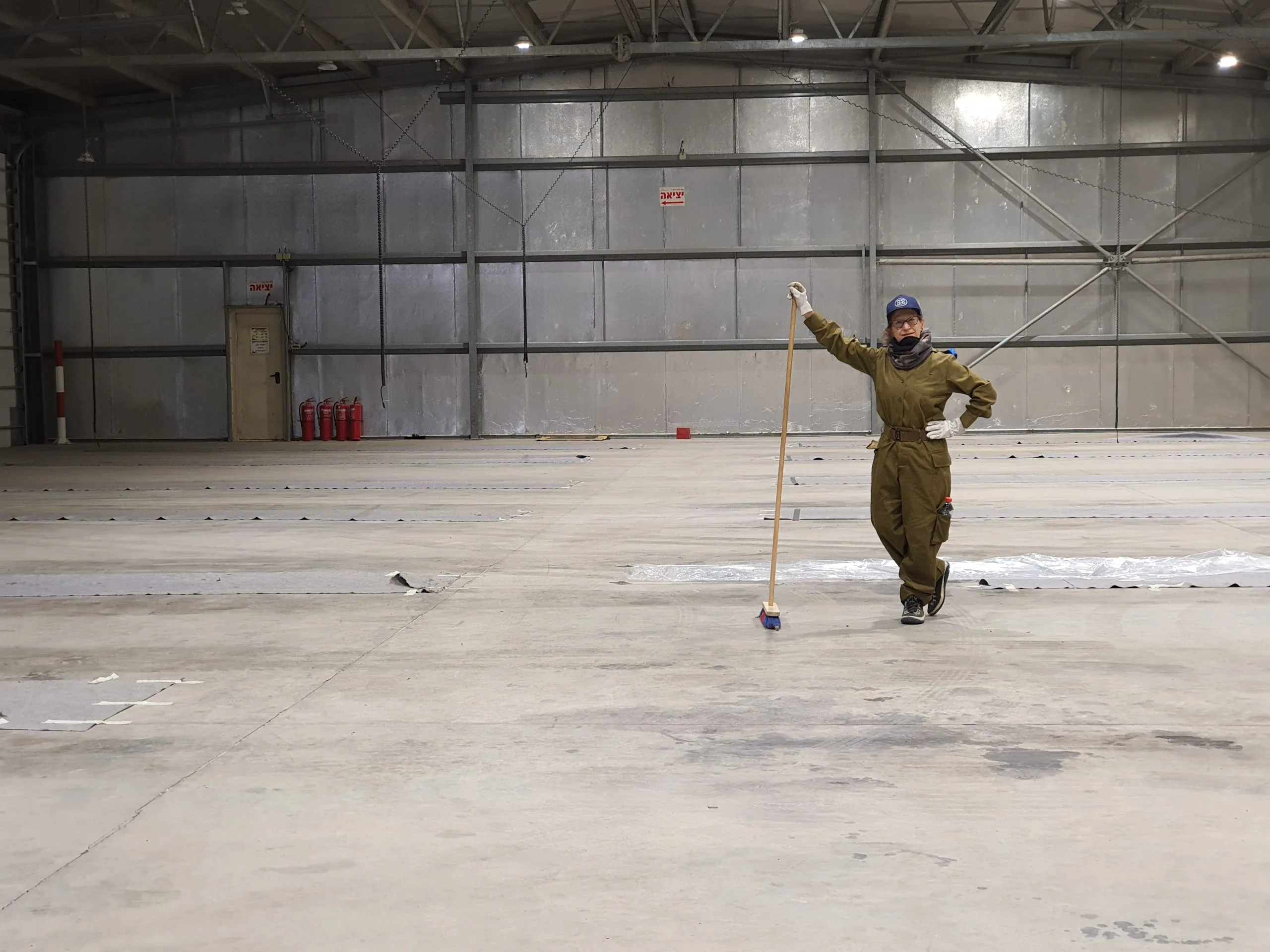
אני לומדת גמרא כעשור במסגרות שונות, ואת הדף היומי התחלתי כשחברה הציעה שאצטרף אליה לסיום בבנייני האומה. מאז אני לומדת עם פודקסט הדרן, משתדלת באופן יומי אך אם לא מספיקה, מדביקה פערים עד ערב שבת. בסבב הזה הלימוד הוא "ממעוף הציפור”, מקשיבה במהירות מוגברת תוך כדי פעילויות כמו בישול או נהיגה, וכך רוכשת היכרות עם הסוגיות ואופן ניתוחם על ידי חז”ל. בע”ה בסבב הבא, ואולי לפני, אצלול לתוכו באופן מעמיק יותר.

Yael Bir
יעל ביר

רמת גן, ישראל

My explorations into Gemara started a few days into the present cycle. I binged learnt and become addicted. I’m fascinated by the rich "tapestry” of intertwined themes, connections between Masechtot, conversations between generations of Rabbanim and learners past and present all over the world. My life has acquired a golden thread, linking generations with our amazing heritage.
Thank you.

Susan Kasdan
סוזן כשדן

חשמונאים, Israel

התחלתי ללמוד את הדף היומי מעט אחרי שבני הקטן נולד. בהתחלה בשמיעה ולימוד באמצעות השיעור של הרבנית שפרבר. ובהמשך העזתי וקניתי לעצמי גמרא. מאז ממשיכה יום יום ללמוד עצמאית, ולפעמים בעזרת השיעור של הרבנית, כל יום. כל סיום של מסכת מביא לאושר גדול וסיפוק. הילדים בבית נהיו חלק מהלימוד, אני משתפת בסוגיות מעניינות ונהנית לשמוע את דעתם.

Eliraz Blau
אלירז בלאו

מעלה מכמש, ישראל

לצערי גדלתי בדור שבו לימוד גמרא לנשים לא היה דבר שבשגרה ושנים שאני חולמת להשלים את הפער הזה.. עד שלפני מספר שבועות, כמעט במקרה, נתקלתי במודעת פרסומת הקוראת להצטרף ללימוד מסכת תענית. כשקראתי את המודעה הרגשתי שהיא כאילו נכתבה עבורי – "תמיד חלמת ללמוד גמרא ולא ידעת איך להתחיל”, "בואי להתנסות במסכת קצרה וקלה” (רק היה חסר שהמודעה תיפתח במילים "מיכי שלום”..). קפצתי למים ו- ב”ה אני בדרך להגשמת החלום:)

Micah Kadosh
מיכי קדוש

מורשת, ישראל

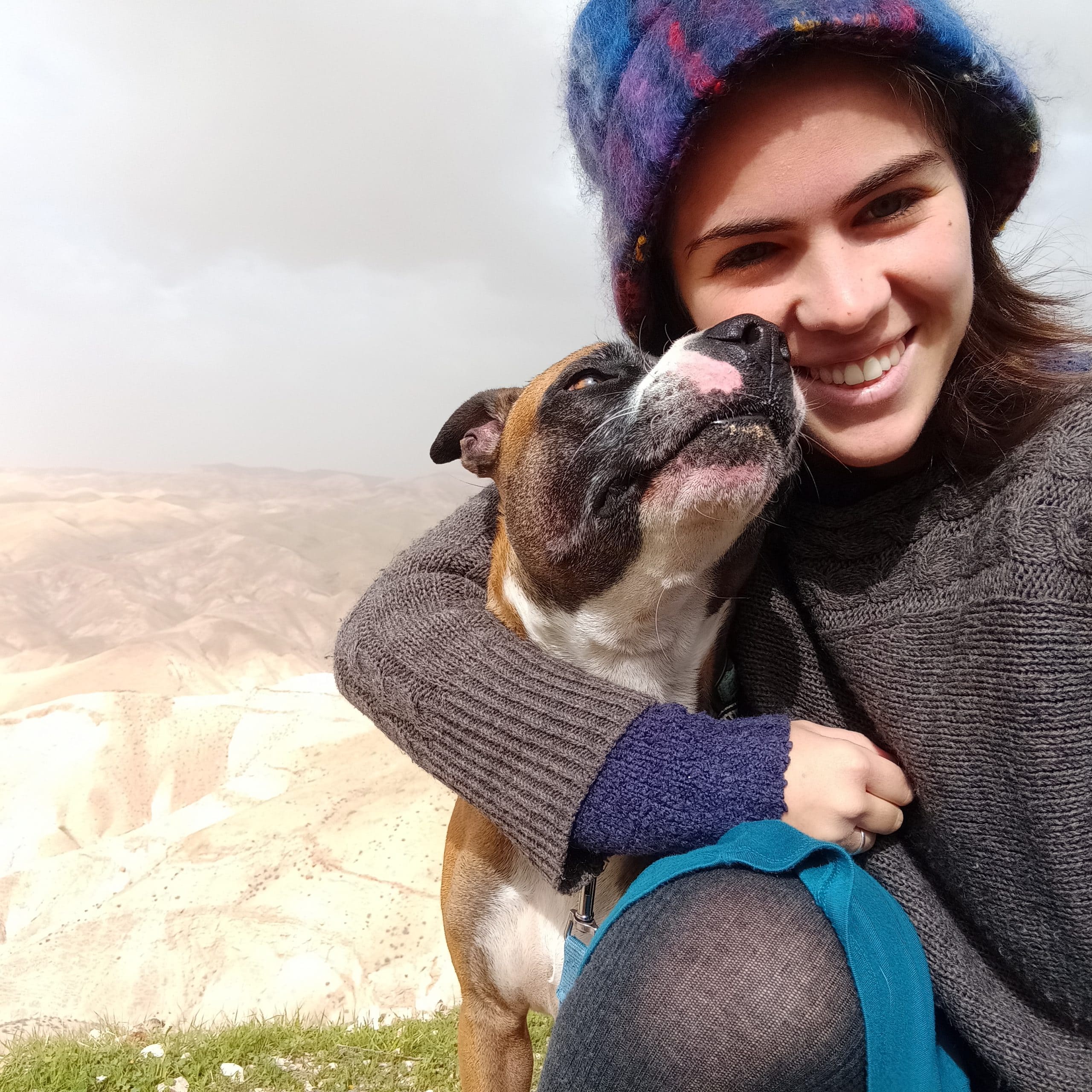
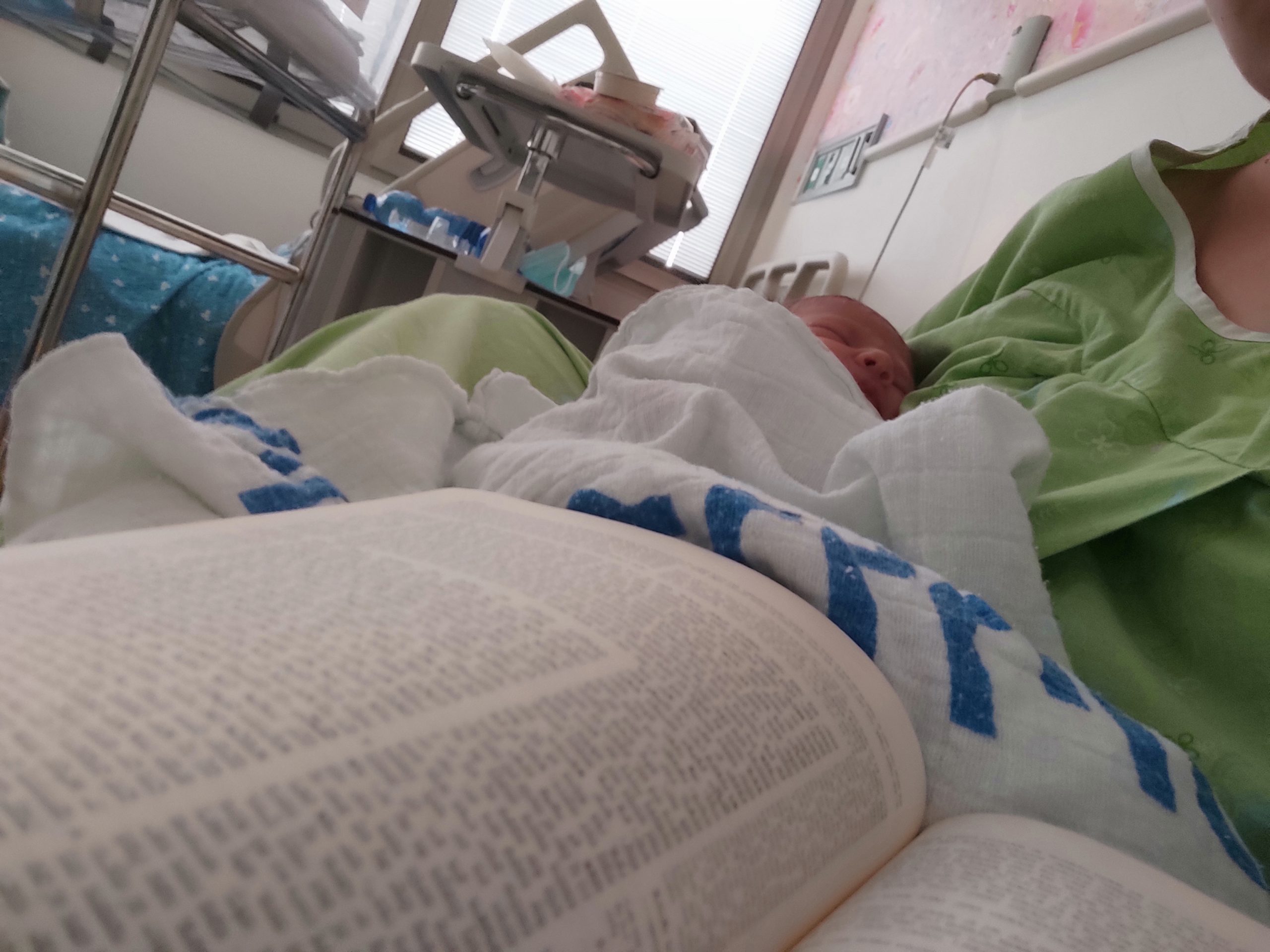
בתחילת הסבב הנוכחי הצטברו אצלי תחושות שאני לא מבינה מספיק מהי ההלכה אותה אני מקיימת בכל יום. כמו כן, כאמא לבנות רציתי לתת להן מודל נשי של לימוד תורה
שתי הסיבות האלו הובילו אותי להתחיל ללמוד. נתקלתי בתגובות מפרגנות וסקרניות איך אישה לומדת גמרא..
כמו שרואים בתמונה אני ממשיכה ללמוד גם היום ואפילו במחלקת יולדות אחרי לידת ביתי השלישית.

Noa Shiloh
נועה שילה

רבבה, ישראל

A friend in the SF Bay Area said in Dec 2019 that she might start listening on her morning drive to work. I mentioned to my husband and we decided to try the Daf when it began in Jan 2020 as part of our preparing to make Aliyah in the summer.

Hana Piotrkovsky
חנה פיוטרקובסקי

ירושלים, Israel

התחלתי ללמוד את הדף היומי מעט אחרי שבני הקטן נולד. בהתחלה בשמיעה ולימוד באמצעות השיעור של הרבנית שפרבר. ובהמשך העזתי וקניתי לעצמי גמרא. מאז ממשיכה יום יום ללמוד עצמאית, ולפעמים בעזרת השיעור של הרבנית, כל יום. כל סיום של מסכת מביא לאושר גדול וסיפוק. הילדים בבית נהיו חלק מהלימוד, אני משתפת בסוגיות מעניינות ונהנית לשמוע את דעתם.

Eliraz Blau
אלירז בלאו

מעלה מכמש, ישראל

אני לומדת גמרא כעשור במסגרות שונות, ואת הדף היומי התחלתי כשחברה הציעה שאצטרף אליה לסיום בבנייני האומה. מאז אני לומדת עם פודקסט הדרן, משתדלת באופן יומי אך אם לא מספיקה, מדביקה פערים עד ערב שבת. בסבב הזה הלימוד הוא "ממעוף הציפור”, מקשיבה במהירות מוגברת תוך כדי פעילויות כמו בישול או נהיגה, וכך רוכשת היכרות עם הסוגיות ואופן ניתוחם על ידי חז”ל. בע”ה בסבב הבא, ואולי לפני, אצלול לתוכו באופן מעמיק יותר.

Yael Bir
יעל ביר

רמת גן, ישראל

התחלתי מעט לפני תחילת הסבב הנוכחי. אני נהנית מהאתגר של להמשיך להתמיד, מרגעים של "אהה, מפה זה הגיע!” ומהאתגר האינטלקטואלי

Eilat-Chen and Deller
אילת-חן ודלר

לוד, ישראל

בסוף הסבב הקודם ראיתי את השמחה הגדולה שבסיום הלימוד, בעלי סיים כבר בפעם השלישית וכמובן הסיום הנשי בבנייני האומה וחשבתי שאולי זו הזדמנות עבורי למשהו חדש.
למרות שאני שונה בסביבה שלי, מי ששומע על הלימוד שלי מפרגן מאוד.
אני מנסה ללמוד קצת בכל יום, גם אם לא את כל הדף ובסך הכל אני בדרך כלל עומדת בקצב.
הלימוד מעניק המון משמעות ליום יום ועושה סדר בלמוד תורה, שתמיד היה (ועדיין) שאיפה. אבל אין כמו קביעות

Racheli-Mendelson
רחלי מנדלסון

טל מנשה, ישראל

התחלתי ללמוד דף יומי אחרי שחזרתי בתשובה ולמדתי במדרשה במגדל עוז. הלימוד טוב ומספק חומר למחשבה על נושאים הלכתיים ”קטנים” ועד לערכים גדולים ביהדות. חשוב לי להכיר את הגמרא לעומק. והצעד הקטן היום הוא ללמוד אותה בבקיאות, בעזרת השם, ומי יודע אולי גם אגיע לעיון בנושאים מעניינים. נושאים בגמרא מתחברים לחגים, לתפילה, ליחסים שבין אדם לחברו ולמקום ולשאר הדברים שמלווים באורח חיים דתי 🙂

Gaia Divo
גאיה דיבו

מצפה יריחו, ישראל

ראיתי את הסיום הגדול בבנייני האומה וכל כך התרשמתי ורציתי לקחת חלק.. אבל לקח לי עוד כשנה וחצי )באמצע מסיכת שבת להצטרף..
הלימוד חשוב לי מאוד.. אני תמיד במרדף אחרי הדף וגונבת כל פעם חצי דף כשהילדים עסוקים ומשלימה אח”כ אחרי שכולם הלכו לישון..

Olga Mizrahi
אולגה מזרחי

ירושלים, ישראל

התחלתי מחוג במסכת קידושין שהעבירה הרבנית רייסנר במסגרת בית המדרש כלנה בגבעת שמואל; לאחר מכן התחיל סבב הדף היומי אז הצטרפתי. לסביבה לקח זמן לעכל אבל היום כולם תומכים ומשתתפים איתי. הלימוד לעתים מעניין ומעשיר ולעתים קשה ואף הזוי… אך אני ממשיכה קדימה. הוא משפיע על היומיום שלי קודם כל במרדף אחרי הדף, וגם במושגים הרבים שלמדתי ובידע שהועשרתי בו, חלקו ממש מעשי

Abigail Chrissy
אביגיל כריסי

ראש העין, ישראל

התחלתי בסיום הש”ס, יצאתי באורות. נשברתי פעמיים, ובשתיהם הרבנית מישל עודדה להמשיך איפה שכולם בסבב ולהשלים כשאוכל, וכך עשיתי וכיום השלמתי הכל. מדהים אותי שאני לומדת כל יום קצת, אפילו בחדר הלידה, בבידוד או בחו”ל. לאט לאט יותר נינוחה בסוגיות. לא כולם מבינים את הרצון, בפרט כפמניסטית. חשה סיפוק גדול להכיר את המושגים וצורת החשיבה. החלום זה להמשיך ולהתמיד ובמקביל ללמוד איך מהסוגיות נוצרה והתפתחה ההלכה.

Weingarten Sherrington Foundation
קרן וינגרטן שרינגטון

מודיעין, ישראל

התחלתי ללמוד בעידוד שתי חברות אתן למדתי בעבר את הפרק היומי במסגרת 929.
בבית מתלהבים מאוד ובשבת אני לומדת את הדף עם בעלי שזה מפתיע ומשמח מאוד! לימוד הדף הוא חלק בלתי נפרד מהיום שלי. לומדת בצהריים ומחכה לזמן הזה מידי יום…

Miriam Wengerover
מרים ונגרובר

אפרת, ישראל

A life-changing journey started with a Chanukah family tiyul to Zippori, home of the Sanhedrin 2 years ago and continued with the Syum in Binanei Hauma where I was awed by the energy of 3000 women dedicated to learning daf Yomi. Opening my morning daily with a fresh daf, I am excited with the new insights I find enriching my life and opening new and deeper horizons for me.

Becky Goldstein
בקי גולדשטיין

Elazar gush etzion, Israel

בבא בתרא ל

דַּאֲמַר לֵיהּ לְחַבְרֵיהּ: כׇּל נִכְסֵי דְּבֵי בַּר סִיסִין – מְזַבֵּינָא לָךְ. הֲוַאי הָהִיא אַרְעָא דַּהֲוָה מִיקְּרֵי ״דְּבֵי בַּר סִיסִין״. אֲמַר לֵיהּ: הָא לָאו דְּבֵי בַּר סִיסִין הִיא, וְאִיקְּרוֹיֵי הוּא דְּמִיקַּרְיָא ״דְּבֵי בַּר סִיסִין״. אֲתוֹ לְקַמֵּיהּ דְּרַב נַחְמָן, אוֹקְמָא בִּידָא דְלוֹקֵחַ. אֲמַר לֵיהּ רָבָא: דִּינָא הָכִי?! הַמּוֹצִיא מֵחֲבֵירוֹ עָלָיו הָרְאָיָה!

who said to another: I am hereby selling to you all of the property that I own of the house of bar Sisin. There was a certain parcel of land that was called: Of the house of bar Sisin. The seller said to the buyer: This parcel of land that I own is not actually of the house of bar Sisin, and it is merely called: Of the house of bar Sisin, and it is not included in the sale. They came before Rav Naḥman for judgment, and he established the land in the possession of the buyer. Rava said to Rav Naḥman: Is this the halakha? Isn’t the halakha that the burden of proof rests upon the claimant, and the land should remain in the possession of the seller?

קַשְׁיָא דְּרָבָא אַדְּרָבָא, קַשְׁיָא דְּרַב נַחְמָן אַדְּרַב נַחְמָן.

The Gemara continues: There is a difficulty from one statement of Rava to another statement of Rava, and there is also a difficulty from one statement of Rav Naḥman to another statement of Rav Naḥman, as in the first case, where the claimant states that he had been in a distant location, Rav Naḥman ruled in favor of the claimant, and Rava ruled in favor of the possessor; while in the second case, that of the property of bar Sisin, their opinions were reversed.

דְּרָבָא אַדְּרָבָא לָא קַשְׁיָא – הָתָם מוֹכֵר קָאֵי בְּנִכְסֵיהּ, הָכָא לוֹקֵחַ קָאֵי בְּנִיכְסֵיהּ.

The Gemara answers: The contradiction between one statement of Rava and another statement of Rava is not difficult, because there, in the case of the property of bar Sisin, the seller had been established as having the land in his property, which is why Rava rules in his favor. But here, in the case where the claimant states that he had been in a distant location, the buyer is established as having the house in his property.

דְּרַב נַחְמָן אַדְּרַב נַחְמָן נָמֵי לָא קַשְׁיָא – כֵּיוָן דַּאֲמַר לֵיהּ: דְּבֵי בַּר סִיסִין, וּמִיקַּרְיָא ״דְּבֵי בַּר סִיסִין״, עֲלֵיהּ דִּידֵיהּ רַמְיָא לְגַלּוֹיֵי דְּלָאו דְּבֵי בַּר סִיסִין הִיא; אֲבָל הָכָא, לֹא יְהֵא אֶלָּא דְּנָקֵיט שְׁטָרָא – מִי לָא אָמְרִינַן לֵיהּ: קַיֵּים שְׁטָרָךְ וְקוּם בְּנִיכְסֵי?

The contradiction between one statement of Rav Naḥman and the other statement of Rav Naḥman is not difficult as well, because there, since the seller said to him: I am hereby selling you all of the property that I own of the house of bar Sisin, and this parcel of land is called: Of the house of bar Sisin, it is incumbent on him to reveal that the parcel under dispute is not of the house of bar Sisin. But here, in the case where the claimant states that he had been in a distant location, it should not be any different from a case where the possessor is holding a document as evidence that he purchased the house. Wouldn’t we then say to him: First ratify your document, and only then be established in the property? In this case as well, since his presumptive ownership is in place of a document, he needs to clarify the matter by means of witnesses.

הָהוּא דַּאֲמַר לֵיהּ לְחַבְרֵיהּ: מַאי בָּעֵית בְּהַאי בֵּיתָא? אֲמַר לֵיהּ: מִינָּךְ זְבֵנְתֵּיהּ, וַאֲכַלְתֵּיהּ שְׁנֵי חֲזָקָה. אֲמַר לֵיהּ: בְּשׁוּקֵי בָּרָאֵי הֲוַאי. אֲמַר לֵיהּ: וְהָא אִית לִי סָהֲדִי דְּכֹל שַׁתָּא הֲוָה אָתֵית תְּלָתִין יוֹמֵי! אֲמַר לֵיהּ: תְּלָתִין יוֹמֵי – בְּשׁוּקַאי הֲוָה טְרִידְנָא. אָמַר רָבָא: עֲבִיד אִינִישׁ דְּכֹל תְּלָתִין יוֹמֵי טְרִיד בְּשׁוּקָא.

There was a certain person who said to another: What do you want with this house of mine? The possessor said to him: I purchased it from you and I worked and profited from it for the years necessary for establishing the presumption of ownership. The claimant said to him: I was in the outer marketplaces, and was unaware that you were residing in my house, and therefore did not lodge a protest, so your profiting does not establish the presumption of ownership. The possessor said to him: But I have witnesses that every year you would come here for thirty days and had an opportunity to know that I was residing in your house and to lodge a protest. The claimant said to him: I was occupied with my business in the marketplaces for those thirty days. Rava said: A person is apt to be occupied with business in the marketplace for all of thirty days, and accepted his claim.

הָהוּא דְּאָמַר לֵיהּ לְחַבְרֵיהּ: מַאי בָּעֵית בְּהַאי אַרְעָא? אֲמַר לֵיהּ: מִפְּלָנְיָא זְבֵינְתַּהּ, דְּאָמַר לִי דְּזַבְנַהּ מִינָּךְ. אֲמַר לֵיהּ: אַתְּ לָאו קָא מוֹדֵית

There was a certain person who said to another: What do you want with this land of mine? The possessor said to him: I purchased it from so-and-so, who told me that he purchased it from you. The claimant said to him: Don’t you concede

דְּהַאי אַרְעָא דִּידִי הִיא, וְאַתְּ לָא זְבֵינְתַּהּ מִינַּאי? זִיל, לָאו בַּעַל דְּבָרִים דִּידִי אַתְּ. אָמַר רָבָא: דִּינָא קָאָמַר לֵיהּ.

that this land is formerly mine, and that you did not purchase it from me? Go away; I am not legally answerable to you. Rava said: The claimant stated the halakha to the possessor, as this is a legitimate claim, and Rava accepted his claim.

הָהוּא דְּאָמַר לֵיהּ לְחַבְרֵיהּ: מַאי בָּעֵית בְּהַאי אַרְעָא? אֲמַר לֵיהּ: מִפְּלָנְיָא זְבֵינְתַּהּ, וַאֲכַלְתִּיהָ שְׁנֵי חֲזָקָה. אֲמַר לֵיהּ: פְּלָנְיָא גַּזְלָנָא הוּא.

There was a certain person who said to another: What do you want with this land of mine? The possessor said to him: I purchased it from so-and-so and then I worked and profited from it for the years necessary for establishing the presumption of ownership. The claimant said to him: So-and-so is a robber who robbed me of the field, and he did not have the authority to sell it to you.

אֲמַר לֵיהּ: וְהָא אִית לִי סָהֲדִי דַּאֲתַאי אִימְּלַכִי בָּךְ, וַאֲמַרְתְּ לִי: ״זִיל זְבֹין״! אֲמַר לֵיהּ: הַשֵּׁנִי נוֹחַ לִי; הָרִאשׁוֹן קָשֶׁה הֵימֶנּוּ. אָמַר רָבָא: דִּינָא קָאָמַר לֵיהּ.

The possessor said to him: But I have witnesses that I came and consulted with you, and you said to me: Go purchase the land, indicating that you conceded that he had the authority to sell it. The claimant said to him: The reason that I advised you to purchase it was because the second person, i.e., you, the possessor, is amenable to me, while the first, i.e., the purported thief, is more difficult than he, i.e., I prefer to litigate with you rather than with him. Rava said: The claimant stated the halakha to the possessor, as this is a legitimate claim, and Rava accepted his claim.

כְּמַאן, כְּאַדְמוֹן? דִּתְנַן: הָעוֹרֵר עַל הַשָּׂדֶה וְחָתוּם עָלֶיהָ בְּעֵד – אַדְמוֹן אוֹמֵר: הַשֵּׁנִי נוֹחַ לִי; הָרִאשׁוֹן קָשֶׁה הֵימֶנּוּ. וַחֲכָמִים אוֹמְרִים: אִיבֵּד אֶת זְכוּתוֹ.

The Gemara asks: In accordance with whose opinion is Rava’s statement? Is it in accordance with the opinion of Admon? As we learned in a mishna (Ketubot 109a): With regard to one who contests ownership of a field, claiming that a field possessed by someone else actually belongs to him, and the claimant himself is signed as a witness on the bill of sale of the field to that other person, Admon says: His signature does not disprove his claim of ownership of the property, as it is possible that the claimant said to himself: The second person is amenable to me to deal with, as I can reason with him, while the first owner, who sold the field to the current possessor, is more difficult to deal with than he. And the Rabbis say: He lost his right to contest, as he signed a bill of sale that states that the field belongs to the possessor. Rava’s ruling appears to be in accordance with the individual opinion of Admon, and not with the opinion of the Rabbis.

אֲפִילּוּ תֵּימָא רַבָּנַן – הָתָם עֲבַד לֵיהּ מַעֲשֶׂה; אֲבָל הָכָא דִּבּוּרָא – עֲבִיד אִינִישׁ דְּמִיקְּרֵי וְאָמַר.

The Gemara explains: You may even say that Rava’s ruling is in accordance with the opinion of the Rabbis. There, in the case of the mishna in tractate Ketubot, by signing the bill of sale the claimant performed an action indicating that the field was not his for the benefit of the possessor of the field, but here, in Rava’s case, there was no action, only speech, and a person is apt to casually say statements, and he does not lose his right by virtue of this.

הָהוּא דְּאָמַר לֵיהּ לְחַבְרֵיהּ: מַאי בָּעֵית בְּהַאי אַרְעָא? אֲמַר לֵיהּ: מִפְּלָנְיָא זְבֵינְתַּהּ, וַאֲכַלְתִּיהָ שְׁנֵי חֲזָקָה. אֲמַר לֵיהּ: פְּלָנְיָא גַּזְלָנָא הוּא! אֲמַר לֵיהּ: וְהָא אִית לִי סָהֲדִי דַּאֲתֵית בְּאוּרְתָּא, וַאֲמַרְתְּ לִי: זַבְנַהּ נִיהֲלִי! אֲמַר לֵיהּ: אָמֵינָא אֶיזְבּוֹן דִּינַאי. אָמַר רָבָא: עֲבִיד אִינִישׁ דְּזָבֵין דִּינֵיהּ.

There was a certain person who said to another: What do you want with this land of mine? The possessor said to him: I purchased it from so-and-so and then I worked and profited from it for the years necessary for establishing the presumption of ownership. The claimant said to him: So-and-so is a robber who robbed me of the field, and he did not have the authority to sell it to you. The possessor said to him: But I have witnesses that you came to me at night and you said to me: Sell it to me, indicating that it is not your land, as if it were yours, you would have demanded that I return it without your paying for it. The claimant said to him: I said to myself: Let me purchase the benefit of avoiding my litigation in order to reclaim my land. Rava said: A person is apt to pay money to purchase the benefit of avoiding his litigation.

הָהוּא דַּאֲמַר לֵיהּ לְחַבְרֵיהּ: מַאי בָּעֵית בְּהַאי אַרְעָא? אֲמַר לֵיהּ: מִפְּלָנְיָא זְבֵינְתַּהּ, וַאֲכַלְתִּיהָ שְׁנֵי חֲזָקָה. אֲמַר לֵיהּ: וְהָא נְקִיטְנָא שְׁטָרָא דִּזְבַנִי לַיהּ מִינֵּיהּ הָא אַרְבְּעִי שְׁנֵי!

There was a certain person who said to another: What do you want with this land of mine? The possessor said to him: I purchased it from so-and-so and then I worked and profited from it for the years necessary for establishing the presumption of ownership, indicating that he possessed it for three years, as this is the minimum number of years required for establishing the presumption of ownership. The claimant said to him: But I am holding a document stating that I purchased it from that seller four years ago. Therefore, if it was sold to you three years ago, as you claim, he did not have the authority to sell it at that time.

אֲמַר לֵיהּ: מִי סָבְרַתְּ ״שְׁנֵי חֲזָקָה״ – תְּלָת שְׁנֵי קָא אָמֵינָא?! שְׁנֵי חֲזָקָה טוּבָא קָא אָמֵינָא. אָמַר רָבָא: עֲבִידִי אִינָשֵׁי דְּקָרוּ לִשְׁנֵי טוּבָא ״שְׁנֵי חֲזָקָה״.

The possessor said to him: Do you maintain that when I said: I profited from the land for the years necessary for establishing the presumption of ownership, that I was saying I worked and profited from the land for precisely three years? What I actually was saying was that I worked and profited from the land for many years and thereby established the presumption of ownership. Since my purchase predated yours, it was effective. Rava said: It is common for people to refer to many years as: Years necessary for establishing the presumption of ownership, and his claim is accepted.

וְהָנֵי מִילֵּי דְּאַכְלַהּ שְׁבַע – דִּקְדֵים חֲזָקָה דְהַאי לִשְׁטָרָא דְהָךְ;

The Gemara comments: And this matter applies only if he profited from the land for seven years, so that presumptive ownership of this possessor preceded the document of that claimant.

רוצה לעקוב אחרי התכנים ולהמשיך ללמוד?

ביצירת חשבון עוד היום ניתן לעקוב אחרי ההתקדמות שלך, לסמן מה למדת, ולעקוב אחרי השיעורים שמעניינים אותך.

לנקות את כל הפריטים מהרשימה?

פעולה זו תסיר את כל הפריטים בחלק זה כולל ההתקדמות וההיסטוריה. שימי לב: לא ניתן לשחזר פעולה זו.

ביטול
מחיקה

האם את/ה בטוח/ה שברצונך למחוק פריט זה?

תאבד/י את כל ההתקדמות או ההיסטוריה הקשורות לפריט זה.

ביטול
מחיקה