חיפוש

בבא בתרא לב

רוצה להקדיש לימוד?

podcast placeholder

0:00
0:00


תקציר

רב נחמן לא חשש שביטול פסיקת בית דין על סמך עדות חדשה יגרום לזלזול בתי הדין בעתיד. הוא הסתמך על פסיקתם של רבי אלעזר ורבן שמעון בן גמליאל שחלקו על תנאים אחרים במקרה שעסק בכהן שהיה חשש שהוא בן כהן וגרושה. כאשר פרטי הדיון מתבהרים, רב אשי מסיק ששניהם סוברים שבית הדין יכול לבטל פסיקה ונושא המחלוקת הוא: האם שני עדות מתקבלת כששני העדים מעידים בנפרד? מכאן מסיקים שרב נחמן הסתמך על שני חכמים גדולים, רבי אלעזר ורבן שמעון בן גמליאל כשלא חשש לזלזול בית הדין.

במקרה אחר של מחלקות בין שני בעלי דין לגבי בעלות על קרקע, אחד הביא שטר, והשני האשים אותו בהצגת מסמך מזויף. זה שהביא את השטר הודה שזה מזויף אך טען שהיה שטר אמיתי אבל הוא איבד אותו. רבא סבר שטענתו תקפה על פי העיקרון של "מה לי לשקר” מכיוון שהוא יכול היה לשקר ולטעון שזה שהשטר הקיים לא מזוייף. אבל רב יוסף לא הסכים כי המסמך היה באמת מזוייף. כפי איזו דעה יש לפסוק? רב אידי הבחין בפסיקתו בין קרקע לכסף.

בבא בתרא לב

וְרַבָּן שִׁמְעוֹן בֶּן גַּמְלִיאֵל סָבַר: עַרְעָר – תְּרֵי; וְהָאָמַר רַבִּי יוֹחָנָן: דִּבְרֵי הַכֹּל אֵין עַרְעָר פָּחוֹת מִשְּׁנַיִם!

and Rabban Shimon Ben Gamliel holds that an effective challenge requires two witnesses, one could then ask: But doesn’t Rabbi Yoḥanan say: Everyone agrees that there is no effective challenge with fewer than two witnesses?

אֶלָּא עַרְעָר תְּרֵי; וְהָכָא בְּמַאי עָסְקִינַן – כְּגוֹן דְּמַחְזְקִינַן לֵיהּ בַּאֲבוּהּ דְּהַאי – דְּכֹהֵן הוּא; וּנְפַק עֲלֵיהּ קָלָא דְּבֶן גְּרוּשָׁה וּבֶן חֲלוּצָה הוּא, וְאַחֲתִינֵּיהּ; וַאֲתָא עֵד אֶחָד וְאָמַר דְּכֹהֵן הוּא, וְאַסְּקִינֵּיהּ;

Rather, the challenge was established by two witnesses. And with what are we dealing here? We are dealing with a case where we presume with regard to the father of that man that he is a priest, and a rumor emerged about the son that he is the son of a priest and a divorced woman, or the son of a priest and a ḥalutza, and we downgraded him from the presumptive status of priesthood based on that rumor, and one witness came and said that the man in question is a priest of unflawed lineage, and we elevated him back to the priesthood, as one witness is sufficient to negate a rumor.

וַאֲתוֹ בֵּי תְרֵי וְאָמְרִי דְּבֶן גְּרוּשָׁה וַחֲלוּצָה הוּא, וְאַחֲתִינֵּיהּ; וַאֲתָא עֵד אֶחָד וְאָמַר דְּכֹהֵן הוּא. וּדְכוּלֵּי עָלְמָא – מִצְטָרְפִין עֵדוּת,

The Gemara continues the case: And then two witnesses came and said that he is the son of a divorced woman or the son of a ḥalutza, and we downgraded him from the priesthood based on their testimony. Then one witness came and said that he is a priest of unflawed lineage, resulting in two witnesses testifying that his lineage is unflawed, and two testifying that it is flawed. And everyone agrees that the testimony of the two single witnesses combine to produce testimony that he is a priest of unflawed lineage, and his presumptive status of priesthood should be restored.

וְהָכָא בְּמֵיחַשׁ לְזִילוּתָא דְבֵי דִינָא קָא מִיפַּלְגִי – רַבִּי אֶלְעָזָר סָבַר: כֵּיוָן דְאַחֲתִינֵּיהּ – לָא מַסְּקִינַן לֵיהּ, חָיְישִׁינַן לְזִילוּתָא דְבֵי דִינָא. וְרַבָּן שִׁמְעוֹן בֶּן גַּמְלִיאֵל סָבַר: אֲנַן אַחֲתִינֵּיהּ, וַאֲנַן מַסְּקִינַן לֵיהּ; וּלְזִילוּתָא דְבֵי דִּינָא לָא חָיְישִׁינַן.

The Gemara explains the dispute: And here it is with regard to concern about contempt of court that they disagree. Rabbi Elazar holds: Once we downgraded him from the presumptive status of priesthood based on the testimony of two witnesses, we do not then elevate him, as we are concerned about contempt of court, as a reversal in the court’s decision creates the impression that the court operates indecisively. And Rabban Shimon Ben Gamliel holds: We downgraded him from the presumptive status of priesthood and we then elevate him, and we are not concerned about contempt of court. The primary concern is that the matter should be determined based on the relevant testimonies.

מַתְקֵיף לַהּ רַב אָשֵׁי: אִי הָכִי, מַאי אִירְיָא חַד? אֲפִילּוּ בִּתְרֵי נָמֵי! אֶלָּא אָמַר רַב אָשֵׁי: דְּכוּלֵּי עָלְמָא לָא חָיְישִׁינַן לְזִילוּתָא דְבֵי דִינָא; וְהָכָא – בִּלְצָרֵף עֵדוּת קָא מִיפַּלְגִי. וּבִפְלוּגְתָּא דְהָנֵי תַנָּאֵי –

Rav Ashi objects to the analysis that they disagree with regard to concern about contempt of court: If so, why specifically is it necessary to establish the dispute in a case where first one witness testified as to his unflawed lineage, and then another testified later? The same would hold true even in a case where two witnesses testified together that he is unfit for the priesthood and the court downgraded him, and two witnesses testified together that he is fit for the priesthood and the court elevated him. The tanna’im would also disagree, as the same concern applies. Rather, Rav Ashi said: Everyone agrees that we are not concerned about contempt of court. And here, it is with regard to whether the court is able to combine the testimony of two single witnesses that they disagree, and it is with regard to the issue that is the subject of the following dispute between these tanna’im.

דְּתַנְיָא: לְעוֹלָם אֵין עֵדוּתָן מִצְטָרֶפֶת, עַד שֶׁיִּרְאוּ שְׁנֵיהֶן כְּאֶחָד. רַבִּי יְהוֹשֻׁעַ בֶּן קָרְחָה אוֹמֵר: אֲפִילּוּ בְּזֶה אַחַר זֶה. אֵין עֵדוּתָן מִתְקַיֶּימֶת בְּבֵית דִּין, עַד שֶׁיָּעִידוּ שְׁנֵיהֶם כְּאֶחָד. רַבִּי נָתָן אוֹמֵר: שׁוֹמְעִין דְּבָרָיו שֶׁל זֶה הַיּוֹם, וּלִכְשֶׁיָּבֹא חֲבֵירוֹ לְמָחָר – שׁוֹמְעִין דְּבָרָיו.

As it is taught in a baraita (Tosefta, Sanhedrin 5:5): The testimony of individual witnesses never combines unless it is so that the two of them see the incident transpire together as one. Rabbi Yehoshua ben Korḥa says: Their testimony combines even in a case where they witnessed the event one after the other, but their testimony is established in court only if it is so that the two of them testify together as one. Rabbi Natan says: They are not required to testify together. Their testimony is combined even if the court hears the statement of this witness today and when the other witness arrives tomorrow the court hears his statement. Rabbi Elazar and Rabban Shimon ben Gamliel disagree in the dispute between Rabbi Natan and the Rabbis, whether the separate testimonies can be combined.

הָהוּא דַּאֲמַר לְחַבְרֵיהּ: מַאי בָּעֵית בְּהַאי אַרְעָא? אֲמַר לֵיהּ: מִינָּךְ זְבֵינְתַּהּ, וְהָא שְׁטָרָא.

§ The Gemara relates an incident where two people disputed the ownership of land. There was a certain person who said to another: What do you want with this land of mine? The possessor said to him: I purchased it from you, and this is the bill of sale.

אֲמַר לֵיהּ: שְׁטָרָא זַיְיפָא הוּא! גְּחֵין לְחֵישׁ לֵיהּ לְרַבָּה: אִין, שְׁטָרָא זַיְיפָא הוּא; מִיהוּ שְׁטָרָא מְעַלְּיָא הֲוָה לִי, וְאִירְכַס, וְאָמֵינָא: אֶינְקֹיט הַאי בִּידַאי כָּל דְּהוּ.

The first said to him in response: It is a forged bill of sale. The possessor leaned over and whispered to Rabba: Yes, it is a forged bill. But I had a proper bill of sale and it was lost, and I said to myself: I will hold this bill of sale in my possession, such as it is.

אָמַר רַבָּה: מָה לוֹ לְשַׁקֵּר? אִי בָּעֵי, אָמַר לֵיהּ: שְׁטָרָא מְעַלְּיָא הוּא. אֲמַר לֵיהּ רַב יוֹסֵף: אַמַּאי סָמְכַתְּ – אַהַאי שְׁטָרָא; הַאי שְׁטָרָא חַסְפָּא בְּעָלְמָא הוּא.

Rabba said: Why would he lie and state this claim? If he wants to lie, he can say to him that it is a proper bill of sale, and he would have been deemed credible and awarded the field. Rav Yosef said to Rabba: In the final analysis, on what are you relying to award him the land? On this bill of sale? This admittedly forged bill is merely a worthless shard, and cannot be used in court as evidence.

הַהוּא דְּאָמַר לְחַבְרֵיהּ: הַב לִי מְאָה זוּזִי דְּמַסֵּיקְנָא בָּךְ, וְהָא שְׁטָרָא. אֲמַר לֵיהּ: שְׁטָרָא זַיְיפָא הוּא. גְּחֵין לְחֵישׁ לֵיהּ לְרָבָא: אִין, שְׁטָרָא זַיְיפָא; מִיהוּ שְׁטָרָא מְעַלְּיָא הֲוָה לִי, וְאִירְכַס, וְאָמֵינָא: אֶינְקוֹט הַאי בִּידַאי כָּל דְּהוּ.

The Gemara relates a similar incident: There was a certain person who said to another: Give me one hundred dinars that I am attempting to collect from you, and this is the promissory note that attests to the debt. The latter said to him in response: It is a forged promissory note. The first person leaned over and whispered to Rava: Yes, it is a forged promissory note. But I had a proper promissory note and it was lost, and I said to myself: I will hold this promissory note in my possession, such as it is.

אָמַר רַבָּה: מָה לוֹ לְשַׁקֵּר? אִי בָּעֵי, אָמַר לֵיהּ: שְׁטָרָא מְעַלְּיָא הוּא. אֲמַר לֵיהּ רַב יוֹסֵף: אַמַּאי קָא סָמְכַתְּ – אַהַאי שְׁטָרָא; הַאי שְׁטָרָא חַסְפָּא בְּעָלְמָא הוּא.

Rabba said: Why would he lie and state this claim? If he wants to lie, he can say to him that it is a proper promissory note, and he will be deemed credible and awarded the money. Rav Yosef said to Rabba: In the final analysis, on what are you relying to award him the money? On this promissory note? This document is merely a shard, and cannot be used in court as evidence.

אָמַר רַב אִידִי בַּר אָבִין: הִלְכְתָא כְּווֹתֵיהּ דְּרַבָּה בְּאַרְעָא, וְהִלְכְתָא כְּווֹתֵיהּ דְּרַב יוֹסֵף בְּזוּזֵי. הִלְכְתָא כְּרַבָּה בְּאַרְעָא – דְּהֵיכָא דְּקָיְימָא אַרְעָא, תֵּיקוּם. וְהִלְכְתָא כְּווֹתֵיהּ דְּרַב יוֹסֵף בְּזוּזֵי – דְּהֵיכָא דְּקָיְימִי זוּזֵי, לוֹקְמוּ.

The Gemara notes the final ruling in these two cases. Rav Idi bar Avin said: The halakha is in accordance with the opinion of Rabba with regard to land, and the possessor is awarded the land, and the halakha is in accordance with the opinion of Rav Yosef with regard to money, and the one demanding payment is not awarded the money. He explains: The halakha is in accordance with the opinion of Rabba with regard to land, as the court rules that the land should remain where it is, i.e., with the possessor. And the halakha is in accordance with the opinion of Rav Yosef with regard to money, as the court rules that the money should remain where it is, i.e., in the possession of the purported debtor.

הָהוּא עָרְבָא דַּאֲמַר לֵיהּ לְלֹוֶה: הַב לִי מְאָה זוּזִי דִּפְרַעְתִּי לְמַלְוֶה עִילָּוָךְ, וְהָא שְׁטָרָא. אֲמַר לֵיהּ: לָאו פְּרַעְתָּיךְ? אֲמַר: לָאו הֲדַרְתְּ שְׁקַלְתִּינְהוּ מִינַּאי?

The Gemara relates: There was a certain guarantor who said to a debtor: Give me one hundred dinars for the money that I repaid the creditor on your behalf, and this is the document that I received from him when I repaid your debt. The debtor said to the guarantor: Is it not so that I repaid you? The guarantor said to the debtor: Yes, you did, but is it not so that you later took the money from me again?

שַׁלְחַהּ רַב אִידִי בַּר אָבִין לְקַמֵּיהּ דְּאַבָּיֵי: כִּי הַאי גַוְונָא מַאי? שְׁלַח לֵיהּ אַבָּיֵי: מַאי תִּיבְּעֵי לֵיהּ? הָא אִיהוּ דְּאָמַר: הִלְכְתָא כְּווֹתֵיהּ דְּרַבָּה בְּאַרְעָא, וְהִלְכְתָא כְּווֹתֵיהּ דְּרַב יוֹסֵף בְּזוּזֵי – דְּהֵיכָא דְּאוֹקְמוּ זוּזֵי, לוֹקְמוּ!

Rav Idi bar Avin sent the following question before Abaye: What is the halakha in a case like this? Abaye sent him the following response: What does he, i.e., Rav Idi bar Avin, ask? Isn’t he the one who said: The halakha is in accordance with the opinion of Rabba with regard to land, and the halakha is in accordance with the opinion of Rav Yosef with regard to money, as the court rules that the money should remain where it is? Based on his own ruling, the money should remain with the debtor.

וְהָנֵי מִילֵּי, דְּאָמַר לֵיהּ: הֲדַרְתְּ אוֹזִפְתִּינְהוּ מִינַּאי. אֲבָל אֲמַר לֵיהּ: הַדַּרְתִּינְהוּ נִיהֲלָךְ מֵחֲמַת דַּהֲווֹ שַׁיְיפִי וְסוּמָּקֵי – אַכַּתִּי אִיתֵיהּ לְשִׁעְבּוּדָא דִשְׁטָרָא.

The Gemara notes: And this matter applies only in a case where the guarantor says to the debtor: You later borrowed the money from me after you had repaid me. But if the guarantor said to the debtor: I returned to you the money that you had repaid me because of the fact that the coins were worn out or overly reddish, i.e., discolored, and would not be easily accepted as currency, then the lien of the document is still in effect. The debt to the guarantor had not actually been repaid, and the document is still in effect. In that case, the guarantor collects from the debtor.

רָבָא בַּר שַׁרְשׁוּם נָפֵק עֲלֵיהּ קָלָא דְּקָא אָכֵיל אַרְעָא דְיַתְמֵי. אֲמַר לֵיהּ אַבָּיֵי: אֵימָא לִי אִיזִי, גּוּפָא דְעוֹבָדָא הֵיכִי הֲוָה? אֲמַר לֵיהּ: אַרְעָא בְּמַשְׁכַּנְתָּא הֲוָה נָקֵיטְנָא מֵאֲבוּהוֹן דְּיַתְמֵי; וַהֲוָה לִי

The Gemara relates: A rumor emerged concerning Rava bar Sharshom that he was profiting from land belonging to orphans. Abaye said to him: Tell me, my friend, concerning the incident itself, how is it that this rumor was generated? Rava bar Sharshom said to him: I was holding on to the land as collateral from the father of the orphans, and I had

חדשה בלימוד הגמרא?

זה הדף הראשון שלך? איזו התרגשות עצומה! יש לנו בדיוק את התכנים והכלים שיעזרו לך לעשות את הצעדים הראשונים ללמידה בקצב וברמה שלך, כך תוכלי להרגיש בנוח גם בתוך הסוגיות המורכבות ומאתגרות.

פסיפס הלומדות שלנו

גלי את קהילת הלומדות שלנו, מגוון נשים, רקעים וסיפורים. כולן חלק מתנועה ומסע מרגש ועוצמתי.

התחלתי ללמוד דף יומי לפני שנתיים, עם מסכת שבת. בהתחלה ההתמדה היתה קשה אבל בזכות הקורונה והסגרים הצלחתי להדביק את הפערים בשבתות הארוכות, לסיים את מסכת שבת ולהמשיך עם המסכתות הבאות. עכשיו אני מסיימת בהתרגשות רבה את מסכת חגיגה וסדר מועד ומחכה לסדר הבא!

Ilana-Shachnowitz
אילנה שכנוביץ

מודיעין, ישראל

לפני 15 שנה, אחרי עשרות שנים של "ג’ינגול” בין משפחה לקריירה תובענית בהייטק, הצטרפתי לשיעורי גמרא במתן רעננה. הלימוד המעמיק והייחודי של הרבנית אושרה קורן יחד עם קבוצת הנשים המגוונת הייתה חוויה מאלפת ומעשירה. לפני כשמונה שנים כאשר מחזור הדף היומי הגיע למסכת תענית הצטרפתי כ”חברותא” לבעלי. זו השעה היומית שלנו ביחד כאשר דפי הגמרא משתלבים בחיי היום יום, משפיעים ומושפעים, וכשלא מספיקים תמיד משלימים בשבת

Yodi Askoff
יודי אסקוף

רעננה, ישראל

התחלתי ללמוד בשנת המדרשה במגדל עוז, בינתיים נהנית מאוד מהלימוד ומהגמרא, מעניין ומשמח מאוד!
משתדלת להצליח לעקוב כל יום, לפעמים משלימה קצת בהמשך השבוע.. מרגישה שיש עוגן מקובע ביום שלי והוא משמח מאוד!

Uriah Kesner
אוריה קסנר

חיפה , ישראל

התחלתי להשתתף בשיעור נשים פעם בשבוע, תכננתי ללמוד רק דפים בודדים, לא האמנתי שאצליח יותר מכך.
לאט לאט נשאבתי פנימה לעולם הלימוד .משתדלת ללמוד כל בוקר ומתחילה את היום בתחושה של מלאות ומתוך התכווננות נכונה יותר.
הלימוד של הדף היומי ממלא אותי בתחושה של חיבור עמוק לעם היהודי ולכל הלומדים בעבר ובהווה.

Neely Hayon
נילי חיון

אפרת, ישראל

התחלתי מחוג במסכת קידושין שהעבירה הרבנית רייסנר במסגרת בית המדרש כלנה בגבעת שמואל; לאחר מכן התחיל סבב הדף היומי אז הצטרפתי. לסביבה לקח זמן לעכל אבל היום כולם תומכים ומשתתפים איתי. הלימוד לעתים מעניין ומעשיר ולעתים קשה ואף הזוי… אך אני ממשיכה קדימה. הוא משפיע על היומיום שלי קודם כל במרדף אחרי הדף, וגם במושגים הרבים שלמדתי ובידע שהועשרתי בו, חלקו ממש מעשי

Abigail Chrissy
אביגיל כריסי

ראש העין, ישראל

בתחילת הסבב הנוכחי הצטברו אצלי תחושות שאני לא מבינה מספיק מהי ההלכה אותה אני מקיימת בכל יום. כמו כן, כאמא לבנות רציתי לתת להן מודל נשי של לימוד תורה
שתי הסיבות האלו הובילו אותי להתחיל ללמוד. נתקלתי בתגובות מפרגנות וסקרניות איך אישה לומדת גמרא..
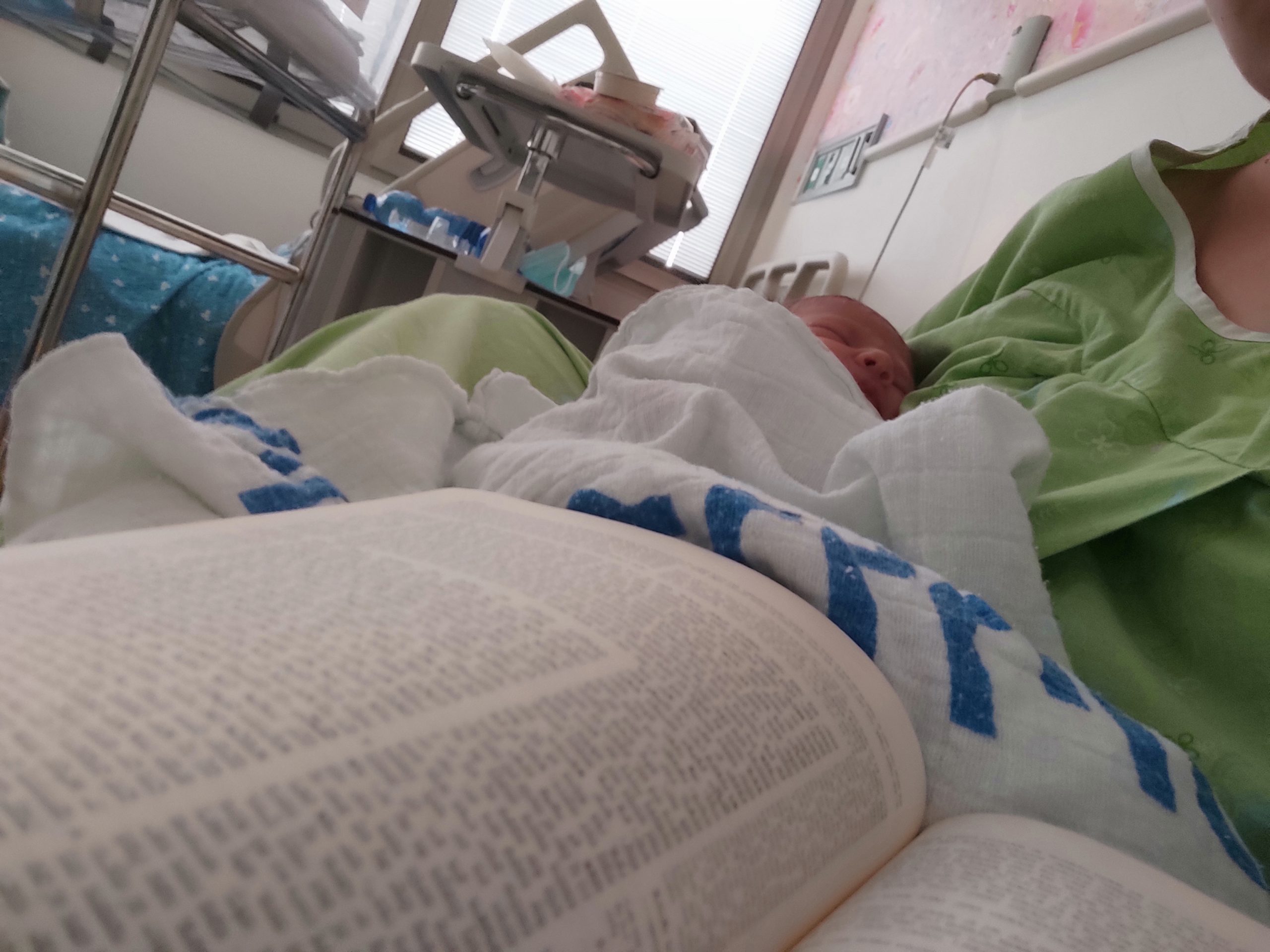
כמו שרואים בתמונה אני ממשיכה ללמוד גם היום ואפילו במחלקת יולדות אחרי לידת ביתי השלישית.

Noa Shiloh
נועה שילה

רבבה, ישראל

באירוע של הדרן בנייני האומה. בהשראתה של אמי שלי שסיימה את הש”ס בסבב הקודם ובעידוד מאיר , אישי, וילדיי וחברותיי ללימוד במכון למנהיגות הלכתית של רשת אור תורה סטון ומורתיי הרבנית ענת נובוסלסקי והרבנית דבורה עברון, ראש המכון למנהיגות הלכתית.
הלימוד מעשיר את יומי, מחזיר אותי גם למסכתות שכבר סיימתי וידוע שאינו דומה מי ששונה פרקו מאה לשונה פרקו מאה ואחת במיוחד מרתקים אותי החיבורים בין המסכתות

Roit Kalech
רוית קלך

מודיעין, ישראל

סיום השס לנשים נתן לי מוטביציה להתחיל ללמוד דף יומי. עד אז למדתי גמרא בשבתות ועשיתי כמה סיומים. אבל לימוד יומיומי זה שונה לגמרי ופתאום כל דבר שקורה בחיים מתקשר לדף היומי.

Fogel Foundation
קרן פוגל

רתמים, ישראל

. לא תמיד נהניתי מלימוד גמרא כילדה.,בל כהתבגרתי התחלתי לאהוב את זה שוב. התחלתי ללמוד מסכת סוטה בדף היומי לפני כחמש עשרה שנה ואז הפסקתי.הגעתי לסיום הגדול של הדרן לפני שנתיים וזה נתן לי השראה. והתחלתי ללמוד למשך כמה ימים ואז היתה לי פריצת דיסק והפסקתי…עד אלול השנה. אז התחלתי עם מסכת ביצה וב”ה אני מצליחה לעמוד בקצב. המשפחה מאוד תומכת בי ויש כמה שגם לומדים את זה במקביל. אני אוהבת שיש עוגן כל יום.

Rebecca Darshan
רבקה דרשן

בית שמש, ישראל

התחלתי ללמוד דף יומי ממסכת נידה כי זה היה חומר הלימוד שלי אז. לאחר הסיום הגדול בבנייני האומה החלטתי להמשיך. וב”ה מאז עם הפסקות קטנות של קורונה ולידה אני משתדלת להמשיך ולהיות חלק.

זה משפיע מאוד על היום יום שלי ועל אף שאני עסוקה בלימודי הלכה ותורה כל יום, זאת המסגרת הקבועה והמחייבת ביותר שיש לי.

Moriah Taesan Michaeli
מוריה תעסן מיכאלי

גבעת הראל, ישראל

התחלתי ללמוד את הדף היומי מעט אחרי שבני הקטן נולד. בהתחלה בשמיעה ולימוד באמצעות השיעור של הרבנית שפרבר. ובהמשך העזתי וקניתי לעצמי גמרא. מאז ממשיכה יום יום ללמוד עצמאית, ולפעמים בעזרת השיעור של הרבנית, כל יום. כל סיום של מסכת מביא לאושר גדול וסיפוק. הילדים בבית נהיו חלק מהלימוד, אני משתפת בסוגיות מעניינות ונהנית לשמוע את דעתם.

Eliraz Blau
אלירז בלאו

מעלה מכמש, ישראל

באירוע של הדרן בנייני האומה. בהשראתה של אמי שלי שסיימה את הש”ס בסבב הקודם ובעידוד מאיר , אישי, וילדיי וחברותיי ללימוד במכון למנהיגות הלכתית של רשת אור תורה סטון ומורתיי הרבנית ענת נובוסלסקי והרבנית דבורה עברון, ראש המכון למנהיגות הלכתית.
הלימוד מעשיר את יומי, מחזיר אותי גם למסכתות שכבר סיימתי וידוע שאינו דומה מי ששונה פרקו מאה לשונה פרקו מאה ואחת במיוחד מרתקים אותי החיבורים בין המסכתות

Roit Kalech
רוית קלך

מודיעין, ישראל

"
גם אני התחלתי בסבב הנוכחי וב””ה הצלחתי לסיים את רוב המסכתות . בזכות הרבנית מישל משתדלת לפתוח את היום בשיעור הזום בשעה 6:20 .הלימוד הפך להיות חלק משמעותי בחיי ויש ימים בהם אני מצליחה לחזור על הדף עם מלמדים נוספים ששיעוריהם נמצאים במרשתת. שמחה להיות חלק מקהילת לומדות ברחבי העולם. ובמיוחד לשמש דוגמה לנכדותיי שאי””ה יגדלו לדור שלימוד תורה לנשים יהיה משהו שבשגרה. "

Ronit Shavit
רונית שביט

נתניה, ישראל

הייתי לפני שנתיים בסיום הדרן נשים בבנייני האומה והחלטתי להתחיל. אפילו רק כמה דפים, אולי רק פרק, אולי רק מסכת… בינתיים סיימתי רבע שס ותכף את כל סדר מועד בה.
הסביבה תומכת ומפרגנת. אני בת יחידה עם ארבעה אחים שכולם לומדים דף יומי. מדי פעם אנחנו עושים סיומים יחד באירועים משפחתיים. ממש מרגש. מסכת שבת סיימנו כולנו יחד עם אבא שלנו!
אני שומעת כל יום פודקאסט בהליכה או בנסיעה ואחכ לומדת את הגמרא.

Edna Gross
עדנה גרוס

מרכז שפירא, ישראל

סיום השס לנשים נתן לי מוטביציה להתחיל ללמוד דף יומי. עד אז למדתי גמרא בשבתות ועשיתי כמה סיומים. אבל לימוד יומיומי זה שונה לגמרי ופתאום כל דבר שקורה בחיים מתקשר לדף היומי.

Fogel Foundation
קרן פוגל

רתמים, ישראל

רציתי לקבל ידע בתחום שהרגשתי שהוא גדול וחשוב אך נעלם ממני. הלימוד מעניק אתגר וסיפוק ומעמיק את תחושת השייכות שלי לתורה וליהדות

Ruth Agiv
רות עגיב

עלי זהב – לשם, ישראל

לצערי גדלתי בדור שבו לימוד גמרא לנשים לא היה דבר שבשגרה ושנים שאני חולמת להשלים את הפער הזה.. עד שלפני מספר שבועות, כמעט במקרה, נתקלתי במודעת פרסומת הקוראת להצטרף ללימוד מסכת תענית. כשקראתי את המודעה הרגשתי שהיא כאילו נכתבה עבורי – "תמיד חלמת ללמוד גמרא ולא ידעת איך להתחיל”, "בואי להתנסות במסכת קצרה וקלה” (רק היה חסר שהמודעה תיפתח במילים "מיכי שלום”..). קפצתי למים ו- ב”ה אני בדרך להגשמת החלום:)

Micah Kadosh
מיכי קדוש

מורשת, ישראל

התחלתי ללמוד בשנת המדרשה במגדל עוז, בינתיים נהנית מאוד מהלימוד ומהגמרא, מעניין ומשמח מאוד!
משתדלת להצליח לעקוב כל יום, לפעמים משלימה קצת בהמשך השבוע.. מרגישה שיש עוגן מקובע ביום שלי והוא משמח מאוד!

Uriah Kesner
אוריה קסנר

חיפה , ישראל

רבנית מישל הציתה אש התלמוד בלבבות בביניני האומה ואני נדלקתי. היא פתחה פתח ותמכה במתחילות כמוני ואפשרה לנו להתקדם בצעדים נכונים וטובים. הקימה מערך שלם שמסובב את הלומדות בסביבה תומכת וכך נכנסתי למסלול לימוד מעשיר שאין כמוה. הדרן יצר קהילה גדולה וחזקה שמאפשרת התקדמות מכל נקודת מוצא. יש דיבוק לומדות שמחזק את ההתמדה של כולנו. כל פניה ושאלה נענית בזריזות ויסודיות. תודה גם למגי על כל העזרה.

Sarah Aber
שרה אבר

נתניה, ישראל

התחלתי ללמוד לפני 4.5 שנים, כשהודיה חברה שלי פתחה קבוצת ווטסאפ ללימוד דף יומי בתחילת מסכת סנהדרין. מאז לימוד הדף נכנס לתוך היום-יום שלי והפך לאחד ממגדירי הזהות שלי ממש.

Rosenberg Foundation
קרן רוזנברג

ירושלים, ישראל

בבא בתרא לב

וְרַבָּן שִׁמְעוֹן בֶּן גַּמְלִיאֵל סָבַר: עַרְעָר – תְּרֵי; וְהָאָמַר רַבִּי יוֹחָנָן: דִּבְרֵי הַכֹּל אֵין עַרְעָר פָּחוֹת מִשְּׁנַיִם!

and Rabban Shimon Ben Gamliel holds that an effective challenge requires two witnesses, one could then ask: But doesn’t Rabbi Yoḥanan say: Everyone agrees that there is no effective challenge with fewer than two witnesses?

אֶלָּא עַרְעָר תְּרֵי; וְהָכָא בְּמַאי עָסְקִינַן – כְּגוֹן דְּמַחְזְקִינַן לֵיהּ בַּאֲבוּהּ דְּהַאי – דְּכֹהֵן הוּא; וּנְפַק עֲלֵיהּ קָלָא דְּבֶן גְּרוּשָׁה וּבֶן חֲלוּצָה הוּא, וְאַחֲתִינֵּיהּ; וַאֲתָא עֵד אֶחָד וְאָמַר דְּכֹהֵן הוּא, וְאַסְּקִינֵּיהּ;

Rather, the challenge was established by two witnesses. And with what are we dealing here? We are dealing with a case where we presume with regard to the father of that man that he is a priest, and a rumor emerged about the son that he is the son of a priest and a divorced woman, or the son of a priest and a ḥalutza, and we downgraded him from the presumptive status of priesthood based on that rumor, and one witness came and said that the man in question is a priest of unflawed lineage, and we elevated him back to the priesthood, as one witness is sufficient to negate a rumor.

וַאֲתוֹ בֵּי תְרֵי וְאָמְרִי דְּבֶן גְּרוּשָׁה וַחֲלוּצָה הוּא, וְאַחֲתִינֵּיהּ; וַאֲתָא עֵד אֶחָד וְאָמַר דְּכֹהֵן הוּא. וּדְכוּלֵּי עָלְמָא – מִצְטָרְפִין עֵדוּת,

The Gemara continues the case: And then two witnesses came and said that he is the son of a divorced woman or the son of a ḥalutza, and we downgraded him from the priesthood based on their testimony. Then one witness came and said that he is a priest of unflawed lineage, resulting in two witnesses testifying that his lineage is unflawed, and two testifying that it is flawed. And everyone agrees that the testimony of the two single witnesses combine to produce testimony that he is a priest of unflawed lineage, and his presumptive status of priesthood should be restored.

וְהָכָא בְּמֵיחַשׁ לְזִילוּתָא דְבֵי דִינָא קָא מִיפַּלְגִי – רַבִּי אֶלְעָזָר סָבַר: כֵּיוָן דְאַחֲתִינֵּיהּ – לָא מַסְּקִינַן לֵיהּ, חָיְישִׁינַן לְזִילוּתָא דְבֵי דִינָא. וְרַבָּן שִׁמְעוֹן בֶּן גַּמְלִיאֵל סָבַר: אֲנַן אַחֲתִינֵּיהּ, וַאֲנַן מַסְּקִינַן לֵיהּ; וּלְזִילוּתָא דְבֵי דִּינָא לָא חָיְישִׁינַן.

The Gemara explains the dispute: And here it is with regard to concern about contempt of court that they disagree. Rabbi Elazar holds: Once we downgraded him from the presumptive status of priesthood based on the testimony of two witnesses, we do not then elevate him, as we are concerned about contempt of court, as a reversal in the court’s decision creates the impression that the court operates indecisively. And Rabban Shimon Ben Gamliel holds: We downgraded him from the presumptive status of priesthood and we then elevate him, and we are not concerned about contempt of court. The primary concern is that the matter should be determined based on the relevant testimonies.

מַתְקֵיף לַהּ רַב אָשֵׁי: אִי הָכִי, מַאי אִירְיָא חַד? אֲפִילּוּ בִּתְרֵי נָמֵי! אֶלָּא אָמַר רַב אָשֵׁי: דְּכוּלֵּי עָלְמָא לָא חָיְישִׁינַן לְזִילוּתָא דְבֵי דִינָא; וְהָכָא – בִּלְצָרֵף עֵדוּת קָא מִיפַּלְגִי. וּבִפְלוּגְתָּא דְהָנֵי תַנָּאֵי –

Rav Ashi objects to the analysis that they disagree with regard to concern about contempt of court: If so, why specifically is it necessary to establish the dispute in a case where first one witness testified as to his unflawed lineage, and then another testified later? The same would hold true even in a case where two witnesses testified together that he is unfit for the priesthood and the court downgraded him, and two witnesses testified together that he is fit for the priesthood and the court elevated him. The tanna’im would also disagree, as the same concern applies. Rather, Rav Ashi said: Everyone agrees that we are not concerned about contempt of court. And here, it is with regard to whether the court is able to combine the testimony of two single witnesses that they disagree, and it is with regard to the issue that is the subject of the following dispute between these tanna’im.

דְּתַנְיָא: לְעוֹלָם אֵין עֵדוּתָן מִצְטָרֶפֶת, עַד שֶׁיִּרְאוּ שְׁנֵיהֶן כְּאֶחָד. רַבִּי יְהוֹשֻׁעַ בֶּן קָרְחָה אוֹמֵר: אֲפִילּוּ בְּזֶה אַחַר זֶה. אֵין עֵדוּתָן מִתְקַיֶּימֶת בְּבֵית דִּין, עַד שֶׁיָּעִידוּ שְׁנֵיהֶם כְּאֶחָד. רַבִּי נָתָן אוֹמֵר: שׁוֹמְעִין דְּבָרָיו שֶׁל זֶה הַיּוֹם, וּלִכְשֶׁיָּבֹא חֲבֵירוֹ לְמָחָר – שׁוֹמְעִין דְּבָרָיו.

As it is taught in a baraita (Tosefta, Sanhedrin 5:5): The testimony of individual witnesses never combines unless it is so that the two of them see the incident transpire together as one. Rabbi Yehoshua ben Korḥa says: Their testimony combines even in a case where they witnessed the event one after the other, but their testimony is established in court only if it is so that the two of them testify together as one. Rabbi Natan says: They are not required to testify together. Their testimony is combined even if the court hears the statement of this witness today and when the other witness arrives tomorrow the court hears his statement. Rabbi Elazar and Rabban Shimon ben Gamliel disagree in the dispute between Rabbi Natan and the Rabbis, whether the separate testimonies can be combined.

הָהוּא דַּאֲמַר לְחַבְרֵיהּ: מַאי בָּעֵית בְּהַאי אַרְעָא? אֲמַר לֵיהּ: מִינָּךְ זְבֵינְתַּהּ, וְהָא שְׁטָרָא.

§ The Gemara relates an incident where two people disputed the ownership of land. There was a certain person who said to another: What do you want with this land of mine? The possessor said to him: I purchased it from you, and this is the bill of sale.

אֲמַר לֵיהּ: שְׁטָרָא זַיְיפָא הוּא! גְּחֵין לְחֵישׁ לֵיהּ לְרַבָּה: אִין, שְׁטָרָא זַיְיפָא הוּא; מִיהוּ שְׁטָרָא מְעַלְּיָא הֲוָה לִי, וְאִירְכַס, וְאָמֵינָא: אֶינְקֹיט הַאי בִּידַאי כָּל דְּהוּ.

The first said to him in response: It is a forged bill of sale. The possessor leaned over and whispered to Rabba: Yes, it is a forged bill. But I had a proper bill of sale and it was lost, and I said to myself: I will hold this bill of sale in my possession, such as it is.

אָמַר רַבָּה: מָה לוֹ לְשַׁקֵּר? אִי בָּעֵי, אָמַר לֵיהּ: שְׁטָרָא מְעַלְּיָא הוּא. אֲמַר לֵיהּ רַב יוֹסֵף: אַמַּאי סָמְכַתְּ – אַהַאי שְׁטָרָא; הַאי שְׁטָרָא חַסְפָּא בְּעָלְמָא הוּא.

Rabba said: Why would he lie and state this claim? If he wants to lie, he can say to him that it is a proper bill of sale, and he would have been deemed credible and awarded the field. Rav Yosef said to Rabba: In the final analysis, on what are you relying to award him the land? On this bill of sale? This admittedly forged bill is merely a worthless shard, and cannot be used in court as evidence.

הַהוּא דְּאָמַר לְחַבְרֵיהּ: הַב לִי מְאָה זוּזִי דְּמַסֵּיקְנָא בָּךְ, וְהָא שְׁטָרָא. אֲמַר לֵיהּ: שְׁטָרָא זַיְיפָא הוּא. גְּחֵין לְחֵישׁ לֵיהּ לְרָבָא: אִין, שְׁטָרָא זַיְיפָא; מִיהוּ שְׁטָרָא מְעַלְּיָא הֲוָה לִי, וְאִירְכַס, וְאָמֵינָא: אֶינְקוֹט הַאי בִּידַאי כָּל דְּהוּ.

The Gemara relates a similar incident: There was a certain person who said to another: Give me one hundred dinars that I am attempting to collect from you, and this is the promissory note that attests to the debt. The latter said to him in response: It is a forged promissory note. The first person leaned over and whispered to Rava: Yes, it is a forged promissory note. But I had a proper promissory note and it was lost, and I said to myself: I will hold this promissory note in my possession, such as it is.

אָמַר רַבָּה: מָה לוֹ לְשַׁקֵּר? אִי בָּעֵי, אָמַר לֵיהּ: שְׁטָרָא מְעַלְּיָא הוּא. אֲמַר לֵיהּ רַב יוֹסֵף: אַמַּאי קָא סָמְכַתְּ – אַהַאי שְׁטָרָא; הַאי שְׁטָרָא חַסְפָּא בְּעָלְמָא הוּא.

Rabba said: Why would he lie and state this claim? If he wants to lie, he can say to him that it is a proper promissory note, and he will be deemed credible and awarded the money. Rav Yosef said to Rabba: In the final analysis, on what are you relying to award him the money? On this promissory note? This document is merely a shard, and cannot be used in court as evidence.

אָמַר רַב אִידִי בַּר אָבִין: הִלְכְתָא כְּווֹתֵיהּ דְּרַבָּה בְּאַרְעָא, וְהִלְכְתָא כְּווֹתֵיהּ דְּרַב יוֹסֵף בְּזוּזֵי. הִלְכְתָא כְּרַבָּה בְּאַרְעָא – דְּהֵיכָא דְּקָיְימָא אַרְעָא, תֵּיקוּם. וְהִלְכְתָא כְּווֹתֵיהּ דְּרַב יוֹסֵף בְּזוּזֵי – דְּהֵיכָא דְּקָיְימִי זוּזֵי, לוֹקְמוּ.

The Gemara notes the final ruling in these two cases. Rav Idi bar Avin said: The halakha is in accordance with the opinion of Rabba with regard to land, and the possessor is awarded the land, and the halakha is in accordance with the opinion of Rav Yosef with regard to money, and the one demanding payment is not awarded the money. He explains: The halakha is in accordance with the opinion of Rabba with regard to land, as the court rules that the land should remain where it is, i.e., with the possessor. And the halakha is in accordance with the opinion of Rav Yosef with regard to money, as the court rules that the money should remain where it is, i.e., in the possession of the purported debtor.

הָהוּא עָרְבָא דַּאֲמַר לֵיהּ לְלֹוֶה: הַב לִי מְאָה זוּזִי דִּפְרַעְתִּי לְמַלְוֶה עִילָּוָךְ, וְהָא שְׁטָרָא. אֲמַר לֵיהּ: לָאו פְּרַעְתָּיךְ? אֲמַר: לָאו הֲדַרְתְּ שְׁקַלְתִּינְהוּ מִינַּאי?

The Gemara relates: There was a certain guarantor who said to a debtor: Give me one hundred dinars for the money that I repaid the creditor on your behalf, and this is the document that I received from him when I repaid your debt. The debtor said to the guarantor: Is it not so that I repaid you? The guarantor said to the debtor: Yes, you did, but is it not so that you later took the money from me again?

שַׁלְחַהּ רַב אִידִי בַּר אָבִין לְקַמֵּיהּ דְּאַבָּיֵי: כִּי הַאי גַוְונָא מַאי? שְׁלַח לֵיהּ אַבָּיֵי: מַאי תִּיבְּעֵי לֵיהּ? הָא אִיהוּ דְּאָמַר: הִלְכְתָא כְּווֹתֵיהּ דְּרַבָּה בְּאַרְעָא, וְהִלְכְתָא כְּווֹתֵיהּ דְּרַב יוֹסֵף בְּזוּזֵי – דְּהֵיכָא דְּאוֹקְמוּ זוּזֵי, לוֹקְמוּ!

Rav Idi bar Avin sent the following question before Abaye: What is the halakha in a case like this? Abaye sent him the following response: What does he, i.e., Rav Idi bar Avin, ask? Isn’t he the one who said: The halakha is in accordance with the opinion of Rabba with regard to land, and the halakha is in accordance with the opinion of Rav Yosef with regard to money, as the court rules that the money should remain where it is? Based on his own ruling, the money should remain with the debtor.

וְהָנֵי מִילֵּי, דְּאָמַר לֵיהּ: הֲדַרְתְּ אוֹזִפְתִּינְהוּ מִינַּאי. אֲבָל אֲמַר לֵיהּ: הַדַּרְתִּינְהוּ נִיהֲלָךְ מֵחֲמַת דַּהֲווֹ שַׁיְיפִי וְסוּמָּקֵי – אַכַּתִּי אִיתֵיהּ לְשִׁעְבּוּדָא דִשְׁטָרָא.

The Gemara notes: And this matter applies only in a case where the guarantor says to the debtor: You later borrowed the money from me after you had repaid me. But if the guarantor said to the debtor: I returned to you the money that you had repaid me because of the fact that the coins were worn out or overly reddish, i.e., discolored, and would not be easily accepted as currency, then the lien of the document is still in effect. The debt to the guarantor had not actually been repaid, and the document is still in effect. In that case, the guarantor collects from the debtor.

רָבָא בַּר שַׁרְשׁוּם נָפֵק עֲלֵיהּ קָלָא דְּקָא אָכֵיל אַרְעָא דְיַתְמֵי. אֲמַר לֵיהּ אַבָּיֵי: אֵימָא לִי אִיזִי, גּוּפָא דְעוֹבָדָא הֵיכִי הֲוָה? אֲמַר לֵיהּ: אַרְעָא בְּמַשְׁכַּנְתָּא הֲוָה נָקֵיטְנָא מֵאֲבוּהוֹן דְּיַתְמֵי; וַהֲוָה לִי

The Gemara relates: A rumor emerged concerning Rava bar Sharshom that he was profiting from land belonging to orphans. Abaye said to him: Tell me, my friend, concerning the incident itself, how is it that this rumor was generated? Rava bar Sharshom said to him: I was holding on to the land as collateral from the father of the orphans, and I had

רוצה לעקוב אחרי התכנים ולהמשיך ללמוד?

ביצירת חשבון עוד היום ניתן לעקוב אחרי ההתקדמות שלך, לסמן מה למדת, ולעקוב אחרי השיעורים שמעניינים אותך.

לנקות את כל הפריטים מהרשימה?

פעולה זו תסיר את כל הפריטים בחלק זה כולל ההתקדמות וההיסטוריה. שימי לב: לא ניתן לשחזר פעולה זו.

ביטול
מחיקה

האם את/ה בטוח/ה שברצונך למחוק פריט זה?

תאבד/י את כל ההתקדמות או ההיסטוריה הקשורות לפריט זה.

ביטול
מחיקה