








ישנם שלושה אזורים שונים ליצירת חזקה על קרקע, כלומר אם הקרקע נמצאת באזור אחד והבעלים באזור אחר, אי אפשר להוכיח בעלות על ידי אכילת פירות במשך שלוש שנים כי הבעלים לא יוכל למחות. רבי יהודה חולק ומסביר שהסיבה לשלוש שנים היא בדיוק עבור תרחיש מסוג זה – לאפשר זמן מספיק למישהו שגר רחוק לשמוע ולחזור למחות. האם תנא קמא סובר שצריך/לא צריך למחות בנוכחות המחזיק? רב הסביר שאין צורך למחות בנוכחות המחזיק והסביר שהמשנה מתייחסת לזמן חירום כאשר אנשים נאסרו מלנוע בין אזורים. מעלים קושי מאמירה אחרת של רב ומיישבים אותו. ישנן שתי גרסאות שונות של הדיון לגבי האמירה הנוספת של רב. מהו הניסוח הנדרש כדי שמחאה תיחשב למחאה לגיטימית?
רוצה להקדיש לימוד?
בבא בתרא לח
מַתְקֵיף לַהּ רָבָא, וְלֵימָא לֵיהּ: כּוּרְכְּמָא דְרִישְׁקָא זַבֵּינִי לָךְ, עֲקוֹר כּוּרְכְּמָא דְרִישְׁקָא, וְזִיל! אֶלָּא אָמַר רָבָא: בְּבָא מֵחֲמַת טַעֲנָה.
Rava objects to this ruling that the buyer of the tree acquires the land beneath it: And let the seller say to him: I sold you only the saffron crocus, a small plant normally uprooted by the buyer and taken with him. Therefore, uproot the saffron crocus and go. Rather, Rava said: This ruling is stated with regard to one who comes to court with a specific claim that the seller had stipulated that he would acquire the land. Without this specific claim he does not acquire the land beneath the tree.
אֲמַר לֵיהּ מָר קַשִּׁישָׁא בְּרֵיהּ דְּרַב חִסְדָּא לְרַב אָשֵׁי: וְאִי כּוּרְכְּמָא דְרִישְׁקָא זַבֵּין לֵיהּ, מַאי הֲוָה לֵיהּ לְמֶעְבַּד? אִיבְּעִי לֵיהּ לְמַחוֹיֵי.
Mar Kashisha, the son of Rav Ḥisda, said to Rav Ashi: And if, in fact, the seller sold him the saffron crocus, what was there for the seller to do to prevent the buyer from claiming the land beneath the tree, as the buyer could claim that there had been an explicit stipulation that he receive it? Rav Ashi answered: He should have protested during the first three years and publicized that the land was not included in the sale.
דְּאִי לָא תֵּימָא הָכִי, הָנֵי מַשְׁכְּנָתָא דְסוּרָא – דִּכְתִב בְּהִי הָכִי: ״בְּמִישְׁלַם שְׁנַיָּא אִלֵּין, תִּיפּוֹק אַרְעָא דָּא בְּלָא כְּסַף״; אִי כָּבֵישׁ לֵיהּ לִשְׁטַר מַשְׁכַּנְתָּא, וְאָמַר: ״לְקוּחָה הִיא בְּיָדִי״ – הָכִי נָמֵי דִּמְהֵימַן?! מְיתַקְּנִי רַבָּנַן מִילְּתָא דְּאָתֵי בַּהּ לִידֵי פְסֵידָא? אֶלָּא אִיבְּעִי לֵיהּ לְמַחוֹיֵי; הָכָא נָמֵי, אִיבְּעִי לֵיהּ לְמַחוֹיֵי,
The assumption that lodging a protest would be effective must be correct, since if you do not say so, then in the case of these mortgages according to the custom in Sura, a city in Babylonia, the debtor will not have a way to prevent the creditor from keeping his land. As in mortgages of that type it is written like this: At the completion of these years this land will be released to its prior owner without any need for the prior owner to give money. If the creditor were to hide the mortgage document in his possession and say: This land is purchased and that is why it is in my possession, here is it also the case that he would be deemed credible? That cannot be, as is it reasonable that the Sages would institute a matter, such as this type of arrangement, that people can be led by it to suffer a loss? Rather, in the case of the mortgage the debtor should have protested, and by not protesting, he causes his own loss. Here too, in the case of the tree, the owner should have protested.
מַתְנִי׳ שָׁלֹשׁ אֲרָצוֹת לַחֲזָקָה – יְהוּדָה, וְעֵבֶר הַיַּרְדֵּן, וְהַגָּלִיל. הָיָה בִּיהוּדָה וְהֶחֱזִיק בַּגָּלִיל, בַּגָּלִיל וְהֶחֱזִיק בִּיהוּדָה – אֵינָהּ חֲזָקָה, עַד שֶׁיְּהֵא עִמּוֹ בִּמְדִינָה אַחַת. אָמַר רַבִּי יְהוּדָה: לֹא אָמְרוּ שָׁלֹשׁ שָׁנִים, אֶלָּא כְּדֵי שֶׁיְּהֵא בְּאַסְפַּמְיָא – וְיַחְזִיק שָׁנָה, יֵלְכוּ וְיוֹדִיעוּהוּ שָׁנָה, וְיָבֹא לְשָׁנָה אַחֶרֶת.
MISHNA: There are three independent lands in Eretz Yisrael with regard to establishing presumptive ownership: Judea, and Transjordan, and the Galilee. If the prior owner of the field was in Judea and another took possession of his field in the Galilee, or if he was in the Galilee and another took possession of his field in Judea, the possessor does not establish presumptive ownership until the one possessing the field will be with the prior owner in one province. Rabbi Yehuda says: The Sages said that establishing presumptive ownership requires three years only in order that if the owner will be in Spain [Aspamya], and another possesses his field for a year, people will go and inform the owner by the end of the next year, and the owner will come back in the following year and take the possessor to court.
גְּמָ׳ מַאי קָסָבַר תַּנָּא קַמָּא? אִי קָסָבַר מֶחָאָה שֶׁלֹּא בְּפָנָיו הָוְיָא מֶחָאָה, אֲפִילּוּ יְהוּדָה וְגָלִיל נָמֵי! אִי קָסָבַר מֶחָאָה שֶׁלֹּא בְּפָנָיו לָא הָוְיָא מֶחָאָה, אֲפִילּוּ יְהוּדָה וִיהוּדָה נָמֵי לָא!
GEMARA: What does the first tanna hold in ruling that the prior owner and the field need be in the same province in order for the possessor to establish presumptive ownership? If he holds that a protest that is lodged not in the presence of the one possessing the field is a valid protest, even in the case where one is in Judea and one is in the Galilee, the protest should be valid as well. If he holds that a protest lodged not in his presence is not a valid protest, even in the case where one is in Judea and the other one is in Judea, the protest should not be valid as well.
אָמַר רַבִּי אַבָּא בַּר מֶמֶל אָמַר רַב, לְעוֹלָם קָסָבַר: מֶחָאָה שֶׁלֹּא בְּפָנָיו הָוְיָא מֶחָאָה, וּמִשְׁנָתֵינוּ – בִּשְׁעַת חֵירוּם שָׁנוּ. וּמַאי שְׁנָא יְהוּדָה וְגָלִיל דְּנָקֵיט?
Rabbi Abba bar Memel says that Rav says: Actually, the tanna holds that a protest lodged not in his presence is a valid protest, and the Sages taught our mishna with regard to a period of crisis, when travel is perilous and information cannot be transmitted between Judea and the Galilee. Therefore, although no word of a protest was received, the possessor does not establish presumptive ownership of the field. The Gemara asks: But if it is due only to the exigent circumstances that word of the protest does not reach the one possessing the field, what is different about Judea and the Galilee that the tanna cited? Ostensibly, even within one of the three lands, if travel and communications are restricted the same halakha would apply.
הָא קָא מַשְׁמַע לַן –
The Gemara answers: The tanna, by citing specifically a case where each is located in a different land, teaches us this:
דִּסְתַם יְהוּדָה וּגְלִיל, כִּשְׁעַת חֵירוּם דָּמוּ.
That an ordinary situation with regard to travel between Judea and the Galilee is tantamount to a period of crisis.
אָמַר רַב יְהוּדָה אָמַר רַב: אֵין מַחֲזִיקִין בְּנִכְסֵי בוֹרֵחַ. כִּי אַמְרִיתַהּ קַמֵּיהּ דִּשְׁמוּאֵל, אָמַר לִי: וְכִי לִמְחוֹת בְּפָנָיו הוּא צָרִיךְ?!
§ Rav Yehuda says that Rav says: One cannot establish the presumption of ownership with regard to the property of one who is fleeing, as he is unable to lodge a protest. Rav Yehuda reports: When I said this ruling before Shmuel, he disagreed and said to me: But does the owner actually have to protest in the presence of the possessor? Since that is not the case, and he can lodge a protest wherever he is, one can establish the presumption of ownership with regard to the property of one who is fleeing.
וְרַב – מַאי קָא מַשְׁמַע לַן? מֶחָאָה שֶׁלֹּא בְּפָנָיו לָא הָוְיָא מֶחָאָה?! וְהָאָמַר רַב: מֶחָאָה שֶׁלֹּא בְּפָנָיו הָוְיָא מֶחָאָה! רַב – טַעְמָא דְּתַנָּא דִידַן קָמְפָרֵשׁ, וְלֵיהּ לָא סְבִירָא לֵיהּ.
The Gemara asks: And Rav, who ruled that one cannot establish the presumption of ownership with regard to the property of one who is fleeing, what is he teaching us, that a protest that is lodged not in his presence is not a valid protest? But doesn’t Rav say: A protest that is lodged not in his presence is a valid protest? The Gemara answers: Rav was explaining the reason of the tanna of our mishna, but he himself does not hold accordingly. Rav holds, in accordance with the opinion of Rabbi Yehuda, that the protest is valid.
וְאִיכָּא דְּאָמְרִי, אָמַר רַב יְהוּדָה אָמַר רַב: מַחֲזִיקִים בְּנִכְסֵי בוֹרֵחַ. כִּי אַמְרִיתַהּ קַמֵּיהּ דִּשְׁמוּאֵל, אֲמַר לִי: פְּשִׁיטָא! וְכִי לִמְחוֹת בְּפָנָיו הוּא צָרִיךְ?!
And there are those who say a different version of the previous discussion: Rav Yehuda says that Rav says: One can establish the presumption of ownership with regard to the property of one who is fleeing. Rav Yehuda reports: When I said this ruling before Shmuel, he said to me: Isn’t that obvious? But does the owner actually have to protest in the presence of the possessor?
וְרַב – מַאי קָא מַשְׁמַע לַן? מֶחָאָה שֶׁלֹּא בְּפָנָיו הָוְיָא מֶחָאָה?! וְהָא אַמְרַהּ רַב חֲדָא זִימְנָא! אֶלָּא הָא קָא מַשְׁמַע לַן – דַּאֲפִילּוּ מִיחָה בִּפְנֵי שְׁנַיִם שֶׁאֵין יְכוֹלִין לוֹמַר לוֹ, הָוְיָא מֶחָאָה –
The Gemara asks: And Rav, who ruled that one can establish the presumption of ownership with regard to the property of one who is fleeing, what is he teaching us, that a protest that is lodged not in his presence is a valid protest? But Rav already said this halakha one time, and he would not need to repeat it. Rather, Rav teaches us this: That even if the owner protested in the presence of two witnesses who are personally unable to tell the possessor about the protest, it is nevertheless a valid protest.
דְּאָמַר רַב עָנָן: לְדִידִי מִפָּרְשָׁא לִי מִינֵּיהּ דְּמָר שְׁמוּאֵל: מִיחָה בִּפְנֵי שְׁנֵי בְּנֵי אָדָם שֶׁיְּכוֹלִים לוֹמַר לוֹ – הָוְיָא מֶחָאָה, מִיחָה בִּפְנֵי שְׁנֵי בְּנֵי אָדָם שֶׁאֵין יְכוֹלִין לוֹמַר לוֹ – לָא הָוְיָא מֶחָאָה. וְרַב – חַבְרָךְ חַבְרָא אִית לֵיהּ, וְחַבְרָא דְחַבְרָךְ חַבְרָא אִית לֵיהּ.
The Gemara explains: As Rav Anan said: This was explained to me personally by Shmuel himself: If the owner protested in the presence of two people who are able to personally tell the possessor, it is a valid protest, but if the owner protested in the presence of two people who are unable to personally tell the possessor, it is not a valid protest. And why does Rav hold that it is a valid protest? Because your friend who heard the protest has a friend to whom he tells about the protest, and your friend’s friend has a friend to whom he tells about the protest, and so forth. Therefore, word of the protest will reach the possessor.
אָמַר רָבָא, הִלְכְתָא: אֵין מַחְזִיקִין בְּנִכְסֵי בוֹרֵחַ, וּמֶחָאָה שֶׁלֹּא בְּפָנָיו הָוְיָא מֶחָאָה. תַּרְתֵּי?! לָא קַשְׁיָא; כָּאן בּוֹרֵחַ מֵחֲמַת מָמוֹן, כָּאן בּוֹרֵחַ מֵחֲמַת מְרָדִין.
Rava says: The halakha is that one cannot establish the presumption of ownership with regard to the property of one who is fleeing, and a protest that is lodged not in a possessor’s presence is a valid protest. The Gemara asks: How can he say these two statements that contradict each other? The Gemara answers: This is not difficult. Here, the second statement, is referring to a case where he is fleeing due to monetary difficulties. In such a case, he is able to ensure that the protest reaches the possessor, while there, the first statement, is referring to a case where he is fleeing due to a charge of killing [meradin]. In such a case, he is unable to publicize his protest out of fear of revealing his whereabouts.
הֵיכִי דָּמֵי מֶחָאָה? אָמַר רַב זְבִיד: ״פְּלָנְיָא גַּזְלָנָא הוּא״ – לָא הָוְיָא מֶחָאָה. ״פְּלָנְיָא גַּזְלָנָא הוּא, דְּנָקֵיט לַהּ לְאַרְעַאי בְּגַזְלָנוּתָא,
§ The Gemara presents a series of disputes with regard to what is considered a valid protest. What manner of statement constitutes a protest? Rav Zevid said: If the owner says in general terms: So-and-so is a robber, it is not a valid protest, but if he says: So-and-so is a robber as he is holding my land through robbery,
לעקוב 
חדשה בלימוד הגמרא?
זה הדף הראשון שלך? איזו התרגשות עצומה! יש לנו בדיוק את התכנים והכלים שיעזרו לך לעשות את הצעדים הראשונים ללמידה בקצב וברמה שלך, כך תוכלי להרגיש בנוח גם בתוך הסוגיות המורכבות ומאתגרות.
פסיפס הלומדות שלנו
גלי את קהילת הלומדות שלנו, מגוון נשים, רקעים וסיפורים. כולן חלק מתנועה ומסע מרגש ועוצמתי.
בסוף הסבב הקודם ראיתי את השמחה הגדולה שבסיום הלימוד, בעלי סיים כבר בפעם השלישית וכמובן הסיום הנשי בבנייני האומה וחשבתי שאולי זו הזדמנות עבורי למשהו חדש.
למרות שאני שונה בסביבה שלי, מי ששומע על הלימוד שלי מפרגן מאוד.
אני מנסה ללמוד קצת בכל יום, גם אם לא את כל הדף ובסך הכל אני בדרך כלל עומדת בקצב.
הלימוד מעניק המון משמעות ליום יום ועושה סדר בלמוד תורה, שתמיד היה (ועדיין) שאיפה. אבל אין כמו קביעות

רחלי מנדלסון
טל מנשה, ישראל
My explorations into Gemara started a few days into the present cycle. I binged learnt and become addicted. I’m fascinated by the rich "tapestry” of intertwined themes, connections between Masechtot, conversations between generations of Rabbanim and learners past and present all over the world. My life has acquired a golden thread, linking generations with our amazing heritage.
Thank you.

סוזן כשדן
חשמונאים, Israel
ראיתי את הסיום הגדול בבנייני האומה וכל כך התרשמתי ורציתי לקחת חלק.. אבל לקח לי עוד כשנה וחצי )באמצע מסיכת שבת להצטרף..
הלימוד חשוב לי מאוד.. אני תמיד במרדף אחרי הדף וגונבת כל פעם חצי דף כשהילדים עסוקים ומשלימה אח”כ אחרי שכולם הלכו לישון..
אולגה מזרחי
ירושלים, ישראל
אמא שלי למדה איתי ש”ס משנה, והתחילה ללמוד דף יומי. אני החלטתי שאני רוצה ללמוד גם. בהתחלה למדתי איתה, אח”כ הצטרפתי ללימוד דף יומי שהרב דני וינט מעביר לנוער בנים בעתניאל. במסכת עירובין עוד חברה הצטרפה אלי וכשהתחלנו פסחים הרב דני פתח לנו שעור דף יומי לבנות. מאז אנחנו לומדות איתו קבוע כל יום את הדף היומי (ובשבת אבא שלי מחליף אותו). אני נהנית מהלימוד, הוא מאתגר ומעניין
רננה הלמן
עתניאל, ישראל
בתחילת הסבב הנוכחי הצטברו אצלי תחושות שאני לא מבינה מספיק מהי ההלכה אותה אני מקיימת בכל יום. כמו כן, כאמא לבנות רציתי לתת להן מודל נשי של לימוד תורה
שתי הסיבות האלו הובילו אותי להתחיל ללמוד. נתקלתי בתגובות מפרגנות וסקרניות איך אישה לומדת גמרא..
כמו שרואים בתמונה אני ממשיכה ללמוד גם היום ואפילו במחלקת יולדות אחרי לידת ביתי השלישית.
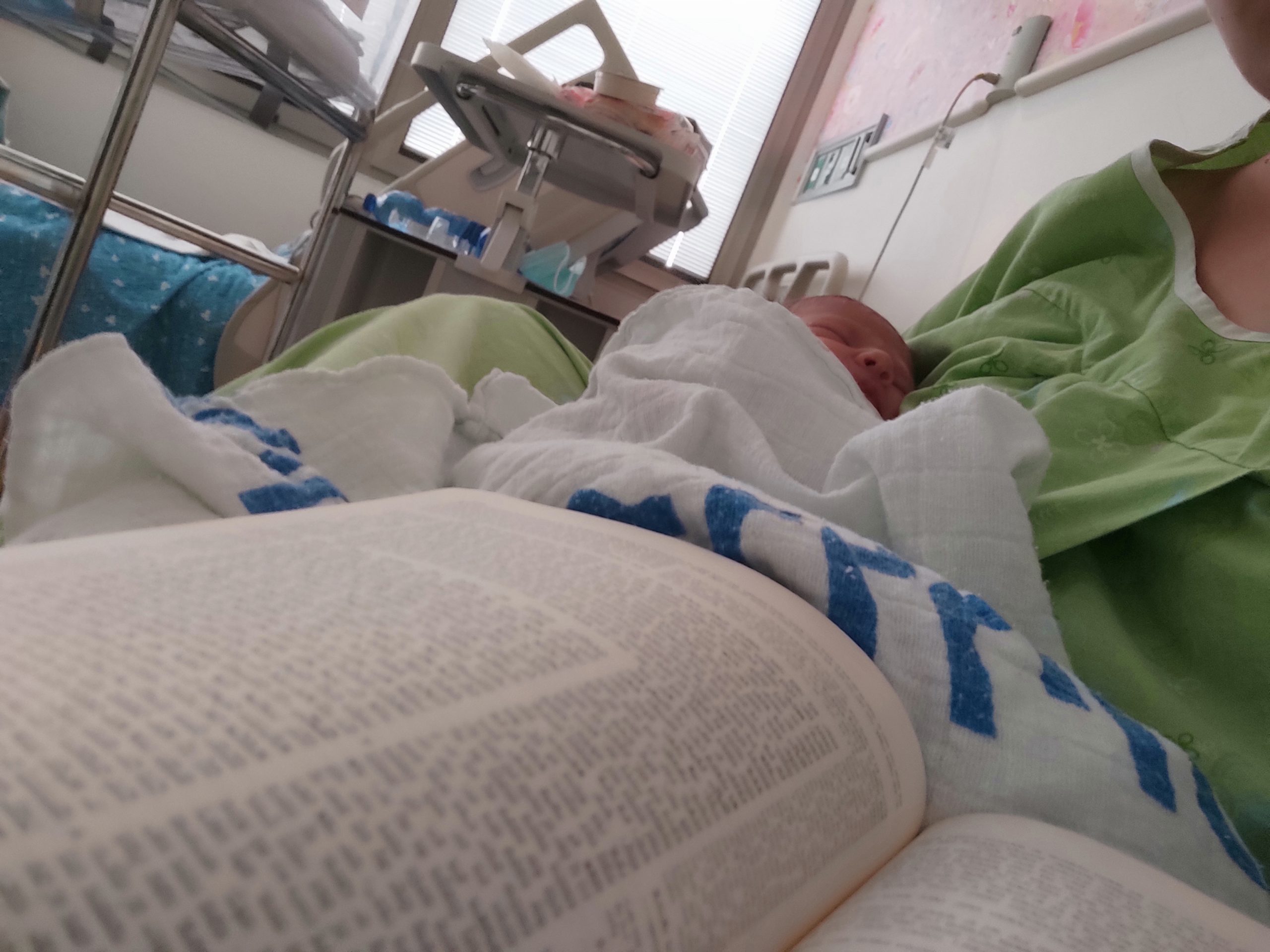
נועה שילה
רבבה, ישראל
התחלתי להשתתף בשיעור נשים פעם בשבוע, תכננתי ללמוד רק דפים בודדים, לא האמנתי שאצליח יותר מכך.
לאט לאט נשאבתי פנימה לעולם הלימוד .משתדלת ללמוד כל בוקר ומתחילה את היום בתחושה של מלאות ומתוך התכווננות נכונה יותר.
הלימוד של הדף היומי ממלא אותי בתחושה של חיבור עמוק לעם היהודי ולכל הלומדים בעבר ובהווה.

נילי חיון
אפרת, ישראל
התחלתי ללמוד דף יומי אחרי שחזרתי בתשובה ולמדתי במדרשה במגדל עוז. הלימוד טוב ומספק חומר למחשבה על נושאים הלכתיים ”קטנים” ועד לערכים גדולים ביהדות. חשוב לי להכיר את הגמרא לעומק. והצעד הקטן היום הוא ללמוד אותה בבקיאות, בעזרת השם, ומי יודע אולי גם אגיע לעיון בנושאים מעניינים. נושאים בגמרא מתחברים לחגים, לתפילה, ליחסים שבין אדם לחברו ולמקום ולשאר הדברים שמלווים באורח חיים דתי 🙂
גאיה דיבו
מצפה יריחו, ישראל
. לא תמיד נהניתי מלימוד גמרא כילדה.,בל כהתבגרתי התחלתי לאהוב את זה שוב. התחלתי ללמוד מסכת סוטה בדף היומי לפני כחמש עשרה שנה ואז הפסקתי.הגעתי לסיום הגדול של הדרן לפני שנתיים וזה נתן לי השראה. והתחלתי ללמוד למשך כמה ימים ואז היתה לי פריצת דיסק והפסקתי…עד אלול השנה. אז התחלתי עם מסכת ביצה וב”ה אני מצליחה לעמוד בקצב. המשפחה מאוד תומכת בי ויש כמה שגם לומדים את זה במקביל. אני אוהבת שיש עוגן כל יום.

רבקה דרשן
בית שמש, ישראל
"התחלתי ללמוד דף יומי במחזור הזה, בח’ בטבת תש””ף. לקחתי על עצמי את הלימוד כדי ליצור תחום של התמדה יומיומית בחיים, והצטרפתי לקבוצת הלומדים בבית הכנסת בכפר אדומים. המשפחה והסביבה מתפעלים ותומכים.
בלימוד שלי אני מתפעלת בעיקר מכך שכדי ללמוד גמרא יש לדעת ולהכיר את כל הגמרא. זו מעין צבת בצבת עשויה שהיא עצומה בהיקפה.”

שרה פוּקס
כפר אדומים, ישראל
התחלתי ללמוד לפני כשנתיים בשאיפה לסיים לראשונה מסכת אחת במהלך חופשת הלידה.
אחרי מסכת אחת כבר היה קשה להפסיק…

נעה גלנט
ירוחם, ישראל
התחלתי ללמוד דף יומי שהתחילו מסכת כתובות, לפני 7 שנים, במסגרת קבוצת לימוד שהתפרקה די מהר, ומשם המשכתי לבד בתמיכת האיש שלי. נעזרתי בגמרת שטיינזלץ ובשיעורים מוקלטים.
הסביבה מאד תומכת ואני מקבלת המון מילים טובות לאורך כל הדרך. מאז הסיום הגדול יש תחושה שאני חלק מדבר גדול יותר.
אני לומדת בשיטת ה”7 דפים בשבוע” של הרבנית תרצה קלמן – כלומר, לא נורא אם לא הצלחת ללמוד כל יום, העיקר שגמרת ארבעה דפים בשבוע

רחל גולדשטיין
עתניאל, ישראל
התחלתי בתחילת הסבב, והתמכרתי. זה נותן משמעות נוספת ליומיום ומאוד מחזק לתת לזה מקום בתוך כל שגרת הבית-עבודה השוטפת.

רעות אברהמי
בית שמש, ישראל
כבר סיפרתי בסיום של מועד קטן.
הלימוד מאוד משפיעה על היום שלי כי אני לומדת עם רבנית מישל על הבוקר בזום. זה נותן טון לכל היום – בסיס למחשבות שלי .זה זכות גדול להתחיל את היום בלימוד ובתפילה. תודה רבה !

שרה ברלוביץ
ירושלים, ישראל
אני לומדת גמרא כעשור במסגרות שונות, ואת הדף היומי התחלתי כשחברה הציעה שאצטרף אליה לסיום בבנייני האומה. מאז אני לומדת עם פודקסט הדרן, משתדלת באופן יומי אך אם לא מספיקה, מדביקה פערים עד ערב שבת. בסבב הזה הלימוד הוא "ממעוף הציפור”, מקשיבה במהירות מוגברת תוך כדי פעילויות כמו בישול או נהיגה, וכך רוכשת היכרות עם הסוגיות ואופן ניתוחם על ידי חז”ל. בע”ה בסבב הבא, ואולי לפני, אצלול לתוכו באופן מעמיק יותר.
יעל ביר
רמת גן, ישראל
התחלתי ללמוד דף יומי ממסכת נידה כי זה היה חומר הלימוד שלי אז. לאחר הסיום הגדול בבנייני האומה החלטתי להמשיך. וב”ה מאז עם הפסקות קטנות של קורונה ולידה אני משתדלת להמשיך ולהיות חלק.
זה משפיע מאוד על היום יום שלי ועל אף שאני עסוקה בלימודי הלכה ותורה כל יום, זאת המסגרת הקבועה והמחייבת ביותר שיש לי.

מוריה תעסן מיכאלי
גבעת הראל, ישראל
התחלתי לפני 8 שנים במדרשה. לאחרונה סיימתי מסכת תענית בלמידה עצמית ועכשיו לקראת סיום מסכת מגילה.
דניאלה ברוכים
רעננה, ישראל
הייתי לפני שנתיים בסיום הדרן נשים בבנייני האומה והחלטתי להתחיל. אפילו רק כמה דפים, אולי רק פרק, אולי רק מסכת… בינתיים סיימתי רבע שס ותכף את כל סדר מועד בה.
הסביבה תומכת ומפרגנת. אני בת יחידה עם ארבעה אחים שכולם לומדים דף יומי. מדי פעם אנחנו עושים סיומים יחד באירועים משפחתיים. ממש מרגש. מסכת שבת סיימנו כולנו יחד עם אבא שלנו!
אני שומעת כל יום פודקאסט בהליכה או בנסיעה ואחכ לומדת את הגמרא.
עדנה גרוס
מרכז שפירא, ישראל
ראיתי את הסיום הגדול בבנייני האומה וכל כך התרשמתי ורציתי לקחת חלק.. אבל לקח לי עוד כשנה וחצי )באמצע מסיכת שבת להצטרף..
הלימוד חשוב לי מאוד.. אני תמיד במרדף אחרי הדף וגונבת כל פעם חצי דף כשהילדים עסוקים ומשלימה אח”כ אחרי שכולם הלכו לישון..
אולגה מזרחי
ירושלים, ישראל
אחרי שראיתי את הסיום הנשי של הדף היומי בבנייני האומה זה ריגש אותי ועורר בי את הרצון להצטרף. לא למדתי גמרא קודם לכן בכלל, אז הכל היה לי חדש, ולכן אני לומדת בעיקר מהשיעורים פה בהדרן, בשוטנשטיין או בחוברות ושיננתם.

רבקה שלוס
בית שמש, ישראל
התחלתי ללמוד בעידוד שתי חברות אתן למדתי בעבר את הפרק היומי במסגרת 929.
בבית מתלהבים מאוד ובשבת אני לומדת את הדף עם בעלי שזה מפתיע ומשמח מאוד! לימוד הדף הוא חלק בלתי נפרד מהיום שלי. לומדת בצהריים ומחכה לזמן הזה מידי יום…

מרים ונגרובר
אפרת, ישראל
בבא בתרא לח
מַתְקֵיף לַהּ רָבָא, וְלֵימָא לֵיהּ: כּוּרְכְּמָא דְרִישְׁקָא זַבֵּינִי לָךְ, עֲקוֹר כּוּרְכְּמָא דְרִישְׁקָא, וְזִיל! אֶלָּא אָמַר רָבָא: בְּבָא מֵחֲמַת טַעֲנָה.
Rava objects to this ruling that the buyer of the tree acquires the land beneath it: And let the seller say to him: I sold you only the saffron crocus, a small plant normally uprooted by the buyer and taken with him. Therefore, uproot the saffron crocus and go. Rather, Rava said: This ruling is stated with regard to one who comes to court with a specific claim that the seller had stipulated that he would acquire the land. Without this specific claim he does not acquire the land beneath the tree.
אֲמַר לֵיהּ מָר קַשִּׁישָׁא בְּרֵיהּ דְּרַב חִסְדָּא לְרַב אָשֵׁי: וְאִי כּוּרְכְּמָא דְרִישְׁקָא זַבֵּין לֵיהּ, מַאי הֲוָה לֵיהּ לְמֶעְבַּד? אִיבְּעִי לֵיהּ לְמַחוֹיֵי.
Mar Kashisha, the son of Rav Ḥisda, said to Rav Ashi: And if, in fact, the seller sold him the saffron crocus, what was there for the seller to do to prevent the buyer from claiming the land beneath the tree, as the buyer could claim that there had been an explicit stipulation that he receive it? Rav Ashi answered: He should have protested during the first three years and publicized that the land was not included in the sale.
דְּאִי לָא תֵּימָא הָכִי, הָנֵי מַשְׁכְּנָתָא דְסוּרָא – דִּכְתִב בְּהִי הָכִי: ״בְּמִישְׁלַם שְׁנַיָּא אִלֵּין, תִּיפּוֹק אַרְעָא דָּא בְּלָא כְּסַף״; אִי כָּבֵישׁ לֵיהּ לִשְׁטַר מַשְׁכַּנְתָּא, וְאָמַר: ״לְקוּחָה הִיא בְּיָדִי״ – הָכִי נָמֵי דִּמְהֵימַן?! מְיתַקְּנִי רַבָּנַן מִילְּתָא דְּאָתֵי בַּהּ לִידֵי פְסֵידָא? אֶלָּא אִיבְּעִי לֵיהּ לְמַחוֹיֵי; הָכָא נָמֵי, אִיבְּעִי לֵיהּ לְמַחוֹיֵי,
The assumption that lodging a protest would be effective must be correct, since if you do not say so, then in the case of these mortgages according to the custom in Sura, a city in Babylonia, the debtor will not have a way to prevent the creditor from keeping his land. As in mortgages of that type it is written like this: At the completion of these years this land will be released to its prior owner without any need for the prior owner to give money. If the creditor were to hide the mortgage document in his possession and say: This land is purchased and that is why it is in my possession, here is it also the case that he would be deemed credible? That cannot be, as is it reasonable that the Sages would institute a matter, such as this type of arrangement, that people can be led by it to suffer a loss? Rather, in the case of the mortgage the debtor should have protested, and by not protesting, he causes his own loss. Here too, in the case of the tree, the owner should have protested.
מַתְנִי׳ שָׁלֹשׁ אֲרָצוֹת לַחֲזָקָה – יְהוּדָה, וְעֵבֶר הַיַּרְדֵּן, וְהַגָּלִיל. הָיָה בִּיהוּדָה וְהֶחֱזִיק בַּגָּלִיל, בַּגָּלִיל וְהֶחֱזִיק בִּיהוּדָה – אֵינָהּ חֲזָקָה, עַד שֶׁיְּהֵא עִמּוֹ בִּמְדִינָה אַחַת. אָמַר רַבִּי יְהוּדָה: לֹא אָמְרוּ שָׁלֹשׁ שָׁנִים, אֶלָּא כְּדֵי שֶׁיְּהֵא בְּאַסְפַּמְיָא – וְיַחְזִיק שָׁנָה, יֵלְכוּ וְיוֹדִיעוּהוּ שָׁנָה, וְיָבֹא לְשָׁנָה אַחֶרֶת.
MISHNA: There are three independent lands in Eretz Yisrael with regard to establishing presumptive ownership: Judea, and Transjordan, and the Galilee. If the prior owner of the field was in Judea and another took possession of his field in the Galilee, or if he was in the Galilee and another took possession of his field in Judea, the possessor does not establish presumptive ownership until the one possessing the field will be with the prior owner in one province. Rabbi Yehuda says: The Sages said that establishing presumptive ownership requires three years only in order that if the owner will be in Spain [Aspamya], and another possesses his field for a year, people will go and inform the owner by the end of the next year, and the owner will come back in the following year and take the possessor to court.
גְּמָ׳ מַאי קָסָבַר תַּנָּא קַמָּא? אִי קָסָבַר מֶחָאָה שֶׁלֹּא בְּפָנָיו הָוְיָא מֶחָאָה, אֲפִילּוּ יְהוּדָה וְגָלִיל נָמֵי! אִי קָסָבַר מֶחָאָה שֶׁלֹּא בְּפָנָיו לָא הָוְיָא מֶחָאָה, אֲפִילּוּ יְהוּדָה וִיהוּדָה נָמֵי לָא!
GEMARA: What does the first tanna hold in ruling that the prior owner and the field need be in the same province in order for the possessor to establish presumptive ownership? If he holds that a protest that is lodged not in the presence of the one possessing the field is a valid protest, even in the case where one is in Judea and one is in the Galilee, the protest should be valid as well. If he holds that a protest lodged not in his presence is not a valid protest, even in the case where one is in Judea and the other one is in Judea, the protest should not be valid as well.
אָמַר רַבִּי אַבָּא בַּר מֶמֶל אָמַר רַב, לְעוֹלָם קָסָבַר: מֶחָאָה שֶׁלֹּא בְּפָנָיו הָוְיָא מֶחָאָה, וּמִשְׁנָתֵינוּ – בִּשְׁעַת חֵירוּם שָׁנוּ. וּמַאי שְׁנָא יְהוּדָה וְגָלִיל דְּנָקֵיט?
Rabbi Abba bar Memel says that Rav says: Actually, the tanna holds that a protest lodged not in his presence is a valid protest, and the Sages taught our mishna with regard to a period of crisis, when travel is perilous and information cannot be transmitted between Judea and the Galilee. Therefore, although no word of a protest was received, the possessor does not establish presumptive ownership of the field. The Gemara asks: But if it is due only to the exigent circumstances that word of the protest does not reach the one possessing the field, what is different about Judea and the Galilee that the tanna cited? Ostensibly, even within one of the three lands, if travel and communications are restricted the same halakha would apply.
הָא קָא מַשְׁמַע לַן –
The Gemara answers: The tanna, by citing specifically a case where each is located in a different land, teaches us this:
דִּסְתַם יְהוּדָה וּגְלִיל, כִּשְׁעַת חֵירוּם דָּמוּ.
That an ordinary situation with regard to travel between Judea and the Galilee is tantamount to a period of crisis.
אָמַר רַב יְהוּדָה אָמַר רַב: אֵין מַחֲזִיקִין בְּנִכְסֵי בוֹרֵחַ. כִּי אַמְרִיתַהּ קַמֵּיהּ דִּשְׁמוּאֵל, אָמַר לִי: וְכִי לִמְחוֹת בְּפָנָיו הוּא צָרִיךְ?!
§ Rav Yehuda says that Rav says: One cannot establish the presumption of ownership with regard to the property of one who is fleeing, as he is unable to lodge a protest. Rav Yehuda reports: When I said this ruling before Shmuel, he disagreed and said to me: But does the owner actually have to protest in the presence of the possessor? Since that is not the case, and he can lodge a protest wherever he is, one can establish the presumption of ownership with regard to the property of one who is fleeing.
וְרַב – מַאי קָא מַשְׁמַע לַן? מֶחָאָה שֶׁלֹּא בְּפָנָיו לָא הָוְיָא מֶחָאָה?! וְהָאָמַר רַב: מֶחָאָה שֶׁלֹּא בְּפָנָיו הָוְיָא מֶחָאָה! רַב – טַעְמָא דְּתַנָּא דִידַן קָמְפָרֵשׁ, וְלֵיהּ לָא סְבִירָא לֵיהּ.
The Gemara asks: And Rav, who ruled that one cannot establish the presumption of ownership with regard to the property of one who is fleeing, what is he teaching us, that a protest that is lodged not in his presence is not a valid protest? But doesn’t Rav say: A protest that is lodged not in his presence is a valid protest? The Gemara answers: Rav was explaining the reason of the tanna of our mishna, but he himself does not hold accordingly. Rav holds, in accordance with the opinion of Rabbi Yehuda, that the protest is valid.
וְאִיכָּא דְּאָמְרִי, אָמַר רַב יְהוּדָה אָמַר רַב: מַחֲזִיקִים בְּנִכְסֵי בוֹרֵחַ. כִּי אַמְרִיתַהּ קַמֵּיהּ דִּשְׁמוּאֵל, אֲמַר לִי: פְּשִׁיטָא! וְכִי לִמְחוֹת בְּפָנָיו הוּא צָרִיךְ?!
And there are those who say a different version of the previous discussion: Rav Yehuda says that Rav says: One can establish the presumption of ownership with regard to the property of one who is fleeing. Rav Yehuda reports: When I said this ruling before Shmuel, he said to me: Isn’t that obvious? But does the owner actually have to protest in the presence of the possessor?
וְרַב – מַאי קָא מַשְׁמַע לַן? מֶחָאָה שֶׁלֹּא בְּפָנָיו הָוְיָא מֶחָאָה?! וְהָא אַמְרַהּ רַב חֲדָא זִימְנָא! אֶלָּא הָא קָא מַשְׁמַע לַן – דַּאֲפִילּוּ מִיחָה בִּפְנֵי שְׁנַיִם שֶׁאֵין יְכוֹלִין לוֹמַר לוֹ, הָוְיָא מֶחָאָה –
The Gemara asks: And Rav, who ruled that one can establish the presumption of ownership with regard to the property of one who is fleeing, what is he teaching us, that a protest that is lodged not in his presence is a valid protest? But Rav already said this halakha one time, and he would not need to repeat it. Rather, Rav teaches us this: That even if the owner protested in the presence of two witnesses who are personally unable to tell the possessor about the protest, it is nevertheless a valid protest.
דְּאָמַר רַב עָנָן: לְדִידִי מִפָּרְשָׁא לִי מִינֵּיהּ דְּמָר שְׁמוּאֵל: מִיחָה בִּפְנֵי שְׁנֵי בְּנֵי אָדָם שֶׁיְּכוֹלִים לוֹמַר לוֹ – הָוְיָא מֶחָאָה, מִיחָה בִּפְנֵי שְׁנֵי בְּנֵי אָדָם שֶׁאֵין יְכוֹלִין לוֹמַר לוֹ – לָא הָוְיָא מֶחָאָה. וְרַב – חַבְרָךְ חַבְרָא אִית לֵיהּ, וְחַבְרָא דְחַבְרָךְ חַבְרָא אִית לֵיהּ.
The Gemara explains: As Rav Anan said: This was explained to me personally by Shmuel himself: If the owner protested in the presence of two people who are able to personally tell the possessor, it is a valid protest, but if the owner protested in the presence of two people who are unable to personally tell the possessor, it is not a valid protest. And why does Rav hold that it is a valid protest? Because your friend who heard the protest has a friend to whom he tells about the protest, and your friend’s friend has a friend to whom he tells about the protest, and so forth. Therefore, word of the protest will reach the possessor.
אָמַר רָבָא, הִלְכְתָא: אֵין מַחְזִיקִין בְּנִכְסֵי בוֹרֵחַ, וּמֶחָאָה שֶׁלֹּא בְּפָנָיו הָוְיָא מֶחָאָה. תַּרְתֵּי?! לָא קַשְׁיָא; כָּאן בּוֹרֵחַ מֵחֲמַת מָמוֹן, כָּאן בּוֹרֵחַ מֵחֲמַת מְרָדִין.
Rava says: The halakha is that one cannot establish the presumption of ownership with regard to the property of one who is fleeing, and a protest that is lodged not in a possessor’s presence is a valid protest. The Gemara asks: How can he say these two statements that contradict each other? The Gemara answers: This is not difficult. Here, the second statement, is referring to a case where he is fleeing due to monetary difficulties. In such a case, he is able to ensure that the protest reaches the possessor, while there, the first statement, is referring to a case where he is fleeing due to a charge of killing [meradin]. In such a case, he is unable to publicize his protest out of fear of revealing his whereabouts.
הֵיכִי דָּמֵי מֶחָאָה? אָמַר רַב זְבִיד: ״פְּלָנְיָא גַּזְלָנָא הוּא״ – לָא הָוְיָא מֶחָאָה. ״פְּלָנְיָא גַּזְלָנָא הוּא, דְּנָקֵיט לַהּ לְאַרְעַאי בְּגַזְלָנוּתָא,
§ The Gemara presents a series of disputes with regard to what is considered a valid protest. What manner of statement constitutes a protest? Rav Zevid said: If the owner says in general terms: So-and-so is a robber, it is not a valid protest, but if he says: So-and-so is a robber as he is holding my land through robbery,
לעקוב

