






רוצה להקדיש לימוד?


בבא בתרא מב
אִינְהוּ אַפְסִידוּ אַנַּפְשַׁיְיהוּ.
they caused their own loss by not investigating whether there was a lien on the property that they intended to buy.
וּמִי אָמַר רַב הָכִי? וְהָתְנַן: הַמַּלְוֶה אֶת חֲבֵירוֹ בִּשְׁטָר – גּוֹבֶה מִנְּכָסִים מְשׁוּעְבָּדִים, עַל יְדֵי עֵדִים – גּוֹבֶה מִנְּכָסִים בְּנֵי חוֹרִין!
The Gemara asks: And did Rav, in fact, say this, that one can collect sold property by means of witnesses alone? But didn’t we learn in a mishna (175a): One who lends money to another with a promissory note collects his debt from liened property that had been sold after the loan, if the debtor has no other property; but if one lent by means of witnesses without a promissory note, he collects his debt only from unsold property?
וְכִי תֵּימָא: רַב תַּנָּא הוּא וּפָלֵיג, וְהָא רַב וּשְׁמוּאֵל דְּאָמְרִי תַּרְוַיְיהוּ: מִלְוֶה עַל פֶּה – אֵינוֹ גּוֹבֶה לֹא מִן הַיּוֹרְשִׁים וְלֹא מִן הַלָּקוֹחוֹת!
And if you would say that Rav is a tanna, and as such has the authority to dispute the determination in the mishna, but didn’t Rav himself and Shmuel both say: One who is owed a debt due to a loan by oral contract does not collect liened property, not from the heirs of the debtor nor from the buyers, despite the fact that there are witnesses?
מִלְוֶה אַזְּבִינֵי קָא רָמֵית?! מִלְוֶה, כִּי קָא יָזֵיף – בְּצִנְעָא קָא יָזֵיף, כִּי הֵיכִי דְּלָא לִיתַּזְלוּ נִכְסֵיהּ עֲלֵיהּ. זְבִינֵי, מַאן דְּזָבֵין אַרְעָא – בְּפַרְהֶסְיָא זָבֵין, כִּי הֵיכִי דְּלִיפּוֹק לַהּ קָלָא.
The Gemara answers: Are you raising a contradiction from a case of a loan to a case of a sale? They are not comparable. In the case of a loan, when one borrows money he borrows discreetly, in order that his property not be devalued, as people will pay less for his property if they know that he is pressed for capital. Since a loan is issued discreetly, the presumption is that the buyers were unaware of the loan. Therefore, the creditor does not collect from sold property. By contrast, in the case of a sale, one who sells land sells it in public in order that publicity be generated with regard to it. Therefore, the cases of loans and sales are not comparable.
תָּנוּ רַבָּנַן: אֲכָלָהּ הָאָב שָׁנָה וְהַבֵּן שְׁתַּיִם; הָאָב שְׁתַּיִם וְהַבֵּן שָׁנָה; הָאָב שָׁנָה, וְהַבֵּן שָׁנָה, וְהַלּוֹקֵחַ שָׁנָה – הֲרֵי זוֹ חֲזָקָה.
The Gemara continues the discussion of the establishment of the presumption of ownership by successive possessors. The Sages taught: If the father worked and profited from the land for one year and the son who inherited it from him worked and profited from it for two years, or if the father worked and profited from the land for two years and the son worked and profited from it for one year, or if the father worked and profited from the land for one year and the son worked and profited from it for one year, and the buyer, who purchased it from the son, worked and profited from it for one year, this is sufficient to establish the presumption of ownership.
לְמֵימְרָא דְּלוֹקֵחַ אִית לֵיהּ קָלָא?! וּרְמִינְהִי: אֲכָלָהּ בִּפְנֵי הָאָב שָׁנָה וּבִפְנֵי הַבֵּן שְׁתַּיִם; בִּפְנֵי הָאָב שְׁתַּיִם וּבִפְנֵי הַבֵּן שָׁנָה; בִּפְנֵי הָאָב שָׁנָה, וּבִפְנֵי הַבֵּן שָׁנָה, וּבִפְנֵי לוֹקֵחַ שָׁנָה – הֲרֵי זוֹ חֲזָקָה. וְאִי סָלְקָא דַעְתָּךְ לוֹקֵחַ אִית לֵיהּ קָלָא, אֵין לְךָ מְחָאָה גְּדוֹלָה מִזּוֹ!
The Gemara asks: Is this to say that with regard to a buyer, the transaction generates publicity? And one can raise a contradiction from a baraita (Tosefta 2:8): If one worked and profited from the land in the presence of the father, the prior owner, for one year, and in the presence of the son, who then inherited it from the father, for two years; or in the presence of the father for two years and in the presence of the son for one year; or in the presence of the father for one year and in the presence of the son for one year and in the presence of the buyer, who purchased it from the son, for one year; this is sufficient to establish the presumption of ownership. And if it enters your mind that with regard to a buyer, the transaction generates publicity, there is no greater protest than this. By selling his land to someone else, the son of the prior owner is clearly stating that it does not belong to the possessor.
אָמַר רַב פָּפָּא: כִּי תַּנְיָא הָהִיא – בְּמוֹכֵר שְׂדוֹתָיו סְתָם.
Rav Pappa said: That is not a contradiction, as when that baraita is taught, it is taught with regard to one who sells his fields without specification. The son of the prior owner sold his fields without clarifying which fields he was selling. Since he did not specify the field from which the possessor is profiting, the possessor had no reason to assume that this field was being sold and that he needed to hold on to his deed, and he establishes the presumption of ownership despite the sale. In a case where the son of the prior owner stated explicitly that he was selling the field in question, the sale would serve as his protest.
מַתְנִי׳ הָאוּמָּנִין, וְהַשּׁוּתָּפִין, וְהָאֲרִיסִין, וְהָאַפּוֹטְרוֹפִּין – אֵין לָהֶם חֲזָקָה. לֹא לָאִישׁ חֲזָקָה בְּנִכְסֵי אִשְׁתּוֹ, וְלֹא לָאִשָּׁה חֲזָקָה בְּנִכְסֵי בַּעֲלָהּ; וְלֹא לָאָב בְּנִכְסֵי הַבֵּן, וְלֹא לַבֵּן בְּנִכְסֵי הָאָב.
MISHNA: Craftsmen who are in possession of items that they are repairing, and partners, and sharecroppers, and stewards [veha’apotropin] do not have the ability to establish the presumption of ownership with regard to property in their possession, as their possession is not indicative of ownership. Similarly, a man does not have the ability to establish the presumption of ownership with regard to his wife’s property, and a wife does not have the ability to establish the presumption of ownership with regard to her husband’s property. And a father similarly does not have the ability to establish the presumption of ownership with regard to a son’s property, and a son does not have the ability to establish the presumption of ownership with regard to a father’s property. A husband and wife, or son and father, use each other’s property freely. Possession is therefore not indicative of ownership.
בַּמֶּה דְּבָרִים אֲמוּרִים – בְּמַחְזִיק; אֲבָל בְּנוֹתֵן מַתָּנָה, וְהָאַחִין שֶׁחָלְקוּ, וְהַמַּחְזִיק בְּנִכְסֵי הַגֵּר – נָעַל וְגָדֵר וּפָרַץ כׇּל שֶׁהוּא – הֲרֵי זוֹ חֲזָקָה.
The mishna continues: In what case is this statement, that one establishes the presumption of ownership after profiting from the property for a certain duration, with the exception of the above people, said? It is said in a case of one who has mere possession of the property, which does, in some cases, serve as proof of ownership. But in a case where another person gives one a gift, or there are brothers who divided their inheritance, or there is one who takes possession of the property of a convert who died without heirs and his property is now ownerless, as soon as one locked the door of the property, or fenced it or breached its fence even a bit, this is considered taking possession of the property, and it effects acquisition.
גְּמָ׳ אֲבוּהּ דִּשְׁמוּאֵל וְלֵוִי תָּנוּ: שׁוּתָּף אֵין לוֹ חֲזָקָה, וְכׇל שֶׁכֵּן אוּמָּן. שְׁמוּאֵל תָּנֵי: אוּמָּן אֵין לוֹ חֲזָקָה, אֲבָל שׁוּתָּף יֵשׁ לוֹ חֲזָקָה. וְאַזְדָּא שְׁמוּאֵל לְטַעְמֵיהּ – דְּאָמַר שְׁמוּאֵל: הַשּׁוּתָּפִין מַחְזִיקִין זֶה עַל זֶה, וּמְעִידִין זֶה עַל זֶה, וְנַעֲשִׂים שׁוֹמְרֵי שָׂכָר זֶה לָזֶה.
GEMARA: Shmuel’s father and Levi taught: A partner does not have the ability to establish the presumption of ownership of property in his possession, and, all the more so, this inability applies to a craftsman as well. But Shmuel teaches: A craftsman does not have the ability to establish the presumption of ownership of property in his possession, but a partner does have the ability to establish the presumption of ownership. The Gemara comments: And Shmuel follows his line of reasoning, as Shmuel says: Partners establish the presumption of ownership with regard to the property of each other, and they testify for each other and become paid bailees of their joint property with regard to each other. In terms of these issues, Shmuel considers partners to be independent parties.
רָמֵי לֵיהּ רַבִּי אַבָּא לְרַב יְהוּדָה בִּמְעָרְתָּא דְּבֵי רַב זַכַּאי, מִי אָמַר שְׁמוּאֵל: שׁוּתָּף יֵשׁ לוֹ חֲזָקָה? וְהָאָמַר שְׁמוּאֵל: שׁוּתָּף כְּיוֹרֵד בִּרְשׁוּת דָּמֵי. לָאו לְמֵימְרָא דְּשׁוּתָּף אֵין לוֹ חֲזָקָה? לָא קַשְׁיָא; הָא דִּנְחֵית לְכוּלַּהּ, הָא דִּנְחֵית לְפַלְגָא.
Rabbi Abba raises a contradiction to Rav Yehuda in the case of Rav Zakkai’s house: Did Shmuel actually say that a partner has the ability to establish the presumption of ownership? But doesn’t Shmuel say: A partner is considered as one who enters the field with permission, such as a sharecropper? Isn’t that to say that a partner does not have the ability to establish the presumption of ownership? The Gemara answers: It is not difficult. This is referring to where he enters all of the field, and that is referring to where he enters half of the field.
אָמְרִי לַהּ לְהַאי גִּיסָא, וְאָמְרִי לַהּ לְהַאי גִּיסָא.
The Gemara explains: Some say it in this manner and some say it in that manner. On the one hand, it is possible to explain that if he entered half of the field he establishes the presumption of ownership with regard to that half, but if he entered the entire field he is merely acting as a partner. On the other hand, one could explain that entering half of the field does not establish the presumption of ownership at all, while entering the entire field does establish it.
רָבִינָא אָמַר: הָא וְהָא דִּנְחֵית לְכוּלַּהּ; וְלָא קַשְׁיָא – הָא דְּאִית בָּהּ דִּין חֲלוּקָהּ, הָא דְּלֵית בָּהּ דִּין חֲלוּקָהּ.
Ravina stated a different resolution to the contradiction: Both this and that are referring to a case where he enters the entire field, and it is not difficult. This is referring to a case where the field is of sufficient area to be subject to the halakha of division. In this case, his being in possession of the other half of the field as well, which belonged to his partner, establishes the presumption of ownership. That is referring to a case where the field is not of sufficient area to be subject to the halakha of division. Since the property will not be divided but will remain co-owned, he is merely possessing it as a partner and does not establish the presumption of ownership.
גּוּפָא – אָמַר שְׁמוּאֵל: שׁוּתָּף – כְּיוֹרֵד בִּרְשׁוּת דָּמֵי. מַאי קָא מַשְׁמַע לַן, שׁוּתָּפוּת אֵין לוֹ חֲזָקָה? לֵימָא: שׁוּתָּף אֵין לוֹ חֲזָקָה!
§ The Gemara addresses the matter itself. Shmuel says: A partner is considered as one who enters the field with permission. What is this teaching us, that there is not the presumption of ownership in the context of partnership? If so, let him say explicitly: A partner does not have the ability to establish the presumption of ownership of property in his possession.
אָמַר רַב נַחְמָן אָמַר רַבָּה בַּר אֲבוּהּ: לוֹמַר שֶׁנּוֹטֵל בַּשֶּׁבַח הַמַּגִּיעַ לִכְתֵפַיִם – בְּשָׂדֶה שֶׁאֵינָהּ עֲשׂוּיָה לִיטַּע, כְּשָׂדֶה הָעֲשׂוּיָה לִיטַּע.
Rav Naḥman says that Rabba bar Avuh says: Shmuel’s intent was to state that a partner who proactively works to improve their mutual property collects the enhancement that reaches shoulders, i.e., when the produce that grew due to the efforts of the partner is fully grown and ripened and can be harvested and carried upon one’s shoulders. He is not considered as one who entered another’s field without permission and improved it, who collects only for his expenditures. This is the halakha if he planted trees in a field that is not commonly used for planting trees, just as it is if he planted in a field that is commonly used for planting trees.
וּמְעִידִין זֶה לָזֶה.
The Gemara continues its discussion of Shmuel’s statement: And testify for each other. A partner may join another witness in testifying with regard to the fact that his partner owns a share of their field in order to counter the claim of a one who claims ownership of the field, and his testimony is not disqualified due to being biased.

חדשה בלימוד הגמרא?
זה הדף הראשון שלך? איזו התרגשות עצומה! יש לנו בדיוק את התכנים והכלים שיעזרו לך לעשות את הצעדים הראשונים ללמידה בקצב וברמה שלך, כך תוכלי להרגיש בנוח גם בתוך הסוגיות המורכבות ומאתגרות.
פסיפס הלומדות שלנו
גלי את קהילת הלומדות שלנו, מגוון נשים, רקעים וסיפורים. כולן חלק מתנועה ומסע מרגש ועוצמתי.
התחלתי מעט לפני תחילת הסבב הנוכחי. אני נהנית מהאתגר של להמשיך להתמיד, מרגעים של "אהה, מפה זה הגיע!” ומהאתגר האינטלקטואלי

לוד, ישראל
לפני 15 שנה, אחרי עשרות שנים של "ג’ינגול” בין משפחה לקריירה תובענית בהייטק, הצטרפתי לשיעורי גמרא במתן רעננה. הלימוד המעמיק והייחודי של הרבנית אושרה קורן יחד עם קבוצת הנשים המגוונת הייתה חוויה מאלפת ומעשירה. לפני כשמונה שנים כאשר מחזור הדף היומי הגיע למסכת תענית הצטרפתי כ”חברותא” לבעלי. זו השעה היומית שלנו ביחד כאשר דפי הגמרא משתלבים בחיי היום יום, משפיעים ומושפעים, וכשלא מספיקים תמיד משלימים בשבת

רעננה, ישראל
למדתי גמרא מכיתה ז- ט ב Maimonides School ואחרי העליה שלי בגיל 14 לימוד הגמרא, שלא היה כל כך מקובל בימים אלה, היה די ספוראדי. אחרי "ההתגלות” בבנייני האומה התחלתי ללמוד בעיקר בדרך הביתה למדתי מפוקקטסים שונים. לאט לאט ראיתי שאני תמיד חוזרת לרבנית מישל פרבר. באיזה שהוא שלב התחלתי ללמוד בזום בשעה 7:10 .
היום "אין מצב” שאני אתחיל את היום שלי ללא לימוד עם הרבנית מישל עם כוס הקפה שלי!!
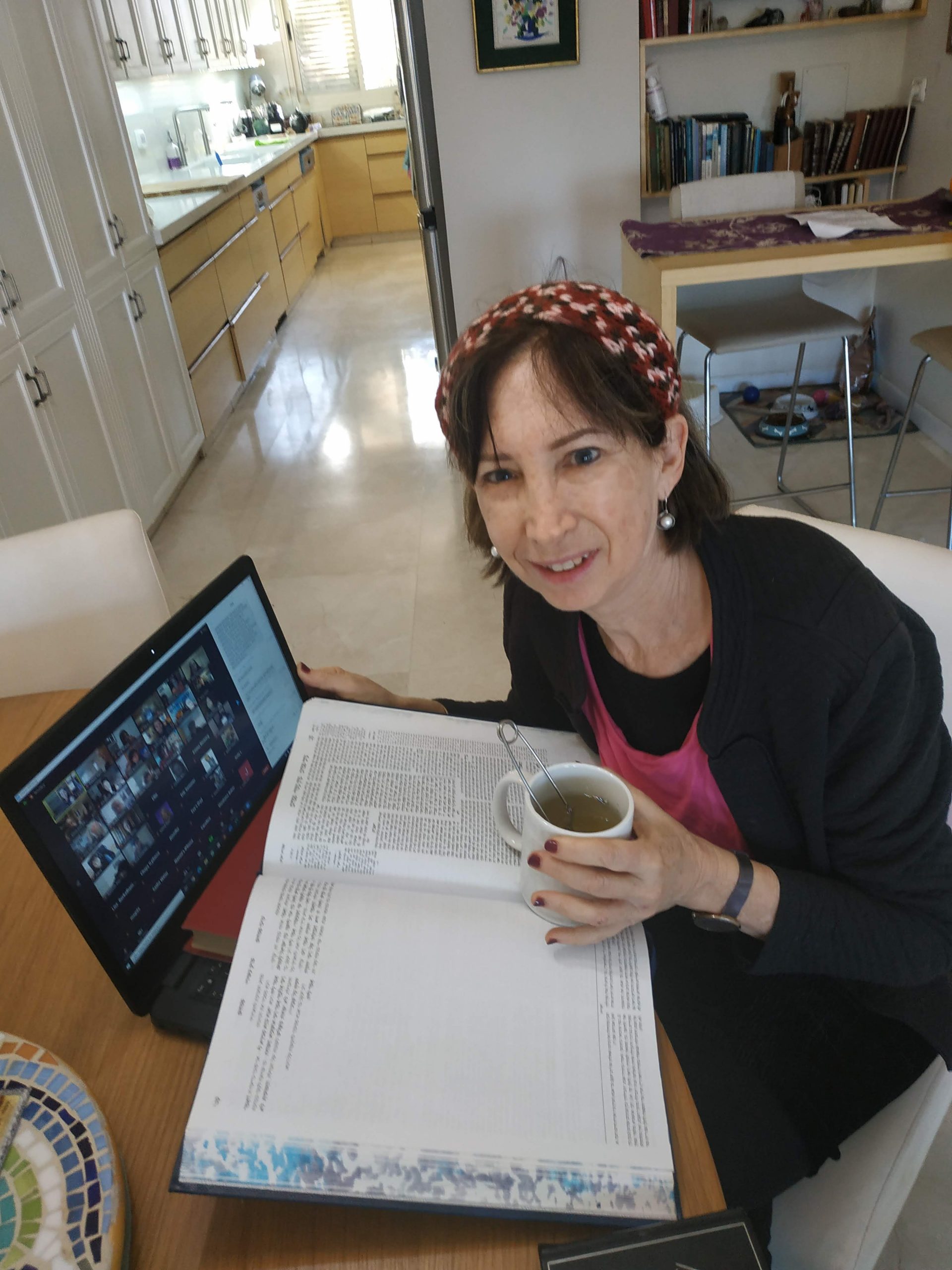
חשמונאים, ישראל
התחלתי ללמוד לפני כשנתיים בשאיפה לסיים לראשונה מסכת אחת במהלך חופשת הלידה.
אחרי מסכת אחת כבר היה קשה להפסיק…
ירוחם, ישראל
A life-changing journey started with a Chanukah family tiyul to Zippori, home of the Sanhedrin 2 years ago and continued with the Syum in Binanei Hauma where I was awed by the energy of 3000 women dedicated to learning daf Yomi. Opening my morning daily with a fresh daf, I am excited with the new insights I find enriching my life and opening new and deeper horizons for me.
Elazar gush etzion, Israel
התחלתי כשהייתי בחופש, עם הפרסומים על תחילת המחזור, הסביבה קיבלה את זה כמשהו מתמיד ומשמעותי ובהערכה, הלימוד זה עוגן יציב ביום יום, יש שבועות יותר ויש שפחות אבל זה משהו שנמצא שם אמין ובעל משמעות בחיים שלי….
גמזו, ישראל
התחלתי ללמוד דף יומי בסבב הקודם. זכיתי לסיים אותו במעמד המרגש של הדרן. בסבב הראשון ליווה אותי הספק, שאולי לא אצליח לעמוד בקצב ולהתמיד. בסבב השני אני לומדת ברוגע, מתוך אמונה ביכולתי ללמוד ולסיים. בסבב הלימוד הראשון ליוותה אותי חוויה מסויימת של בדידות. הדרן העניקה לי קהילת לימוד ואחוות נשים. החוויה של סיום הש”ס במעמד כה גדול כשנשים שאינן מכירות אותי, שמחות ומתרגשות עבורי , היתה חוויה מרוממת נפש
קיבוץ מגדל עוז, ישראל
בתחילת הסבב הנוכחי של לימוד הדף היומי, נחשפתי לחגיגות המרגשות באירועי הסיום ברחבי העולם. והבטחתי לעצמי שבקרוב אצטרף גם למעגל הלומדות. הסבב התחיל כאשר הייתי בתחילת דרכי בתוכנית קרן אריאל להכשרת יועצות הלכה של נשמ”ת. לא הצלחתי להוסיף את ההתחייבות לדף היומי על הלימוד האינטנסיבי של תוכנית היועצות. בבוקר למחרת המבחן הסופי בנשמ”ת, התחלתי את לימוד הדף במסכת סוכה ומאז לא הפסקתי.
קרית גת, ישראל
התחלתי להשתתף בשיעור נשים פעם בשבוע, תכננתי ללמוד רק דפים בודדים, לא האמנתי שאצליח יותר מכך.
לאט לאט נשאבתי פנימה לעולם הלימוד .משתדלת ללמוד כל בוקר ומתחילה את היום בתחושה של מלאות ומתוך התכווננות נכונה יותר.
הלימוד של הדף היומי ממלא אותי בתחושה של חיבור עמוק לעם היהודי ולכל הלומדים בעבר ובהווה.

אפרת, ישראל
התחלתי ללמוד בעידוד שתי חברות אתן למדתי בעבר את הפרק היומי במסגרת 929.
בבית מתלהבים מאוד ובשבת אני לומדת את הדף עם בעלי שזה מפתיע ומשמח מאוד! לימוד הדף הוא חלק בלתי נפרד מהיום שלי. לומדת בצהריים ומחכה לזמן הזה מידי יום…

אפרת, ישראל
התחלתי ללמוד דף יומי ממסכת נידה כי זה היה חומר הלימוד שלי אז. לאחר הסיום הגדול בבנייני האומה החלטתי להמשיך. וב”ה מאז עם הפסקות קטנות של קורונה ולידה אני משתדלת להמשיך ולהיות חלק.
זה משפיע מאוד על היום יום שלי ועל אף שאני עסוקה בלימודי הלכה ותורה כל יום, זאת המסגרת הקבועה והמחייבת ביותר שיש לי.
גבעת הראל, ישראל
התחלתי ללמוד דף יומי כאשר קיבלתי במייל ממכון שטיינזלץ את הדפים הראשונים של מסכת ברכות במייל. קודם לא ידעתי איך לקרוא אותם עד שנתתי להם להדריך אותי. הסביבה שלי לא מודעת לעניין כי אני לא מדברת על כך בפומבי. למדתי מהדפים דברים חדשים, כמו הקשר בין המבנה של בית המקדש והמשכן לגופו של האדם (יומא מה, ע”א) והקשר שלו למשפט מפורסם שמופיע בספר ההינדי "בהגוד-גיתא”. מתברר שזה רעיון כלל עולמי ולא רק יהודי
נשר, ישראל
אמא שלי למדה איתי ש”ס משנה, והתחילה ללמוד דף יומי. אני החלטתי שאני רוצה ללמוד גם. בהתחלה למדתי איתה, אח”כ הצטרפתי ללימוד דף יומי שהרב דני וינט מעביר לנוער בנים בעתניאל. במסכת עירובין עוד חברה הצטרפה אלי וכשהתחלנו פסחים הרב דני פתח לנו שעור דף יומי לבנות. מאז אנחנו לומדות איתו קבוע כל יום את הדף היומי (ובשבת אבא שלי מחליף אותו). אני נהנית מהלימוד, הוא מאתגר ומעניין
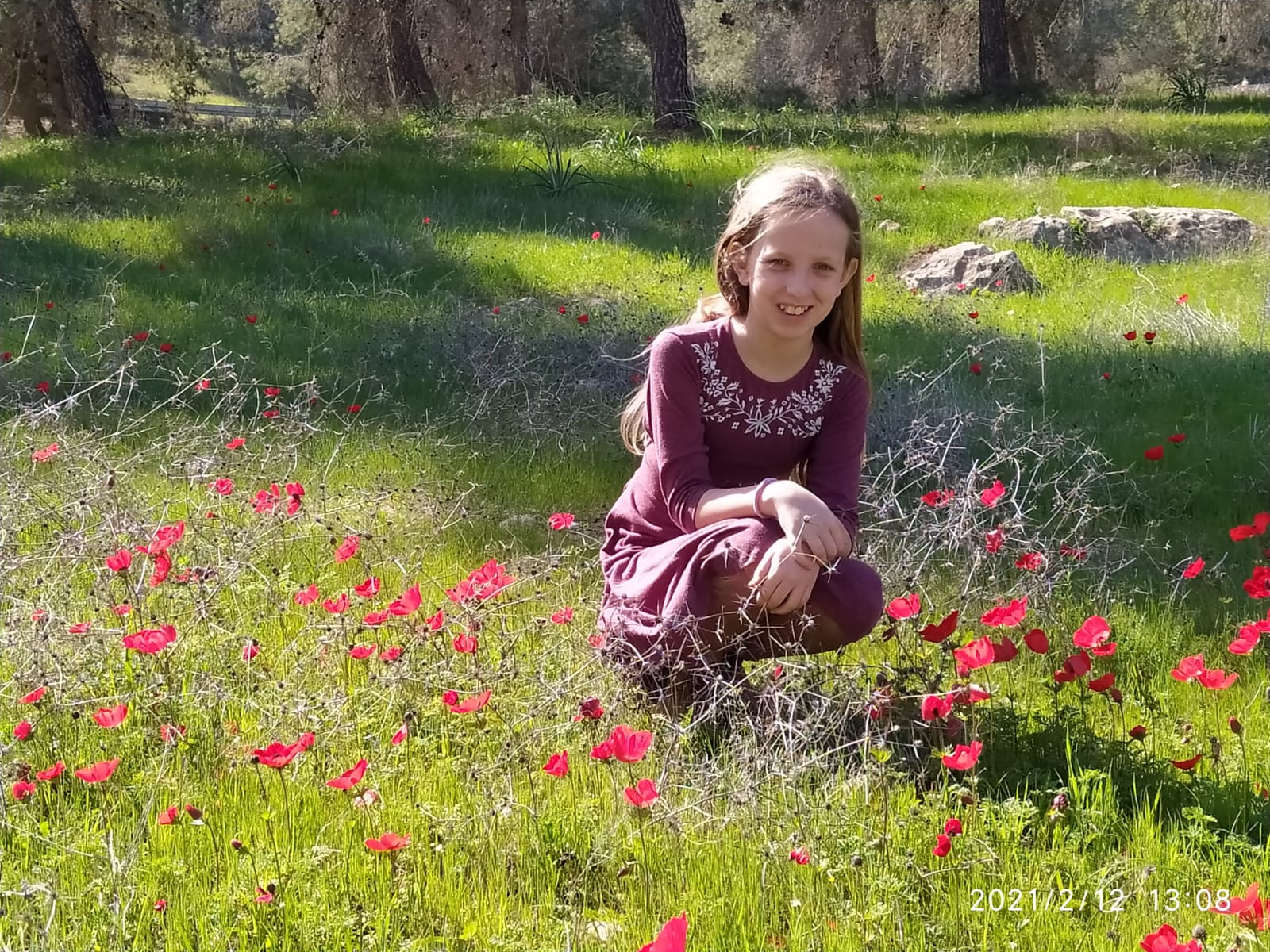
עתניאל, ישראל
התחלתי מעט לפני תחילת הסבב הנוכחי. אני נהנית מהאתגר של להמשיך להתמיד, מרגעים של "אהה, מפה זה הגיע!” ומהאתגר האינטלקטואלי
לוד, ישראל
My explorations into Gemara started a few days into the present cycle. I binged learnt and become addicted. I’m fascinated by the rich "tapestry” of intertwined themes, connections between Masechtot, conversations between generations of Rabbanim and learners past and present all over the world. My life has acquired a golden thread, linking generations with our amazing heritage.
Thank you.
חשמונאים, Israel
התחלתי כשהייתי בחופש, עם הפרסומים על תחילת המחזור, הסביבה קיבלה את זה כמשהו מתמיד ומשמעותי ובהערכה, הלימוד זה עוגן יציב ביום יום, יש שבועות יותר ויש שפחות אבל זה משהו שנמצא שם אמין ובעל משמעות בחיים שלי….
גמזו, ישראל
רציתי לקבל ידע בתחום שהרגשתי שהוא גדול וחשוב אך נעלם ממני. הלימוד מעניק אתגר וסיפוק ומעמיק את תחושת השייכות שלי לתורה וליהדות
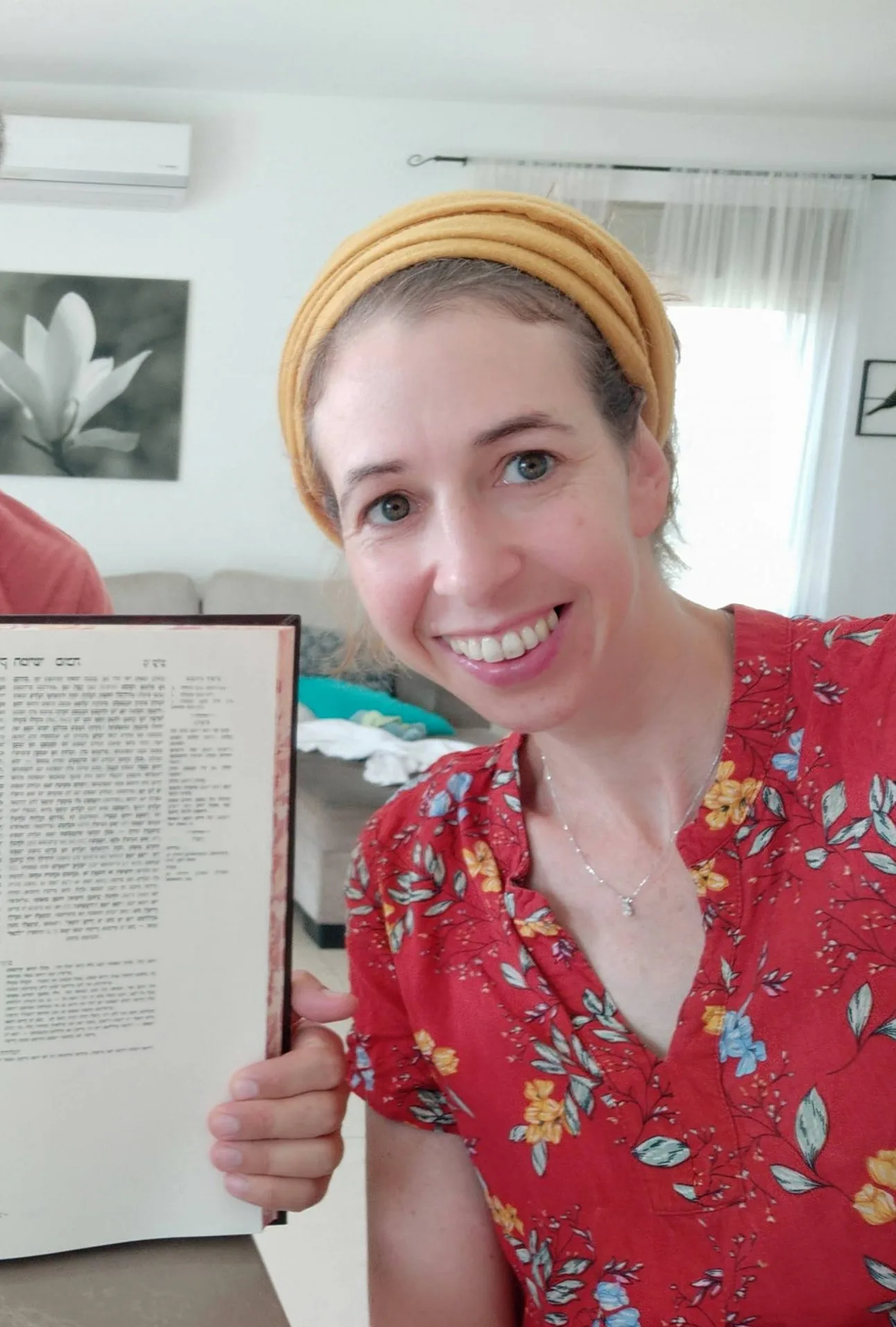
עלי זהב – לשם, ישראל
התחלתי ללמוד דף לפני קצת יותר מ-5 שנים, כשלמדתי רבנות בישיבת מהר”ת בניו יורק. בדיעבד, עד אז, הייתי בלימוד הגמרא שלי כמו מישהו שאוסף חרוזים משרשרת שהתפזרה, פה משהו ושם משהו, ומאז נפתח עולם ומלואו…. הדף נותן לי לימוד בצורה מאורגנת, שיטתית, יום-יומית, ומלמד אותי לא רק ידע אלא את השפה ודרך החשיבה שלנו. לשמחתי, יש לי סביבה תומכת וההרגשה שלי היא כמו בציטוט שבחרתי: הדף משפיע לטובה על כל היום שלי.
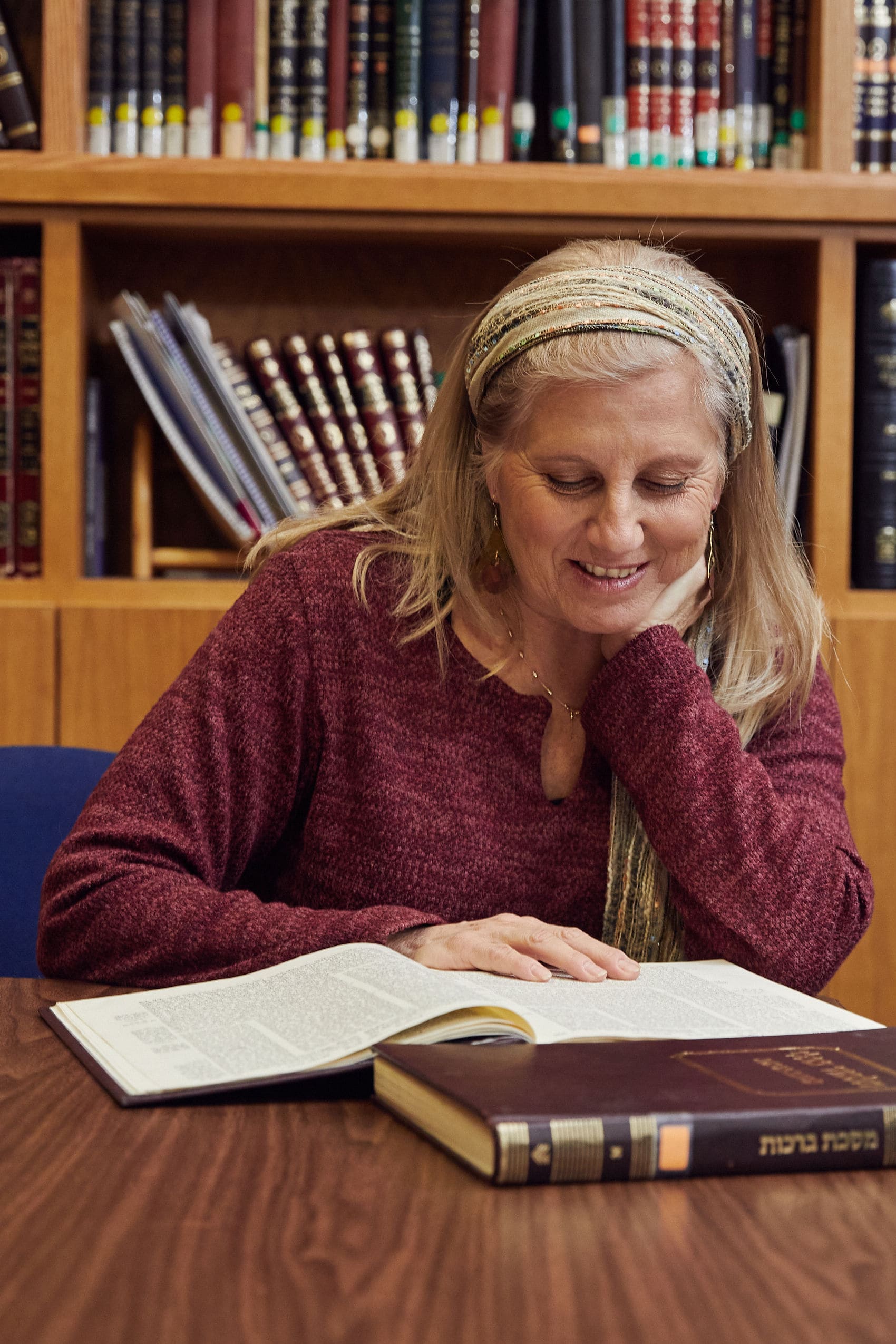
חיפה, ישראל
בתחילת הסבב הנוכחי הצטברו אצלי תחושות שאני לא מבינה מספיק מהי ההלכה אותה אני מקיימת בכל יום. כמו כן, כאמא לבנות רציתי לתת להן מודל נשי של לימוד תורה
שתי הסיבות האלו הובילו אותי להתחיל ללמוד. נתקלתי בתגובות מפרגנות וסקרניות איך אישה לומדת גמרא..
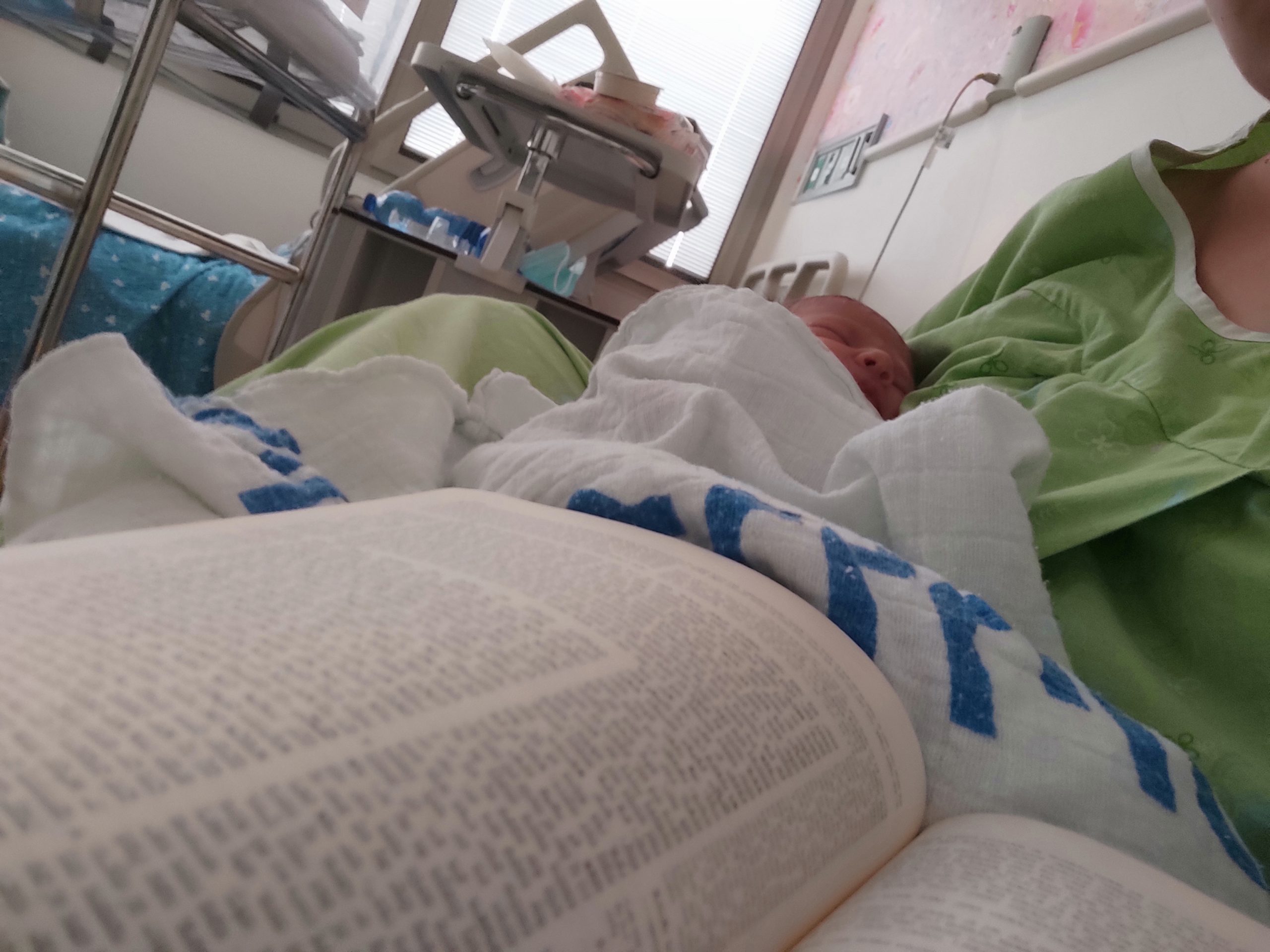
כמו שרואים בתמונה אני ממשיכה ללמוד גם היום ואפילו במחלקת יולדות אחרי לידת ביתי השלישית.
רבבה, ישראל
התחלתי לפני 8 שנים במדרשה. לאחרונה סיימתי מסכת תענית בלמידה עצמית ועכשיו לקראת סיום מסכת מגילה.
רעננה, ישראל
בבא בתרא מב
אִינְהוּ אַפְסִידוּ אַנַּפְשַׁיְיהוּ.
they caused their own loss by not investigating whether there was a lien on the property that they intended to buy.
וּמִי אָמַר רַב הָכִי? וְהָתְנַן: הַמַּלְוֶה אֶת חֲבֵירוֹ בִּשְׁטָר – גּוֹבֶה מִנְּכָסִים מְשׁוּעְבָּדִים, עַל יְדֵי עֵדִים – גּוֹבֶה מִנְּכָסִים בְּנֵי חוֹרִין!
The Gemara asks: And did Rav, in fact, say this, that one can collect sold property by means of witnesses alone? But didn’t we learn in a mishna (175a): One who lends money to another with a promissory note collects his debt from liened property that had been sold after the loan, if the debtor has no other property; but if one lent by means of witnesses without a promissory note, he collects his debt only from unsold property?
וְכִי תֵּימָא: רַב תַּנָּא הוּא וּפָלֵיג, וְהָא רַב וּשְׁמוּאֵל דְּאָמְרִי תַּרְוַיְיהוּ: מִלְוֶה עַל פֶּה – אֵינוֹ גּוֹבֶה לֹא מִן הַיּוֹרְשִׁים וְלֹא מִן הַלָּקוֹחוֹת!
And if you would say that Rav is a tanna, and as such has the authority to dispute the determination in the mishna, but didn’t Rav himself and Shmuel both say: One who is owed a debt due to a loan by oral contract does not collect liened property, not from the heirs of the debtor nor from the buyers, despite the fact that there are witnesses?
מִלְוֶה אַזְּבִינֵי קָא רָמֵית?! מִלְוֶה, כִּי קָא יָזֵיף – בְּצִנְעָא קָא יָזֵיף, כִּי הֵיכִי דְּלָא לִיתַּזְלוּ נִכְסֵיהּ עֲלֵיהּ. זְבִינֵי, מַאן דְּזָבֵין אַרְעָא – בְּפַרְהֶסְיָא זָבֵין, כִּי הֵיכִי דְּלִיפּוֹק לַהּ קָלָא.
The Gemara answers: Are you raising a contradiction from a case of a loan to a case of a sale? They are not comparable. In the case of a loan, when one borrows money he borrows discreetly, in order that his property not be devalued, as people will pay less for his property if they know that he is pressed for capital. Since a loan is issued discreetly, the presumption is that the buyers were unaware of the loan. Therefore, the creditor does not collect from sold property. By contrast, in the case of a sale, one who sells land sells it in public in order that publicity be generated with regard to it. Therefore, the cases of loans and sales are not comparable.
תָּנוּ רַבָּנַן: אֲכָלָהּ הָאָב שָׁנָה וְהַבֵּן שְׁתַּיִם; הָאָב שְׁתַּיִם וְהַבֵּן שָׁנָה; הָאָב שָׁנָה, וְהַבֵּן שָׁנָה, וְהַלּוֹקֵחַ שָׁנָה – הֲרֵי זוֹ חֲזָקָה.
The Gemara continues the discussion of the establishment of the presumption of ownership by successive possessors. The Sages taught: If the father worked and profited from the land for one year and the son who inherited it from him worked and profited from it for two years, or if the father worked and profited from the land for two years and the son worked and profited from it for one year, or if the father worked and profited from the land for one year and the son worked and profited from it for one year, and the buyer, who purchased it from the son, worked and profited from it for one year, this is sufficient to establish the presumption of ownership.
לְמֵימְרָא דְּלוֹקֵחַ אִית לֵיהּ קָלָא?! וּרְמִינְהִי: אֲכָלָהּ בִּפְנֵי הָאָב שָׁנָה וּבִפְנֵי הַבֵּן שְׁתַּיִם; בִּפְנֵי הָאָב שְׁתַּיִם וּבִפְנֵי הַבֵּן שָׁנָה; בִּפְנֵי הָאָב שָׁנָה, וּבִפְנֵי הַבֵּן שָׁנָה, וּבִפְנֵי לוֹקֵחַ שָׁנָה – הֲרֵי זוֹ חֲזָקָה. וְאִי סָלְקָא דַעְתָּךְ לוֹקֵחַ אִית לֵיהּ קָלָא, אֵין לְךָ מְחָאָה גְּדוֹלָה מִזּוֹ!
The Gemara asks: Is this to say that with regard to a buyer, the transaction generates publicity? And one can raise a contradiction from a baraita (Tosefta 2:8): If one worked and profited from the land in the presence of the father, the prior owner, for one year, and in the presence of the son, who then inherited it from the father, for two years; or in the presence of the father for two years and in the presence of the son for one year; or in the presence of the father for one year and in the presence of the son for one year and in the presence of the buyer, who purchased it from the son, for one year; this is sufficient to establish the presumption of ownership. And if it enters your mind that with regard to a buyer, the transaction generates publicity, there is no greater protest than this. By selling his land to someone else, the son of the prior owner is clearly stating that it does not belong to the possessor.
אָמַר רַב פָּפָּא: כִּי תַּנְיָא הָהִיא – בְּמוֹכֵר שְׂדוֹתָיו סְתָם.
Rav Pappa said: That is not a contradiction, as when that baraita is taught, it is taught with regard to one who sells his fields without specification. The son of the prior owner sold his fields without clarifying which fields he was selling. Since he did not specify the field from which the possessor is profiting, the possessor had no reason to assume that this field was being sold and that he needed to hold on to his deed, and he establishes the presumption of ownership despite the sale. In a case where the son of the prior owner stated explicitly that he was selling the field in question, the sale would serve as his protest.
מַתְנִי׳ הָאוּמָּנִין, וְהַשּׁוּתָּפִין, וְהָאֲרִיסִין, וְהָאַפּוֹטְרוֹפִּין – אֵין לָהֶם חֲזָקָה. לֹא לָאִישׁ חֲזָקָה בְּנִכְסֵי אִשְׁתּוֹ, וְלֹא לָאִשָּׁה חֲזָקָה בְּנִכְסֵי בַּעֲלָהּ; וְלֹא לָאָב בְּנִכְסֵי הַבֵּן, וְלֹא לַבֵּן בְּנִכְסֵי הָאָב.
MISHNA: Craftsmen who are in possession of items that they are repairing, and partners, and sharecroppers, and stewards [veha’apotropin] do not have the ability to establish the presumption of ownership with regard to property in their possession, as their possession is not indicative of ownership. Similarly, a man does not have the ability to establish the presumption of ownership with regard to his wife’s property, and a wife does not have the ability to establish the presumption of ownership with regard to her husband’s property. And a father similarly does not have the ability to establish the presumption of ownership with regard to a son’s property, and a son does not have the ability to establish the presumption of ownership with regard to a father’s property. A husband and wife, or son and father, use each other’s property freely. Possession is therefore not indicative of ownership.
בַּמֶּה דְּבָרִים אֲמוּרִים – בְּמַחְזִיק; אֲבָל בְּנוֹתֵן מַתָּנָה, וְהָאַחִין שֶׁחָלְקוּ, וְהַמַּחְזִיק בְּנִכְסֵי הַגֵּר – נָעַל וְגָדֵר וּפָרַץ כׇּל שֶׁהוּא – הֲרֵי זוֹ חֲזָקָה.
The mishna continues: In what case is this statement, that one establishes the presumption of ownership after profiting from the property for a certain duration, with the exception of the above people, said? It is said in a case of one who has mere possession of the property, which does, in some cases, serve as proof of ownership. But in a case where another person gives one a gift, or there are brothers who divided their inheritance, or there is one who takes possession of the property of a convert who died without heirs and his property is now ownerless, as soon as one locked the door of the property, or fenced it or breached its fence even a bit, this is considered taking possession of the property, and it effects acquisition.
גְּמָ׳ אֲבוּהּ דִּשְׁמוּאֵל וְלֵוִי תָּנוּ: שׁוּתָּף אֵין לוֹ חֲזָקָה, וְכׇל שֶׁכֵּן אוּמָּן. שְׁמוּאֵל תָּנֵי: אוּמָּן אֵין לוֹ חֲזָקָה, אֲבָל שׁוּתָּף יֵשׁ לוֹ חֲזָקָה. וְאַזְדָּא שְׁמוּאֵל לְטַעְמֵיהּ – דְּאָמַר שְׁמוּאֵל: הַשּׁוּתָּפִין מַחְזִיקִין זֶה עַל זֶה, וּמְעִידִין זֶה עַל זֶה, וְנַעֲשִׂים שׁוֹמְרֵי שָׂכָר זֶה לָזֶה.
GEMARA: Shmuel’s father and Levi taught: A partner does not have the ability to establish the presumption of ownership of property in his possession, and, all the more so, this inability applies to a craftsman as well. But Shmuel teaches: A craftsman does not have the ability to establish the presumption of ownership of property in his possession, but a partner does have the ability to establish the presumption of ownership. The Gemara comments: And Shmuel follows his line of reasoning, as Shmuel says: Partners establish the presumption of ownership with regard to the property of each other, and they testify for each other and become paid bailees of their joint property with regard to each other. In terms of these issues, Shmuel considers partners to be independent parties.
רָמֵי לֵיהּ רַבִּי אַבָּא לְרַב יְהוּדָה בִּמְעָרְתָּא דְּבֵי רַב זַכַּאי, מִי אָמַר שְׁמוּאֵל: שׁוּתָּף יֵשׁ לוֹ חֲזָקָה? וְהָאָמַר שְׁמוּאֵל: שׁוּתָּף כְּיוֹרֵד בִּרְשׁוּת דָּמֵי. לָאו לְמֵימְרָא דְּשׁוּתָּף אֵין לוֹ חֲזָקָה? לָא קַשְׁיָא; הָא דִּנְחֵית לְכוּלַּהּ, הָא דִּנְחֵית לְפַלְגָא.
Rabbi Abba raises a contradiction to Rav Yehuda in the case of Rav Zakkai’s house: Did Shmuel actually say that a partner has the ability to establish the presumption of ownership? But doesn’t Shmuel say: A partner is considered as one who enters the field with permission, such as a sharecropper? Isn’t that to say that a partner does not have the ability to establish the presumption of ownership? The Gemara answers: It is not difficult. This is referring to where he enters all of the field, and that is referring to where he enters half of the field.
אָמְרִי לַהּ לְהַאי גִּיסָא, וְאָמְרִי לַהּ לְהַאי גִּיסָא.
The Gemara explains: Some say it in this manner and some say it in that manner. On the one hand, it is possible to explain that if he entered half of the field he establishes the presumption of ownership with regard to that half, but if he entered the entire field he is merely acting as a partner. On the other hand, one could explain that entering half of the field does not establish the presumption of ownership at all, while entering the entire field does establish it.
רָבִינָא אָמַר: הָא וְהָא דִּנְחֵית לְכוּלַּהּ; וְלָא קַשְׁיָא – הָא דְּאִית בָּהּ דִּין חֲלוּקָהּ, הָא דְּלֵית בָּהּ דִּין חֲלוּקָהּ.
Ravina stated a different resolution to the contradiction: Both this and that are referring to a case where he enters the entire field, and it is not difficult. This is referring to a case where the field is of sufficient area to be subject to the halakha of division. In this case, his being in possession of the other half of the field as well, which belonged to his partner, establishes the presumption of ownership. That is referring to a case where the field is not of sufficient area to be subject to the halakha of division. Since the property will not be divided but will remain co-owned, he is merely possessing it as a partner and does not establish the presumption of ownership.
גּוּפָא – אָמַר שְׁמוּאֵל: שׁוּתָּף – כְּיוֹרֵד בִּרְשׁוּת דָּמֵי. מַאי קָא מַשְׁמַע לַן, שׁוּתָּפוּת אֵין לוֹ חֲזָקָה? לֵימָא: שׁוּתָּף אֵין לוֹ חֲזָקָה!
§ The Gemara addresses the matter itself. Shmuel says: A partner is considered as one who enters the field with permission. What is this teaching us, that there is not the presumption of ownership in the context of partnership? If so, let him say explicitly: A partner does not have the ability to establish the presumption of ownership of property in his possession.
אָמַר רַב נַחְמָן אָמַר רַבָּה בַּר אֲבוּהּ: לוֹמַר שֶׁנּוֹטֵל בַּשֶּׁבַח הַמַּגִּיעַ לִכְתֵפַיִם – בְּשָׂדֶה שֶׁאֵינָהּ עֲשׂוּיָה לִיטַּע, כְּשָׂדֶה הָעֲשׂוּיָה לִיטַּע.
Rav Naḥman says that Rabba bar Avuh says: Shmuel’s intent was to state that a partner who proactively works to improve their mutual property collects the enhancement that reaches shoulders, i.e., when the produce that grew due to the efforts of the partner is fully grown and ripened and can be harvested and carried upon one’s shoulders. He is not considered as one who entered another’s field without permission and improved it, who collects only for his expenditures. This is the halakha if he planted trees in a field that is not commonly used for planting trees, just as it is if he planted in a field that is commonly used for planting trees.
וּמְעִידִין זֶה לָזֶה.
The Gemara continues its discussion of Shmuel’s statement: And testify for each other. A partner may join another witness in testifying with regard to the fact that his partner owns a share of their field in order to counter the claim of a one who claims ownership of the field, and his testimony is not disqualified due to being biased.

