






רוצה להקדיש לימוד?


בבא בתרא מד
וְלוֹקְמַהּ בְּגַזְלָן!
The Gemara asks: And according to the understanding of Rav Sheshet, that the baraita is disqualifying one whose field was stolen from testifying on behalf of one who purchased the field from the robber, why is it necessary to discuss a case involving a buyer, when it would be simpler to establish it with regard to testifying for the robber himself?
מִשּׁוּם דְּקָא בָּעֵי לְמִיתְנָא סֵיפָא: מָכַר לוֹ פָּרָה, מָכַר לוֹ טַלִּית – דְּדַוְקָא מָכַר, דְּהָוֵה לֵיהּ יֵאוּשׁ וְשִׁינּוּי רְשׁוּת; אֲבָל לֹא מָכַר, דְּהָדְרָא לֵיהּ – לָא; תְּנָא רֵישָׁא נָמֵי מָכַר.
The Gemara answers: The tanna of the baraita discusses a case involving a buyer because he wants to teach the latter clause: If he sold a cow to him, or if he sold a cloak to him, he can testify about it for the buyer. As in this clause, the tanna specifically needs to discuss a case where the robber sold it, because then it is a case of despair by the owners due to the robbery, and there is also a change in possession due to the sale, and the one who was robbed can no longer reclaim the stolen item. He is therefore no longer biased in his testimony and can testify for the one who purchased the item. But in the latter clause, if the robber did not sell it, in which case the stolen item is returned to the robbery victim, he cannot testify, as he prefers that the item be in the possession of the robber, so that he can recover it from him. Therefore, the tanna taught in the first clause as well about a case where he sold it.
וְסֵיפָא נָמֵי – נְהִי דְּמִיָּיאַשׁ מִגּוּפַיהּ, מִדְּמֶיהָ מִי מִיָּיאַשׁ? לָא צְרִיכָא, דְּמִית גַּזְלָן – דִּתְנַן: הַגּוֹזֵל וּמַאֲכִיל אֶת בָּנָיו, וְהִנִּיחַ לִפְנֵיהֶם – פְּטוּרִים מִלְּשַׁלֵּם.
The Gemara asks: And in the latter clause as well, where there is despair and change in possession, granted that he despairs of recovering the item itself, but did he despair of being reimbursed for its value? While it is true that he lost his ownership of the item, he is still entitled to payment. Therefore, he is still biased in his testimony. The Gemara answers: No, it is necessary in a case where the robber died, in which case the robbery victim cannot collect even the value of the stolen item, and is no longer biased in his testimony. As we learned in a mishna (Bava Kamma 111b): In the case of one who robs another of food and feeds it to his own children, or who left a stolen item to them as an inheritance, the children are exempt from paying the victim of the robbery after their father’s death. Since he is no longer able to collect the value of the stolen item, he is not biased in his testimony and can testify on behalf of the buyer.
וְלוֹקְמַהּ בְּיוֹרֵשׁ!
The Gemara asks: And why not establish the entire baraita with regard to testifying for the robber’s heir? This would demonstrate the contrast that the tanna wanted to teach. In the case of a stolen field, which always must be returned to its owner, the robbery victim is biased in his testimony because the field can be recovered. Therefore, it is in his interest to establish that it is in the possession of the robber’s heirs. In the case of movable property, which cannot be recovered after the death of the robber, he is not biased in his testimony.
הָנִיחָא לְמַאן דְּאָמַר: רְשׁוּת יוֹרֵשׁ לָאו כִּרְשׁוּת לוֹקֵחַ דָּמֵי – שַׁפִּיר; אֶלָּא לְמַאן דְּאָמַר: רְשׁוּת יוֹרֵשׁ כִּרְשׁוּת לוֹקֵחַ דָּמֵי – מַאי אִיכָּא לְמֵימַר?
The Gemara notes: This works out well according to the one who says that the transfer of an item to the possession of an heir is not like the transfer of an item to the possession of a buyer, but is viewed as an extension of the possession of the legator. According to this opinion, it is well that the baraita did not establish its case with regard to the robber’s heir, as the robbery victim would be able to recover the item, and would be considered biased in his testimony. But according to the one who says that the transfer of an item to the possession of an heir is like the transfer of an item to the possession of a buyer, and the item is not recoverable in either case, what can be said to explain why the baraita does not state its case with regard to an heir?
וְעוֹד קַשְׁיָא לֵיהּ לְאַבָּיֵי: מִפְּנֵי שֶׁ״אַחְרָיוּתוֹ עָלָיו״ וְ״אֵין אַחְרָיוּתוֹ עָלָיו״?! מִפְּנֵי שֶׁ״הִיא חוֹזֶרֶת לוֹ״ וְ״אֵינָהּ חוֹזֶרֶת לוֹ״ מִיבְּעֵי לֵיהּ!
And furthermore, this explanation was difficult for Abaye to understand, as according to Rav Sheshet’s explanation, is it accurate to state, as the baraita does, that the distinction exists between the cases of land and movable property because in the first clause the financial responsibility to compensate the buyer for the land is upon him, and in the latter clause the financial responsibility to compensate the buyer for the movable property is not upon him? That is not the crucial distinction. The tanna should have taught instead that the difference is: Here he cannot testify because the stolen field returns to him, and here he can testify because the stolen item does not return to him.
אֶלָּא כִּדְרָבִין בַּר שְׁמוּאֵל – דְּאָמַר רָבִין בַּר שְׁמוּאֵל מִשְּׁמֵיהּ דִּשְׁמוּאֵל: הַמּוֹכֵר שָׂדֶה לַחֲבֵירוֹ שֶׁלֹּא בְּאַחְרָיוּת – אֵין מֵעִיד לוֹ עָלֶיהָ, מִפְּנֵי שֶׁמַּעֲמִידָהּ בִּפְנֵי בַּעַל חוֹבוֹ.
The Gemara offers a new explanation of the baraita: Rather, explain instead in accordance with the statement of Ravin bar Shmuel, as Ravin bar Shmuel says in the name of Shmuel: One who sells a field to another even without a guarantee that if the field will be repossessed the seller will compensate the buyer for his loss cannot testify with regard to ownership of that field on behalf of the buyer, because he is establishing the field before his creditor.
וְדַוְקָא בַּיִת אוֹ שָׂדֶה, אֲבָל פָּרָה וְטַלִּית – לָא מִיבַּעְיָא
The Gemara clarifies this by noting: And this is the case specifically in the case of a house or a field. But in the case of a cow or a cloak, he is not biased in his testimony, and can testify on behalf of the buyer. The Gemara explains: It is not necessary to say that this is the halakha
בִּסְתָמָא דְּלָא מִשְׁתַּעְבְּדָא לֵיהּ, מַאי טַעְמָא? מִטַּלְטְלֵי נִינְהוּ, וּמִטַּלְטְלֵי לְבַעַל חוֹב לָא מִשְׁתַּעְבְּדִי – וְאַף עַל גַּב דִּכְתַב לֵיהּ מִגְּלִימָא דְּעַל כַּתְפֵּיהּ, הָנֵי מִילֵּי דְּאִיתַנְהוּ בְּעֵינַיְיהוּ, אֲבָל לֵיתַנְהוּ בְּעֵינַיְיהוּ – לָא;
in a case where he sold a cow or cloak without specification, where it is not liened to the creditor. What is the reason for this? It is because these items are movable property, and movable property is not liened to a creditor. And even though it is so that the debtor wrote to the creditor that he can collect the debt even from the cloak that is on his shoulders, that matter applies only when it is as is and in the possession of the debtor, but if it is not as is, since it is in the possession of the buyer, then no, the creditor cannot collect from movable property. Therefore, the debtor can testify on behalf of the buyer.
אֶלָּא אֲפִילּוּ עֲשָׂאוֹ אַפּוֹתֵיקֵי – נָמֵי לָא. מַאי טַעְמָא? כִּדְרָבָא – דְּאָמַר רָבָא: עָשָׂה עַבְדּוֹ אַפּוֹתֵיקֵי וּמְכָרוֹ – בַּעַל חוֹב גּוֹבֶה מִמֶּנּוּ. שׁוֹרוֹ וַחֲמוֹרוֹ אַפּוֹתֵיקֵי וּמְכָרוֹ – אֵין בַּעַל חוֹב גּוֹבֶה הֵימֶנּוּ,
The Gemara continues: But even in a case where he set the cow or cloak aside as designated repayment [apoteiki], the creditor cannot collect from it. What is the reasoning? It is in accordance with the statement of Rava, as Rava says: If a master set aside his slave as designated repayment of a debt and then sold him, the master’s creditor collects the debt from the proceeds from the sale of the slave. But if one set aside his ox or his donkey as designated repayment and then sold it, the creditor does not collect the debt from the proceeds of the sale of the ox or the donkey.
מַאי טַעְמָא? הַאי אִית לֵיהּ קָלָא, וְהָא לֵית לֵיהּ קָלָא.
What is the reason for this distinction? This setting aside of the slave as designated repayment generates publicity, and that setting aside of the ox or donkey as designated repayment does not generate publicity. Therefore, when the slave had been set aside as designated repayment, the buyer would have been aware of this. Since he bought the slave while having this knowledge, the slave can be seized from him by the seller’s creditor. By contrast, the buyer of the cow or cloak would not have been aware that it had been set aside as designated repayment, so the seller’s creditor cannot seize it from him.
וְלֵיחוּשׁ דִּלְמָא אַקְנִי לֵיהּ מִטַּלְטְלֵי אַגַּב מְקַרְקְעֵי! דְּאָמַר רַבָּה: אִי אַקְנִי לֵיהּ מִטַּלְטְלֵי אַגַּב מְקַרְקְעֵי – קָנֵי מְקַרְקְעֵי קָנֵי מִטַּלְטְלֵי. וְאָמַר רַב חִסְדָּא: וְהוּא דִּכְתַב לֵיהּ: ״דְּלָא כְּאַסְמַכְתָּא וּדְלָא כְּטוּפְסָא דִשְׁטָרֵי״.
The Gemara asks: But let there be a concern that perhaps the debtor transferred the movable property to the creditor, not for him to own, but for him to have a lien on the movable property, by means of, i.e., together with, an acquisition of land, as Rabba said: If the debtor transferred movable property to the creditor as liened property by means of an acquisition of land, the creditor acquires the land and acquires the movable property, i.e., a lien is created with regard to both. And Rav Ḥisda said: And that is the halakha only where the debtor wrote to the creditor: This lien is not like a transaction with inconclusive consent [ke’asmakhta], which does not effect acquisition, and not like the template [ketofesa] for documents, which are not actually used to collect debts. Rather, it is a legally binding document.
הָכָא בְּמַאי עָסְקִינַן – כְּגוֹן שֶׁלָּקַח, וּמָכַר לְאַלְתַּר.
The Gemara answers: With what are we dealing here? We are dealing with a case where the debtor had purchased the movable property and immediately sold it, and there was no opportunity for him to have it become liened to a creditor. Therefore, there is no possibility of his being biased in his testimony due to a desire to repay his debt.
וְלֵיחוּשׁ דִּילְמָא ״דְּאֶיקְנֵי״ הוּא! שָׁמְעַתְּ מִינַּהּ: ״דְּאֶיקְנֵי״; קָנָה וּמָכַר, קָנָה וְהוֹרִישׁ – לֹא מִשְׁתַּעְבֵּד?
The Gemara asks: But let there be a concern that perhaps it is a case in which the debtor wrote to the creditor: I will repay you even from that which I will acquire in the future, which would presumably mean that the creditor can collect from the buyer even though the debtor purchased the item after taking the loan. From the fact that this is not a concern, do you learn from it that even if the debtor wrote: I will repay you even from that which I will acquire in the future, and he then purchased and sold property or purchased and bequeathed it, that which he purchases is not liened to his creditor? This would seem to settle what is otherwise assumed to be an unresolved question.
לָא צְרִיכָא, דְּקָאָמְרִי עֵדִים: יָדְעִינַן בֵּיהּ בְּהַאי דְּלָא הֲוָה לֵיהּ אַרְעָא מֵעוֹלָם.
The Gemara rejects this proof: No, one need not reach that conclusion, as it is necessary to teach the halakha in a case where witnesses say: We know about this one who sold these items that he never had any land. Therefore, it cannot be that the creditor acquired a lien on the movable property by means of an acquisition of land.
וְהָאָמַר רַב פָּפָּא, אַף עַל גַּב דַּאֲמוּר רַבָּנַן: הַמּוֹכֵר שָׂדֶה לַחֲבֵירוֹ שֶׁלֹּא בְּאַחְרָיוּת, וּבָא בַּעַל חוֹב וּטְרָפָהּ – אֵינוֹ חוֹזֵר עָלָיו; נִמְצֵאת שֶׁאֵינָהּ שֶׁלּוֹ – חוֹזֵר עָלָיו!
The Gemara asks: But doesn’t Rav Pappa say that even though the Sages said: In the case of one who sells a field to another without a guarantee, and a creditor came and repossessed it, the buyer cannot return to the seller, i.e. the debtor, who sold him the field, to claim reimbursement; but if it is found that the field was not the seller’s in the first place, the buyer can return to the seller to claim reimbursement. In this case, if the claimant establishes that the cow or cloak is his and was not the seller’s, the buyer will be able to claim reimbursement. The seller is therefore biased in his testimony, and should not be able to testify on behalf of the buyer.
הָכָא בְּמַאי עָסְקִינַן – בְּמַכִּיר בָּהּ שֶׁהִיא בַּת חֲמוֹרוֹ.
The Gemara answers: With what are we dealing here? We are dealing with a case where the buyer admits that he recognizes that this is the offspring of the seller’s donkey, and will not claim in court that the seller had no right to sell it.
וְרַב זְבִיד אָמַר: אֲפִילּוּ נִמְצֵאת שֶׁאֵינָהּ שֶׁלּוֹ – אֵינוֹ חוֹזֵר עָלָיו, דַּאֲמַר לֵיהּ: לְהָכִי זַבֵּינִי לָךְ שֶׁלֹּא בְּאַחְרָיוּת.
The Gemara returns to the statement of Rav Pappa and comments: But in contrast to the opinion of Rav Pappa, Rav Zevid says: Even if it is found that the field was not the seller’s, the buyer cannot return to the seller to claim reimbursement, as the seller can say to the buyer: It is for this reason that I sold it to you without a guarantee, i.e., so that if it is taken from you, I will not bear liability.
גּוּפָא – אָמַר רָבִין בַּר שְׁמוּאֵל מִשְּׁמֵיהּ דִּשְׁמוּאֵל: הַמּוֹכֵר שָׂדֶה לַחֲבֵירוֹ שֶׁלֹּא בְּאַחְרָיוּת – אֵין מֵעִיד לוֹ עָלֶיהָ, מִפְּנֵי שֶׁמַּעֲמִידָהּ בִּפְנֵי בַּעַל חוֹבוֹ. הֵיכִי דָּמֵי?
§ The Gemara returns to Shmuel’s statement, in order to examine the matter itself. Ravin bar Shmuel says in the name of Shmuel: One who sells a field to another even without a guarantee that if the field will be repossessed the seller will compensate the buyer for his loss cannot testify with regard to ownership of that field on behalf of the buyer, because he is establishing the field before his creditor. The Gemara asks: What are the circumstances of this halakha?

חדשה בלימוד הגמרא?
זה הדף הראשון שלך? איזו התרגשות עצומה! יש לנו בדיוק את התכנים והכלים שיעזרו לך לעשות את הצעדים הראשונים ללמידה בקצב וברמה שלך, כך תוכלי להרגיש בנוח גם בתוך הסוגיות המורכבות ומאתגרות.
פסיפס הלומדות שלנו
גלי את קהילת הלומדות שלנו, מגוון נשים, רקעים וסיפורים. כולן חלק מתנועה ומסע מרגש ועוצמתי.
התחלתי בסיום הש”ס, יצאתי באורות. נשברתי פעמיים, ובשתיהם הרבנית מישל עודדה להמשיך איפה שכולם בסבב ולהשלים כשאוכל, וכך עשיתי וכיום השלמתי הכל. מדהים אותי שאני לומדת כל יום קצת, אפילו בחדר הלידה, בבידוד או בחו”ל. לאט לאט יותר נינוחה בסוגיות. לא כולם מבינים את הרצון, בפרט כפמניסטית. חשה סיפוק גדול להכיר את המושגים וצורת החשיבה. החלום זה להמשיך ולהתמיד ובמקביל ללמוד איך מהסוגיות נוצרה והתפתחה ההלכה.

מודיעין, ישראל
בסוף הסבב הקודם ראיתי את השמחה הגדולה שבסיום הלימוד, בעלי סיים כבר בפעם השלישית וכמובן הסיום הנשי בבנייני האומה וחשבתי שאולי זו הזדמנות עבורי למשהו חדש.
למרות שאני שונה בסביבה שלי, מי ששומע על הלימוד שלי מפרגן מאוד.
אני מנסה ללמוד קצת בכל יום, גם אם לא את כל הדף ובסך הכל אני בדרך כלל עומדת בקצב.
הלימוד מעניק המון משמעות ליום יום ועושה סדר בלמוד תורה, שתמיד היה (ועדיין) שאיפה. אבל אין כמו קביעות

טל מנשה, ישראל
התחלתי ללמוד דף יומי באמצע תקופת הקורונה, שאבא שלי סיפר לי על קבוצה של בנות שתיפתח ביישוב שלנו ותלמד דף יומי כל יום. הרבה זמן רציתי להצטרף לזה וזאת הייתה ההזדמנות בשבילי. הצטרפתי במסכת שקלים ובאמצע הייתה הפסקה קצרה. כיום אני כבר לומדת באולפנה ולומדת דף יומי לבד מתוך גמרא של טיינזלץ.
עתניאל, ישראל
אמא שלי למדה איתי ש”ס משנה, והתחילה ללמוד דף יומי. אני החלטתי שאני רוצה ללמוד גם. בהתחלה למדתי איתה, אח”כ הצטרפתי ללימוד דף יומי שהרב דני וינט מעביר לנוער בנים בעתניאל. במסכת עירובין עוד חברה הצטרפה אלי וכשהתחלנו פסחים הרב דני פתח לנו שעור דף יומי לבנות. מאז אנחנו לומדות איתו קבוע כל יום את הדף היומי (ובשבת אבא שלי מחליף אותו). אני נהנית מהלימוד, הוא מאתגר ומעניין
עתניאל, ישראל
רבנית מישל הציתה אש התלמוד בלבבות בביניני האומה ואני נדלקתי. היא פתחה פתח ותמכה במתחילות כמוני ואפשרה לנו להתקדם בצעדים נכונים וטובים. הקימה מערך שלם שמסובב את הלומדות בסביבה תומכת וכך נכנסתי למסלול לימוד מעשיר שאין כמוה. הדרן יצר קהילה גדולה וחזקה שמאפשרת התקדמות מכל נקודת מוצא. יש דיבוק לומדות שמחזק את ההתמדה של כולנו. כל פניה ושאלה נענית בזריזות ויסודיות. תודה גם למגי על כל העזרה.
נתניה, ישראל
"התחלתי ללמוד דף יומי במחזור הזה, בח’ בטבת תש””ף. לקחתי על עצמי את הלימוד כדי ליצור תחום של התמדה יומיומית בחיים, והצטרפתי לקבוצת הלומדים בבית הכנסת בכפר אדומים. המשפחה והסביבה מתפעלים ותומכים.
בלימוד שלי אני מתפעלת בעיקר מכך שכדי ללמוד גמרא יש לדעת ולהכיר את כל הגמרא. זו מעין צבת בצבת עשויה שהיא עצומה בהיקפה.”

כפר אדומים, ישראל
התחלתי ללמוד גמרא בבית הספר בגיל צעיר והתאהבתי. המשכתי בכך כל חיי ואף היייתי מורה לגמרא בבית הספר שקד בשדה אליהו (בית הספר בו למדתי בילדותי)בתחילת מחזור דף יומי הנוכחי החלטתי להצטרף ובע”ה מקווה להתמיד ולהמשיך. אני אוהבת את המפגש עם הדף את "דרישות השלום ” שמקבלת מקשרים עם דפים אחרים שלמדתי את הסנכרון שמתחולל בין התכנים.
מעלה גלבוע, ישראל
התחלתי ללמוד דף יומי בתחילת מסכת ברכות, עוד לא ידעתי כלום. נחשפתי לסיום הש״ס, ובעצם להתחלה מחדש בתקשורת, הפתיע אותי לטובה שהיה מקום לעיסוק בתורה.
את המסכתות הראשונות למדתי, אבל לא סיימתי (חוץ מעירובין איכשהו). השנה כשהגעתי למדרשה, נכנסתי ללופ, ואני מצליחה להיות חלק, סיימתי עם החברותא שלי את כל המסכתות הקצרות, גם כשהיינו חולות קורונה ובבידודים, למדנו לבד, העיקר לא לצבור פער, ומחכות ליבמות 🙂

מזכרת בתיה, ישראל
"
גם אני התחלתי בסבב הנוכחי וב””ה הצלחתי לסיים את רוב המסכתות . בזכות הרבנית מישל משתדלת לפתוח את היום בשיעור הזום בשעה 6:20 .הלימוד הפך להיות חלק משמעותי בחיי ויש ימים בהם אני מצליחה לחזור על הדף עם מלמדים נוספים ששיעוריהם נמצאים במרשתת. שמחה להיות חלק מקהילת לומדות ברחבי העולם. ובמיוחד לשמש דוגמה לנכדותיי שאי””ה יגדלו לדור שלימוד תורה לנשים יהיה משהו שבשגרה. "
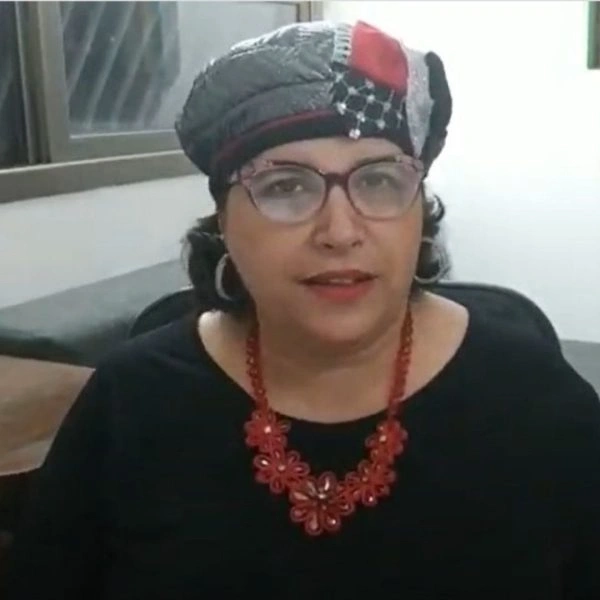
נתניה, ישראל
לצערי גדלתי בדור שבו לימוד גמרא לנשים לא היה דבר שבשגרה ושנים שאני חולמת להשלים את הפער הזה.. עד שלפני מספר שבועות, כמעט במקרה, נתקלתי במודעת פרסומת הקוראת להצטרף ללימוד מסכת תענית. כשקראתי את המודעה הרגשתי שהיא כאילו נכתבה עבורי – "תמיד חלמת ללמוד גמרא ולא ידעת איך להתחיל”, "בואי להתנסות במסכת קצרה וקלה” (רק היה חסר שהמודעה תיפתח במילים "מיכי שלום”..). קפצתי למים ו- ב”ה אני בדרך להגשמת החלום:)
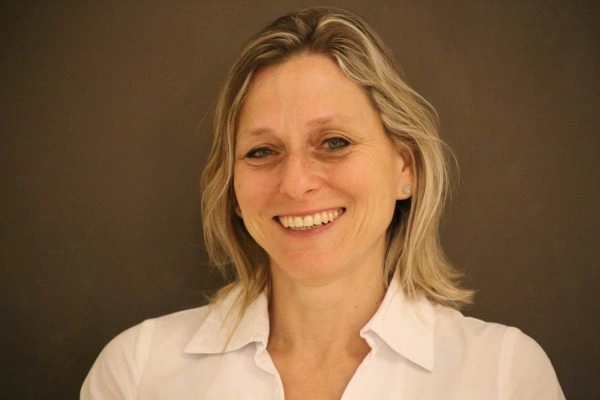
מורשת, ישראל
התחלתי ללמוד דף יומי לפני שנתיים, עם מסכת שבת. בהתחלה ההתמדה היתה קשה אבל בזכות הקורונה והסגרים הצלחתי להדביק את הפערים בשבתות הארוכות, לסיים את מסכת שבת ולהמשיך עם המסכתות הבאות. עכשיו אני מסיימת בהתרגשות רבה את מסכת חגיגה וסדר מועד ומחכה לסדר הבא!

מודיעין, ישראל
התחלתי ללמוד דף יומי אחרי שחזרתי בתשובה ולמדתי במדרשה במגדל עוז. הלימוד טוב ומספק חומר למחשבה על נושאים הלכתיים ”קטנים” ועד לערכים גדולים ביהדות. חשוב לי להכיר את הגמרא לעומק. והצעד הקטן היום הוא ללמוד אותה בבקיאות, בעזרת השם, ומי יודע אולי גם אגיע לעיון בנושאים מעניינים. נושאים בגמרא מתחברים לחגים, לתפילה, ליחסים שבין אדם לחברו ולמקום ולשאר הדברים שמלווים באורח חיים דתי 🙂
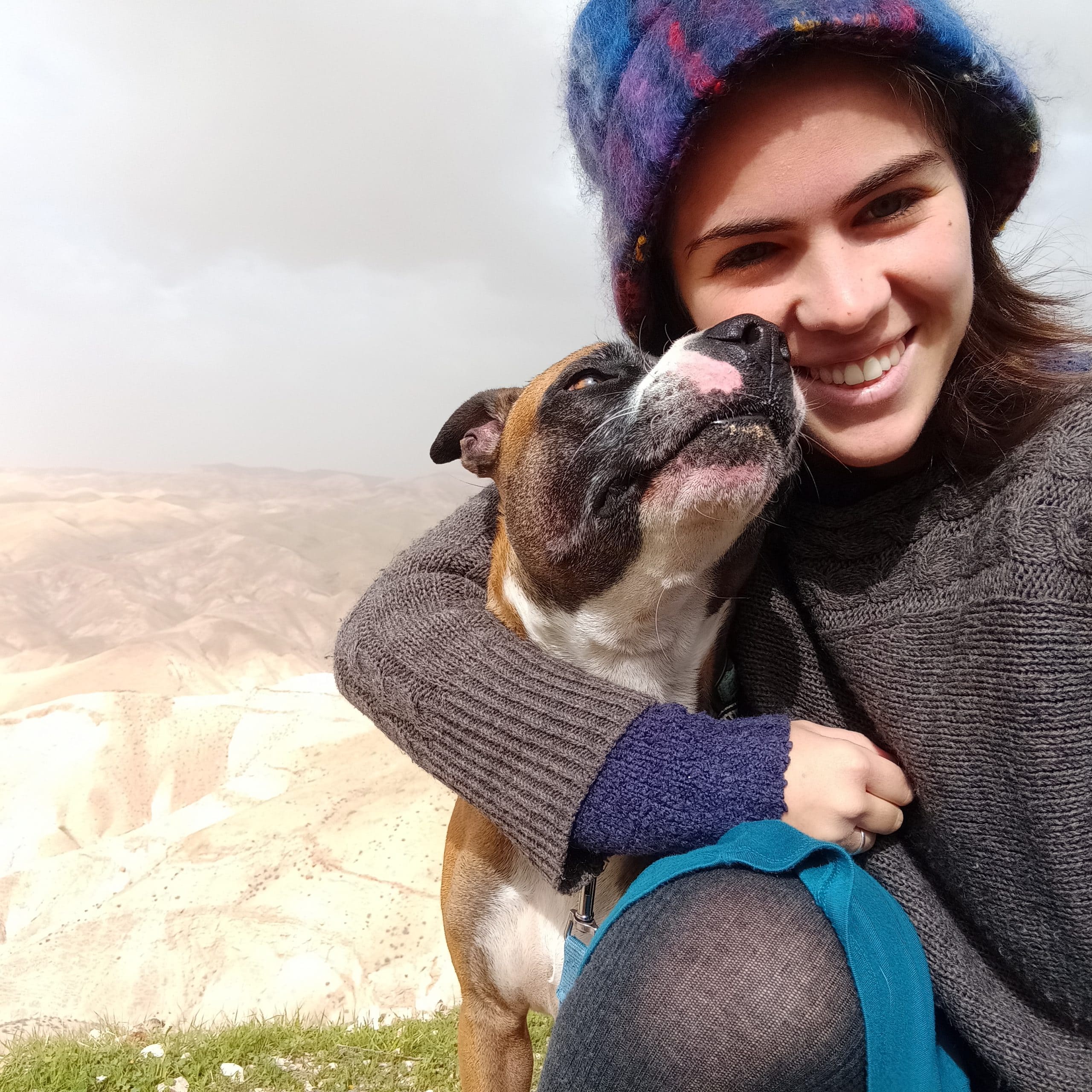
מצפה יריחו, ישראל
בתחילת הסבב הנוכחי של לימוד הדף היומי, נחשפתי לחגיגות המרגשות באירועי הסיום ברחבי העולם. והבטחתי לעצמי שבקרוב אצטרף גם למעגל הלומדות. הסבב התחיל כאשר הייתי בתחילת דרכי בתוכנית קרן אריאל להכשרת יועצות הלכה של נשמ”ת. לא הצלחתי להוסיף את ההתחייבות לדף היומי על הלימוד האינטנסיבי של תוכנית היועצות. בבוקר למחרת המבחן הסופי בנשמ”ת, התחלתי את לימוד הדף במסכת סוכה ומאז לא הפסקתי.

קרית גת, ישראל
My explorations into Gemara started a few days into the present cycle. I binged learnt and become addicted. I’m fascinated by the rich "tapestry” of intertwined themes, connections between Masechtot, conversations between generations of Rabbanim and learners past and present all over the world. My life has acquired a golden thread, linking generations with our amazing heritage.
Thank you.
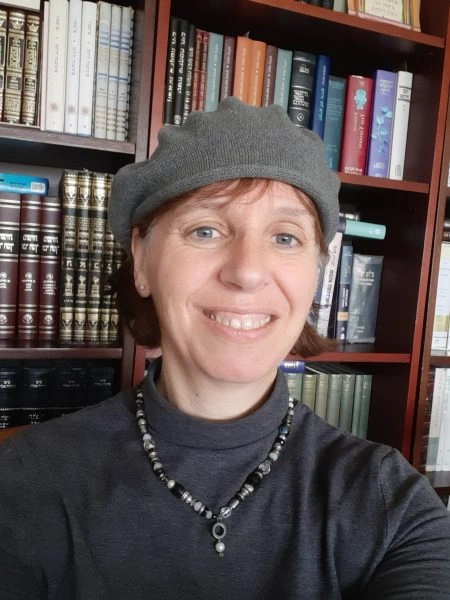
חשמונאים, Israel
התחלתי בסיום הש”ס, יצאתי באורות. נשברתי פעמיים, ובשתיהם הרבנית מישל עודדה להמשיך איפה שכולם בסבב ולהשלים כשאוכל, וכך עשיתי וכיום השלמתי הכל. מדהים אותי שאני לומדת כל יום קצת, אפילו בחדר הלידה, בבידוד או בחו”ל. לאט לאט יותר נינוחה בסוגיות. לא כולם מבינים את הרצון, בפרט כפמניסטית. חשה סיפוק גדול להכיר את המושגים וצורת החשיבה. החלום זה להמשיך ולהתמיד ובמקביל ללמוד איך מהסוגיות נוצרה והתפתחה ההלכה.
מודיעין, ישראל
התחלתי כשהייתי בחופש, עם הפרסומים על תחילת המחזור, הסביבה קיבלה את זה כמשהו מתמיד ומשמעותי ובהערכה, הלימוד זה עוגן יציב ביום יום, יש שבועות יותר ויש שפחות אבל זה משהו שנמצא שם אמין ובעל משמעות בחיים שלי….

גמזו, ישראל
התחלתי ללמוד גמרא בבית הספר בגיל צעיר והתאהבתי. המשכתי בכך כל חיי ואף היייתי מורה לגמרא בבית הספר שקד בשדה אליהו (בית הספר בו למדתי בילדותי)בתחילת מחזור דף יומי הנוכחי החלטתי להצטרף ובע”ה מקווה להתמיד ולהמשיך. אני אוהבת את המפגש עם הדף את "דרישות השלום ” שמקבלת מקשרים עם דפים אחרים שלמדתי את הסנכרון שמתחולל בין התכנים.
מעלה גלבוע, ישראל
התחלתי לפני 8 שנים במדרשה. לאחרונה סיימתי מסכת תענית בלמידה עצמית ועכשיו לקראת סיום מסכת מגילה.
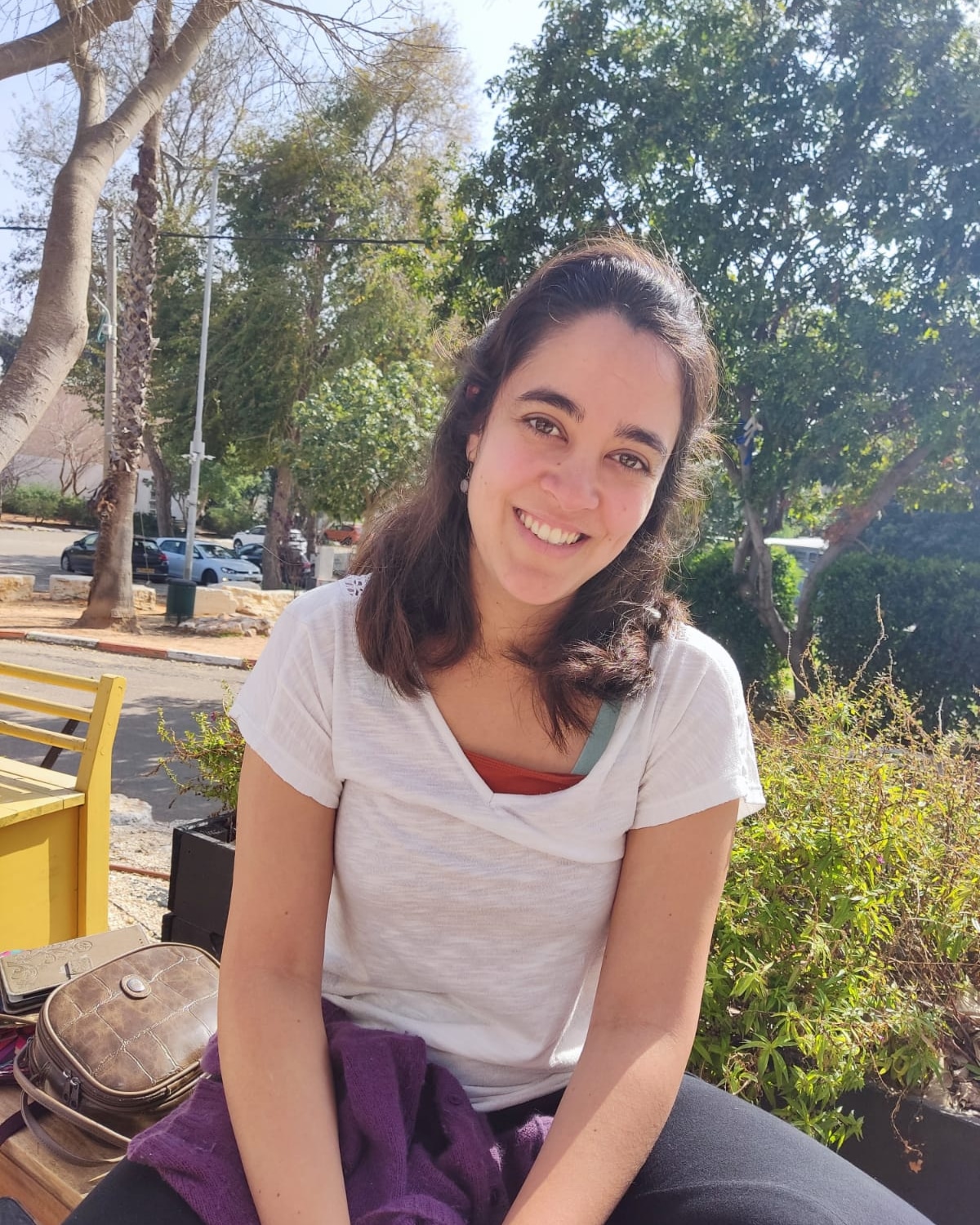
רעננה, ישראל
בתחילת הסבב הנוכחי הצטברו אצלי תחושות שאני לא מבינה מספיק מהי ההלכה אותה אני מקיימת בכל יום. כמו כן, כאמא לבנות רציתי לתת להן מודל נשי של לימוד תורה
שתי הסיבות האלו הובילו אותי להתחיל ללמוד. נתקלתי בתגובות מפרגנות וסקרניות איך אישה לומדת גמרא..
כמו שרואים בתמונה אני ממשיכה ללמוד גם היום ואפילו במחלקת יולדות אחרי לידת ביתי השלישית.
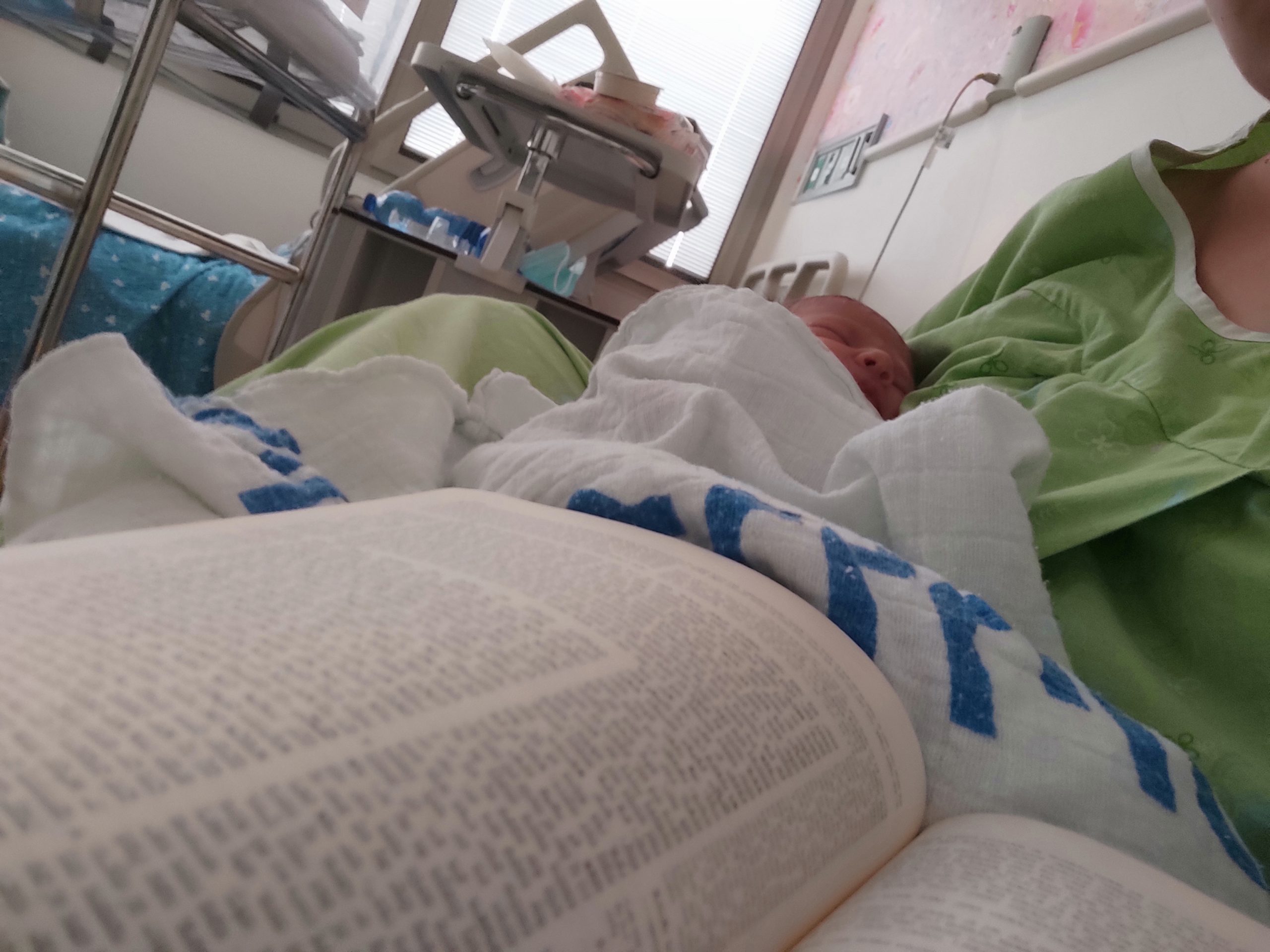
רבבה, ישראל
התחלתי ללמוד בשנת המדרשה במגדל עוז, בינתיים נהנית מאוד מהלימוד ומהגמרא, מעניין ומשמח מאוד!
משתדלת להצליח לעקוב כל יום, לפעמים משלימה קצת בהמשך השבוע.. מרגישה שיש עוגן מקובע ביום שלי והוא משמח מאוד!

חיפה , ישראל
בבא בתרא מד
וְלוֹקְמַהּ בְּגַזְלָן!
The Gemara asks: And according to the understanding of Rav Sheshet, that the baraita is disqualifying one whose field was stolen from testifying on behalf of one who purchased the field from the robber, why is it necessary to discuss a case involving a buyer, when it would be simpler to establish it with regard to testifying for the robber himself?
מִשּׁוּם דְּקָא בָּעֵי לְמִיתְנָא סֵיפָא: מָכַר לוֹ פָּרָה, מָכַר לוֹ טַלִּית – דְּדַוְקָא מָכַר, דְּהָוֵה לֵיהּ יֵאוּשׁ וְשִׁינּוּי רְשׁוּת; אֲבָל לֹא מָכַר, דְּהָדְרָא לֵיהּ – לָא; תְּנָא רֵישָׁא נָמֵי מָכַר.
The Gemara answers: The tanna of the baraita discusses a case involving a buyer because he wants to teach the latter clause: If he sold a cow to him, or if he sold a cloak to him, he can testify about it for the buyer. As in this clause, the tanna specifically needs to discuss a case where the robber sold it, because then it is a case of despair by the owners due to the robbery, and there is also a change in possession due to the sale, and the one who was robbed can no longer reclaim the stolen item. He is therefore no longer biased in his testimony and can testify for the one who purchased the item. But in the latter clause, if the robber did not sell it, in which case the stolen item is returned to the robbery victim, he cannot testify, as he prefers that the item be in the possession of the robber, so that he can recover it from him. Therefore, the tanna taught in the first clause as well about a case where he sold it.
וְסֵיפָא נָמֵי – נְהִי דְּמִיָּיאַשׁ מִגּוּפַיהּ, מִדְּמֶיהָ מִי מִיָּיאַשׁ? לָא צְרִיכָא, דְּמִית גַּזְלָן – דִּתְנַן: הַגּוֹזֵל וּמַאֲכִיל אֶת בָּנָיו, וְהִנִּיחַ לִפְנֵיהֶם – פְּטוּרִים מִלְּשַׁלֵּם.
The Gemara asks: And in the latter clause as well, where there is despair and change in possession, granted that he despairs of recovering the item itself, but did he despair of being reimbursed for its value? While it is true that he lost his ownership of the item, he is still entitled to payment. Therefore, he is still biased in his testimony. The Gemara answers: No, it is necessary in a case where the robber died, in which case the robbery victim cannot collect even the value of the stolen item, and is no longer biased in his testimony. As we learned in a mishna (Bava Kamma 111b): In the case of one who robs another of food and feeds it to his own children, or who left a stolen item to them as an inheritance, the children are exempt from paying the victim of the robbery after their father’s death. Since he is no longer able to collect the value of the stolen item, he is not biased in his testimony and can testify on behalf of the buyer.
וְלוֹקְמַהּ בְּיוֹרֵשׁ!
The Gemara asks: And why not establish the entire baraita with regard to testifying for the robber’s heir? This would demonstrate the contrast that the tanna wanted to teach. In the case of a stolen field, which always must be returned to its owner, the robbery victim is biased in his testimony because the field can be recovered. Therefore, it is in his interest to establish that it is in the possession of the robber’s heirs. In the case of movable property, which cannot be recovered after the death of the robber, he is not biased in his testimony.
הָנִיחָא לְמַאן דְּאָמַר: רְשׁוּת יוֹרֵשׁ לָאו כִּרְשׁוּת לוֹקֵחַ דָּמֵי – שַׁפִּיר; אֶלָּא לְמַאן דְּאָמַר: רְשׁוּת יוֹרֵשׁ כִּרְשׁוּת לוֹקֵחַ דָּמֵי – מַאי אִיכָּא לְמֵימַר?
The Gemara notes: This works out well according to the one who says that the transfer of an item to the possession of an heir is not like the transfer of an item to the possession of a buyer, but is viewed as an extension of the possession of the legator. According to this opinion, it is well that the baraita did not establish its case with regard to the robber’s heir, as the robbery victim would be able to recover the item, and would be considered biased in his testimony. But according to the one who says that the transfer of an item to the possession of an heir is like the transfer of an item to the possession of a buyer, and the item is not recoverable in either case, what can be said to explain why the baraita does not state its case with regard to an heir?
וְעוֹד קַשְׁיָא לֵיהּ לְאַבָּיֵי: מִפְּנֵי שֶׁ״אַחְרָיוּתוֹ עָלָיו״ וְ״אֵין אַחְרָיוּתוֹ עָלָיו״?! מִפְּנֵי שֶׁ״הִיא חוֹזֶרֶת לוֹ״ וְ״אֵינָהּ חוֹזֶרֶת לוֹ״ מִיבְּעֵי לֵיהּ!
And furthermore, this explanation was difficult for Abaye to understand, as according to Rav Sheshet’s explanation, is it accurate to state, as the baraita does, that the distinction exists between the cases of land and movable property because in the first clause the financial responsibility to compensate the buyer for the land is upon him, and in the latter clause the financial responsibility to compensate the buyer for the movable property is not upon him? That is not the crucial distinction. The tanna should have taught instead that the difference is: Here he cannot testify because the stolen field returns to him, and here he can testify because the stolen item does not return to him.
אֶלָּא כִּדְרָבִין בַּר שְׁמוּאֵל – דְּאָמַר רָבִין בַּר שְׁמוּאֵל מִשְּׁמֵיהּ דִּשְׁמוּאֵל: הַמּוֹכֵר שָׂדֶה לַחֲבֵירוֹ שֶׁלֹּא בְּאַחְרָיוּת – אֵין מֵעִיד לוֹ עָלֶיהָ, מִפְּנֵי שֶׁמַּעֲמִידָהּ בִּפְנֵי בַּעַל חוֹבוֹ.
The Gemara offers a new explanation of the baraita: Rather, explain instead in accordance with the statement of Ravin bar Shmuel, as Ravin bar Shmuel says in the name of Shmuel: One who sells a field to another even without a guarantee that if the field will be repossessed the seller will compensate the buyer for his loss cannot testify with regard to ownership of that field on behalf of the buyer, because he is establishing the field before his creditor.
וְדַוְקָא בַּיִת אוֹ שָׂדֶה, אֲבָל פָּרָה וְטַלִּית – לָא מִיבַּעְיָא
The Gemara clarifies this by noting: And this is the case specifically in the case of a house or a field. But in the case of a cow or a cloak, he is not biased in his testimony, and can testify on behalf of the buyer. The Gemara explains: It is not necessary to say that this is the halakha
בִּסְתָמָא דְּלָא מִשְׁתַּעְבְּדָא לֵיהּ, מַאי טַעְמָא? מִטַּלְטְלֵי נִינְהוּ, וּמִטַּלְטְלֵי לְבַעַל חוֹב לָא מִשְׁתַּעְבְּדִי – וְאַף עַל גַּב דִּכְתַב לֵיהּ מִגְּלִימָא דְּעַל כַּתְפֵּיהּ, הָנֵי מִילֵּי דְּאִיתַנְהוּ בְּעֵינַיְיהוּ, אֲבָל לֵיתַנְהוּ בְּעֵינַיְיהוּ – לָא;
in a case where he sold a cow or cloak without specification, where it is not liened to the creditor. What is the reason for this? It is because these items are movable property, and movable property is not liened to a creditor. And even though it is so that the debtor wrote to the creditor that he can collect the debt even from the cloak that is on his shoulders, that matter applies only when it is as is and in the possession of the debtor, but if it is not as is, since it is in the possession of the buyer, then no, the creditor cannot collect from movable property. Therefore, the debtor can testify on behalf of the buyer.
אֶלָּא אֲפִילּוּ עֲשָׂאוֹ אַפּוֹתֵיקֵי – נָמֵי לָא. מַאי טַעְמָא? כִּדְרָבָא – דְּאָמַר רָבָא: עָשָׂה עַבְדּוֹ אַפּוֹתֵיקֵי וּמְכָרוֹ – בַּעַל חוֹב גּוֹבֶה מִמֶּנּוּ. שׁוֹרוֹ וַחֲמוֹרוֹ אַפּוֹתֵיקֵי וּמְכָרוֹ – אֵין בַּעַל חוֹב גּוֹבֶה הֵימֶנּוּ,
The Gemara continues: But even in a case where he set the cow or cloak aside as designated repayment [apoteiki], the creditor cannot collect from it. What is the reasoning? It is in accordance with the statement of Rava, as Rava says: If a master set aside his slave as designated repayment of a debt and then sold him, the master’s creditor collects the debt from the proceeds from the sale of the slave. But if one set aside his ox or his donkey as designated repayment and then sold it, the creditor does not collect the debt from the proceeds of the sale of the ox or the donkey.
מַאי טַעְמָא? הַאי אִית לֵיהּ קָלָא, וְהָא לֵית לֵיהּ קָלָא.
What is the reason for this distinction? This setting aside of the slave as designated repayment generates publicity, and that setting aside of the ox or donkey as designated repayment does not generate publicity. Therefore, when the slave had been set aside as designated repayment, the buyer would have been aware of this. Since he bought the slave while having this knowledge, the slave can be seized from him by the seller’s creditor. By contrast, the buyer of the cow or cloak would not have been aware that it had been set aside as designated repayment, so the seller’s creditor cannot seize it from him.
וְלֵיחוּשׁ דִּלְמָא אַקְנִי לֵיהּ מִטַּלְטְלֵי אַגַּב מְקַרְקְעֵי! דְּאָמַר רַבָּה: אִי אַקְנִי לֵיהּ מִטַּלְטְלֵי אַגַּב מְקַרְקְעֵי – קָנֵי מְקַרְקְעֵי קָנֵי מִטַּלְטְלֵי. וְאָמַר רַב חִסְדָּא: וְהוּא דִּכְתַב לֵיהּ: ״דְּלָא כְּאַסְמַכְתָּא וּדְלָא כְּטוּפְסָא דִשְׁטָרֵי״.
The Gemara asks: But let there be a concern that perhaps the debtor transferred the movable property to the creditor, not for him to own, but for him to have a lien on the movable property, by means of, i.e., together with, an acquisition of land, as Rabba said: If the debtor transferred movable property to the creditor as liened property by means of an acquisition of land, the creditor acquires the land and acquires the movable property, i.e., a lien is created with regard to both. And Rav Ḥisda said: And that is the halakha only where the debtor wrote to the creditor: This lien is not like a transaction with inconclusive consent [ke’asmakhta], which does not effect acquisition, and not like the template [ketofesa] for documents, which are not actually used to collect debts. Rather, it is a legally binding document.
הָכָא בְּמַאי עָסְקִינַן – כְּגוֹן שֶׁלָּקַח, וּמָכַר לְאַלְתַּר.
The Gemara answers: With what are we dealing here? We are dealing with a case where the debtor had purchased the movable property and immediately sold it, and there was no opportunity for him to have it become liened to a creditor. Therefore, there is no possibility of his being biased in his testimony due to a desire to repay his debt.
וְלֵיחוּשׁ דִּילְמָא ״דְּאֶיקְנֵי״ הוּא! שָׁמְעַתְּ מִינַּהּ: ״דְּאֶיקְנֵי״; קָנָה וּמָכַר, קָנָה וְהוֹרִישׁ – לֹא מִשְׁתַּעְבֵּד?
The Gemara asks: But let there be a concern that perhaps it is a case in which the debtor wrote to the creditor: I will repay you even from that which I will acquire in the future, which would presumably mean that the creditor can collect from the buyer even though the debtor purchased the item after taking the loan. From the fact that this is not a concern, do you learn from it that even if the debtor wrote: I will repay you even from that which I will acquire in the future, and he then purchased and sold property or purchased and bequeathed it, that which he purchases is not liened to his creditor? This would seem to settle what is otherwise assumed to be an unresolved question.
לָא צְרִיכָא, דְּקָאָמְרִי עֵדִים: יָדְעִינַן בֵּיהּ בְּהַאי דְּלָא הֲוָה לֵיהּ אַרְעָא מֵעוֹלָם.
The Gemara rejects this proof: No, one need not reach that conclusion, as it is necessary to teach the halakha in a case where witnesses say: We know about this one who sold these items that he never had any land. Therefore, it cannot be that the creditor acquired a lien on the movable property by means of an acquisition of land.
וְהָאָמַר רַב פָּפָּא, אַף עַל גַּב דַּאֲמוּר רַבָּנַן: הַמּוֹכֵר שָׂדֶה לַחֲבֵירוֹ שֶׁלֹּא בְּאַחְרָיוּת, וּבָא בַּעַל חוֹב וּטְרָפָהּ – אֵינוֹ חוֹזֵר עָלָיו; נִמְצֵאת שֶׁאֵינָהּ שֶׁלּוֹ – חוֹזֵר עָלָיו!
The Gemara asks: But doesn’t Rav Pappa say that even though the Sages said: In the case of one who sells a field to another without a guarantee, and a creditor came and repossessed it, the buyer cannot return to the seller, i.e. the debtor, who sold him the field, to claim reimbursement; but if it is found that the field was not the seller’s in the first place, the buyer can return to the seller to claim reimbursement. In this case, if the claimant establishes that the cow or cloak is his and was not the seller’s, the buyer will be able to claim reimbursement. The seller is therefore biased in his testimony, and should not be able to testify on behalf of the buyer.
הָכָא בְּמַאי עָסְקִינַן – בְּמַכִּיר בָּהּ שֶׁהִיא בַּת חֲמוֹרוֹ.
The Gemara answers: With what are we dealing here? We are dealing with a case where the buyer admits that he recognizes that this is the offspring of the seller’s donkey, and will not claim in court that the seller had no right to sell it.
וְרַב זְבִיד אָמַר: אֲפִילּוּ נִמְצֵאת שֶׁאֵינָהּ שֶׁלּוֹ – אֵינוֹ חוֹזֵר עָלָיו, דַּאֲמַר לֵיהּ: לְהָכִי זַבֵּינִי לָךְ שֶׁלֹּא בְּאַחְרָיוּת.
The Gemara returns to the statement of Rav Pappa and comments: But in contrast to the opinion of Rav Pappa, Rav Zevid says: Even if it is found that the field was not the seller’s, the buyer cannot return to the seller to claim reimbursement, as the seller can say to the buyer: It is for this reason that I sold it to you without a guarantee, i.e., so that if it is taken from you, I will not bear liability.
גּוּפָא – אָמַר רָבִין בַּר שְׁמוּאֵל מִשְּׁמֵיהּ דִּשְׁמוּאֵל: הַמּוֹכֵר שָׂדֶה לַחֲבֵירוֹ שֶׁלֹּא בְּאַחְרָיוּת – אֵין מֵעִיד לוֹ עָלֶיהָ, מִפְּנֵי שֶׁמַּעֲמִידָהּ בִּפְנֵי בַּעַל חוֹבוֹ. הֵיכִי דָּמֵי?
§ The Gemara returns to Shmuel’s statement, in order to examine the matter itself. Ravin bar Shmuel says in the name of Shmuel: One who sells a field to another even without a guarantee that if the field will be repossessed the seller will compensate the buyer for his loss cannot testify with regard to ownership of that field on behalf of the buyer, because he is establishing the field before his creditor. The Gemara asks: What are the circumstances of this halakha?

