








הדף היום מוקדש ע”י אמה רינברג לע”נ הוריה יצחק ניסן בן יעקב ומרים חנה בת רחל.
רוצה להקדיש לימוד?
בבא בתרא מה
אִי דְּאִית לֵיהּ אַרְעָא אַחֲרִיתִי, עֲלֵיהּ דִּידֵיהּ הָדַר! אִי דְּלֵית לֵיהּ אַרְעָא אַחֲרִיתִי, מַאי נָפְקָא לֵיהּ מִינָּה?
If this is a case where the seller has other land, that he did not sell, in addition to the field that he sold with regard to which he currently wishes to testify, his creditor will go after it, and collect from that land. In that case, he is not biased in his testimony concerning the field that he sold. If this is a case where the seller does not have other land, what difference does it make to him if the buyer is unable to keep the land? In any event the creditor cannot collect directly from the seller.
לְעוֹלָם דְּלֵית לֵיהּ אַרְעָא אַחֲרִיתִי, דְּאָמַר: לָא נִיחָא דְּלֶיהְוֵי ״לֹוֶה רָשָׁע וְלֹא יְשַׁלֵּם״.
The Gemara answers: Actually, Shmuel is referring to a case where the seller does not have other land, and the reason that he is nevertheless biased in his testimony is that he wants his creditors to be able to collect the debt because he says to himself that it is uncomfortable for him to be in the category of: “The wicked borrows, and pays not” (Psalms 37:21).
סוֹף סוֹף, לְגַבֵּי אִידַּךְ נָמֵי – ״לֹוֶה רָשָׁע וְלֹא יְשַׁלֵּם״ הוּא! דְּאָמַר: לְהָכִי זַבֵּינִי לָךְ שֶׁלֹּא בְּאַחְרָיוּת.
The Gemara asks: But ultimately, he is also in the category of: “The wicked borrows, and pays not” (Psalms 37:21) with regard to the other one, to whom he sold the land. He took money from the buyer, who did not receive anything in exchange, as the land was seized from him. The Gemara answers: He is not concerned about his behavior toward the buyer, as he can say to him: For this very reason I sold it to you without a guarantee, so that if it would be seized from you I would not be liable.
מַכְרֵיז רָבָא, וְאִיתֵּימָא רַב פָּפָּא: דְּסָלְקִין לְעֵילָּא וּדְנָחֲתִין לְתַתָּא; הַאי בַּר יִשְׂרָאֵל דְּזָבֵין לֵיהּ חֲמָרָא לְיִשְׂרָאֵל חַבְרֵיהּ, וְקָא אָתֵי גּוֹי וְאָנֵיס לֵיהּ מִינֵּיהּ, דִּינָא הוּא דִּמְפַצֵּי לֵיהּ מִינֵּיהּ.
§ The Gemara relates: Rava announced, and some say it was Rav Pappa who announced: All those who ascend from Babylonia to Eretz Yisrael and all those who descend from Eretz Yisrael to Babylonia should be aware of the following: In a case of this Jew who sold a donkey to another Jew, and then a gentile came and seized it from him, claiming that it was really his, the halakha is that the seller should rescue [dimfatzei] it from the gentile or reimburse the buyer.
וְלָא אֲמַרַן אֶלָּא שֶׁאֵינוֹ מַכִּיר בָּהּ שֶׁהִיא בַּת חֲמוֹרוֹ, אֲבָל מַכִּיר בָּהּ שֶׁהִיא בַּת חֲמוֹרוֹ – לָא. וְלָא אֲמַרַן אֶלָּא דְּלָא אָנֵיס לֵיהּ לְדִידֵיהּ וּלְאוּכָּפָא, אֲבָל אָנֵיס לֵיהּ לְדִידֵיהּ וּלְאוּכָּפָא – לָא.
The Gemara points out: And we said this halakha only in a case where the buyer does not recognize that this is the offspring of the seller’s donkey, and it is possible that the gentile’s claim is true. But if the buyer recognizes that this is the offspring of the seller’s donkey, then the seller is not liable to reimburse him. It is clear that the gentile’s claim is false, so the seller bears no responsibility for the buyer’s loss. And furthermore, we said this halakha only in a case where the gentile did not seize it and the saddle with it. But if he seized it and the saddle with it, it is clear that the gentile is a robber, and it is assumed that there is no validity to his claim with regard to the donkey. Therefore, the seller is not liable to reimburse him.
אַמֵּימָר אָמַר: אֲפִילּוּ לֵיכָּא כׇּל הָנֵי – לָא. מַאי טַעְמָא? מִידָּע יָדַע דִּסְתַם גּוֹי אַנָּס הוּא – שֶׁנֶּאֱמַר: ״אֲשֶׁר פִּיהֶם דִּבֶּר שָׁוְא וִימִינָם יְמִין שָׁקֶר״.
Ameimar said: Even if there are not any of these factors, the seller is not liable to reimburse him. What is the reasoning for this? It is that it is known that an ordinary gentile is an extortionist, so it is assumed that the donkey did indeed belong to the seller, as it is stated: “Whose mouth speaks falsehood, and their right hand is a right hand of lying” (Psalms 144:8).
אוּמָּן אֵין לוֹ חֲזָקָה וְכוּ׳. אָמַר רַבָּה: לֹא שָׁנוּ אֶלָּא שֶׁמָּסַר לוֹ בְּעֵדִים, אֲבָל מָסַר לוֹ שֶׁלֹּא בְּעֵדִים – מִתּוֹךְ שֶׁיָּכוֹל לוֹמַר לוֹ ״לֹא הָיוּ דְבָרִים מֵעוֹלָם״, כִּי אָמַר לֵיהּ נָמֵי ״לְקוּחָה הִיא בְּיָדִי״ – מְהֵימַן.
§ The Gemara returns to discuss the statement of Shmuel (42b): A craftsman does not have the ability to establish the presumption of ownership of the property in his possession, but a partner has the ability to establish the presumption of ownership. Rabba says: They taught this only in a case where the owner transferred the item to the craftsman in the presence of witnesses. But if the owner transferred the item to the craftsman not in the presence of witnesses, then, since the craftsman is able to say to the one who claims to be the owner: These matters never occurred, i.e., you did not give me this item but it was mine to begin with, and he would keep possession of the item with that claim, then even when the craftsman says to him: It is purchased by me from you, and that is why it is in my possession, he is deemed credible.
אֲמַר לֵיהּ אַבָּיֵי: אִי הָכִי, אֲפִילּוּ בְּעֵדִים נָמֵי – מִתּוֹךְ שֶׁיָּכוֹל לוֹמַר לוֹ: ״הֶחְזַרְתִּיו לְךָ״, כִּי אָמַר לֵיהּ: ״לְקוּחָה הִיא בְּיָדִי״ – מְהֵימַן!
Abaye said to Rabba: If so, then even if the owner transferred the item to the craftsman in the presence of witnesses as well, he should be deemed credible. Since the craftsman is able to say to the owner: I returned the item to you, and he would be exempt from payment, when the craftsman says to him: It is purchased by me from you, and that is why it is in my possession, he is deemed credible.
אֲמַר לֵיהּ רַבָּה: מִי סָבְרַתְּ
Rabba said to Abaye: Do you maintain that
הַמַּפְקִיד אֵצֶל חֲבֵירוֹ בְּעֵדִים – אֵינוֹ צָרִיךְ לְהַחְזִיר לוֹ בְּעֵדִים? לָא סָלְקָא דַּעְתָּךְ – אֶלָּא הַמַּפְקִיד אֵצֶל חֲבֵירוֹ בְּעֵדִים, צָרִיךְ לְהַחֲזִיר לוֹ בְּעֵדִים.
in the case of one who deposits an item with another in the presence of witnesses the recipient need not return it to him in the presence of witnesses? If that were to be so, the craftsman could claim that he had returned it to the owner, even though there are no witnesses. That possibility should not enter your mind. Rather, in the case of one who deposits an item with another in the presence of witnesses, the recipient must return it to him in the presence of witnesses. Therefore, the craftsman could not have claimed that he returned it to the owner.
מֵיתִיבִי אַבָּיֵי: רָאָה עַבְדּוֹ בְּיַד אוּמָּן, וְטַלִּיתוֹ בְּיַד כּוֹבֵס, אָמַר לוֹ: ״מַה טִּיבוֹ אֶצְלְךָ?״ ״אַתָּה מְכַרְתּוֹ לִי״, ״אַתָּה נְתַתּוֹ לִי בְּמַתָּנָה״ – לֹא אָמַר כְּלוּם. ״בְּפָנַי אָמַרְתָּ לוֹ לְמוֹכְרו וְלִיתְּנוֹ לוֹ בְּמַתָּנָה״ – דְּבָרָיו קַיָּימִין.
Abaye raises an objection to Rabba’s ruling from a baraita (Tosefta 2:6): There is a case where one saw his slave in the possession of a craftsman, or his cloak in the possession of a launderer, and says to him: What is the nature of its presence in your possession? If the craftsman or launderer replied: You sold me the slave or cloak, or: You gave the slave or cloak to me as a gift, he has not said anything, and must return it, since a craftsman does not establish the presumption of ownership. But if the craftsman or launderer replied: You said in my presence to someone else to sell the slave or cloak to him or to give the slave or cloak to him, i.e., to sell or give the slave or cloak to the craftsman or launderer himself, as a gift, then his statement is valid.
מַאי שְׁנָא רֵישָׁא וּמַאי שְׁנָא סֵיפָא?
Before Abaya raises his objection, he first clarifies the ruling of the baraita. What is different in the first clause that the craftsman is not deemed credible and what is different in the latter clause that he is?
אָמַר רַבָּה: סֵיפָא – בְּיוֹצֵא מִתַּחַת יְדֵי אַחֵר, וְקָאָמַר לֵיהּ אַחֵר: בְּפָנַי אָמַרְתָּ לוֹ לְמוֹכְרוֹ וְלִיתְּנוֹ בְּמַתָּנָה. מִיגּוֹ דְּאִי בָּעֵי אָמַר לֵיהּ: ״מִינָּךְ זְבַנְתֵּיהּ״, כִּי אָמַר לֵיהּ נָמֵי: ״בְּפָנַי אָמַרְתָּ לוֹ לְמוֹכְרוֹ״ – דְּבָרָיו קַיָּימִין, וּמְהֵימַן.
Rabba said: The latter clause is stated with regard to a case where the slave or cloak emerges from the possession of another, and not from the possession of the craftsman, and this other person is saying to the owner: You said in my presence to the craftsman to sell the slave or cloak or to give the slave or cloak to me as gift. This person is deemed credible despite acknowledging that he received it from the craftsman, since if he had wanted to, he could have said to the owner of the item: I purchased the slave or cloak from you. As this third party is not a craftsman, he is able to establish the presumption of ownership through possession and would be deemed credible. Therefore, when he says to him as well: You said to him in my presence to sell the slave or cloak, his statement is valid, and he is also deemed credible.
קָתָנֵי מִיהַת רֵישָׁא: ״רָאָה״. הֵיכִי דָמֵי? אִי דְּאִיכָּא עֵדִים – לְמָה לִי רָאָה? נַיְתֵי עֵדִים וְנִשְׁקוֹל! אֶלָּא לָאו דְּלֵיכָּא עֵדִים? וְכִי רָאָה מִיהָא תָּפֵיס לֵיהּ!
After having clarified the ruling of the baraita, Abaye presents his objection: In any event, the first clause of the baraita teaches that the case where a craftsman is not deemed credible is where the owner saw the slave or cloak in the possession of the craftsman. What are the circumstances? If it is referring to where there are witnesses to the fact that the owner gave the slave or cloak to the craftsman for training or cleaning, respectively, why do I need for the owner to have seen them in the craftsman’s possession? Let the owner simply bring witnesses and take back his slave or cloak. Rather, is it not referring to a case where there are no witnesses, and nevertheless, when the owner saw the slave or cloak in the craftsman’s possession, he may seize the slave or cloak in any case? This contradicts Rabba’s statement that the decisive factor is whether the transfer took place in the presence of witnesses.
לָא, לְעוֹלָם דְּאִיכָּא עֵדִים; וְהוּא דְּרָאָה.
Rabba answers this objection: No, that is not the case of the baraita. Actually, it is referring to a case where there are witnesses, and nevertheless, that is the halakha, that he may seize the slave or cloak only where he saw it currently in the possession of the craftsman. But if there are no witnesses that it is currently in his possession, he would be deemed credible if he were to claim that he purchased the slave or cloak from the owner, as he could have claimed that he returned the slave or cloak.
וְהָא אַתְּ הוּא דְּאָמְרַתְּ: הַמַּפְקִיד אֵצֶל חֲבֵירוֹ בְּעֵדִים, צָרִיךְ לְפוֹרְעוֹ בְּעֵדִים! אֲמַר לֵיהּ: הֲדַרִי בִּי.
Abaye asked him: But you are the one who said: In the case of one who deposits an item with another in the presence of witnesses, the recipient must return it to him in the presence of witnesses. Therefore, if it was given to the craftsman in the presence of witnesses, he would not have the ability to make a more advantageous claim [miggo] that he returned it. Rabba said to Abaye: I retracted that opinion and hold that he may return it even when not in the presence of witnesses.
מֵתִיב רָבָא לְסַיּוֹעֵי לְרַבָּה: הַנּוֹתֵן טַלִּיתוֹ לְאוּמָּן, אוּמָּן אוֹמֵר: שְׁתַּיִם קָצַצְתָּ לִי, וְהַלָּה אוֹמֵר: לֹא קָצַצְתִּי לְךָ אֶלָּא אַחַת. כׇּל זְמַן שֶׁהַטַּלִּית בְּיַד אוּמָּן – עַל בַּעַל הַבַּיִת לְהָבִיא רְאָיָה. נְתָנָהּ לוֹ – בִּזְמַנּוֹ, נִשְׁבָּע וְנוֹטֵל. עָבַר זְמַנּוֹ, הַמּוֹצִיא מֵחֲבֵירוֹ עָלָיו הָרְאָיָה.
Rava raises an objection from a baraita to support the opinion of Rabba: With regard to one who gives his cloak to a craftsman, and then the craftsman says: You fixed two dinars as my payment, and that one, the owner, says: I fixed only one dinar as your payment, then, so long as it is so that the cloak is in the possession of the craftsman, it is incumbent upon the owner to bring proof that the fee was one dinar. If the craftsman gave the cloak back to him, then there are two scenarios: If the claim is lodged in its proper time, i.e., on the day of the cloak’s return, then the craftsman takes an oath and receives the two dinars. But if its proper time passed, then the burden of proof rests upon the claimant, and the craftsman would need to bring proof that the fee was two dinars.
הֵיכִי דָמֵי? אִי דְּאִיכָּא עֵדִים, לִיחְזֵי עֵדִים מַאי קָאָמְרִי!
Rava continues with an analysis of this baraita: What are the circumstances of the case discussed in this baraita? If it is a case where there are witnesses who saw the transfer of the item, let us see what the witnesses say about the fee, as they presumably heard the details of the arrangement.
לעקוב 
חדשה בלימוד הגמרא?
זה הדף הראשון שלך? איזו התרגשות עצומה! יש לנו בדיוק את התכנים והכלים שיעזרו לך לעשות את הצעדים הראשונים ללמידה בקצב וברמה שלך, כך תוכלי להרגיש בנוח גם בתוך הסוגיות המורכבות ומאתגרות.
פסיפס הלומדות שלנו
גלי את קהילת הלומדות שלנו, מגוון נשים, רקעים וסיפורים. כולן חלק מתנועה ומסע מרגש ועוצמתי.
התחלתי ללמוד דף יומי באמצע תקופת הקורונה, שאבא שלי סיפר לי על קבוצה של בנות שתיפתח ביישוב שלנו ותלמד דף יומי כל יום. הרבה זמן רציתי להצטרף לזה וזאת הייתה ההזדמנות בשבילי. הצטרפתי במסכת שקלים ובאמצע הייתה הפסקה קצרה. כיום אני כבר לומדת באולפנה ולומדת דף יומי לבד מתוך גמרא של טיינזלץ.
שבות בראלי
עתניאל, ישראל
למדתי גמרא מכיתה ז- ט ב Maimonides School ואחרי העליה שלי בגיל 14 לימוד הגמרא, שלא היה כל כך מקובל בימים אלה, היה די ספוראדי. אחרי "ההתגלות” בבנייני האומה התחלתי ללמוד בעיקר בדרך הביתה למדתי מפוקקטסים שונים. לאט לאט ראיתי שאני תמיד חוזרת לרבנית מישל פרבר. באיזה שהוא שלב התחלתי ללמוד בזום בשעה 7:10 .
היום "אין מצב” שאני אתחיל את היום שלי ללא לימוד עם הרבנית מישל עם כוס הקפה שלי!!
דבי גביר
חשמונאים, ישראל
רבנית מישל הציתה אש התלמוד בלבבות בביניני האומה ואני נדלקתי. היא פתחה פתח ותמכה במתחילות כמוני ואפשרה לנו להתקדם בצעדים נכונים וטובים. הקימה מערך שלם שמסובב את הלומדות בסביבה תומכת וכך נכנסתי למסלול לימוד מעשיר שאין כמוה. הדרן יצר קהילה גדולה וחזקה שמאפשרת התקדמות מכל נקודת מוצא. יש דיבוק לומדות שמחזק את ההתמדה של כולנו. כל פניה ושאלה נענית בזריזות ויסודיות. תודה גם למגי על כל העזרה.
שרה אבר
נתניה, ישראל
התחלתי ללמוד דף יומי שהתחילו מסכת כתובות, לפני 7 שנים, במסגרת קבוצת לימוד שהתפרקה די מהר, ומשם המשכתי לבד בתמיכת האיש שלי. נעזרתי בגמרת שטיינזלץ ובשיעורים מוקלטים.
הסביבה מאד תומכת ואני מקבלת המון מילים טובות לאורך כל הדרך. מאז הסיום הגדול יש תחושה שאני חלק מדבר גדול יותר.
אני לומדת בשיטת ה”7 דפים בשבוע” של הרבנית תרצה קלמן – כלומר, לא נורא אם לא הצלחת ללמוד כל יום, העיקר שגמרת ארבעה דפים בשבוע
רחל גולדשטיין
עתניאל, ישראל
"התחלתי ללמוד דף יומי במחזור הזה, בח’ בטבת תש””ף. לקחתי על עצמי את הלימוד כדי ליצור תחום של התמדה יומיומית בחיים, והצטרפתי לקבוצת הלומדים בבית הכנסת בכפר אדומים. המשפחה והסביבה מתפעלים ותומכים.
בלימוד שלי אני מתפעלת בעיקר מכך שכדי ללמוד גמרא יש לדעת ולהכיר את כל הגמרא. זו מעין צבת בצבת עשויה שהיא עצומה בהיקפה.”

שרה פוּקס
כפר אדומים, ישראל
התחלתי ללמוד דף יומי בסבב הקודם. זכיתי לסיים אותו במעמד המרגש של הדרן. בסבב הראשון ליווה אותי הספק, שאולי לא אצליח לעמוד בקצב ולהתמיד. בסבב השני אני לומדת ברוגע, מתוך אמונה ביכולתי ללמוד ולסיים. בסבב הלימוד הראשון ליוותה אותי חוויה מסויימת של בדידות. הדרן העניקה לי קהילת לימוד ואחוות נשים. החוויה של סיום הש”ס במעמד כה גדול כשנשים שאינן מכירות אותי, שמחות ומתרגשות עבורי , היתה חוויה מרוממת נפש
אילנית ווייל
קיבוץ מגדל עוז, ישראל
התחלתי ללמוד דף יומי בתחילת מסכת ברכות, עוד לא ידעתי כלום. נחשפתי לסיום הש״ס, ובעצם להתחלה מחדש בתקשורת, הפתיע אותי לטובה שהיה מקום לעיסוק בתורה.
את המסכתות הראשונות למדתי, אבל לא סיימתי (חוץ מעירובין איכשהו). השנה כשהגעתי למדרשה, נכנסתי ללופ, ואני מצליחה להיות חלק, סיימתי עם החברותא שלי את כל המסכתות הקצרות, גם כשהיינו חולות קורונה ובבידודים, למדנו לבד, העיקר לא לצבור פער, ומחכות ליבמות 🙂

עדן ישורון
מזכרת בתיה, ישראל
אחי, שלומד דף יומי ממסכת ברכות, חיפש חברותא ללימוד מסכת ראש השנה והציע לי. החברותא היתה מאתגרת טכנית ורוב הזמן נעשתה דרך הטלפון, כך שבסיום המסכת נפרדו דרכינו. אחי חזר ללמוד לבד, אבל אני כבר נכבשתי בקסם הגמרא ושכנעתי את האיש שלי להצטרף אלי למסכת ביצה. מאז המשכנו הלאה, ועכשיו אנחנו מתרגשים לקראתו של סדר נשים!

שולמית סבן
נוקדים, ישראל
הצטרפתי ללומדות בתחילת מסכת תענית. ההתרגשות שלי ושל המשפחה היתה גדולה מאוד, והיא הולכת וגוברת עם כל סיום שאני זוכה לו. במשך שנים רבות רציתי להצטרף ומשום מה זה לא קרה… ב”ה מצאתי לפני מספר חודשים פרסום של הדרן, ומיד הצטרפתי והתאהבתי. הדף היומי שינה את חיי ממש והפך כל יום- ליום של תורה. מודה לכן מקרב ליבי ומאחלת לכולנו לימוד פורה מתוך אהבת התורה ולומדיה.
נעה רוזן
חיספין רמת הגולן, ישראל
התחלתי מעט לפני תחילת הסבב הנוכחי. אני נהנית מהאתגר של להמשיך להתמיד, מרגעים של "אהה, מפה זה הגיע!” ומהאתגר האינטלקטואלי

אילת-חן ודלר
לוד, ישראל
התחלתי ללמוד דף יומי בתחילת מסכת ברכות, עוד לא ידעתי כלום. נחשפתי לסיום הש״ס, ובעצם להתחלה מחדש בתקשורת, הפתיע אותי לטובה שהיה מקום לעיסוק בתורה.
את המסכתות הראשונות למדתי, אבל לא סיימתי (חוץ מעירובין איכשהו). השנה כשהגעתי למדרשה, נכנסתי ללופ, ואני מצליחה להיות חלק, סיימתי עם החברותא שלי את כל המסכתות הקצרות, גם כשהיינו חולות קורונה ובבידודים, למדנו לבד, העיקר לא לצבור פער, ומחכות ליבמות 🙂
עדן ישורון
מזכרת בתיה, ישראל
התחלתי ללמוד דף יומי לפני שנתיים, עם מסכת שבת. בהתחלה ההתמדה היתה קשה אבל בזכות הקורונה והסגרים הצלחתי להדביק את הפערים בשבתות הארוכות, לסיים את מסכת שבת ולהמשיך עם המסכתות הבאות. עכשיו אני מסיימת בהתרגשות רבה את מסכת חגיגה וסדר מועד ומחכה לסדר הבא!

אילנה שכנוביץ
מודיעין, ישראל
"
גם אני התחלתי בסבב הנוכחי וב””ה הצלחתי לסיים את רוב המסכתות . בזכות הרבנית מישל משתדלת לפתוח את היום בשיעור הזום בשעה 6:20 .הלימוד הפך להיות חלק משמעותי בחיי ויש ימים בהם אני מצליחה לחזור על הדף עם מלמדים נוספים ששיעוריהם נמצאים במרשתת. שמחה להיות חלק מקהילת לומדות ברחבי העולם. ובמיוחד לשמש דוגמה לנכדותיי שאי””ה יגדלו לדור שלימוד תורה לנשים יהיה משהו שבשגרה. "
רונית שביט
נתניה, ישראל
My explorations into Gemara started a few days into the present cycle. I binged learnt and become addicted. I’m fascinated by the rich "tapestry” of intertwined themes, connections between Masechtot, conversations between generations of Rabbanim and learners past and present all over the world. My life has acquired a golden thread, linking generations with our amazing heritage.
Thank you.
סוזן כשדן
חשמונאים, Israel
התחלתי ללמוד את הדף היומי מעט אחרי שבני הקטן נולד. בהתחלה בשמיעה ולימוד באמצעות השיעור של הרבנית שפרבר. ובהמשך העזתי וקניתי לעצמי גמרא. מאז ממשיכה יום יום ללמוד עצמאית, ולפעמים בעזרת השיעור של הרבנית, כל יום. כל סיום של מסכת מביא לאושר גדול וסיפוק. הילדים בבית נהיו חלק מהלימוד, אני משתפת בסוגיות מעניינות ונהנית לשמוע את דעתם.

אלירז בלאו
מעלה מכמש, ישראל
התחלתי מעט לפני תחילת הסבב הנוכחי. אני נהנית מהאתגר של להמשיך להתמיד, מרגעים של "אהה, מפה זה הגיע!” ומהאתגר האינטלקטואלי
אילת-חן ודלר
לוד, ישראל
סיום השס לנשים נתן לי מוטביציה להתחיל ללמוד דף יומי. עד אז למדתי גמרא בשבתות ועשיתי כמה סיומים. אבל לימוד יומיומי זה שונה לגמרי ופתאום כל דבר שקורה בחיים מתקשר לדף היומי.
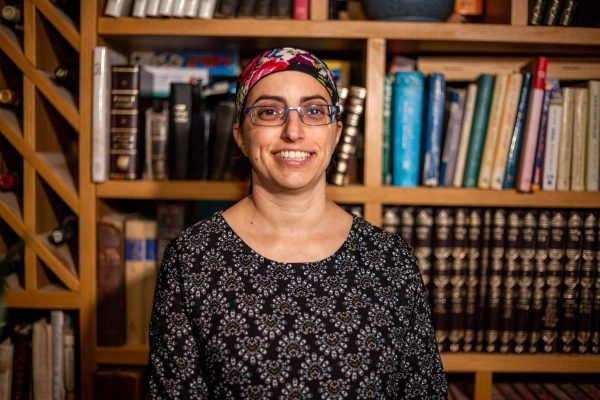
קרן פוגל
רתמים, ישראל
התחלתי ללמוד דף יומי באמצע תקופת הקורונה, שאבא שלי סיפר לי על קבוצה של בנות שתיפתח ביישוב שלנו ותלמד דף יומי כל יום. הרבה זמן רציתי להצטרף לזה וזאת הייתה ההזדמנות בשבילי. הצטרפתי במסכת שקלים ובאמצע הייתה הפסקה קצרה. כיום אני כבר לומדת באולפנה ולומדת דף יומי לבד מתוך גמרא של טיינזלץ.
שבות בראלי
עתניאל, ישראל
שמעתי על הסיום הענק של הדף היומי ע”י נשים בבנייני האומה. רציתי גם.
החלטתי להצטרף. התחלתי ושיכנעתי את בעלי ועוד שתי חברות להצטרף. עכשיו יש לי לימוד משותף איתו בשבת ומפגש חודשי איתן בנושא (והתכתבויות תדירות על דברים מיוחדים שקראנו). הצטרפנו לקבוצות שונות בווטסאפ. אנחנו ממש נהנות. אני שומעת את השיעור מידי יום (בד”כ מהרב יוני גוטמן) וקוראת ומצטרפת לסיומים של הדרן. גם מקפידה על דף משלהן (ונהנית מאד).
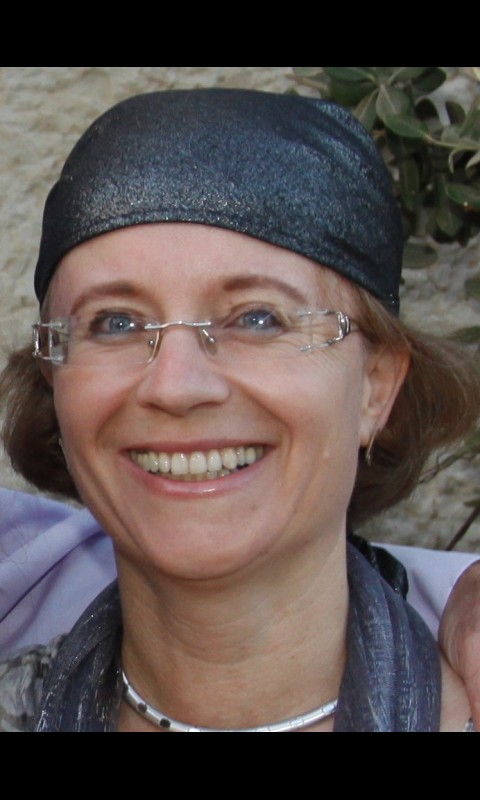
ליאת סיטרון
אפרת, ישראל
בתחילת הסבב הנוכחי הצטברו אצלי תחושות שאני לא מבינה מספיק מהי ההלכה אותה אני מקיימת בכל יום. כמו כן, כאמא לבנות רציתי לתת להן מודל נשי של לימוד תורה
שתי הסיבות האלו הובילו אותי להתחיל ללמוד. נתקלתי בתגובות מפרגנות וסקרניות איך אישה לומדת גמרא..
כמו שרואים בתמונה אני ממשיכה ללמוד גם היום ואפילו במחלקת יולדות אחרי לידת ביתי השלישית.
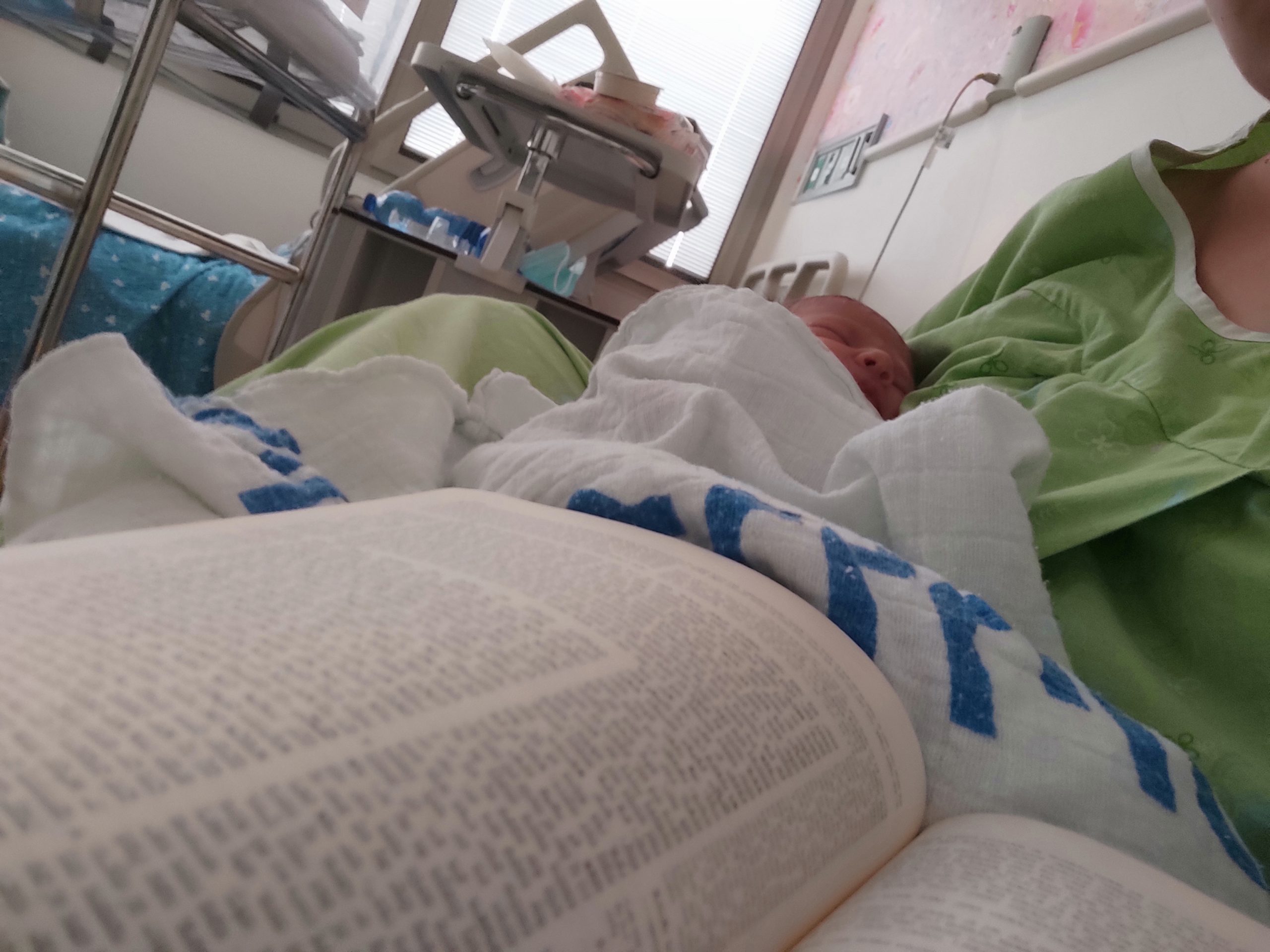
נועה שילה
רבבה, ישראל
בבא בתרא מה
אִי דְּאִית לֵיהּ אַרְעָא אַחֲרִיתִי, עֲלֵיהּ דִּידֵיהּ הָדַר! אִי דְּלֵית לֵיהּ אַרְעָא אַחֲרִיתִי, מַאי נָפְקָא לֵיהּ מִינָּה?
If this is a case where the seller has other land, that he did not sell, in addition to the field that he sold with regard to which he currently wishes to testify, his creditor will go after it, and collect from that land. In that case, he is not biased in his testimony concerning the field that he sold. If this is a case where the seller does not have other land, what difference does it make to him if the buyer is unable to keep the land? In any event the creditor cannot collect directly from the seller.
לְעוֹלָם דְּלֵית לֵיהּ אַרְעָא אַחֲרִיתִי, דְּאָמַר: לָא נִיחָא דְּלֶיהְוֵי ״לֹוֶה רָשָׁע וְלֹא יְשַׁלֵּם״.
The Gemara answers: Actually, Shmuel is referring to a case where the seller does not have other land, and the reason that he is nevertheless biased in his testimony is that he wants his creditors to be able to collect the debt because he says to himself that it is uncomfortable for him to be in the category of: “The wicked borrows, and pays not” (Psalms 37:21).
סוֹף סוֹף, לְגַבֵּי אִידַּךְ נָמֵי – ״לֹוֶה רָשָׁע וְלֹא יְשַׁלֵּם״ הוּא! דְּאָמַר: לְהָכִי זַבֵּינִי לָךְ שֶׁלֹּא בְּאַחְרָיוּת.
The Gemara asks: But ultimately, he is also in the category of: “The wicked borrows, and pays not” (Psalms 37:21) with regard to the other one, to whom he sold the land. He took money from the buyer, who did not receive anything in exchange, as the land was seized from him. The Gemara answers: He is not concerned about his behavior toward the buyer, as he can say to him: For this very reason I sold it to you without a guarantee, so that if it would be seized from you I would not be liable.
מַכְרֵיז רָבָא, וְאִיתֵּימָא רַב פָּפָּא: דְּסָלְקִין לְעֵילָּא וּדְנָחֲתִין לְתַתָּא; הַאי בַּר יִשְׂרָאֵל דְּזָבֵין לֵיהּ חֲמָרָא לְיִשְׂרָאֵל חַבְרֵיהּ, וְקָא אָתֵי גּוֹי וְאָנֵיס לֵיהּ מִינֵּיהּ, דִּינָא הוּא דִּמְפַצֵּי לֵיהּ מִינֵּיהּ.
§ The Gemara relates: Rava announced, and some say it was Rav Pappa who announced: All those who ascend from Babylonia to Eretz Yisrael and all those who descend from Eretz Yisrael to Babylonia should be aware of the following: In a case of this Jew who sold a donkey to another Jew, and then a gentile came and seized it from him, claiming that it was really his, the halakha is that the seller should rescue [dimfatzei] it from the gentile or reimburse the buyer.
וְלָא אֲמַרַן אֶלָּא שֶׁאֵינוֹ מַכִּיר בָּהּ שֶׁהִיא בַּת חֲמוֹרוֹ, אֲבָל מַכִּיר בָּהּ שֶׁהִיא בַּת חֲמוֹרוֹ – לָא. וְלָא אֲמַרַן אֶלָּא דְּלָא אָנֵיס לֵיהּ לְדִידֵיהּ וּלְאוּכָּפָא, אֲבָל אָנֵיס לֵיהּ לְדִידֵיהּ וּלְאוּכָּפָא – לָא.
The Gemara points out: And we said this halakha only in a case where the buyer does not recognize that this is the offspring of the seller’s donkey, and it is possible that the gentile’s claim is true. But if the buyer recognizes that this is the offspring of the seller’s donkey, then the seller is not liable to reimburse him. It is clear that the gentile’s claim is false, so the seller bears no responsibility for the buyer’s loss. And furthermore, we said this halakha only in a case where the gentile did not seize it and the saddle with it. But if he seized it and the saddle with it, it is clear that the gentile is a robber, and it is assumed that there is no validity to his claim with regard to the donkey. Therefore, the seller is not liable to reimburse him.
אַמֵּימָר אָמַר: אֲפִילּוּ לֵיכָּא כׇּל הָנֵי – לָא. מַאי טַעְמָא? מִידָּע יָדַע דִּסְתַם גּוֹי אַנָּס הוּא – שֶׁנֶּאֱמַר: ״אֲשֶׁר פִּיהֶם דִּבֶּר שָׁוְא וִימִינָם יְמִין שָׁקֶר״.
Ameimar said: Even if there are not any of these factors, the seller is not liable to reimburse him. What is the reasoning for this? It is that it is known that an ordinary gentile is an extortionist, so it is assumed that the donkey did indeed belong to the seller, as it is stated: “Whose mouth speaks falsehood, and their right hand is a right hand of lying” (Psalms 144:8).
אוּמָּן אֵין לוֹ חֲזָקָה וְכוּ׳. אָמַר רַבָּה: לֹא שָׁנוּ אֶלָּא שֶׁמָּסַר לוֹ בְּעֵדִים, אֲבָל מָסַר לוֹ שֶׁלֹּא בְּעֵדִים – מִתּוֹךְ שֶׁיָּכוֹל לוֹמַר לוֹ ״לֹא הָיוּ דְבָרִים מֵעוֹלָם״, כִּי אָמַר לֵיהּ נָמֵי ״לְקוּחָה הִיא בְּיָדִי״ – מְהֵימַן.
§ The Gemara returns to discuss the statement of Shmuel (42b): A craftsman does not have the ability to establish the presumption of ownership of the property in his possession, but a partner has the ability to establish the presumption of ownership. Rabba says: They taught this only in a case where the owner transferred the item to the craftsman in the presence of witnesses. But if the owner transferred the item to the craftsman not in the presence of witnesses, then, since the craftsman is able to say to the one who claims to be the owner: These matters never occurred, i.e., you did not give me this item but it was mine to begin with, and he would keep possession of the item with that claim, then even when the craftsman says to him: It is purchased by me from you, and that is why it is in my possession, he is deemed credible.
אֲמַר לֵיהּ אַבָּיֵי: אִי הָכִי, אֲפִילּוּ בְּעֵדִים נָמֵי – מִתּוֹךְ שֶׁיָּכוֹל לוֹמַר לוֹ: ״הֶחְזַרְתִּיו לְךָ״, כִּי אָמַר לֵיהּ: ״לְקוּחָה הִיא בְּיָדִי״ – מְהֵימַן!
Abaye said to Rabba: If so, then even if the owner transferred the item to the craftsman in the presence of witnesses as well, he should be deemed credible. Since the craftsman is able to say to the owner: I returned the item to you, and he would be exempt from payment, when the craftsman says to him: It is purchased by me from you, and that is why it is in my possession, he is deemed credible.
אֲמַר לֵיהּ רַבָּה: מִי סָבְרַתְּ
Rabba said to Abaye: Do you maintain that
הַמַּפְקִיד אֵצֶל חֲבֵירוֹ בְּעֵדִים – אֵינוֹ צָרִיךְ לְהַחְזִיר לוֹ בְּעֵדִים? לָא סָלְקָא דַּעְתָּךְ – אֶלָּא הַמַּפְקִיד אֵצֶל חֲבֵירוֹ בְּעֵדִים, צָרִיךְ לְהַחֲזִיר לוֹ בְּעֵדִים.
in the case of one who deposits an item with another in the presence of witnesses the recipient need not return it to him in the presence of witnesses? If that were to be so, the craftsman could claim that he had returned it to the owner, even though there are no witnesses. That possibility should not enter your mind. Rather, in the case of one who deposits an item with another in the presence of witnesses, the recipient must return it to him in the presence of witnesses. Therefore, the craftsman could not have claimed that he returned it to the owner.
מֵיתִיבִי אַבָּיֵי: רָאָה עַבְדּוֹ בְּיַד אוּמָּן, וְטַלִּיתוֹ בְּיַד כּוֹבֵס, אָמַר לוֹ: ״מַה טִּיבוֹ אֶצְלְךָ?״ ״אַתָּה מְכַרְתּוֹ לִי״, ״אַתָּה נְתַתּוֹ לִי בְּמַתָּנָה״ – לֹא אָמַר כְּלוּם. ״בְּפָנַי אָמַרְתָּ לוֹ לְמוֹכְרו וְלִיתְּנוֹ לוֹ בְּמַתָּנָה״ – דְּבָרָיו קַיָּימִין.
Abaye raises an objection to Rabba’s ruling from a baraita (Tosefta 2:6): There is a case where one saw his slave in the possession of a craftsman, or his cloak in the possession of a launderer, and says to him: What is the nature of its presence in your possession? If the craftsman or launderer replied: You sold me the slave or cloak, or: You gave the slave or cloak to me as a gift, he has not said anything, and must return it, since a craftsman does not establish the presumption of ownership. But if the craftsman or launderer replied: You said in my presence to someone else to sell the slave or cloak to him or to give the slave or cloak to him, i.e., to sell or give the slave or cloak to the craftsman or launderer himself, as a gift, then his statement is valid.
מַאי שְׁנָא רֵישָׁא וּמַאי שְׁנָא סֵיפָא?
Before Abaya raises his objection, he first clarifies the ruling of the baraita. What is different in the first clause that the craftsman is not deemed credible and what is different in the latter clause that he is?
אָמַר רַבָּה: סֵיפָא – בְּיוֹצֵא מִתַּחַת יְדֵי אַחֵר, וְקָאָמַר לֵיהּ אַחֵר: בְּפָנַי אָמַרְתָּ לוֹ לְמוֹכְרוֹ וְלִיתְּנוֹ בְּמַתָּנָה. מִיגּוֹ דְּאִי בָּעֵי אָמַר לֵיהּ: ״מִינָּךְ זְבַנְתֵּיהּ״, כִּי אָמַר לֵיהּ נָמֵי: ״בְּפָנַי אָמַרְתָּ לוֹ לְמוֹכְרוֹ״ – דְּבָרָיו קַיָּימִין, וּמְהֵימַן.
Rabba said: The latter clause is stated with regard to a case where the slave or cloak emerges from the possession of another, and not from the possession of the craftsman, and this other person is saying to the owner: You said in my presence to the craftsman to sell the slave or cloak or to give the slave or cloak to me as gift. This person is deemed credible despite acknowledging that he received it from the craftsman, since if he had wanted to, he could have said to the owner of the item: I purchased the slave or cloak from you. As this third party is not a craftsman, he is able to establish the presumption of ownership through possession and would be deemed credible. Therefore, when he says to him as well: You said to him in my presence to sell the slave or cloak, his statement is valid, and he is also deemed credible.
קָתָנֵי מִיהַת רֵישָׁא: ״רָאָה״. הֵיכִי דָמֵי? אִי דְּאִיכָּא עֵדִים – לְמָה לִי רָאָה? נַיְתֵי עֵדִים וְנִשְׁקוֹל! אֶלָּא לָאו דְּלֵיכָּא עֵדִים? וְכִי רָאָה מִיהָא תָּפֵיס לֵיהּ!
After having clarified the ruling of the baraita, Abaye presents his objection: In any event, the first clause of the baraita teaches that the case where a craftsman is not deemed credible is where the owner saw the slave or cloak in the possession of the craftsman. What are the circumstances? If it is referring to where there are witnesses to the fact that the owner gave the slave or cloak to the craftsman for training or cleaning, respectively, why do I need for the owner to have seen them in the craftsman’s possession? Let the owner simply bring witnesses and take back his slave or cloak. Rather, is it not referring to a case where there are no witnesses, and nevertheless, when the owner saw the slave or cloak in the craftsman’s possession, he may seize the slave or cloak in any case? This contradicts Rabba’s statement that the decisive factor is whether the transfer took place in the presence of witnesses.
לָא, לְעוֹלָם דְּאִיכָּא עֵדִים; וְהוּא דְּרָאָה.
Rabba answers this objection: No, that is not the case of the baraita. Actually, it is referring to a case where there are witnesses, and nevertheless, that is the halakha, that he may seize the slave or cloak only where he saw it currently in the possession of the craftsman. But if there are no witnesses that it is currently in his possession, he would be deemed credible if he were to claim that he purchased the slave or cloak from the owner, as he could have claimed that he returned the slave or cloak.
וְהָא אַתְּ הוּא דְּאָמְרַתְּ: הַמַּפְקִיד אֵצֶל חֲבֵירוֹ בְּעֵדִים, צָרִיךְ לְפוֹרְעוֹ בְּעֵדִים! אֲמַר לֵיהּ: הֲדַרִי בִּי.
Abaye asked him: But you are the one who said: In the case of one who deposits an item with another in the presence of witnesses, the recipient must return it to him in the presence of witnesses. Therefore, if it was given to the craftsman in the presence of witnesses, he would not have the ability to make a more advantageous claim [miggo] that he returned it. Rabba said to Abaye: I retracted that opinion and hold that he may return it even when not in the presence of witnesses.
מֵתִיב רָבָא לְסַיּוֹעֵי לְרַבָּה: הַנּוֹתֵן טַלִּיתוֹ לְאוּמָּן, אוּמָּן אוֹמֵר: שְׁתַּיִם קָצַצְתָּ לִי, וְהַלָּה אוֹמֵר: לֹא קָצַצְתִּי לְךָ אֶלָּא אַחַת. כׇּל זְמַן שֶׁהַטַּלִּית בְּיַד אוּמָּן – עַל בַּעַל הַבַּיִת לְהָבִיא רְאָיָה. נְתָנָהּ לוֹ – בִּזְמַנּוֹ, נִשְׁבָּע וְנוֹטֵל. עָבַר זְמַנּוֹ, הַמּוֹצִיא מֵחֲבֵירוֹ עָלָיו הָרְאָיָה.
Rava raises an objection from a baraita to support the opinion of Rabba: With regard to one who gives his cloak to a craftsman, and then the craftsman says: You fixed two dinars as my payment, and that one, the owner, says: I fixed only one dinar as your payment, then, so long as it is so that the cloak is in the possession of the craftsman, it is incumbent upon the owner to bring proof that the fee was one dinar. If the craftsman gave the cloak back to him, then there are two scenarios: If the claim is lodged in its proper time, i.e., on the day of the cloak’s return, then the craftsman takes an oath and receives the two dinars. But if its proper time passed, then the burden of proof rests upon the claimant, and the craftsman would need to bring proof that the fee was two dinars.
הֵיכִי דָמֵי? אִי דְּאִיכָּא עֵדִים, לִיחְזֵי עֵדִים מַאי קָאָמְרִי!
Rava continues with an analysis of this baraita: What are the circumstances of the case discussed in this baraita? If it is a case where there are witnesses who saw the transfer of the item, let us see what the witnesses say about the fee, as they presumably heard the details of the arrangement.
לעקוב

