חיפוש

בבא בתרא סב

רוצה להקדיש לימוד?

podcast placeholder

0:00
0:00


תקציר

הלימוד השבוע מוקדש ע”י רוזי ג’פי לע”נ אביה, משה יעקב בן ר׳ דוד.

הדף היום מוקדש ע”י גיטה ודויד ניופלד לע”נ חיה בת אוסנה רחל ושמואל.

אם אדם מגדיר את גבול השדה אך צד אחד רחב יותר מהשני, מה גודל השדה שהקונה מקבל? רב פוסק שמותחים קו מהגבול הקצר יותר, אך רב כהנא ורב אסי אומרים שעושים כצורת טרפז מהגבול הקצר לארוך יותר. באיזה מקרה רב הסכים עם רב כהנא ורב אסי? נשאלת שאלה לגבי שלושה מקרים אחרים – כאשר הגבול המסומן הוא רק פינות השדה, או בצורת ‘ך’ או כשהיו שתי שדות בכל צד ובגבול שסימן במכירה, המוכר דילג על כל שדה שני. שאלות אלו נשארו ב’תיקו’. אם סימנו שלושה רצועות גבול אך לא את הרביעית, האם הקונה מקבל את השדה ואת רצועת הגבול הרביעית, את השדה ללא רצועת הגבול הרביעית, או רק רצועת אדמה לצד כל אחת משלוש רצועות הגבול? רב, שמואל ורב אסי מחזיקים כל אחד בעמדה שונה. רבא פוסק והגמרא מביאה שתי גרסאות שונות של פסיקת רבא. הגמרא אז מסכמת את שתי הגרסאות השונות של פסיקת רבא. הרמב”ן ואחרים מעירים שהסיכום הוא תוספת של רב יהודאי גאון ולא חלק מהגמרא המקורית. רבא מביא שתי פסיקות שבהן הוא מבדיל בין ניסוחים שונים בחלוקת קרקע וההבדל בדין בין הניסוחים השונים. אביי חולק על שתי ההבחנות וסובר שבכל מקרה, אין הבדל בחוק בין אם נעשה שימוש בניסוח אחד או אחר – המשמעות זהה.

בבא בתרא סב

וְאִי אֲמַר לֵיה:ּ ״נִכְסֵי״ – אֲפִילּוּ בָּתֵּי וְעַבְדֵי.

And if he said to him: I am selling you my property, it means that he is selling him even his houses and his Canaanite slaves.

מָצַר לוֹ מֶצֶר אֶחָד אָרוֹךְ וּמֶצֶר אֶחָד קָצָר – אָמַר רַב: לֹא קָנָה אֶלָּא כְּנֶגֶד הַקָּצָר.

§ The Gemara continues its examination of the concept of delineating boundaries in a wide manner, and considers the following case: If in the bill of sale the seller delineated one boundary line on one side of the field long, and the other boundary line on the opposite side of the field he delineated short, Rav said: The buyer acquires only a width of land corresponding to the short border, as it is assumed that the short boundary line delineates the actual size of the field that was sold to him, while the long boundary line was merely intended to point to the field under discussion. That is to say, the seller delineated the boundaries in a broad manner, but did not intend to include everything found within those boundaries in the sale.

אֲמַרוּ לֵיהּ רַב כָּהֲנָא וְרַב אַסִּי לְרַב: וְיִקְנֶה כְּנֶגֶד רֹאשׁ תּוֹר! שְׁתֵיק רַב.

Rav Kahana and Rav Asi said to Rav: But let him also acquire the triangular plot [rosh tor] bounded by the diagonal line connecting the end of the short border and the end of the long border. Rav was silent and did not respond.

וּמוֹדֶה רַב, הֵיכָא דְּאִיכָּא מֶצֶר רְאוּבֵן וְשִׁמְעוֹן מֵחַד גִּיסָא, וּמֶצֶר לֵוִי וִיהוּדָה מֵחַד גִּיסָא; מִדַּהֲוָה לֵיהּ לְמִכְתַּב לֵיהּ דִּרְאוּבֵן כְּנֶגֶד לֵוִי וּדְשִׁמְעוֹן כְּנֶגֶד יְהוּדָה, וְלָא כְּתַב לֵיהּ; שְׁמַע מִינַּהּ כְּנֶגֶד רֹאשׁ תּוֹר הוּא דַּאֲמַר לֵיהּ.

And Rav concedes that where there is a boundary line defined by the fields of Reuven and Shimon on one side of the field being sold, and a boundary line defined by the fields of Levi and Yehuda on the other side, and in the bill of sale the seller describes the field being sold as bordered by the fields of Reuven and Shimon on one side but mentions only the field of Levi on the other side, since had he intended to sell only half the field he should have written for the buyer in the bill of sale that the field is bordered by the field of Reuven on the one side, which is opposite that of Levi on the other, or by the field of Shimon on the one side, which is opposite that of Yehuda on the other, but he did not write that for him, one can conclude from it that he is telling him that he is selling him not only the area between the fields of Reuven and Levi, but also the triangular plot bounded by the diagonal line connecting the end of Shimon’s field to the end of Levi’s field.

מֶצֶר רְאוּבֵן מִזְרָח וּמַעֲרָב, וּמֶצֶר שִׁמְעוֹן צָפוֹן וְדָרוֹם – צְרִיךְ לְמִכְתַּב לֵיהּ: ״מֶצֶר רְאוּבֵן רוּחִין תְּרֵין, וּמֶצֶר שִׁמְעוֹן רוּחִין תְּרֵין״.

The Gemara continues: If the field being sold is bounded by the fields of Reuven on the east and the west, and it is bounded by the fields of Shimon on the north and the south, it is not enough to designate the field for the buyer as the field between the fields of Reuven and Shimon, but it is necessary to write for him in the bill of sale that the field is bounded by the fields of Reuven on two sides, and it is bounded by the fields of Shimon on two sides. Otherwise, all that the buyer acquires is a triangular plot bounded by one of Reuven’s fields and one of Shimon’s fields, and the boundary is the diagonal line connecting the end of Reuven’s field to the end of Shimon’s field.

אִיבַּעְיָא לְהוּ: סִיֵּים לוֹ אֶת הַקְּרָנוֹת, מַהוּ? כְּמִין גַּאם, מַהוּ?

A dilemma was raised before the Sages: If the seller defined for the buyer only the corners of the field being sold, what is the halakha? Does this mean that he is selling him only the corners of the field or the entire field marked by those corners? A second dilemma was also raised: If he defined the boundaries of the field in a shape resembling the Greek letter gamma [gam], or the English letter L, noting the boundaries on two adjacent sides that meet at a right angle, what is the halakha? Does this mean that he is selling him the entire field, or only the triangular plot marked by those boundaries and the diagonal line running from the end of one to the end of the other?

בְּסֵירוּגִין, מַהוּ? תֵּיקוּ.

A third dilemma was also raised before the Sages: If the seller defined the boundaries of the property he is selling in an alternating fashion, mentioning only some of the fields bordering each side of the field being sold, while omitting others, what is the halakha? No resolution was found for these questions, and these dilemmas shall stand unresolved.

מָצַר לוֹ מֶצֶר רִאשׁוֹן וּמֶצֶר שֵׁנִי וּמֶצֶר שְׁלִישִׁי, וּמֶצֶר רְבִיעִי לֹא מָצַר לוֹ – אָמַר רַב: קָנָה הַכֹּל, חוּץ מִמֶּצֶר רְבִיעִי. וּשְׁמוּאֵל אָמַר: אֲפִילּוּ מֶצֶר רְבִיעִי. וְרַב אַסִּי אָמַר: לֹא קָנָה אֶלָּא תֶּלֶם אֶחָד עַל פְּנֵי כּוּלָּהּ –

§ The Gemara raises a similar dilemma. If, in the bill of sale, the seller delineated for the buyer the field’s first boundary, its second boundary, and its third boundary, but he did not delineate its fourth boundary at all, Rav says: The buyer acquires the entire field, except for the one furrow along which the fourth boundary runs, which is usually differentiated in some way from the field itself. And Shmuel says: The buyer acquires even the furrow along which the fourth boundary runs. And Rav Asi says: He acquires only the width of one furrow along the entire perimeter of the three boundaries specified by the seller.

סָבַר לַהּ כְּרַב, דְּאָמַר: שַׁיּוֹרֵי שַׁיַּיר; וּמִדְּשַׁיַּיר בְּמֶצֶר, שַׁיַּיר נָמֵי בְּכוּלְּהִי.

The Gemara explains Rav Asi’s opinion: He holds in accordance with the opinion of Rav, who said that by failing to delineate the fourth boundary, the seller withheld some part of the field, i.e., one furrow, for himself. But Rav Asi takes this further and says that since he withheld some part of the field for himself at the fourth boundary, he withheld also some portion of the entire field, and therefore the buyer acquires only that which is adjacent to the specified boundaries.

אָמַר רָבָא, הִלְכְתָא: קָנָה הַכֹּל חוּץ מִמֶּצֶר רְבִיעִי. וְלָא אֲמַרַן אֶלָּא דְּלָא מַבְלַע, אֲבָל מַבְלַע – קָנָה.

Rava said: The halakha is that the buyer acquires the entire field except for the one furrow along which the fourth boundary runs, in accordance with the opinion of Rav. And we said this only in a case where the fourth boundary is not included within the space between two adjacent boundaries, but rather juts out beyond them. But when it is included within the space delineated by the other boundaries, the buyer acquires it as well.

וְכִי לָא מַבְלַע נָמֵי לָא אֲמַרַן אֶלָּא דְּאִיכָּא עֲלֵיהּ רִיכְבָּא דְּדִיקְלָא, וְהָוֵי תִּשְׁעַת קַבִּין; אֲבָל לֵיכָּא עֲלֵיהּ רִיכְבָּא דְּדִיקְלָא, וְלָא הָוֵי תִּשְׁעַת קַבִּין – קָנָה. מִכְּלָל דְּכִי מוּבְלַע – אַף עַל גַּב דְּאִיכָּא עֲלֵיהּ רִיכְבָּא דְּדִיקְלָא, וְהָוֵי תִּשְׁעַת קַבִּין – קָנָה.

Rava adds: And even when it is not included in that space, we said that the buyer does not acquire it only in a case where there is a row of trees on it, or it is an area fit for sowing nine kav of seed. But where there is no row of trees on it, and it is not an area fit for sowing nine kav of seed, the buyer acquires it along with the rest of the field. By inference one derives from here that when the fourth border is included within the space delineated by the two adjacent boundaries, even if there is a row of trees on it and it is an area fit for sowing nine kav, the buyer acquires it.

אִיכָּא דְּאָמְרִי: אָמַר רָבָא, הִלְכְתָא: קָנָה הַכֹּל וַאֲפִילּוּ מֶצֶר רְבִיעִי. וְלָא אֲמַרַן אֶלָּא דְּמַבְלַע, אֲבָל לָא מַבְלַע – לָא קְנֵי.

There are those who say that Rava’s ruling and the conclusion drawn from it are as follows: Rava said: The halakha is that the buyer acquires the entire field, and he acquires even the furrow along which the fourth boundary runs, in accordance with the opinion of Shmuel. And we said this only in a case where the fourth boundary is included within the space delineated by the two adjacent boundaries. But when it is not included within those boundaries, the buyer does not acquire it.

וְכִי מַבְלַע נָמֵי לָא אֲמַרַן אֶלָּא דְּלֵיכָּא עֲלֵיהּ רִיכְבָּא דְּדִיקְלָא, וְלָא הָוֵי תִּשְׁעַת קַבִּין; אֲבָל אִיכָּא עֲלֵיהּ רִיכְבָּא דְּדִיקְלָא, וְהָוֵי תִּשְׁעַת קַבִּין – לֹא קָנָה. מִכְּלָל דְּכִי לָא מוּבְלָע – אַף עַל גַּב דְּלֵיכָּא עֲלֵיהּ רִיכְבָּא דְּדִיקְלָא, וְלָא הָוֵי תִּשְׁעַת קַבִּין – לָא קָנֵי.

Rava adds: And even when it is included within the adjoining boundaries, we said that the buyer acquires it only in a case where there is no row of trees on it, and it is not an area fit for sowing nine kav of seed. But where there is a row of trees on it, or it is an area fit for sowing nine kav of seed, the buyer does not acquire it. By inference one derives from here that when the fourth boundary is not included within the two adjacent boundaries, even if there is no row of trees on it and it is not an area fit for sowing nine kav of seed, the buyer does not acquire it.

שָׁמְעִינַן מִתַּרְוַיְיהוּ לִישָּׁנֵי דְּרָבָא, דִּבְשָׂדֶה לָא שַׁיַּיר וְלָא מִידֵּי. וְשָׁמְעִינַן נָמֵי, דְּהֵיכָא דְּמַבְלַע, וְלֵיכָּא עֲלֵיהּ רִיכְבָּא דְּדִיקְלָא, וְלָא הָוֵי תִּשְׁעַת קַבִּין – קָנָה. לָא מַבְלַע, וְאִיכָּא עֲלֵיהּ רִיכְבָּא דְּדִיקְלָא, וְהָוֵי תִּשְׁעַת קַבִּין – לֹא קָנָה.

We conclude according to both versions of the statement of Rava that even if the seller withheld something for himself along the fourth boundary, he did not withhold anything at all in the field itself. And we also conclude according to both versions that where the fourth boundary is included within the space defined by the two adjacent boundaries, and there is no row of trees on it and it is not an area fit for sowing nine kav of seed, the buyer acquires it. And furthermore, we conclude according to both versions that if the fourth boundary is not included within the two adjacent boundaries, and there is a row of trees on it, or it is an area fit for sowing nine kav of seed, the buyer does not acquire it.

מַבְלַע וְאִיכָּא עֲלֵיהּ; לָא מַבְלַע וְלֵיכָּא עֲלֵיהּ – אִתְּמַר לַהּ לְהַאי גִּיסָא, וְאִתְּמַר לַהּ לְהַאי גִּיסָא. שׁוּדָא דְּדַיָּינֵי.

If the fourth boundary is included within the two adjacent boundaries, and there is a row of trees on it or it is fit for sowing nine kav of seed, or if the fourth boundary is not included within the two adjacent boundaries, and there is no row of trees on it nor is it fit for sowing nine kav, the ruling in these cases was stated in this direction, that the land adjacent to the fourth boundary is acquired by the buyer, and it was stated in that direction, that this land is not acquired by the buyer, depending upon which version of Rava’s statement is accepted. Since there is no clear ruling in these cases, the decision is left to the discretion of the judges, who must rule in accordance with what appears to them to be the intention of the seller.

אָמַר רַבָּה: ״פַּלְגָא דְּאִית לִי בְּאַרְעָא״ – פַּלְגָא. ״פַּלְגָא בְּאַרְעָא דְּאִית לִי״ – רִיבְעָא. אֲמַר לֵיהּ אַבָּיֵי: מַאי שְׁנָא הָכִי וּמַאי שְׁנָא הָכִי? אִישְׁתִּיק.

§ Rabba said: If one owns a field in partnership with another, and he says to a third person: I am selling you the half that I have in this land, he means to sell him half of that field, i.e., his entire share. If he says to the buyer: I am selling you half of the land that I have, he means to sell him one-quarter of that field, i.e., half of his share. Abaye said to him: What is different about this wording and what is different about that wording, that you rule differently in the two cases? Rabba was silent, offering no reply.

אָמַר אַבָּיֵי, אֲנָא סָבְרִי: מִדְּאִישְׁתִּיק – קַבּוֹלֵי קַבְּלַהּ. וְלָא הִיא; חָזֵינָא הָנְהוּ שְׁטָרֵי דְּנָפְקִי מִבֵּי מָר, וּכְתִיב בְּהוּ הָכִי: ״פַּלְגָא דְּאִית לִי בְּאַרְעָא״ – פַּלְגָא, ״פַּלְגָא בְּאַרְעָא דְּאִית לִי״ – רִיבְעָא.

Abaye said: I had assumed that since he was silent, he must have accepted my opinion and retracted his statement; but that is not so. As on another occasion I saw certain bills of sale that issued from my Master’s house, that is, they were issued under the auspices of my master Rabba, in which it was written: The half that I have in this land, and it was clear from another clause in the bill that half of the field was being sold. And there was another bill of sale in which it was written: Half of the land that I have, and it was clear from another clause in the bill that one-quarter of the field was being sold.

וְאָמַר רַבָּה: ״מֶצֶר אַרְעָא דְּמִינַּהּ פַּלְגָא״ – פַּלְגָא. ״מֶצֶר אַרְעָא דְּמִינַּהּ פְּסִיקָא״ – תִּשְׁעָה קַבִּין.

And Rabba also said: If one sold land to another and delineated boundaries on three sides of the field, and with regard to the fourth side he wrote in the bill of sale: The boundary of the field is the land through which the field is halved, he has sold him half of the field. If he writes with regard to the fourth boundary: The boundary of the field is the land from which a plot can be set apart, he has sold him only an area fit for sowing nine kav of seed, as that is the minimum size of a plot of land defined as a field.

אֲמַר לֵיהּ אַבָּיֵי: מַאי שְׁנָא הָכִי וּמַאי שְׁנָא הָכִי? אִישְׁתִּיק. סְבוּר מִינָּה, אִידֵּי וְאִידֵּי פַּלְגָא;

Abaye said to him: What is different about this wording, and what is different about that wording, that you rule differently in the two cases? Rabba was silent, and did not respond. The Sages understood from this silence that Abaye understood that Rabba retracted his ruling and conceded that in both this case and that case, the buyer acquires half of the field.

חדשה בלימוד הגמרא?

זה הדף הראשון שלך? איזו התרגשות עצומה! יש לנו בדיוק את התכנים והכלים שיעזרו לך לעשות את הצעדים הראשונים ללמידה בקצב וברמה שלך, כך תוכלי להרגיש בנוח גם בתוך הסוגיות המורכבות ומאתגרות.

פסיפס הלומדות שלנו

גלי את קהילת הלומדות שלנו, מגוון נשים, רקעים וסיפורים. כולן חלק מתנועה ומסע מרגש ועוצמתי.

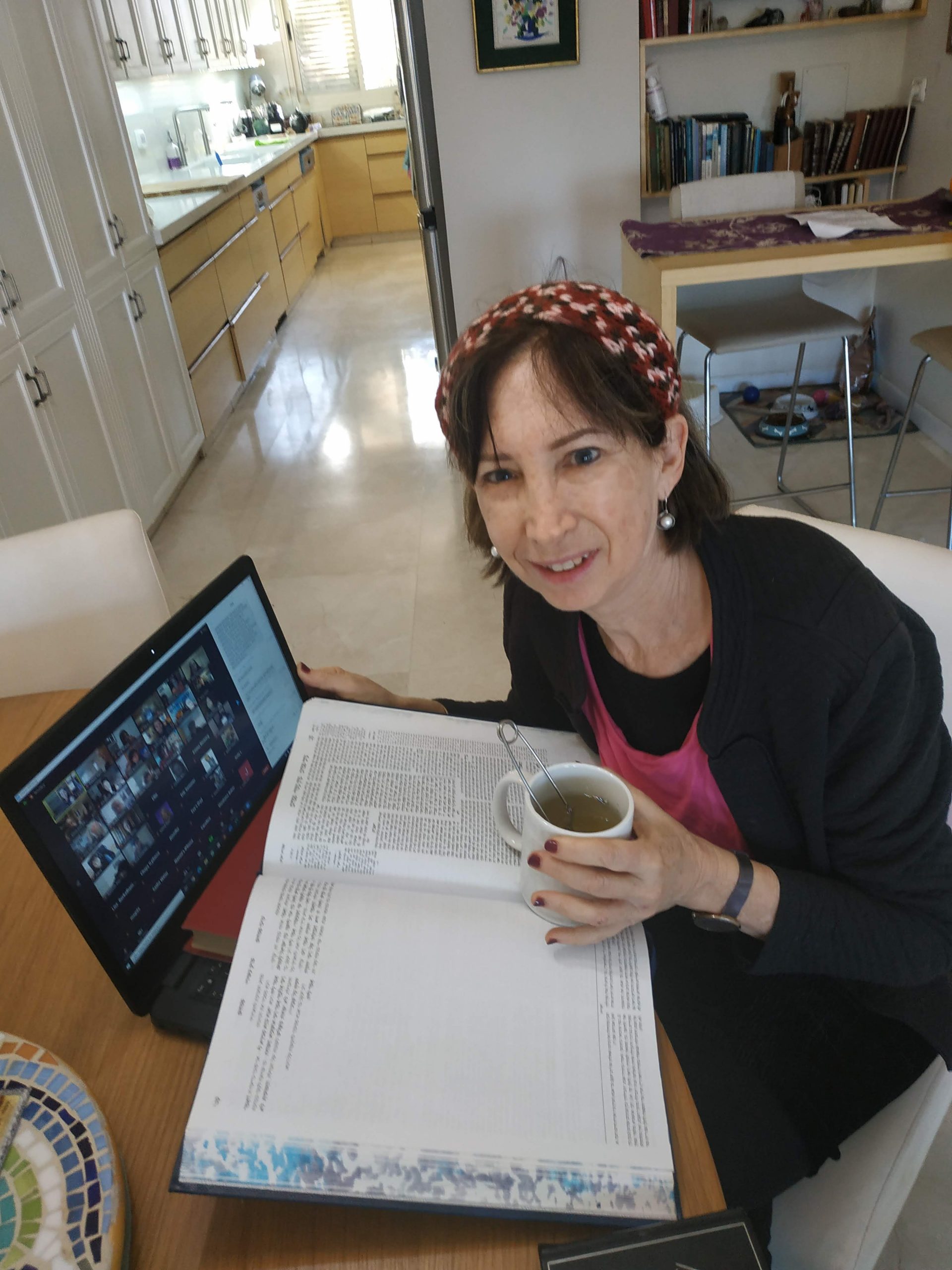
באירוע של הדרן בנייני האומה. בהשראתה של אמי שלי שסיימה את הש”ס בסבב הקודם ובעידוד מאיר , אישי, וילדיי וחברותיי ללימוד במכון למנהיגות הלכתית של רשת אור תורה סטון ומורתיי הרבנית ענת נובוסלסקי והרבנית דבורה עברון, ראש המכון למנהיגות הלכתית.
הלימוד מעשיר את יומי, מחזיר אותי גם למסכתות שכבר סיימתי וידוע שאינו דומה מי ששונה פרקו מאה לשונה פרקו מאה ואחת במיוחד מרתקים אותי החיבורים בין המסכתות

Roit Kalech
רוית קלך

מודיעין, ישראל

התחלתי ללמוד בעידוד שתי חברות אתן למדתי בעבר את הפרק היומי במסגרת 929.
בבית מתלהבים מאוד ובשבת אני לומדת את הדף עם בעלי שזה מפתיע ומשמח מאוד! לימוד הדף הוא חלק בלתי נפרד מהיום שלי. לומדת בצהריים ומחכה לזמן הזה מידי יום…

Miriam Wengerover
מרים ונגרובר

אפרת, ישראל

אחי, שלומד דף יומי ממסכת ברכות, חיפש חברותא ללימוד מסכת ראש השנה והציע לי. החברותא היתה מאתגרת טכנית ורוב הזמן נעשתה דרך הטלפון, כך שבסיום המסכת נפרדו דרכינו. אחי חזר ללמוד לבד, אבל אני כבר נכבשתי בקסם הגמרא ושכנעתי את האיש שלי להצטרף אלי למסכת ביצה. מאז המשכנו הלאה, ועכשיו אנחנו מתרגשים לקראתו של סדר נשים!

Shulamit Saban
שולמית סבן

נוקדים, ישראל

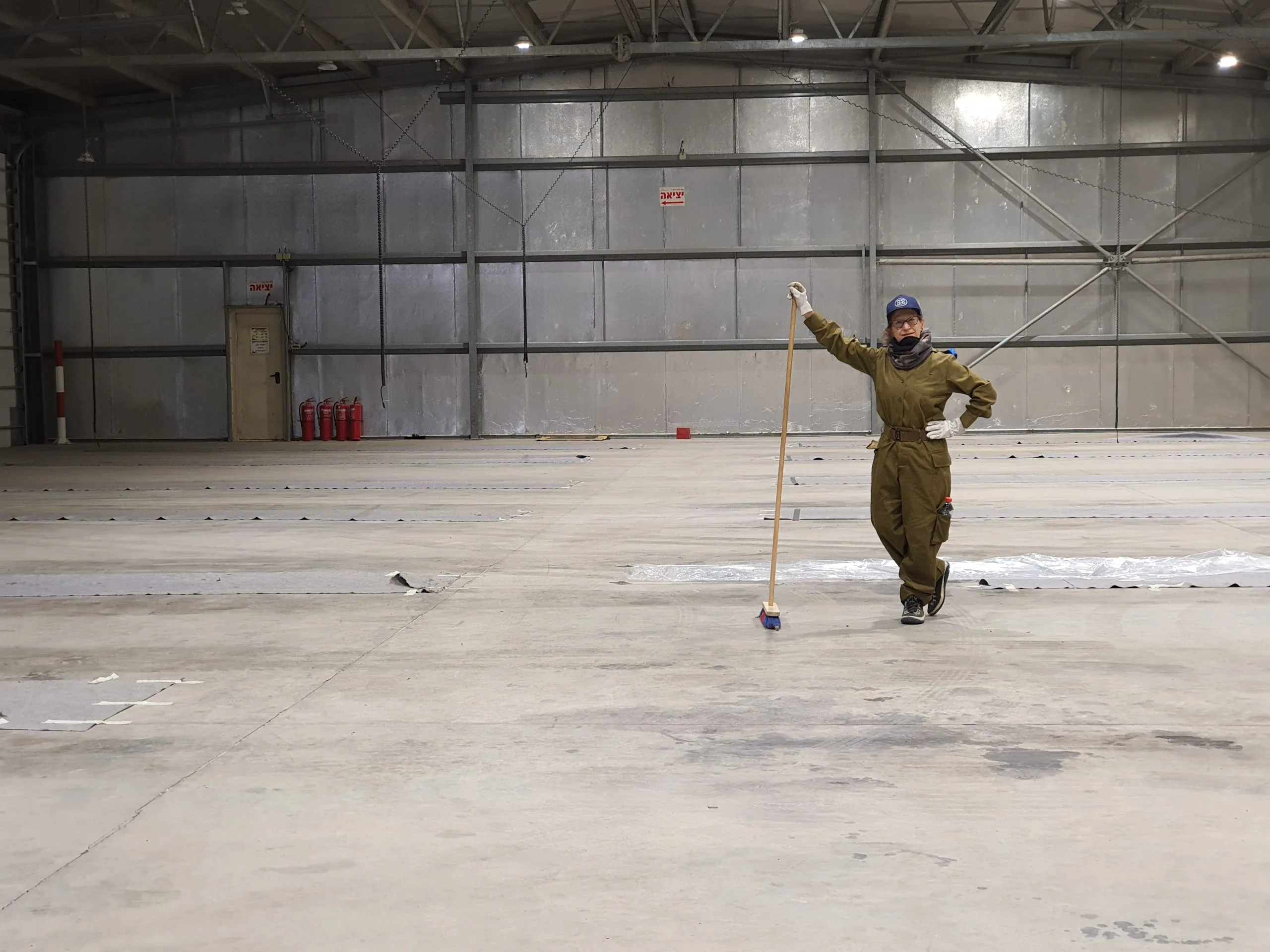
בתחילת הסבב הנוכחי הצטברו אצלי תחושות שאני לא מבינה מספיק מהי ההלכה אותה אני מקיימת בכל יום. כמו כן, כאמא לבנות רציתי לתת להן מודל נשי של לימוד תורה
שתי הסיבות האלו הובילו אותי להתחיל ללמוד. נתקלתי בתגובות מפרגנות וסקרניות איך אישה לומדת גמרא..
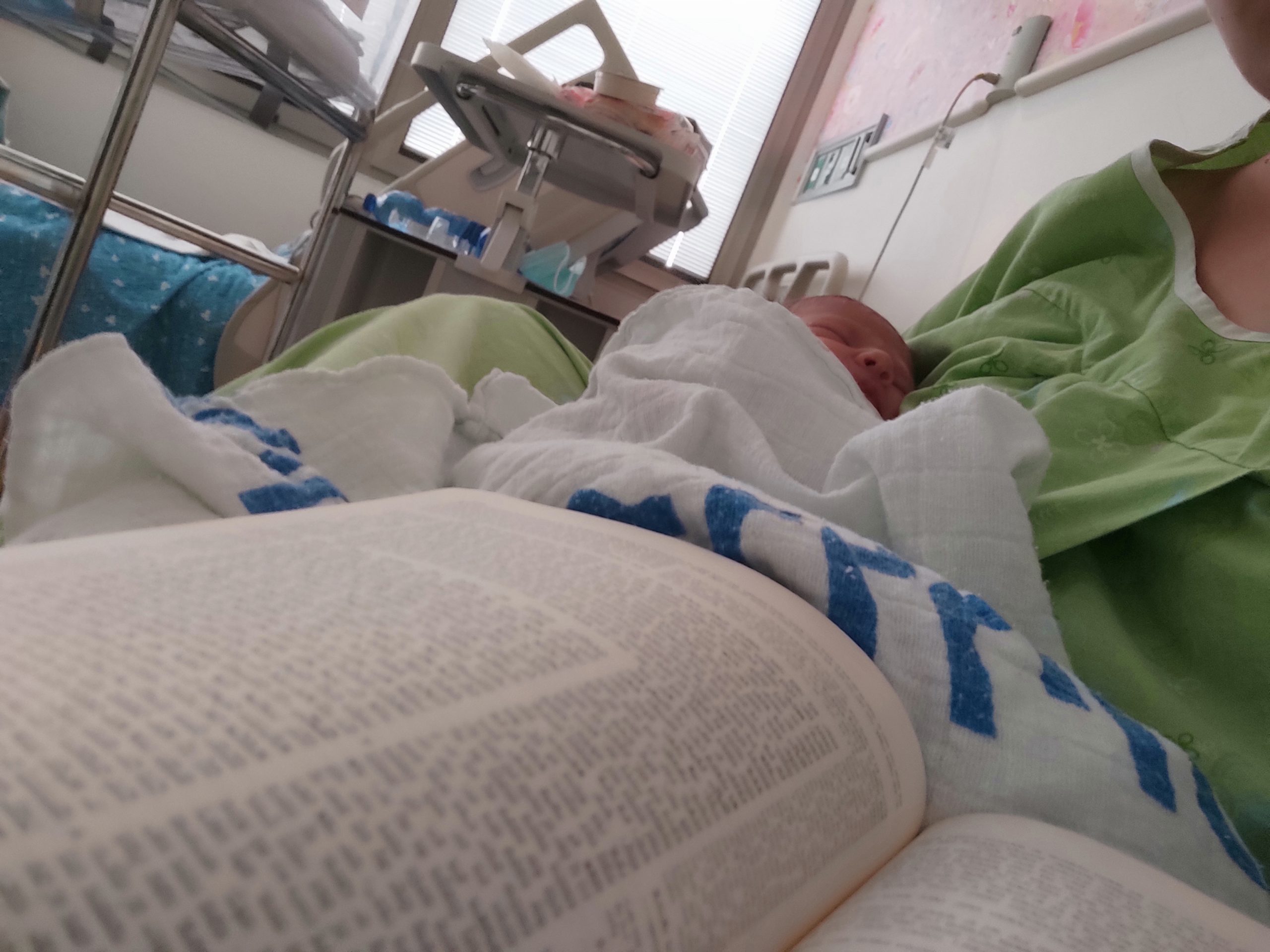
כמו שרואים בתמונה אני ממשיכה ללמוד גם היום ואפילו במחלקת יולדות אחרי לידת ביתי השלישית.

Noa Shiloh
נועה שילה

רבבה, ישראל

שמעתי על הסיום הענק של הדף היומי ע”י נשים בבנייני האומה. רציתי גם.
החלטתי להצטרף. התחלתי ושיכנעתי את בעלי ועוד שתי חברות להצטרף. עכשיו יש לי לימוד משותף איתו בשבת ומפגש חודשי איתן בנושא (והתכתבויות תדירות על דברים מיוחדים שקראנו). הצטרפנו לקבוצות שונות בווטסאפ. אנחנו ממש נהנות. אני שומעת את השיעור מידי יום (בד”כ מהרב יוני גוטמן) וקוראת ומצטרפת לסיומים של הדרן. גם מקפידה על דף משלהן (ונהנית מאד).

Liat Citron
ליאת סיטרון

אפרת, ישראל

כבר סיפרתי בסיום של מועד קטן.
הלימוד מאוד משפיעה על היום שלי כי אני לומדת עם רבנית מישל על הבוקר בזום. זה נותן טון לכל היום – בסיס למחשבות שלי .זה זכות גדול להתחיל את היום בלימוד ובתפילה. תודה רבה !

שרה-ברלוביץ
שרה ברלוביץ

ירושלים, ישראל

אמא שלי למדה איתי ש”ס משנה, והתחילה ללמוד דף יומי. אני החלטתי שאני רוצה ללמוד גם. בהתחלה למדתי איתה, אח”כ הצטרפתי ללימוד דף יומי שהרב דני וינט מעביר לנוער בנים בעתניאל. במסכת עירובין עוד חברה הצטרפה אלי וכשהתחלנו פסחים הרב דני פתח לנו שעור דף יומי לבנות. מאז אנחנו לומדות איתו קבוע כל יום את הדף היומי (ובשבת אבא שלי מחליף אותו). אני נהנית מהלימוד, הוא מאתגר ומעניין

Renana Hellman
רננה הלמן

עתניאל, ישראל

A friend in the SF Bay Area said in Dec 2019 that she might start listening on her morning drive to work. I mentioned to my husband and we decided to try the Daf when it began in Jan 2020 as part of our preparing to make Aliyah in the summer.

Hana Piotrkovsky
חנה פיוטרקובסקי

ירושלים, Israel

התחלתי ללמוד דף יומי בסבב הקודם. זכיתי לסיים אותו במעמד המרגש של הדרן. בסבב הראשון ליווה אותי הספק, שאולי לא אצליח לעמוד בקצב ולהתמיד. בסבב השני אני לומדת ברוגע, מתוך אמונה ביכולתי ללמוד ולסיים. בסבב הלימוד הראשון ליוותה אותי חוויה מסויימת של בדידות. הדרן העניקה לי קהילת לימוד ואחוות נשים. החוויה של סיום הש”ס במעמד כה גדול כשנשים שאינן מכירות אותי, שמחות ומתרגשות עבורי , היתה חוויה מרוממת נפש

Ilanit Weil
אילנית ווייל

קיבוץ מגדל עוז, ישראל

התחלתי ללמוד לפני כשנתיים בשאיפה לסיים לראשונה מסכת אחת במהלך חופשת הלידה.
אחרי מסכת אחת כבר היה קשה להפסיק…

Noa Gallant
נעה גלנט

ירוחם, ישראל

אחרי שראיתי את הסיום הנשי של הדף היומי בבנייני האומה זה ריגש אותי ועורר בי את הרצון להצטרף. לא למדתי גמרא קודם לכן בכלל, אז הכל היה לי חדש, ולכן אני לומדת בעיקר מהשיעורים פה בהדרן, בשוטנשטיין או בחוברות ושיננתם.

Rebecca Schloss
רבקה שלוס

בית שמש, ישראל

התחלתי מחוג במסכת קידושין שהעבירה הרבנית רייסנר במסגרת בית המדרש כלנה בגבעת שמואל; לאחר מכן התחיל סבב הדף היומי אז הצטרפתי. לסביבה לקח זמן לעכל אבל היום כולם תומכים ומשתתפים איתי. הלימוד לעתים מעניין ומעשיר ולעתים קשה ואף הזוי… אך אני ממשיכה קדימה. הוא משפיע על היומיום שלי קודם כל במרדף אחרי הדף, וגם במושגים הרבים שלמדתי ובידע שהועשרתי בו, חלקו ממש מעשי

Abigail Chrissy
אביגיל כריסי

ראש העין, ישראל

התחלתי ללמוד דף יומי שהתחילו מסכת כתובות, לפני 7 שנים, במסגרת קבוצת לימוד שהתפרקה די מהר, ומשם המשכתי לבד בתמיכת האיש שלי. נעזרתי בגמרת שטיינזלץ ובשיעורים מוקלטים.
הסביבה מאד תומכת ואני מקבלת המון מילים טובות לאורך כל הדרך. מאז הסיום הגדול יש תחושה שאני חלק מדבר גדול יותר.
אני לומדת בשיטת ה”7 דפים בשבוע” של הרבנית תרצה קלמן – כלומר, לא נורא אם לא הצלחת ללמוד כל יום, העיקר שגמרת ארבעה דפים בשבוע

Rachel Goldstein
רחל גולדשטיין

עתניאל, ישראל

אני לומדת גמרא כעשור במסגרות שונות, ואת הדף היומי התחלתי כשחברה הציעה שאצטרף אליה לסיום בבנייני האומה. מאז אני לומדת עם פודקסט הדרן, משתדלת באופן יומי אך אם לא מספיקה, מדביקה פערים עד ערב שבת. בסבב הזה הלימוד הוא "ממעוף הציפור”, מקשיבה במהירות מוגברת תוך כדי פעילויות כמו בישול או נהיגה, וכך רוכשת היכרות עם הסוגיות ואופן ניתוחם על ידי חז”ל. בע”ה בסבב הבא, ואולי לפני, אצלול לתוכו באופן מעמיק יותר.

Yael Bir
יעל ביר

רמת גן, ישראל

"
גם אני התחלתי בסבב הנוכחי וב””ה הצלחתי לסיים את רוב המסכתות . בזכות הרבנית מישל משתדלת לפתוח את היום בשיעור הזום בשעה 6:20 .הלימוד הפך להיות חלק משמעותי בחיי ויש ימים בהם אני מצליחה לחזור על הדף עם מלמדים נוספים ששיעוריהם נמצאים במרשתת. שמחה להיות חלק מקהילת לומדות ברחבי העולם. ובמיוחד לשמש דוגמה לנכדותיי שאי””ה יגדלו לדור שלימוד תורה לנשים יהיה משהו שבשגרה. "

Ronit Shavit
רונית שביט

נתניה, ישראל

למדתי גמרא מכיתה ז- ט ב Maimonides School ואחרי העליה שלי בגיל 14 לימוד הגמרא, שלא היה כל כך מקובל בימים אלה, היה די ספוראדי. אחרי "ההתגלות” בבנייני האומה התחלתי ללמוד בעיקר בדרך הביתה למדתי מפוקקטסים שונים. לאט לאט ראיתי שאני תמיד חוזרת לרבנית מישל פרבר. באיזה שהוא שלב התחלתי ללמוד בזום בשעה 7:10 .
היום "אין מצב” שאני אתחיל את היום שלי ללא לימוד עם הרבנית מישל עם כוס הקפה שלי!!

selfie-scaled
דבי גביר

חשמונאים, ישראל

התחלתי ללמוד בסבב הנוכחי לפני כשנתיים .הסביבה מתפעלת ותומכת מאוד. אני משתדלת ללמוד מכל ההסכתים הנוספים שיש באתר הדרן. אני עורכת כל סיום מסכת שיעור בביתי לכ20 נשים שמחכות בקוצר רוח למפגשים האלו.

Yael Asher
יעל אשר

יהוד, ישראל

התחלתי לפני כמה שנים אבל רק בסבב הזה זכיתי ללמוד יום יום ולסיים מסכתות

Sigal Tel
סיגל טל

רעננה, ישראל

. לא תמיד נהניתי מלימוד גמרא כילדה.,בל כהתבגרתי התחלתי לאהוב את זה שוב. התחלתי ללמוד מסכת סוטה בדף היומי לפני כחמש עשרה שנה ואז הפסקתי.הגעתי לסיום הגדול של הדרן לפני שנתיים וזה נתן לי השראה. והתחלתי ללמוד למשך כמה ימים ואז היתה לי פריצת דיסק והפסקתי…עד אלול השנה. אז התחלתי עם מסכת ביצה וב”ה אני מצליחה לעמוד בקצב. המשפחה מאוד תומכת בי ויש כמה שגם לומדים את זה במקביל. אני אוהבת שיש עוגן כל יום.

Rebecca Darshan
רבקה דרשן

בית שמש, ישראל

בסוף הסבב הקודם ראיתי את השמחה הגדולה שבסיום הלימוד, בעלי סיים כבר בפעם השלישית וכמובן הסיום הנשי בבנייני האומה וחשבתי שאולי זו הזדמנות עבורי למשהו חדש.
למרות שאני שונה בסביבה שלי, מי ששומע על הלימוד שלי מפרגן מאוד.
אני מנסה ללמוד קצת בכל יום, גם אם לא את כל הדף ובסך הכל אני בדרך כלל עומדת בקצב.
הלימוד מעניק המון משמעות ליום יום ועושה סדר בלמוד תורה, שתמיד היה (ועדיין) שאיפה. אבל אין כמו קביעות

Racheli-Mendelson
רחלי מנדלסון

טל מנשה, ישראל

בבא בתרא סב

וְאִי אֲמַר לֵיה:ּ ״נִכְסֵי״ – אֲפִילּוּ בָּתֵּי וְעַבְדֵי.

And if he said to him: I am selling you my property, it means that he is selling him even his houses and his Canaanite slaves.

מָצַר לוֹ מֶצֶר אֶחָד אָרוֹךְ וּמֶצֶר אֶחָד קָצָר – אָמַר רַב: לֹא קָנָה אֶלָּא כְּנֶגֶד הַקָּצָר.

§ The Gemara continues its examination of the concept of delineating boundaries in a wide manner, and considers the following case: If in the bill of sale the seller delineated one boundary line on one side of the field long, and the other boundary line on the opposite side of the field he delineated short, Rav said: The buyer acquires only a width of land corresponding to the short border, as it is assumed that the short boundary line delineates the actual size of the field that was sold to him, while the long boundary line was merely intended to point to the field under discussion. That is to say, the seller delineated the boundaries in a broad manner, but did not intend to include everything found within those boundaries in the sale.

אֲמַרוּ לֵיהּ רַב כָּהֲנָא וְרַב אַסִּי לְרַב: וְיִקְנֶה כְּנֶגֶד רֹאשׁ תּוֹר! שְׁתֵיק רַב.

Rav Kahana and Rav Asi said to Rav: But let him also acquire the triangular plot [rosh tor] bounded by the diagonal line connecting the end of the short border and the end of the long border. Rav was silent and did not respond.

וּמוֹדֶה רַב, הֵיכָא דְּאִיכָּא מֶצֶר רְאוּבֵן וְשִׁמְעוֹן מֵחַד גִּיסָא, וּמֶצֶר לֵוִי וִיהוּדָה מֵחַד גִּיסָא; מִדַּהֲוָה לֵיהּ לְמִכְתַּב לֵיהּ דִּרְאוּבֵן כְּנֶגֶד לֵוִי וּדְשִׁמְעוֹן כְּנֶגֶד יְהוּדָה, וְלָא כְּתַב לֵיהּ; שְׁמַע מִינַּהּ כְּנֶגֶד רֹאשׁ תּוֹר הוּא דַּאֲמַר לֵיהּ.

And Rav concedes that where there is a boundary line defined by the fields of Reuven and Shimon on one side of the field being sold, and a boundary line defined by the fields of Levi and Yehuda on the other side, and in the bill of sale the seller describes the field being sold as bordered by the fields of Reuven and Shimon on one side but mentions only the field of Levi on the other side, since had he intended to sell only half the field he should have written for the buyer in the bill of sale that the field is bordered by the field of Reuven on the one side, which is opposite that of Levi on the other, or by the field of Shimon on the one side, which is opposite that of Yehuda on the other, but he did not write that for him, one can conclude from it that he is telling him that he is selling him not only the area between the fields of Reuven and Levi, but also the triangular plot bounded by the diagonal line connecting the end of Shimon’s field to the end of Levi’s field.

מֶצֶר רְאוּבֵן מִזְרָח וּמַעֲרָב, וּמֶצֶר שִׁמְעוֹן צָפוֹן וְדָרוֹם – צְרִיךְ לְמִכְתַּב לֵיהּ: ״מֶצֶר רְאוּבֵן רוּחִין תְּרֵין, וּמֶצֶר שִׁמְעוֹן רוּחִין תְּרֵין״.

The Gemara continues: If the field being sold is bounded by the fields of Reuven on the east and the west, and it is bounded by the fields of Shimon on the north and the south, it is not enough to designate the field for the buyer as the field between the fields of Reuven and Shimon, but it is necessary to write for him in the bill of sale that the field is bounded by the fields of Reuven on two sides, and it is bounded by the fields of Shimon on two sides. Otherwise, all that the buyer acquires is a triangular plot bounded by one of Reuven’s fields and one of Shimon’s fields, and the boundary is the diagonal line connecting the end of Reuven’s field to the end of Shimon’s field.

אִיבַּעְיָא לְהוּ: סִיֵּים לוֹ אֶת הַקְּרָנוֹת, מַהוּ? כְּמִין גַּאם, מַהוּ?

A dilemma was raised before the Sages: If the seller defined for the buyer only the corners of the field being sold, what is the halakha? Does this mean that he is selling him only the corners of the field or the entire field marked by those corners? A second dilemma was also raised: If he defined the boundaries of the field in a shape resembling the Greek letter gamma [gam], or the English letter L, noting the boundaries on two adjacent sides that meet at a right angle, what is the halakha? Does this mean that he is selling him the entire field, or only the triangular plot marked by those boundaries and the diagonal line running from the end of one to the end of the other?

בְּסֵירוּגִין, מַהוּ? תֵּיקוּ.

A third dilemma was also raised before the Sages: If the seller defined the boundaries of the property he is selling in an alternating fashion, mentioning only some of the fields bordering each side of the field being sold, while omitting others, what is the halakha? No resolution was found for these questions, and these dilemmas shall stand unresolved.

מָצַר לוֹ מֶצֶר רִאשׁוֹן וּמֶצֶר שֵׁנִי וּמֶצֶר שְׁלִישִׁי, וּמֶצֶר רְבִיעִי לֹא מָצַר לוֹ – אָמַר רַב: קָנָה הַכֹּל, חוּץ מִמֶּצֶר רְבִיעִי. וּשְׁמוּאֵל אָמַר: אֲפִילּוּ מֶצֶר רְבִיעִי. וְרַב אַסִּי אָמַר: לֹא קָנָה אֶלָּא תֶּלֶם אֶחָד עַל פְּנֵי כּוּלָּהּ –

§ The Gemara raises a similar dilemma. If, in the bill of sale, the seller delineated for the buyer the field’s first boundary, its second boundary, and its third boundary, but he did not delineate its fourth boundary at all, Rav says: The buyer acquires the entire field, except for the one furrow along which the fourth boundary runs, which is usually differentiated in some way from the field itself. And Shmuel says: The buyer acquires even the furrow along which the fourth boundary runs. And Rav Asi says: He acquires only the width of one furrow along the entire perimeter of the three boundaries specified by the seller.

סָבַר לַהּ כְּרַב, דְּאָמַר: שַׁיּוֹרֵי שַׁיַּיר; וּמִדְּשַׁיַּיר בְּמֶצֶר, שַׁיַּיר נָמֵי בְּכוּלְּהִי.

The Gemara explains Rav Asi’s opinion: He holds in accordance with the opinion of Rav, who said that by failing to delineate the fourth boundary, the seller withheld some part of the field, i.e., one furrow, for himself. But Rav Asi takes this further and says that since he withheld some part of the field for himself at the fourth boundary, he withheld also some portion of the entire field, and therefore the buyer acquires only that which is adjacent to the specified boundaries.

אָמַר רָבָא, הִלְכְתָא: קָנָה הַכֹּל חוּץ מִמֶּצֶר רְבִיעִי. וְלָא אֲמַרַן אֶלָּא דְּלָא מַבְלַע, אֲבָל מַבְלַע – קָנָה.

Rava said: The halakha is that the buyer acquires the entire field except for the one furrow along which the fourth boundary runs, in accordance with the opinion of Rav. And we said this only in a case where the fourth boundary is not included within the space between two adjacent boundaries, but rather juts out beyond them. But when it is included within the space delineated by the other boundaries, the buyer acquires it as well.

וְכִי לָא מַבְלַע נָמֵי לָא אֲמַרַן אֶלָּא דְּאִיכָּא עֲלֵיהּ רִיכְבָּא דְּדִיקְלָא, וְהָוֵי תִּשְׁעַת קַבִּין; אֲבָל לֵיכָּא עֲלֵיהּ רִיכְבָּא דְּדִיקְלָא, וְלָא הָוֵי תִּשְׁעַת קַבִּין – קָנָה. מִכְּלָל דְּכִי מוּבְלַע – אַף עַל גַּב דְּאִיכָּא עֲלֵיהּ רִיכְבָּא דְּדִיקְלָא, וְהָוֵי תִּשְׁעַת קַבִּין – קָנָה.

Rava adds: And even when it is not included in that space, we said that the buyer does not acquire it only in a case where there is a row of trees on it, or it is an area fit for sowing nine kav of seed. But where there is no row of trees on it, and it is not an area fit for sowing nine kav of seed, the buyer acquires it along with the rest of the field. By inference one derives from here that when the fourth border is included within the space delineated by the two adjacent boundaries, even if there is a row of trees on it and it is an area fit for sowing nine kav, the buyer acquires it.

אִיכָּא דְּאָמְרִי: אָמַר רָבָא, הִלְכְתָא: קָנָה הַכֹּל וַאֲפִילּוּ מֶצֶר רְבִיעִי. וְלָא אֲמַרַן אֶלָּא דְּמַבְלַע, אֲבָל לָא מַבְלַע – לָא קְנֵי.

There are those who say that Rava’s ruling and the conclusion drawn from it are as follows: Rava said: The halakha is that the buyer acquires the entire field, and he acquires even the furrow along which the fourth boundary runs, in accordance with the opinion of Shmuel. And we said this only in a case where the fourth boundary is included within the space delineated by the two adjacent boundaries. But when it is not included within those boundaries, the buyer does not acquire it.

וְכִי מַבְלַע נָמֵי לָא אֲמַרַן אֶלָּא דְּלֵיכָּא עֲלֵיהּ רִיכְבָּא דְּדִיקְלָא, וְלָא הָוֵי תִּשְׁעַת קַבִּין; אֲבָל אִיכָּא עֲלֵיהּ רִיכְבָּא דְּדִיקְלָא, וְהָוֵי תִּשְׁעַת קַבִּין – לֹא קָנָה. מִכְּלָל דְּכִי לָא מוּבְלָע – אַף עַל גַּב דְּלֵיכָּא עֲלֵיהּ רִיכְבָּא דְּדִיקְלָא, וְלָא הָוֵי תִּשְׁעַת קַבִּין – לָא קָנֵי.

Rava adds: And even when it is included within the adjoining boundaries, we said that the buyer acquires it only in a case where there is no row of trees on it, and it is not an area fit for sowing nine kav of seed. But where there is a row of trees on it, or it is an area fit for sowing nine kav of seed, the buyer does not acquire it. By inference one derives from here that when the fourth boundary is not included within the two adjacent boundaries, even if there is no row of trees on it and it is not an area fit for sowing nine kav of seed, the buyer does not acquire it.

שָׁמְעִינַן מִתַּרְוַיְיהוּ לִישָּׁנֵי דְּרָבָא, דִּבְשָׂדֶה לָא שַׁיַּיר וְלָא מִידֵּי. וְשָׁמְעִינַן נָמֵי, דְּהֵיכָא דְּמַבְלַע, וְלֵיכָּא עֲלֵיהּ רִיכְבָּא דְּדִיקְלָא, וְלָא הָוֵי תִּשְׁעַת קַבִּין – קָנָה. לָא מַבְלַע, וְאִיכָּא עֲלֵיהּ רִיכְבָּא דְּדִיקְלָא, וְהָוֵי תִּשְׁעַת קַבִּין – לֹא קָנָה.

We conclude according to both versions of the statement of Rava that even if the seller withheld something for himself along the fourth boundary, he did not withhold anything at all in the field itself. And we also conclude according to both versions that where the fourth boundary is included within the space defined by the two adjacent boundaries, and there is no row of trees on it and it is not an area fit for sowing nine kav of seed, the buyer acquires it. And furthermore, we conclude according to both versions that if the fourth boundary is not included within the two adjacent boundaries, and there is a row of trees on it, or it is an area fit for sowing nine kav of seed, the buyer does not acquire it.

מַבְלַע וְאִיכָּא עֲלֵיהּ; לָא מַבְלַע וְלֵיכָּא עֲלֵיהּ – אִתְּמַר לַהּ לְהַאי גִּיסָא, וְאִתְּמַר לַהּ לְהַאי גִּיסָא. שׁוּדָא דְּדַיָּינֵי.

If the fourth boundary is included within the two adjacent boundaries, and there is a row of trees on it or it is fit for sowing nine kav of seed, or if the fourth boundary is not included within the two adjacent boundaries, and there is no row of trees on it nor is it fit for sowing nine kav, the ruling in these cases was stated in this direction, that the land adjacent to the fourth boundary is acquired by the buyer, and it was stated in that direction, that this land is not acquired by the buyer, depending upon which version of Rava’s statement is accepted. Since there is no clear ruling in these cases, the decision is left to the discretion of the judges, who must rule in accordance with what appears to them to be the intention of the seller.

אָמַר רַבָּה: ״פַּלְגָא דְּאִית לִי בְּאַרְעָא״ – פַּלְגָא. ״פַּלְגָא בְּאַרְעָא דְּאִית לִי״ – רִיבְעָא. אֲמַר לֵיהּ אַבָּיֵי: מַאי שְׁנָא הָכִי וּמַאי שְׁנָא הָכִי? אִישְׁתִּיק.

§ Rabba said: If one owns a field in partnership with another, and he says to a third person: I am selling you the half that I have in this land, he means to sell him half of that field, i.e., his entire share. If he says to the buyer: I am selling you half of the land that I have, he means to sell him one-quarter of that field, i.e., half of his share. Abaye said to him: What is different about this wording and what is different about that wording, that you rule differently in the two cases? Rabba was silent, offering no reply.

אָמַר אַבָּיֵי, אֲנָא סָבְרִי: מִדְּאִישְׁתִּיק – קַבּוֹלֵי קַבְּלַהּ. וְלָא הִיא; חָזֵינָא הָנְהוּ שְׁטָרֵי דְּנָפְקִי מִבֵּי מָר, וּכְתִיב בְּהוּ הָכִי: ״פַּלְגָא דְּאִית לִי בְּאַרְעָא״ – פַּלְגָא, ״פַּלְגָא בְּאַרְעָא דְּאִית לִי״ – רִיבְעָא.

Abaye said: I had assumed that since he was silent, he must have accepted my opinion and retracted his statement; but that is not so. As on another occasion I saw certain bills of sale that issued from my Master’s house, that is, they were issued under the auspices of my master Rabba, in which it was written: The half that I have in this land, and it was clear from another clause in the bill that half of the field was being sold. And there was another bill of sale in which it was written: Half of the land that I have, and it was clear from another clause in the bill that one-quarter of the field was being sold.

וְאָמַר רַבָּה: ״מֶצֶר אַרְעָא דְּמִינַּהּ פַּלְגָא״ – פַּלְגָא. ״מֶצֶר אַרְעָא דְּמִינַּהּ פְּסִיקָא״ – תִּשְׁעָה קַבִּין.

And Rabba also said: If one sold land to another and delineated boundaries on three sides of the field, and with regard to the fourth side he wrote in the bill of sale: The boundary of the field is the land through which the field is halved, he has sold him half of the field. If he writes with regard to the fourth boundary: The boundary of the field is the land from which a plot can be set apart, he has sold him only an area fit for sowing nine kav of seed, as that is the minimum size of a plot of land defined as a field.

אֲמַר לֵיהּ אַבָּיֵי: מַאי שְׁנָא הָכִי וּמַאי שְׁנָא הָכִי? אִישְׁתִּיק. סְבוּר מִינָּה, אִידֵּי וְאִידֵּי פַּלְגָא;

Abaye said to him: What is different about this wording, and what is different about that wording, that you rule differently in the two cases? Rabba was silent, and did not respond. The Sages understood from this silence that Abaye understood that Rabba retracted his ruling and conceded that in both this case and that case, the buyer acquires half of the field.

רוצה לעקוב אחרי התכנים ולהמשיך ללמוד?

ביצירת חשבון עוד היום ניתן לעקוב אחרי ההתקדמות שלך, לסמן מה למדת, ולעקוב אחרי השיעורים שמעניינים אותך.

לנקות את כל הפריטים מהרשימה?

פעולה זו תסיר את כל הפריטים בחלק זה כולל ההתקדמות וההיסטוריה. שימי לב: לא ניתן לשחזר פעולה זו.

ביטול
מחיקה

האם את/ה בטוח/ה שברצונך למחוק פריט זה?

תאבד/י את כל ההתקדמות או ההיסטוריה הקשורות לפריט זה.

ביטול
מחיקה