חיפוש

בבא בתרא פו

רוצה להקדיש לימוד?

podcast placeholder

0:00
0:00


תקציר

הלימוד השבוע מוקדש ע”י פנינה ליפסקר לרגל חתונת בנה דניאל עם אלה לבית גלון ולעילוי נשמת החברים הטובים של דניאל שנהרגו במלחמה יקיר הכסטר הי״ד ודוד שוורץ הי״ד. "שנדע רק שמחות ונרבה רק בעשייה של טוב.”

הדף היום מוקדש ע”י קבוצת הלומדות בזום לרגל נישואי אלה ודניאל, בנה של חברתנו פנינה ליפסקר. "בתפילה שבשורת הקמת הבית החדש בישראל תביא איתה בשורות וגאולה לעם ישראל! מזל טוב והרבה אושר לזוג הצעיר ולמשפחות!”

הדף היום מוקדש ע”י בת’ קיסלוף פרלמן והרב יונתן פרלמן לכבוד עלייתם ארצה של בתה יעל ובעלה הטרי מת’ שפירו.

רבינא מציע לרב אשי תשובה רביעית לשאלתו של רב ששת, האם ניתן לרכוש פריט על ידי הקונה אם הוא מונח בכלים של הקונה ברשות המוכר? אולם, גם זו נדחית והשאלה נשארת ללא מענה.

המשנה במסכת קידושין פרק א משנה ה קבעה שניתן לקנות מיטלטלין על ידי משיכה. עם זאת, היא מוגבלת על ידי רב חסדא, רב כהנא, או רבא למקרה שבו לא ניתן להרים/להגביה את הפריט. כאשר אביי לימד הגבלה זו של המשנה, רב אדא בר מתנה העלה קושי נגדה ממקור תנאי. שלושה מקורות נוספים מובאים כדי לערער על הגבלה זו, אך כל הקשיים מיושבים.

רב ושמואל מבחינים בין מקרה שבו המוכר אומר, "אני מוכר לך כור חיטים (שלושים סאה) בשלושים סלע” לבין מקרה שבו המוכר אומר, "אני מוכר לך כור בשלושים סלע, כל סאה בזוז”. במקרה הראשון, המכירה סופית רק כאשר המדידה מושלמת, במקרה השני, המכירה סופית עבור כל סאה כשהיא נכנסת לכלי המדידה. קושי מועלה נגד המקרה הראשון מברייתא שצוטטה קודם לכן, שבה המכירה סופית אפילו לפני מילוי הכלי, בתנאי שהכלי שבו השתמשו היה של הקונה. קושי זה מיושב בהנחה שהברייתא מתייחסת למקרה דומה יותר למקרה השני של רב ושמואל ושבכלי שבו מדדו היו עליו סימנים לכל סאה וכך ידעו למדוד במדויק לפי סאות.

בבא בתרא פו

פֵּירְקָן וְהִכְנִיסָן לְתוֹךְ בֵּיתוֹ; פָּסַק עַד שֶׁלֹּא מָדַד – אֵין שְׁנֵיהֶן יְכוֹלִין לַחֲזוֹר בָּהֶן, מָדַד עַד שֶׁלֹּא פָּסַק – שְׁנֵיהֶן יְכוֹלִין לַחֲזוֹר בָּהֶן. וּמִדְּכִלְיוֹ דְמוֹכֵר בִּרְשׁוּת לוֹקֵחַ – לֹא קָנָה, כִּלְיוֹ דְלוֹקֵחַ נָמֵי – בִּרְשׁוּת מוֹכֵר לֹא קָנָה!

But in a case where he unloaded the merchandise from them and brought it into his house, if he fixed a price before he measured the merchandise, both parties are no longer able to renege on the sale. If he measured the merchandise before fixing a price, both of them are able to renege on the sale. The Gemara comments: And from the fact that the vessels of the seller when in the domain of the buyer do not effect acquisition of the merchandise for the seller, i.e., they do not prevent the buyer from acquiring the merchandise, one can derive that the vessels of the buyer in the domain of the seller do not effect acquisition of the merchandise on his behalf as well.

אָמַר רַב נַחְמָן בַּר יִצְחָק: בְּשֶׁשְּׁפָכָן. אִיקְּפַד רָבָא – מִידֵּי ״שְׁפָכָן״ קָתָנֵי?! ״פֵּירְקָן״ קָתָנֵי! אֶלָּא אָמַר מָר בַּר רַב אָשֵׁי: בִּמְתַאכְּלֵי דְתוּמֵי.

Rav Naḥman bar Yitzḥak said: The merchandise was not placed in the domain of the buyer in vessels belonging to the seller. Rather, the baraita is referring to a case where he emptied the vessels onto the ground. Conversely, if the merchandise remains in the seller’s vessels, the buyer does not acquire it. Rava became angry with Rav Naḥman bar Yitzḥak at his rejection of Rava’s proof, and retorted: Does the baraita teach: He emptied them? No; it teaches: He unloaded them, i.e., he kept the goods in vessels belonging to the seller. Rather, Mar bar Rav Ashi says: This proof can be rejected by means of a different interpretation, as the halakha of the baraita does not refer to vessels full of goods but is stated with regard to bundles of garlic that were tied together. Therefore, they are unloaded straight onto the floor in the buyer’s domain.

אֲמַר לֵיהּ הוּנָא בְּרֵיהּ דְּמָר זוּטְרָא לְרָבִינָא: מִכְּדֵי ״פֵּירְקָן״ קָתָנֵי; מָה לִי פָּסַק וּמָה לִי לֹא פָּסַק? אֲמַר לֵיהּ: פָּסַק – סָמְכָא דַּעְתֵּיהּ, לֹא פָּסַק – לָא סָמְכָא דַּעְתֵּיהּ.

With regard to the matter itself, Huna, son of Mar Zutra, said to Ravina: Since the baraita teaches: He unloaded them, which indicates that unloading the merchandise constitutes the act of acquisition, what difference is there to me if he fixed a price, and what difference is there to me if he did not fix a price? Ravina said to him: If he fixed a price he has made up his mind to sell, and therefore the transaction can take place. If he did not fix a price, he has not made up his mind to sell and the transaction does not occur. In any event, no convincing proof has been found with regard to the halakha in a case where the vessels of the buyer are in the domain of the seller.

אֲמַר לֵיהּ רָבִינָא לְרַב אָשֵׁי: תָּא שְׁמַע, דְּרַב וּשְׁמוּאֵל דְּאָמְרִי תַּרְוַיְיהוּ: כִּלְיוֹ שֶׁל אָדָם קוֹנֶה לוֹ בְּכׇל מָקוֹם. לְאֵתוֹיֵי מַאי? לָאו לְאֵתוֹיֵי רְשׁוּת מוֹכֵר? הָתָם, דְּאָמַר לֵיהּ: זִיל קְנִי.

Ravina said to Rav Ashi: Come and hear a resolution, as Rav and Shmuel both say: A person’s vessel effects acquisition for him of any item placed inside it, in any place that it is situated. What is added by the phrase: In any place? Does it not serve to add the domain of the seller? Rav Ashi answered: There, it is referring to a specific case, where the seller said to him: Go and acquire it. In that situation, the buyer does acquire the merchandise. This does not refer to a standard case where the buyer’s vessels are located in the domain of the seller.

תְּנַן הָתָם: נְכָסִים שֶׁיֵּשׁ לָהֶן אַחְרָיוּת – נִקְנִין בְּכֶסֶף וּבִשְׁטָר וּבַחֲזָקָה, וְשֶׁאֵין לָהֶן אַחְרָיוּת – אֵין נִקְנִין אֶלָּא בִּמְשִׁיכָה. בְּסוּרָא מַתְנוּ לַהּ לְהָא שְׁמַעְתָּא מִשְּׁמֵיהּ דְּרַב חִסְדָּא; בְּפוּמְבְּדִיתָא מַתְנוּ לַהּ מִשְּׁמֵיהּ דְּרַב כָּהֲנָא, וְאָמְרִי לַהּ מִשְּׁמֵיהּ דְּרָבָא: לֹא שָׁנוּ אֶלָּא דְּבָרִים שֶׁאֵין דַּרְכָּן לְהַגְבִּיהַּ, אֲבָל דְּבָרִים שֶׁדַּרְכָּן לְהַגְבִּיהַּ – בְּהַגְבָּהָה אִין, בִּמְשִׁיכָה לָא.

§ We learned in a mishna elsewhere (Kiddushin 26a): Property that is guaranteed, i.e., land, is acquired by means of money, or by means of a bill, or by taking possession of it. And property that does not have a guarantee, i.e., movable property, can be acquired only by means of pulling. In Sura they taught this following halakha in the name of Rav Ḥisda, while in Pumbedita they taught it in the name of Rav Kahana, and some say in the name of Rava: They taught that movable property is acquired by means of pulling only with regard to items that are not typically lifted due to their weight or for some other reason. But in the case of items that are typically lifted, then yes, they are acquired by means of lifting, but they are not acquired by means of pulling.

יְתֵיב אַבָּיֵי וְקָאָמַר לְהָא שְׁמַעְתָּא; אֵיתִיבֵיהּ רַב אַדָּא בַּר מַתְנָה לְאַבָּיֵי: הַגּוֹנֵב כִּיס בְּשַׁבָּת – חַיָּיב, שֶׁכְּבָר נִתְחַיֵּיב בִּגְנֵיבָה קוֹדֶם שֶׁיָּבֹא לִידֵי אִיסּוּר שַׁבָּת.

Abaye sat and related this halakha. Rav Adda bar Mattana raised an objection to Abaye from a baraita: One who steals a purse on Shabbat is liable for theft. Based on the principle that one who is liable to receive two punishments receives only the greater of the two, in this case one might think that he should be exempt from paying for the theft, as the performance of a prohibited labor on Shabbat is punishable by death. The reason he is liable in this case, in apparent contradiction to that principle, is that he already became liable for the theft as soon as he lifted the purse. This occurred before he came to violate the prohibition of performing prohibited labor on Shabbat by carrying the purse into the public domain.

הָיָה מְגָרֵר וְיוֹצֵא מְגָרֵר וְיוֹצֵא – פָּטוּר, שֶׁהֲרֵי אִיסּוּר שַׁבָּת וּגְנֵיבָה בָּאִין כְּאֶחָד.

The baraita continues: If he did not lift the purse but was dragging it on the ground and exiting the private domain, continuously dragging and exiting, he is exempt, as the prohibition of performing labor on Shabbat and the prohibition of theft are violated simultaneously the moment he drags the purse out of the owner’s property into the public domain. Therefore, he receives only the greater punishment, death, for carrying on Shabbat.

וַהֲרֵי כִּיס – דְּבַר הַגְבָּהָה הוּא, וַאֲפִילּוּ הָכִי קָנֵי בִּמְשִׁיכָה! אֲמַר לֵיהּ: בְּמִיתְנָא. אֲנָא נָמֵי בְּמִיתְנָא קָא אָמֵינָא! אֲמַר לֵיהּ: בְּמִידֵּי דְּבָעֵי מִיתְנָא.

Rav Adda bar Mattana explains his objection: But a purse is an item that can be lifted, and even so it is apparent from the baraita that one acquires it by means of pulling. How then can it be stated that items that are typically lifted are not acquired by pulling? Abaye said to him: The baraita is referring to a case where the thief pulled the purse with a rope. Rav Adda bar Mattana thought that Abaye meant that the thief happened to drag it with a rope, and he responded: I also state my question even in a case where he pulled the purse with a rope, as it is still evident that one can acquire the purse by means of pulling instead of lifting. Abaye said to him: I meant that the baraita is referring to an item that requires a rope. It is a purse that is so large that it cannot be lifted and must be pulled, therefore it is acquired by means of pulling.

תָּא שְׁמַע: בִּרְשׁוּת מוֹכֵר – לֹא קָנָה עַד שֶׁיַּגְבִּיהֶנָּה, אוֹ עַד שֶׁיּוֹצִיאֶנָּה מֵרְשׁוּתוֹ. אַלְמָא, מִידֵּי דְּבַר הַגְבָּהָה – אִי בָּעֵי בְּהַגְבָּהָה קָנֵי לֵיהּ, וְאִי בָּעֵי בִּמְשִׁיכָה קָנֵי לֵיהּ! אָמַר רַב נַחְמָן בַּר יִצְחָק: לִצְדָדִין קָתָנֵי – מִידֵּי דְּבַר הַגְבָּהָה, בְּהַגְבָּהָה; מִידֵּי דְּבַר מְשִׁיכָה, בִּמְשִׁיכָה.

The Gemara raises another objection. Come and hear: If the merchandise is in the domain of the seller, the buyer does not acquire the merchandise until he lifts it or until he removes it from the domain of the seller. Apparently, with regard to an item that can be lifted, if he so desires he acquires it by lifting, and if he so desires he acquires it by pulling. Rav Naḥman bar Yitzḥak said: This is not a proof, as it can be explained that the tanna teaches it disjunctively, i.e., the two options are referring to two different cases: In the case of an item that can be lifted, he acquires it by lifting, whereas with regard to regard to an item that can be pulled, he acquires it by pulling.

תָּא שְׁמַע: הַמּוֹכֵר פֵּירוֹת לַחֲבֵירוֹ, מָשַׁךְ וְלֹא מָדַד – קָנֵי. וְהָא פֵּירוֹת, דִּבְנֵי הַגְבָּהָה נִינְהוּ, וְקָתָנֵי דְּקָנֵי בִּמְשִׁיכָה!

The Gemara suggests: Come and hear a proof from the mishna (84b) that even items that are usually lifted can be acquired by means of pulling: With regard to one who sells produce to another, if the buyer pulled the produce but did not measure it, he has acquired it. The Gemara explains the proof: But produce can be lifted, and yet the mishna teaches that it is acquired by means of pulling.

הָכָא בְּמַאי עָסְקִינַן – בִּשְׁלִיפֵי רַבְרְבֵי. אִי הָכִי, אֵימָא סֵיפָא: הַלּוֹקֵחַ פִּשְׁתָּן מֵחֲבֵירוֹ – לֹא קָנָה עַד שֶׁיְּטַלְטְלֶנּוּ מִמָּקוֹם זֶה לְמָקוֹם אַחֵר. אַטּוּ פִּשְׁתָּן בִּשְׁלִיפֵי רַבְרְבֵי מִי לָא עָבְדִי?! שָׁאנֵי פִּשְׁתָּן – דְּמִשְׁתְּמִיט.

The Gemara rejects this proof: With what are we dealing here? We are dealing with large bundles that are pulled from place to place and are not carried, due to their size. The Gemara asks: If that is so, say the latter clause of the mishna: One who buys flax from another has not acquired it until he carries it from this place to another place, i.e., it is acquired only though lifting and not through pulling. Is that to say that flax is not prepared in large bundles? The Gemara answers: Yes, flax is different. Unlike other produce, flax is not packed in large bundles, as it would slip from its place. Rather, it is packed in small bundles, and therefore flax is acquired specifically through lifting.

אֲמַר לֵיהּ רָבִינָא לְרַב אָשֵׁי, תָּא שְׁמַע: בְּהֵמָה גַּסָּה נִקְנֵית בִּמְסִירָה, וְהַדַּקָּה – בְּהַגְבָּהָה; דִּבְרֵי רַבִּי מֵאִיר וְרַבִּי שִׁמְעוֹן בֶּן אֶלְעָזָר. וַחֲכָמִים אוֹמְרִים: בְּהֵמָה דַּקָּה – בִּמְשִׁיכָה. וְהָא בְּהֵמָה דַּקָּה, דְּבַר הַגְבָּהָה הִיא, וְקָתָנֵי דְּקָנֵי בִּמְשִׁיכָה! שָׁאנֵי בְּהֵמָה, דְּסָרְכָא.

Ravina said to Rav Ashi: Come and hear a proof from a mishna (Kiddushin 25b): Large domesticated animals are acquired through passing the animal’s leash to the buyer, and small domesticated animals are acquired through lifting; this is the statement of Rabbi Meir and Rabbi Shimon ben Elazar. And the Rabbis say: Small domesticated animals are acquired through pulling. Ravina explains the proof: But small domesticated animals are creatures that can be lifted, and yet the mishna teaches that one acquires them through pulling. Rav Ashi rejected this proof: Domesticated animals are different, as they cling to the ground and it is difficult to lift them. Therefore, the usual manner of moving animals is to pull them.

רַב וּשְׁמוּאֵל דְּאָמְרִי תַּרְוַיְיהוּ: ״כּוֹר בִּשְׁלֹשִׁים אֲנִי מוֹכֵר לָךְ״ – יָכוֹל לַחֲזוֹר בּוֹ, אֲפִילּוּ בִּסְאָה הָאַחֲרוֹנָה. ״כּוֹר בִּשְׁלֹשִׁים – סְאָה בְּסֶלַע אֲנִי מוֹכֵר לָךְ״ – רִאשׁוֹן רִאשׁוֹן קָנָה.

§ The Gemara cites another case with regard to sales. Rav and Shmuel both say: If a seller said to a buyer: I am selling you one kor, a measure equivalent to thirty se’a, of grain for the price of thirty sela, the seller can renege on the sale as long as the measuring vessel is not filled, even when only the last se’a has yet to be measured, because he had agreed to sell only a complete kor. By contrast, if the seller said: I am selling you one kor for thirty sela and each se’a is sold for one sela, he cannot completely renege on the sale in the middle of the transaction. This is because the buyer acquires each se’a one by one as it is measured, since the seller sold each se’a individually.

תָּא שְׁמַע: אִם הָיְתָה מִדָּה שֶׁל אֶחָד מֵהֶן – רִאשׁוֹן רִאשׁוֹן קָנָה. וְאַף עַל גַּב דְּלֹא נִתְמַלְּאָה הַמִּדָּה!

The Gemara raises a difficulty from the baraita cited on 85a. Come and hear: If the measuring vessel belonged to one of them, the buyer acquires the items of sale one by one. And since this halakha is stated in general terms, it indicates that the buyer acquires each item as it is placed in the measuring vessel, even though the measuring vessel was not filled.

כְּגוֹן דַּאֲמַר לֵיהּ: ״הִין בִּשְׁנֵים עָשָׂר סְלָעִים – לוֹג בְּסֶלַע אֲנִי מוֹכֵר לָךְ״; וְכִדְאָמַר רַב כָּהֲנָא: שְׁנָתוֹת הָיוּ בַּהִין, הָכָא נָמֵי – שְׁנָתוֹת הָיוּ בַּמִּדּוֹת.

The Gemara answers: The baraita is referring to a case where the seller said to him: I am selling you one hin, a liquid measure equivalent to twelve log, for twelve sela, each log for one sela. And this is in accordance with an observation that Rav Kahana says: In the Temple there were markings on the vessel that measured hin, with which one could measure the different libations. Here too, there were markings on the measuring vessels, and since the measuring vessel indicates at which point each log had been filled, the buyer acquires it. This is comparable to the case of one who sells each se’a individually.

תָּא שְׁמַע: הַשּׂוֹכֵר אֶת הַפּוֹעֵל לַעֲשׂוֹת עִמּוֹ לַגּוֹרֶן הַיּוֹם בְּדִינָר,

The Gemara raises another difficulty. Come and hear: One who hires a laborer in the winter or the spring to work for him in the harvest, for one dinar a day,

חדשה בלימוד הגמרא?

זה הדף הראשון שלך? איזו התרגשות עצומה! יש לנו בדיוק את התכנים והכלים שיעזרו לך לעשות את הצעדים הראשונים ללמידה בקצב וברמה שלך, כך תוכלי להרגיש בנוח גם בתוך הסוגיות המורכבות ומאתגרות.

פסיפס הלומדות שלנו

גלי את קהילת הלומדות שלנו, מגוון נשים, רקעים וסיפורים. כולן חלק מתנועה ומסע מרגש ועוצמתי.

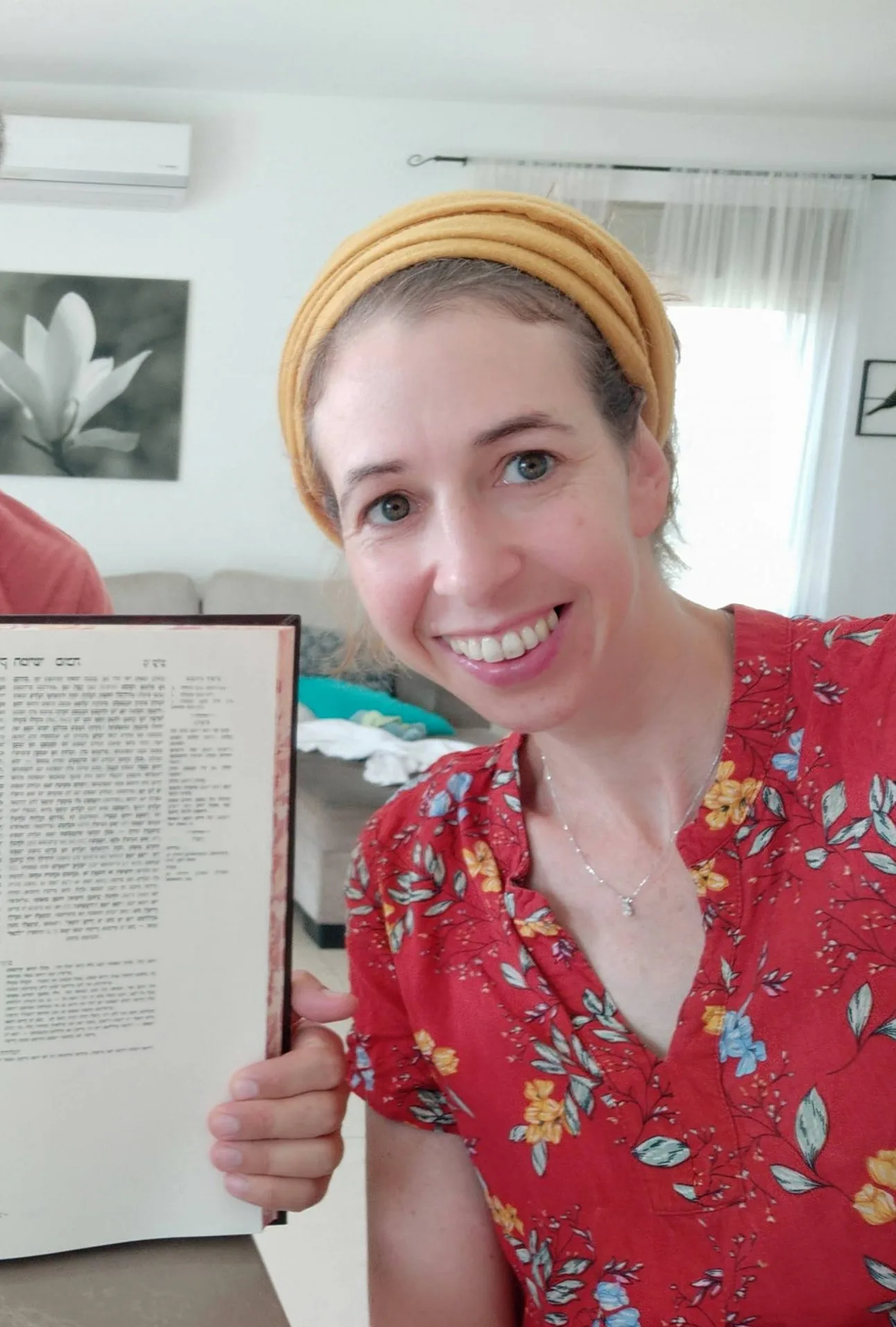
באירוע של הדרן בנייני האומה. בהשראתה של אמי שלי שסיימה את הש”ס בסבב הקודם ובעידוד מאיר , אישי, וילדיי וחברותיי ללימוד במכון למנהיגות הלכתית של רשת אור תורה סטון ומורתיי הרבנית ענת נובוסלסקי והרבנית דבורה עברון, ראש המכון למנהיגות הלכתית.
הלימוד מעשיר את יומי, מחזיר אותי גם למסכתות שכבר סיימתי וידוע שאינו דומה מי ששונה פרקו מאה לשונה פרקו מאה ואחת במיוחד מרתקים אותי החיבורים בין המסכתות

Roit Kalech
רוית קלך

מודיעין, ישראל

התחלתי ללמוד את הדף היומי מעט אחרי שבני הקטן נולד. בהתחלה בשמיעה ולימוד באמצעות השיעור של הרבנית שפרבר. ובהמשך העזתי וקניתי לעצמי גמרא. מאז ממשיכה יום יום ללמוד עצמאית, ולפעמים בעזרת השיעור של הרבנית, כל יום. כל סיום של מסכת מביא לאושר גדול וסיפוק. הילדים בבית נהיו חלק מהלימוד, אני משתפת בסוגיות מעניינות ונהנית לשמוע את דעתם.

Eliraz Blau
אלירז בלאו

מעלה מכמש, ישראל

התחלתי ללמוד דף יומי לפני שנתיים, עם מסכת שבת. בהתחלה ההתמדה היתה קשה אבל בזכות הקורונה והסגרים הצלחתי להדביק את הפערים בשבתות הארוכות, לסיים את מסכת שבת ולהמשיך עם המסכתות הבאות. עכשיו אני מסיימת בהתרגשות רבה את מסכת חגיגה וסדר מועד ומחכה לסדר הבא!

Ilana-Shachnowitz
אילנה שכנוביץ

מודיעין, ישראל

התחלתי ללמוד בשנת המדרשה במגדל עוז, בינתיים נהנית מאוד מהלימוד ומהגמרא, מעניין ומשמח מאוד!
משתדלת להצליח לעקוב כל יום, לפעמים משלימה קצת בהמשך השבוע.. מרגישה שיש עוגן מקובע ביום שלי והוא משמח מאוד!

Uriah Kesner
אוריה קסנר

חיפה , ישראל

התחלתי ללמוד דף יומי באמצע תקופת הקורונה, שאבא שלי סיפר לי על קבוצה של בנות שתיפתח ביישוב שלנו ותלמד דף יומי כל יום. הרבה זמן רציתי להצטרף לזה וזאת הייתה ההזדמנות בשבילי. הצטרפתי במסכת שקלים ובאמצע הייתה הפסקה קצרה. כיום אני כבר לומדת באולפנה ולומדת דף יומי לבד מתוך גמרא של טיינזלץ.

Saturdays in Raleigh
שבות בראלי

עתניאל, ישראל

התחלתי להשתתף בשיעור נשים פעם בשבוע, תכננתי ללמוד רק דפים בודדים, לא האמנתי שאצליח יותר מכך.
לאט לאט נשאבתי פנימה לעולם הלימוד .משתדלת ללמוד כל בוקר ומתחילה את היום בתחושה של מלאות ומתוך התכווננות נכונה יותר.
הלימוד של הדף היומי ממלא אותי בתחושה של חיבור עמוק לעם היהודי ולכל הלומדים בעבר ובהווה.

Neely Hayon
נילי חיון

אפרת, ישראל

התחלתי ללמוד דף יומי אחרי שחזרתי בתשובה ולמדתי במדרשה במגדל עוז. הלימוד טוב ומספק חומר למחשבה על נושאים הלכתיים ”קטנים” ועד לערכים גדולים ביהדות. חשוב לי להכיר את הגמרא לעומק. והצעד הקטן היום הוא ללמוד אותה בבקיאות, בעזרת השם, ומי יודע אולי גם אגיע לעיון בנושאים מעניינים. נושאים בגמרא מתחברים לחגים, לתפילה, ליחסים שבין אדם לחברו ולמקום ולשאר הדברים שמלווים באורח חיים דתי 🙂

Gaia Divo
גאיה דיבו

מצפה יריחו, ישראל

התחלתי ללמוד לפני 4.5 שנים, כשהודיה חברה שלי פתחה קבוצת ווטסאפ ללימוד דף יומי בתחילת מסכת סנהדרין. מאז לימוד הדף נכנס לתוך היום-יום שלי והפך לאחד ממגדירי הזהות שלי ממש.

Rosenberg Foundation
קרן רוזנברג

ירושלים, ישראל

A life-changing journey started with a Chanukah family tiyul to Zippori, home of the Sanhedrin 2 years ago and continued with the Syum in Binanei Hauma where I was awed by the energy of 3000 women dedicated to learning daf Yomi. Opening my morning daily with a fresh daf, I am excited with the new insights I find enriching my life and opening new and deeper horizons for me.

Becky Goldstein
בקי גולדשטיין

Elazar gush etzion, Israel

אחי, שלומד דף יומי ממסכת ברכות, חיפש חברותא ללימוד מסכת ראש השנה והציע לי. החברותא היתה מאתגרת טכנית ורוב הזמן נעשתה דרך הטלפון, כך שבסיום המסכת נפרדו דרכינו. אחי חזר ללמוד לבד, אבל אני כבר נכבשתי בקסם הגמרא ושכנעתי את האיש שלי להצטרף אלי למסכת ביצה. מאז המשכנו הלאה, ועכשיו אנחנו מתרגשים לקראתו של סדר נשים!

Shulamit Saban
שולמית סבן

נוקדים, ישראל

התחלתי ללמוד גמרא בבית הספר בגיל צעיר והתאהבתי. המשכתי בכך כל חיי ואף היייתי מורה לגמרא בבית הספר שקד בשדה אליהו (בית הספר בו למדתי בילדותי)בתחילת מחזור דף יומי הנוכחי החלטתי להצטרף ובע”ה מקווה להתמיד ולהמשיך. אני אוהבת את המפגש עם הדף את "דרישות השלום ” שמקבלת מקשרים עם דפים אחרים שלמדתי את הסנכרון שמתחולל בין התכנים.

Ariela Bigman
אריאלה ביגמן

מעלה גלבוע, ישראל

התחלתי ללמוד דף יומי אחרי שחזרתי בתשובה ולמדתי במדרשה במגדל עוז. הלימוד טוב ומספק חומר למחשבה על נושאים הלכתיים ”קטנים” ועד לערכים גדולים ביהדות. חשוב לי להכיר את הגמרא לעומק. והצעד הקטן היום הוא ללמוד אותה בבקיאות, בעזרת השם, ומי יודע אולי גם אגיע לעיון בנושאים מעניינים. נושאים בגמרא מתחברים לחגים, לתפילה, ליחסים שבין אדם לחברו ולמקום ולשאר הדברים שמלווים באורח חיים דתי 🙂

Gaia Divo
גאיה דיבו

מצפה יריחו, ישראל

סיום השס לנשים נתן לי מוטביציה להתחיל ללמוד דף יומי. עד אז למדתי גמרא בשבתות ועשיתי כמה סיומים. אבל לימוד יומיומי זה שונה לגמרי ופתאום כל דבר שקורה בחיים מתקשר לדף היומי.

Fogel Foundation
קרן פוגל

רתמים, ישראל

התחלתי ללמוד דף יומי כאשר קיבלתי במייל ממכון שטיינזלץ את הדפים הראשונים של מסכת ברכות במייל. קודם לא ידעתי איך לקרוא אותם עד שנתתי להם להדריך אותי. הסביבה שלי לא מודעת לעניין כי אני לא מדברת על כך בפומבי. למדתי מהדפים דברים חדשים, כמו הקשר בין המבנה של בית המקדש והמשכן לגופו של האדם (יומא מה, ע”א) והקשר שלו למשפט מפורסם שמופיע בספר ההינדי "בהגוד-גיתא”. מתברר שזה רעיון כלל עולמי ולא רק יהודי

Elena Arenburg
אלנה ארנבורג

נשר, ישראל

התחלתי מעט לפני תחילת הסבב הנוכחי. אני נהנית מהאתגר של להמשיך להתמיד, מרגעים של "אהה, מפה זה הגיע!” ומהאתגר האינטלקטואלי

Eilat-Chen and Deller
אילת-חן ודלר

לוד, ישראל

הייתי לפני שנתיים בסיום הדרן נשים בבנייני האומה והחלטתי להתחיל. אפילו רק כמה דפים, אולי רק פרק, אולי רק מסכת… בינתיים סיימתי רבע שס ותכף את כל סדר מועד בה.
הסביבה תומכת ומפרגנת. אני בת יחידה עם ארבעה אחים שכולם לומדים דף יומי. מדי פעם אנחנו עושים סיומים יחד באירועים משפחתיים. ממש מרגש. מסכת שבת סיימנו כולנו יחד עם אבא שלנו!
אני שומעת כל יום פודקאסט בהליכה או בנסיעה ואחכ לומדת את הגמרא.

Edna Gross
עדנה גרוס

מרכז שפירא, ישראל

"
גם אני התחלתי בסבב הנוכחי וב””ה הצלחתי לסיים את רוב המסכתות . בזכות הרבנית מישל משתדלת לפתוח את היום בשיעור הזום בשעה 6:20 .הלימוד הפך להיות חלק משמעותי בחיי ויש ימים בהם אני מצליחה לחזור על הדף עם מלמדים נוספים ששיעוריהם נמצאים במרשתת. שמחה להיות חלק מקהילת לומדות ברחבי העולם. ובמיוחד לשמש דוגמה לנכדותיי שאי””ה יגדלו לדור שלימוד תורה לנשים יהיה משהו שבשגרה. "

Ronit Shavit
רונית שביט

נתניה, ישראל

"התחלתי ללמוד דף יומי במחזור הזה, בח’ בטבת תש””ף. לקחתי על עצמי את הלימוד כדי ליצור תחום של התמדה יומיומית בחיים, והצטרפתי לקבוצת הלומדים בבית הכנסת בכפר אדומים. המשפחה והסביבה מתפעלים ותומכים.
בלימוד שלי אני מתפעלת בעיקר מכך שכדי ללמוד גמרא יש לדעת ולהכיר את כל הגמרא. זו מעין צבת בצבת עשויה שהיא עצומה בהיקפה.”

Sarah Fox
שרה פוּקס

כפר אדומים, ישראל

התחלתי ללמוד דף יומי לפני שנתיים, עם מסכת שבת. בהתחלה ההתמדה היתה קשה אבל בזכות הקורונה והסגרים הצלחתי להדביק את הפערים בשבתות הארוכות, לסיים את מסכת שבת ולהמשיך עם המסכתות הבאות. עכשיו אני מסיימת בהתרגשות רבה את מסכת חגיגה וסדר מועד ומחכה לסדר הבא!

Ilana-Shachnowitz
אילנה שכנוביץ

מודיעין, ישראל

בסוף הסבב הקודם ראיתי את השמחה הגדולה שבסיום הלימוד, בעלי סיים כבר בפעם השלישית וכמובן הסיום הנשי בבנייני האומה וחשבתי שאולי זו הזדמנות עבורי למשהו חדש.
למרות שאני שונה בסביבה שלי, מי ששומע על הלימוד שלי מפרגן מאוד.
אני מנסה ללמוד קצת בכל יום, גם אם לא את כל הדף ובסך הכל אני בדרך כלל עומדת בקצב.
הלימוד מעניק המון משמעות ליום יום ועושה סדר בלמוד תורה, שתמיד היה (ועדיין) שאיפה. אבל אין כמו קביעות

Racheli-Mendelson
רחלי מנדלסון

טל מנשה, ישראל

בבא בתרא פו

פֵּירְקָן וְהִכְנִיסָן לְתוֹךְ בֵּיתוֹ; פָּסַק עַד שֶׁלֹּא מָדַד – אֵין שְׁנֵיהֶן יְכוֹלִין לַחֲזוֹר בָּהֶן, מָדַד עַד שֶׁלֹּא פָּסַק – שְׁנֵיהֶן יְכוֹלִין לַחֲזוֹר בָּהֶן. וּמִדְּכִלְיוֹ דְמוֹכֵר בִּרְשׁוּת לוֹקֵחַ – לֹא קָנָה, כִּלְיוֹ דְלוֹקֵחַ נָמֵי – בִּרְשׁוּת מוֹכֵר לֹא קָנָה!

But in a case where he unloaded the merchandise from them and brought it into his house, if he fixed a price before he measured the merchandise, both parties are no longer able to renege on the sale. If he measured the merchandise before fixing a price, both of them are able to renege on the sale. The Gemara comments: And from the fact that the vessels of the seller when in the domain of the buyer do not effect acquisition of the merchandise for the seller, i.e., they do not prevent the buyer from acquiring the merchandise, one can derive that the vessels of the buyer in the domain of the seller do not effect acquisition of the merchandise on his behalf as well.

אָמַר רַב נַחְמָן בַּר יִצְחָק: בְּשֶׁשְּׁפָכָן. אִיקְּפַד רָבָא – מִידֵּי ״שְׁפָכָן״ קָתָנֵי?! ״פֵּירְקָן״ קָתָנֵי! אֶלָּא אָמַר מָר בַּר רַב אָשֵׁי: בִּמְתַאכְּלֵי דְתוּמֵי.

Rav Naḥman bar Yitzḥak said: The merchandise was not placed in the domain of the buyer in vessels belonging to the seller. Rather, the baraita is referring to a case where he emptied the vessels onto the ground. Conversely, if the merchandise remains in the seller’s vessels, the buyer does not acquire it. Rava became angry with Rav Naḥman bar Yitzḥak at his rejection of Rava’s proof, and retorted: Does the baraita teach: He emptied them? No; it teaches: He unloaded them, i.e., he kept the goods in vessels belonging to the seller. Rather, Mar bar Rav Ashi says: This proof can be rejected by means of a different interpretation, as the halakha of the baraita does not refer to vessels full of goods but is stated with regard to bundles of garlic that were tied together. Therefore, they are unloaded straight onto the floor in the buyer’s domain.

אֲמַר לֵיהּ הוּנָא בְּרֵיהּ דְּמָר זוּטְרָא לְרָבִינָא: מִכְּדֵי ״פֵּירְקָן״ קָתָנֵי; מָה לִי פָּסַק וּמָה לִי לֹא פָּסַק? אֲמַר לֵיהּ: פָּסַק – סָמְכָא דַּעְתֵּיהּ, לֹא פָּסַק – לָא סָמְכָא דַּעְתֵּיהּ.

With regard to the matter itself, Huna, son of Mar Zutra, said to Ravina: Since the baraita teaches: He unloaded them, which indicates that unloading the merchandise constitutes the act of acquisition, what difference is there to me if he fixed a price, and what difference is there to me if he did not fix a price? Ravina said to him: If he fixed a price he has made up his mind to sell, and therefore the transaction can take place. If he did not fix a price, he has not made up his mind to sell and the transaction does not occur. In any event, no convincing proof has been found with regard to the halakha in a case where the vessels of the buyer are in the domain of the seller.

אֲמַר לֵיהּ רָבִינָא לְרַב אָשֵׁי: תָּא שְׁמַע, דְּרַב וּשְׁמוּאֵל דְּאָמְרִי תַּרְוַיְיהוּ: כִּלְיוֹ שֶׁל אָדָם קוֹנֶה לוֹ בְּכׇל מָקוֹם. לְאֵתוֹיֵי מַאי? לָאו לְאֵתוֹיֵי רְשׁוּת מוֹכֵר? הָתָם, דְּאָמַר לֵיהּ: זִיל קְנִי.

Ravina said to Rav Ashi: Come and hear a resolution, as Rav and Shmuel both say: A person’s vessel effects acquisition for him of any item placed inside it, in any place that it is situated. What is added by the phrase: In any place? Does it not serve to add the domain of the seller? Rav Ashi answered: There, it is referring to a specific case, where the seller said to him: Go and acquire it. In that situation, the buyer does acquire the merchandise. This does not refer to a standard case where the buyer’s vessels are located in the domain of the seller.

תְּנַן הָתָם: נְכָסִים שֶׁיֵּשׁ לָהֶן אַחְרָיוּת – נִקְנִין בְּכֶסֶף וּבִשְׁטָר וּבַחֲזָקָה, וְשֶׁאֵין לָהֶן אַחְרָיוּת – אֵין נִקְנִין אֶלָּא בִּמְשִׁיכָה. בְּסוּרָא מַתְנוּ לַהּ לְהָא שְׁמַעְתָּא מִשְּׁמֵיהּ דְּרַב חִסְדָּא; בְּפוּמְבְּדִיתָא מַתְנוּ לַהּ מִשְּׁמֵיהּ דְּרַב כָּהֲנָא, וְאָמְרִי לַהּ מִשְּׁמֵיהּ דְּרָבָא: לֹא שָׁנוּ אֶלָּא דְּבָרִים שֶׁאֵין דַּרְכָּן לְהַגְבִּיהַּ, אֲבָל דְּבָרִים שֶׁדַּרְכָּן לְהַגְבִּיהַּ – בְּהַגְבָּהָה אִין, בִּמְשִׁיכָה לָא.

§ We learned in a mishna elsewhere (Kiddushin 26a): Property that is guaranteed, i.e., land, is acquired by means of money, or by means of a bill, or by taking possession of it. And property that does not have a guarantee, i.e., movable property, can be acquired only by means of pulling. In Sura they taught this following halakha in the name of Rav Ḥisda, while in Pumbedita they taught it in the name of Rav Kahana, and some say in the name of Rava: They taught that movable property is acquired by means of pulling only with regard to items that are not typically lifted due to their weight or for some other reason. But in the case of items that are typically lifted, then yes, they are acquired by means of lifting, but they are not acquired by means of pulling.

יְתֵיב אַבָּיֵי וְקָאָמַר לְהָא שְׁמַעְתָּא; אֵיתִיבֵיהּ רַב אַדָּא בַּר מַתְנָה לְאַבָּיֵי: הַגּוֹנֵב כִּיס בְּשַׁבָּת – חַיָּיב, שֶׁכְּבָר נִתְחַיֵּיב בִּגְנֵיבָה קוֹדֶם שֶׁיָּבֹא לִידֵי אִיסּוּר שַׁבָּת.

Abaye sat and related this halakha. Rav Adda bar Mattana raised an objection to Abaye from a baraita: One who steals a purse on Shabbat is liable for theft. Based on the principle that one who is liable to receive two punishments receives only the greater of the two, in this case one might think that he should be exempt from paying for the theft, as the performance of a prohibited labor on Shabbat is punishable by death. The reason he is liable in this case, in apparent contradiction to that principle, is that he already became liable for the theft as soon as he lifted the purse. This occurred before he came to violate the prohibition of performing prohibited labor on Shabbat by carrying the purse into the public domain.

הָיָה מְגָרֵר וְיוֹצֵא מְגָרֵר וְיוֹצֵא – פָּטוּר, שֶׁהֲרֵי אִיסּוּר שַׁבָּת וּגְנֵיבָה בָּאִין כְּאֶחָד.

The baraita continues: If he did not lift the purse but was dragging it on the ground and exiting the private domain, continuously dragging and exiting, he is exempt, as the prohibition of performing labor on Shabbat and the prohibition of theft are violated simultaneously the moment he drags the purse out of the owner’s property into the public domain. Therefore, he receives only the greater punishment, death, for carrying on Shabbat.

וַהֲרֵי כִּיס – דְּבַר הַגְבָּהָה הוּא, וַאֲפִילּוּ הָכִי קָנֵי בִּמְשִׁיכָה! אֲמַר לֵיהּ: בְּמִיתְנָא. אֲנָא נָמֵי בְּמִיתְנָא קָא אָמֵינָא! אֲמַר לֵיהּ: בְּמִידֵּי דְּבָעֵי מִיתְנָא.

Rav Adda bar Mattana explains his objection: But a purse is an item that can be lifted, and even so it is apparent from the baraita that one acquires it by means of pulling. How then can it be stated that items that are typically lifted are not acquired by pulling? Abaye said to him: The baraita is referring to a case where the thief pulled the purse with a rope. Rav Adda bar Mattana thought that Abaye meant that the thief happened to drag it with a rope, and he responded: I also state my question even in a case where he pulled the purse with a rope, as it is still evident that one can acquire the purse by means of pulling instead of lifting. Abaye said to him: I meant that the baraita is referring to an item that requires a rope. It is a purse that is so large that it cannot be lifted and must be pulled, therefore it is acquired by means of pulling.

תָּא שְׁמַע: בִּרְשׁוּת מוֹכֵר – לֹא קָנָה עַד שֶׁיַּגְבִּיהֶנָּה, אוֹ עַד שֶׁיּוֹצִיאֶנָּה מֵרְשׁוּתוֹ. אַלְמָא, מִידֵּי דְּבַר הַגְבָּהָה – אִי בָּעֵי בְּהַגְבָּהָה קָנֵי לֵיהּ, וְאִי בָּעֵי בִּמְשִׁיכָה קָנֵי לֵיהּ! אָמַר רַב נַחְמָן בַּר יִצְחָק: לִצְדָדִין קָתָנֵי – מִידֵּי דְּבַר הַגְבָּהָה, בְּהַגְבָּהָה; מִידֵּי דְּבַר מְשִׁיכָה, בִּמְשִׁיכָה.

The Gemara raises another objection. Come and hear: If the merchandise is in the domain of the seller, the buyer does not acquire the merchandise until he lifts it or until he removes it from the domain of the seller. Apparently, with regard to an item that can be lifted, if he so desires he acquires it by lifting, and if he so desires he acquires it by pulling. Rav Naḥman bar Yitzḥak said: This is not a proof, as it can be explained that the tanna teaches it disjunctively, i.e., the two options are referring to two different cases: In the case of an item that can be lifted, he acquires it by lifting, whereas with regard to regard to an item that can be pulled, he acquires it by pulling.

תָּא שְׁמַע: הַמּוֹכֵר פֵּירוֹת לַחֲבֵירוֹ, מָשַׁךְ וְלֹא מָדַד – קָנֵי. וְהָא פֵּירוֹת, דִּבְנֵי הַגְבָּהָה נִינְהוּ, וְקָתָנֵי דְּקָנֵי בִּמְשִׁיכָה!

The Gemara suggests: Come and hear a proof from the mishna (84b) that even items that are usually lifted can be acquired by means of pulling: With regard to one who sells produce to another, if the buyer pulled the produce but did not measure it, he has acquired it. The Gemara explains the proof: But produce can be lifted, and yet the mishna teaches that it is acquired by means of pulling.

הָכָא בְּמַאי עָסְקִינַן – בִּשְׁלִיפֵי רַבְרְבֵי. אִי הָכִי, אֵימָא סֵיפָא: הַלּוֹקֵחַ פִּשְׁתָּן מֵחֲבֵירוֹ – לֹא קָנָה עַד שֶׁיְּטַלְטְלֶנּוּ מִמָּקוֹם זֶה לְמָקוֹם אַחֵר. אַטּוּ פִּשְׁתָּן בִּשְׁלִיפֵי רַבְרְבֵי מִי לָא עָבְדִי?! שָׁאנֵי פִּשְׁתָּן – דְּמִשְׁתְּמִיט.

The Gemara rejects this proof: With what are we dealing here? We are dealing with large bundles that are pulled from place to place and are not carried, due to their size. The Gemara asks: If that is so, say the latter clause of the mishna: One who buys flax from another has not acquired it until he carries it from this place to another place, i.e., it is acquired only though lifting and not through pulling. Is that to say that flax is not prepared in large bundles? The Gemara answers: Yes, flax is different. Unlike other produce, flax is not packed in large bundles, as it would slip from its place. Rather, it is packed in small bundles, and therefore flax is acquired specifically through lifting.

אֲמַר לֵיהּ רָבִינָא לְרַב אָשֵׁי, תָּא שְׁמַע: בְּהֵמָה גַּסָּה נִקְנֵית בִּמְסִירָה, וְהַדַּקָּה – בְּהַגְבָּהָה; דִּבְרֵי רַבִּי מֵאִיר וְרַבִּי שִׁמְעוֹן בֶּן אֶלְעָזָר. וַחֲכָמִים אוֹמְרִים: בְּהֵמָה דַּקָּה – בִּמְשִׁיכָה. וְהָא בְּהֵמָה דַּקָּה, דְּבַר הַגְבָּהָה הִיא, וְקָתָנֵי דְּקָנֵי בִּמְשִׁיכָה! שָׁאנֵי בְּהֵמָה, דְּסָרְכָא.

Ravina said to Rav Ashi: Come and hear a proof from a mishna (Kiddushin 25b): Large domesticated animals are acquired through passing the animal’s leash to the buyer, and small domesticated animals are acquired through lifting; this is the statement of Rabbi Meir and Rabbi Shimon ben Elazar. And the Rabbis say: Small domesticated animals are acquired through pulling. Ravina explains the proof: But small domesticated animals are creatures that can be lifted, and yet the mishna teaches that one acquires them through pulling. Rav Ashi rejected this proof: Domesticated animals are different, as they cling to the ground and it is difficult to lift them. Therefore, the usual manner of moving animals is to pull them.

רַב וּשְׁמוּאֵל דְּאָמְרִי תַּרְוַיְיהוּ: ״כּוֹר בִּשְׁלֹשִׁים אֲנִי מוֹכֵר לָךְ״ – יָכוֹל לַחֲזוֹר בּוֹ, אֲפִילּוּ בִּסְאָה הָאַחֲרוֹנָה. ״כּוֹר בִּשְׁלֹשִׁים – סְאָה בְּסֶלַע אֲנִי מוֹכֵר לָךְ״ – רִאשׁוֹן רִאשׁוֹן קָנָה.

§ The Gemara cites another case with regard to sales. Rav and Shmuel both say: If a seller said to a buyer: I am selling you one kor, a measure equivalent to thirty se’a, of grain for the price of thirty sela, the seller can renege on the sale as long as the measuring vessel is not filled, even when only the last se’a has yet to be measured, because he had agreed to sell only a complete kor. By contrast, if the seller said: I am selling you one kor for thirty sela and each se’a is sold for one sela, he cannot completely renege on the sale in the middle of the transaction. This is because the buyer acquires each se’a one by one as it is measured, since the seller sold each se’a individually.

תָּא שְׁמַע: אִם הָיְתָה מִדָּה שֶׁל אֶחָד מֵהֶן – רִאשׁוֹן רִאשׁוֹן קָנָה. וְאַף עַל גַּב דְּלֹא נִתְמַלְּאָה הַמִּדָּה!

The Gemara raises a difficulty from the baraita cited on 85a. Come and hear: If the measuring vessel belonged to one of them, the buyer acquires the items of sale one by one. And since this halakha is stated in general terms, it indicates that the buyer acquires each item as it is placed in the measuring vessel, even though the measuring vessel was not filled.

כְּגוֹן דַּאֲמַר לֵיהּ: ״הִין בִּשְׁנֵים עָשָׂר סְלָעִים – לוֹג בְּסֶלַע אֲנִי מוֹכֵר לָךְ״; וְכִדְאָמַר רַב כָּהֲנָא: שְׁנָתוֹת הָיוּ בַּהִין, הָכָא נָמֵי – שְׁנָתוֹת הָיוּ בַּמִּדּוֹת.

The Gemara answers: The baraita is referring to a case where the seller said to him: I am selling you one hin, a liquid measure equivalent to twelve log, for twelve sela, each log for one sela. And this is in accordance with an observation that Rav Kahana says: In the Temple there were markings on the vessel that measured hin, with which one could measure the different libations. Here too, there were markings on the measuring vessels, and since the measuring vessel indicates at which point each log had been filled, the buyer acquires it. This is comparable to the case of one who sells each se’a individually.

תָּא שְׁמַע: הַשּׂוֹכֵר אֶת הַפּוֹעֵל לַעֲשׂוֹת עִמּוֹ לַגּוֹרֶן הַיּוֹם בְּדִינָר,

The Gemara raises another difficulty. Come and hear: One who hires a laborer in the winter or the spring to work for him in the harvest, for one dinar a day,

רוצה לעקוב אחרי התכנים ולהמשיך ללמוד?

ביצירת חשבון עוד היום ניתן לעקוב אחרי ההתקדמות שלך, לסמן מה למדת, ולעקוב אחרי השיעורים שמעניינים אותך.

לנקות את כל הפריטים מהרשימה?

פעולה זו תסיר את כל הפריטים בחלק זה כולל ההתקדמות וההיסטוריה. שימי לב: לא ניתן לשחזר פעולה זו.

ביטול
מחיקה

האם את/ה בטוח/ה שברצונך למחוק פריט זה?

תאבד/י את כל ההתקדמות או ההיסטוריה הקשורות לפריט זה.

ביטול
מחיקה