חיפוש

בבא קמא לו

רוצה להקדיש לימוד?

podcast placeholder

0:00
0:00


תקציר

הלימוד השבוע מוקדש ע”י עדינה ודני גוירץ לכבוד הולדת מאיר אמיחי ולע”נ אביה, מאיר מלוין ריש, שעל שמו נקרא התינוק.

הדף היום מוקדש ע”י ארט גולד לע”נ חמותו, יהודה לייב בן משה.

כאשר יש ספק איזה שור פגע באחר, אך שני השוורים שעליהם קיים הספק הם בבעלותו של אותו אדם, פוסקת המשנה ששניהם חייבים. האם זה מקרה של שור מועד או שור תם? מדוע משתמשים בלשון "שניהם חייבים” כאשר מדובר בבעל אחד (הבעל של שני השוורים) שחייב? הפרק הרביעי מתחיל במחלוקת בין רבי מאיר לרבי שמעון על שור תם שתקף ארבע או חמישה פעמים ברציפות. למי משלמים מה? מה ההיגיון מאחורי דעותיהם וכיצד הן משתלבות עם הגישות הרחבות יותר של רבי עקיבא ורבי ישמעאל לגבי האם לניזק יש שותפות בבהמה שהזיק (כי משלמים מגופו) או שהוא יותר דומה לבעל חוב שהמזיק צריך לפצותו? האם נוכל להסיק ממשנתנו תשובה לשאלה זו: האם כאשר משנה מתייחסת לסלע, האם מתכוונים לסלע צורי, מטבע בעל ערך גבוה יותר (4 זוזים) או לסלע מדינה, מטבע בעל ערך נמוך יותר (חצי זוז), שמינית מערכו של הצורי?

בבא קמא לו

רָאוּי לִיטּוֹל, וְאֵין לוֹ. וְהָתַנְיָא: הֲרֵי זֶה מִשְׁתַּלֵּם לַקָּטָן מִן הַמּוּעָד, וְלַגָּדוֹל מִן הַתָּם! דִּתְפַס.

The Gemara answers: The mishna does not indicate that the injured party receives compensation. Rather, it indicates that it is fitting for him to take compensation, but in practice he does not receive any compensation. The Gemara asks: But isn’t it taught in a baraita that he receives payment for his small ox from the liable party’s forewarned ox, and for his large ox from the liable party’s innocuous ox? Evidently he does receive payment. The Gemara answers: This baraita is also referring to a case where the injured party seized the defendant’s ox, in which case the court allows it to remain in his possession. The court cannot compel the defendant to pay him ab initio.

הָיוּ שְׁנֵיהֶם שֶׁל אִישׁ אֶחָד – שְׁנֵיהֶם חַיָּיבִים. אֲמַר לֵיהּ רָבָא מִפַּרְזִיקָא לְרַב אָשֵׁי: שְׁמַע מִינַּהּ, שְׁוָורִים תַּמִּים שֶׁהִזִּיקוּ – רָצָה מִזֶּה גּוֹבֶה, רָצָה מִזֶּה גּוֹבֶה.

§ The mishna teaches: In a case where an ox was injured by one of two oxen that were pursuing it, if both oxen belonged to one person, both are liable. Rava of Parzika said to Rav Ashi: Should one learn from the fact that both are liable that in a case of innocuous oxen that caused damage, if the injured party wishes, he can collect damages from the proceeds from the sale of this ox, and if he wishes, he can collect from the sale of that ox?

הָכָא בְּמַאי עָסְקִינַן – בְּמוּעָדִין.

Rav Ashi rejected this inference: With what are we dealing here? We are dealing with forewarned oxen, in which case the injured party does not collect damages exclusively from the belligerent ox but rather from any of its owner’s property. Therefore, he can collect from either ox as compensation.

אִי בְּמוּעָדִין, אֵימָא סֵיפָא: הָיָה אֶחָד גָּדוֹל וְאֶחָד קָטָן, הַנִּיזָּק אוֹמֵר: ״גָּדוֹל הִזִּיק״, וְהַמַּזִּיק אוֹמֵר: ״לֹא כִי, אֶלָּא קָטָן הִזִּיק״ – הַמּוֹצִיא מֵחֲבֵירוֹ עָלָיו הָרְאָיָה. אִי בְּמוּעָדִין, מַאי נָפְקָא לֵיהּ מִינֵּיהּ? סוֹף סוֹף, דְּמֵי תּוֹרָא מְעַלְּיָא בָּעֵי לְשַׁלּוֹמֵי!

Rava of Parzika replied: If the mishna is referring to forewarned oxen, say the latter clause of the mishna: If one of the belligerent oxen was large and the other one was small, and the injured party says that the large ox caused the damage, but the one liable for damage says: No; rather, the small ox caused the damage, the burden of proof rests upon the claimant. If this is referring to forewarned oxen, what difference does it make to him which one caused the injury? Ultimately, the liable party is required to pay the value of a full ox in any case.

אֲמַר לֵיהּ: סֵיפָא בְּתַמִּין, וְרֵישָׁא בְּמוּעָדִין.

Rav Ashi said to him: The latter clause of the mishna is referring to innocuous oxen, and the first clause is referring to forewarned oxen.

אֲמַר לֵיהּ רַב אַחָא סָבָא לְרַב אָשֵׁי: אִי בְּמוּעָדִין, ״חַיָּיבִים״?! ״חַיָּיב גַּבְרָא״ מִיבְּעֵי לֵיהּ! וְתוּ, מַאי ״שְׁנֵיהֶם״?

Rav Aḥa the Elder said to Rav Ashi: If it is referring to a case of forewarned oxen, where compensation is not collected specifically from the belligerent ox, why does the mishna state: They are liable, in the plural form? It should have stated: The man is liable. And furthermore, what is the word both in the statement: Both are liable, referring to?

אֶלָּא לְעוֹלָם בְּתַמִּין; וְרַבִּי עֲקִיבָא הִיא, דְּאָמַר: שׁוּתָּפִין נִינְהוּ; וְטַעְמָא דְּאִיתַנְהוּ לְתַרְוַיְיהוּ – דְּלָא מָצֵי מְדַחֵי לֵיהּ, אֲבָל לֵיתַנְהוּ לְתַרְוַיְיהוּ – מָצֵי אֲמַר לֵיהּ: זִיל אַיְיתִי רְאָיָה דְּהַאי תּוֹרָא אַזְּקָךְ, וַאֲשַׁלֵּם לָךְ.

Rather, the first clause of the mishna is actually referring to innocuous oxen, and it is the opinion of Rabbi Akiva, who says that the injured party and the liable party are partners, as they share ownership of the belligerent ox. And therefore, the reason that the owner of the belligerent oxen is liable is that the two of them are available, so he cannot dismiss the injured party by claiming that this ox is not the one that caused the injury. But if the two of them are not available, e.g., if one died or was lost, he can say to the injured party: Go bring proof that it was this ox that caused you damage, and I will pay you compensation.


הֲדַרַן עֲלָךְ הַמַּנִּיחַ

מַתְנִי׳ שׁוֹר שֶׁנָּגַח אַרְבָּעָה וַחֲמִשָּׁה שְׁוָורִים זֶה אַחַר זֶה – יְשַׁלֵּם לָאַחֲרוֹן שֶׁבָּהֶם, וְאִם יֵשׁ בּוֹ מוֹתָר – יַחֲזִיר לְשֶׁלְּפָנָיו, וְאִם יֵשׁ בּוֹ מוֹתָר – יַחֲזִיר לְשֶׁלִּפְנֵי פָנָיו, וְהָאַחֲרוֹן אַחֲרוֹן נִשְׂכָּר; דִּבְרֵי רַבִּי מֵאִיר.

MISHNA: With regard to an innocuous ox that gored four or five other oxen one after the other, its owner shall pay the owner of the last one of them half of the damages from the proceeds of the sale of the belligerent ox; and if there is surplus value left in his ox after he pays that owner, he shall return it to the owner of the previous ox that was gored; and if there is still surplus value left in his ox after he pays that owner, he shall return it to the one prior to the previous one. The principle is that the owner of the latest of the oxen gored in succession gains. This is the statement of Rabbi Meir.

רַבִּי שִׁמְעוֹן אוֹמֵר: שׁוֹר שָׁוֶה מָאתַיִם שֶׁנָּגַח לְשׁוֹר שָׁוֶה מָאתַיִם, וְאֵין הַנְּבֵלָה יָפָה כְּלוּם – זֶה נוֹטֵל מָנֶה, וְזֶה נוֹטֵל מָנֶה.

Rabbi Shimon says that the division of the compensation is as follows: With regard to an innocuous ox worth two hundred dinars that gored an ox worth two hundred dinars, thereby killing it, and the carcass is worthless, the injured party takes one hundred dinars, i.e., half the cost of the damage, from the proceeds of the sale of the belligerent ox, and the owner of the belligerent ox takes the remaining one hundred dinars.

חָזַר וְנָגַח שׁוֹר אַחֵר שָׁוֶה מָאתַיִם – הָאַחֲרוֹן נוֹטֵל מָנֶה; וְשֶׁלְּפָנָיו – זֶה נוֹטֵל חֲמִשִּׁים זוּז, וְזֶה נוֹטֵל חֲמִשִּׁים זוּז.

If the ox, after goring the first ox but before compensation had been paid, again gored another ox worth two hundred dinars, and the carcass is worthless, the owner of the last ox that was gored takes one hundred dinars, and with regard to payment for the previous goring, the owner of this ox that was gored takes fifty dinars, which is half the remaining value of the belligerent ox after one hundred dinars were paid to the last injured party, and the owner of that belligerent ox takes the remaining fifty dinars.

חָזַר וְנָגַח שׁוֹר אַחֵר שָׁוֶה מָאתַיִם – הָאַחֲרוֹן נוֹטֵל מָנֶה, וְשֶׁלְּפָנָיו חֲמִשִּׁים זוּז, וּשְׁנַיִם הָרִאשׁוֹנִים – דִּינַר זָהָב.

If the ox, after goring the first two oxen but before compensation had been paid, again gored another ox worth two hundred dinars, and the carcass is worthless, the last injured party takes one hundred dinars, the previous one takes fifty dinars, and the first two, i.e., the first injured party and the owner of the belligerent ox, divide the remainder, each receiving one gold dinar, which is worth twenty-five silver dinars.

גְּמָ׳ מַתְנִיתִין מַנִּי? דְּלָא כְּרַבִּי יִשְׁמָעֵאל, וּדְלָא כְּרַבִּי עֲקִיבָא!

GEMARA: Whose opinion is expressed in the mishna? Apparently the mishna is neither in accordance with the opinion of Rabbi Yishmael, nor in accordance with the opinion of Rabbi Akiva (see 33a).

אִי כְּרַבִּי יִשְׁמָעֵאל דְּאָמַר בַּעֲלֵי חוֹבוֹת נִינְהוּ, הַאי ״אַחֲרוֹן אַחֲרוֹן נִשְׂכָּר״?! ״רִאשׁוֹן רִאשׁוֹן נִשְׂכָּר״ מִבְּעֵי לֵיהּ! אִי כְּרַבִּי עֲקִיבָא דְּאָמַר תּוֹרָא דְשׁוּתָּפֵי הוּא, הַאי ״יֵשׁ בּוֹ מוֹתָר –

The Gemara explains: If the mishna had been in accordance with the opinion of Rabbi Yishmael, who says that the owners of the gored oxen are considered creditors of the owner of the belligerent ox, then instead of stating this halakha that the owner of the latest of the oxen gored in succession gains, the mishna should have stated that the owner of the earliest of the oxen gored in succession gains, since the creditor to whom the ox is initially liened collects first. And if the mishna had been in accordance with the opinion of Rabbi Akiva, who says that the belligerent ox belongs to its owner and to the injured party, who are considered partners in the ownership of the ox, then instead of stating this ruling that if there is surplus value remaining in the ox after he pays that owner

יַחֲזִיר לְשֶׁלְּפָנָיו״?! ״לְכוּלָּם״ מִבְּעֵי לֵיהּ!

he shall return it to the owner of the previous ox, the mishna should have ruled that the surplus shall be returned to all of them, i.e., all the prior injured parties, since they all share joint ownership of the belligerent ox.

אָמַר רָבָא: לְעוֹלָם כְּרַבִּי יִשְׁמָעֵאל – דְּאָמַר בַּעֲלֵי חוֹבוֹת נִינְהוּ; וּדְקַשְׁיָא לָךְ: ״אַחֲרוֹן אַחֲרוֹן נִשְׂכָּר״?! ״רִאשׁוֹן רִאשׁוֹן נִשְׂכָּר״ מִבְּעֵי לֵיהּ! הָכָא בְּמַאי עָסְקִינַן – כְּגוֹן שֶׁתְּפָסוֹ נִיזָּק לִגְבּוֹת הֵימֶנּוּ, וְנַעֲשָׂה עָלָיו כְּשׁוֹמֵר שָׂכָר לִנְזָקִין.

Rava said: Actually, the mishna is in accordance with the opinion of Rabbi Yishmael, who says that all the injured parties are creditors. And as for the difficulty you pose, that instead of stating that the owner of the latest of the oxen gored in succession gains, the mishna should have stated that the owner of the earliest of the oxen gored in succession gains, that can be answered. With what are we dealing here? We are dealing with a case where the first injured party seized the ox to collect payment from it, and consequently became like a paid bailee with regard to damage it causes. Therefore, he is responsible for any subsequent attacks by the ox. Similarly, if the next injured party seizes the ox from the first as compensation, he becomes responsible for any subsequent attacks.

אִי הָכִי, ״יֵשׁ בּוֹ מוֹתָר – יַחֲזִיר לְשֶׁלְּפָנָיו״?! ״יַחֲזִיר לַבְּעָלִים״ מִבְּעֵי לֵיהּ!

The Gemara asks: If so, instead of the mishna stating that if there is surplus value left in his ox after he pays that owner, he shall return it to the owner of the previous ox that was gored, it should have stated that he shall return it to its owner, since half the value of the belligerent ox belongs to its owner, who is not responsible for any later damage it causes.

אָמַר רָבִינָא, הָכִי קָתָנֵי: אִם יֵשׁ בּוֹ מוֹתָר בִּנְזָקָיו – יַחֲזִיר לְשֶׁלְּפָנָיו.

Ravina said that this is what the mishna is teaching: If there is surplus value with regard to its damages, i.e., the latter injured party sustained less of a loss than the previous one, that injured party shall return this surplus value to the previous injured party.

וְכֵן כִּי אֲתָא רָבִין, אָמַר רַבִּי יוֹחָנָן: מִשּׁוּם פְּשִׁיעַת שׁוֹמְרִין נָגְעוּ בָּהּ.

Similarly, when Ravin came from Eretz Yisrael, he related that Rabbi Yoḥanan said: The mishna touched on this topic with regard to a bailee’s negligence.

בְּמַאי אוֹקֵימְתַּהּ – כְּרַבִּי יִשְׁמָעֵאל; אִי הָכִי, אֵימָא סֵיפָא, רַבִּי שִׁמְעוֹן אוֹמֵר: שׁוֹר שָׁוֶה מָאתַיִם שֶׁנָּגַח שׁוֹר שָׁוֶה מָאתַיִם, וְאֵין הַנְּבֵלָה יָפָה כְּלוּם – זֶה נוֹטֵל מָנֶה וְזֶה נוֹטֵל מָנֶה.

The Gemara asks: In accordance with which opinion did you interpret the ruling in the mishna? Was it in accordance with the opinion of Rabbi Yishmael? If so, say the latter clause of the mishna: Rabbi Shimon says that the division of the compensation is as follows: With regard to an innocuous ox worth two hundred dinars that gored an ox worth two hundred dinars, thereby killing it, and the carcass is worthless, the injured party takes one hundred dinars from the proceeds of the sale of the belligerent ox, and the owner of the belligerent ox takes the remaining one hundred dinars.

חָזַר וְנָגַח שׁוֹר אַחֵר שָׁוֶה מָאתַיִם – הָאַחֲרוֹן נוֹטֵל מָנֶה, וְשֶׁלְּפָנָיו – זֶה נוֹטֵל חֲמִשִּׁים זוּז, וְזֶה נוֹטֵל חֲמִשִּׁים זוּז. חָזַר וְנָגַח שׁוֹר שָׁוֶה מָאתַיִם – הָאַחֲרוֹן נוֹטֵל מָנֶה, וְשֶׁלְּפָנָיו נוֹטֵל חֲמִשִּׁים זוּז, וּשְׁנַיִם הָרִאשׁוֹנִים דִּינַר זָהָב.

If the ox, after goring the first ox but before compensation had been paid, again gored another ox worth two hundred dinars, and the carcass is worthless, the owner of the last ox that was gored takes one hundred dinars; and with regard to payment for the previous goring, the owner of this ox that was gored takes fifty dinars, which is half the remaining value of the belligerent ox after one hundred dinars were paid to the last injured party, and the owner of that belligerent ox takes the remaining fifty dinars. If the ox, after goring the first two oxen but before compensation had been paid, again gored another ox worth two hundred dinars, and the carcass is worthless, the last injured party takes one hundred dinars, the previous one takes fifty dinars, and the first two divide the remainder, each receiving one gold dinar, which is worth twenty-five silver dinars.

אֲתָאן לְרַבִּי עֲקִיבָא, דְּאָמַר: תּוֹרָא דְשׁוּתָּפֵי הוּא; רֵישָׁא רַבִּי יִשְׁמָעֵאל וְסֵיפָא רַבִּי עֲקִיבָא?

The Gemara continues: In the ruling of Rabbi Shimon, we arrive at the opinion of Rabbi Akiva, who says that the ox belongs to its owner and to the injured party, who are considered partners in the ownership of the ox. Is it possible that the first clause is in accordance with the opinion of Rabbi Yishmael and the latter clause is in accordance with the opinion of Rabbi Akiva?

אָמְרִי: אִין, דְּהָא אֲמַר לֵיהּ שְׁמוּאֵל לְרַב יְהוּדָה: שִׁינָּנָא, שְׁבוֹק מַתְנִיתִין וְתָא בָּתְרַאי – רֵישָׁא רַבִּי יִשְׁמָעֵאל וְסֵיפָא רַבִּי עֲקִיבָא.

The Sages said that yes, this is the case, as Shmuel said to Rav Yehuda: Shinnana, leave the presumption that the entire mishna follows one opinion and follow my interpretation: The first clause is in accordance with the opinion of Rabbi Yishmael and the latter clause is in accordance with the opinion of Rabbi Akiva.

אִתְּמַר נָמֵי, אָמַר רַבִּי יוֹחָנָן: הִקְדִּישׁוֹ נִיזָּק אִיכָּא בֵּינַיְיהוּ.

It was also stated that Rabbi Yoḥanan says: The practical difference between the opinions of Rabbi Meir and Rabbi Shimon in the mishna is with regard to a case where the injured party consecrated the ox. If he is a partner in the ownership of the ox, his consecration takes effect; if he is considered merely a creditor, the consecration is ineffective. Evidently, Rabbi Yoḥanan also holds that the dispute in the mishna corresponds to the dispute between Rabbi Yishmael and Rabbi Akiva.

תְּנַן הָתָם: הַתּוֹקֵעַ לַחֲבֵירוֹ – נוֹתֵן לוֹ סֶלַע. רַבִּי יְהוּדָה אוֹמֵר מִשּׁוּם רַבִּי יוֹסֵי הַגְּלִילִי: מָנֶה.

§ With regard to the gold dinar mentioned in the mishna, we learned in another mishna there (90a): One who slaps [hatokea] another is liable to give him a sela as a compensatory fine. Rabbi Yehuda says in the name of Rabbi Yosei HaGelili: He is liable to give him one hundred dinars.

הָהוּא גַּבְרָא דִּתְקַע לְחַבְרֵיהּ. שַׁלְּחֵיהּ רַב טוֹבִיָּה בַּר מַתְנָה לְקַמֵּיהּ דְּרַב יוֹסֵף: סֶלַע צוֹרִי תְּנַן, אוֹ סֶלַע מְדִינָה תְּנַן?

The Gemara relates: There was a certain man who slapped another. Rav Toviya bar Mattana sent an enquiry before Rav Yosef, asking him whether the sela we learned about in the mishna is referring to a Tyrian sela, which is worth four dinars, or whether the sela we learned about in the mishna is referring to a provincial sela, worth only half of a dinar, or one-eighth of a Tyrian sela.

אֲמַר לֵיהּ, תְּנֵיתוּהָ: וּשְׁנַיִם הָרִאשׁוֹנִים דִּינַר זָהָב. וְאִי סָלְקָא דַעְתָּךְ תָּנֵי תַּנָּא סֶלַע מְדִינָה, נִפְלוֹג וְנִתְנֵי עַד תְּרֵיסַר וְסֶלַע!

Rav Yosef said to him: You learned this in a mishna: And the first two divide the remainder, each receiving one gold dinar, worth twenty-five silver dinars. And if it enters your mind that the tanna teaches monetary sums using a provincial sela in order to calculate compensation, let him further divide the value that the first two litigants receive and teach a case where the belligerent ox gored an additional ox, so that their shares decrease until they reach twelve dinars and one sela apiece, which are twelve and a half dinars. The fact that he does not do so indicates that the mishna does not use a provincial sela, whose value is less than one dinar, and therefore a gold dinar cannot be divided in a manner that leaves each party with whole coins.

אֲמַר לֵיהּ: תַּנָּא כִּי רוֹכְלָא לִיתְנֵי וְלֵיזִיל?!

Rav Toviya bar Mattana said to him: This is not proof; should the tanna have continued teaching additional cases, exhausting all possibilities, like a peddler selling his wares, who advertises every item of his merchandise? The cases cited in the mishna suffice to illustrate the point.

מַאי הָוֵי עֲלַהּ? פַּשְׁטוּהָ מֵהָא דְּאָמַר רַב יְהוּדָה אָמַר רַב: כׇּל כֶּסֶף הָאָמוּר בַּתּוֹרָה – כֶּסֶף צוֹרִי, וְשֶׁל דִּבְרֵיהֶם – כֶּסֶף מְדִינָה.

What halakhic conclusion was reached about this matter? The Sages resolved it based on that which Rav Yehuda says that Rav says: All references to coinage mentioned in the Torah refer to Tyrian coinage, whereas all mentions of coinage in the statements of the Sages refer to provincial coinage. Therefore, a person who slaps another is fined a provincial sela, worth half of a dinar.

אֲמַר לֵיהּ הַהוּא גַּבְרָא: הוֹאִיל וּפַלְגָא דְזוּזָא הוּא – לָא בָּעֵינָא, נִתְּבֵיהּ לַעֲנִיִּים. הֲדַר אֲמַר לֵיהּ: נִתְּבֵיהּ נִיהֲלִי, אֵיזִיל וְאַבְרֵי בֵּיהּ נַפְשַׁאי.

Following the verdict, that man who was slapped said to Rav Yosef: Since the fine is only half a dinar, I do not want it, as it is beneath me to collect such an amount. Instead, let him give it to the poor. Then he retracted his decision, and said to Rav Yosef: Let him give it to me, and I will go and sustain [ve’avri] myself with it.

אֲמַר לֵיהּ רַב יוֹסֵף: כְּבָר זְכוֹ בֵּיהּ עֲנִיִּים. וְאַף עַל גַּב דְּלֵיכָּא עֲנִיִּים הָכָא, אֲנַן יַד עֲנִיִּים אֲנַן. דְּאָמַר רַב יְהוּדָה אָמַר שְׁמוּאֵל: יְתוֹמִים

Rav Yosef said to him: Since you already committed to give it to charity, the poor have already acquired it and it now belongs to them. And although there are no poor people here to acquire it, we, the court, are the hand, i.e., the legal extension, of the poor. We represent them, as Rav Yehuda says that Shmuel says: Orphans

חדשה בלימוד הגמרא?

זה הדף הראשון שלך? איזו התרגשות עצומה! יש לנו בדיוק את התכנים והכלים שיעזרו לך לעשות את הצעדים הראשונים ללמידה בקצב וברמה שלך, כך תוכלי להרגיש בנוח גם בתוך הסוגיות המורכבות ומאתגרות.

פסיפס הלומדות שלנו

גלי את קהילת הלומדות שלנו, מגוון נשים, רקעים וסיפורים. כולן חלק מתנועה ומסע מרגש ועוצמתי.

"התחלתי ללמוד דף יומי במחזור הזה, בח’ בטבת תש””ף. לקחתי על עצמי את הלימוד כדי ליצור תחום של התמדה יומיומית בחיים, והצטרפתי לקבוצת הלומדים בבית הכנסת בכפר אדומים. המשפחה והסביבה מתפעלים ותומכים.
בלימוד שלי אני מתפעלת בעיקר מכך שכדי ללמוד גמרא יש לדעת ולהכיר את כל הגמרא. זו מעין צבת בצבת עשויה שהיא עצומה בהיקפה.”

Sarah Fox
שרה פוּקס

כפר אדומים, ישראל

הייתי לפני שנתיים בסיום הדרן נשים בבנייני האומה והחלטתי להתחיל. אפילו רק כמה דפים, אולי רק פרק, אולי רק מסכת… בינתיים סיימתי רבע שס ותכף את כל סדר מועד בה.
הסביבה תומכת ומפרגנת. אני בת יחידה עם ארבעה אחים שכולם לומדים דף יומי. מדי פעם אנחנו עושים סיומים יחד באירועים משפחתיים. ממש מרגש. מסכת שבת סיימנו כולנו יחד עם אבא שלנו!
אני שומעת כל יום פודקאסט בהליכה או בנסיעה ואחכ לומדת את הגמרא.

Edna Gross
עדנה גרוס

מרכז שפירא, ישראל

אני לומדת גמרא כעשור במסגרות שונות, ואת הדף היומי התחלתי כשחברה הציעה שאצטרף אליה לסיום בבנייני האומה. מאז אני לומדת עם פודקסט הדרן, משתדלת באופן יומי אך אם לא מספיקה, מדביקה פערים עד ערב שבת. בסבב הזה הלימוד הוא "ממעוף הציפור”, מקשיבה במהירות מוגברת תוך כדי פעילויות כמו בישול או נהיגה, וכך רוכשת היכרות עם הסוגיות ואופן ניתוחם על ידי חז”ל. בע”ה בסבב הבא, ואולי לפני, אצלול לתוכו באופן מעמיק יותר.

Yael Bir
יעל ביר

רמת גן, ישראל

שמעתי על הסיום הענק של הדף היומי ע”י נשים בבנייני האומה. רציתי גם.
החלטתי להצטרף. התחלתי ושיכנעתי את בעלי ועוד שתי חברות להצטרף. עכשיו יש לי לימוד משותף איתו בשבת ומפגש חודשי איתן בנושא (והתכתבויות תדירות על דברים מיוחדים שקראנו). הצטרפנו לקבוצות שונות בווטסאפ. אנחנו ממש נהנות. אני שומעת את השיעור מידי יום (בד”כ מהרב יוני גוטמן) וקוראת ומצטרפת לסיומים של הדרן. גם מקפידה על דף משלהן (ונהנית מאד).

Liat Citron
ליאת סיטרון

אפרת, ישראל

התחלתי ללמוד דף לפני קצת יותר מ-5 שנים, כשלמדתי רבנות בישיבת מהר”ת בניו יורק. בדיעבד, עד אז, הייתי בלימוד הגמרא שלי כמו מישהו שאוסף חרוזים משרשרת שהתפזרה, פה משהו ושם משהו, ומאז נפתח עולם ומלואו…. הדף נותן לי לימוד בצורה מאורגנת, שיטתית, יום-יומית, ומלמד אותי לא רק ידע אלא את השפה ודרך החשיבה שלנו. לשמחתי, יש לי סביבה תומכת וההרגשה שלי היא כמו בציטוט שבחרתי: הדף משפיע לטובה על כל היום שלי.

Michal Kahana
מיכל כהנא

חיפה, ישראל

. לא תמיד נהניתי מלימוד גמרא כילדה.,בל כהתבגרתי התחלתי לאהוב את זה שוב. התחלתי ללמוד מסכת סוטה בדף היומי לפני כחמש עשרה שנה ואז הפסקתי.הגעתי לסיום הגדול של הדרן לפני שנתיים וזה נתן לי השראה. והתחלתי ללמוד למשך כמה ימים ואז היתה לי פריצת דיסק והפסקתי…עד אלול השנה. אז התחלתי עם מסכת ביצה וב”ה אני מצליחה לעמוד בקצב. המשפחה מאוד תומכת בי ויש כמה שגם לומדים את זה במקביל. אני אוהבת שיש עוגן כל יום.

Rebecca Darshan
רבקה דרשן

בית שמש, ישראל

My explorations into Gemara started a few days into the present cycle. I binged learnt and become addicted. I’m fascinated by the rich "tapestry” of intertwined themes, connections between Masechtot, conversations between generations of Rabbanim and learners past and present all over the world. My life has acquired a golden thread, linking generations with our amazing heritage.
Thank you.

Susan Kasdan
סוזן כשדן

חשמונאים, Israel

אחי, שלומד דף יומי ממסכת ברכות, חיפש חברותא ללימוד מסכת ראש השנה והציע לי. החברותא היתה מאתגרת טכנית ורוב הזמן נעשתה דרך הטלפון, כך שבסיום המסכת נפרדו דרכינו. אחי חזר ללמוד לבד, אבל אני כבר נכבשתי בקסם הגמרא ושכנעתי את האיש שלי להצטרף אלי למסכת ביצה. מאז המשכנו הלאה, ועכשיו אנחנו מתרגשים לקראתו של סדר נשים!

Shulamit Saban
שולמית סבן

נוקדים, ישראל

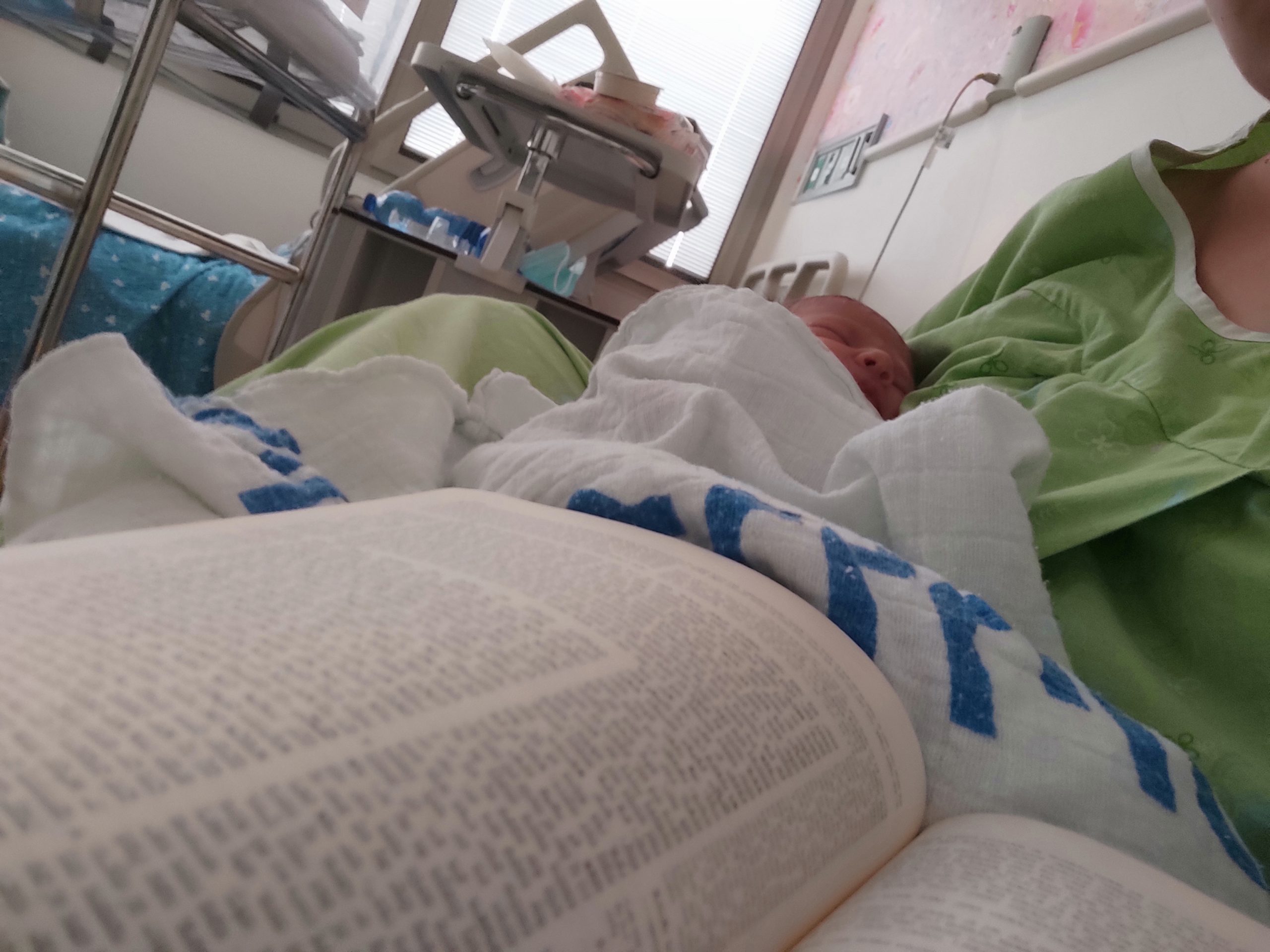
בתחילת הסבב הנוכחי הצטברו אצלי תחושות שאני לא מבינה מספיק מהי ההלכה אותה אני מקיימת בכל יום. כמו כן, כאמא לבנות רציתי לתת להן מודל נשי של לימוד תורה
שתי הסיבות האלו הובילו אותי להתחיל ללמוד. נתקלתי בתגובות מפרגנות וסקרניות איך אישה לומדת גמרא..
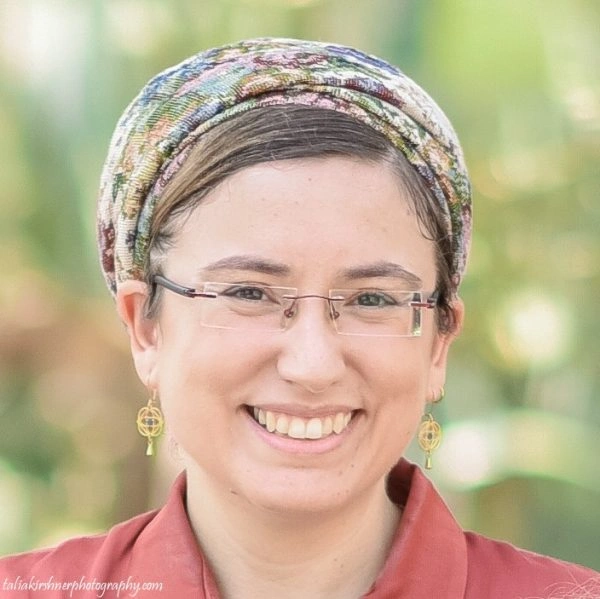
כמו שרואים בתמונה אני ממשיכה ללמוד גם היום ואפילו במחלקת יולדות אחרי לידת ביתי השלישית.

Noa Shiloh
נועה שילה

רבבה, ישראל

בתחילת הסבב הנוכחי של לימוד הדף היומי, נחשפתי לחגיגות המרגשות באירועי הסיום ברחבי העולם. והבטחתי לעצמי שבקרוב אצטרף גם למעגל הלומדות. הסבב התחיל כאשר הייתי בתחילת דרכי בתוכנית קרן אריאל להכשרת יועצות הלכה של נשמ”ת. לא הצלחתי להוסיף את ההתחייבות לדף היומי על הלימוד האינטנסיבי של תוכנית היועצות. בבוקר למחרת המבחן הסופי בנשמ”ת, התחלתי את לימוד הדף במסכת סוכה ומאז לא הפסקתי.

Hana Shaham-Rozby (Dr.)
חנה שחם-רוזבי (ד”ר)

קרית גת, ישראל

"התחלתי ללמוד דף יומי במחזור הזה, בח’ בטבת תש””ף. לקחתי על עצמי את הלימוד כדי ליצור תחום של התמדה יומיומית בחיים, והצטרפתי לקבוצת הלומדים בבית הכנסת בכפר אדומים. המשפחה והסביבה מתפעלים ותומכים.
בלימוד שלי אני מתפעלת בעיקר מכך שכדי ללמוד גמרא יש לדעת ולהכיר את כל הגמרא. זו מעין צבת בצבת עשויה שהיא עצומה בהיקפה.”

Sarah Fox
שרה פוּקס

כפר אדומים, ישראל

התחלתי ללמוד דף יומי לפני שנתיים, עם מסכת שבת. בהתחלה ההתמדה היתה קשה אבל בזכות הקורונה והסגרים הצלחתי להדביק את הפערים בשבתות הארוכות, לסיים את מסכת שבת ולהמשיך עם המסכתות הבאות. עכשיו אני מסיימת בהתרגשות רבה את מסכת חגיגה וסדר מועד ומחכה לסדר הבא!

Ilana-Shachnowitz
אילנה שכנוביץ

מודיעין, ישראל

אחי, שלומד דף יומי ממסכת ברכות, חיפש חברותא ללימוד מסכת ראש השנה והציע לי. החברותא היתה מאתגרת טכנית ורוב הזמן נעשתה דרך הטלפון, כך שבסיום המסכת נפרדו דרכינו. אחי חזר ללמוד לבד, אבל אני כבר נכבשתי בקסם הגמרא ושכנעתי את האיש שלי להצטרף אלי למסכת ביצה. מאז המשכנו הלאה, ועכשיו אנחנו מתרגשים לקראתו של סדר נשים!

Shulamit Saban
שולמית סבן

נוקדים, ישראל

התחלתי ללמוד לפני כשנתיים בשאיפה לסיים לראשונה מסכת אחת במהלך חופשת הלידה.
אחרי מסכת אחת כבר היה קשה להפסיק…

Noa Gallant
נעה גלנט

ירוחם, ישראל

התחלתי ללמוד דף יומי בתחילת מסכת ברכות, עוד לא ידעתי כלום. נחשפתי לסיום הש״ס, ובעצם להתחלה מחדש בתקשורת, הפתיע אותי לטובה שהיה מקום לעיסוק בתורה.
את המסכתות הראשונות למדתי, אבל לא סיימתי (חוץ מעירובין איכשהו). השנה כשהגעתי למדרשה, נכנסתי ללופ, ואני מצליחה להיות חלק, סיימתי עם החברותא שלי את כל המסכתות הקצרות, גם כשהיינו חולות קורונה ובבידודים, למדנו לבד, העיקר לא לצבור פער, ומחכות ליבמות 🙂

Eden Yeshuron
עדן ישורון

מזכרת בתיה, ישראל

A friend in the SF Bay Area said in Dec 2019 that she might start listening on her morning drive to work. I mentioned to my husband and we decided to try the Daf when it began in Jan 2020 as part of our preparing to make Aliyah in the summer.

Hana Piotrkovsky
חנה פיוטרקובסקי

ירושלים, Israel

התחלתי ללמוד דף יומי בסבב הקודם. זכיתי לסיים אותו במעמד המרגש של הדרן. בסבב הראשון ליווה אותי הספק, שאולי לא אצליח לעמוד בקצב ולהתמיד. בסבב השני אני לומדת ברוגע, מתוך אמונה ביכולתי ללמוד ולסיים. בסבב הלימוד הראשון ליוותה אותי חוויה מסויימת של בדידות. הדרן העניקה לי קהילת לימוד ואחוות נשים. החוויה של סיום הש”ס במעמד כה גדול כשנשים שאינן מכירות אותי, שמחות ומתרגשות עבורי , היתה חוויה מרוממת נפש

Ilanit Weil
אילנית ווייל

קיבוץ מגדל עוז, ישראל

My explorations into Gemara started a few days into the present cycle. I binged learnt and become addicted. I’m fascinated by the rich "tapestry” of intertwined themes, connections between Masechtot, conversations between generations of Rabbanim and learners past and present all over the world. My life has acquired a golden thread, linking generations with our amazing heritage.
Thank you.

Susan Kasdan
סוזן כשדן

חשמונאים, Israel

התחלתי לפני 8 שנים במדרשה. לאחרונה סיימתי מסכת תענית בלמידה עצמית ועכשיו לקראת סיום מסכת מגילה.

Daniela Baruchim
דניאלה ברוכים

רעננה, ישראל

רציתי לקבל ידע בתחום שהרגשתי שהוא גדול וחשוב אך נעלם ממני. הלימוד מעניק אתגר וסיפוק ומעמיק את תחושת השייכות שלי לתורה וליהדות

Ruth Agiv
רות עגיב

עלי זהב – לשם, ישראל

בבא קמא לו

רָאוּי לִיטּוֹל, וְאֵין לוֹ. וְהָתַנְיָא: הֲרֵי זֶה מִשְׁתַּלֵּם לַקָּטָן מִן הַמּוּעָד, וְלַגָּדוֹל מִן הַתָּם! דִּתְפַס.

The Gemara answers: The mishna does not indicate that the injured party receives compensation. Rather, it indicates that it is fitting for him to take compensation, but in practice he does not receive any compensation. The Gemara asks: But isn’t it taught in a baraita that he receives payment for his small ox from the liable party’s forewarned ox, and for his large ox from the liable party’s innocuous ox? Evidently he does receive payment. The Gemara answers: This baraita is also referring to a case where the injured party seized the defendant’s ox, in which case the court allows it to remain in his possession. The court cannot compel the defendant to pay him ab initio.

הָיוּ שְׁנֵיהֶם שֶׁל אִישׁ אֶחָד – שְׁנֵיהֶם חַיָּיבִים. אֲמַר לֵיהּ רָבָא מִפַּרְזִיקָא לְרַב אָשֵׁי: שְׁמַע מִינַּהּ, שְׁוָורִים תַּמִּים שֶׁהִזִּיקוּ – רָצָה מִזֶּה גּוֹבֶה, רָצָה מִזֶּה גּוֹבֶה.

§ The mishna teaches: In a case where an ox was injured by one of two oxen that were pursuing it, if both oxen belonged to one person, both are liable. Rava of Parzika said to Rav Ashi: Should one learn from the fact that both are liable that in a case of innocuous oxen that caused damage, if the injured party wishes, he can collect damages from the proceeds from the sale of this ox, and if he wishes, he can collect from the sale of that ox?

הָכָא בְּמַאי עָסְקִינַן – בְּמוּעָדִין.

Rav Ashi rejected this inference: With what are we dealing here? We are dealing with forewarned oxen, in which case the injured party does not collect damages exclusively from the belligerent ox but rather from any of its owner’s property. Therefore, he can collect from either ox as compensation.

אִי בְּמוּעָדִין, אֵימָא סֵיפָא: הָיָה אֶחָד גָּדוֹל וְאֶחָד קָטָן, הַנִּיזָּק אוֹמֵר: ״גָּדוֹל הִזִּיק״, וְהַמַּזִּיק אוֹמֵר: ״לֹא כִי, אֶלָּא קָטָן הִזִּיק״ – הַמּוֹצִיא מֵחֲבֵירוֹ עָלָיו הָרְאָיָה. אִי בְּמוּעָדִין, מַאי נָפְקָא לֵיהּ מִינֵּיהּ? סוֹף סוֹף, דְּמֵי תּוֹרָא מְעַלְּיָא בָּעֵי לְשַׁלּוֹמֵי!

Rava of Parzika replied: If the mishna is referring to forewarned oxen, say the latter clause of the mishna: If one of the belligerent oxen was large and the other one was small, and the injured party says that the large ox caused the damage, but the one liable for damage says: No; rather, the small ox caused the damage, the burden of proof rests upon the claimant. If this is referring to forewarned oxen, what difference does it make to him which one caused the injury? Ultimately, the liable party is required to pay the value of a full ox in any case.

אֲמַר לֵיהּ: סֵיפָא בְּתַמִּין, וְרֵישָׁא בְּמוּעָדִין.

Rav Ashi said to him: The latter clause of the mishna is referring to innocuous oxen, and the first clause is referring to forewarned oxen.

אֲמַר לֵיהּ רַב אַחָא סָבָא לְרַב אָשֵׁי: אִי בְּמוּעָדִין, ״חַיָּיבִים״?! ״חַיָּיב גַּבְרָא״ מִיבְּעֵי לֵיהּ! וְתוּ, מַאי ״שְׁנֵיהֶם״?

Rav Aḥa the Elder said to Rav Ashi: If it is referring to a case of forewarned oxen, where compensation is not collected specifically from the belligerent ox, why does the mishna state: They are liable, in the plural form? It should have stated: The man is liable. And furthermore, what is the word both in the statement: Both are liable, referring to?

אֶלָּא לְעוֹלָם בְּתַמִּין; וְרַבִּי עֲקִיבָא הִיא, דְּאָמַר: שׁוּתָּפִין נִינְהוּ; וְטַעְמָא דְּאִיתַנְהוּ לְתַרְוַיְיהוּ – דְּלָא מָצֵי מְדַחֵי לֵיהּ, אֲבָל לֵיתַנְהוּ לְתַרְוַיְיהוּ – מָצֵי אֲמַר לֵיהּ: זִיל אַיְיתִי רְאָיָה דְּהַאי תּוֹרָא אַזְּקָךְ, וַאֲשַׁלֵּם לָךְ.

Rather, the first clause of the mishna is actually referring to innocuous oxen, and it is the opinion of Rabbi Akiva, who says that the injured party and the liable party are partners, as they share ownership of the belligerent ox. And therefore, the reason that the owner of the belligerent oxen is liable is that the two of them are available, so he cannot dismiss the injured party by claiming that this ox is not the one that caused the injury. But if the two of them are not available, e.g., if one died or was lost, he can say to the injured party: Go bring proof that it was this ox that caused you damage, and I will pay you compensation.

הֲדַרַן עֲלָךְ הַמַּנִּיחַ

מַתְנִי׳ שׁוֹר שֶׁנָּגַח אַרְבָּעָה וַחֲמִשָּׁה שְׁוָורִים זֶה אַחַר זֶה – יְשַׁלֵּם לָאַחֲרוֹן שֶׁבָּהֶם, וְאִם יֵשׁ בּוֹ מוֹתָר – יַחֲזִיר לְשֶׁלְּפָנָיו, וְאִם יֵשׁ בּוֹ מוֹתָר – יַחֲזִיר לְשֶׁלִּפְנֵי פָנָיו, וְהָאַחֲרוֹן אַחֲרוֹן נִשְׂכָּר; דִּבְרֵי רַבִּי מֵאִיר.

MISHNA: With regard to an innocuous ox that gored four or five other oxen one after the other, its owner shall pay the owner of the last one of them half of the damages from the proceeds of the sale of the belligerent ox; and if there is surplus value left in his ox after he pays that owner, he shall return it to the owner of the previous ox that was gored; and if there is still surplus value left in his ox after he pays that owner, he shall return it to the one prior to the previous one. The principle is that the owner of the latest of the oxen gored in succession gains. This is the statement of Rabbi Meir.

רַבִּי שִׁמְעוֹן אוֹמֵר: שׁוֹר שָׁוֶה מָאתַיִם שֶׁנָּגַח לְשׁוֹר שָׁוֶה מָאתַיִם, וְאֵין הַנְּבֵלָה יָפָה כְּלוּם – זֶה נוֹטֵל מָנֶה, וְזֶה נוֹטֵל מָנֶה.

Rabbi Shimon says that the division of the compensation is as follows: With regard to an innocuous ox worth two hundred dinars that gored an ox worth two hundred dinars, thereby killing it, and the carcass is worthless, the injured party takes one hundred dinars, i.e., half the cost of the damage, from the proceeds of the sale of the belligerent ox, and the owner of the belligerent ox takes the remaining one hundred dinars.

חָזַר וְנָגַח שׁוֹר אַחֵר שָׁוֶה מָאתַיִם – הָאַחֲרוֹן נוֹטֵל מָנֶה; וְשֶׁלְּפָנָיו – זֶה נוֹטֵל חֲמִשִּׁים זוּז, וְזֶה נוֹטֵל חֲמִשִּׁים זוּז.

If the ox, after goring the first ox but before compensation had been paid, again gored another ox worth two hundred dinars, and the carcass is worthless, the owner of the last ox that was gored takes one hundred dinars, and with regard to payment for the previous goring, the owner of this ox that was gored takes fifty dinars, which is half the remaining value of the belligerent ox after one hundred dinars were paid to the last injured party, and the owner of that belligerent ox takes the remaining fifty dinars.

חָזַר וְנָגַח שׁוֹר אַחֵר שָׁוֶה מָאתַיִם – הָאַחֲרוֹן נוֹטֵל מָנֶה, וְשֶׁלְּפָנָיו חֲמִשִּׁים זוּז, וּשְׁנַיִם הָרִאשׁוֹנִים – דִּינַר זָהָב.

If the ox, after goring the first two oxen but before compensation had been paid, again gored another ox worth two hundred dinars, and the carcass is worthless, the last injured party takes one hundred dinars, the previous one takes fifty dinars, and the first two, i.e., the first injured party and the owner of the belligerent ox, divide the remainder, each receiving one gold dinar, which is worth twenty-five silver dinars.

גְּמָ׳ מַתְנִיתִין מַנִּי? דְּלָא כְּרַבִּי יִשְׁמָעֵאל, וּדְלָא כְּרַבִּי עֲקִיבָא!

GEMARA: Whose opinion is expressed in the mishna? Apparently the mishna is neither in accordance with the opinion of Rabbi Yishmael, nor in accordance with the opinion of Rabbi Akiva (see 33a).

אִי כְּרַבִּי יִשְׁמָעֵאל דְּאָמַר בַּעֲלֵי חוֹבוֹת נִינְהוּ, הַאי ״אַחֲרוֹן אַחֲרוֹן נִשְׂכָּר״?! ״רִאשׁוֹן רִאשׁוֹן נִשְׂכָּר״ מִבְּעֵי לֵיהּ! אִי כְּרַבִּי עֲקִיבָא דְּאָמַר תּוֹרָא דְשׁוּתָּפֵי הוּא, הַאי ״יֵשׁ בּוֹ מוֹתָר –

The Gemara explains: If the mishna had been in accordance with the opinion of Rabbi Yishmael, who says that the owners of the gored oxen are considered creditors of the owner of the belligerent ox, then instead of stating this halakha that the owner of the latest of the oxen gored in succession gains, the mishna should have stated that the owner of the earliest of the oxen gored in succession gains, since the creditor to whom the ox is initially liened collects first. And if the mishna had been in accordance with the opinion of Rabbi Akiva, who says that the belligerent ox belongs to its owner and to the injured party, who are considered partners in the ownership of the ox, then instead of stating this ruling that if there is surplus value remaining in the ox after he pays that owner

יַחֲזִיר לְשֶׁלְּפָנָיו״?! ״לְכוּלָּם״ מִבְּעֵי לֵיהּ!

he shall return it to the owner of the previous ox, the mishna should have ruled that the surplus shall be returned to all of them, i.e., all the prior injured parties, since they all share joint ownership of the belligerent ox.

אָמַר רָבָא: לְעוֹלָם כְּרַבִּי יִשְׁמָעֵאל – דְּאָמַר בַּעֲלֵי חוֹבוֹת נִינְהוּ; וּדְקַשְׁיָא לָךְ: ״אַחֲרוֹן אַחֲרוֹן נִשְׂכָּר״?! ״רִאשׁוֹן רִאשׁוֹן נִשְׂכָּר״ מִבְּעֵי לֵיהּ! הָכָא בְּמַאי עָסְקִינַן – כְּגוֹן שֶׁתְּפָסוֹ נִיזָּק לִגְבּוֹת הֵימֶנּוּ, וְנַעֲשָׂה עָלָיו כְּשׁוֹמֵר שָׂכָר לִנְזָקִין.

Rava said: Actually, the mishna is in accordance with the opinion of Rabbi Yishmael, who says that all the injured parties are creditors. And as for the difficulty you pose, that instead of stating that the owner of the latest of the oxen gored in succession gains, the mishna should have stated that the owner of the earliest of the oxen gored in succession gains, that can be answered. With what are we dealing here? We are dealing with a case where the first injured party seized the ox to collect payment from it, and consequently became like a paid bailee with regard to damage it causes. Therefore, he is responsible for any subsequent attacks by the ox. Similarly, if the next injured party seizes the ox from the first as compensation, he becomes responsible for any subsequent attacks.

אִי הָכִי, ״יֵשׁ בּוֹ מוֹתָר – יַחֲזִיר לְשֶׁלְּפָנָיו״?! ״יַחֲזִיר לַבְּעָלִים״ מִבְּעֵי לֵיהּ!

The Gemara asks: If so, instead of the mishna stating that if there is surplus value left in his ox after he pays that owner, he shall return it to the owner of the previous ox that was gored, it should have stated that he shall return it to its owner, since half the value of the belligerent ox belongs to its owner, who is not responsible for any later damage it causes.

אָמַר רָבִינָא, הָכִי קָתָנֵי: אִם יֵשׁ בּוֹ מוֹתָר בִּנְזָקָיו – יַחֲזִיר לְשֶׁלְּפָנָיו.

Ravina said that this is what the mishna is teaching: If there is surplus value with regard to its damages, i.e., the latter injured party sustained less of a loss than the previous one, that injured party shall return this surplus value to the previous injured party.

וְכֵן כִּי אֲתָא רָבִין, אָמַר רַבִּי יוֹחָנָן: מִשּׁוּם פְּשִׁיעַת שׁוֹמְרִין נָגְעוּ בָּהּ.

Similarly, when Ravin came from Eretz Yisrael, he related that Rabbi Yoḥanan said: The mishna touched on this topic with regard to a bailee’s negligence.

בְּמַאי אוֹקֵימְתַּהּ – כְּרַבִּי יִשְׁמָעֵאל; אִי הָכִי, אֵימָא סֵיפָא, רַבִּי שִׁמְעוֹן אוֹמֵר: שׁוֹר שָׁוֶה מָאתַיִם שֶׁנָּגַח שׁוֹר שָׁוֶה מָאתַיִם, וְאֵין הַנְּבֵלָה יָפָה כְּלוּם – זֶה נוֹטֵל מָנֶה וְזֶה נוֹטֵל מָנֶה.

The Gemara asks: In accordance with which opinion did you interpret the ruling in the mishna? Was it in accordance with the opinion of Rabbi Yishmael? If so, say the latter clause of the mishna: Rabbi Shimon says that the division of the compensation is as follows: With regard to an innocuous ox worth two hundred dinars that gored an ox worth two hundred dinars, thereby killing it, and the carcass is worthless, the injured party takes one hundred dinars from the proceeds of the sale of the belligerent ox, and the owner of the belligerent ox takes the remaining one hundred dinars.

חָזַר וְנָגַח שׁוֹר אַחֵר שָׁוֶה מָאתַיִם – הָאַחֲרוֹן נוֹטֵל מָנֶה, וְשֶׁלְּפָנָיו – זֶה נוֹטֵל חֲמִשִּׁים זוּז, וְזֶה נוֹטֵל חֲמִשִּׁים זוּז. חָזַר וְנָגַח שׁוֹר שָׁוֶה מָאתַיִם – הָאַחֲרוֹן נוֹטֵל מָנֶה, וְשֶׁלְּפָנָיו נוֹטֵל חֲמִשִּׁים זוּז, וּשְׁנַיִם הָרִאשׁוֹנִים דִּינַר זָהָב.

If the ox, after goring the first ox but before compensation had been paid, again gored another ox worth two hundred dinars, and the carcass is worthless, the owner of the last ox that was gored takes one hundred dinars; and with regard to payment for the previous goring, the owner of this ox that was gored takes fifty dinars, which is half the remaining value of the belligerent ox after one hundred dinars were paid to the last injured party, and the owner of that belligerent ox takes the remaining fifty dinars. If the ox, after goring the first two oxen but before compensation had been paid, again gored another ox worth two hundred dinars, and the carcass is worthless, the last injured party takes one hundred dinars, the previous one takes fifty dinars, and the first two divide the remainder, each receiving one gold dinar, which is worth twenty-five silver dinars.

אֲתָאן לְרַבִּי עֲקִיבָא, דְּאָמַר: תּוֹרָא דְשׁוּתָּפֵי הוּא; רֵישָׁא רַבִּי יִשְׁמָעֵאל וְסֵיפָא רַבִּי עֲקִיבָא?

The Gemara continues: In the ruling of Rabbi Shimon, we arrive at the opinion of Rabbi Akiva, who says that the ox belongs to its owner and to the injured party, who are considered partners in the ownership of the ox. Is it possible that the first clause is in accordance with the opinion of Rabbi Yishmael and the latter clause is in accordance with the opinion of Rabbi Akiva?

אָמְרִי: אִין, דְּהָא אֲמַר לֵיהּ שְׁמוּאֵל לְרַב יְהוּדָה: שִׁינָּנָא, שְׁבוֹק מַתְנִיתִין וְתָא בָּתְרַאי – רֵישָׁא רַבִּי יִשְׁמָעֵאל וְסֵיפָא רַבִּי עֲקִיבָא.

The Sages said that yes, this is the case, as Shmuel said to Rav Yehuda: Shinnana, leave the presumption that the entire mishna follows one opinion and follow my interpretation: The first clause is in accordance with the opinion of Rabbi Yishmael and the latter clause is in accordance with the opinion of Rabbi Akiva.

אִתְּמַר נָמֵי, אָמַר רַבִּי יוֹחָנָן: הִקְדִּישׁוֹ נִיזָּק אִיכָּא בֵּינַיְיהוּ.

It was also stated that Rabbi Yoḥanan says: The practical difference between the opinions of Rabbi Meir and Rabbi Shimon in the mishna is with regard to a case where the injured party consecrated the ox. If he is a partner in the ownership of the ox, his consecration takes effect; if he is considered merely a creditor, the consecration is ineffective. Evidently, Rabbi Yoḥanan also holds that the dispute in the mishna corresponds to the dispute between Rabbi Yishmael and Rabbi Akiva.

תְּנַן הָתָם: הַתּוֹקֵעַ לַחֲבֵירוֹ – נוֹתֵן לוֹ סֶלַע. רַבִּי יְהוּדָה אוֹמֵר מִשּׁוּם רַבִּי יוֹסֵי הַגְּלִילִי: מָנֶה.

§ With regard to the gold dinar mentioned in the mishna, we learned in another mishna there (90a): One who slaps [hatokea] another is liable to give him a sela as a compensatory fine. Rabbi Yehuda says in the name of Rabbi Yosei HaGelili: He is liable to give him one hundred dinars.

הָהוּא גַּבְרָא דִּתְקַע לְחַבְרֵיהּ. שַׁלְּחֵיהּ רַב טוֹבִיָּה בַּר מַתְנָה לְקַמֵּיהּ דְּרַב יוֹסֵף: סֶלַע צוֹרִי תְּנַן, אוֹ סֶלַע מְדִינָה תְּנַן?

The Gemara relates: There was a certain man who slapped another. Rav Toviya bar Mattana sent an enquiry before Rav Yosef, asking him whether the sela we learned about in the mishna is referring to a Tyrian sela, which is worth four dinars, or whether the sela we learned about in the mishna is referring to a provincial sela, worth only half of a dinar, or one-eighth of a Tyrian sela.

אֲמַר לֵיהּ, תְּנֵיתוּהָ: וּשְׁנַיִם הָרִאשׁוֹנִים דִּינַר זָהָב. וְאִי סָלְקָא דַעְתָּךְ תָּנֵי תַּנָּא סֶלַע מְדִינָה, נִפְלוֹג וְנִתְנֵי עַד תְּרֵיסַר וְסֶלַע!

Rav Yosef said to him: You learned this in a mishna: And the first two divide the remainder, each receiving one gold dinar, worth twenty-five silver dinars. And if it enters your mind that the tanna teaches monetary sums using a provincial sela in order to calculate compensation, let him further divide the value that the first two litigants receive and teach a case where the belligerent ox gored an additional ox, so that their shares decrease until they reach twelve dinars and one sela apiece, which are twelve and a half dinars. The fact that he does not do so indicates that the mishna does not use a provincial sela, whose value is less than one dinar, and therefore a gold dinar cannot be divided in a manner that leaves each party with whole coins.

אֲמַר לֵיהּ: תַּנָּא כִּי רוֹכְלָא לִיתְנֵי וְלֵיזִיל?!

Rav Toviya bar Mattana said to him: This is not proof; should the tanna have continued teaching additional cases, exhausting all possibilities, like a peddler selling his wares, who advertises every item of his merchandise? The cases cited in the mishna suffice to illustrate the point.

מַאי הָוֵי עֲלַהּ? פַּשְׁטוּהָ מֵהָא דְּאָמַר רַב יְהוּדָה אָמַר רַב: כׇּל כֶּסֶף הָאָמוּר בַּתּוֹרָה – כֶּסֶף צוֹרִי, וְשֶׁל דִּבְרֵיהֶם – כֶּסֶף מְדִינָה.

What halakhic conclusion was reached about this matter? The Sages resolved it based on that which Rav Yehuda says that Rav says: All references to coinage mentioned in the Torah refer to Tyrian coinage, whereas all mentions of coinage in the statements of the Sages refer to provincial coinage. Therefore, a person who slaps another is fined a provincial sela, worth half of a dinar.

אֲמַר לֵיהּ הַהוּא גַּבְרָא: הוֹאִיל וּפַלְגָא דְזוּזָא הוּא – לָא בָּעֵינָא, נִתְּבֵיהּ לַעֲנִיִּים. הֲדַר אֲמַר לֵיהּ: נִתְּבֵיהּ נִיהֲלִי, אֵיזִיל וְאַבְרֵי בֵּיהּ נַפְשַׁאי.

Following the verdict, that man who was slapped said to Rav Yosef: Since the fine is only half a dinar, I do not want it, as it is beneath me to collect such an amount. Instead, let him give it to the poor. Then he retracted his decision, and said to Rav Yosef: Let him give it to me, and I will go and sustain [ve’avri] myself with it.

אֲמַר לֵיהּ רַב יוֹסֵף: כְּבָר זְכוֹ בֵּיהּ עֲנִיִּים. וְאַף עַל גַּב דְּלֵיכָּא עֲנִיִּים הָכָא, אֲנַן יַד עֲנִיִּים אֲנַן. דְּאָמַר רַב יְהוּדָה אָמַר שְׁמוּאֵל: יְתוֹמִים

Rav Yosef said to him: Since you already committed to give it to charity, the poor have already acquired it and it now belongs to them. And although there are no poor people here to acquire it, we, the court, are the hand, i.e., the legal extension, of the poor. We represent them, as Rav Yehuda says that Shmuel says: Orphans

רוצה לעקוב אחרי התכנים ולהמשיך ללמוד?

ביצירת חשבון עוד היום ניתן לעקוב אחרי ההתקדמות שלך, לסמן מה למדת, ולעקוב אחרי השיעורים שמעניינים אותך.

לנקות את כל הפריטים מהרשימה?

פעולה זו תסיר את כל הפריטים בחלק זה כולל ההתקדמות וההיסטוריה. שימי לב: לא ניתן לשחזר פעולה זו.

ביטול
מחיקה

האם את/ה בטוח/ה שברצונך למחוק פריט זה?

תאבד/י את כל ההתקדמות או ההיסטוריה הקשורות לפריט זה.

ביטול
מחיקה