חיפוש

בבא קמא נו

רוצה להקדיש לימוד?

podcast placeholder

0:00
0:00


תקציר

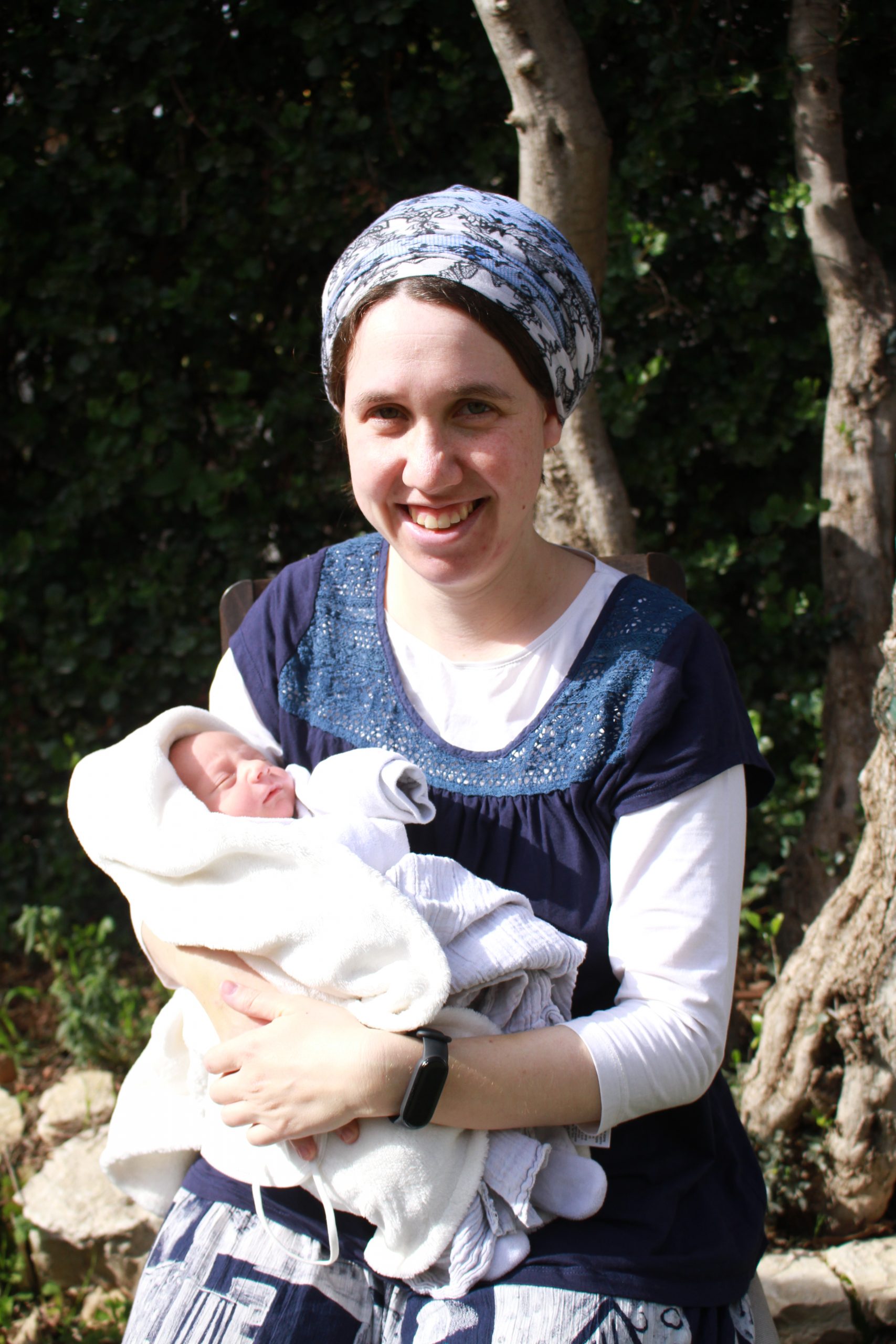
הלימוד השבוע מוקדש ע”י מרים אדלר לכבוד הולדת נכדה, נטע, שמשפחתו פונתה מקיבוץ סעד. "שמו מסמל את התקווה שיהיו חיים מחודשים וצמיחה בעוטף ובכל ישראל.”

ברייתא מונה ארבעה מצבים שבהם אחד גורם נזק ובכל זאת אינו מתחייב בבית דין אלא אחראי בבית דין של שמיים. הגמרא מגדירה את הנסיבות הספציפיות של כל מקרה. עם זאת, הם שואלים מדוע הרשימה מוגבלת לארבעה אלה ואינה מזכירה מקרים אחרים שיש להם אותו דין (שטור מדיני אדם וחחיב בדיני שמיים). יש הבחנה – המקרים המפורטים בברייתא הם כולם מצבים שבהם אפשר היה לחשוב שאפילו לא יהיה חייב בבית דין של שמיים ולכן היה צורף להזכירם. אם לבעל הבהמה יש גדר נעול ופרצה בלילה והבהמה הזיקה, פטור. האם המקרה הוא שהבהמה ניסתה להתגנב מתחת לקיר ושברה את הקיר, או שהקיר נפל מעצמה או בדרך אחרת? איזה סוג קיר? אם הגנב לוקח את הבהמה בידיו, הגנב חייב. האם זה לא מובן מאליו כי גנב מקבל בעלות על פריט גנוב ואחראי לנזקים? יש שני הסברים מוצעים להבין את המקרה במשנה. אם זה ניתן לרועה, הרועה אחראי לנזקים. האם זה לא מובן מאליו כפי שנלמד כבר במשנה אחרת? מבואר שהמקרה הוא לגבי שומר שנתן לשומר אחר לשמור. האם זה סותר פסיקה של רבא במקרה זה? האם מי ששומר על חפץ שנאבד (שחייבים להחזירו) אחראי כמו שומר חנם או כשומר שכר? מה ההיגיון מאחורי כל אפשרות?

בבא קמא נו

בְּכוֹתֶל רָעוּעַ.

the baraita is speaking of an unstable wall that was about to fall and break in any event, and so his action did not actually cause any loss to the owner.

אָמַר מָר: הַכּוֹפֵף קָמָתוֹ שֶׁל חֲבֵירוֹ בִּפְנֵי הַדְּלֵיקָה. הֵיכִי דָמֵי? אִילֵּימָא דְּמָטְיָא לֵיהּ בְּרוּחַ מְצוּיָה, בְּדִינֵי אָדָם נָמֵי נִחַיַּיב! אֶלָּא דְּמָטְיָא בְּרוּחַ שֶׁאֵינָהּ מְצוּיָה.

The Master says: With regard to the case mentioned in the baraita of one who bends another’s standing grain before a fire, what are the circumstances? If we say that the baraita is referring to a case where the fire would reach the bent grain in a typical wind, let him also be liable for the damage according to human laws. Rather, it must be a case where the fire could reach the bent grain only in an atypical wind. Therefore, he is exempt according to human laws, and, since the grain was destroyed due to his action, he is liable according to the laws of Heaven.

וְרַב אָשֵׁי אָמַר: טָמוּן אִתְּמַר, מִשּׁוּם דְּשַׁוְּיַהּ טָמוּן בָּאֵשׁ.

And Rav Ashi offered an alternative explanation and said: The baraita was stated in the case of a concealed item; in other words, this person did not bend the grain toward the fire but bent it over another item in order to conceal it. One is not liable to pay restitution for concealed items damaged by fire. Therefore, when this person bent the grain over an item, he caused indirect damage to the owner of that item because he made it into a concealed item that was subsequently damaged by fire, and the owner cannot reclaim his loss.

אָמַר מָר: הַשּׂוֹכֵר עֵדֵי שֶׁקֶר. הֵיכִי דָמֵי? אִילֵּימָא לְנַפְשֵׁיהּ – מָמוֹנָא בָּעֵי שַׁלּוֹמֵי, וּבְדִינֵי אָדָם נָמֵי נִיחַיַּיב! אֶלָּא לְחַבְרֵיהּ.

The Master says: With regard to the case mentioned in the baraita of one who hires false witnesses, what are the circumstances? If we say that he hired them for his own benefit, in order to extract payment from another, he is required to reimburse that person with money, and he is liable according to human laws for receiving money under false circumstances. Rather, the case is one where he hired false witnesses for the benefit of another. In such a case the injured party cannot sue the other litigant, since the latter did not hire the witnesses, nor can he sue the person who hired them, since that person received no personal benefit.

וְהַיּוֹדֵעַ עֵדוּת לַחֲבֵירוֹ וְאֵינוֹ מֵעִיד לוֹ. בְּמַאי עָסְקִינַן? אִילֵימָא בְּבֵי תְרֵי – פְּשִׁיטָא! דְּאוֹרָיְיתָא הוּא – ״אִם לוֹא יַגִּיד, וְנָשָׂא עֲוֹנוֹ״!

The baraita teaches: And one who knows testimony in support of another but does not testify on his behalf is exempt from liability according to human laws but liable according to the laws of Heaven. With what circumstances are we dealing? If we say that the case involves two people who could testify, and their evidence would render the other party liable to pay, it is obvious that each of them is liable according to the laws of Heaven; he has committed a transgression by Torah law: “If he does not utter it, then he shall bear his iniquity” (Leviticus 5:1). Therefore, it is unnecessary for the baraita to mention this case.

אֶלָּא בְּחַד.

Rather, the case of the baraita concerns a single witness, whose testimony is not sufficient to render another liable, and to which the transgression of Torah law consequently does not apply. Nevertheless, a litigant can be forced to take an oath based on the testimony of a single witness, and refusal to take this oath would obligate the litigant to pay. Therefore, the witness has caused an indirect loss and is liable according to the laws of Heaven.

וְתוּ לֵיכָּא? וְהָאִיכָּא (סִימָן: הָעוֹשֶׂה, בְּסַם, וּשְׁלִיחַ, חֲבֵירוֹ, נִשְׁבַּר.) הָעוֹשֶׂה מְלָאכָה בְּמֵי חַטָּאת וּבְפָרַת חַטָּאת – פָּטוּר מִדִּינֵי אָדָם, וְחַיָּיב בְּדִינֵי שָׁמַיִם!

The Gemara asks: And is there nothing else, i.e., is there no other case in which one is exempt according to human laws but liable according to the laws of Heaven? But there is such a case. And before citing several cases that are not written in the baraita the Gemara presents a mnemonic device: One who performs; with poison; and an agent; another; is broken. The Gemara returns to the first case: One who performs labor with water of purification, which was meant to be used to purify one rendered ritually impure by a corpse, thereby rendering the water unfit for use, or who performs labor with the red heifer of purification, invalidating the animal for use as an element of the purification ritual, is exempt according to human laws, since the damage he caused is not evident, but liable according to the laws of Heaven, as he caused a financial loss.

וְהָאִיכָּא הַנּוֹתֵן סַם הַמָּוֶת בִּפְנֵי בֶּהֱמַת חֲבֵירוֹ – פָּטוּר מִדִּינֵי אָדָם, וְחַיָּיב בְּדִינֵי שָׁמַיִם!

The Gemara adds: But there is the following halakha: With regard to one who places poison before another’s animal, and the animal eats it and dies, he is exempt according to human laws, since the animal caused its own death, but liable according to the laws of Heaven.

וְהָאִיכָּא הַשּׁוֹלֵחַ אֶת הַבְּעֵרָה בְּיַד חֵרֵשׁ שׁוֹטֶה וְקָטָן – פָּטוּר מִדִּינֵי אָדָם, וְחַיָּיב בְּדִינֵי שָׁמַיִם!

The Gemara adds: But there is the case of one who sends an exposed flame in the hand of a deaf-mute, an imbecile, or a minor, and the fire spreads, causing damage; he is exempt according to human laws but liable according to the laws of Heaven.

וְהָאִיכָּא הַמַּבְעִית אֶת חֲבֵירוֹ – פָּטוּר מִדִּינֵי אָדָם, וְחַיָּיב בְּדִינֵי שָׁמַיִם!

The Gemara adds: But there is the case of one who frightens another without touching him, but causes him injury; he is exempt according to human laws but liable according to the laws of Heaven.

וְהָאִיכָּא נִשְׁבְּרָה כַּדּוֹ בִּרְשׁוּת הָרַבִּים וְלֹא סִילְּקָהּ, נָפְלָה גְּמַלּוֹ וְלֹא הֶעֱמִידָהּ – רַבִּי מֵאִיר מְחַיֵּיב בְּהֶזֵּיקָן, וַחֲכָמִים אוֹמְרִים: פָּטוּר בְּדִינֵי אָדָם, וְחַיָּיב בְּדִינֵי שָׁמַיִם!

The Gemara adds: But there is the case of one whose jug broke in the public domain and he did not remove the broken pieces, or one whose camel fell and he did not stand it up again. Rabbi Meir deems the owner of jug or of the camel liable for the damage thereby caused to others, and the Rabbis say that he is exempt according to human laws but liable according to the laws of Heaven. Since there are so many other cases, why did Rabbi Yehoshua claim in the baraita that there are only four cases when one is exempt according to human laws but liable according to the laws of Heaven?

אִין, מִיהָא אִיכָּא טוּבָא; וְהָנֵי אִצְטְרִיכָא לֵיהּ – מַהוּ דְּתֵימָא בְּדִינֵי שָׁמַיִם נָמֵי לָא לִיחַיַּיב, קָא מַשְׁמַע לַן.

The Gemara answers: Yes, there are, in any event, many other cases, but Rabbi Yehoshua held that it was necessary for him to state the halakha of these four cases. The reason he stated them is lest you say that in these cases one should not be liable even according to the laws of Heaven. Therefore, Rabbi Yehoshua teaches us that in these cases one is liable according to the laws of Heaven.

הַפּוֹרֵץ גָּדֵר בִּפְנֵי בֶּהֱמַת חֲבֵירוֹ – מַהוּ דְּתֵימָא: כֵּיוָן דִּלְמִסְתְּרֵיהּ קָאֵי, מָה עָבֵיד? בְּדִינֵי שָׁמַיִם נָמֵי לָא לִיחַיַּיב; קָא מַשְׁמַע לַן.

The Gemara explains why one might have thought that there is no liability at all for each case in the baraita: Rabbi Yehoshua taught that one who breaches a fence that stood before another’s animal, thereby allowing the animal to escape, is liable according to the laws of Heaven, lest you say: Since the fence is about to collapse even without this person’s intervention, what did he really do? Based on that logic, one might have thought that he should not be liable even according to the laws of Heaven. Therefore, Rabbi Yehoshua teaches us that in such a case he is liable according to the laws of Heaven.

הַכּוֹפֵף קָמָתוֹ שֶׁל חֲבֵירוֹ נָמֵי – מַהוּ דְּתֵימָא, לֵימָא: מִי הֲוָה יָדַעְנָא דְּאָתְיָא רוּחַ שֶׁאֵינָהּ מְצוּיָה? וּבְדִינֵי שָׁמַיִם נָמֵי לָא לִיחַיַּיב; קָא מַשְׁמַע לַן.

Rabbi Yehoshua taught that one who bends another’s standing grain is liable according to the laws of Heaven, lest you say: Let the one who bent the grain say to the owner: Did I know that an atypical wind would come and cause the fire to spread? Based on that logic, one might have thought that he should not be liable even according to the laws of Heaven. Therefore, Rabbi Yehoshua teaches us that in such a case he is liable according to the laws of Heaven.

וּלְרַב אָשֵׁי – דְּאָמַר נָמֵי טָמוּן אִיתְּמַר, מַהוּ דְּתֵימָא: ״אֲנָא כַּסּוֹיֵי כַּסִּיתֵיהּ נִיהֲלָךְ״, וּבְדִינֵי שָׁמַיִם נָמֵי לָא לִיחַיַּיב; קָא מַשְׁמַע לַן.

And according to Rav Ashi, who said that Rabbi Yehoshua’s ruling was stated with regard to the case of a concealed item, Rabbi Yehoshua mentioned liability according to the laws of Heaven lest you say that the one who concealed the item could say: I covered it for you in order to protect it from the fire. Based on that logic, one might have thought that he should not be liable even according to the laws of Heaven. Therefore, Rabbi Yehoshua teaches us that in such a case he is liable according to the laws of Heaven.

וְהַשּׂוֹכֵר עֵדֵי שֶׁקֶר נָמֵי – מַהוּ דְּתֵימָא, לֵימָא: דִּבְרֵי הָרַב וְדִבְרֵי הַתַּלְמִיד, דִּבְרֵי מִי שׁוֹמְעִין? וּבְדִינֵי שָׁמַיִם נָמֵי לָא לִיחַיַּיב; קָא מַשְׁמַע לַן.

And Rabbi Yehoshua taught that there is liability also in the case of one who hires false witnesses, lest you say: Let the one who hired them say: If the witnesses hear the statement of the teacher, i.e., God, Who prohibited giving false testimony, and the statement of the student, i.e., the one who hired them, to whose statement should they listen? Although the one who hired them encouraged these witnesses to sin, ultimately it was they who transgressed by not adhering to the instructions of God. And based on this logic one might have thought that he should not be liable even according to the laws of Heaven. Therefore, Rabbi Yehoshua teaches us that in such a case he is liable according to the laws of Heaven.

וְהַיּוֹדֵעַ עֵדוּת לַחֲבֵירוֹ וְאֵינוֹ מֵעִיד לוֹ, נָמֵי – מַהוּ דְּתֵימָא: ״מִי יֵימַר דְּכִי הֲוָה אָתֵינָא מַסְהֵדְינָא לֵיהּ הֲוָה מוֹדֵה, דִּלְמָא הֲוָה מִשְׁתְּבַע לְשִׁקְרָא״, וּבְדִינֵי שָׁמַיִם נָמֵי לָא לִיחַיַּיב; קָא מַשְׁמַע לַן.

Finally, Rabbi Yehoshua taught that one who knows testimony in support of another but does not testify on his behalf is liable according to the laws of Heaven, lest you say that the witness could claim: Who says that had I come forward and testified on behalf of one litigant, the other litigant would admit liability? Perhaps he would have chosen to take a false oath and absolve himself. Based on that logic one might have thought that he should not be liable even according to the laws of Heaven. Therefore, Rabbi Yehoshua teaches us that in such a case he is liable according to the laws of Heaven.

נִפְרְצָה בַּלַּיְלָה אוֹ שֶׁפְּרָצוּהָ לִסְטִים כּוּ׳. אָמַר רַבָּה: וְהוּא שֶׁחָתְרָה.

§ The mishna teaches: If the pen was breached at night, or bandits breached it, and sheep subsequently went out and caused damage, the owner of the sheep is exempt. Rabba says: And this first instance of a pen that was breached is referring specifically to a case where the animal tunneled under the wall of the pen and by doing so caused the wall to collapse. In that case, the owner is completely blameless and therefore exempt from liability for any damage that ensues.

אֲבָל לֹא חָתְרָה מַאי, חַיָּיב?! הֵיכִי דָמֵי? אִילֵּימָא בְּכוֹתֶל בָּרִיא – כִּי לֹא חָתְרָה אַמַּאי חַיָּיב? מַאי הֲוָה לֵיהּ לְמֶעְבַּד? אֶלָּא בְּכוֹתֶל רָעוּעַ – כִּי חָתְרָה אַמַּאי פָּטוּר? תְּחִלָּתוֹ בִּפְשִׁיעָה וְסוֹפוֹ בְּאוֹנֶס הוּא!

The Gemara asks: But if the animal did not tunnel under the wall, what is the halakha? Would the owner be liable? What are the circumstances? If we say that the pen had a stable wall, then even if the animal did not tunnel, why is the owner liable? What should he have done? Clearly, he cannot be held liable for the damage. Rather, the pen had an unstable wall. The Gemara asks: Even if the animal tunneled under the wall and knocked it down, why is he exempt? The damage in this case is initially through negligence and ultimately by accident.

הָנִיחָא לְמַאן דְּאָמַר: תְּחִילָּתוֹ בִּפְשִׁיעָה וְסוֹפוֹ בְּאוֹנֶס פָּטוּר; אֶלָּא לְמַאן דְּאָמַר: תְּחִילָּתוֹ בִּפְשִׁיעָה וְסוֹפוֹ בְּאוֹנֶס חַיָּיב – מַאי אִיכָּא לְמֵימַר?

This works out well according to the one who said that in any case of damage that is initially through negligence and ultimately by accident, he is exempt from liability, since the ultimate cause of the damage was not his fault. But according to the one who says that in any case of damage that is initially through negligence and ultimately by accident he is liable, as even without the accident his negligence could have caused damage, what is there to say?

אֶלָּא מַתְנִיתִין בְּכוֹתֶל בָּרִיא, וַאֲפִילּוּ לֹא חָתְרָה. וְכִי אִיתְּמַר דְּרַבָּה – אַסֵּיפָא אִיתְּמַר: הַנִּיחָה בַּחַמָּה, אוֹ שֶׁמְּסָרָהּ לְחֵרֵשׁ שׁוֹטֶה וְקָטָן, וְיָצְתָה וְהִזִּיקָה – חַיָּיב. אָמַר רַבָּה: וַאֲפִילּוּ חָתְרָה.

Rather, the case of the mishna concerns a stable wall, and even if the animal did not tunnel under the wall the owner is exempt. And when the statement of Rabba was stated, it was stated with regard to the latter clause of the mishna that says: If the owner left the animal in the sun or conveyed it to a deaf-mute, an imbecile, or a minor, and the animal went out and caused damage, the owner is liable. Concerning this Rabba stated: And the owner is liable even if the animal tunneled its way out under the wall of the pen.

לָא מִבַּעְיָא הֵיכָא דְּלָא חָתְרָה – דְּכוּלַּהּ בִּפְשִׁיעָה הוּא, אֶלָּא אֲפִילּוּ חָתְרָה נָמֵי. מַהוּ דְּתֵימָא: הָוְיָא לַהּ תְּחִילָּתוֹ בִּפְשִׁיעָה וְסוֹפוֹ בְּאוֹנֶס; קָא מַשְׁמַע לַן דְּכוּלַּהּ פְּשִׁיעָה הִיא,

The Gemara explains: It is not necessary for the mishna to mention the case where the animal did not tunnel its way out. In that case the owner is clearly liable, since the entire incident occurred due to his negligence of leaving the animal in the sun, thereby causing it distress and leading it to attempt escape by any possible means. But even if the animal tunneled its way out, the owner is liable, and this is the novelty in this ruling: Lest you say that this is a case of damage that is initially through negligence and ultimately by accident, because animals do not typically tunnel their way out of a pen, the mishna teaches us that it is considered as though the entire damage resulted from the owner’s negligence.

מַאי טַעְמָא? דַּאֲמַר לֵיהּ: מִידָּע יָדְעַתְּ דְּכֵיוָן דִּשְׁבַקְתַּהּ בְּחַמָּה – כֹּל טַצְדְּקָא דְּאִית לַהּ לְמִיעְבַּד עָבְדָא וְנָפְקָא.

What is the reason that the owner is liable? It is that the one who suffered the damage can say to the owner of the sheep: You should have known that since you left it in the sun, it would utilize any means [tatzdeka] available for it to use and it would escape, so you are ultimately responsible for the damage.

הוֹצִיאוּהָ לִסְטִים – לִסְטִים חַיָּיבִין.

§ The mishna teaches: If the bandits themselves took the sheep out, the bandits are liable.

פְּשִׁיטָא! כֵּיוָן דְּאַפְּקוּהָ – קָיְימָא לַהּ בִּרְשׁוּתַיְיהוּ לְכֹל מִילֵּי!

The Gemara questions the need for this ruling: It is obvious that this is the halakha, as once they removed the animal, it is now in their custody for all purposes, including responsibility for any ensuing damage.

לָא צְרִיכָא, דְּקָמוּ לַהּ בְּאַפַּהּ. כִּי הָא דְּאָמַר רַבָּה אָמַר רַב מַתְנָה אָמַר רַב: הַמַּעֲמִיד בֶּהֱמַת חֲבֵרוֹ עַל קָמַת חֲבֵירוֹ – חַיָּיב. מַעֲמִיד – פְּשִׁיטָא! לָא צְרִיכָא, דְּקָם לַהּ בְּאַפַּהּ.

The Gemara answers: No, this statement is necessary in a case where they stood before the animal and encouraged it to leave the enclosure but did not lead it out directly. This case is like the case in this statement that Rabba says that Rav Mattana says that Rav says: With regard to one who stands another’s animal near a third person’s standing grain, and the animal eats the grain, he is liable. The Gemara asks: If he stands the animal there, isn’t it obvious that he is liable? The Gemara answers: No, this ruling is necessary in a case where one stood before the animal and encouraged it to go toward the grain without leading it, and he is nevertheless liable.

אֲמַר לֵיהּ אַבָּיֵי לְרַב יוֹסֵף: הִכִּישָׁהּ אֲמַרְתְּ לַן, וְלִסְטִים נָמֵי דְּהִכִּישׁוּהָ.

Abaye said to Rav Yosef: You told us when explaining the statement of Rav Mattana in the name of Rav that it is referring to a case where he hit the animal with a stick, and similarly, the mishna can also be explained as referring to a case where the bandits hit it with a stick and did not lead it.

מְסָרָהּ לְרוֹעֶה – נִכְנַס הָרוֹעֶה כּוּ׳. אָמְרִי: תַּחְתָּיו דְּמַאן? אִילֵימָא תַּחְתָּיו דְּבַעַל בְּהֵמָה – תְּנֵינָא חֲדָא זִמְנָא: מְסָרוֹ לְשׁוֹמֵר חִנָּם, וּלְשׁוֹאֵל, לְנוֹשֵׂא שָׂכָר, וּלְשׂוֹכֵר – כּוּלָּן נִכְנְסוּ תַּחַת הַבְּעָלִים! אֶלָּא תַּחְתָּיו דְּשׁוֹמֵר.

§ The mishna teaches that if the owner conveyed the animal to a shepherd to care for it, the shepherd enters in his place and is responsible for all damage. The Sages say in clarification: The shepherd enters in place of whom? If we say that the shepherd is in place of the owner of the animal, didn’t we already learn on one occasion in a mishna (44b): If the owner conveyed his animal to an unpaid bailee, or to a borrower, to a paid bailee, or to a renter, they all enter into the responsibilities and liabilities in place of the owner. What novelty is there in stating that the responsibility now lies with the shepherd to whom the owner conveyed the animal? Rather, it means that the shepherd enters in place of a bailee to whom the owner conveyed the animal, who is no longer liable once he conveys the animal to a shepherd.

וְשׁוֹמֵר קַמָּא אִפְּטַר לֵיהּ לִגְמָרֵי? לֵימָא תֶּיהְוֵי תְּיוּבְתָּא דְרָבָא – דְּאָמַר רָבָא: שׁוֹמֵר שֶׁמָּסַר לְשׁוֹמֵר – חַיָּיב?

The Gemara asks: If so, this mishna indicates that the first bailee exempts himself completely by conveying the sheep to a shepherd, the second bailee, and he bears no further responsibility. Shall we say that mishna is a conclusive refutation of the ruling of Rava, as Rava says: A bailee who conveyed the deposit to another bailee nevertheless remains liable?

אָמַר לָךְ רָבָא: מַאי ״מְסָרוֹ לְרוֹעֶה״ – לְבַרְזִילֵיהּ, דְּאוֹרְחֵיהּ דְּרוֹעֶה לְמִימְסַר לְבַרְזִילֵיהּ.

The Gemara answers: Rava could say to you in response: What does the mishna mean when it states: He conveyed it to a shepherd? It is referring to a shepherd who conveyed the animal to the shepherd’s assistant, as it is the typical manner of a shepherd to convey animals in his charge to his assistant. Therefore, anyone who gives his animal to a shepherd understands that the shepherd’s assistant may also care for the animal, and it is not a violation of the terms of his assignment for the shepherd to convey it to his assistant. Consequently, this mishna does not refute Rava’s opinion.

אִיכָּא דְּאָמְרִי: מִדְּקָתָנֵי ״מְסָרָהּ לְרוֹעֶה״ וְלָא קָתָנֵי ״מְסָרָהּ לְאַחֵר״, שְׁמַע מִינַּהּ מַאי ״מְסָרָהּ לְרוֹעֶה״ – מְסַר רוֹעֶה לְבַרְזִילֵיהּ, דְּאוֹרְחֵיהּ דְּרוֹעֶה לְמִימְסַר לְבַרְזִילֵיה; אֲבָל לְאַחֵר – לָא.

There are those who say the same answer in a similar manner: From the fact that the mishna teaches the case using the expression: He conveyed it to a shepherd, and does not teach it using the less specific expression: He conveyed it to another, conclude from it that what it means by: He conveyed it to a shepherd, is that the shepherd conveyed it to his assistant, as it is the typical manner of a shepherd to convey an animal to his assistant. But if the shepherd conveyed it to another to care for it in his place, the mishna does not rule that the other person enters in his place.

לֵימָא מְסַיַּיע לֵיהּ לְרָבָא – דְּאָמַר רָבָא: שׁוֹמֵר שֶׁמָּסַר לְשׁוֹמֵר חַיָּיב? אָמְרִי: לָא; דִּלְמָא אוֹרְחָא דְמִילְּתָא קָתָנֵי, וְהוּא הַדִּין לְאַחֵר.

The Gemara suggests: Let us say that the wording of the mishna therefore supports Rava’s opinion, as Rava says: A bailee who conveyed the deposit to another bailee remains liable. The Sages say in rejection of that suggestion: No, one cannot infer from the wording of the mishna that it is referring specifically to a shepherd conveying the animal to his assistant, since perhaps it teaches the matter in the manner in which it typically occurs, but the same is true even if the shepherd conveyed the animal to another. Therefore, no support can be brought from here for Rava’s opinion.

אִיתְּמַר: שׁוֹמֵר אֲבֵידָה – רַבָּה אָמַר: כְּשׁוֹמֵר חִנָּם דָּמֵי, רַב יוֹסֵף אָמַר: כְּשׁוֹמֵר שָׂכָר דָּמֵי.

§ It was stated that there is a dispute between amora’im concerning the following issue: With regard to one who is safeguarding a lost item that he has not yet returned, what level of responsibility does he bear? Rabba said: He is considered to be like an unpaid bailee, whereas Rav Yosef said: He is considered to be like a paid bailee.

רַבָּה אָמַר כְּשׁוֹמֵר חִנָּם דָּמֵי – מַאי הֲנָאָה קָא מָטֵי לֵיהּ? רַב יוֹסֵף אָמַר כְּשׁוֹמֵר שָׂכָר דָּמֵי – בְּהַהִיא הֲנָאָה דְּלָא בָּעֲיָא לְמִיתַּבי לֵיהּ רִיפְתָּא לְעַנְיָא, הָוֵי כְּשׁוֹמֵר שָׂכָר.

Their respective opinions are explained: Rabba said that he is considered to be like an unpaid bailee because what benefit comes to him through safeguarding it? Therefore, he is just like any unpaid bailee. Rav Yosef said that he is considered to be like a paid bailee on account of the benefit that he is not required to give bread to a poor person while looking after the lost item, since one who is engaged in one mitzva is exempt from performing another. Consequently, since there is some benefit involved in looking after the lost item, he is considered to be like a paid bailee.

אִיכָּא דִּמְפָרְשִׁי הָכִי: רַב יוֹסֵף אָמַר כְּשׁוֹמֵר שָׂכָר דָּמֵי – כֵּיוָן דְּרַחֲמָנָא שַׁעְבְּדֵיהּ בְּעַל כּוּרְחֵיהּ, הִלְכָּךְ כְּשׁוֹמֵר שָׂכָר דָּמֵי.

This is one interpretation, whereas there are those who explain like this: Rav Yosef said that he is considered to be like a paid bailee. Once the Merciful One obligates him against his will to look after lost items, the Torah presumably imposes the high standard of safeguarding on him. Therefore, he is considered to be like a paid bailee.

(סִימָן: הֶחְזִירָהּ, לְעוֹלָם, הָשֵׁב, חִיָּיא, אָמַרְתָּ, נִשְׁבַּר, שָׂכָר.)

The Gemara presents a mnemonic device for the halakhot and difficulties to be discussed: He returned it, always, returned, Ḥiyya, you say, breaks, payment.

אֵיתִיבֵיהּ רַב יוֹסֵף לְרַבָּה:

Rav Yosef raised an objection to the opinion of Rabba from that which is taught in a baraita:

חדשה בלימוד הגמרא?

זה הדף הראשון שלך? איזו התרגשות עצומה! יש לנו בדיוק את התכנים והכלים שיעזרו לך לעשות את הצעדים הראשונים ללמידה בקצב וברמה שלך, כך תוכלי להרגיש בנוח גם בתוך הסוגיות המורכבות ומאתגרות.

פסיפס הלומדות שלנו

גלי את קהילת הלומדות שלנו, מגוון נשים, רקעים וסיפורים. כולן חלק מתנועה ומסע מרגש ועוצמתי.

אחרי שראיתי את הסיום הנשי של הדף היומי בבנייני האומה זה ריגש אותי ועורר בי את הרצון להצטרף. לא למדתי גמרא קודם לכן בכלל, אז הכל היה לי חדש, ולכן אני לומדת בעיקר מהשיעורים פה בהדרן, בשוטנשטיין או בחוברות ושיננתם.

Rebecca Schloss
רבקה שלוס

בית שמש, ישראל

הצטרפתי ללומדות בתחילת מסכת תענית. ההתרגשות שלי ושל המשפחה היתה גדולה מאוד, והיא הולכת וגוברת עם כל סיום שאני זוכה לו. במשך שנים רבות רציתי להצטרף ומשום מה זה לא קרה… ב”ה מצאתי לפני מספר חודשים פרסום של הדרן, ומיד הצטרפתי והתאהבתי. הדף היומי שינה את חיי ממש והפך כל יום- ליום של תורה. מודה לכן מקרב ליבי ומאחלת לכולנו לימוד פורה מתוך אהבת התורה ולומדיה.

Noa Rosen
נעה רוזן

חיספין רמת הגולן, ישראל

בסוף הסבב הקודם ראיתי את השמחה הגדולה שבסיום הלימוד, בעלי סיים כבר בפעם השלישית וכמובן הסיום הנשי בבנייני האומה וחשבתי שאולי זו הזדמנות עבורי למשהו חדש.
למרות שאני שונה בסביבה שלי, מי ששומע על הלימוד שלי מפרגן מאוד.
אני מנסה ללמוד קצת בכל יום, גם אם לא את כל הדף ובסך הכל אני בדרך כלל עומדת בקצב.
הלימוד מעניק המון משמעות ליום יום ועושה סדר בלמוד תורה, שתמיד היה (ועדיין) שאיפה. אבל אין כמו קביעות

Racheli-Mendelson
רחלי מנדלסון

טל מנשה, ישראל

My explorations into Gemara started a few days into the present cycle. I binged learnt and become addicted. I’m fascinated by the rich "tapestry” of intertwined themes, connections between Masechtot, conversations between generations of Rabbanim and learners past and present all over the world. My life has acquired a golden thread, linking generations with our amazing heritage.
Thank you.

Susan Kasdan
סוזן כשדן

חשמונאים, Israel

התחלתי ללמוד דף יומי בסבב הקודם. זכיתי לסיים אותו במעמד המרגש של הדרן. בסבב הראשון ליווה אותי הספק, שאולי לא אצליח לעמוד בקצב ולהתמיד. בסבב השני אני לומדת ברוגע, מתוך אמונה ביכולתי ללמוד ולסיים. בסבב הלימוד הראשון ליוותה אותי חוויה מסויימת של בדידות. הדרן העניקה לי קהילת לימוד ואחוות נשים. החוויה של סיום הש”ס במעמד כה גדול כשנשים שאינן מכירות אותי, שמחות ומתרגשות עבורי , היתה חוויה מרוממת נפש

Ilanit Weil
אילנית ווייל

קיבוץ מגדל עוז, ישראל

שמעתי על הסיום הענק של הדף היומי ע”י נשים בבנייני האומה. רציתי גם.
החלטתי להצטרף. התחלתי ושיכנעתי את בעלי ועוד שתי חברות להצטרף. עכשיו יש לי לימוד משותף איתו בשבת ומפגש חודשי איתן בנושא (והתכתבויות תדירות על דברים מיוחדים שקראנו). הצטרפנו לקבוצות שונות בווטסאפ. אנחנו ממש נהנות. אני שומעת את השיעור מידי יום (בד”כ מהרב יוני גוטמן) וקוראת ומצטרפת לסיומים של הדרן. גם מקפידה על דף משלהן (ונהנית מאד).

Liat Citron
ליאת סיטרון

אפרת, ישראל

כבר סיפרתי בסיום של מועד קטן.
הלימוד מאוד משפיעה על היום שלי כי אני לומדת עם רבנית מישל על הבוקר בזום. זה נותן טון לכל היום – בסיס למחשבות שלי .זה זכות גדול להתחיל את היום בלימוד ובתפילה. תודה רבה !

שרה-ברלוביץ
שרה ברלוביץ

ירושלים, ישראל

"
גם אני התחלתי בסבב הנוכחי וב””ה הצלחתי לסיים את רוב המסכתות . בזכות הרבנית מישל משתדלת לפתוח את היום בשיעור הזום בשעה 6:20 .הלימוד הפך להיות חלק משמעותי בחיי ויש ימים בהם אני מצליחה לחזור על הדף עם מלמדים נוספים ששיעוריהם נמצאים במרשתת. שמחה להיות חלק מקהילת לומדות ברחבי העולם. ובמיוחד לשמש דוגמה לנכדותיי שאי””ה יגדלו לדור שלימוד תורה לנשים יהיה משהו שבשגרה. "

Ronit Shavit
רונית שביט

נתניה, ישראל

אני לומדת גמרא כעשור במסגרות שונות, ואת הדף היומי התחלתי כשחברה הציעה שאצטרף אליה לסיום בבנייני האומה. מאז אני לומדת עם פודקסט הדרן, משתדלת באופן יומי אך אם לא מספיקה, מדביקה פערים עד ערב שבת. בסבב הזה הלימוד הוא "ממעוף הציפור”, מקשיבה במהירות מוגברת תוך כדי פעילויות כמו בישול או נהיגה, וכך רוכשת היכרות עם הסוגיות ואופן ניתוחם על ידי חז”ל. בע”ה בסבב הבא, ואולי לפני, אצלול לתוכו באופן מעמיק יותר.

Yael Bir
יעל ביר

רמת גן, ישראל

לצערי גדלתי בדור שבו לימוד גמרא לנשים לא היה דבר שבשגרה ושנים שאני חולמת להשלים את הפער הזה.. עד שלפני מספר שבועות, כמעט במקרה, נתקלתי במודעת פרסומת הקוראת להצטרף ללימוד מסכת תענית. כשקראתי את המודעה הרגשתי שהיא כאילו נכתבה עבורי – "תמיד חלמת ללמוד גמרא ולא ידעת איך להתחיל”, "בואי להתנסות במסכת קצרה וקלה” (רק היה חסר שהמודעה תיפתח במילים "מיכי שלום”..). קפצתי למים ו- ב”ה אני בדרך להגשמת החלום:)

Micah Kadosh
מיכי קדוש

מורשת, ישראל

התחלתי ללמוד בשנת המדרשה במגדל עוז, בינתיים נהנית מאוד מהלימוד ומהגמרא, מעניין ומשמח מאוד!
משתדלת להצליח לעקוב כל יום, לפעמים משלימה קצת בהמשך השבוע.. מרגישה שיש עוגן מקובע ביום שלי והוא משמח מאוד!

Uriah Kesner
אוריה קסנר

חיפה , ישראל

התחלתי ללמוד לפני כשנתיים בשאיפה לסיים לראשונה מסכת אחת במהלך חופשת הלידה.
אחרי מסכת אחת כבר היה קשה להפסיק…

Noa Gallant
נעה גלנט

ירוחם, ישראל

הצטרפתי ללומדות בתחילת מסכת תענית. ההתרגשות שלי ושל המשפחה היתה גדולה מאוד, והיא הולכת וגוברת עם כל סיום שאני זוכה לו. במשך שנים רבות רציתי להצטרף ומשום מה זה לא קרה… ב”ה מצאתי לפני מספר חודשים פרסום של הדרן, ומיד הצטרפתי והתאהבתי. הדף היומי שינה את חיי ממש והפך כל יום- ליום של תורה. מודה לכן מקרב ליבי ומאחלת לכולנו לימוד פורה מתוך אהבת התורה ולומדיה.

Noa Rosen
נעה רוזן

חיספין רמת הגולן, ישראל

התחלתי בתחילת הסבב, והתמכרתי. זה נותן משמעות נוספת ליומיום ומאוד מחזק לתת לזה מקום בתוך כל שגרת הבית-עבודה השוטפת.

Reut Abrahami
רעות אברהמי

בית שמש, ישראל

התחלתי ללמוד דף לפני קצת יותר מ-5 שנים, כשלמדתי רבנות בישיבת מהר”ת בניו יורק. בדיעבד, עד אז, הייתי בלימוד הגמרא שלי כמו מישהו שאוסף חרוזים משרשרת שהתפזרה, פה משהו ושם משהו, ומאז נפתח עולם ומלואו…. הדף נותן לי לימוד בצורה מאורגנת, שיטתית, יום-יומית, ומלמד אותי לא רק ידע אלא את השפה ודרך החשיבה שלנו. לשמחתי, יש לי סביבה תומכת וההרגשה שלי היא כמו בציטוט שבחרתי: הדף משפיע לטובה על כל היום שלי.

Michal Kahana
מיכל כהנא

חיפה, ישראל

התחלתי כשהייתי בחופש, עם הפרסומים על תחילת המחזור, הסביבה קיבלה את זה כמשהו מתמיד ומשמעותי ובהערכה, הלימוד זה עוגן יציב ביום יום, יש שבועות יותר ויש שפחות אבל זה משהו שנמצא שם אמין ובעל משמעות בחיים שלי….

Adi Diamant
עדי דיאמנט

גמזו, ישראל

התחלתי ללמוד דף יומי בתחילת מסכת ברכות, עוד לא ידעתי כלום. נחשפתי לסיום הש״ס, ובעצם להתחלה מחדש בתקשורת, הפתיע אותי לטובה שהיה מקום לעיסוק בתורה.
את המסכתות הראשונות למדתי, אבל לא סיימתי (חוץ מעירובין איכשהו). השנה כשהגעתי למדרשה, נכנסתי ללופ, ואני מצליחה להיות חלק, סיימתי עם החברותא שלי את כל המסכתות הקצרות, גם כשהיינו חולות קורונה ובבידודים, למדנו לבד, העיקר לא לצבור פער, ומחכות ליבמות 🙂

Eden Yeshuron
עדן ישורון

מזכרת בתיה, ישראל

שמעתי על הסיום הענק של הדף היומי ע”י נשים בבנייני האומה. רציתי גם.
החלטתי להצטרף. התחלתי ושיכנעתי את בעלי ועוד שתי חברות להצטרף. עכשיו יש לי לימוד משותף איתו בשבת ומפגש חודשי איתן בנושא (והתכתבויות תדירות על דברים מיוחדים שקראנו). הצטרפנו לקבוצות שונות בווטסאפ. אנחנו ממש נהנות. אני שומעת את השיעור מידי יום (בד”כ מהרב יוני גוטמן) וקוראת ומצטרפת לסיומים של הדרן. גם מקפידה על דף משלהן (ונהנית מאד).

Liat Citron
ליאת סיטרון

אפרת, ישראל

התחלתי ללמוד דף יומי באמצע תקופת הקורונה, שאבא שלי סיפר לי על קבוצה של בנות שתיפתח ביישוב שלנו ותלמד דף יומי כל יום. הרבה זמן רציתי להצטרף לזה וזאת הייתה ההזדמנות בשבילי. הצטרפתי במסכת שקלים ובאמצע הייתה הפסקה קצרה. כיום אני כבר לומדת באולפנה ולומדת דף יומי לבד מתוך גמרא של טיינזלץ.

Saturdays in Raleigh
שבות בראלי

עתניאל, ישראל

"התחלתי ללמוד דף יומי במחזור הזה, בח’ בטבת תש””ף. לקחתי על עצמי את הלימוד כדי ליצור תחום של התמדה יומיומית בחיים, והצטרפתי לקבוצת הלומדים בבית הכנסת בכפר אדומים. המשפחה והסביבה מתפעלים ותומכים.
בלימוד שלי אני מתפעלת בעיקר מכך שכדי ללמוד גמרא יש לדעת ולהכיר את כל הגמרא. זו מעין צבת בצבת עשויה שהיא עצומה בהיקפה.”

Sarah Fox
שרה פוּקס

כפר אדומים, ישראל

בבא קמא נו

בְּכוֹתֶל רָעוּעַ.

the baraita is speaking of an unstable wall that was about to fall and break in any event, and so his action did not actually cause any loss to the owner.

אָמַר מָר: הַכּוֹפֵף קָמָתוֹ שֶׁל חֲבֵירוֹ בִּפְנֵי הַדְּלֵיקָה. הֵיכִי דָמֵי? אִילֵּימָא דְּמָטְיָא לֵיהּ בְּרוּחַ מְצוּיָה, בְּדִינֵי אָדָם נָמֵי נִחַיַּיב! אֶלָּא דְּמָטְיָא בְּרוּחַ שֶׁאֵינָהּ מְצוּיָה.

The Master says: With regard to the case mentioned in the baraita of one who bends another’s standing grain before a fire, what are the circumstances? If we say that the baraita is referring to a case where the fire would reach the bent grain in a typical wind, let him also be liable for the damage according to human laws. Rather, it must be a case where the fire could reach the bent grain only in an atypical wind. Therefore, he is exempt according to human laws, and, since the grain was destroyed due to his action, he is liable according to the laws of Heaven.

וְרַב אָשֵׁי אָמַר: טָמוּן אִתְּמַר, מִשּׁוּם דְּשַׁוְּיַהּ טָמוּן בָּאֵשׁ.

And Rav Ashi offered an alternative explanation and said: The baraita was stated in the case of a concealed item; in other words, this person did not bend the grain toward the fire but bent it over another item in order to conceal it. One is not liable to pay restitution for concealed items damaged by fire. Therefore, when this person bent the grain over an item, he caused indirect damage to the owner of that item because he made it into a concealed item that was subsequently damaged by fire, and the owner cannot reclaim his loss.

אָמַר מָר: הַשּׂוֹכֵר עֵדֵי שֶׁקֶר. הֵיכִי דָמֵי? אִילֵּימָא לְנַפְשֵׁיהּ – מָמוֹנָא בָּעֵי שַׁלּוֹמֵי, וּבְדִינֵי אָדָם נָמֵי נִיחַיַּיב! אֶלָּא לְחַבְרֵיהּ.

The Master says: With regard to the case mentioned in the baraita of one who hires false witnesses, what are the circumstances? If we say that he hired them for his own benefit, in order to extract payment from another, he is required to reimburse that person with money, and he is liable according to human laws for receiving money under false circumstances. Rather, the case is one where he hired false witnesses for the benefit of another. In such a case the injured party cannot sue the other litigant, since the latter did not hire the witnesses, nor can he sue the person who hired them, since that person received no personal benefit.

וְהַיּוֹדֵעַ עֵדוּת לַחֲבֵירוֹ וְאֵינוֹ מֵעִיד לוֹ. בְּמַאי עָסְקִינַן? אִילֵימָא בְּבֵי תְרֵי – פְּשִׁיטָא! דְּאוֹרָיְיתָא הוּא – ״אִם לוֹא יַגִּיד, וְנָשָׂא עֲוֹנוֹ״!

The baraita teaches: And one who knows testimony in support of another but does not testify on his behalf is exempt from liability according to human laws but liable according to the laws of Heaven. With what circumstances are we dealing? If we say that the case involves two people who could testify, and their evidence would render the other party liable to pay, it is obvious that each of them is liable according to the laws of Heaven; he has committed a transgression by Torah law: “If he does not utter it, then he shall bear his iniquity” (Leviticus 5:1). Therefore, it is unnecessary for the baraita to mention this case.

אֶלָּא בְּחַד.

Rather, the case of the baraita concerns a single witness, whose testimony is not sufficient to render another liable, and to which the transgression of Torah law consequently does not apply. Nevertheless, a litigant can be forced to take an oath based on the testimony of a single witness, and refusal to take this oath would obligate the litigant to pay. Therefore, the witness has caused an indirect loss and is liable according to the laws of Heaven.

וְתוּ לֵיכָּא? וְהָאִיכָּא (סִימָן: הָעוֹשֶׂה, בְּסַם, וּשְׁלִיחַ, חֲבֵירוֹ, נִשְׁבַּר.) הָעוֹשֶׂה מְלָאכָה בְּמֵי חַטָּאת וּבְפָרַת חַטָּאת – פָּטוּר מִדִּינֵי אָדָם, וְחַיָּיב בְּדִינֵי שָׁמַיִם!

The Gemara asks: And is there nothing else, i.e., is there no other case in which one is exempt according to human laws but liable according to the laws of Heaven? But there is such a case. And before citing several cases that are not written in the baraita the Gemara presents a mnemonic device: One who performs; with poison; and an agent; another; is broken. The Gemara returns to the first case: One who performs labor with water of purification, which was meant to be used to purify one rendered ritually impure by a corpse, thereby rendering the water unfit for use, or who performs labor with the red heifer of purification, invalidating the animal for use as an element of the purification ritual, is exempt according to human laws, since the damage he caused is not evident, but liable according to the laws of Heaven, as he caused a financial loss.

וְהָאִיכָּא הַנּוֹתֵן סַם הַמָּוֶת בִּפְנֵי בֶּהֱמַת חֲבֵירוֹ – פָּטוּר מִדִּינֵי אָדָם, וְחַיָּיב בְּדִינֵי שָׁמַיִם!

The Gemara adds: But there is the following halakha: With regard to one who places poison before another’s animal, and the animal eats it and dies, he is exempt according to human laws, since the animal caused its own death, but liable according to the laws of Heaven.

וְהָאִיכָּא הַשּׁוֹלֵחַ אֶת הַבְּעֵרָה בְּיַד חֵרֵשׁ שׁוֹטֶה וְקָטָן – פָּטוּר מִדִּינֵי אָדָם, וְחַיָּיב בְּדִינֵי שָׁמַיִם!

The Gemara adds: But there is the case of one who sends an exposed flame in the hand of a deaf-mute, an imbecile, or a minor, and the fire spreads, causing damage; he is exempt according to human laws but liable according to the laws of Heaven.

וְהָאִיכָּא הַמַּבְעִית אֶת חֲבֵירוֹ – פָּטוּר מִדִּינֵי אָדָם, וְחַיָּיב בְּדִינֵי שָׁמַיִם!

The Gemara adds: But there is the case of one who frightens another without touching him, but causes him injury; he is exempt according to human laws but liable according to the laws of Heaven.

וְהָאִיכָּא נִשְׁבְּרָה כַּדּוֹ בִּרְשׁוּת הָרַבִּים וְלֹא סִילְּקָהּ, נָפְלָה גְּמַלּוֹ וְלֹא הֶעֱמִידָהּ – רַבִּי מֵאִיר מְחַיֵּיב בְּהֶזֵּיקָן, וַחֲכָמִים אוֹמְרִים: פָּטוּר בְּדִינֵי אָדָם, וְחַיָּיב בְּדִינֵי שָׁמַיִם!

The Gemara adds: But there is the case of one whose jug broke in the public domain and he did not remove the broken pieces, or one whose camel fell and he did not stand it up again. Rabbi Meir deems the owner of jug or of the camel liable for the damage thereby caused to others, and the Rabbis say that he is exempt according to human laws but liable according to the laws of Heaven. Since there are so many other cases, why did Rabbi Yehoshua claim in the baraita that there are only four cases when one is exempt according to human laws but liable according to the laws of Heaven?

אִין, מִיהָא אִיכָּא טוּבָא; וְהָנֵי אִצְטְרִיכָא לֵיהּ – מַהוּ דְּתֵימָא בְּדִינֵי שָׁמַיִם נָמֵי לָא לִיחַיַּיב, קָא מַשְׁמַע לַן.

The Gemara answers: Yes, there are, in any event, many other cases, but Rabbi Yehoshua held that it was necessary for him to state the halakha of these four cases. The reason he stated them is lest you say that in these cases one should not be liable even according to the laws of Heaven. Therefore, Rabbi Yehoshua teaches us that in these cases one is liable according to the laws of Heaven.

הַפּוֹרֵץ גָּדֵר בִּפְנֵי בֶּהֱמַת חֲבֵירוֹ – מַהוּ דְּתֵימָא: כֵּיוָן דִּלְמִסְתְּרֵיהּ קָאֵי, מָה עָבֵיד? בְּדִינֵי שָׁמַיִם נָמֵי לָא לִיחַיַּיב; קָא מַשְׁמַע לַן.

The Gemara explains why one might have thought that there is no liability at all for each case in the baraita: Rabbi Yehoshua taught that one who breaches a fence that stood before another’s animal, thereby allowing the animal to escape, is liable according to the laws of Heaven, lest you say: Since the fence is about to collapse even without this person’s intervention, what did he really do? Based on that logic, one might have thought that he should not be liable even according to the laws of Heaven. Therefore, Rabbi Yehoshua teaches us that in such a case he is liable according to the laws of Heaven.

הַכּוֹפֵף קָמָתוֹ שֶׁל חֲבֵירוֹ נָמֵי – מַהוּ דְּתֵימָא, לֵימָא: מִי הֲוָה יָדַעְנָא דְּאָתְיָא רוּחַ שֶׁאֵינָהּ מְצוּיָה? וּבְדִינֵי שָׁמַיִם נָמֵי לָא לִיחַיַּיב; קָא מַשְׁמַע לַן.

Rabbi Yehoshua taught that one who bends another’s standing grain is liable according to the laws of Heaven, lest you say: Let the one who bent the grain say to the owner: Did I know that an atypical wind would come and cause the fire to spread? Based on that logic, one might have thought that he should not be liable even according to the laws of Heaven. Therefore, Rabbi Yehoshua teaches us that in such a case he is liable according to the laws of Heaven.

וּלְרַב אָשֵׁי – דְּאָמַר נָמֵי טָמוּן אִיתְּמַר, מַהוּ דְּתֵימָא: ״אֲנָא כַּסּוֹיֵי כַּסִּיתֵיהּ נִיהֲלָךְ״, וּבְדִינֵי שָׁמַיִם נָמֵי לָא לִיחַיַּיב; קָא מַשְׁמַע לַן.

And according to Rav Ashi, who said that Rabbi Yehoshua’s ruling was stated with regard to the case of a concealed item, Rabbi Yehoshua mentioned liability according to the laws of Heaven lest you say that the one who concealed the item could say: I covered it for you in order to protect it from the fire. Based on that logic, one might have thought that he should not be liable even according to the laws of Heaven. Therefore, Rabbi Yehoshua teaches us that in such a case he is liable according to the laws of Heaven.

וְהַשּׂוֹכֵר עֵדֵי שֶׁקֶר נָמֵי – מַהוּ דְּתֵימָא, לֵימָא: דִּבְרֵי הָרַב וְדִבְרֵי הַתַּלְמִיד, דִּבְרֵי מִי שׁוֹמְעִין? וּבְדִינֵי שָׁמַיִם נָמֵי לָא לִיחַיַּיב; קָא מַשְׁמַע לַן.

And Rabbi Yehoshua taught that there is liability also in the case of one who hires false witnesses, lest you say: Let the one who hired them say: If the witnesses hear the statement of the teacher, i.e., God, Who prohibited giving false testimony, and the statement of the student, i.e., the one who hired them, to whose statement should they listen? Although the one who hired them encouraged these witnesses to sin, ultimately it was they who transgressed by not adhering to the instructions of God. And based on this logic one might have thought that he should not be liable even according to the laws of Heaven. Therefore, Rabbi Yehoshua teaches us that in such a case he is liable according to the laws of Heaven.

וְהַיּוֹדֵעַ עֵדוּת לַחֲבֵירוֹ וְאֵינוֹ מֵעִיד לוֹ, נָמֵי – מַהוּ דְּתֵימָא: ״מִי יֵימַר דְּכִי הֲוָה אָתֵינָא מַסְהֵדְינָא לֵיהּ הֲוָה מוֹדֵה, דִּלְמָא הֲוָה מִשְׁתְּבַע לְשִׁקְרָא״, וּבְדִינֵי שָׁמַיִם נָמֵי לָא לִיחַיַּיב; קָא מַשְׁמַע לַן.

Finally, Rabbi Yehoshua taught that one who knows testimony in support of another but does not testify on his behalf is liable according to the laws of Heaven, lest you say that the witness could claim: Who says that had I come forward and testified on behalf of one litigant, the other litigant would admit liability? Perhaps he would have chosen to take a false oath and absolve himself. Based on that logic one might have thought that he should not be liable even according to the laws of Heaven. Therefore, Rabbi Yehoshua teaches us that in such a case he is liable according to the laws of Heaven.

נִפְרְצָה בַּלַּיְלָה אוֹ שֶׁפְּרָצוּהָ לִסְטִים כּוּ׳. אָמַר רַבָּה: וְהוּא שֶׁחָתְרָה.

§ The mishna teaches: If the pen was breached at night, or bandits breached it, and sheep subsequently went out and caused damage, the owner of the sheep is exempt. Rabba says: And this first instance of a pen that was breached is referring specifically to a case where the animal tunneled under the wall of the pen and by doing so caused the wall to collapse. In that case, the owner is completely blameless and therefore exempt from liability for any damage that ensues.

אֲבָל לֹא חָתְרָה מַאי, חַיָּיב?! הֵיכִי דָמֵי? אִילֵּימָא בְּכוֹתֶל בָּרִיא – כִּי לֹא חָתְרָה אַמַּאי חַיָּיב? מַאי הֲוָה לֵיהּ לְמֶעְבַּד? אֶלָּא בְּכוֹתֶל רָעוּעַ – כִּי חָתְרָה אַמַּאי פָּטוּר? תְּחִלָּתוֹ בִּפְשִׁיעָה וְסוֹפוֹ בְּאוֹנֶס הוּא!

The Gemara asks: But if the animal did not tunnel under the wall, what is the halakha? Would the owner be liable? What are the circumstances? If we say that the pen had a stable wall, then even if the animal did not tunnel, why is the owner liable? What should he have done? Clearly, he cannot be held liable for the damage. Rather, the pen had an unstable wall. The Gemara asks: Even if the animal tunneled under the wall and knocked it down, why is he exempt? The damage in this case is initially through negligence and ultimately by accident.

הָנִיחָא לְמַאן דְּאָמַר: תְּחִילָּתוֹ בִּפְשִׁיעָה וְסוֹפוֹ בְּאוֹנֶס פָּטוּר; אֶלָּא לְמַאן דְּאָמַר: תְּחִילָּתוֹ בִּפְשִׁיעָה וְסוֹפוֹ בְּאוֹנֶס חַיָּיב – מַאי אִיכָּא לְמֵימַר?

This works out well according to the one who said that in any case of damage that is initially through negligence and ultimately by accident, he is exempt from liability, since the ultimate cause of the damage was not his fault. But according to the one who says that in any case of damage that is initially through negligence and ultimately by accident he is liable, as even without the accident his negligence could have caused damage, what is there to say?

אֶלָּא מַתְנִיתִין בְּכוֹתֶל בָּרִיא, וַאֲפִילּוּ לֹא חָתְרָה. וְכִי אִיתְּמַר דְּרַבָּה – אַסֵּיפָא אִיתְּמַר: הַנִּיחָה בַּחַמָּה, אוֹ שֶׁמְּסָרָהּ לְחֵרֵשׁ שׁוֹטֶה וְקָטָן, וְיָצְתָה וְהִזִּיקָה – חַיָּיב. אָמַר רַבָּה: וַאֲפִילּוּ חָתְרָה.

Rather, the case of the mishna concerns a stable wall, and even if the animal did not tunnel under the wall the owner is exempt. And when the statement of Rabba was stated, it was stated with regard to the latter clause of the mishna that says: If the owner left the animal in the sun or conveyed it to a deaf-mute, an imbecile, or a minor, and the animal went out and caused damage, the owner is liable. Concerning this Rabba stated: And the owner is liable even if the animal tunneled its way out under the wall of the pen.

לָא מִבַּעְיָא הֵיכָא דְּלָא חָתְרָה – דְּכוּלַּהּ בִּפְשִׁיעָה הוּא, אֶלָּא אֲפִילּוּ חָתְרָה נָמֵי. מַהוּ דְּתֵימָא: הָוְיָא לַהּ תְּחִילָּתוֹ בִּפְשִׁיעָה וְסוֹפוֹ בְּאוֹנֶס; קָא מַשְׁמַע לַן דְּכוּלַּהּ פְּשִׁיעָה הִיא,

The Gemara explains: It is not necessary for the mishna to mention the case where the animal did not tunnel its way out. In that case the owner is clearly liable, since the entire incident occurred due to his negligence of leaving the animal in the sun, thereby causing it distress and leading it to attempt escape by any possible means. But even if the animal tunneled its way out, the owner is liable, and this is the novelty in this ruling: Lest you say that this is a case of damage that is initially through negligence and ultimately by accident, because animals do not typically tunnel their way out of a pen, the mishna teaches us that it is considered as though the entire damage resulted from the owner’s negligence.

מַאי טַעְמָא? דַּאֲמַר לֵיהּ: מִידָּע יָדְעַתְּ דְּכֵיוָן דִּשְׁבַקְתַּהּ בְּחַמָּה – כֹּל טַצְדְּקָא דְּאִית לַהּ לְמִיעְבַּד עָבְדָא וְנָפְקָא.

What is the reason that the owner is liable? It is that the one who suffered the damage can say to the owner of the sheep: You should have known that since you left it in the sun, it would utilize any means [tatzdeka] available for it to use and it would escape, so you are ultimately responsible for the damage.

הוֹצִיאוּהָ לִסְטִים – לִסְטִים חַיָּיבִין.

§ The mishna teaches: If the bandits themselves took the sheep out, the bandits are liable.

פְּשִׁיטָא! כֵּיוָן דְּאַפְּקוּהָ – קָיְימָא לַהּ בִּרְשׁוּתַיְיהוּ לְכֹל מִילֵּי!

The Gemara questions the need for this ruling: It is obvious that this is the halakha, as once they removed the animal, it is now in their custody for all purposes, including responsibility for any ensuing damage.

לָא צְרִיכָא, דְּקָמוּ לַהּ בְּאַפַּהּ. כִּי הָא דְּאָמַר רַבָּה אָמַר רַב מַתְנָה אָמַר רַב: הַמַּעֲמִיד בֶּהֱמַת חֲבֵרוֹ עַל קָמַת חֲבֵירוֹ – חַיָּיב. מַעֲמִיד – פְּשִׁיטָא! לָא צְרִיכָא, דְּקָם לַהּ בְּאַפַּהּ.

The Gemara answers: No, this statement is necessary in a case where they stood before the animal and encouraged it to leave the enclosure but did not lead it out directly. This case is like the case in this statement that Rabba says that Rav Mattana says that Rav says: With regard to one who stands another’s animal near a third person’s standing grain, and the animal eats the grain, he is liable. The Gemara asks: If he stands the animal there, isn’t it obvious that he is liable? The Gemara answers: No, this ruling is necessary in a case where one stood before the animal and encouraged it to go toward the grain without leading it, and he is nevertheless liable.

אֲמַר לֵיהּ אַבָּיֵי לְרַב יוֹסֵף: הִכִּישָׁהּ אֲמַרְתְּ לַן, וְלִסְטִים נָמֵי דְּהִכִּישׁוּהָ.

Abaye said to Rav Yosef: You told us when explaining the statement of Rav Mattana in the name of Rav that it is referring to a case where he hit the animal with a stick, and similarly, the mishna can also be explained as referring to a case where the bandits hit it with a stick and did not lead it.

מְסָרָהּ לְרוֹעֶה – נִכְנַס הָרוֹעֶה כּוּ׳. אָמְרִי: תַּחְתָּיו דְּמַאן? אִילֵימָא תַּחְתָּיו דְּבַעַל בְּהֵמָה – תְּנֵינָא חֲדָא זִמְנָא: מְסָרוֹ לְשׁוֹמֵר חִנָּם, וּלְשׁוֹאֵל, לְנוֹשֵׂא שָׂכָר, וּלְשׂוֹכֵר – כּוּלָּן נִכְנְסוּ תַּחַת הַבְּעָלִים! אֶלָּא תַּחְתָּיו דְּשׁוֹמֵר.

§ The mishna teaches that if the owner conveyed the animal to a shepherd to care for it, the shepherd enters in his place and is responsible for all damage. The Sages say in clarification: The shepherd enters in place of whom? If we say that the shepherd is in place of the owner of the animal, didn’t we already learn on one occasion in a mishna (44b): If the owner conveyed his animal to an unpaid bailee, or to a borrower, to a paid bailee, or to a renter, they all enter into the responsibilities and liabilities in place of the owner. What novelty is there in stating that the responsibility now lies with the shepherd to whom the owner conveyed the animal? Rather, it means that the shepherd enters in place of a bailee to whom the owner conveyed the animal, who is no longer liable once he conveys the animal to a shepherd.

וְשׁוֹמֵר קַמָּא אִפְּטַר לֵיהּ לִגְמָרֵי? לֵימָא תֶּיהְוֵי תְּיוּבְתָּא דְרָבָא – דְּאָמַר רָבָא: שׁוֹמֵר שֶׁמָּסַר לְשׁוֹמֵר – חַיָּיב?

The Gemara asks: If so, this mishna indicates that the first bailee exempts himself completely by conveying the sheep to a shepherd, the second bailee, and he bears no further responsibility. Shall we say that mishna is a conclusive refutation of the ruling of Rava, as Rava says: A bailee who conveyed the deposit to another bailee nevertheless remains liable?

אָמַר לָךְ רָבָא: מַאי ״מְסָרוֹ לְרוֹעֶה״ – לְבַרְזִילֵיהּ, דְּאוֹרְחֵיהּ דְּרוֹעֶה לְמִימְסַר לְבַרְזִילֵיהּ.

The Gemara answers: Rava could say to you in response: What does the mishna mean when it states: He conveyed it to a shepherd? It is referring to a shepherd who conveyed the animal to the shepherd’s assistant, as it is the typical manner of a shepherd to convey animals in his charge to his assistant. Therefore, anyone who gives his animal to a shepherd understands that the shepherd’s assistant may also care for the animal, and it is not a violation of the terms of his assignment for the shepherd to convey it to his assistant. Consequently, this mishna does not refute Rava’s opinion.

אִיכָּא דְּאָמְרִי: מִדְּקָתָנֵי ״מְסָרָהּ לְרוֹעֶה״ וְלָא קָתָנֵי ״מְסָרָהּ לְאַחֵר״, שְׁמַע מִינַּהּ מַאי ״מְסָרָהּ לְרוֹעֶה״ – מְסַר רוֹעֶה לְבַרְזִילֵיהּ, דְּאוֹרְחֵיהּ דְּרוֹעֶה לְמִימְסַר לְבַרְזִילֵיה; אֲבָל לְאַחֵר – לָא.

There are those who say the same answer in a similar manner: From the fact that the mishna teaches the case using the expression: He conveyed it to a shepherd, and does not teach it using the less specific expression: He conveyed it to another, conclude from it that what it means by: He conveyed it to a shepherd, is that the shepherd conveyed it to his assistant, as it is the typical manner of a shepherd to convey an animal to his assistant. But if the shepherd conveyed it to another to care for it in his place, the mishna does not rule that the other person enters in his place.

לֵימָא מְסַיַּיע לֵיהּ לְרָבָא – דְּאָמַר רָבָא: שׁוֹמֵר שֶׁמָּסַר לְשׁוֹמֵר חַיָּיב? אָמְרִי: לָא; דִּלְמָא אוֹרְחָא דְמִילְּתָא קָתָנֵי, וְהוּא הַדִּין לְאַחֵר.

The Gemara suggests: Let us say that the wording of the mishna therefore supports Rava’s opinion, as Rava says: A bailee who conveyed the deposit to another bailee remains liable. The Sages say in rejection of that suggestion: No, one cannot infer from the wording of the mishna that it is referring specifically to a shepherd conveying the animal to his assistant, since perhaps it teaches the matter in the manner in which it typically occurs, but the same is true even if the shepherd conveyed the animal to another. Therefore, no support can be brought from here for Rava’s opinion.

אִיתְּמַר: שׁוֹמֵר אֲבֵידָה – רַבָּה אָמַר: כְּשׁוֹמֵר חִנָּם דָּמֵי, רַב יוֹסֵף אָמַר: כְּשׁוֹמֵר שָׂכָר דָּמֵי.

§ It was stated that there is a dispute between amora’im concerning the following issue: With regard to one who is safeguarding a lost item that he has not yet returned, what level of responsibility does he bear? Rabba said: He is considered to be like an unpaid bailee, whereas Rav Yosef said: He is considered to be like a paid bailee.

רַבָּה אָמַר כְּשׁוֹמֵר חִנָּם דָּמֵי – מַאי הֲנָאָה קָא מָטֵי לֵיהּ? רַב יוֹסֵף אָמַר כְּשׁוֹמֵר שָׂכָר דָּמֵי – בְּהַהִיא הֲנָאָה דְּלָא בָּעֲיָא לְמִיתַּבי לֵיהּ רִיפְתָּא לְעַנְיָא, הָוֵי כְּשׁוֹמֵר שָׂכָר.

Their respective opinions are explained: Rabba said that he is considered to be like an unpaid bailee because what benefit comes to him through safeguarding it? Therefore, he is just like any unpaid bailee. Rav Yosef said that he is considered to be like a paid bailee on account of the benefit that he is not required to give bread to a poor person while looking after the lost item, since one who is engaged in one mitzva is exempt from performing another. Consequently, since there is some benefit involved in looking after the lost item, he is considered to be like a paid bailee.

אִיכָּא דִּמְפָרְשִׁי הָכִי: רַב יוֹסֵף אָמַר כְּשׁוֹמֵר שָׂכָר דָּמֵי – כֵּיוָן דְּרַחֲמָנָא שַׁעְבְּדֵיהּ בְּעַל כּוּרְחֵיהּ, הִלְכָּךְ כְּשׁוֹמֵר שָׂכָר דָּמֵי.

This is one interpretation, whereas there are those who explain like this: Rav Yosef said that he is considered to be like a paid bailee. Once the Merciful One obligates him against his will to look after lost items, the Torah presumably imposes the high standard of safeguarding on him. Therefore, he is considered to be like a paid bailee.

(סִימָן: הֶחְזִירָהּ, לְעוֹלָם, הָשֵׁב, חִיָּיא, אָמַרְתָּ, נִשְׁבַּר, שָׂכָר.)

The Gemara presents a mnemonic device for the halakhot and difficulties to be discussed: He returned it, always, returned, Ḥiyya, you say, breaks, payment.

אֵיתִיבֵיהּ רַב יוֹסֵף לְרַבָּה:

Rav Yosef raised an objection to the opinion of Rabba from that which is taught in a baraita:

רוצה לעקוב אחרי התכנים ולהמשיך ללמוד?

ביצירת חשבון עוד היום ניתן לעקוב אחרי ההתקדמות שלך, לסמן מה למדת, ולעקוב אחרי השיעורים שמעניינים אותך.

לנקות את כל הפריטים מהרשימה?

פעולה זו תסיר את כל הפריטים בחלק זה כולל ההתקדמות וההיסטוריה. שימי לב: לא ניתן לשחזר פעולה זו.

ביטול
מחיקה

האם את/ה בטוח/ה שברצונך למחוק פריט זה?

תאבד/י את כל ההתקדמות או ההיסטוריה הקשורות לפריט זה.

ביטול
מחיקה