








המשנה קובעת שאם נפלה בהמה לרשותו של אחר באונס ונהנית, הבעלים משלם על ההנאה אך לא על הנזק שנגרם. באיזה סוג הנאה דנה המשנה – אכילה, נפילה על הפירות, או שניהם? אםם זה נפילה על הפירות, במה זה שונה ממי שמבריח אריה מהשמדת רכושו של אחר, שאליו לא מגיע שום פיצוי? אם הבהמה עברה לערוגה אחרת ואכלה שם (לאחר שנפל שם באונס), האם הבעלים עדיין פטור הנזיקין ומשלם רק מה שנהנית או משם גם מה שהזיקה? ישנן מספר דעות שונות לגבי השלב שבו הבעלים הופך להיות אחראי לנזקים. כיצד מעריכים את התשלום עבור נזקים של פירות הגדלים בשדה? דעה אחת היא שהיא מוערכת על סמך התוצרת שנמצאת בשדה של בית סאה שנמצא בשדה שיכול להכיל שישים סאה. אחרים סוברים גם שיש צורך בששים אבל עושים את החישוב בצורה אחרת. מעלים שאלה האם שיטת הערכת נזקים בצורה כזאת משמשת גם לאדם המזיק או רק אם בהמתו מזיקה.
רוצה להקדיש לימוד?
בבא קמא נח
״לָא מִבַּעְיָא״ קָאָמַר: לָא מִבַּעְיָא אָכְלָה – דִּמְשַׁלֶּמֶת מַה שֶּׁנֶּהֱנֵית; אֲבָל נֶחְבְּטָה – אֵימָא מַבְרִיחַ אֲרִי מִנִּכְסֵי חֲבֵירוֹ הוּא, וּמַה שֶּׁנֶּהֱנֵית נָמֵי לָא מְשַׁלֵּם; קָא מַשְׁמַע לַן.
one cannot make such an inference from Rav’s statement. Rav is speaking utilizing the style of: It is not necessary, and this is how to understand his statement: It is not necessary to state that if the animal fell into the garden and ate from its produce, that the owner pays for the benefit that it derives. But if the produce softened the blow of striking the ground and thereby the animal avoided injury, one might say that the owner of the animal should not pay, on the grounds that the owner of the garden may be viewed, analogously, to one who repels a lion from another’s property. In such a case, although the latter benefited from his action, he is not obligated to pay for it. Similarly in this case, one might think that the owner of the animal does not pay even for the benefit that the animal derived. For this reason Rav teaches us that the owner of the animal must pay for this benefit as well.
וְאֵימָא הָכִי נָמֵי!
The Gemara asks: But why not say that this is indeed the halakha, and the owner of the animal should be exempt for paying for the benefit of his animal not being injured?
מַבְרִיחַ אֲרִי מִנִּכְסֵי חֲבֵירוֹ – מִדַּעְתּוֹ הוּא, הַאי – לָאו מִדַּעְתּוֹ. אִי נָמֵי, מַבְרִיחַ אֲרִי מִנִּכְסֵי חֲבֵירוֹ – לֵית לֵיהּ פְּסֵידָא, הַאי – אִית לֵיהּ פְּסֵידָא.
The Gemara answers: One who repels a lion from another’s property does so with intent, knowing that he would be ineligible for payment. By contrast, this owner of the garden did not act with intent and would have preferred for the incident not to have happened. Alternatively, one could say that one who repels a lion from another’s property does not thereby have any loss himself. By contrast, this owner of the garden has a loss, in that his produce is damaged.
הֵיכִי נָפַל? רַב כָּהֲנָא אָמַר: שֶׁהוּחְלְקָה בְּמֵימֵי רַגְלֶיהָ, רָבָא אָמַר: שֶׁדְּחָפַתָּה חֲבֶרְתָּהּ.
The Gemara asks: How did the animal fall? In which case does this halakha apply? Rav Kahana says: It slipped on its own urine. Rava says: Another animal belonging to the same owner pushed it, causing it to fall there.
מַאן דְּאָמַר שֶׁדְּחָפַתָּה חֲבֶרְתָּהּ – כׇּל שֶׁכֵּן שֶׁהוּחְלְקָה בְּמֵימֵי רַגְלֶיהָ. וּמַאן דְּאָמַר שֶׁהוּחְלְקָה בְּמֵימֵי רַגְלֶיהָ – אֲבָל דְּחָפַתָּה חֲבֶרְתָּהּ, פָּשְׁעָה, וּמְשַׁלֶּמֶת מַה שֶּׁהִזִּיקָה; דַּאֲמַר לֵיהּ: אִיבְּעִי לָךְ עַבּוֹרֵי חֲדָא חֲדָא.
The Gemara explains: Rava, the one who says that the mishna is referring to a case where another animal pushed it, in which case the owner pays only for the benefit that the animal derived and is exempt from paying for the damage caused, holds that all the more so this halakha would apply in a case where it slipped on its urine, which is beyond the owner’s control. But Rav Kahana, the one who says that the mishna is referring to a case where the animal slipped on its urine, holds that if, however, another animal pushed it, this indicates that the owner was negligent and should have prevented this happening. Therefore, in such a case, the owner pays for what his animal damaged, since the owner of the garden can say to the owner of the animal: You should have led your animals across one by one, so that they would not be able to push each other.
אָמַר רַב כָּהֲנָא: לֹא שָׁנוּ אֶלָּא בְּאוֹתָהּ עֲרוּגָה, אֲבָל מֵעֲרוּגָה לַעֲרוּגָה – מְשַׁלֶּמֶת מַה שֶּׁהִזִּיקָה. וְרַבִּי יוֹחָנָן אָמַר: אֲפִילּוּ מֵעֲרוּגָה לַעֲרוּגָה, וַאֲפִילּוּ כׇּל הַיּוֹם כּוּלּוֹ – עַד שֶׁתֵּצֵא וְתַחֲזוֹר לְדַעַת.
Rav Kahana says: They taught only that the owner pays for the benefit that it derives in the same garden bed into which it fell, but if it went from one garden bed to another garden bed and ate from that one, the owner pays for what it damaged. And Rabbi Yoḥanan says: Even if the animal goes from one garden bed to another garden bed and eats, and even if the animal continues going from one bed to another and eating for the entire day, the owner pays only for the benefit that the animal derived and not for what it damaged, unless it leaves the garden entirely and returns with the owner’s knowledge.
אָמַר רַב פָּפָּא: לָא תֵּימָא עַד שֶׁתֵּצֵא לְדַעַת וְתַחֲזוֹר לְדַעַת, אֶלָּא כֵּיוָן שֶׁיָּצְתָה לְדַעַת – אַף עַל פִּי שֶׁחָזְרָה שֶׁלֹּא לְדַעַת. מַאי טַעְמָא? דַּאֲמַר לֵיהּ: כֵּיוָן דְּיָלְפָא, כֹּל אֵימַת דְּמִשְׁתַּמְטָא – לְהָתָם רָהֲטָא.
Rav Pappa said, explaining Rabbi Yoḥanan’s statement: Do not say this means: Unless the animal leaves with the owner’s knowledge and returns with his knowledge; rather, once it leaves the garden with the owner’s knowledge, even if it returned without his knowledge, the owner is liable to pay for what it damaged. What is the reason for this? It is that the owner of the garden can say to the owner of the animal: Since the animal has now learned that the garden is there with food to eat, every time it strays it will run to there.
יָרְדָה כְּדַרְכָּהּ וְהִזִּיקָה – מְשַׁלֶּמֶת מַה שֶּׁהִזִּיקָה. בָּעֵי רַבִּי יִרְמְיָה: יָרְדָה כְּדַרְכָּהּ וְהִזִּיקָה בְּמֵי לֵידָה, מַהוּ?
§ The mishna teaches: If the animal descended into the garden in its usual manner and caused damage there, the owner pays for what it damaged. Rabbi Yirmeya asks: If the animal descended in its usual manner and gave birth to a calf there and damaged the produce with amniotic fluid, what is the halakha? Does the owner of the animal have to pay for this damage?
אַלִּיבָּא דְּמַאן דְּאָמַר תְּחִלָּתוֹ בִּפְשִׁיעָה וְסוֹפוֹ בְּאוֹנֶס חַיָּיב, לָא תִּיבְּעֵי לָךְ; כִּי תִּיבְּעֵי לָךְ – אַלִּיבָּא דְּמַאן דְּאָמַר תְּחִלָּתוֹ בִּפְשִׁיעָה וְסוֹפוֹ בְּאוֹנֶס פָּטוּר; מַאי?
The Gemara clarifies Rabbi Yirmeya’s question: Do not raise the dilemma in accordance with the opinion of the one who says that one is liable in a case of damage that is initially through negligence and ultimately by accident, since in this case the owner was negligent in allowing the animal to enter another person’s courtyard, although the actual causing of the damage was ultimately by accident. When should you raise this dilemma? Raise it in accordance with the opinion of the one who says that one is exempt in a case that is initially through negligence and ultimately by accident. What is the halakha in this case?
מִי אָמְרִינַן: כֵּיוָן דִּתְחִלָּתוֹ בִּפְשִׁיעָה וְסוֹפוֹ בְּאוֹנֶס – פָּטוּר; אוֹ דִלְמָא, הָכָא כּוּלַּהּ בִּפְשִׁיעָה הוּא – דְּכֵיוָן דְּקָא חָזֵי דִּקְרִיבָה לַהּ לְמֵילַד, אִיבְּעִי לֵיהּ לְנָטוֹרַהּ
The two sides of the question are as follows: Do we say that, since this case is initially through negligence and ultimately by accident, he is exempt from liability? Or perhaps here, in this case, it is entirely due to his negligence; since he saw that the animal was close to giving birth, he should have safeguarded it adequately
וּלְאִסְתַּמּוֹרֵי בְּגַוַּהּ? תֵּיקוּ.
and taken care of it, and he bears responsibility for failing to do so. The dilemma shall stand unresolved.
כֵּיצַד מְשַׁלֶּמֶת מַה שֶּׁהִזִּיקָה וְכוּ׳. מְנָא הָנֵי מִילֵּי?
§ The mishna teaches: How does the court appraise the value of the damage when the owner pays for what it damaged? The court appraises a large piece of land with an area required for sowing one se’a of seed [beit se’a] in that field, including the garden bed in which the damage took place, it appraises how much it was worth before the animal damaged it and how much is it worth now, and the owner must pay the difference. The Gemara asks: From where are these matters derived?
אָמַר רַב מַתְנָה, דְּאָמַר קְרָא: ״וּבִעֵר בִּשְׂדֵה אַחֵר״ – מְלַמֵּד שֶׁשָּׁמִין עַל גַּב שָׂדֶה אַחֵר.
Rav Mattana says: As the verse states: “And it feed in another field [uvi’er bisde aḥer]” (Exodus 22:4). This teaches that the court appraises the damage relative to another field, i.e., relative to the damaged field as a whole and not an appraisal of only the specific garden bed that was damaged.
הַאי ״וּבִעֵר בִּשְׂדֵה אַחֵר״ מִבְּעֵי לֵיהּ לְאַפּוֹקֵי רְשׁוּת הָרַבִּים!
The Gemara asks: But this phrase: “Uvi’er bisde aḥer,” can be understood as meaning: “And it feed in another’s field,” and accordingly, is necessary to teach that the owner is not liable unless it was a field with an owner, to exclude damage caused by an animal in the public domain, for which the owner is not liable.
אִם כֵּן, לִכְתּוֹב רַחֲמָנָא ״וּבִעֵר בִּשְׂדֵה חֲבֵירוֹ״, אִי נָמֵי ״שְׂדֵה אַחֵר״! מַאי ״בִּשְׂדֵה אַחֵר״? שֶׁשָּׁמִין עַל גַּב שָׂדֶה אַחֵר.
The Gemara answers: If so, if this was the sole intention of the verse, let the Merciful One write in the Torah: And it feed in a field belonging to another [uvi’er bisde ḥaveiro], or alternatively, let it write: And it consume another field [sedeh aḥer].” What is conveyed by the particular expression: “In another field [bisde aḥer]”? It is to teach that the court appraises the damage relative to another field.
וְאֵימָא כּוּלֵּיהּ לְהָכִי הוּא דַּאֲתָא; לְאַפּוֹקֵי רְשׁוּת הָרַבִּים מְנָלַן?
But why not say that this verse comes entirely for this purpose, i.e., to teach that the court appraises the damage relative to another field? And in that case, from where do we derive the exclusion of liability for damage by Eating in the public domain?
אִם כֵּן, לִכְתְּבֵיהּ רַחֲמָנָא גַּבֵּי תַשְׁלוּמִין – ״מֵיטַב שָׂדֵהוּ וּמֵיטַב כַּרְמוֹ יְשַׁלֵּם בִּשְׂדֵה אַחֵר״! לְמָה לִי דְּכַתְבֵיהּ רַחֲמָנָא גַּבֵּי ״וּבִעֵר״? שְׁמַע מִינַּהּ תַּרְתֵּי.
The Gemara answers: If it is so that the verse was referring solely to the method of appraising the damage, the Merciful One should have written this in the Torah in the context of payment, as follows: His best-quality field and the best quality of his vineyard he shall pay in another field (see Exodus 22:4), thereby adding the term: In another field, and, by extension, the directive concerning how the damage is appraised, to the verse discussing payment. Why do I need the Merciful One to write it in the context of the act of damaging, in the verse: “And it feed in another field”? Conclude two conclusions from it: The verse is referring to both the place where the damage occurred and the method by which the damage is appraised.
הֵיכִי שָׁיְימִינַן? אָמַר רַבִּי יוֹסֵי בַּר חֲנִינָא: סְאָה בְּשִׁשִּׁים סְאִין. רַבִּי יַנַּאי אָמַר: תַּרְקַב בְּשִׁשִּׁים תַּרְקַבִּים. חִזְקִיָּה אָמַר: קֶלַח בְּשִׁשִּׁים קְלָחִים.
§ The Gemara asks: How do we, the court, appraise the value of the damage? Rabbi Yosei bar Ḥanina says: The court appraises the value of an area required for sowing one se’a of seed [beit se’a] relative to an area required for sowing sixty se’a of seed, and according to this calculation determines the value of the damage. Rabbi Yannai says: The court appraises each tarkav, equivalent to half a beit se’a, relative to an area of sixty tarkav. Ḥizkiyya says: The court appraises the value of each stalk eaten relative to sixty stalks.
מֵיתִיבִי: אָכְלָה קַב אוֹ קַבַּיִים – אֵין אוֹמְרִים תְּשַׁלֵּם דְּמֵיהֶן, אֶלָּא רוֹאִין אוֹתָהּ כְּאִילּוּ הִיא עֲרוּגָה קְטַנָּה, וּמְשַׁעֲרִים אוֹתָהּ. מַאי, לָאו בִּפְנֵי עַצְמָהּ?
The Gemara raises an objection from a baraita: If an animal ate one kav or two kav, the court does not say that the owner pays compensation according to their value, i.e., the value of the actual damage; rather, they view it as if it were a small garden bed and evaluate it accordingly. What, is it not that this means that the court evaluates that garden bed according to what it would cost if sold by itself, which contradicts all the previous explanations?
לָא, בְּשִׁשִּׁים.
The Gemara rejects this interpretation: No, it means that the court appraises the value in relation to an area sixty times greater.
תָּנוּ רַבָּנַן: אֵין שָׁמִין קַב – מִפְּנֵי שֶׁמַּשְׁבִּיחוֹ, וְלֹא בֵּית כּוֹר – מִפְּנֵי שֶׁפּוֹגְמוֹ.
The Sages taught: When appraising the damage, the court does not appraise it based on an area of a beit kav, because doing so enhances his position, and they also do not appraise it relative to an area of a beit kor, equivalent to the area in which one can plant thirty se’a of seed, because this weakens his position.
מַאי קָאָמַר? אָמַר רַב פָּפָּא, הָכִי קָאָמַר: אֵין שָׁמִין קַב בְּשִׁשִּׁים קַבִּים – מִפְּנֵי שֶׁמַּשְׁבִּיחַ מַזִּיק, וְלֹא כּוֹר בְּשִׁשִּׁים כּוֹרִין – מִפְּנֵי שֶׁפּוֹגֵם מַזִּיק.
The Gemara asks: What is this baraita saying? Rav Pappa said: This is what the baraita is saying: The court does not appraise the value of one kav relative to an area of sixty kav, which, being too large for an individual but too small for a trader, is always sold in the market at a lower price, because that would enhance the position of the one liable for damage. Conversely, the court does not appraise the value of a kor relative to an area of sixty kor, an area so large that it is purchased only by a person with a specific need and therefore for a high price, because that would weaken the position of the one liable for damage.
מַתְקֵיף לַהּ רַב הוּנָא בַּר מָנוֹחַ: הַאי ״וְלֹא בֵּית כּוֹר״?! ״וְלֹא כּוֹר״ מִבְּעֵי לֵיהּ!
Rav Huna bar Manoaḥ objects to this: According to this interpretation, this term employed by the baraita: And they also do not appraise it relative to an area of a beit kor, is imprecise. According to the explanation of Rav Pappa, the baraita should have said: And they also do not appraise it relative to a kor, to parallel the term in the previous clause: A kav.
אֶלָּא אָמַר רַב הוּנָא בַּר מָנוֹחַ מִשְּׁמֵיהּ דְּרַב אַחָא בְּרֵיהּ דְּרַב אִיקָא, הָכִי קָתָנֵי: אֵין שָׁמִין קַב בִּפְנֵי עַצְמוֹ – מִפְּנֵי שֶׁמַּשְׁבִּיחַ נִיזָּק, וְלֹא קַב בְּבֵית כּוֹר – מִפְּנֵי שֶׁפּוֹגֵם נִיזָּק; אֶלָּא בְּשִׁשִּׁים.
Rather, Rav Huna bar Manoaḥ said in the name of Rav Aḥa, son of Rav Ika, that this is what the baraita is teaching: The court does not appraise a kav by itself, because that would enhance the position of the injured party, nor does the court appraise a kav as one part of a beit kor, because that would weaken the position of the injured party, since damage inside such a large area is insignificant. Rather, the court appraises the damage in relation to an area sixty times greater than the area that was damaged.
הָהוּא גַּבְרָא דְּקַץ קַשְׁבָּא מֵחַבְרֵיהּ. אֲתָא לְקַמֵּיהּ דְּרֵישׁ גָּלוּתָא, אֲמַר לֵיהּ: לְדִידִי חֲזֵי לִי, וּתְלָתָא תָּאלָתָא בְּקִינָּא הֲווֹ קָיְימִי, וַהֲווֹ שָׁווּ מְאָה זוּזֵי. זִיל הַב לֵיהּ תְּלָתִין וּתְלָתָא וְתִילְתָּא. אָמַר: גַּבֵּי רֵישׁ גָּלוּתָא דְּדָאֵין דִּינָא דְּפָרְסָאָה, לְמָה לִי? אֲתָא לְקַמֵּיהּ דְּרַב נַחְמָן, אֲמַר לֵיהּ: בְּשִׁשִּׁים.
§ The Gemara relates: There was a certain man who cut down a date palm [kashba] belonging to another. The latter came with the perpetrator for arbitration before the Exilarch. The Exilarch said to the perpetrator: I personally saw that place where the date palm was planted, and it actually contained three date palms [talata] standing together in a cluster, growing out of a single root, and they were worth altogether one hundred dinars. Consequently, since you, the perpetrator, cut down one of the three, go and give him thirty-three and one-third dinars, one third of the total value. The perpetrator rejected this ruling and said: Why do I need to be judged by the Exilarch, who rules according to Persian law? He came before Rav Naḥman for judgment in the same case, who said to him: The court appraises the damage in relation to an area sixty times greater than the damage caused. This amount is much less than thirty-three and one-third dinars.
אֲמַר לֵיהּ רָבָא: אִם אָמְרוּ בְּנִזְקֵי מָמוֹנוֹ, יֹאמְרוּ בְּנִזְקֵי גוּפוֹ?!
Rava said to Rav Naḥman: If the Sages said that the court appraises damage caused by one’s property, such as his animal, relative to an area sixty times greater, would they also say that the court appraises damage relative to an area sixty times greater even for direct damage caused by one’s body?
אֲמַר לֵיהּ אַבָּיֵי לְרָבָא: בְּנִזְקֵי גוּפוֹ מַאי דַּעְתָּיךְ – דְּתַנְיָא: הַמַּבְכִּיר כַּרְמוֹ שֶׁל חֲבֵירוֹ סְמָדַר – רוֹאִין אוֹתוֹ כַּמָּה הָיָה יָפֶה קוֹדֶם לָכֵן, וְכַמָּה הוּא יָפֶה לְאַחַר מִכָּאן; וְאִילּוּ בְּשִׁשִּׁים לָא קָתָנֵי?
Abaye said to Rava: With regard to damage caused by one’s body, what is your opinion? Are you basing your opinion on the following, as it is taught in a baraita: If one destroys the vineyard of another while the grapes are budding [semadar], the court views how much the vineyard was worth before he destroyed it, and how much it is worth afterward. Abaye states the inference: Whereas, the method of appraising one part in sixty is not taught. Is the basis of your ruling the fact that in this baraita that discusses damage caused directly by a person, the method of appraising one part in sixty is not mentioned?
אַטּוּ גַּבֵּי בְהֶמְתּוֹ נָמֵי מִי לָא תַּנְיָא כִּי הַאי גַוְונָא?! דְּתַנְיָא: קָטְמָה נְטִיעָה – רַבִּי יוֹסֵי אוֹמֵר, גּוֹזְרֵי גְזֵירוֹת שֶׁבִּירוּשָׁלַיִם אוֹמְרִים: נְטִיעָה בַּת שְׁנָתָהּ – שְׁתֵּי כֶּסֶף, בַּת שְׁתֵּי שָׁנִים – אַרְבָּעָה כֶּסֶף. אָכְלָה חֲזִיז – רַבִּי יוֹסֵי הַגְּלִילִי אוֹמֵר: נִידּוֹן בַּמְשׁוּיָּיר שֶׁבּוֹ, וַחֲכָמִים אוֹמְרִים: רוֹאִין אוֹתָהּ כַּמָּה הָיְתָה יָפָה, וְכַמָּה הִיא יָפָה.
Abaye continued: Is that to say that with regard to damage caused by an animal it is not taught in a mishna or baraita without mentioning the method of appraising one part in sixty like this case? But this is not so, as it is taught in a baraita: If an animal broke down a sapling that had not yet borne fruit, Rabbi Yosei says: Those who issue decrees in Jerusalem say that the damages are determined based on a fixed formula: If the sapling was in its first year, the owner of the animal pays two pieces of silver; if the sapling was two years old, he pays four pieces of silver. If the animal ate unripe blades of grain used for pasture, Rabbi Yosei HaGelili says: It is judged according to what remains of it, i.e., the court waits until the rest of the field ripens and then appraises the value of what was previously eaten. And the Rabbis say: The court views how much the field was worth before he destroyed it, and how much it is worth now.
לעקוב 
חדשה בלימוד הגמרא?
זה הדף הראשון שלך? איזו התרגשות עצומה! יש לנו בדיוק את התכנים והכלים שיעזרו לך לעשות את הצעדים הראשונים ללמידה בקצב וברמה שלך, כך תוכלי להרגיש בנוח גם בתוך הסוגיות המורכבות ומאתגרות.
פסיפס הלומדות שלנו
גלי את קהילת הלומדות שלנו, מגוון נשים, רקעים וסיפורים. כולן חלק מתנועה ומסע מרגש ועוצמתי.
לצערי גדלתי בדור שבו לימוד גמרא לנשים לא היה דבר שבשגרה ושנים שאני חולמת להשלים את הפער הזה.. עד שלפני מספר שבועות, כמעט במקרה, נתקלתי במודעת פרסומת הקוראת להצטרף ללימוד מסכת תענית. כשקראתי את המודעה הרגשתי שהיא כאילו נכתבה עבורי – "תמיד חלמת ללמוד גמרא ולא ידעת איך להתחיל”, "בואי להתנסות במסכת קצרה וקלה” (רק היה חסר שהמודעה תיפתח במילים "מיכי שלום”..). קפצתי למים ו- ב”ה אני בדרך להגשמת החלום:)
מיכי קדוש
מורשת, ישראל
אחרי שראיתי את הסיום הנשי של הדף היומי בבנייני האומה זה ריגש אותי ועורר בי את הרצון להצטרף. לא למדתי גמרא קודם לכן בכלל, אז הכל היה לי חדש, ולכן אני לומדת בעיקר מהשיעורים פה בהדרן, בשוטנשטיין או בחוברות ושיננתם.

רבקה שלוס
בית שמש, ישראל
התחלתי ללמוד בשנת המדרשה במגדל עוז, בינתיים נהנית מאוד מהלימוד ומהגמרא, מעניין ומשמח מאוד!
משתדלת להצליח לעקוב כל יום, לפעמים משלימה קצת בהמשך השבוע.. מרגישה שיש עוגן מקובע ביום שלי והוא משמח מאוד!

אוריה קסנר
חיפה , ישראל
סיום השס לנשים נתן לי מוטביציה להתחיל ללמוד דף יומי. עד אז למדתי גמרא בשבתות ועשיתי כמה סיומים. אבל לימוד יומיומי זה שונה לגמרי ופתאום כל דבר שקורה בחיים מתקשר לדף היומי.

קרן פוגל
רתמים, ישראל
התחלתי כשהייתי בחופש, עם הפרסומים על תחילת המחזור, הסביבה קיבלה את זה כמשהו מתמיד ומשמעותי ובהערכה, הלימוד זה עוגן יציב ביום יום, יש שבועות יותר ויש שפחות אבל זה משהו שנמצא שם אמין ובעל משמעות בחיים שלי….

עדי דיאמנט
גמזו, ישראל
אמא שלי למדה איתי ש”ס משנה, והתחילה ללמוד דף יומי. אני החלטתי שאני רוצה ללמוד גם. בהתחלה למדתי איתה, אח”כ הצטרפתי ללימוד דף יומי שהרב דני וינט מעביר לנוער בנים בעתניאל. במסכת עירובין עוד חברה הצטרפה אלי וכשהתחלנו פסחים הרב דני פתח לנו שעור דף יומי לבנות. מאז אנחנו לומדות איתו קבוע כל יום את הדף היומי (ובשבת אבא שלי מחליף אותו). אני נהנית מהלימוד, הוא מאתגר ומעניין
רננה הלמן
עתניאל, ישראל
ראיתי את הסיום הגדול בבנייני האומה וכל כך התרשמתי ורציתי לקחת חלק.. אבל לקח לי עוד כשנה וחצי )באמצע מסיכת שבת להצטרף..
הלימוד חשוב לי מאוד.. אני תמיד במרדף אחרי הדף וגונבת כל פעם חצי דף כשהילדים עסוקים ומשלימה אח”כ אחרי שכולם הלכו לישון..
אולגה מזרחי
ירושלים, ישראל
למדתי גמרא מכיתה ז- ט ב Maimonides School ואחרי העליה שלי בגיל 14 לימוד הגמרא, שלא היה כל כך מקובל בימים אלה, היה די ספוראדי. אחרי "ההתגלות” בבנייני האומה התחלתי ללמוד בעיקר בדרך הביתה למדתי מפוקקטסים שונים. לאט לאט ראיתי שאני תמיד חוזרת לרבנית מישל פרבר. באיזה שהוא שלב התחלתי ללמוד בזום בשעה 7:10 .
היום "אין מצב” שאני אתחיל את היום שלי ללא לימוד עם הרבנית מישל עם כוס הקפה שלי!!
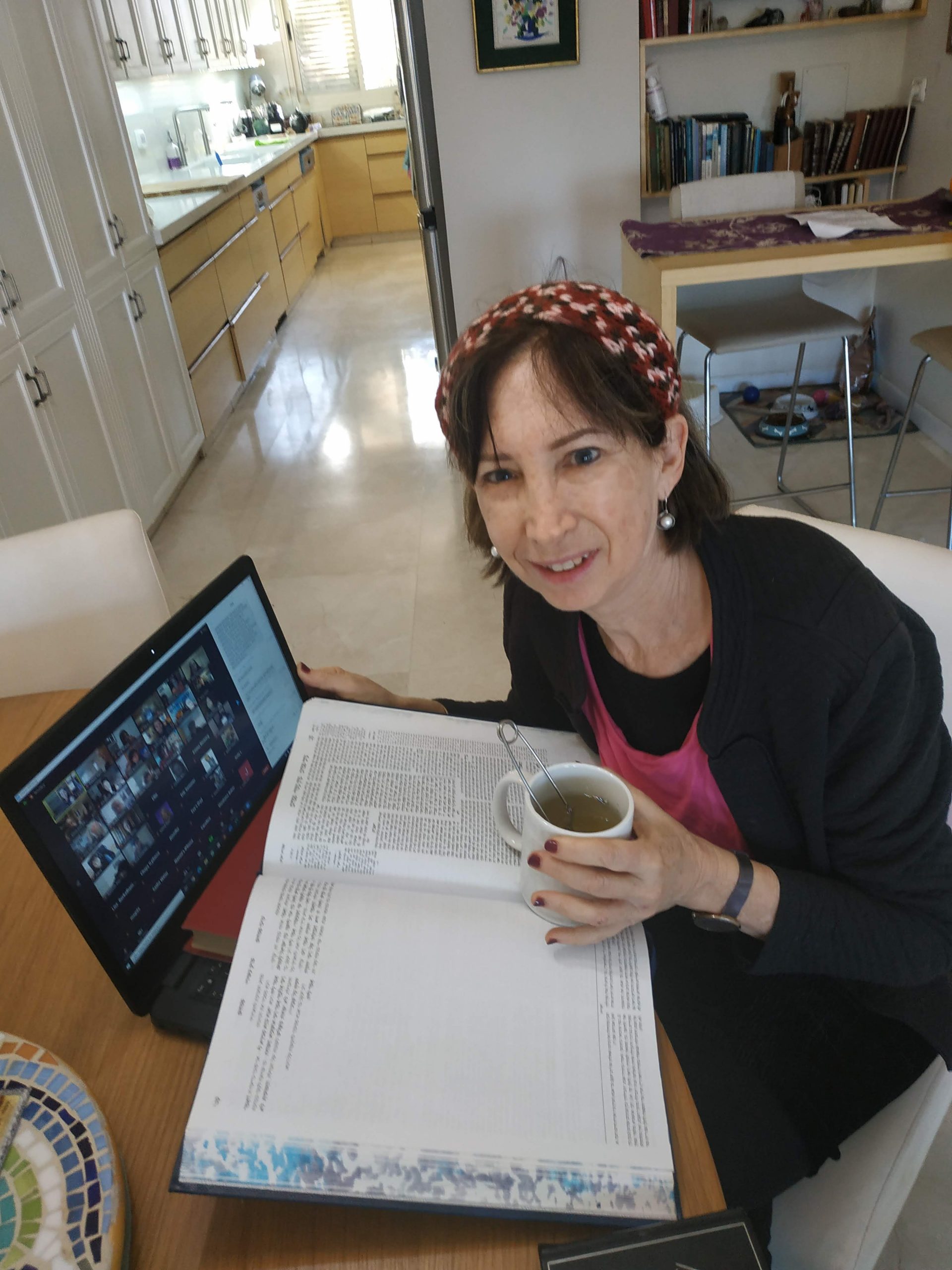
דבי גביר
חשמונאים, ישראל
התחלתי ללמוד את הדף היומי מעט אחרי שבני הקטן נולד. בהתחלה בשמיעה ולימוד באמצעות השיעור של הרבנית שפרבר. ובהמשך העזתי וקניתי לעצמי גמרא. מאז ממשיכה יום יום ללמוד עצמאית, ולפעמים בעזרת השיעור של הרבנית, כל יום. כל סיום של מסכת מביא לאושר גדול וסיפוק. הילדים בבית נהיו חלק מהלימוד, אני משתפת בסוגיות מעניינות ונהנית לשמוע את דעתם.

אלירז בלאו
מעלה מכמש, ישראל
My explorations into Gemara started a few days into the present cycle. I binged learnt and become addicted. I’m fascinated by the rich "tapestry” of intertwined themes, connections between Masechtot, conversations between generations of Rabbanim and learners past and present all over the world. My life has acquired a golden thread, linking generations with our amazing heritage.
Thank you.

סוזן כשדן
חשמונאים, Israel
אחרי שראיתי את הסיום הנשי של הדף היומי בבנייני האומה זה ריגש אותי ועורר בי את הרצון להצטרף. לא למדתי גמרא קודם לכן בכלל, אז הכל היה לי חדש, ולכן אני לומדת בעיקר מהשיעורים פה בהדרן, בשוטנשטיין או בחוברות ושיננתם.
רבקה שלוס
בית שמש, ישראל
בתחילת הסבב הנוכחי של לימוד הדף היומי, נחשפתי לחגיגות המרגשות באירועי הסיום ברחבי העולם. והבטחתי לעצמי שבקרוב אצטרף גם למעגל הלומדות. הסבב התחיל כאשר הייתי בתחילת דרכי בתוכנית קרן אריאל להכשרת יועצות הלכה של נשמ”ת. לא הצלחתי להוסיף את ההתחייבות לדף היומי על הלימוד האינטנסיבי של תוכנית היועצות. בבוקר למחרת המבחן הסופי בנשמ”ת, התחלתי את לימוד הדף במסכת סוכה ומאז לא הפסקתי.

חנה שחם-רוזבי (ד”ר)
קרית גת, ישראל
התחלתי ללמוד דף יומי כאשר קיבלתי במייל ממכון שטיינזלץ את הדפים הראשונים של מסכת ברכות במייל. קודם לא ידעתי איך לקרוא אותם עד שנתתי להם להדריך אותי. הסביבה שלי לא מודעת לעניין כי אני לא מדברת על כך בפומבי. למדתי מהדפים דברים חדשים, כמו הקשר בין המבנה של בית המקדש והמשכן לגופו של האדם (יומא מה, ע”א) והקשר שלו למשפט מפורסם שמופיע בספר ההינדי "בהגוד-גיתא”. מתברר שזה רעיון כלל עולמי ולא רק יהודי

אלנה ארנבורג
נשר, ישראל
. לא תמיד נהניתי מלימוד גמרא כילדה.,בל כהתבגרתי התחלתי לאהוב את זה שוב. התחלתי ללמוד מסכת סוטה בדף היומי לפני כחמש עשרה שנה ואז הפסקתי.הגעתי לסיום הגדול של הדרן לפני שנתיים וזה נתן לי השראה. והתחלתי ללמוד למשך כמה ימים ואז היתה לי פריצת דיסק והפסקתי…עד אלול השנה. אז התחלתי עם מסכת ביצה וב”ה אני מצליחה לעמוד בקצב. המשפחה מאוד תומכת בי ויש כמה שגם לומדים את זה במקביל. אני אוהבת שיש עוגן כל יום.

רבקה דרשן
בית שמש, ישראל
ראיתי את הסיום הגדול בבנייני האומה וכל כך התרשמתי ורציתי לקחת חלק.. אבל לקח לי עוד כשנה וחצי )באמצע מסיכת שבת להצטרף..
הלימוד חשוב לי מאוד.. אני תמיד במרדף אחרי הדף וגונבת כל פעם חצי דף כשהילדים עסוקים ומשלימה אח”כ אחרי שכולם הלכו לישון..
אולגה מזרחי
ירושלים, ישראל
התחלתי כשהייתי בחופש, עם הפרסומים על תחילת המחזור, הסביבה קיבלה את זה כמשהו מתמיד ומשמעותי ובהערכה, הלימוד זה עוגן יציב ביום יום, יש שבועות יותר ויש שפחות אבל זה משהו שנמצא שם אמין ובעל משמעות בחיים שלי….
עדי דיאמנט
גמזו, ישראל
התחלתי ללמוד דף יומי באמצע תקופת הקורונה, שאבא שלי סיפר לי על קבוצה של בנות שתיפתח ביישוב שלנו ותלמד דף יומי כל יום. הרבה זמן רציתי להצטרף לזה וזאת הייתה ההזדמנות בשבילי. הצטרפתי במסכת שקלים ובאמצע הייתה הפסקה קצרה. כיום אני כבר לומדת באולפנה ולומדת דף יומי לבד מתוך גמרא של טיינזלץ.
שבות בראלי
עתניאל, ישראל
בסוף הסבב הקודם ראיתי את השמחה הגדולה שבסיום הלימוד, בעלי סיים כבר בפעם השלישית וכמובן הסיום הנשי בבנייני האומה וחשבתי שאולי זו הזדמנות עבורי למשהו חדש.
למרות שאני שונה בסביבה שלי, מי ששומע על הלימוד שלי מפרגן מאוד.
אני מנסה ללמוד קצת בכל יום, גם אם לא את כל הדף ובסך הכל אני בדרך כלל עומדת בקצב.
הלימוד מעניק המון משמעות ליום יום ועושה סדר בלמוד תורה, שתמיד היה (ועדיין) שאיפה. אבל אין כמו קביעות

רחלי מנדלסון
טל מנשה, ישראל
באירוע של הדרן בנייני האומה. בהשראתה של אמי שלי שסיימה את הש”ס בסבב הקודם ובעידוד מאיר , אישי, וילדיי וחברותיי ללימוד במכון למנהיגות הלכתית של רשת אור תורה סטון ומורתיי הרבנית ענת נובוסלסקי והרבנית דבורה עברון, ראש המכון למנהיגות הלכתית.
הלימוד מעשיר את יומי, מחזיר אותי גם למסכתות שכבר סיימתי וידוע שאינו דומה מי ששונה פרקו מאה לשונה פרקו מאה ואחת במיוחד מרתקים אותי החיבורים בין המסכתות
רוית קלך
מודיעין, ישראל
בתחילת הסבב הנוכחי הצטברו אצלי תחושות שאני לא מבינה מספיק מהי ההלכה אותה אני מקיימת בכל יום. כמו כן, כאמא לבנות רציתי לתת להן מודל נשי של לימוד תורה
שתי הסיבות האלו הובילו אותי להתחיל ללמוד. נתקלתי בתגובות מפרגנות וסקרניות איך אישה לומדת גמרא..
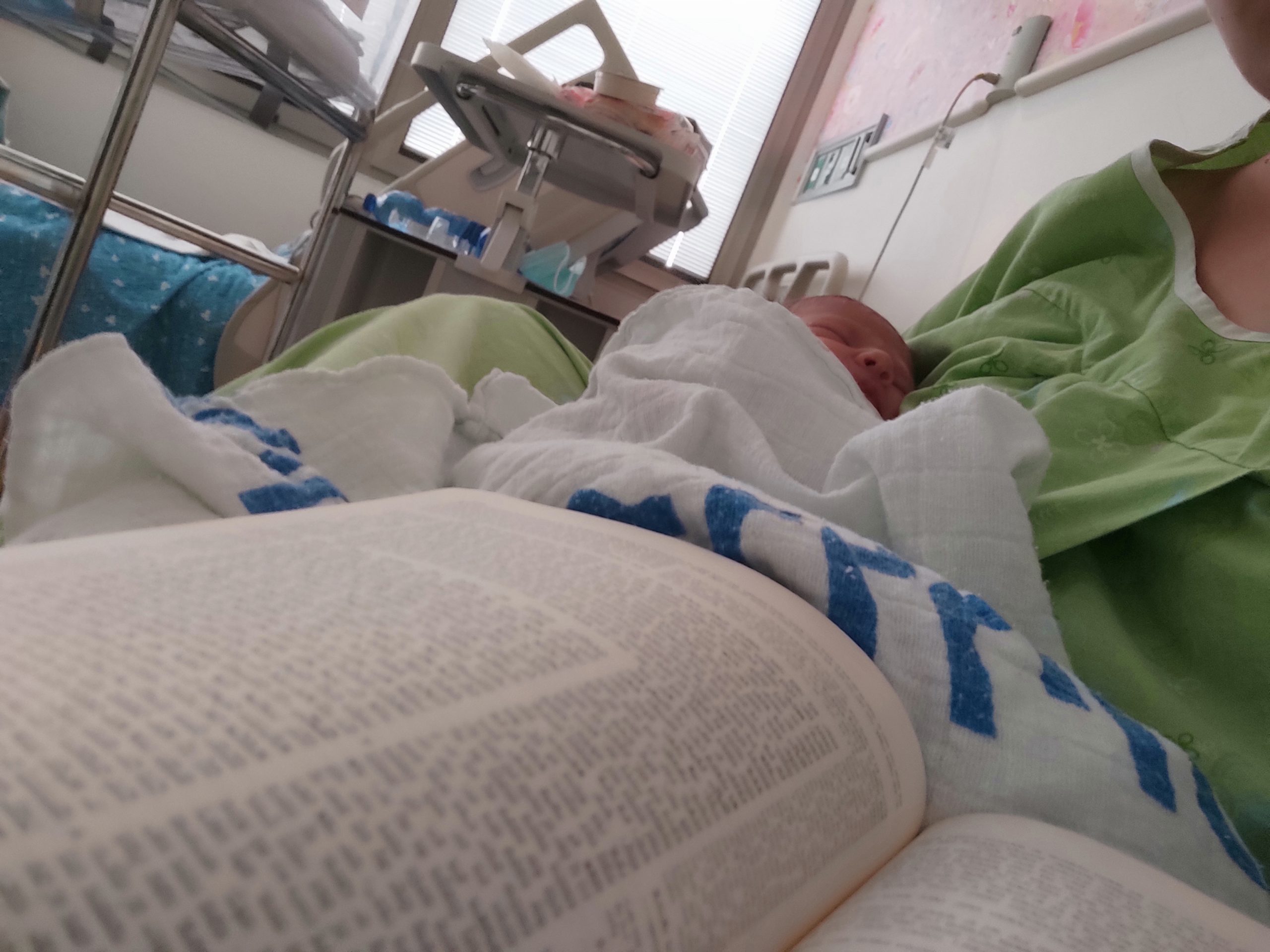
כמו שרואים בתמונה אני ממשיכה ללמוד גם היום ואפילו במחלקת יולדות אחרי לידת ביתי השלישית.
נועה שילה
רבבה, ישראל
בבא קמא נח
״לָא מִבַּעְיָא״ קָאָמַר: לָא מִבַּעְיָא אָכְלָה – דִּמְשַׁלֶּמֶת מַה שֶּׁנֶּהֱנֵית; אֲבָל נֶחְבְּטָה – אֵימָא מַבְרִיחַ אֲרִי מִנִּכְסֵי חֲבֵירוֹ הוּא, וּמַה שֶּׁנֶּהֱנֵית נָמֵי לָא מְשַׁלֵּם; קָא מַשְׁמַע לַן.
one cannot make such an inference from Rav’s statement. Rav is speaking utilizing the style of: It is not necessary, and this is how to understand his statement: It is not necessary to state that if the animal fell into the garden and ate from its produce, that the owner pays for the benefit that it derives. But if the produce softened the blow of striking the ground and thereby the animal avoided injury, one might say that the owner of the animal should not pay, on the grounds that the owner of the garden may be viewed, analogously, to one who repels a lion from another’s property. In such a case, although the latter benefited from his action, he is not obligated to pay for it. Similarly in this case, one might think that the owner of the animal does not pay even for the benefit that the animal derived. For this reason Rav teaches us that the owner of the animal must pay for this benefit as well.
וְאֵימָא הָכִי נָמֵי!
The Gemara asks: But why not say that this is indeed the halakha, and the owner of the animal should be exempt for paying for the benefit of his animal not being injured?
מַבְרִיחַ אֲרִי מִנִּכְסֵי חֲבֵירוֹ – מִדַּעְתּוֹ הוּא, הַאי – לָאו מִדַּעְתּוֹ. אִי נָמֵי, מַבְרִיחַ אֲרִי מִנִּכְסֵי חֲבֵירוֹ – לֵית לֵיהּ פְּסֵידָא, הַאי – אִית לֵיהּ פְּסֵידָא.
The Gemara answers: One who repels a lion from another’s property does so with intent, knowing that he would be ineligible for payment. By contrast, this owner of the garden did not act with intent and would have preferred for the incident not to have happened. Alternatively, one could say that one who repels a lion from another’s property does not thereby have any loss himself. By contrast, this owner of the garden has a loss, in that his produce is damaged.
הֵיכִי נָפַל? רַב כָּהֲנָא אָמַר: שֶׁהוּחְלְקָה בְּמֵימֵי רַגְלֶיהָ, רָבָא אָמַר: שֶׁדְּחָפַתָּה חֲבֶרְתָּהּ.
The Gemara asks: How did the animal fall? In which case does this halakha apply? Rav Kahana says: It slipped on its own urine. Rava says: Another animal belonging to the same owner pushed it, causing it to fall there.
מַאן דְּאָמַר שֶׁדְּחָפַתָּה חֲבֶרְתָּהּ – כׇּל שֶׁכֵּן שֶׁהוּחְלְקָה בְּמֵימֵי רַגְלֶיהָ. וּמַאן דְּאָמַר שֶׁהוּחְלְקָה בְּמֵימֵי רַגְלֶיהָ – אֲבָל דְּחָפַתָּה חֲבֶרְתָּהּ, פָּשְׁעָה, וּמְשַׁלֶּמֶת מַה שֶּׁהִזִּיקָה; דַּאֲמַר לֵיהּ: אִיבְּעִי לָךְ עַבּוֹרֵי חֲדָא חֲדָא.
The Gemara explains: Rava, the one who says that the mishna is referring to a case where another animal pushed it, in which case the owner pays only for the benefit that the animal derived and is exempt from paying for the damage caused, holds that all the more so this halakha would apply in a case where it slipped on its urine, which is beyond the owner’s control. But Rav Kahana, the one who says that the mishna is referring to a case where the animal slipped on its urine, holds that if, however, another animal pushed it, this indicates that the owner was negligent and should have prevented this happening. Therefore, in such a case, the owner pays for what his animal damaged, since the owner of the garden can say to the owner of the animal: You should have led your animals across one by one, so that they would not be able to push each other.
אָמַר רַב כָּהֲנָא: לֹא שָׁנוּ אֶלָּא בְּאוֹתָהּ עֲרוּגָה, אֲבָל מֵעֲרוּגָה לַעֲרוּגָה – מְשַׁלֶּמֶת מַה שֶּׁהִזִּיקָה. וְרַבִּי יוֹחָנָן אָמַר: אֲפִילּוּ מֵעֲרוּגָה לַעֲרוּגָה, וַאֲפִילּוּ כׇּל הַיּוֹם כּוּלּוֹ – עַד שֶׁתֵּצֵא וְתַחֲזוֹר לְדַעַת.
Rav Kahana says: They taught only that the owner pays for the benefit that it derives in the same garden bed into which it fell, but if it went from one garden bed to another garden bed and ate from that one, the owner pays for what it damaged. And Rabbi Yoḥanan says: Even if the animal goes from one garden bed to another garden bed and eats, and even if the animal continues going from one bed to another and eating for the entire day, the owner pays only for the benefit that the animal derived and not for what it damaged, unless it leaves the garden entirely and returns with the owner’s knowledge.
אָמַר רַב פָּפָּא: לָא תֵּימָא עַד שֶׁתֵּצֵא לְדַעַת וְתַחֲזוֹר לְדַעַת, אֶלָּא כֵּיוָן שֶׁיָּצְתָה לְדַעַת – אַף עַל פִּי שֶׁחָזְרָה שֶׁלֹּא לְדַעַת. מַאי טַעְמָא? דַּאֲמַר לֵיהּ: כֵּיוָן דְּיָלְפָא, כֹּל אֵימַת דְּמִשְׁתַּמְטָא – לְהָתָם רָהֲטָא.
Rav Pappa said, explaining Rabbi Yoḥanan’s statement: Do not say this means: Unless the animal leaves with the owner’s knowledge and returns with his knowledge; rather, once it leaves the garden with the owner’s knowledge, even if it returned without his knowledge, the owner is liable to pay for what it damaged. What is the reason for this? It is that the owner of the garden can say to the owner of the animal: Since the animal has now learned that the garden is there with food to eat, every time it strays it will run to there.
יָרְדָה כְּדַרְכָּהּ וְהִזִּיקָה – מְשַׁלֶּמֶת מַה שֶּׁהִזִּיקָה. בָּעֵי רַבִּי יִרְמְיָה: יָרְדָה כְּדַרְכָּהּ וְהִזִּיקָה בְּמֵי לֵידָה, מַהוּ?
§ The mishna teaches: If the animal descended into the garden in its usual manner and caused damage there, the owner pays for what it damaged. Rabbi Yirmeya asks: If the animal descended in its usual manner and gave birth to a calf there and damaged the produce with amniotic fluid, what is the halakha? Does the owner of the animal have to pay for this damage?
אַלִּיבָּא דְּמַאן דְּאָמַר תְּחִלָּתוֹ בִּפְשִׁיעָה וְסוֹפוֹ בְּאוֹנֶס חַיָּיב, לָא תִּיבְּעֵי לָךְ; כִּי תִּיבְּעֵי לָךְ – אַלִּיבָּא דְּמַאן דְּאָמַר תְּחִלָּתוֹ בִּפְשִׁיעָה וְסוֹפוֹ בְּאוֹנֶס פָּטוּר; מַאי?
The Gemara clarifies Rabbi Yirmeya’s question: Do not raise the dilemma in accordance with the opinion of the one who says that one is liable in a case of damage that is initially through negligence and ultimately by accident, since in this case the owner was negligent in allowing the animal to enter another person’s courtyard, although the actual causing of the damage was ultimately by accident. When should you raise this dilemma? Raise it in accordance with the opinion of the one who says that one is exempt in a case that is initially through negligence and ultimately by accident. What is the halakha in this case?
מִי אָמְרִינַן: כֵּיוָן דִּתְחִלָּתוֹ בִּפְשִׁיעָה וְסוֹפוֹ בְּאוֹנֶס – פָּטוּר; אוֹ דִלְמָא, הָכָא כּוּלַּהּ בִּפְשִׁיעָה הוּא – דְּכֵיוָן דְּקָא חָזֵי דִּקְרִיבָה לַהּ לְמֵילַד, אִיבְּעִי לֵיהּ לְנָטוֹרַהּ
The two sides of the question are as follows: Do we say that, since this case is initially through negligence and ultimately by accident, he is exempt from liability? Or perhaps here, in this case, it is entirely due to his negligence; since he saw that the animal was close to giving birth, he should have safeguarded it adequately
וּלְאִסְתַּמּוֹרֵי בְּגַוַּהּ? תֵּיקוּ.
and taken care of it, and he bears responsibility for failing to do so. The dilemma shall stand unresolved.
כֵּיצַד מְשַׁלֶּמֶת מַה שֶּׁהִזִּיקָה וְכוּ׳. מְנָא הָנֵי מִילֵּי?
§ The mishna teaches: How does the court appraise the value of the damage when the owner pays for what it damaged? The court appraises a large piece of land with an area required for sowing one se’a of seed [beit se’a] in that field, including the garden bed in which the damage took place, it appraises how much it was worth before the animal damaged it and how much is it worth now, and the owner must pay the difference. The Gemara asks: From where are these matters derived?
אָמַר רַב מַתְנָה, דְּאָמַר קְרָא: ״וּבִעֵר בִּשְׂדֵה אַחֵר״ – מְלַמֵּד שֶׁשָּׁמִין עַל גַּב שָׂדֶה אַחֵר.
Rav Mattana says: As the verse states: “And it feed in another field [uvi’er bisde aḥer]” (Exodus 22:4). This teaches that the court appraises the damage relative to another field, i.e., relative to the damaged field as a whole and not an appraisal of only the specific garden bed that was damaged.
הַאי ״וּבִעֵר בִּשְׂדֵה אַחֵר״ מִבְּעֵי לֵיהּ לְאַפּוֹקֵי רְשׁוּת הָרַבִּים!
The Gemara asks: But this phrase: “Uvi’er bisde aḥer,” can be understood as meaning: “And it feed in another’s field,” and accordingly, is necessary to teach that the owner is not liable unless it was a field with an owner, to exclude damage caused by an animal in the public domain, for which the owner is not liable.
אִם כֵּן, לִכְתּוֹב רַחֲמָנָא ״וּבִעֵר בִּשְׂדֵה חֲבֵירוֹ״, אִי נָמֵי ״שְׂדֵה אַחֵר״! מַאי ״בִּשְׂדֵה אַחֵר״? שֶׁשָּׁמִין עַל גַּב שָׂדֶה אַחֵר.
The Gemara answers: If so, if this was the sole intention of the verse, let the Merciful One write in the Torah: And it feed in a field belonging to another [uvi’er bisde ḥaveiro], or alternatively, let it write: And it consume another field [sedeh aḥer].” What is conveyed by the particular expression: “In another field [bisde aḥer]”? It is to teach that the court appraises the damage relative to another field.
וְאֵימָא כּוּלֵּיהּ לְהָכִי הוּא דַּאֲתָא; לְאַפּוֹקֵי רְשׁוּת הָרַבִּים מְנָלַן?
But why not say that this verse comes entirely for this purpose, i.e., to teach that the court appraises the damage relative to another field? And in that case, from where do we derive the exclusion of liability for damage by Eating in the public domain?
אִם כֵּן, לִכְתְּבֵיהּ רַחֲמָנָא גַּבֵּי תַשְׁלוּמִין – ״מֵיטַב שָׂדֵהוּ וּמֵיטַב כַּרְמוֹ יְשַׁלֵּם בִּשְׂדֵה אַחֵר״! לְמָה לִי דְּכַתְבֵיהּ רַחֲמָנָא גַּבֵּי ״וּבִעֵר״? שְׁמַע מִינַּהּ תַּרְתֵּי.
The Gemara answers: If it is so that the verse was referring solely to the method of appraising the damage, the Merciful One should have written this in the Torah in the context of payment, as follows: His best-quality field and the best quality of his vineyard he shall pay in another field (see Exodus 22:4), thereby adding the term: In another field, and, by extension, the directive concerning how the damage is appraised, to the verse discussing payment. Why do I need the Merciful One to write it in the context of the act of damaging, in the verse: “And it feed in another field”? Conclude two conclusions from it: The verse is referring to both the place where the damage occurred and the method by which the damage is appraised.
הֵיכִי שָׁיְימִינַן? אָמַר רַבִּי יוֹסֵי בַּר חֲנִינָא: סְאָה בְּשִׁשִּׁים סְאִין. רַבִּי יַנַּאי אָמַר: תַּרְקַב בְּשִׁשִּׁים תַּרְקַבִּים. חִזְקִיָּה אָמַר: קֶלַח בְּשִׁשִּׁים קְלָחִים.
§ The Gemara asks: How do we, the court, appraise the value of the damage? Rabbi Yosei bar Ḥanina says: The court appraises the value of an area required for sowing one se’a of seed [beit se’a] relative to an area required for sowing sixty se’a of seed, and according to this calculation determines the value of the damage. Rabbi Yannai says: The court appraises each tarkav, equivalent to half a beit se’a, relative to an area of sixty tarkav. Ḥizkiyya says: The court appraises the value of each stalk eaten relative to sixty stalks.
מֵיתִיבִי: אָכְלָה קַב אוֹ קַבַּיִים – אֵין אוֹמְרִים תְּשַׁלֵּם דְּמֵיהֶן, אֶלָּא רוֹאִין אוֹתָהּ כְּאִילּוּ הִיא עֲרוּגָה קְטַנָּה, וּמְשַׁעֲרִים אוֹתָהּ. מַאי, לָאו בִּפְנֵי עַצְמָהּ?
The Gemara raises an objection from a baraita: If an animal ate one kav or two kav, the court does not say that the owner pays compensation according to their value, i.e., the value of the actual damage; rather, they view it as if it were a small garden bed and evaluate it accordingly. What, is it not that this means that the court evaluates that garden bed according to what it would cost if sold by itself, which contradicts all the previous explanations?
לָא, בְּשִׁשִּׁים.
The Gemara rejects this interpretation: No, it means that the court appraises the value in relation to an area sixty times greater.
תָּנוּ רַבָּנַן: אֵין שָׁמִין קַב – מִפְּנֵי שֶׁמַּשְׁבִּיחוֹ, וְלֹא בֵּית כּוֹר – מִפְּנֵי שֶׁפּוֹגְמוֹ.
The Sages taught: When appraising the damage, the court does not appraise it based on an area of a beit kav, because doing so enhances his position, and they also do not appraise it relative to an area of a beit kor, equivalent to the area in which one can plant thirty se’a of seed, because this weakens his position.
מַאי קָאָמַר? אָמַר רַב פָּפָּא, הָכִי קָאָמַר: אֵין שָׁמִין קַב בְּשִׁשִּׁים קַבִּים – מִפְּנֵי שֶׁמַּשְׁבִּיחַ מַזִּיק, וְלֹא כּוֹר בְּשִׁשִּׁים כּוֹרִין – מִפְּנֵי שֶׁפּוֹגֵם מַזִּיק.
The Gemara asks: What is this baraita saying? Rav Pappa said: This is what the baraita is saying: The court does not appraise the value of one kav relative to an area of sixty kav, which, being too large for an individual but too small for a trader, is always sold in the market at a lower price, because that would enhance the position of the one liable for damage. Conversely, the court does not appraise the value of a kor relative to an area of sixty kor, an area so large that it is purchased only by a person with a specific need and therefore for a high price, because that would weaken the position of the one liable for damage.
מַתְקֵיף לַהּ רַב הוּנָא בַּר מָנוֹחַ: הַאי ״וְלֹא בֵּית כּוֹר״?! ״וְלֹא כּוֹר״ מִבְּעֵי לֵיהּ!
Rav Huna bar Manoaḥ objects to this: According to this interpretation, this term employed by the baraita: And they also do not appraise it relative to an area of a beit kor, is imprecise. According to the explanation of Rav Pappa, the baraita should have said: And they also do not appraise it relative to a kor, to parallel the term in the previous clause: A kav.
אֶלָּא אָמַר רַב הוּנָא בַּר מָנוֹחַ מִשְּׁמֵיהּ דְּרַב אַחָא בְּרֵיהּ דְּרַב אִיקָא, הָכִי קָתָנֵי: אֵין שָׁמִין קַב בִּפְנֵי עַצְמוֹ – מִפְּנֵי שֶׁמַּשְׁבִּיחַ נִיזָּק, וְלֹא קַב בְּבֵית כּוֹר – מִפְּנֵי שֶׁפּוֹגֵם נִיזָּק; אֶלָּא בְּשִׁשִּׁים.
Rather, Rav Huna bar Manoaḥ said in the name of Rav Aḥa, son of Rav Ika, that this is what the baraita is teaching: The court does not appraise a kav by itself, because that would enhance the position of the injured party, nor does the court appraise a kav as one part of a beit kor, because that would weaken the position of the injured party, since damage inside such a large area is insignificant. Rather, the court appraises the damage in relation to an area sixty times greater than the area that was damaged.
הָהוּא גַּבְרָא דְּקַץ קַשְׁבָּא מֵחַבְרֵיהּ. אֲתָא לְקַמֵּיהּ דְּרֵישׁ גָּלוּתָא, אֲמַר לֵיהּ: לְדִידִי חֲזֵי לִי, וּתְלָתָא תָּאלָתָא בְּקִינָּא הֲווֹ קָיְימִי, וַהֲווֹ שָׁווּ מְאָה זוּזֵי. זִיל הַב לֵיהּ תְּלָתִין וּתְלָתָא וְתִילְתָּא. אָמַר: גַּבֵּי רֵישׁ גָּלוּתָא דְּדָאֵין דִּינָא דְּפָרְסָאָה, לְמָה לִי? אֲתָא לְקַמֵּיהּ דְּרַב נַחְמָן, אֲמַר לֵיהּ: בְּשִׁשִּׁים.
§ The Gemara relates: There was a certain man who cut down a date palm [kashba] belonging to another. The latter came with the perpetrator for arbitration before the Exilarch. The Exilarch said to the perpetrator: I personally saw that place where the date palm was planted, and it actually contained three date palms [talata] standing together in a cluster, growing out of a single root, and they were worth altogether one hundred dinars. Consequently, since you, the perpetrator, cut down one of the three, go and give him thirty-three and one-third dinars, one third of the total value. The perpetrator rejected this ruling and said: Why do I need to be judged by the Exilarch, who rules according to Persian law? He came before Rav Naḥman for judgment in the same case, who said to him: The court appraises the damage in relation to an area sixty times greater than the damage caused. This amount is much less than thirty-three and one-third dinars.
אֲמַר לֵיהּ רָבָא: אִם אָמְרוּ בְּנִזְקֵי מָמוֹנוֹ, יֹאמְרוּ בְּנִזְקֵי גוּפוֹ?!
Rava said to Rav Naḥman: If the Sages said that the court appraises damage caused by one’s property, such as his animal, relative to an area sixty times greater, would they also say that the court appraises damage relative to an area sixty times greater even for direct damage caused by one’s body?
אֲמַר לֵיהּ אַבָּיֵי לְרָבָא: בְּנִזְקֵי גוּפוֹ מַאי דַּעְתָּיךְ – דְּתַנְיָא: הַמַּבְכִּיר כַּרְמוֹ שֶׁל חֲבֵירוֹ סְמָדַר – רוֹאִין אוֹתוֹ כַּמָּה הָיָה יָפֶה קוֹדֶם לָכֵן, וְכַמָּה הוּא יָפֶה לְאַחַר מִכָּאן; וְאִילּוּ בְּשִׁשִּׁים לָא קָתָנֵי?
Abaye said to Rava: With regard to damage caused by one’s body, what is your opinion? Are you basing your opinion on the following, as it is taught in a baraita: If one destroys the vineyard of another while the grapes are budding [semadar], the court views how much the vineyard was worth before he destroyed it, and how much it is worth afterward. Abaye states the inference: Whereas, the method of appraising one part in sixty is not taught. Is the basis of your ruling the fact that in this baraita that discusses damage caused directly by a person, the method of appraising one part in sixty is not mentioned?
אַטּוּ גַּבֵּי בְהֶמְתּוֹ נָמֵי מִי לָא תַּנְיָא כִּי הַאי גַוְונָא?! דְּתַנְיָא: קָטְמָה נְטִיעָה – רַבִּי יוֹסֵי אוֹמֵר, גּוֹזְרֵי גְזֵירוֹת שֶׁבִּירוּשָׁלַיִם אוֹמְרִים: נְטִיעָה בַּת שְׁנָתָהּ – שְׁתֵּי כֶּסֶף, בַּת שְׁתֵּי שָׁנִים – אַרְבָּעָה כֶּסֶף. אָכְלָה חֲזִיז – רַבִּי יוֹסֵי הַגְּלִילִי אוֹמֵר: נִידּוֹן בַּמְשׁוּיָּיר שֶׁבּוֹ, וַחֲכָמִים אוֹמְרִים: רוֹאִין אוֹתָהּ כַּמָּה הָיְתָה יָפָה, וְכַמָּה הִיא יָפָה.
Abaye continued: Is that to say that with regard to damage caused by an animal it is not taught in a mishna or baraita without mentioning the method of appraising one part in sixty like this case? But this is not so, as it is taught in a baraita: If an animal broke down a sapling that had not yet borne fruit, Rabbi Yosei says: Those who issue decrees in Jerusalem say that the damages are determined based on a fixed formula: If the sapling was in its first year, the owner of the animal pays two pieces of silver; if the sapling was two years old, he pays four pieces of silver. If the animal ate unripe blades of grain used for pasture, Rabbi Yosei HaGelili says: It is judged according to what remains of it, i.e., the court waits until the rest of the field ripens and then appraises the value of what was previously eaten. And the Rabbis say: The court views how much the field was worth before he destroyed it, and how much it is worth now.
לעקוב

