








רב נחמן שינה את דעתו וקבע שאם שחט או מכר בהמה שהייתה בבעלות משותפת והגנב הודה לבעל אחד, יצטרך הגנב לשלם תשלום חלקי של ארבעה/חמישה לבעל השני. אם כן, כיצד מבין רב נחמן את ההבדל בין המקרים של מי שגנב בהמה מאביו במשנה שלנו לבין המקרה במשנה הבאה – מדוע במקרה שהאב מת לפני שחיטתה, הגנב אינו צריך לשלם את תשלומי ארבעה/חמישה לאחיו? המשנה פוסקת שאם שחט בהמת חולין בתוך בית המקדש, יהיה חייב בתשלום ארבעה/חמישה. רב חביבי מסיק מכאן איך פוסקים בשאלה האם שחיטה מתחילה ועל סוף או אינה לשחיטה אלא לבסוף, וקובע שאינה אלא לבסוף. רב הונא דוחה את המסקנה של רב חביבי אך רב אשי מחזיר אותה. כיצד ניתן להסביר את הדעה האחרת על פי משנתנו. מובא גרסה אחרת של מסקנת רב חביבי מדברי המשנה, בה הם מצטטים קודם את הוויכוח על שחיטה ורב חביבי מעלה קושי נגד רבי יוחנן (ישנה לשחיטה מתחילה ועד סוף) ממשנתנו. ובהמשך עונה על הקושי. המשנה מביאה צירופים שונים של עדים זוממים במקרה של גניבה וטביחה או מכירה. מה אם קבוצה אחת (שהעידו על הגניבה או רק על הטביחה/מכירה) נעשתה זוממים ולא השנייה? מה אם כולם? מה אם רק עד אחד מאחת הקבוצות נעשה לזומם? אביי ורבא חלוקים בשאלה האם עד זומם נפסל מלהיות עד מרגע שהעיד עדות שקר או מרגע שהורשעו להיות עד זומם? הגמרא מביאה את ההיגיון מאחורי כל עמדה, אבל לרבא מביאים שתי הצעות שונות להבנין שיטתו.
רוצה להקדיש לימוד?
בבא קמא עב
דְּלָא אֲכַלִי בִּשְׂרָא דְתוֹרָא.
is because I had not eaten ox meat. In other words, I was fasting yesterday and was unable to concentrate properly.
וְאֶלָּא מַאי שְׁנָא רֵישָׁא וּמַאי שְׁנָא סֵיפָא?
Rava responded to him: But if the Torah requires even a partial payment of the fourfold or fivefold payment, what is different in the first clause, in which the son must pay, and what is different in the latter clause, where he is exempt?
אֲמַר לֵיהּ: רֵישָׁא קָרֵינָא בֵּיהּ ״וּטְבָחוֹ״ כּוּלּוֹ בְּאִיסּוּרָא, סֵיפָא לָא קָרֵינָא בַּיהּ ״וּטְבָחוֹ״ כּוּלּוֹ בְּאִיסּוּרָא.
Rav Naḥman said to him: In the first clause, where the father’s animal was stolen and slaughtered in his lifetime, I read about this case the verse: “If a man steal an ox or a sheep, and slaughter it” (Exodus 21:37), which indicates that the thief slaughtered the ox or the sheep entirely in a prohibited manner. In the latter clause, where the animal was slaughtered after the father’s death, I do not read about this case the verse: “And slaughter it,” which describes a slaughter that was performed entirely in a prohibited manner, because the animal already partially belonged to him, and his own portion of the ox was slaughtered in a permitted manner.
הַשּׁוֹחֵט וְנִמְצֵאת טְרֵיפָה וְכוּ׳. אֲמַר לֵיהּ רַב חֲבִיבִי מָחוֹזְנָאָה לְרַב אָשֵׁי: שְׁמַע מִינַּהּ, אֵינָהּ לִשְׁחִיטָה אֶלָּא לְבַסּוֹף.
§ The mishna teaches: A thief who slaughters the animal but it was found to be a tereifa, and likewise a thief who slaughters a non-sacred animal in the Temple courtyard, pays the fourfold or fivefold payment. Rav Ḥavivi of Meḥoza said to Rav Ashi: Conclude from the mishna that the act of slaughtering is considered to have been performed only at the end of the slaughtering process.
דְּאִי יֶשְׁנָהּ לִשְׁחִיטָה מִתְּחִילָּה וְעַד סוֹף, כֵּיוָן דִּשְׁחַט בַּהּ פּוּרְתָּא – אַסְרַהּ, אִידַּךְ – לָא דְּמָרַיהּ קָא טָבַח!
Rav Ḥavivi of Meḥoza explains: As, if you say that the act of slaughtering lasts from beginning to end, i.e., the halakhic ramifications of slaughtering are in effect throughout the process, one could raise a question with regard to the case of one who slaughters a non-sacred animal in the Temple courtyard: Once he slaughtered the animal a bit, at the very start of the act of slaughter, he has prohibited the animal, with regard to deriving benefit, as a non-sacred animal slaughtered in the Temple courtyard. When he slaughters the other part, it is already prohibited with regard to deriving benefit, which means that it is not an animal that belongs to its owner that he slaughters. Since deriving benefit from the animal is prohibited, it has no value; therefore, there is no ownership.
אֲמַר לֵיהּ רַב הוּנָא בְּרֵיהּ דְּרָבָא: כִּי קָא מִחַיַּיב – אַהָהוּא פּוּרְתָּא. אֲמַר לֵיהּ רַב אָשֵׁי: לָא תִּידְחֲיַ[יהּ], ״וּטְבָחוֹ״ כּוּלּוֹ בָּעֵינַן – וְלֵיכָּא.
Rav Huna, son of Rava, said to Rav Ḥavivi in response: It is possible to explain the mishna even if one maintains that the halakhic ramifications of slaughtering are in effect throughout the slaughter. As, when does the thief become obligated to pay the fourfold or fivefold payment? It is when he performs that first bit of slaughter in the beginning, before the animal becomes forbidden. Rav Ashi said to Rav Huna: Do not dismiss Rav Ḥavivi’s objection with this explanation. The verse: “If a man steal an ox or a sheep, and slaughter it” (Exodus 21:37), indicates that to impose liability to pay the fourfold or fivefold payment we require that the thief slaughtered it completely, and after having slaughtered it just a bit there is no complete slaughter yet.
אֶלָּא קַשְׁיָא! אֲמַר לֵיהּ, הָכִי אָמַר רַב גַּמָּדָא מִשְּׁמֵיהּ דְּרָבָא: כְּגוֹן שֶׁשָּׁחַט מִקְצָת סִימָנִין בַּחוּץ, וּגְמָרָן בִּפְנִים.
Rav Huna said to Rav Ashi: But if you are correct, the mishna is difficult according to the one who maintains that the halakhic ramifications of slaughtering are in effect throughout the slaughter. Rav Ashi said to Rav Huna: This is what Rav Gamda said in the name of Rava, concerning this question: The mishna is discussing a case where the thief slaughtered, i.e., severed, part of the two organs that must be severed in ritual slaughter, i.e., the trachea and the esophagus [simanin], outside the Temple, and finished slaughtering them inside the Temple. Therefore, the animal became prohibited with regard to deriving benefit only at the final stage of slaughter, concomitant with the liability to pay the fourfold or fivefold payment.
אִיכָּא דְּמַתְנֵי לַהּ אַהָא – אָמַר רַבִּי שִׁמְעוֹן מִשּׁוּם דְּרַבִּי לֵוִי סָבָא: אֵינָהּ לִשְׁחִיטָה אֶלָּא לְבַסּוֹף. וְרַבִּי יוֹחָנָן אָמַר: יֶשְׁנָהּ לִשְׁחִיטָה מִתְּחִילָּה וְעַד סוֹף. אֲמַר לֵיהּ רַב חֲבִיבִי מָחוֹזְנָאָה לְרַב אָשֵׁי, לֵימָא קָסָבַר רַבִּי יוֹחָנָן: חוּלִּין שֶׁנִּשְׁחֲטוּ בַּעֲזָרָה – לָאו דְּאוֹרָיְיתָא?
There are those who teach that the preceding exchange took place with regard to the following dispute: Rabbi Shimon ben Lakish says in the name of Rabbi Levi the Elder: The act of slaughtering is considered to have been performed only at the end of the slaughtering process. And Rabbi Yoḥanan says: The act of slaughtering lasts from beginning to end. Rav Ḥavivi of Meḥoza said to Rav Ashi: Shall we say that Rabbi Yoḥanan holds that the prohibition against deriving benefit from non-sacred animals that were slaughtered in the Temple courtyard is not by Torah law?
דְּאִי סָלְקָא דַעְתָּךְ דְּאוֹרָיְיתָא, מִכִּי שָׁחֵיט לַהּ פּוּרְתָּא – אַסְרַהּ, אִידַּךְ – לָאו דְּמָרַהּ קָא טָבַח!
As, if it enters your mind that it is prohibited by Torah law the mishna here would be difficult, for as soon as he slaughtered the animal a bit, at the very start of the act of slaughter, he has prohibited the animal, with regard to deriving benefit, as a non-sacred animal slaughtered in the Temple courtyard. When he slaughters the other part it is already prohibited with regard to deriving benefit, which means that it is not an animal that belongs to its owner that he slaughters.
אֲמַר לֵיהּ רַב אַחָא בְּרֵיהּ דְּרָבָא: כִּי קָא מִחַיַּיב נָמֵי – אַהָהוּא פּוּרְתָּא. אֲמַר לֵיהּ רַב אָשֵׁי: לָא תִּידְחֲיַהּ, ״וּטְבָחוֹ״ כּוּלּוֹ בָּעֵינַן – וְלֵיכָּא.
Rav Aḥa, son of Rava, said to Rav Ḥavivi: It is possible to explain the mishna even according to the opinion that the halakhic ramifications of slaughtering are in effect throughout the slaughter, and even if one maintains that it is prohibited by Torah law to benefit from a non-sacred animal slaughtered in the Temple. As, when does the thief become obligated to pay the fourfold or fivefold payment as well? It is when he performs that first bit of slaughter in the beginning, before the animal becomes forbidden. Rav Ashi said to Rav Huna: Do not dismiss Rav Ḥavivi’s suggestion with this explanation. The verse: “If a man steal an ox or a sheep, and slaughter it” (Exodus 21:37), indicates that in order to impose liability to pay the fourfold or fivefold payment we require that the thief slaughtered it completely, and after having slaughtered it just a bit there is no complete slaughter yet.
אֶלָּא קַשְׁיָא! אֲמַר לֵיהּ, הָכִי אָמַר רַב גַּמָּדָא מִשְּׁמֵיהּ דְּרָבָא: כִּי קָא מְחַיֵּיב – כְּגוֹן שֶׁשָּׁחַט מִקְצָת סִימָנִין בַּחוּץ, וּגְמָרָן בִּפְנִים.
Rav Huna said to Rav Ashi: But if you are correct, the mishna is difficult. Rav Ashi said to Rav Huna: This is what Rav Gamda said in the name of Rava: When does the mishna state that the thief is obligated to pay the fourfold or fivefold payment? It is in a case where the thief slaughtered part of the simanim outside the Temple, and finished slaughtering them inside the Temple. Therefore, the animal became prohibited with regard to deriving benefit only at the final stage of slaughter, concomitant with the liability to pay the fourfold or fivefold payment.
מַתְנִי׳ גָּנַב עַל פִּי שְׁנַיִם, וְטָבַח וּמָכַר עַל פִּיהֶן, וְנִמְצְאוּ זוֹמְמִים – מְשַׁלְּמִין הַכֹּל.
MISHNA: If one stole an ox or a sheep, as established based on the testimony of two witnesses, and he subsequently slaughtered the animal or sold it, also based on the testimony of the same witnesses, and these witnesses were found to be conspiring witnesses, these witnesses pay everything, i.e., not only the principal amount but also the fourfold or fivefold payment. This is in accordance with the Torah’s decree with regard to conspiring witnesses: “You shall do to him as he had conspired to do to his brother” (Deuteronomy 19:19). Since these witnesses attempted to obligate the alleged thief to pay the fourfold or fivefold payment, they themselves must pay that full amount.
גָּנַב עַל פִּי שְׁנַיִם, וְטָבַח וּמָכַר עַל פִּי שְׁנַיִם אֲחֵרִים, אֵלּוּ וָאֵלּוּ נִמְצְאוּ זוֹמְמִין – הָרִאשׁוֹנִים מְשַׁלְּמִין תַּשְׁלוּמֵי כֶפֶל, וְאַחֲרוֹנִים מְשַׁלְּמִין תַּשְׁלוּמֵי שְׁלֹשָׁה.
With regard to one who stole an ox or a sheep, as established based on the testimony of two witnesses, and he subsequently slaughtered the animal or sold it, based on the testimony of two other witnesses, if both these witnesses and those witnesses were found to be conspiring witnesses, the first set of witnesses, who testified about the theft of the animal, pay the alleged thief the double payment, which is what they had conspired to cause him to pay. And the last set of witnesses, who attested to the slaughter or sale of the animal, pay the alleged thief a twofold payment for a sheep or a threefold payment for an ox, which they had conspired to cause him to pay over and above the double payment.
נִמְצְאוּ אַחֲרוֹנִים זוֹמְמִין – הוּא מְשַׁלֵּם תַּשְׁלוּמֵי כֶפֶל, וְהֵן מְשַׁלְּמִין תַּשְׁלוּמֵי שְׁלֹשָׁה.
If only the witnesses in the last set were found to be conspiring witnesses, while the testimony about the theft remains intact, the thief pays the double payment to the animal’s owner and the second set of witnesses pay the alleged thief the twofold or threefold payment, the amount over and above the double payment, which is what they had conspired to cause him to pay.
אֶחָד מִן אַחֲרוֹנִים זוֹמְמִין – בָּטְלָה עֵדוּת שְׁנִיָּה. אֶחָד מִן הָרִאשׁוֹנִים זוֹמְמִין – בָּטְלָה כׇּל הָעֵדוּת; שֶׁאִם אֵין גְּנֵיבָה – אֵין טְבִיחָה וְאֵין מְכִירָה.
If only one individual from the last set of witnesses was found to be a conspiring witness, the second testimony is nullified, as it was not submitted by two valid witnesses, whereas the first testimony remains intact. If one individual from the first set of witnesses is found to be a conspiring witness, the entire testimony concerning the thief is nullified. The reason is that if there is no theft established by reliable testimony there is no liability for slaughtering the animal and there is no liability for selling it.
גְּמָ׳ אִיתְּמַר: עֵד זוֹמֵם – אַבָּיֵי אָמַר: לְמַפְרֵעַ הוּא נִפְסָל, רָבָא אָמַר: מִכָּאן וּלְהַבָּא הוּא נִפְסָל.
GEMARA: One who is rendered a conspiring witness is barred from providing testimony in the future. The Gemara cites a fundamental dispute with regard to this disqualification. It was stated concerning a conspiring witness: Abaye says: He is disqualified retroactively, from when he provided his testimony. Any testimony he may have provided after that point in time is retroactively nullified. Rava says: He is disqualified only from that point forward, i.e., from when he was established to be a conspiring witness, but not retroactively from when he provided his testimony.
אַבָּיֵי אָמַר לְמַפְרֵעַ הוּא נִפְסָל – מֵהָהוּא שַׁעְתָּא דְּאַסְהֵיד הָוֵה לֵיהּ רָשָׁע, וְהַתּוֹרָה אָמְרָה: ״אַל תָּשֶׁת רָשָׁע עֵד״.
The Gemara explains the reasons for the two opinions: Abaye says he is disqualified retroactively because it is from that time when he testified that he is considered a wicked man, and the Torah said: “Do not put your hand with the wicked to be an unrighteous witness” (Exodus 23:1), which is interpreted to mean: Do not allow a wicked man to serve as a witness.
רָבָא אָמַר מִכָּאן וּלְהַבָּא הוּא נִפְסָל – עֵד זוֹמֵם חִידּוּשׁ הוּא; דְּהָא תְּרֵי וּתְרֵי נִינְהוּ – מַאי חָזֵית דְּצָיְיתַ[תְּ] לְהָנֵי? צְיֵית לְהָנֵי!
Rava says that he is disqualified only from that point forward because the disqualification of a conspiring witness is a novelty, i.e., it is not based on logic. The reason is that this is a case of two witnesses against two other witnesses, in which case neither testimony should be accepted. What did you see that causes you to listen to the second set of witnesses, who testify that the first set were not at the scene of the purported event? You could instead listen to the first set of witnesses, who testify to the event, and disbelieve the second set. Yet the Torah teaches that the second set of witnesses is always deemed credible and the first set is subjected to punishment as conspiring witnesses.
הִלְכָּךְ אֵין לְךָ בּוֹ אֶלָּא מִשְּׁעַת חִידּוּשׁ וְאֵילָךְ.
Therefore, as the disqualification of the conspiring witnesses is an anomaly, you have the right to disqualify them only from the time of the novelty and onward, i.e., this counterintuitive disqualification is not applied retroactively.
אִיכָּא דְאָמְרִי: רָבָא נָמֵי כְּאַבַּיֵּי סְבִירָא לֵיהּ, דְּאָמַר לְמַפְרֵעַ הוּא נִפְסָל; וְהָכָא הַיְינוּ טַעְמֵיהּ דְּרָבָא –
There are those who say that Rava also holds like Abaye, who says that by rights a conspiring witness should be disqualified retroactively from when he provided his testimony, and here this is Rava’s reason for not disqualifying him retroactively:

חדשה בלימוד הגמרא?
זה הדף הראשון שלך? איזו התרגשות עצומה! יש לנו בדיוק את התכנים והכלים שיעזרו לך לעשות את הצעדים הראשונים ללמידה בקצב וברמה שלך, כך תוכלי להרגיש בנוח גם בתוך הסוגיות המורכבות ומאתגרות.
פסיפס הלומדות שלנו
גלי את קהילת הלומדות שלנו, מגוון נשים, רקעים וסיפורים. כולן חלק מתנועה ומסע מרגש ועוצמתי.
ראיתי את הסיום הגדול בבנייני האומה וכל כך התרשמתי ורציתי לקחת חלק.. אבל לקח לי עוד כשנה וחצי )באמצע מסיכת שבת להצטרף..
הלימוד חשוב לי מאוד.. אני תמיד במרדף אחרי הדף וגונבת כל פעם חצי דף כשהילדים עסוקים ומשלימה אח”כ אחרי שכולם הלכו לישון..

ירושלים, ישראל
התחלתי כשהייתי בחופש, עם הפרסומים על תחילת המחזור, הסביבה קיבלה את זה כמשהו מתמיד ומשמעותי ובהערכה, הלימוד זה עוגן יציב ביום יום, יש שבועות יותר ויש שפחות אבל זה משהו שנמצא שם אמין ובעל משמעות בחיים שלי….

גמזו, ישראל
התחלתי ללמוד בעידוד שתי חברות אתן למדתי בעבר את הפרק היומי במסגרת 929.
בבית מתלהבים מאוד ובשבת אני לומדת את הדף עם בעלי שזה מפתיע ומשמח מאוד! לימוד הדף הוא חלק בלתי נפרד מהיום שלי. לומדת בצהריים ומחכה לזמן הזה מידי יום…

אפרת, ישראל
התחלתי לפני כמה שנים אבל רק בסבב הזה זכיתי ללמוד יום יום ולסיים מסכתות

רעננה, ישראל
לצערי גדלתי בדור שבו לימוד גמרא לנשים לא היה דבר שבשגרה ושנים שאני חולמת להשלים את הפער הזה.. עד שלפני מספר שבועות, כמעט במקרה, נתקלתי במודעת פרסומת הקוראת להצטרף ללימוד מסכת תענית. כשקראתי את המודעה הרגשתי שהיא כאילו נכתבה עבורי – "תמיד חלמת ללמוד גמרא ולא ידעת איך להתחיל”, "בואי להתנסות במסכת קצרה וקלה” (רק היה חסר שהמודעה תיפתח במילים "מיכי שלום”..). קפצתי למים ו- ב”ה אני בדרך להגשמת החלום:)

מורשת, ישראל
בתחילת הסבב הנוכחי הצטברו אצלי תחושות שאני לא מבינה מספיק מהי ההלכה אותה אני מקיימת בכל יום. כמו כן, כאמא לבנות רציתי לתת להן מודל נשי של לימוד תורה
שתי הסיבות האלו הובילו אותי להתחיל ללמוד. נתקלתי בתגובות מפרגנות וסקרניות איך אישה לומדת גמרא..
כמו שרואים בתמונה אני ממשיכה ללמוד גם היום ואפילו במחלקת יולדות אחרי לידת ביתי השלישית.

רבבה, ישראל
התחלתי ללמוד דף יומי שהתחילו מסכת כתובות, לפני 7 שנים, במסגרת קבוצת לימוד שהתפרקה די מהר, ומשם המשכתי לבד בתמיכת האיש שלי. נעזרתי בגמרת שטיינזלץ ובשיעורים מוקלטים.
הסביבה מאד תומכת ואני מקבלת המון מילים טובות לאורך כל הדרך. מאז הסיום הגדול יש תחושה שאני חלק מדבר גדול יותר.
אני לומדת בשיטת ה”7 דפים בשבוע” של הרבנית תרצה קלמן – כלומר, לא נורא אם לא הצלחת ללמוד כל יום, העיקר שגמרת ארבעה דפים בשבוע

עתניאל, ישראל
רציתי לקבל ידע בתחום שהרגשתי שהוא גדול וחשוב אך נעלם ממני. הלימוד מעניק אתגר וסיפוק ומעמיק את תחושת השייכות שלי לתורה וליהדות
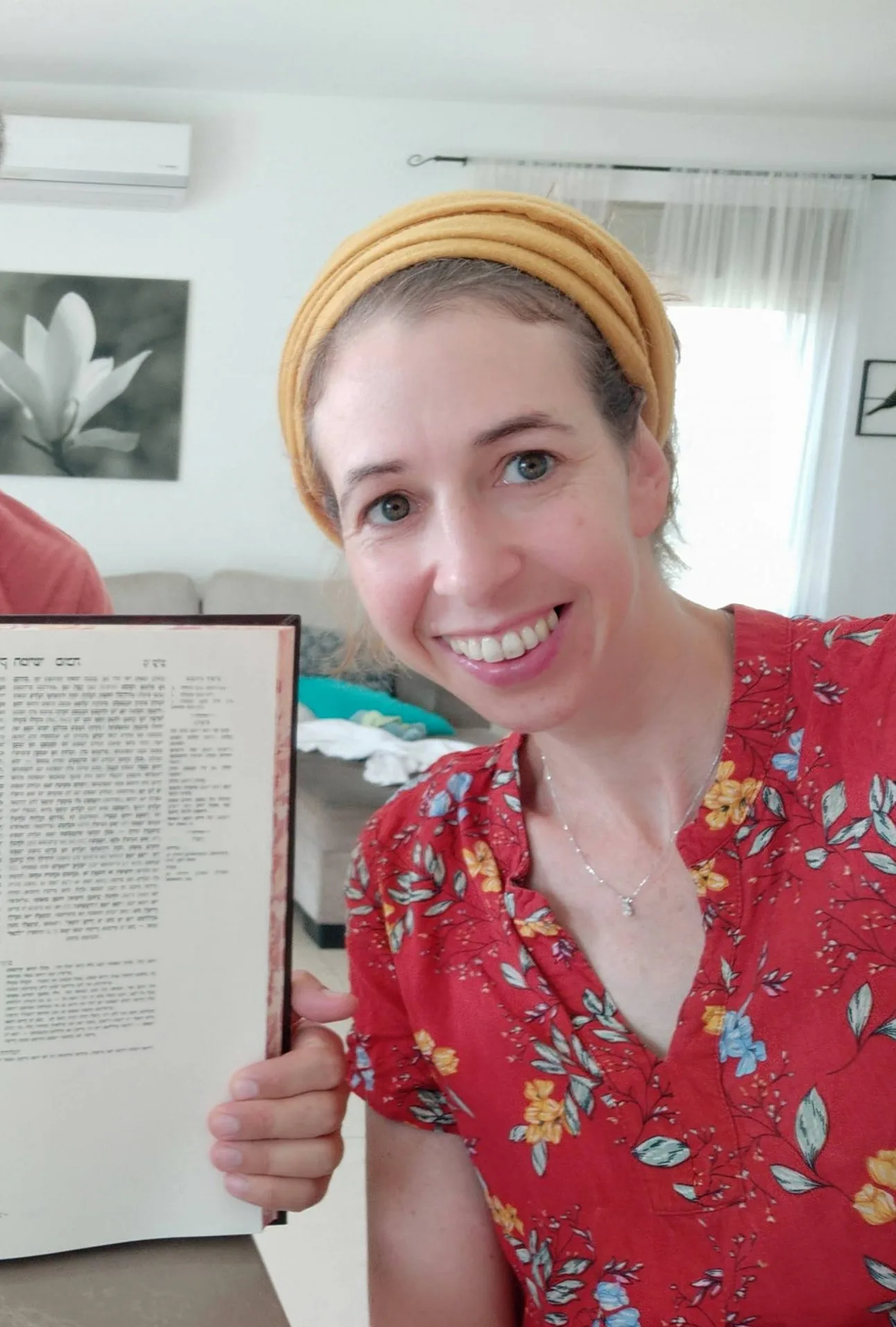
עלי זהב – לשם, ישראל
התחלתי ללמוד את הדף היומי מעט אחרי שבני הקטן נולד. בהתחלה בשמיעה ולימוד באמצעות השיעור של הרבנית שפרבר. ובהמשך העזתי וקניתי לעצמי גמרא. מאז ממשיכה יום יום ללמוד עצמאית, ולפעמים בעזרת השיעור של הרבנית, כל יום. כל סיום של מסכת מביא לאושר גדול וסיפוק. הילדים בבית נהיו חלק מהלימוד, אני משתפת בסוגיות מעניינות ונהנית לשמוע את דעתם.

מעלה מכמש, ישראל
בתחילת הסבב הנוכחי של לימוד הדף היומי, נחשפתי לחגיגות המרגשות באירועי הסיום ברחבי העולם. והבטחתי לעצמי שבקרוב אצטרף גם למעגל הלומדות. הסבב התחיל כאשר הייתי בתחילת דרכי בתוכנית קרן אריאל להכשרת יועצות הלכה של נשמ”ת. לא הצלחתי להוסיף את ההתחייבות לדף היומי על הלימוד האינטנסיבי של תוכנית היועצות. בבוקר למחרת המבחן הסופי בנשמ”ת, התחלתי את לימוד הדף במסכת סוכה ומאז לא הפסקתי.

קרית גת, ישראל
רבנית מישל הציתה אש התלמוד בלבבות בביניני האומה ואני נדלקתי. היא פתחה פתח ותמכה במתחילות כמוני ואפשרה לנו להתקדם בצעדים נכונים וטובים. הקימה מערך שלם שמסובב את הלומדות בסביבה תומכת וכך נכנסתי למסלול לימוד מעשיר שאין כמוה. הדרן יצר קהילה גדולה וחזקה שמאפשרת התקדמות מכל נקודת מוצא. יש דיבוק לומדות שמחזק את ההתמדה של כולנו. כל פניה ושאלה נענית בזריזות ויסודיות. תודה גם למגי על כל העזרה.

נתניה, ישראל
בסוף הסבב הקודם ראיתי את השמחה הגדולה שבסיום הלימוד, בעלי סיים כבר בפעם השלישית וכמובן הסיום הנשי בבנייני האומה וחשבתי שאולי זו הזדמנות עבורי למשהו חדש.
למרות שאני שונה בסביבה שלי, מי ששומע על הלימוד שלי מפרגן מאוד.
אני מנסה ללמוד קצת בכל יום, גם אם לא את כל הדף ובסך הכל אני בדרך כלל עומדת בקצב.
הלימוד מעניק המון משמעות ליום יום ועושה סדר בלמוד תורה, שתמיד היה (ועדיין) שאיפה. אבל אין כמו קביעות

טל מנשה, ישראל
אמא שלי למדה איתי ש”ס משנה, והתחילה ללמוד דף יומי. אני החלטתי שאני רוצה ללמוד גם. בהתחלה למדתי איתה, אח”כ הצטרפתי ללימוד דף יומי שהרב דני וינט מעביר לנוער בנים בעתניאל. במסכת עירובין עוד חברה הצטרפה אלי וכשהתחלנו פסחים הרב דני פתח לנו שעור דף יומי לבנות. מאז אנחנו לומדות איתו קבוע כל יום את הדף היומי (ובשבת אבא שלי מחליף אותו). אני נהנית מהלימוד, הוא מאתגר ומעניין

עתניאל, ישראל
התחלתי כשהייתי בחופש, עם הפרסומים על תחילת המחזור, הסביבה קיבלה את זה כמשהו מתמיד ומשמעותי ובהערכה, הלימוד זה עוגן יציב ביום יום, יש שבועות יותר ויש שפחות אבל זה משהו שנמצא שם אמין ובעל משמעות בחיים שלי….
גמזו, ישראל
התחלתי ללמוד דף יומי אחרי שחזרתי בתשובה ולמדתי במדרשה במגדל עוז. הלימוד טוב ומספק חומר למחשבה על נושאים הלכתיים ”קטנים” ועד לערכים גדולים ביהדות. חשוב לי להכיר את הגמרא לעומק. והצעד הקטן היום הוא ללמוד אותה בבקיאות, בעזרת השם, ומי יודע אולי גם אגיע לעיון בנושאים מעניינים. נושאים בגמרא מתחברים לחגים, לתפילה, ליחסים שבין אדם לחברו ולמקום ולשאר הדברים שמלווים באורח חיים דתי 🙂

מצפה יריחו, ישראל
לצערי גדלתי בדור שבו לימוד גמרא לנשים לא היה דבר שבשגרה ושנים שאני חולמת להשלים את הפער הזה.. עד שלפני מספר שבועות, כמעט במקרה, נתקלתי במודעת פרסומת הקוראת להצטרף ללימוד מסכת תענית. כשקראתי את המודעה הרגשתי שהיא כאילו נכתבה עבורי – "תמיד חלמת ללמוד גמרא ולא ידעת איך להתחיל”, "בואי להתנסות במסכת קצרה וקלה” (רק היה חסר שהמודעה תיפתח במילים "מיכי שלום”..). קפצתי למים ו- ב”ה אני בדרך להגשמת החלום:)
מורשת, ישראל
התחלתי ללמוד את הדף היומי מעט אחרי שבני הקטן נולד. בהתחלה בשמיעה ולימוד באמצעות השיעור של הרבנית שפרבר. ובהמשך העזתי וקניתי לעצמי גמרא. מאז ממשיכה יום יום ללמוד עצמאית, ולפעמים בעזרת השיעור של הרבנית, כל יום. כל סיום של מסכת מביא לאושר גדול וסיפוק. הילדים בבית נהיו חלק מהלימוד, אני משתפת בסוגיות מעניינות ונהנית לשמוע את דעתם.
מעלה מכמש, ישראל
התחלתי ללמוד בעידוד שתי חברות אתן למדתי בעבר את הפרק היומי במסגרת 929.
בבית מתלהבים מאוד ובשבת אני לומדת את הדף עם בעלי שזה מפתיע ומשמח מאוד! לימוד הדף הוא חלק בלתי נפרד מהיום שלי. לומדת בצהריים ומחכה לזמן הזה מידי יום…
אפרת, ישראל
התחלתי בתחילת הסבב, והתמכרתי. זה נותן משמעות נוספת ליומיום ומאוד מחזק לתת לזה מקום בתוך כל שגרת הבית-עבודה השוטפת.

בית שמש, ישראל
התחלתי ללמוד דף לפני קצת יותר מ-5 שנים, כשלמדתי רבנות בישיבת מהר”ת בניו יורק. בדיעבד, עד אז, הייתי בלימוד הגמרא שלי כמו מישהו שאוסף חרוזים משרשרת שהתפזרה, פה משהו ושם משהו, ומאז נפתח עולם ומלואו…. הדף נותן לי לימוד בצורה מאורגנת, שיטתית, יום-יומית, ומלמד אותי לא רק ידע אלא את השפה ודרך החשיבה שלנו. לשמחתי, יש לי סביבה תומכת וההרגשה שלי היא כמו בציטוט שבחרתי: הדף משפיע לטובה על כל היום שלי.

חיפה, ישראל
בבא קמא עב
דְּלָא אֲכַלִי בִּשְׂרָא דְתוֹרָא.
is because I had not eaten ox meat. In other words, I was fasting yesterday and was unable to concentrate properly.
וְאֶלָּא מַאי שְׁנָא רֵישָׁא וּמַאי שְׁנָא סֵיפָא?
Rava responded to him: But if the Torah requires even a partial payment of the fourfold or fivefold payment, what is different in the first clause, in which the son must pay, and what is different in the latter clause, where he is exempt?
אֲמַר לֵיהּ: רֵישָׁא קָרֵינָא בֵּיהּ ״וּטְבָחוֹ״ כּוּלּוֹ בְּאִיסּוּרָא, סֵיפָא לָא קָרֵינָא בַּיהּ ״וּטְבָחוֹ״ כּוּלּוֹ בְּאִיסּוּרָא.
Rav Naḥman said to him: In the first clause, where the father’s animal was stolen and slaughtered in his lifetime, I read about this case the verse: “If a man steal an ox or a sheep, and slaughter it” (Exodus 21:37), which indicates that the thief slaughtered the ox or the sheep entirely in a prohibited manner. In the latter clause, where the animal was slaughtered after the father’s death, I do not read about this case the verse: “And slaughter it,” which describes a slaughter that was performed entirely in a prohibited manner, because the animal already partially belonged to him, and his own portion of the ox was slaughtered in a permitted manner.
הַשּׁוֹחֵט וְנִמְצֵאת טְרֵיפָה וְכוּ׳. אֲמַר לֵיהּ רַב חֲבִיבִי מָחוֹזְנָאָה לְרַב אָשֵׁי: שְׁמַע מִינַּהּ, אֵינָהּ לִשְׁחִיטָה אֶלָּא לְבַסּוֹף.
§ The mishna teaches: A thief who slaughters the animal but it was found to be a tereifa, and likewise a thief who slaughters a non-sacred animal in the Temple courtyard, pays the fourfold or fivefold payment. Rav Ḥavivi of Meḥoza said to Rav Ashi: Conclude from the mishna that the act of slaughtering is considered to have been performed only at the end of the slaughtering process.
דְּאִי יֶשְׁנָהּ לִשְׁחִיטָה מִתְּחִילָּה וְעַד סוֹף, כֵּיוָן דִּשְׁחַט בַּהּ פּוּרְתָּא – אַסְרַהּ, אִידַּךְ – לָא דְּמָרַיהּ קָא טָבַח!
Rav Ḥavivi of Meḥoza explains: As, if you say that the act of slaughtering lasts from beginning to end, i.e., the halakhic ramifications of slaughtering are in effect throughout the process, one could raise a question with regard to the case of one who slaughters a non-sacred animal in the Temple courtyard: Once he slaughtered the animal a bit, at the very start of the act of slaughter, he has prohibited the animal, with regard to deriving benefit, as a non-sacred animal slaughtered in the Temple courtyard. When he slaughters the other part, it is already prohibited with regard to deriving benefit, which means that it is not an animal that belongs to its owner that he slaughters. Since deriving benefit from the animal is prohibited, it has no value; therefore, there is no ownership.
אֲמַר לֵיהּ רַב הוּנָא בְּרֵיהּ דְּרָבָא: כִּי קָא מִחַיַּיב – אַהָהוּא פּוּרְתָּא. אֲמַר לֵיהּ רַב אָשֵׁי: לָא תִּידְחֲיַ[יהּ], ״וּטְבָחוֹ״ כּוּלּוֹ בָּעֵינַן – וְלֵיכָּא.
Rav Huna, son of Rava, said to Rav Ḥavivi in response: It is possible to explain the mishna even if one maintains that the halakhic ramifications of slaughtering are in effect throughout the slaughter. As, when does the thief become obligated to pay the fourfold or fivefold payment? It is when he performs that first bit of slaughter in the beginning, before the animal becomes forbidden. Rav Ashi said to Rav Huna: Do not dismiss Rav Ḥavivi’s objection with this explanation. The verse: “If a man steal an ox or a sheep, and slaughter it” (Exodus 21:37), indicates that to impose liability to pay the fourfold or fivefold payment we require that the thief slaughtered it completely, and after having slaughtered it just a bit there is no complete slaughter yet.
אֶלָּא קַשְׁיָא! אֲמַר לֵיהּ, הָכִי אָמַר רַב גַּמָּדָא מִשְּׁמֵיהּ דְּרָבָא: כְּגוֹן שֶׁשָּׁחַט מִקְצָת סִימָנִין בַּחוּץ, וּגְמָרָן בִּפְנִים.
Rav Huna said to Rav Ashi: But if you are correct, the mishna is difficult according to the one who maintains that the halakhic ramifications of slaughtering are in effect throughout the slaughter. Rav Ashi said to Rav Huna: This is what Rav Gamda said in the name of Rava, concerning this question: The mishna is discussing a case where the thief slaughtered, i.e., severed, part of the two organs that must be severed in ritual slaughter, i.e., the trachea and the esophagus [simanin], outside the Temple, and finished slaughtering them inside the Temple. Therefore, the animal became prohibited with regard to deriving benefit only at the final stage of slaughter, concomitant with the liability to pay the fourfold or fivefold payment.
אִיכָּא דְּמַתְנֵי לַהּ אַהָא – אָמַר רַבִּי שִׁמְעוֹן מִשּׁוּם דְּרַבִּי לֵוִי סָבָא: אֵינָהּ לִשְׁחִיטָה אֶלָּא לְבַסּוֹף. וְרַבִּי יוֹחָנָן אָמַר: יֶשְׁנָהּ לִשְׁחִיטָה מִתְּחִילָּה וְעַד סוֹף. אֲמַר לֵיהּ רַב חֲבִיבִי מָחוֹזְנָאָה לְרַב אָשֵׁי, לֵימָא קָסָבַר רַבִּי יוֹחָנָן: חוּלִּין שֶׁנִּשְׁחֲטוּ בַּעֲזָרָה – לָאו דְּאוֹרָיְיתָא?
There are those who teach that the preceding exchange took place with regard to the following dispute: Rabbi Shimon ben Lakish says in the name of Rabbi Levi the Elder: The act of slaughtering is considered to have been performed only at the end of the slaughtering process. And Rabbi Yoḥanan says: The act of slaughtering lasts from beginning to end. Rav Ḥavivi of Meḥoza said to Rav Ashi: Shall we say that Rabbi Yoḥanan holds that the prohibition against deriving benefit from non-sacred animals that were slaughtered in the Temple courtyard is not by Torah law?
דְּאִי סָלְקָא דַעְתָּךְ דְּאוֹרָיְיתָא, מִכִּי שָׁחֵיט לַהּ פּוּרְתָּא – אַסְרַהּ, אִידַּךְ – לָאו דְּמָרַהּ קָא טָבַח!
As, if it enters your mind that it is prohibited by Torah law the mishna here would be difficult, for as soon as he slaughtered the animal a bit, at the very start of the act of slaughter, he has prohibited the animal, with regard to deriving benefit, as a non-sacred animal slaughtered in the Temple courtyard. When he slaughters the other part it is already prohibited with regard to deriving benefit, which means that it is not an animal that belongs to its owner that he slaughters.
אֲמַר לֵיהּ רַב אַחָא בְּרֵיהּ דְּרָבָא: כִּי קָא מִחַיַּיב נָמֵי – אַהָהוּא פּוּרְתָּא. אֲמַר לֵיהּ רַב אָשֵׁי: לָא תִּידְחֲיַהּ, ״וּטְבָחוֹ״ כּוּלּוֹ בָּעֵינַן – וְלֵיכָּא.
Rav Aḥa, son of Rava, said to Rav Ḥavivi: It is possible to explain the mishna even according to the opinion that the halakhic ramifications of slaughtering are in effect throughout the slaughter, and even if one maintains that it is prohibited by Torah law to benefit from a non-sacred animal slaughtered in the Temple. As, when does the thief become obligated to pay the fourfold or fivefold payment as well? It is when he performs that first bit of slaughter in the beginning, before the animal becomes forbidden. Rav Ashi said to Rav Huna: Do not dismiss Rav Ḥavivi’s suggestion with this explanation. The verse: “If a man steal an ox or a sheep, and slaughter it” (Exodus 21:37), indicates that in order to impose liability to pay the fourfold or fivefold payment we require that the thief slaughtered it completely, and after having slaughtered it just a bit there is no complete slaughter yet.
אֶלָּא קַשְׁיָא! אֲמַר לֵיהּ, הָכִי אָמַר רַב גַּמָּדָא מִשְּׁמֵיהּ דְּרָבָא: כִּי קָא מְחַיֵּיב – כְּגוֹן שֶׁשָּׁחַט מִקְצָת סִימָנִין בַּחוּץ, וּגְמָרָן בִּפְנִים.
Rav Huna said to Rav Ashi: But if you are correct, the mishna is difficult. Rav Ashi said to Rav Huna: This is what Rav Gamda said in the name of Rava: When does the mishna state that the thief is obligated to pay the fourfold or fivefold payment? It is in a case where the thief slaughtered part of the simanim outside the Temple, and finished slaughtering them inside the Temple. Therefore, the animal became prohibited with regard to deriving benefit only at the final stage of slaughter, concomitant with the liability to pay the fourfold or fivefold payment.
מַתְנִי׳ גָּנַב עַל פִּי שְׁנַיִם, וְטָבַח וּמָכַר עַל פִּיהֶן, וְנִמְצְאוּ זוֹמְמִים – מְשַׁלְּמִין הַכֹּל.
MISHNA: If one stole an ox or a sheep, as established based on the testimony of two witnesses, and he subsequently slaughtered the animal or sold it, also based on the testimony of the same witnesses, and these witnesses were found to be conspiring witnesses, these witnesses pay everything, i.e., not only the principal amount but also the fourfold or fivefold payment. This is in accordance with the Torah’s decree with regard to conspiring witnesses: “You shall do to him as he had conspired to do to his brother” (Deuteronomy 19:19). Since these witnesses attempted to obligate the alleged thief to pay the fourfold or fivefold payment, they themselves must pay that full amount.
גָּנַב עַל פִּי שְׁנַיִם, וְטָבַח וּמָכַר עַל פִּי שְׁנַיִם אֲחֵרִים, אֵלּוּ וָאֵלּוּ נִמְצְאוּ זוֹמְמִין – הָרִאשׁוֹנִים מְשַׁלְּמִין תַּשְׁלוּמֵי כֶפֶל, וְאַחֲרוֹנִים מְשַׁלְּמִין תַּשְׁלוּמֵי שְׁלֹשָׁה.
With regard to one who stole an ox or a sheep, as established based on the testimony of two witnesses, and he subsequently slaughtered the animal or sold it, based on the testimony of two other witnesses, if both these witnesses and those witnesses were found to be conspiring witnesses, the first set of witnesses, who testified about the theft of the animal, pay the alleged thief the double payment, which is what they had conspired to cause him to pay. And the last set of witnesses, who attested to the slaughter or sale of the animal, pay the alleged thief a twofold payment for a sheep or a threefold payment for an ox, which they had conspired to cause him to pay over and above the double payment.
נִמְצְאוּ אַחֲרוֹנִים זוֹמְמִין – הוּא מְשַׁלֵּם תַּשְׁלוּמֵי כֶפֶל, וְהֵן מְשַׁלְּמִין תַּשְׁלוּמֵי שְׁלֹשָׁה.
If only the witnesses in the last set were found to be conspiring witnesses, while the testimony about the theft remains intact, the thief pays the double payment to the animal’s owner and the second set of witnesses pay the alleged thief the twofold or threefold payment, the amount over and above the double payment, which is what they had conspired to cause him to pay.
אֶחָד מִן אַחֲרוֹנִים זוֹמְמִין – בָּטְלָה עֵדוּת שְׁנִיָּה. אֶחָד מִן הָרִאשׁוֹנִים זוֹמְמִין – בָּטְלָה כׇּל הָעֵדוּת; שֶׁאִם אֵין גְּנֵיבָה – אֵין טְבִיחָה וְאֵין מְכִירָה.
If only one individual from the last set of witnesses was found to be a conspiring witness, the second testimony is nullified, as it was not submitted by two valid witnesses, whereas the first testimony remains intact. If one individual from the first set of witnesses is found to be a conspiring witness, the entire testimony concerning the thief is nullified. The reason is that if there is no theft established by reliable testimony there is no liability for slaughtering the animal and there is no liability for selling it.
גְּמָ׳ אִיתְּמַר: עֵד זוֹמֵם – אַבָּיֵי אָמַר: לְמַפְרֵעַ הוּא נִפְסָל, רָבָא אָמַר: מִכָּאן וּלְהַבָּא הוּא נִפְסָל.
GEMARA: One who is rendered a conspiring witness is barred from providing testimony in the future. The Gemara cites a fundamental dispute with regard to this disqualification. It was stated concerning a conspiring witness: Abaye says: He is disqualified retroactively, from when he provided his testimony. Any testimony he may have provided after that point in time is retroactively nullified. Rava says: He is disqualified only from that point forward, i.e., from when he was established to be a conspiring witness, but not retroactively from when he provided his testimony.
אַבָּיֵי אָמַר לְמַפְרֵעַ הוּא נִפְסָל – מֵהָהוּא שַׁעְתָּא דְּאַסְהֵיד הָוֵה לֵיהּ רָשָׁע, וְהַתּוֹרָה אָמְרָה: ״אַל תָּשֶׁת רָשָׁע עֵד״.
The Gemara explains the reasons for the two opinions: Abaye says he is disqualified retroactively because it is from that time when he testified that he is considered a wicked man, and the Torah said: “Do not put your hand with the wicked to be an unrighteous witness” (Exodus 23:1), which is interpreted to mean: Do not allow a wicked man to serve as a witness.
רָבָא אָמַר מִכָּאן וּלְהַבָּא הוּא נִפְסָל – עֵד זוֹמֵם חִידּוּשׁ הוּא; דְּהָא תְּרֵי וּתְרֵי נִינְהוּ – מַאי חָזֵית דְּצָיְיתַ[תְּ] לְהָנֵי? צְיֵית לְהָנֵי!
Rava says that he is disqualified only from that point forward because the disqualification of a conspiring witness is a novelty, i.e., it is not based on logic. The reason is that this is a case of two witnesses against two other witnesses, in which case neither testimony should be accepted. What did you see that causes you to listen to the second set of witnesses, who testify that the first set were not at the scene of the purported event? You could instead listen to the first set of witnesses, who testify to the event, and disbelieve the second set. Yet the Torah teaches that the second set of witnesses is always deemed credible and the first set is subjected to punishment as conspiring witnesses.
הִלְכָּךְ אֵין לְךָ בּוֹ אֶלָּא מִשְּׁעַת חִידּוּשׁ וְאֵילָךְ.
Therefore, as the disqualification of the conspiring witnesses is an anomaly, you have the right to disqualify them only from the time of the novelty and onward, i.e., this counterintuitive disqualification is not applied retroactively.
אִיכָּא דְאָמְרִי: רָבָא נָמֵי כְּאַבַּיֵּי סְבִירָא לֵיהּ, דְּאָמַר לְמַפְרֵעַ הוּא נִפְסָל; וְהָכָא הַיְינוּ טַעְמֵיהּ דְּרָבָא –
There are those who say that Rava also holds like Abaye, who says that by rights a conspiring witness should be disqualified retroactively from when he provided his testimony, and here this is Rava’s reason for not disqualifying him retroactively:

